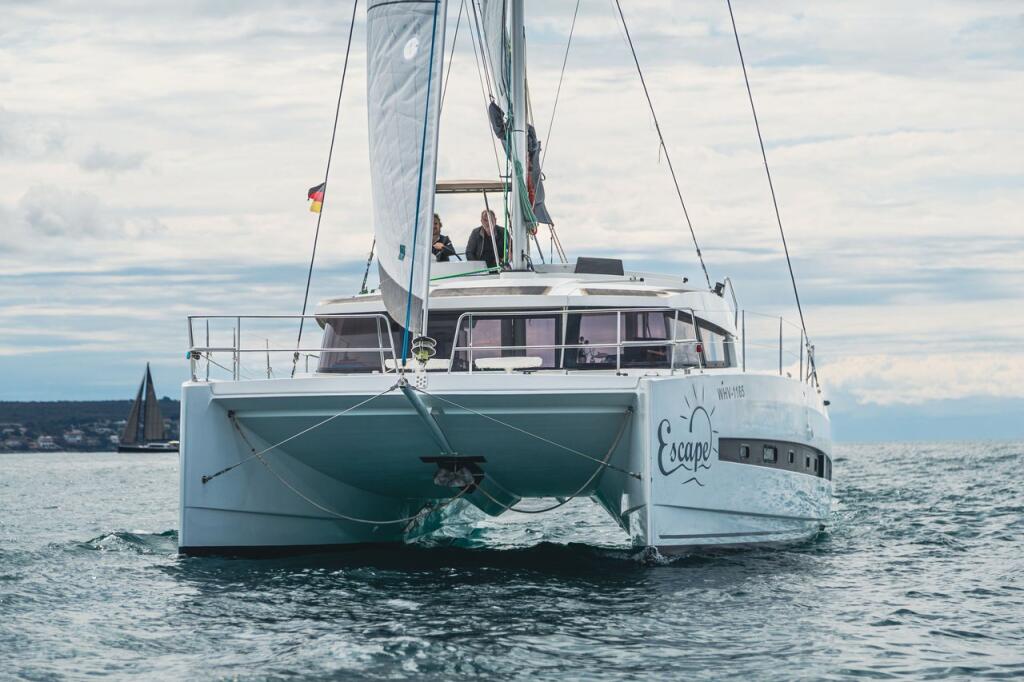
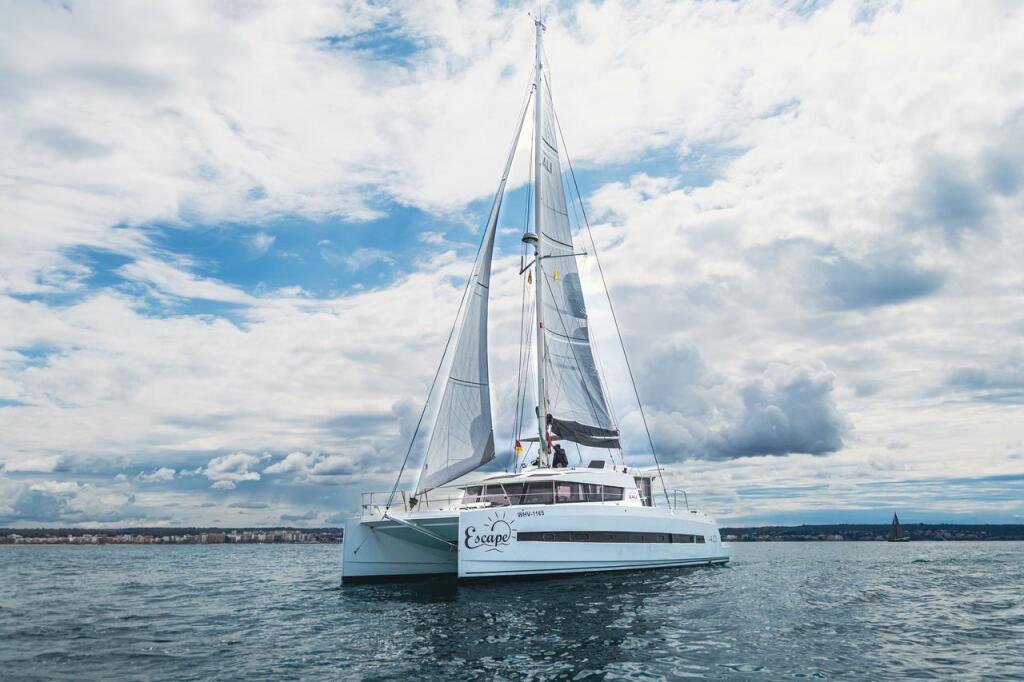
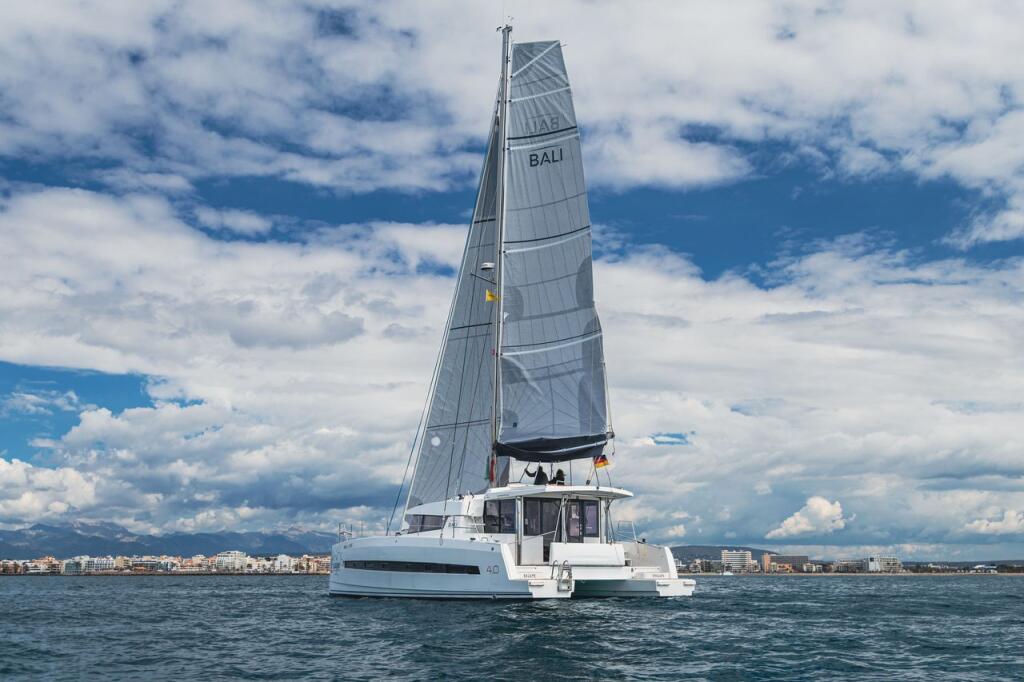
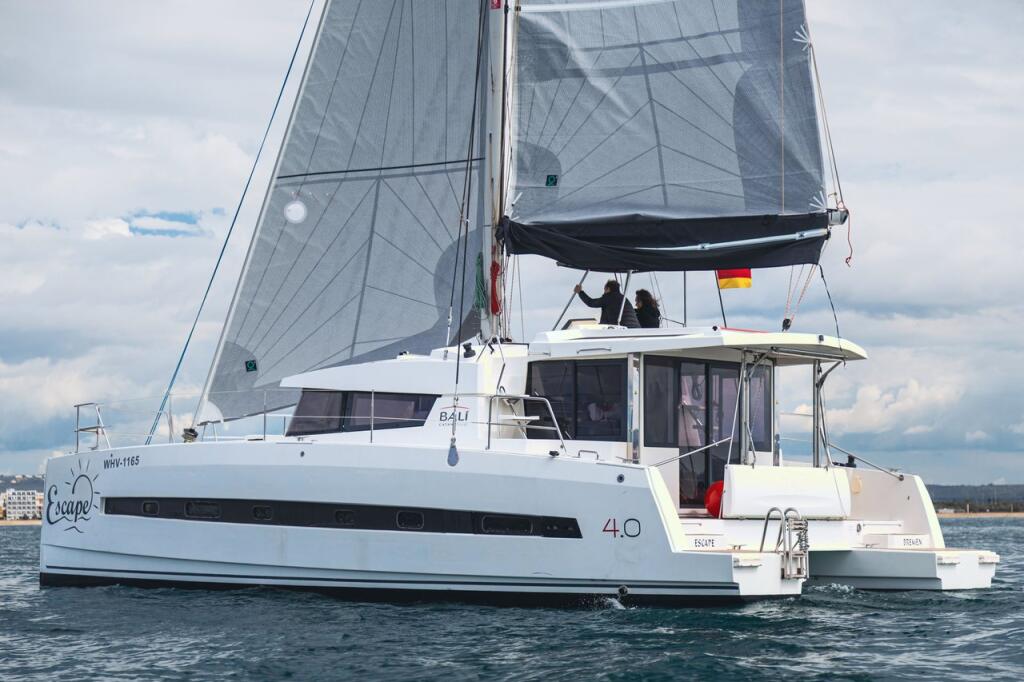
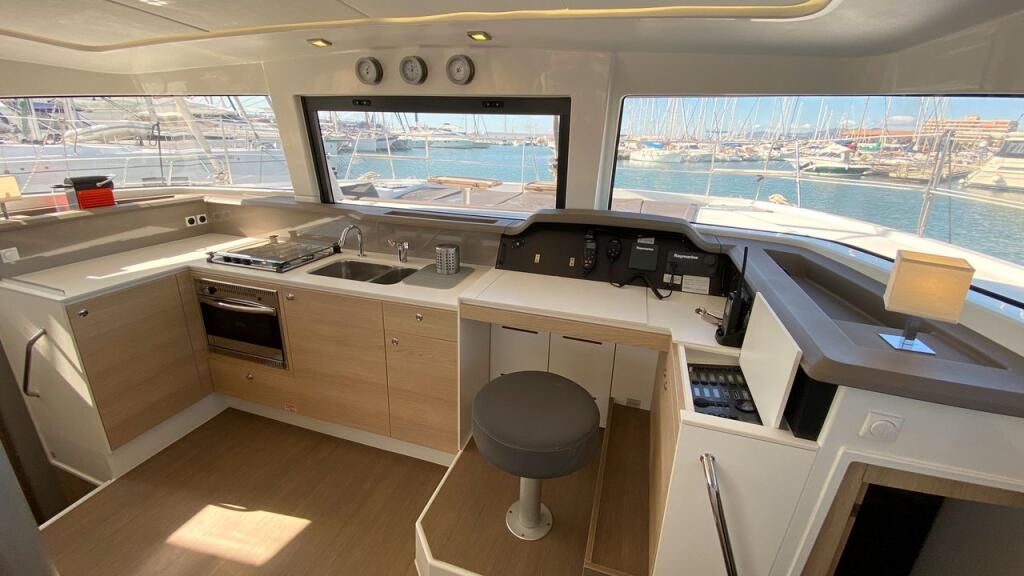
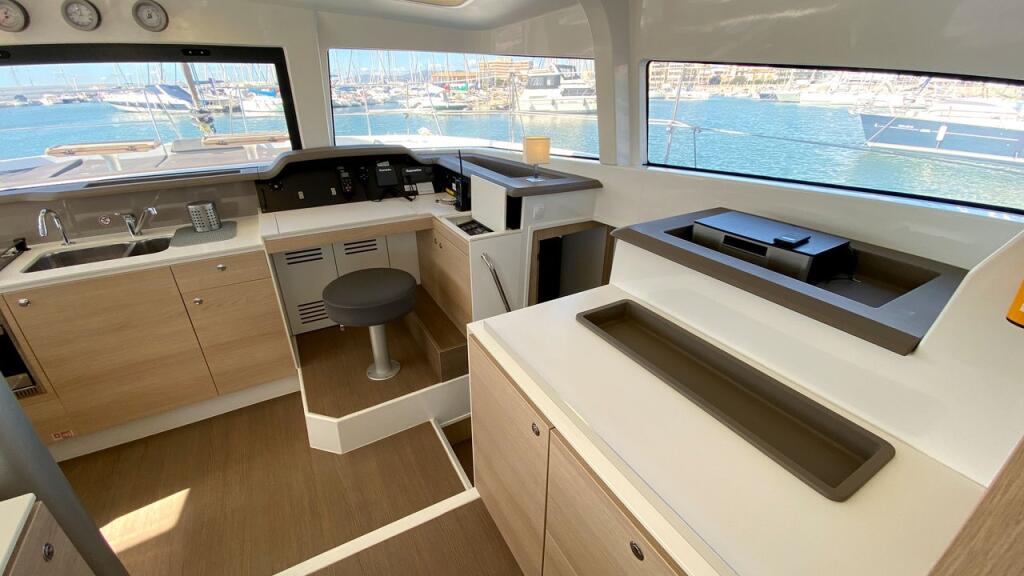
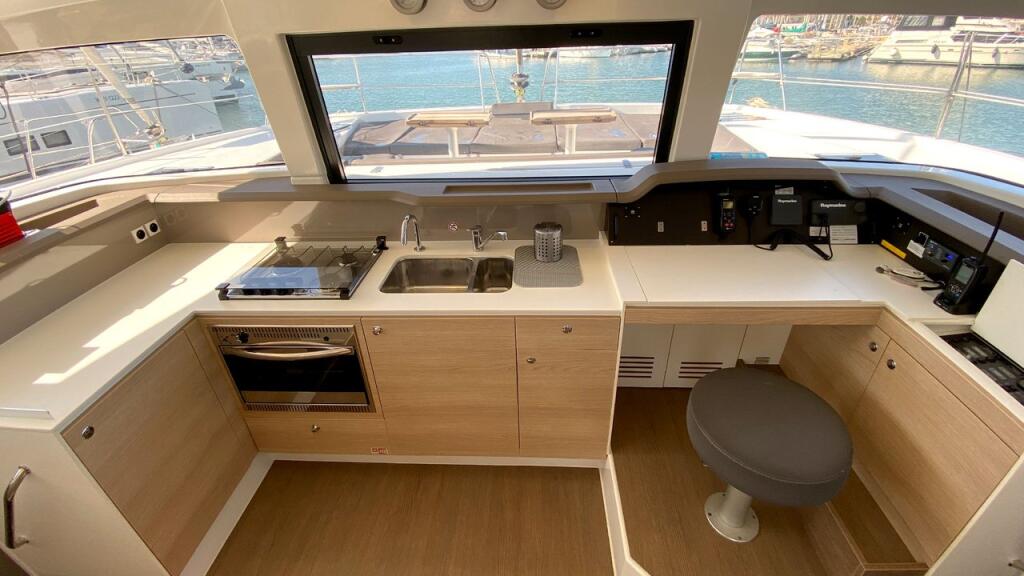
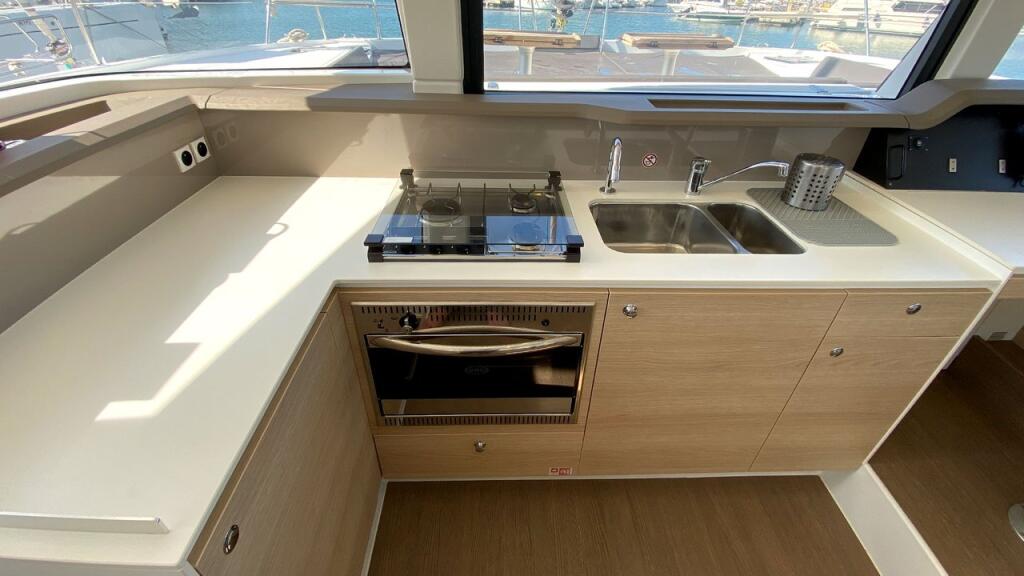
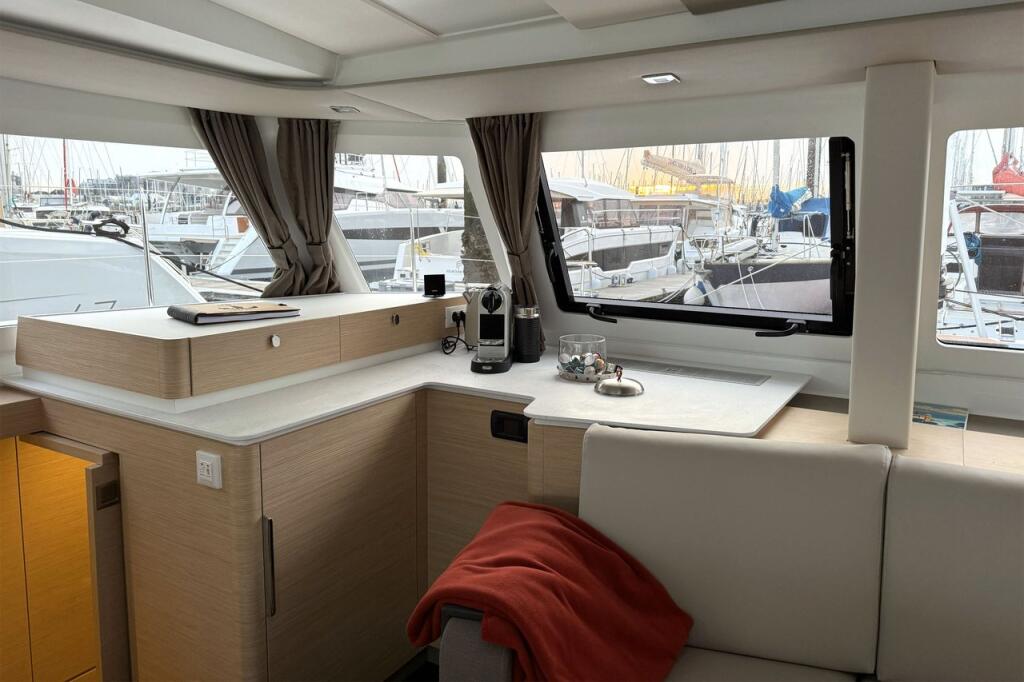
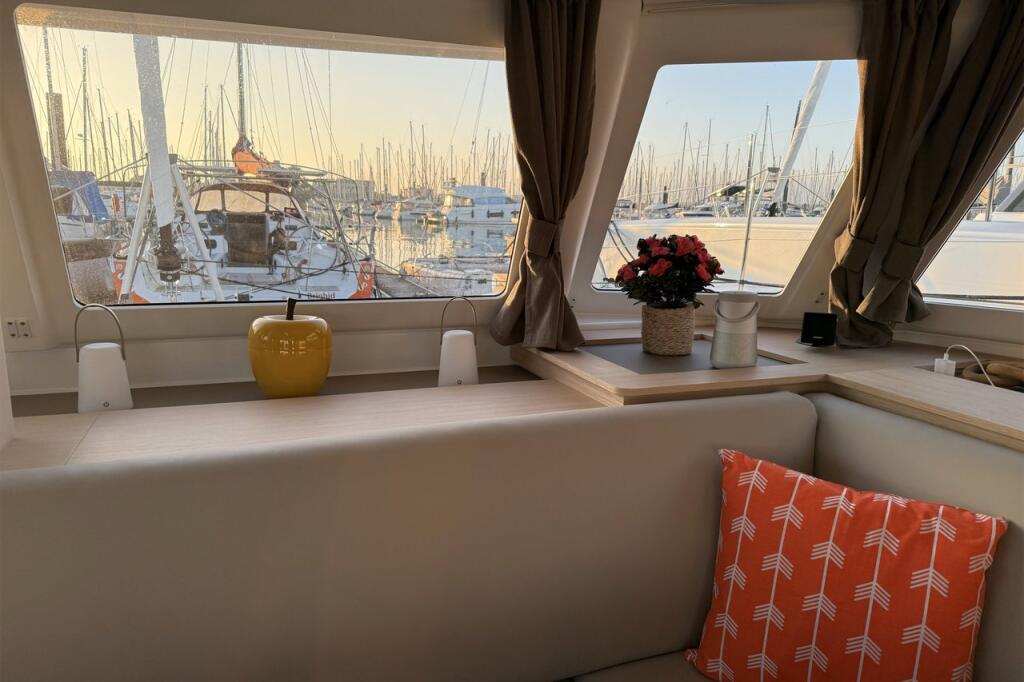
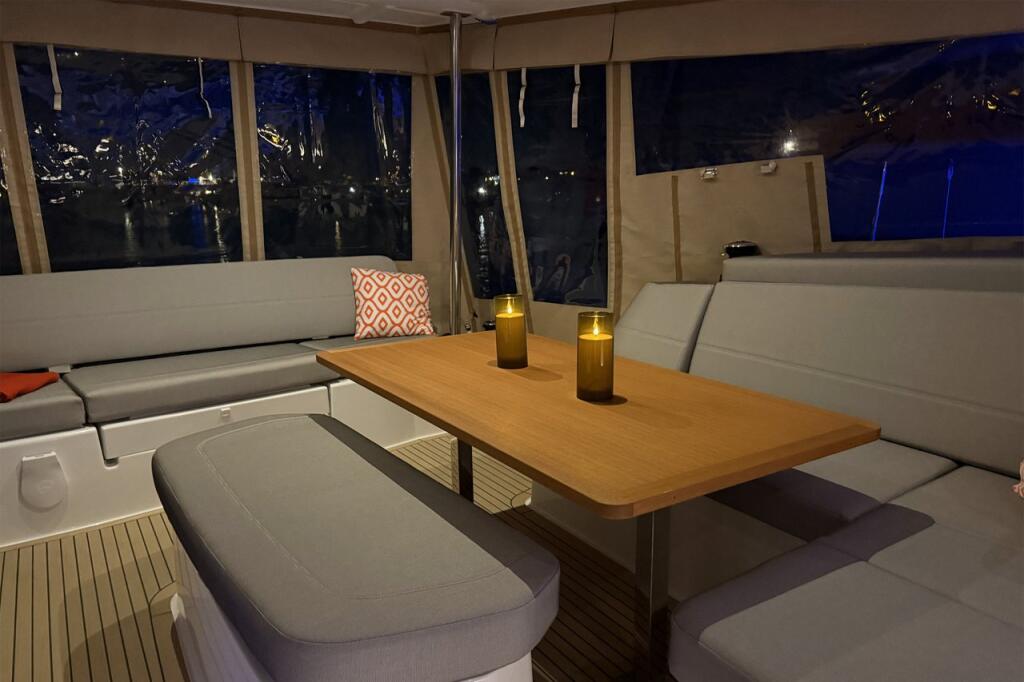
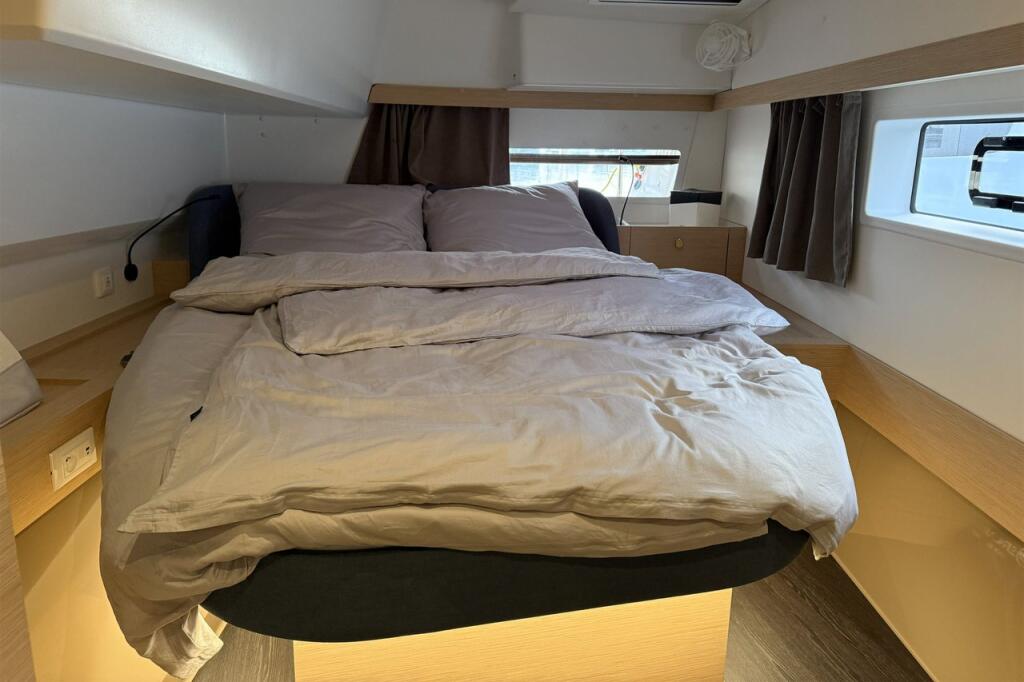
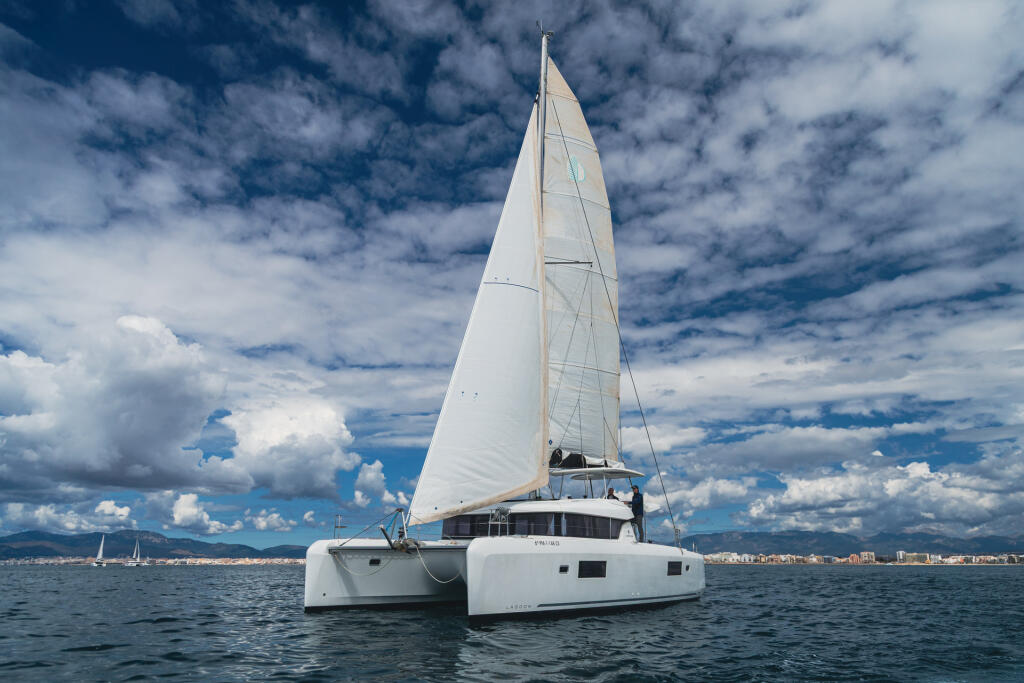
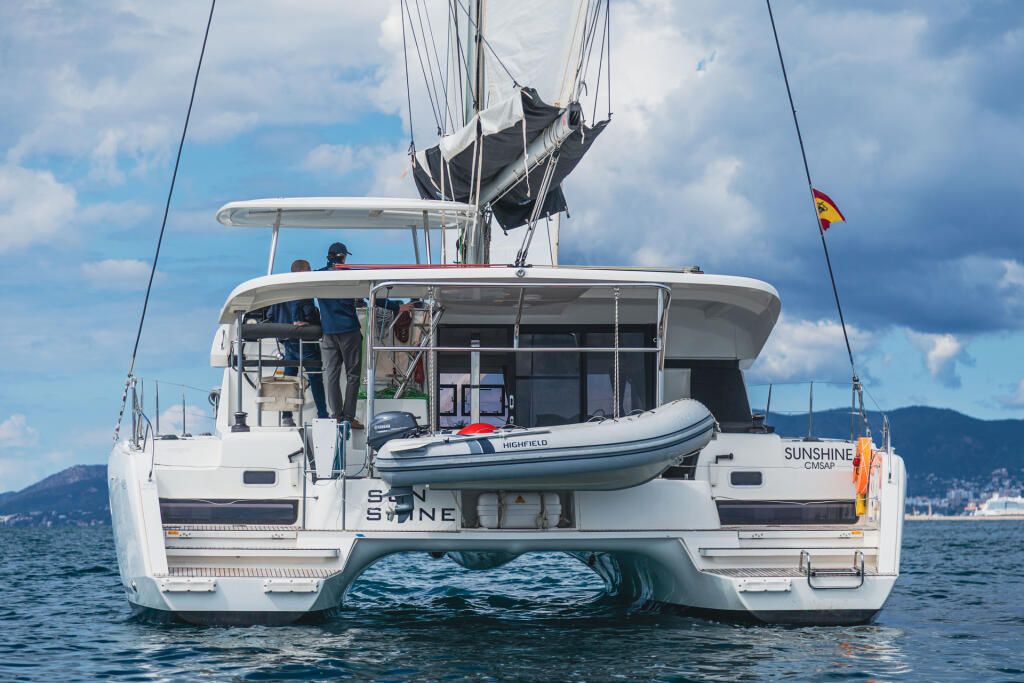
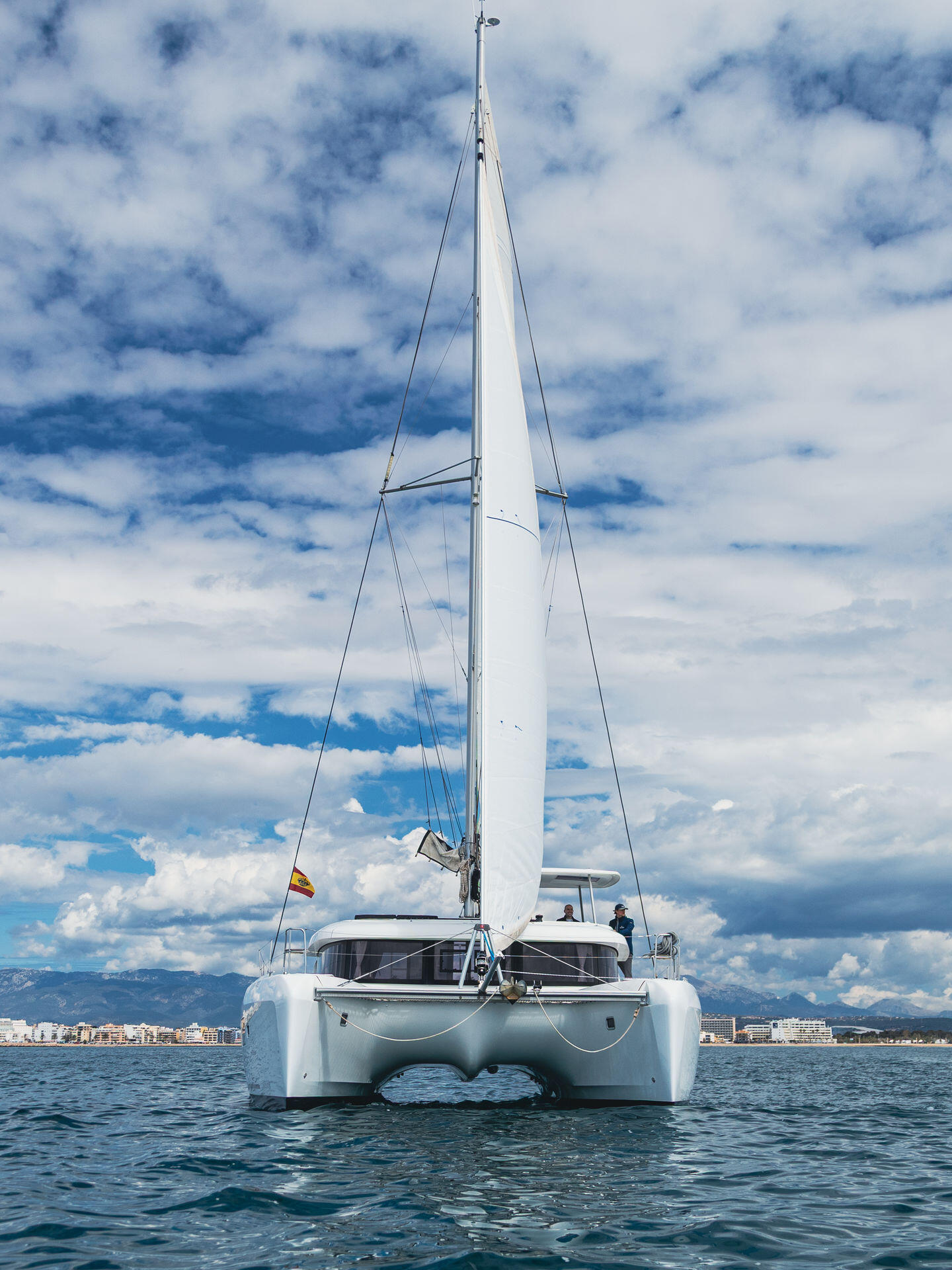
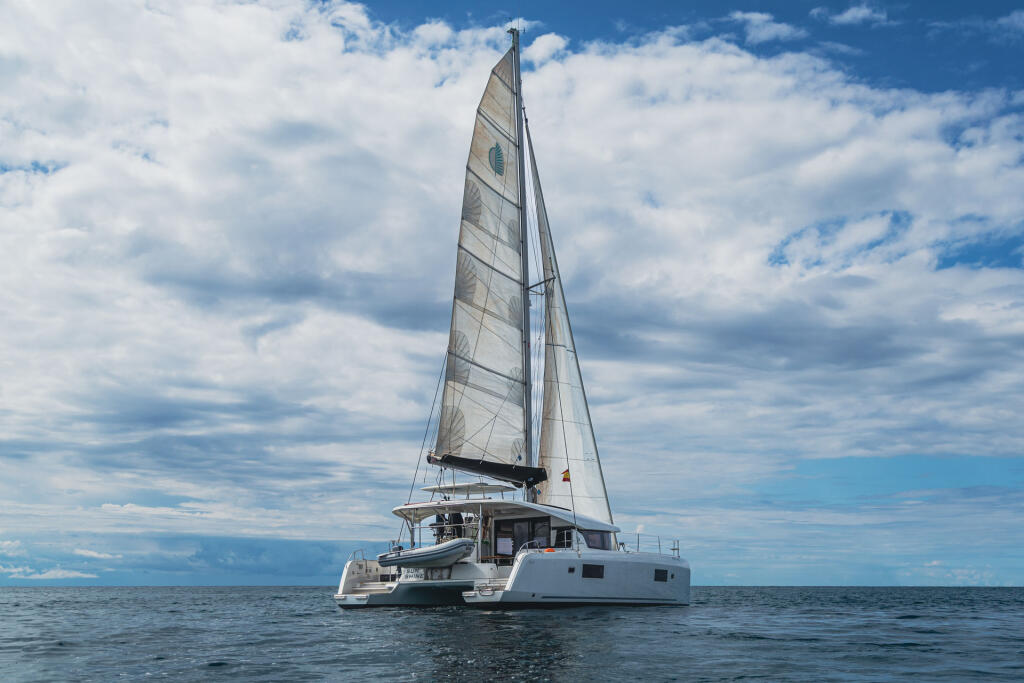
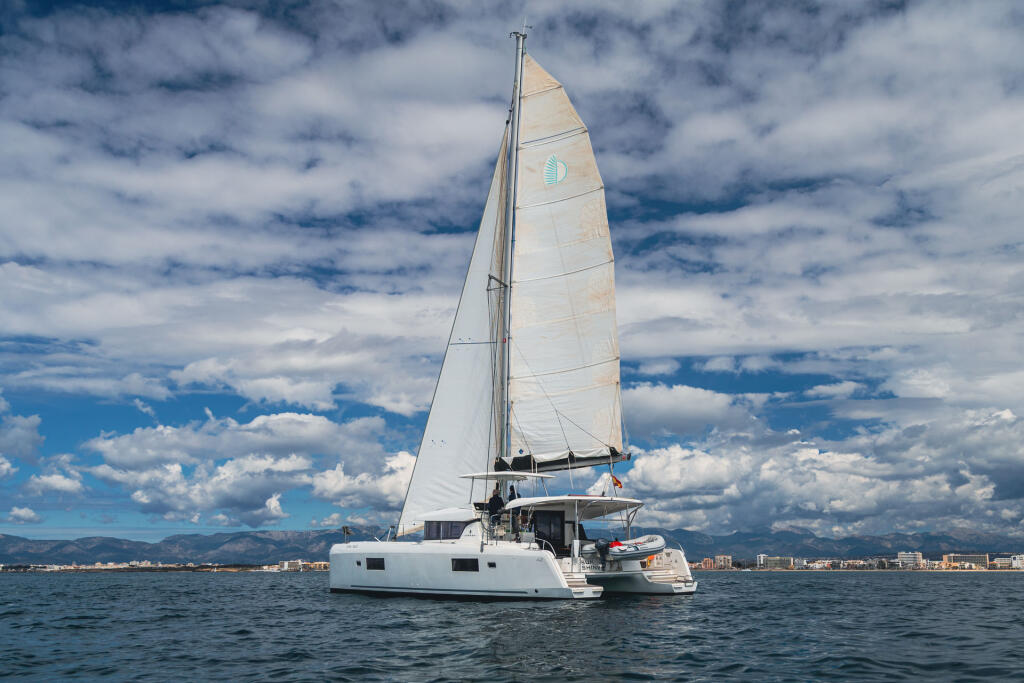
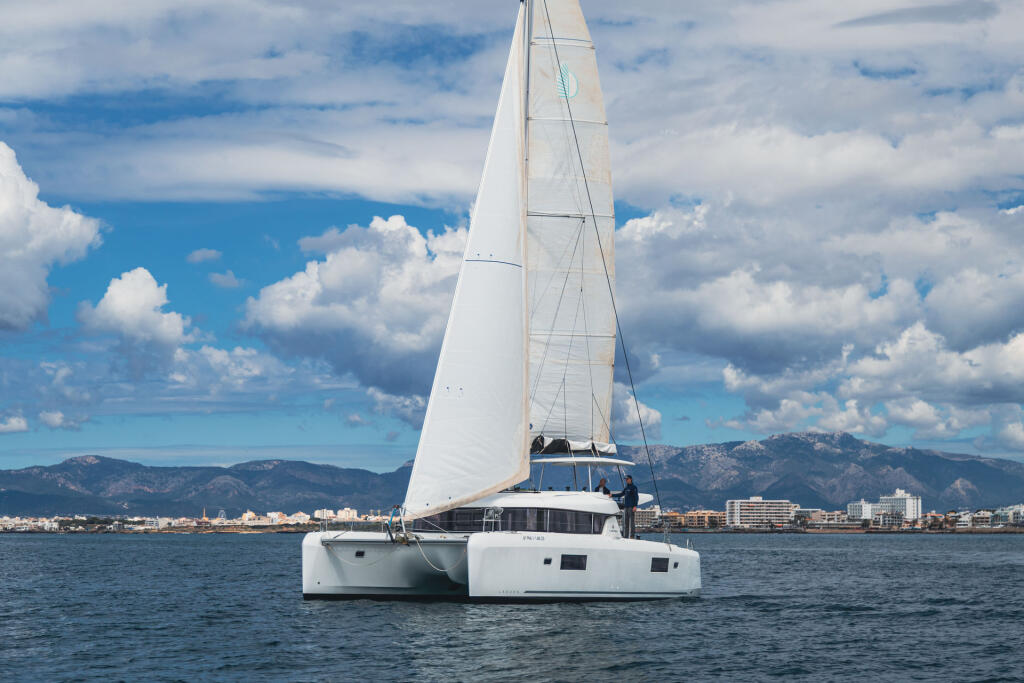
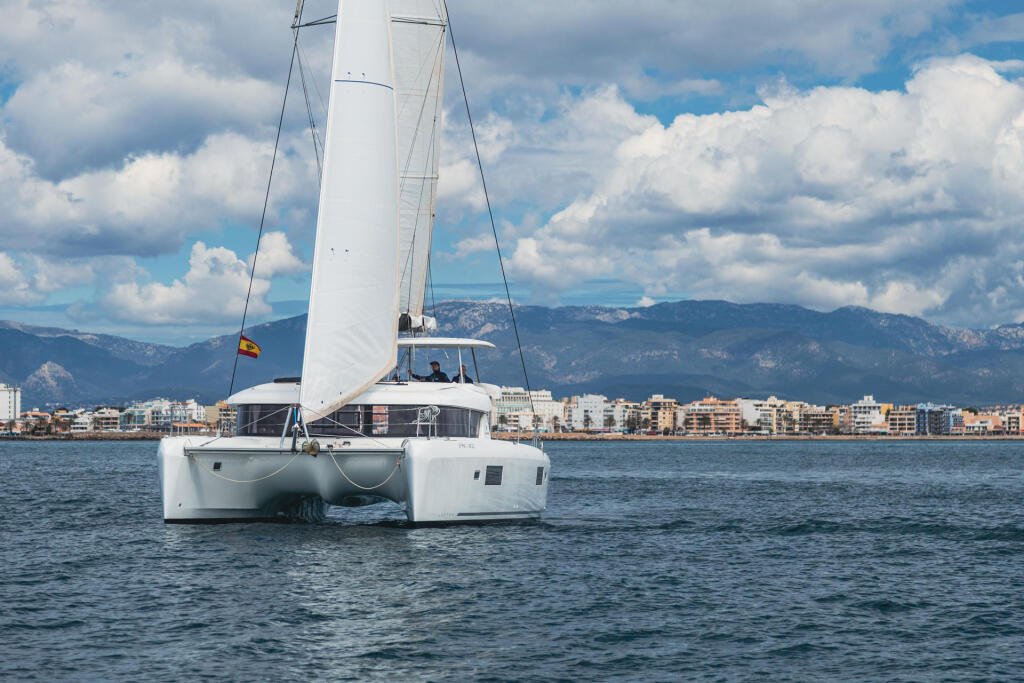
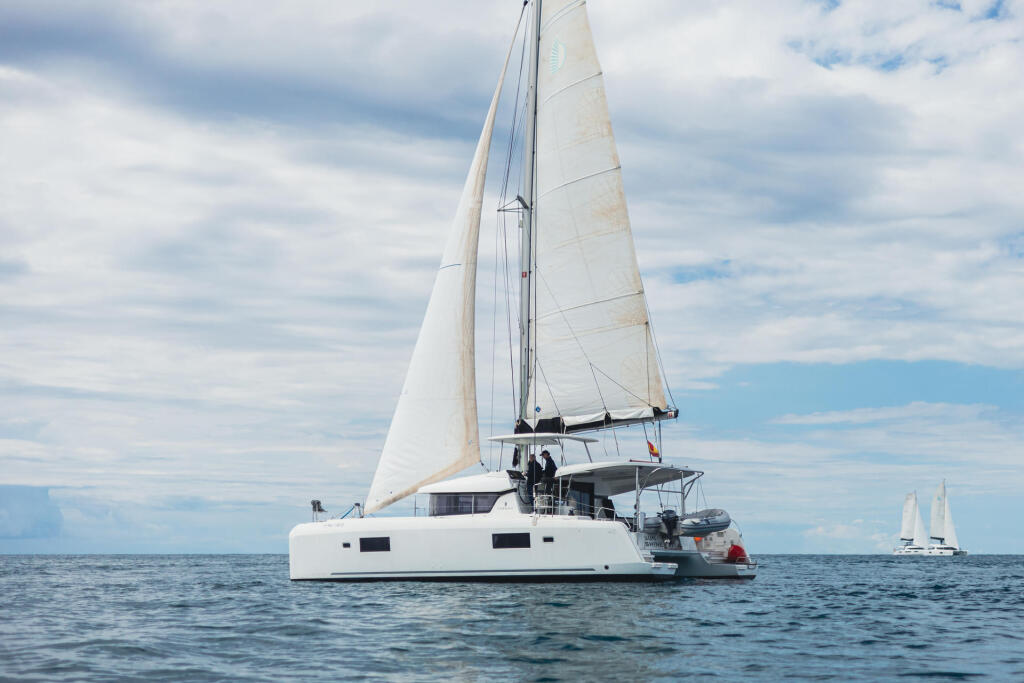
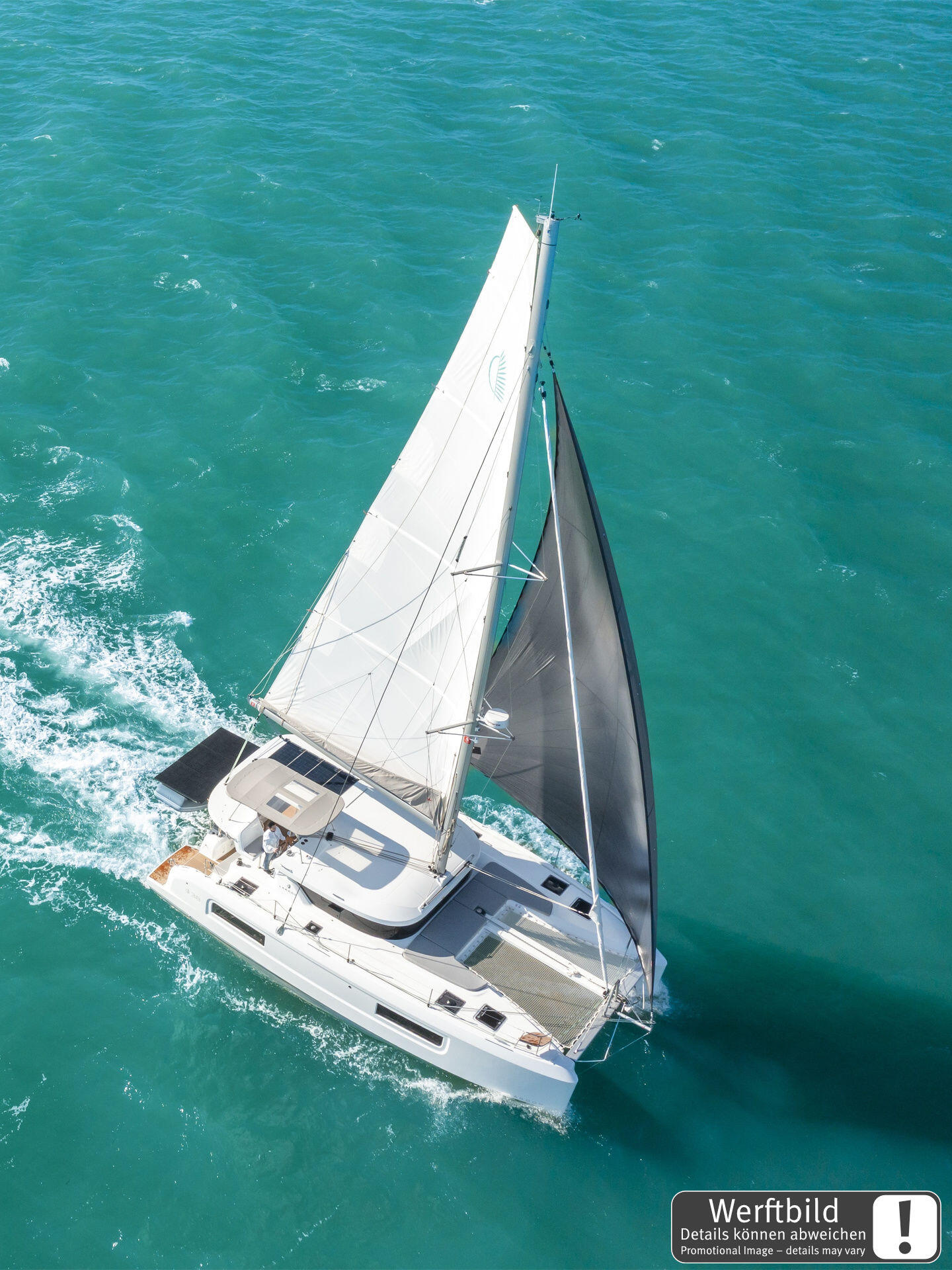
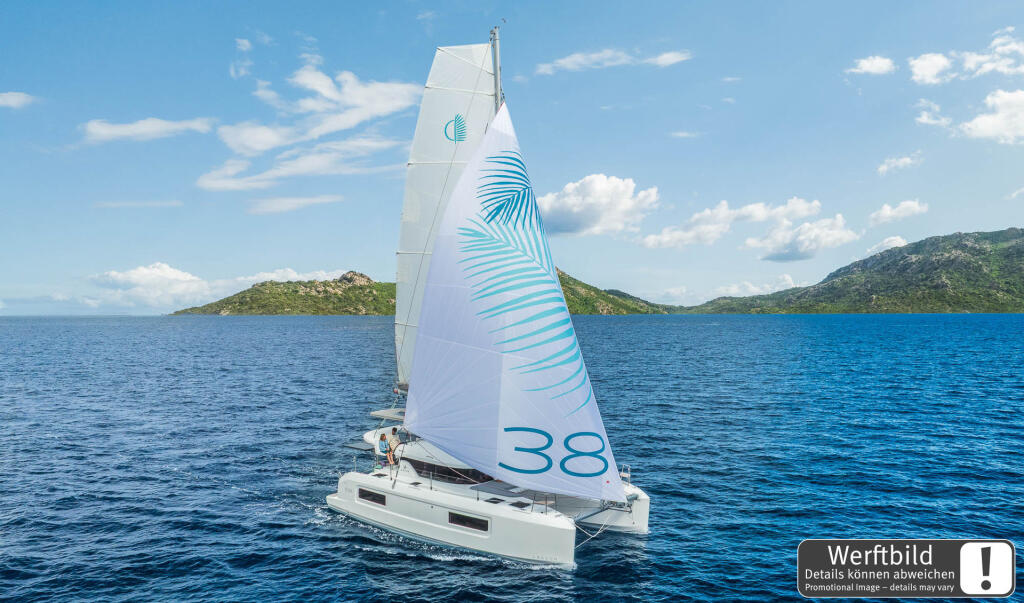
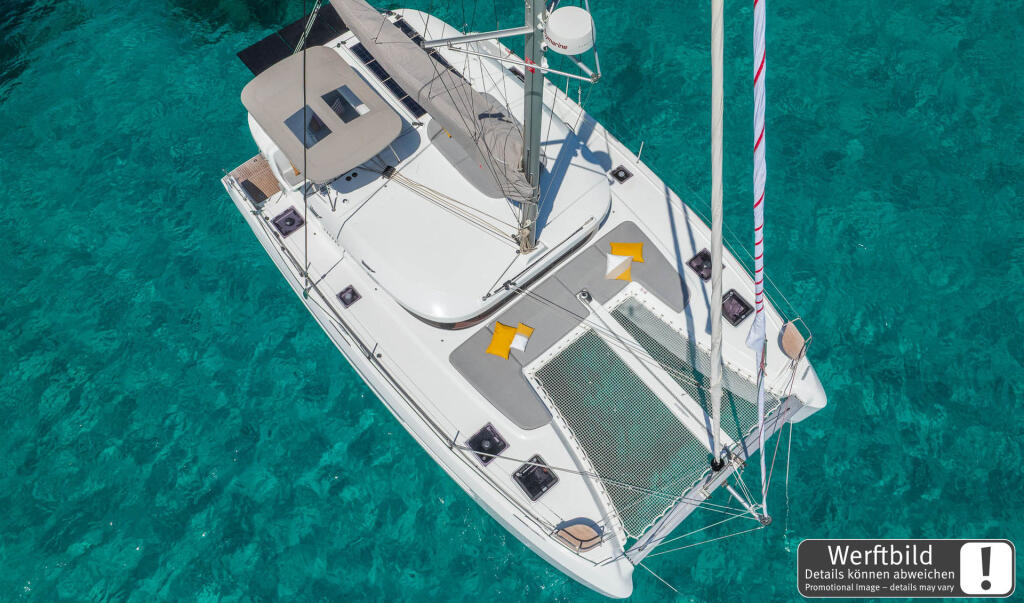
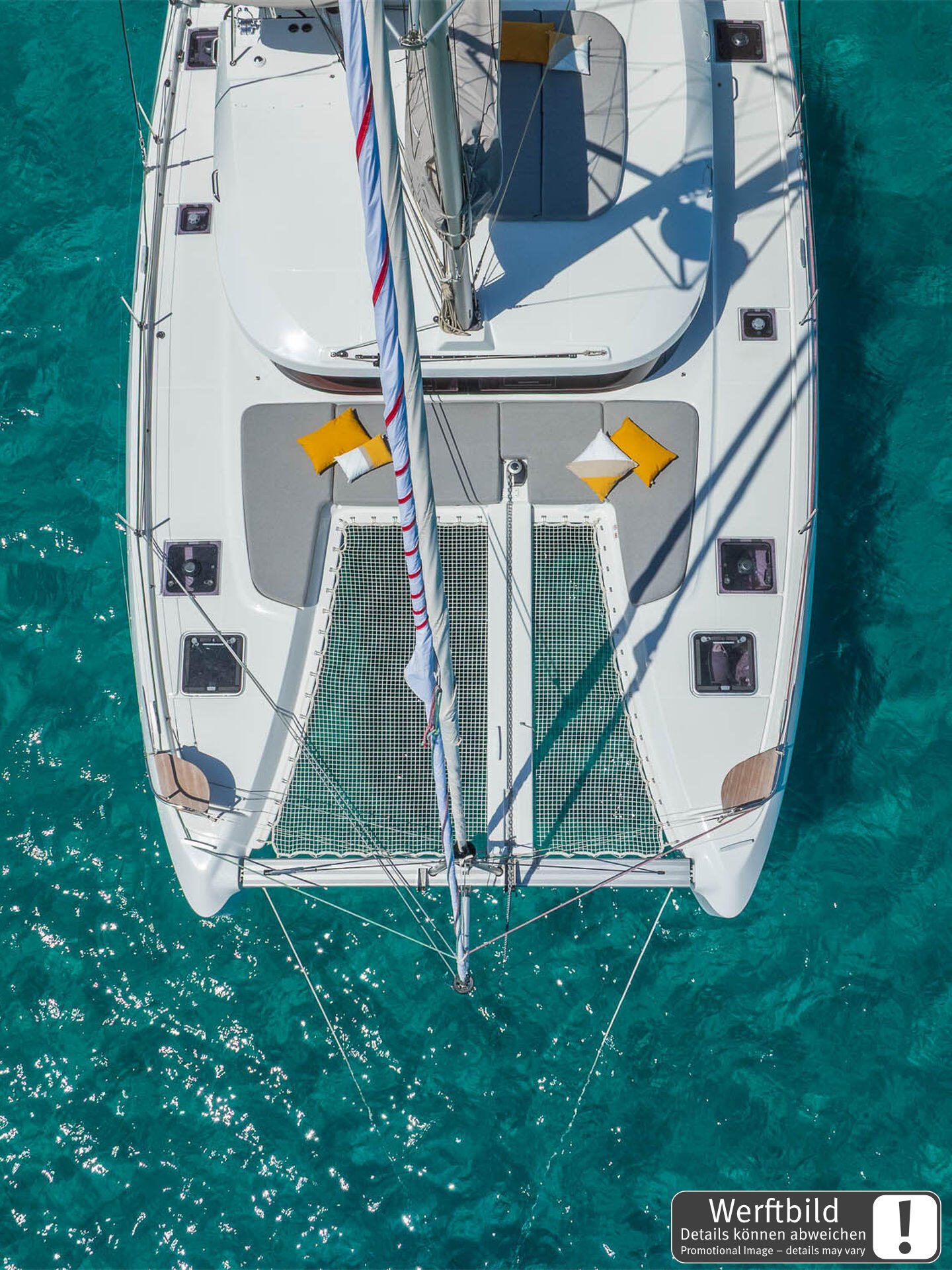
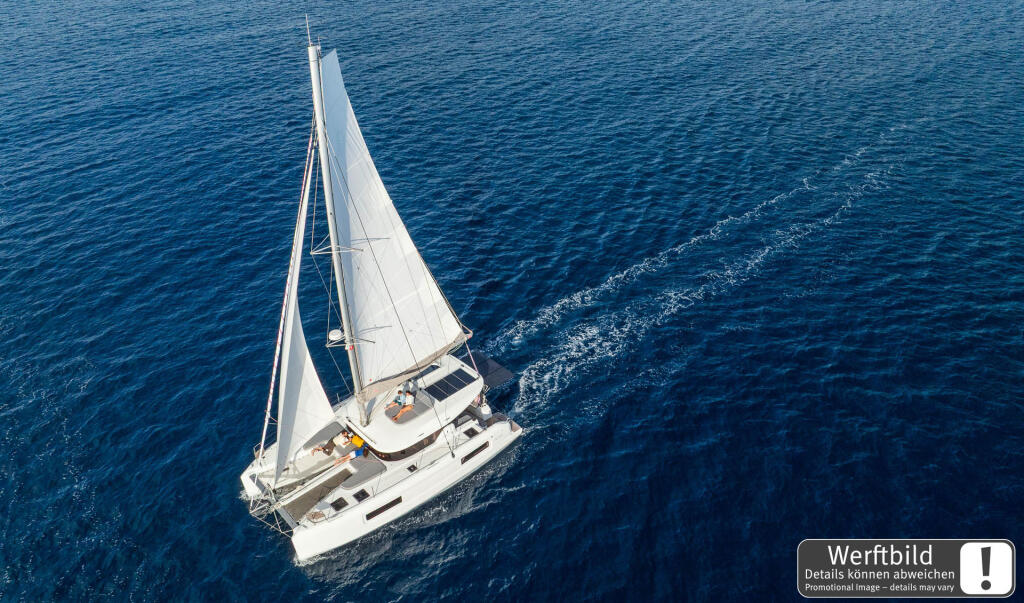
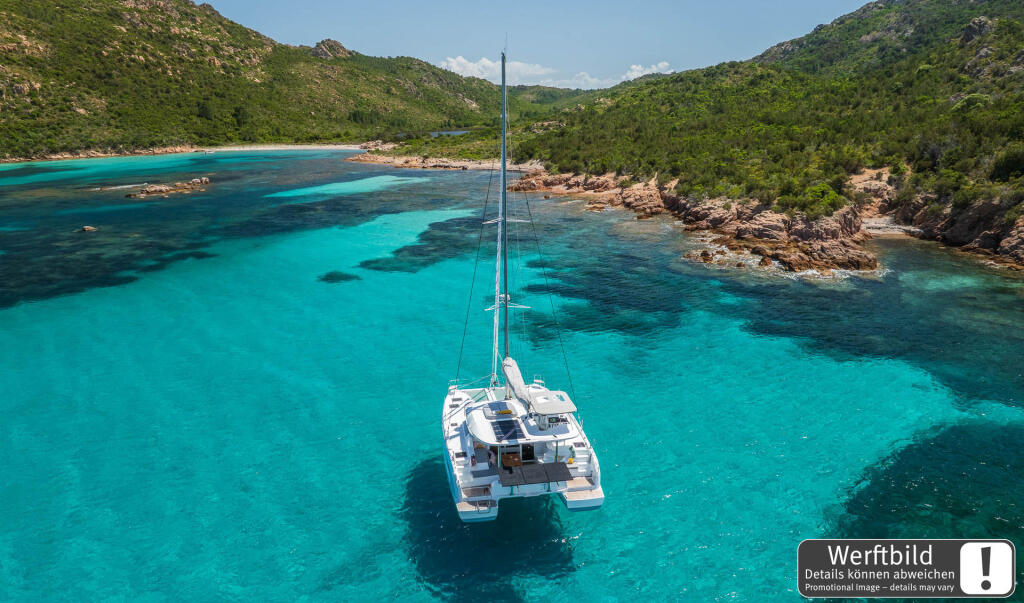
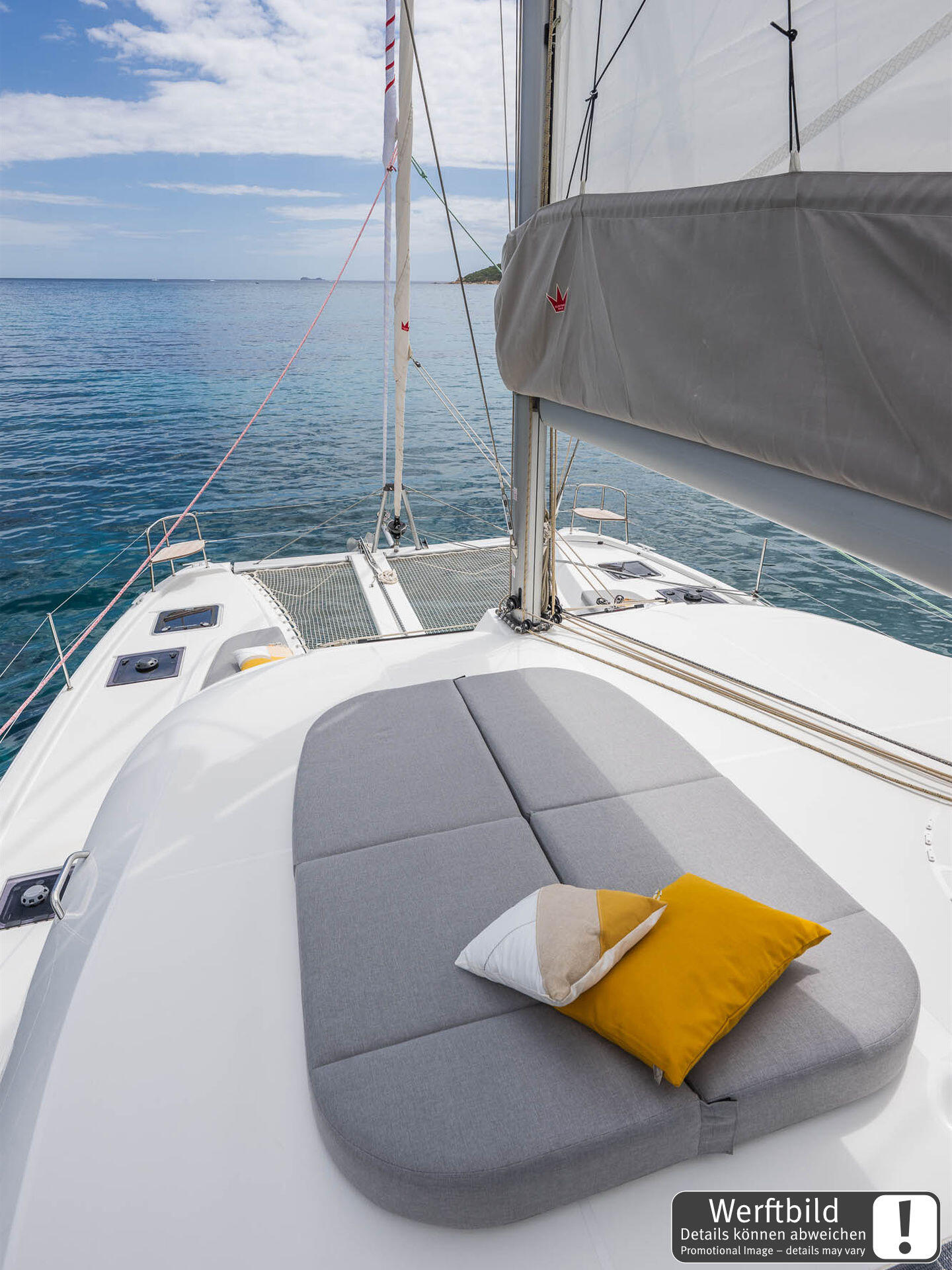
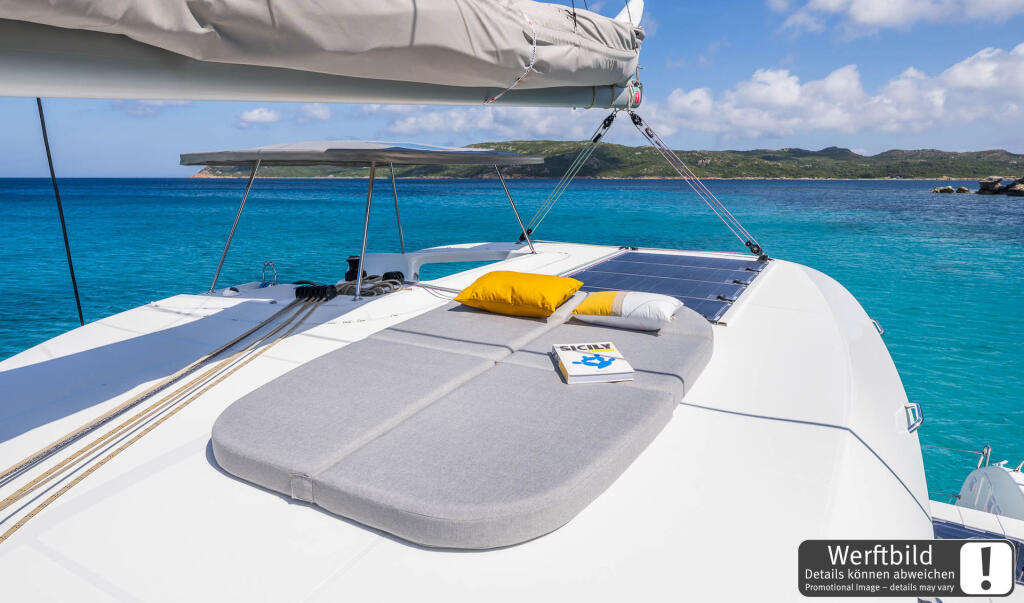
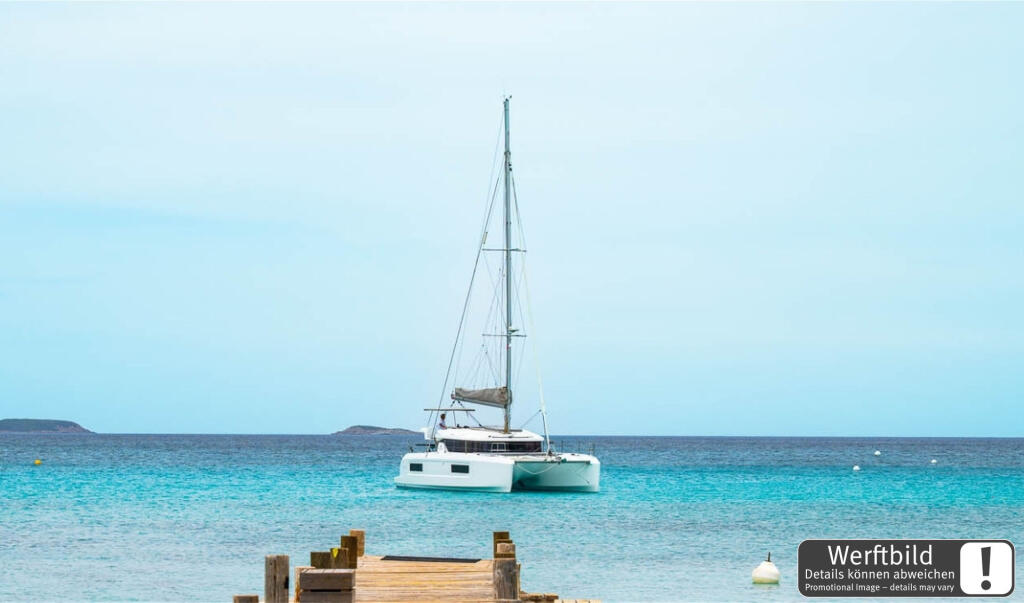
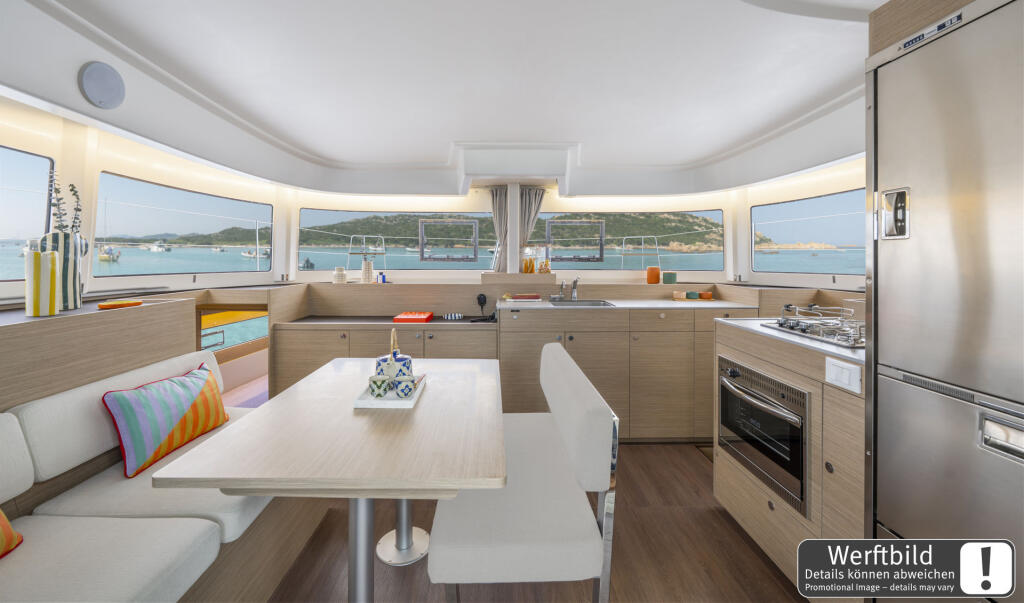
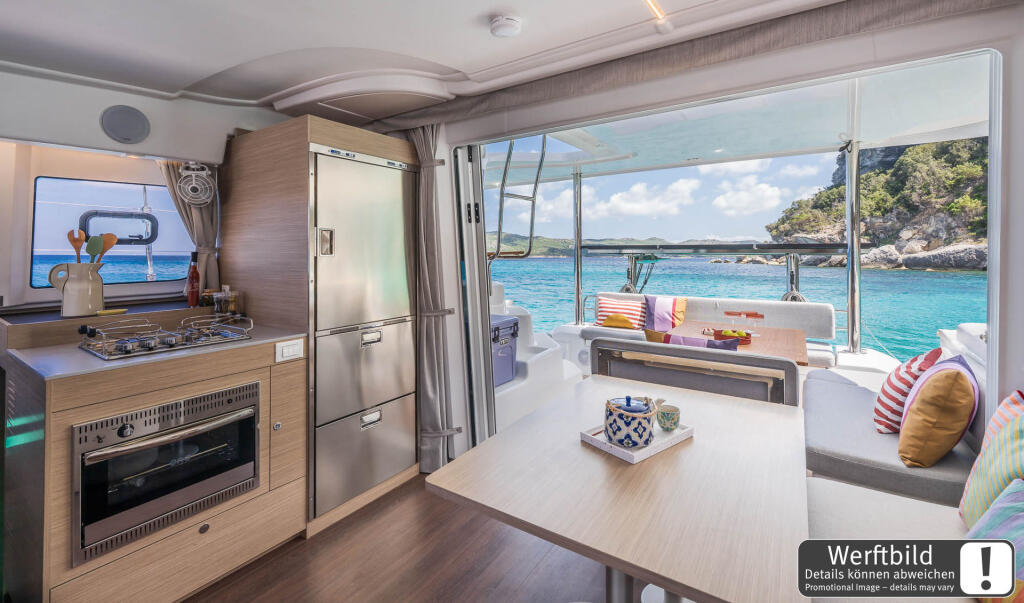
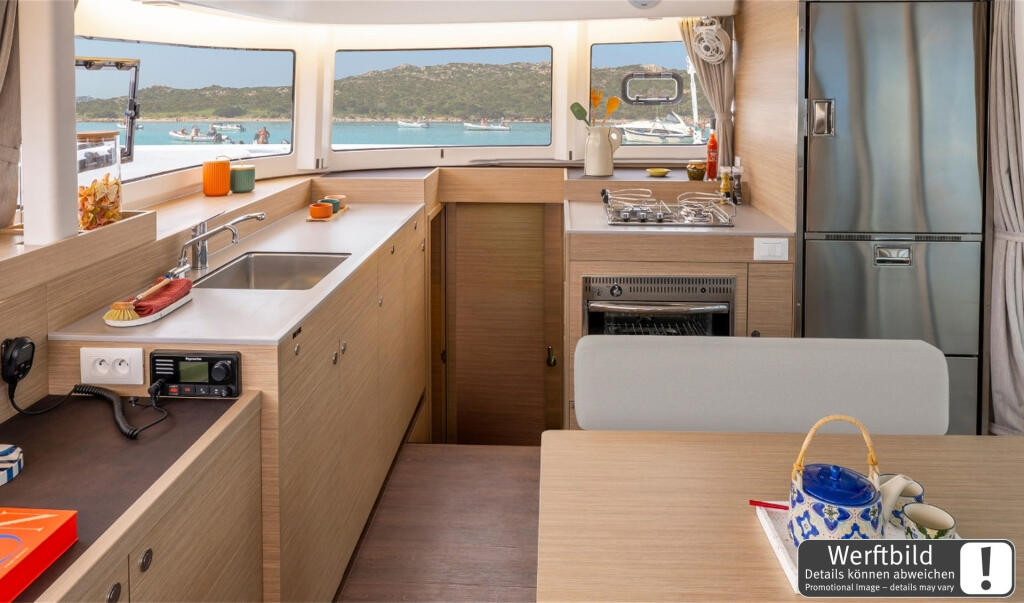
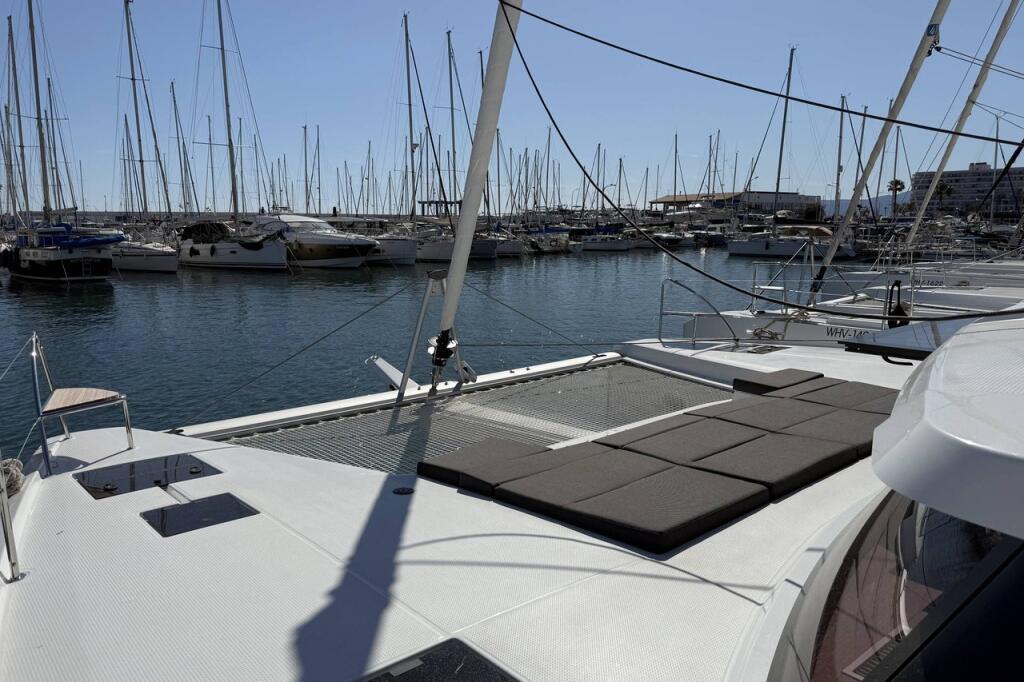
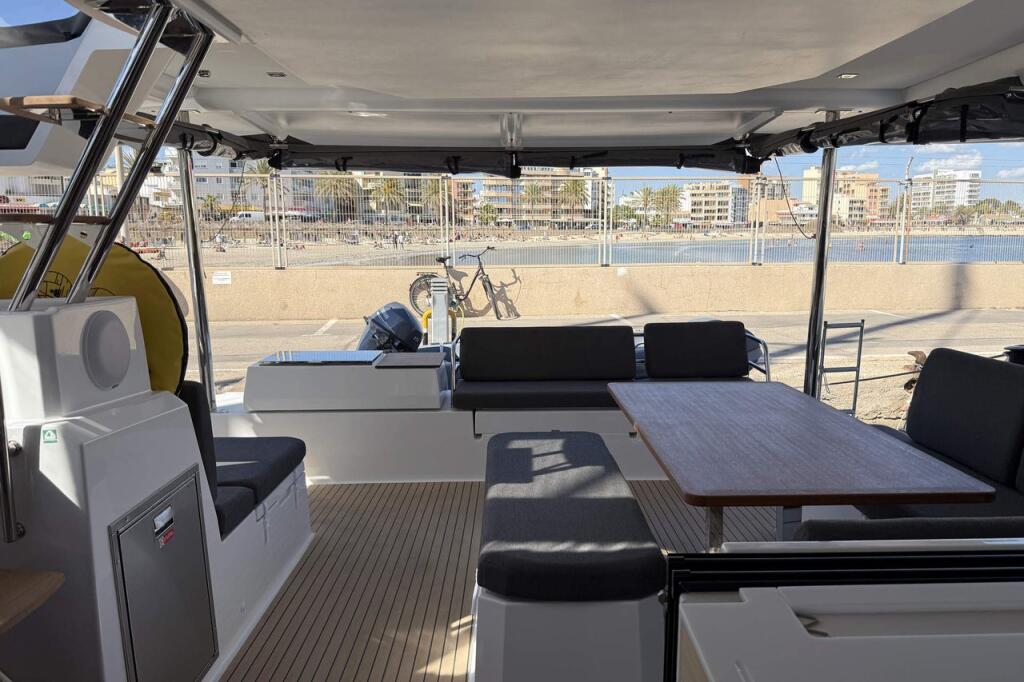
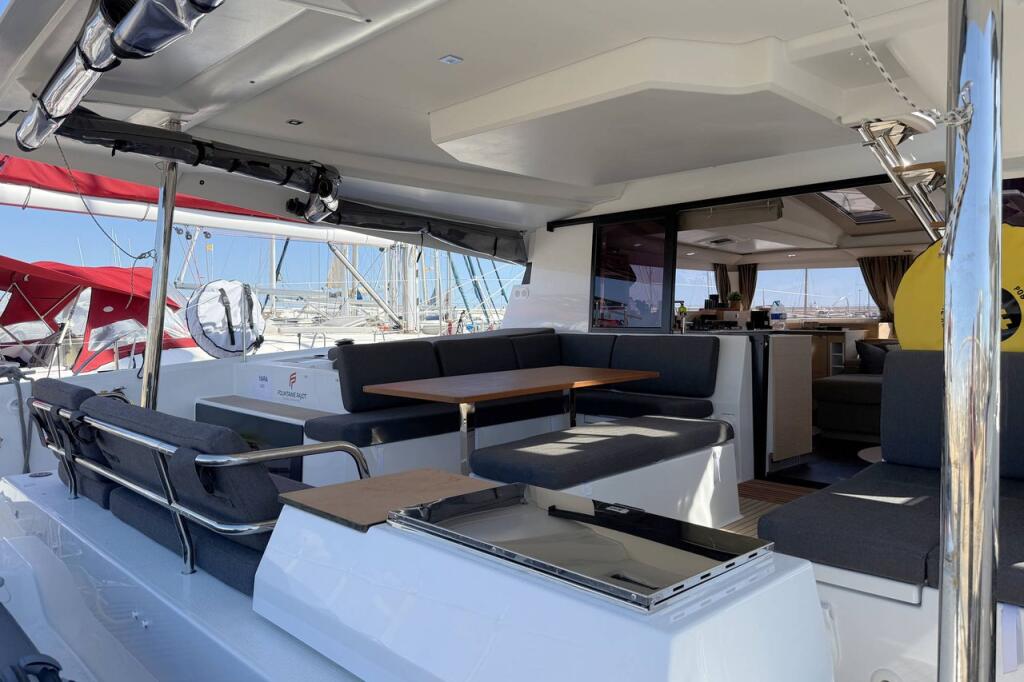
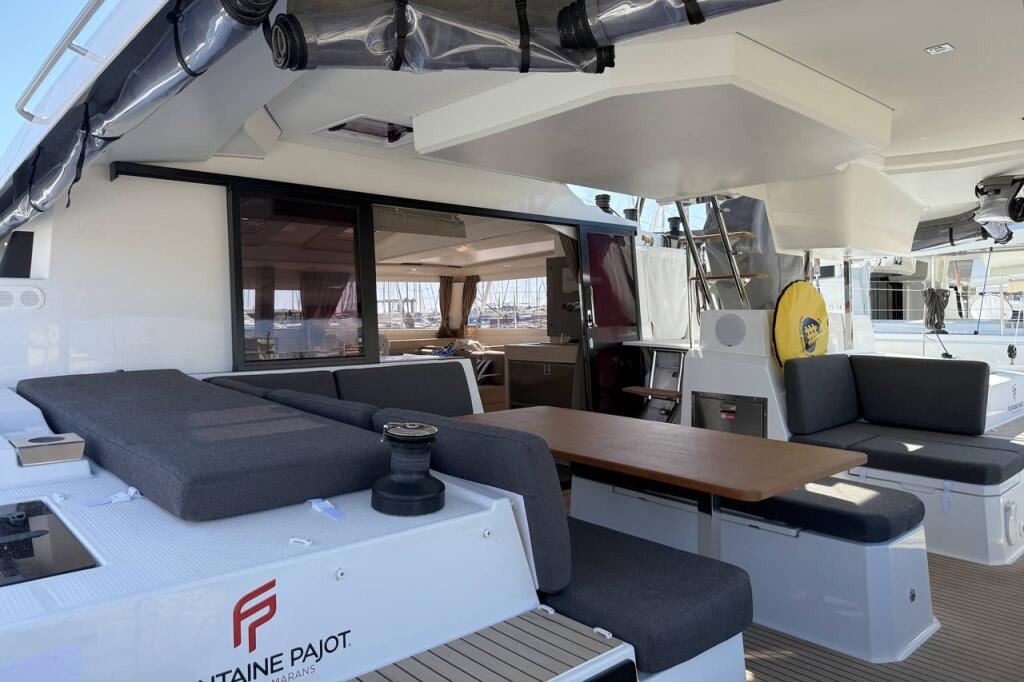
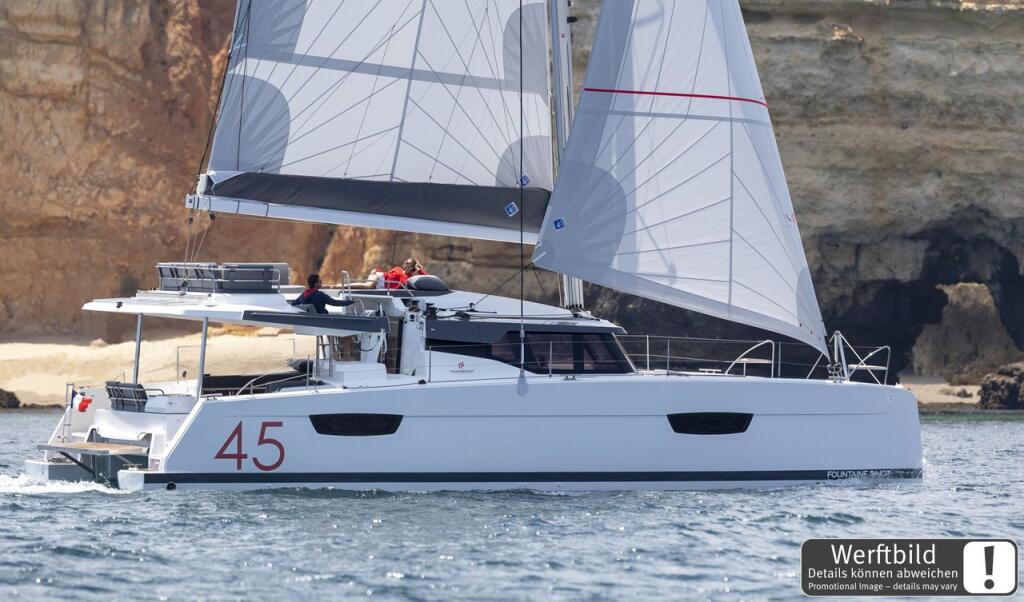
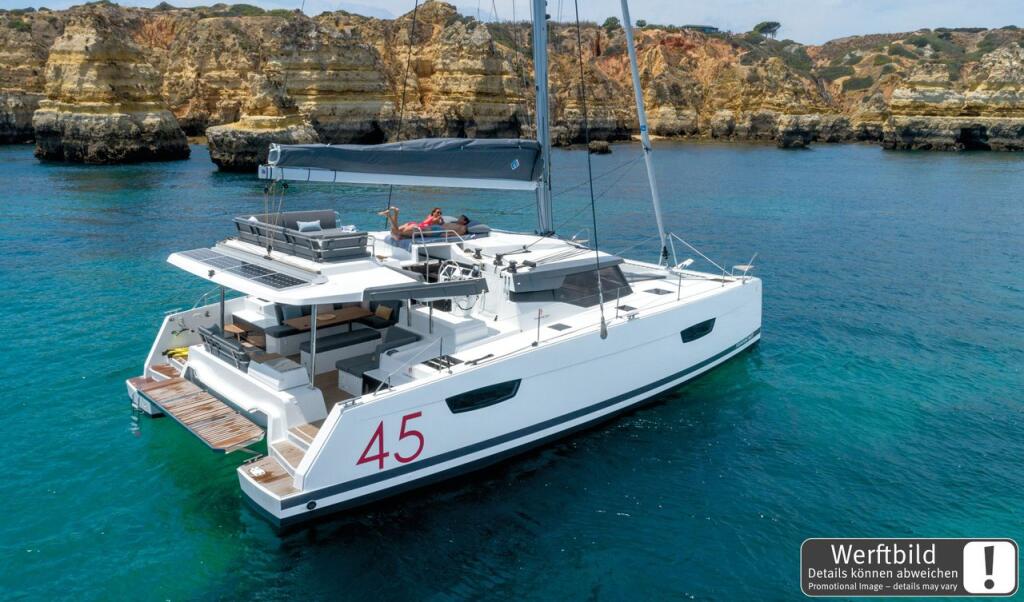
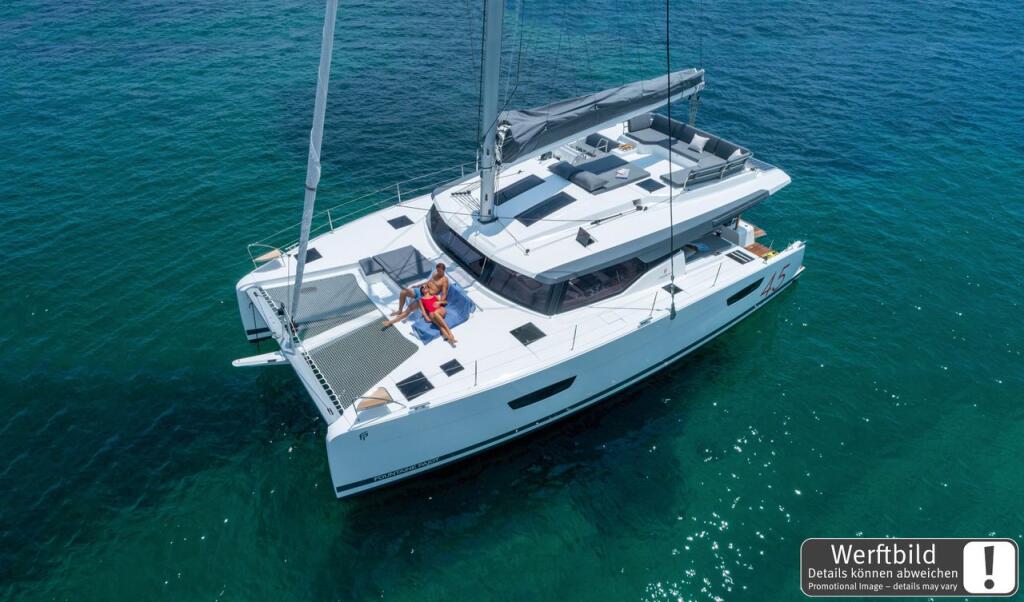
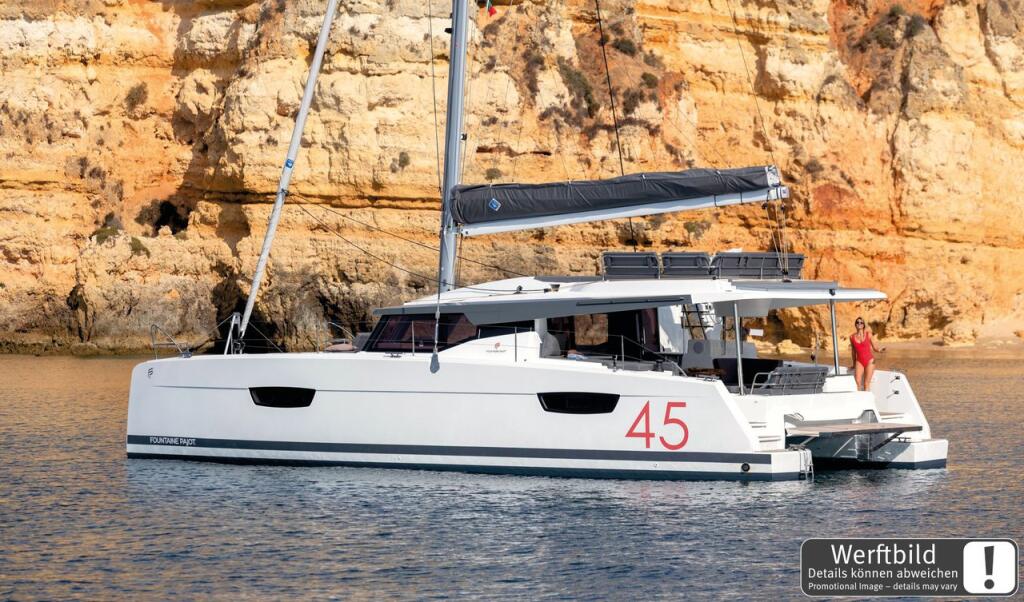
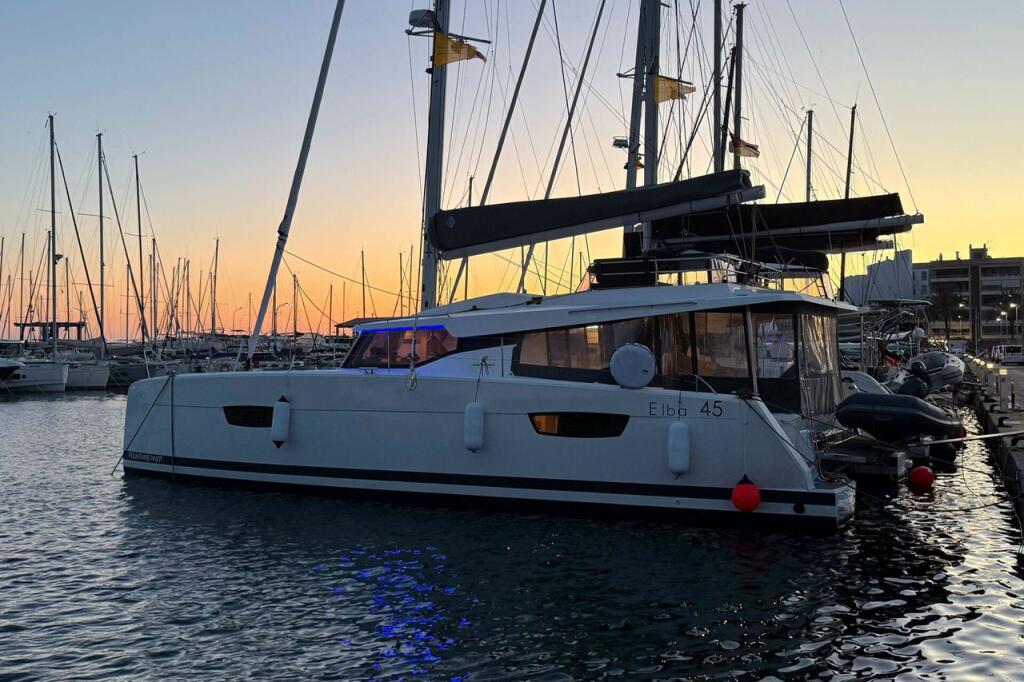
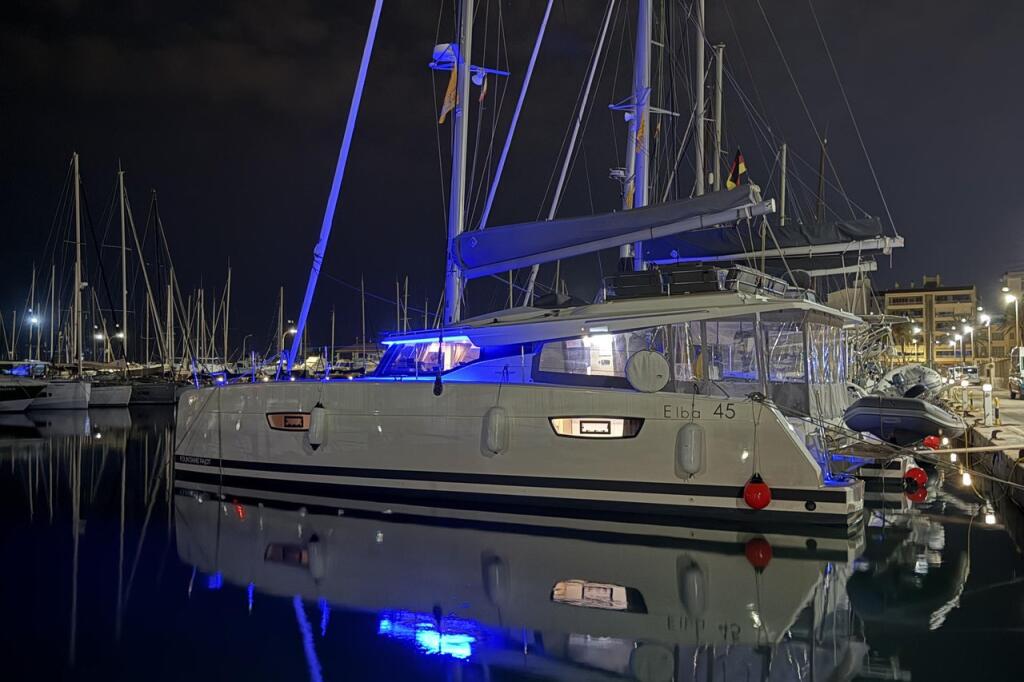
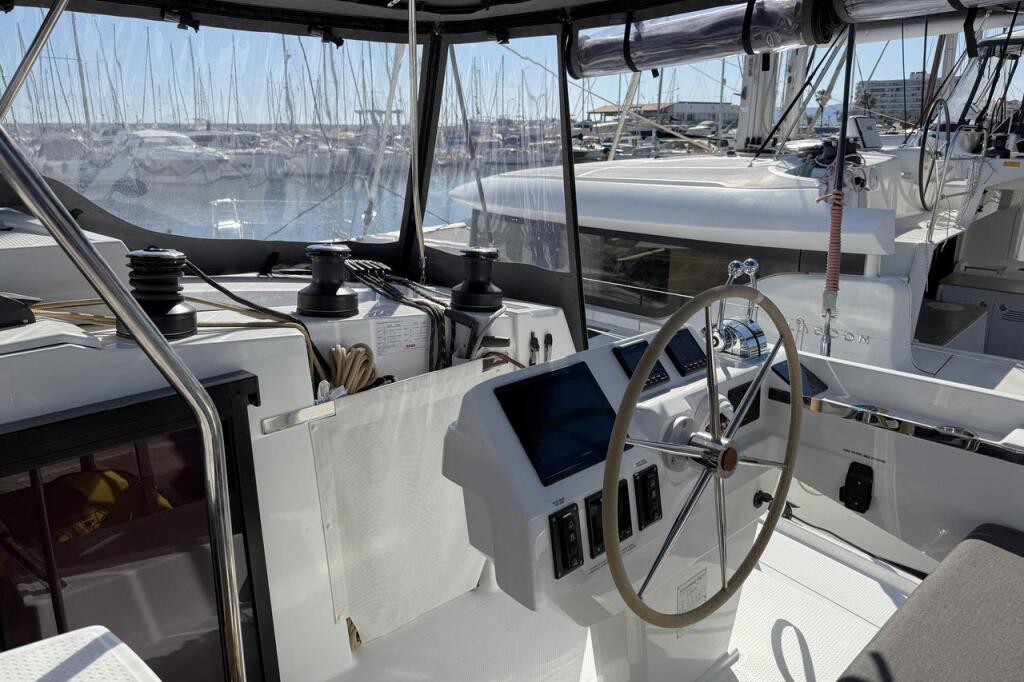
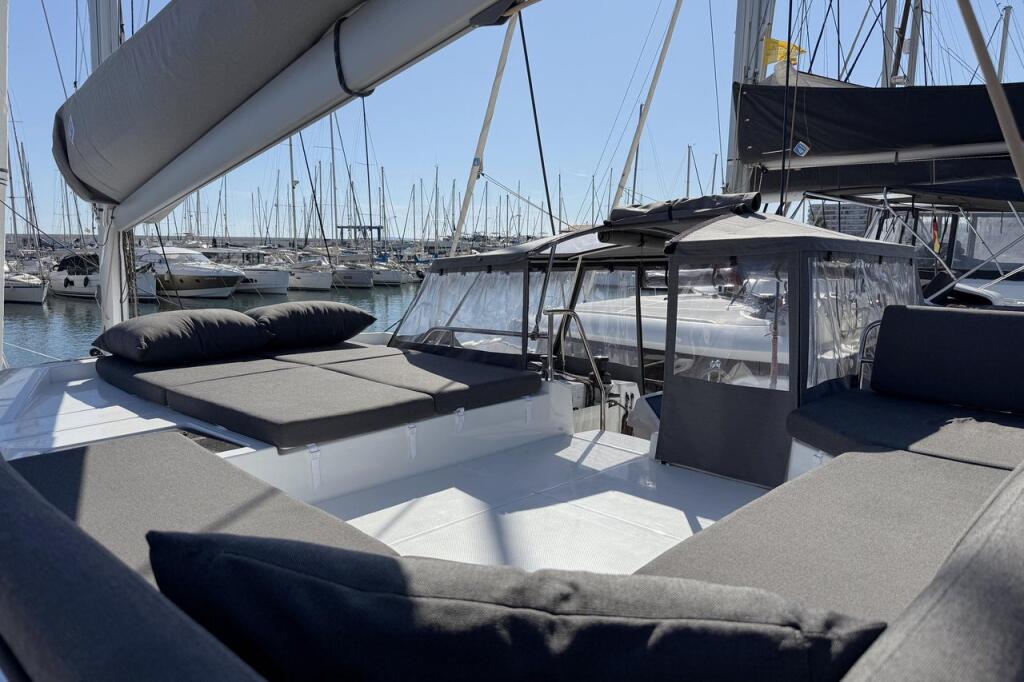
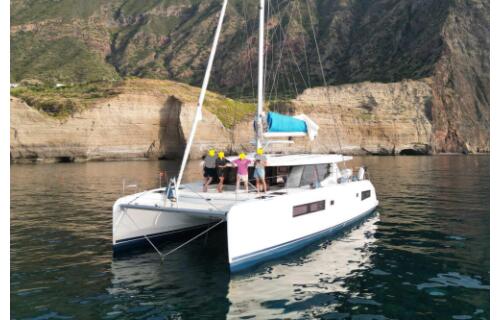
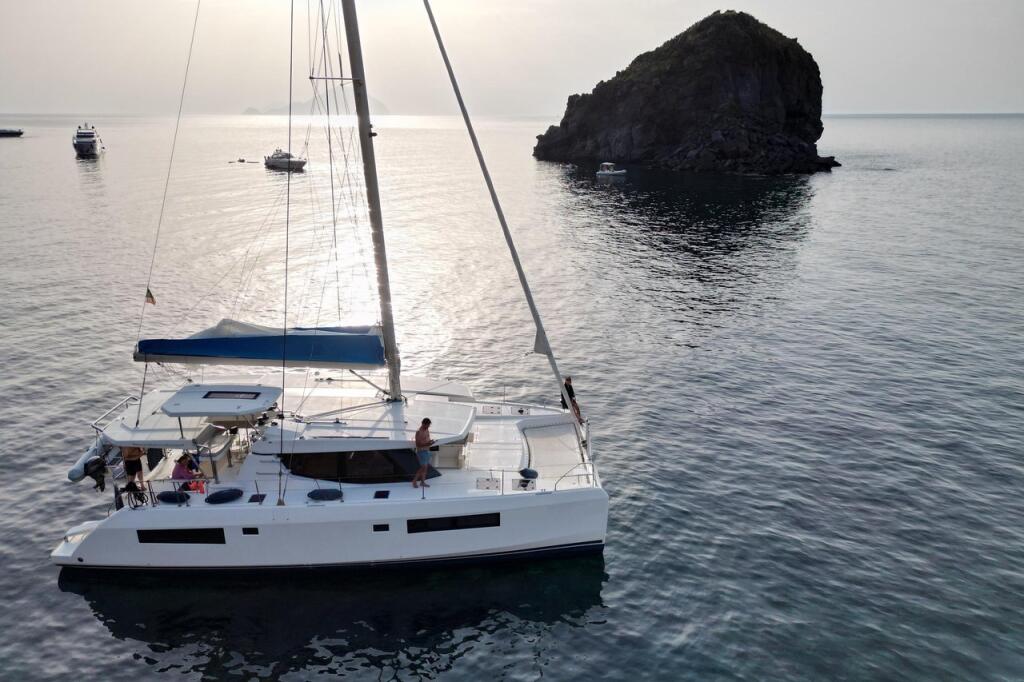
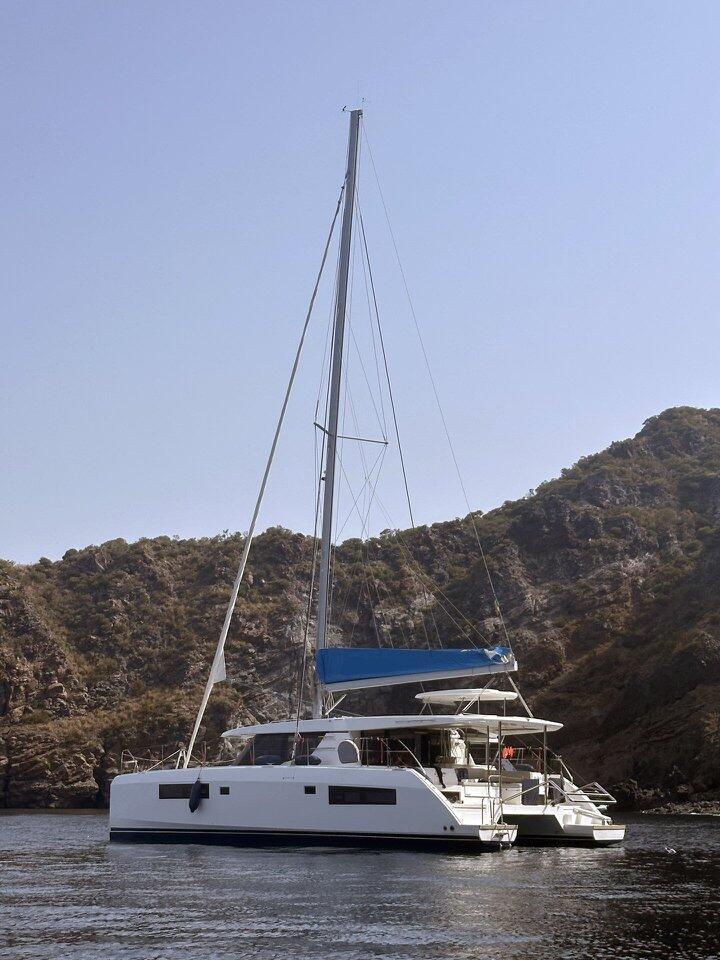
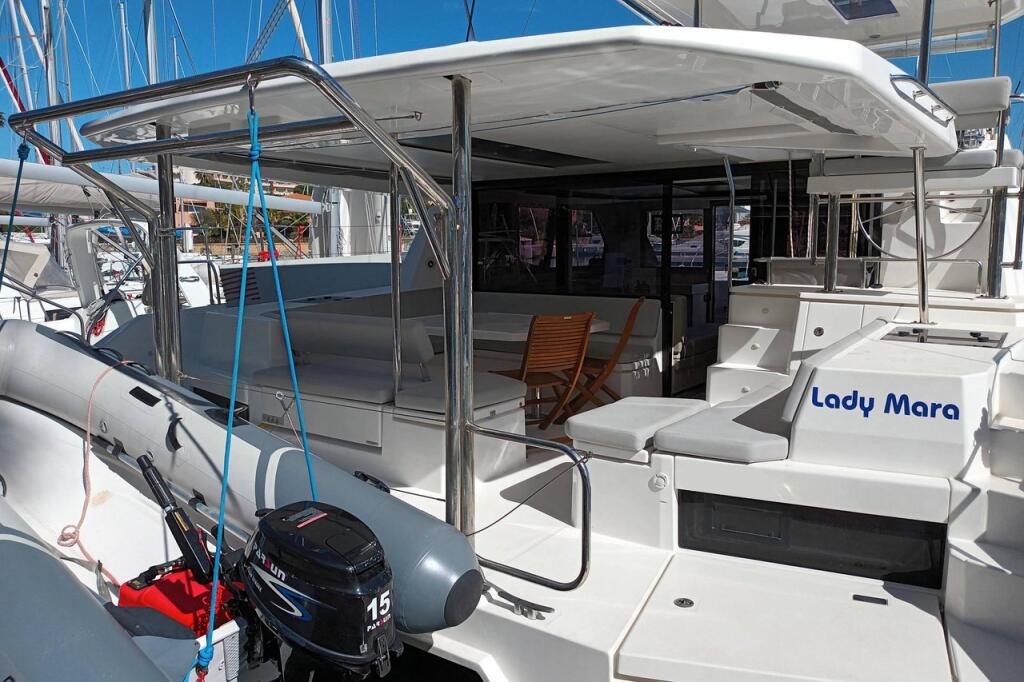
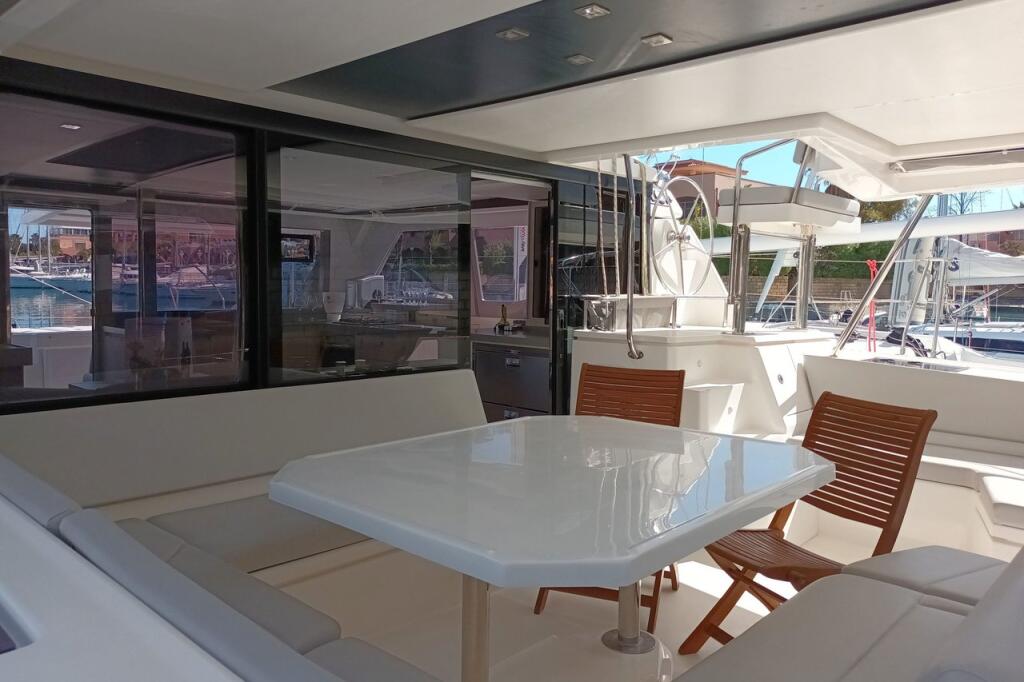
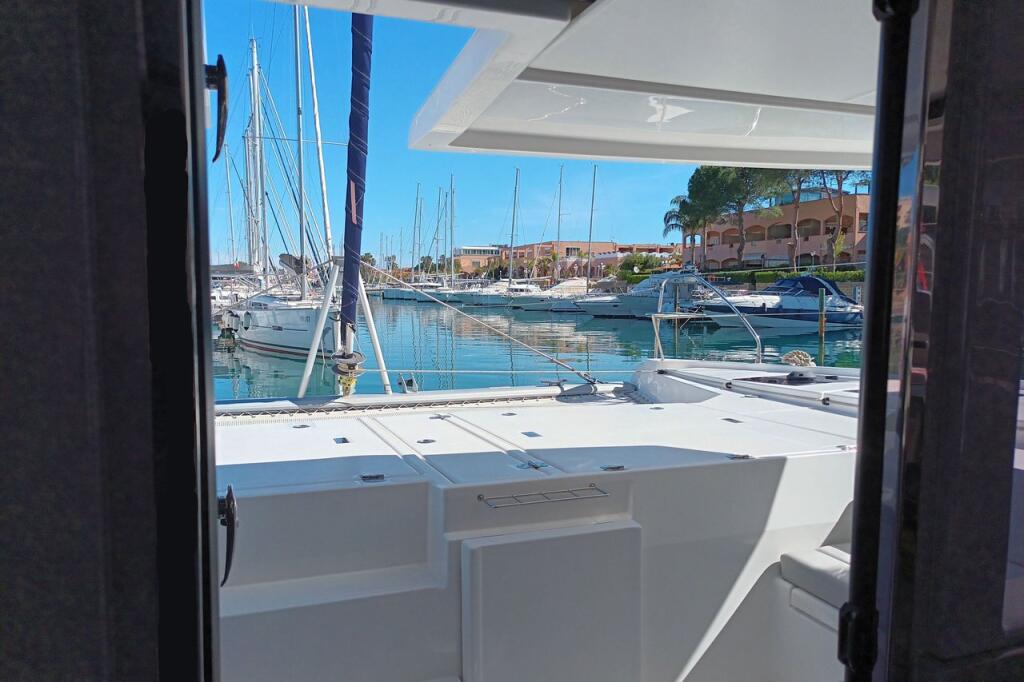
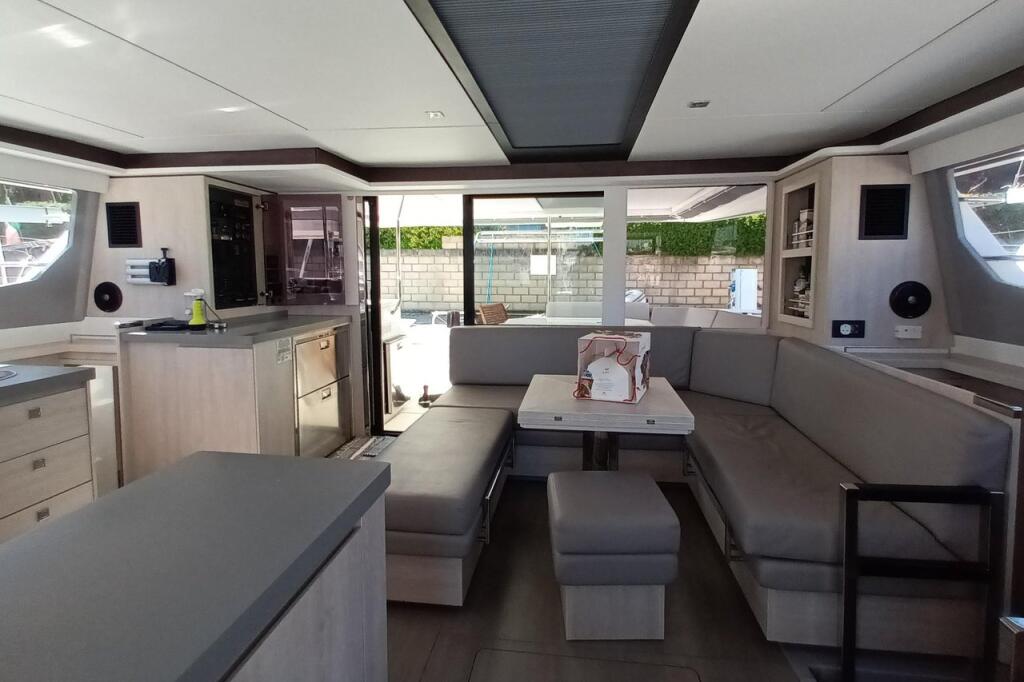
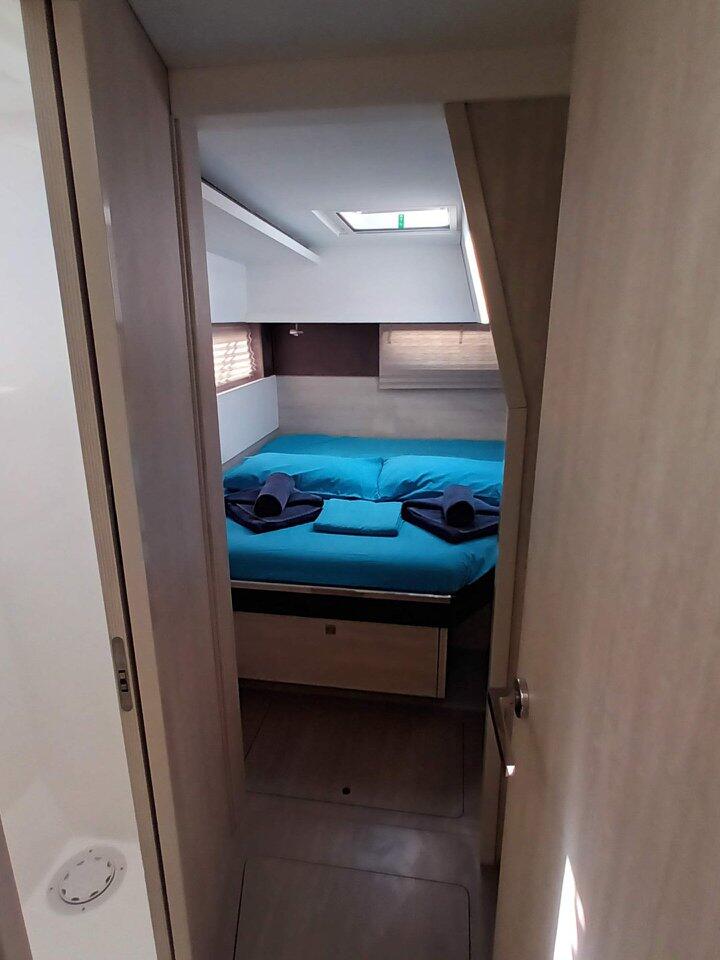
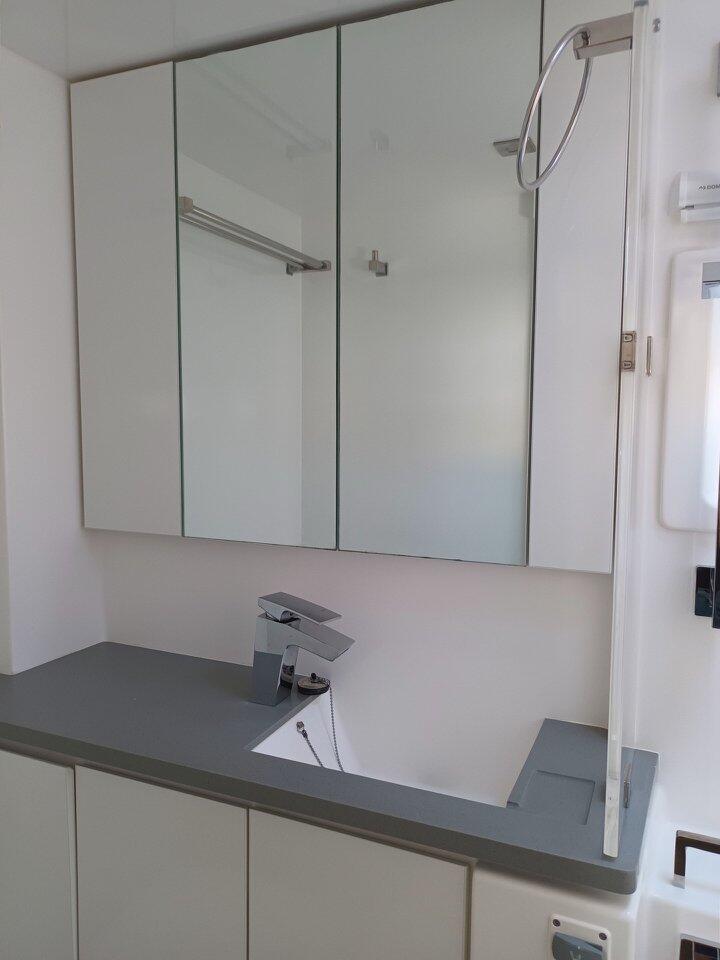
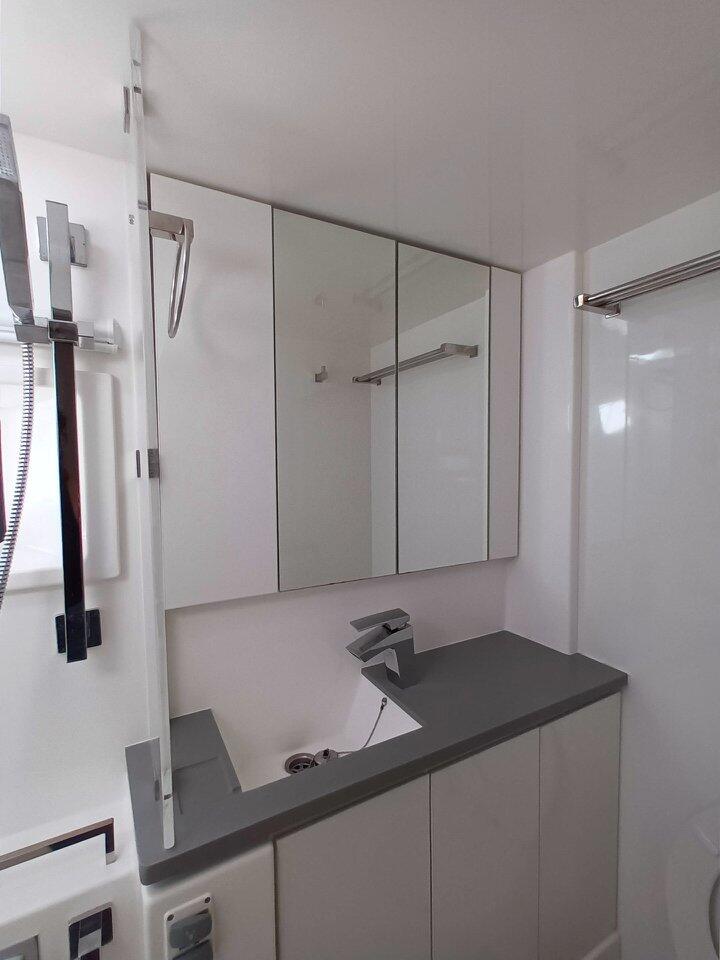
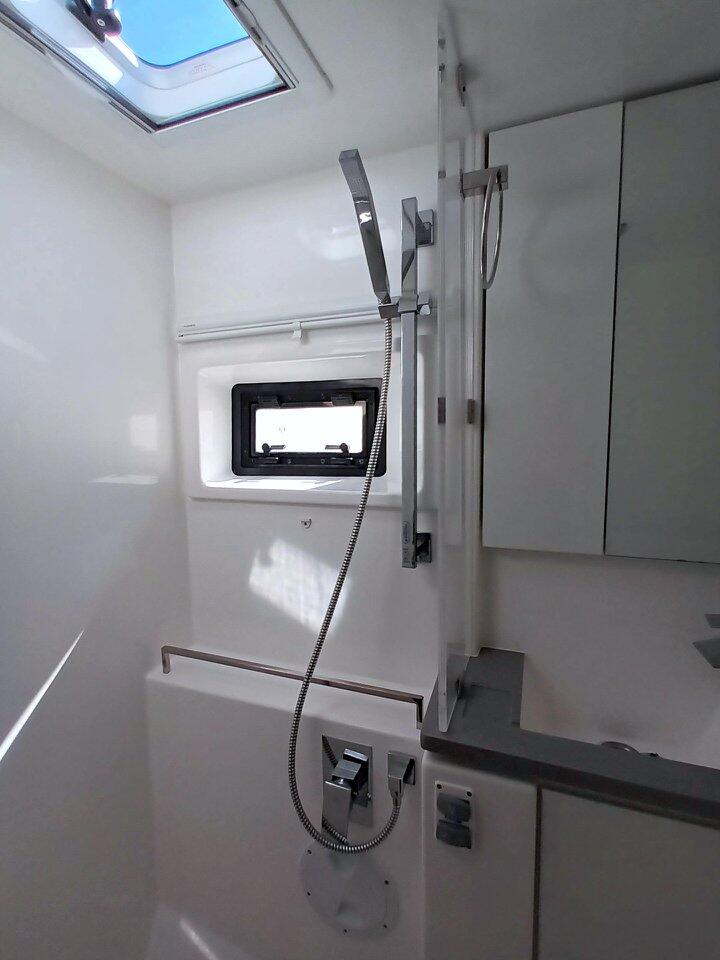
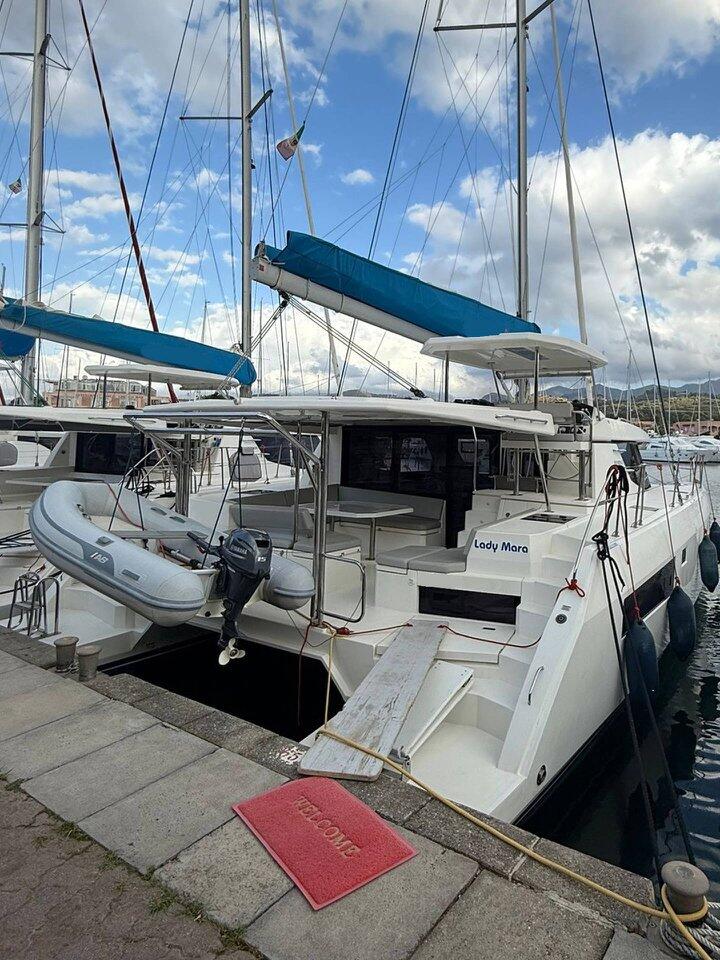
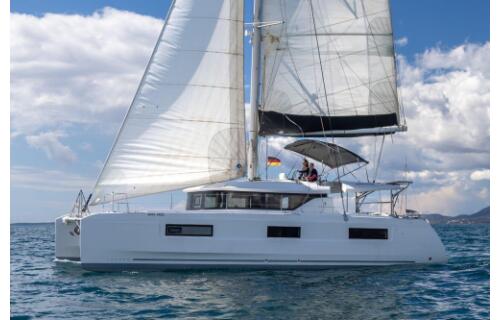
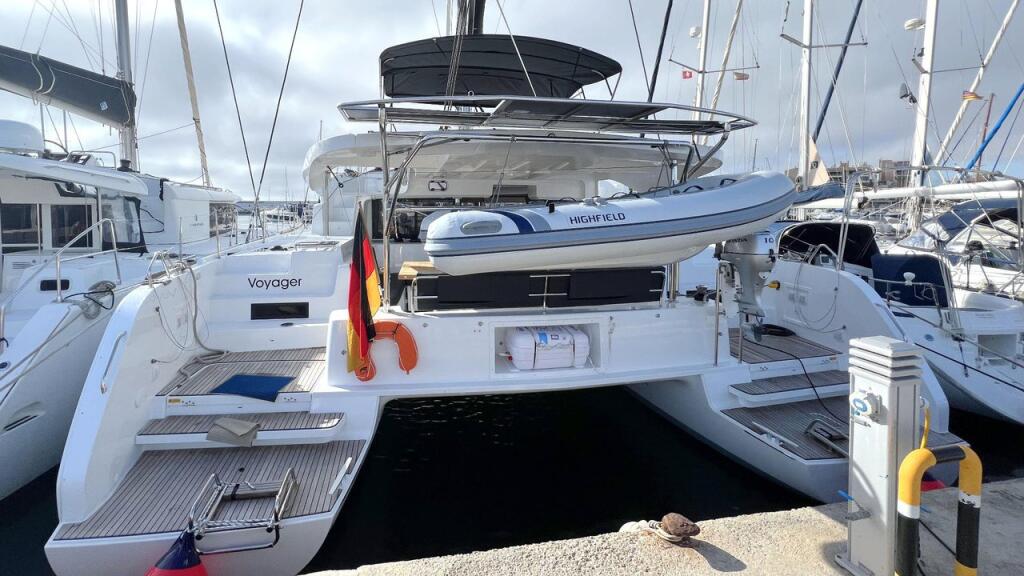
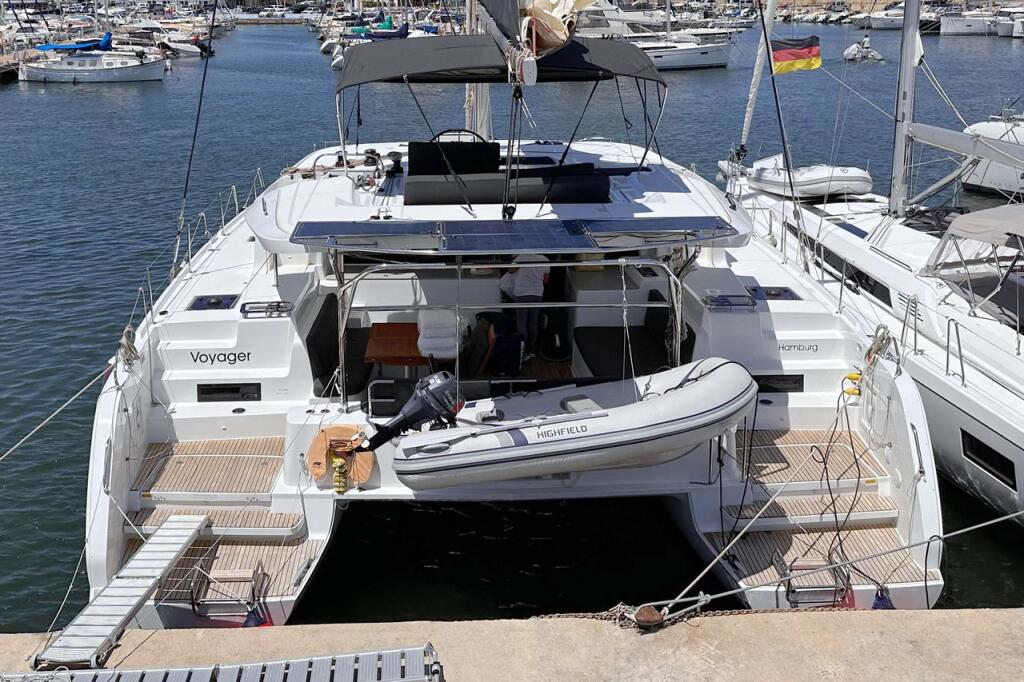
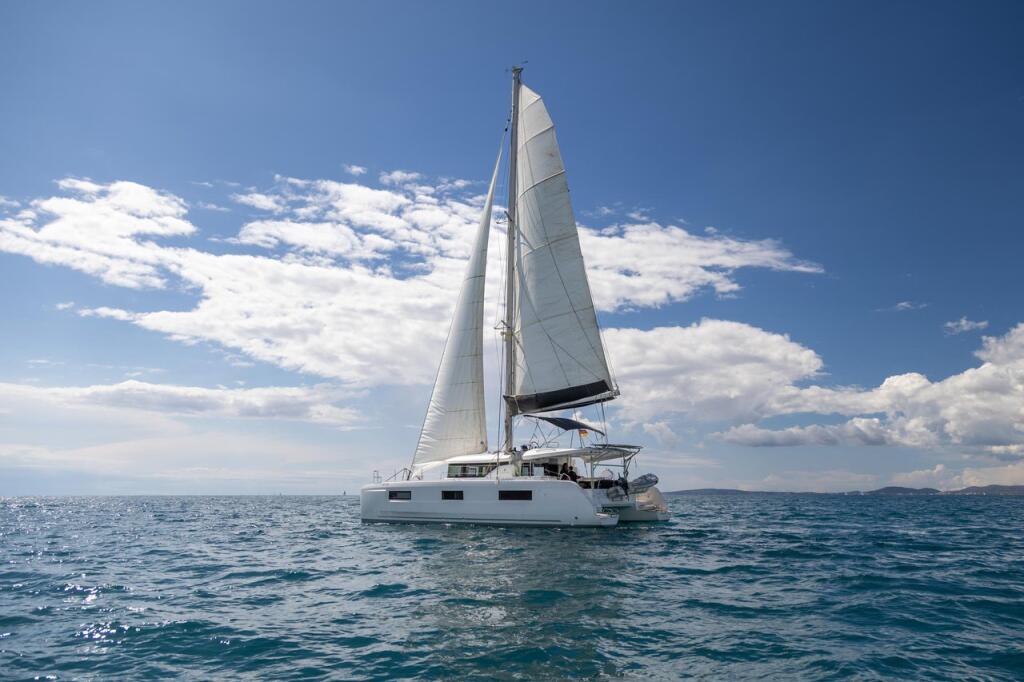
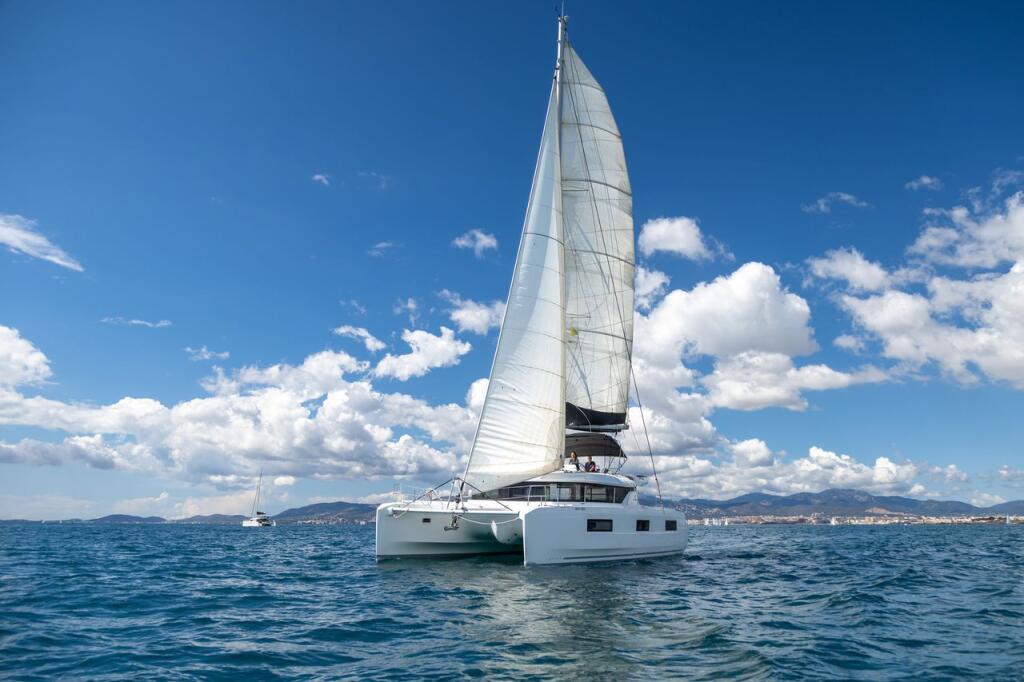
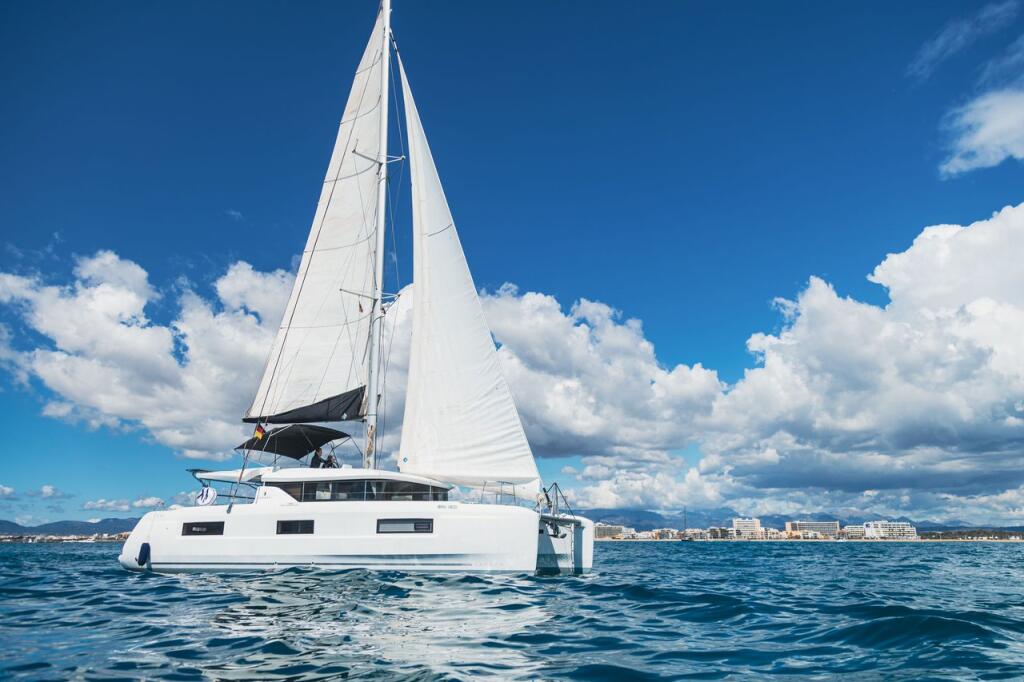
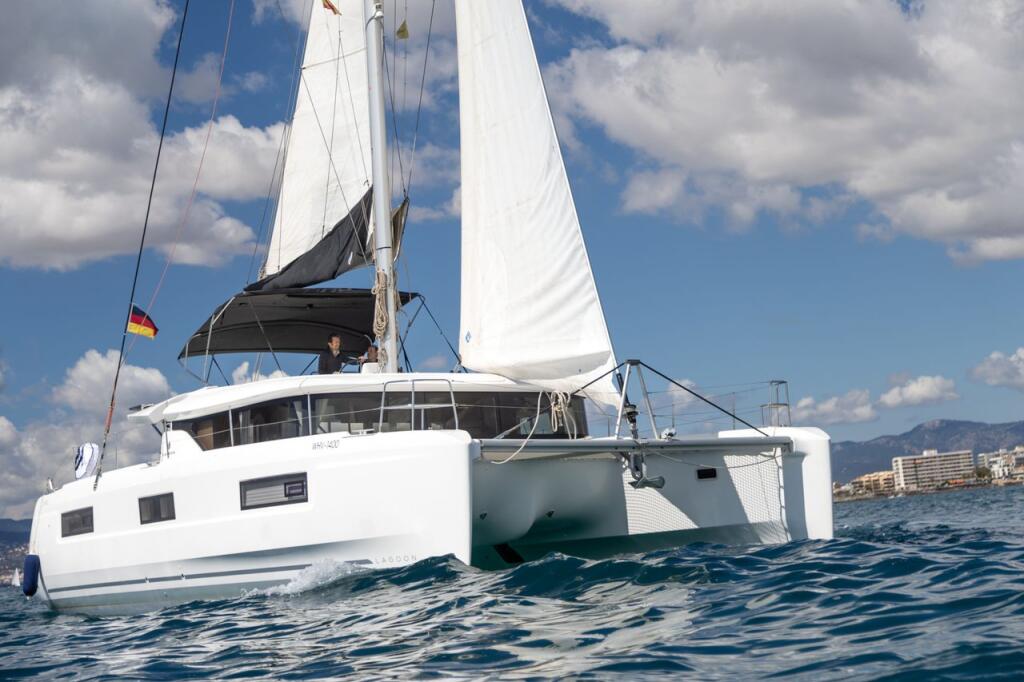
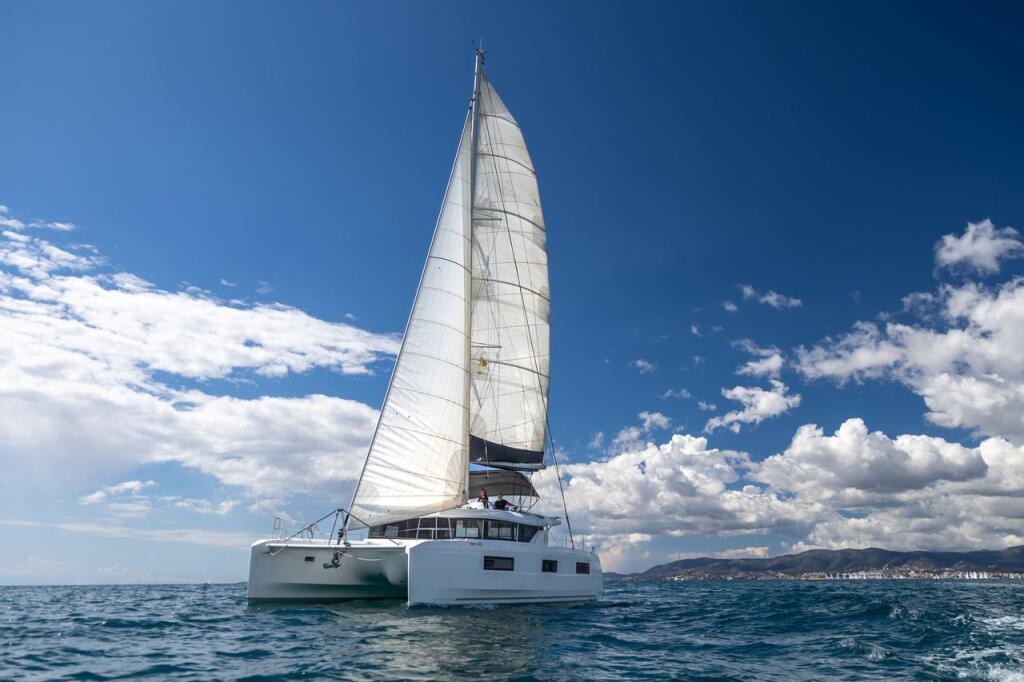
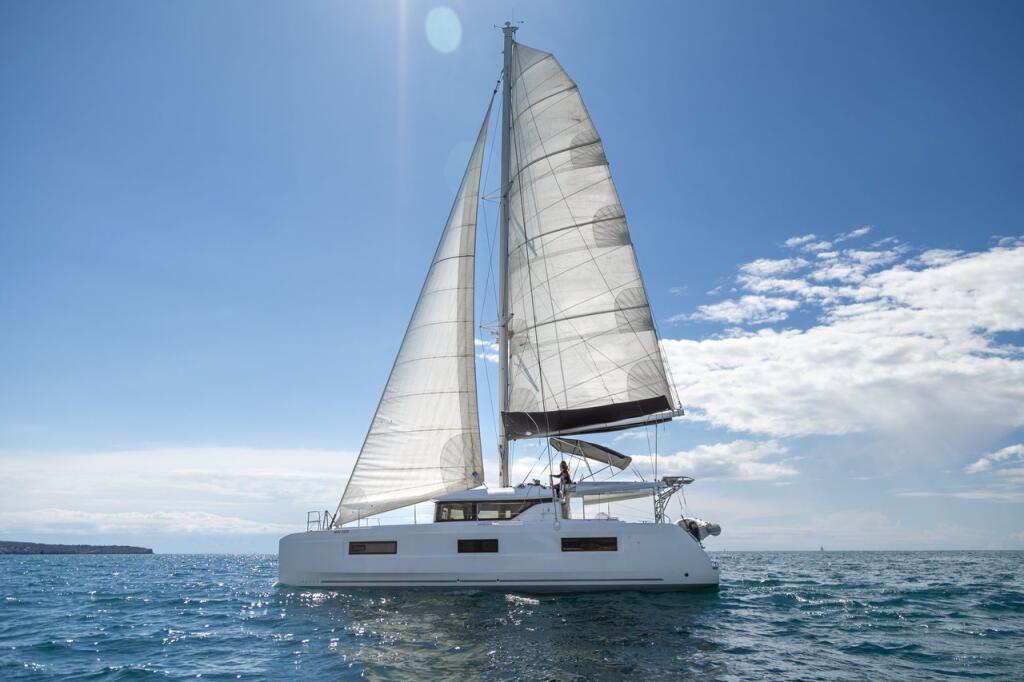
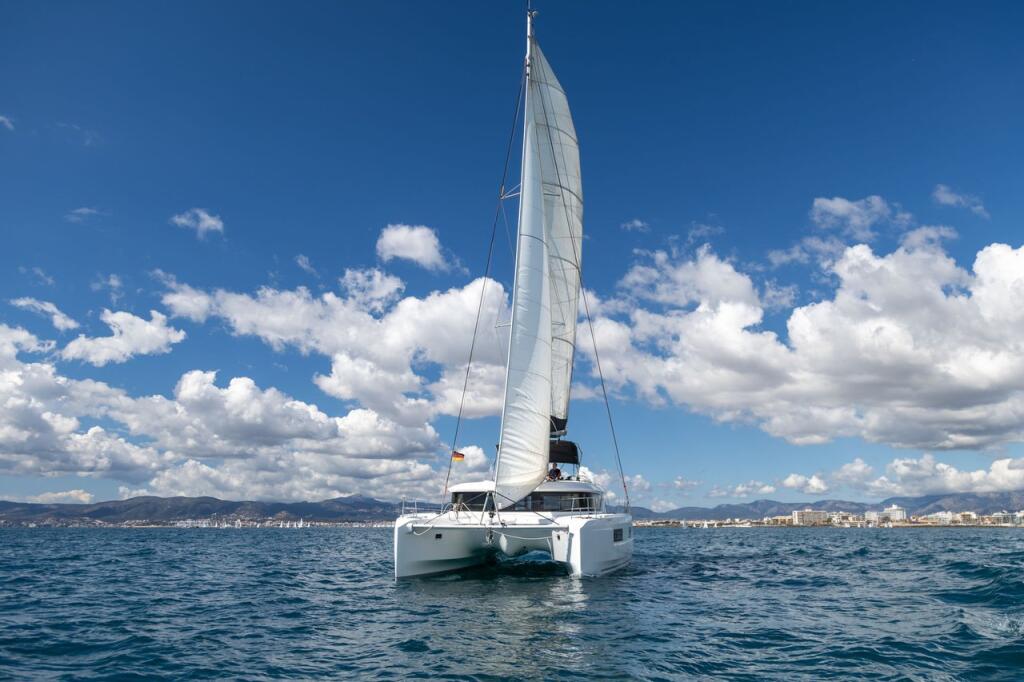
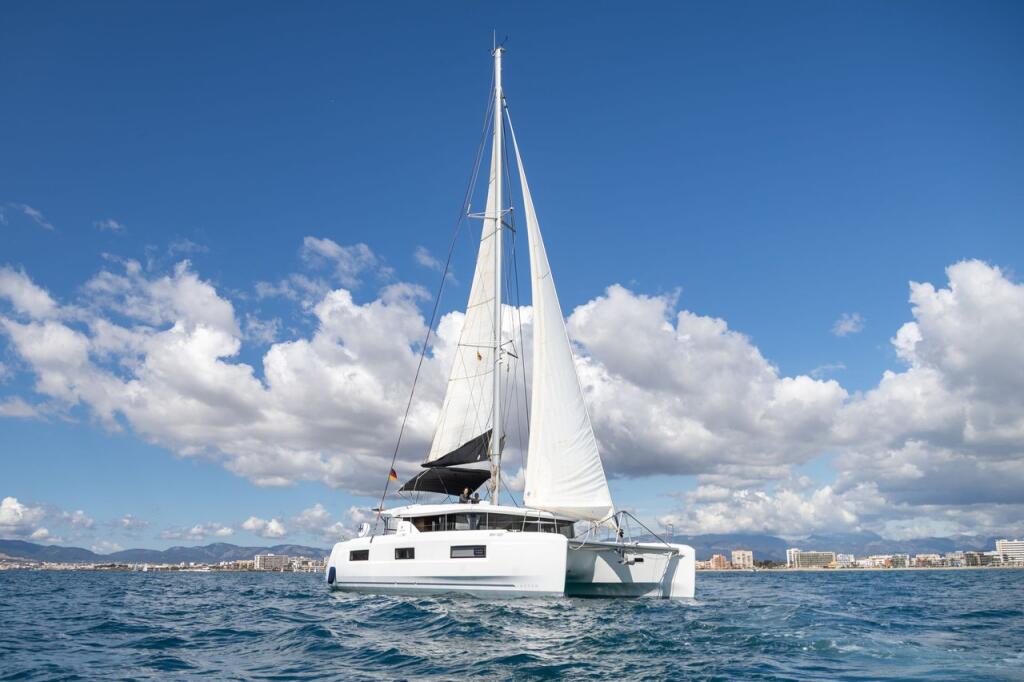
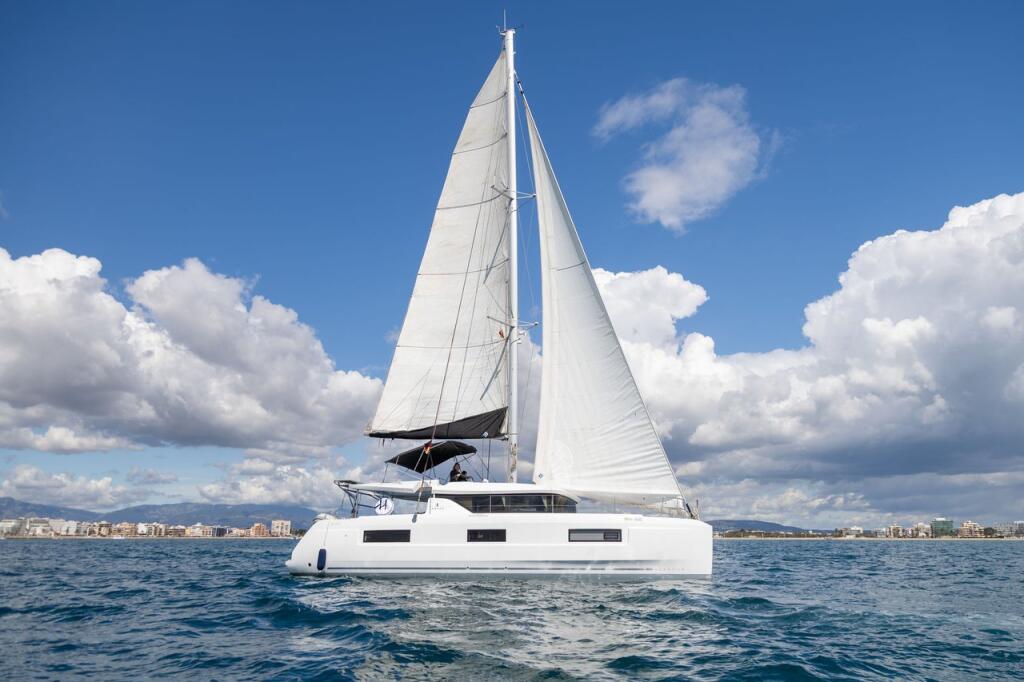
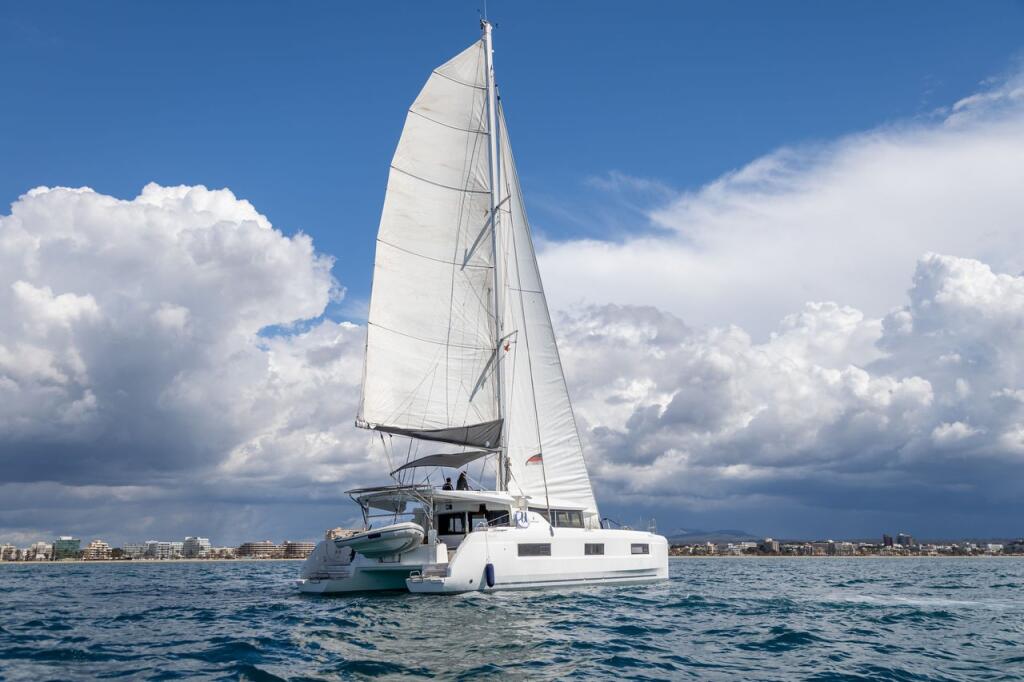
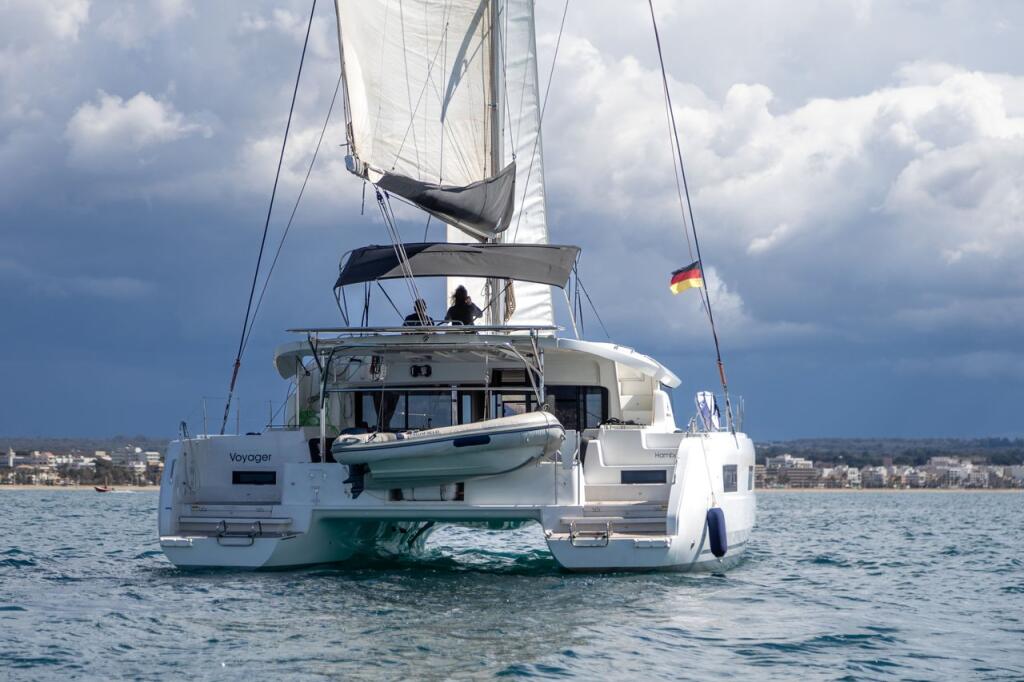
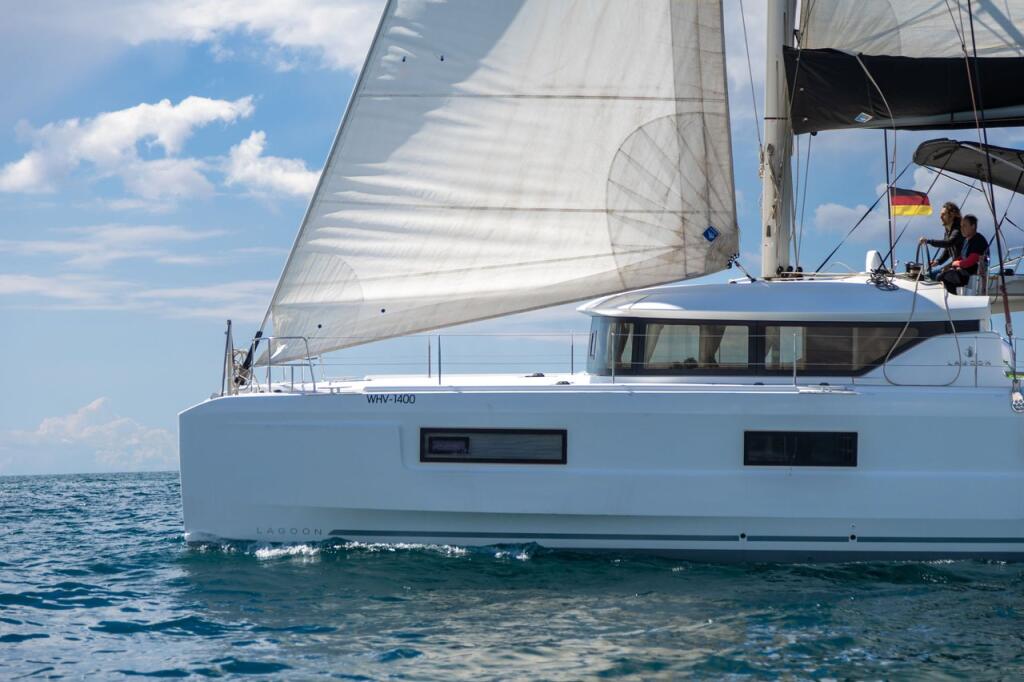
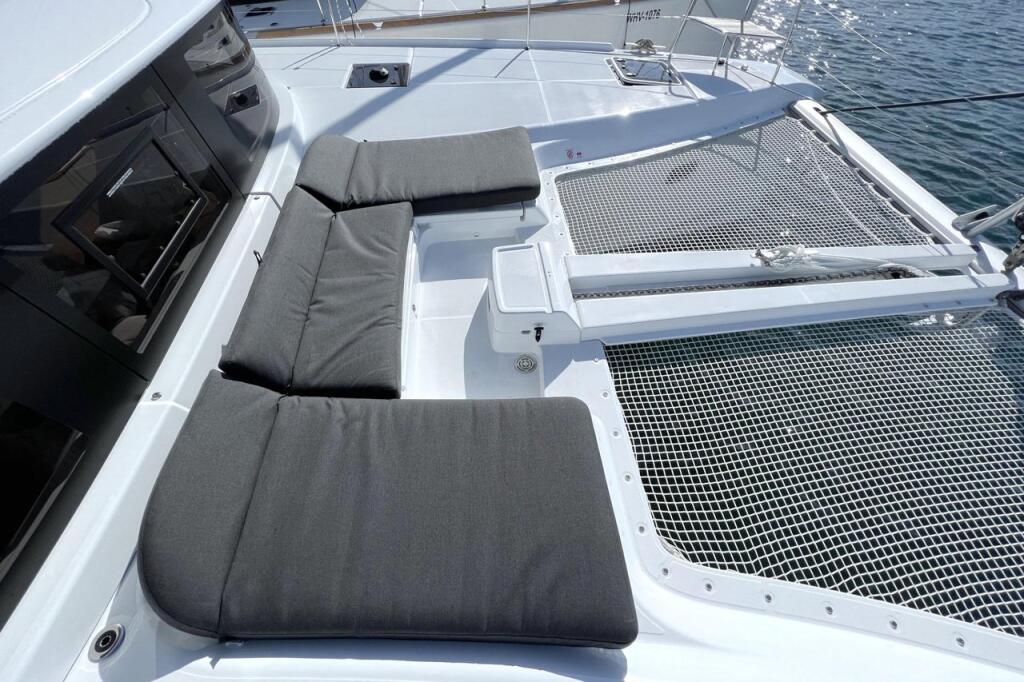
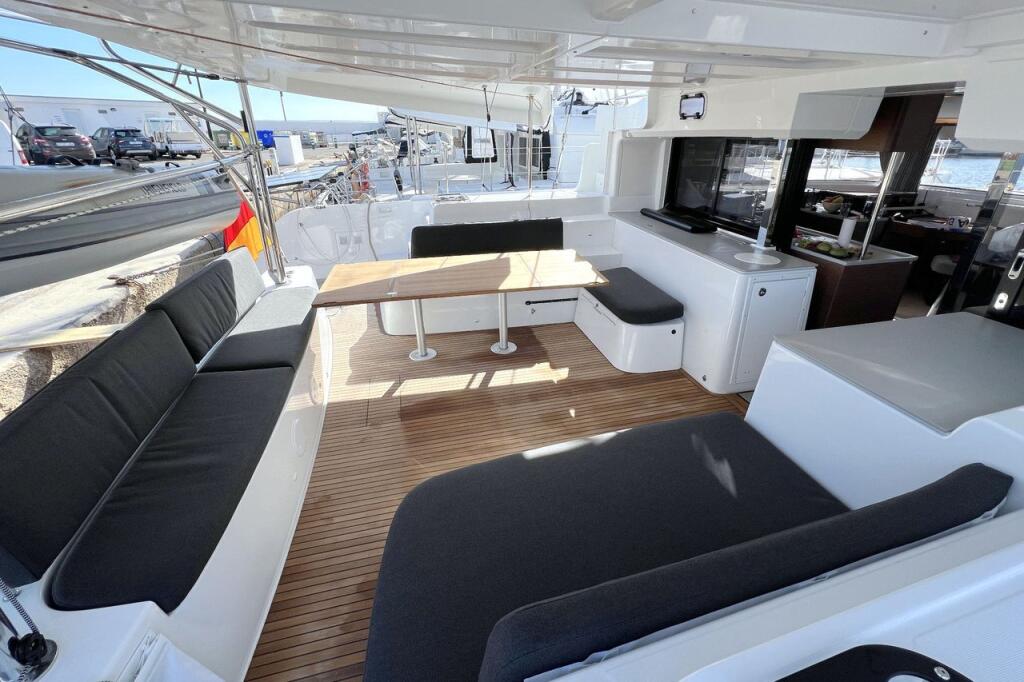
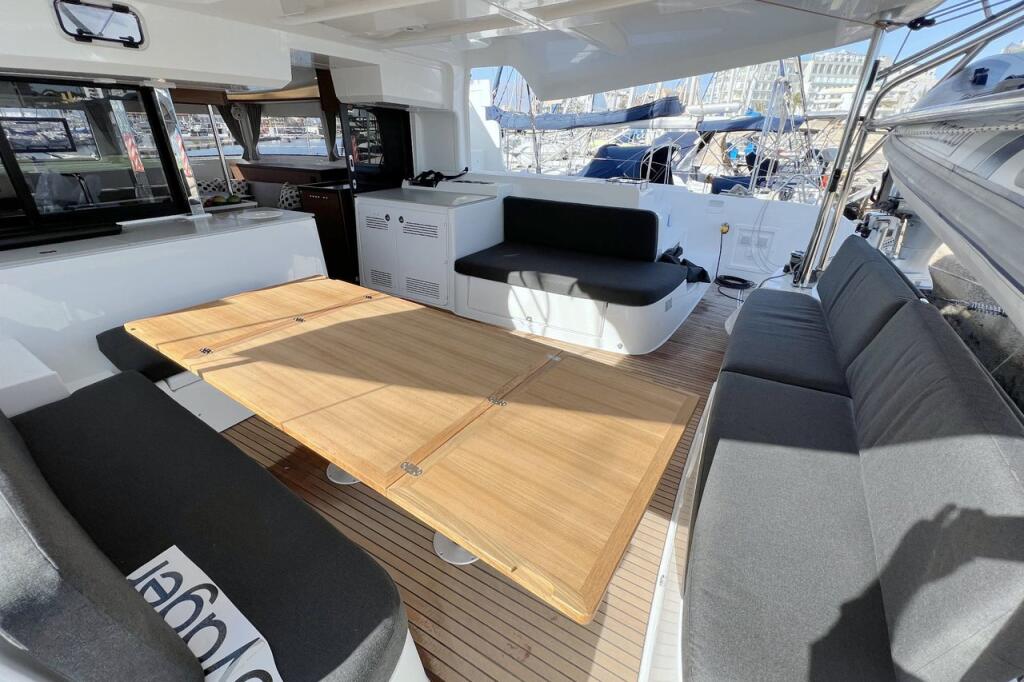
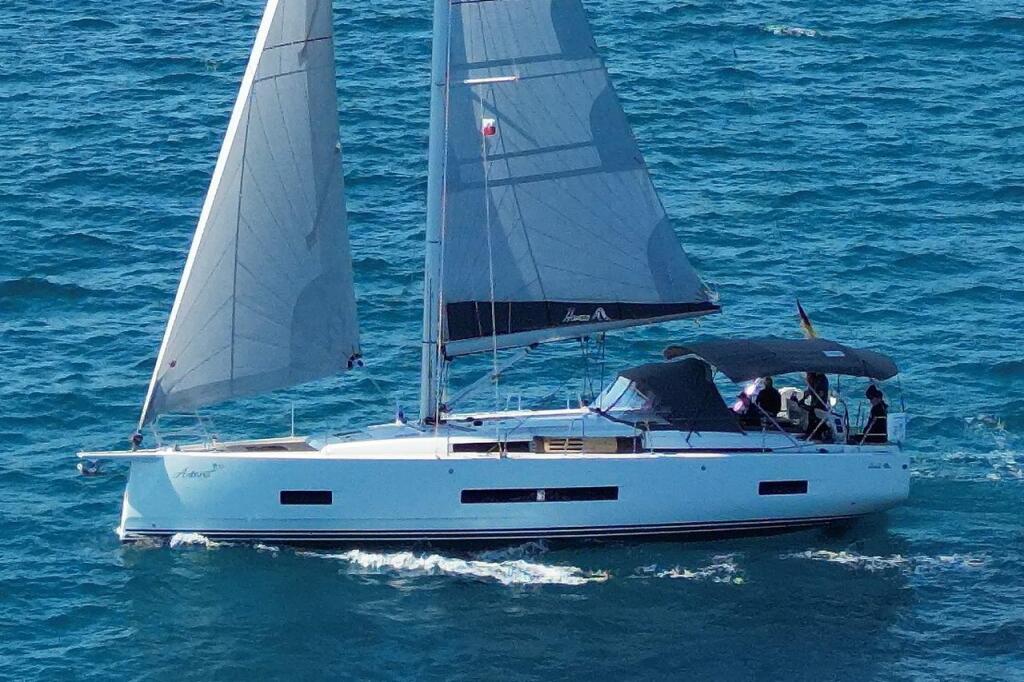
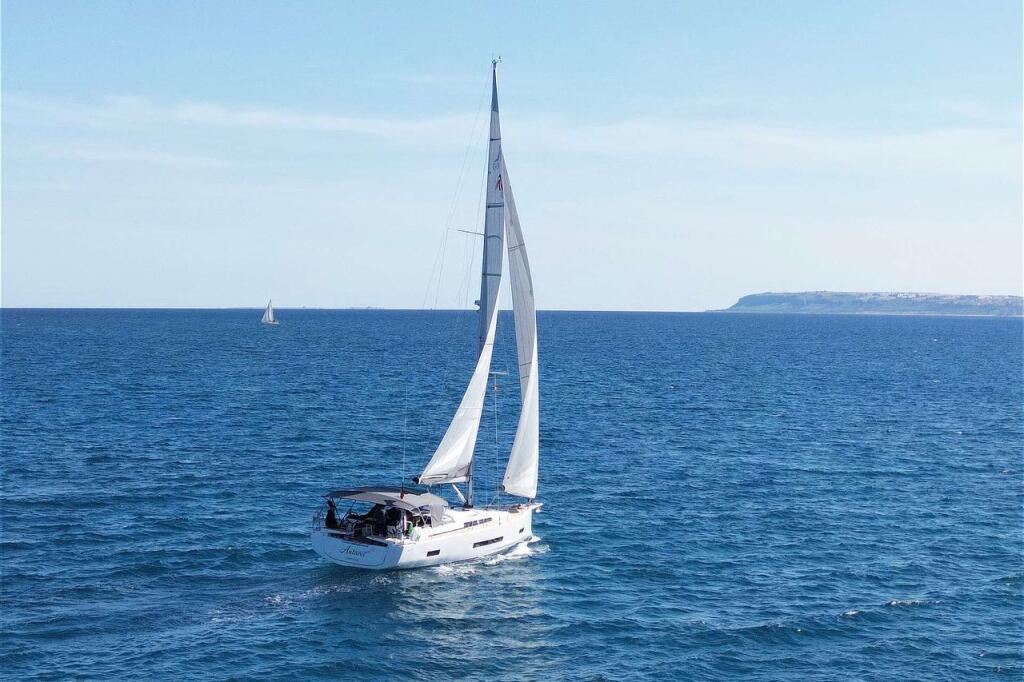
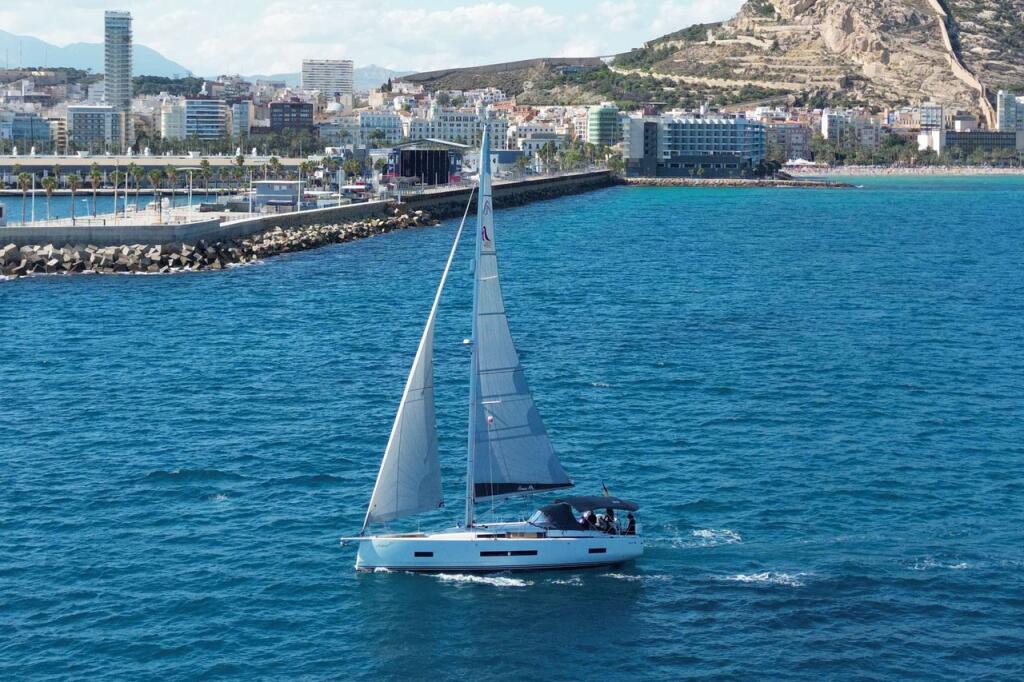
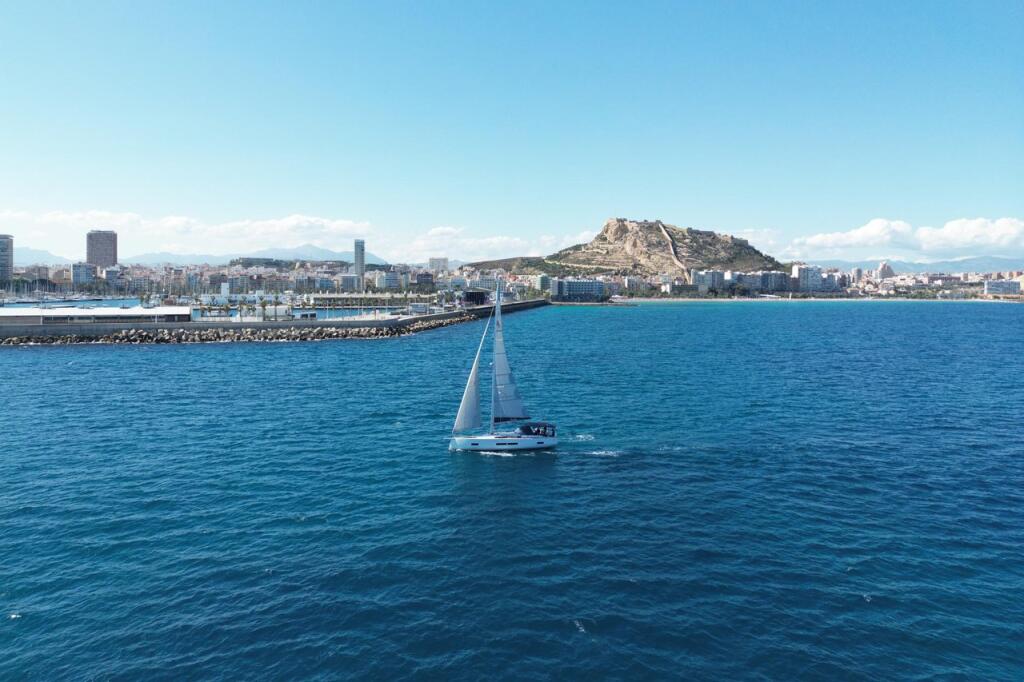
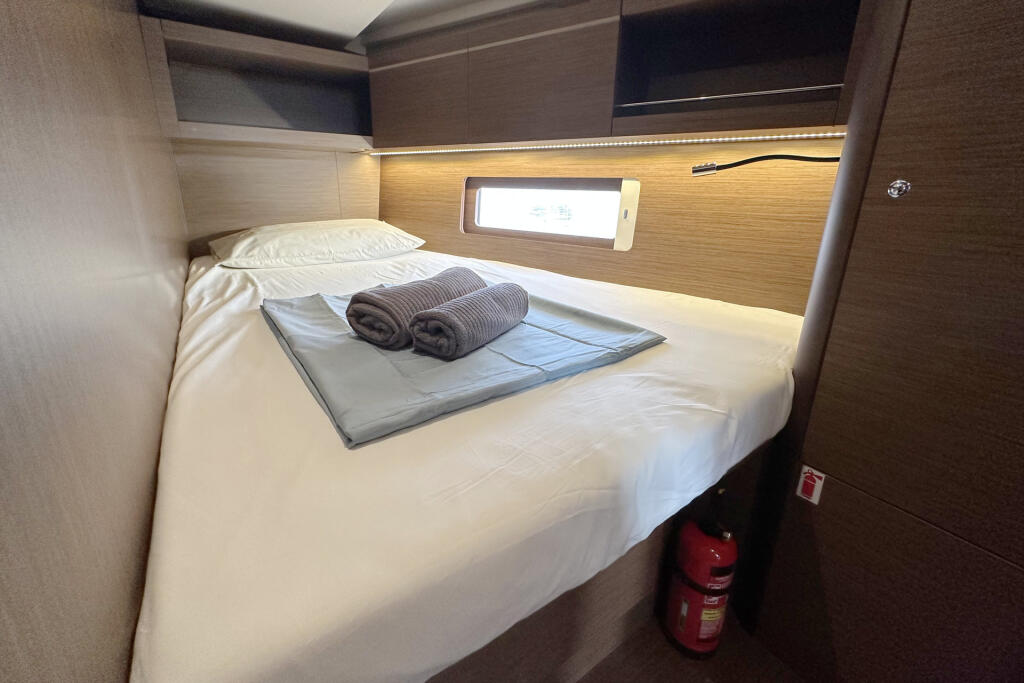
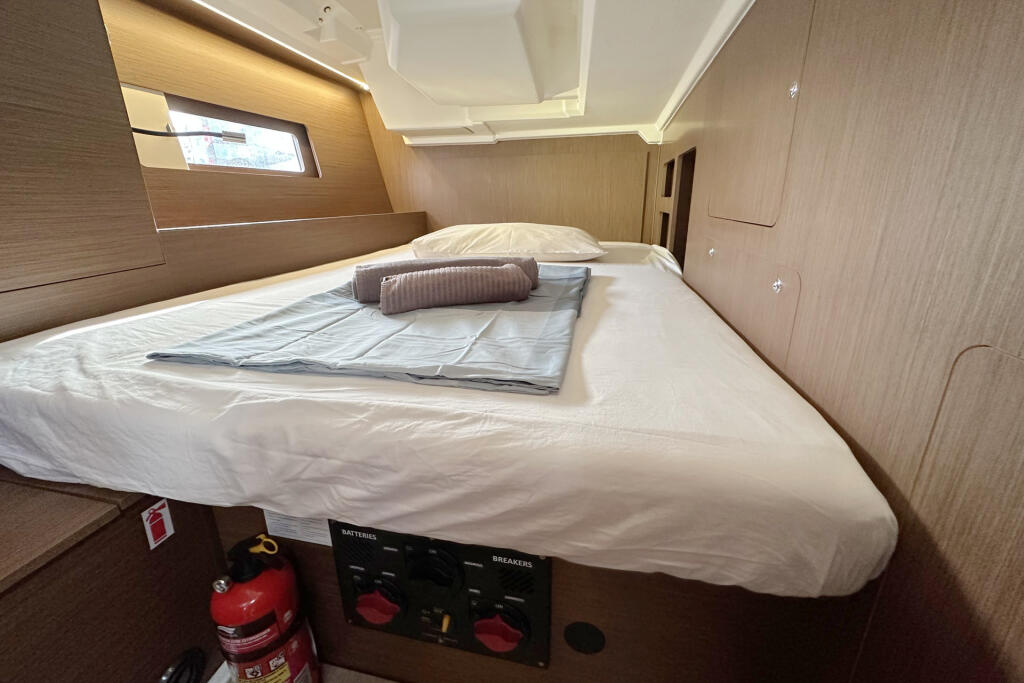
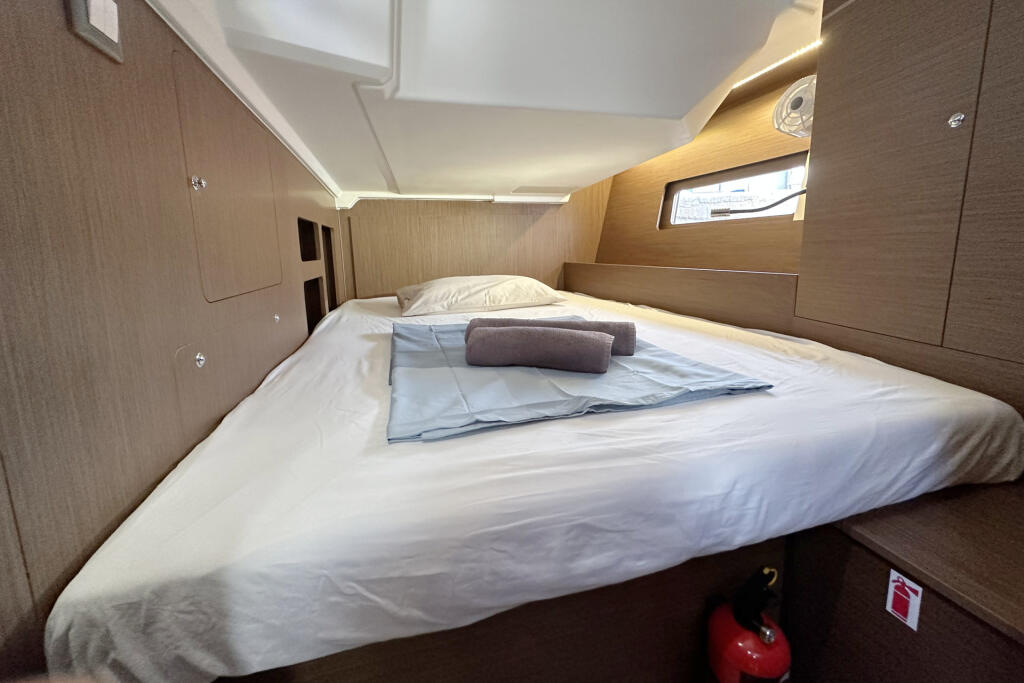
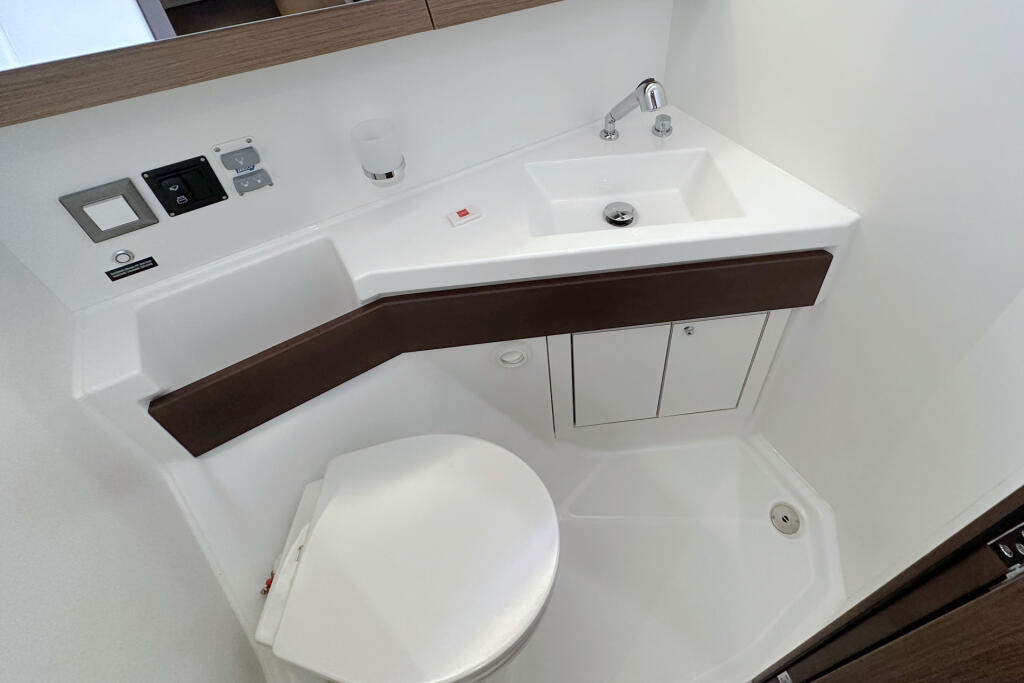
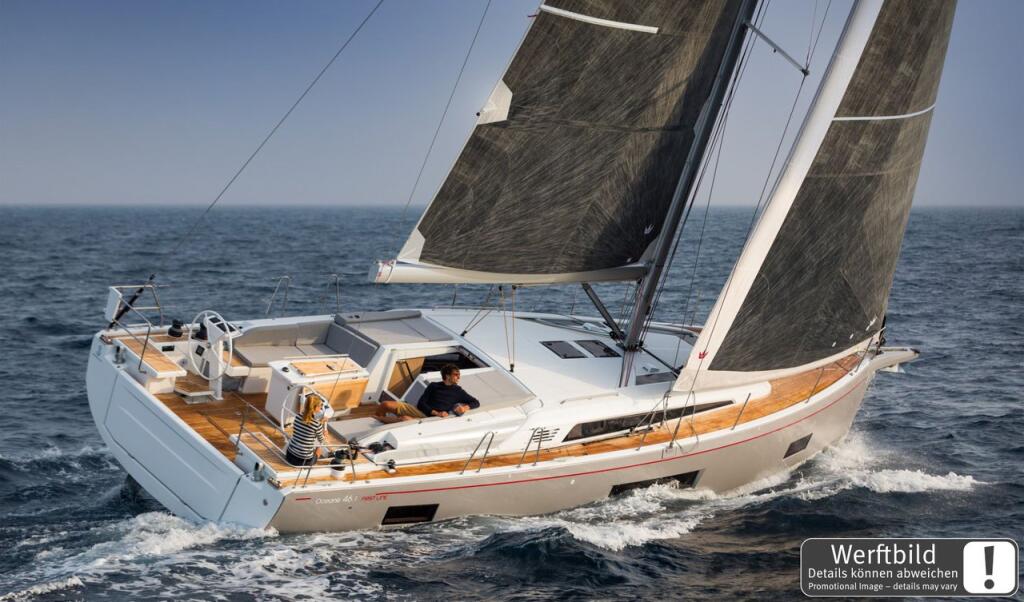
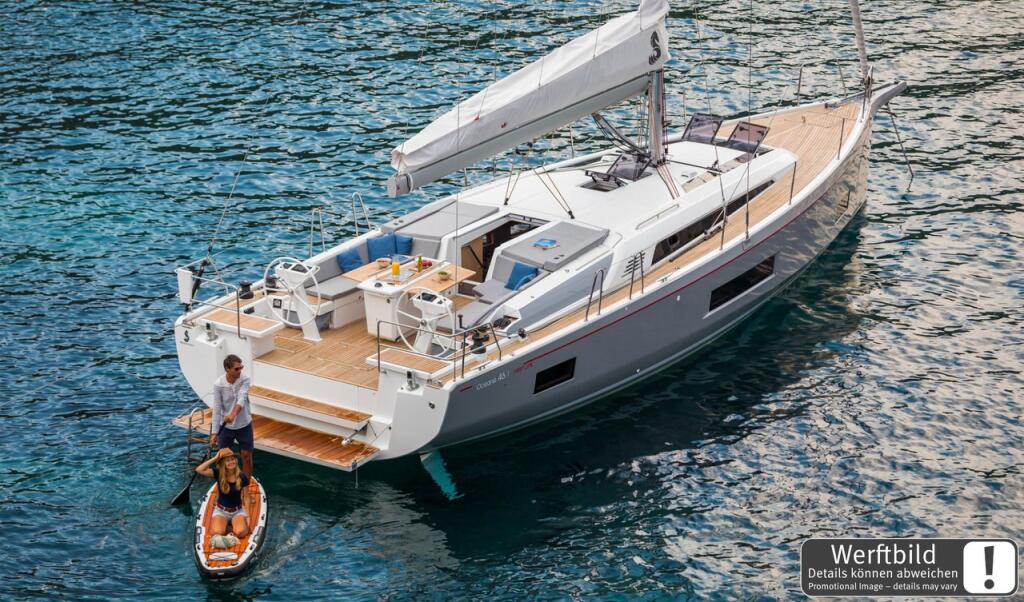
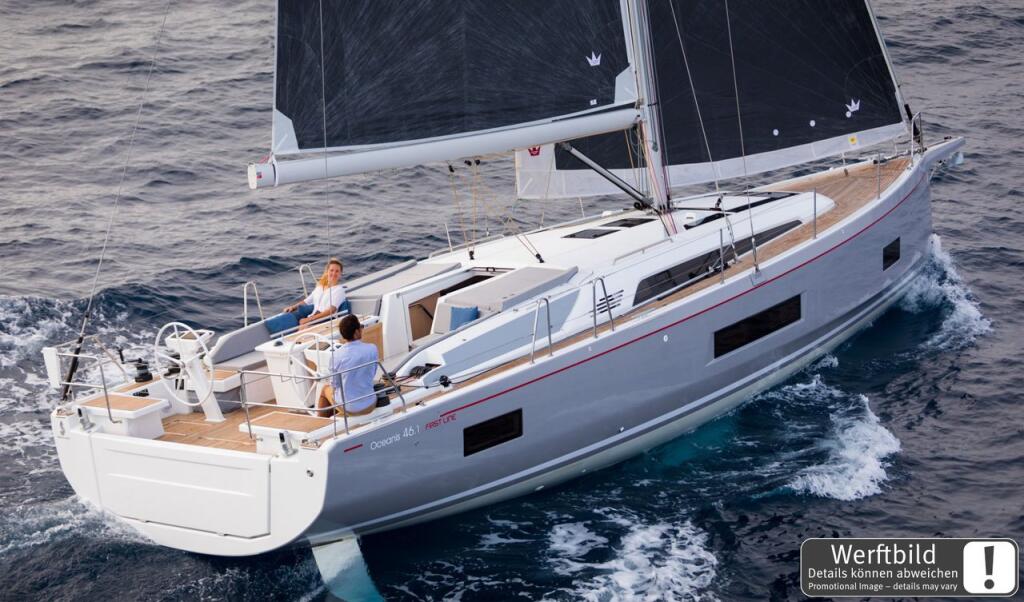
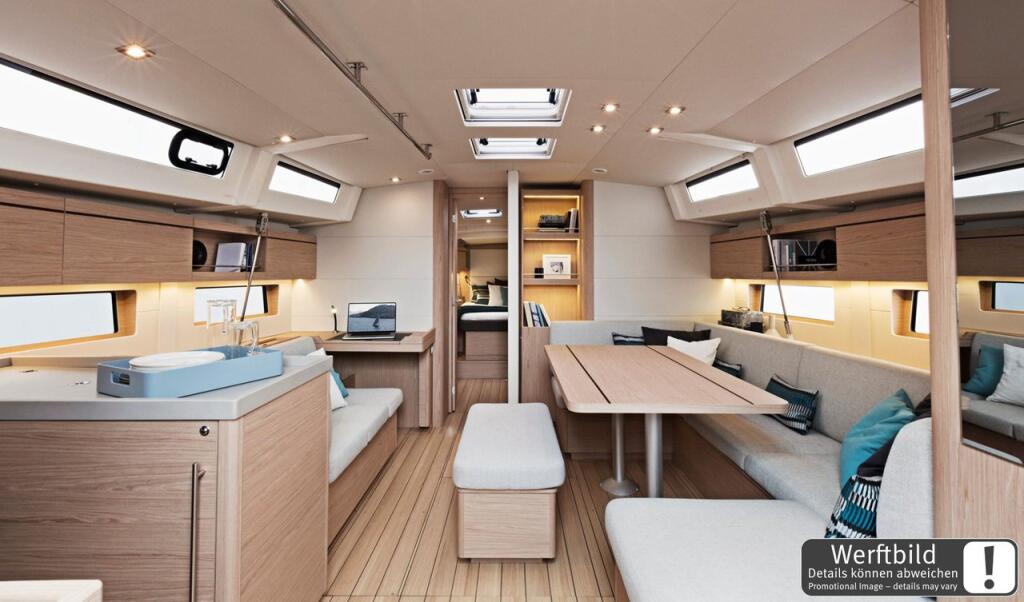
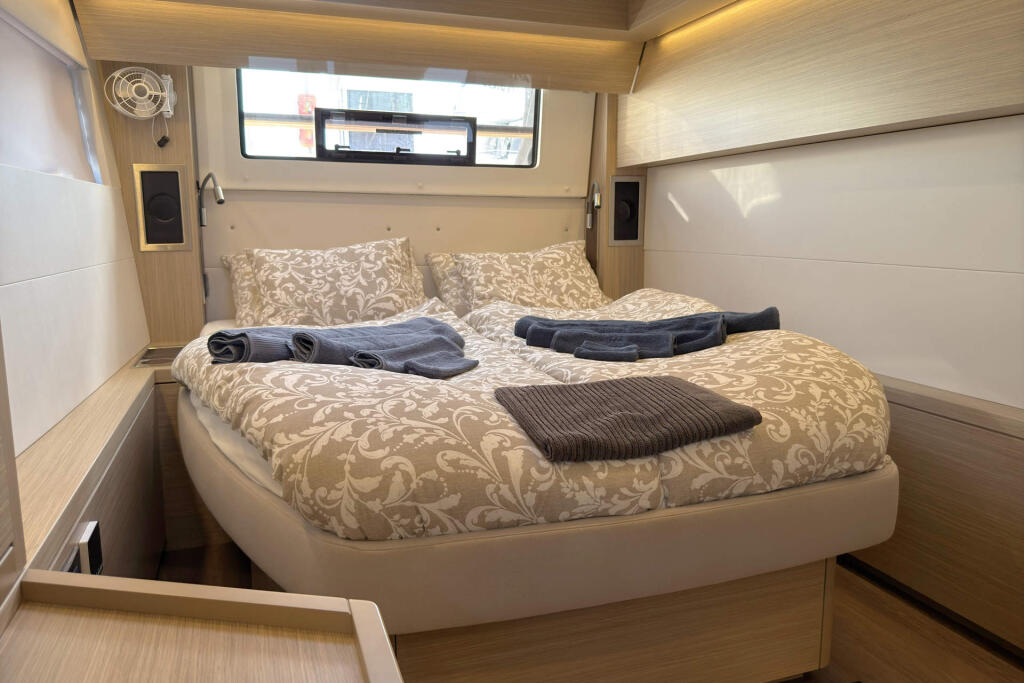
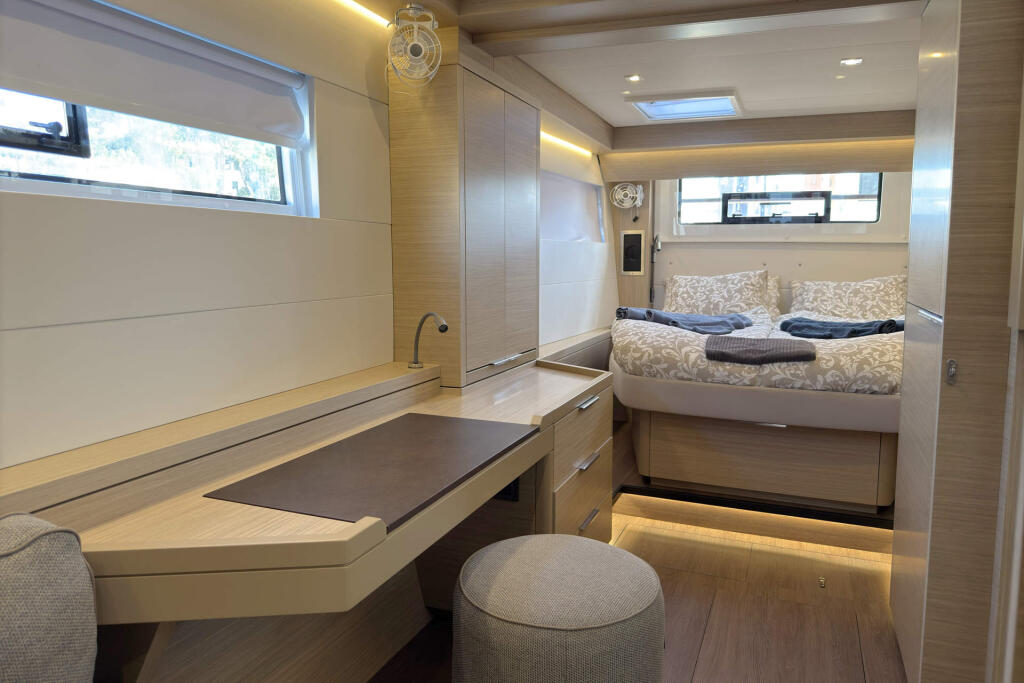
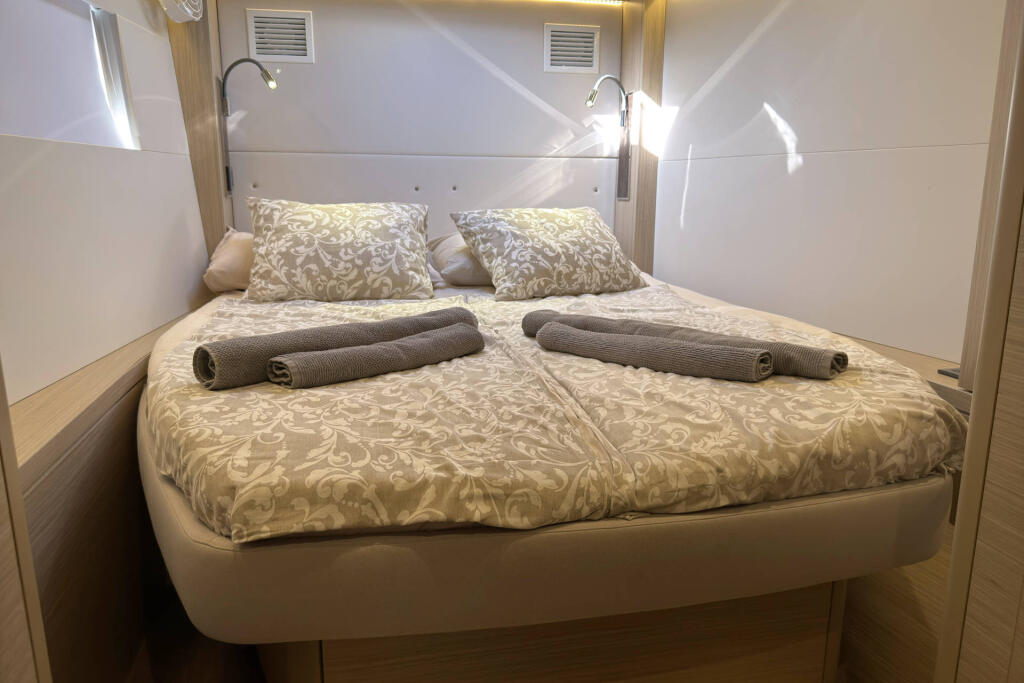
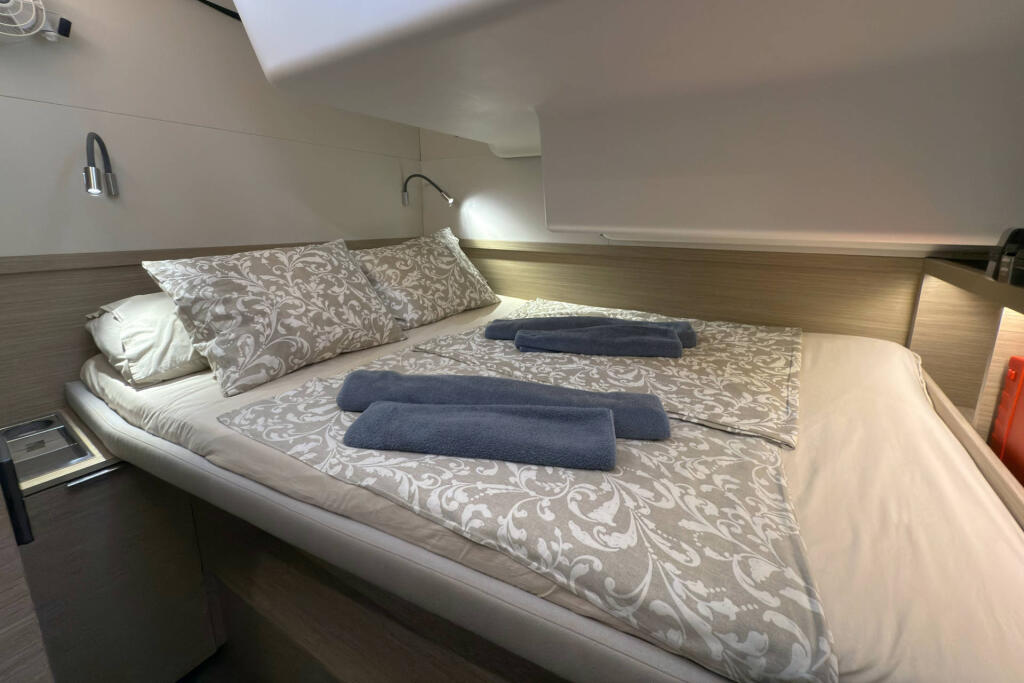

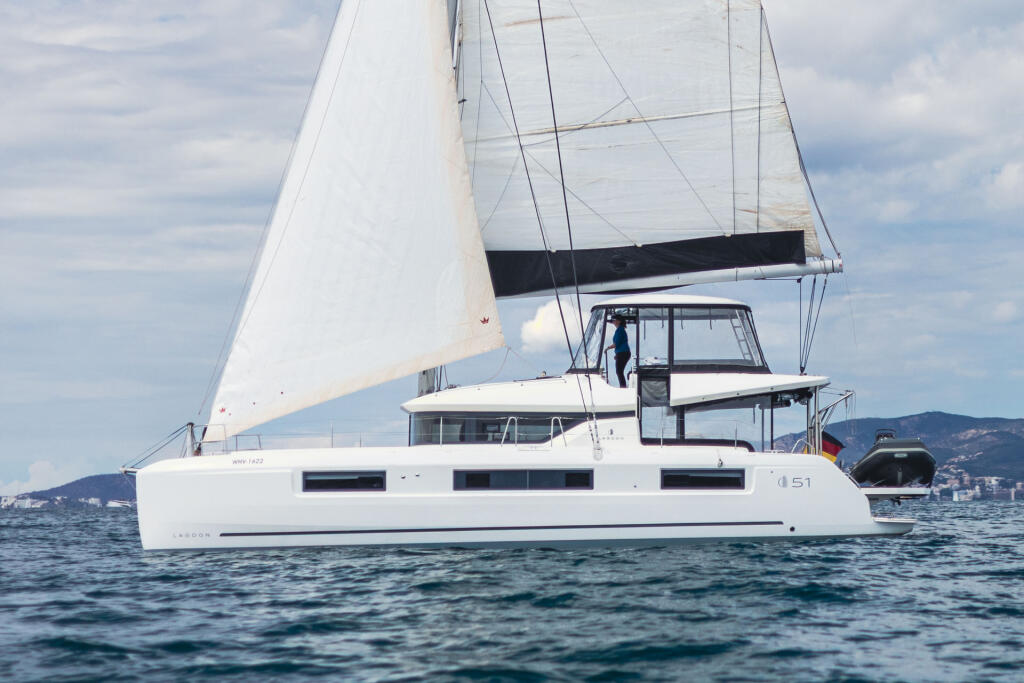
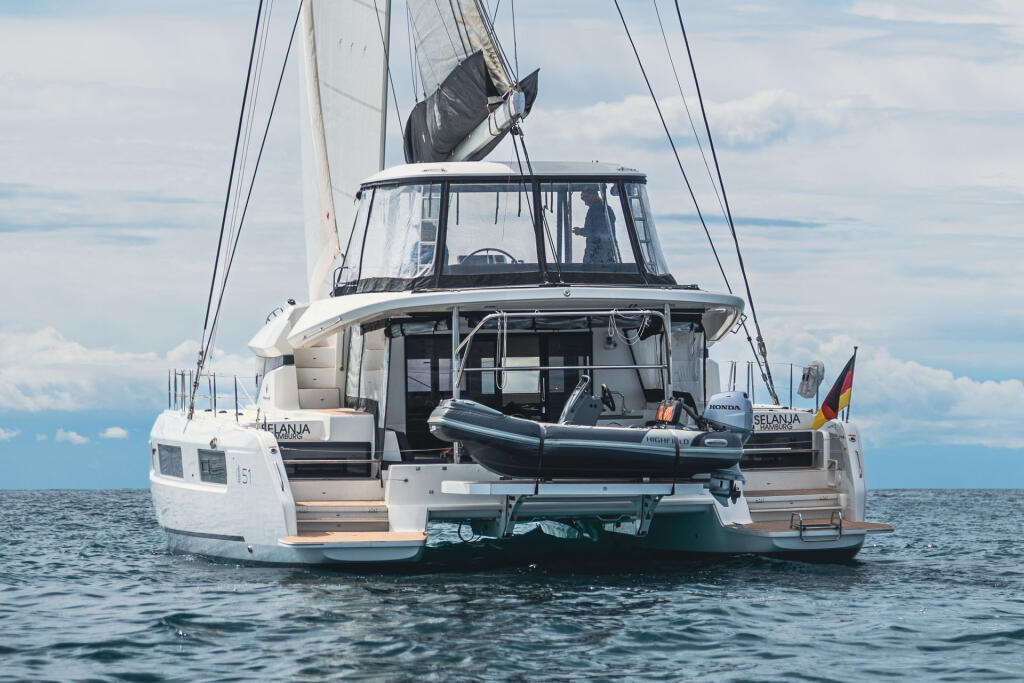
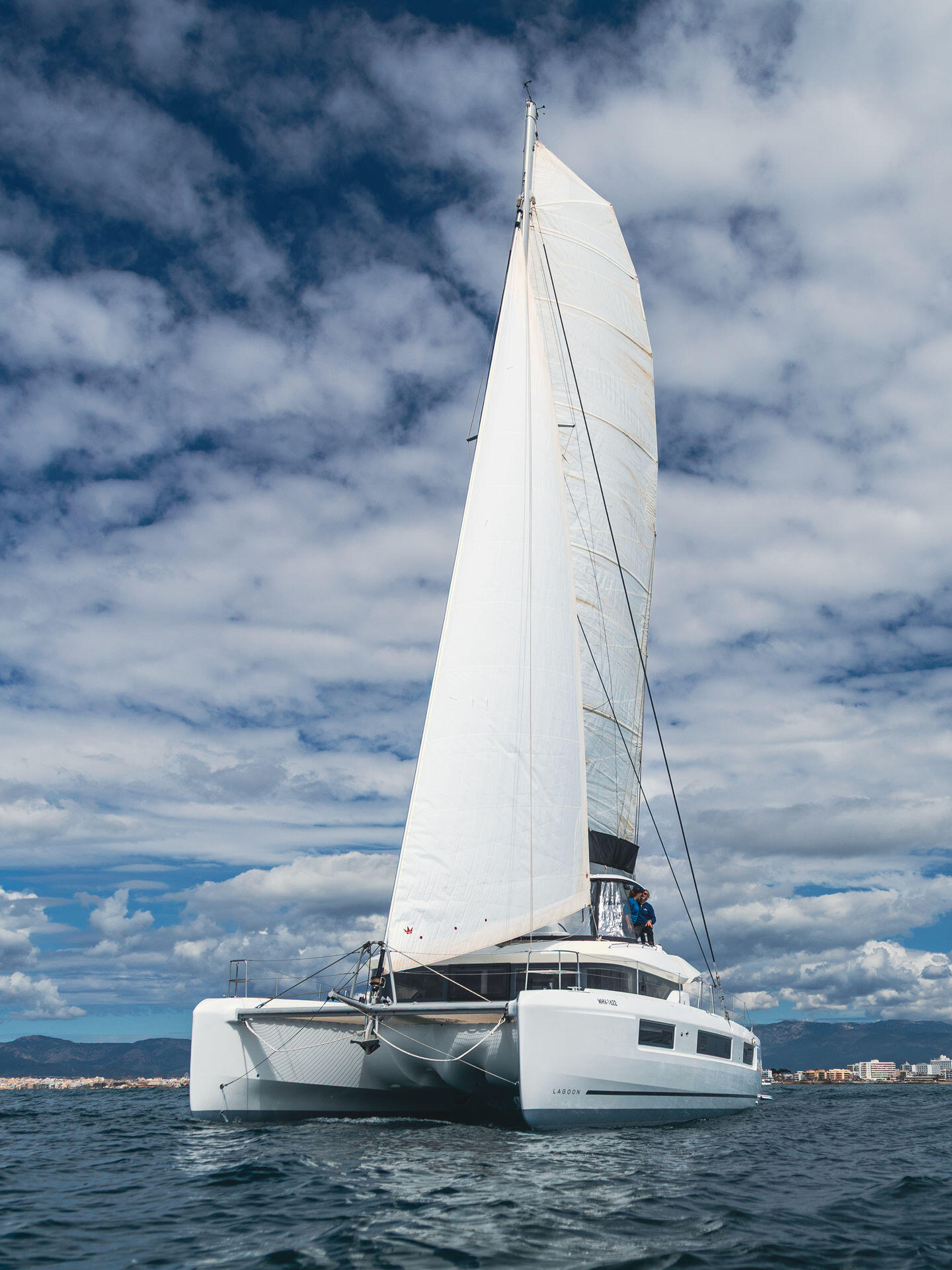
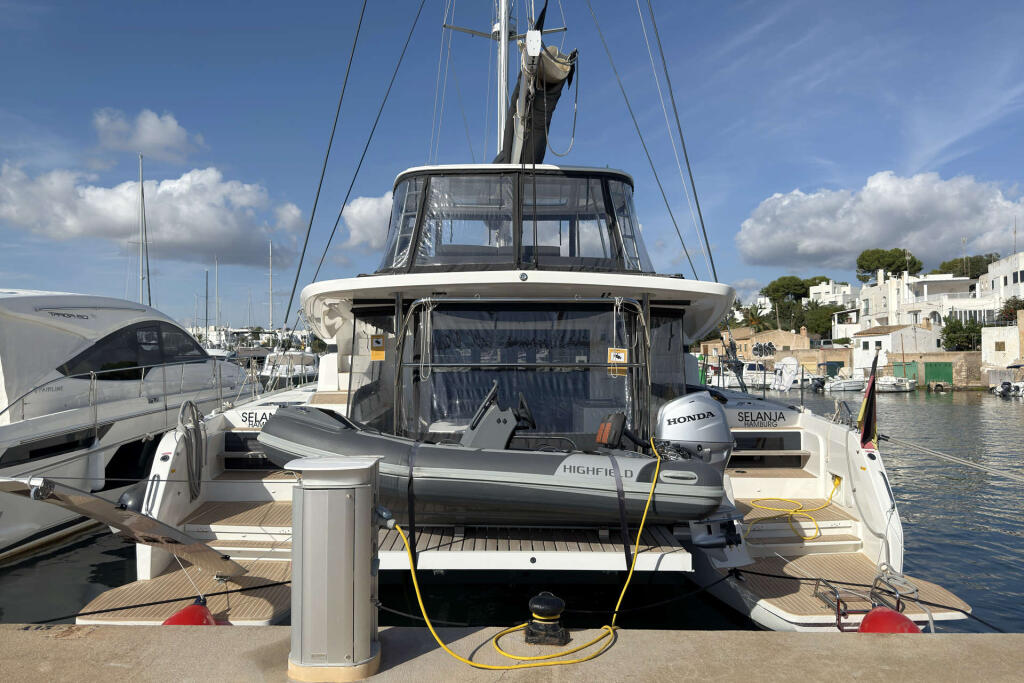
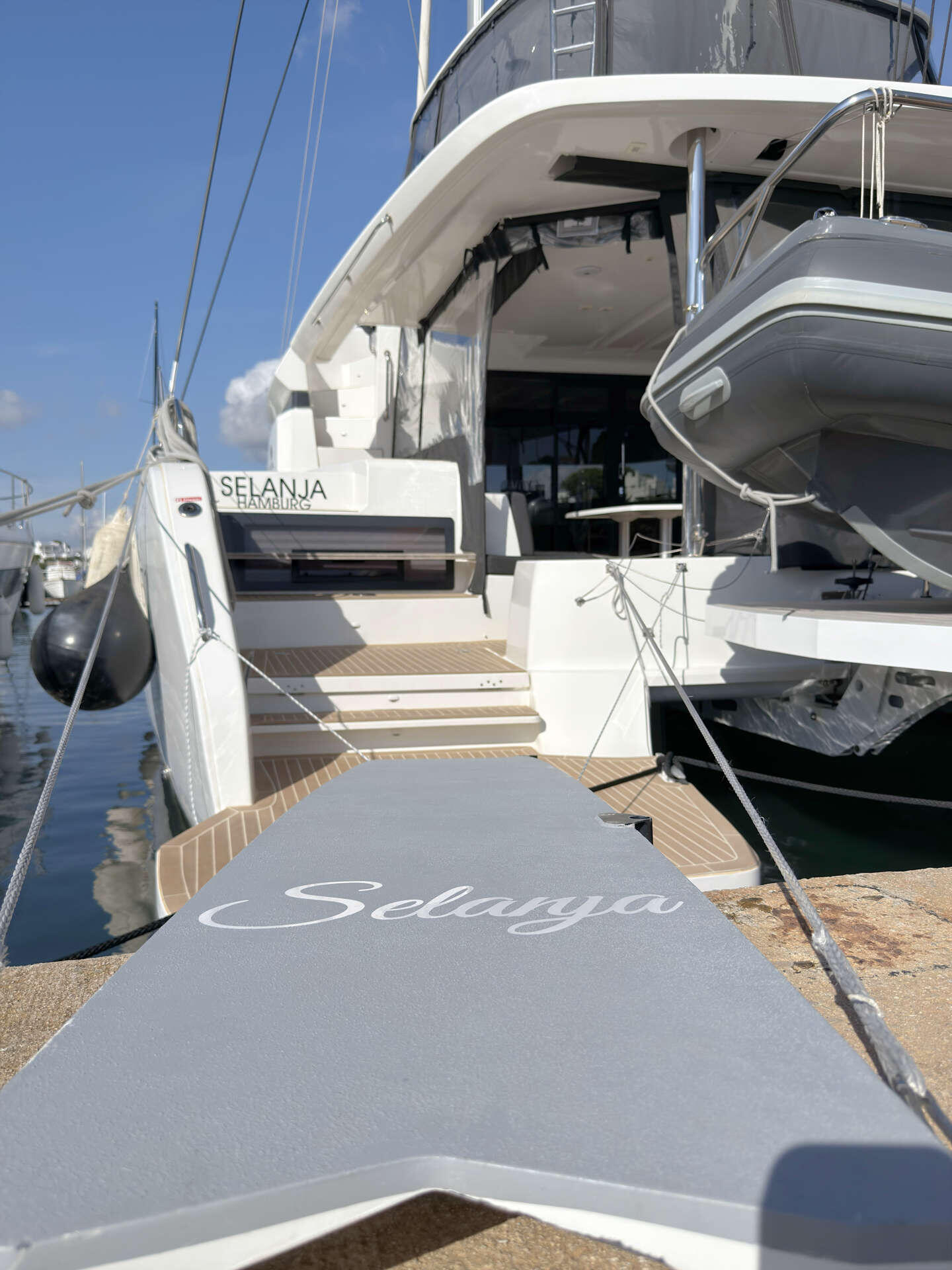
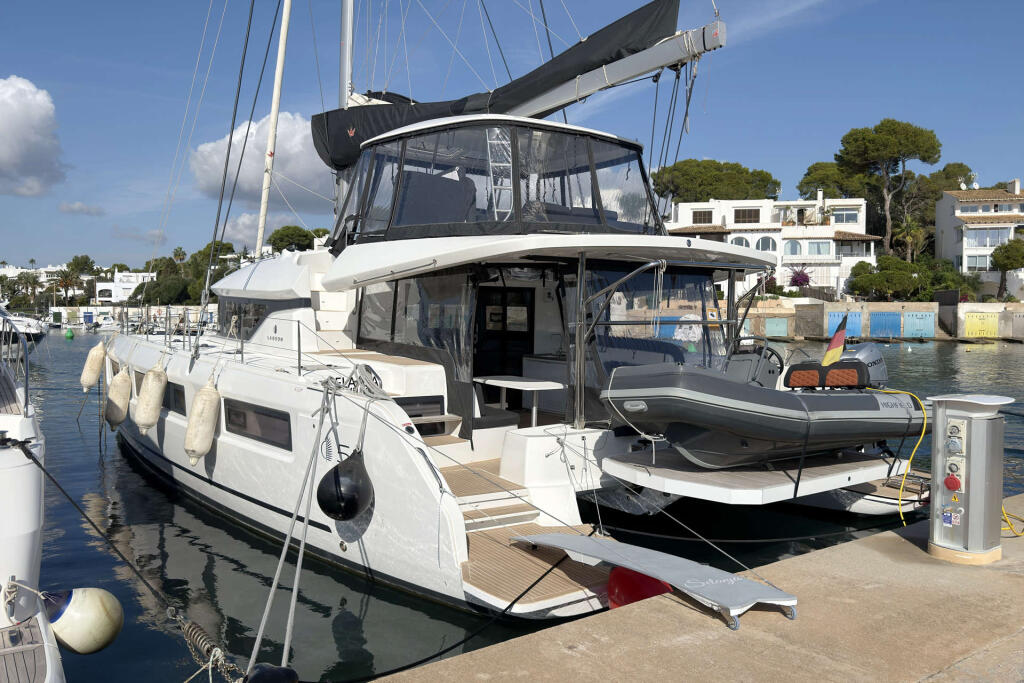
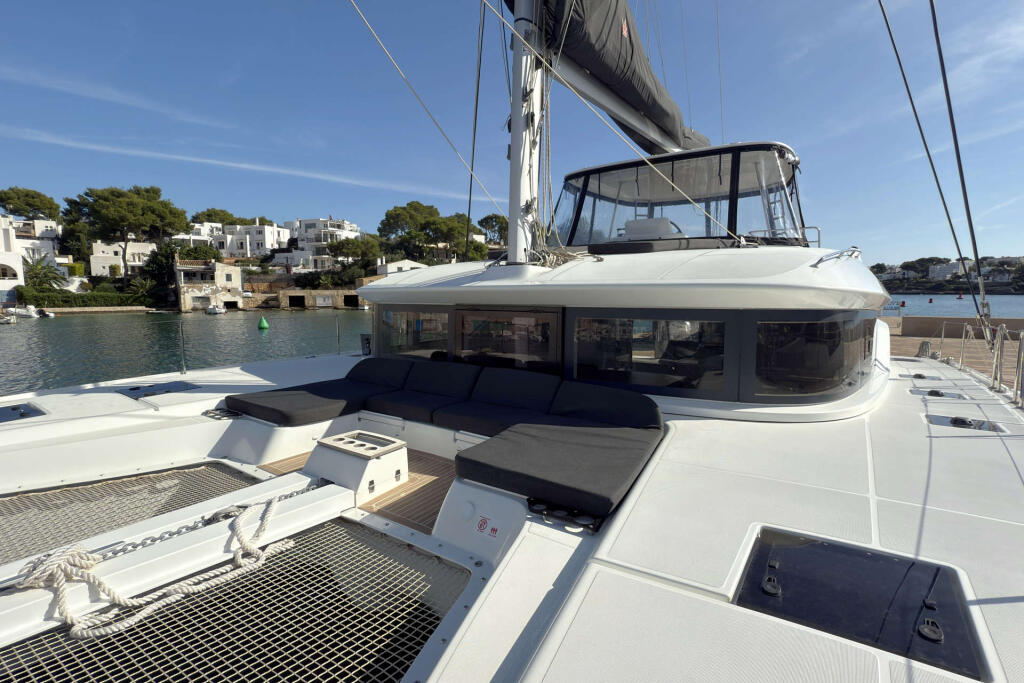
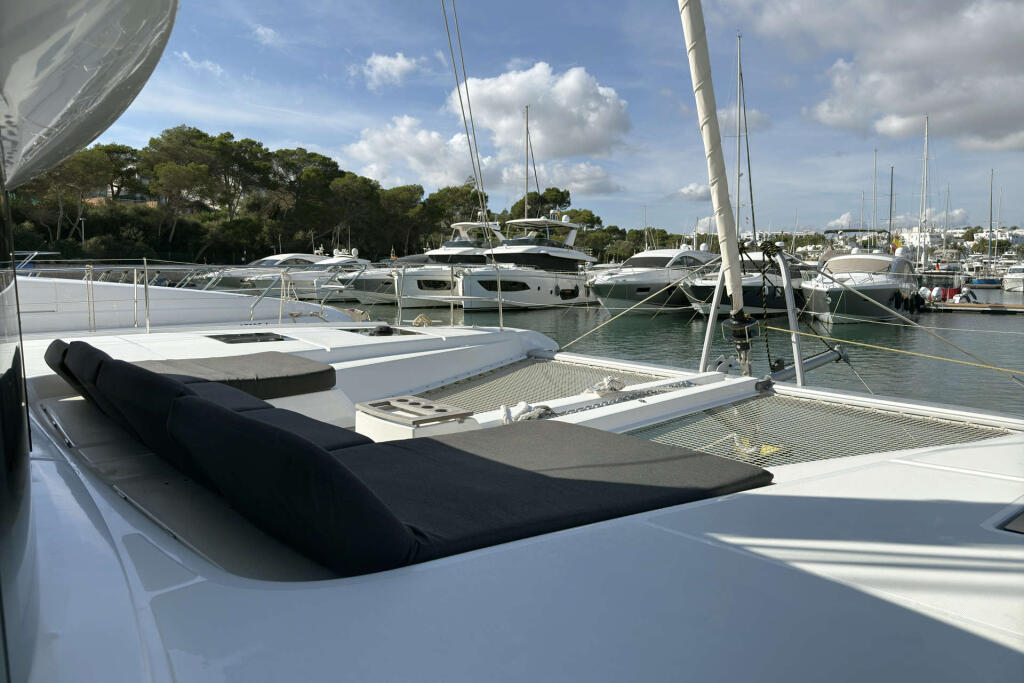
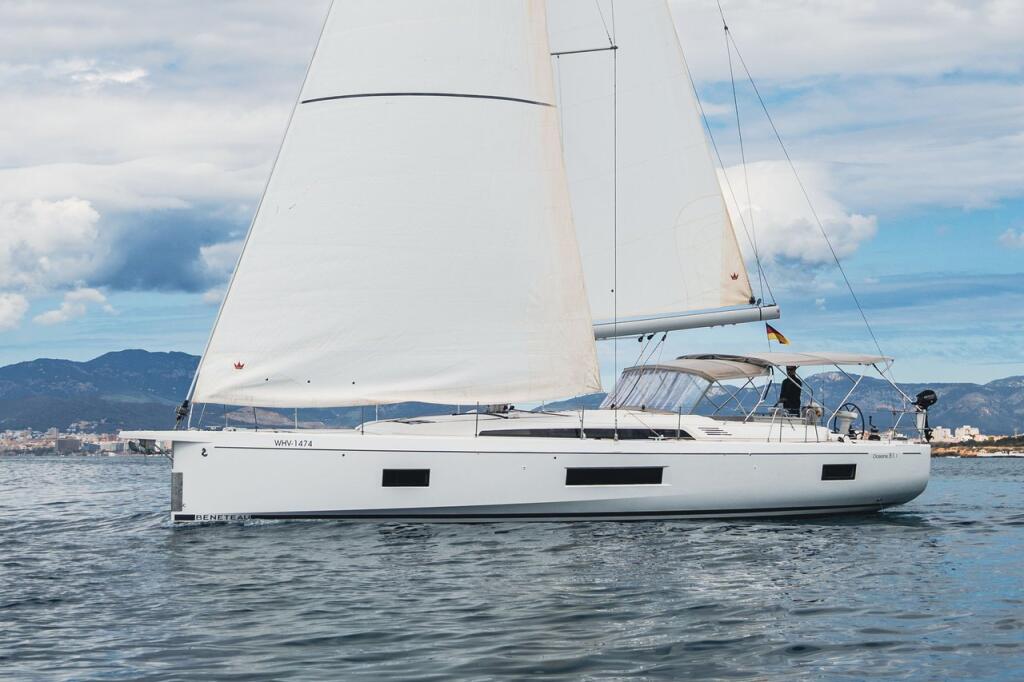
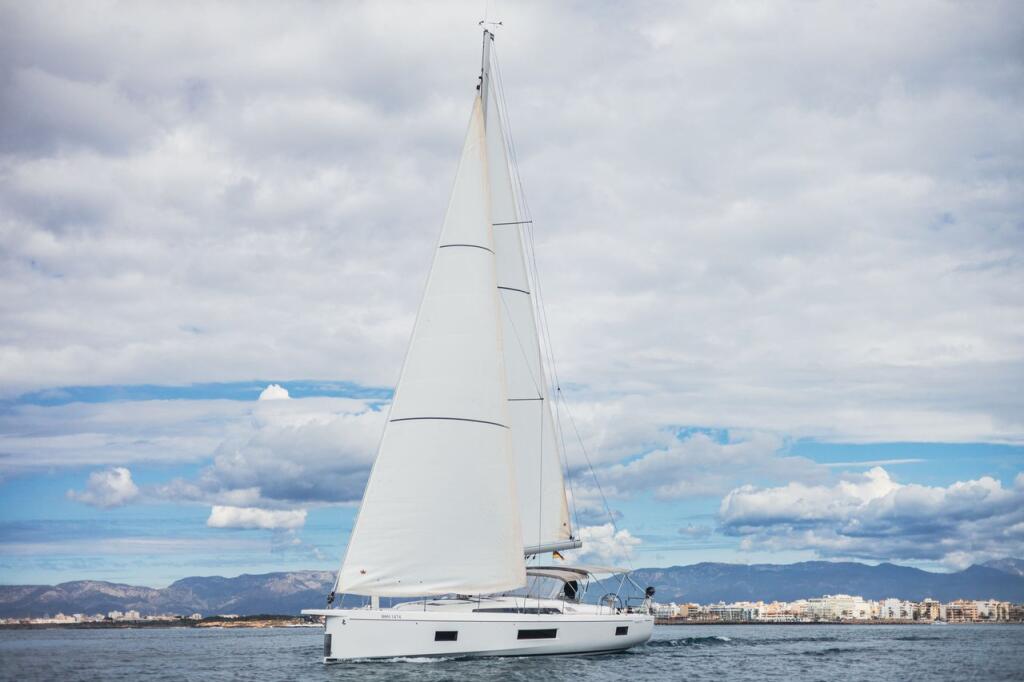
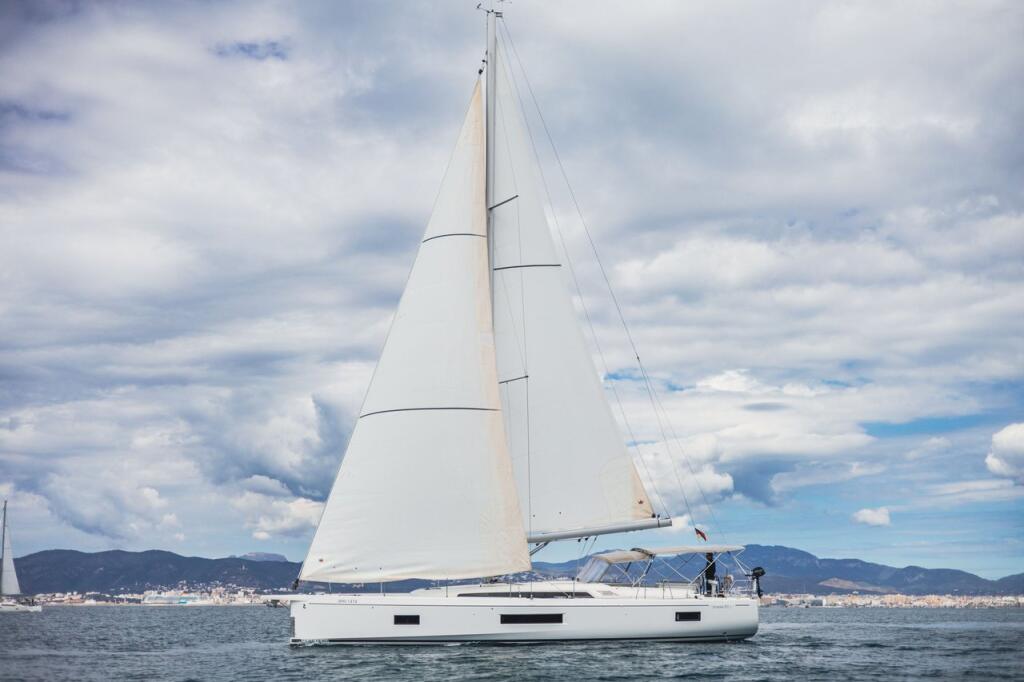
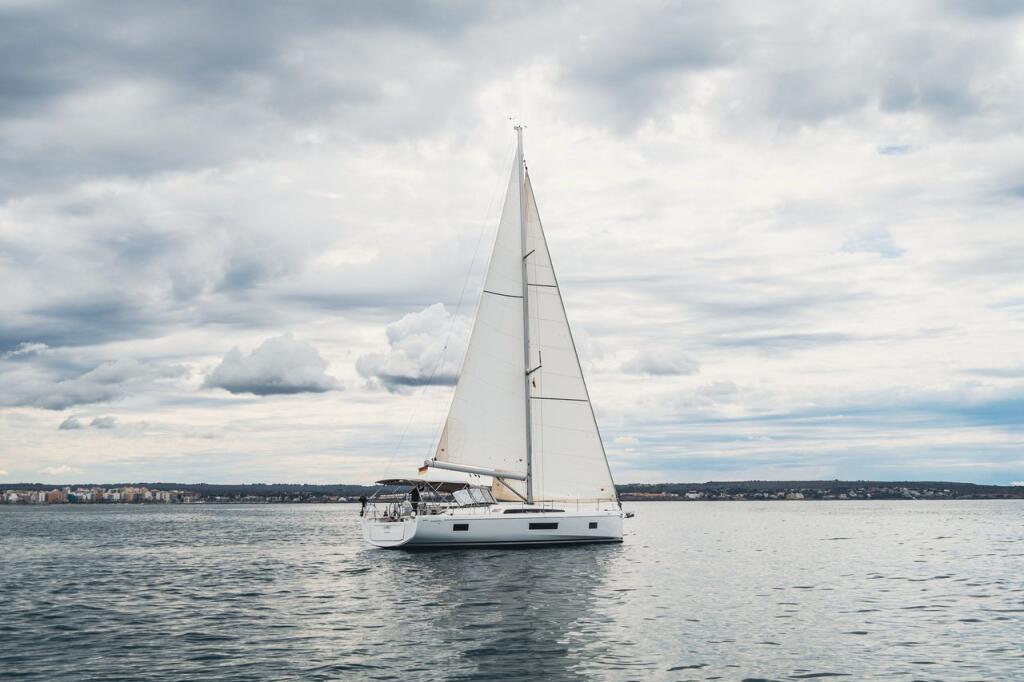
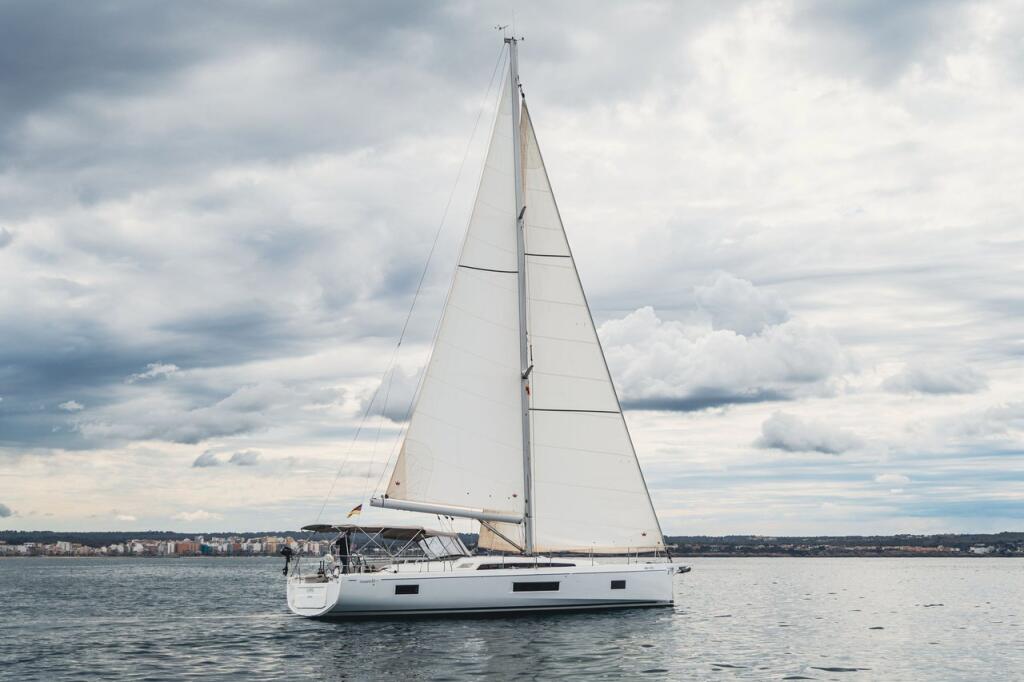
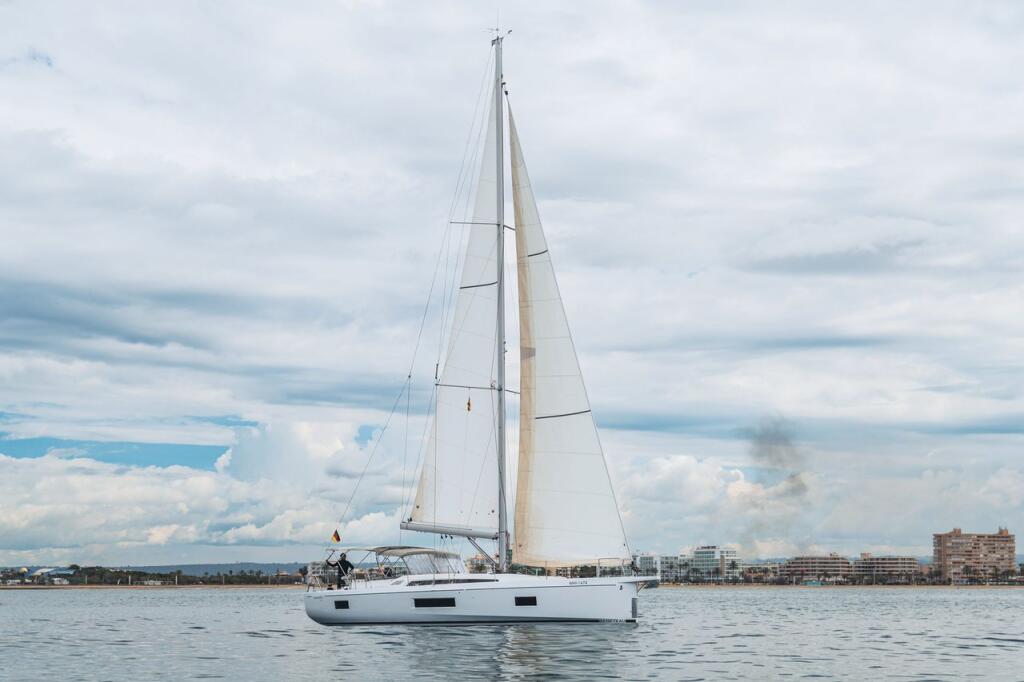
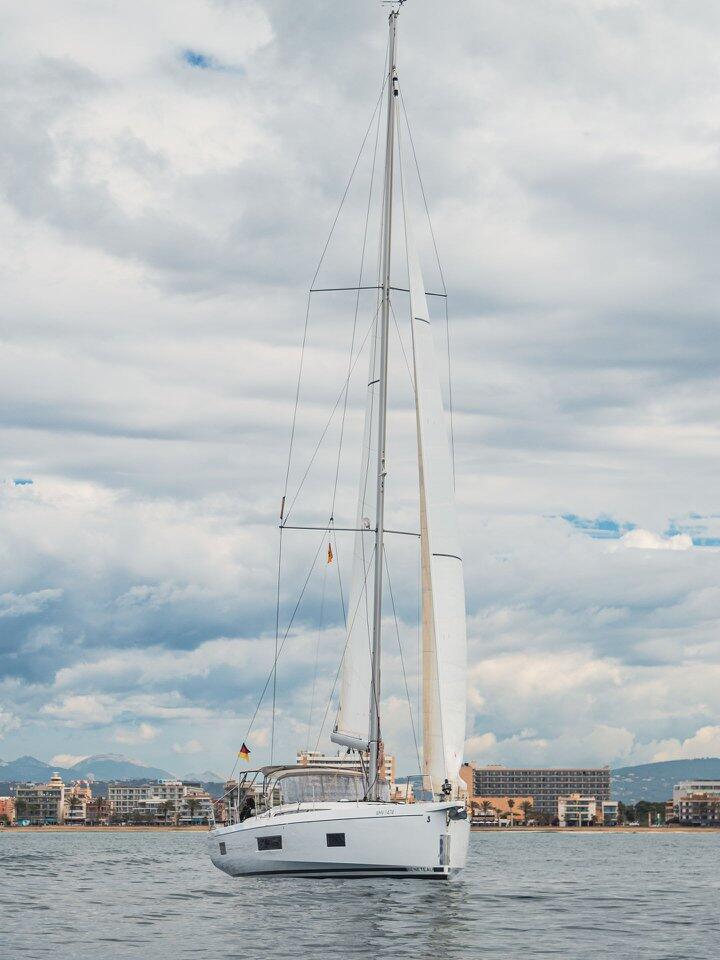
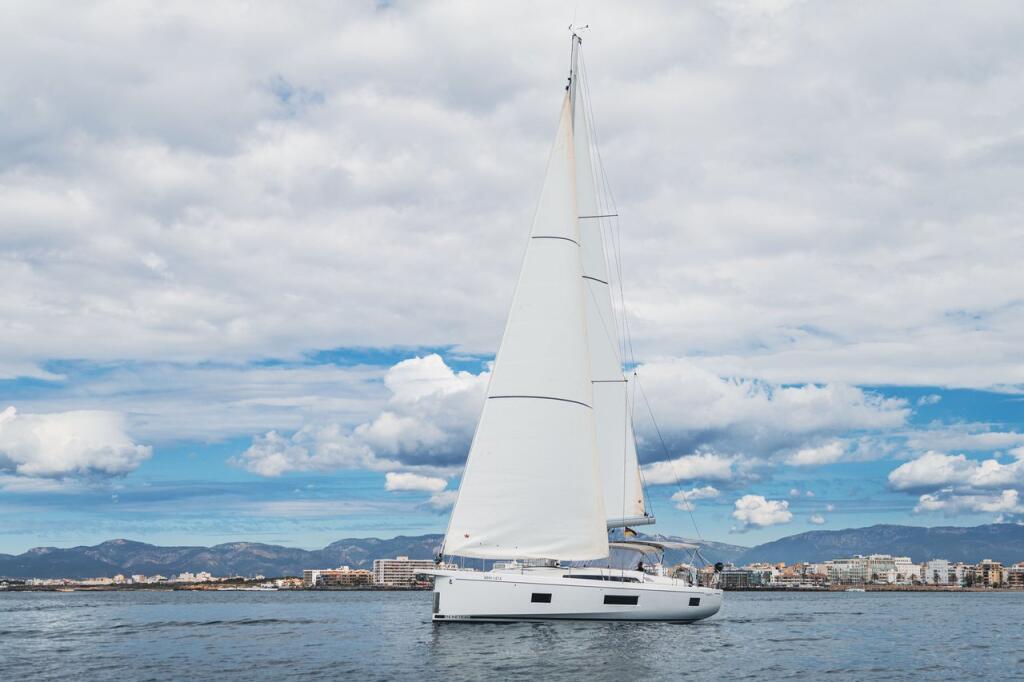
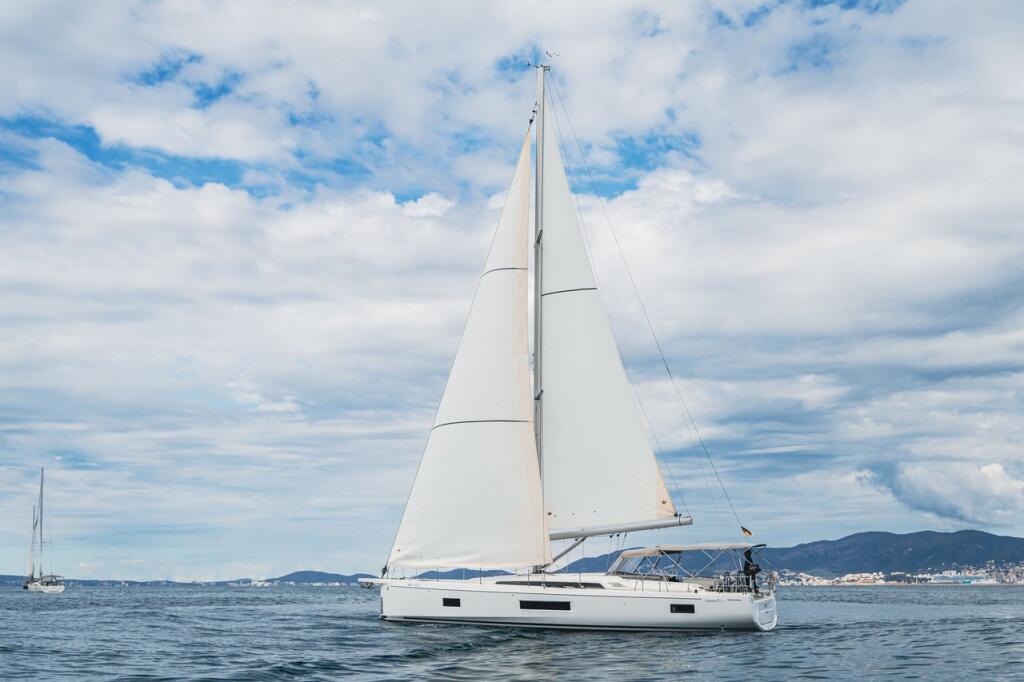
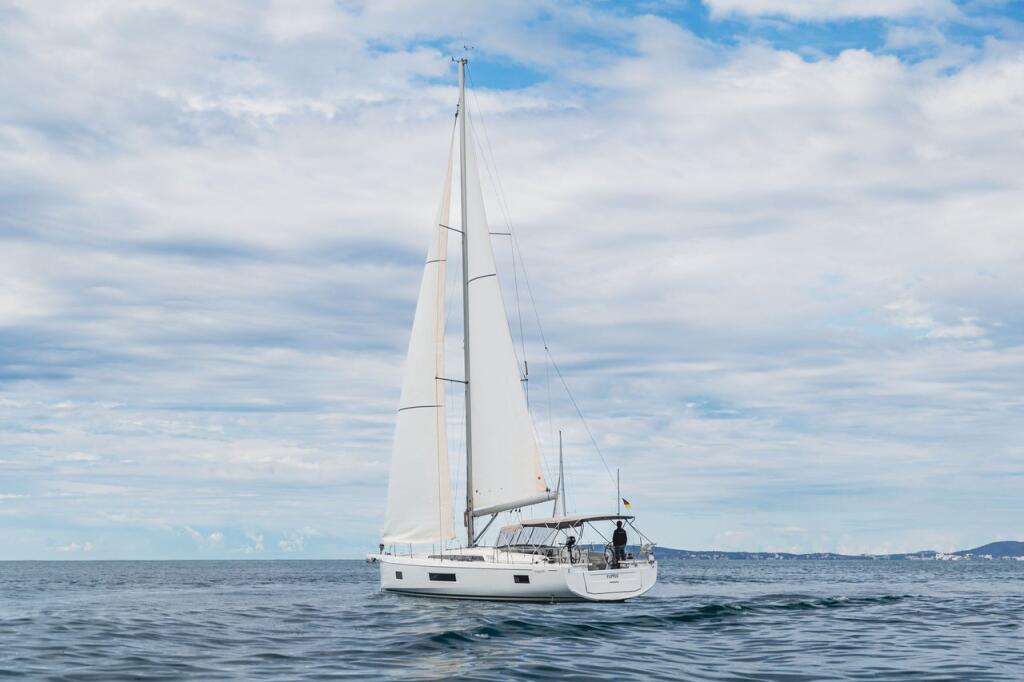
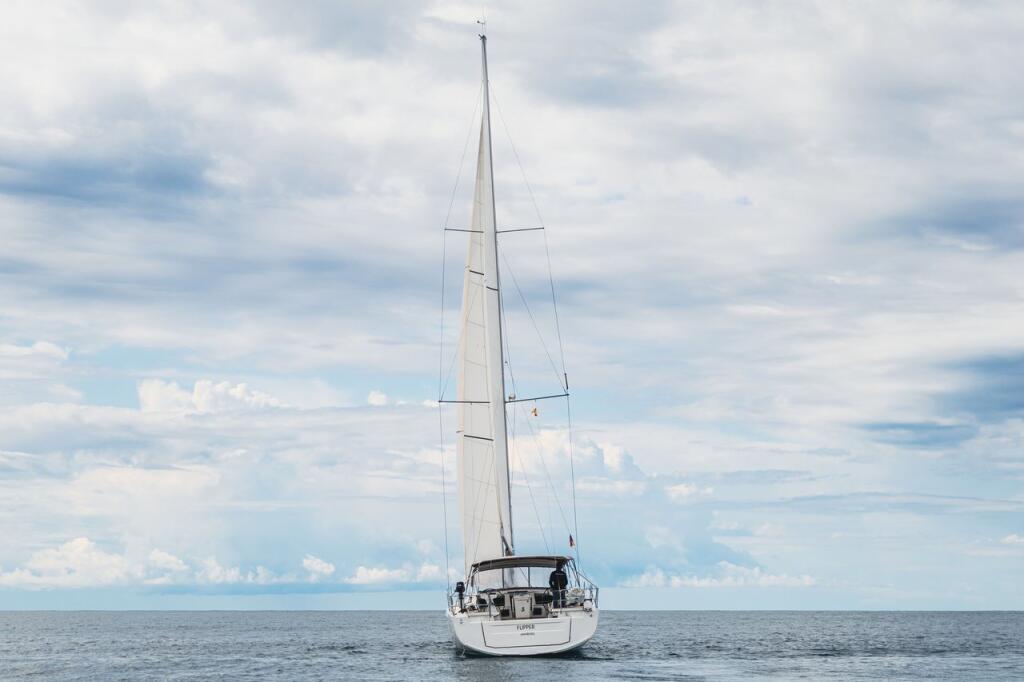
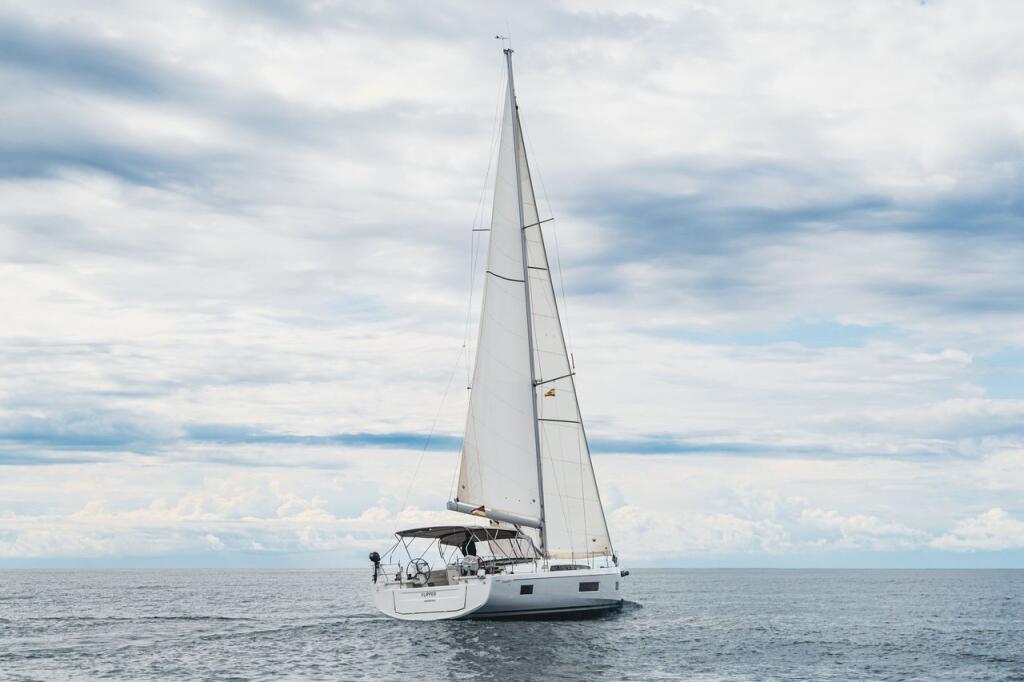
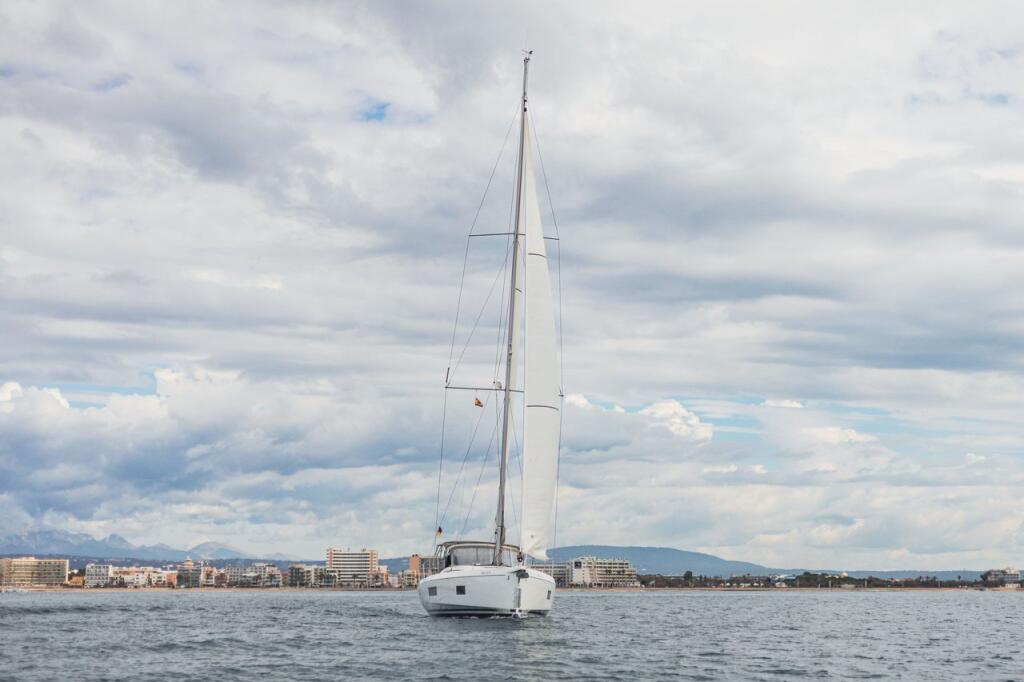
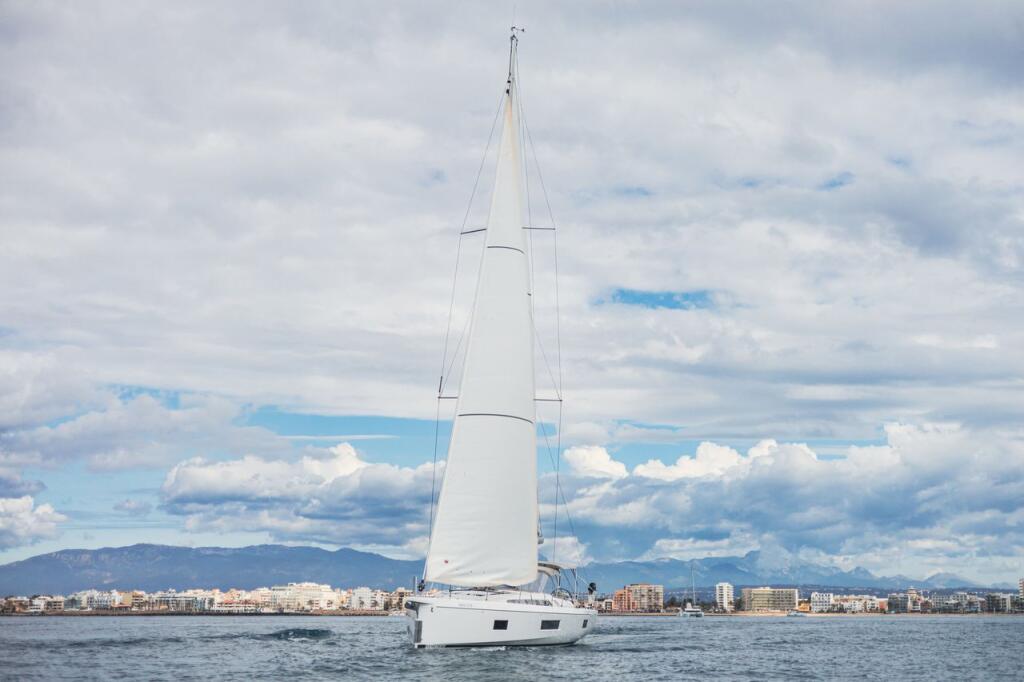
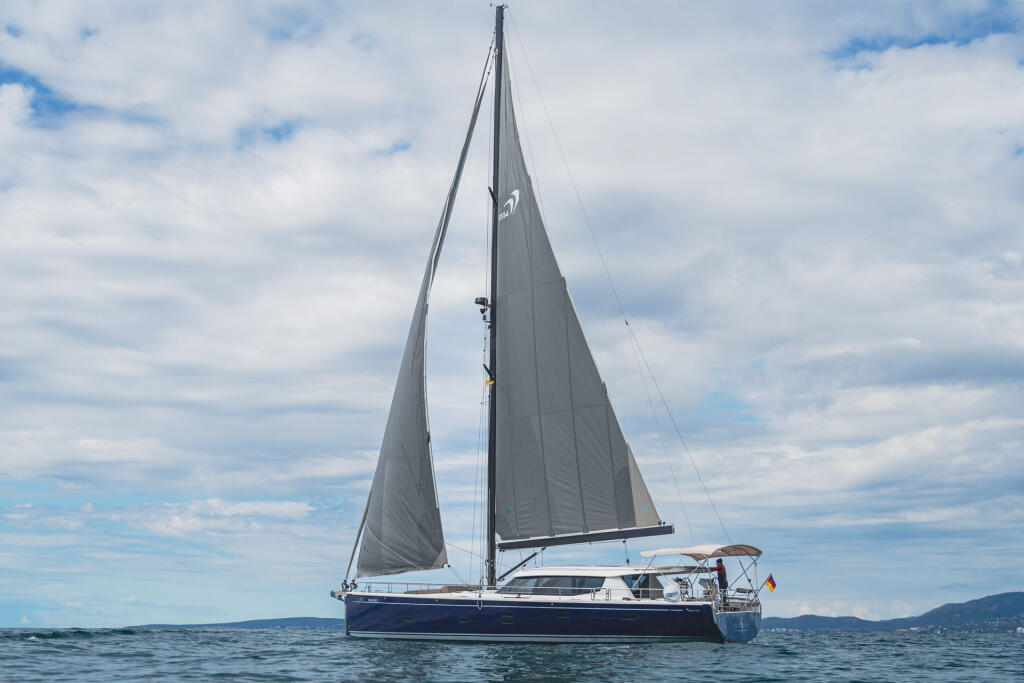
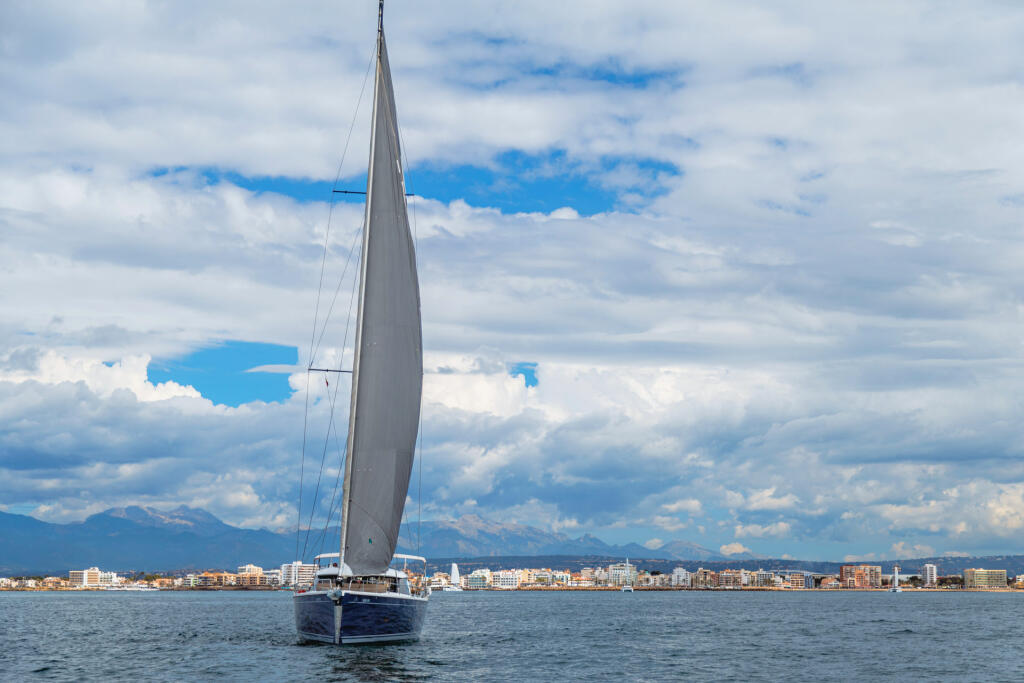
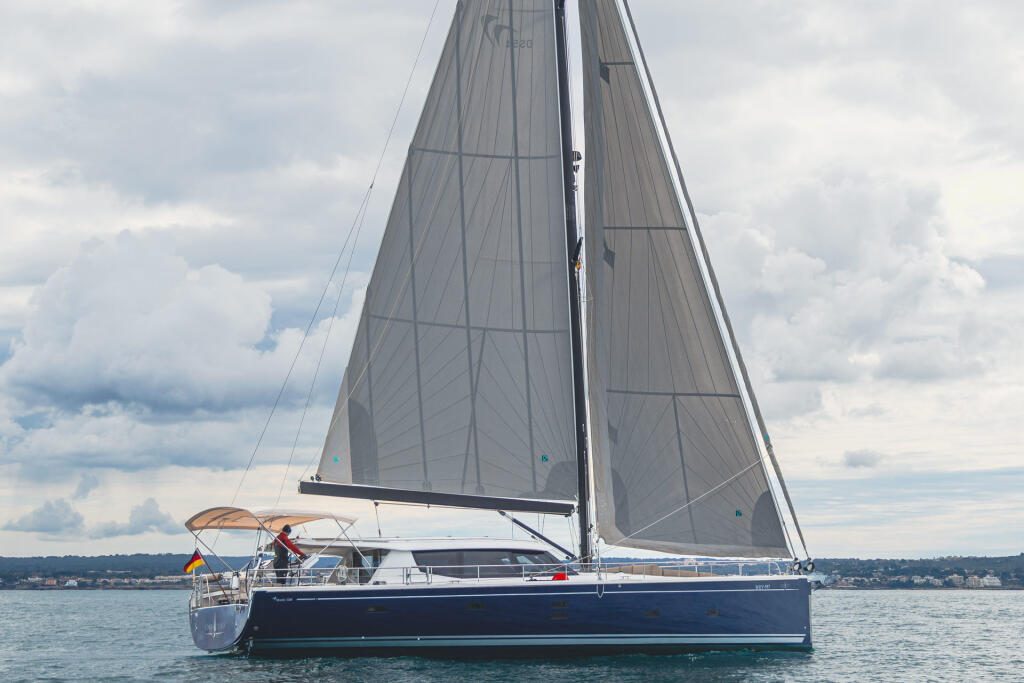
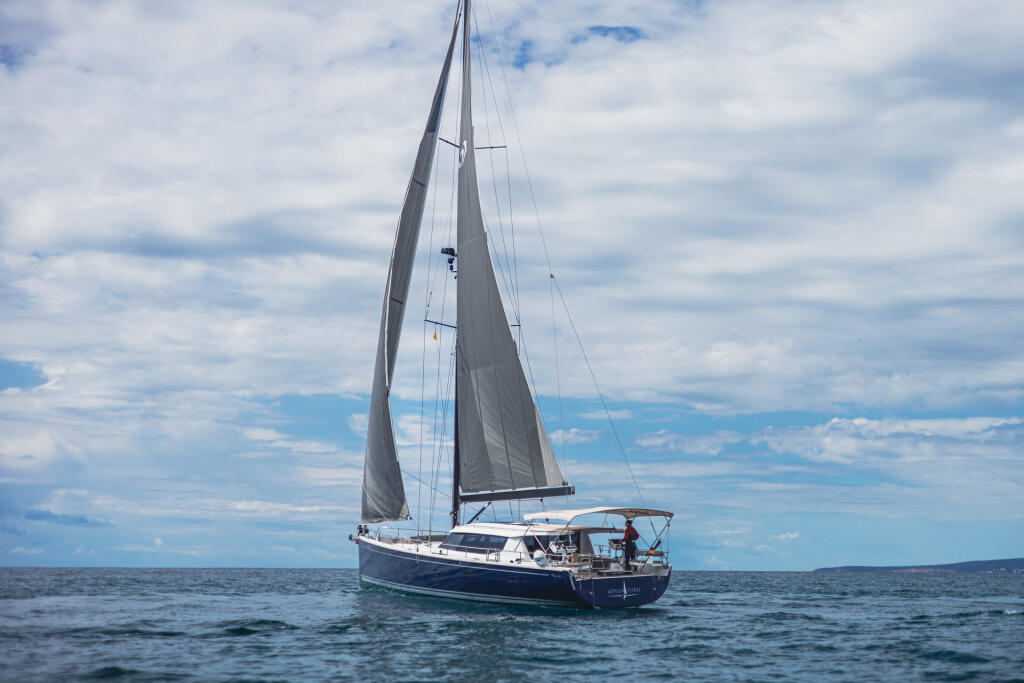
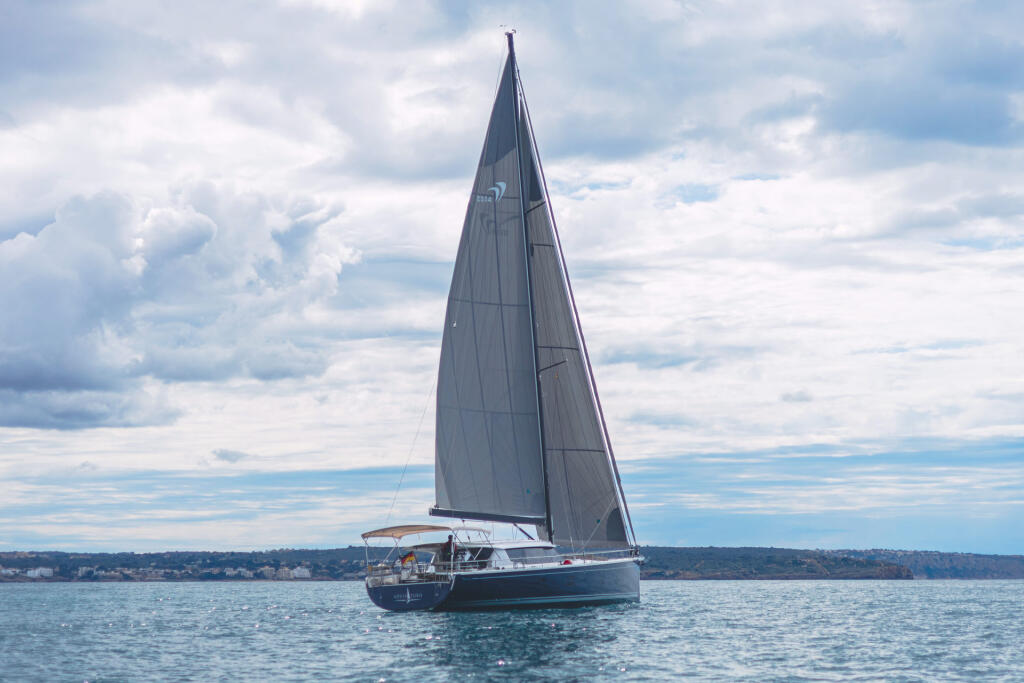
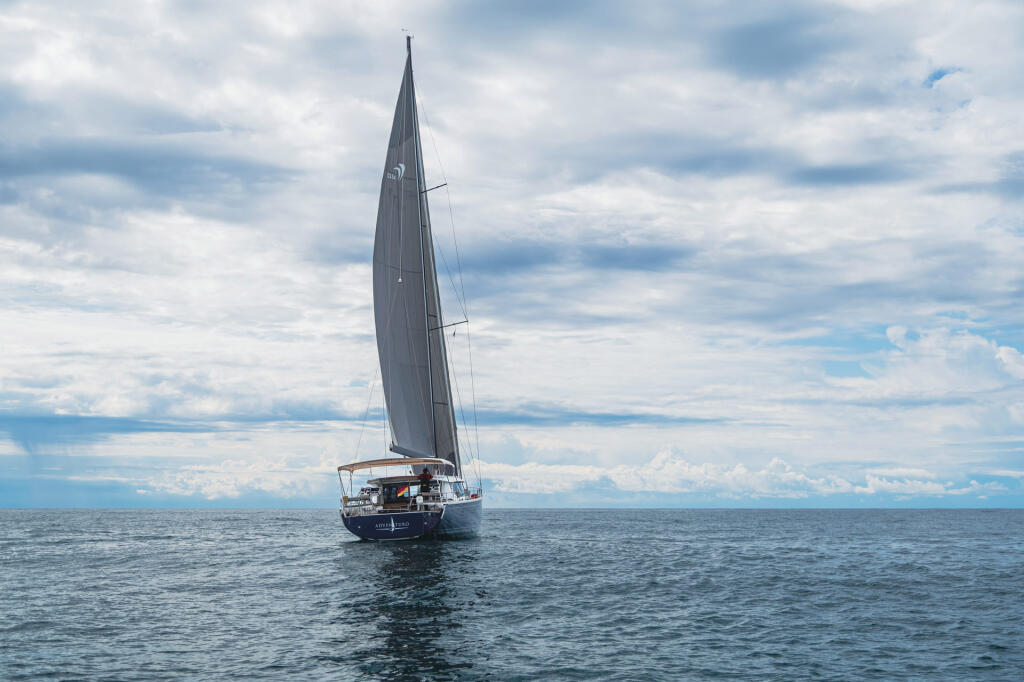
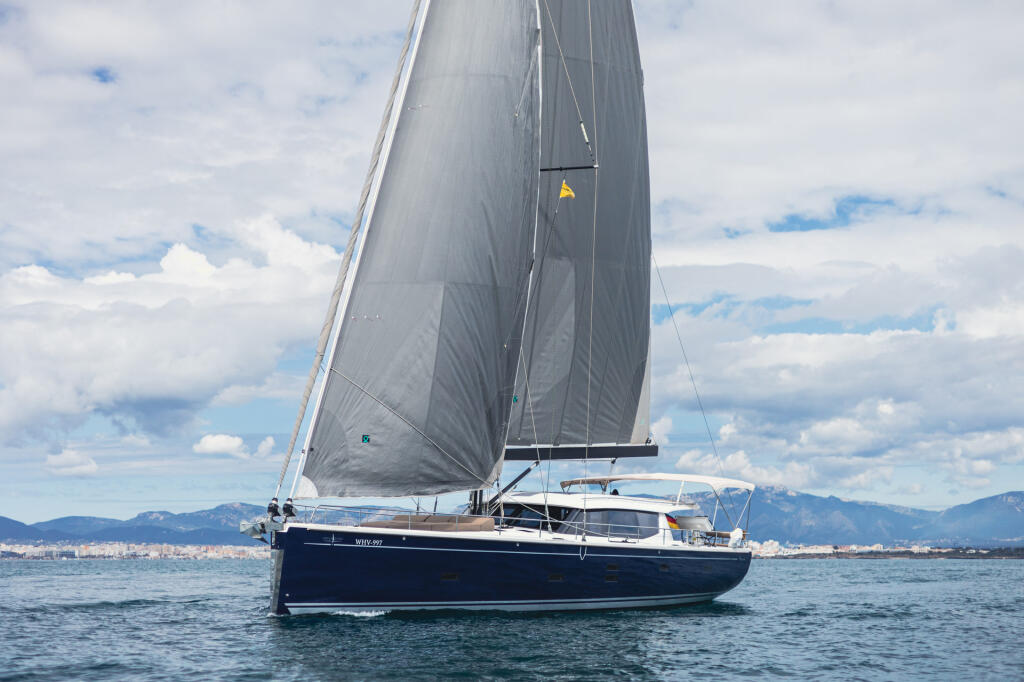
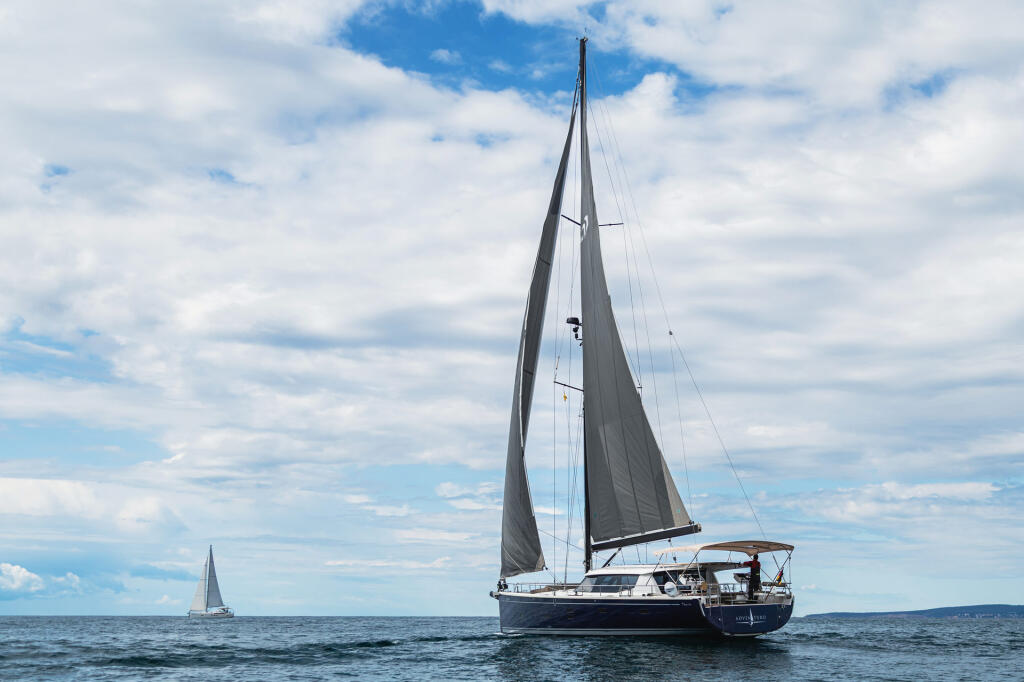
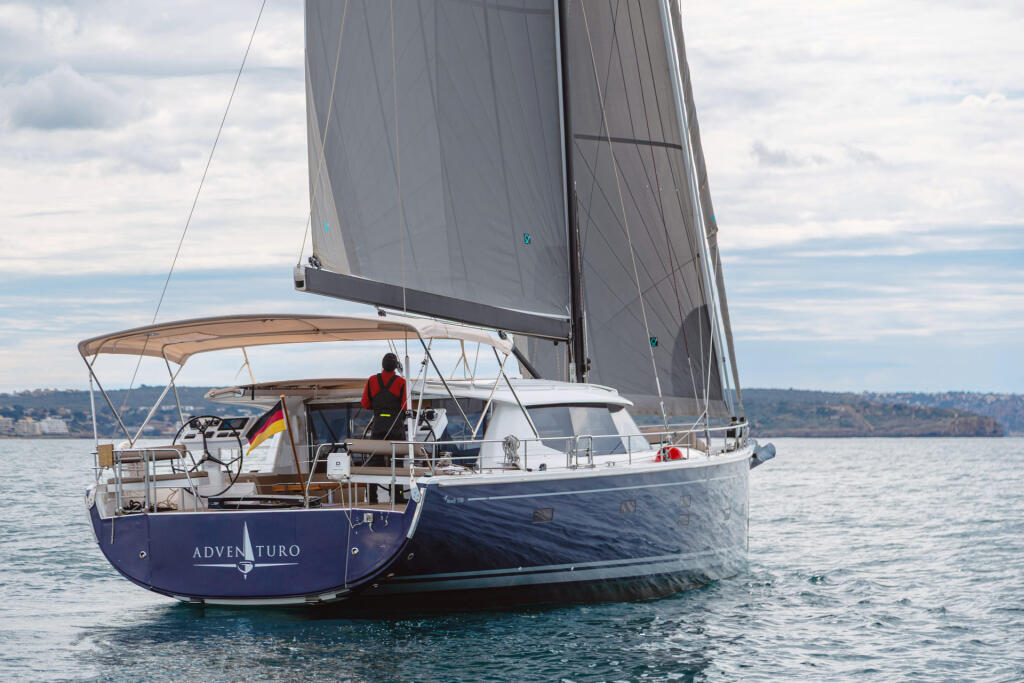
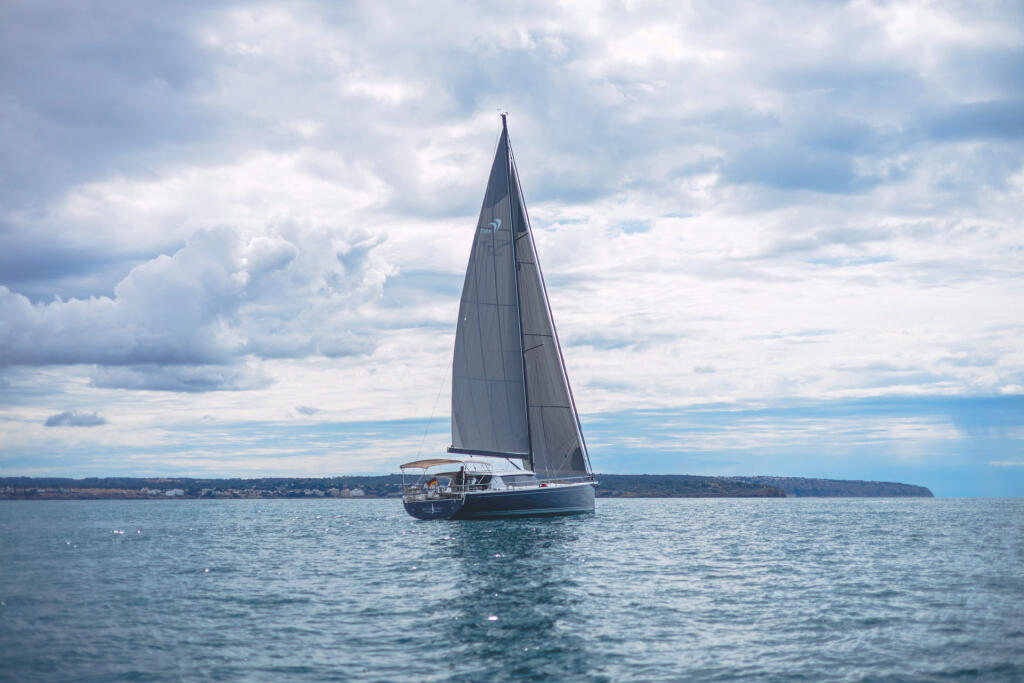
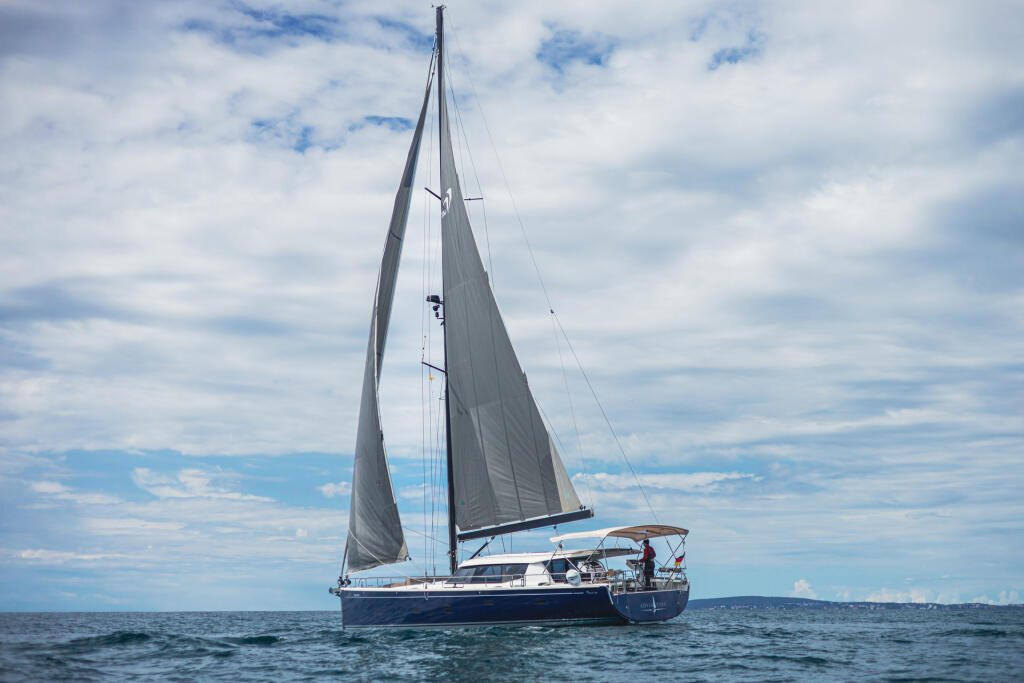
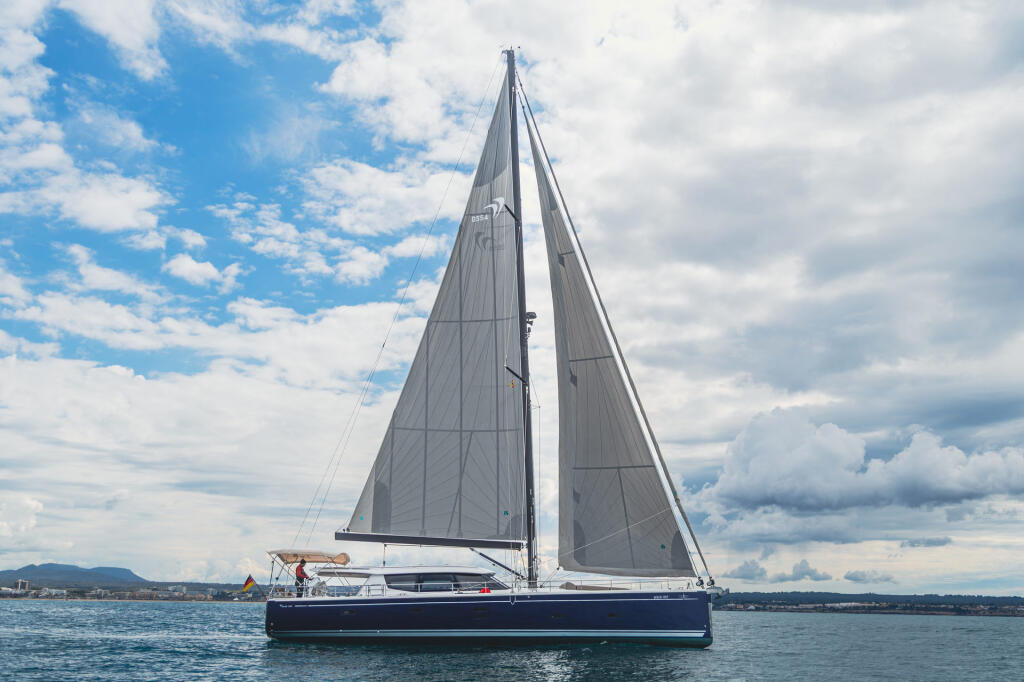
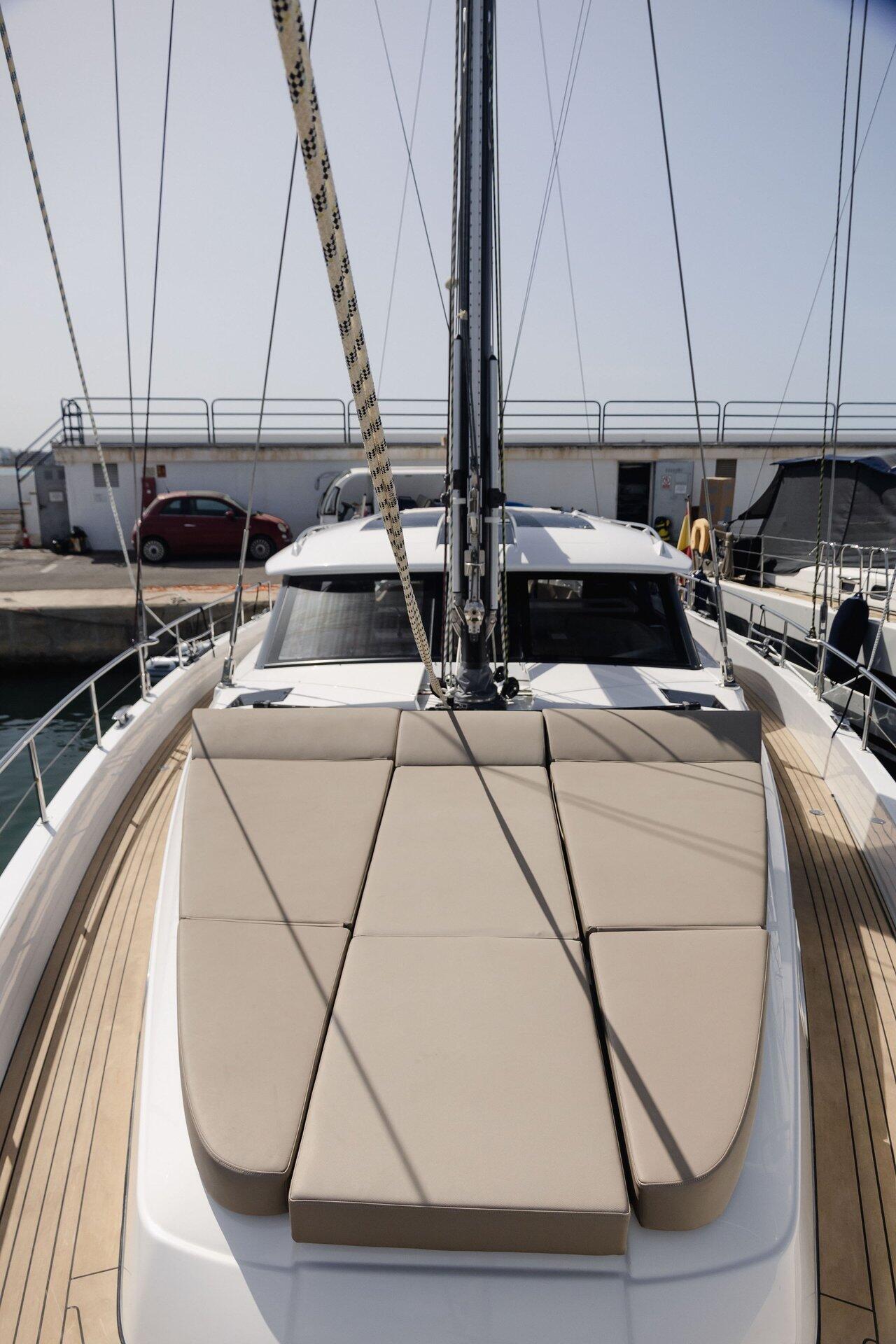
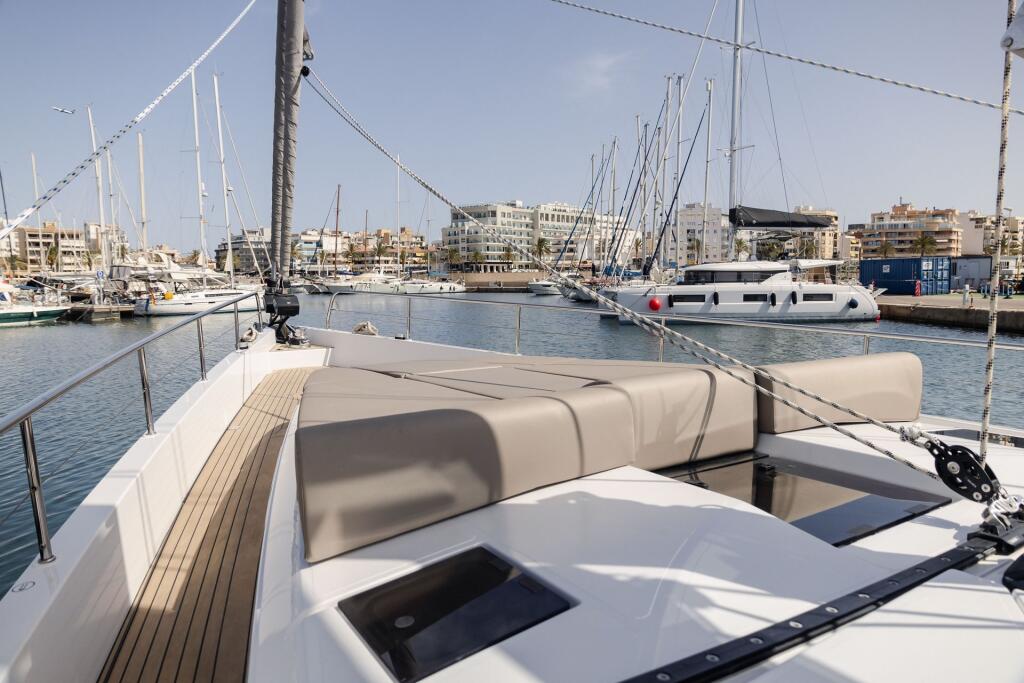
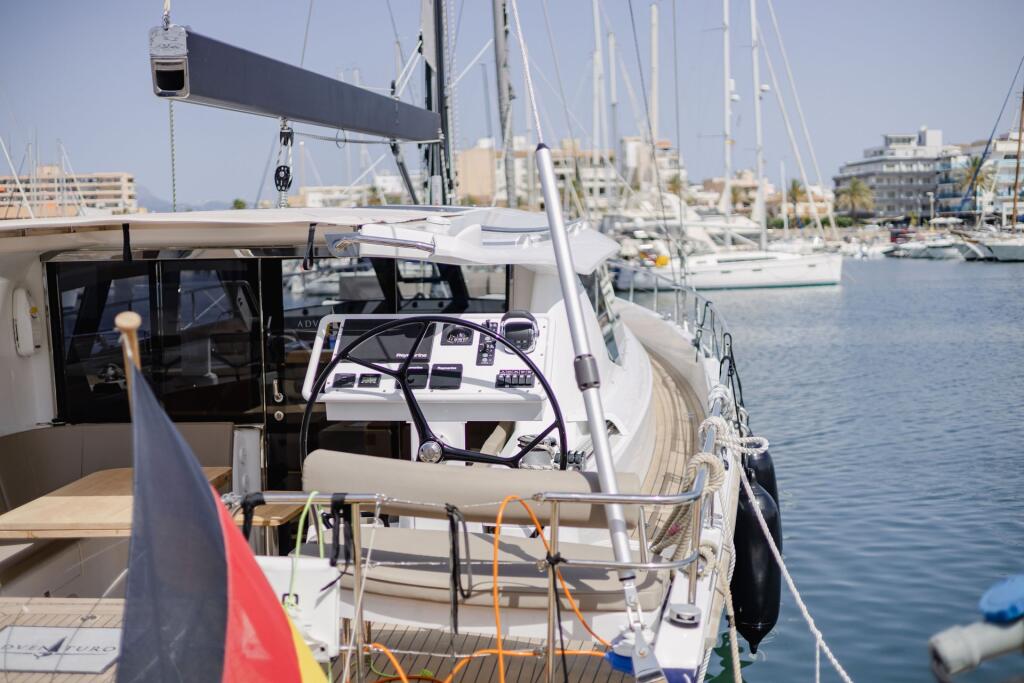
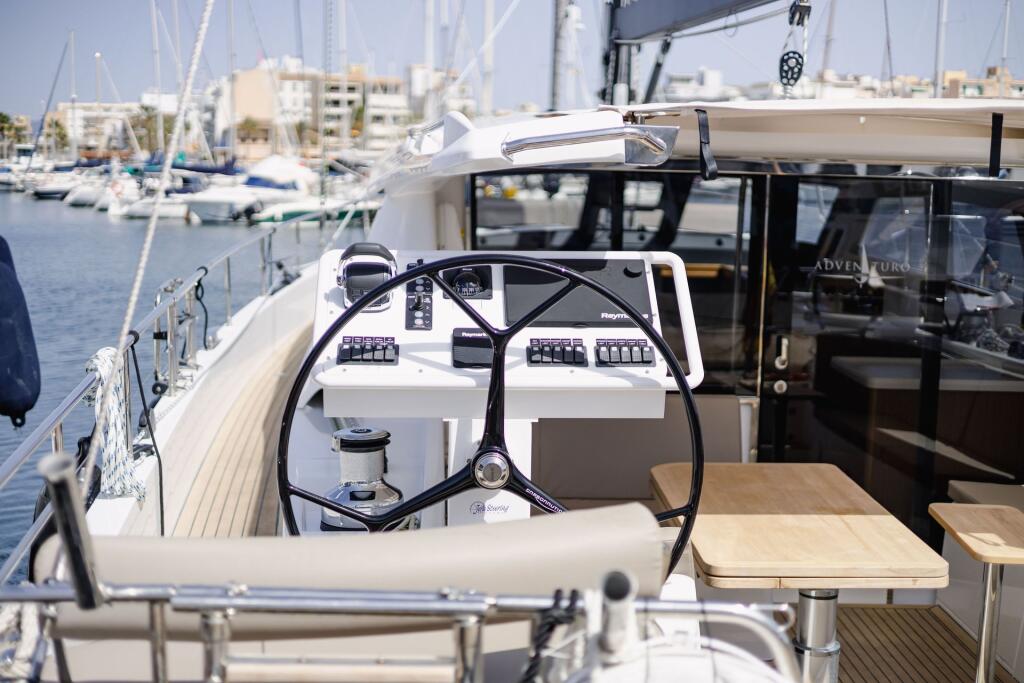
Yacht Charter Can Pastilla
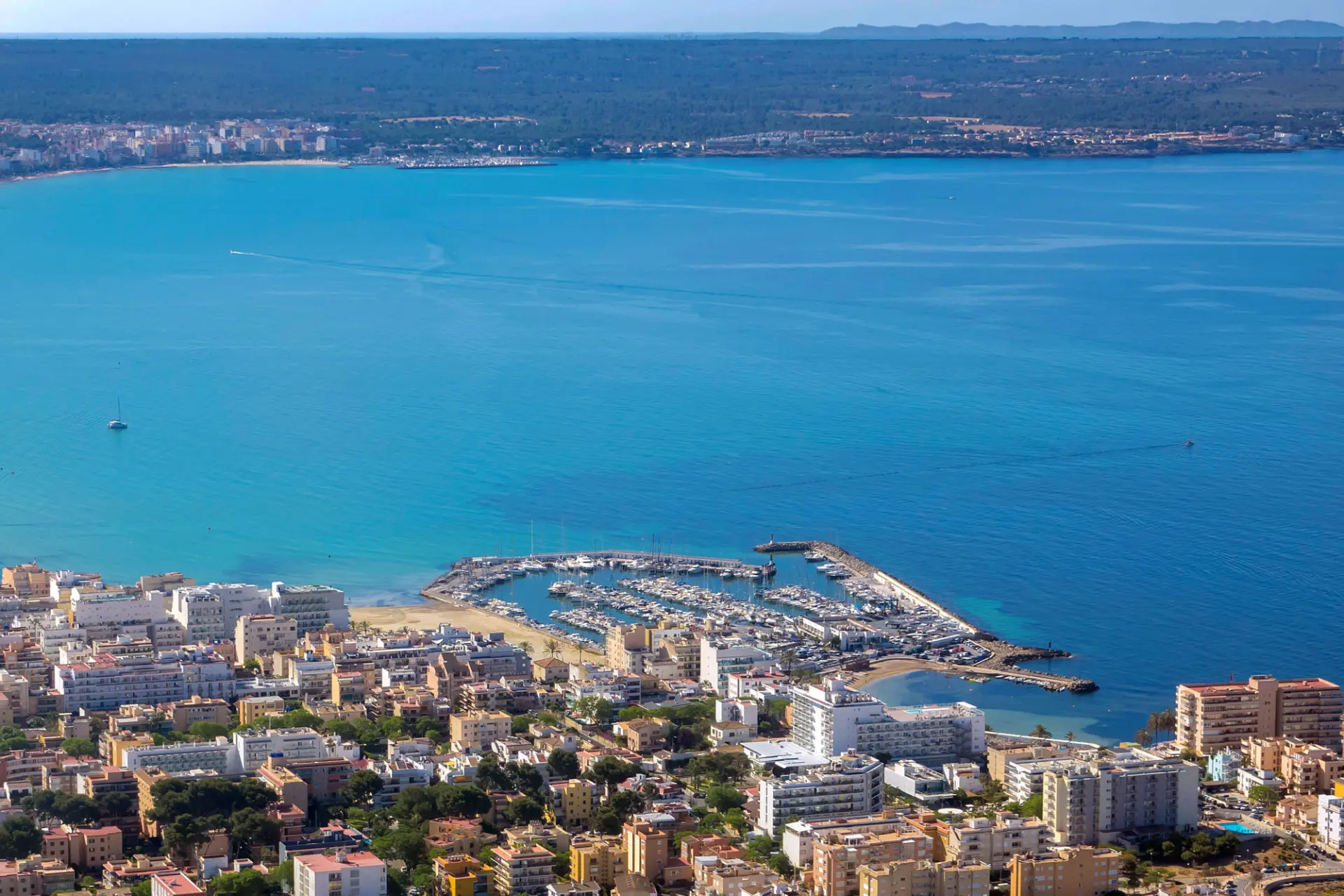
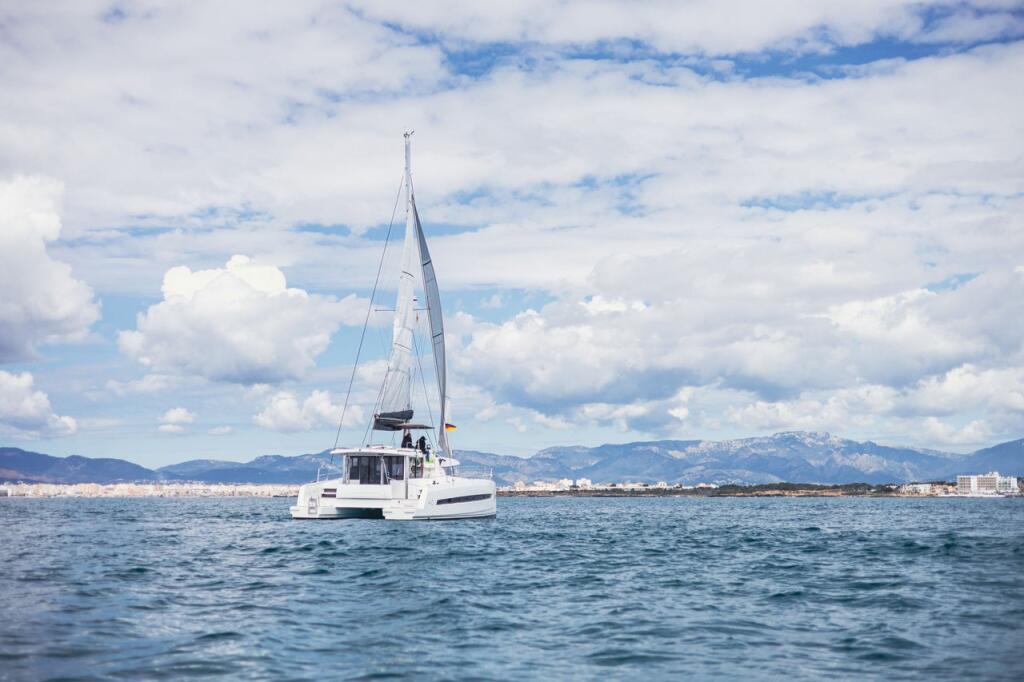
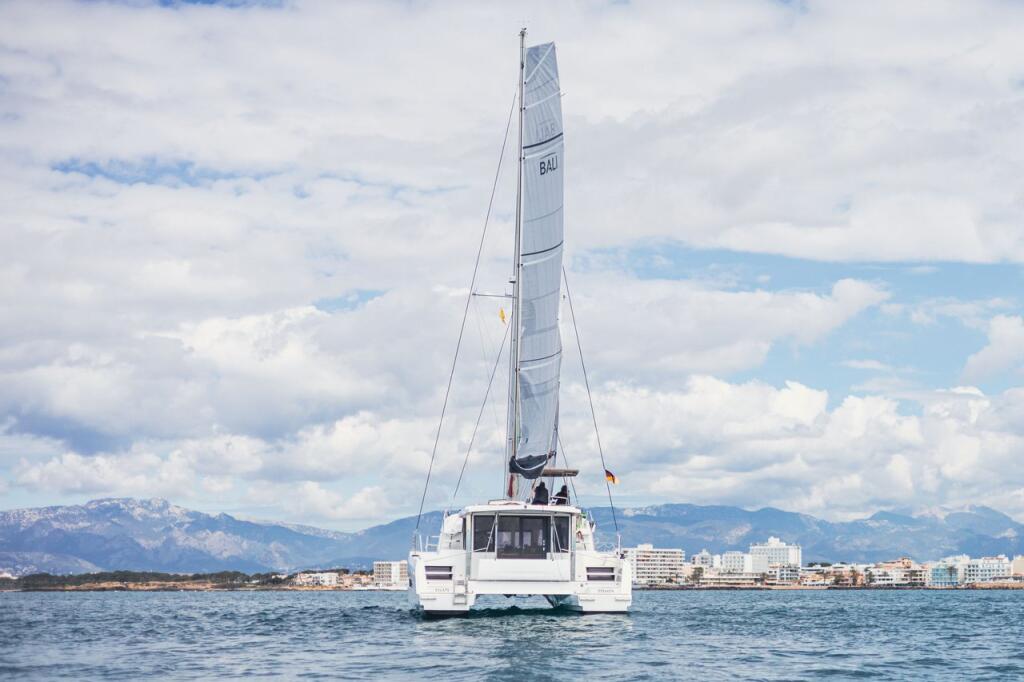
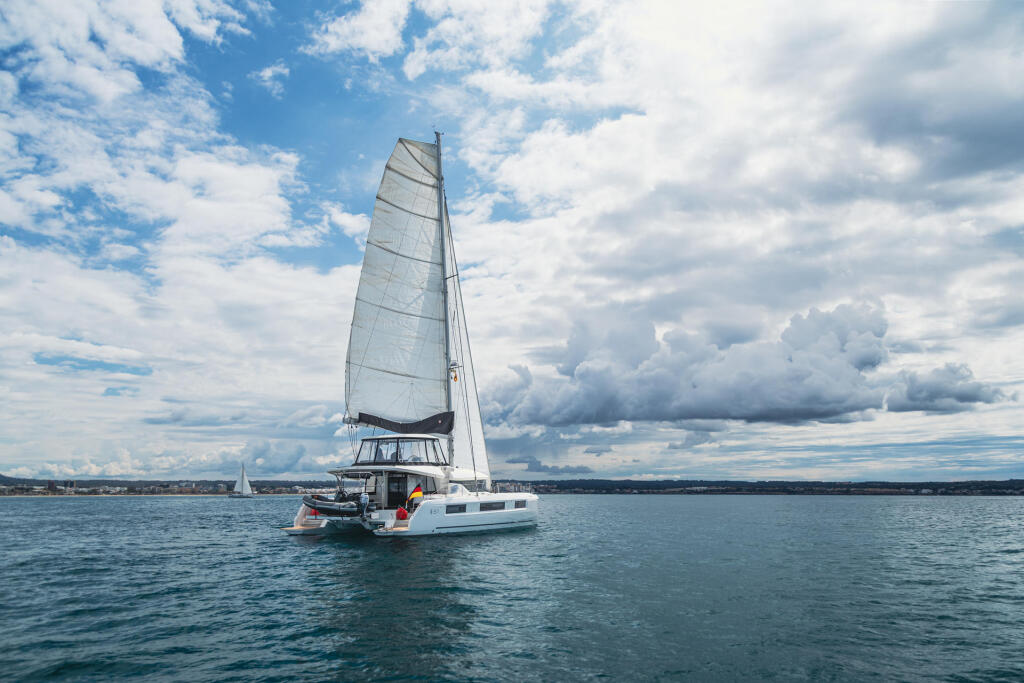
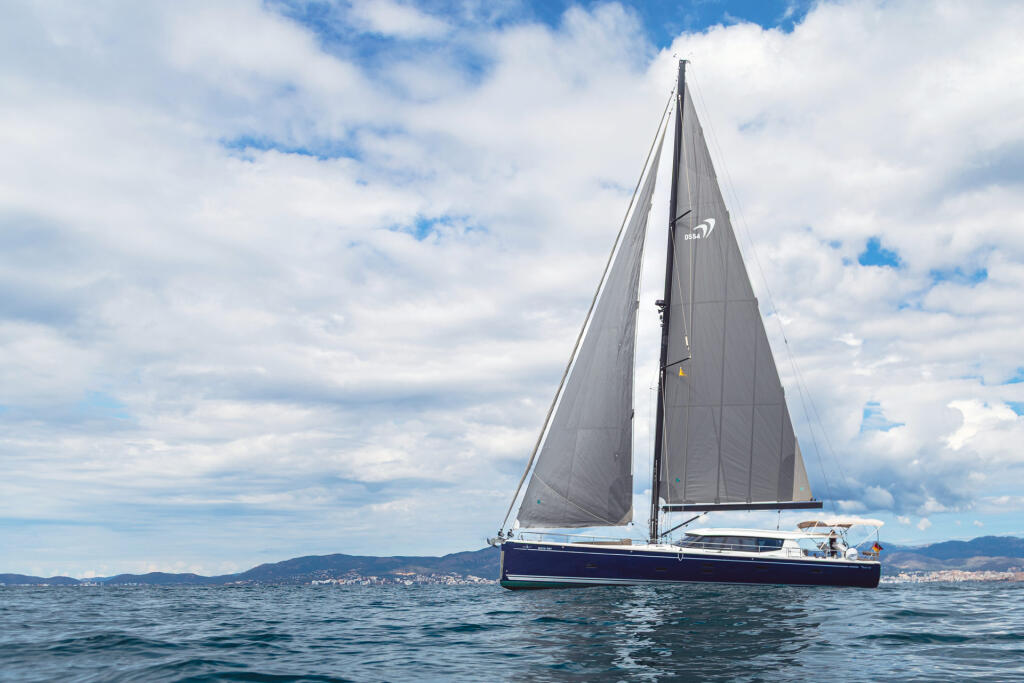
Can Pastilla lies on Mallorca’s south coast in the Bay of Palma. For a yacht charter in Mallorca, this location is particularly practical: the moment you cast off, a wide sailing area opens up immediately, making it easy to include the coastline west of Palma, Mallorca’s south coast, Cabrera and the southeast coast in your itinerary. At the same time, getting to the charter base is straightforward, as Can Pastilla is close to the airport and to Palma itself.
For a one week sailing holiday, there is no need for crews to try to cover as much of the Balearics as possible. From Can Pastilla, a variety of Mallorca itineraries can be planned with manageable daily passages. One crew may remain within the Bay of Palma and along the southwest coast, sail east along the south coast towards Colònia de Sant Jordi, or, in suitable conditions, include Cabrera or the southeast coast. Weather, sea state, crew experience and yacht type ultimately determine how far the voyage should realistically extend.
First Class Sailing is the fleet operator and manages both the charter yachts and the base directly. This means that information about yacht condition, equipment, handover and base procedures comes from day to day charter operations. Charter agencies can still be a useful booking route, especially when comparing different cruising grounds or providers. On site, however, responsibility for preparing and handing over the yacht rests with the fleet operator.
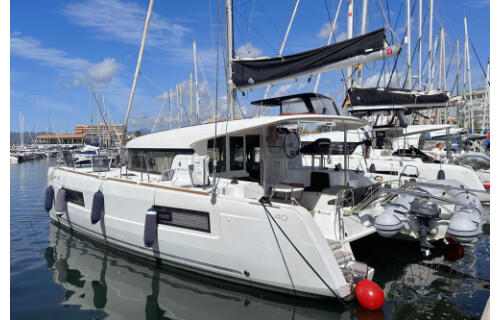
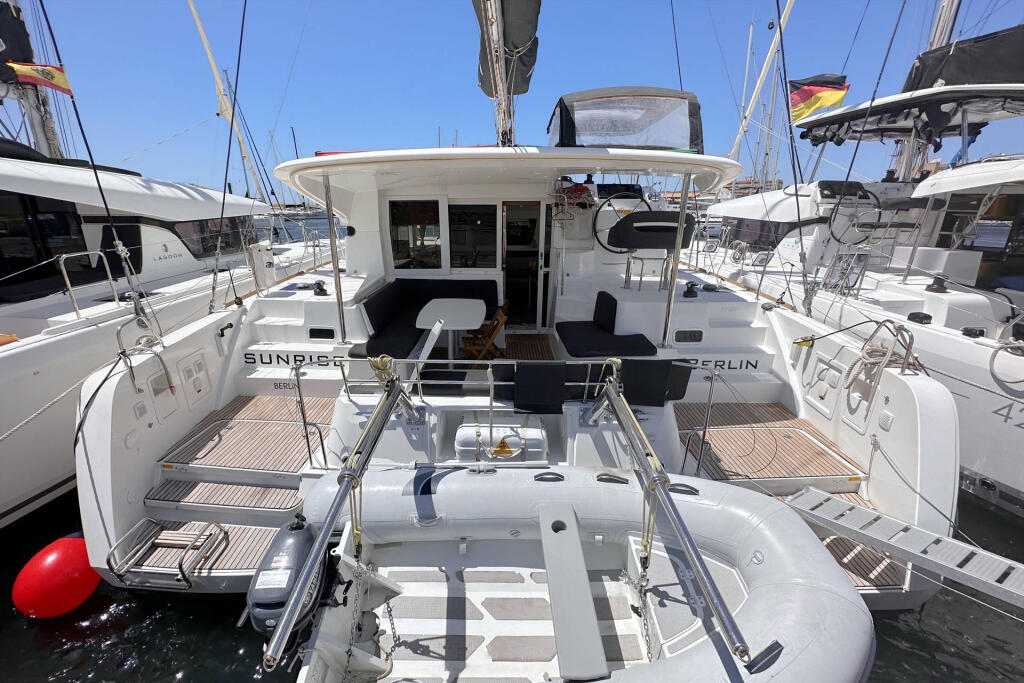
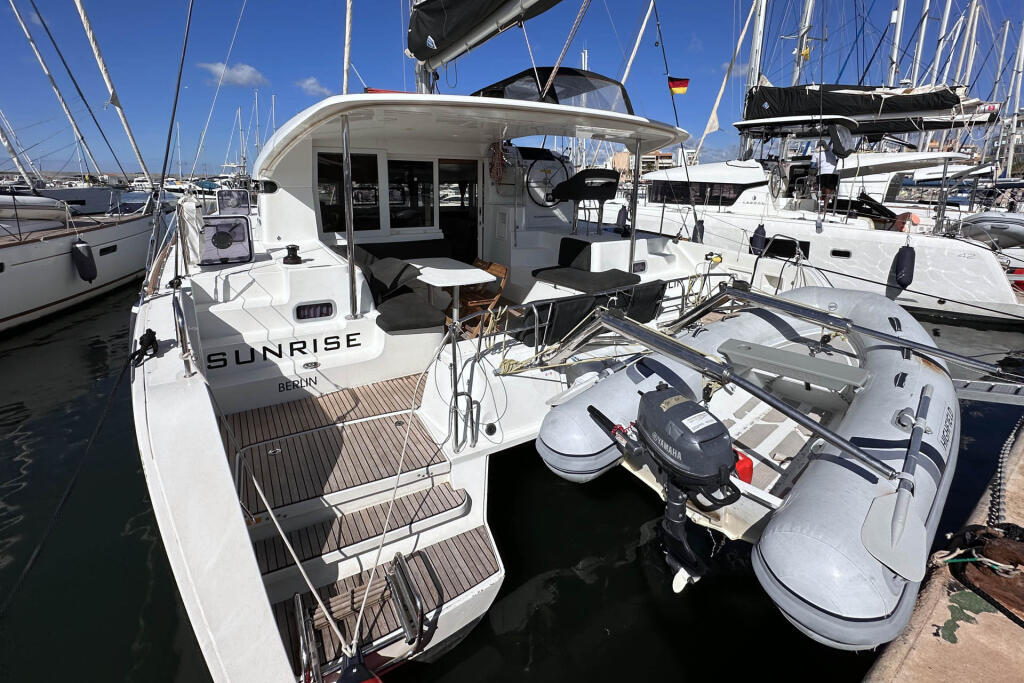
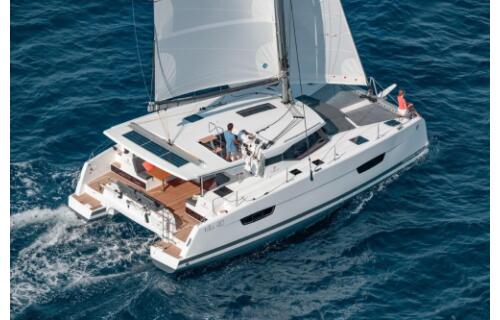
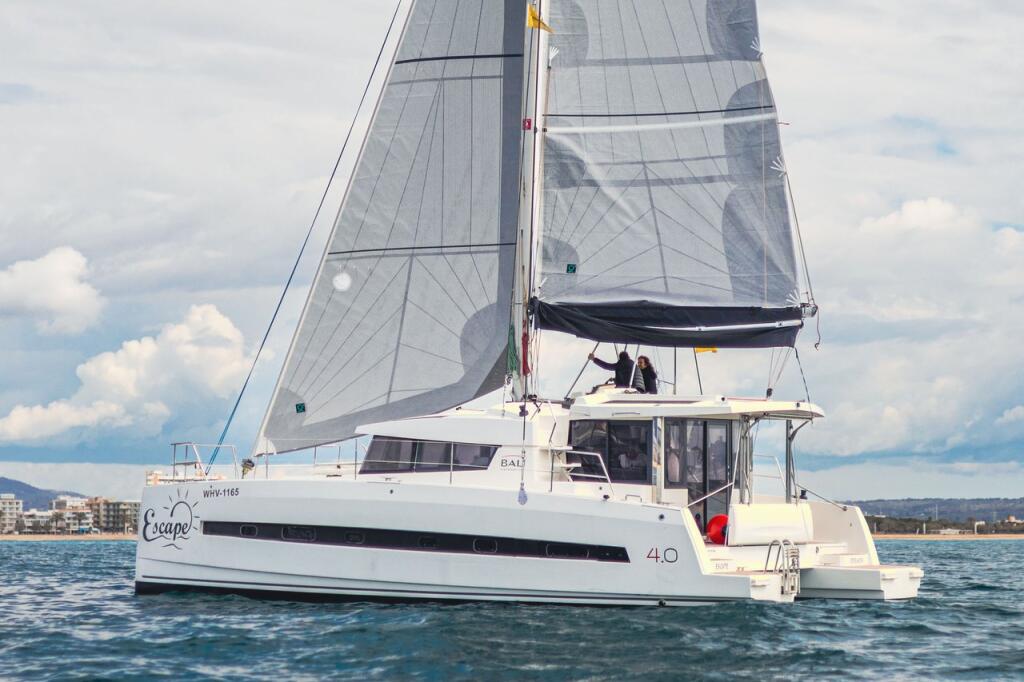
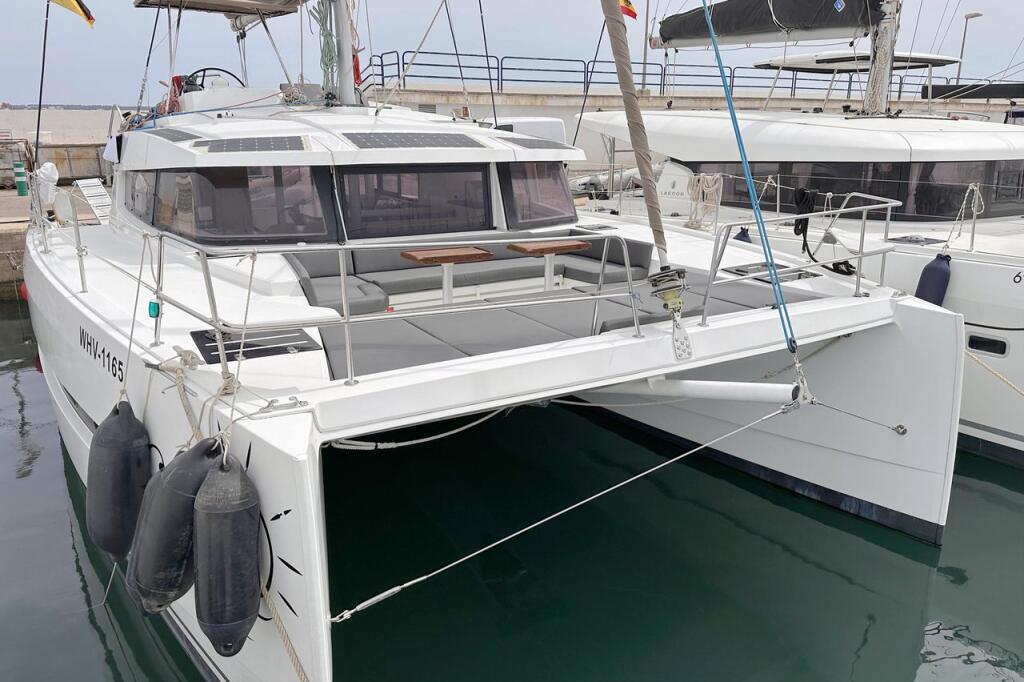
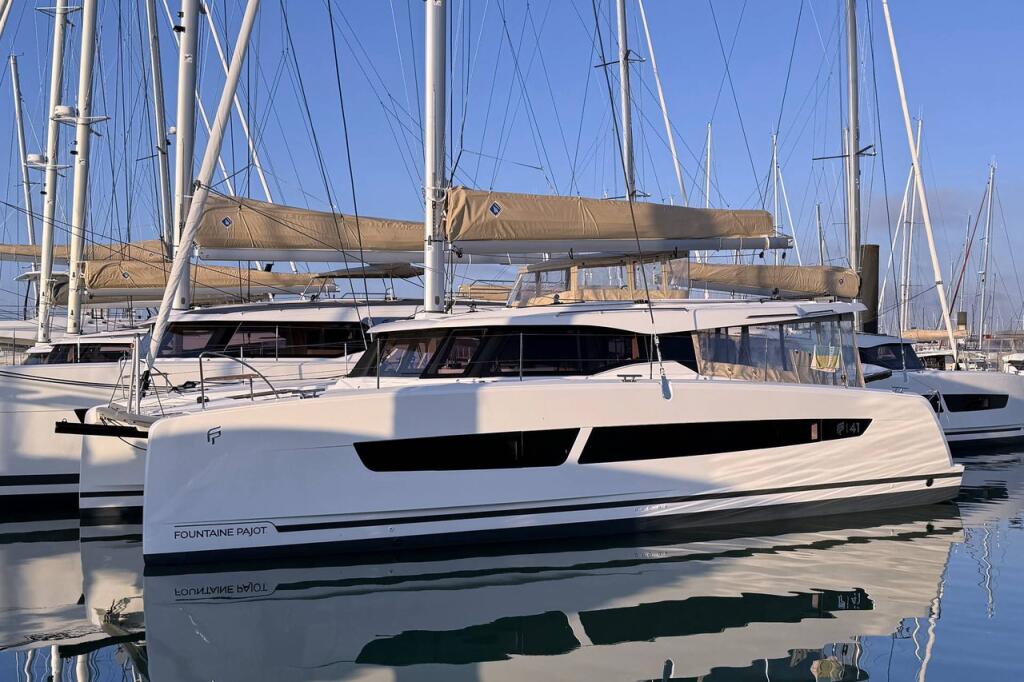
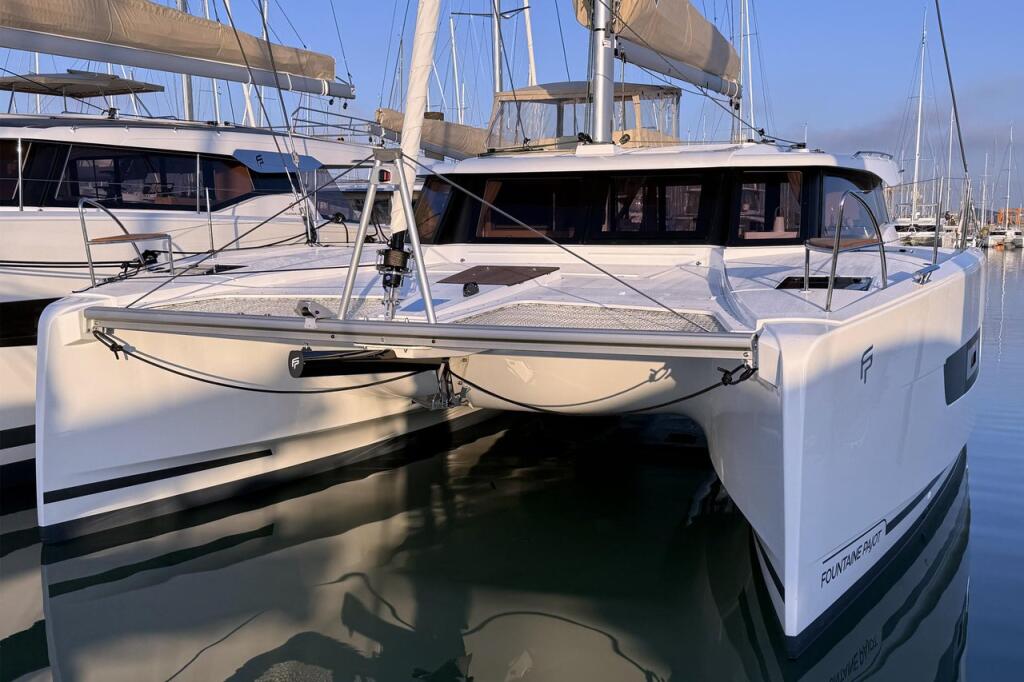
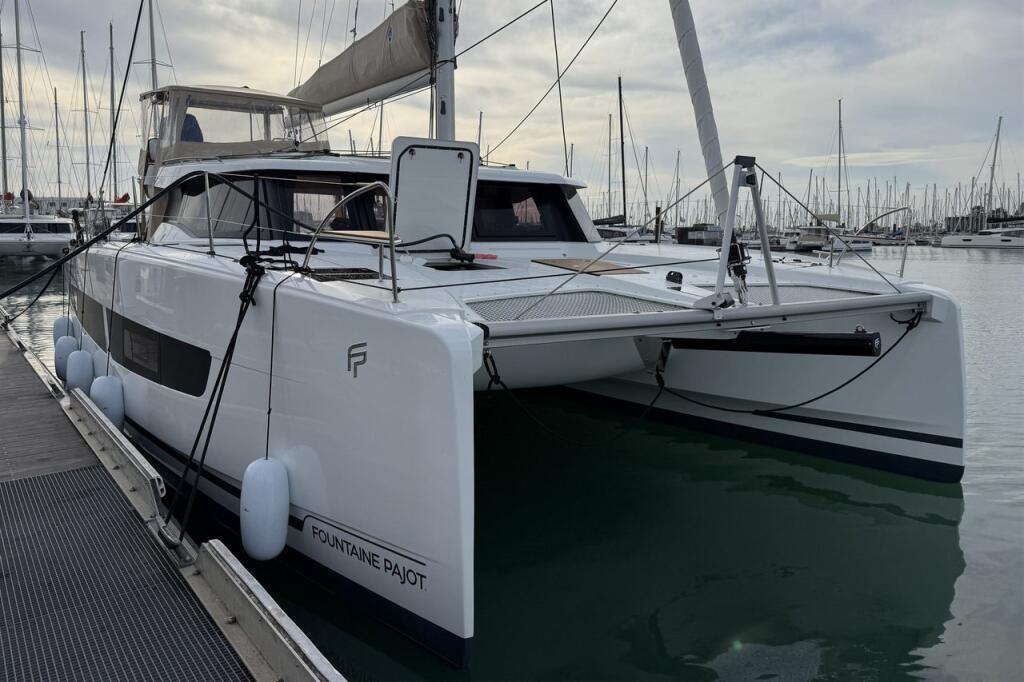
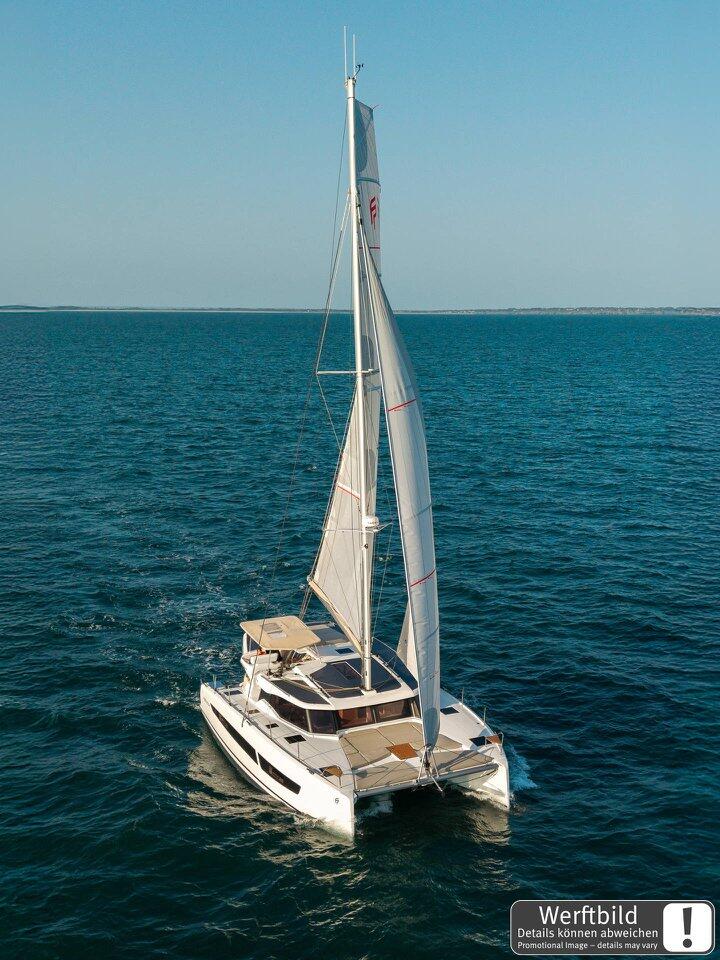
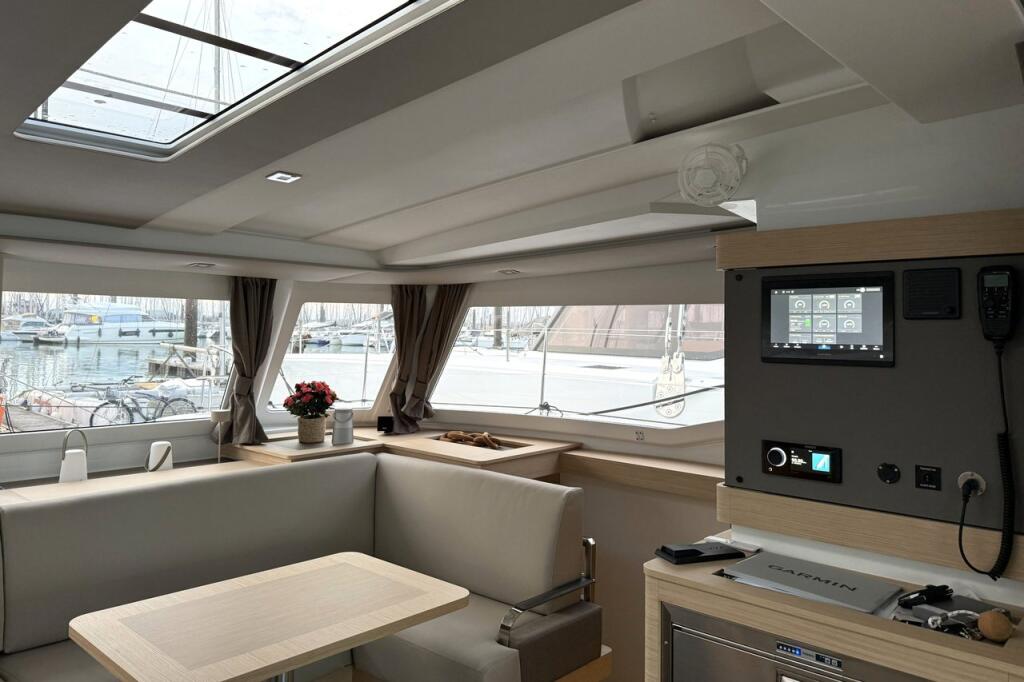
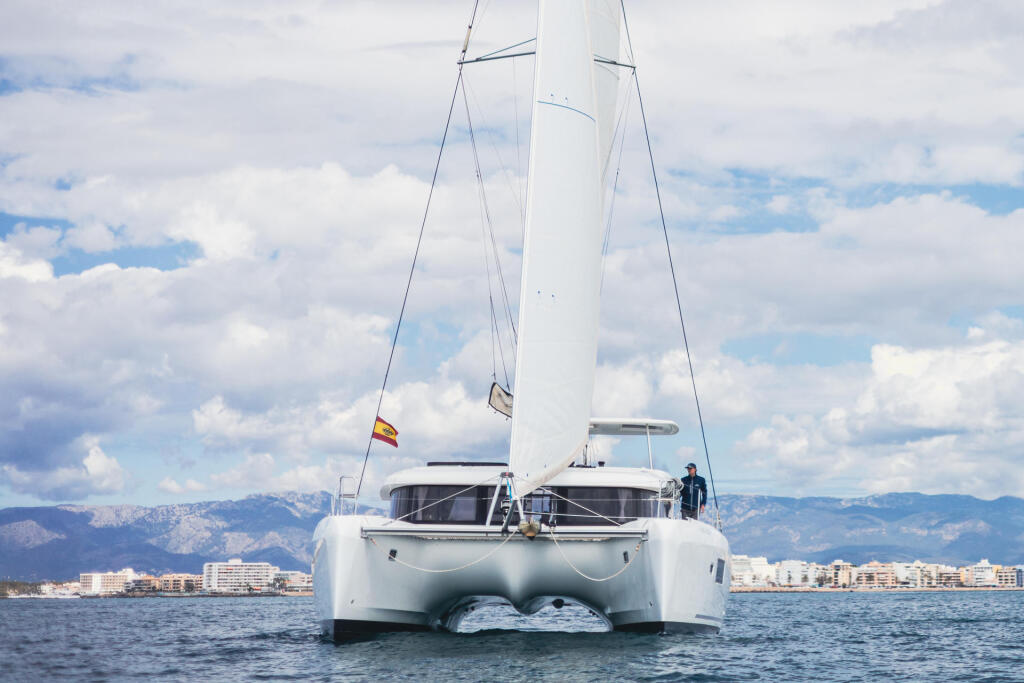
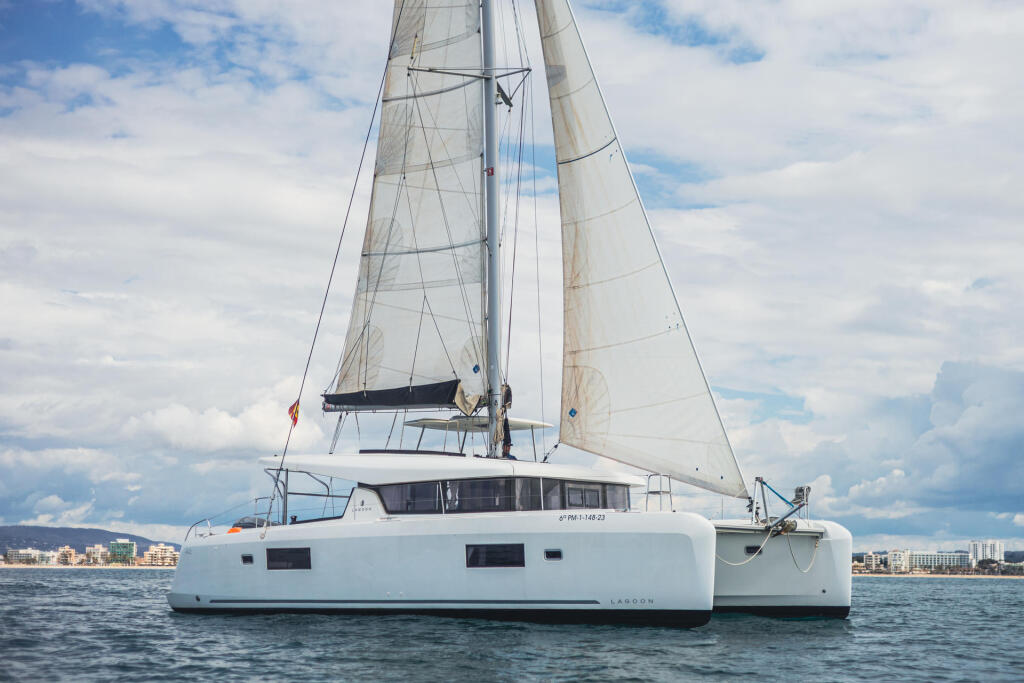
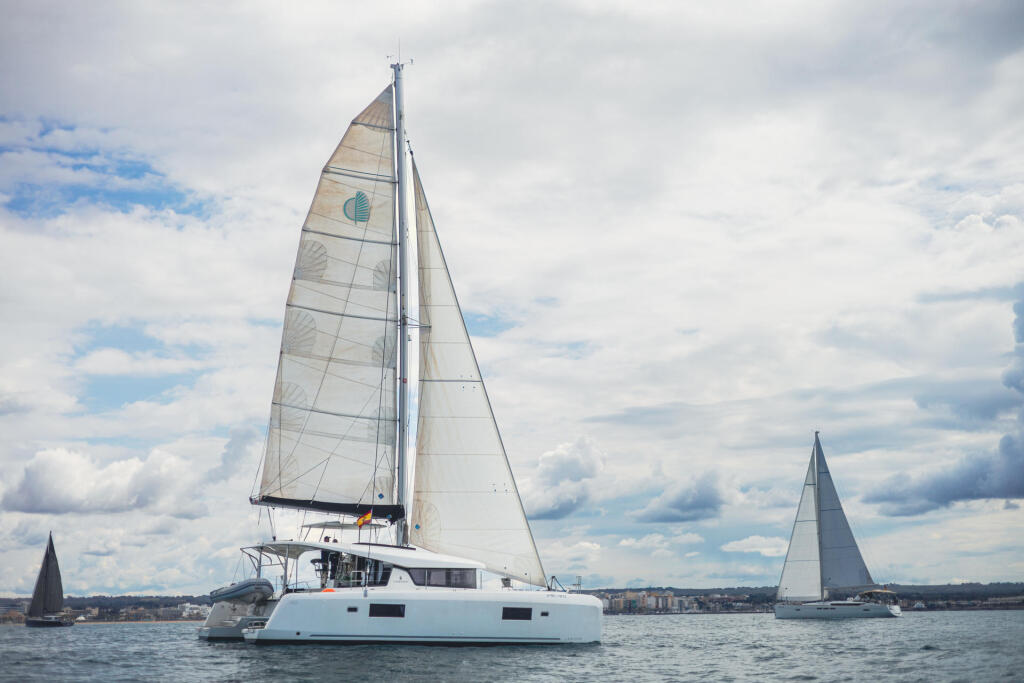
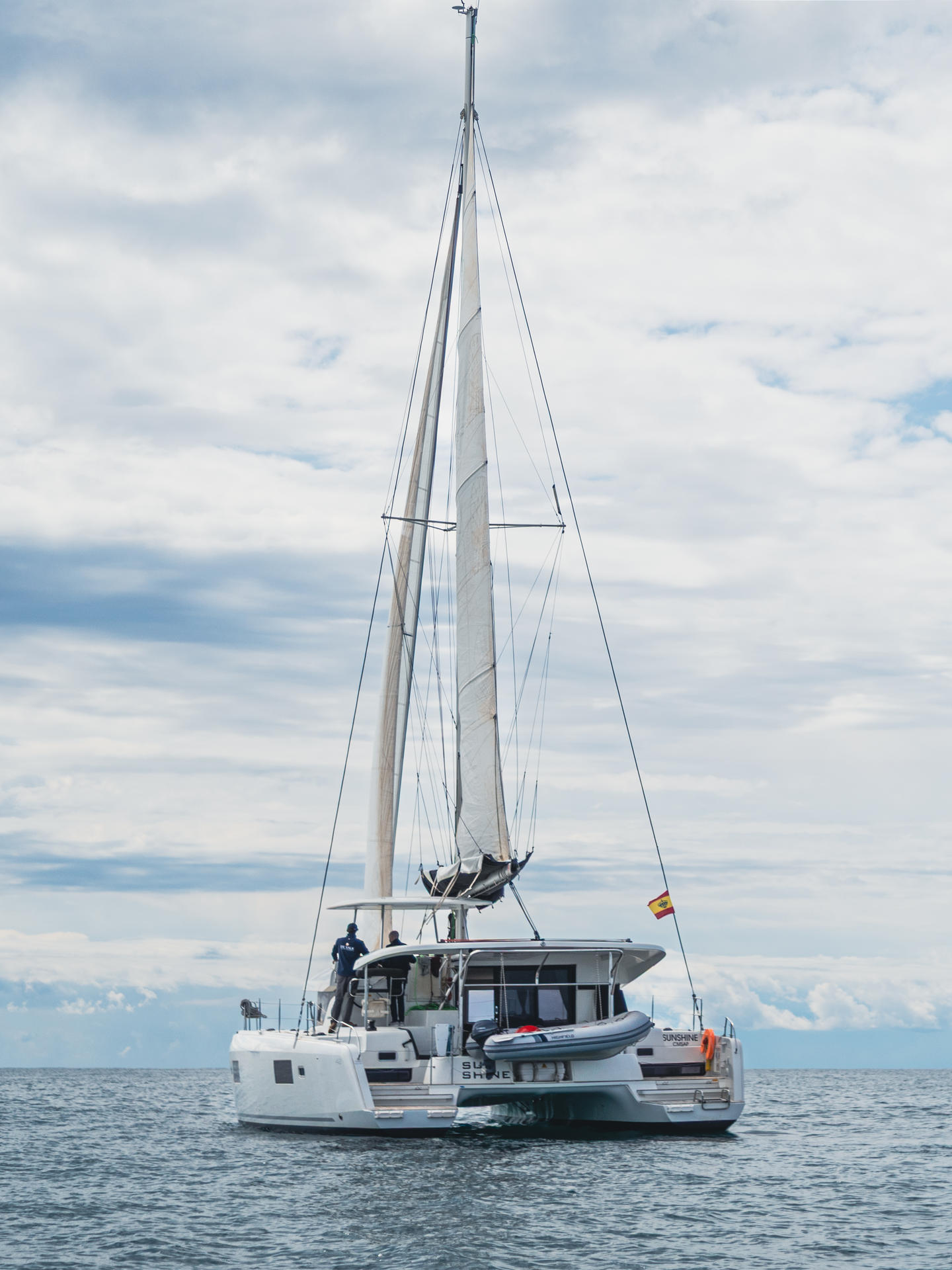
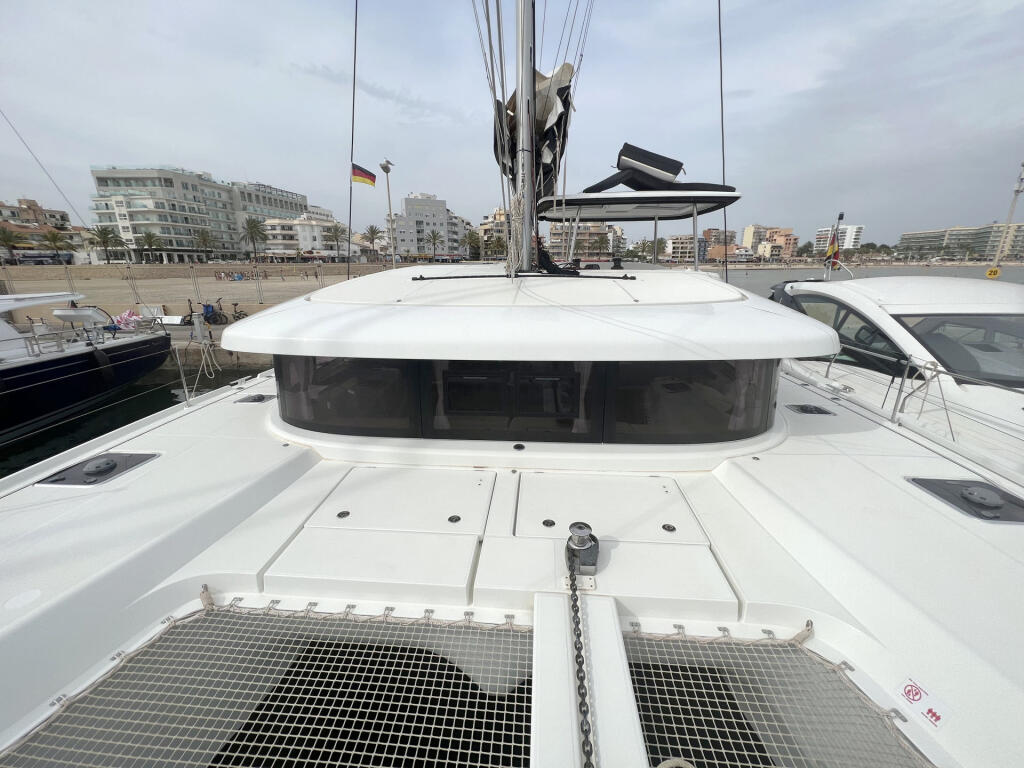
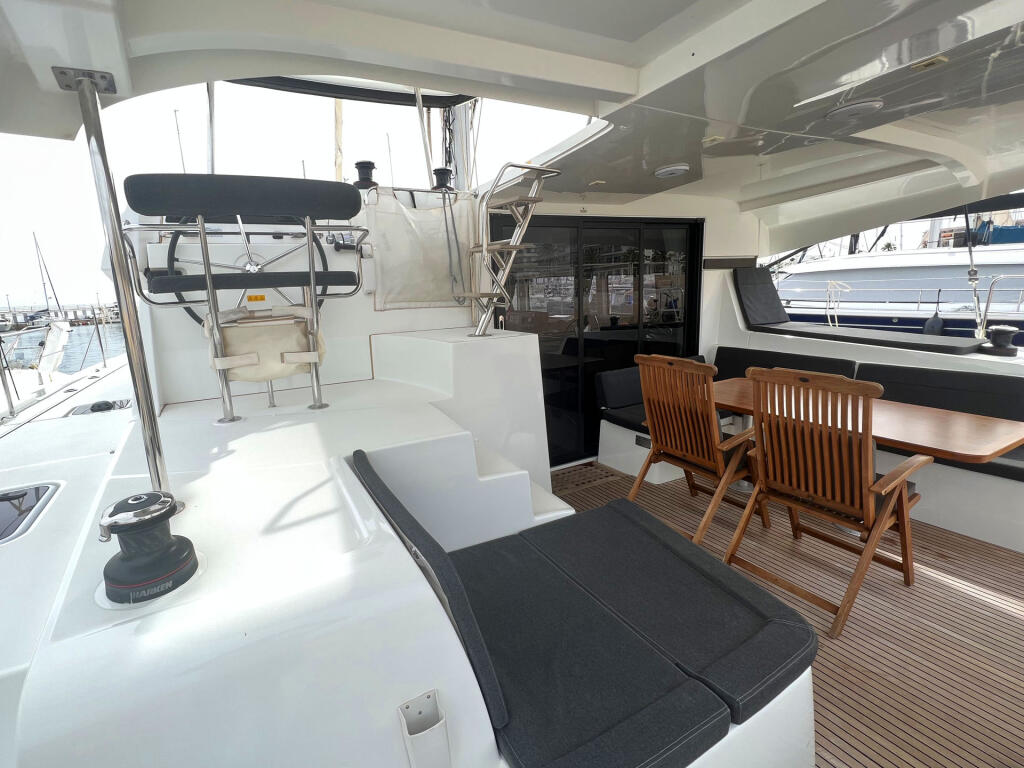
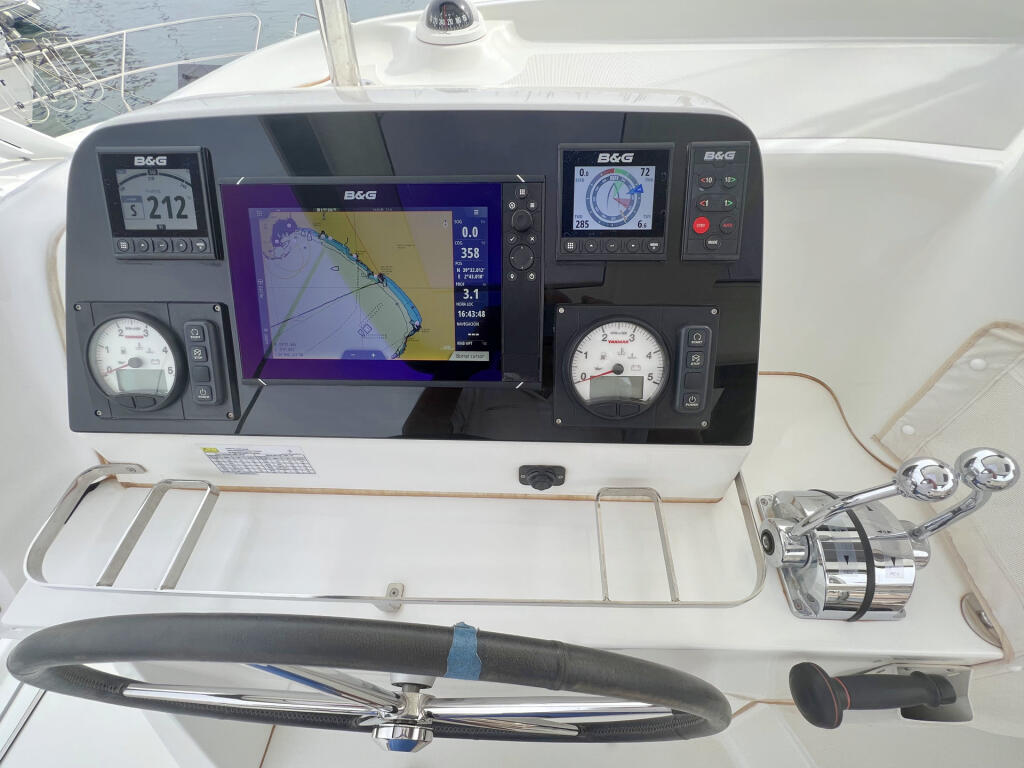
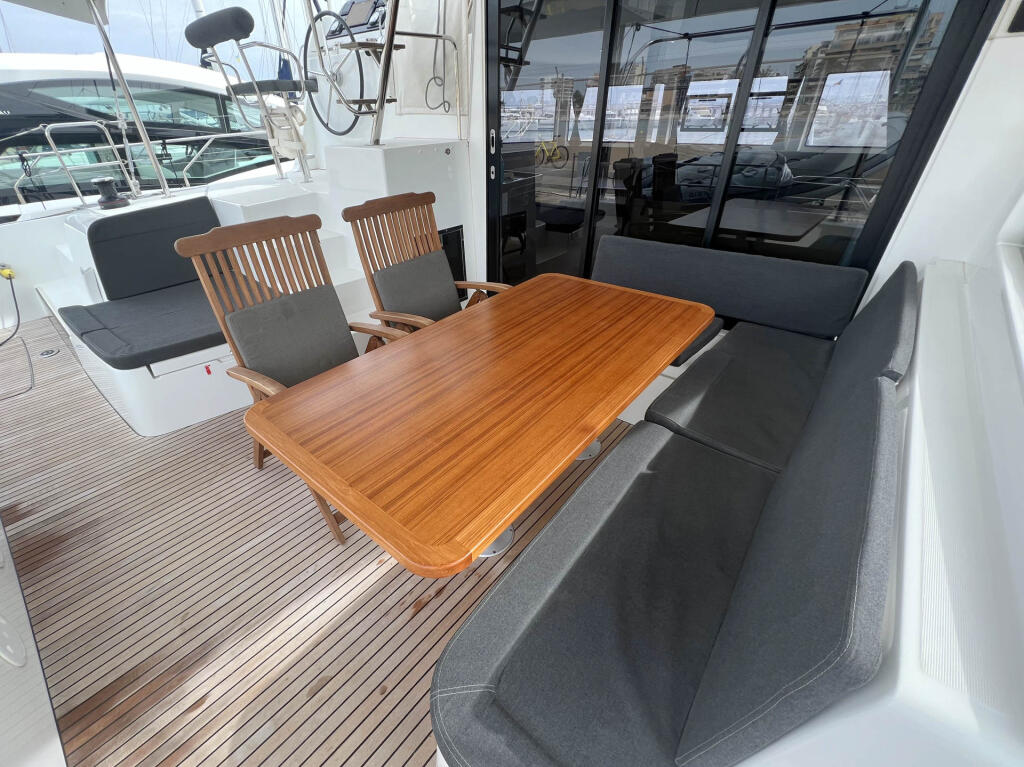
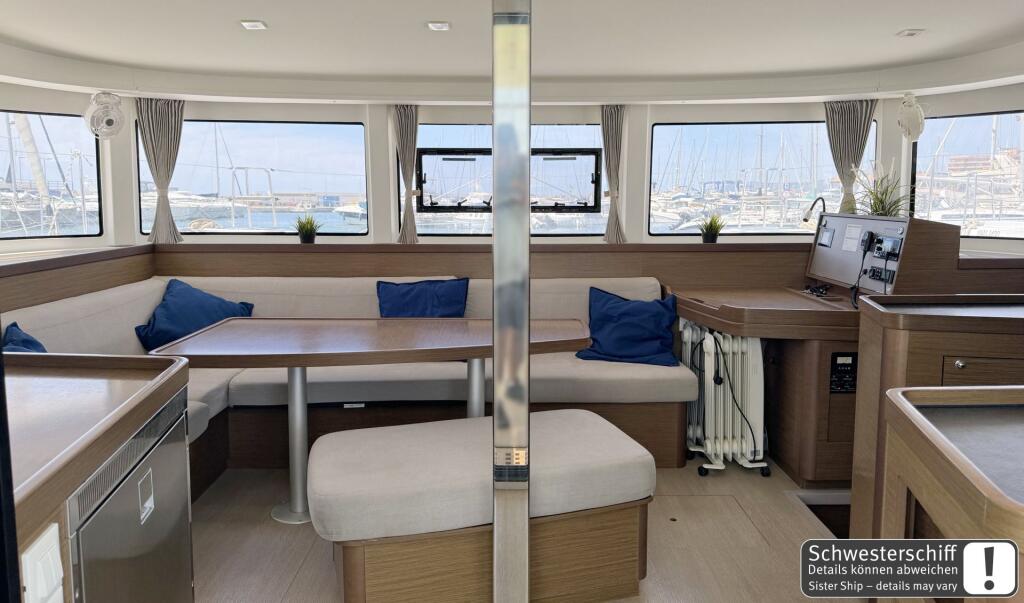
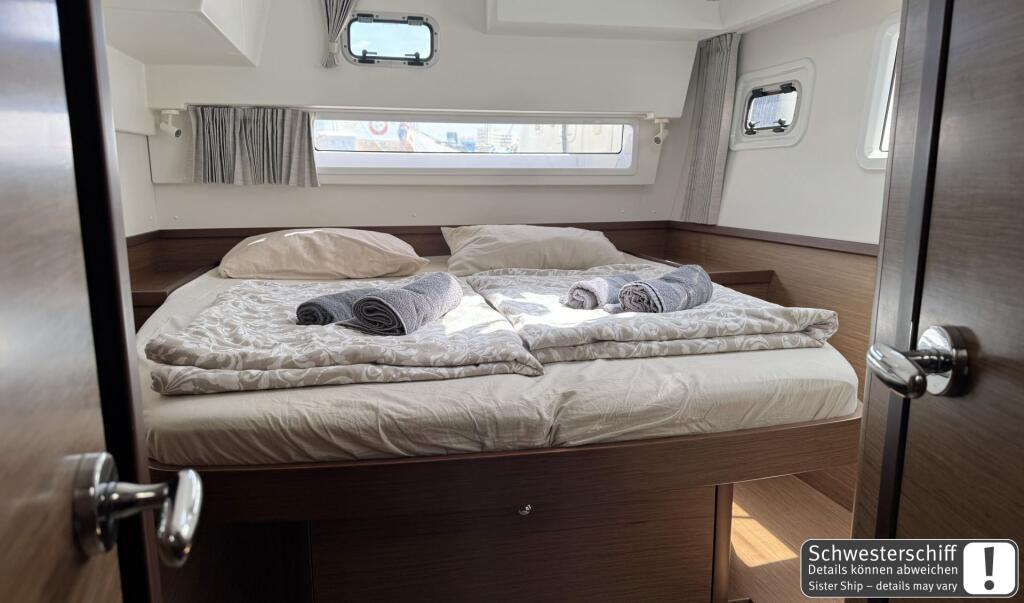
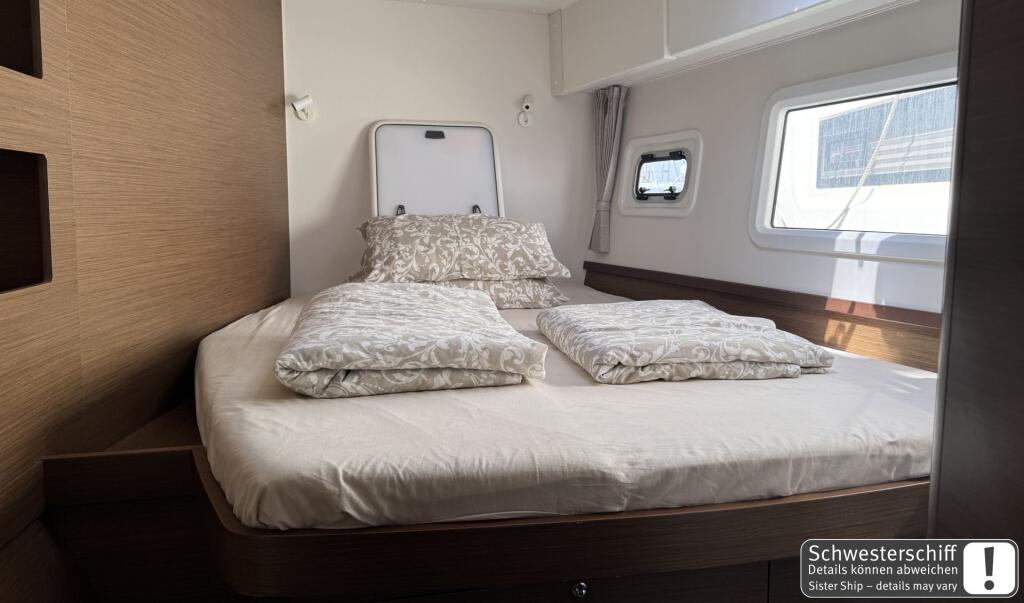
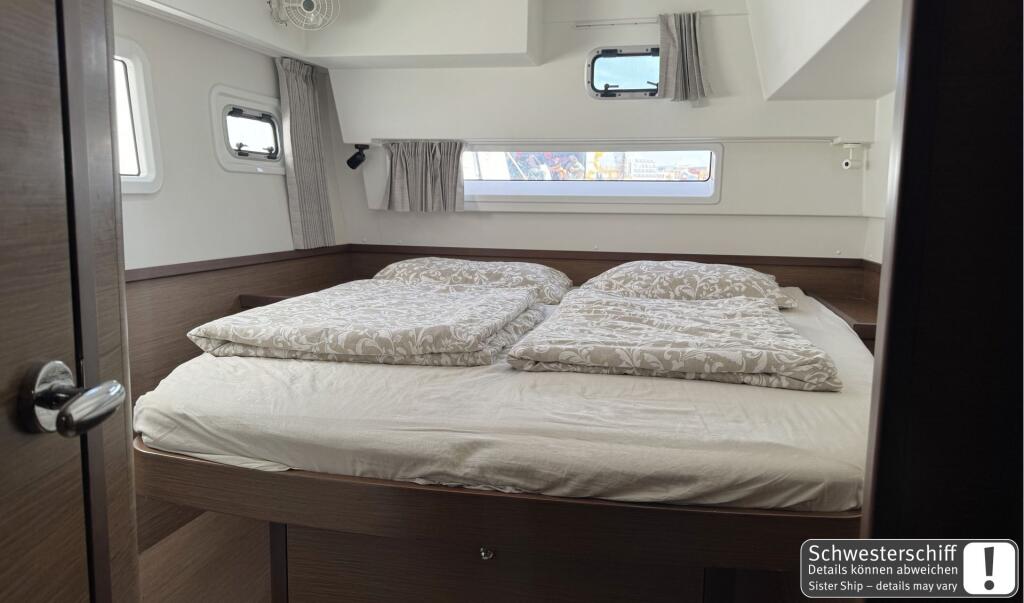
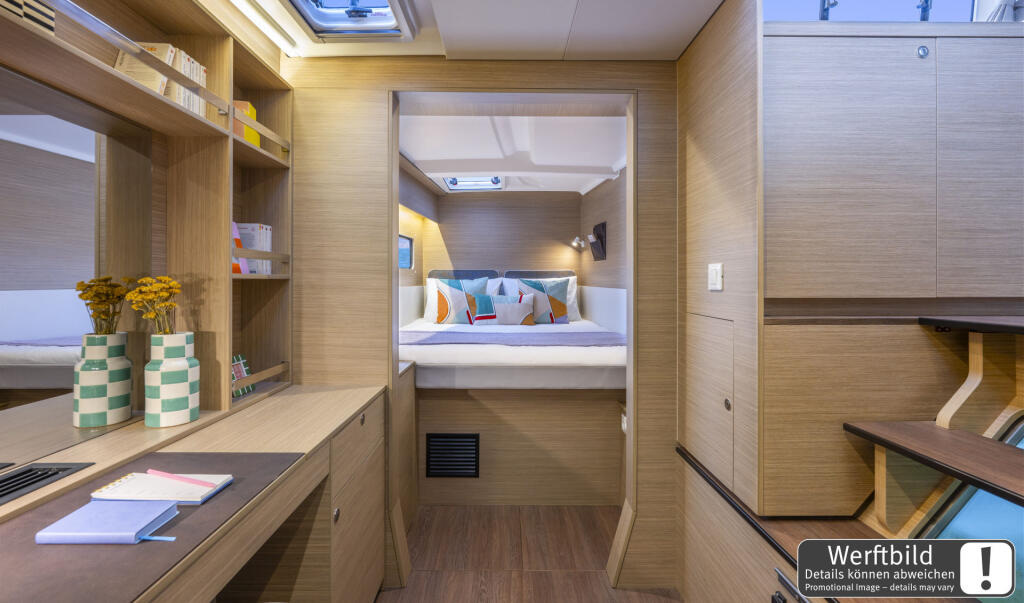
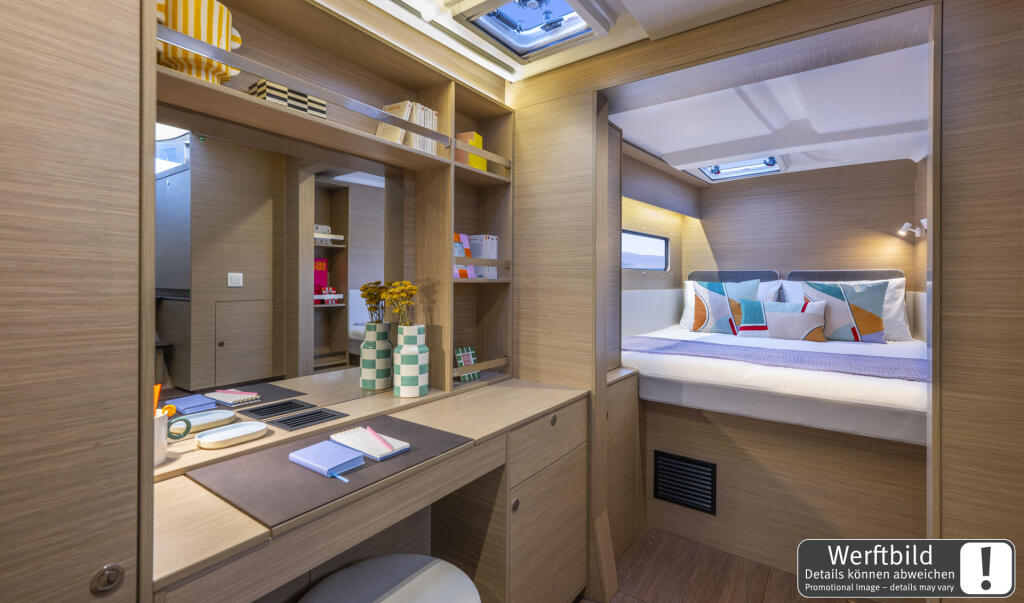
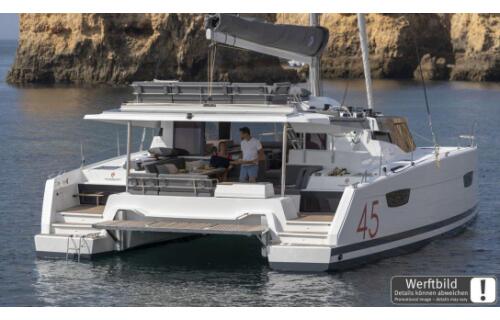
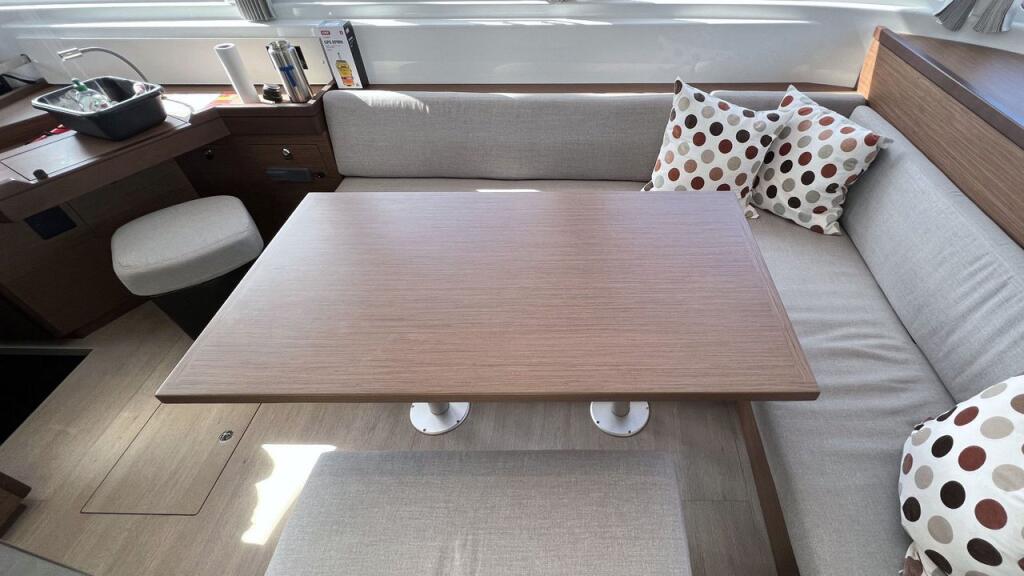
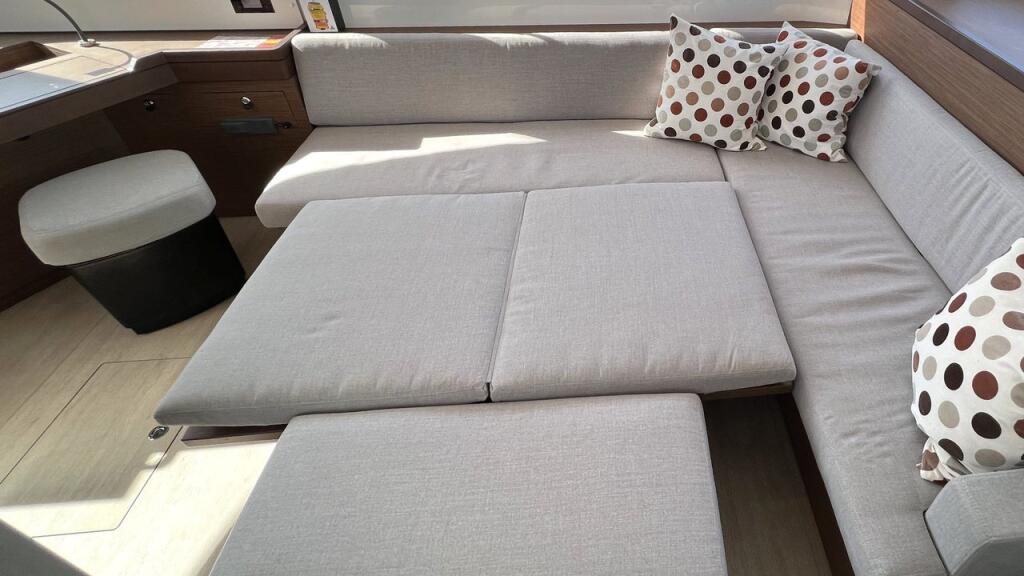
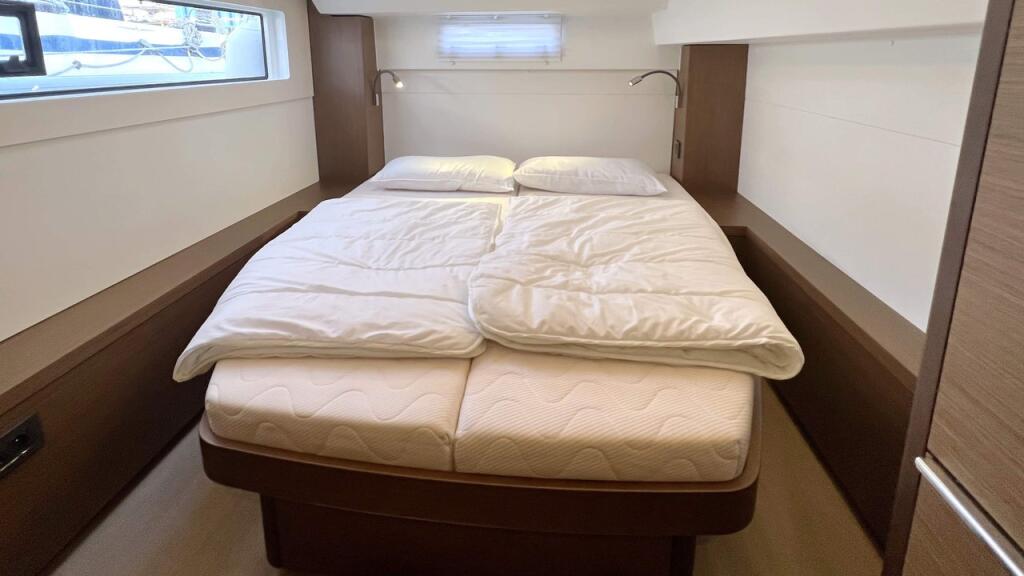
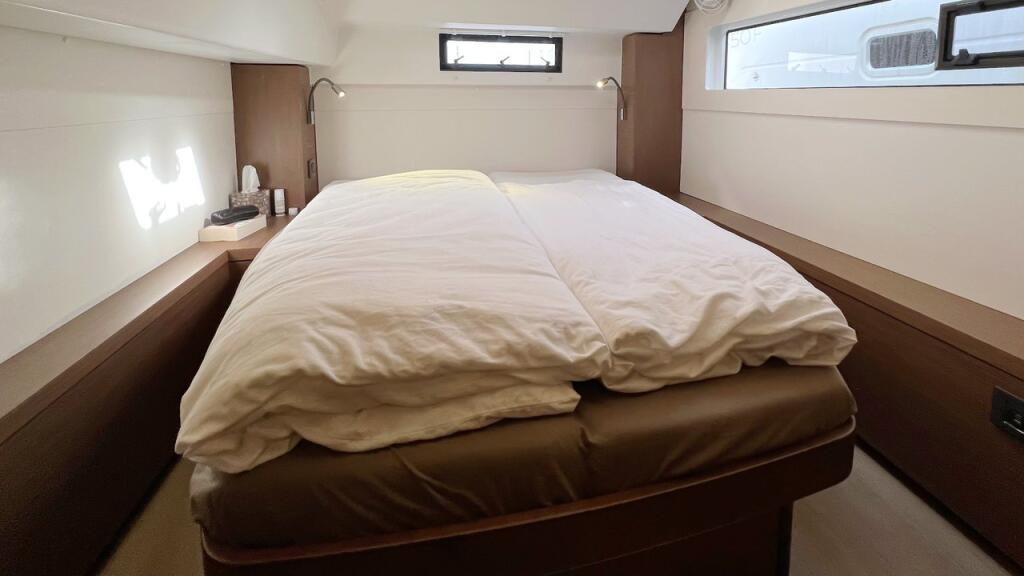
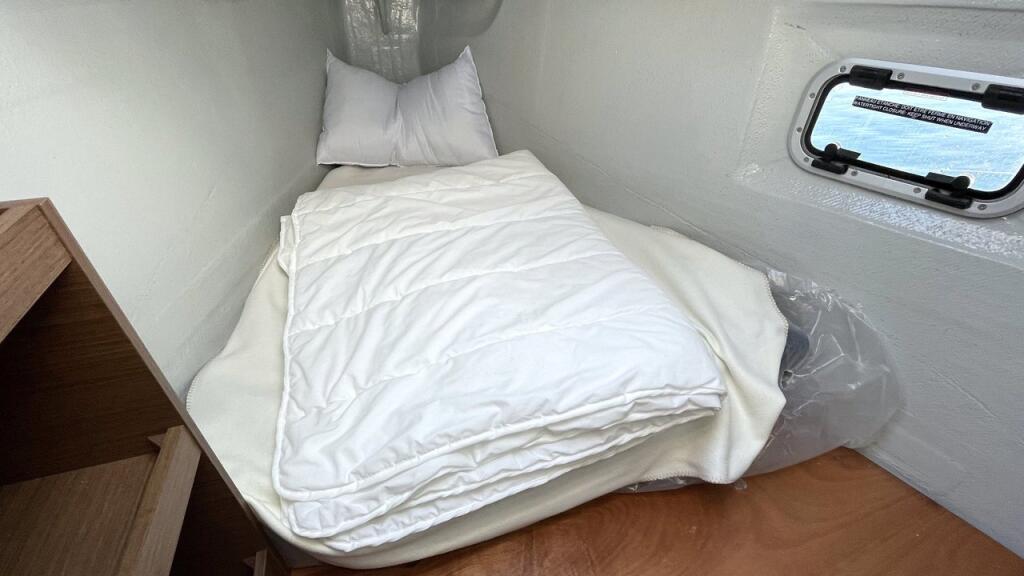
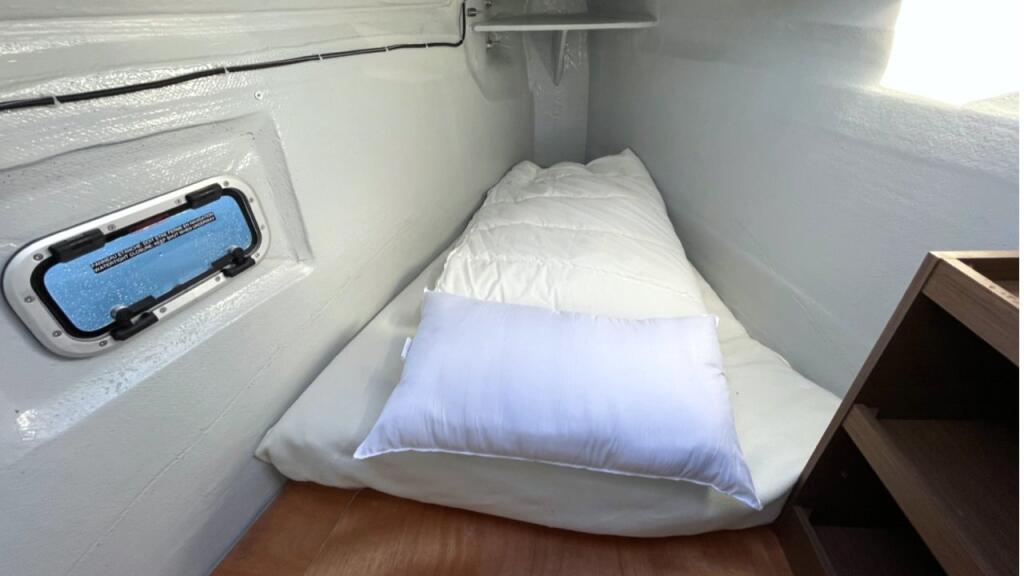
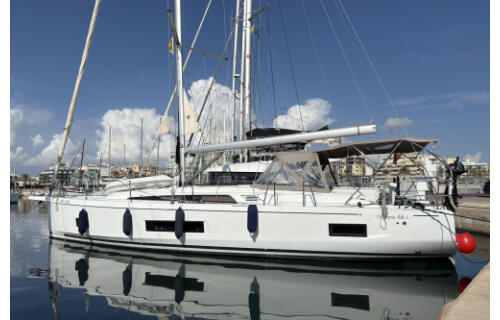
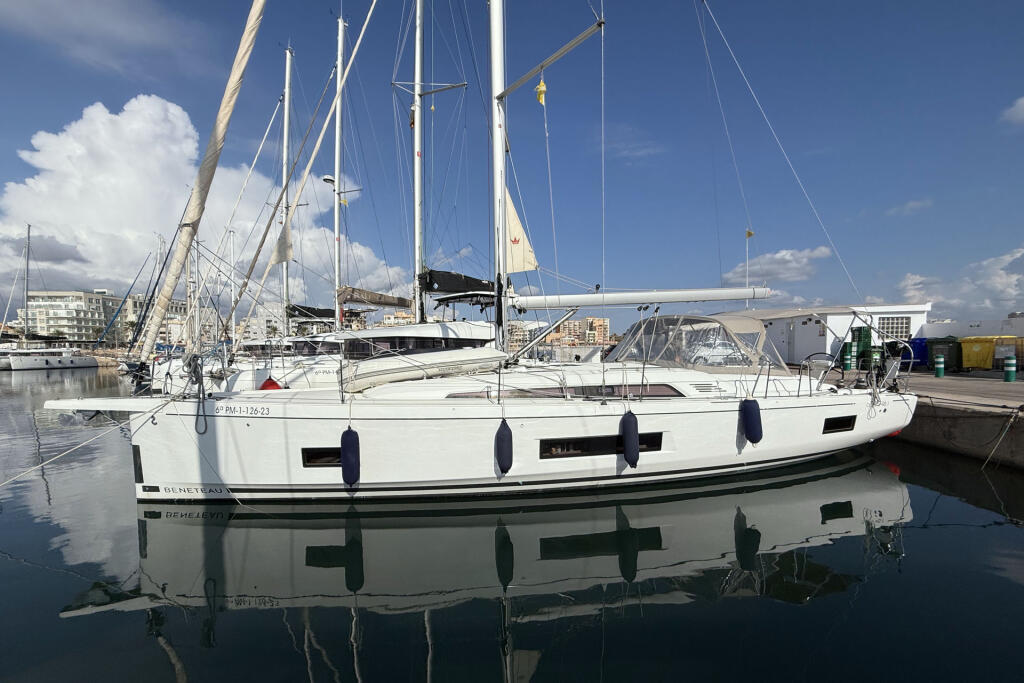
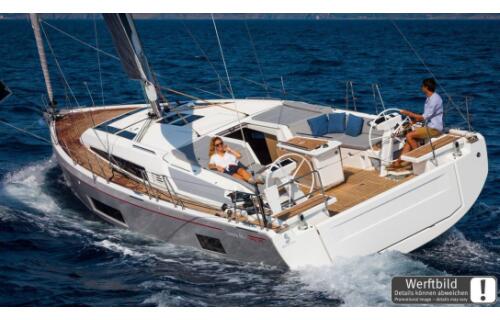
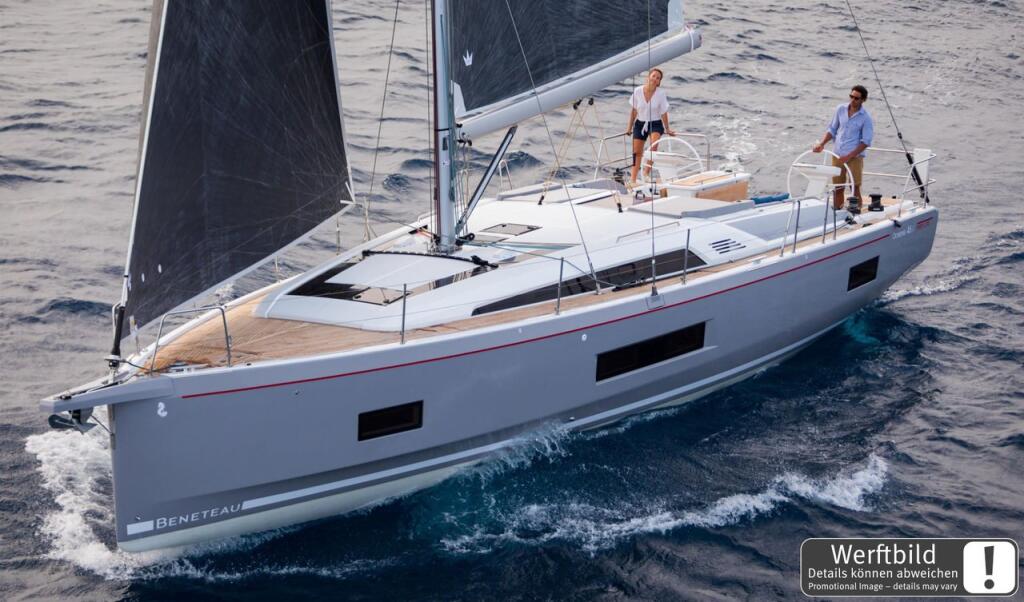
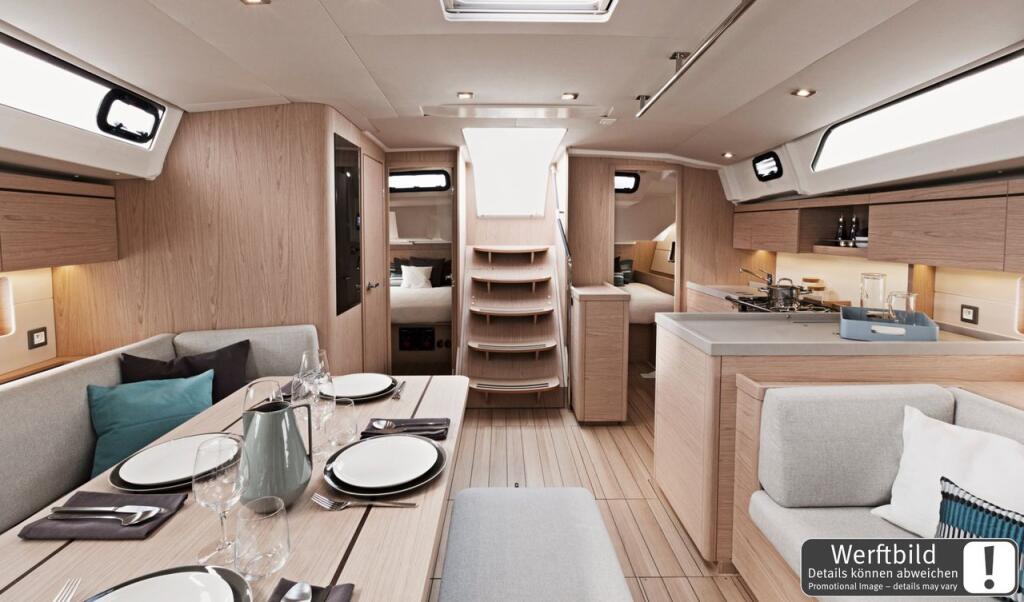
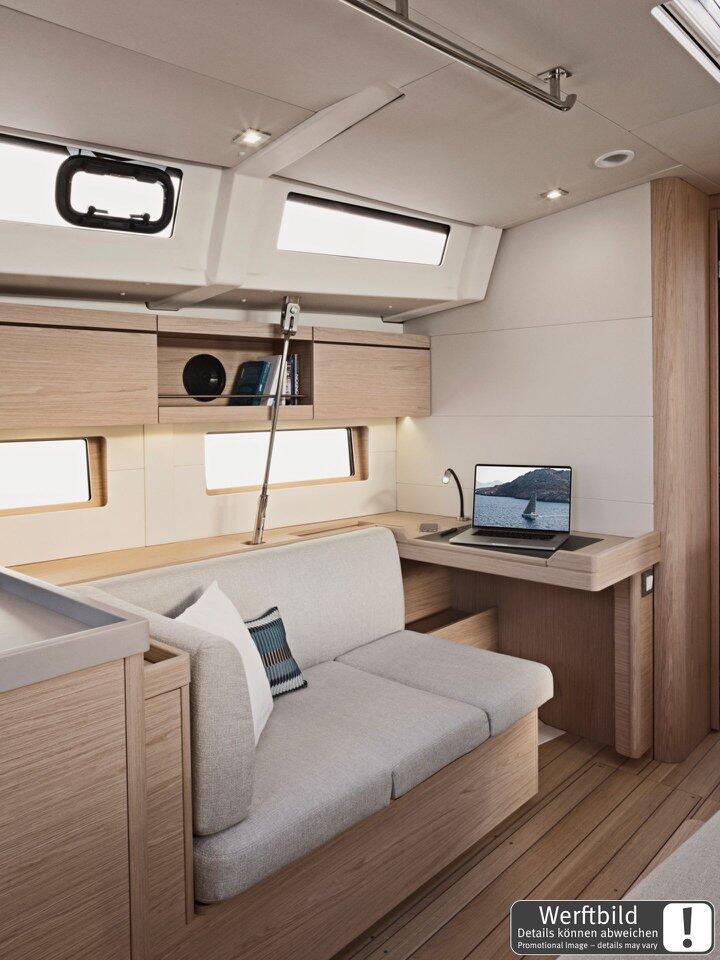
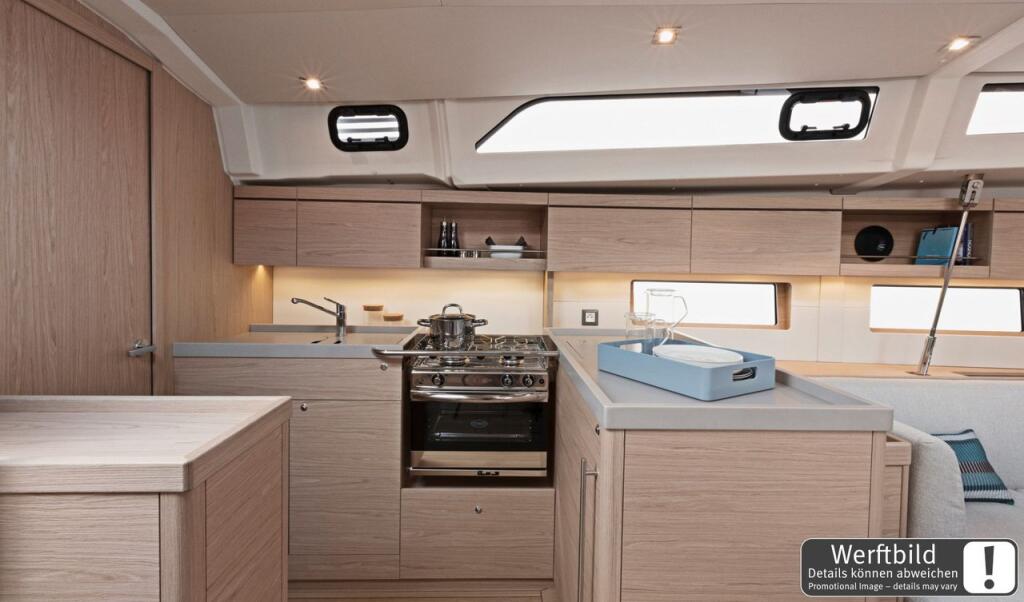
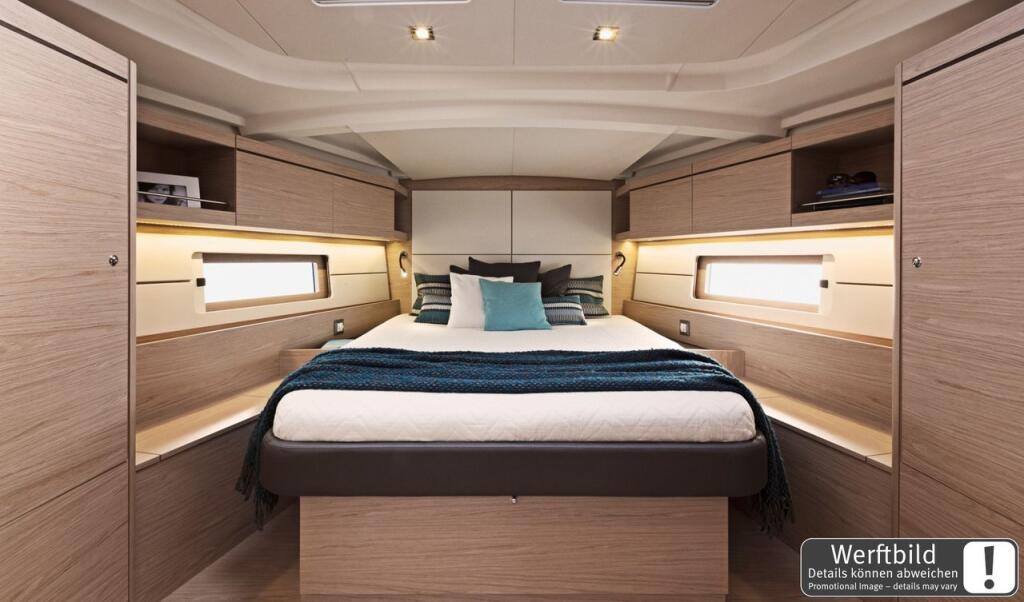
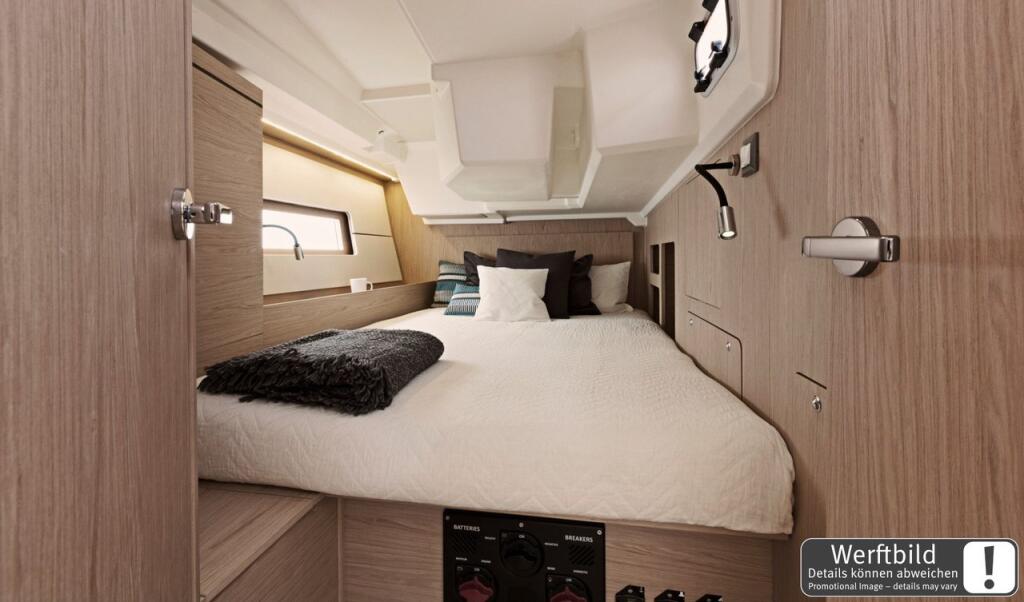
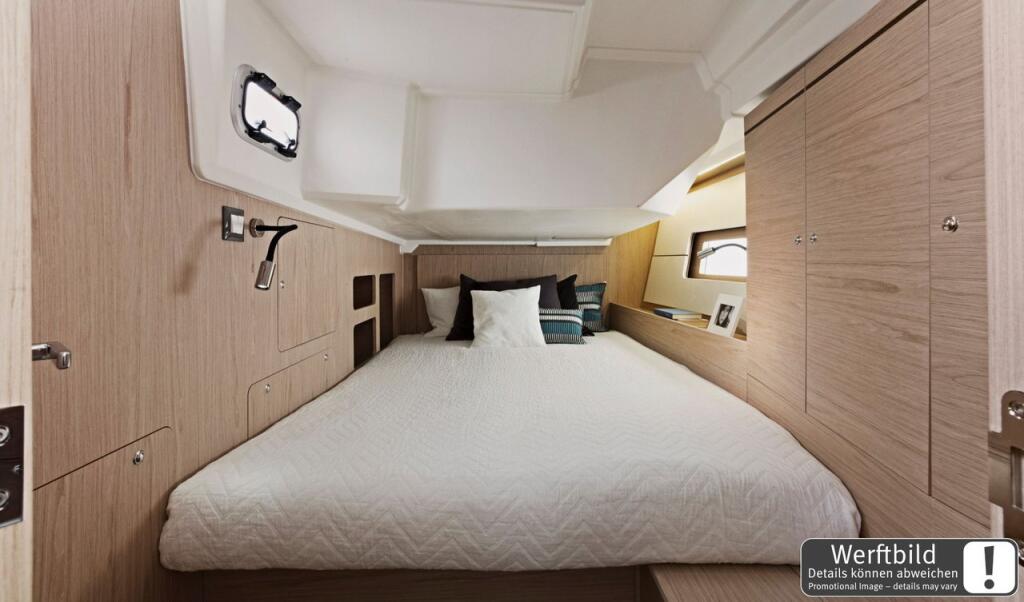
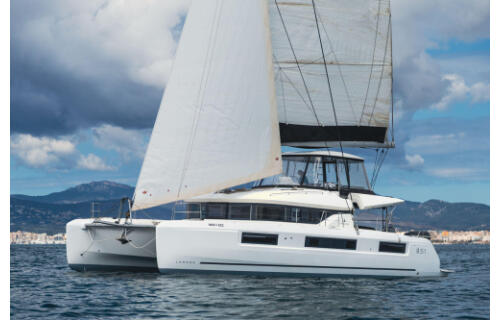
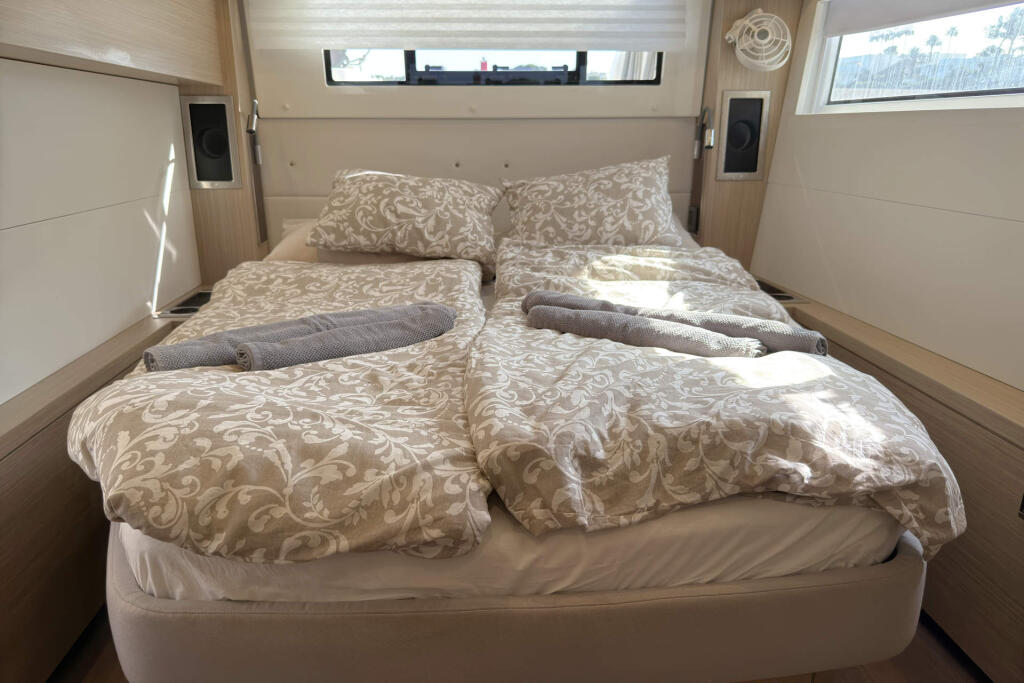
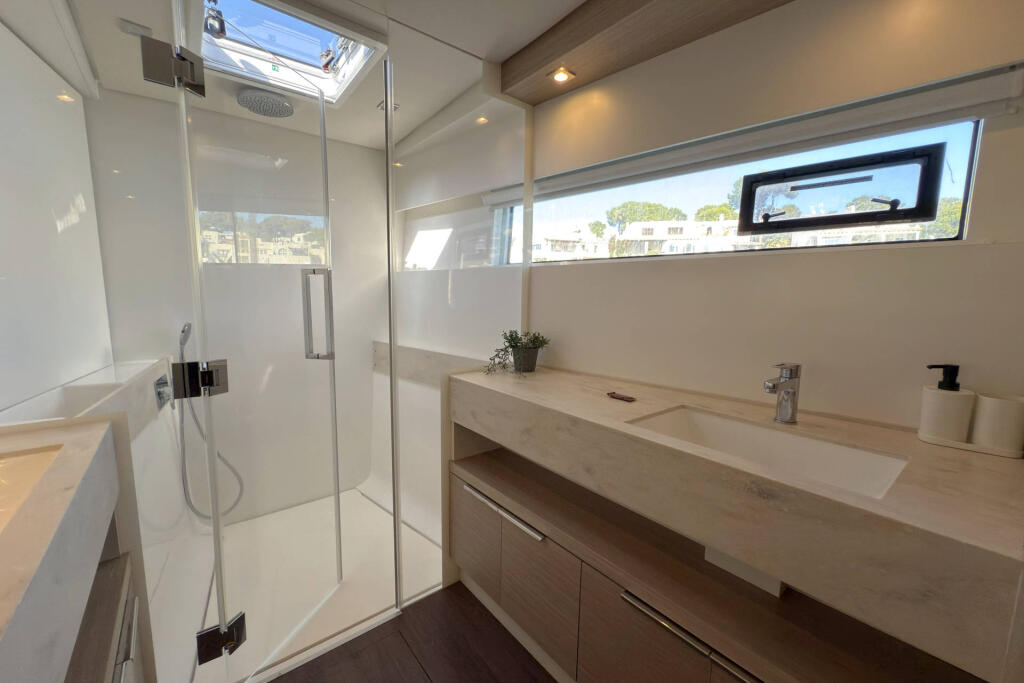
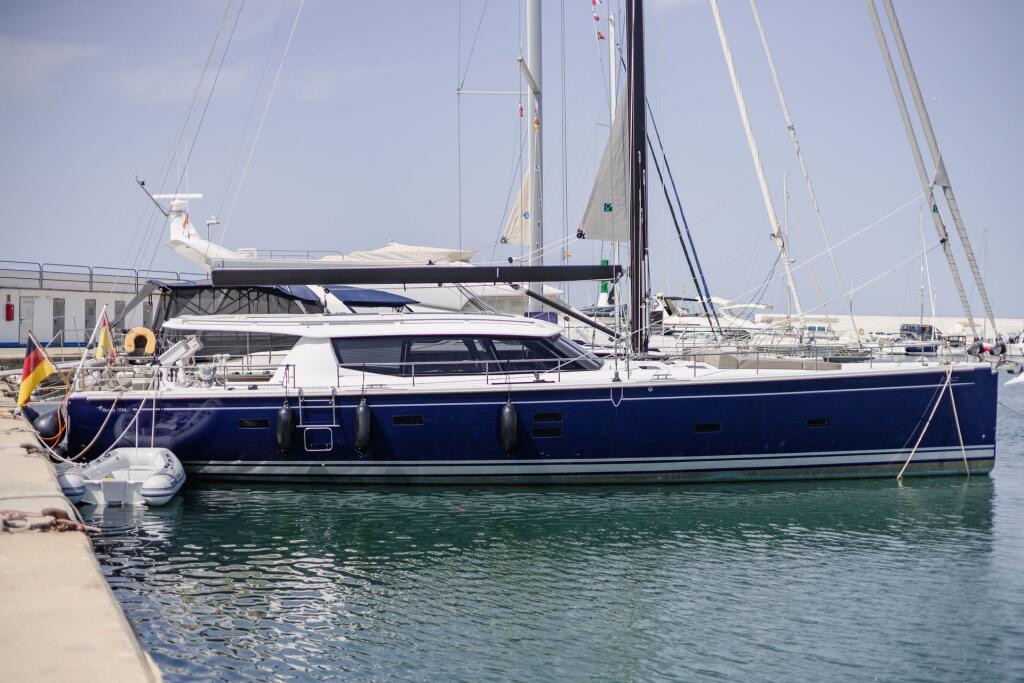
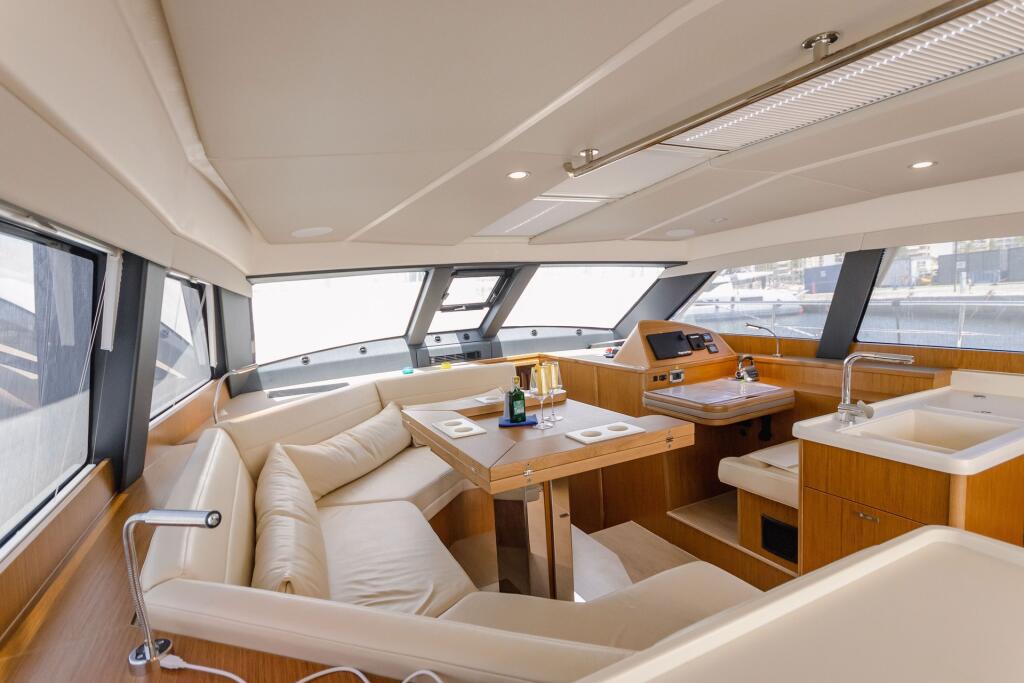
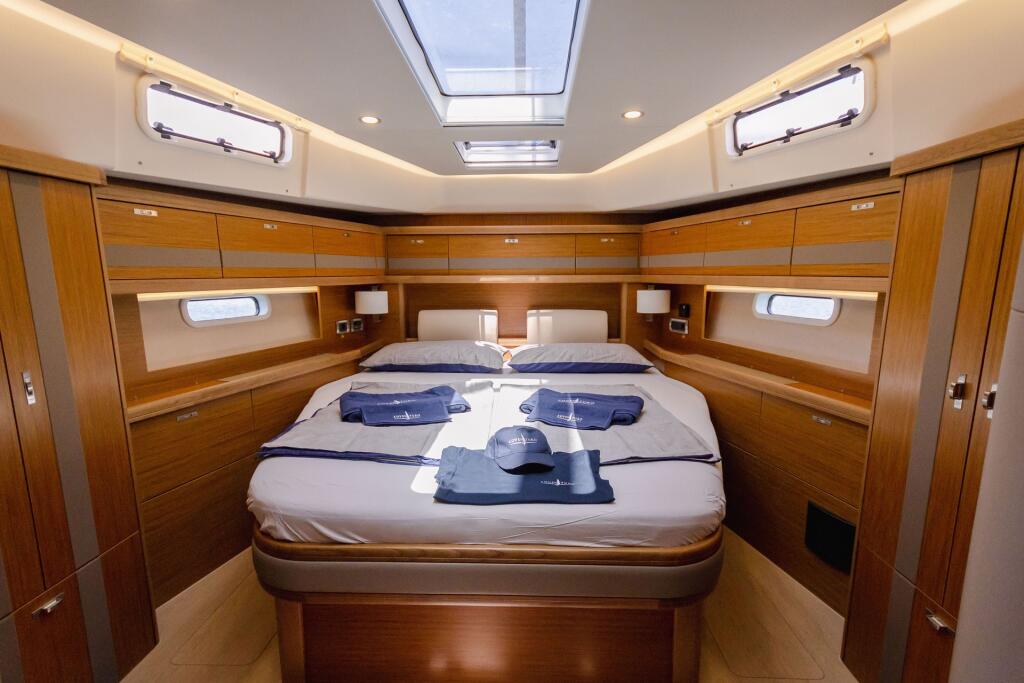
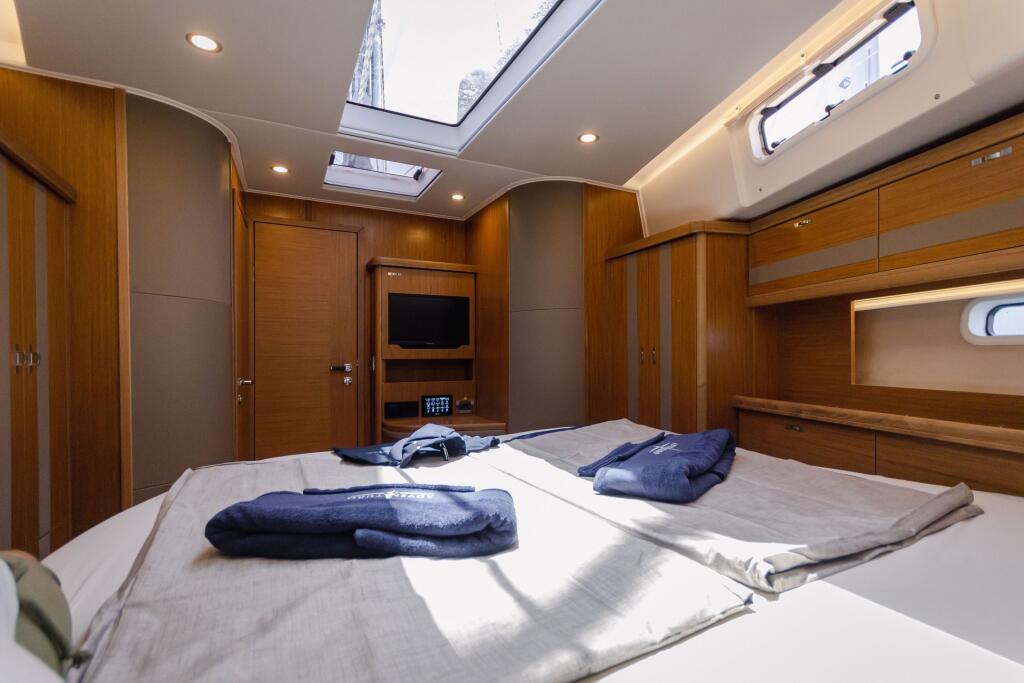
The yacht overview above this text shows the sailing yachts in Can Pastilla available for your selected search. There you can compare yacht size, number of cabins, year of build and other features. Once you have narrowed your choice, it is worth checking the detail page of the specific yacht, as equipment and layout can differ noticeably even between yachts of a similar size.
Why charter a yacht in Can Pastilla?
Can Pastilla is located on the eastern side of the Bay of Palma. This position gives crews several sensible route options from the outset. Those who prefer shorter stages can begin within the bay or follow the southern coastline. For longer passages, Mallorca’s south coast, Cabrera and, in stable conditions, the southeastern stretches of coastline are all attractive options.
This flexibility is particularly valuable on a one week yacht charter. Your route does not need to be fixed in every detail before departure. If the wind shifts or swell builds along an exposed section of coast, a crew can change its focus, choose a shorter leg or add an extra harbour stop. Sound passage planning in Mallorca often means keeping several workable alternatives in hand.
Can Pastilla is therefore well suited both to crews looking for a classic coastal cruise with bays and harbour stops, and to sailors who would like to include longer daily runs. Families and less experienced crews can deliberately keep distances compact. More experienced crews can link together more demanding legs and more distant stretches of coast when conditions allow.
The location also appeals to charter guests who value uncomplicated logistics. Flights, transfers, provisioning and boarding can all be organised within a relatively compact area. That makes Can Pastilla an efficient starting point for a sailing holiday in Mallorca, without the first or last day of the trip being dominated by long journeys ashore.
Charter directly from the fleet operator
Sailing Yacht Charter Can Pastilla
When booking a sailing yacht charter in Can Pastilla, it matters who actually operates the yacht. A charter agency or marketplace lists yachts from different operators. The fleet operator, by contrast, is responsible for its own yachts, their preparation and the processes at the charter base.
This becomes particularly relevant when specific questions arise. Details about how a system works, what equipment is on board, or the individual characteristics of a particular yacht can usually be clarified more precisely when the information comes directly from the operator’s own fleet. The same applies to the handover on site, when the crew is introduced to the booked yacht and its relevant onboard systems.
Local knowledge also plays a role. The base team knows the departure harbour, the usual procedures and the particular features of the cruising area through daily operational experience. If questions arise about a planned itinerary, this insight can help crews compare their plans with the current local conditions. Responsibility for weather decisions and passage planning naturally remains with the skipper.
Agencies serve a different purpose and can be especially useful when searching across multiple providers. What matters for charter guests is knowing who stands behind the yacht being offered. The yachts listed here belong to an in house charter operation with its own base organisation in Can Pastilla.
Finding the right sailing yacht in Can Pastilla
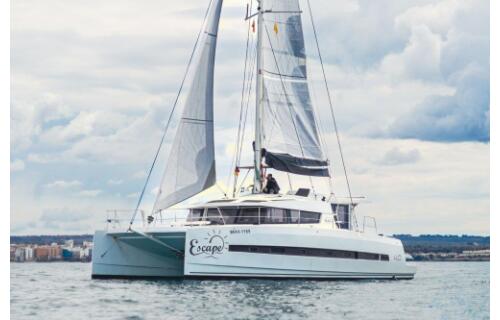
The length of a yacht is only one part of the decision. A smaller sailing yacht may be more enjoyable for two people or a well practised short handed crew than a significantly larger boat. Less weight and more manageable dimensions often make harbour manoeuvres easier and reduce the effort required for sail handling.
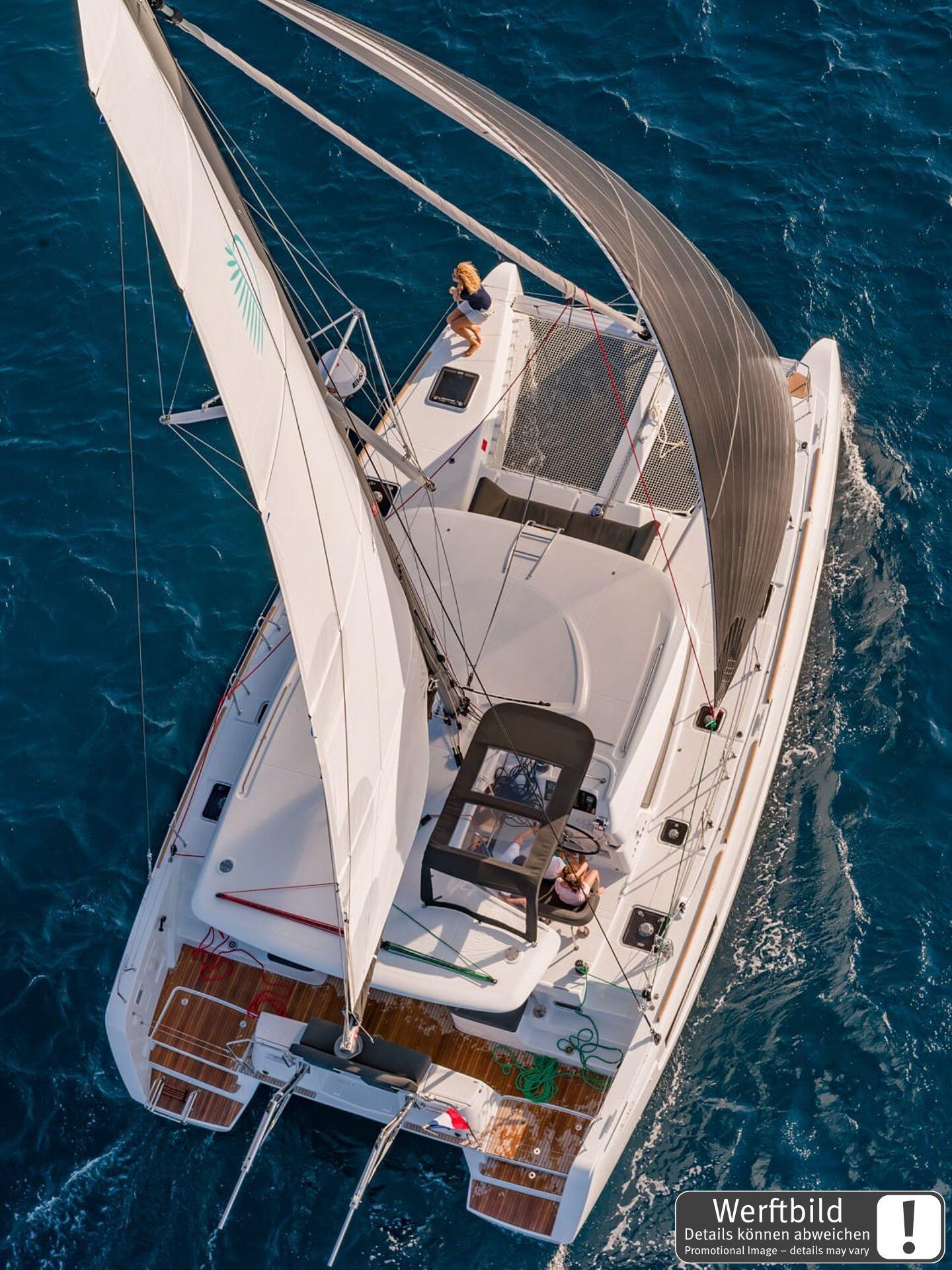
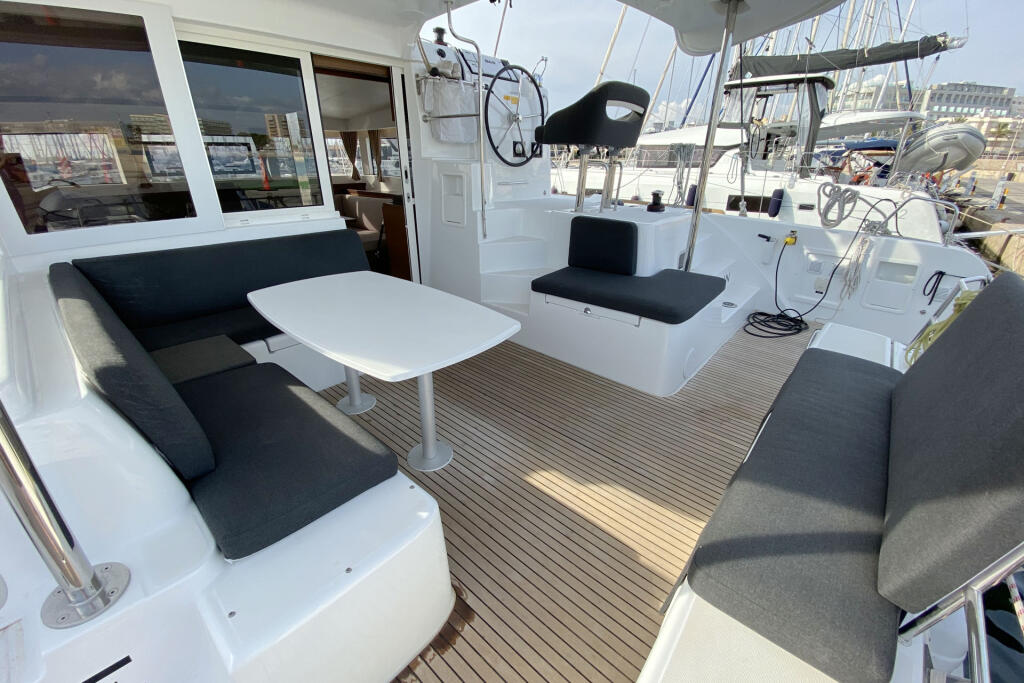
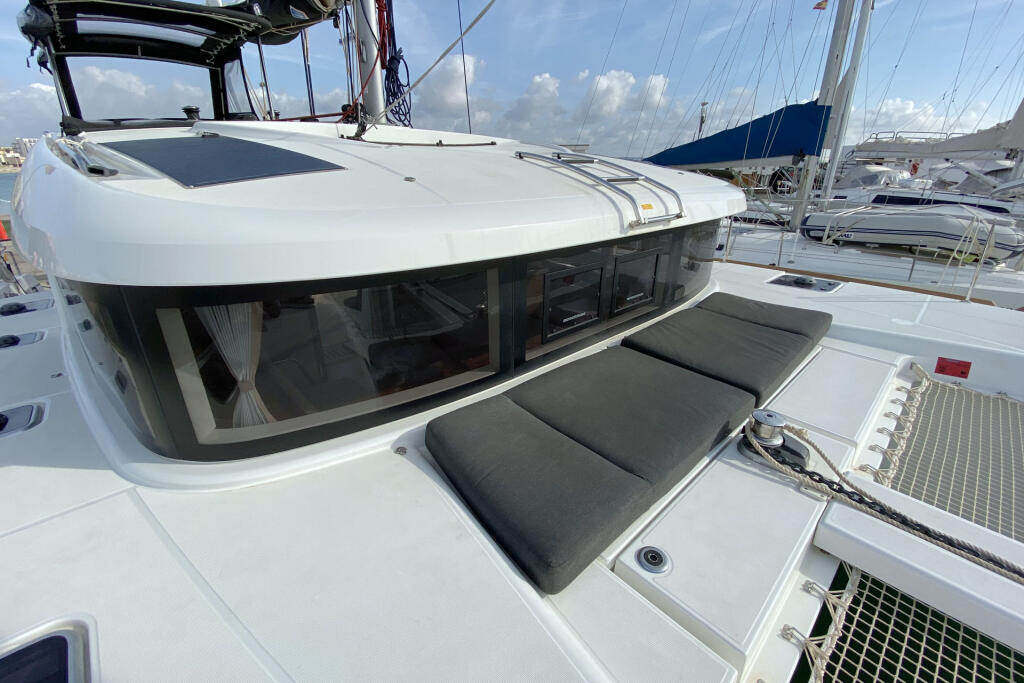
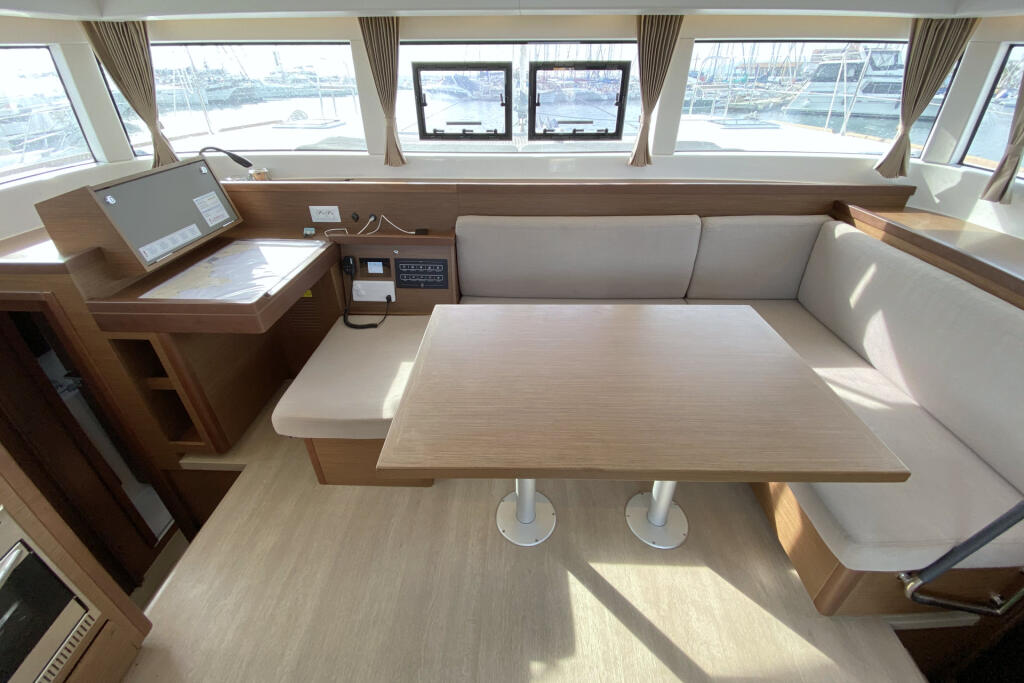
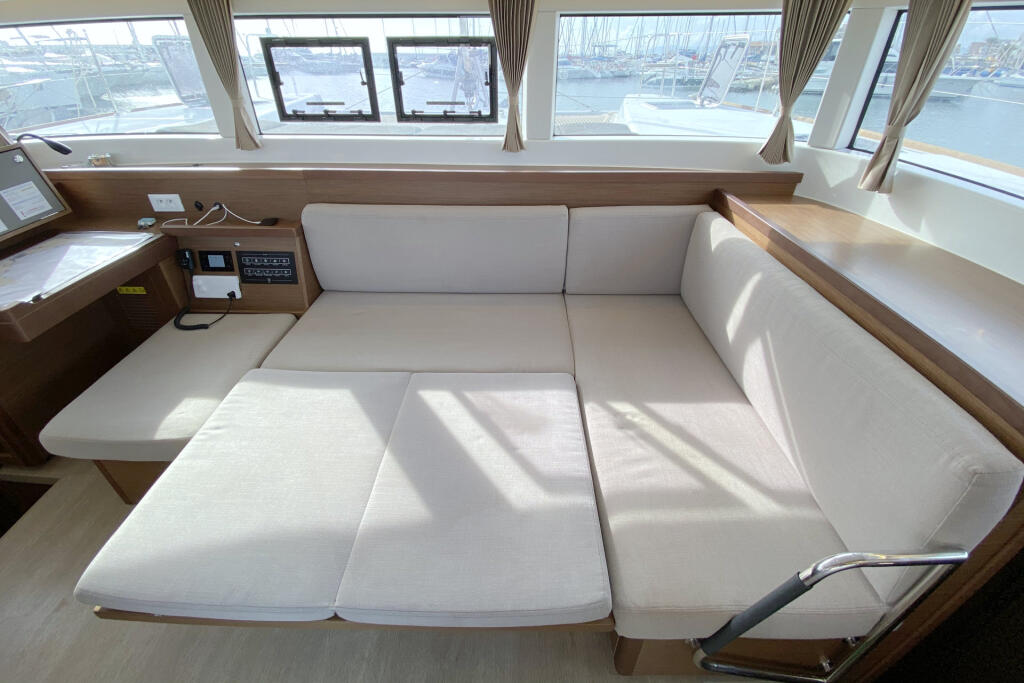
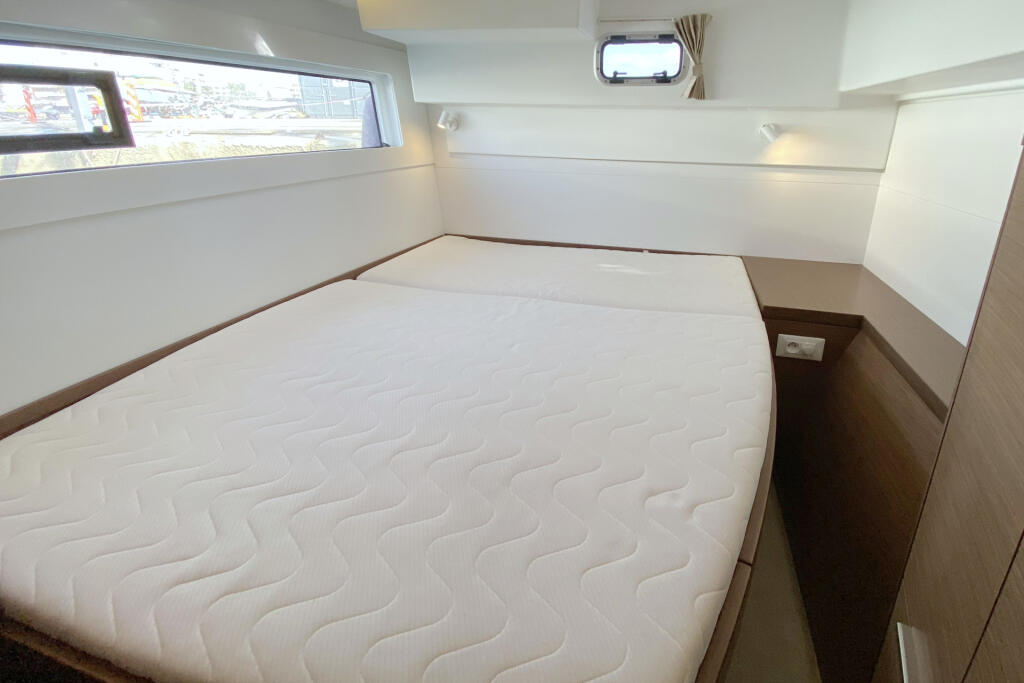
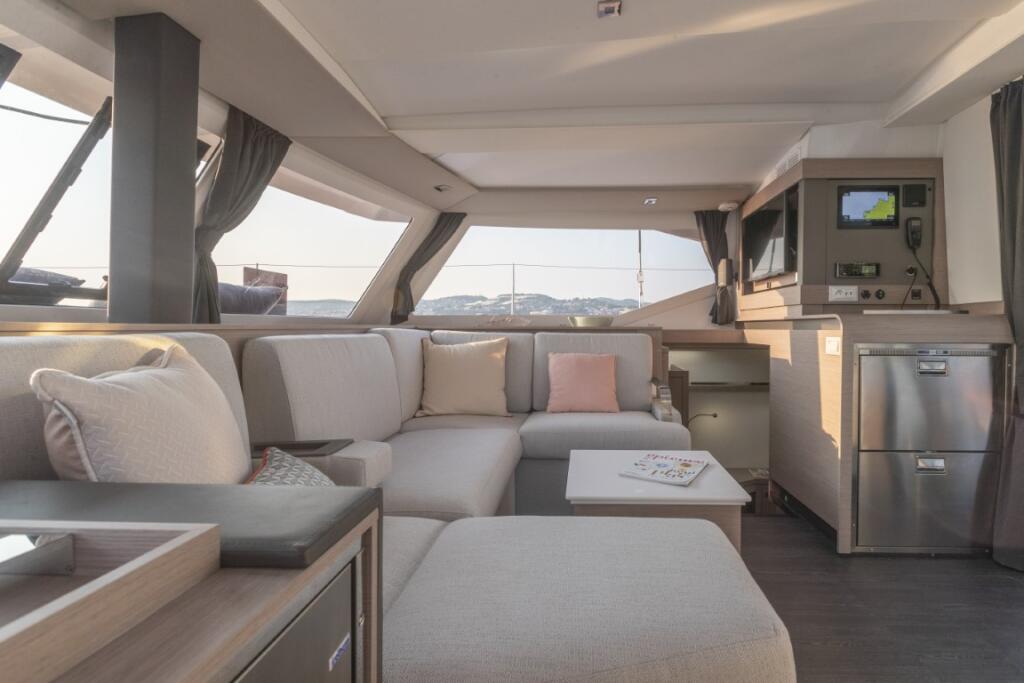
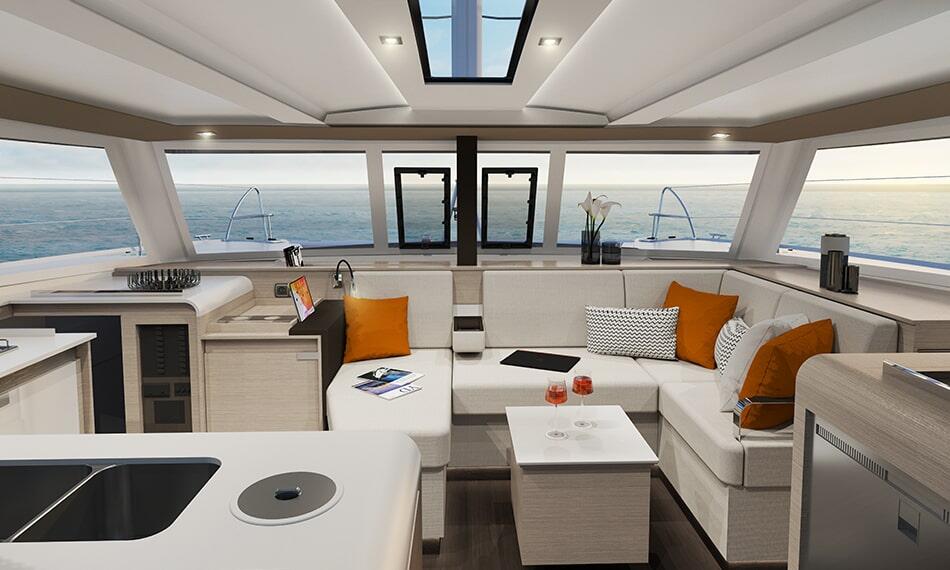
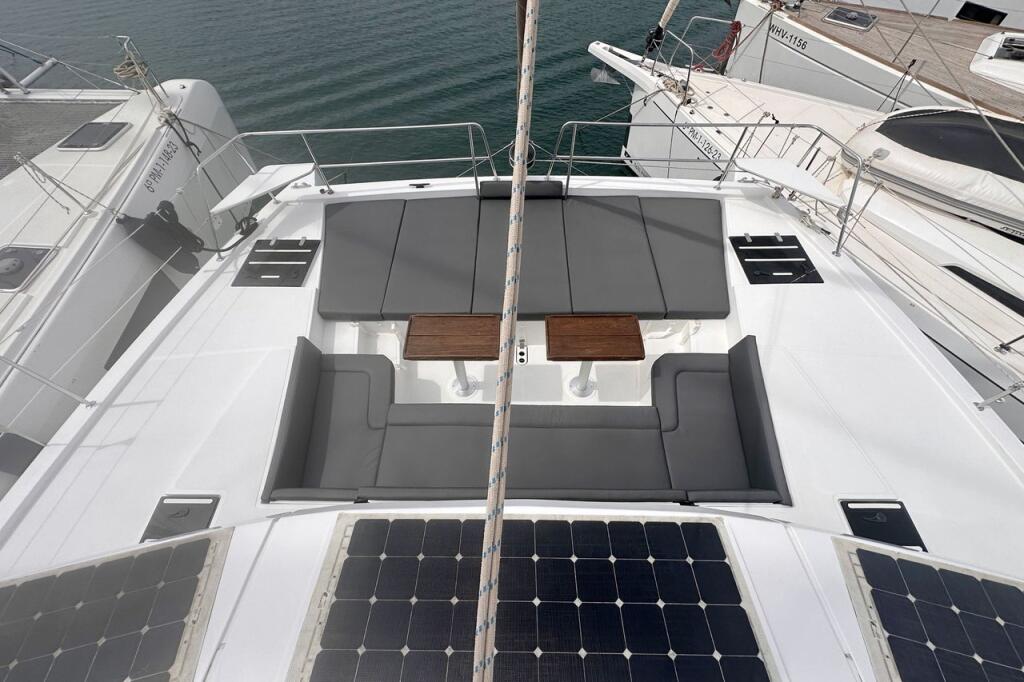
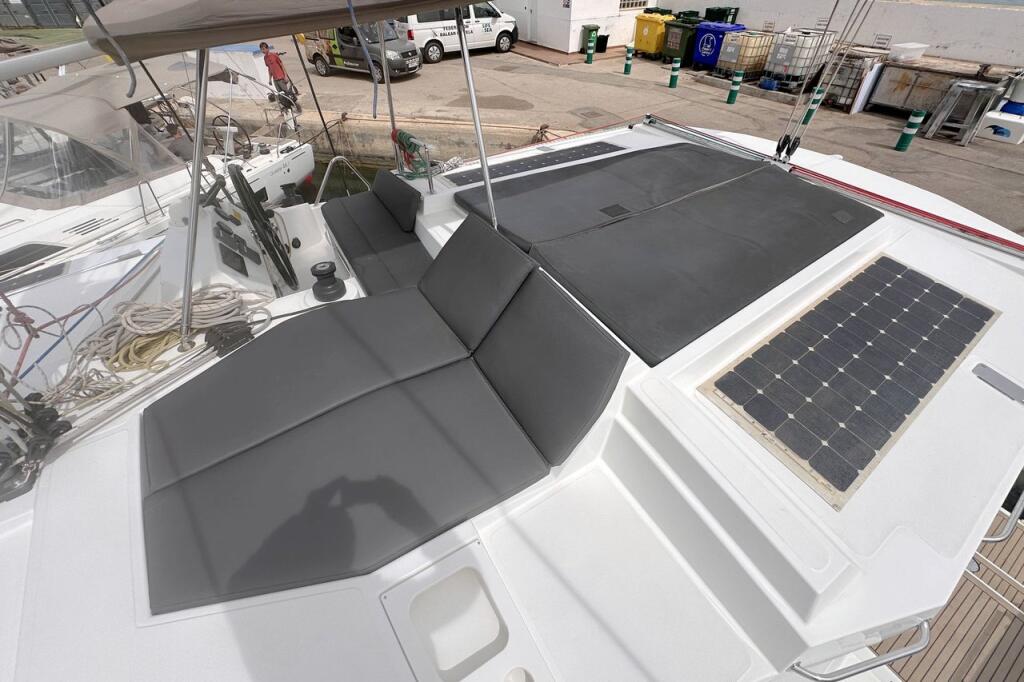
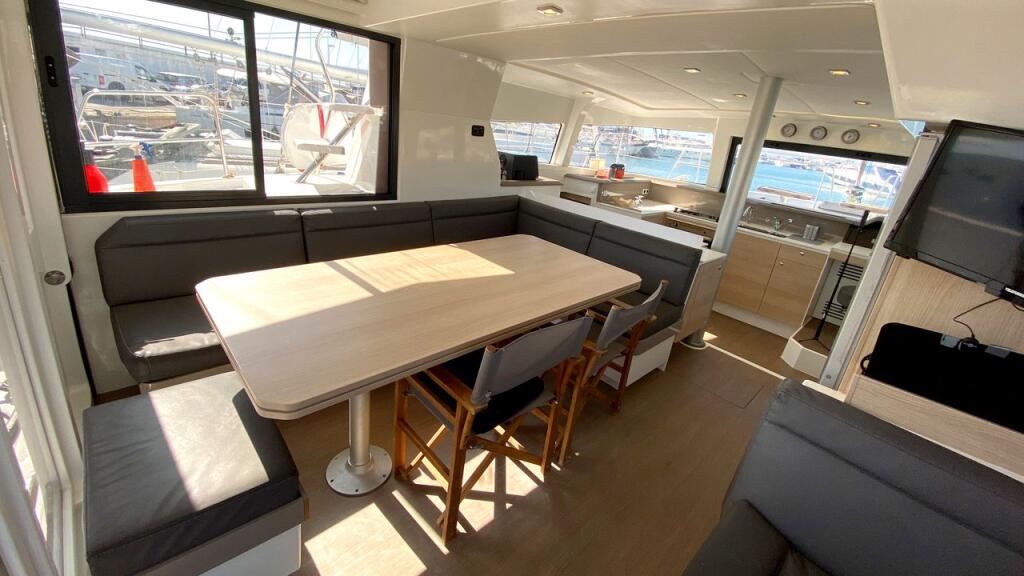
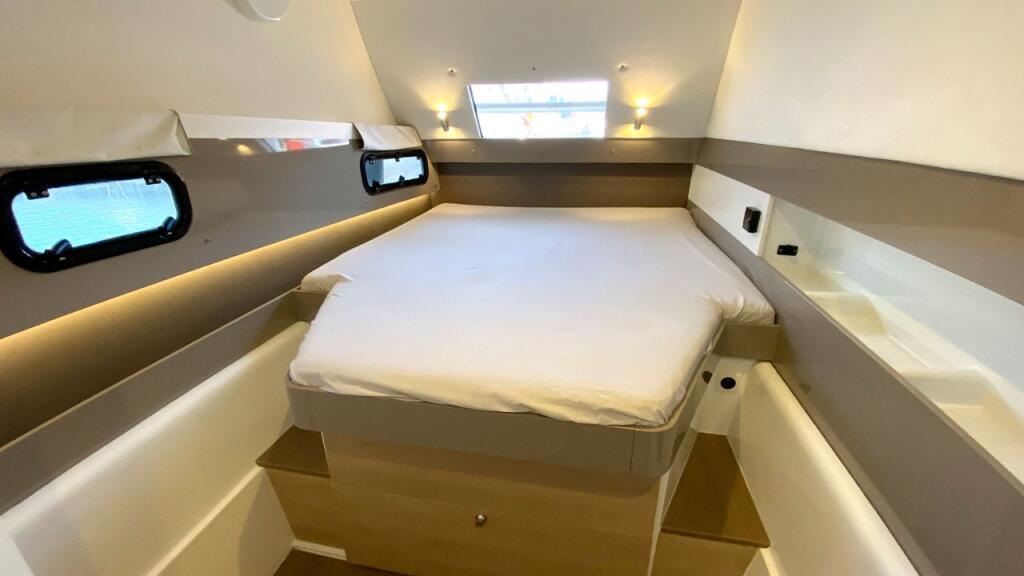
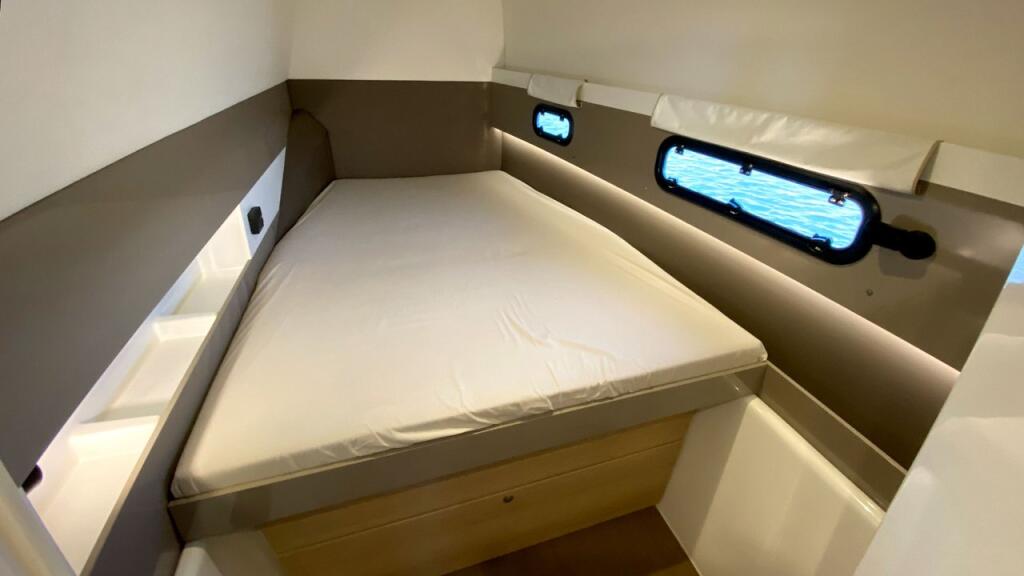
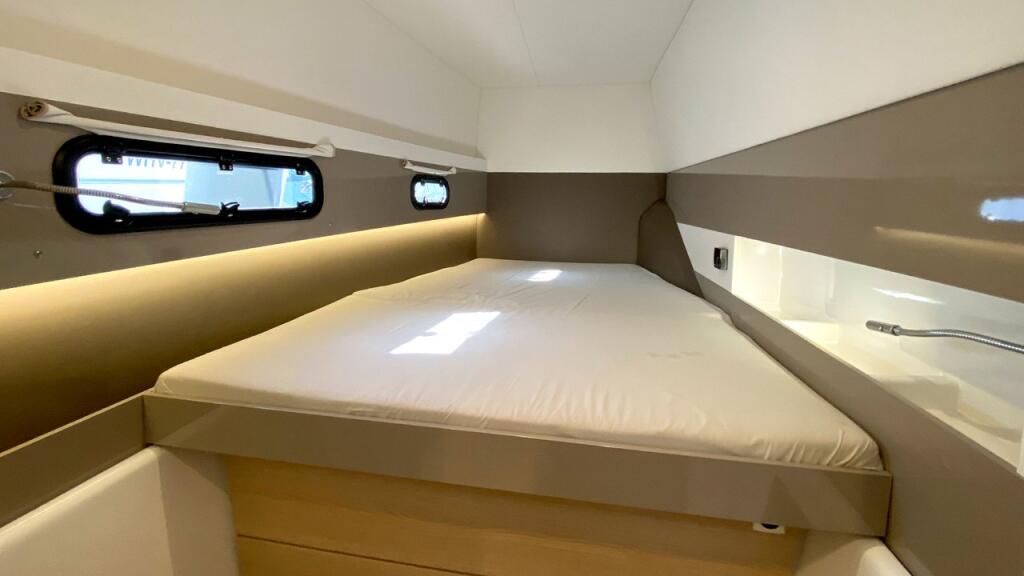
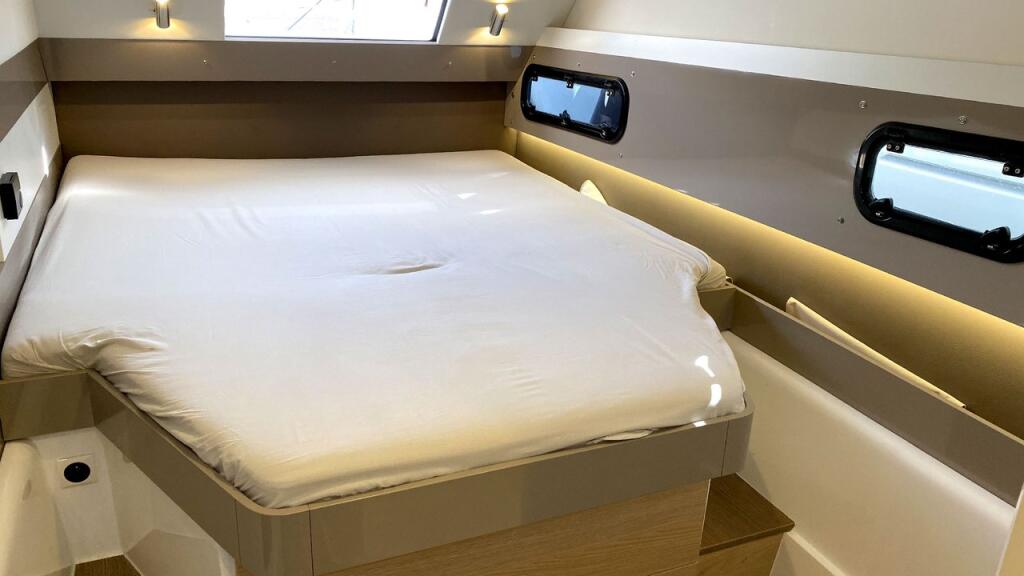
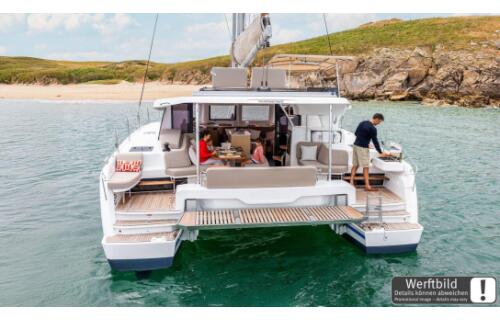
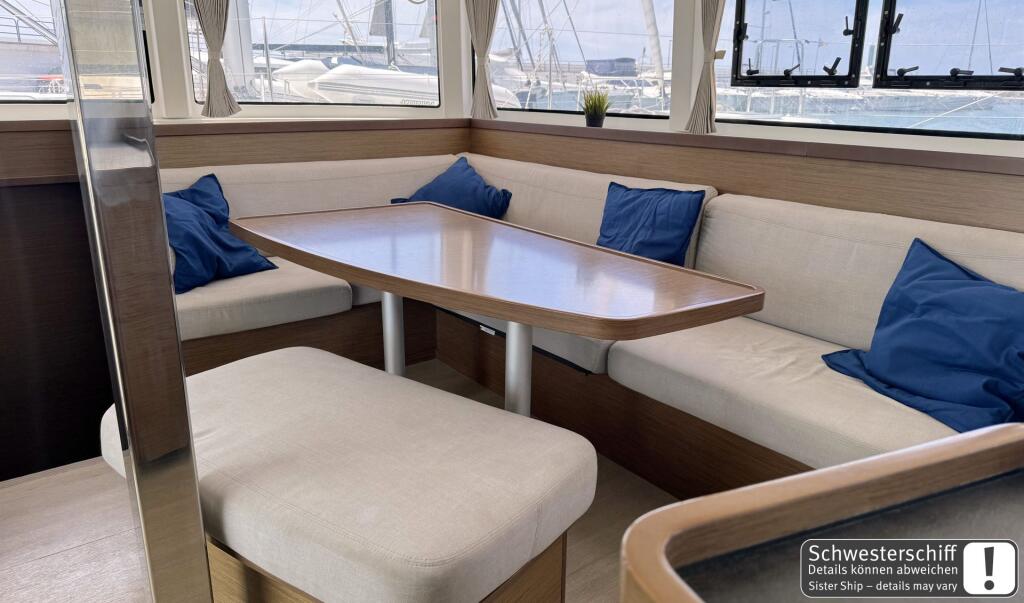
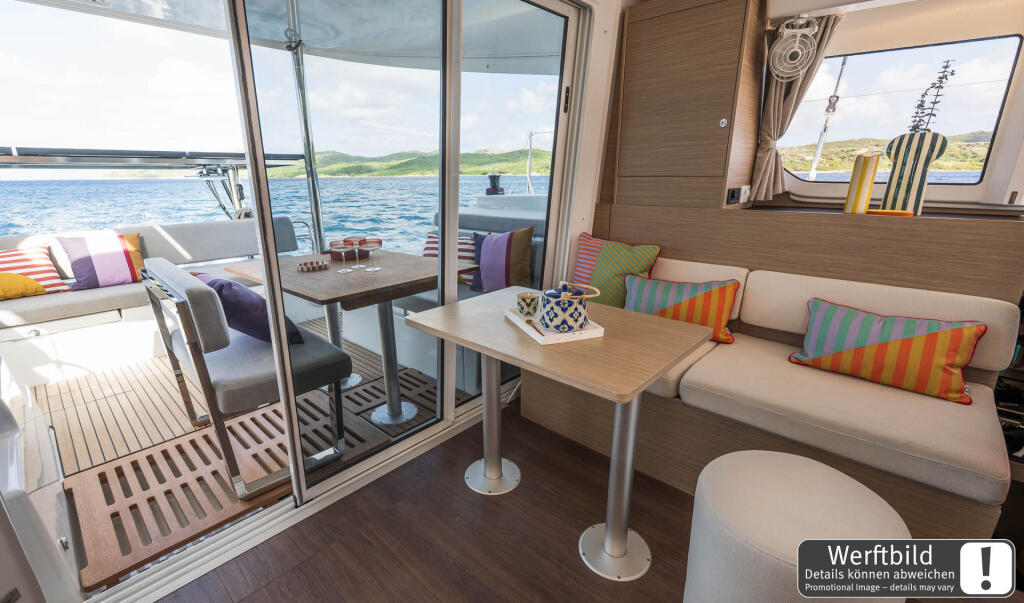
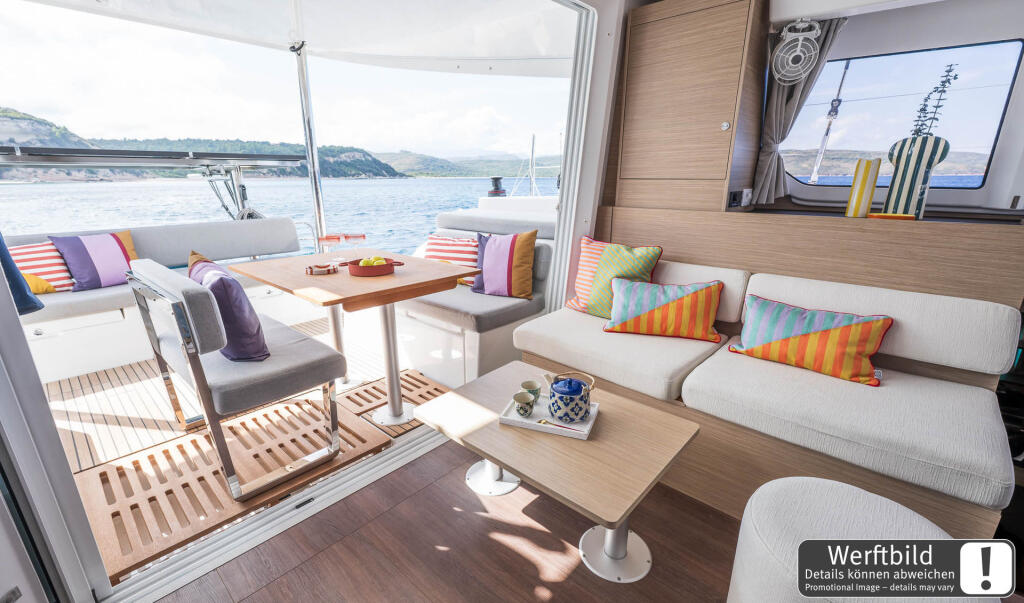
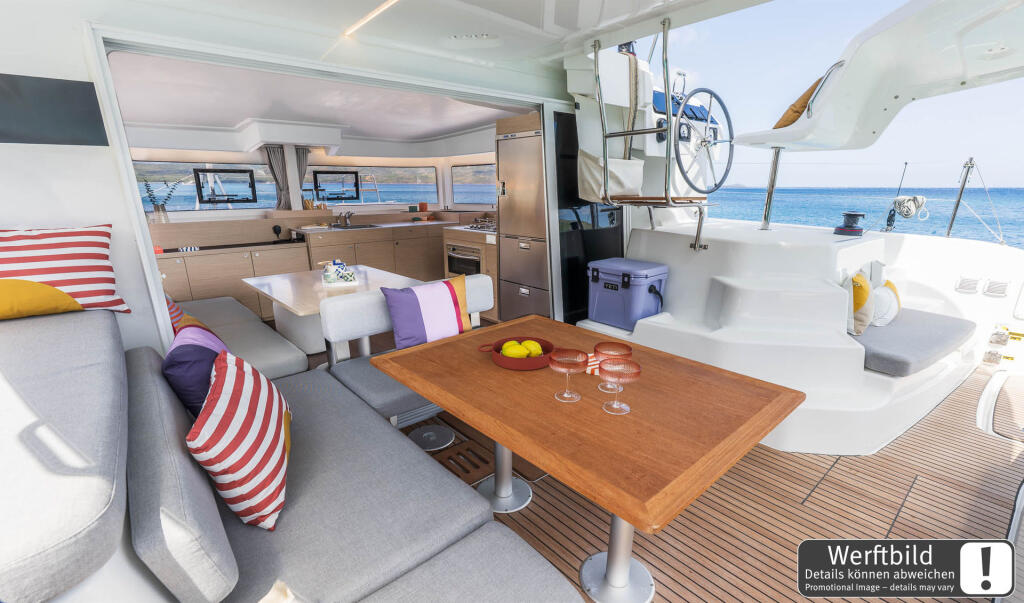
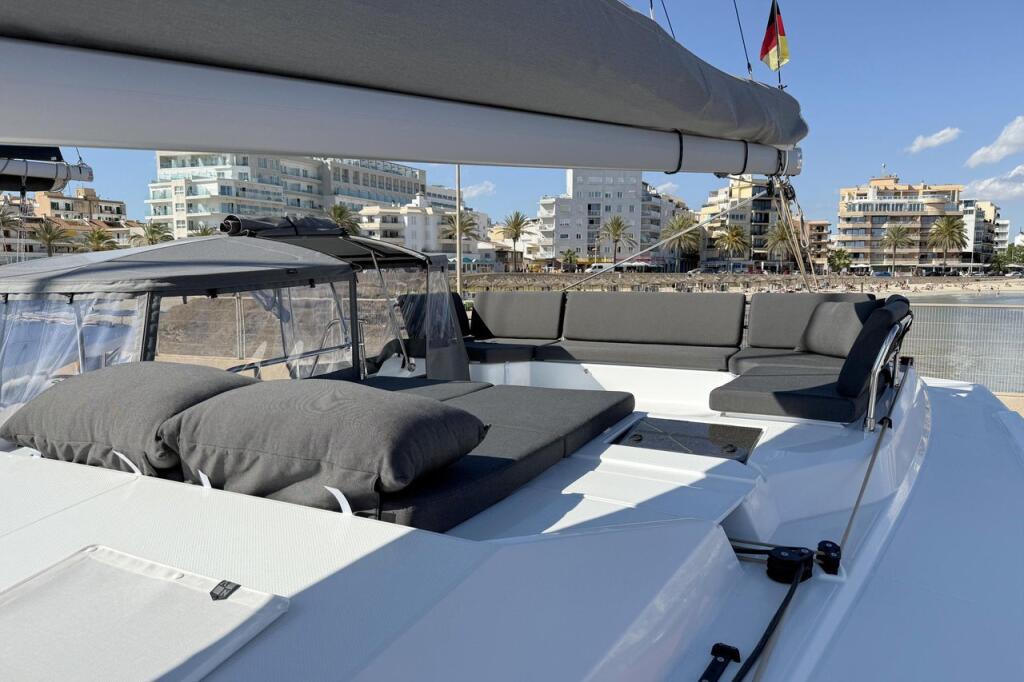
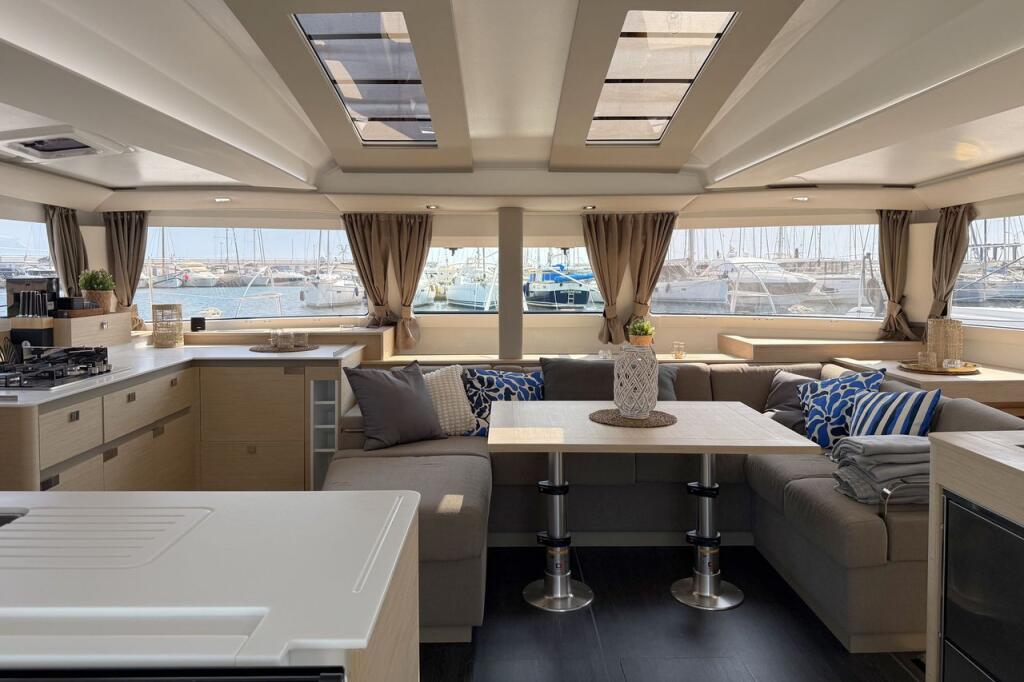
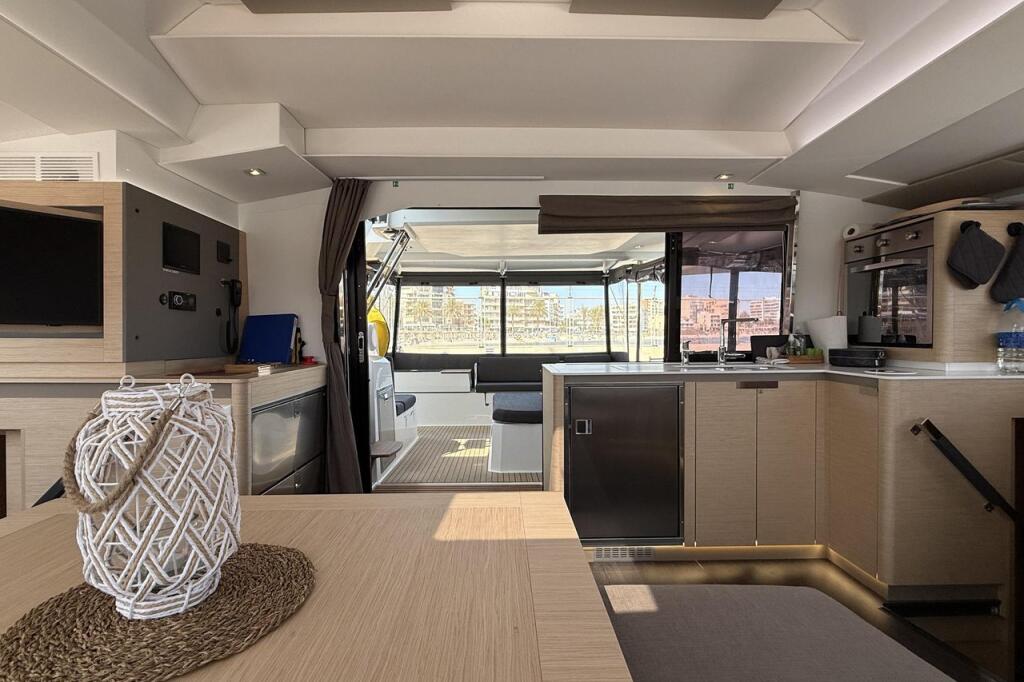
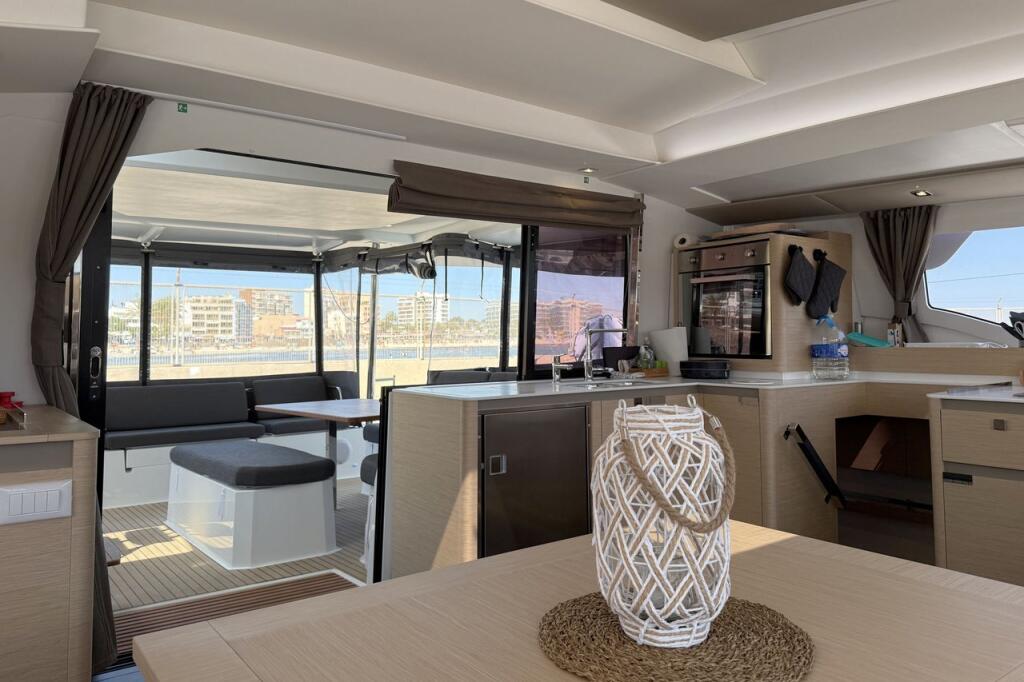
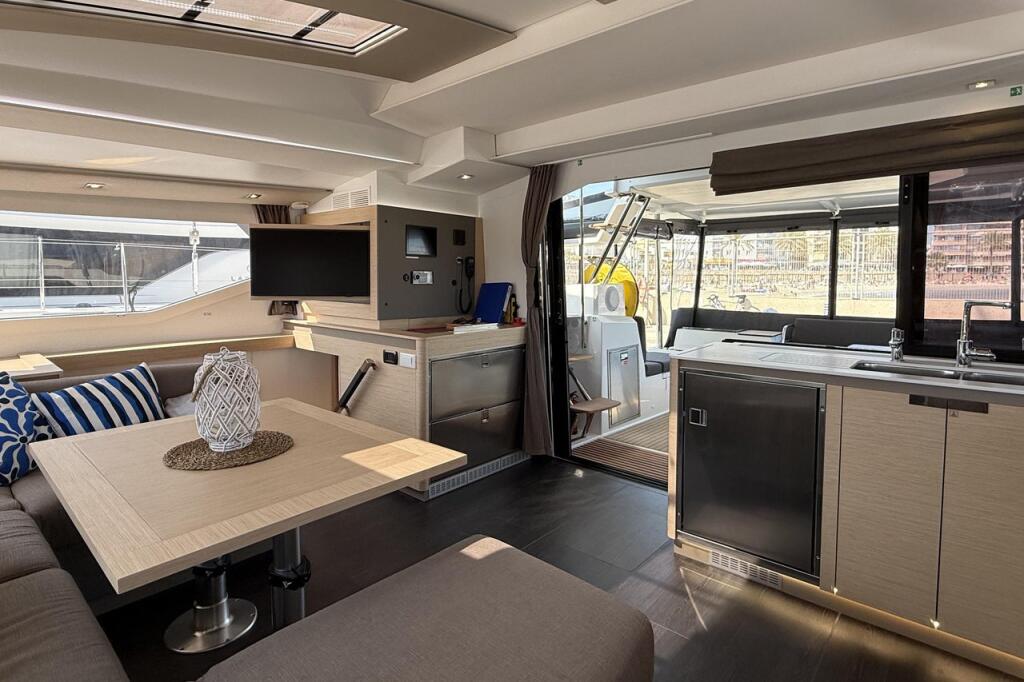
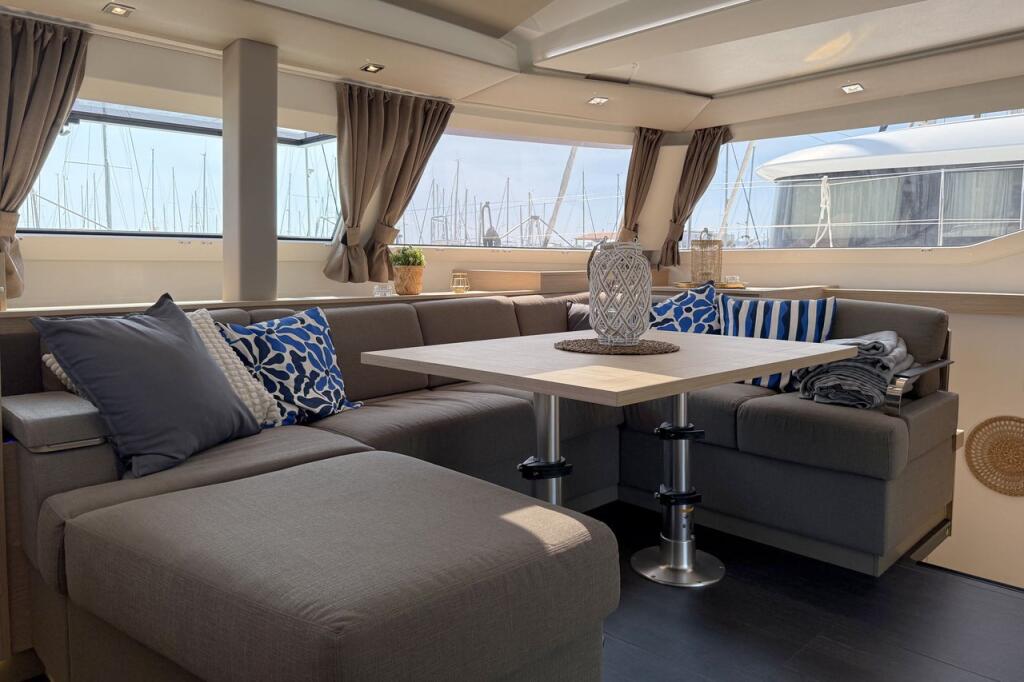
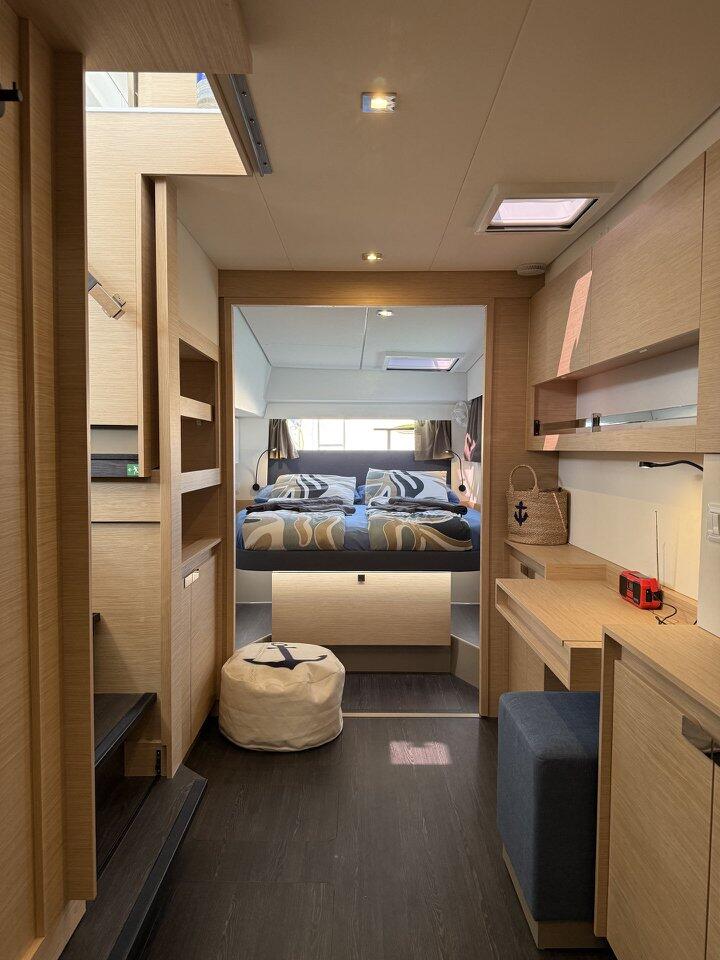
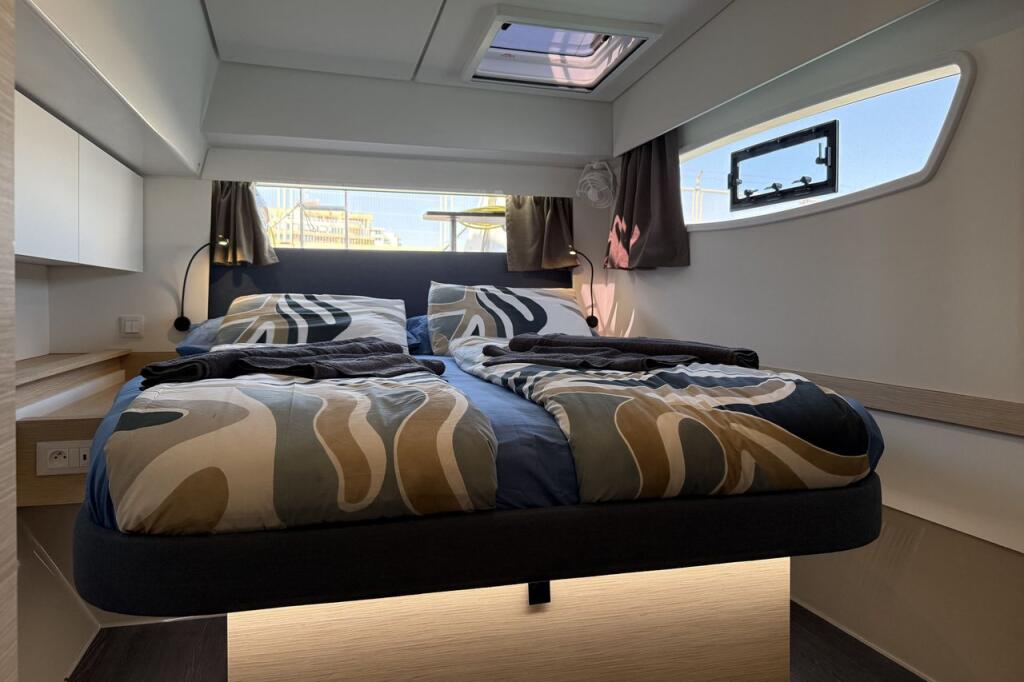
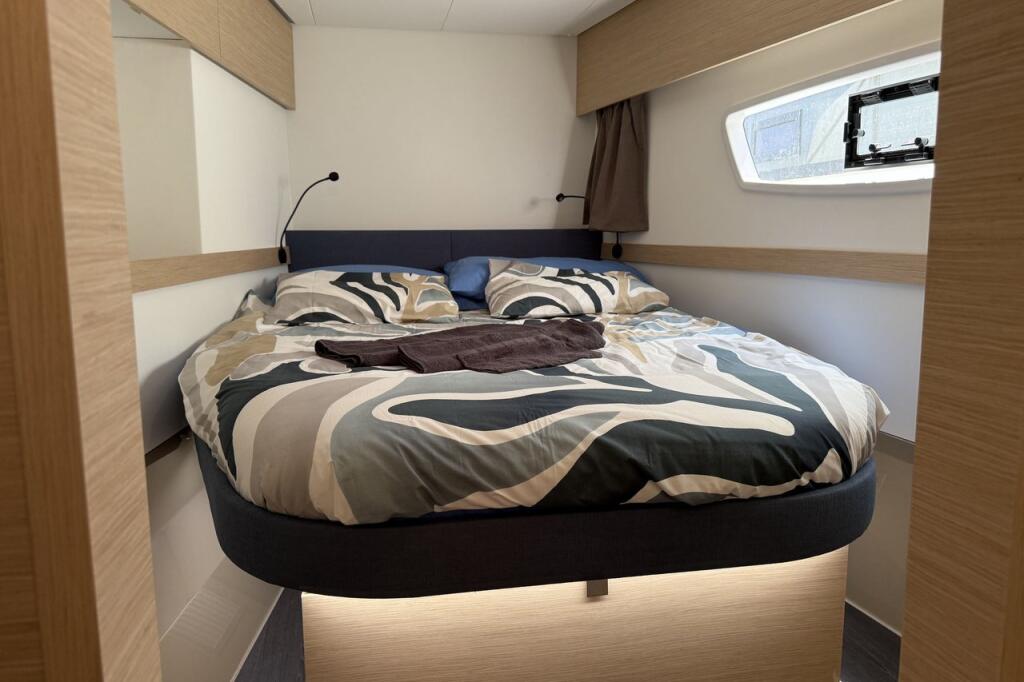
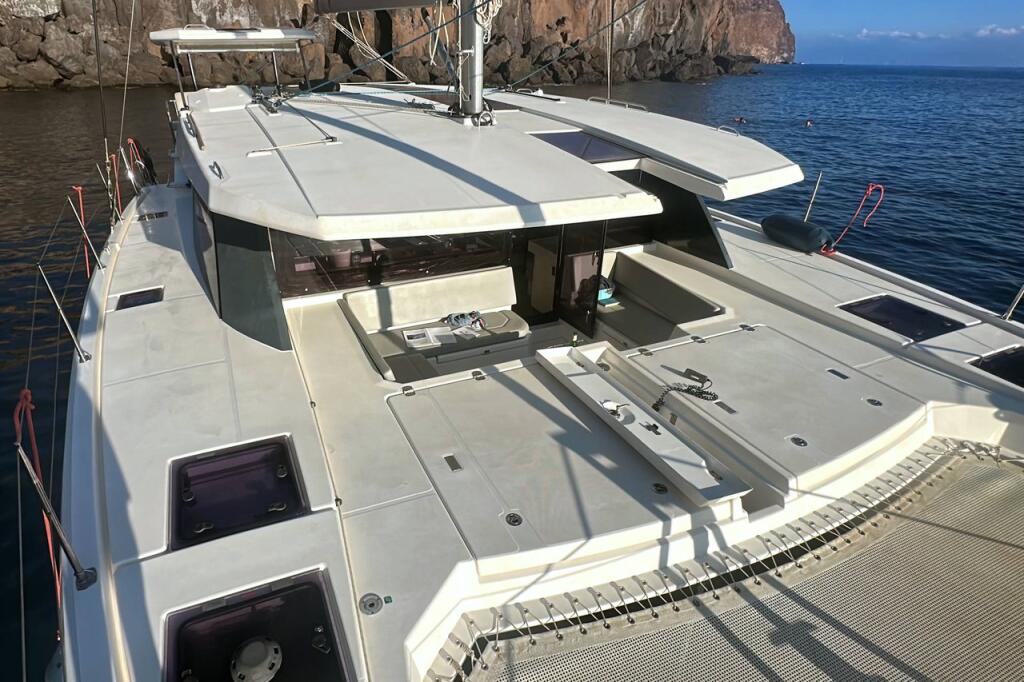
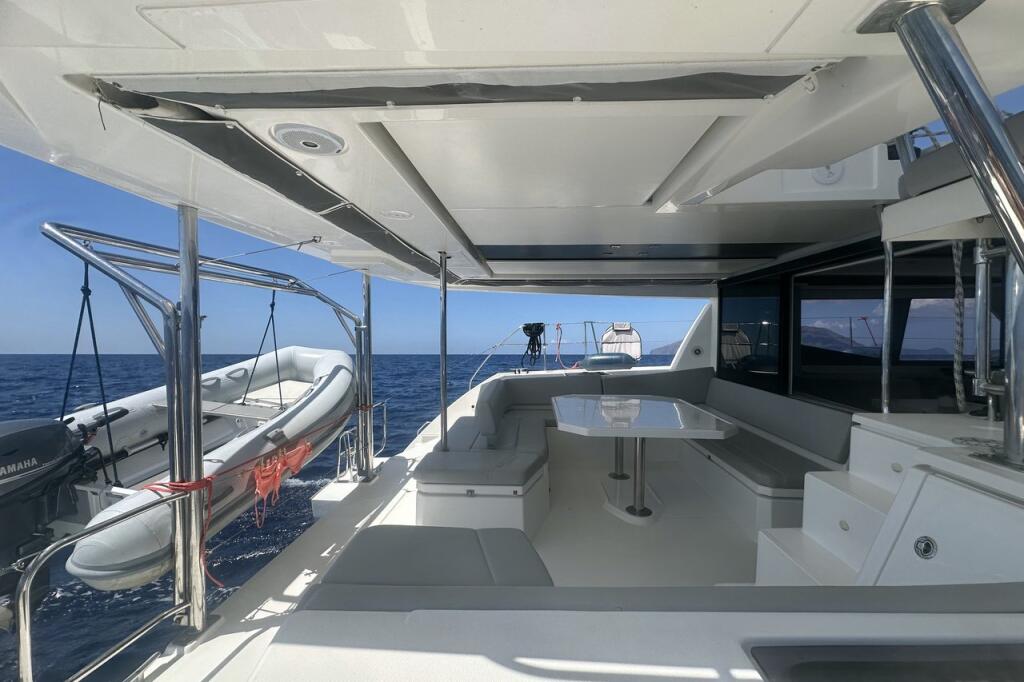
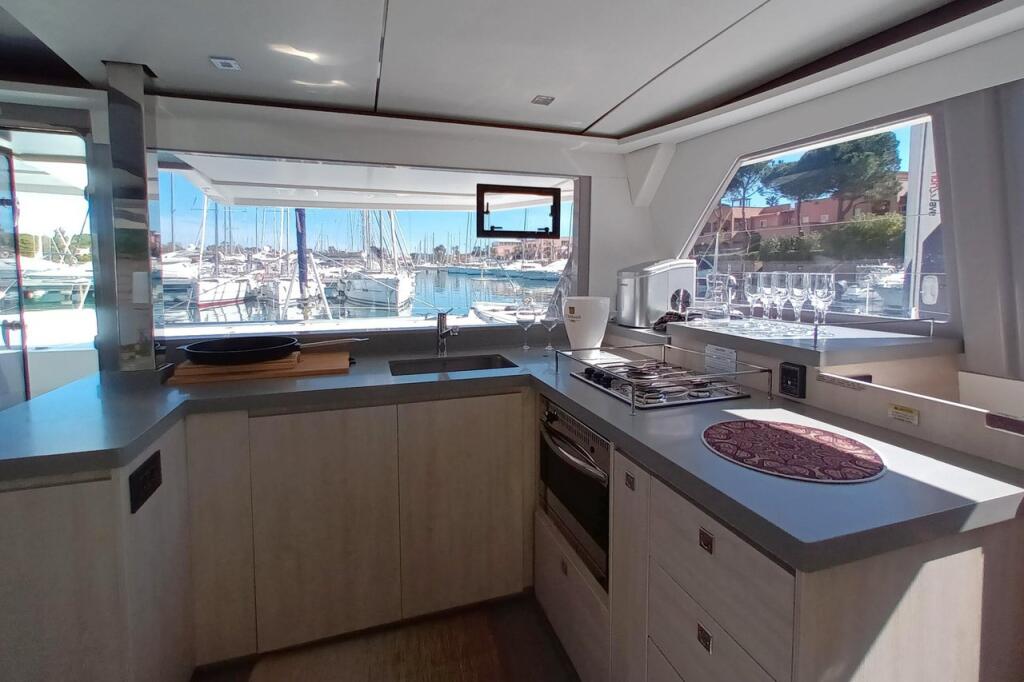
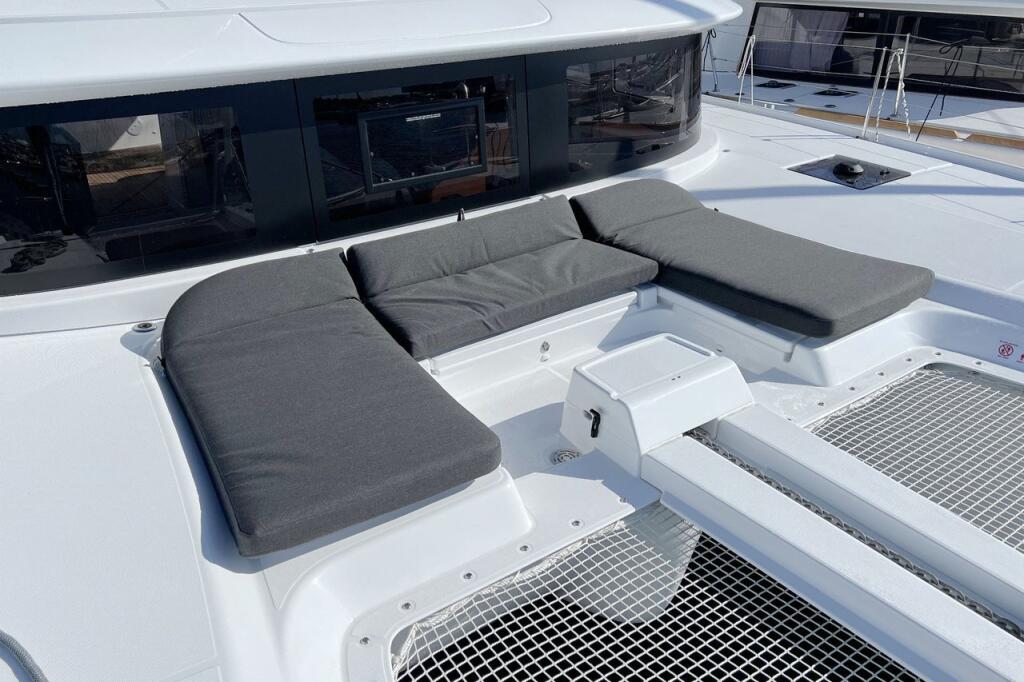
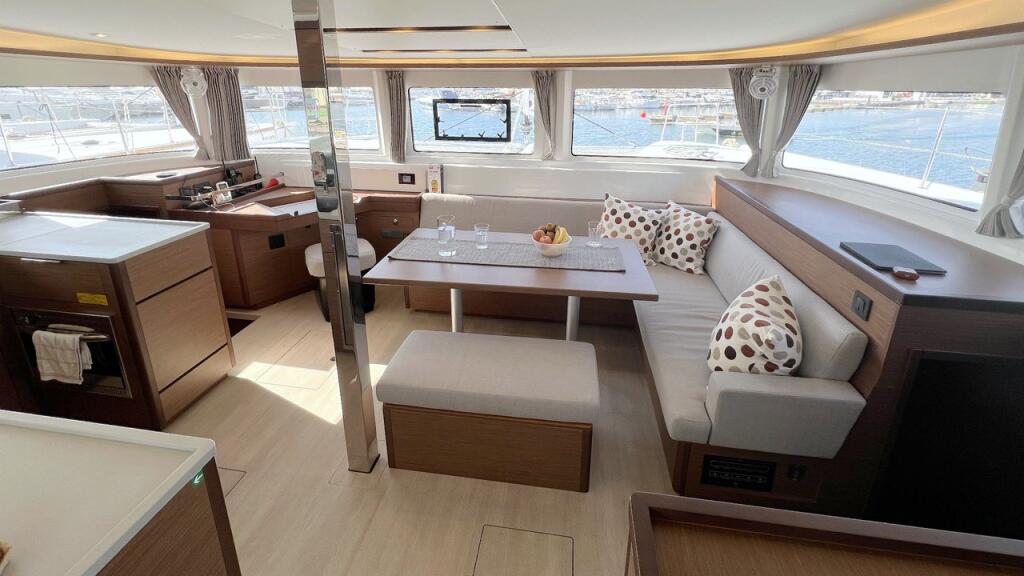
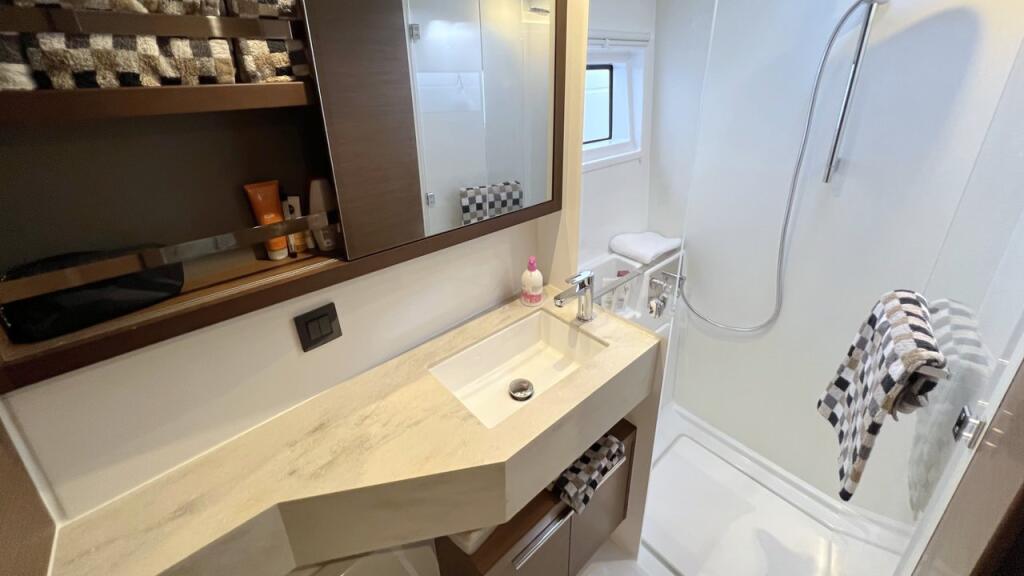
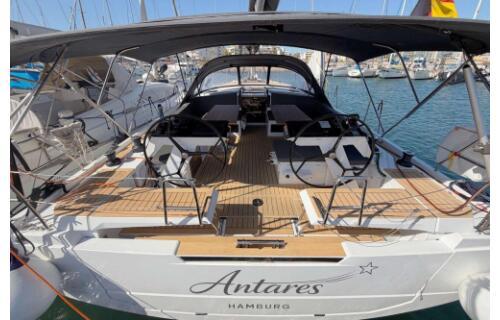
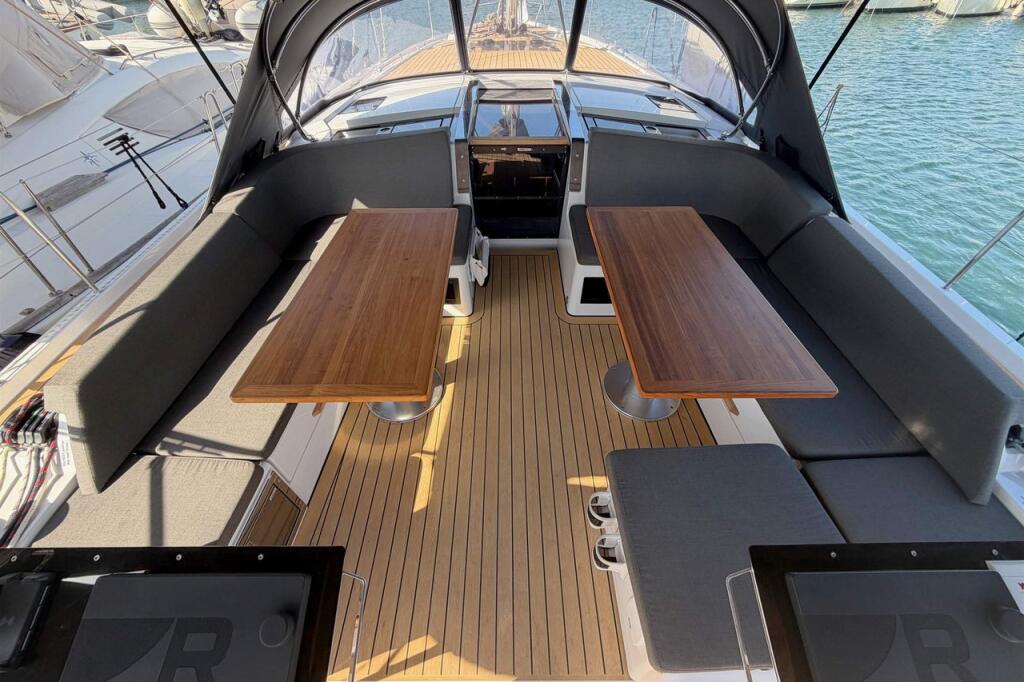
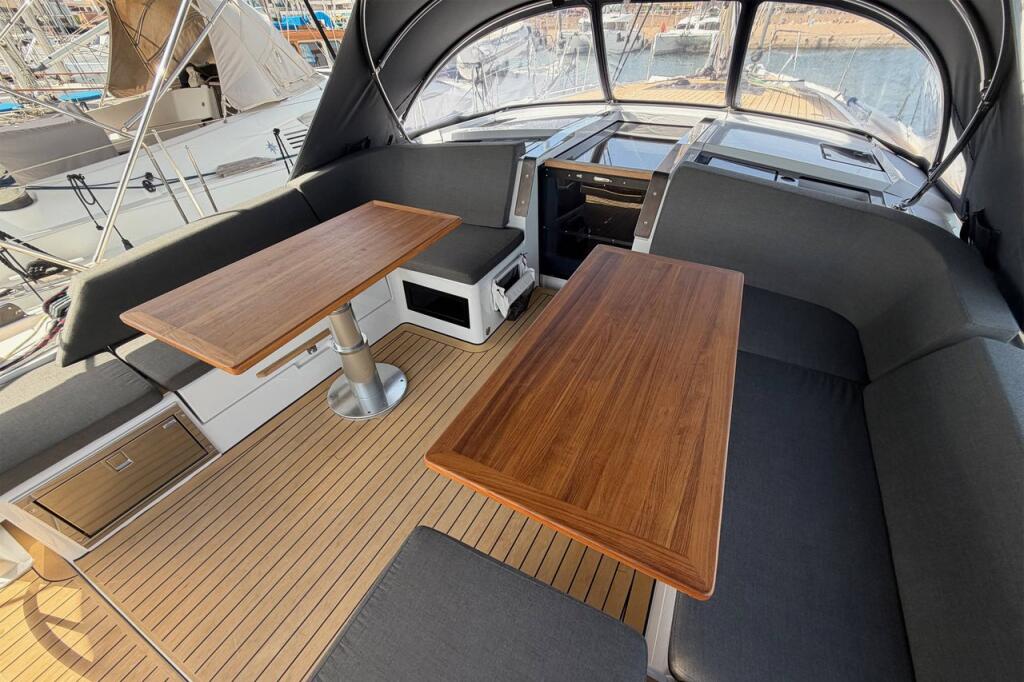
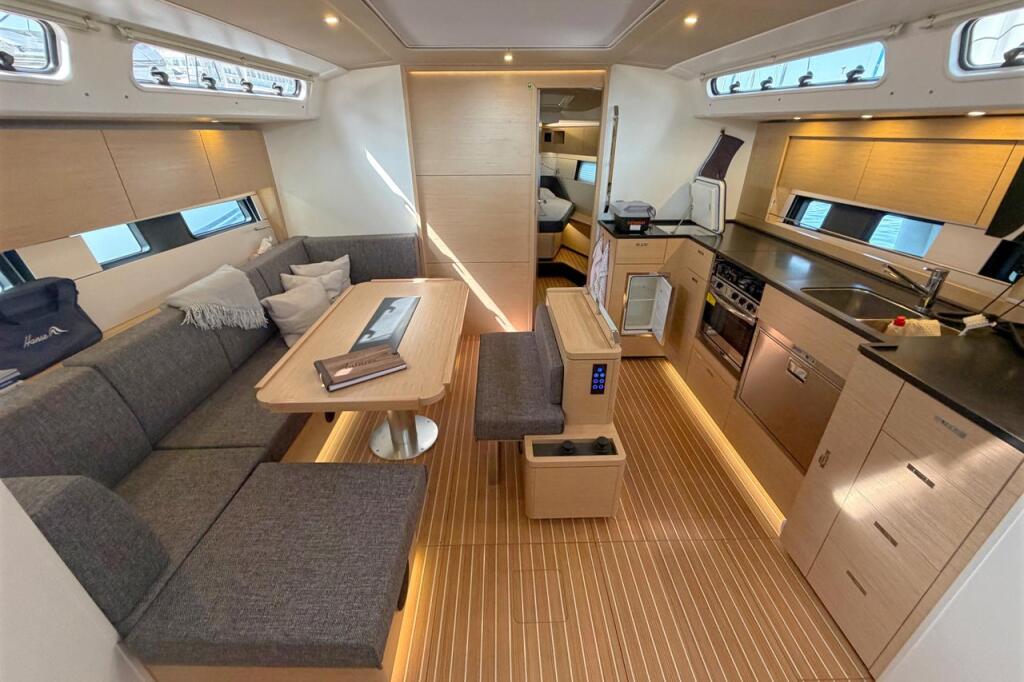
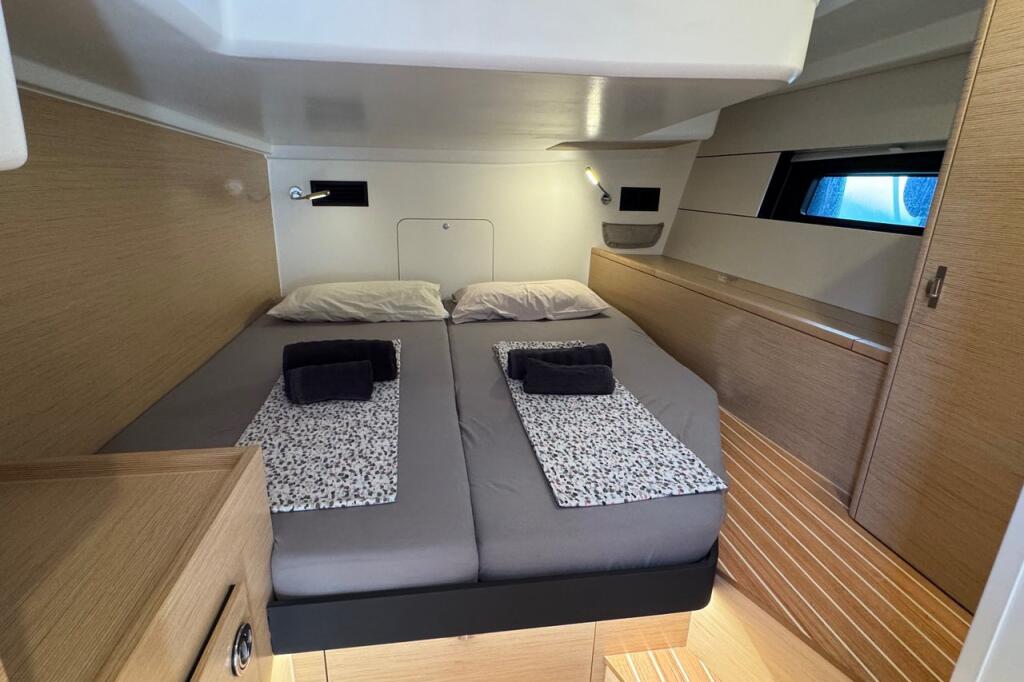
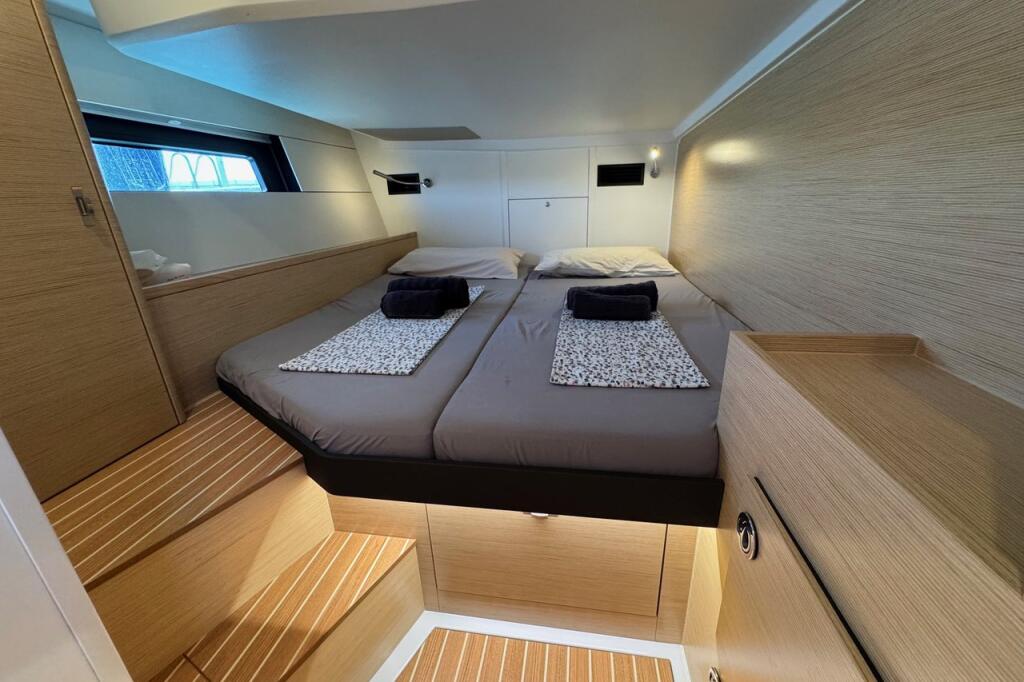
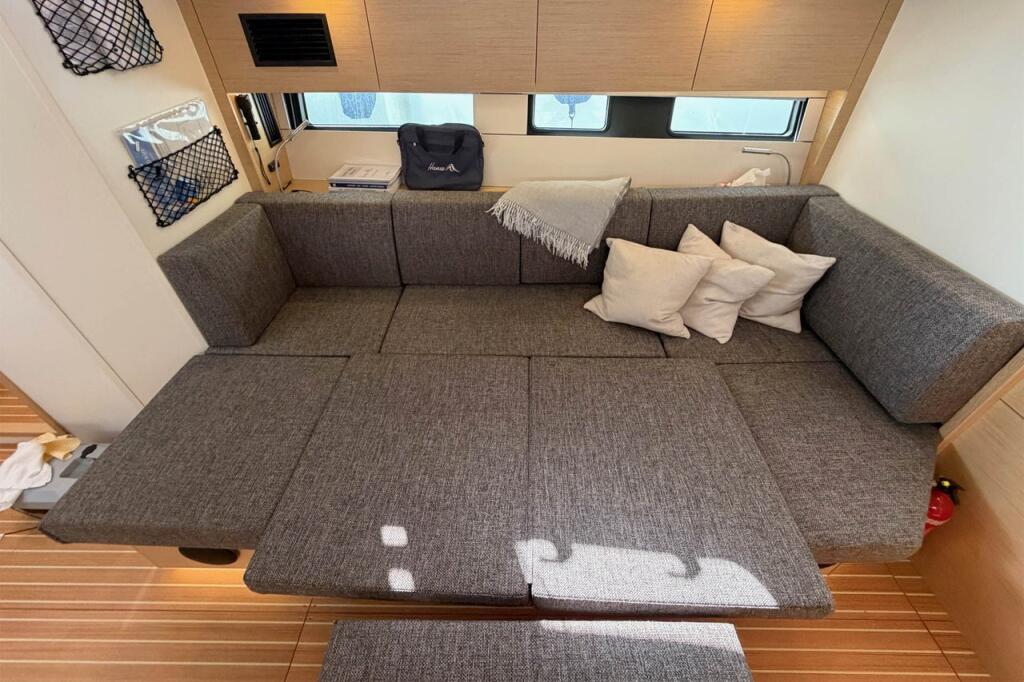
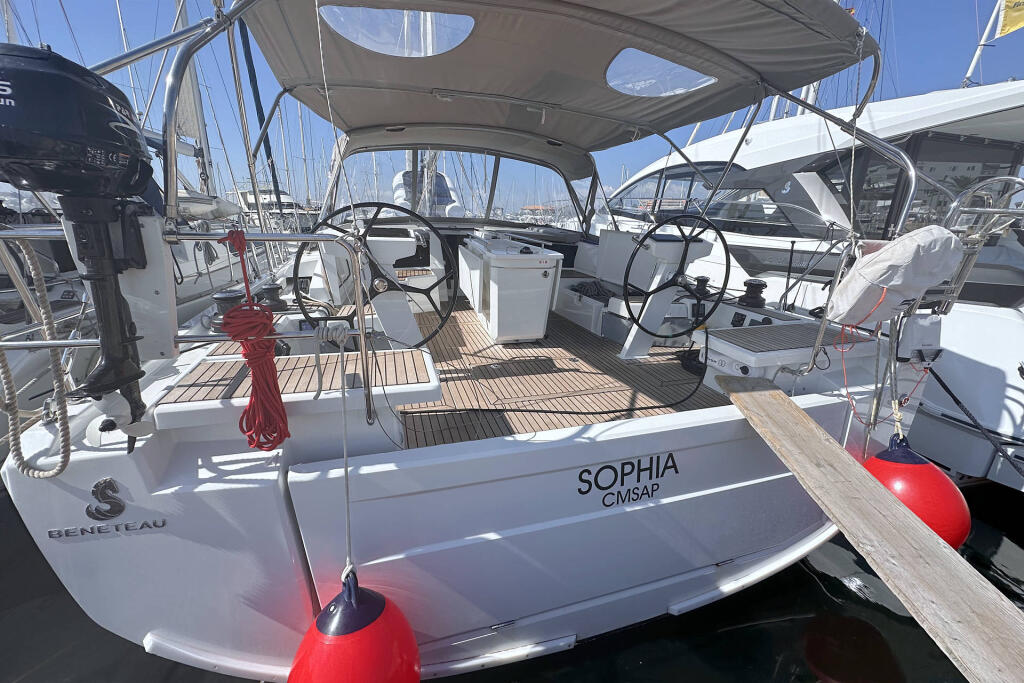
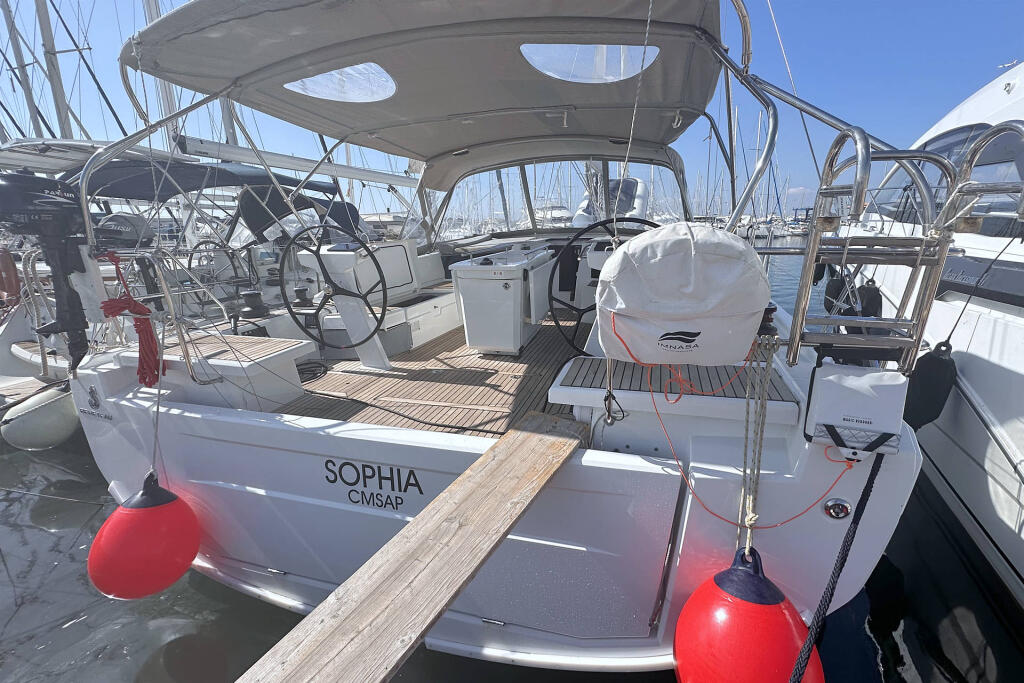
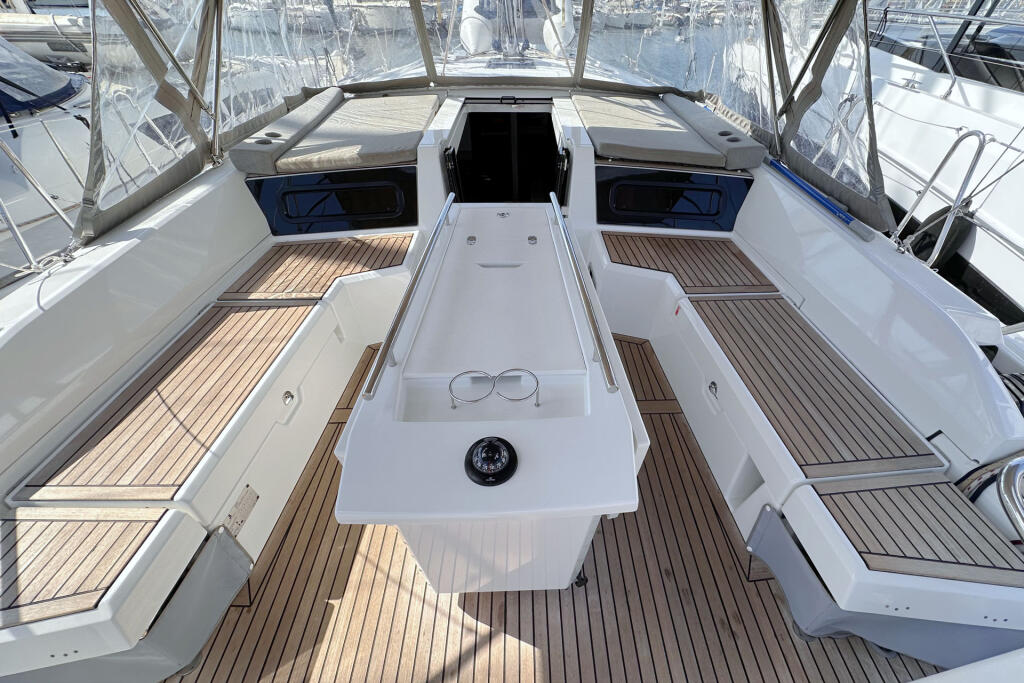
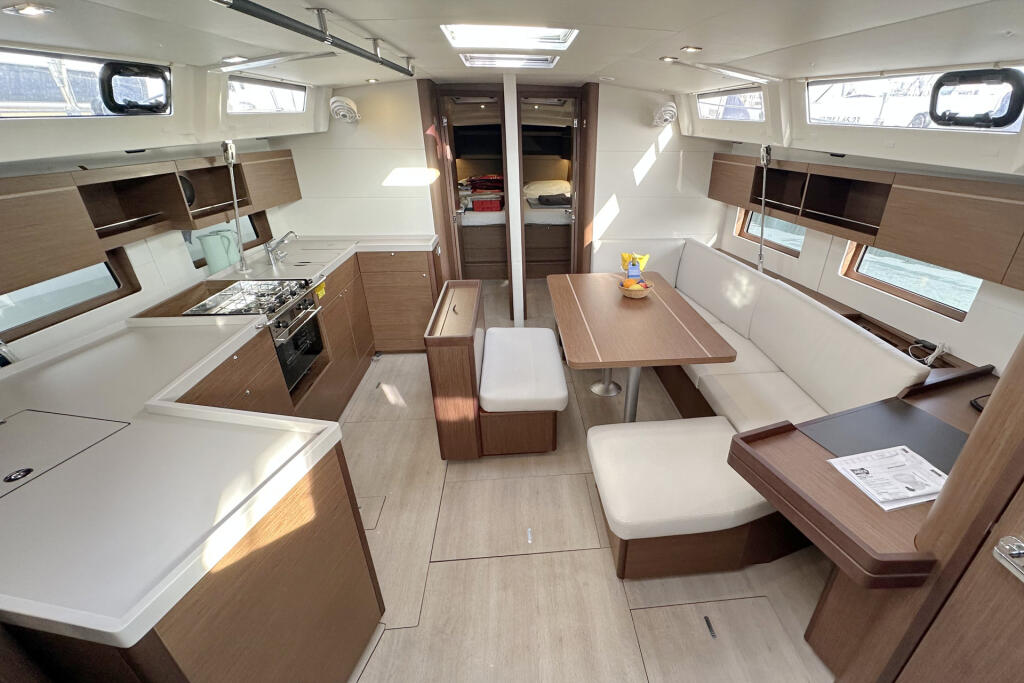
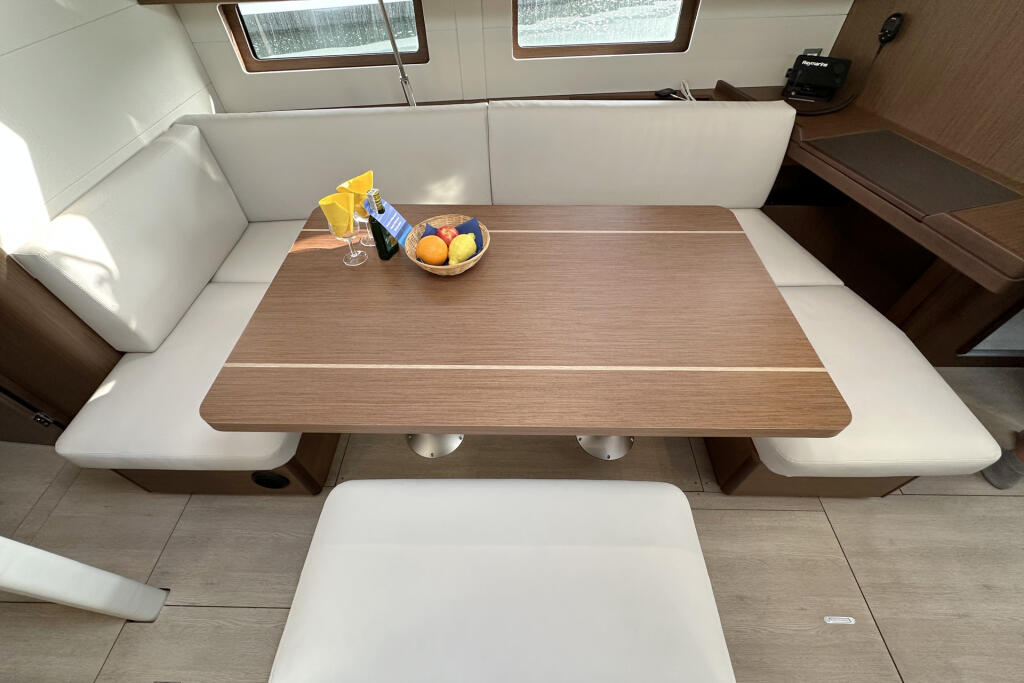
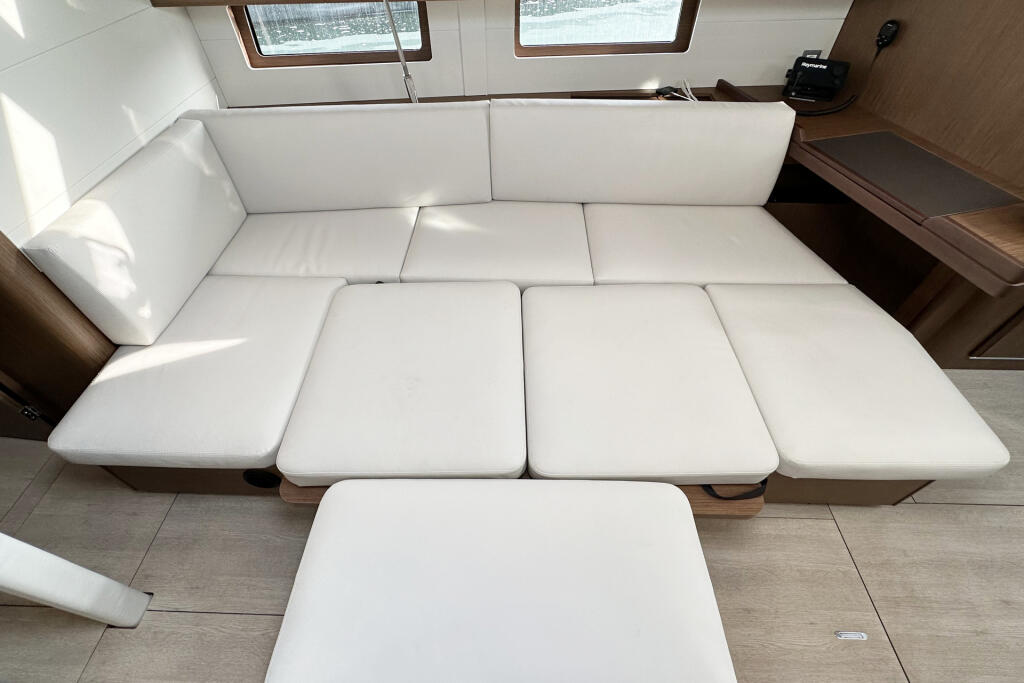
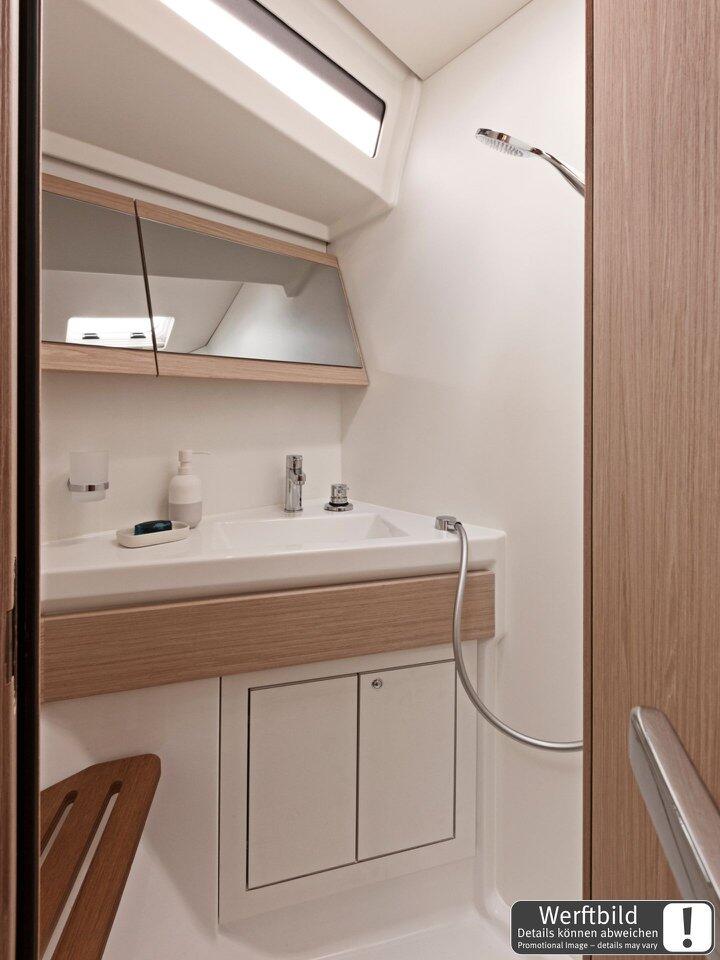
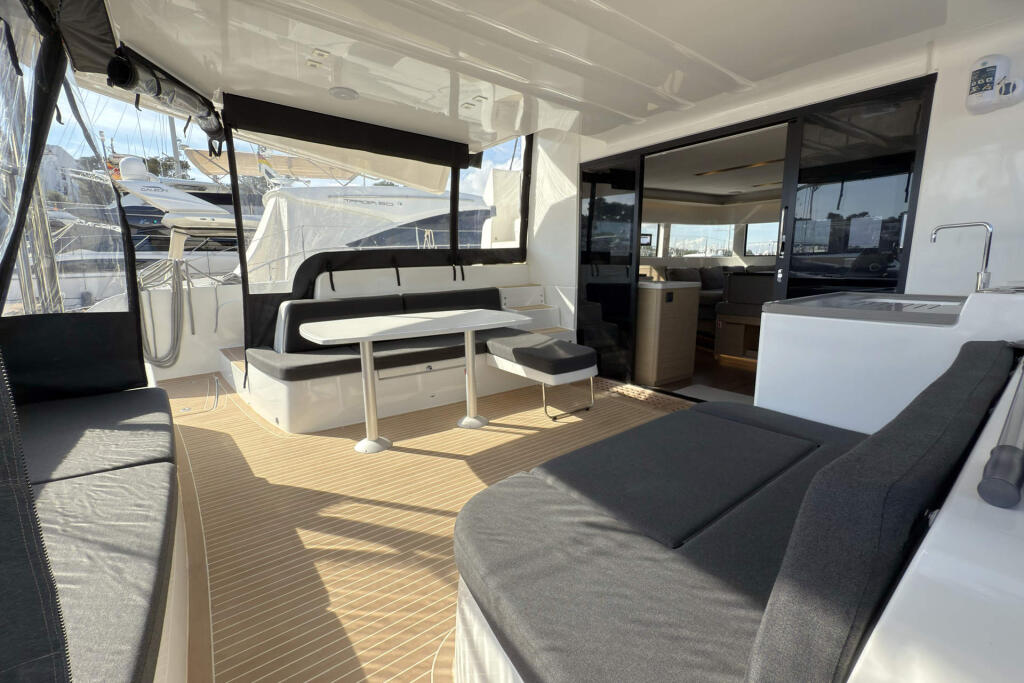
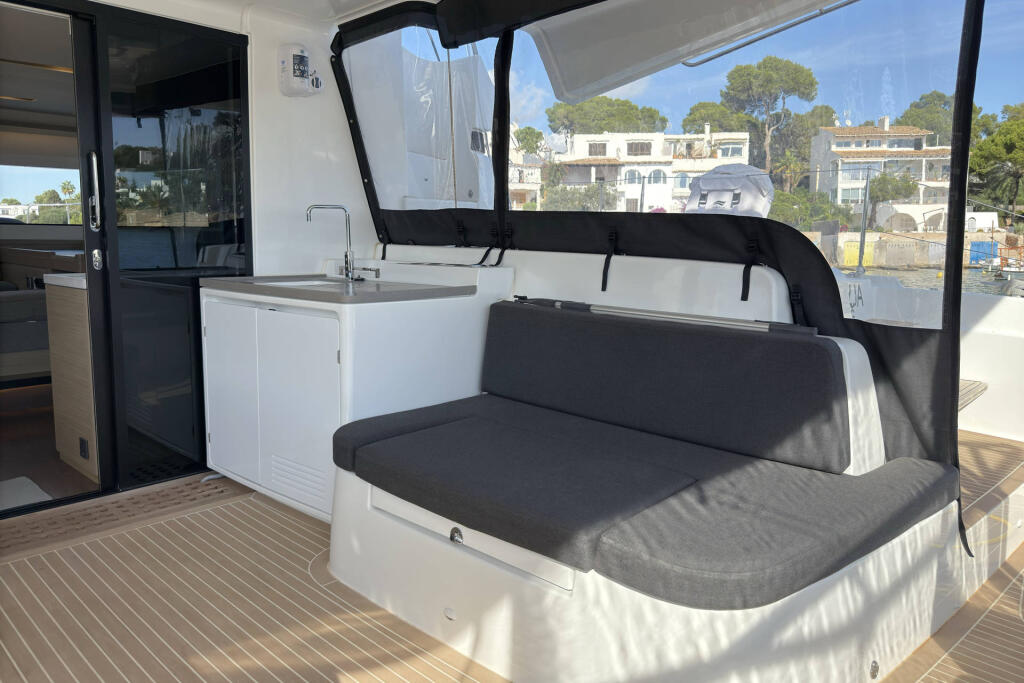
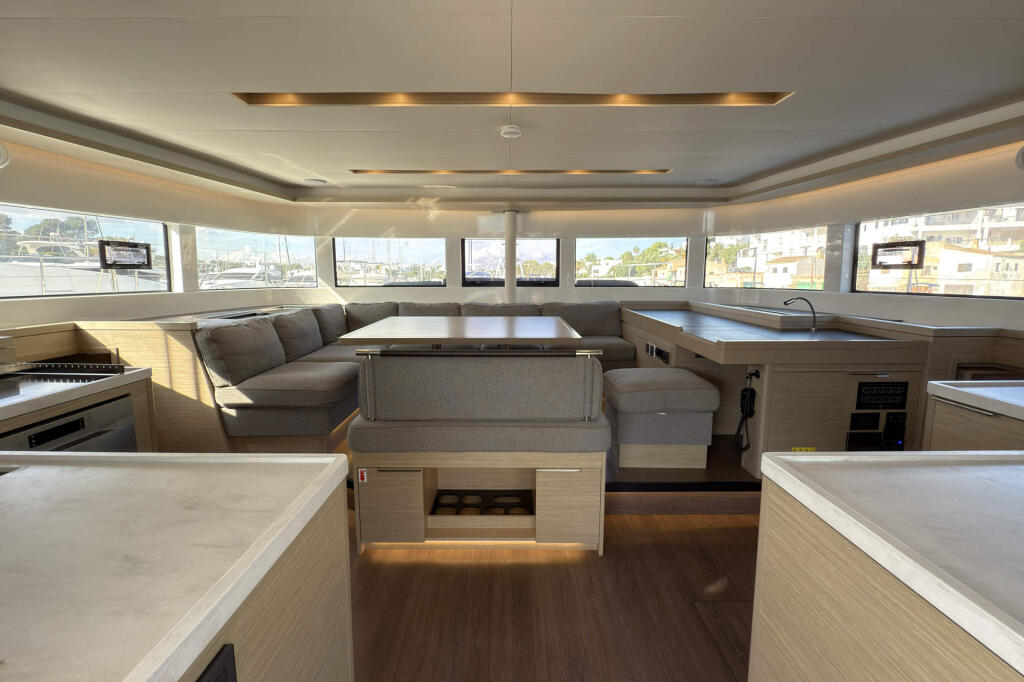
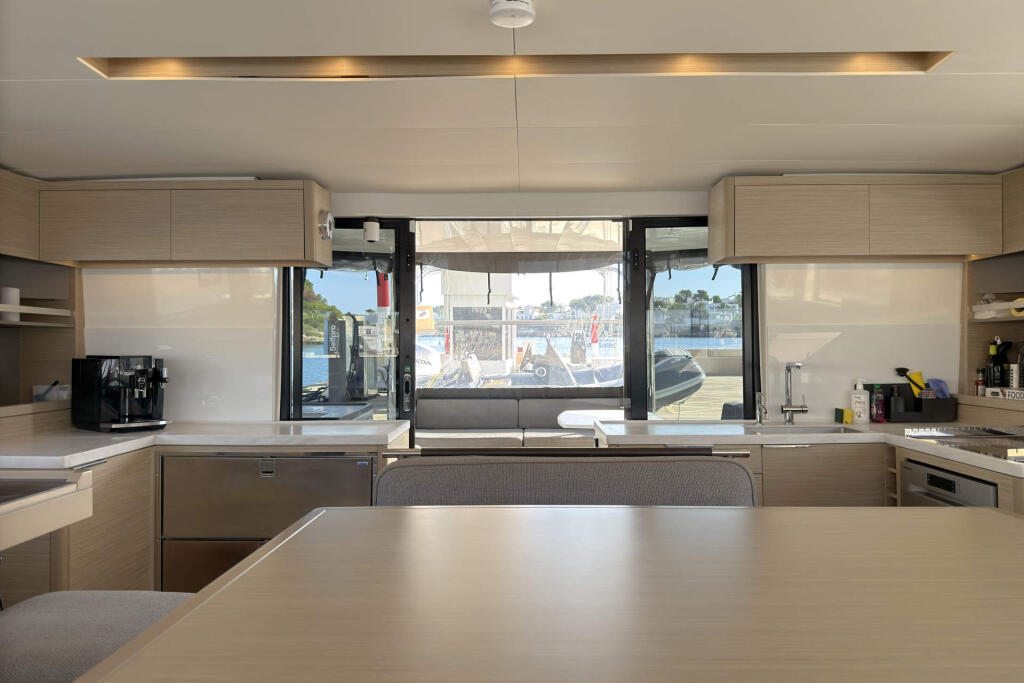
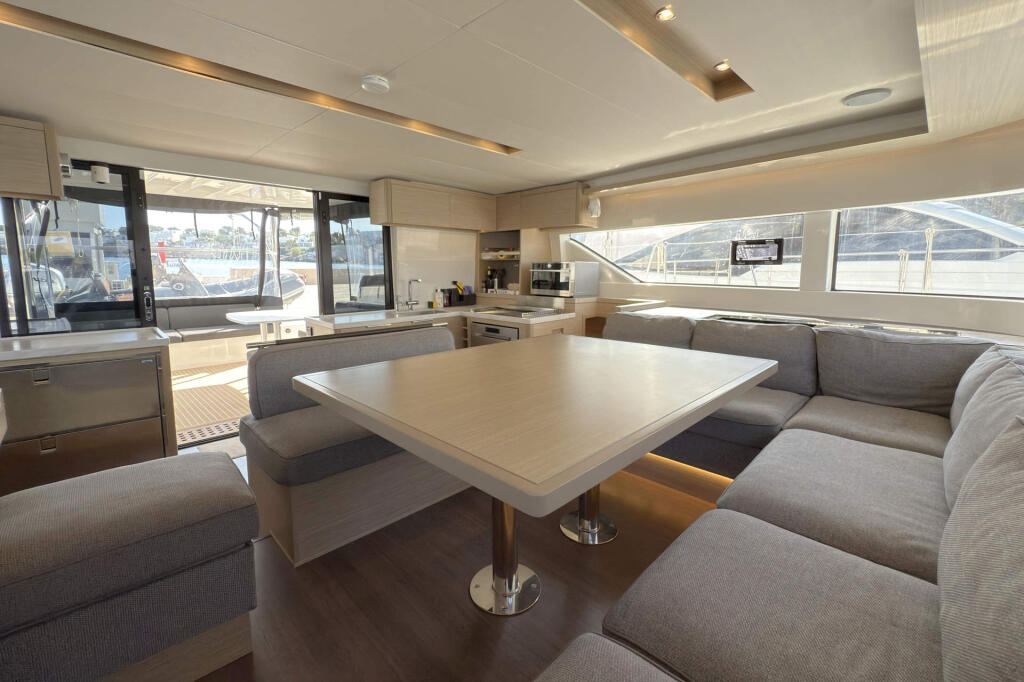
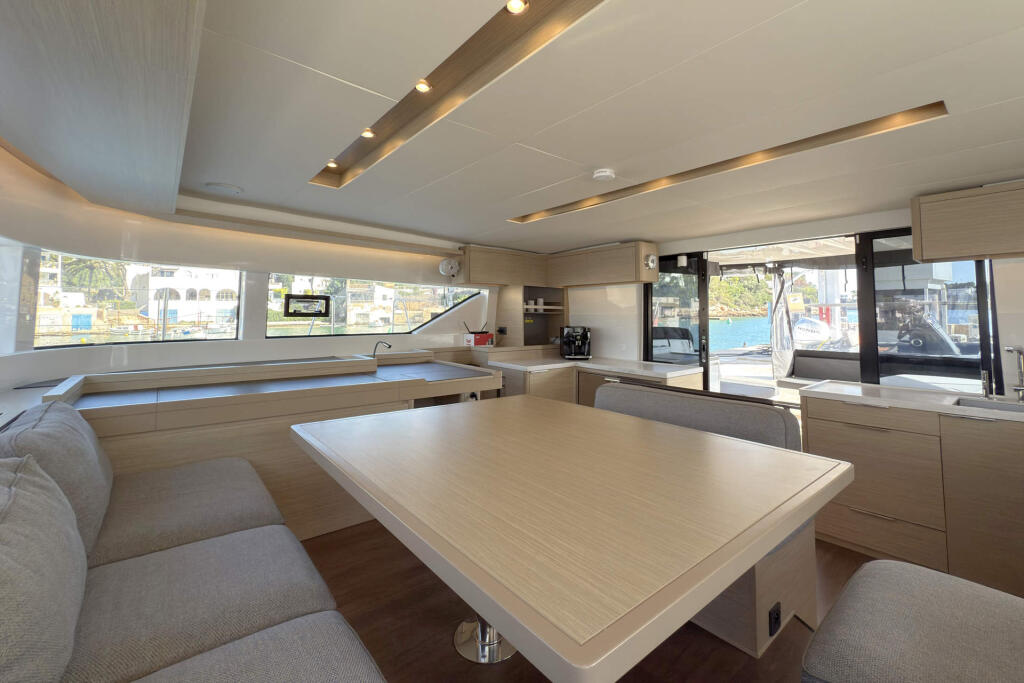
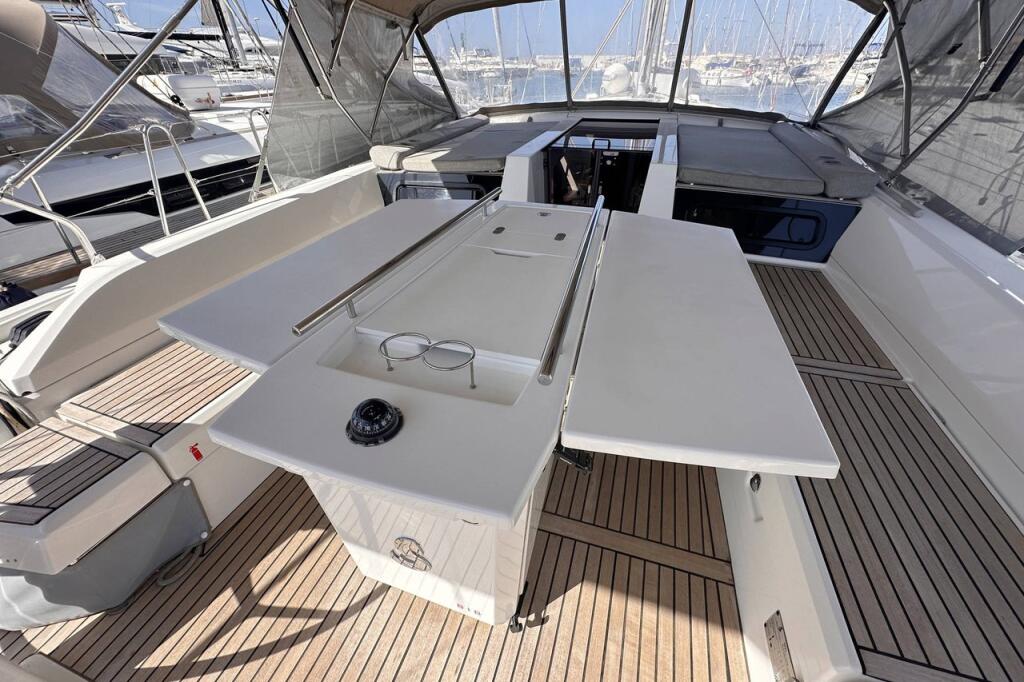
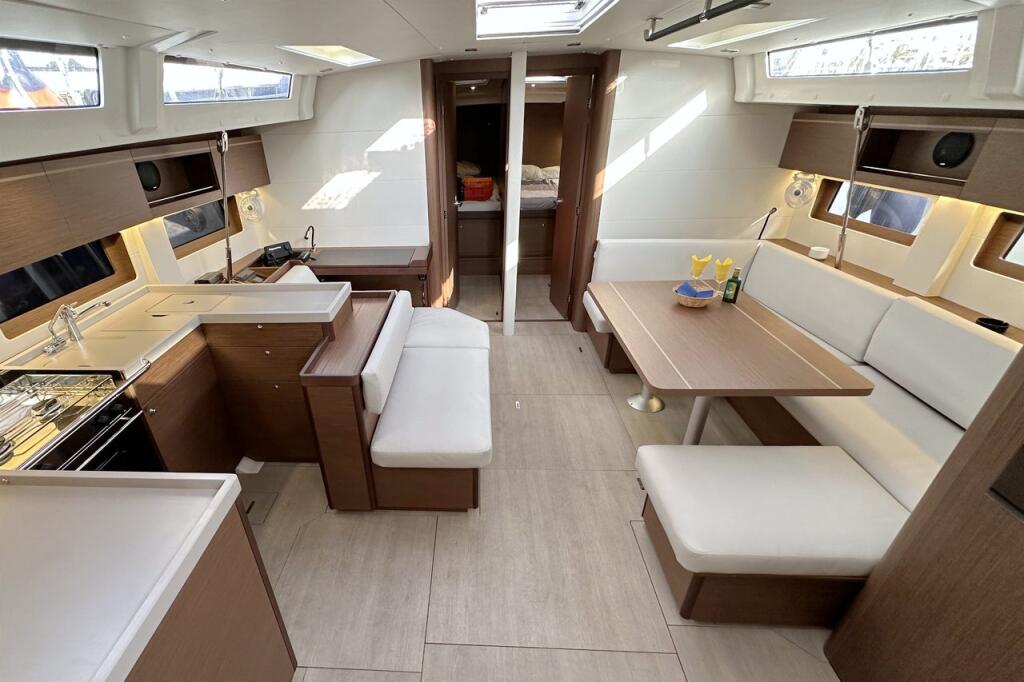
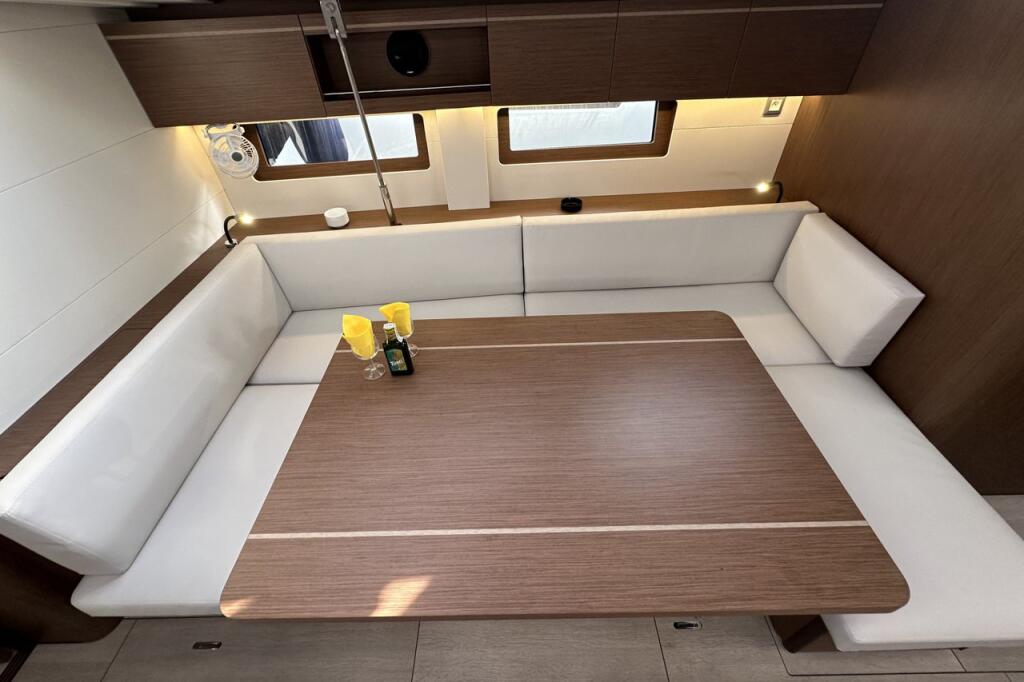
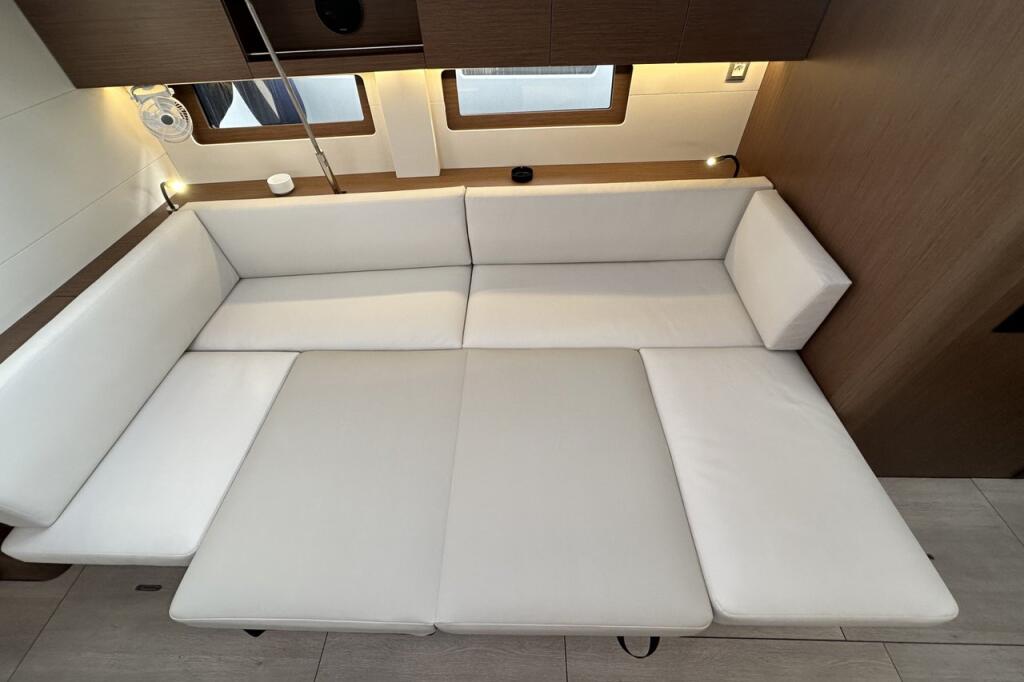
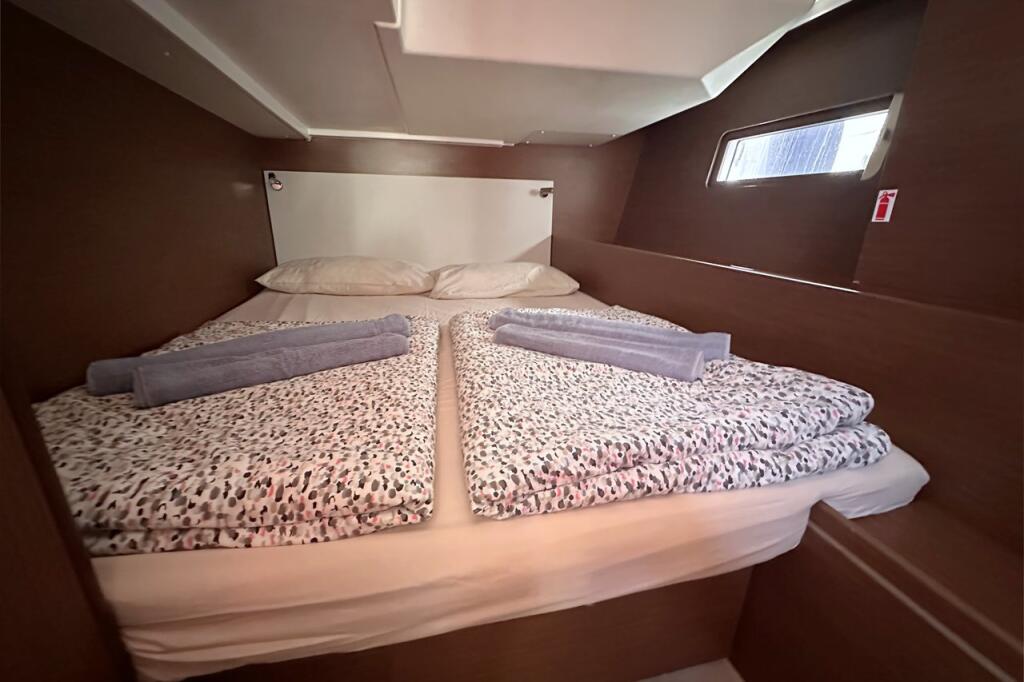
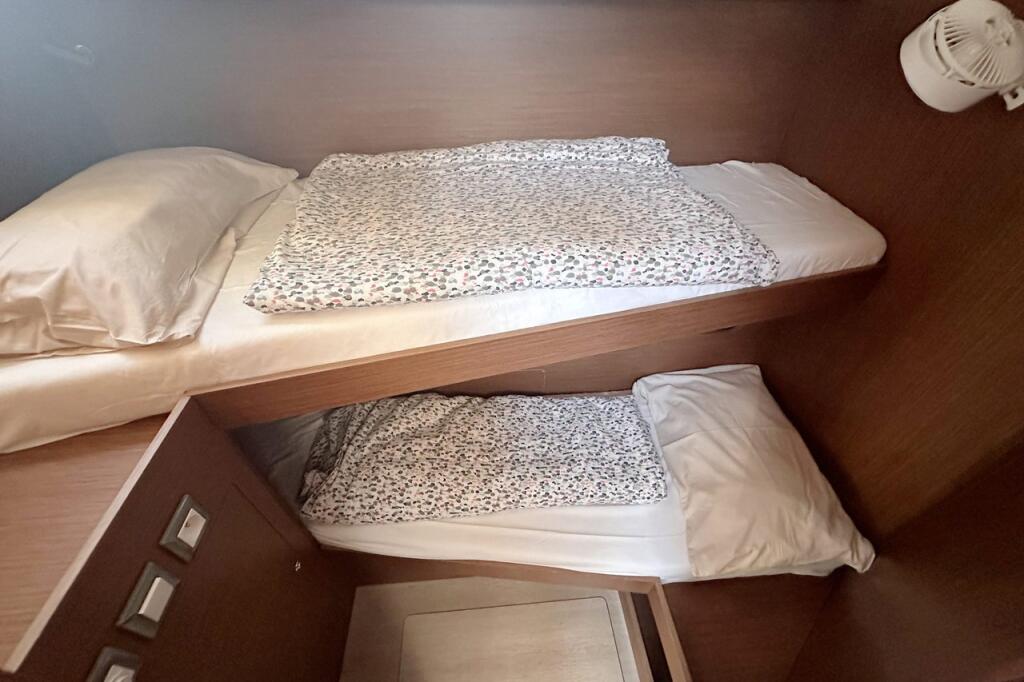
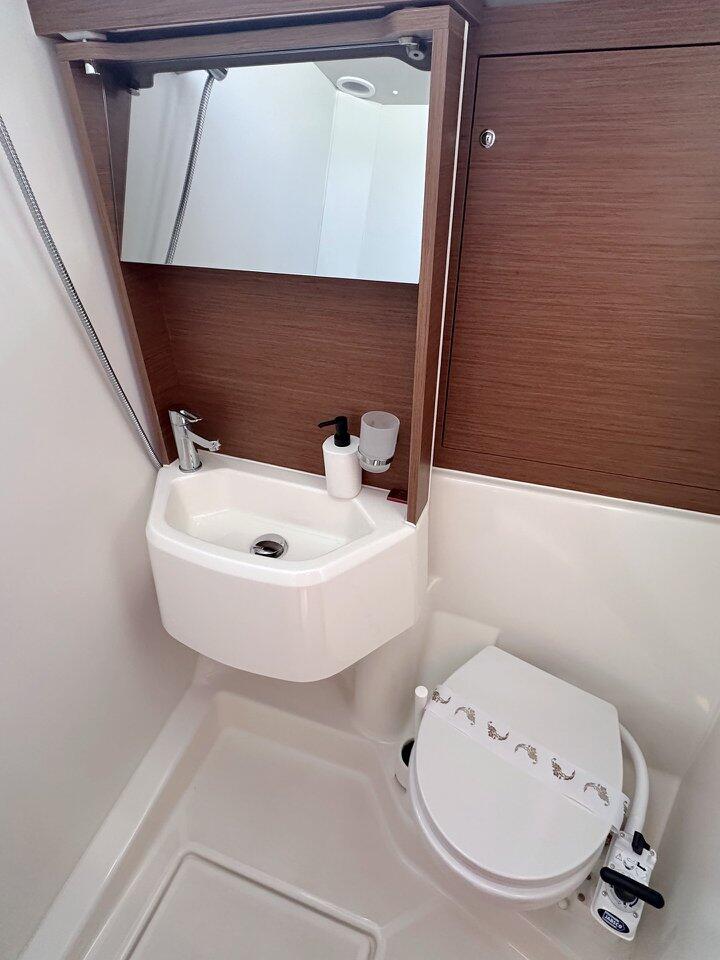
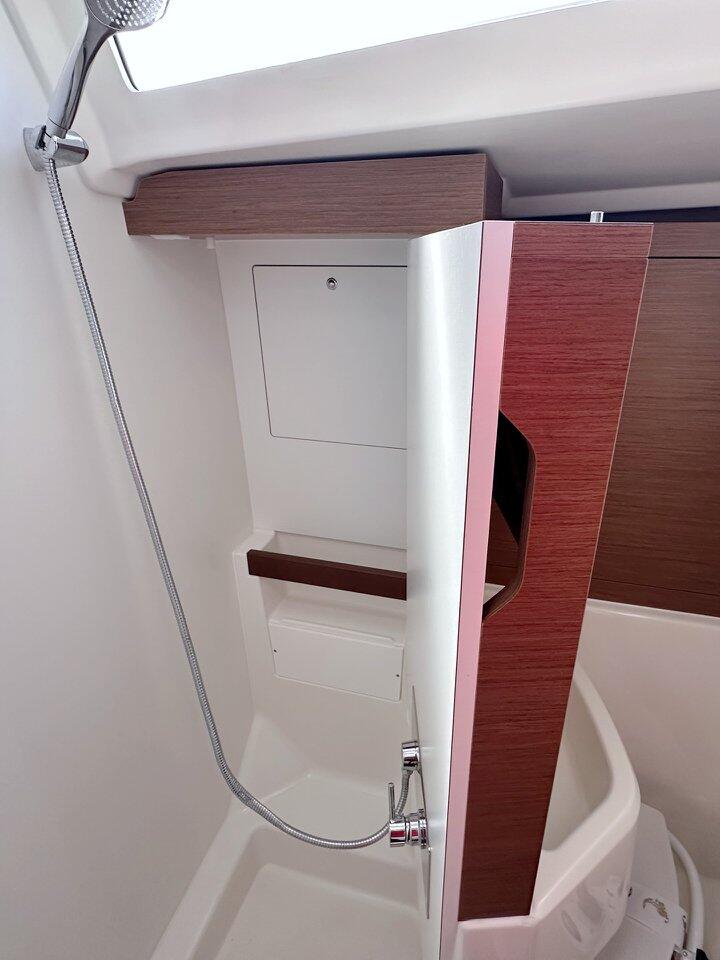
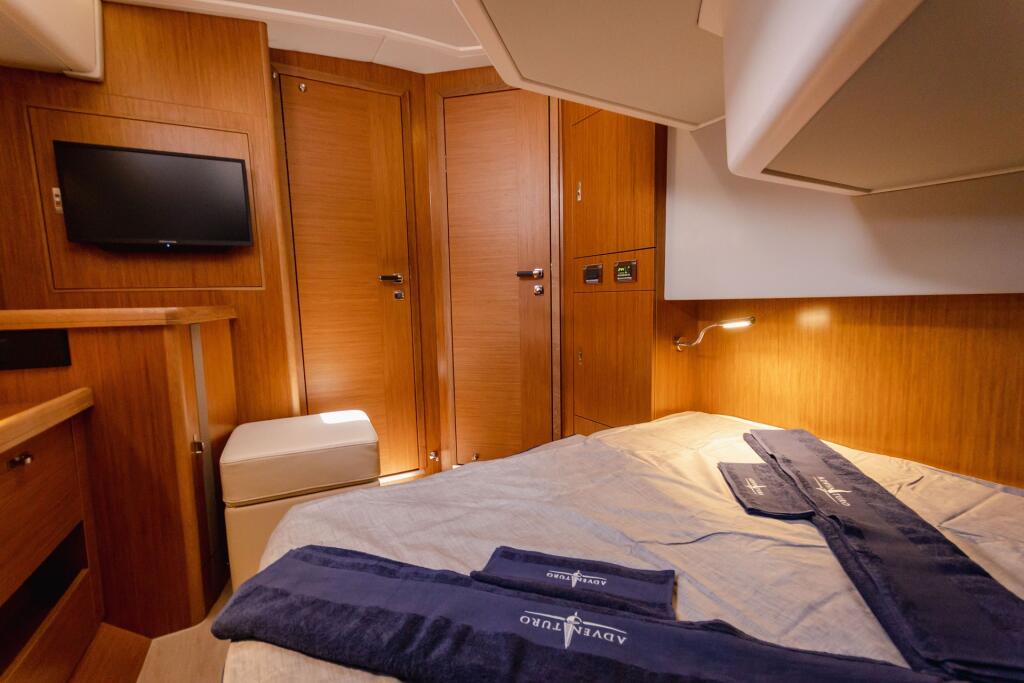
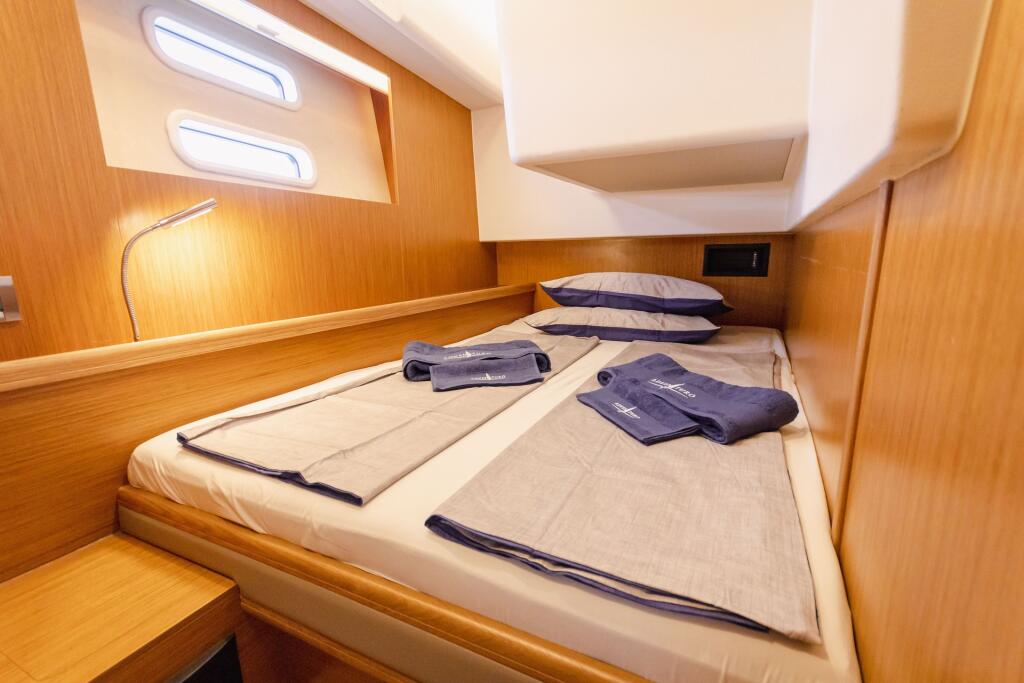
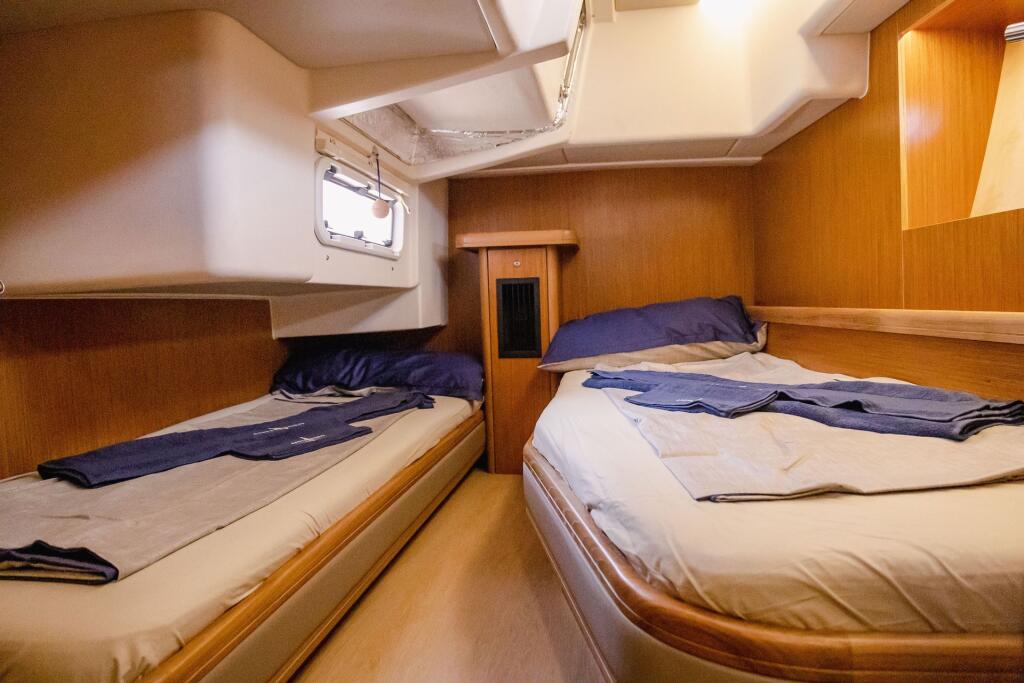
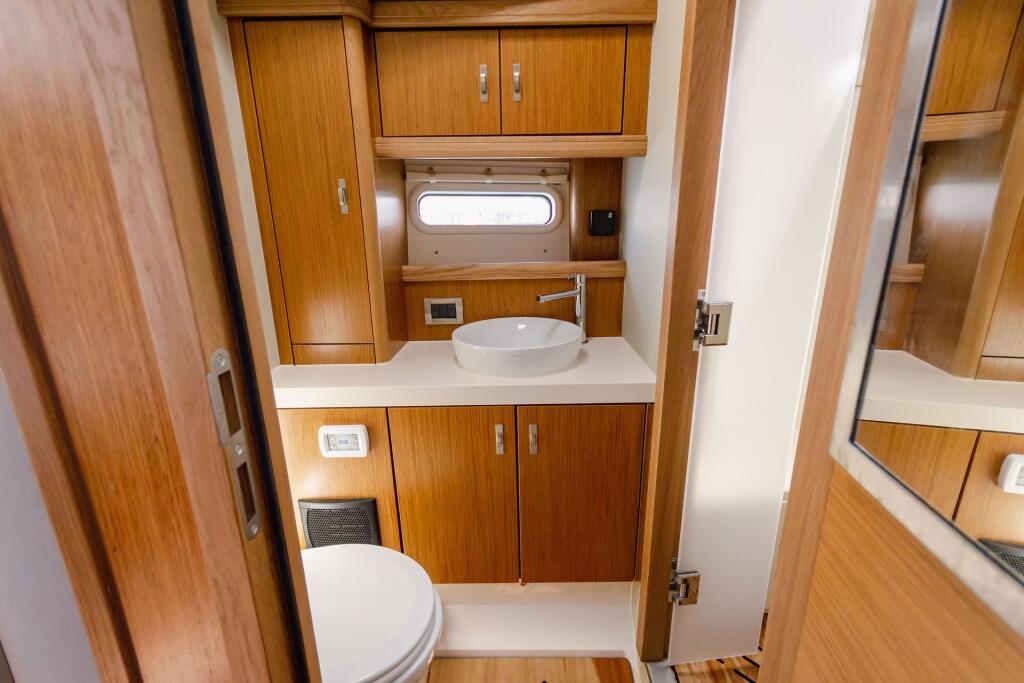
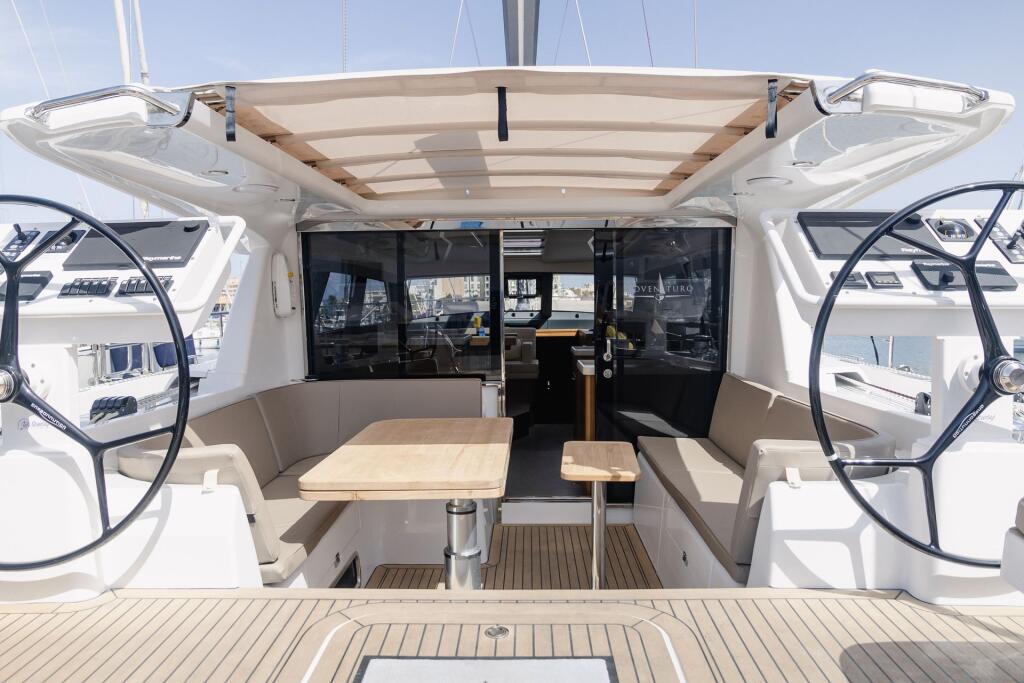
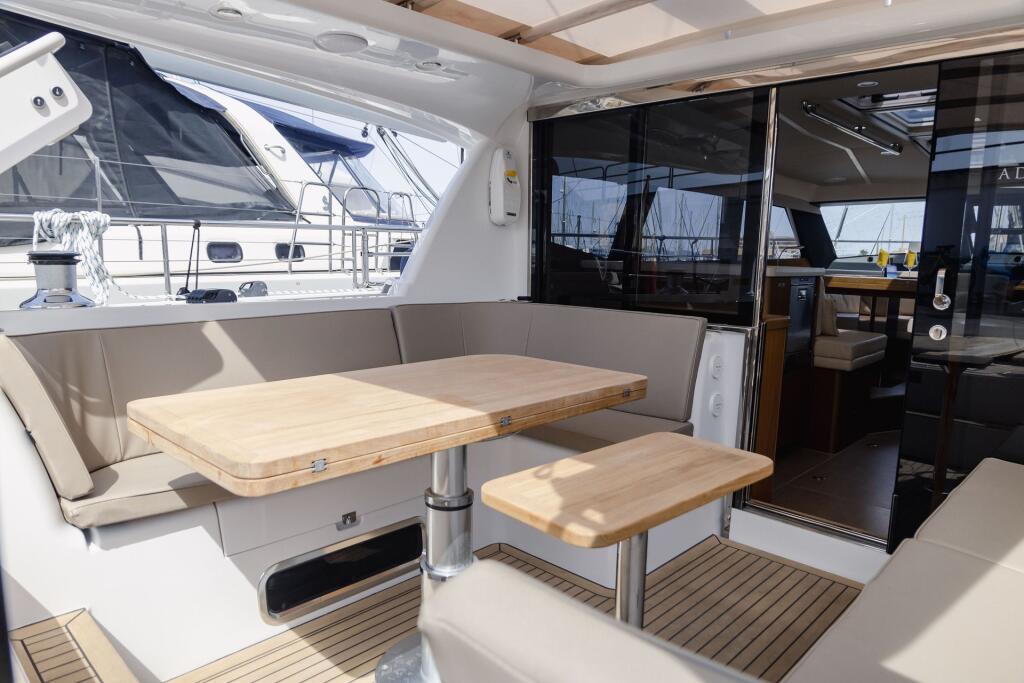
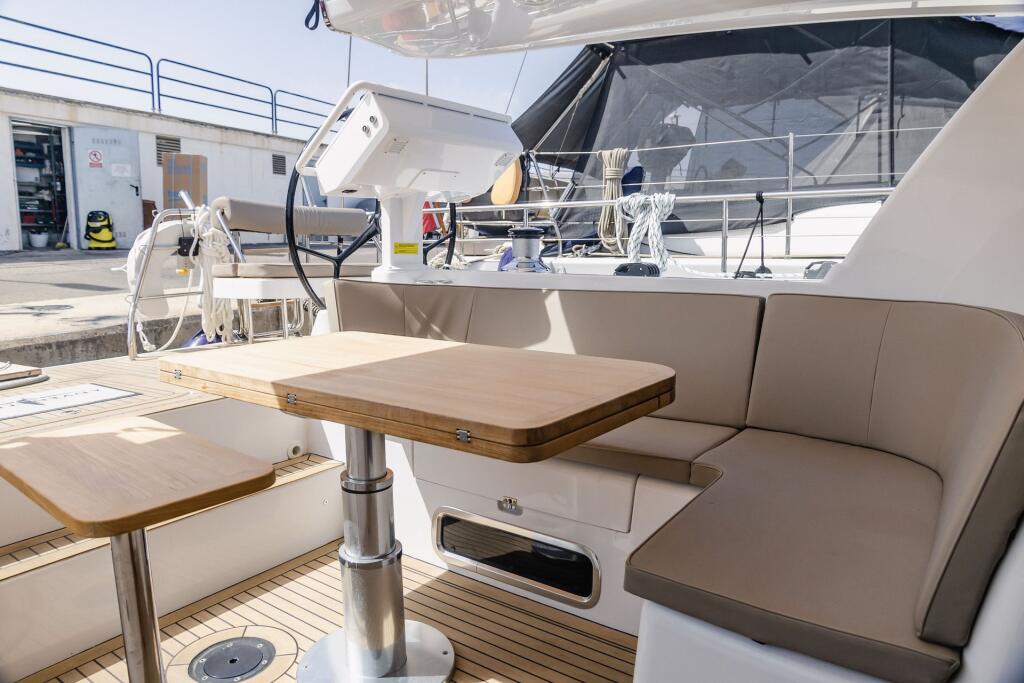
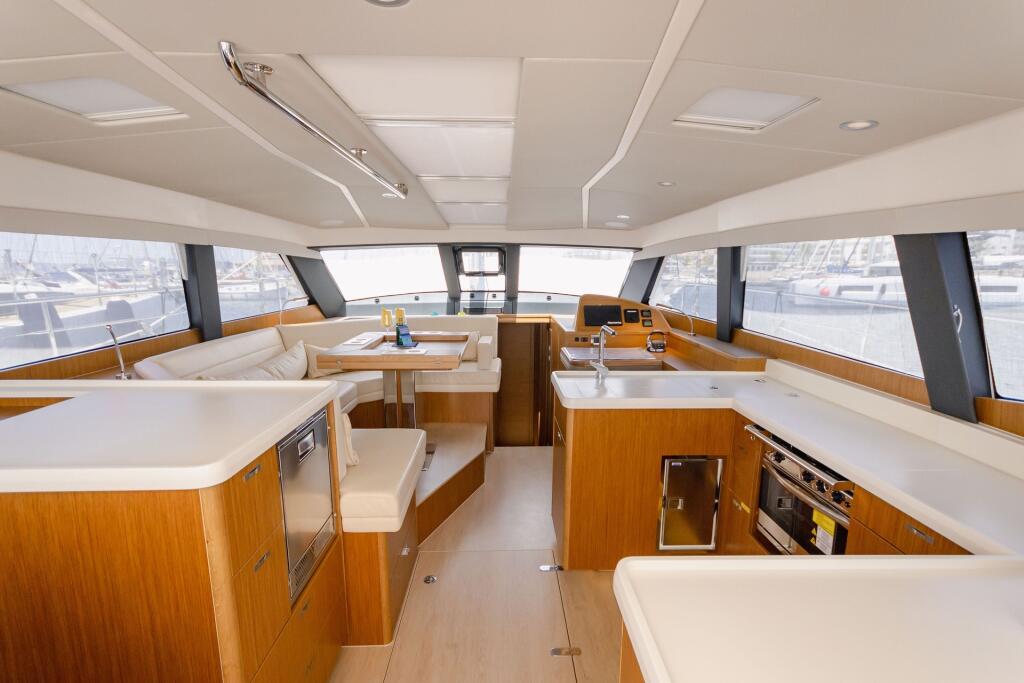
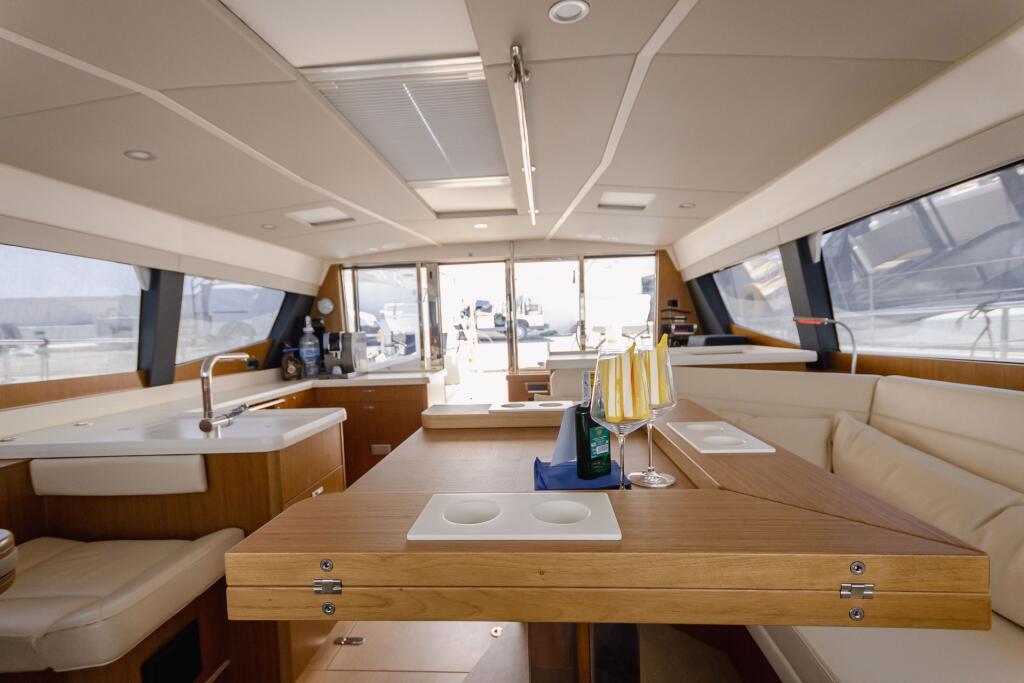
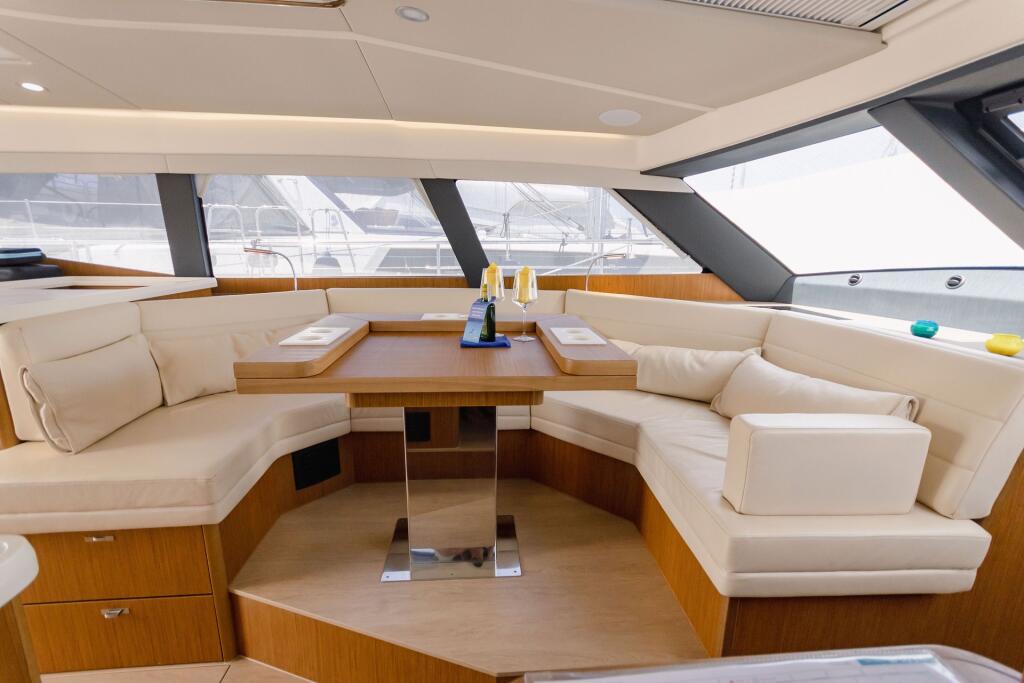
Families and larger crews tend to prioritise other factors. More cabins, additional heads, storage space and a practical cockpit may matter more over a week in Mallorca than maximum sailing performance. In warm weather, a large part of life on board takes place outside. For that reason, the cockpit layout and access to the water deserve just as much attention as the size of the interior.
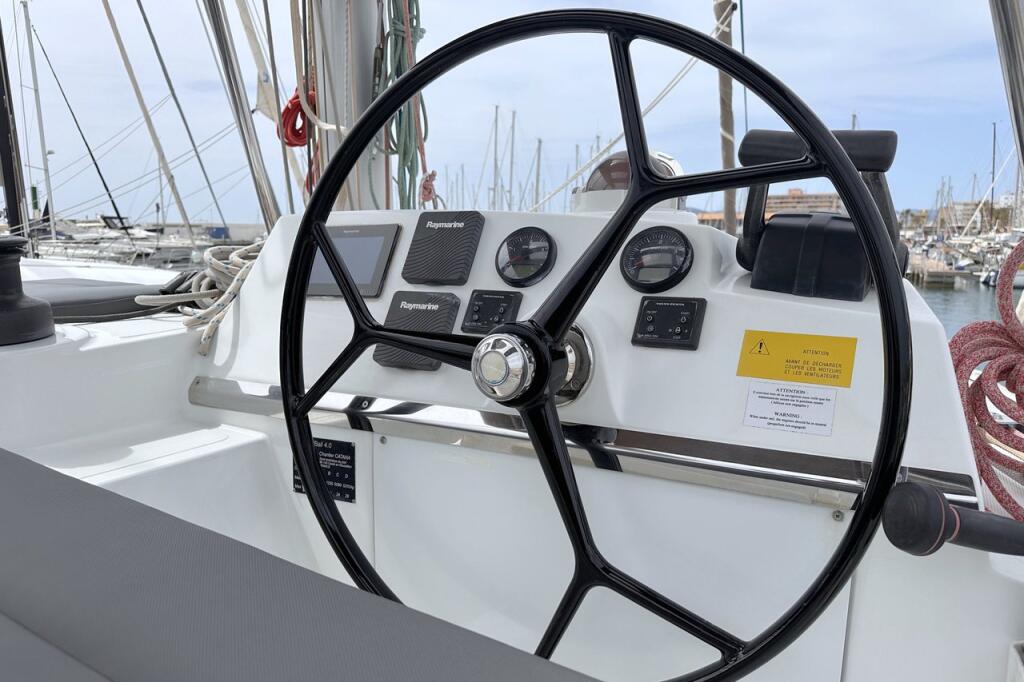
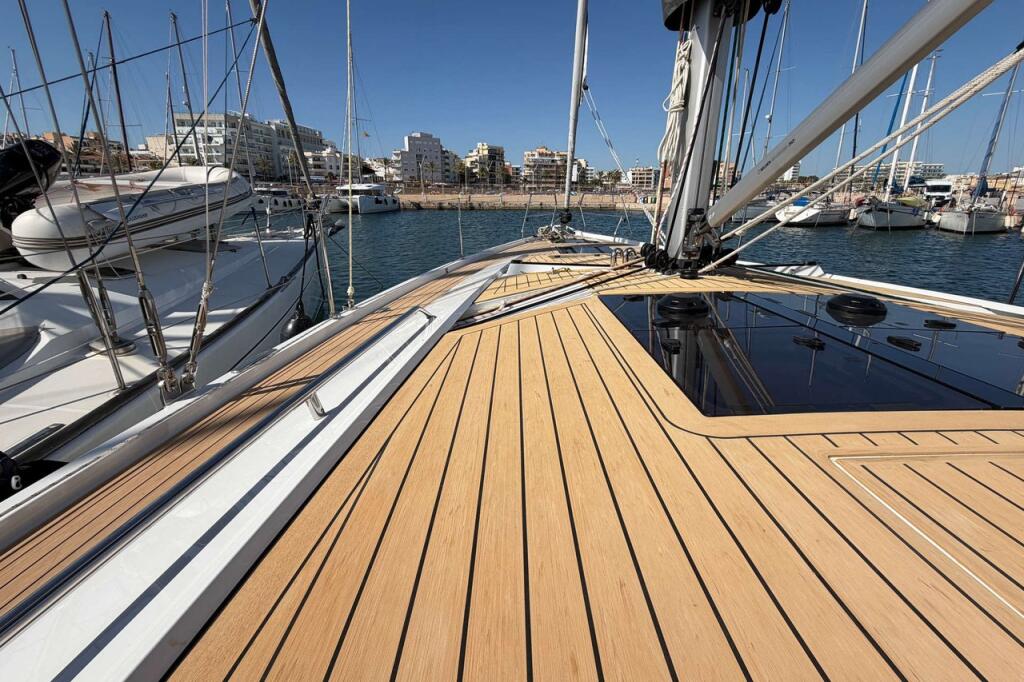
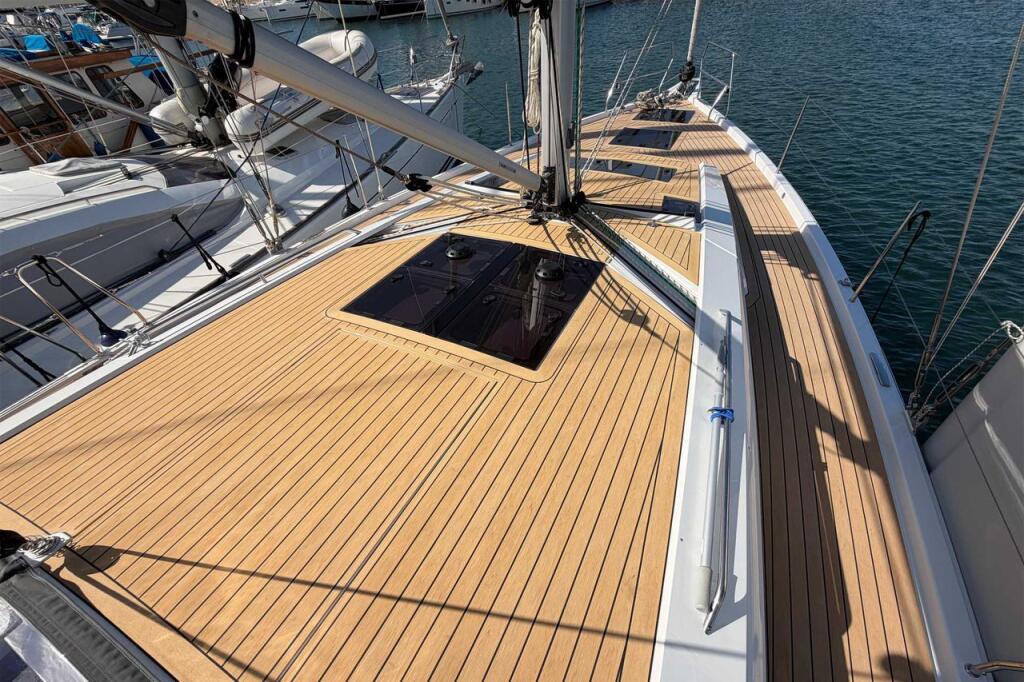
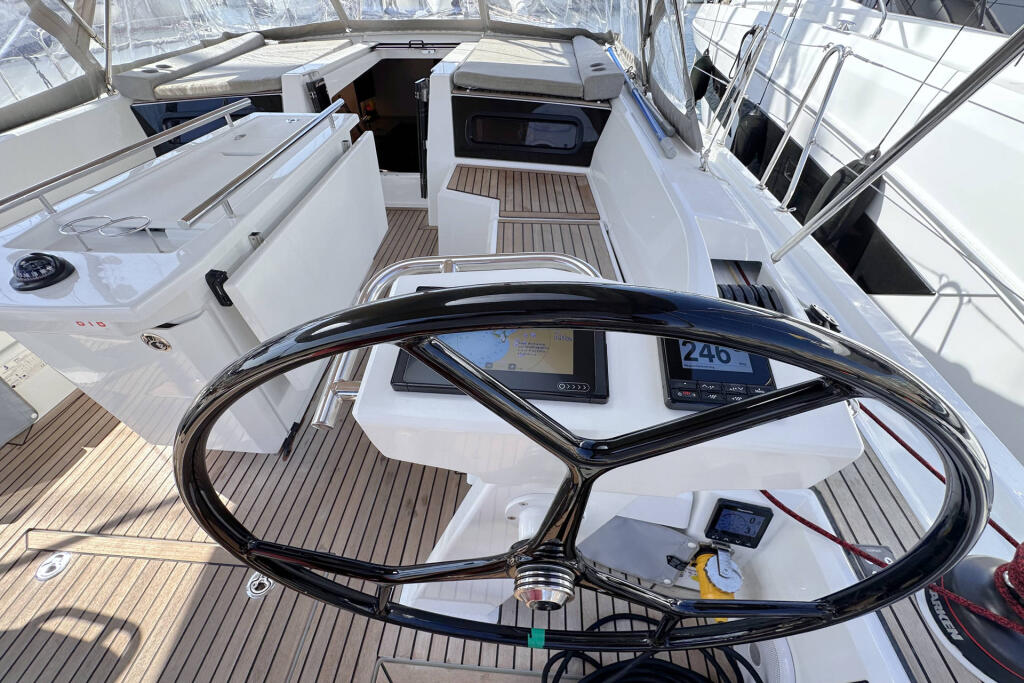
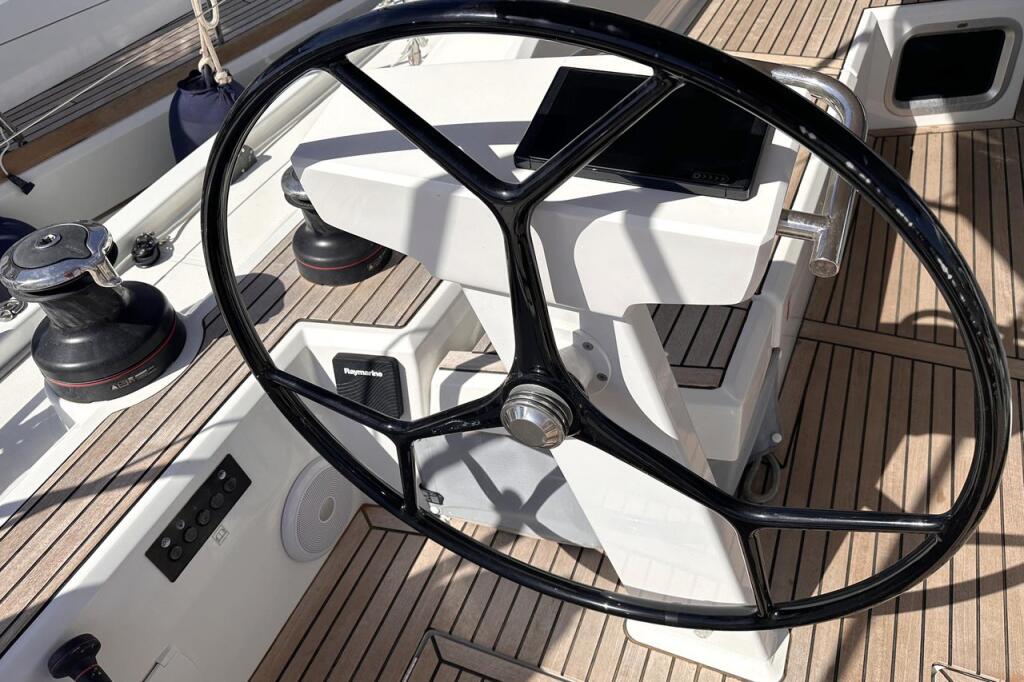
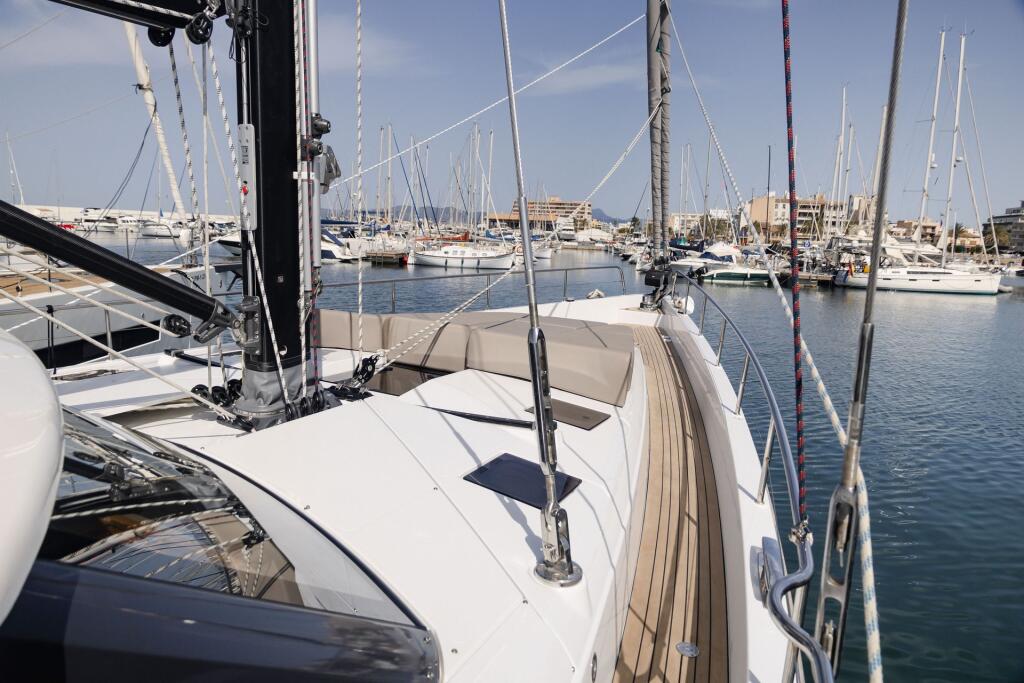
Experienced or more performance oriented crews may place greater emphasis on sail configuration, hull characteristics, draught and deck layout. Those planning longer passages will also look closely at a well positioned helm, autopilot, navigation systems and sufficient tank capacity. For a crew intending mainly to move from bay to bay, other priorities may be more sensible.
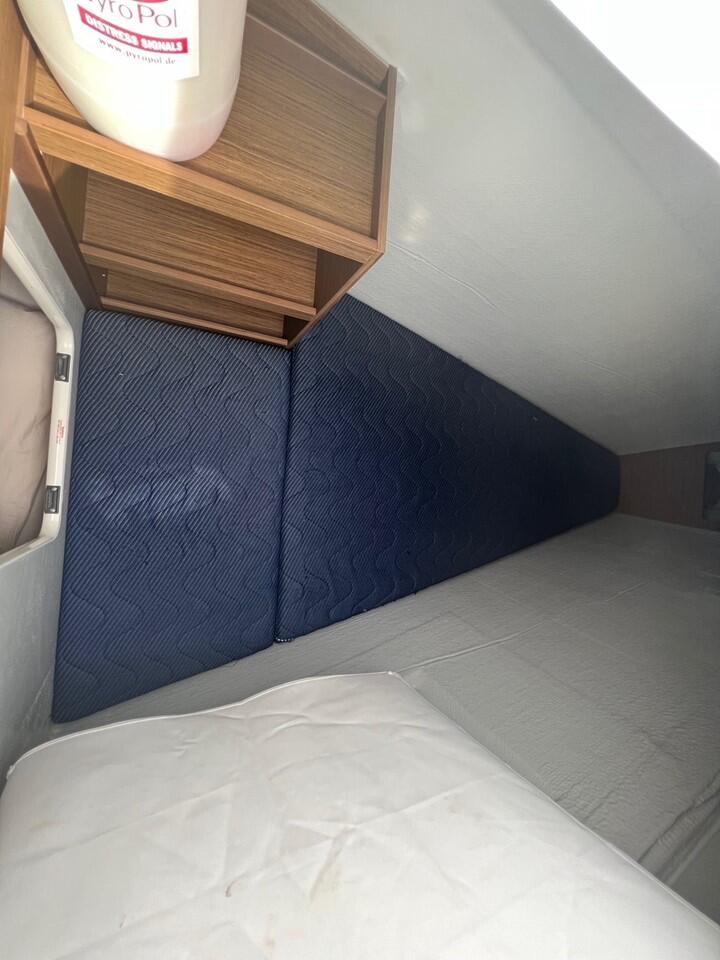
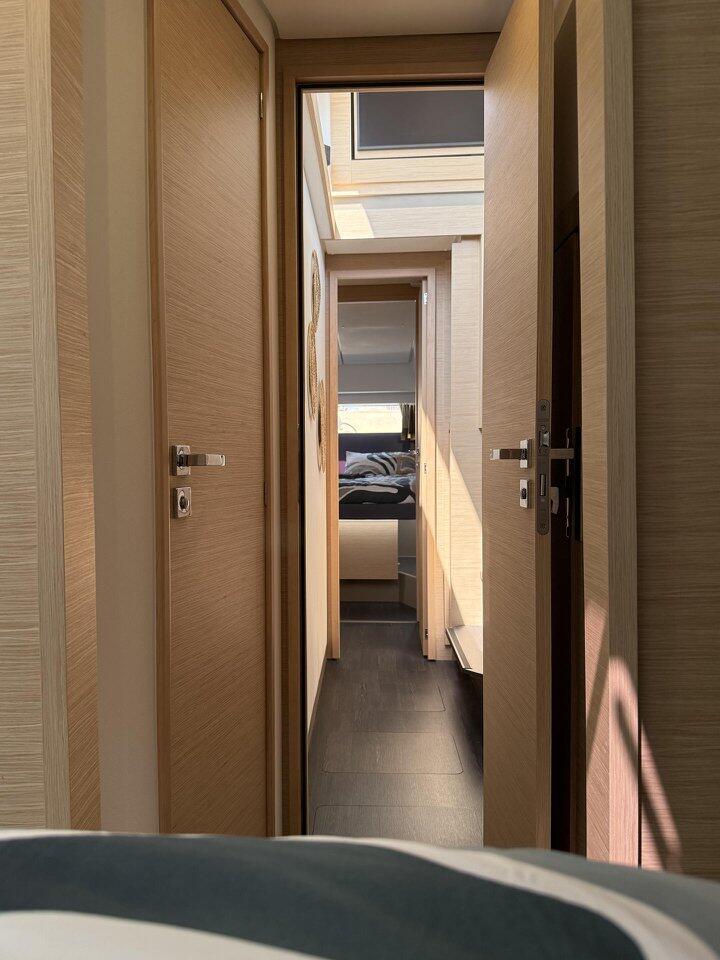
For this reason, yacht lists and detail pages should be considered together. Start by narrowing the selection according to dates, crew size and preferred yacht size. Then look closely at the actual configuration of each vessel. Two sailing yachts of similar length can differ considerably in cabin layout, sail handling and onboard comfort.
What should you compare before booking a yacht?
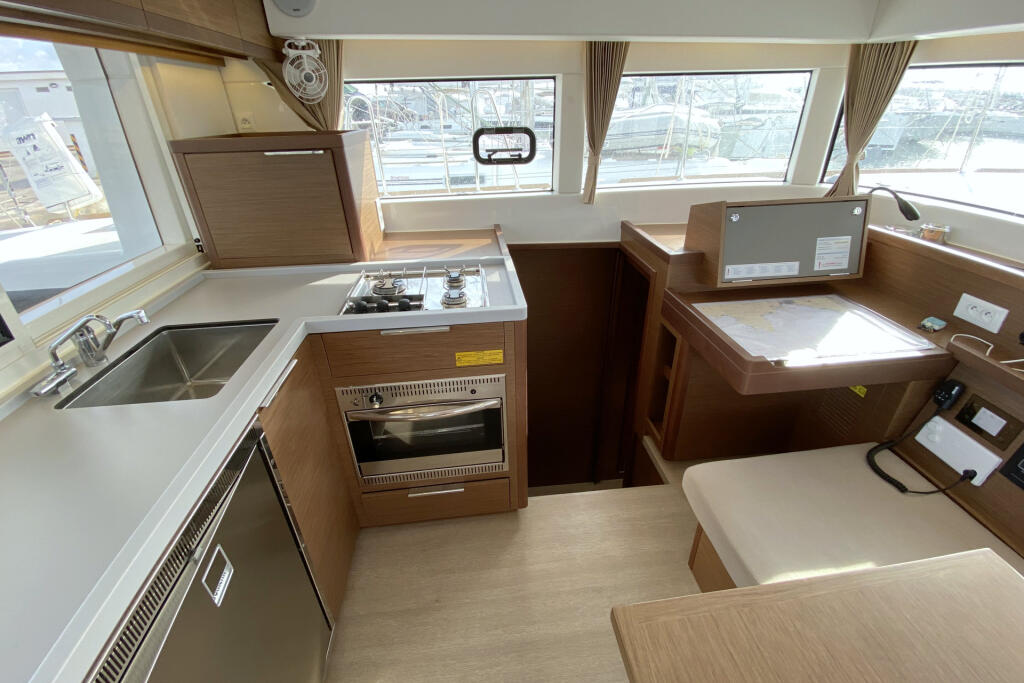
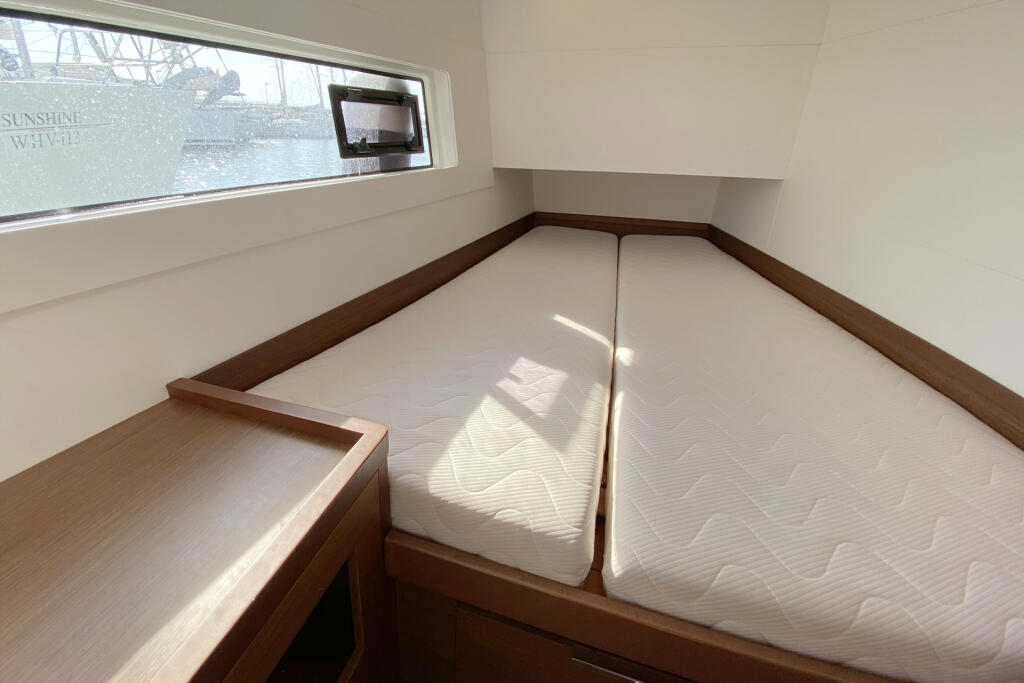
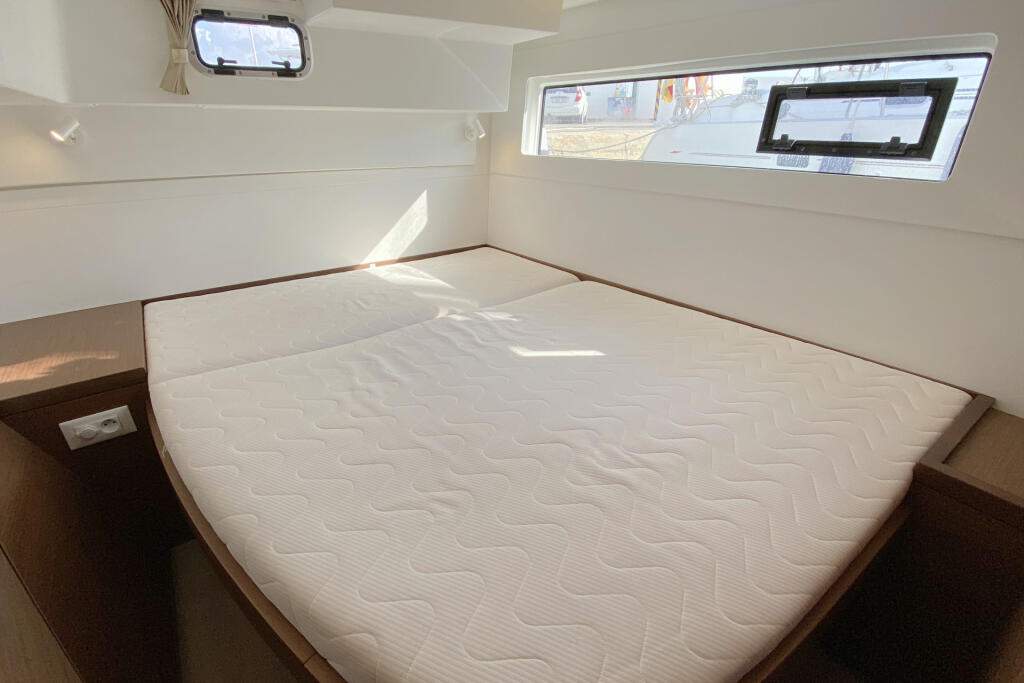
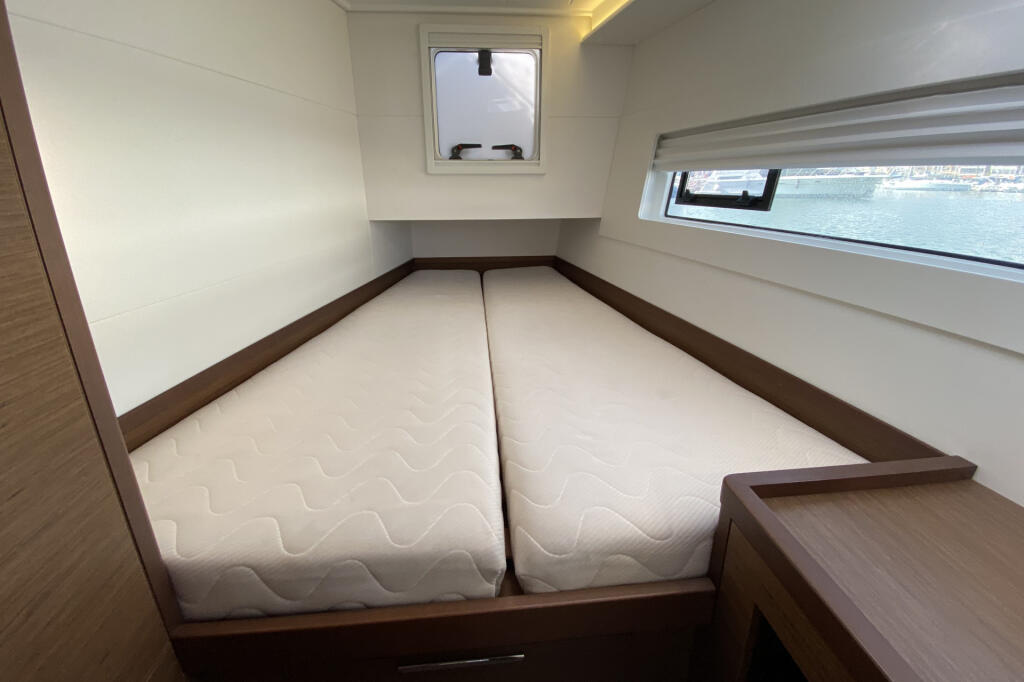
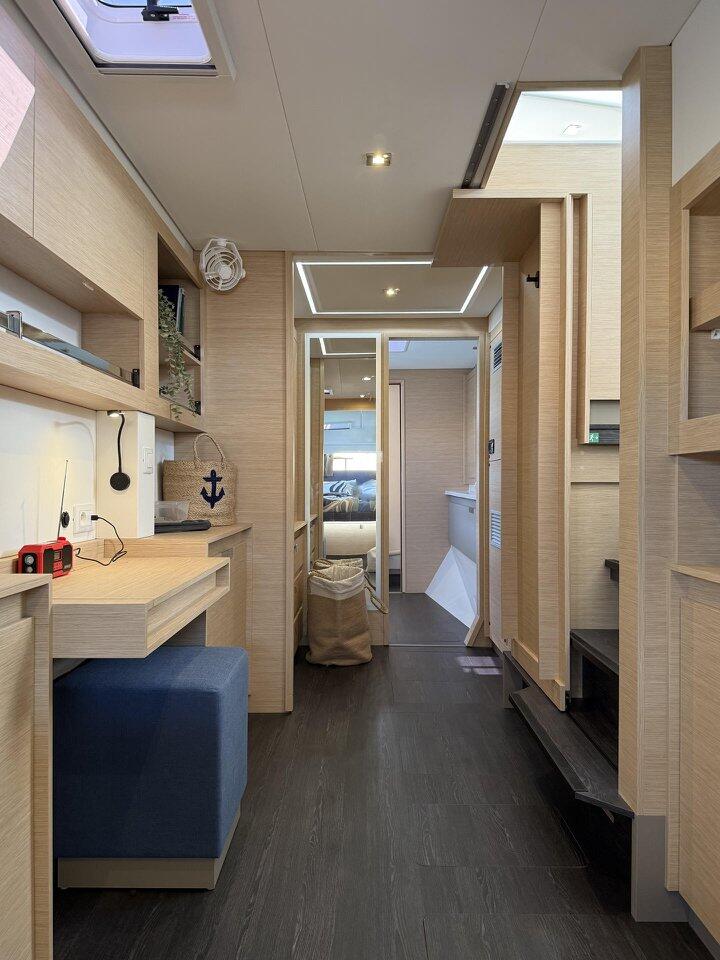
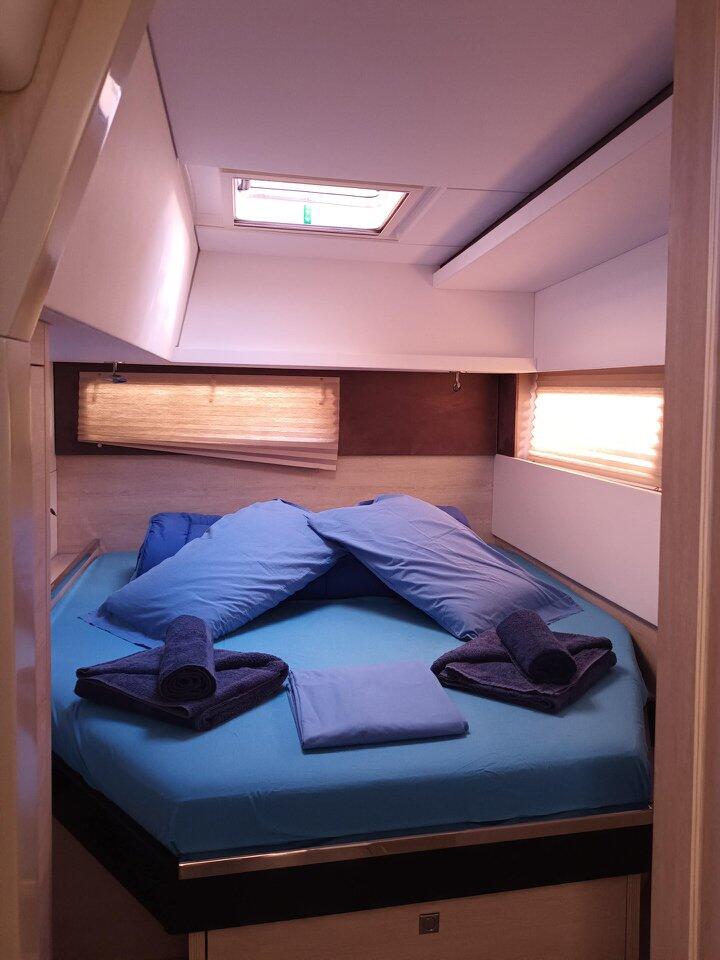
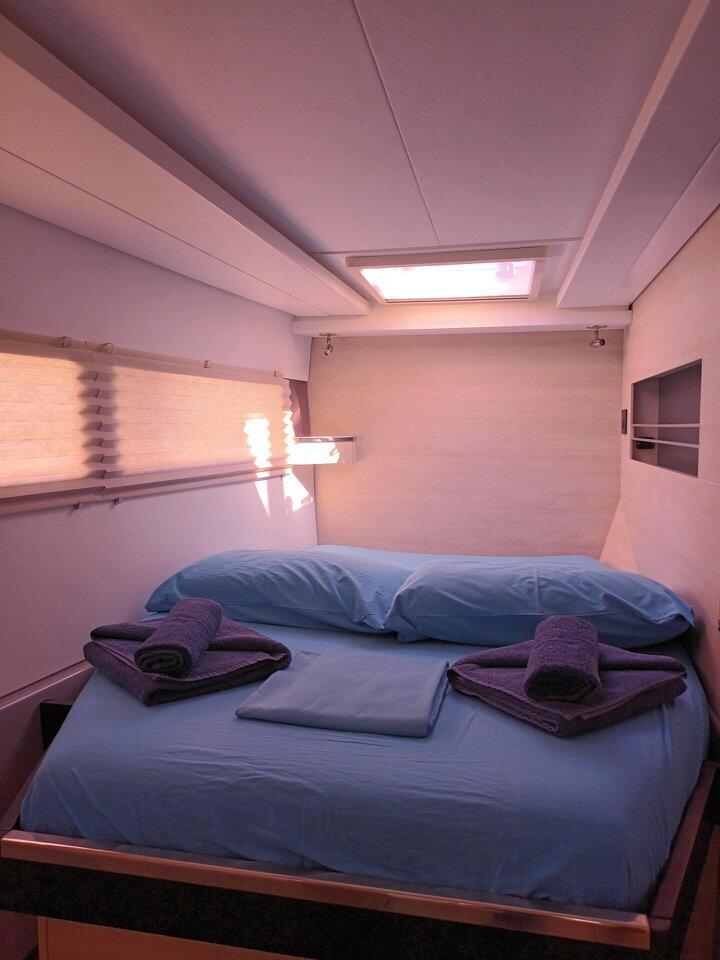
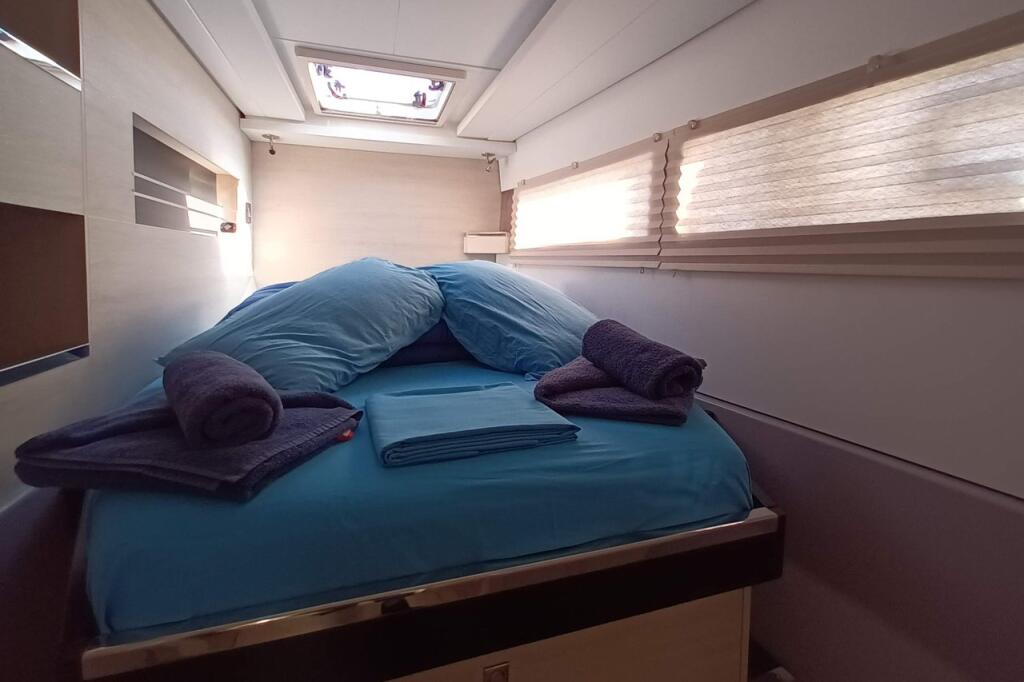
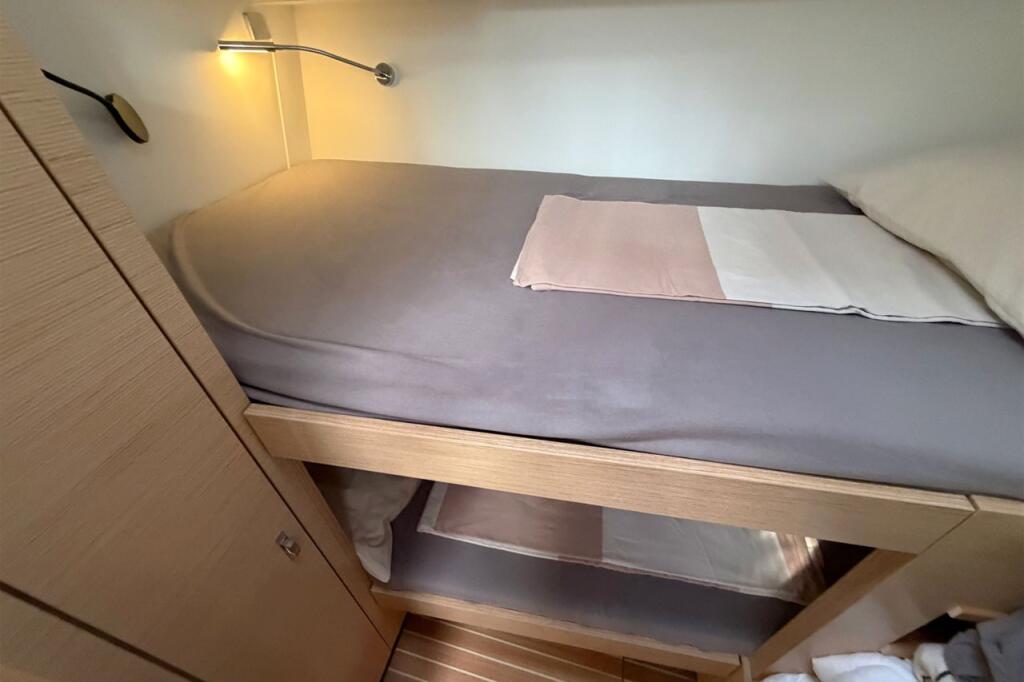
Before hiring a yacht in Can Pastilla, the choice should match both the planned crew and the intended route. A yacht with enough berths for six people is not automatically the best choice for six people. What matters is how the yacht will be used throughout an entire charter week.
-
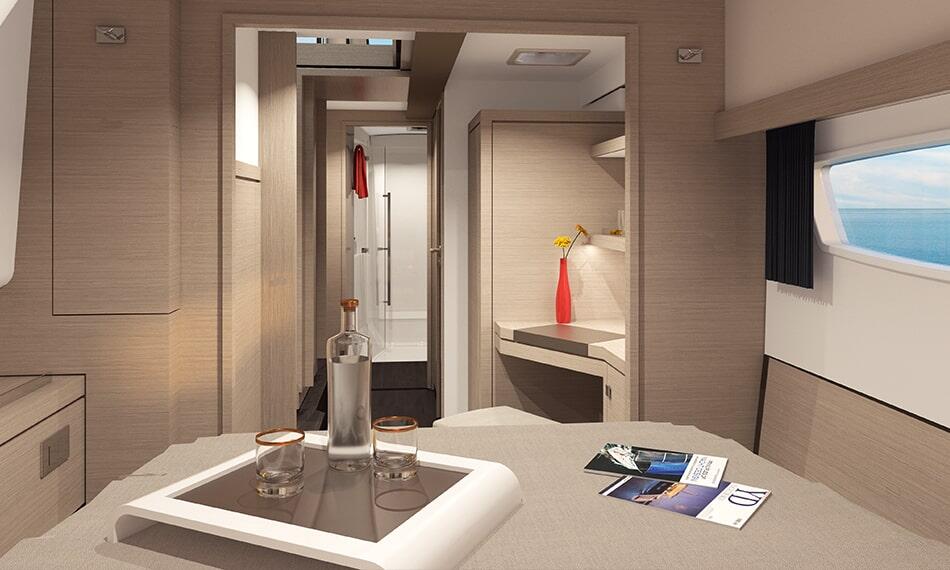
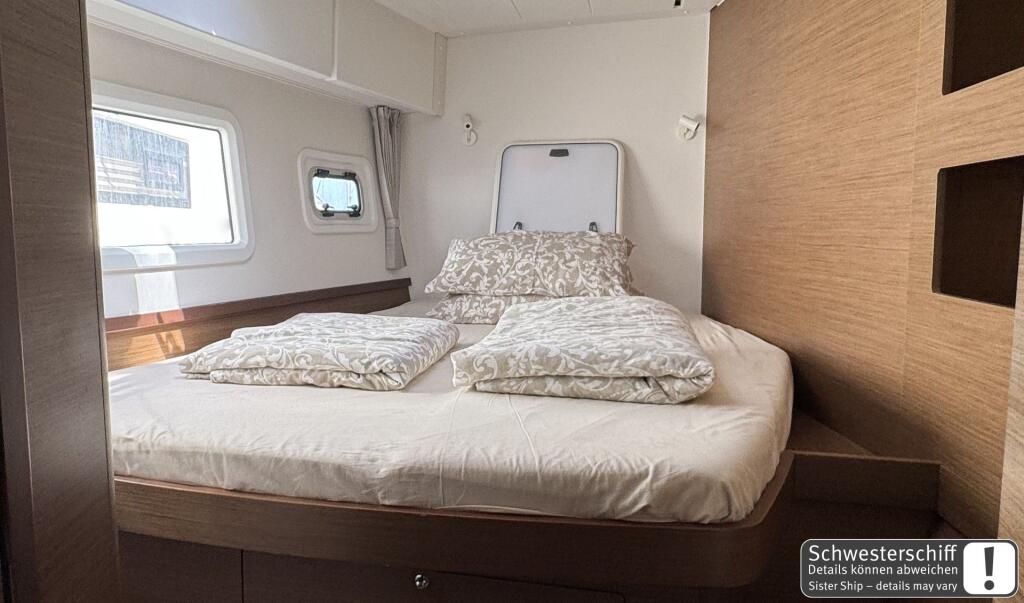
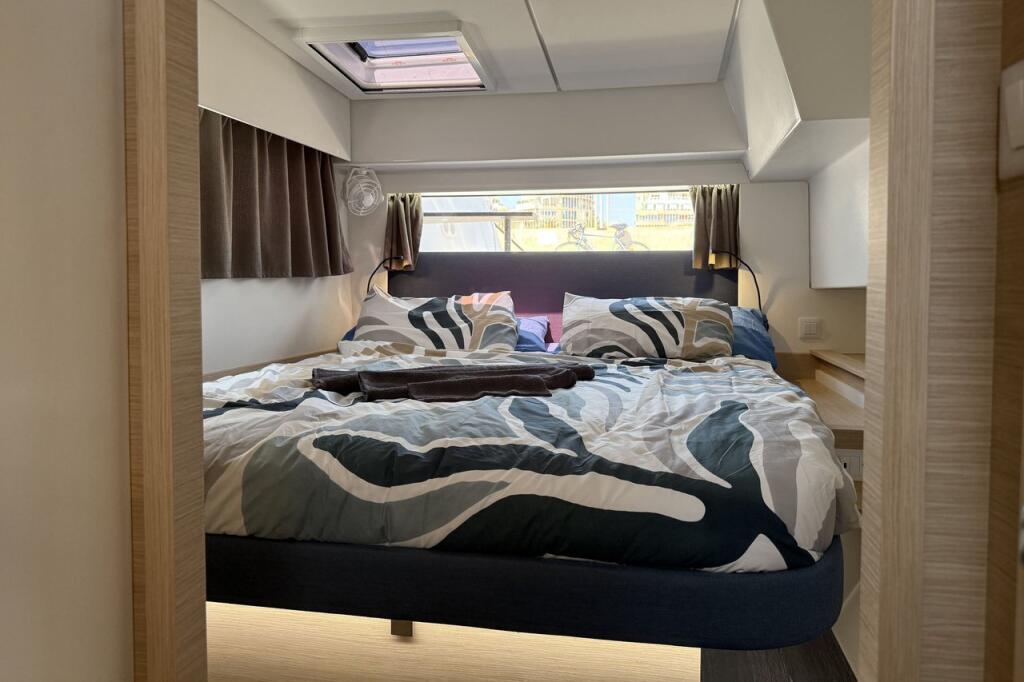
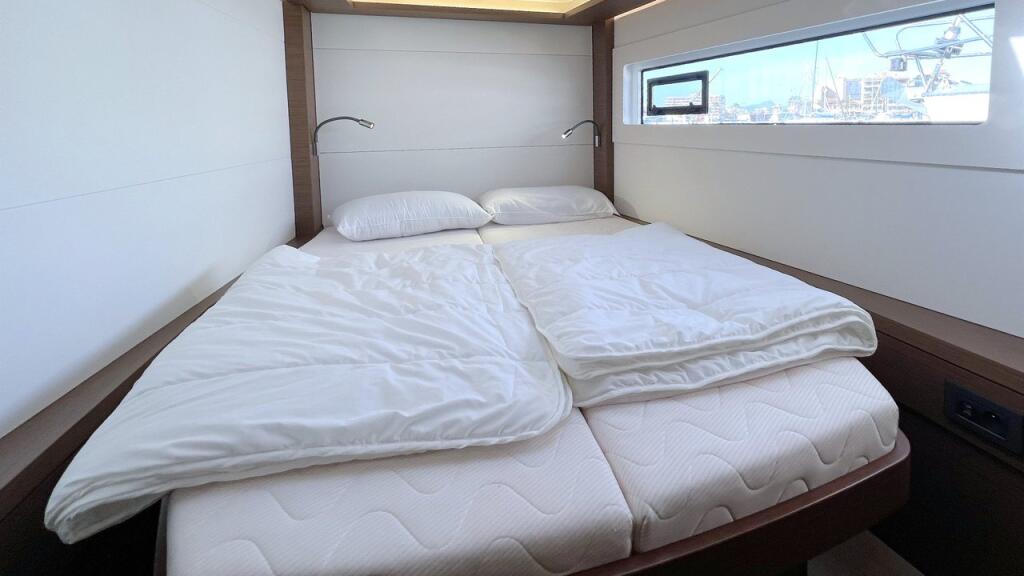
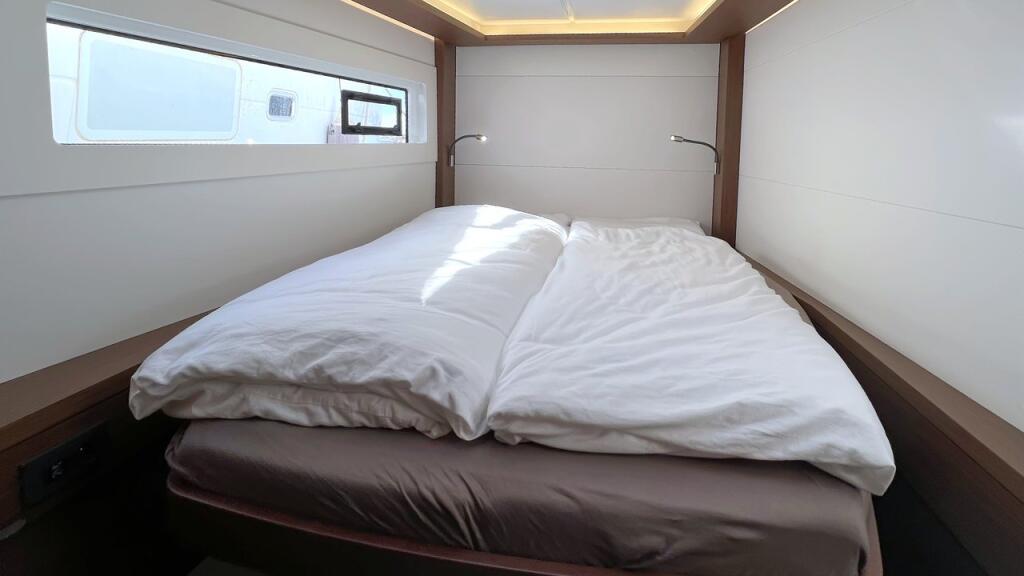
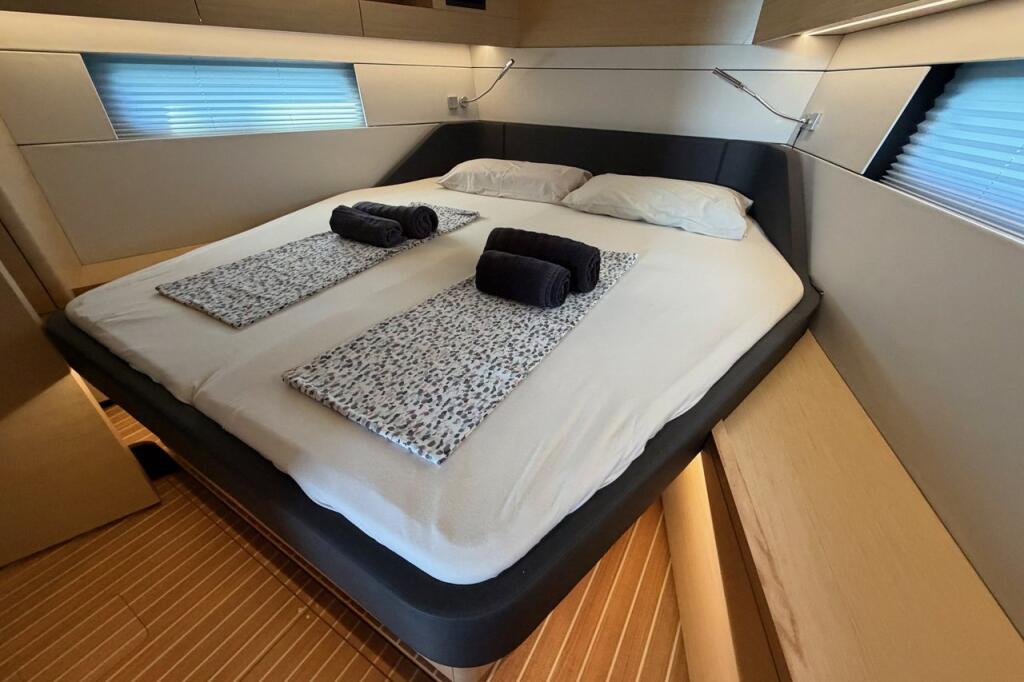
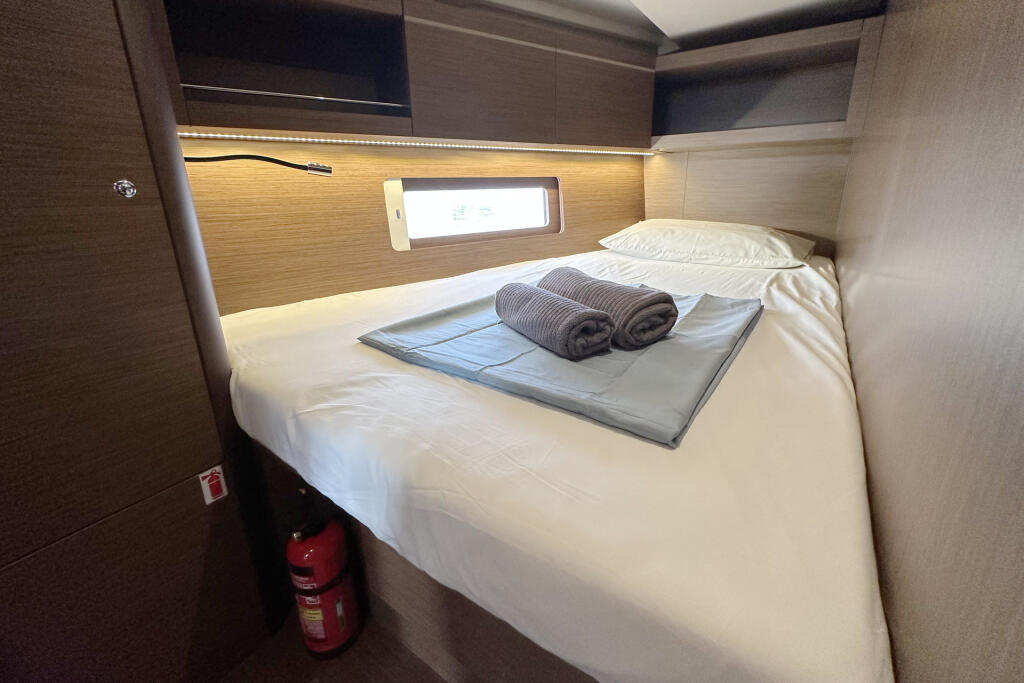
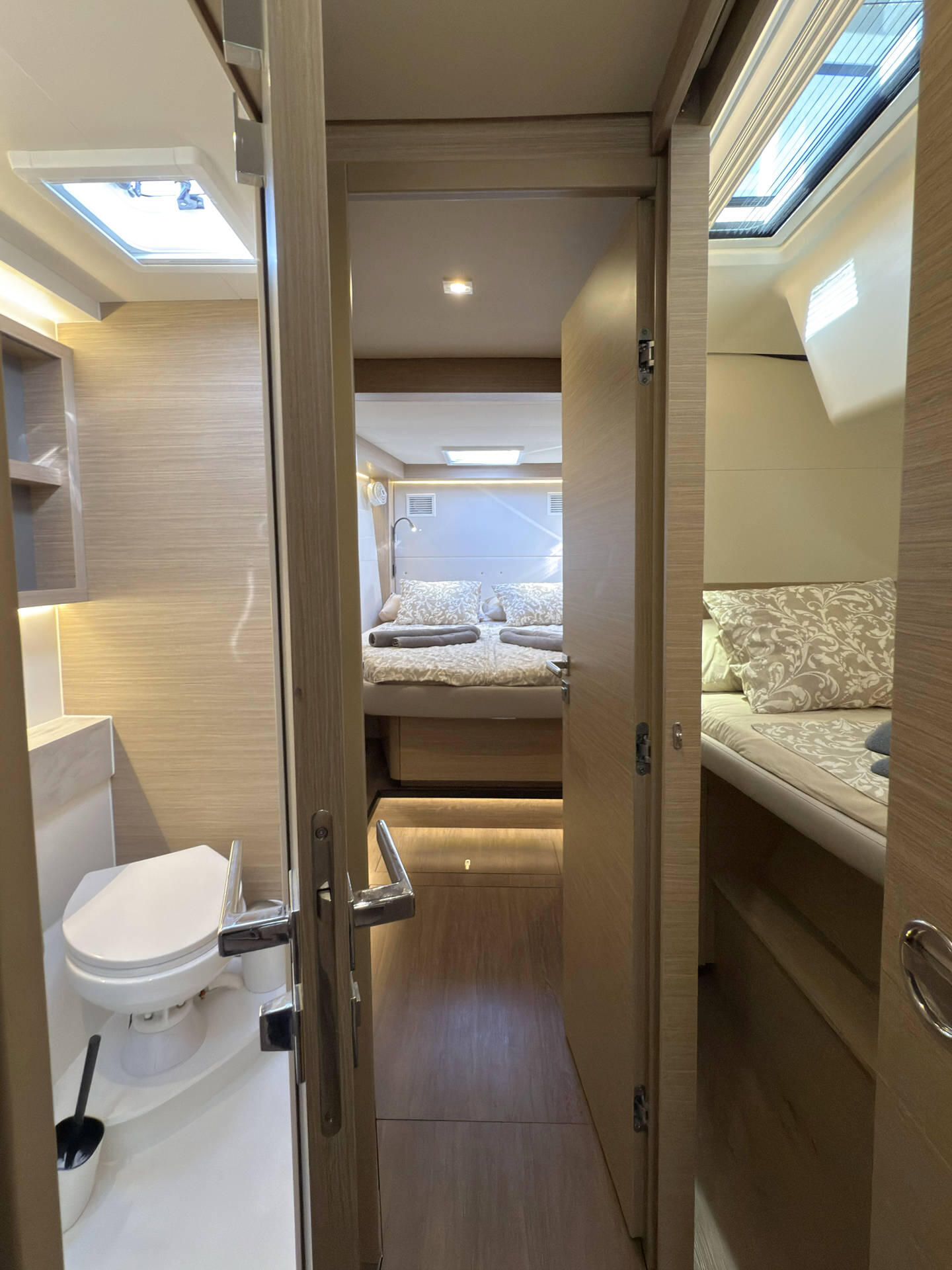
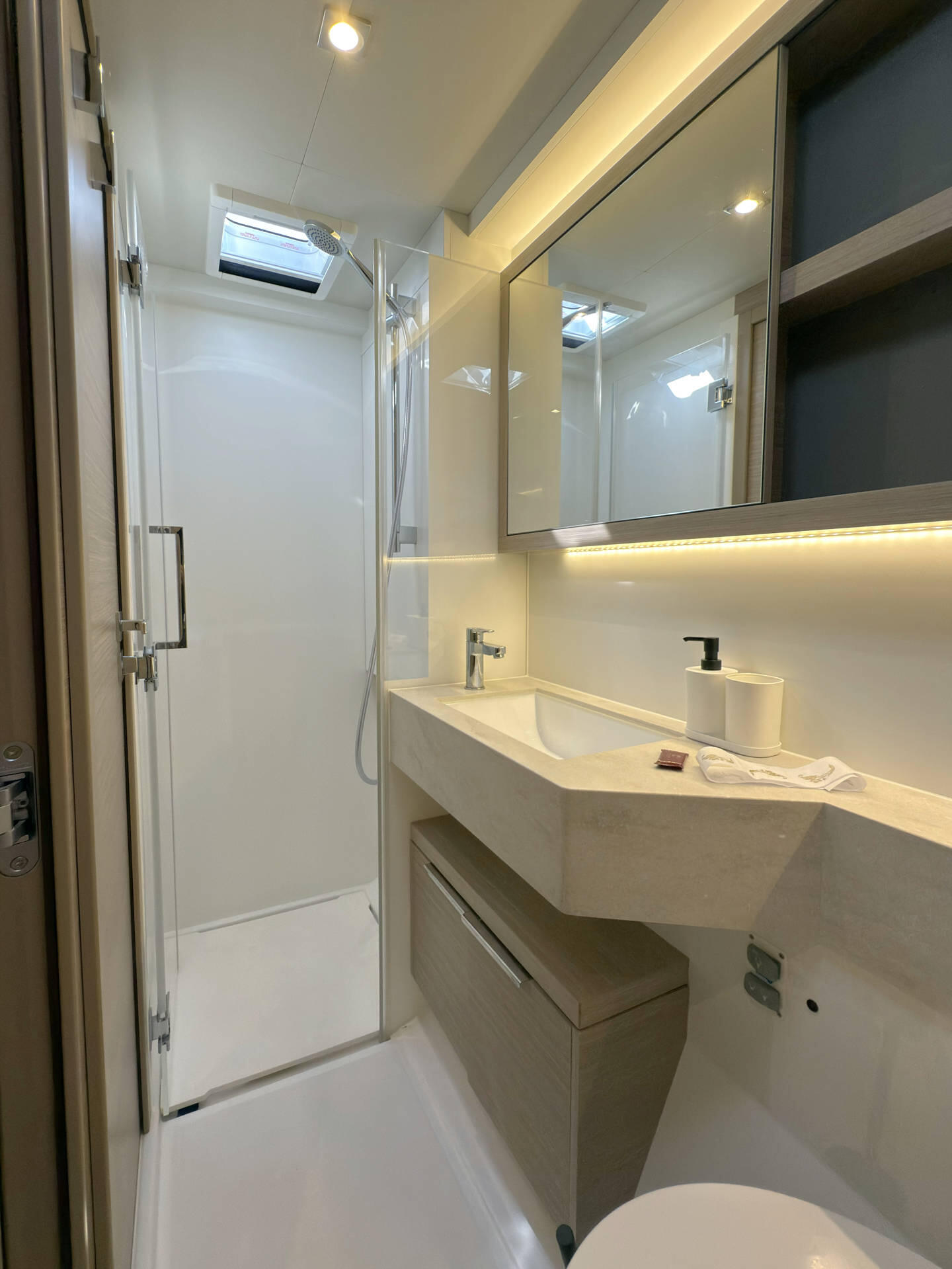
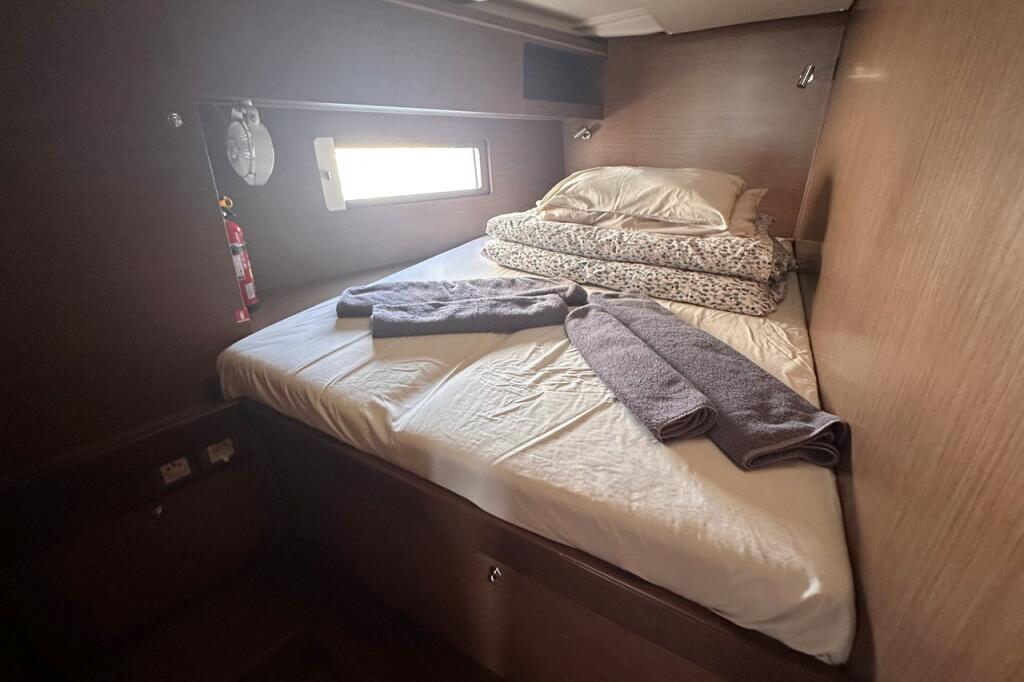
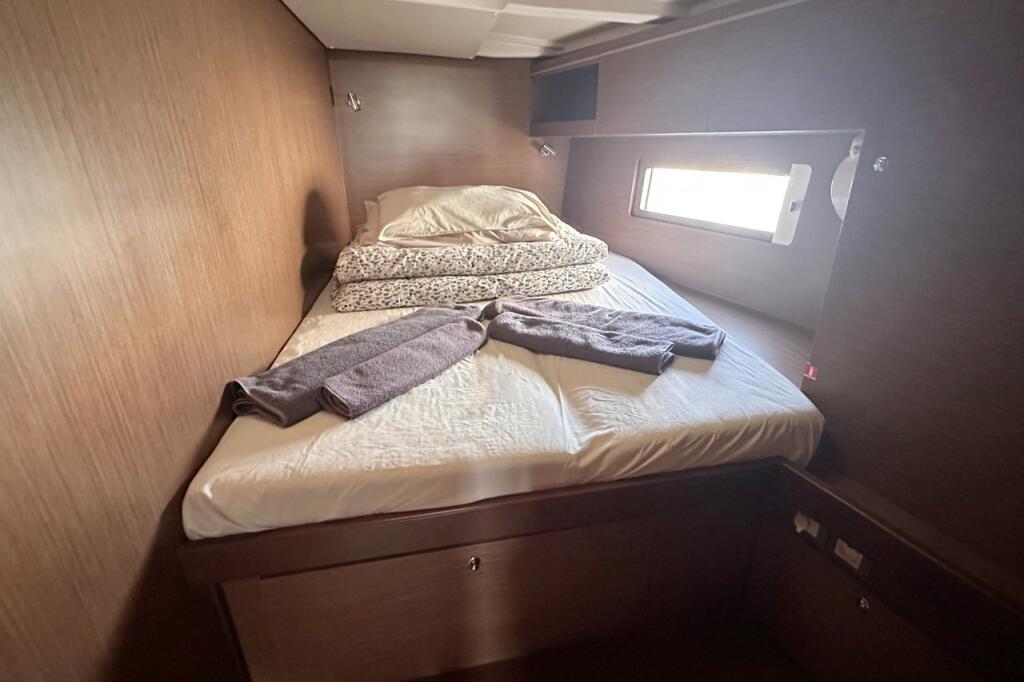
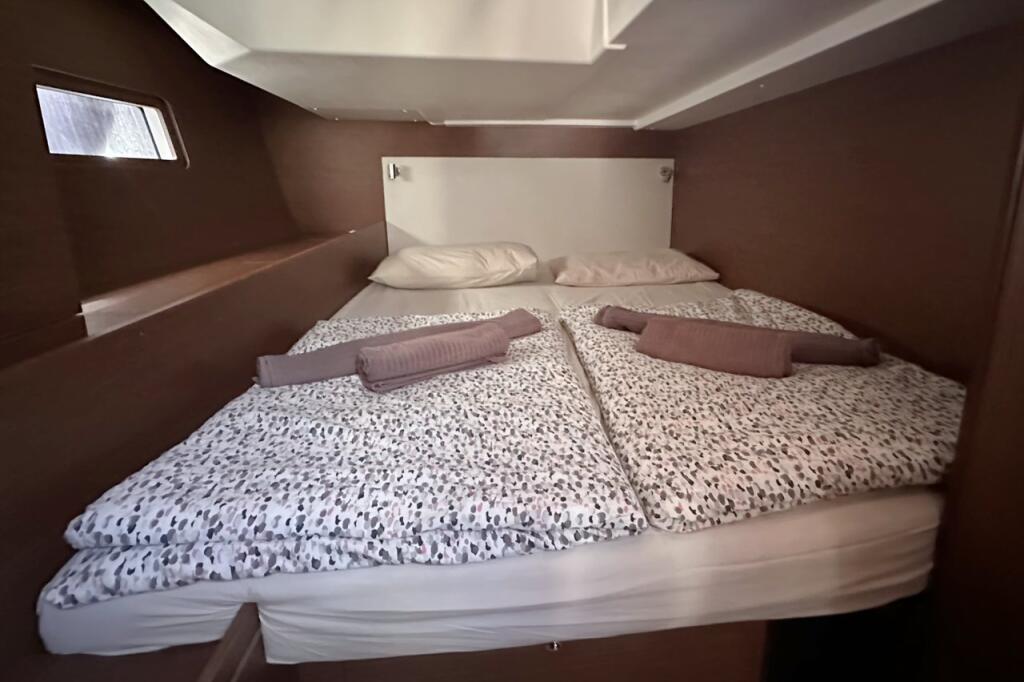
The number of cabins that can genuinely be used should suit the crew and provide sufficient privacy.
-
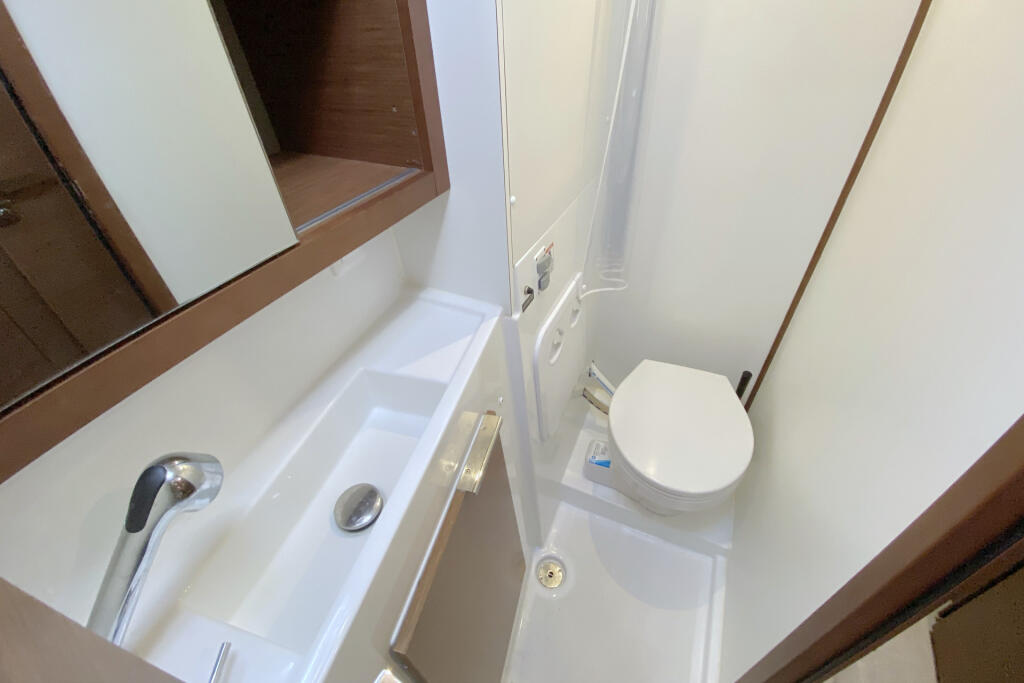
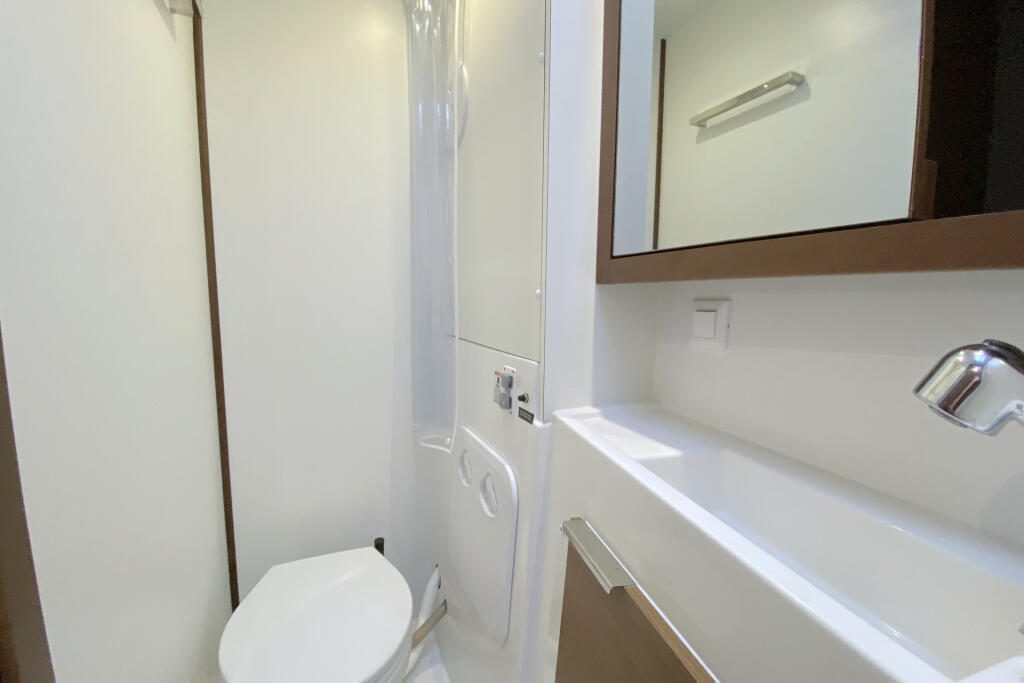
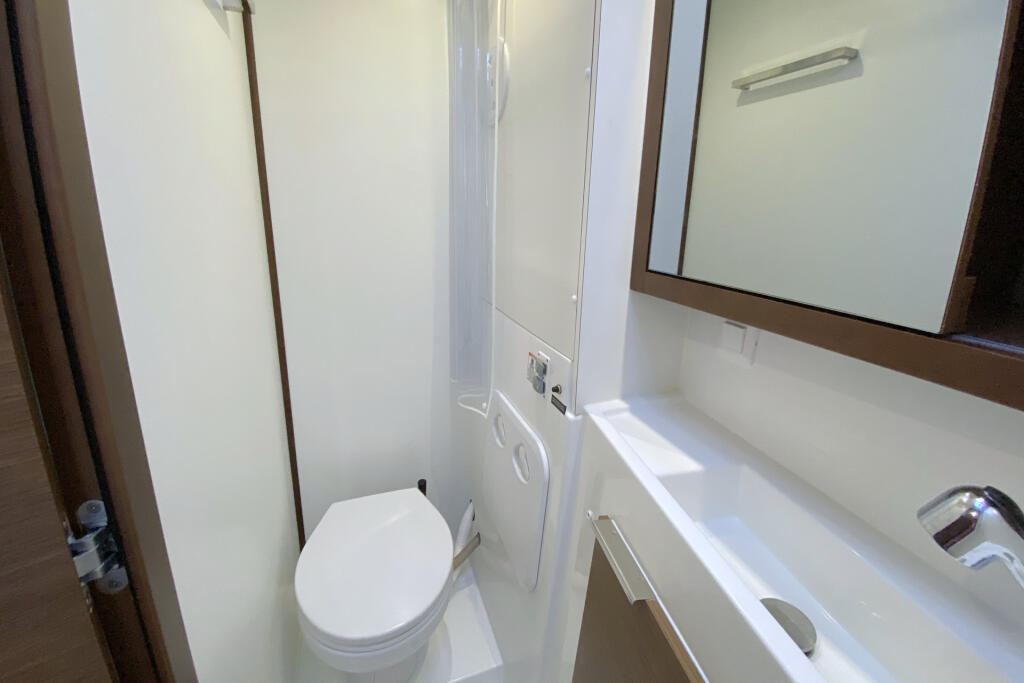
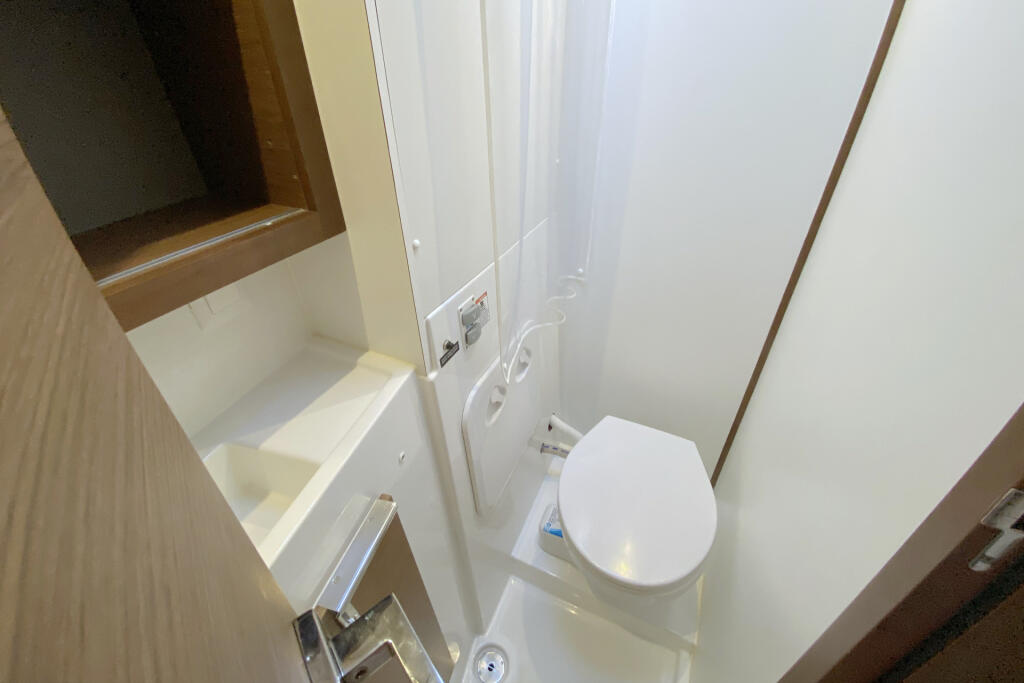
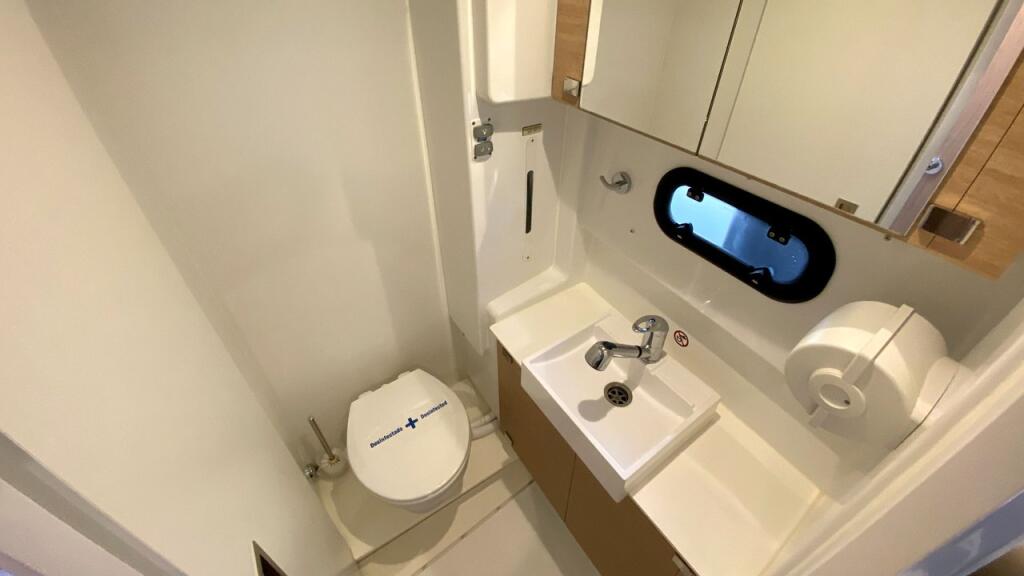
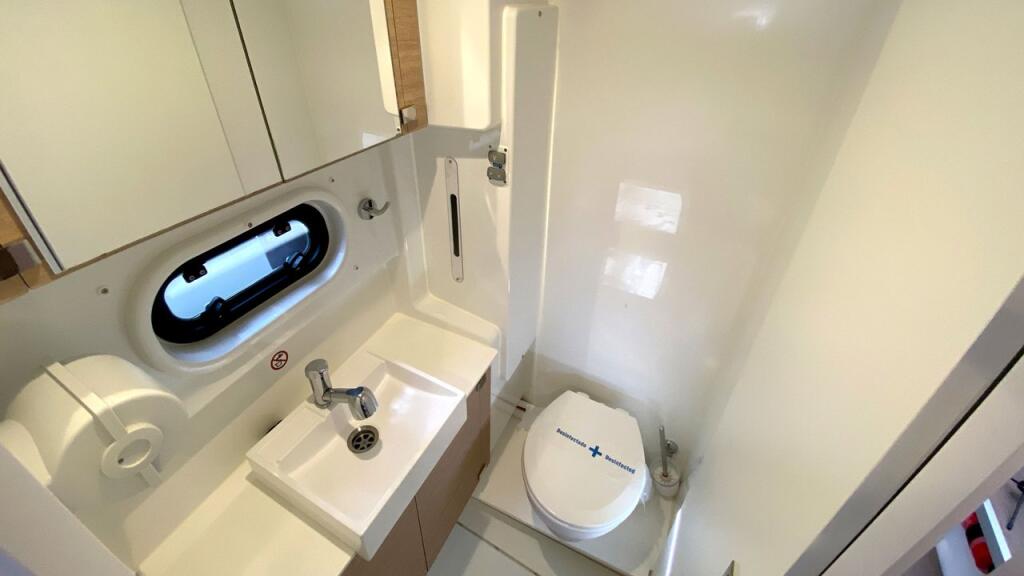
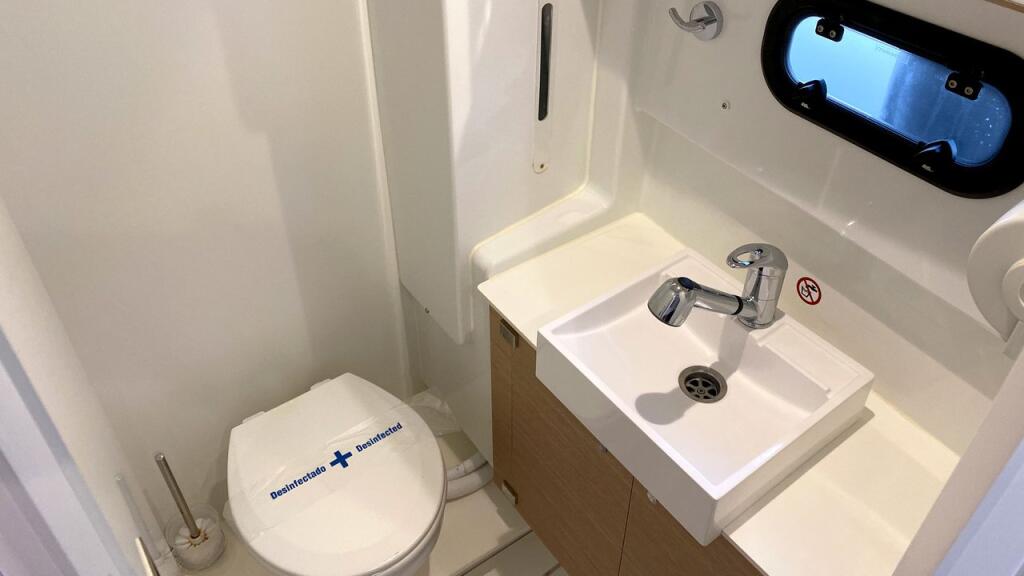
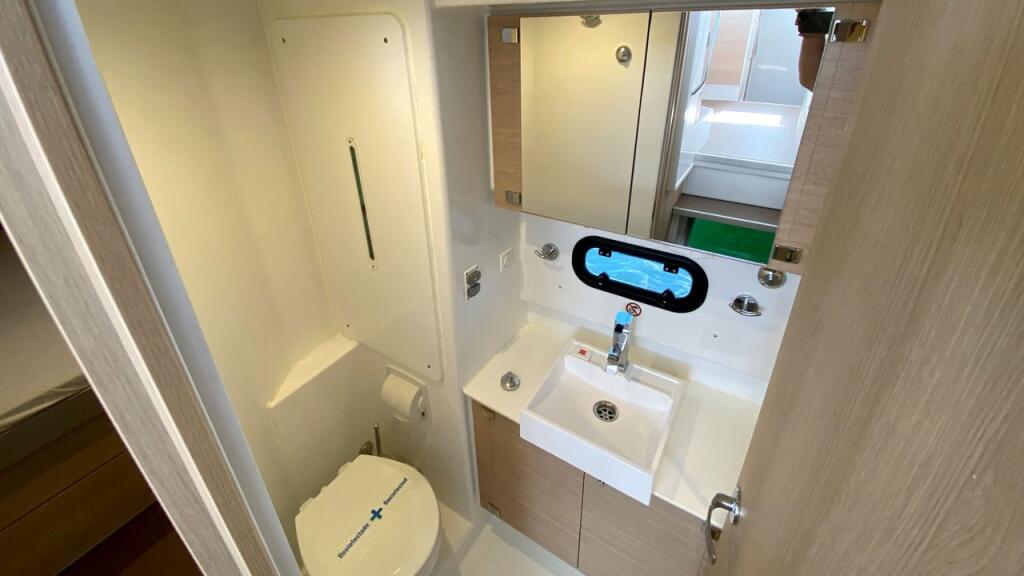
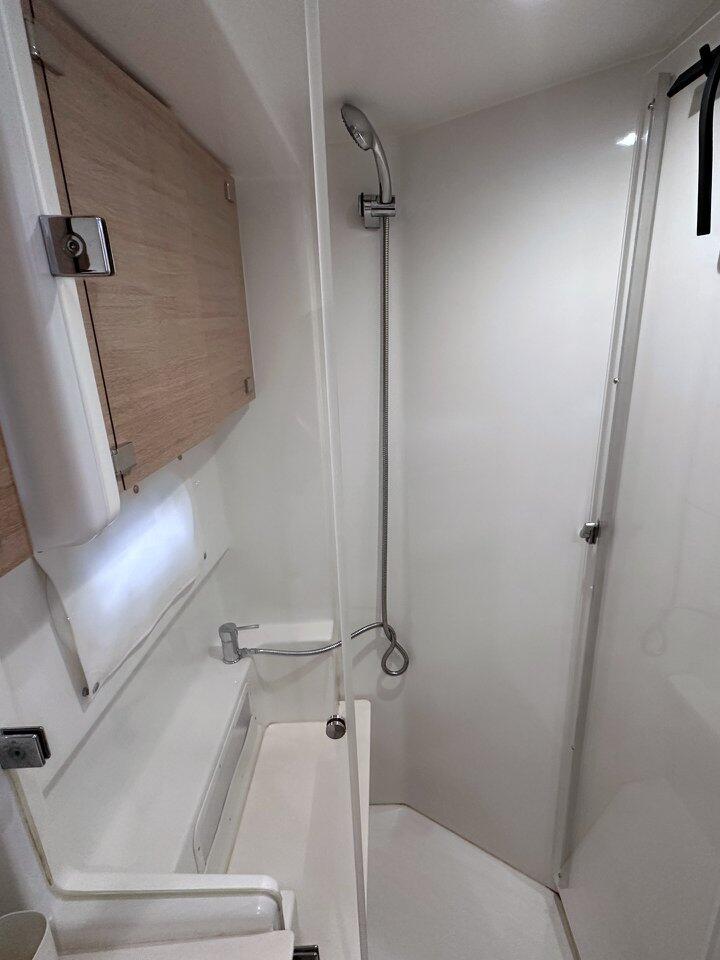
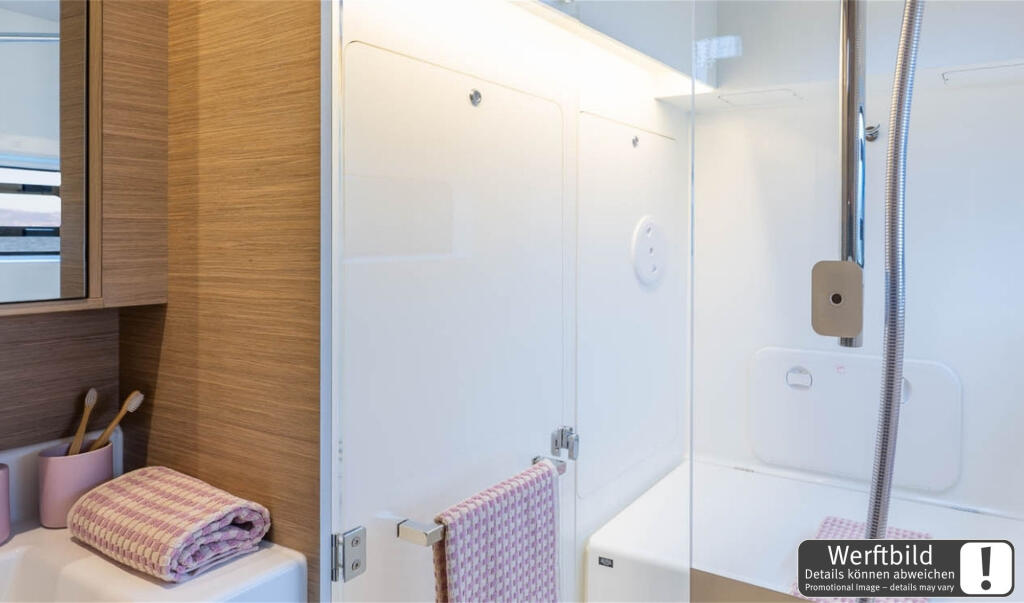
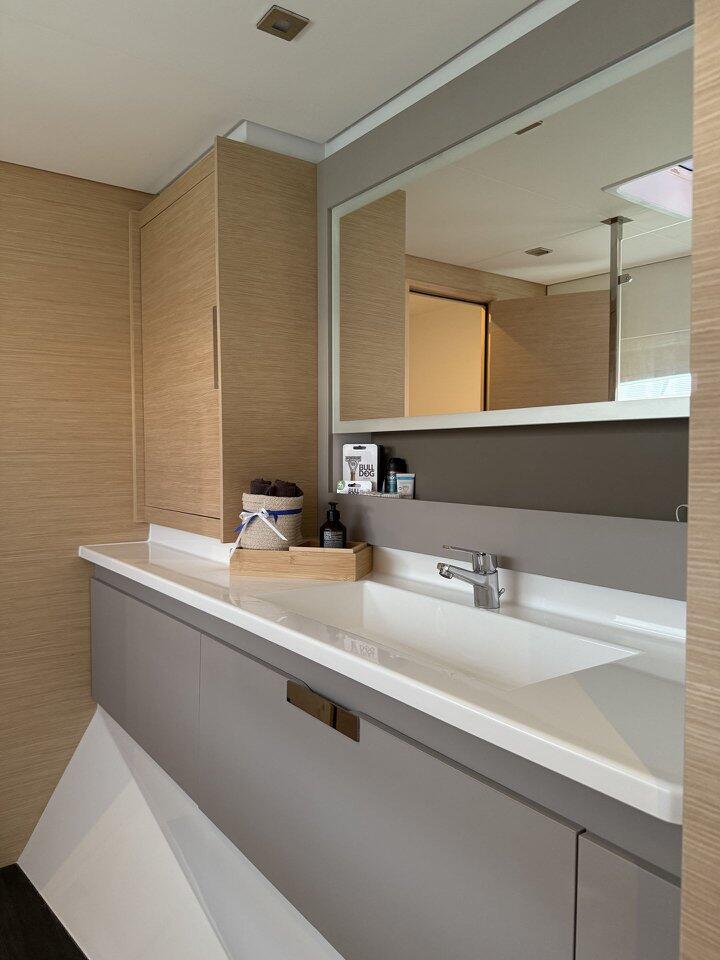
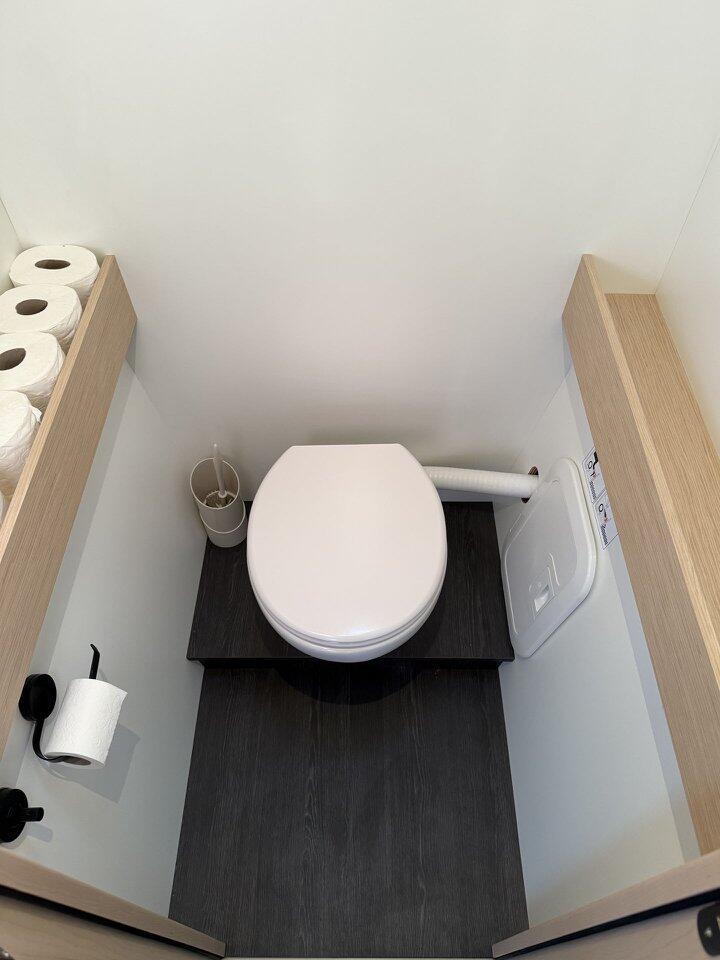
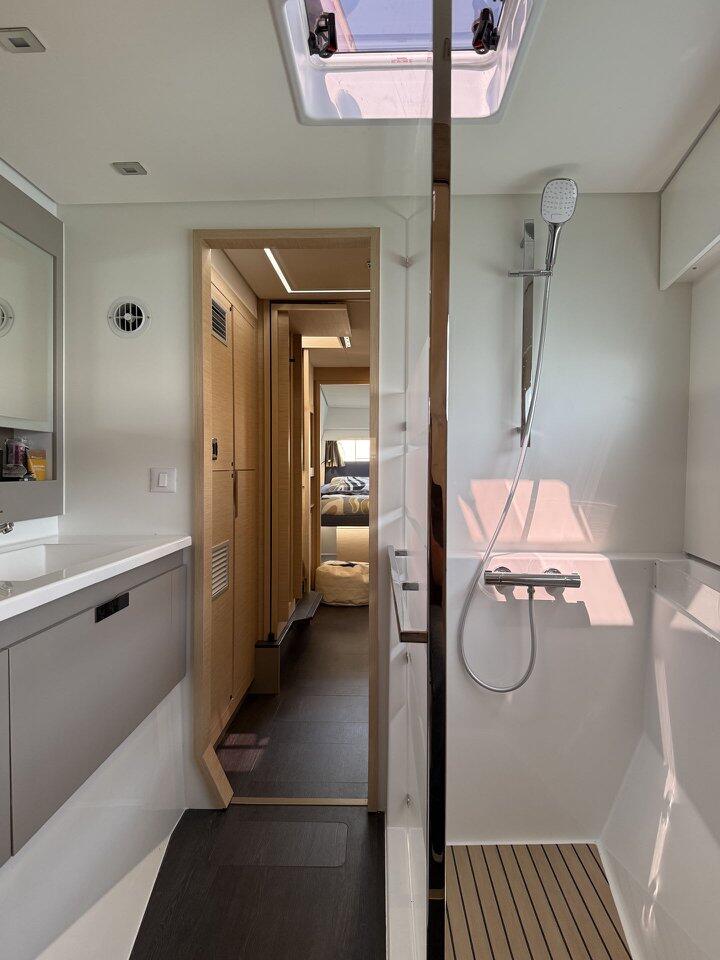
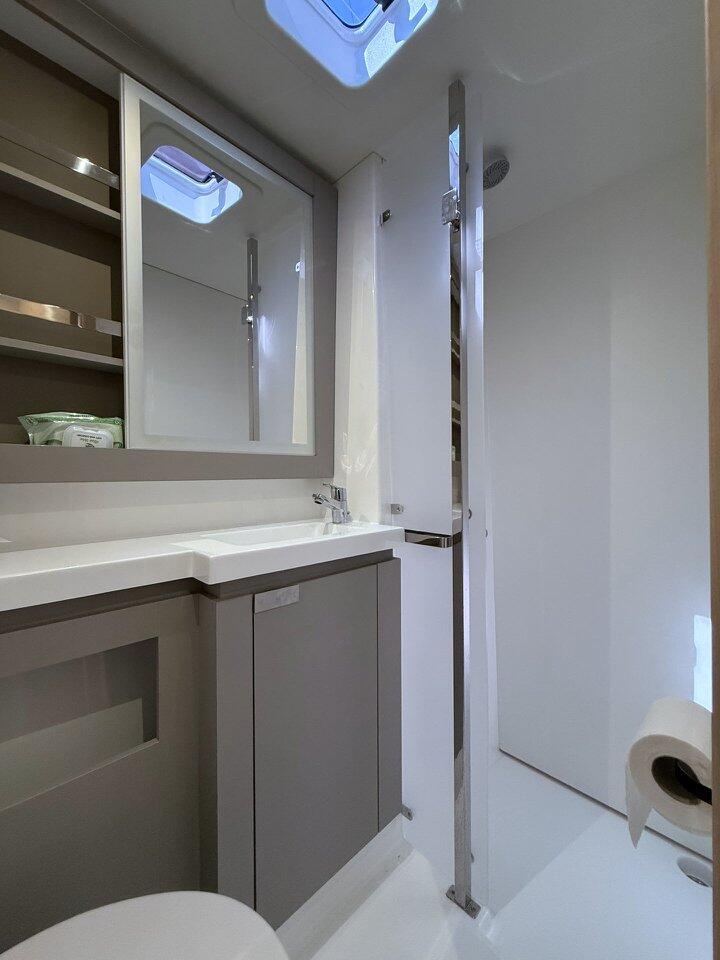
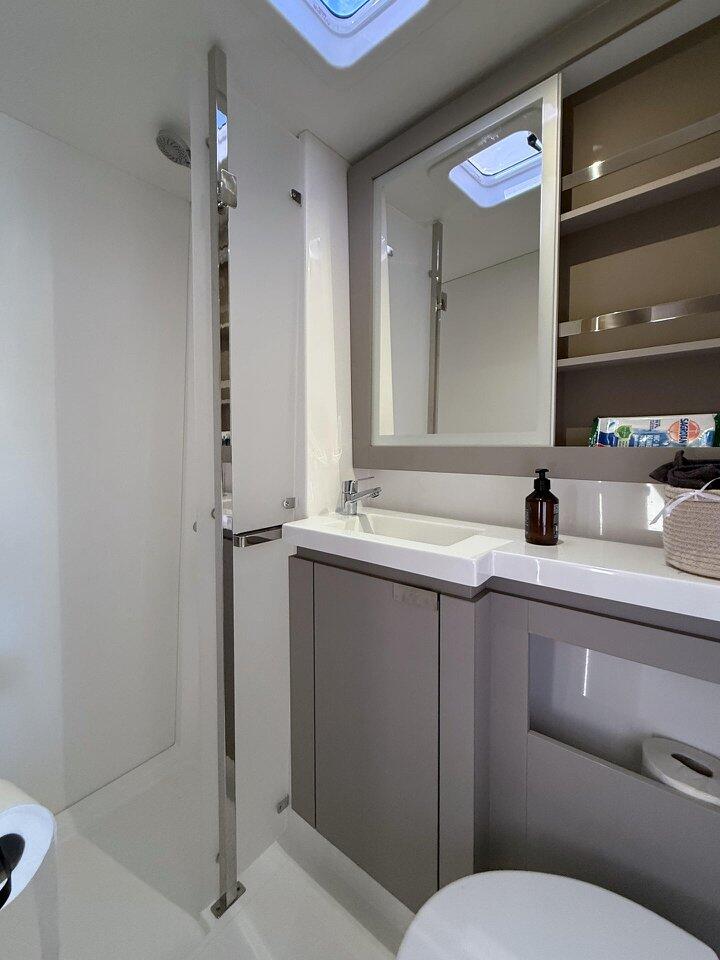
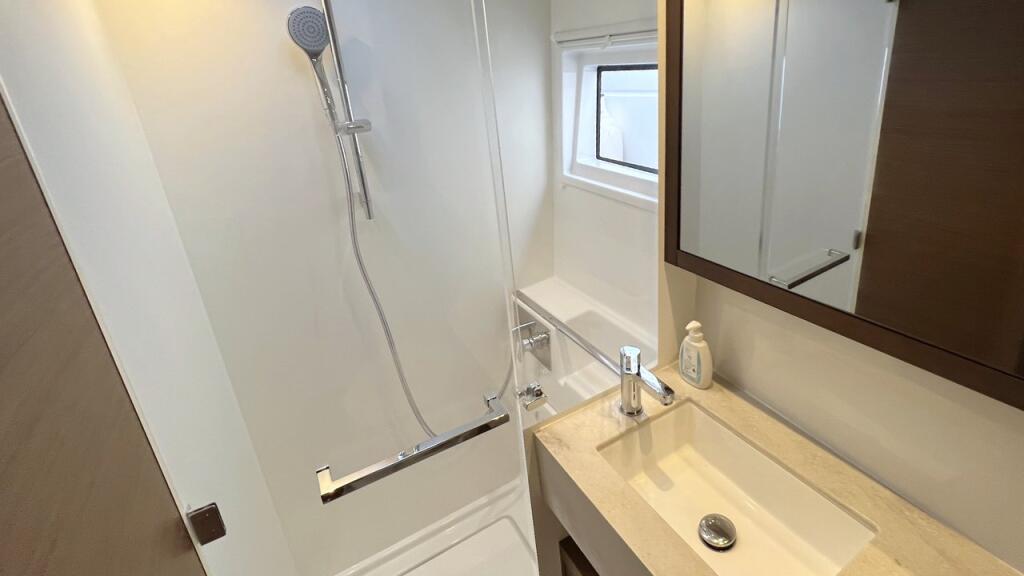
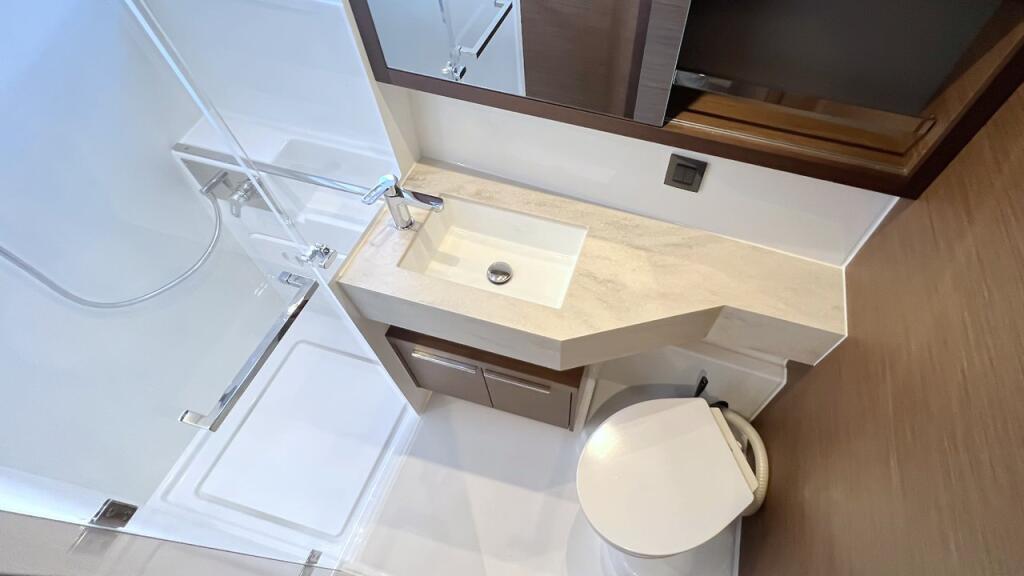
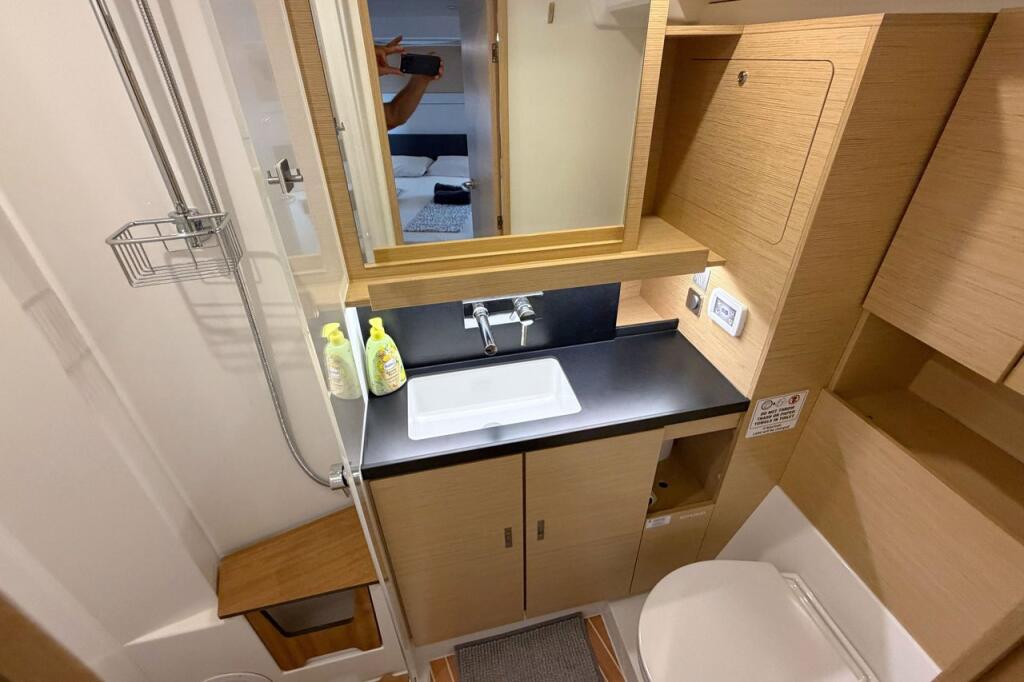
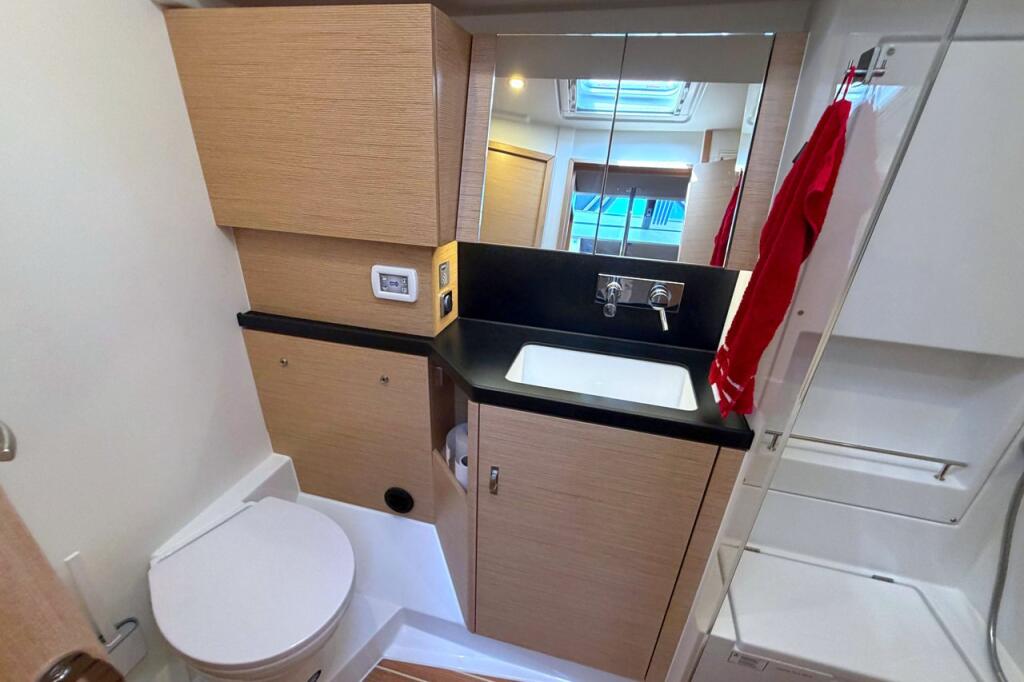
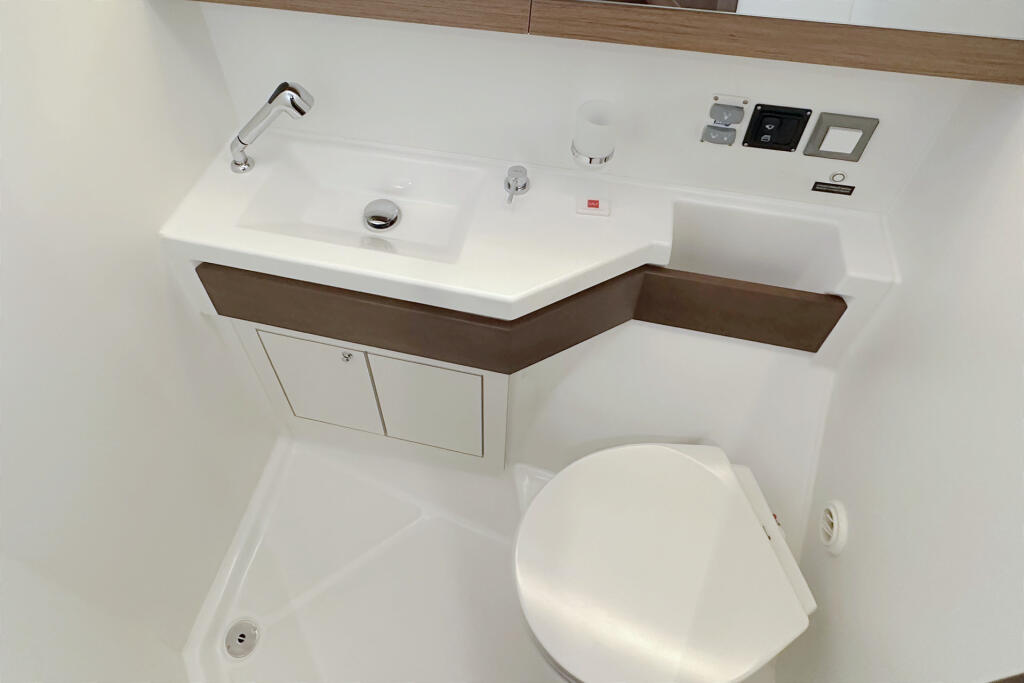
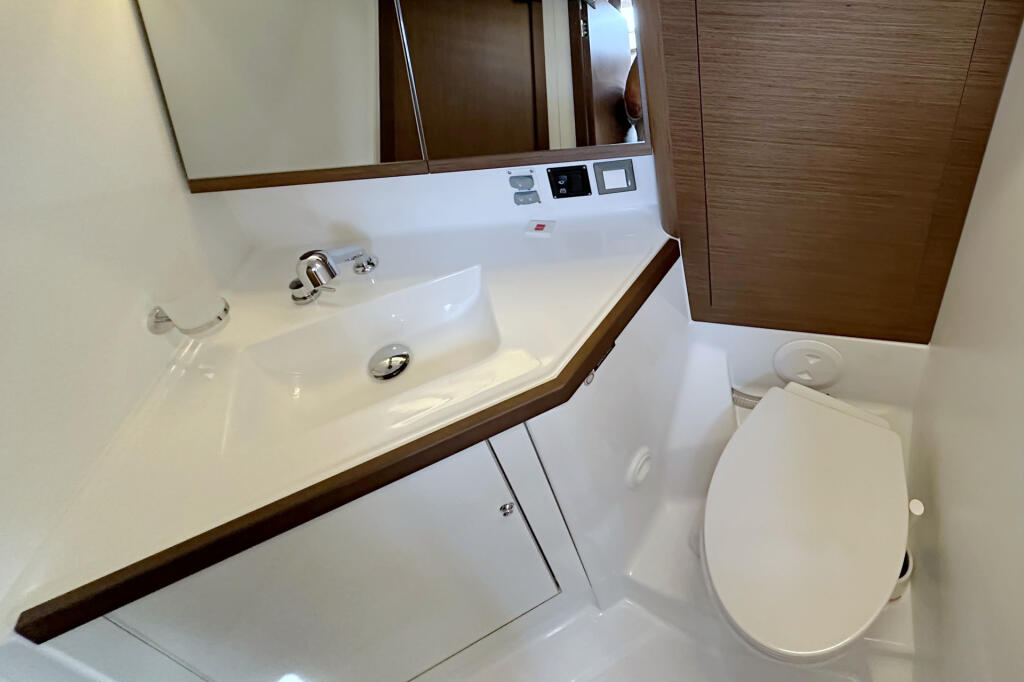
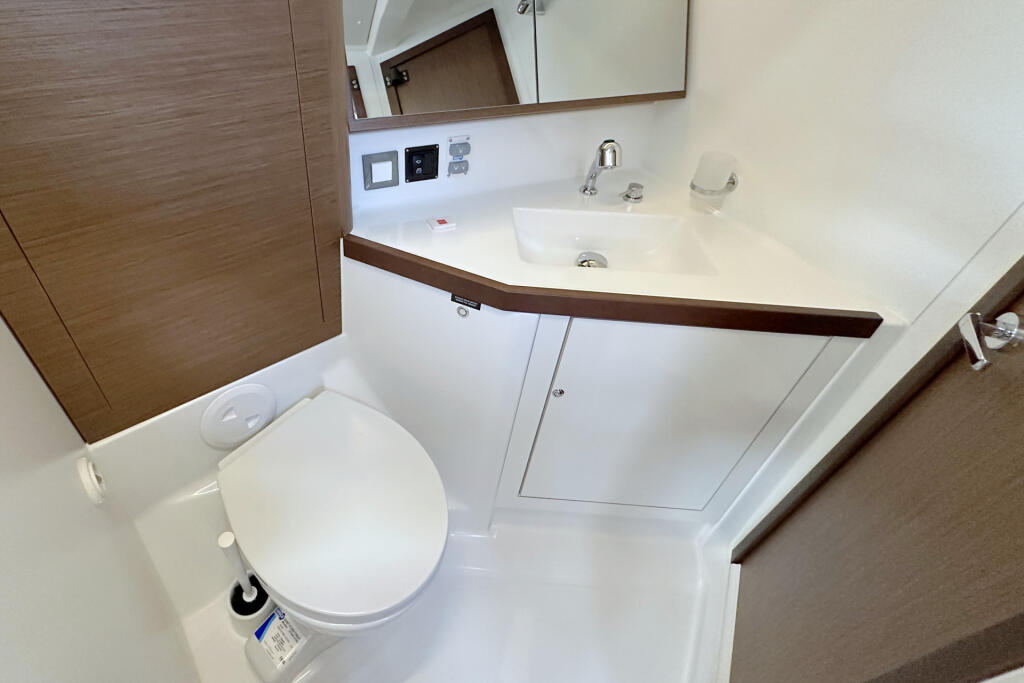
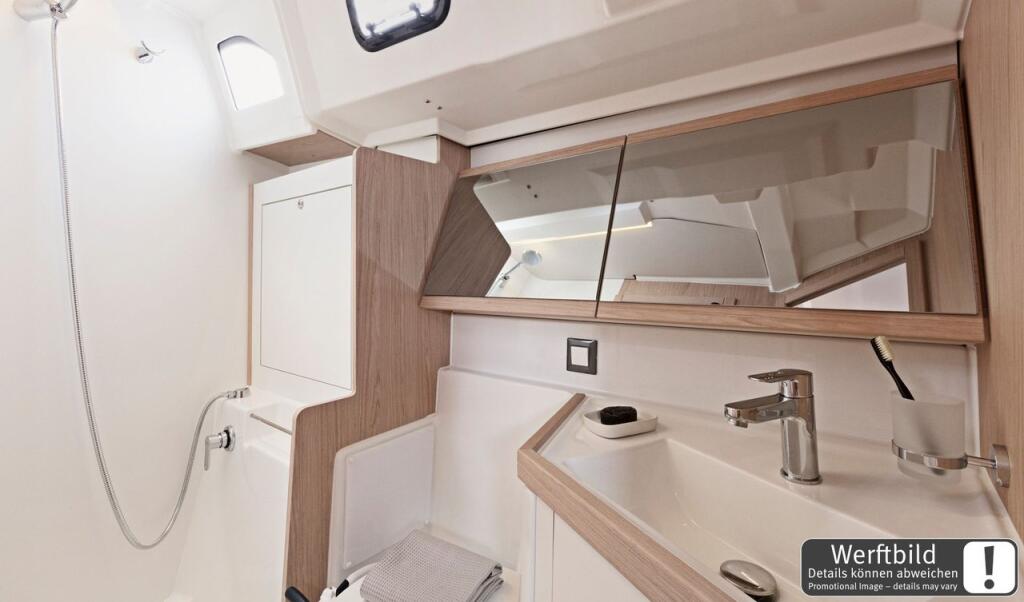
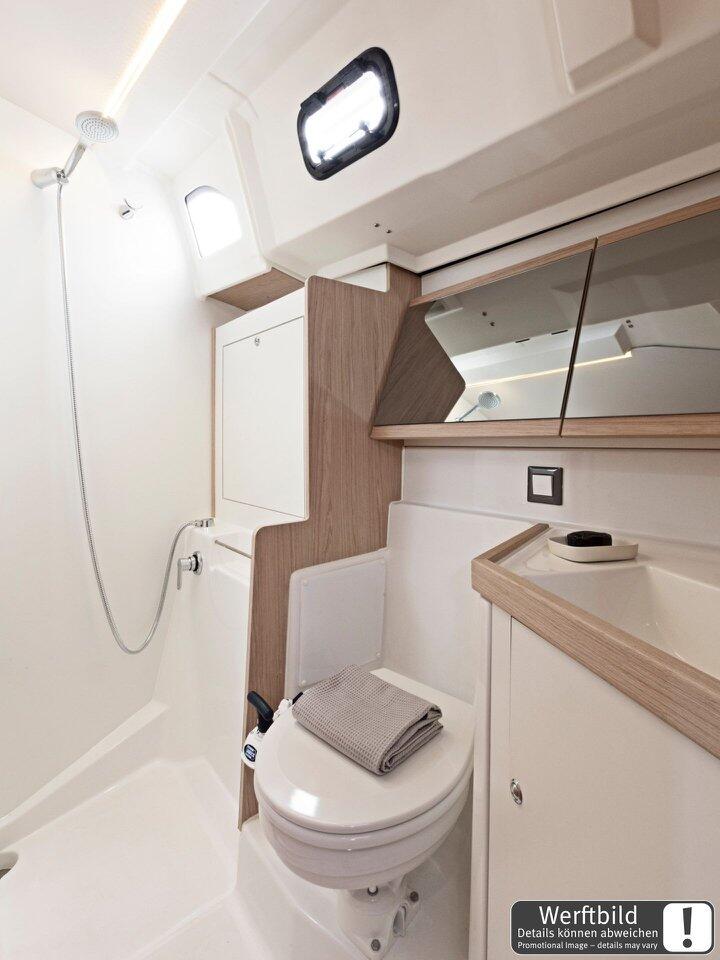
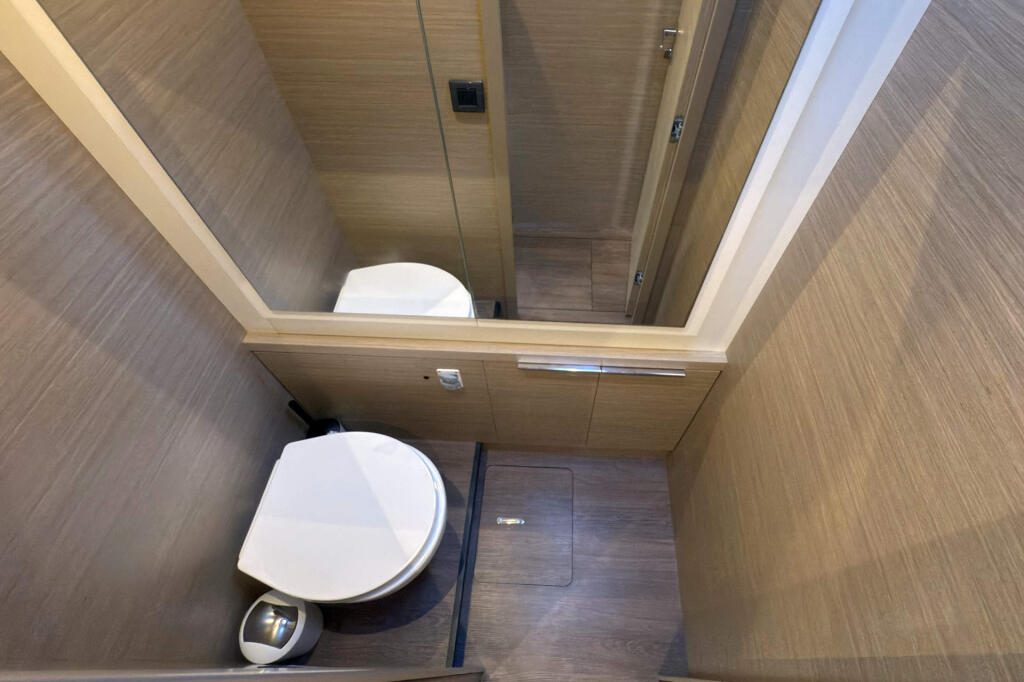
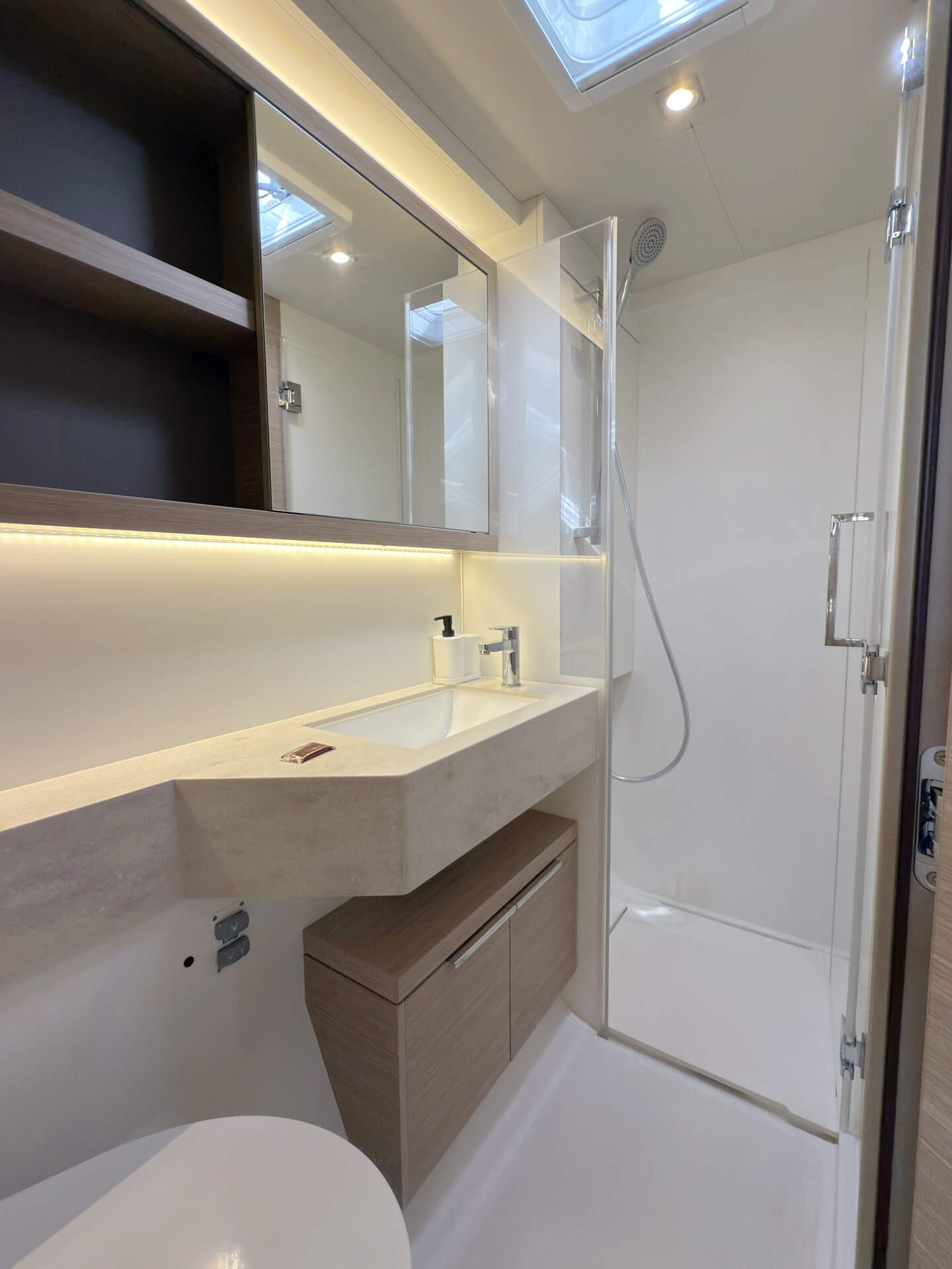
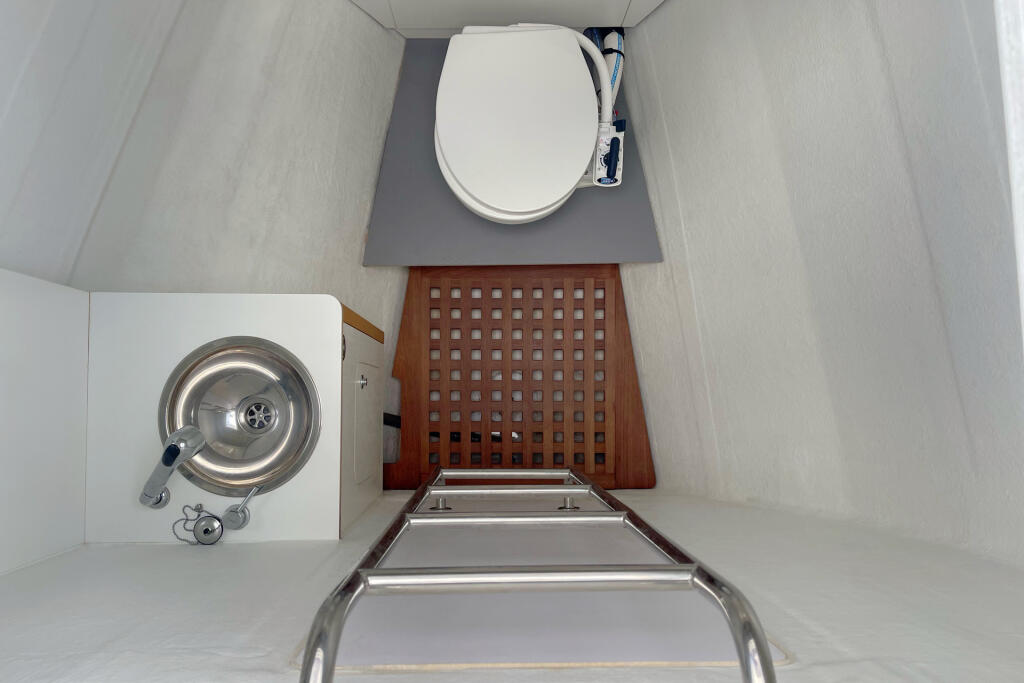
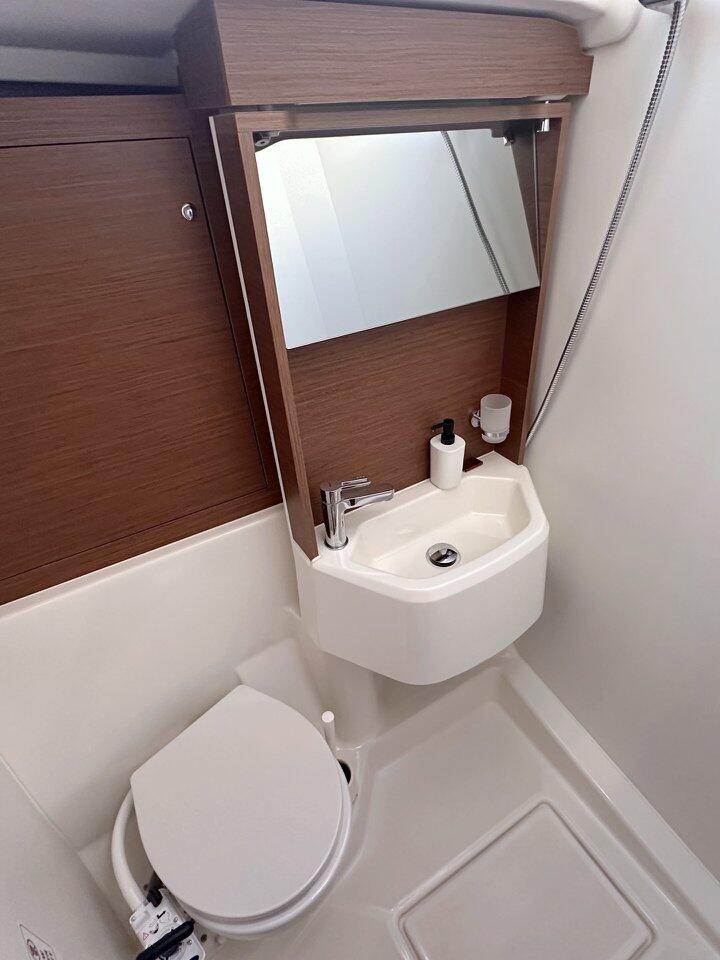
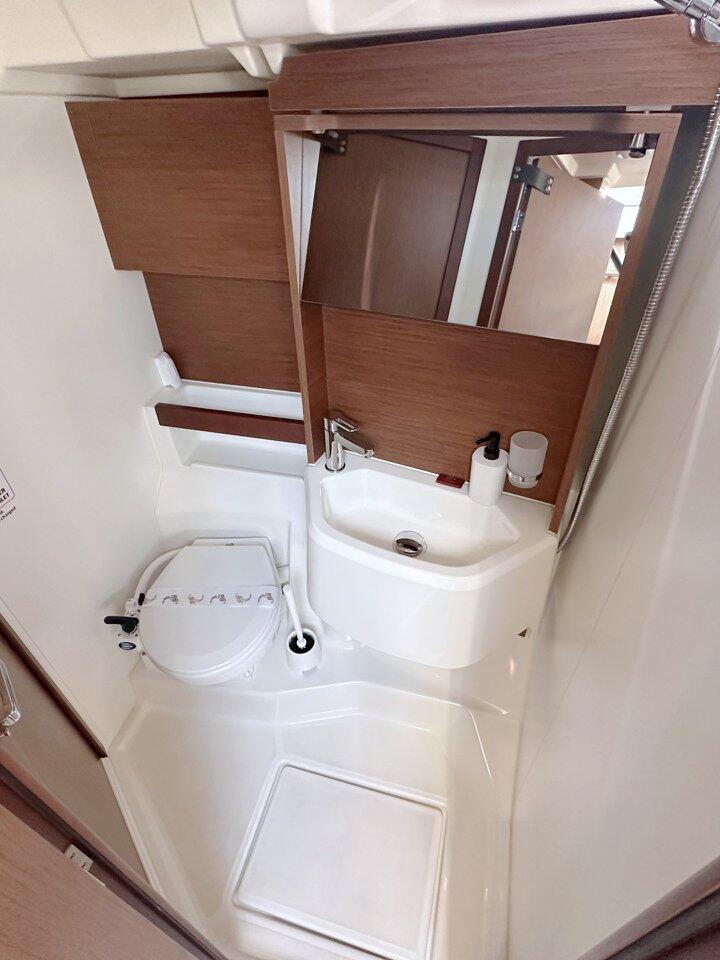
The number and layout of heads quickly become important for families and larger groups.
-
Yacht length influences space, handling and harbour manoeuvres.
-
Draught and keel configuration can matter when choosing anchorages and shallower areas.
-
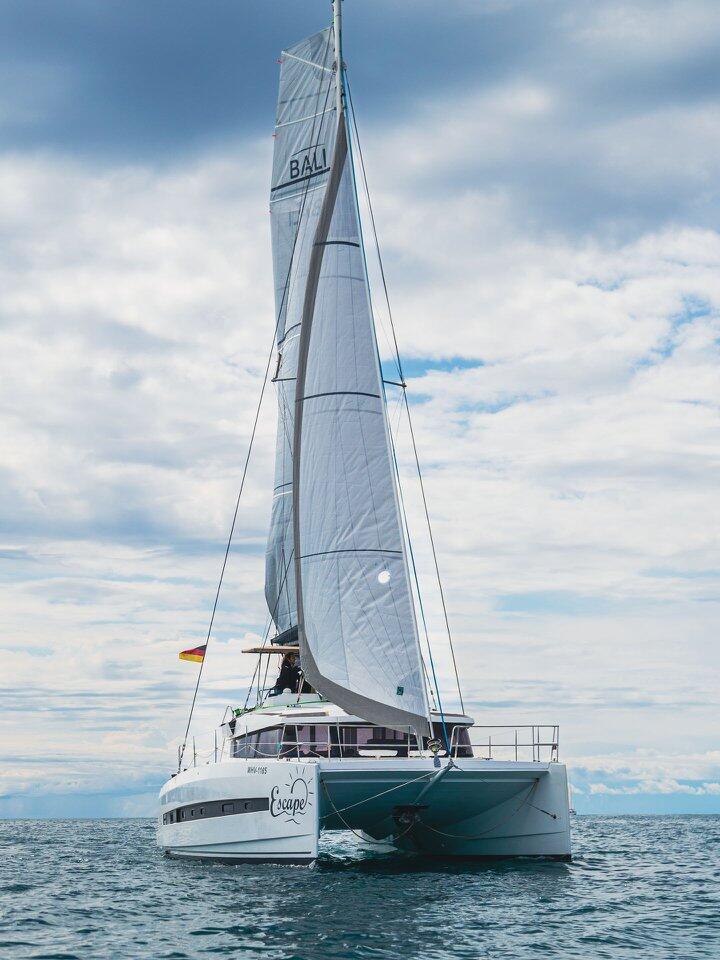
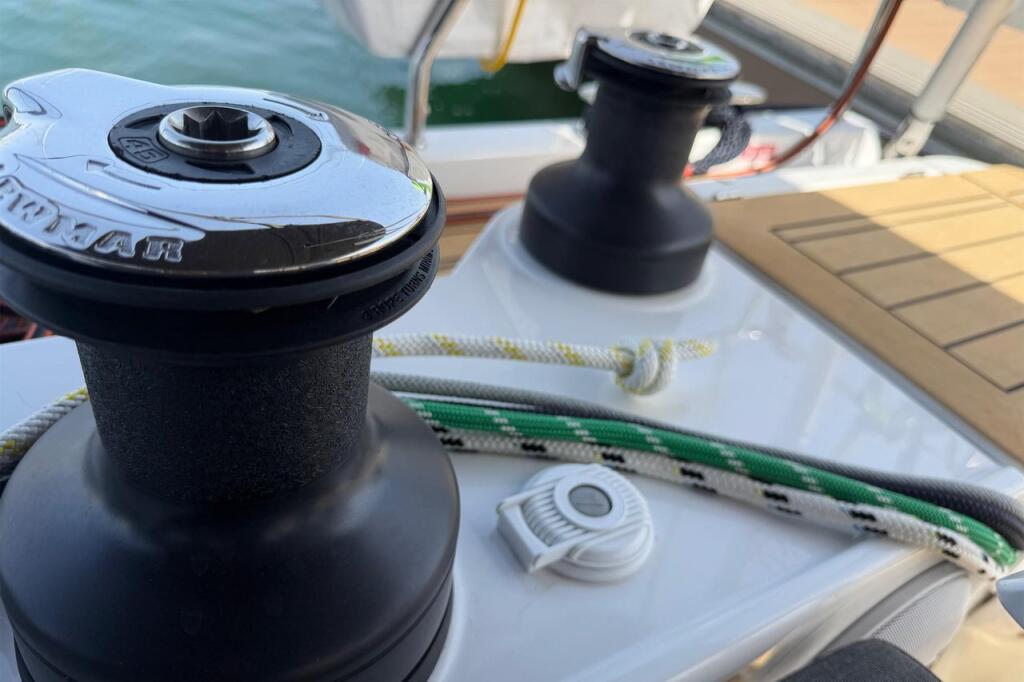
Mainsail and headsail setup should match the crew’s experience in terms of operation and sail handling.
-
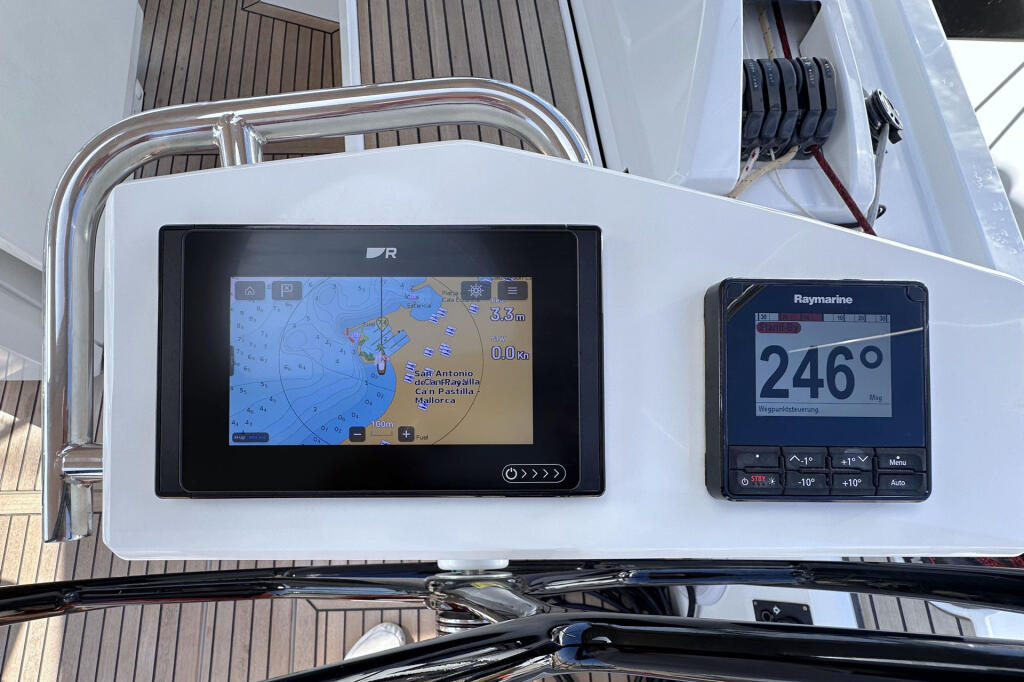
An autopilot is particularly helpful for smaller crews and on longer passages.
-
A bow thruster can make harbour manoeuvres easier on larger yachts.
-
AIS and a well positioned chartplotter support navigation in waters shared with leisure craft, ferries and commercial traffic.
-
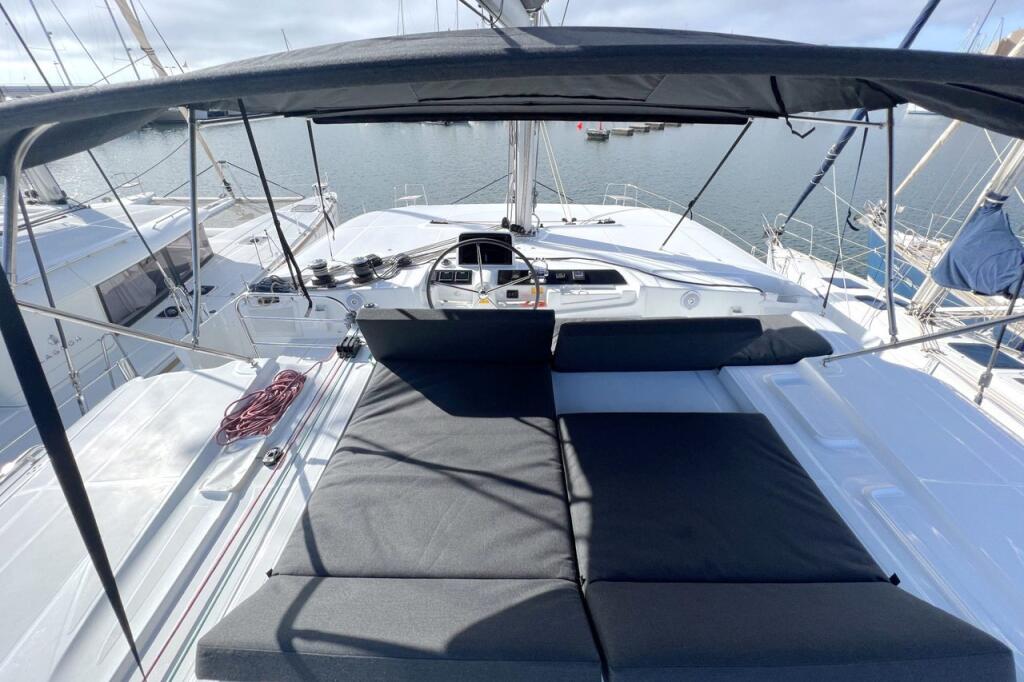
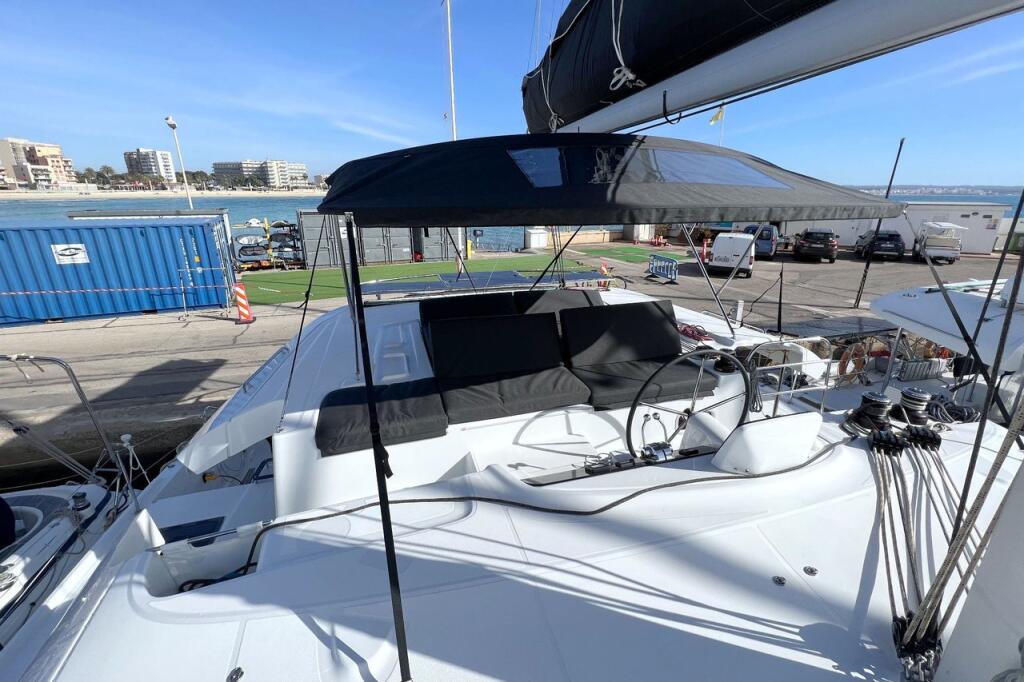
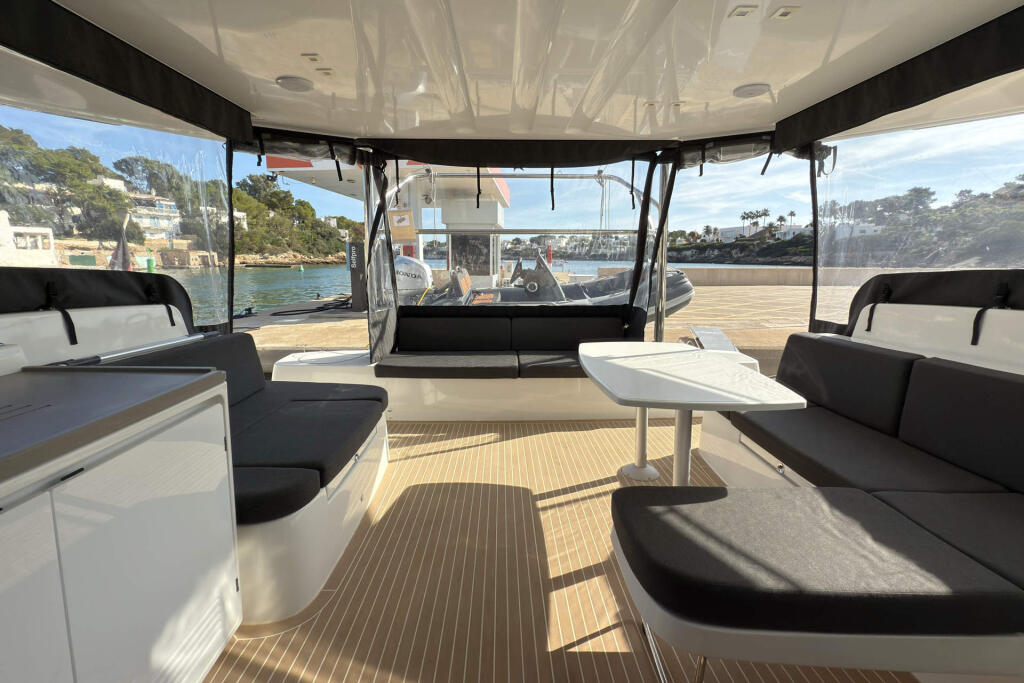
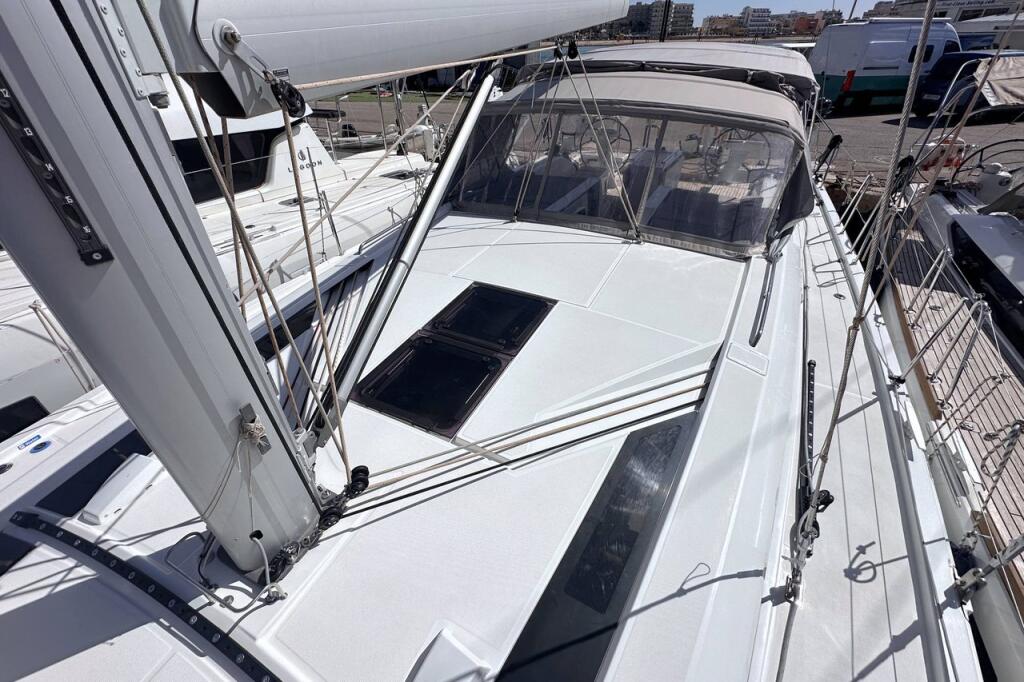
Cockpit size and a bimini are especially relevant to everyday life on board during the Mallorcan summer.
-
Good ventilation has a direct impact on comfort below deck in high temperatures.
-
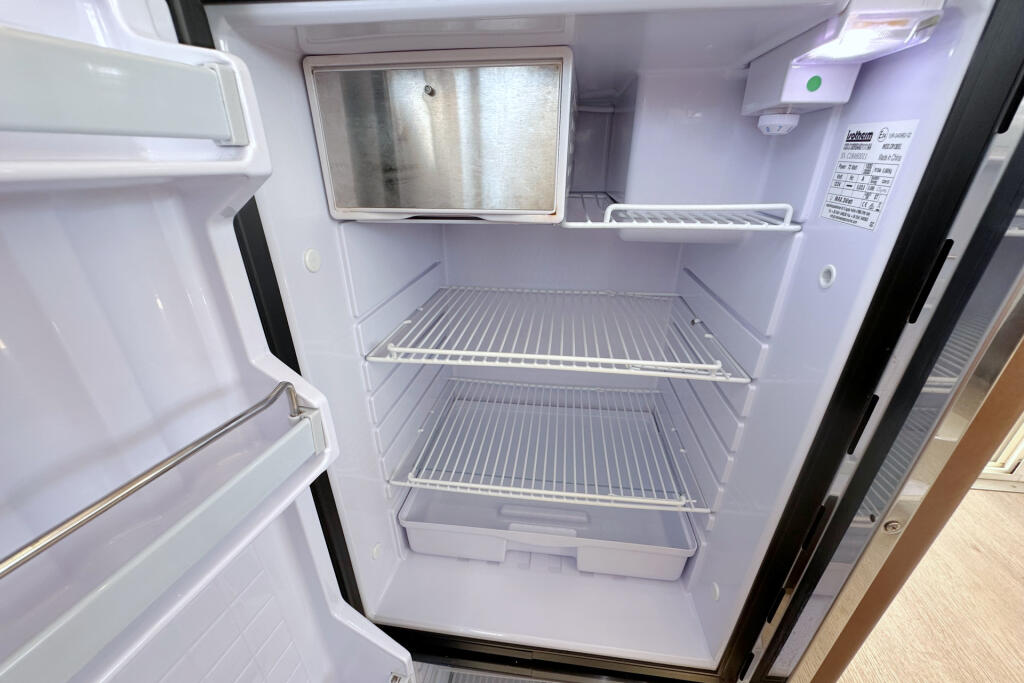
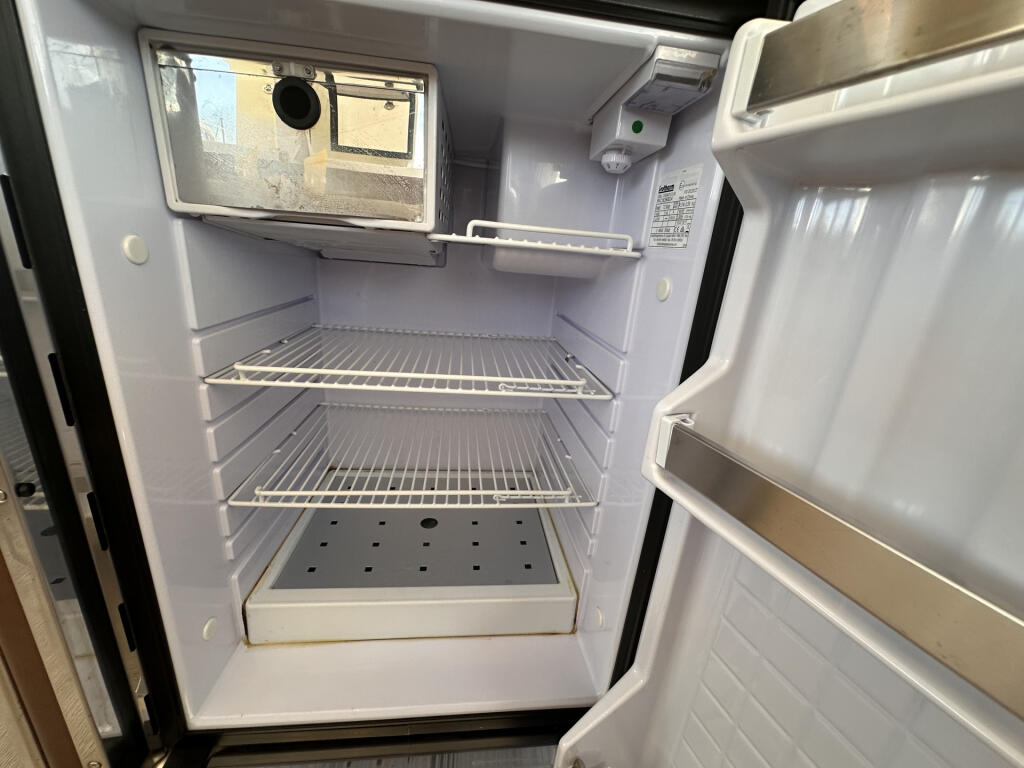
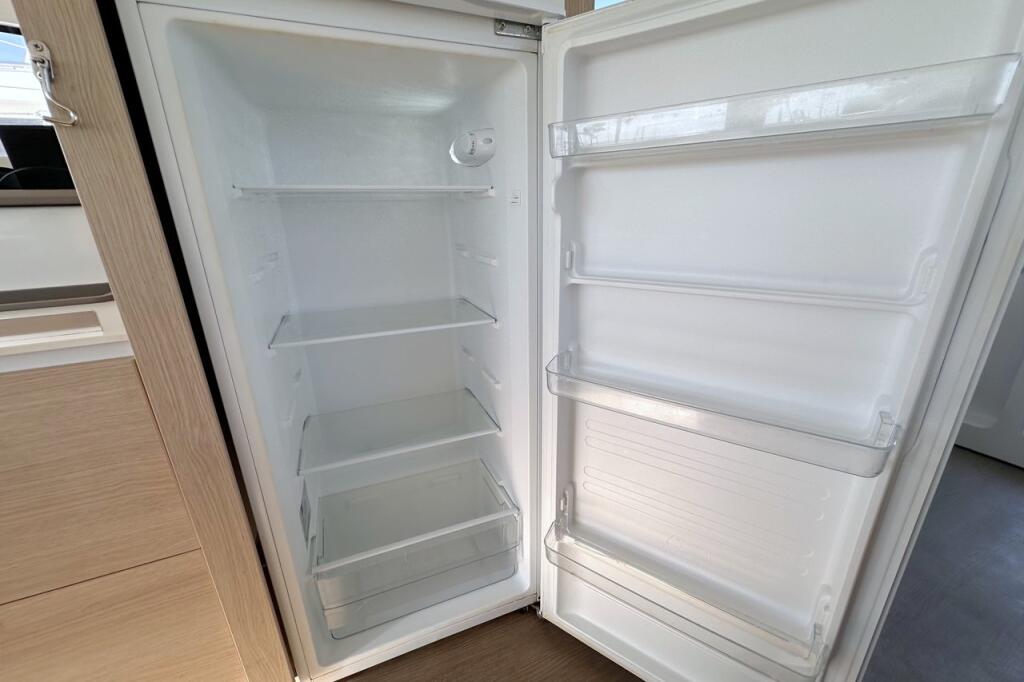
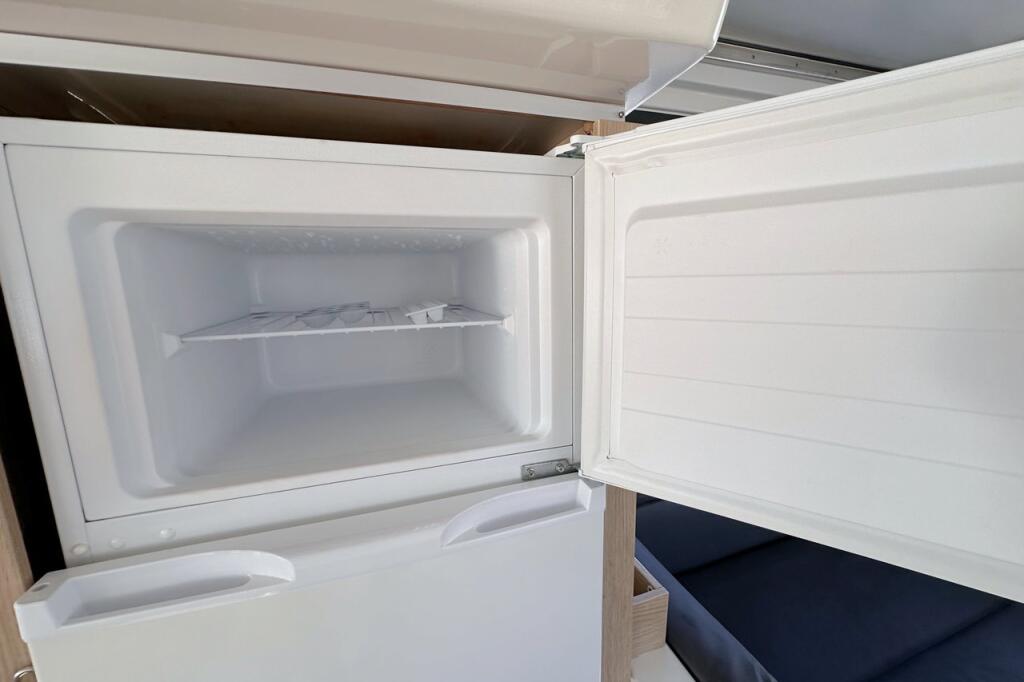
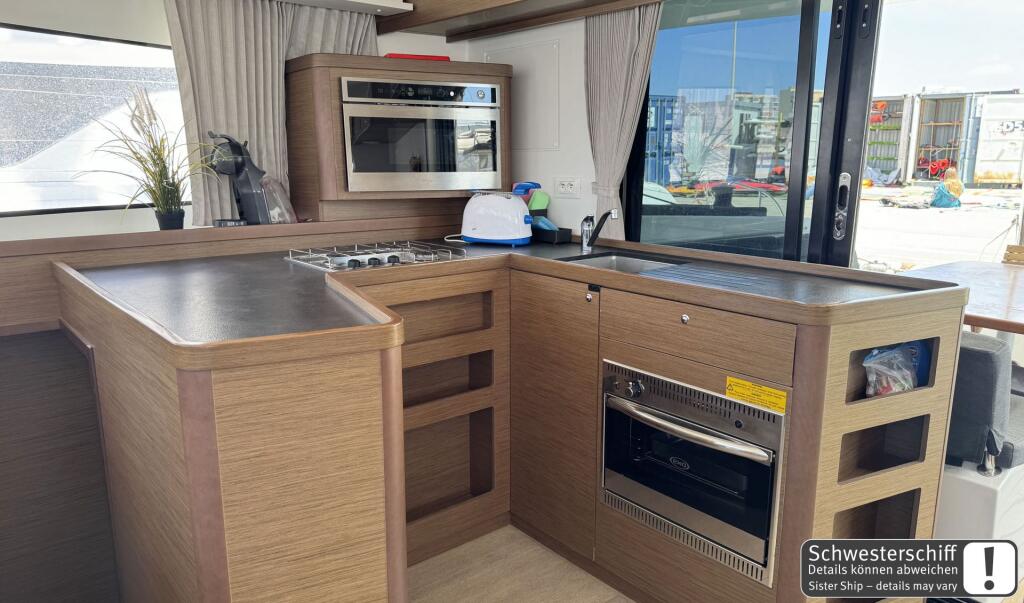
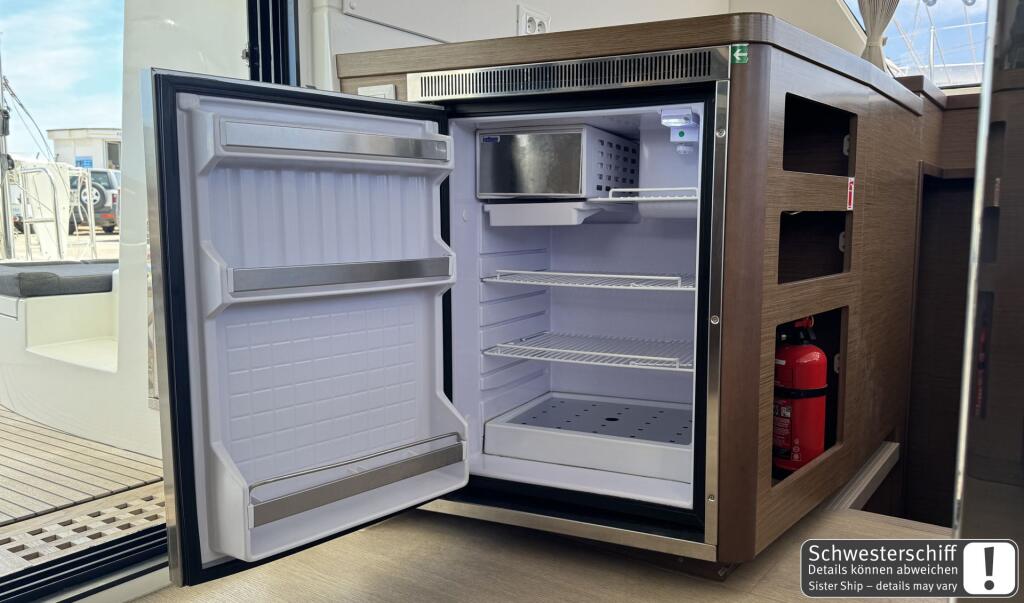
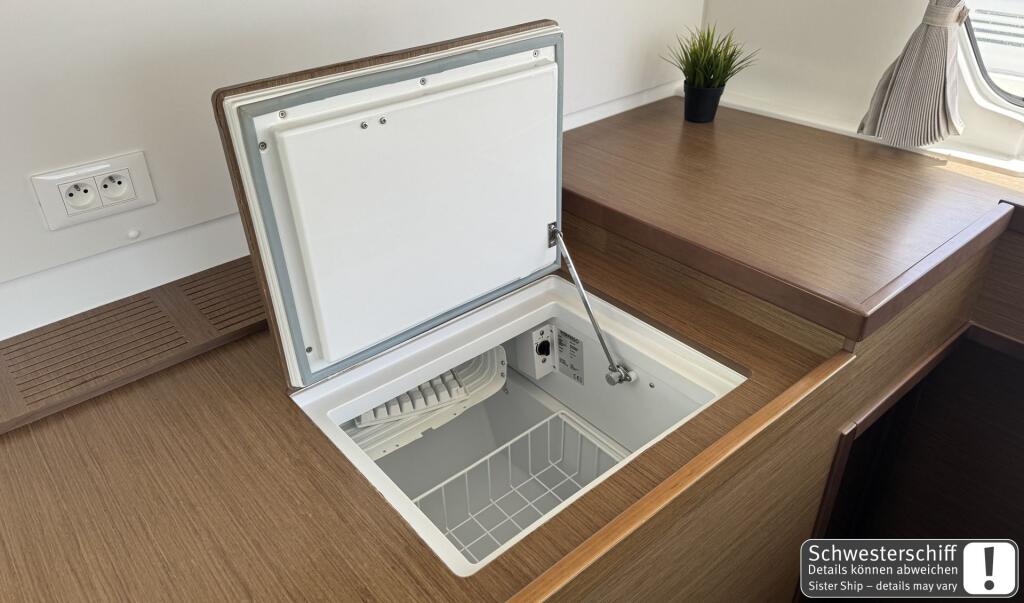
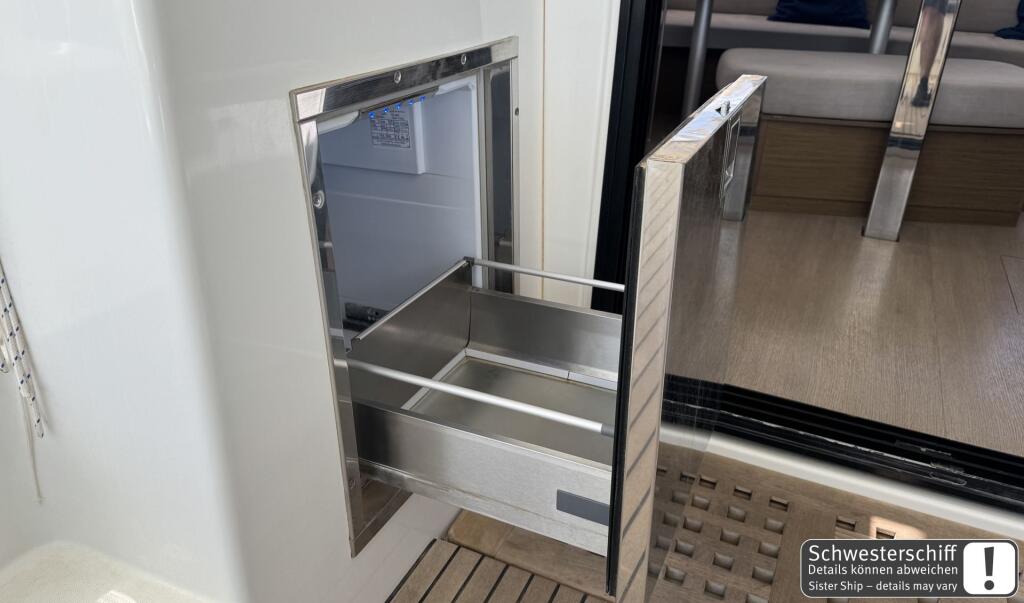
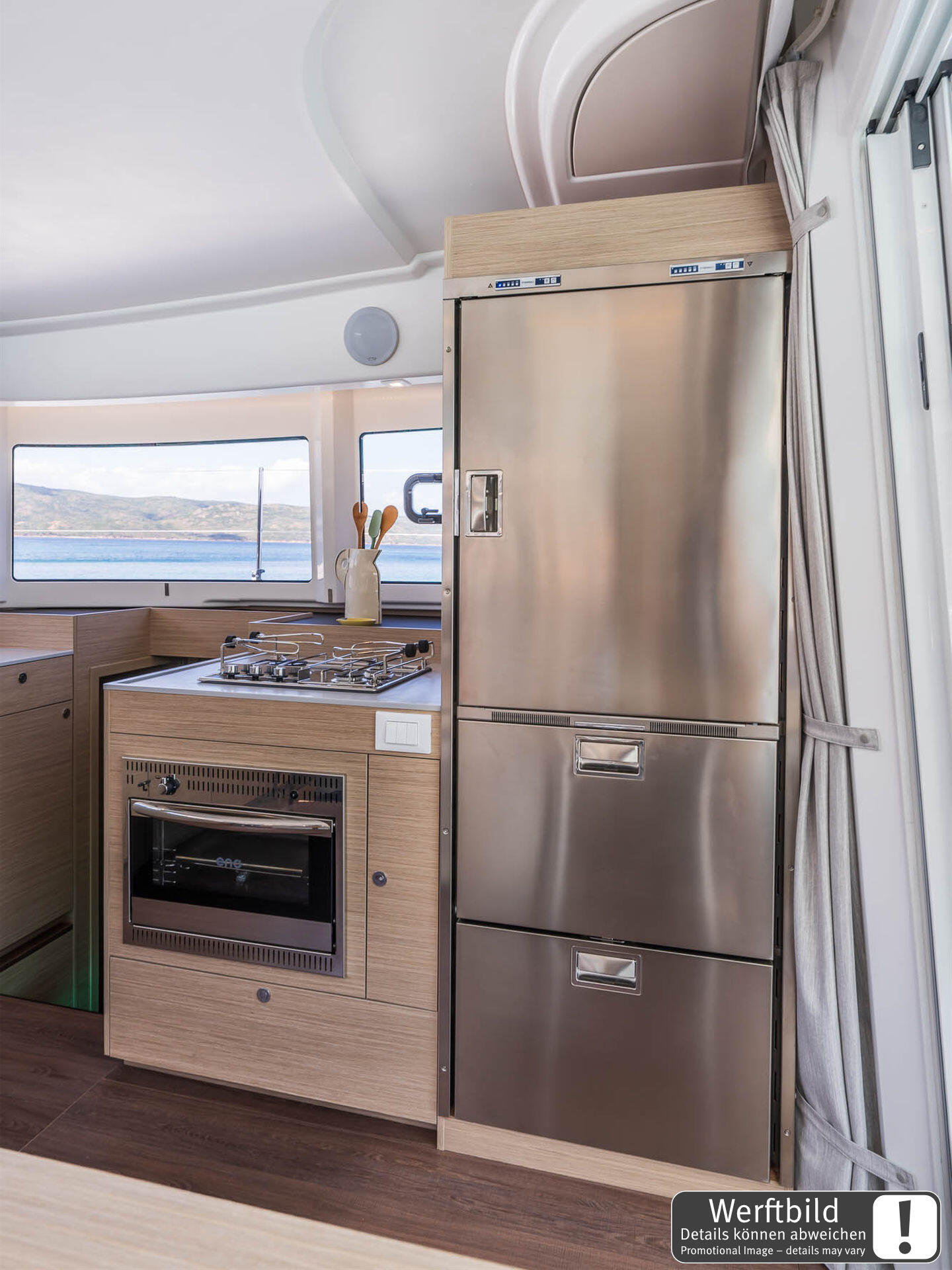
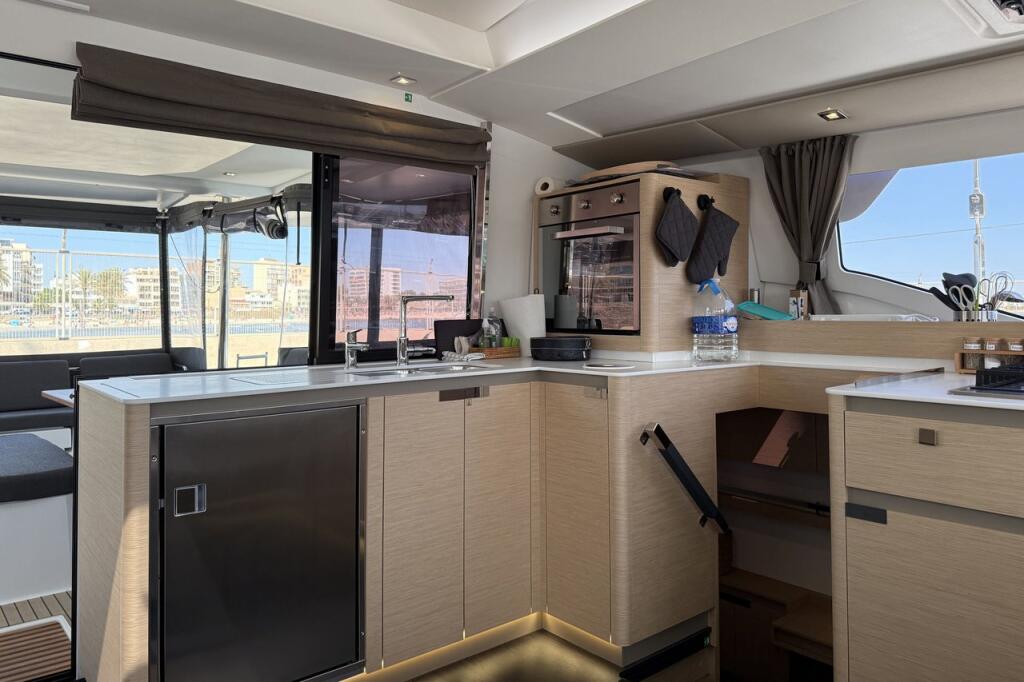
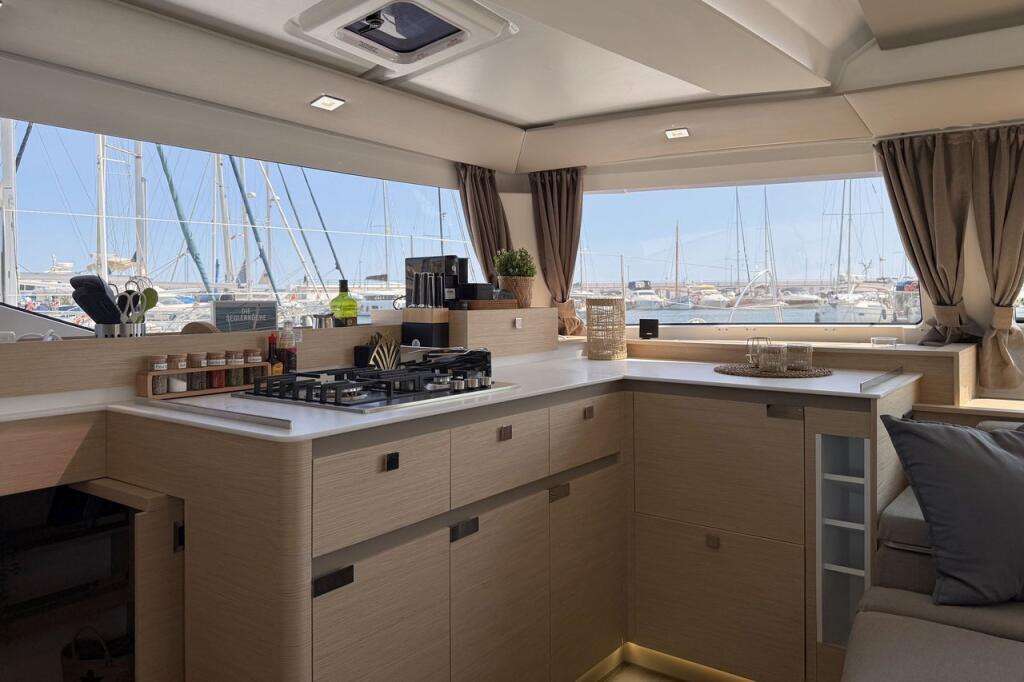
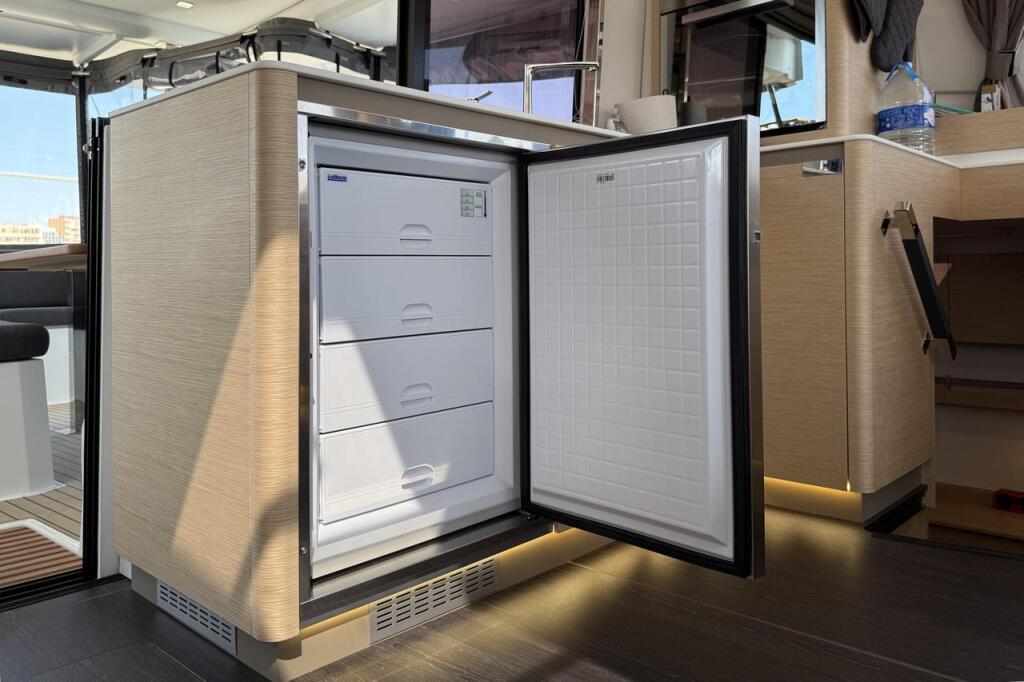
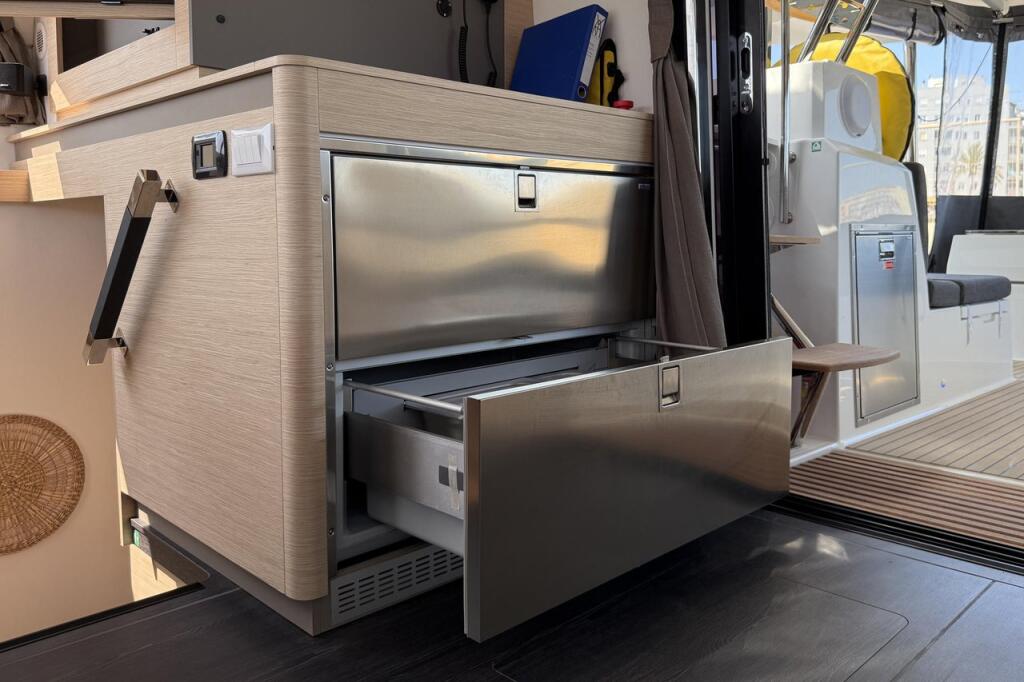
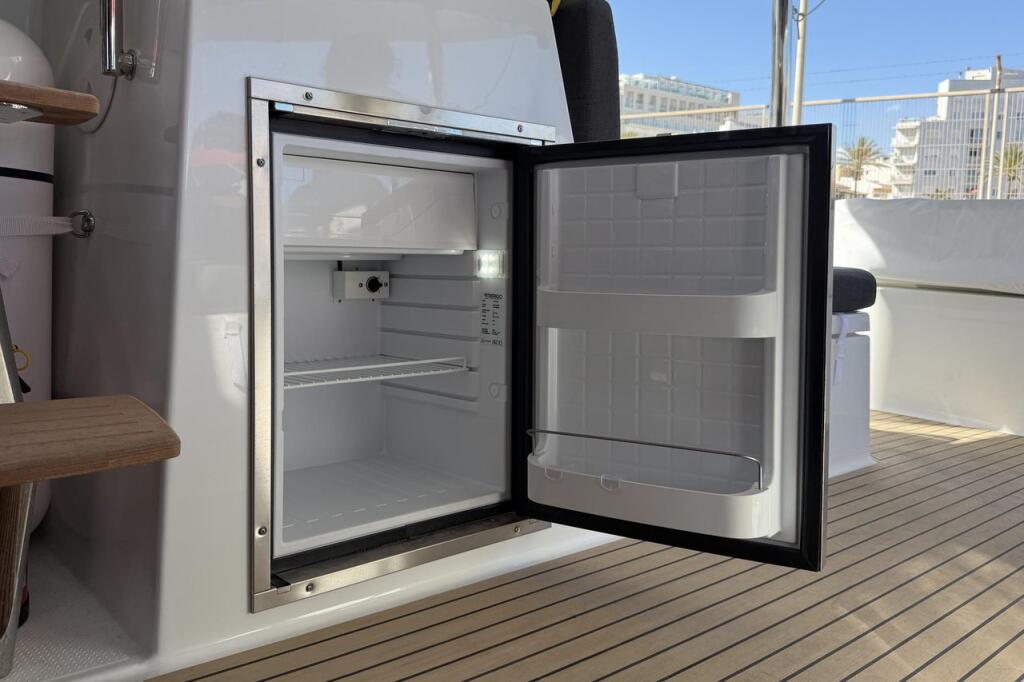
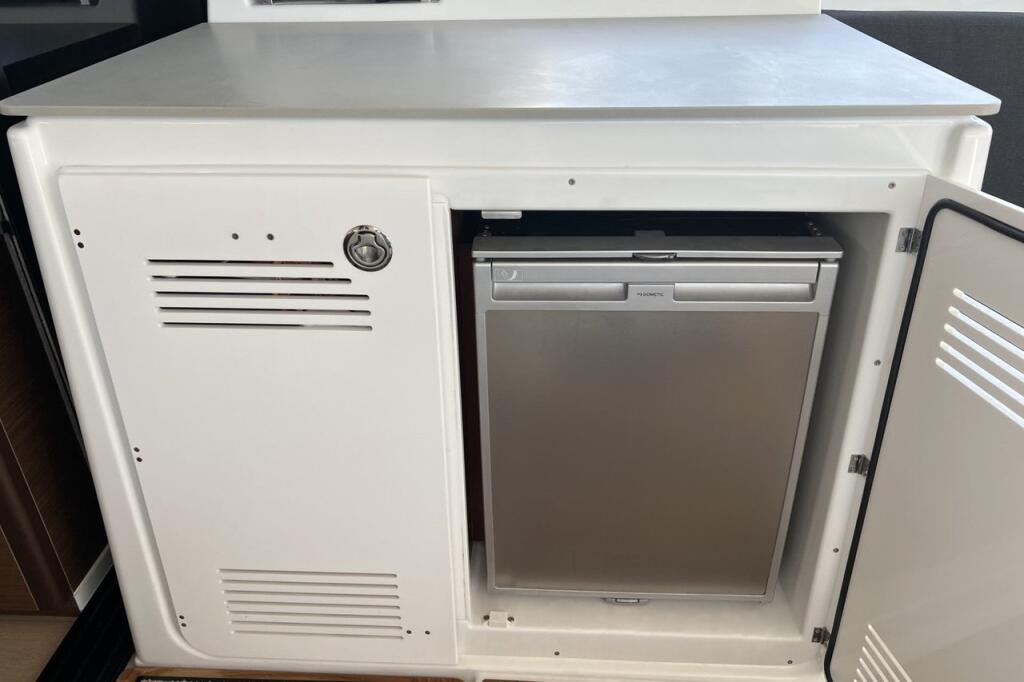
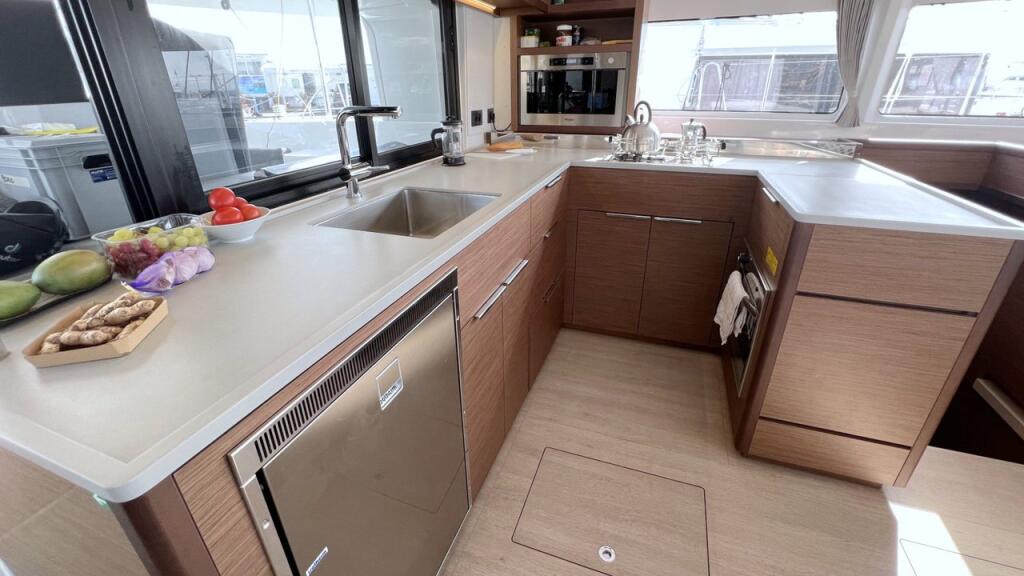
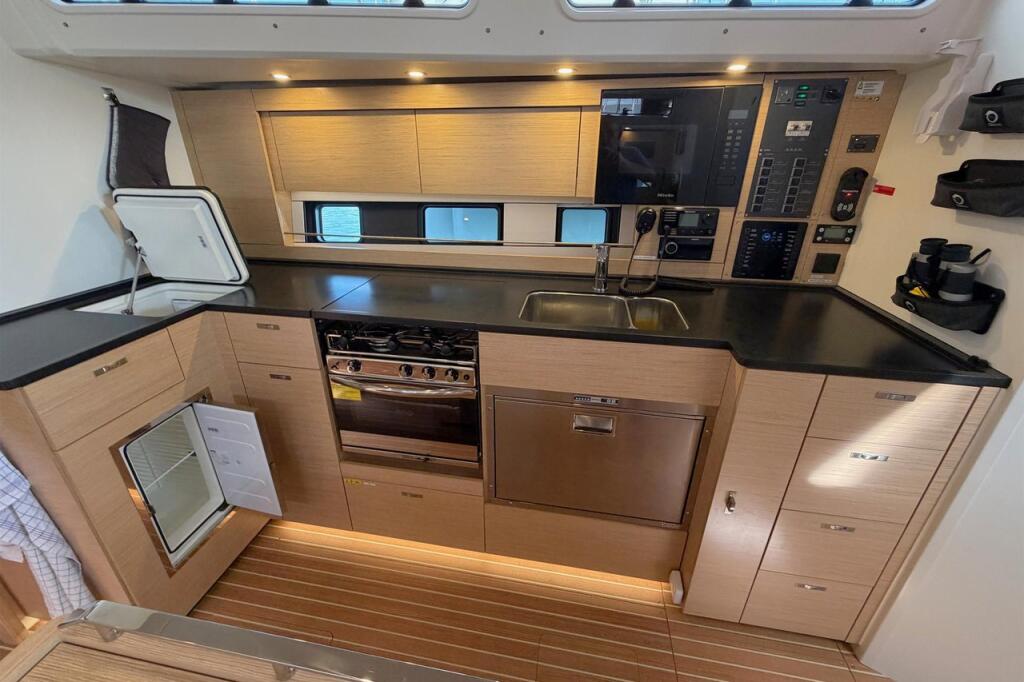
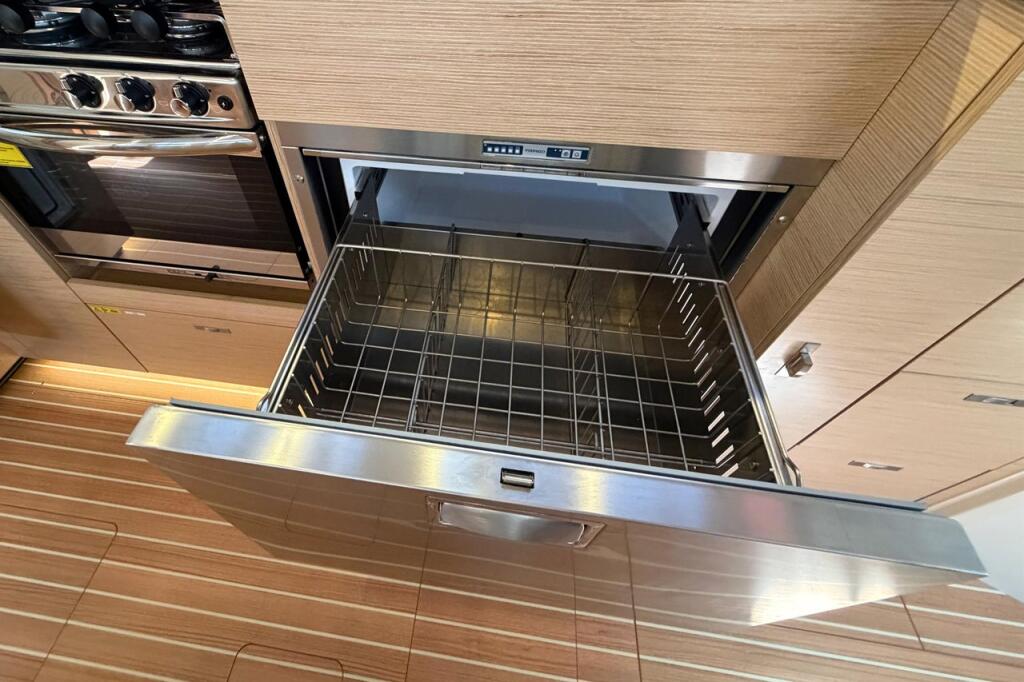
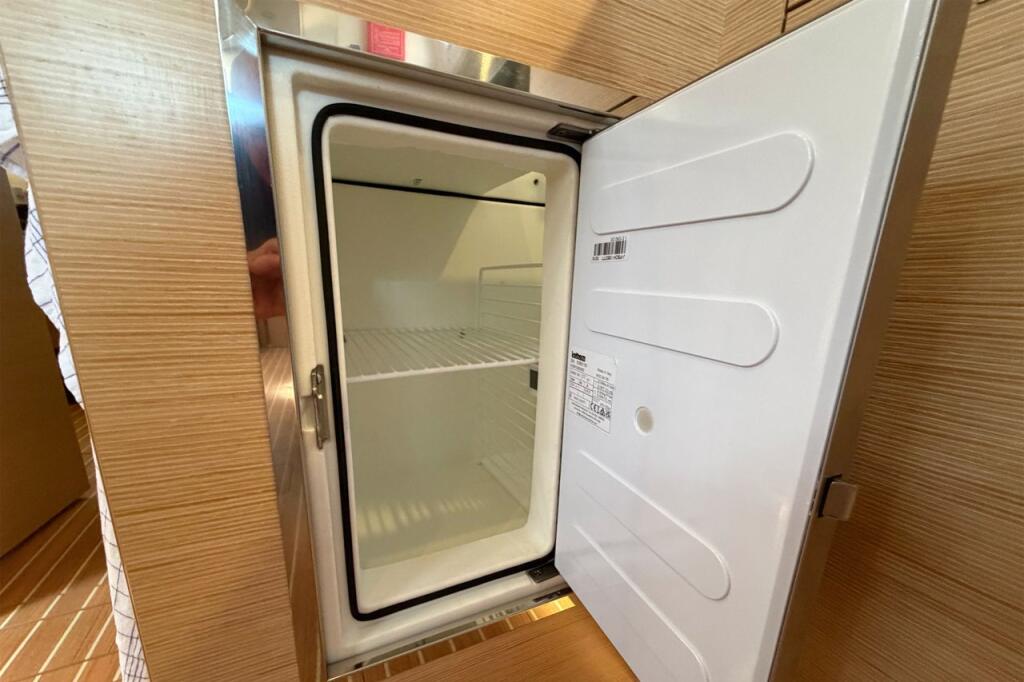
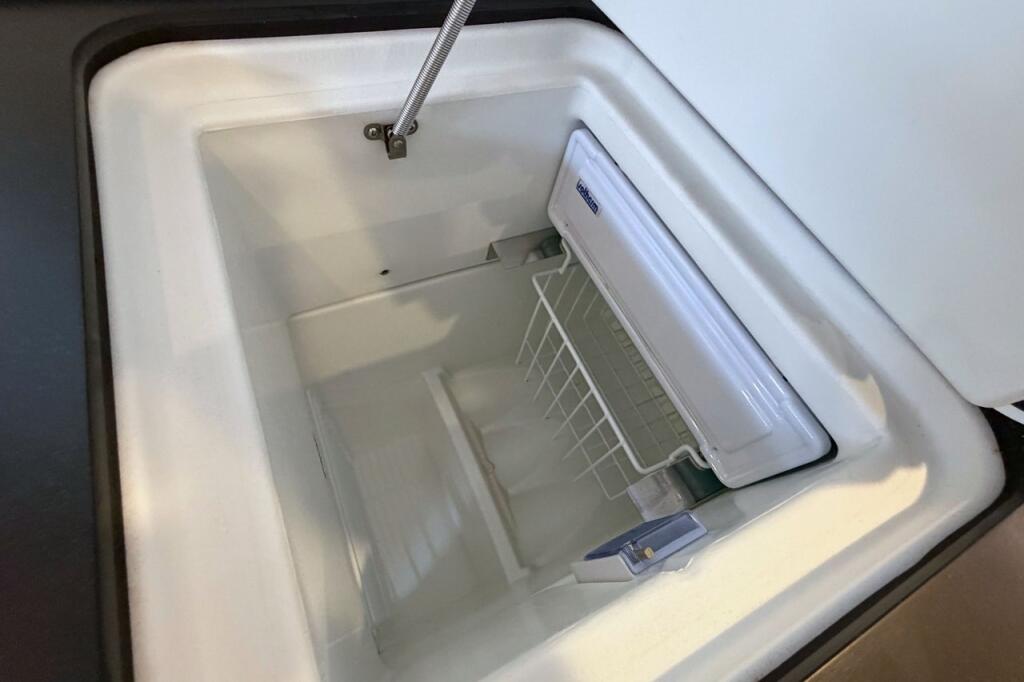
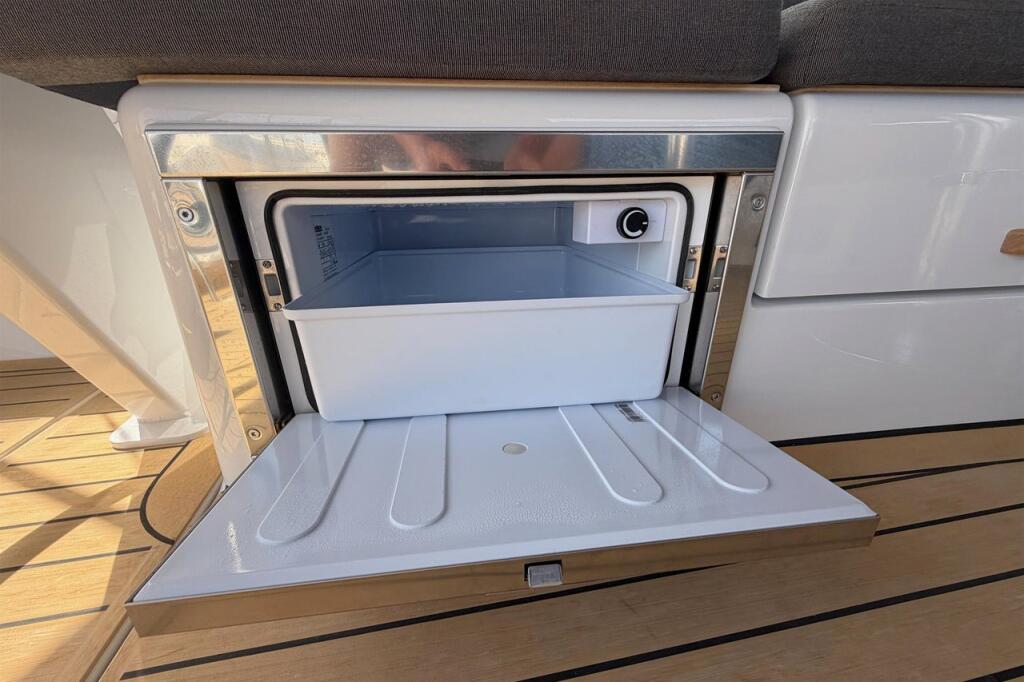
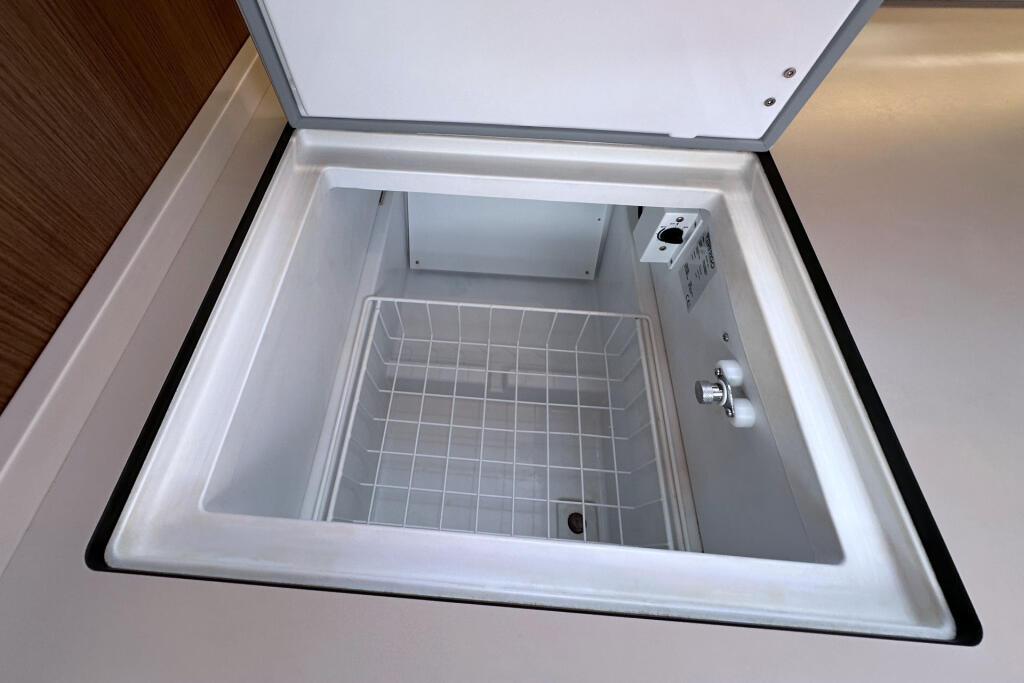
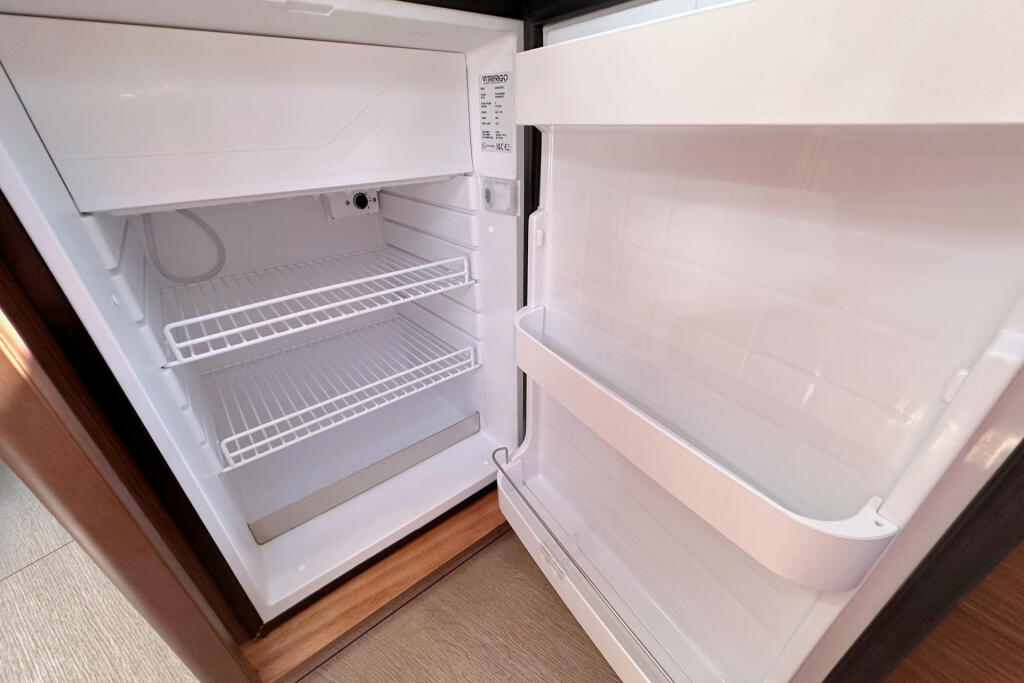
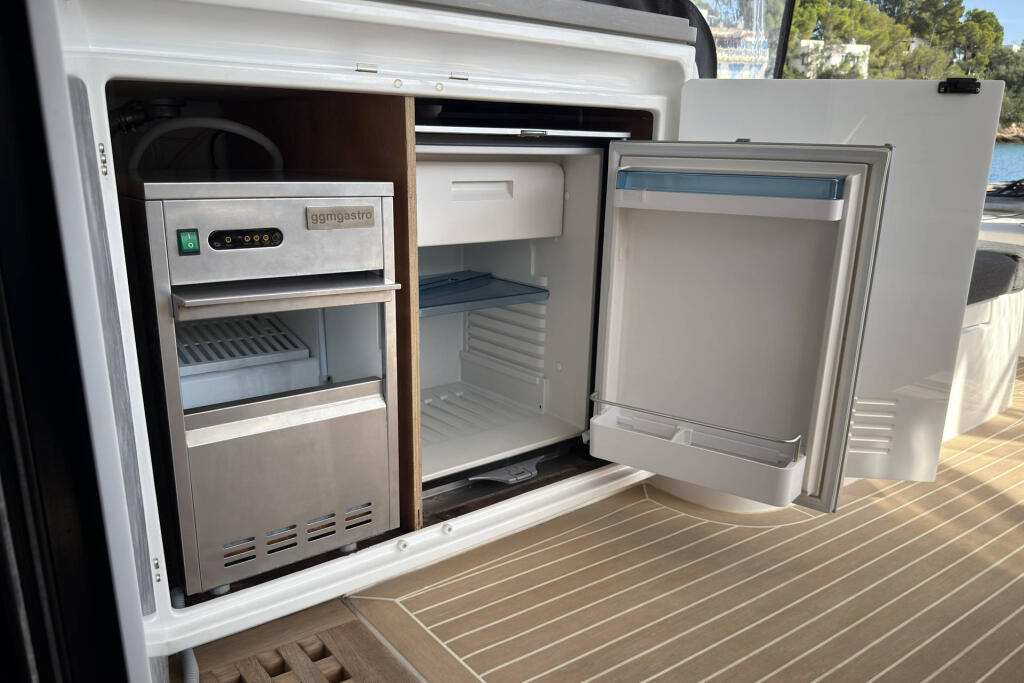
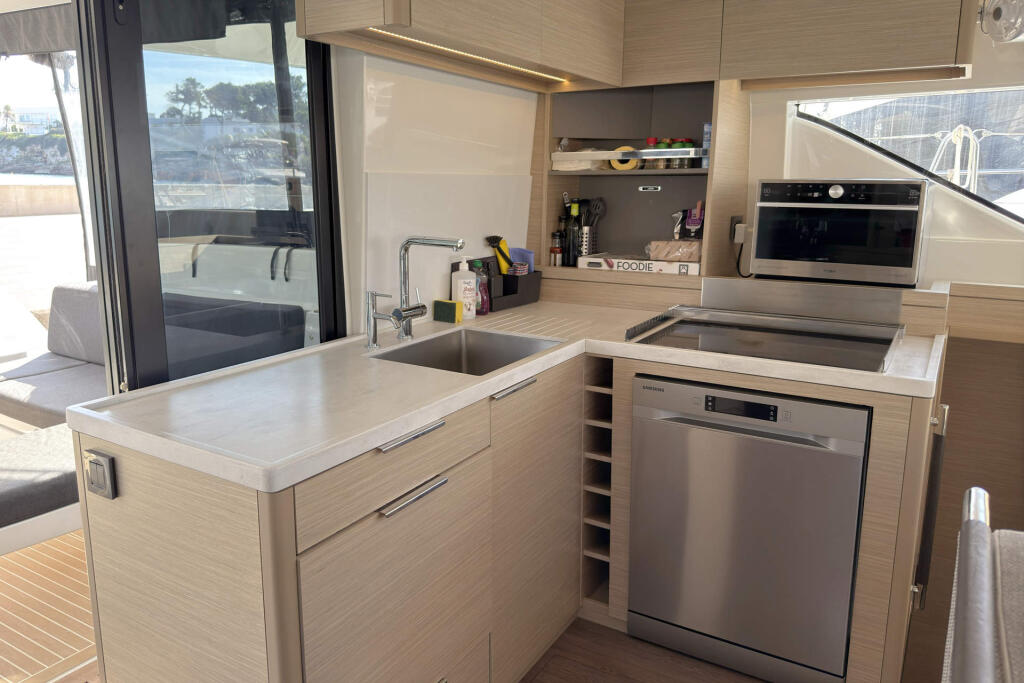
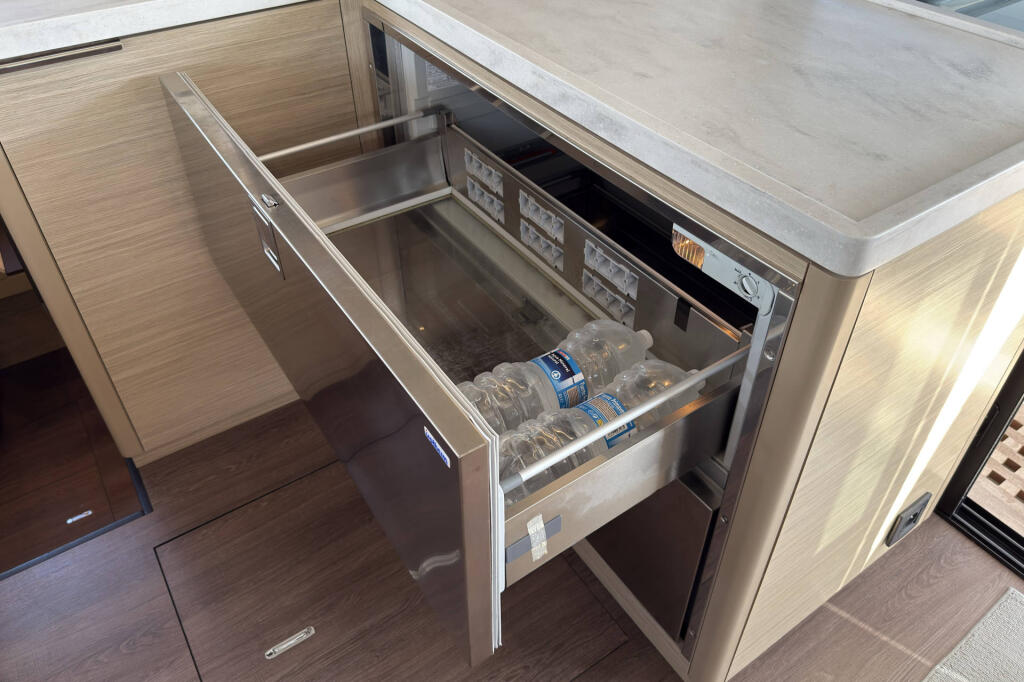
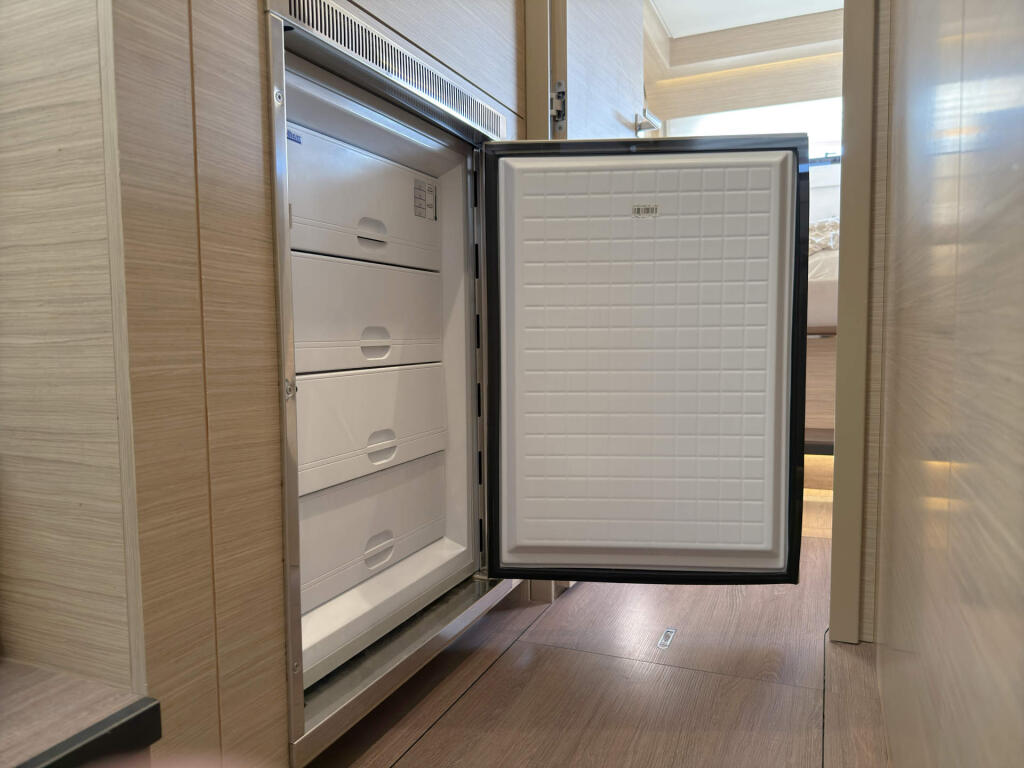
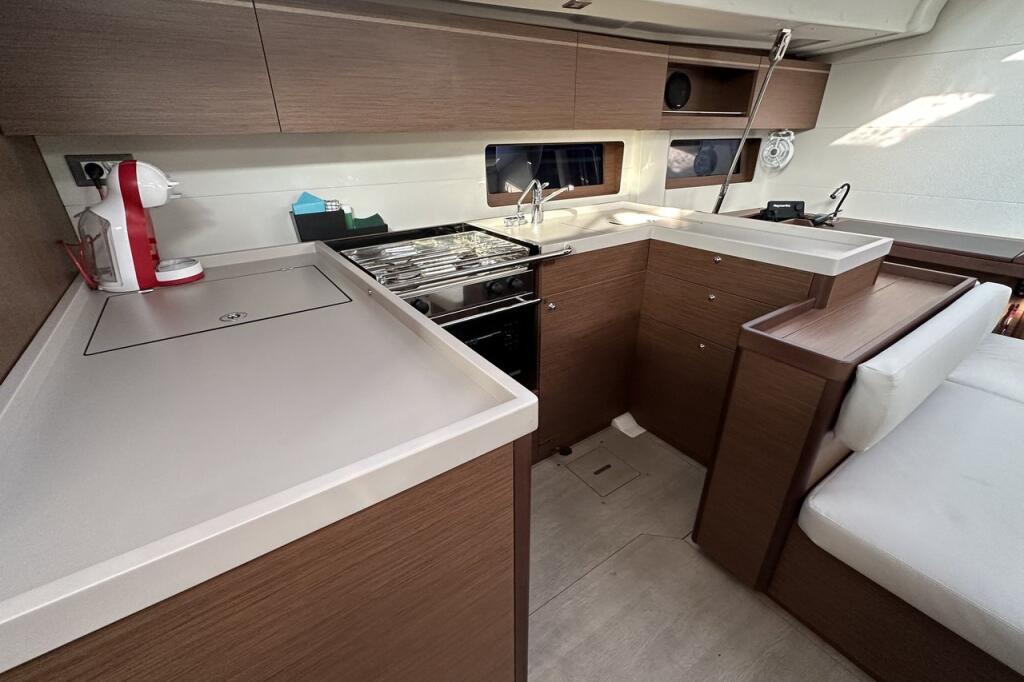
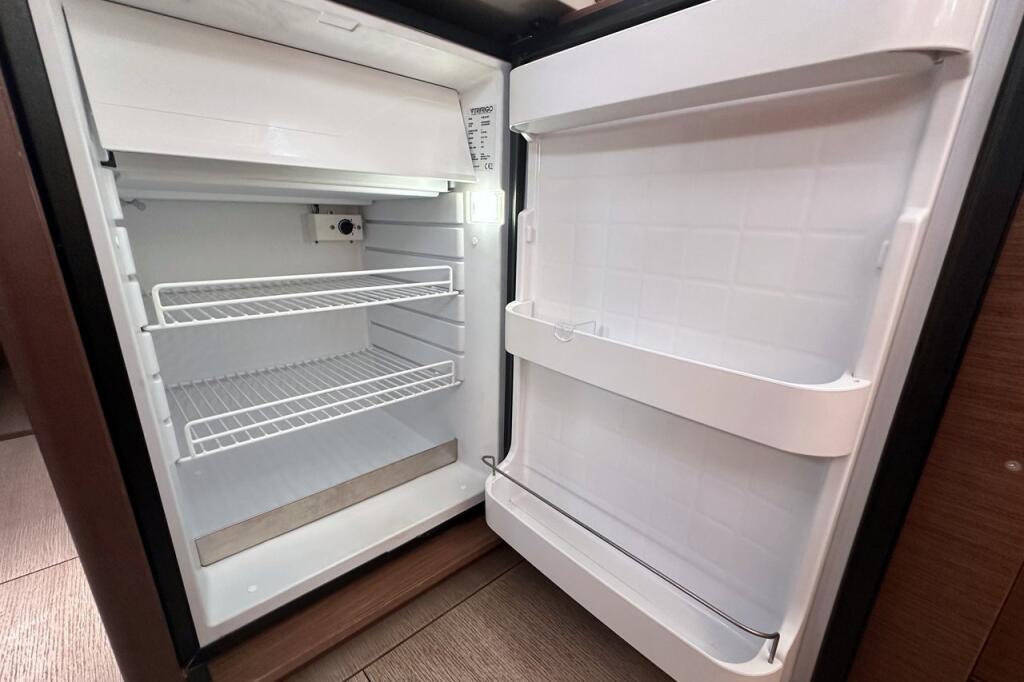
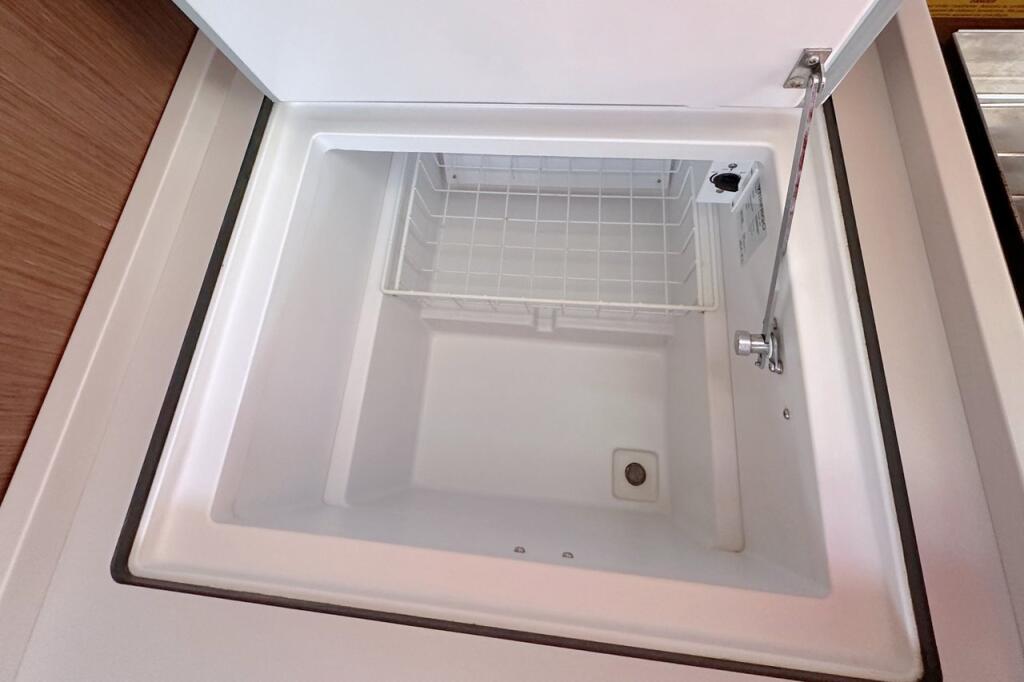
Fridge capacity and storage space become more important when several nights away from larger harbours are planned.
-
Water tank capacity should suit the crew size and the planned time between provisioning opportunities.
-
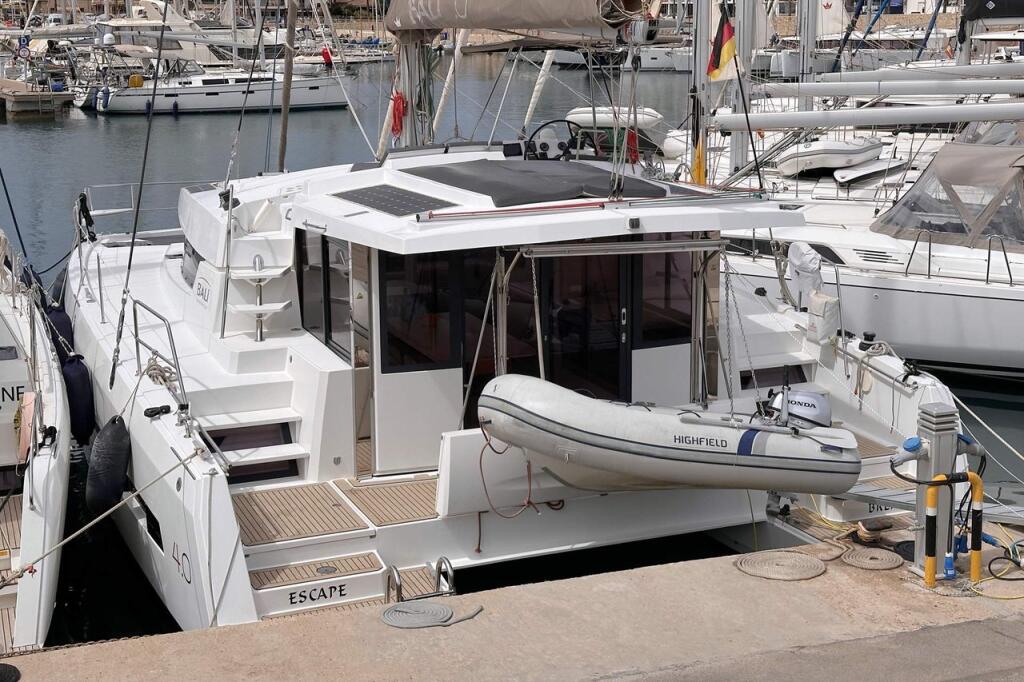
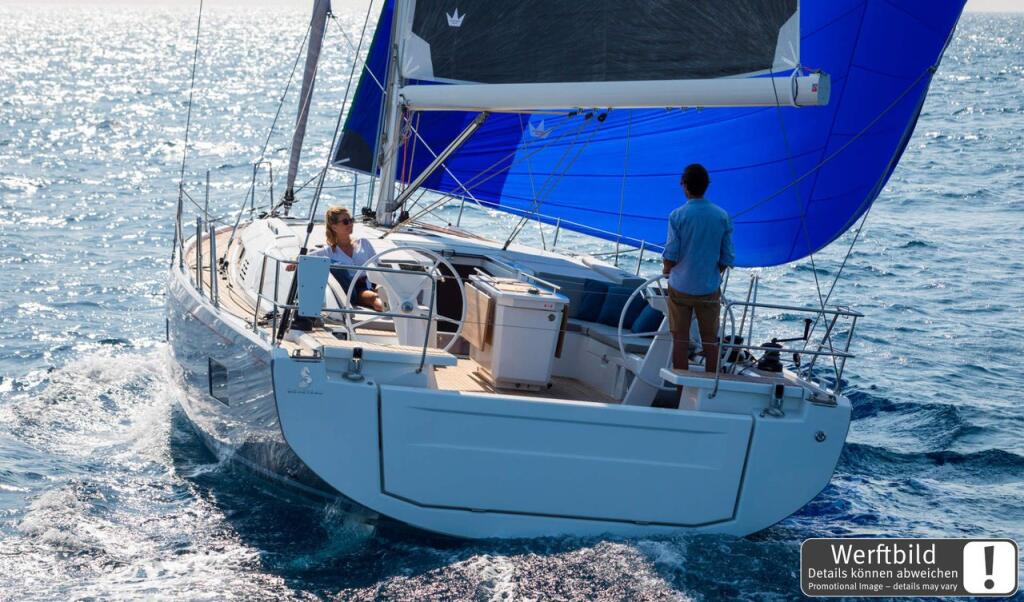
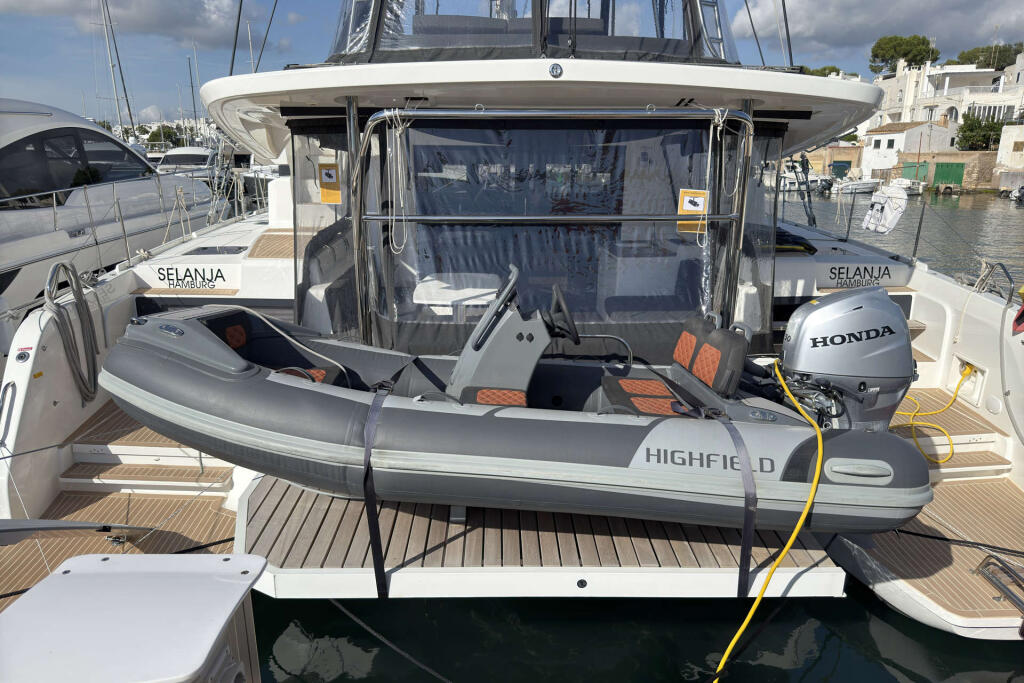
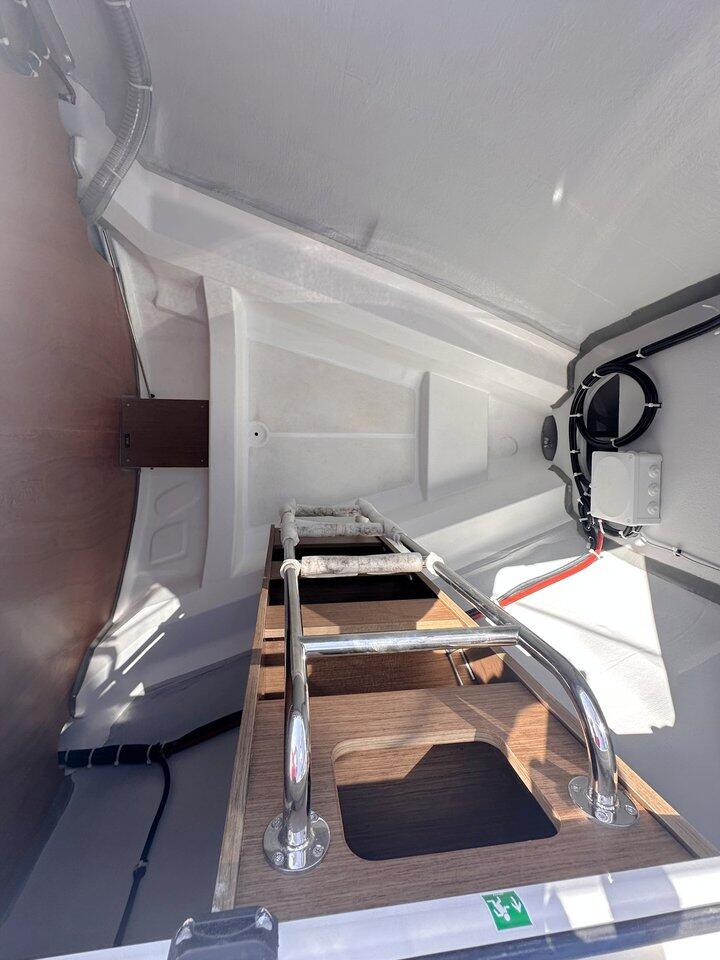
A bathing platform and easy access to the water can make a considerable difference on an itinerary with frequent swimming and anchoring stops.
-
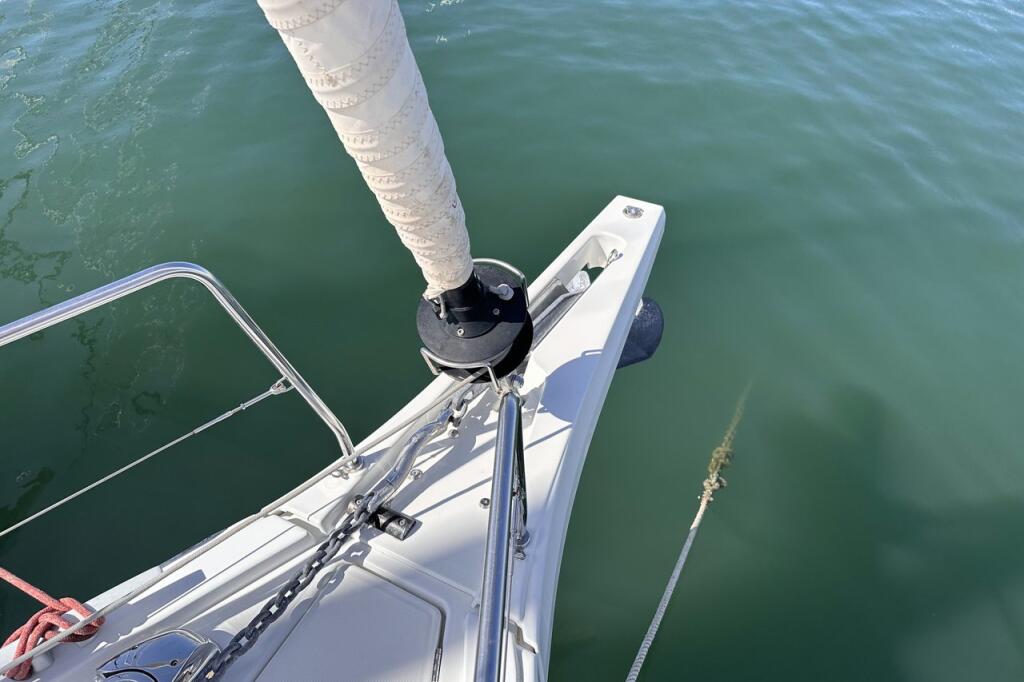
For crews planning to anchor regularly, the ground tackle, ease of operating the windlass and the yacht’s specific anchoring equipment are important points to assess.
The comparison should always focus on the yacht actually being offered. Price and length are good filters for a first selection. For the final decision, layout, equipment and the style of sailing holiday planned are usually far more informative.
Mallorca charter base in the Bay of Palma
Our charter base in Can Pastilla
Our charter base in Can Pastilla is located directly on Mallorca’s south coast in the Bay of Palma. The setting is more urban and better served by infrastructure than many smaller island harbours. That brings clear advantages at the start of a charter: shopping, restaurants and other services can all be arranged in the town itself or in the surrounding urban area.
Its proximity to the airport significantly simplifies arrival day logistics. This is particularly useful for crews whose members arrive on different flights. Likewise, after the charter, a late return flight does not automatically mean planning a long transfer across the island.
Before departure, enough time should be allowed for provisioning, personal equipment and the yacht handover. Food, drinks and heavier supplies are far easier to organise before casting off than later in small bays. Anyone planning a week with several nights at anchor should take water, provisions and refrigeration capacity into account accordingly.
As in any harbour, entry and departure must be assessed in light of weather and sea state. In strong onshore winds, local conditions at a harbour entrance can be considerably more demanding than in calm weather. The current situation and any guidance from the base team should therefore form part of the preparation before the first departure manoeuvre.
Where can you sail from Can Pastilla?
From Can Pastilla, a charter week can be shaped into very different Mallorca itineraries. The key question is usually not how many destinations can be squeezed into one route, but which stretch of coast best matches the weather, the crew and the desired balance between sailing time and time ashore.
Four directions are particularly obvious: the Bay of Palma with the southwest coast, Mallorca’s south coast, Cabrera and the southeast coast. These areas can be explored individually or combined depending on conditions. A fixed route should always be treated as a planning basis, not as an obligation.
Bay of Palma and Mallorca’s southwest coast
The Bay of Palma is the most natural first stage when sailing from Can Pastilla. It offers ample space for an initial leg during which the crew can become familiar with the yacht, sail handling and navigation. Anyone wishing to leave on handover day does not need to plan a long passage immediately.
Heading west, the route passes Palma and reaches the coastline beyond the island’s capital. Here, urban harbours, smaller bays and more varied coastal sections alternate with one another. This route suits crews who want to combine harbour stops with swimming days and time at anchor.
Further southwest, the coastline becomes more distinctive. Destinations around Santa Ponça, the Malgrats Islands or Port d’Andratx can all form part of an itinerary when weather and schedule allow. On a one week charter, however, there is no need to push as far west as possible. In many cases, a route with a few carefully chosen stops is far more enjoyable.
West of the Bay of Palma, the shelter provided by the island increases or decreases depending on wind direction. Crews intending to continue towards Dragonera and the northwest coast should study the forecast with particular care. Exposed headlands and longer stretches of coast with limited alternatives demand a different level of planning from short legs within the bay.
The southwest is therefore an excellent choice for crews who want to experience contrasting harbour settings and coastal scenery without leaving Mallorca. If the weather becomes uncertain, the cruise can also be turned back earlier and refocused on the Bay of Palma.
Mallorca’s south coast to Colònia de Sant Jordi
Sailing east from Can Pastilla, the character of the cruising ground changes quickly. Beyond the Bay of Palma begins the south coast, with longer open coastal stretches, headlands and bays. This direction suits crews who want to combine slightly longer sailing days with quieter stops at anchor.
Cala Pi and other bays along the south coast can be attractive intermediate destinations in suitable conditions. Further east, flatter coastal sections and long beaches shape the scenery. Around Es Trenc and Colònia de Sant Jordi, the atmosphere is clearly different from the more urban Bay of Palma.
For passage planning, wind direction and swell are decisive. A bay that offers good shelter in one weather pattern may become unsuitable if the wind shifts. Night anchorages should therefore always be chosen in line with the current forecast, the seabed and the expected wind development.
There is another important point in the Balearics: Posidonia seagrass meadows are protected. Anchoring on Posidonia is not permitted. Before dropping anchor, skippers must check the seabed, local regulations and, where relevant, established mooring buoy fields.
Colònia de Sant Jordi is also a practical starting point for further planning towards Cabrera or Mallorca’s southeast. Whether those destinations should be included in the same itinerary depends on the weather and on how much time the crew genuinely wants to spend under sail.
Cabrera Archipelago
The Cabrera archipelago south of Mallorca is one of the most distinctive route options from Can Pastilla. As the island group is a national park, it differs fundamentally from a standard harbour or bathing destination. Navigation, visiting and overnight stays are subject to conservation and reservation rules that must be considered before the voyage begins.
A leg to Cabrera combines coastal sailing with an open water passage. For crews used mainly to short hops between neighbouring harbours, this creates a different style of cruise. Weather windows, sea state and time reserves therefore deserve greater weight in the planning.
Within Cabrera’s protected harbour area, yachts moor to designated buoys. An overnight stay should not be treated as a spontaneous fallback for another anchorage. The current permit, reservation and environmental regulations must always be checked before visiting.
Ashore, Cabrera is intentionally only lightly developed. That is precisely what sets it apart from Mallorca’s more tourism driven and nautically developed coasts. Crews should plan provisions and onboard supplies in advance and be familiar with the limitations of a protected natural environment.
For a one week yacht charter from Can Pastilla, Cabrera can be integrated very well into a south coast itinerary when weather and reservations align. In unfavourable conditions, the route should still work without Cabrera. Good passage planning therefore always includes an equally strong alternative along Mallorca’s coast.
Mallorca’s southeast coast to Portocolom
Those who continue east from the south coast reach a cruising ground with numerous calas and several sheltered harbour options. The southeast coast is one of the stretches where the classic Mallorca charter blend of sailing, anchoring and going ashore comes together particularly well.
Areas around Porto Petro, Cala d’Or and further north towards Portocolom offer varied possibilities for intermediate stops. Small coves can be ideal for swimming breaks or quiet afternoons, while harbour towns provide supplies and a secure berth. During high season, stronger demand should be expected.
The coastline may look intricate on the chart, but that does not mean every cala is suitable for an overnight stay in every wind direction. Entrance, swell, seabed, wind direction and available space all need to be assessed in each case. Especially in summer, popular bays are often already busy early in the day.
For a week from Can Pastilla, the southeast coast is a realistic objective provided the crew does not try to link together too many stops. A turning point around Porto Petro, Cala d’Or or Portocolom can be chosen flexibly according to the weather, the yacht’s speed and the progress of the trip so far.
This route differs from the southwest primarily in its stronger focus on calas and smaller coastal towns. Crews who enjoy anchoring and do not want to begin every morning with a fixed harbour plan will find many options here. Close attention to the weather remains the key to maintaining that flexibility.
Mallorca Yacht Charter from Can Pastilla
Mallorca combines coastal sailing with passages around exposed headlands and a large number of very different harbours and bays. The character of a cruise depends greatly on which part of the island a crew chooses. The Bay of Palma is nautically very different from the southeast coast, and Cabrera offers a very different experience from a harbour stop in Palma or Portocolom.
During the warmer months, the thermal sea breeze plays an important role in Mallorca. Particularly in the Bay of Palma, a good sailing breeze can build during the day. This familiar pattern does not replace a weather forecast. Larger pressure systems, thunderstorms or strong regional winds can alter the local rhythm significantly.
For many crews in Mallorca, anchoring is a much more central part of the trip than in cruising grounds sailed almost exclusively from harbour to harbour. As a result, ground tackle, dinghy, bimini, fridge and water supply become more important in practical terms. At the same time, anchoring requires special care because of the protected Posidonia meadows, which makes seabed selection a key part of responsible passage planning.
For that reason, a Mallorca charter does not need to consist of long daily distances. A one week trip often works better with moderate stages and enough reserve for weather changes or an extra day in a particularly good bay. If every evening depends on reaching a distant target, an important part of the cruising ground’s flexibility is lost.
Passages to other Balearic islands are a different planning category altogether. They involve longer open water crossings and require more time in reserve than a pure coastal cruise around Mallorca. For many one week crews, Mallorca itself already offers more than enough variety, without another island needing to form part of the route.
When is the best time for yacht charter in Can Pastilla?
The sailing season in Mallorca can usefully be divided into early season, high season and late season. The best time depends on whether warmth, swimming, quieter harbours or more active sailing take priority.
In spring, air and water temperatures are still cooler than in midsummer. In return, harbours and bays are often less busy. April and May can be attractive for crews who want to sail extensively and do not require peak summer heat. At the same time, more changeable weather should be expected, and suitable clothing should be planned accordingly.
In June, air and sea temperatures rise noticeably. The Mediterranean summer has begun, while demand in many places still remains below the level of the main holiday period. For crews wishing to combine swimming, anchoring and sailing, this is often an appealing time.
July and August bring the highest temperatures and the greatest pressure on popular harbours and calas. Shade in the cockpit, sufficient drinks, good ventilation and reliable cooling become especially important. When planning a route, it is wise to prepare alternatives to well known anchorages and not to leave berth planning too late for harbour stops.
September often combines warm water with somewhat lower occupancy after the main holiday weeks. For many experienced crews, this is an attractive period. At the same time, it becomes more important to follow the development of larger weather systems closely, as the transition into autumn gradually begins.
In October, Mallorca can still offer rewarding sailing, but conditions are less summery, and periods of rain or strong winds may occur more frequently. Anyone chartering at this time should allow more flexibility in the daily plan. What matters most is therefore not a single “best” month, but which set of conditions suits the crew best.
Yacht charter for couples, families and experienced crews
Couples and well practised two person crews often benefit from a yacht whose sails and manoeuvres can genuinely be handled by two people. An autopilot, a clear deck layout and lines that are easy to reach are often more valuable in daily use than extra cabins. Harbour manoeuvres should also be considered when choosing yacht size.
Families primarily need a functional living space on board. A safe and practical cockpit, sufficient shade, storage space and easy access to the water can be more important than sporty sailing characteristics. In terms of route planning, shorter daily stages and several possible stops are helpful if wind conditions or the crew’s mood make a change of plan advisable.
Larger or mixed crews should pay close attention to cabin distribution, heads and shared living areas. At the same time, it needs to be clear who will actually sail and who can take part in manoeuvres. A larger yacht creates more space, but in harbour and during certain manoeuvres it often also requires more coordination.
Experienced crews can place greater emphasis on sailing performance and the intended route when selecting a yacht. Anyone planning longer coastal stages or a visit to Cabrera will assess autopilot, navigation, sail configuration and tank capacity differently from a crew intending to sail only a few hours each day between neighbouring bays.
Which equipment is important when sailing around Mallorca?
A bimini is one of the most relevant features on a yacht in the Mediterranean. During long summer days, shade in the cockpit becomes an essential part of onboard comfort. Good ventilation below deck should also be considered carefully when choosing a yacht, especially when several people will be sleeping on board.
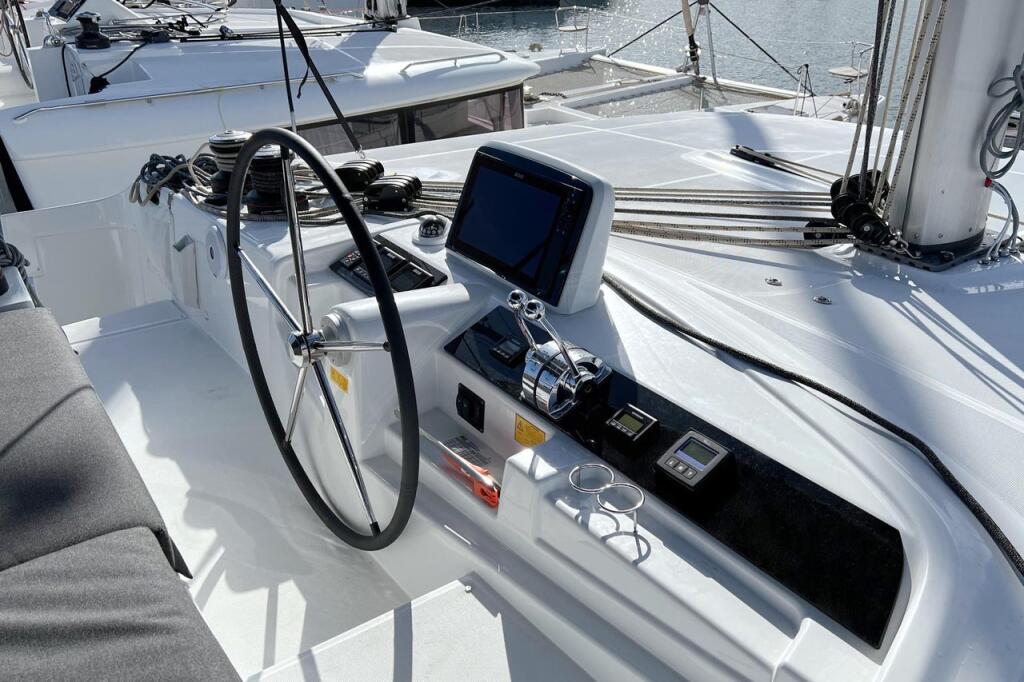
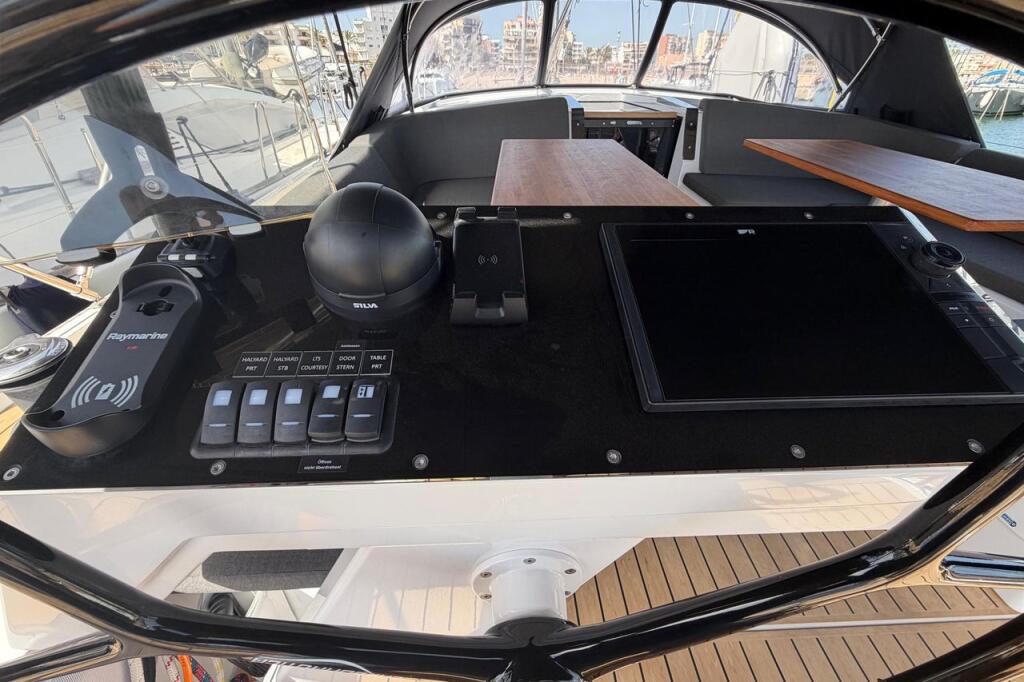
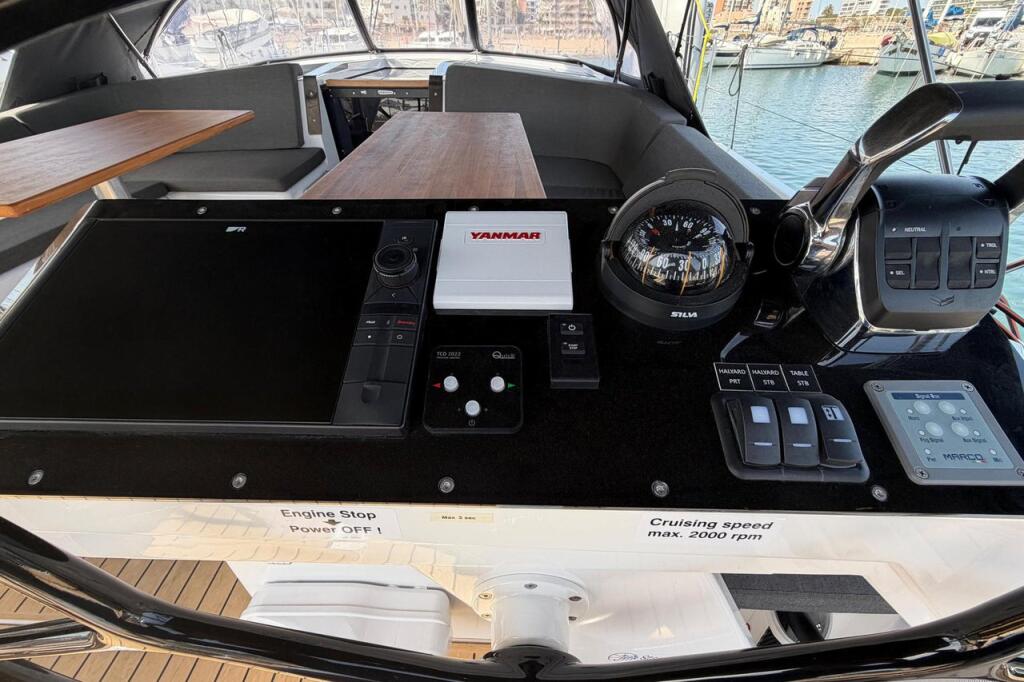
An autopilot is highly valuable for small crews and longer passages. It creates time for navigation, sail trim or short breaks without someone needing to remain at the helm continuously. It does not replace lookout or attention, but it reduces the workload considerably on longer legs.
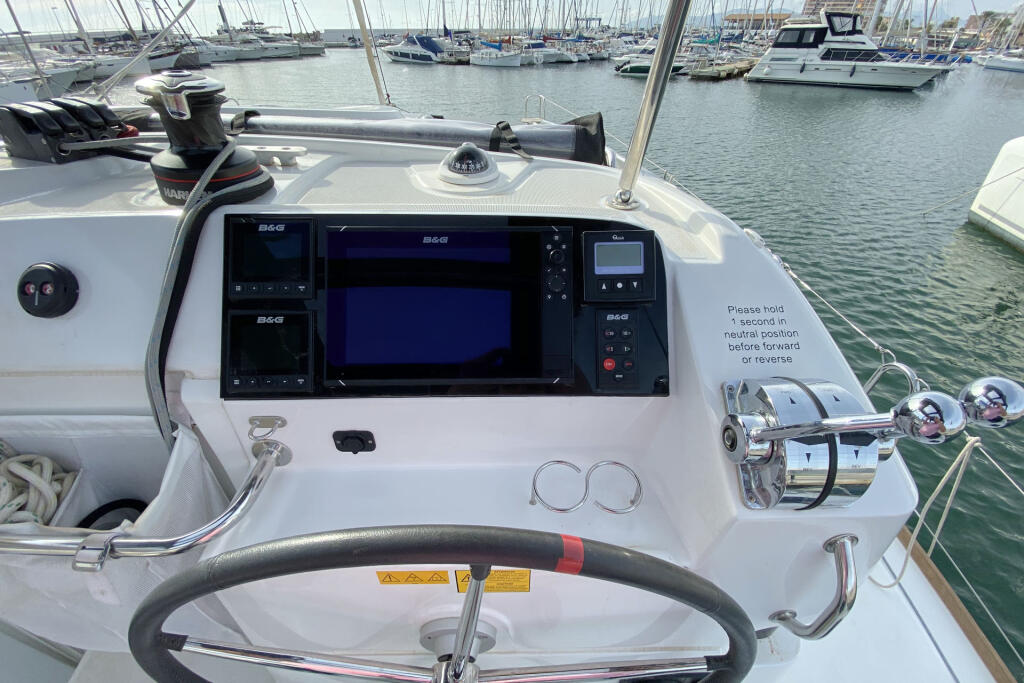
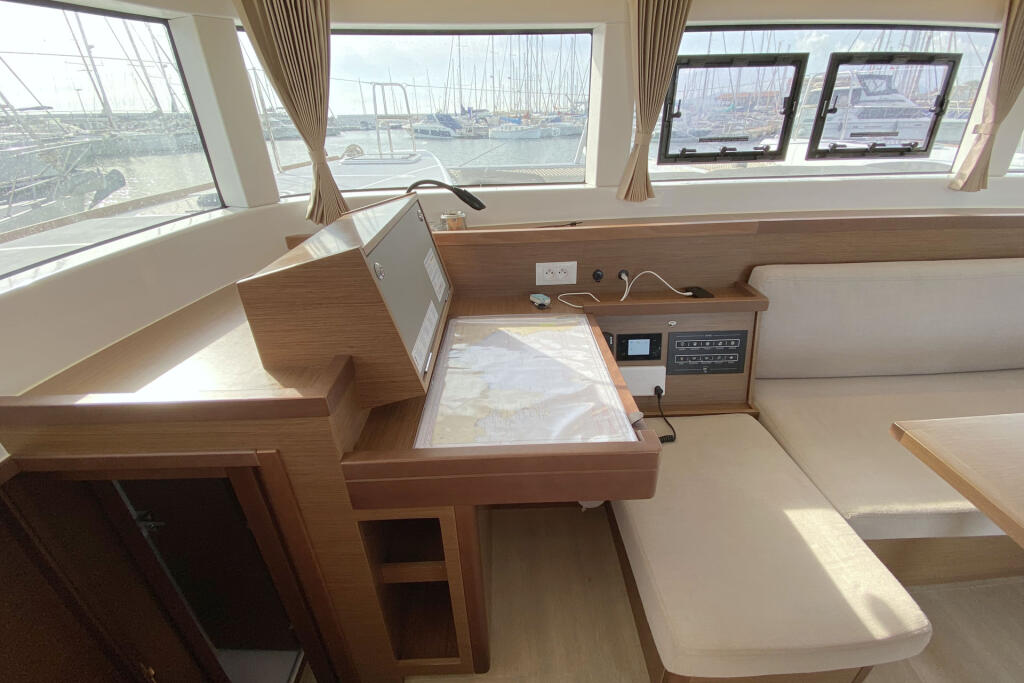
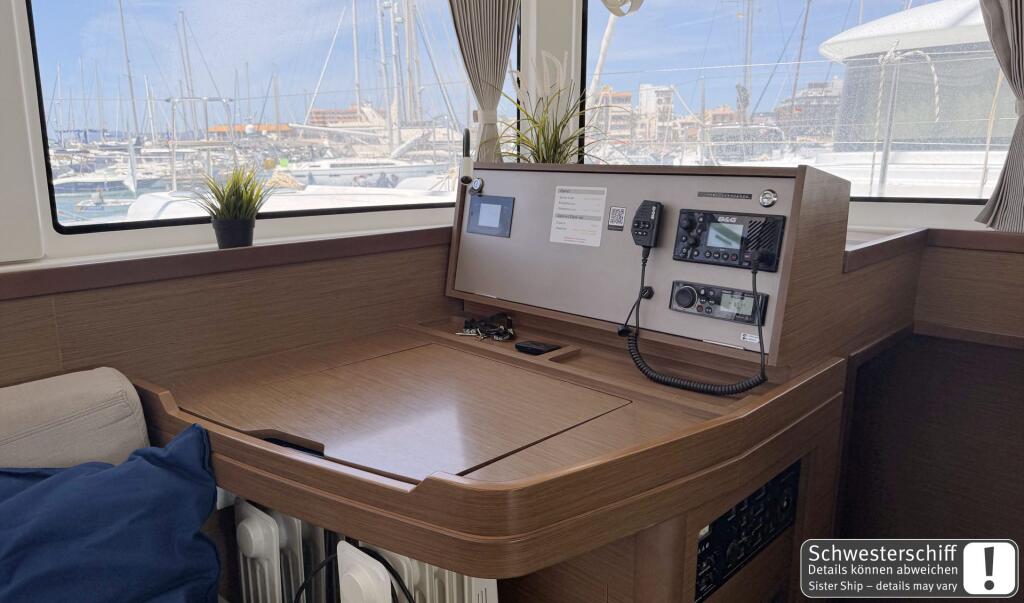
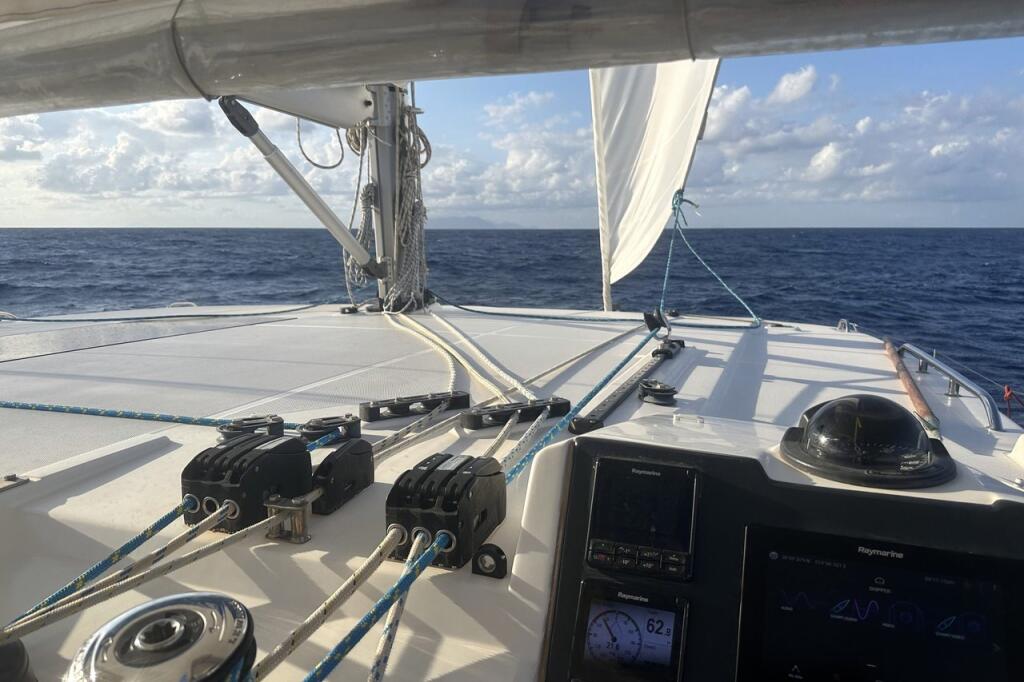
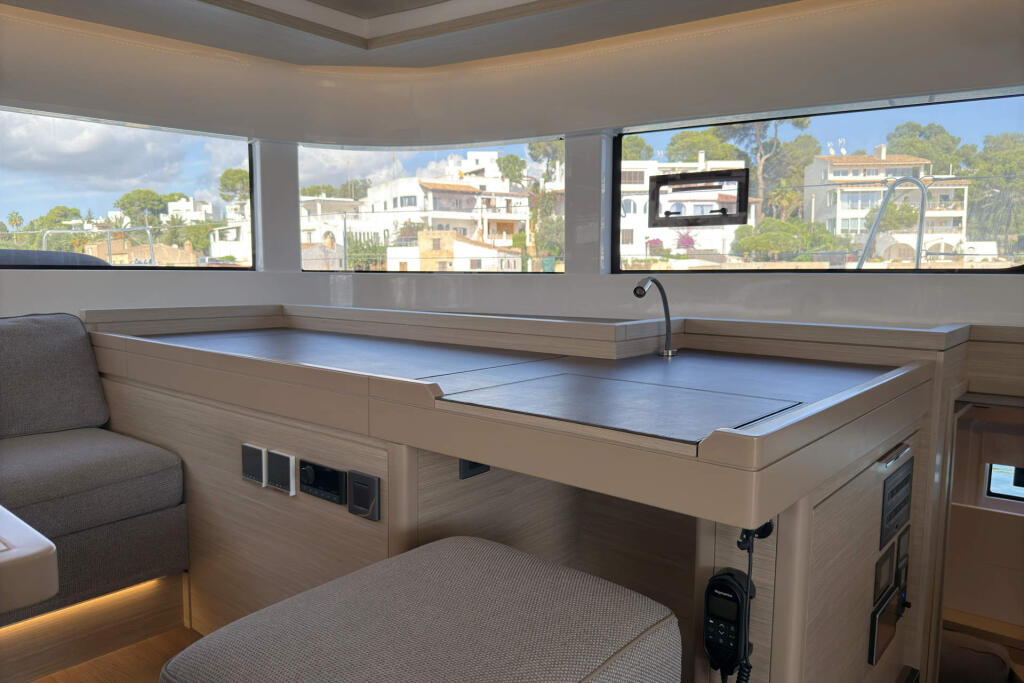
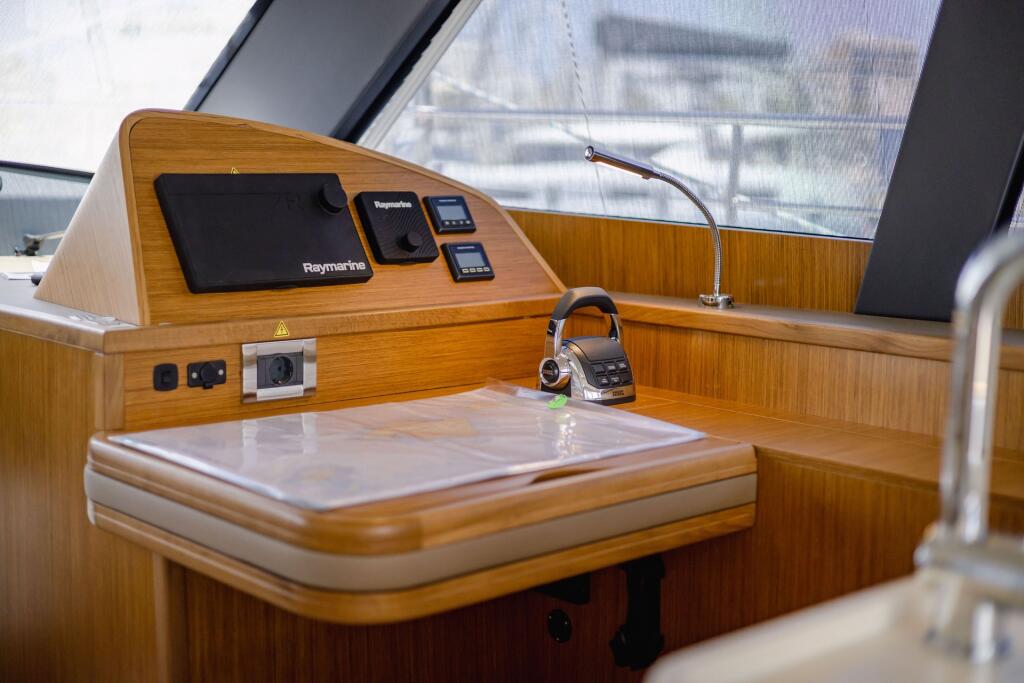
A chartplotter, up to date navigation data and, where applicable, AIS support orientation in the Bay of Palma and along the coast. In a heavily used cruising area, sailing yachts share the water with ferries, commercial shipping, motorboats and other leisure craft. Electronic systems complement both traditional navigation and the visual lookout.
For an itinerary with many bays, good ground tackle is especially important. Alongside the anchor and chain, the usability of the windlass also matters. The skipper must also be able to assess the actual seabed. In Mallorca, protecting Posidonia meadows forms part of responsible passage planning, which means checking before anchoring where dropping the anchor is permitted.
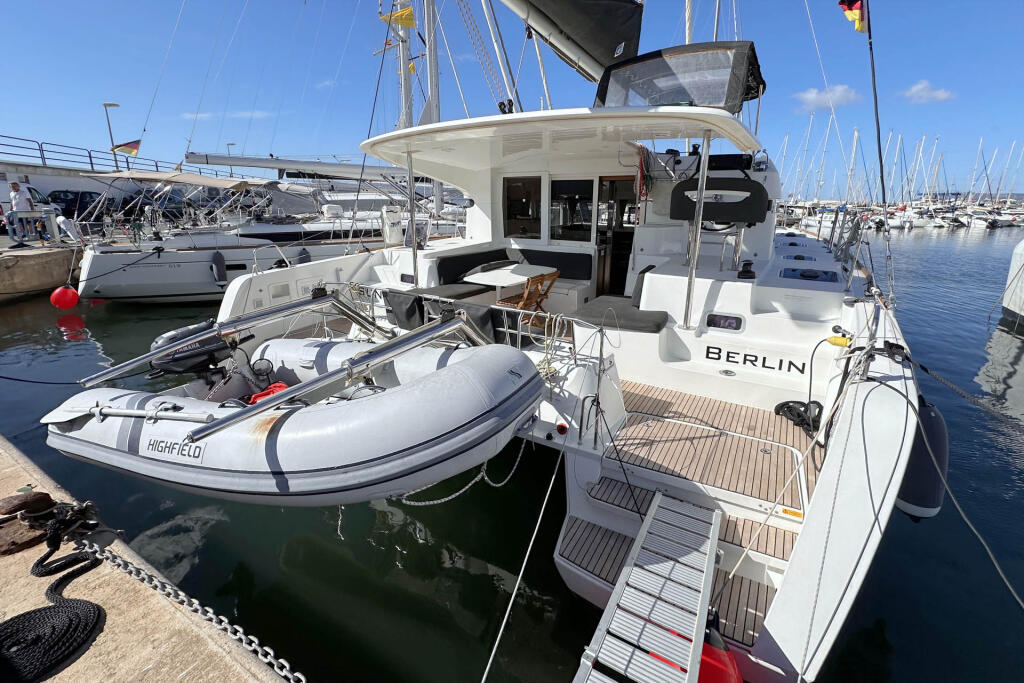
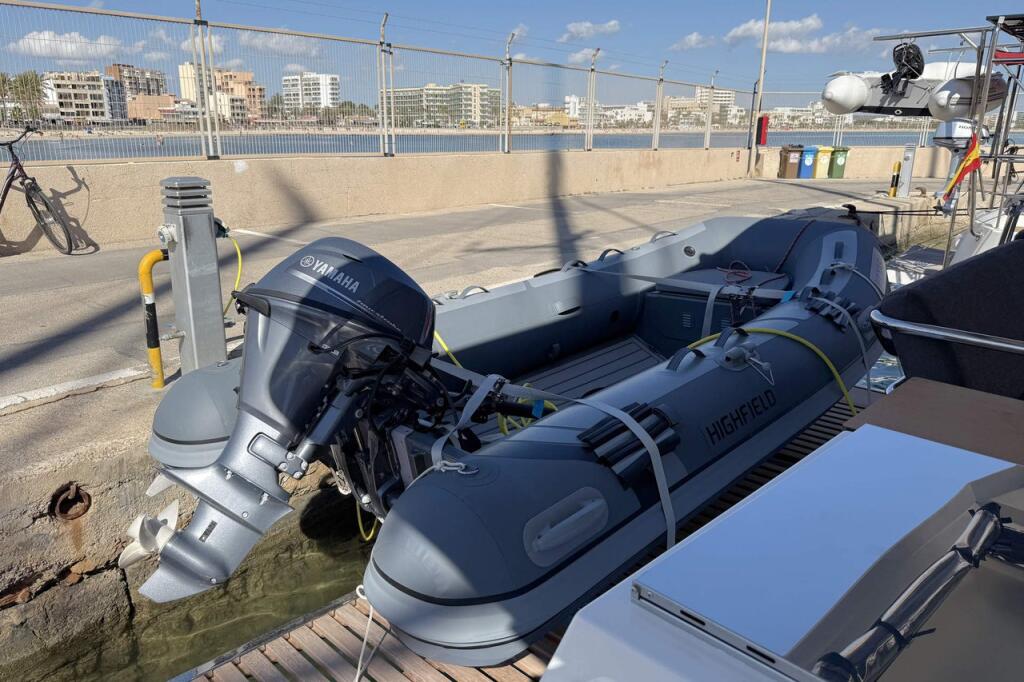
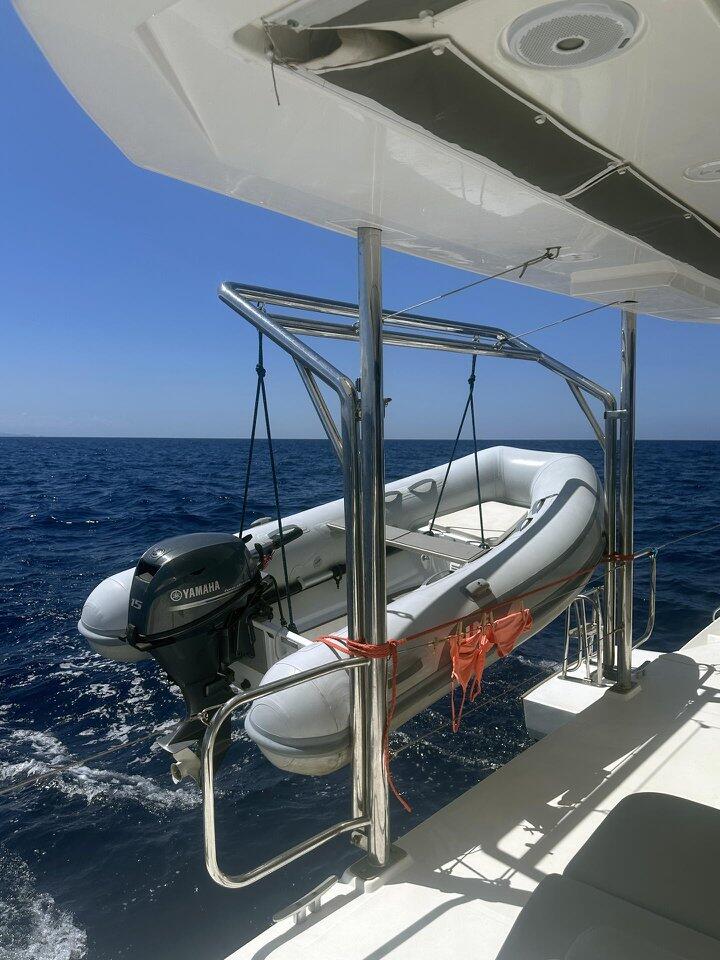
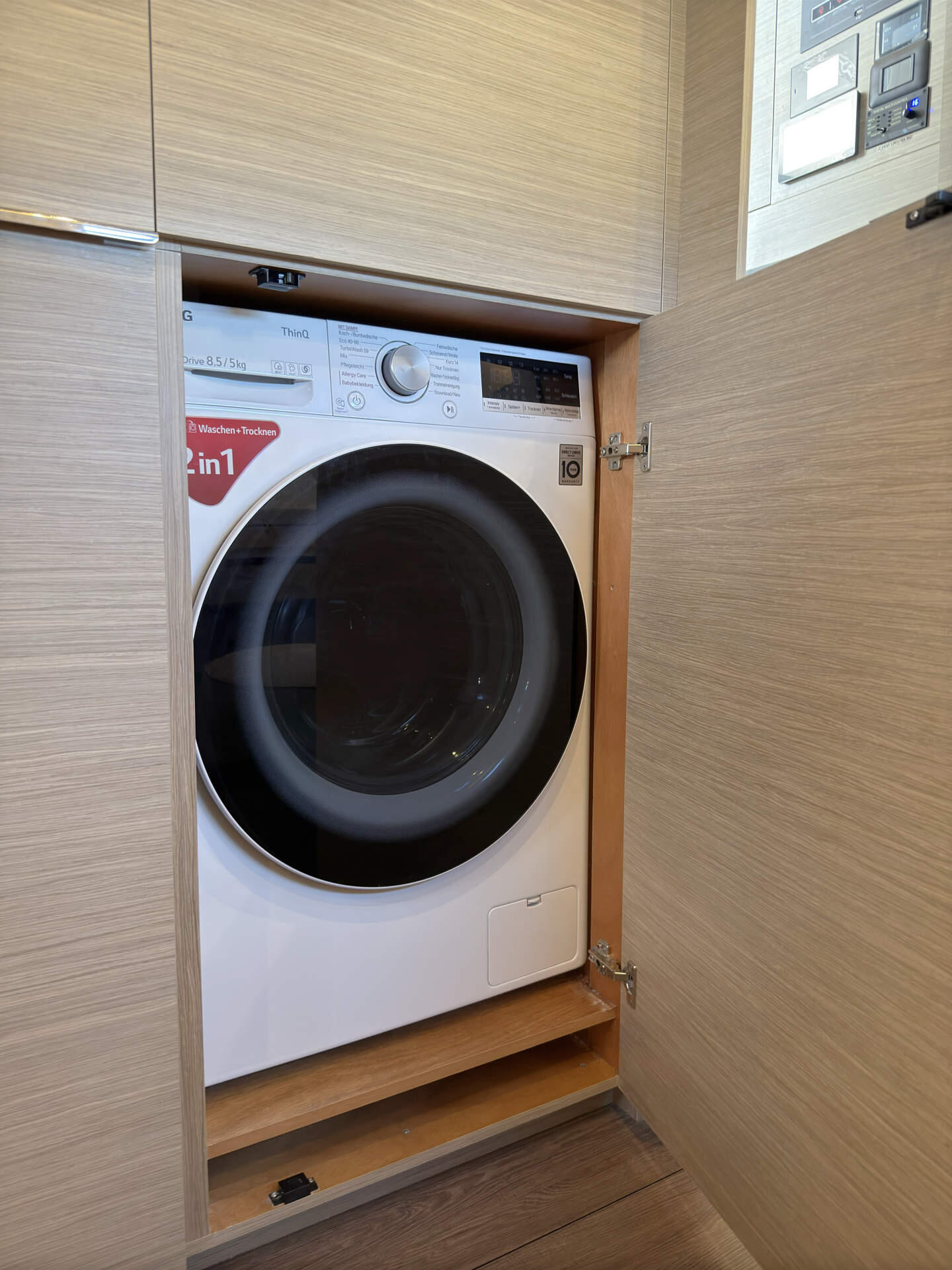
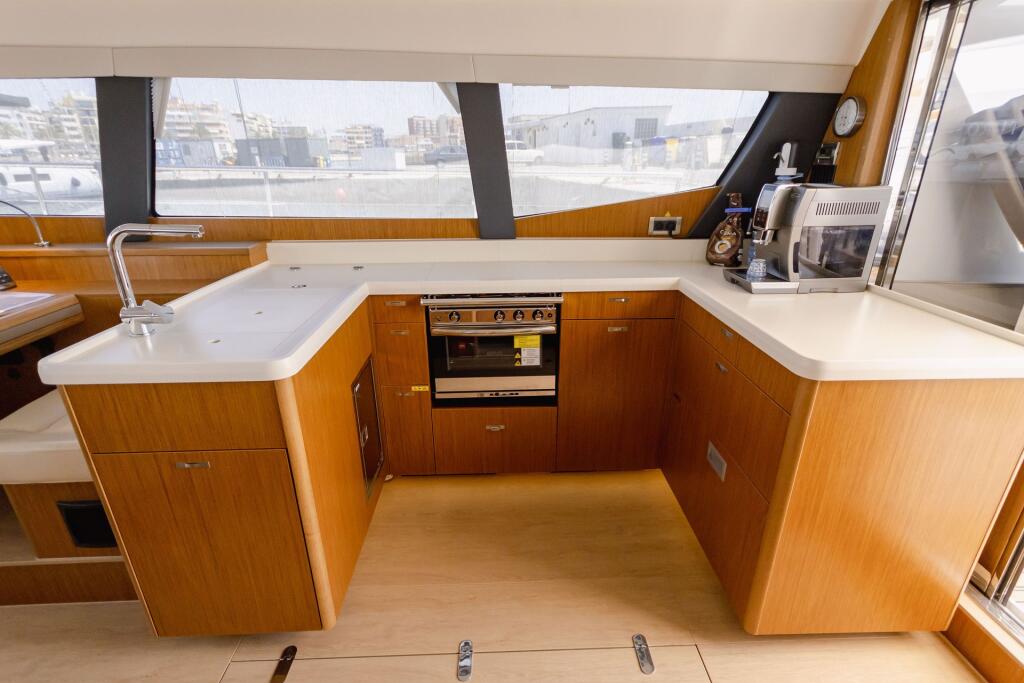
Fridge capacity, water tanks and storage space become more relevant the longer a crew wants to remain independent of harbour infrastructure. Anyone planning several nights at anchor should organise supplies differently from a crew making a daily harbour stop. A dinghy can also make it possible to go ashore without bringing the yacht into a berth.
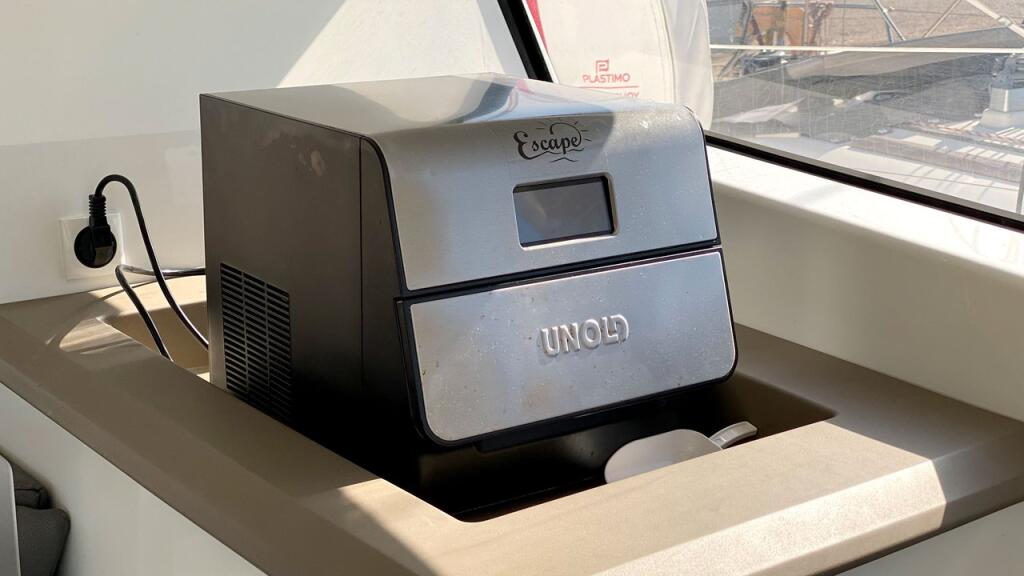
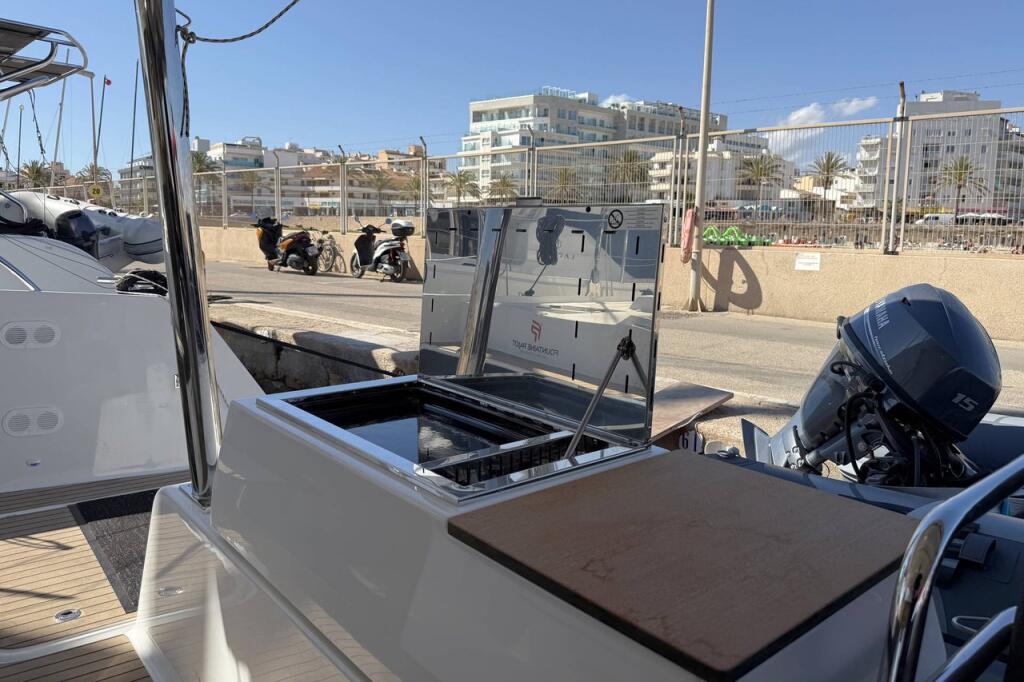
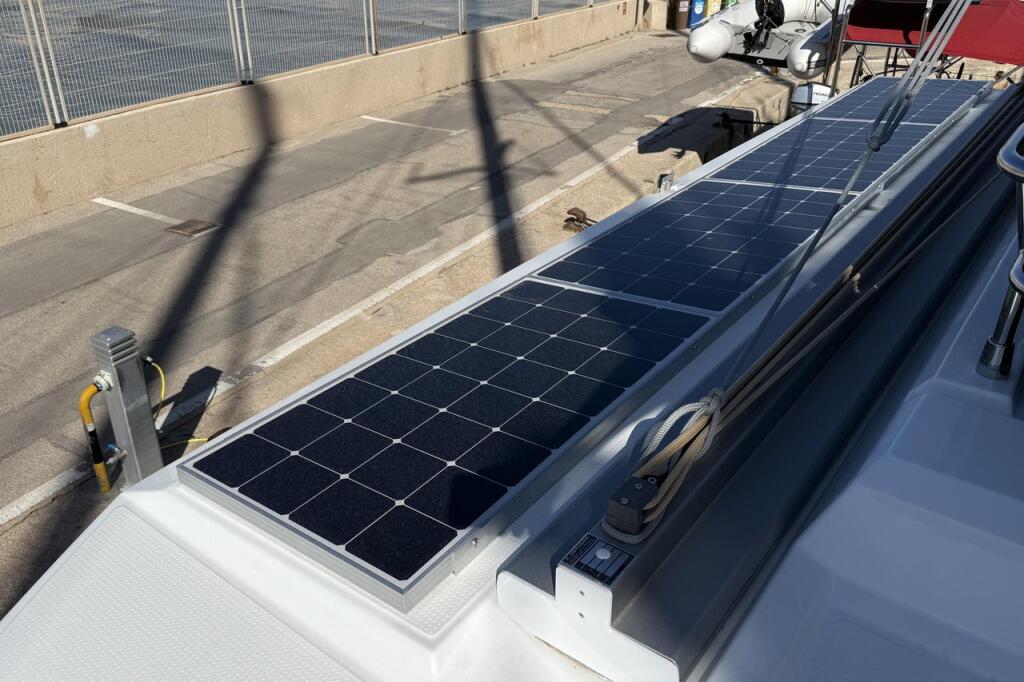
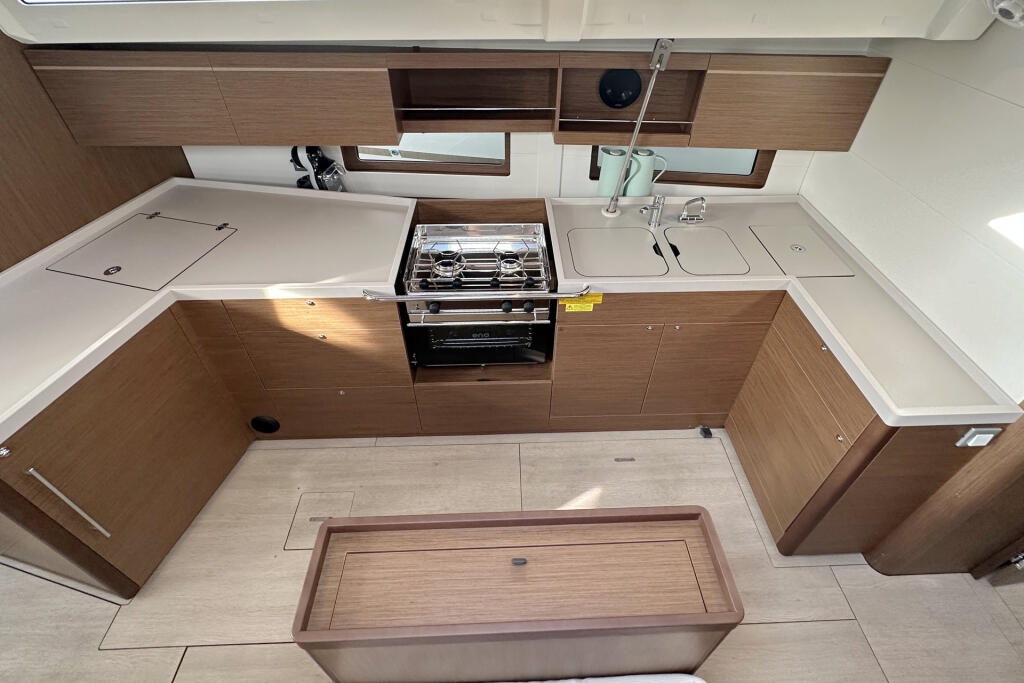
A bow thruster, bathing platform, outboard engine, inverter or additional comfort equipment may also be useful depending on the yacht. Which systems are actually on board should always be checked in the specification of the specific charter yacht. For a yacht charter in Can Pastilla, the yacht detail page is therefore the decisive basis for comparing equipment.
How does yacht charter in Can Pastilla work?
The process begins with your travel dates and crew. Once it is clear when you wish to sail and with how many people, the available fleet can be narrowed down by cabins, yacht size and further criteria. The yacht list on this page serves as the starting point.
In the second step, the individual yachts should be compared in more detail. Layout, sail configuration, navigation equipment, autopilot, comfort features and tank capacities may all be relevant to the intended trip. Any questions about a particular yacht should be clarified before reserving if a specific feature is essential for the crew.
After reservation comes passage preparation. This includes arrival planning, personal documents, provisioning and an initial route concept. For destinations subject to particular protection or reservation rules, such as Cabrera, the current requirements must be taken into account in good time.
At the charter base, check in is followed by the yacht handover. During this process, the crew should become familiar with the systems that matter to them and raise any open questions. These include, among other things, the engine, sail handling, anchoring system, navigation, electrical systems, gas, water and safety equipment.
Only then does the voyage itself begin. The route planned in advance remains a guideline. The final daily destinations will depend on weather, sea state, crew, yacht and current conditions. That flexibility is part of a well planned yacht charter from Can Pastilla.
FREQUENTLY ASKED QUESTIONS, YACHT CHARTER CAN PASTILLA
Yes. Can Pastilla is a charter base on Mallorca’s south coast. The sailing yachts available for your chosen period can be compared in the yacht list on this page. Which yacht is the right choice depends above all on crew size, the level of comfort required and the itinerary you have planned.
Can Pastilla is well suited to including Cabrera in an itinerary along Mallorca’s south coast. However, the Cabrera archipelago is a national park. Navigation, mooring buoys and overnight stays are subject to special rules and permits that must be taken into account when planning the route. Weather and sea state will also determine whether the passage is advisable.
Yes. One week is enough for several well planned Mallorca itineraries. Possible options include cruises to the southwest coast, along the south coast or towards the southeast. Cabrera can also be included when conditions are suitable. A full circumnavigation of the island is usually unnecessarily ambitious for one week if you want to leave enough time for bays and time ashore.
A charter for two is entirely possible, provided the yacht and the required qualifications are suitable for the crew. For double handed crews, easily managed sails, a good autopilot and manageable dimensions are especially appealing. A larger yacht offers more space, but it also requires more effort during manoeuvres.
A charter agency arranges yachts from different operators and can therefore advise across multiple providers. A fleet operator runs the yachts offered and the related processes at the base directly. This includes, in particular, yacht preparation, technical support and the handover. The two models therefore fulfil different roles within the charter process.
That depends on the crew and the route. Couples often focus more on easy handling and autopilot, while families tend to prioritise the cockpit, shade and storage space. Larger crews need a suitable cabin and heads layout. For longer passages, navigation equipment, sail configuration and tank capacity become more important.
Yes. The south coast and the southeast, including areas around Porto Petro, Cala d’Or and Portocolom, are sensible cruising directions from Can Pastilla. How far a crew sails within a week should depend on the weather, the yacht and the amount of daily sailing time desired.
For a Mallorca itinerary, practical features include a bimini, autopilot, navigation systems, fridge and good ground tackle. If you plan to anchor frequently, water tank capacity, a dinghy and easy water access are also relevant. The specification of each yacht shows which equipment is available on board.
Can Pastilla can be an excellent starting point for families because routes with relatively short daily stages can be planned from here. When choosing a yacht, the cockpit, shade, cabin layout, storage space and safe access to the water should all be considered. Daily planning should also allow enough alternatives in case children or weather conditions make a shorter leg the better option.