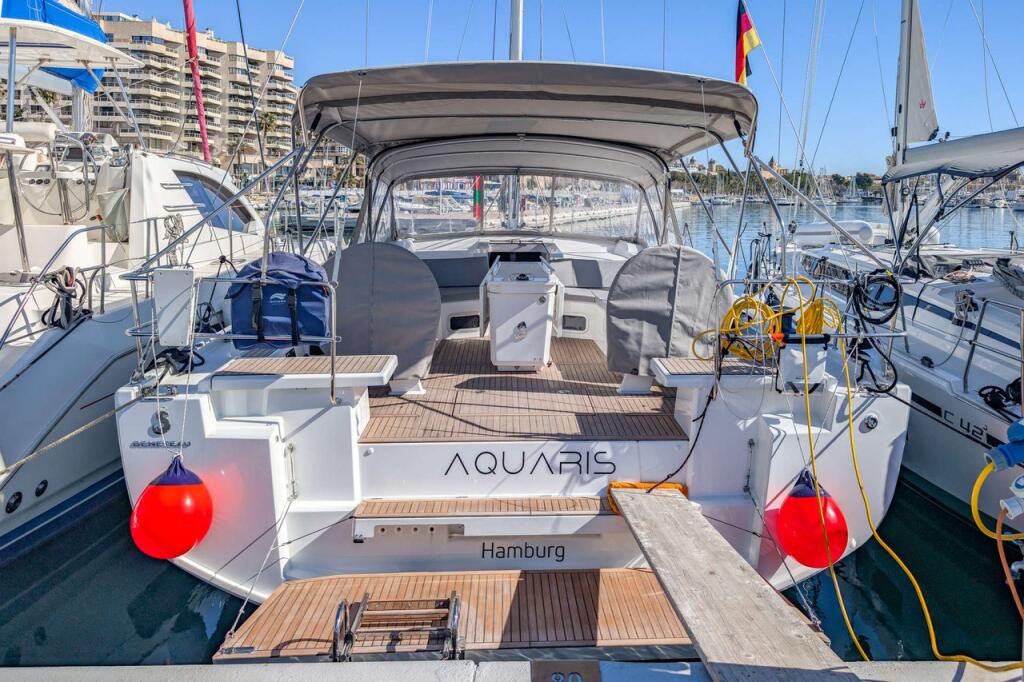
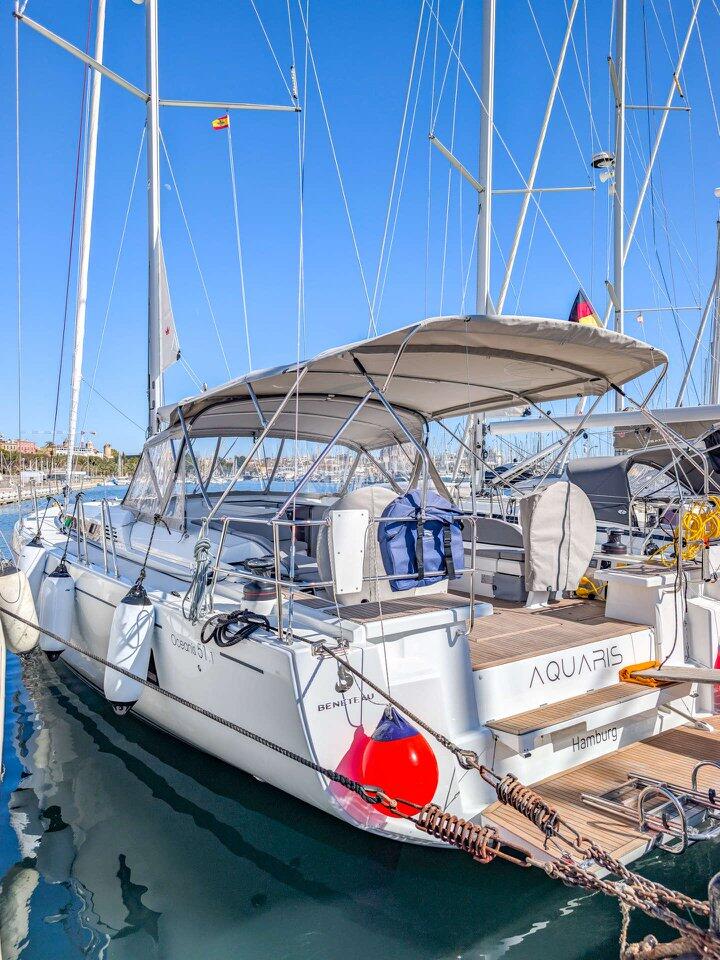
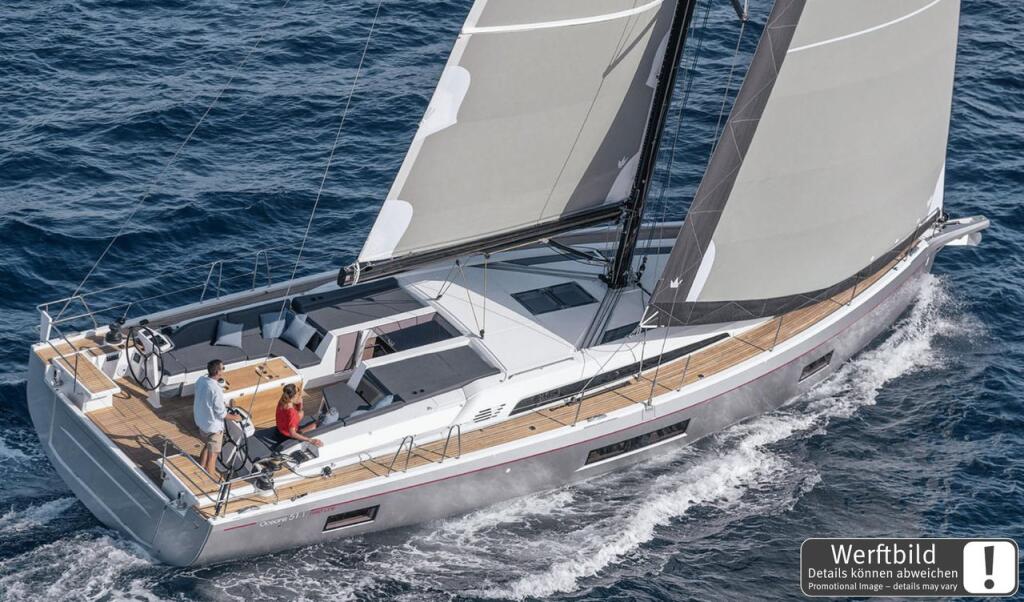
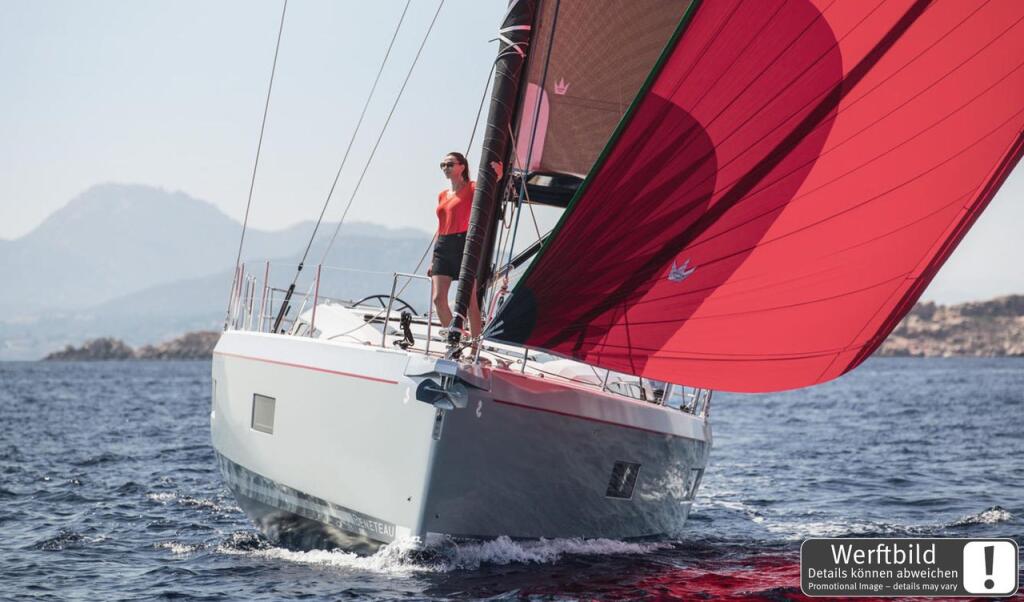
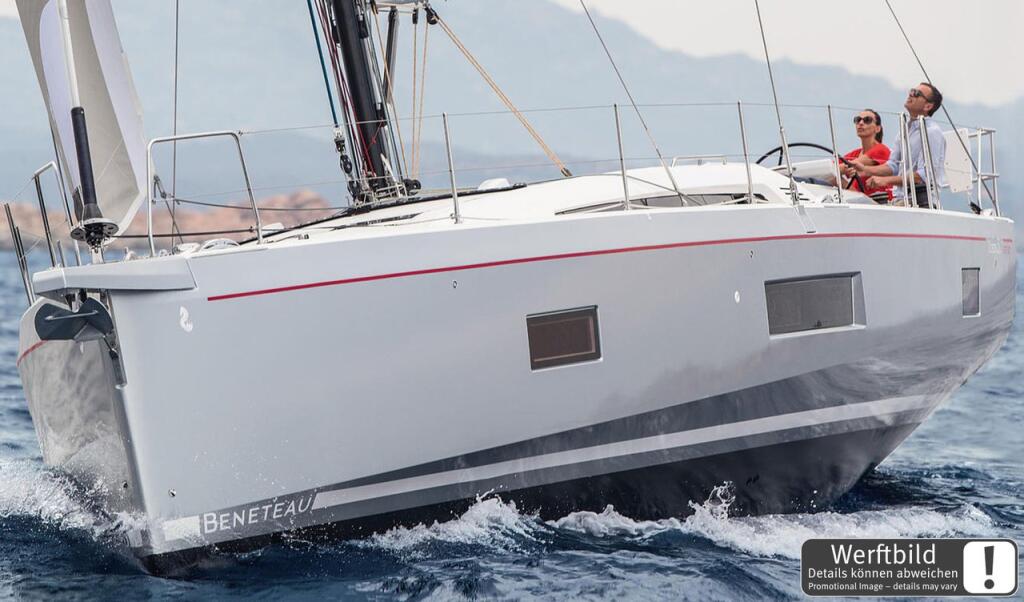
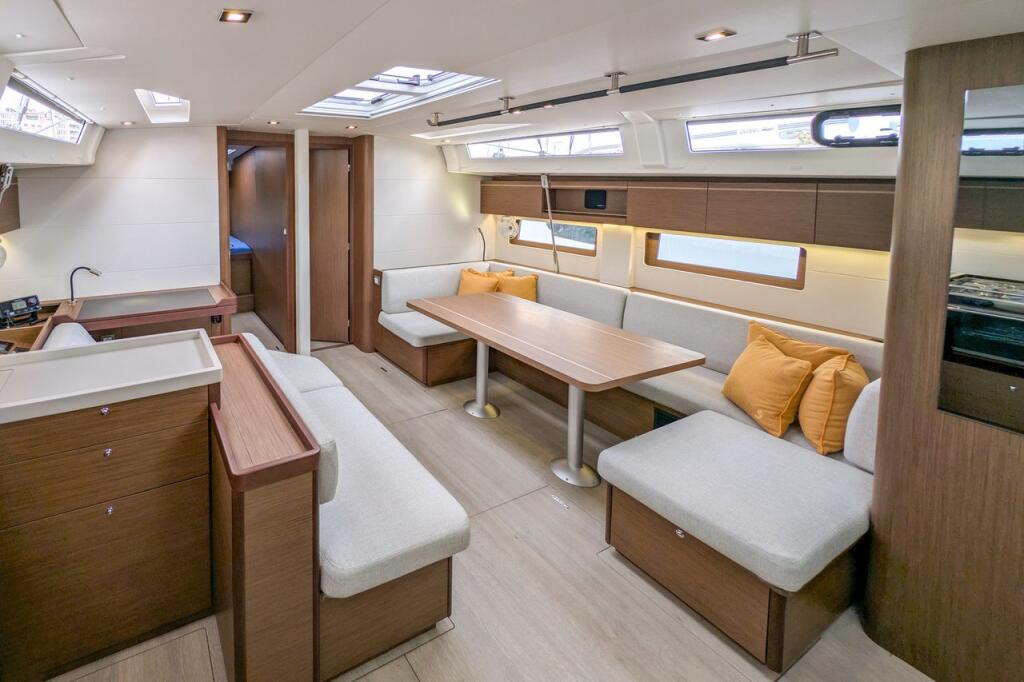
Yacht Charter Palma
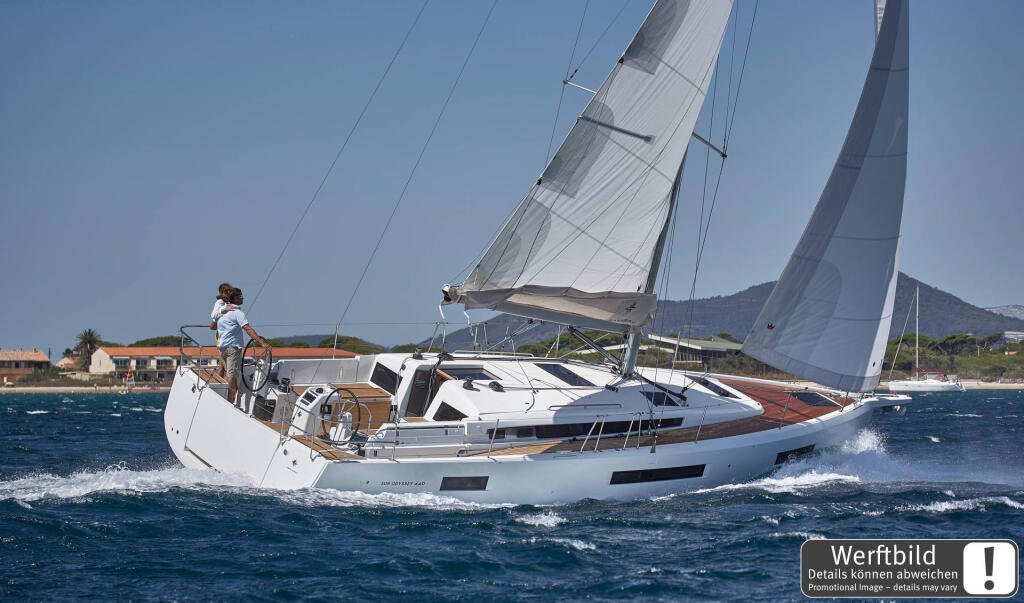
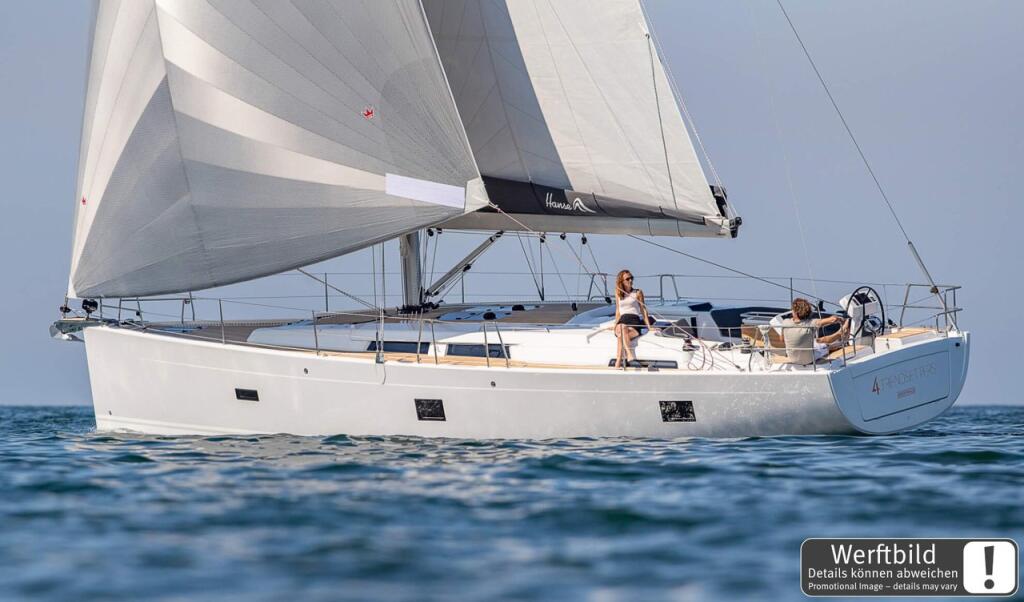
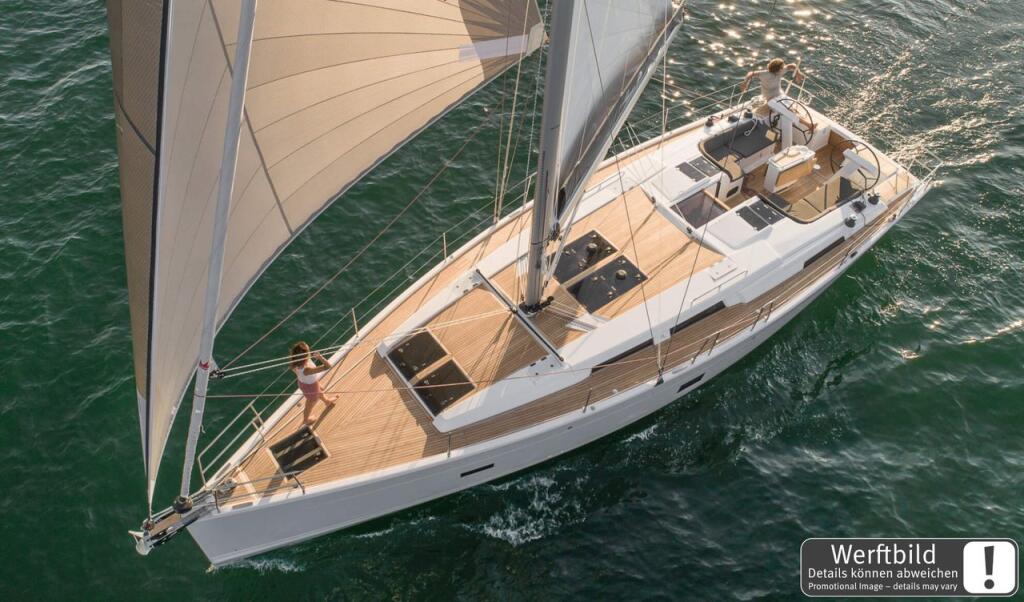
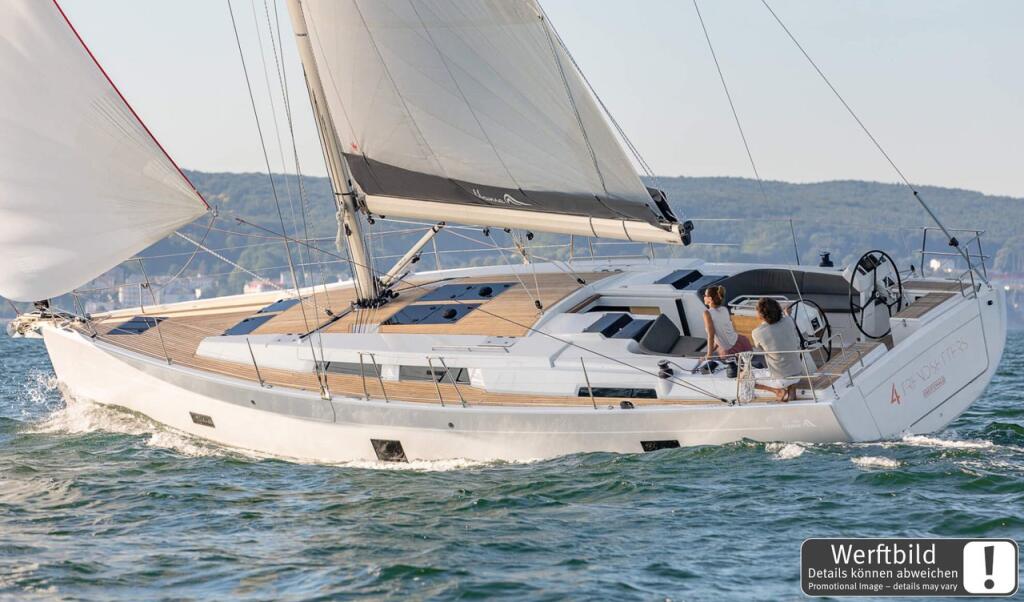
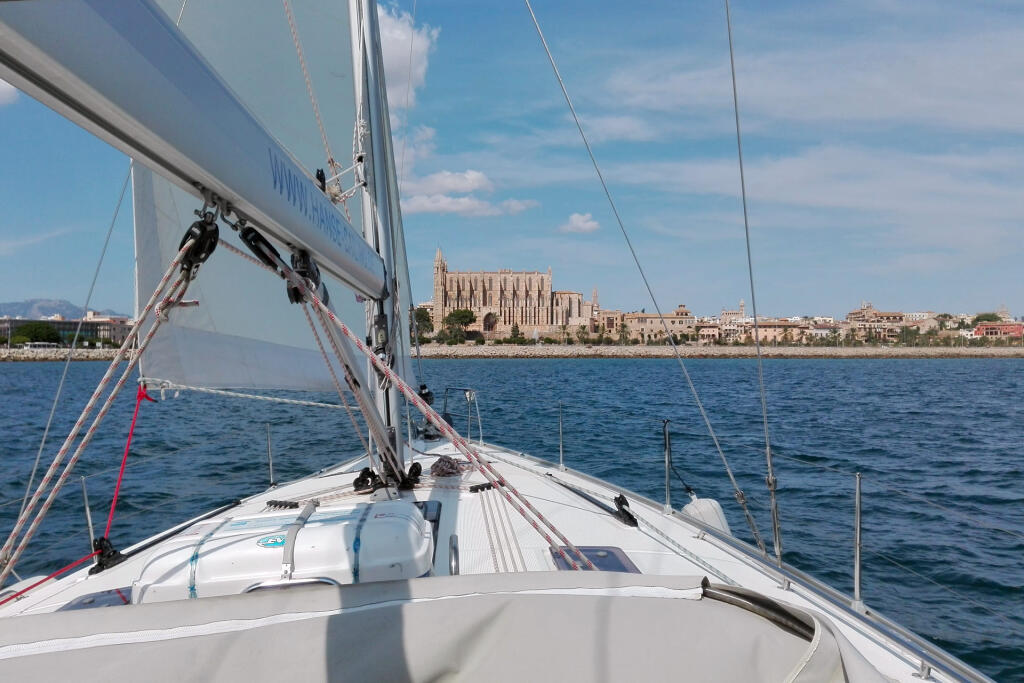
A yacht charter in Palma begins from one of Mallorca’s most versatile geographical starting points. Our charter base is located at Marina Naviera Balear within the large Port of Palma. From here, the Bay of Palma opens directly to the south. Depending on the wind, weather conditions, and passage plan, your course may then lead towards the southwest coast, along the Serra de Tramuntana, or southeast towards Cabrera and the coves of Mallorca’s coastline.
This location gives crews considerable flexibility when planning their route. For a relaxed week afloat, passages along the south and southwest coast are an excellent choice. Those wishing to cover more distance can include the southeast coast or, in suitable conditions, head west towards Port d’Andratx, Sa Dragonera, and further along the Tramuntana coast. The final route should always be tailored to the weather, sea state, charter duration, the crew’s experience, and the characteristics of the yacht selected.
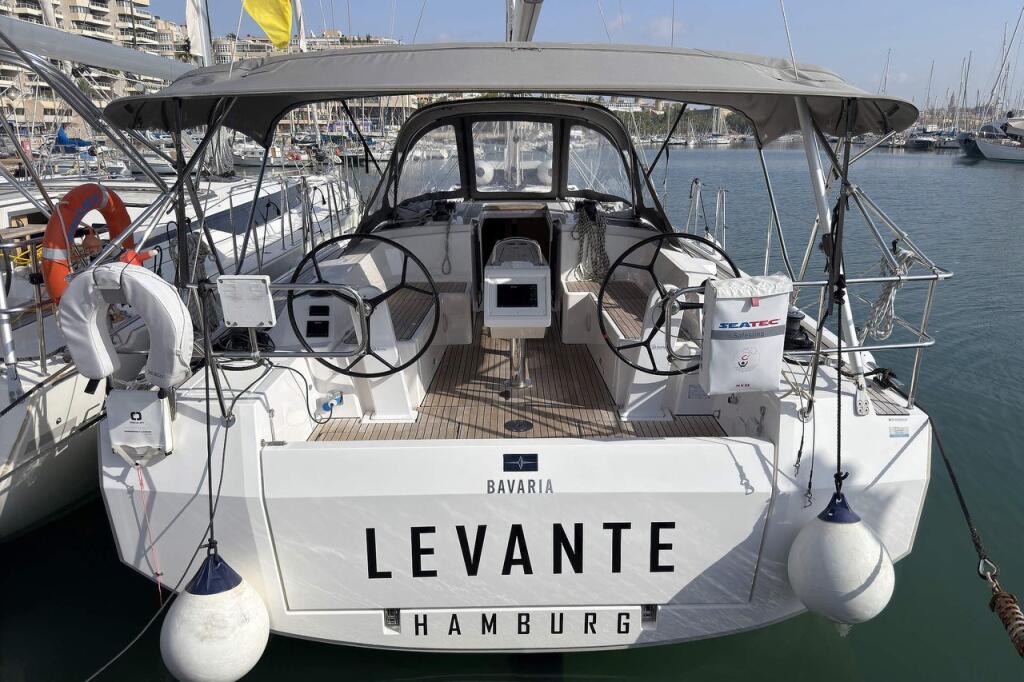
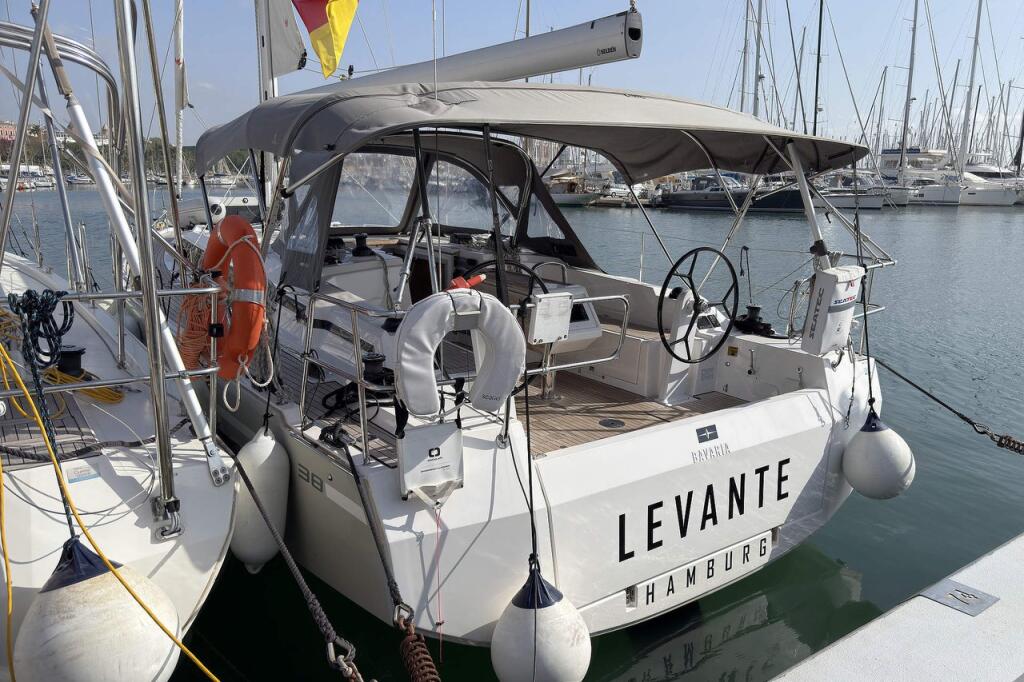
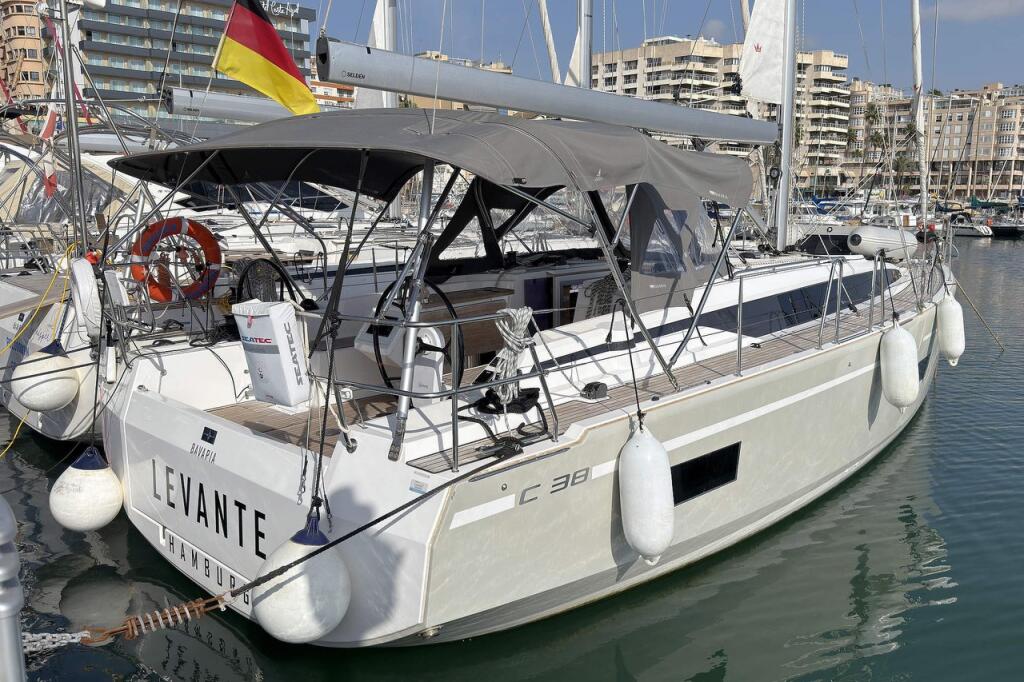
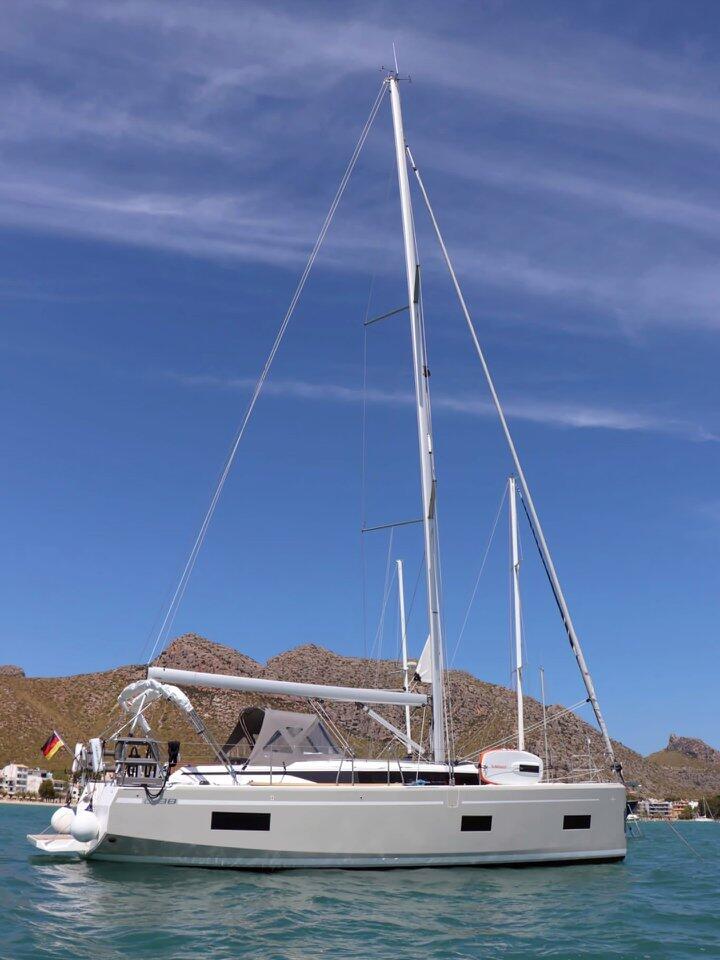
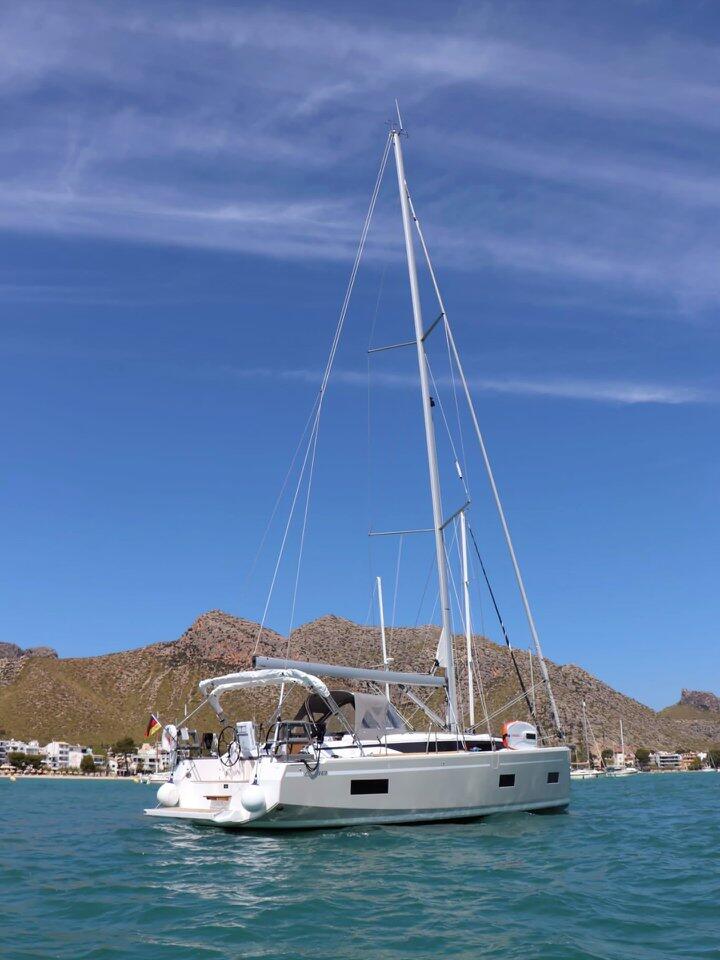
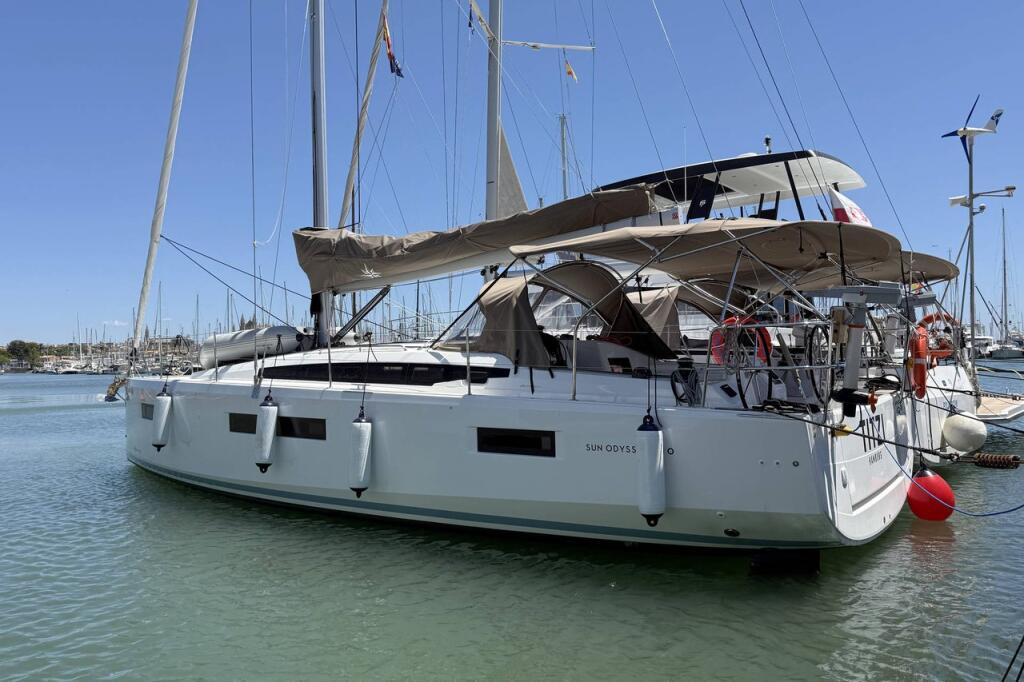
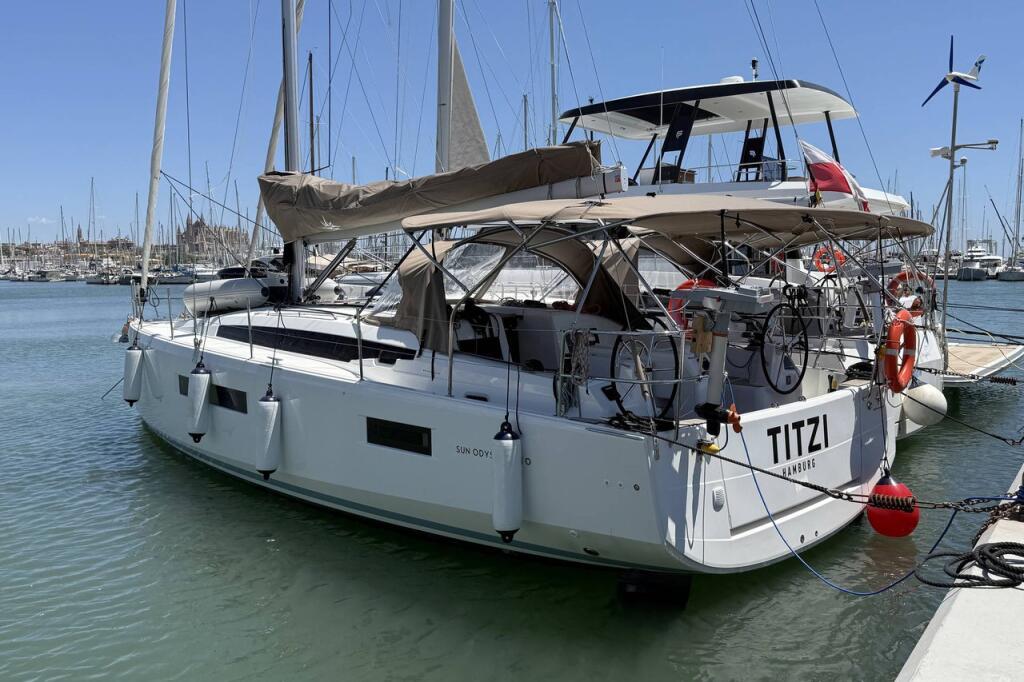
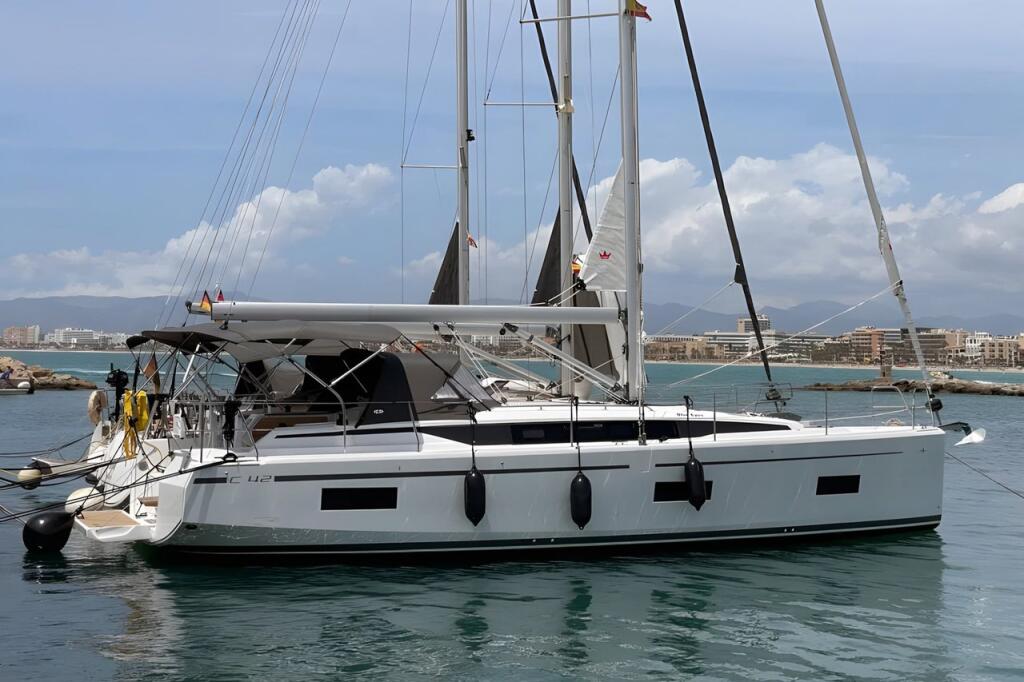
First Class Sailing operates both the sailing yachts offered and the charter base itself. This means that any questions regarding the yacht, its equipment, or handover are directed to the company that is also responsible for preparing the yacht and managing its day to day operation. That creates a very different experience from a purely brokerage based charter platform, where various independent providers are simply listed and arranged through an intermediary.
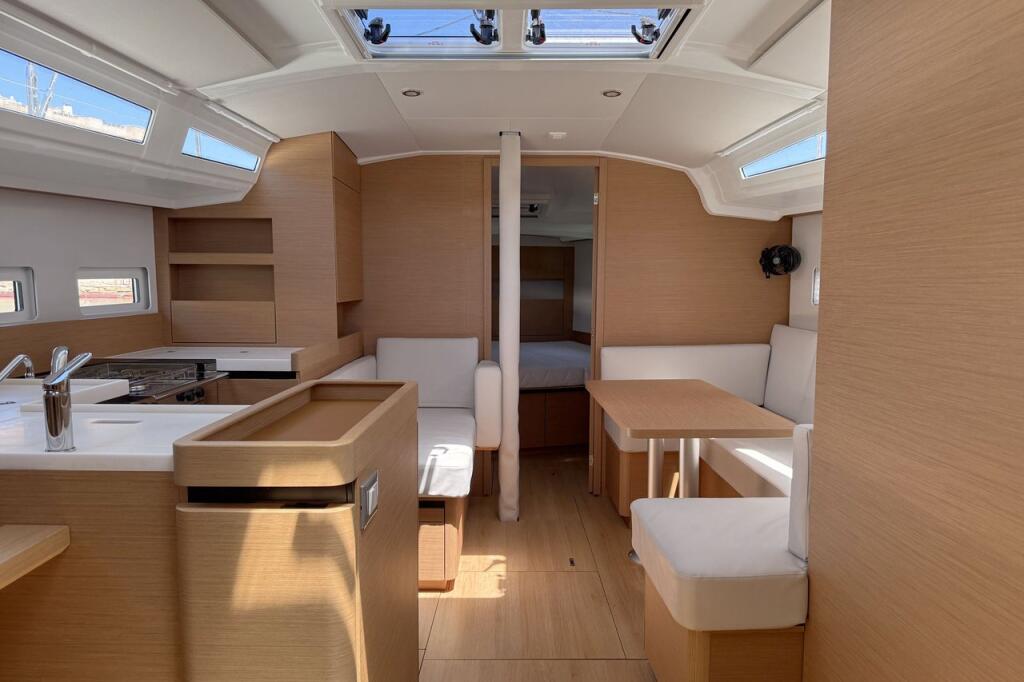
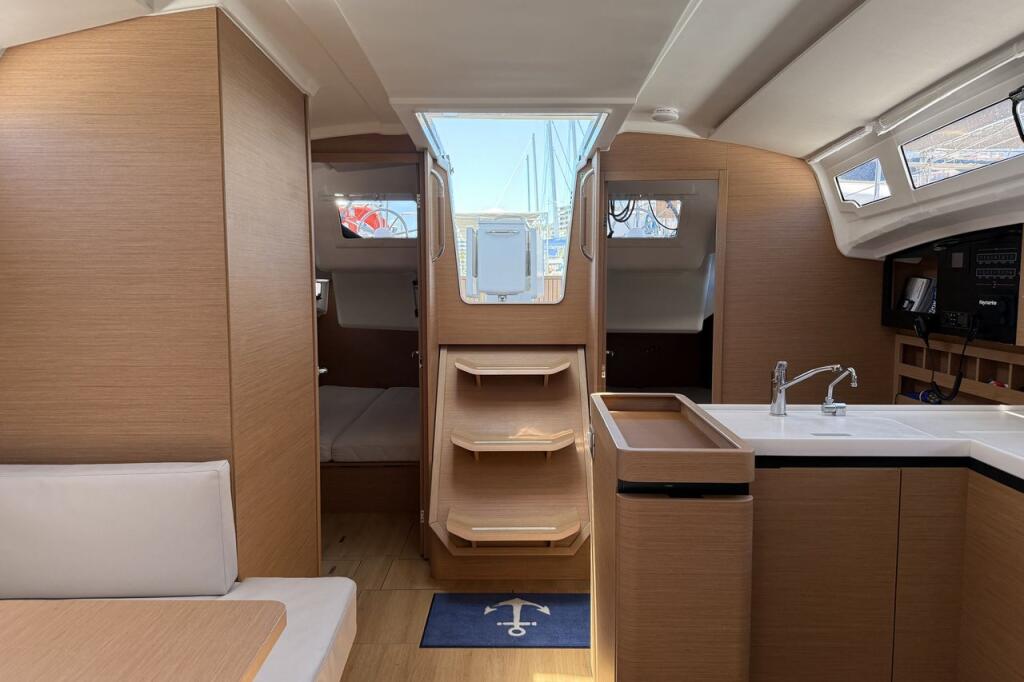
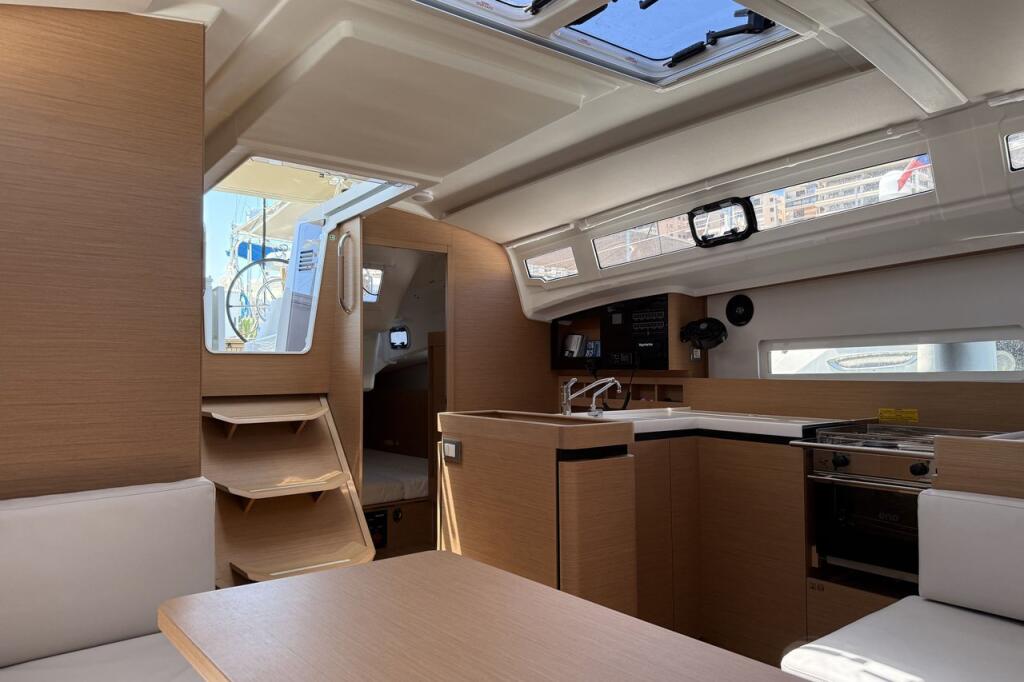
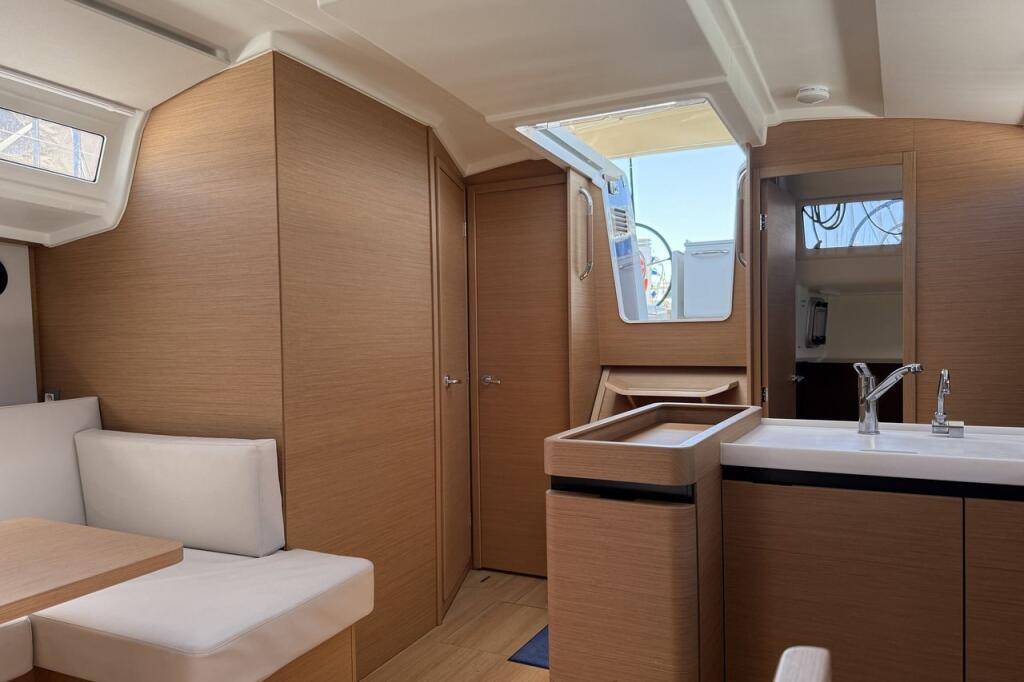
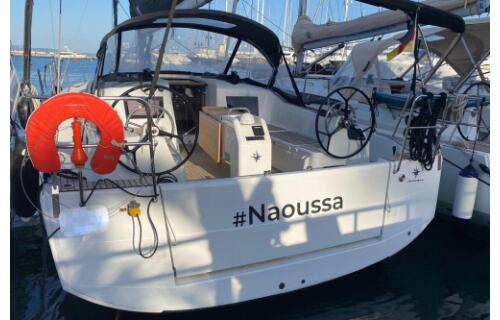
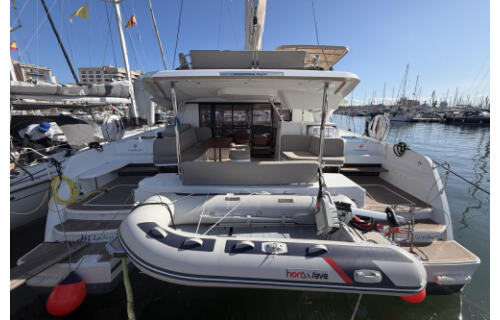
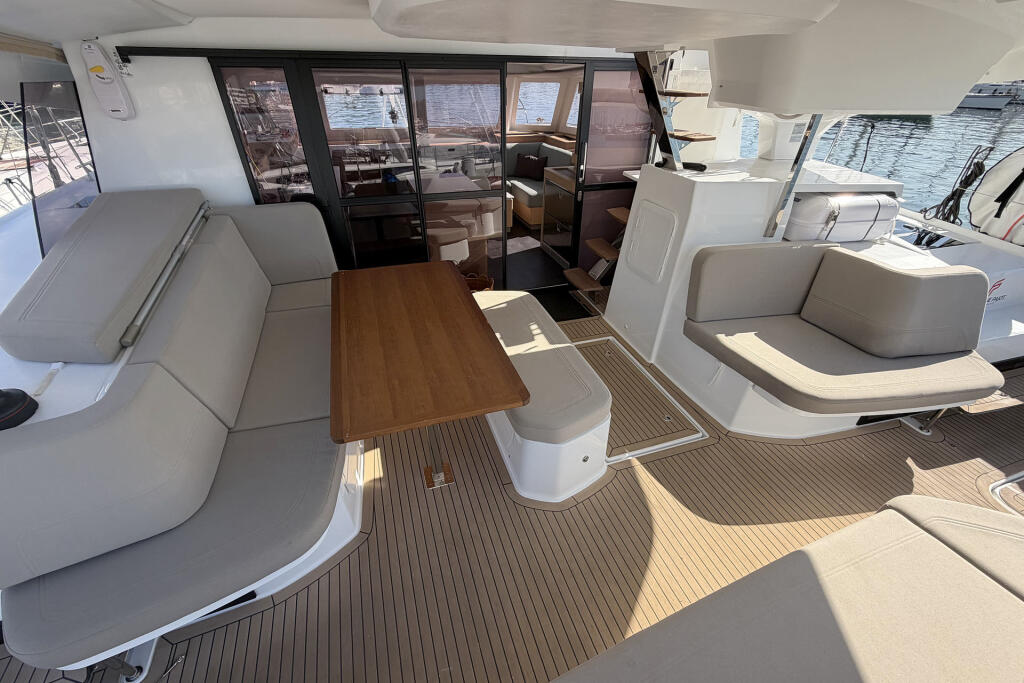
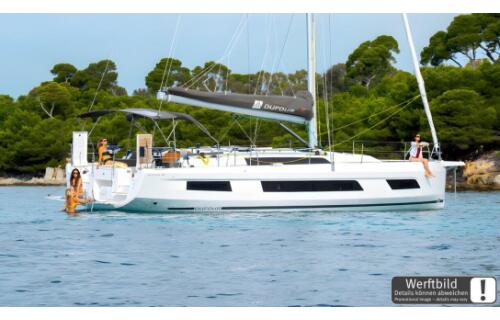
You can see which sailing yachts in Palma are genuinely available for your preferred travel dates in the yacht list above this text. There, you can compare yacht size, number of cabins, layout, and individual equipment. For a yacht charter in Palma, this specific selection is far more meaningful than any general recommendation based only on a particular yacht class.
Why charter a yacht from Palma?
Palma lies on Mallorca’s south coast, giving you two fundamentally different sailing directions the moment you leave the harbour. To the west are coastal areas including Illetes, Portals Vells, Santa Ponça, Port d’Andratx, and Sant Elm. To the east, the course crosses the Bay of Palma towards the south coast and continues in the direction of Es Trenc, Colònia de Sant Jordi, Cabrera, and the calas of the southeast.
This freedom of choice is particularly valuable in changeable conditions. A passage originally planned along the more exposed west coast can be replaced by a southerly route if the forecast is unfavourable. Conversely, when conditions are suitable, crews can combine the shorter coastal legs of the southwest with longer sailing days towards the Tramuntana. Palma therefore does not tie you to a single cruising direction from the outset.
Different charter durations can also be planned effectively from here. If you only have a few days, there is no need to spend a long time reaching attractive bays or ports. A full week allows ample flexibility to explore several stretches of coastline. Those chartering for longer can expand their cruising radius considerably and, depending on the weather, include a more extensive Mallorca itinerary or even other parts of the Balearics.
The base is also well suited to crews with mixed levels of experience. It is just as easy to plan a route with manageable daily legs and frequent stops as it is to design a passage where sailing time and longer stretches at sea take centre stage. The real advantage lies not in any fixed route suggestion, but in the ability to shape very different cruising styles from Palma.
Book directly with the fleet operator
Sailing yacht charter in Palma
When arranging a sailing yacht charter in Palma, it is worth looking closely at who stands behind the offer. A charter agency or marketplace usually presents yachts from a range of operators. The actual preparation, technical support, and handover are then carried out by the charter company based locally.
With a fleet operator, these responsibilities remain within one and the same operational structure. The team working with the yachts knows their individual equipment and prepares them directly for the next crew. As a result, questions about technical details, onboard systems, or specific features can be answered by people who know the yacht at close quarters.
This difference becomes especially clear during handover. A sailing yacht is not a standard rental product. Even two yachts of a similar size may have different rig configurations, navigation systems, handling characteristics, or onboard technology. A structured handover by a team that knows the yacht in question helps the crew understand these differences before casting off.
Short communication channels are equally helpful during passage preparation. If you would like to know which navigation equipment is installed, how the mainsail is handled, or which comfort features are included on your chosen yacht, the best reference is always the details of that specific yacht. For that reason, the yacht pages and availability list form the most reliable basis for your decision.
Finding the right sailing yacht in Palma
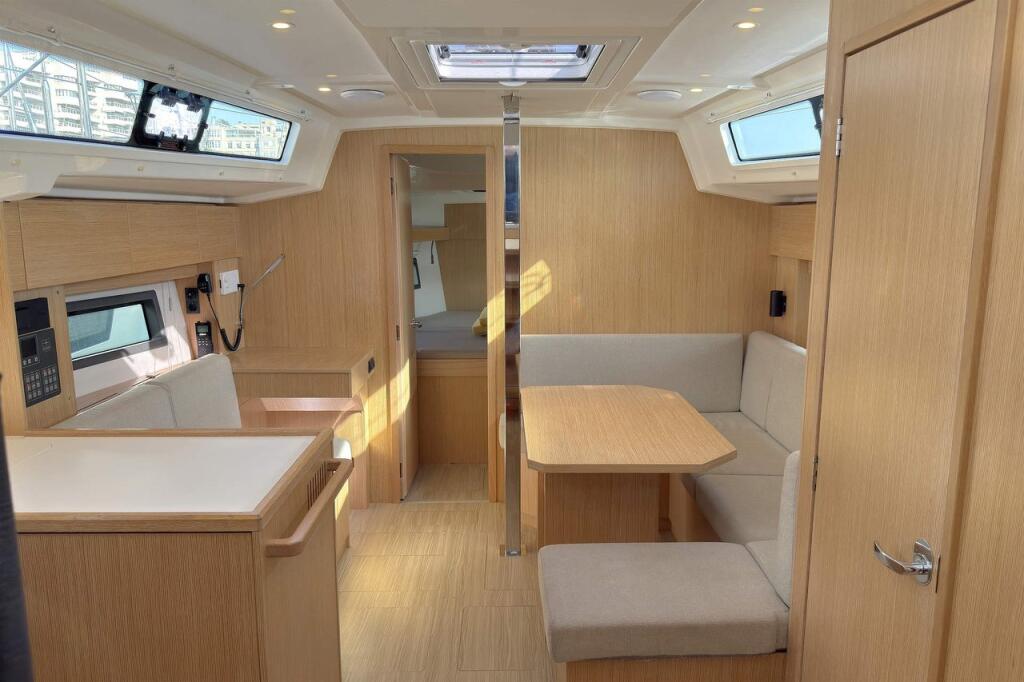
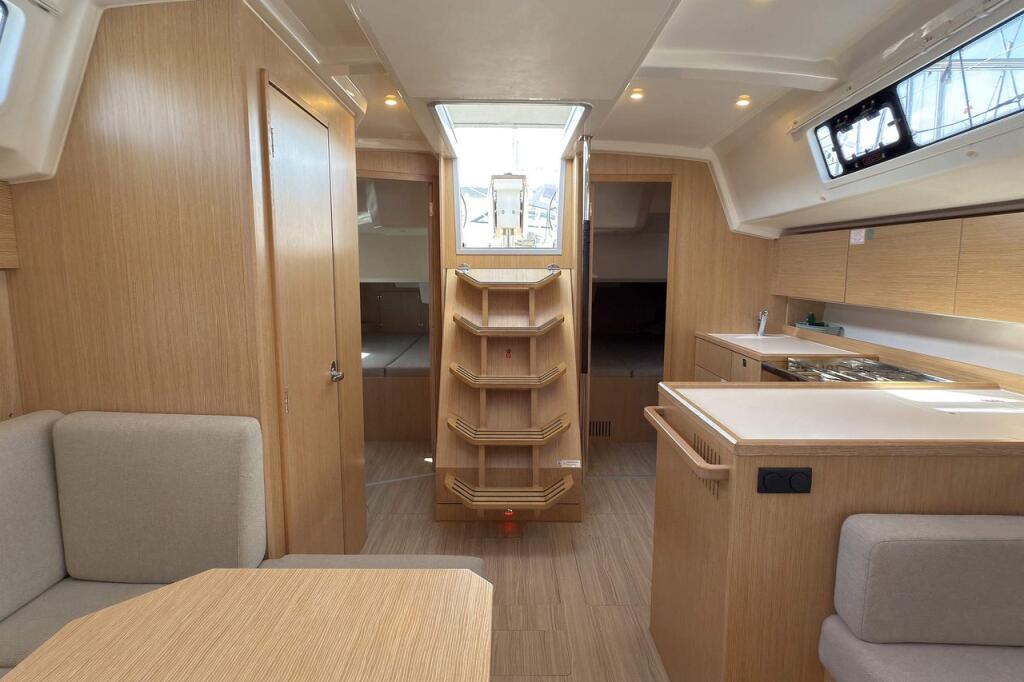
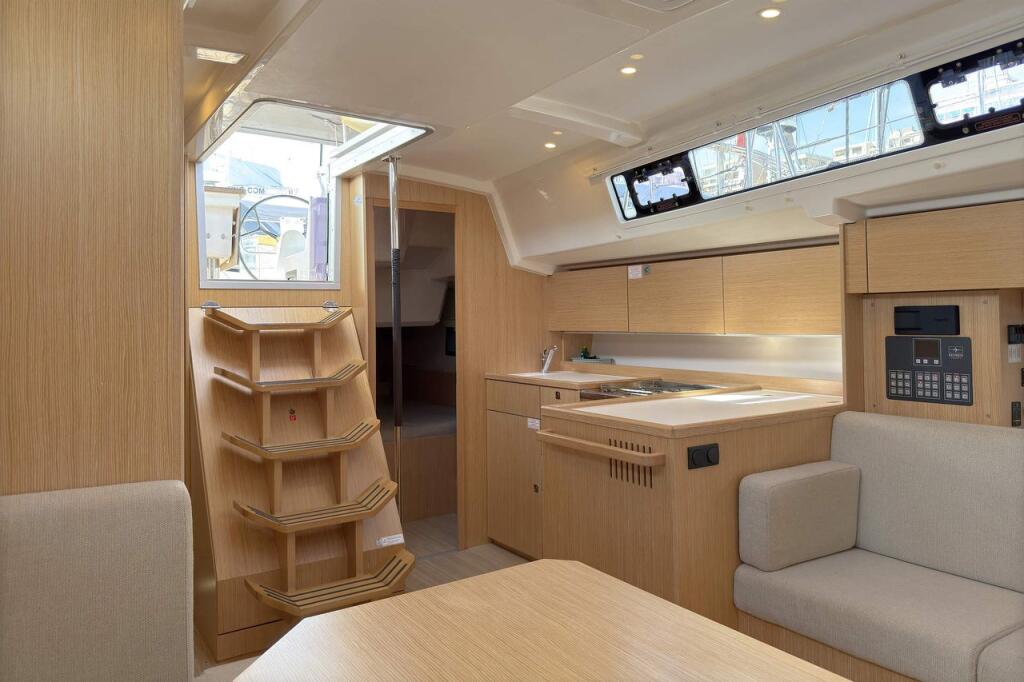
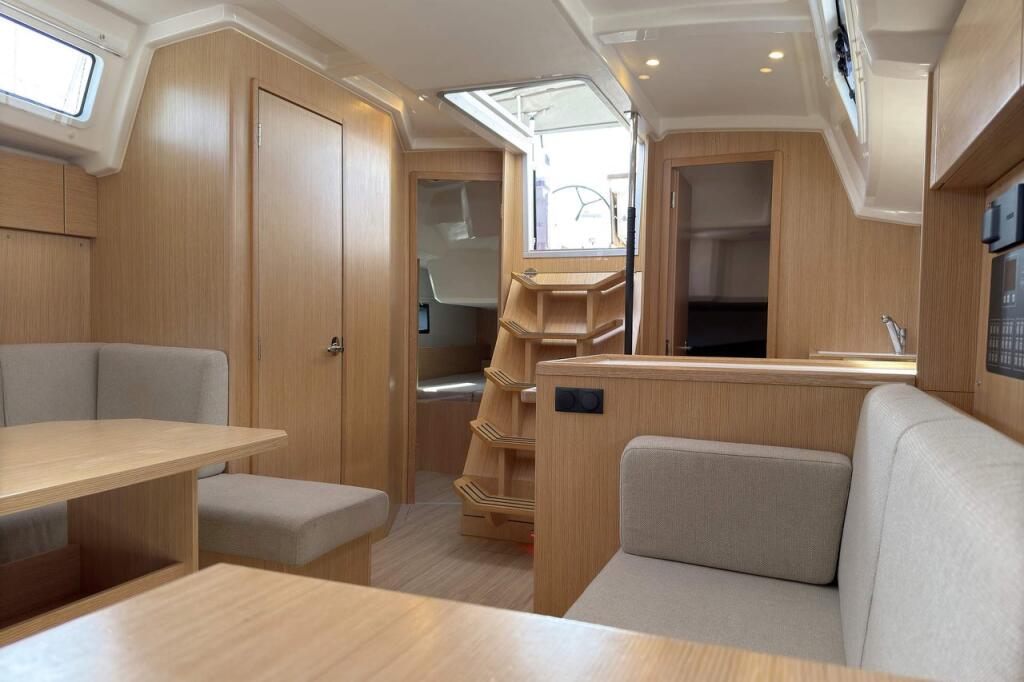
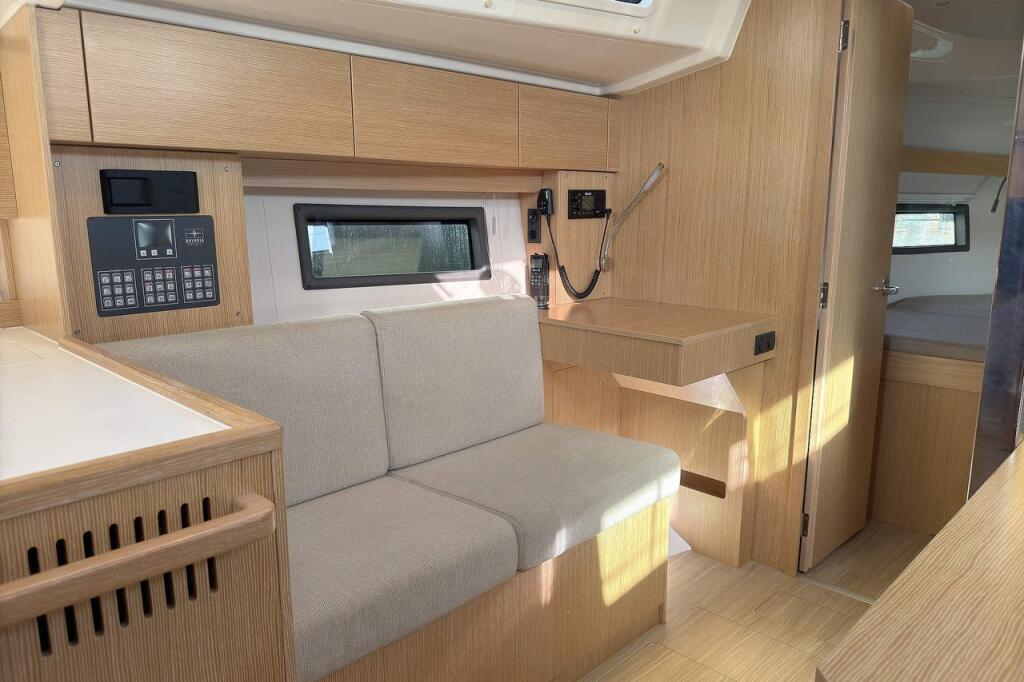
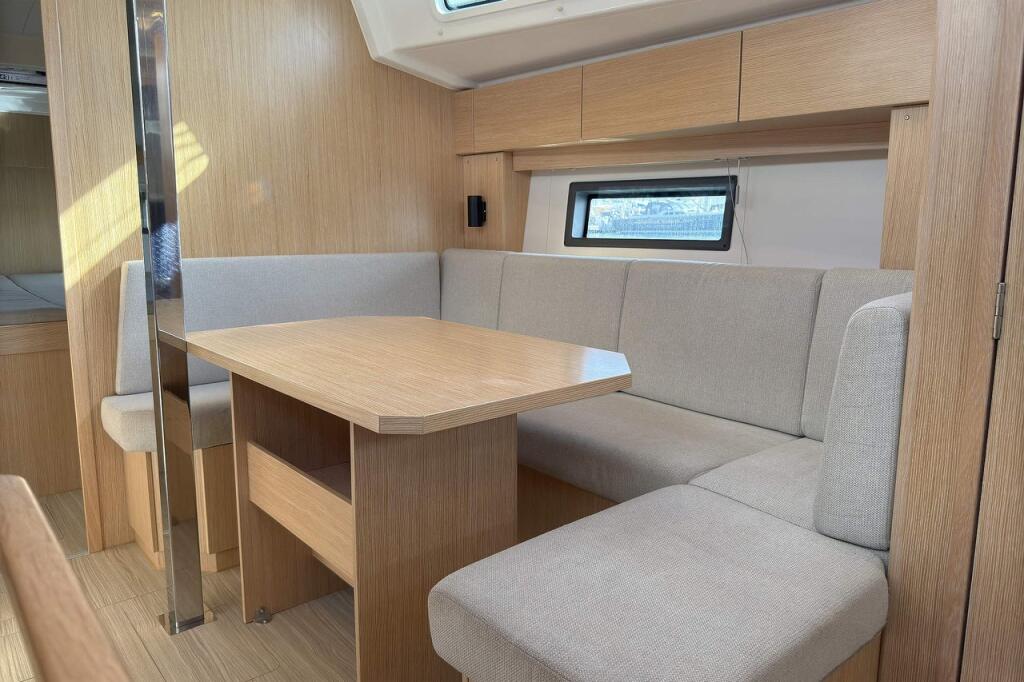
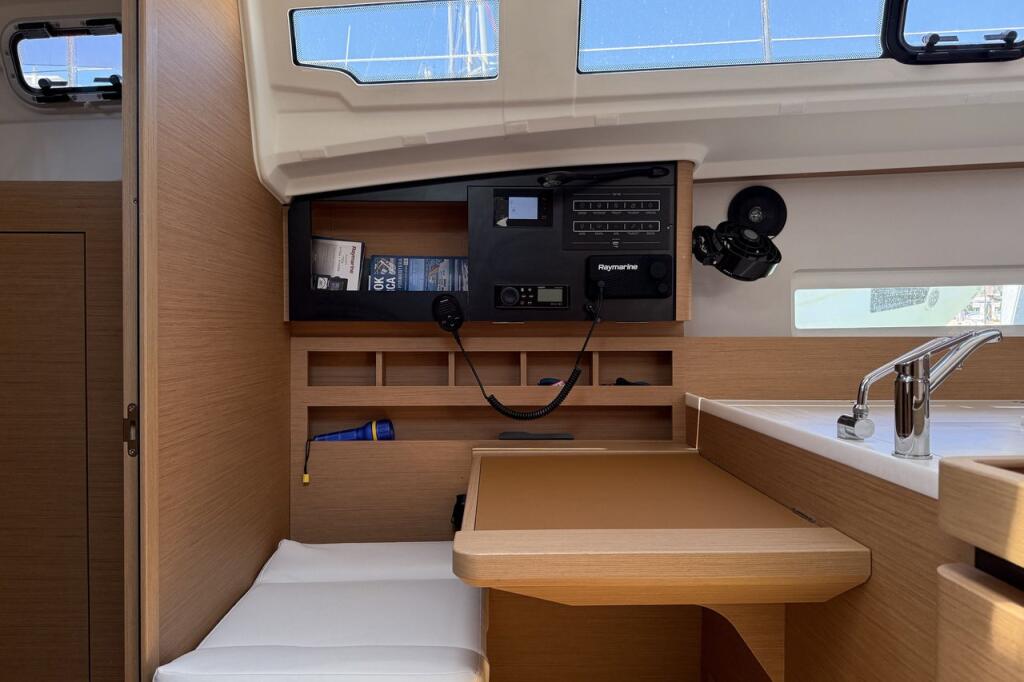
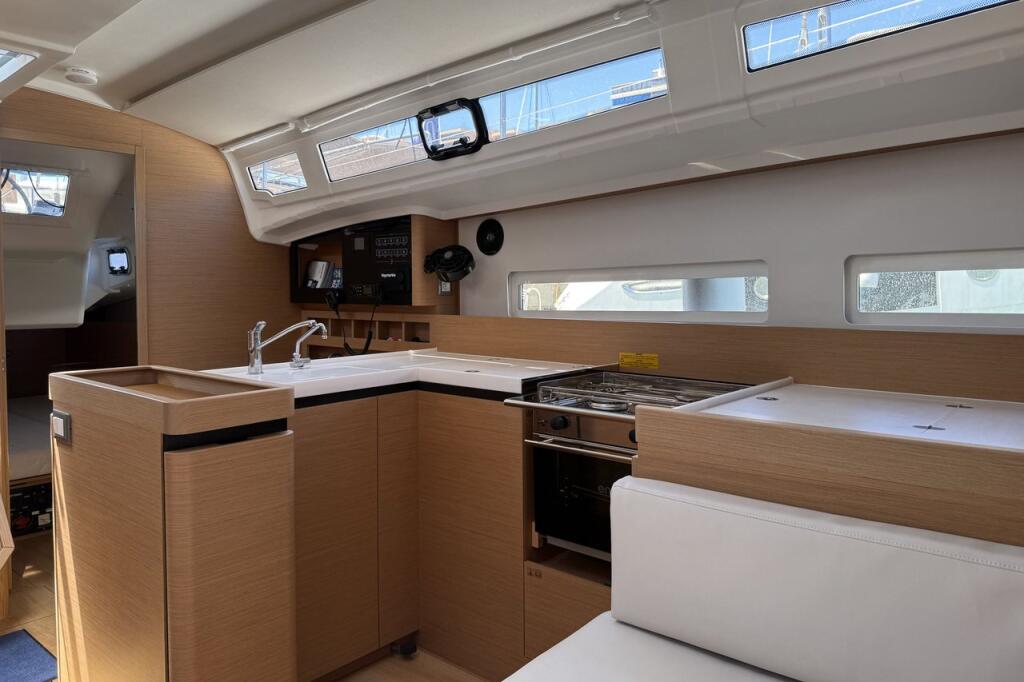
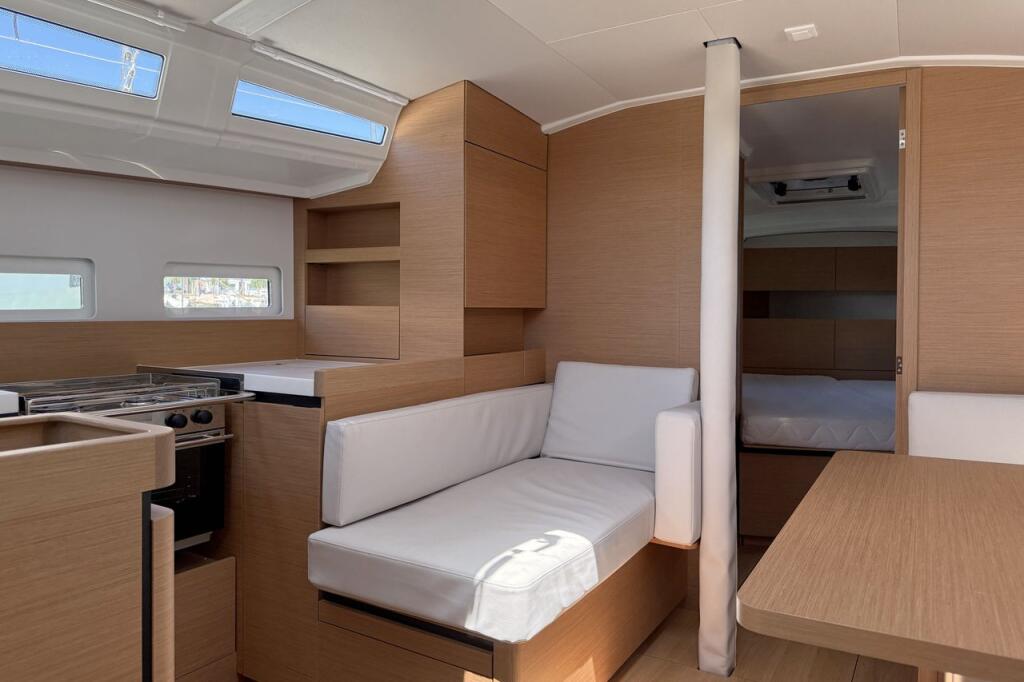
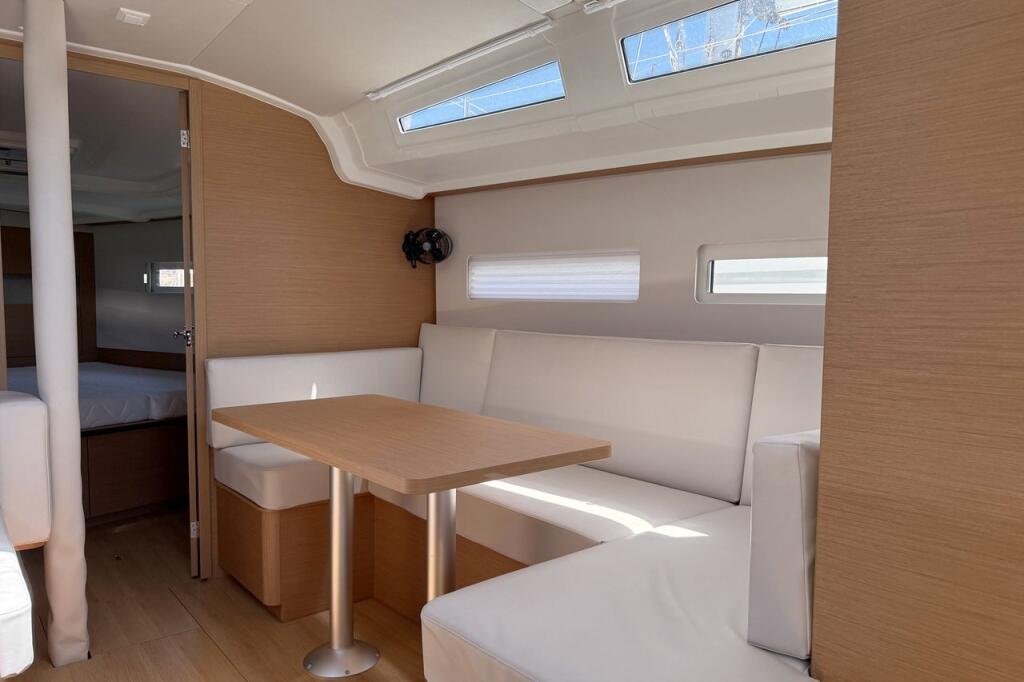
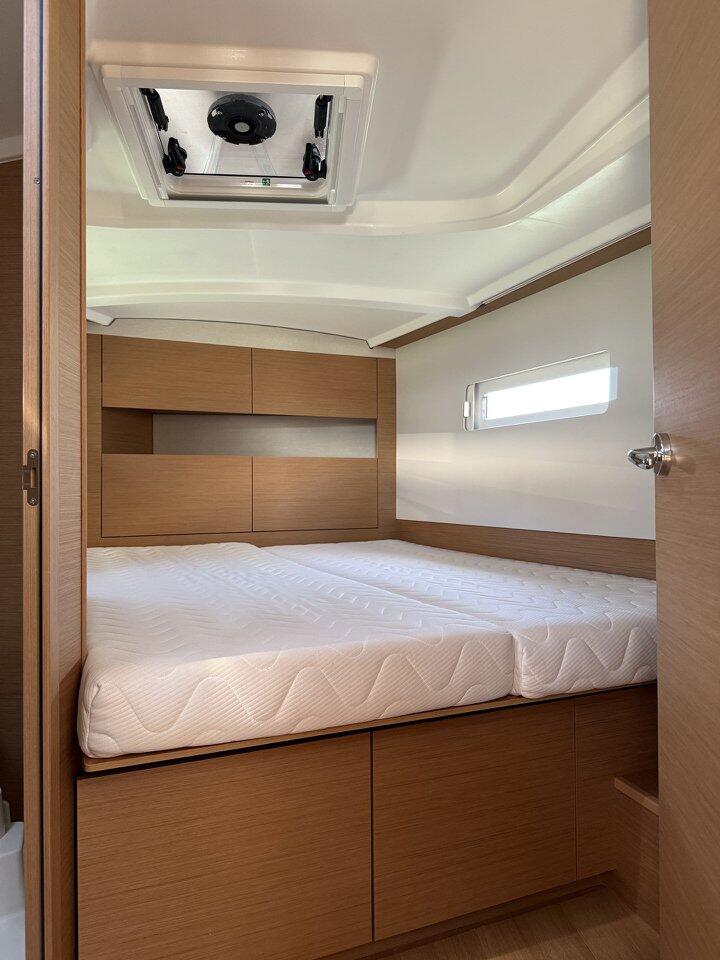
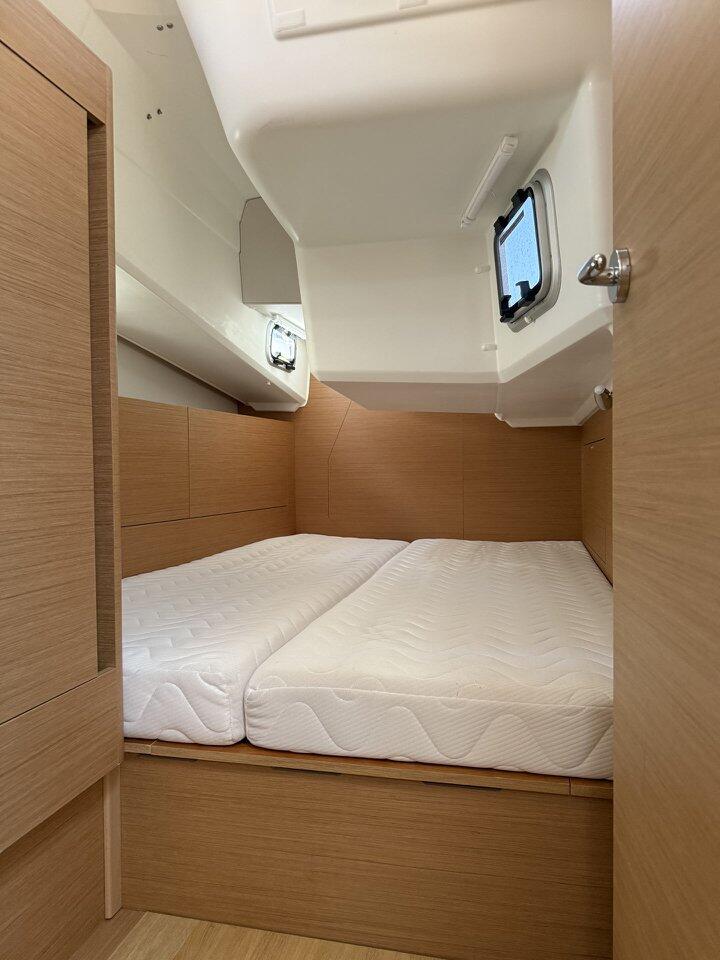
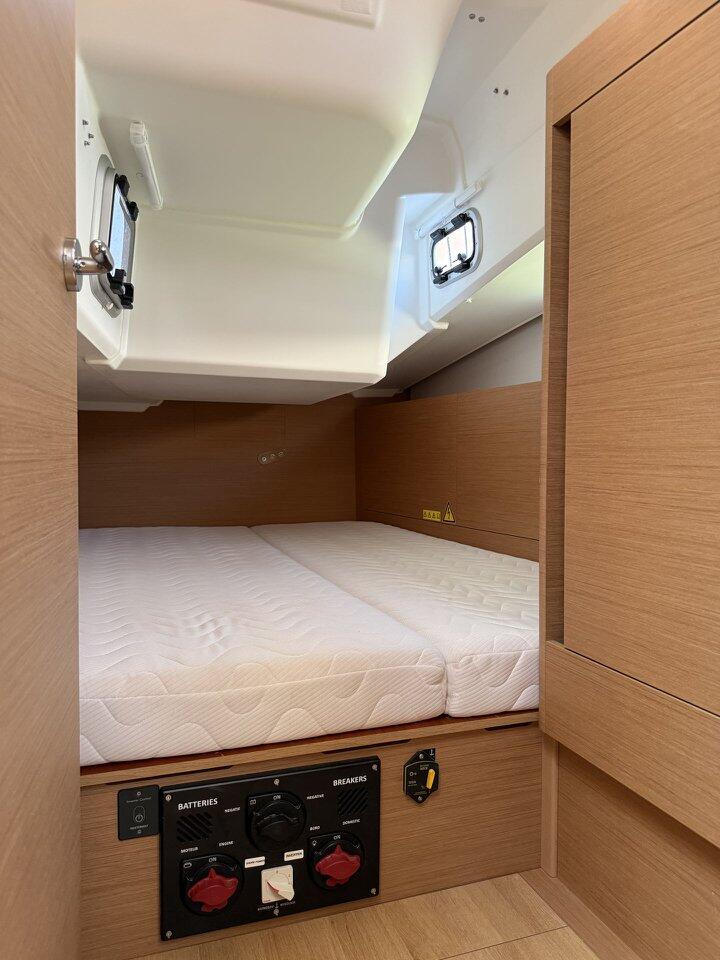
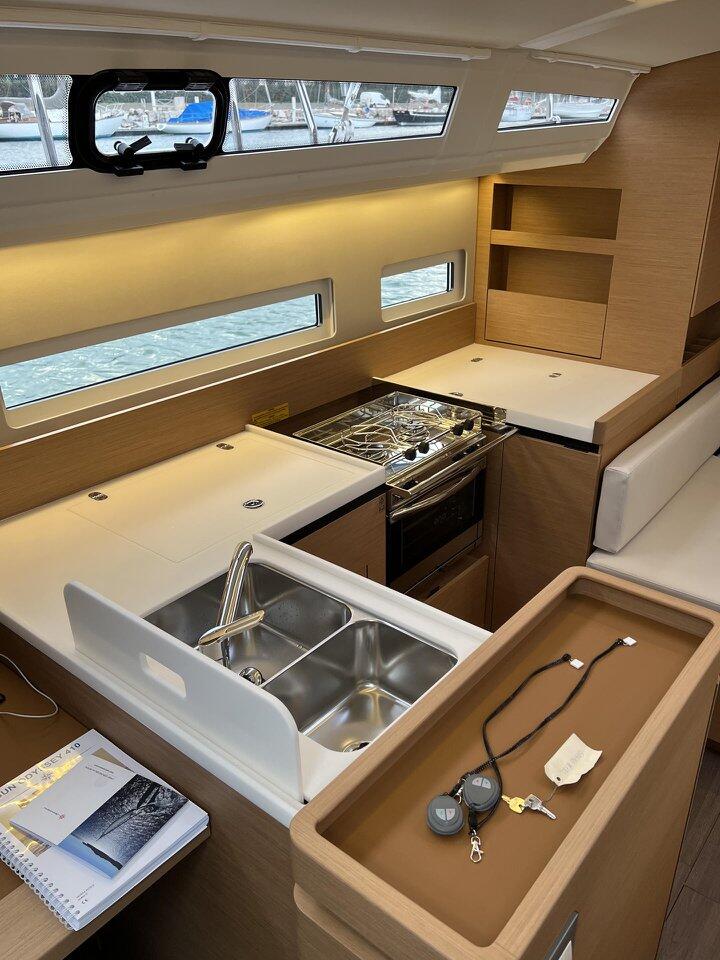
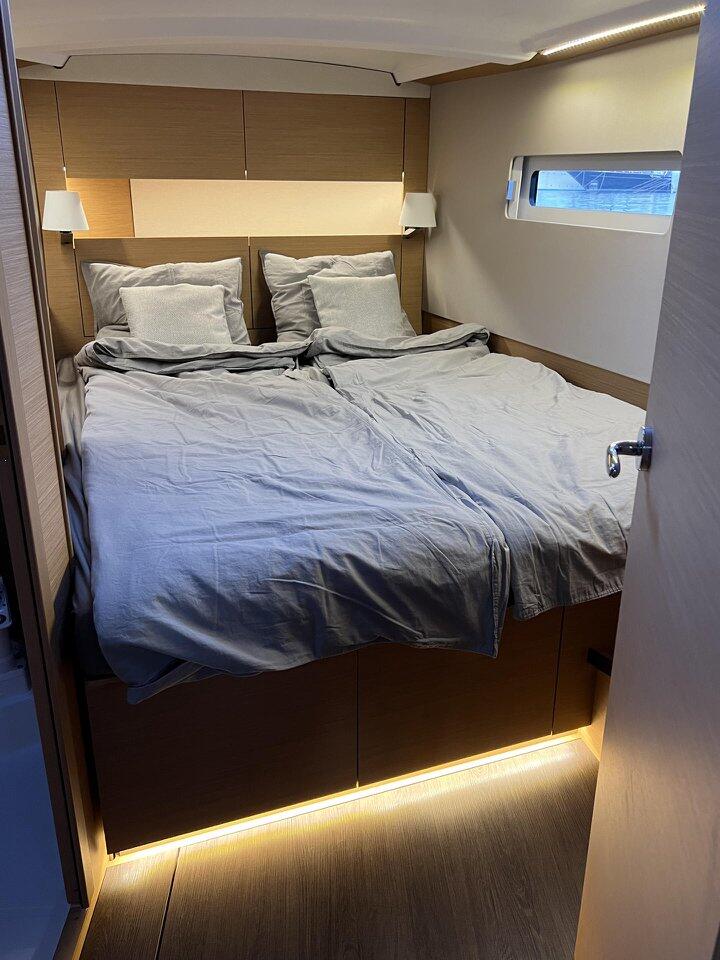
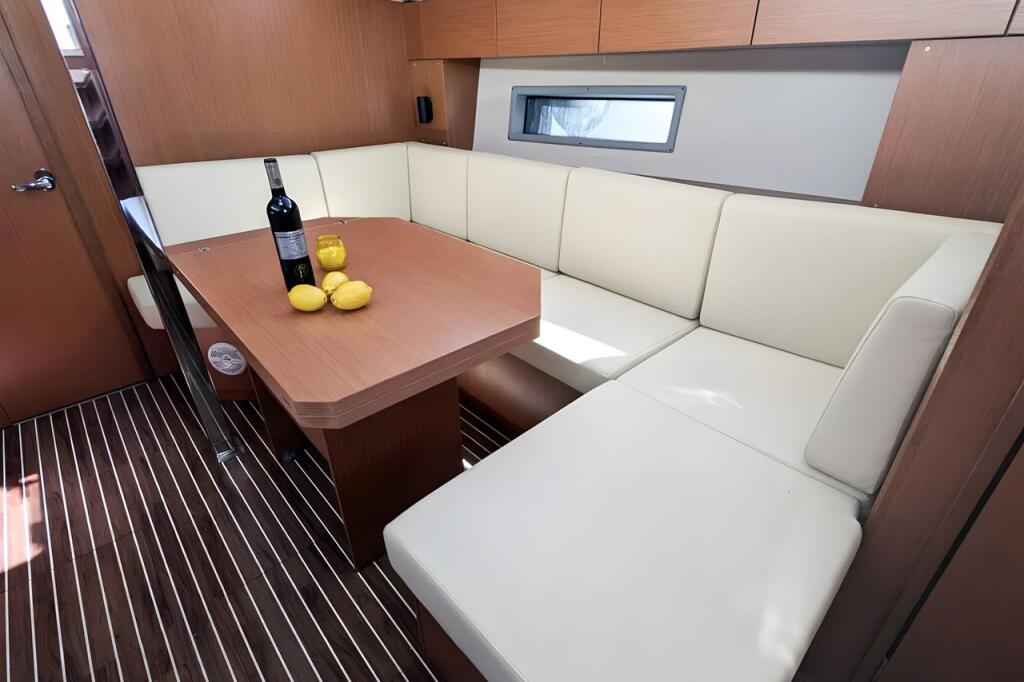
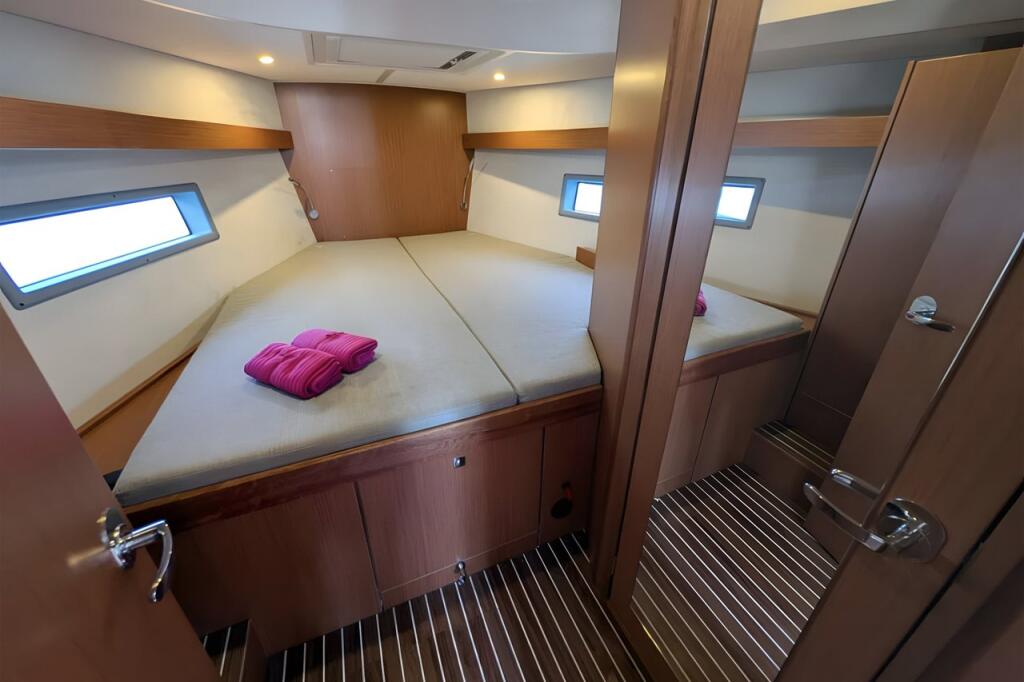
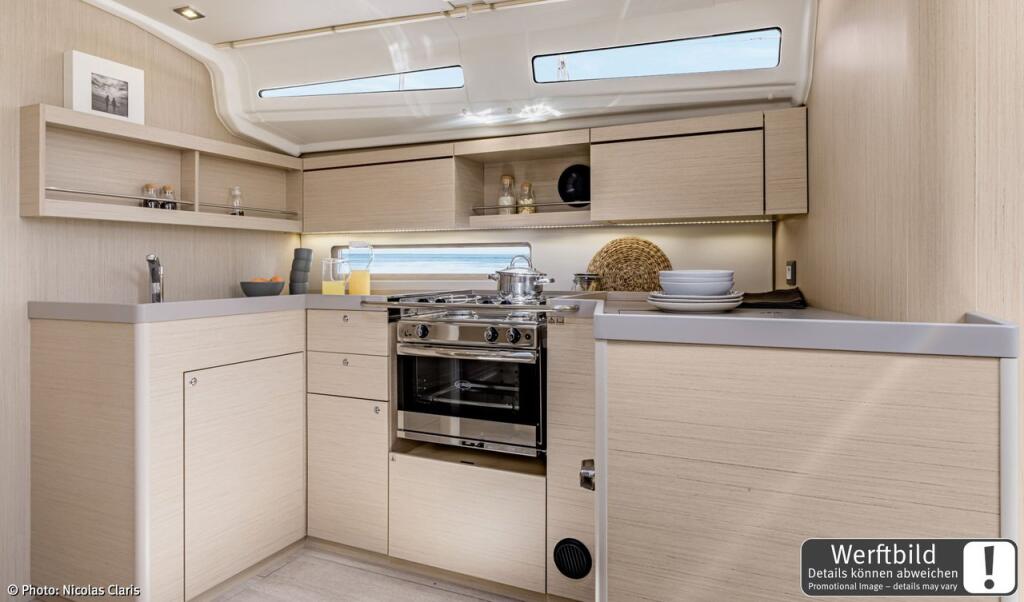
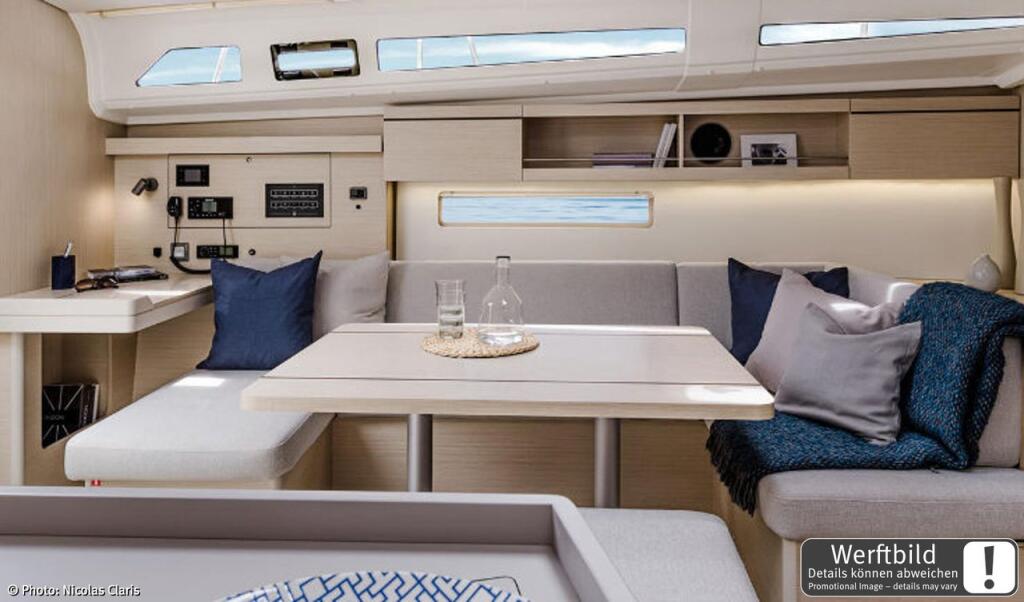
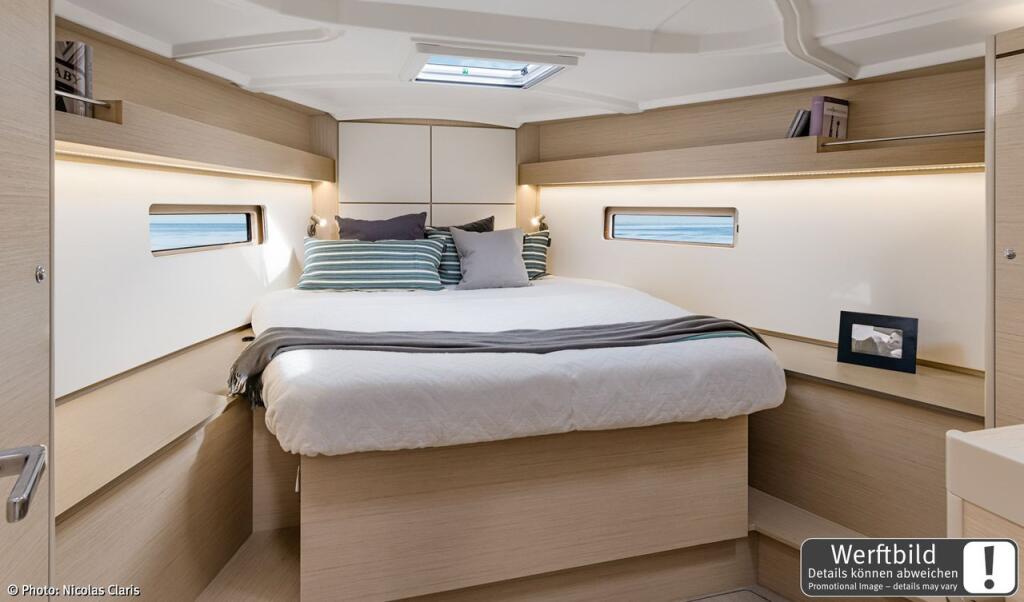
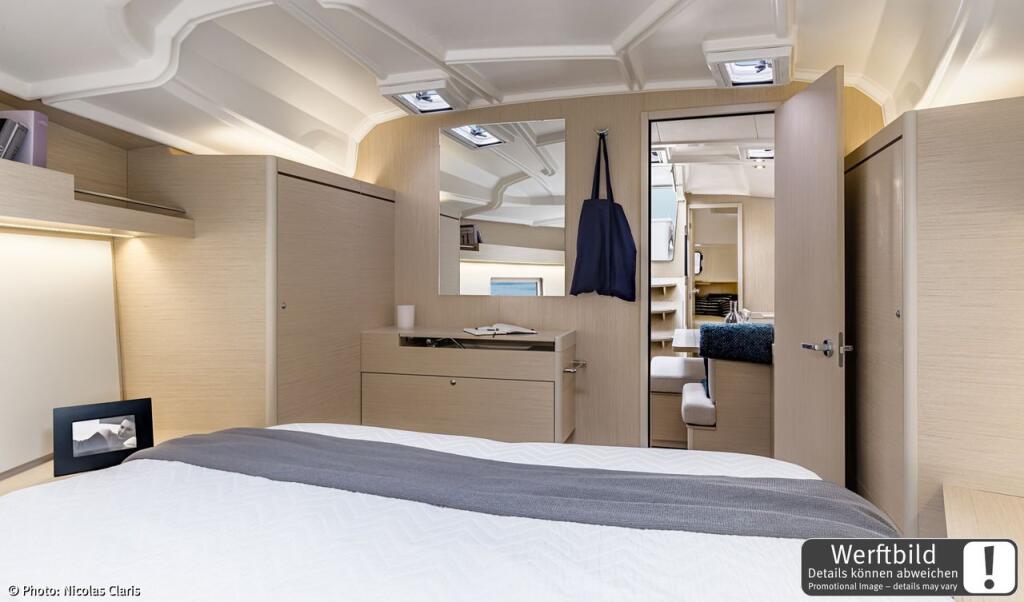
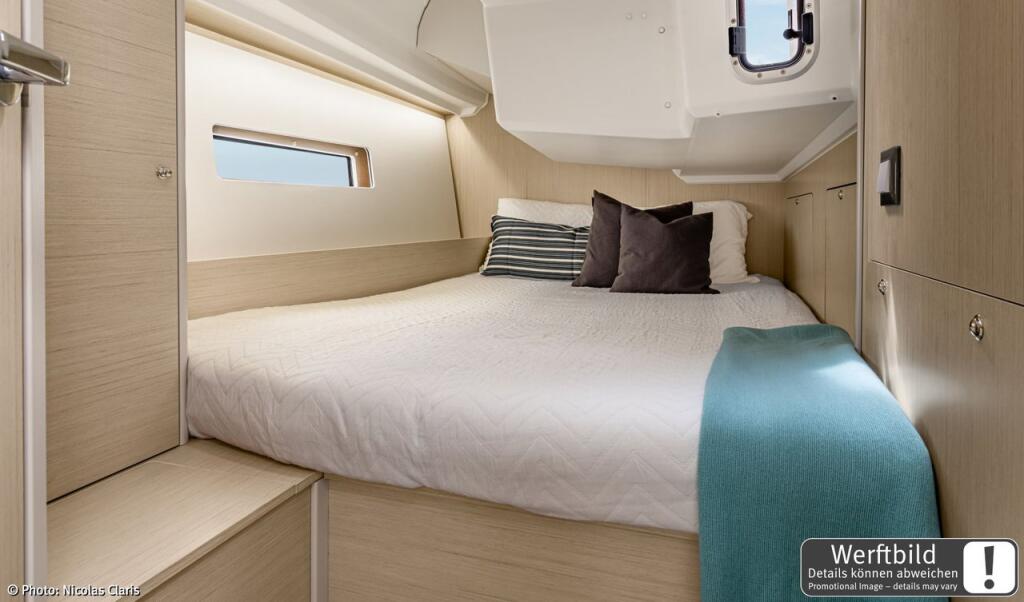
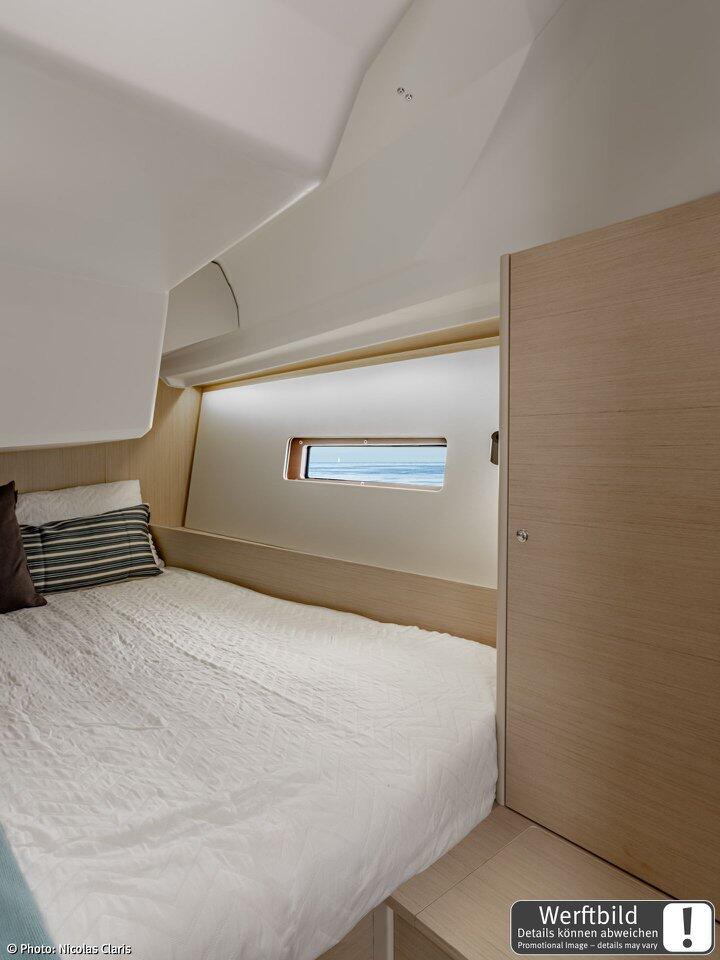
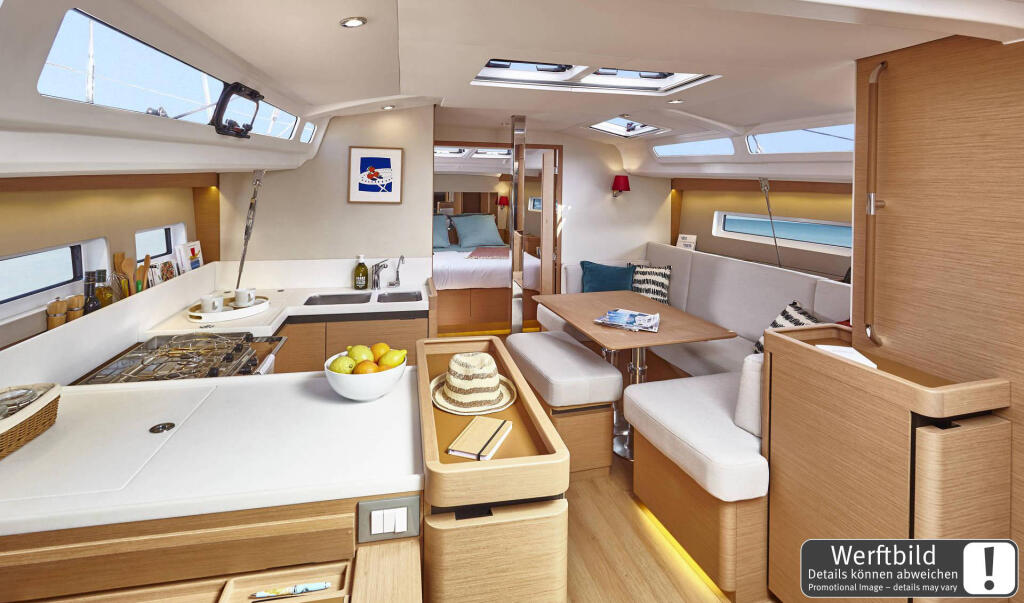
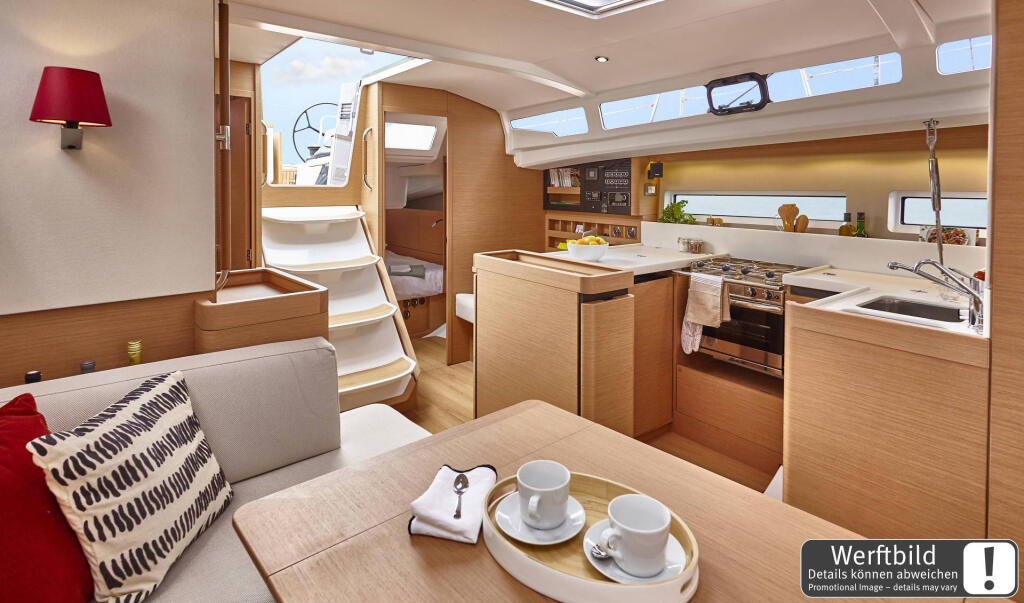
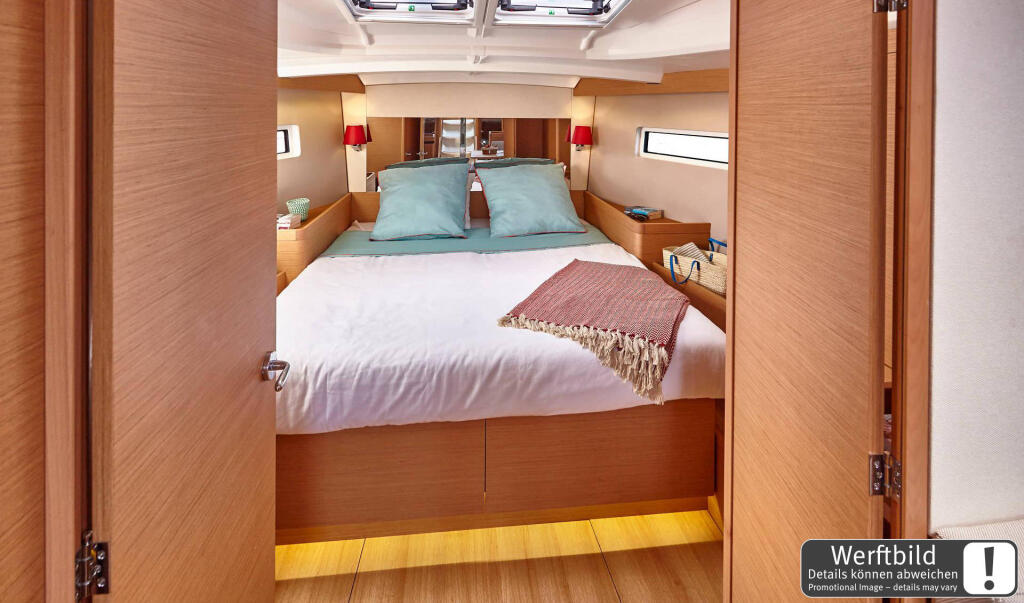
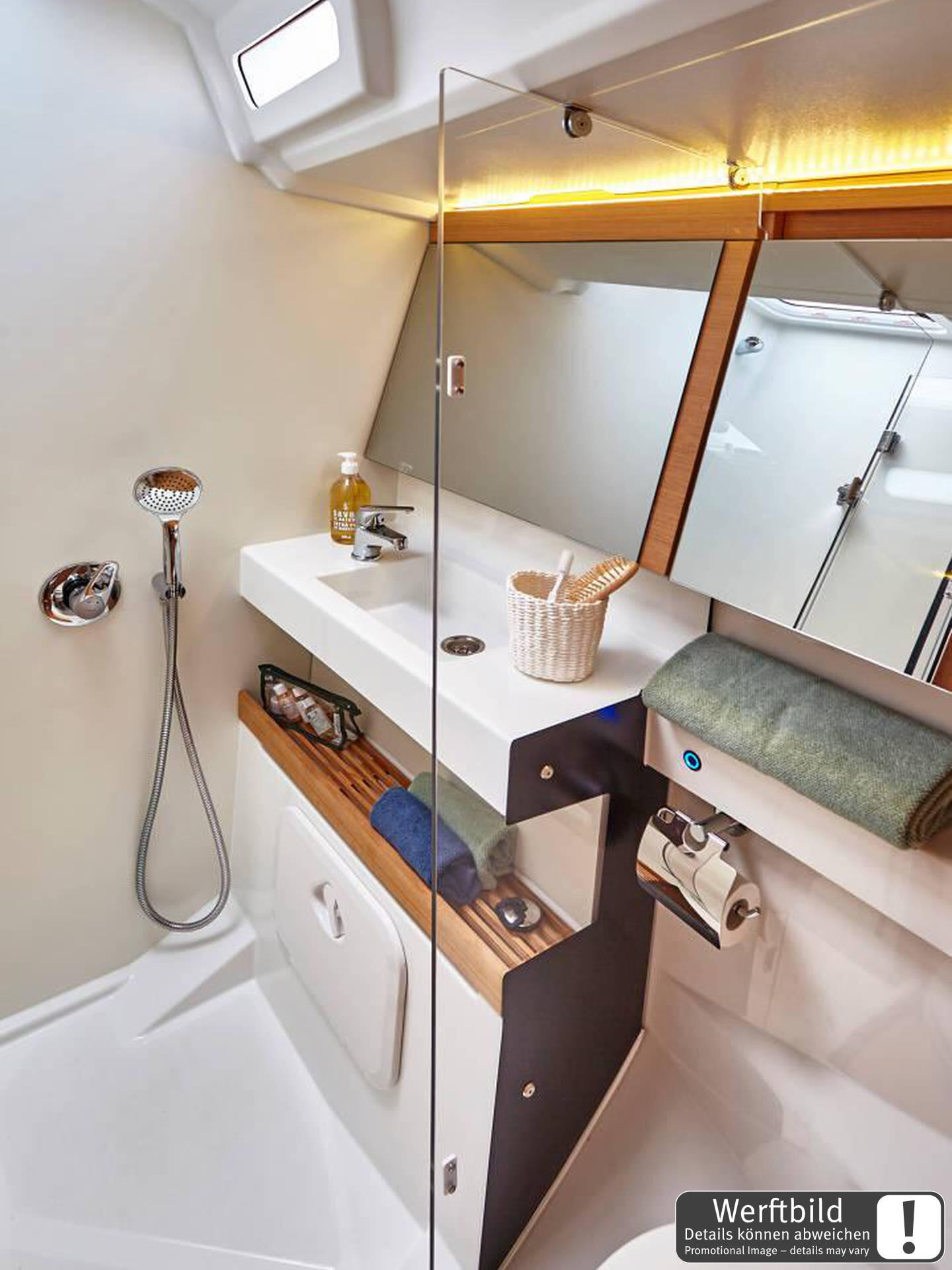
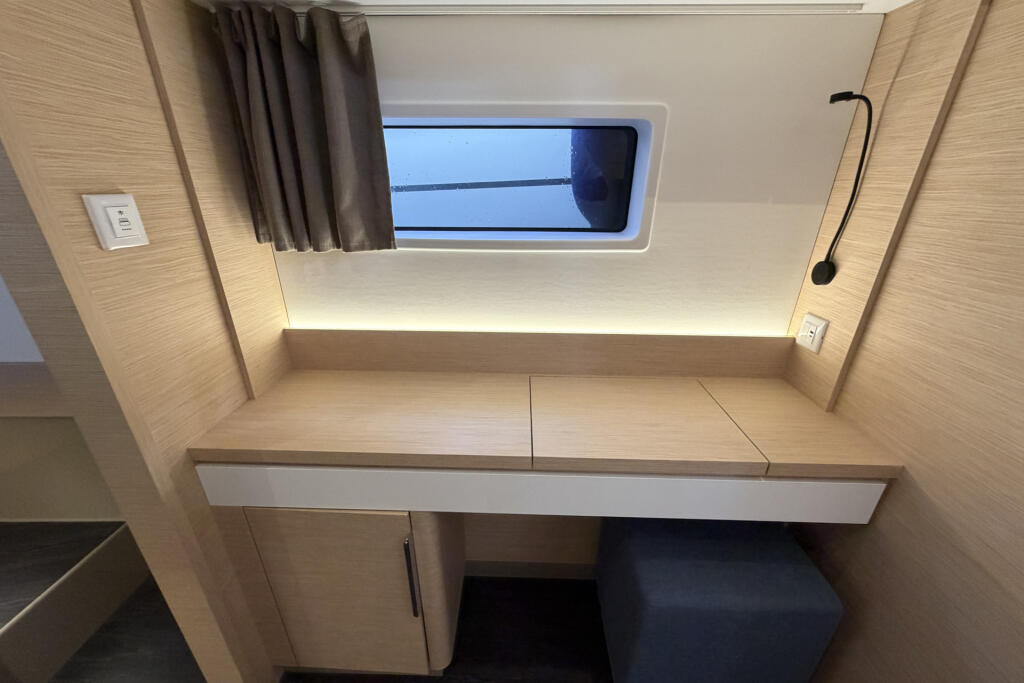
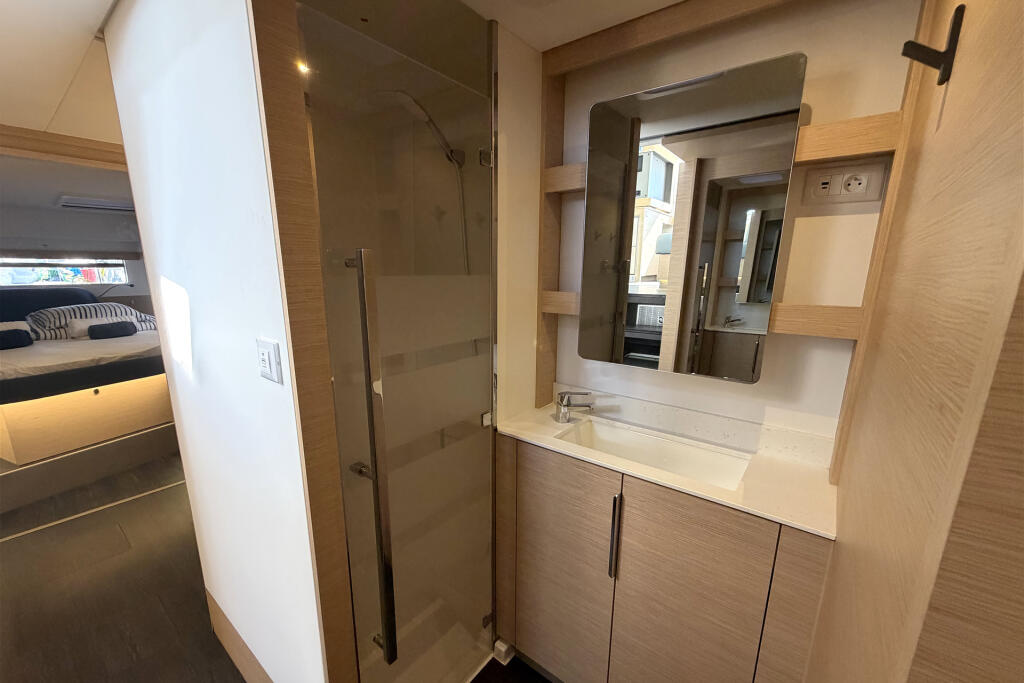
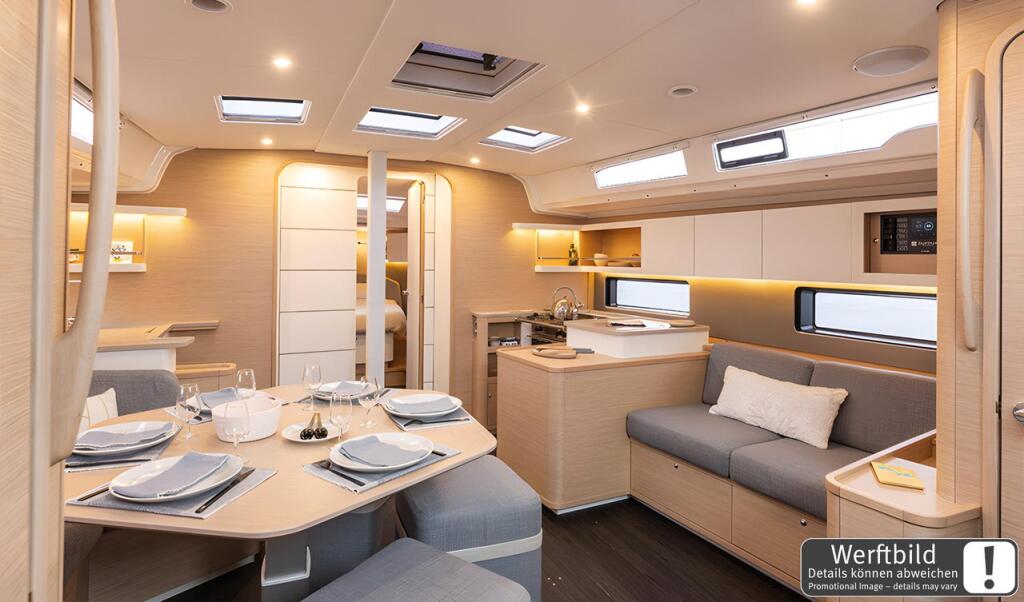
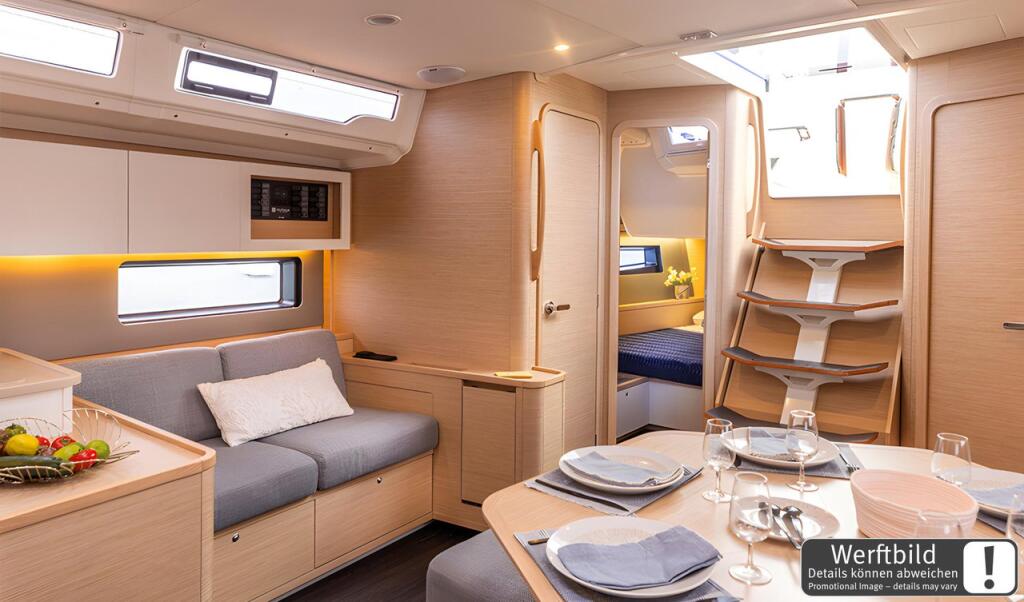
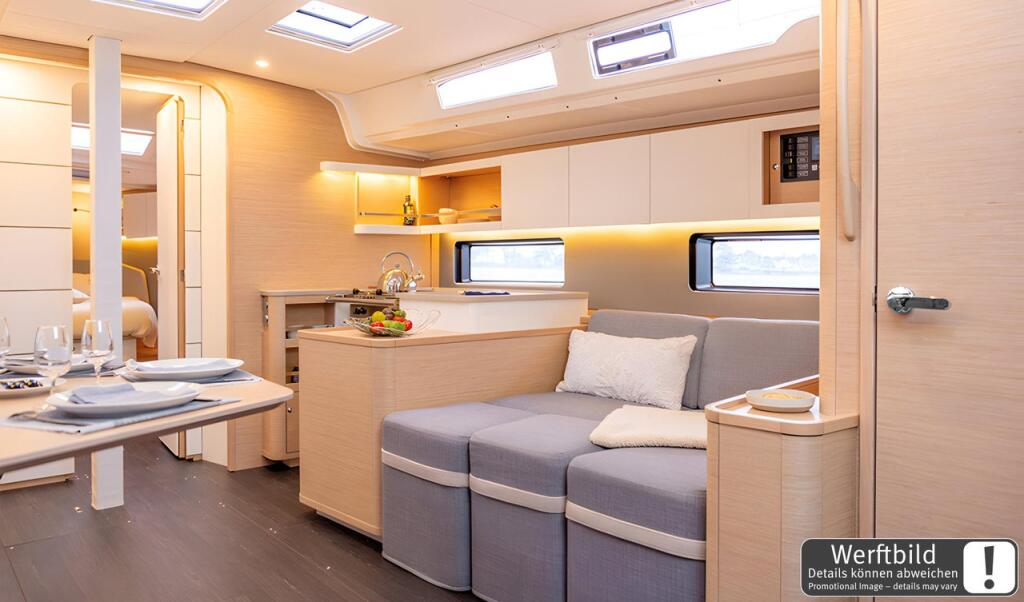
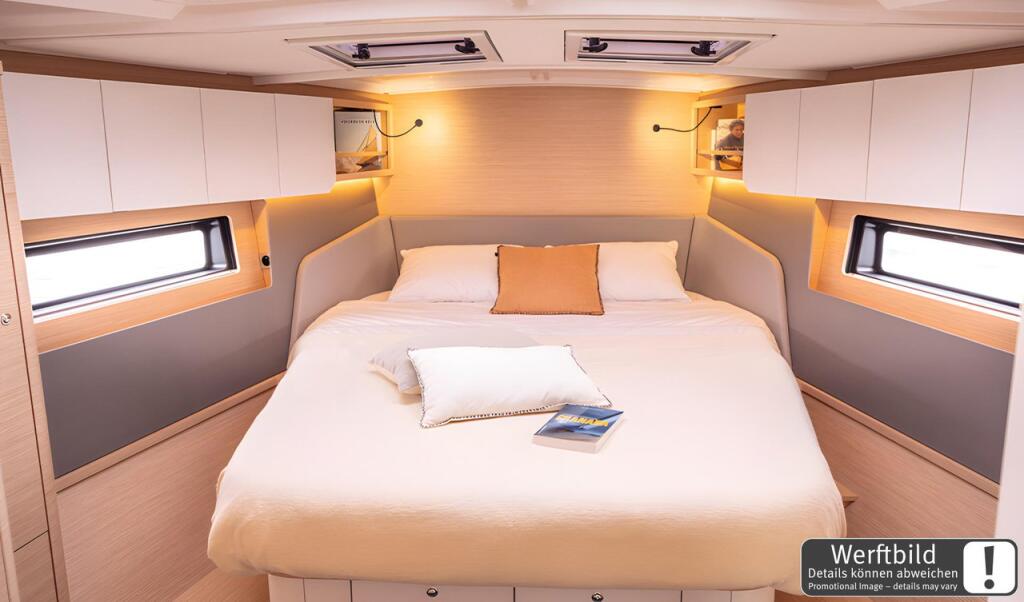
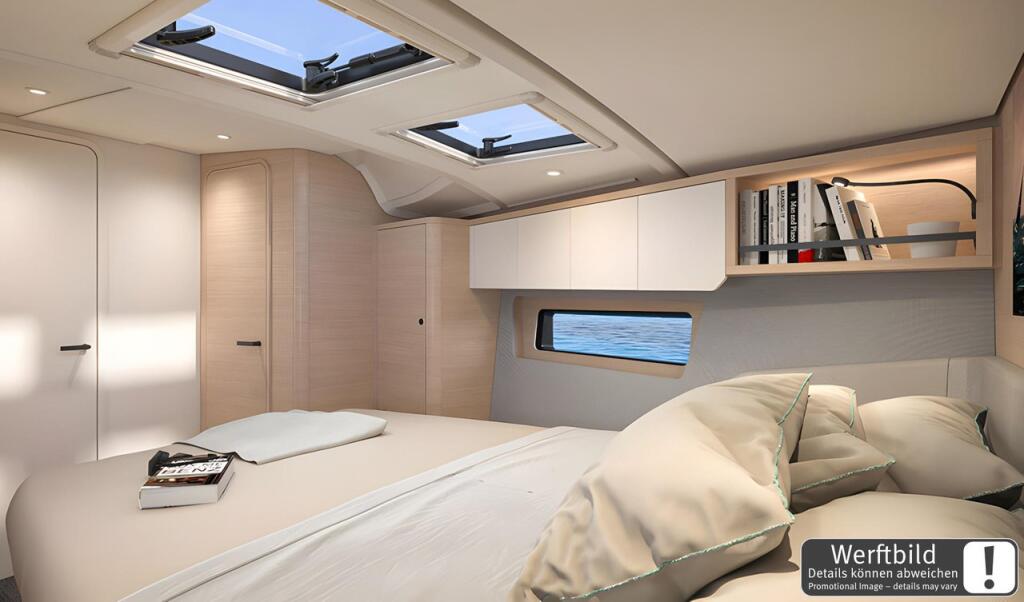
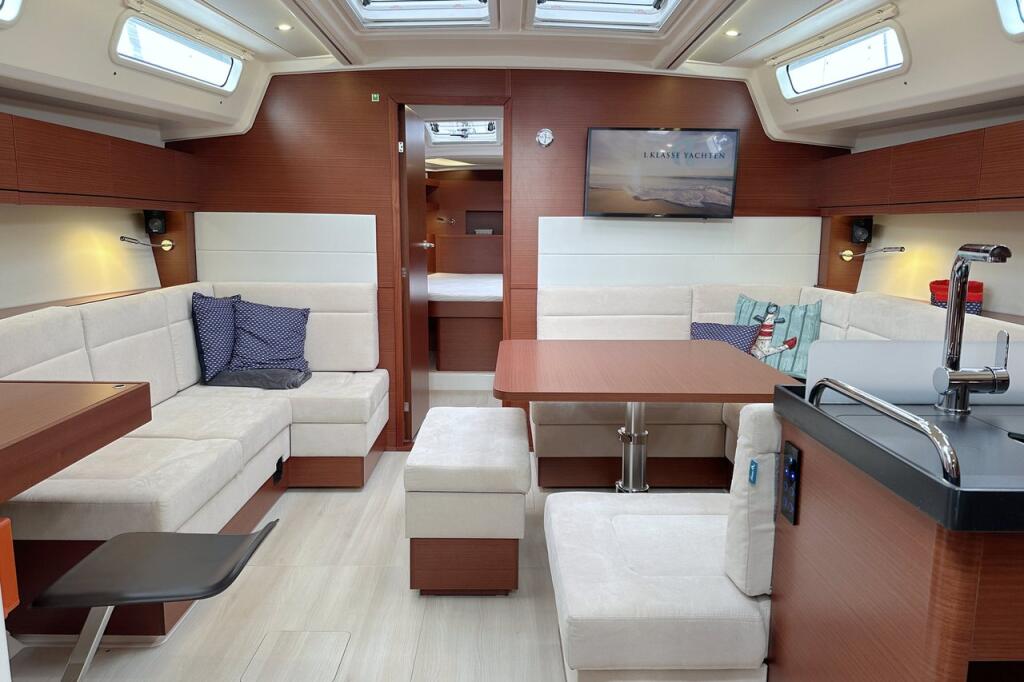
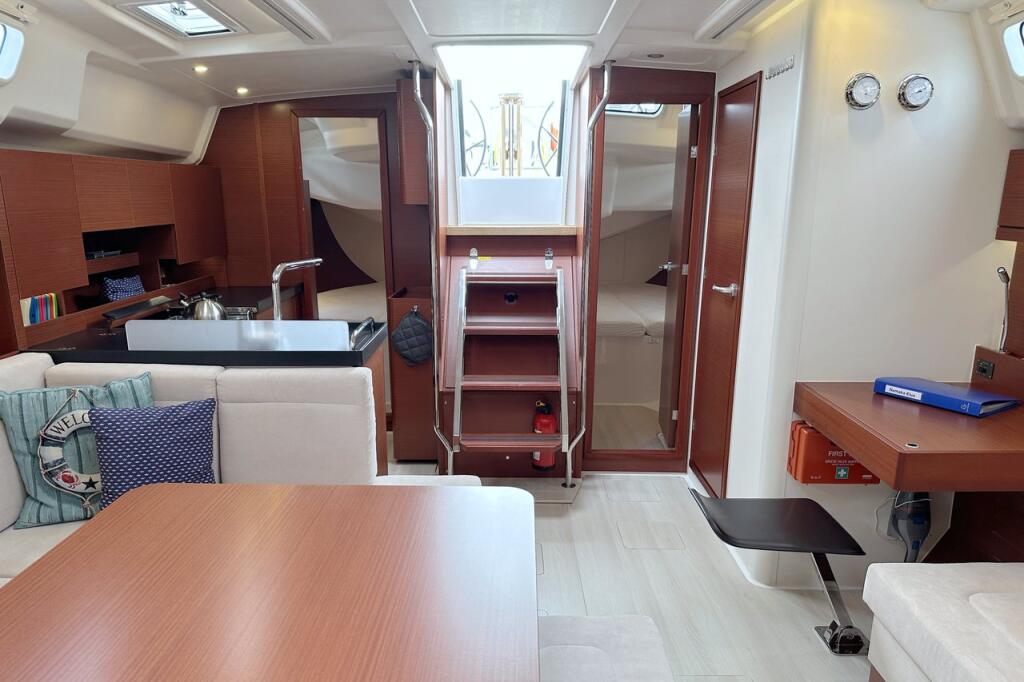
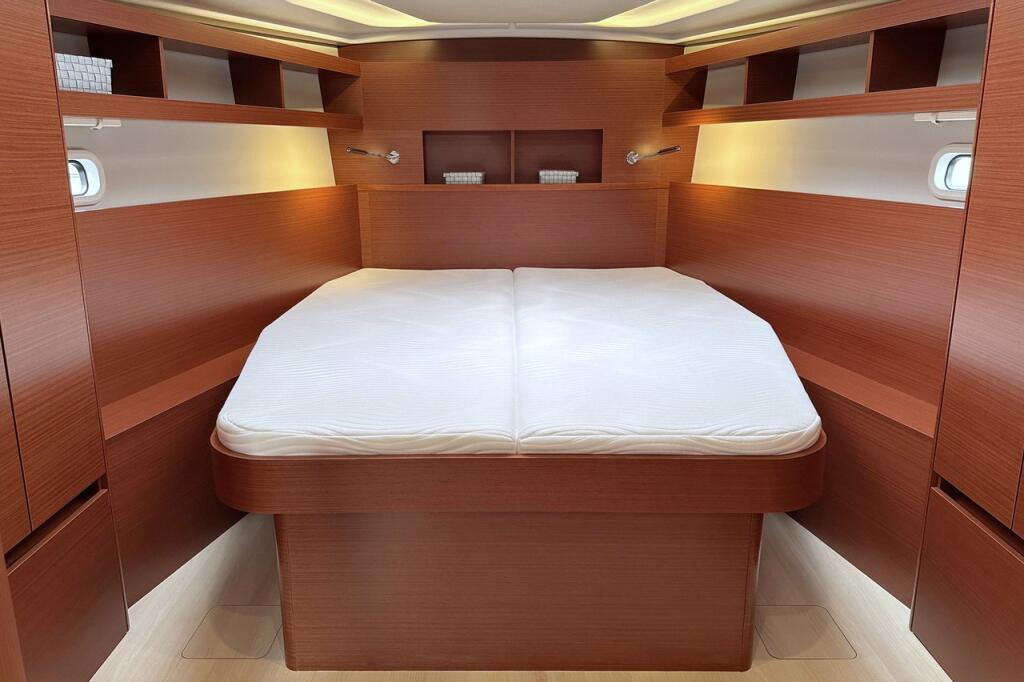
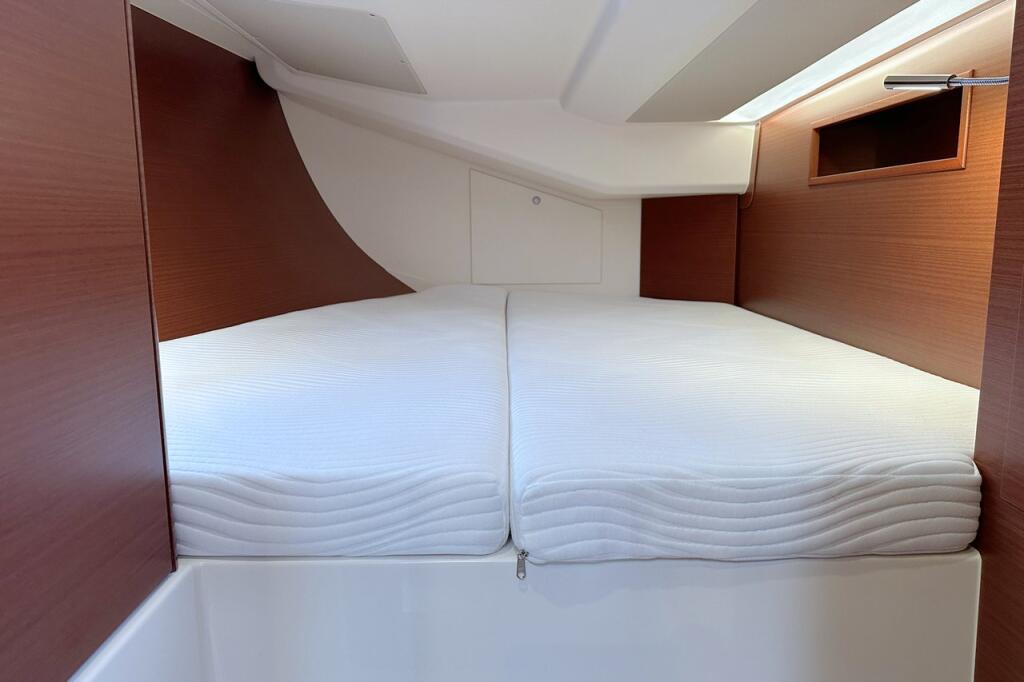
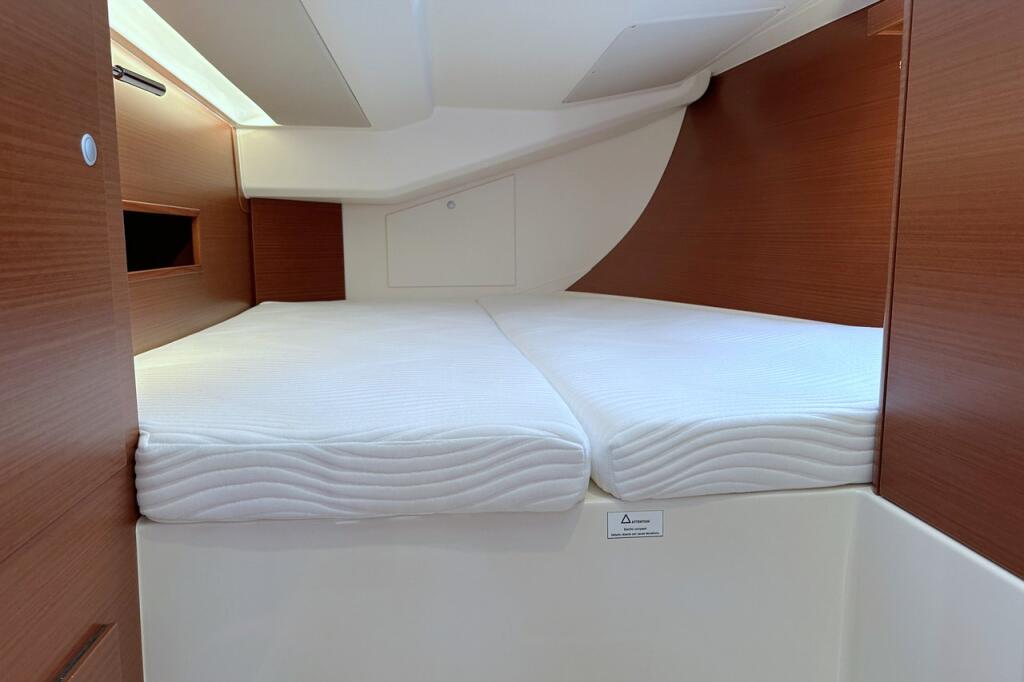
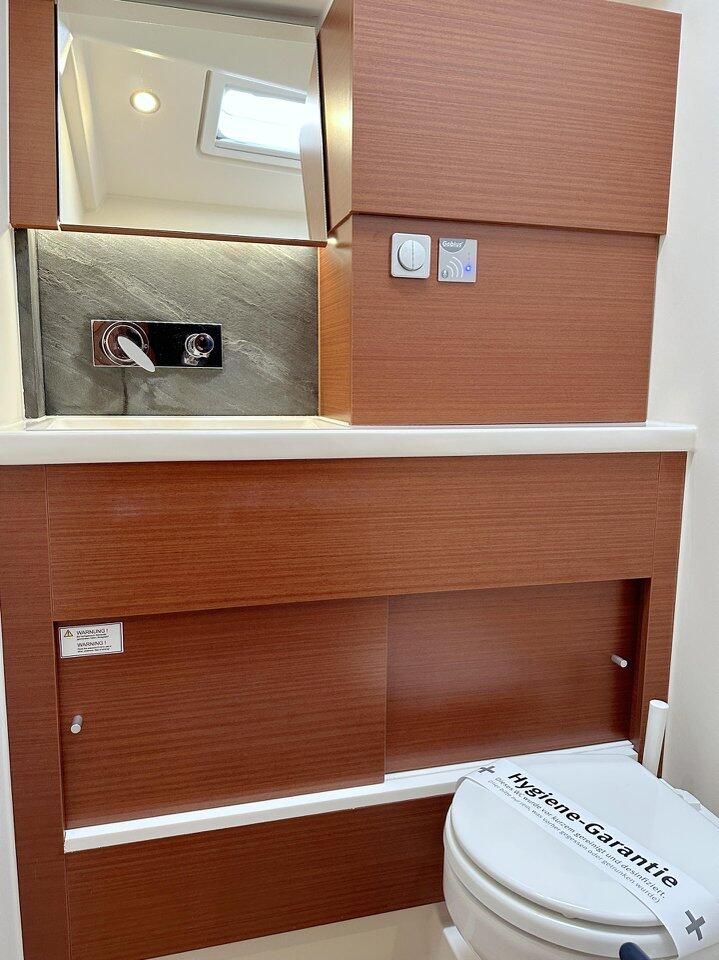
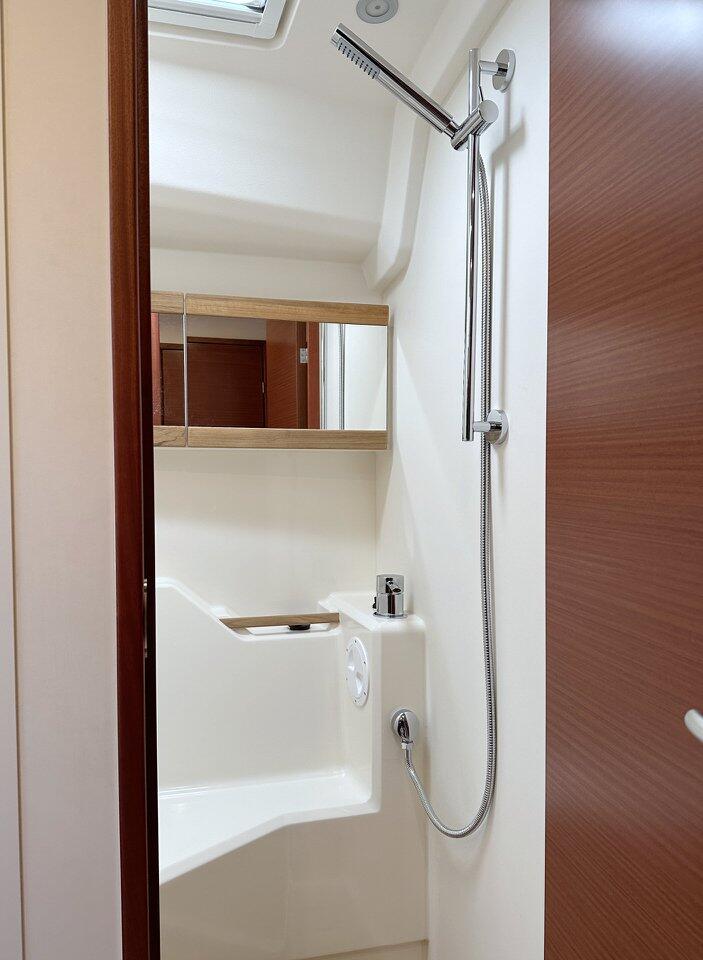
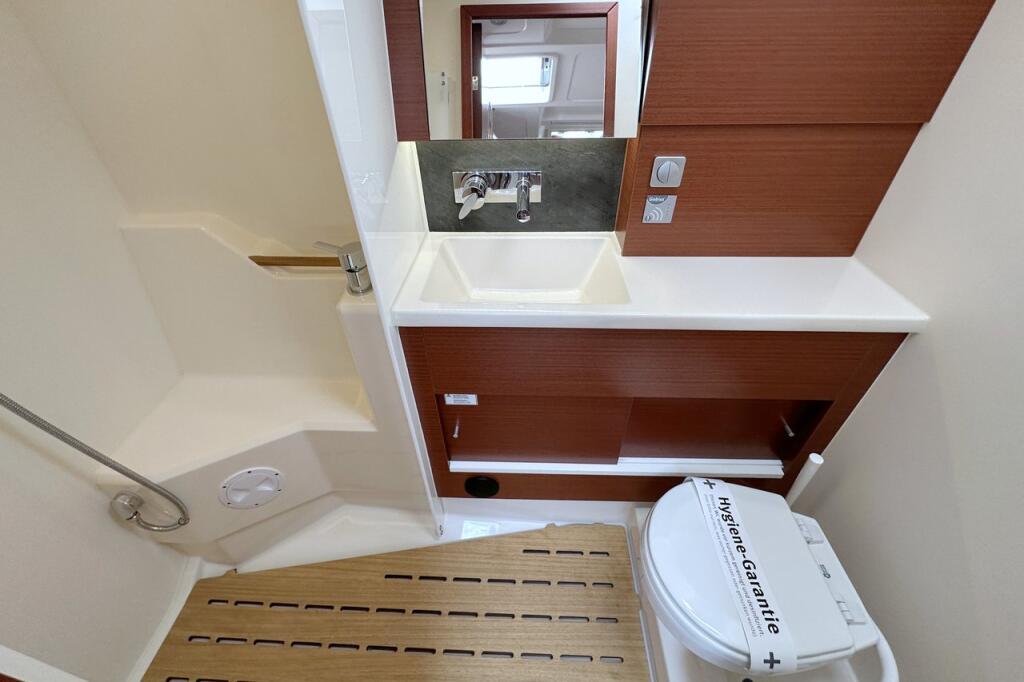
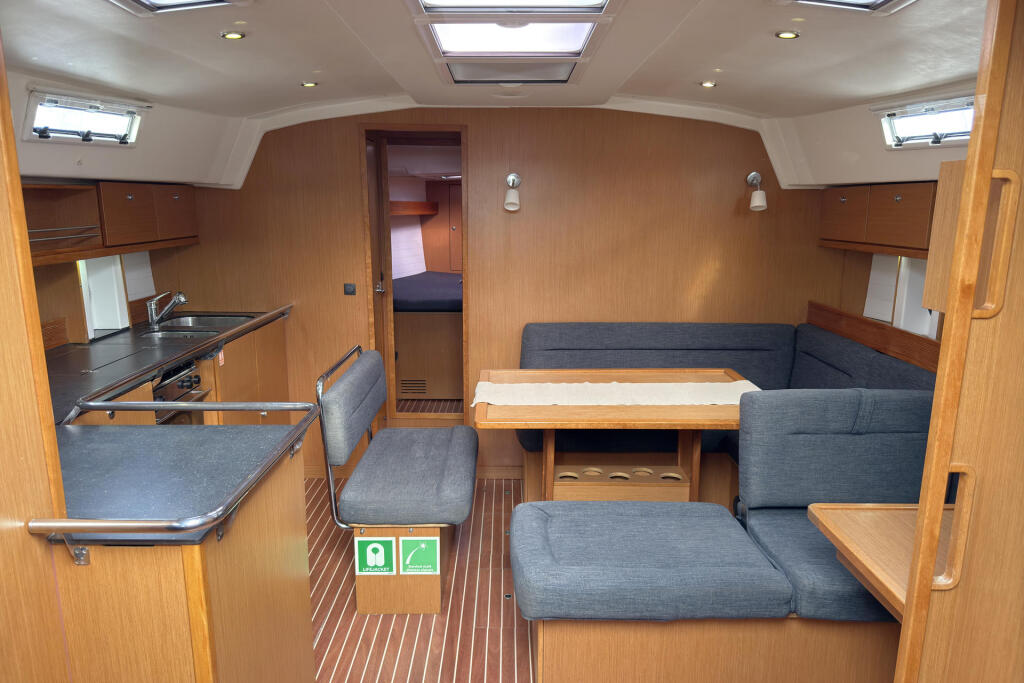
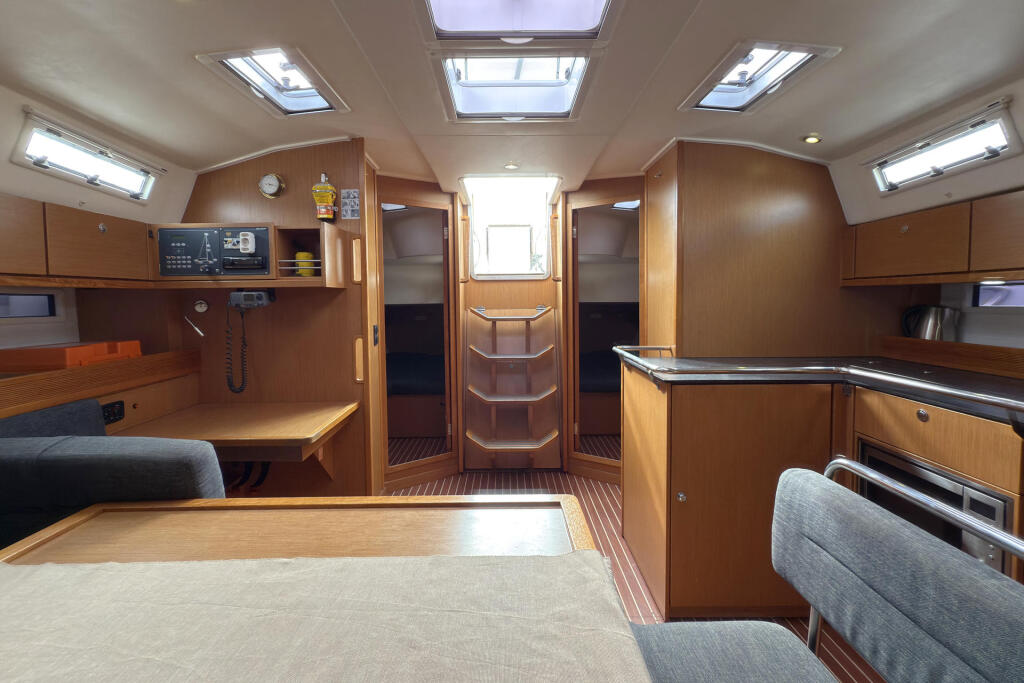
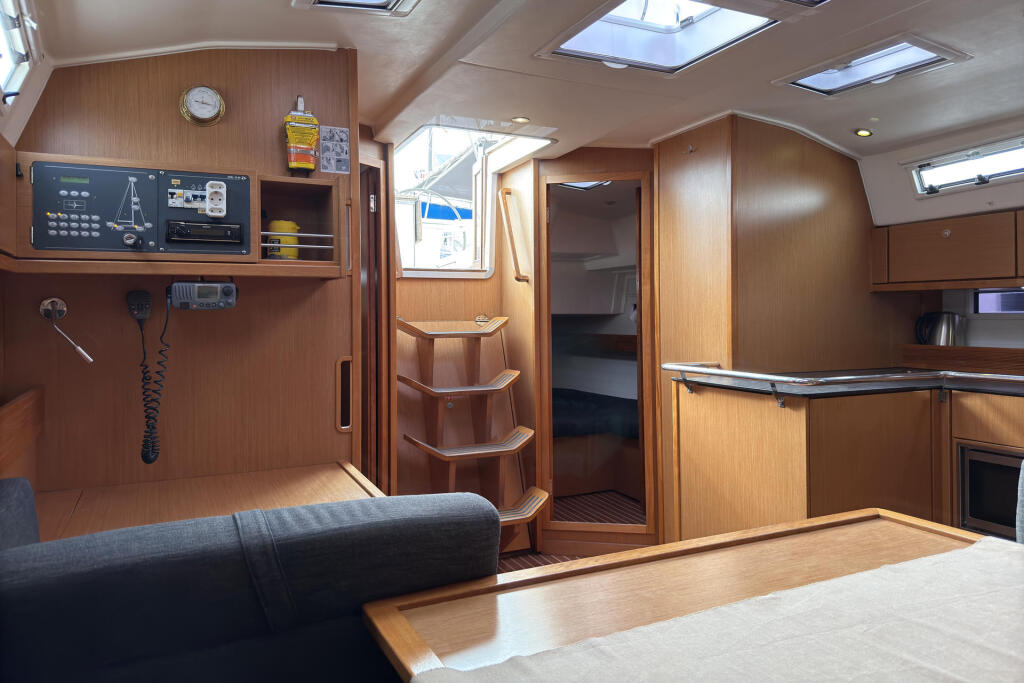
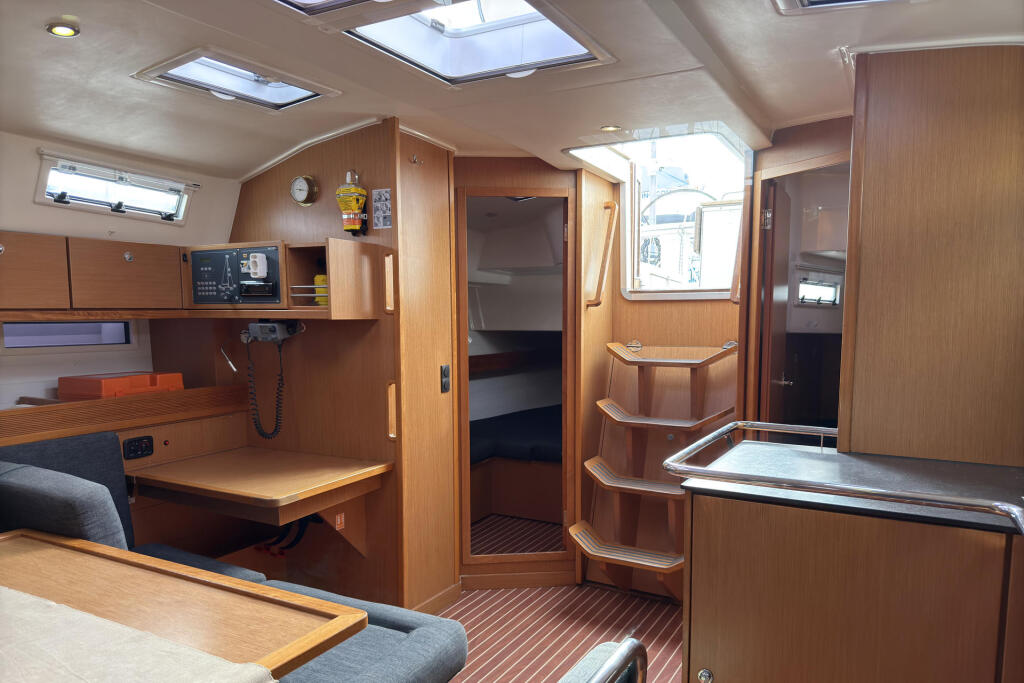
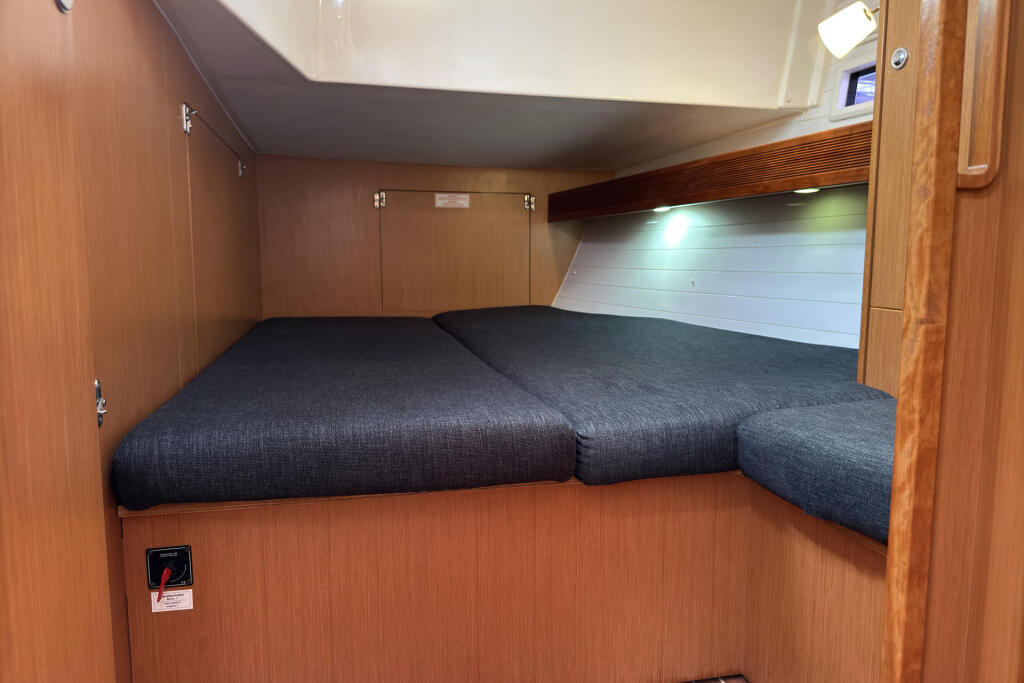
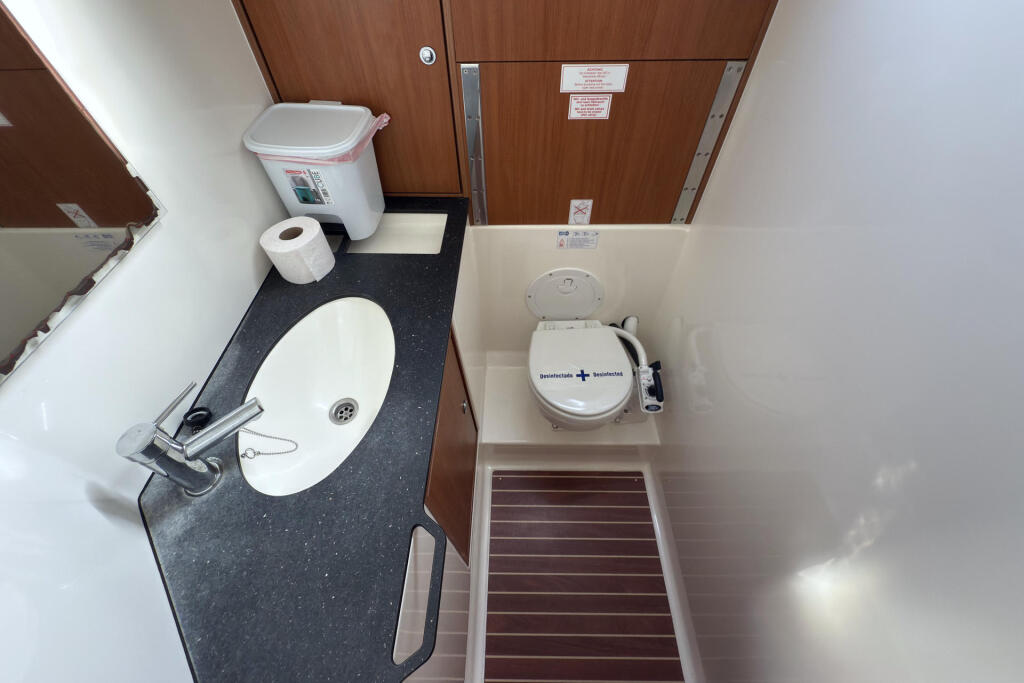
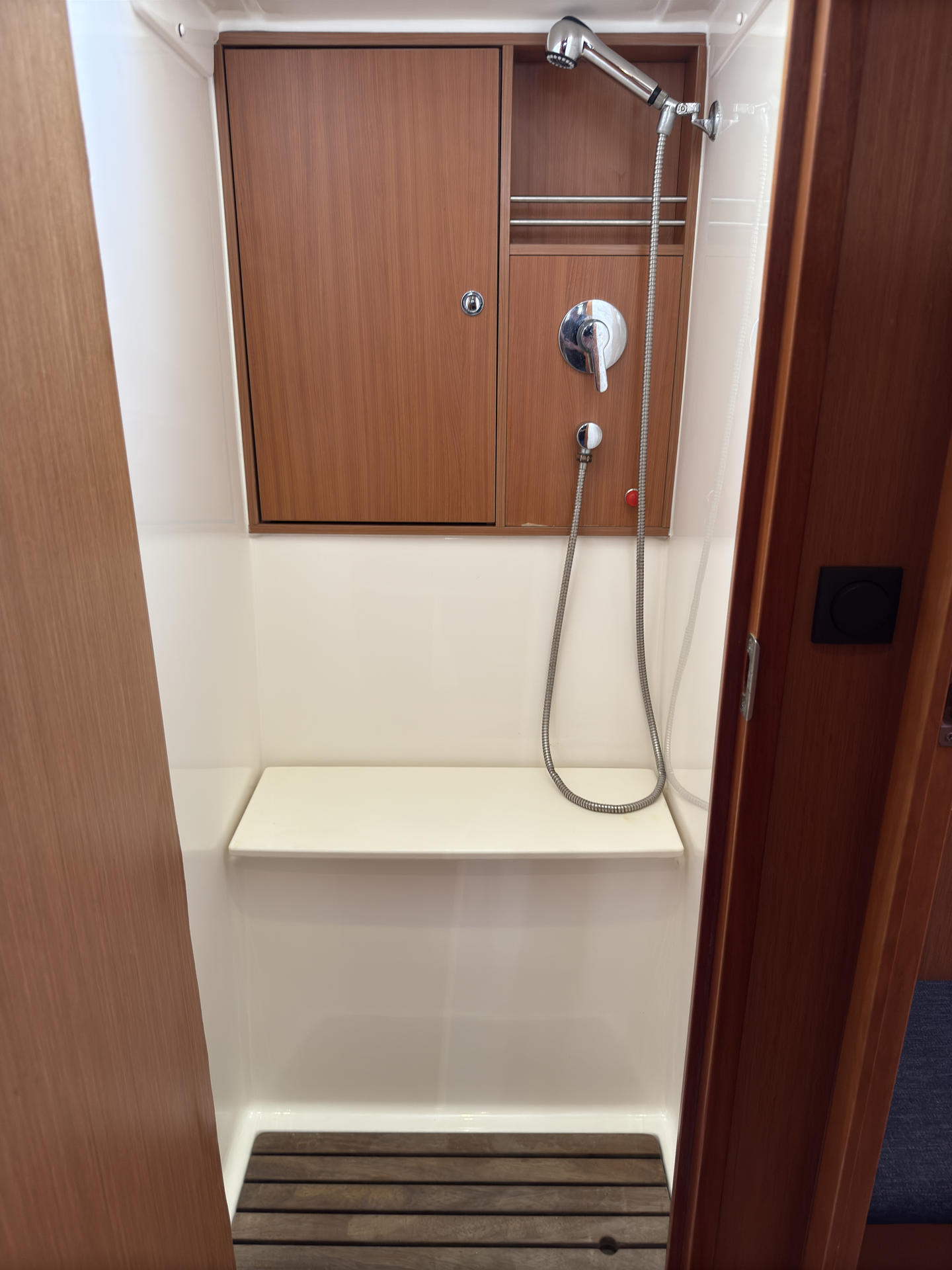
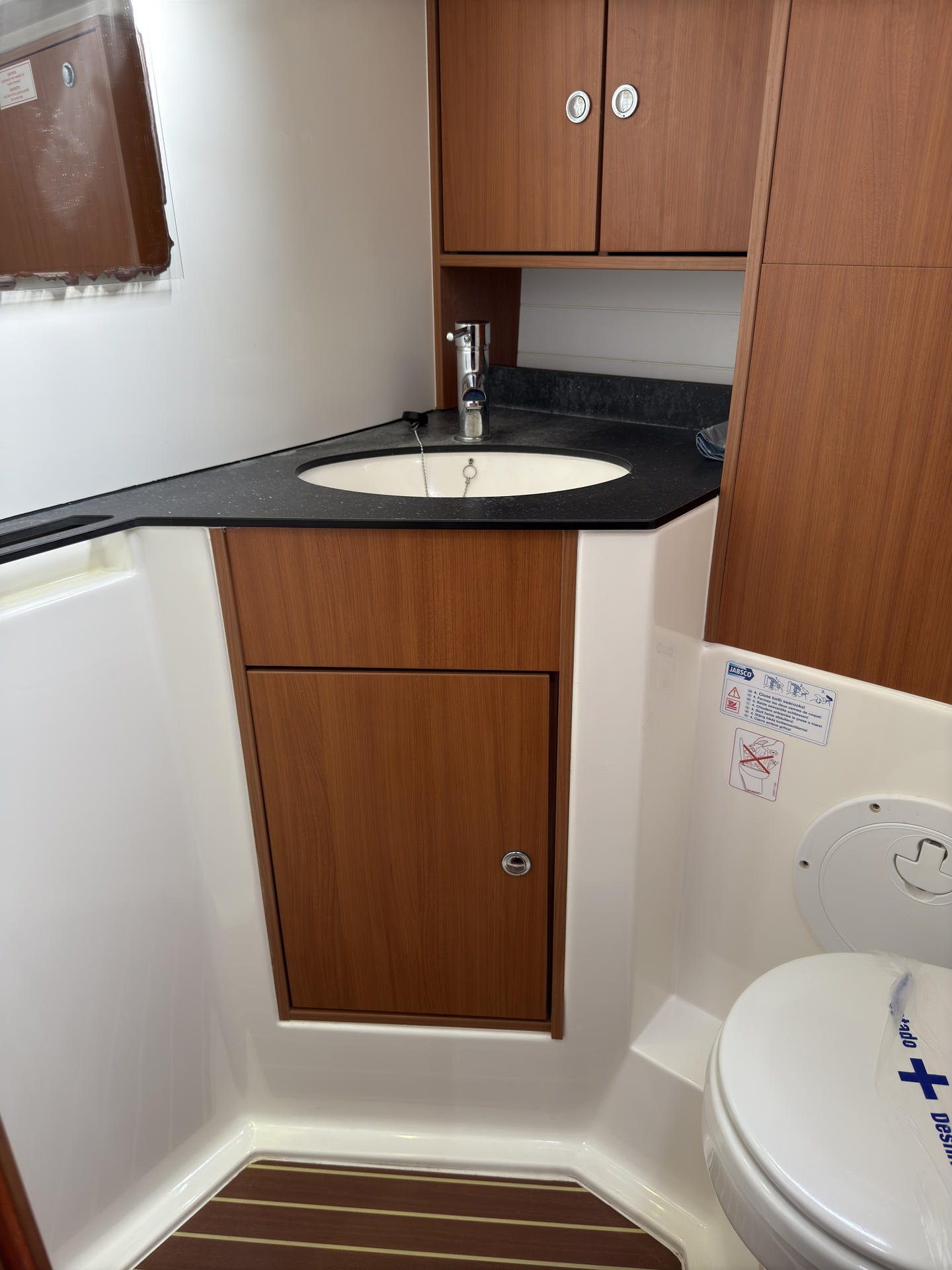
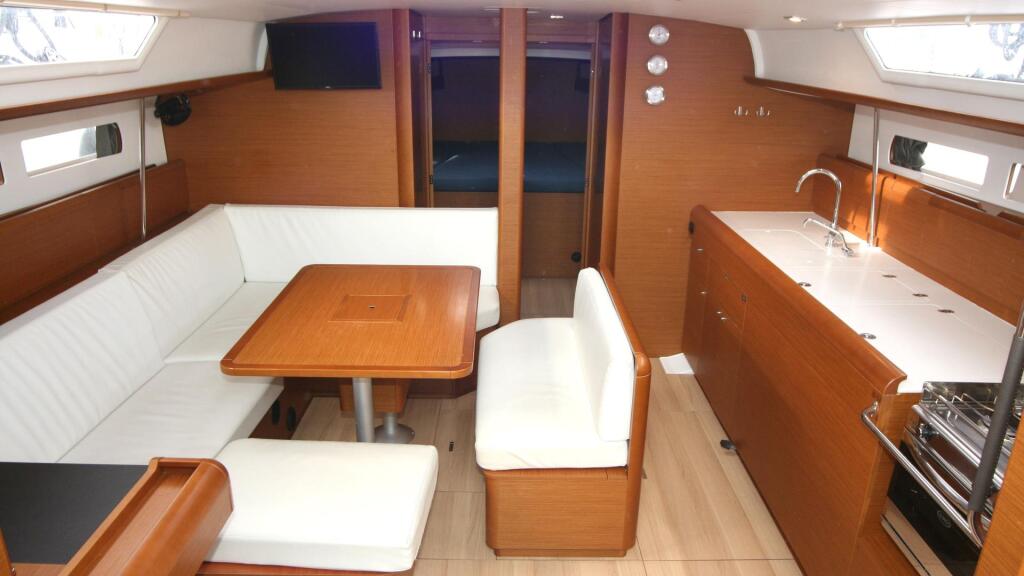
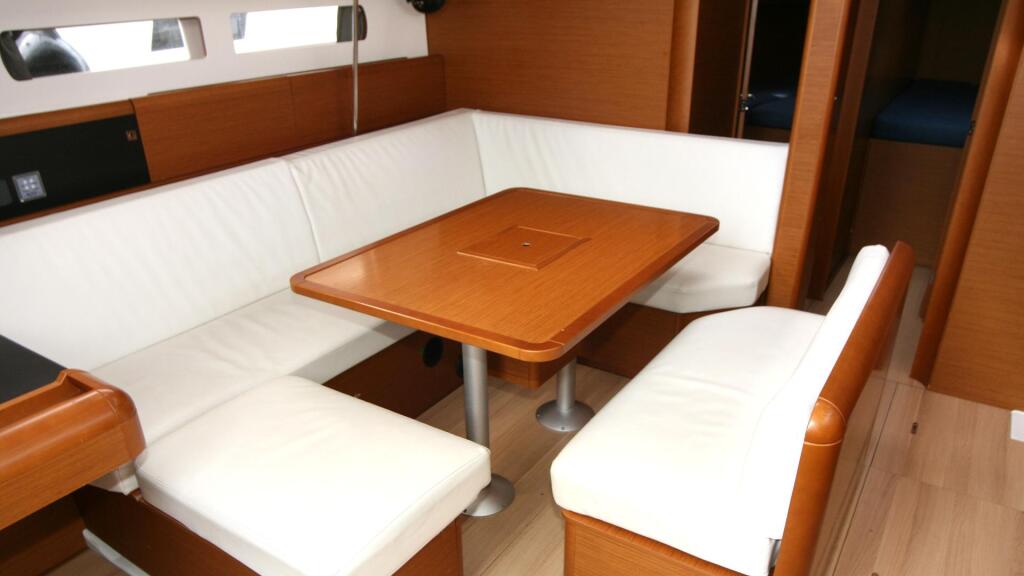
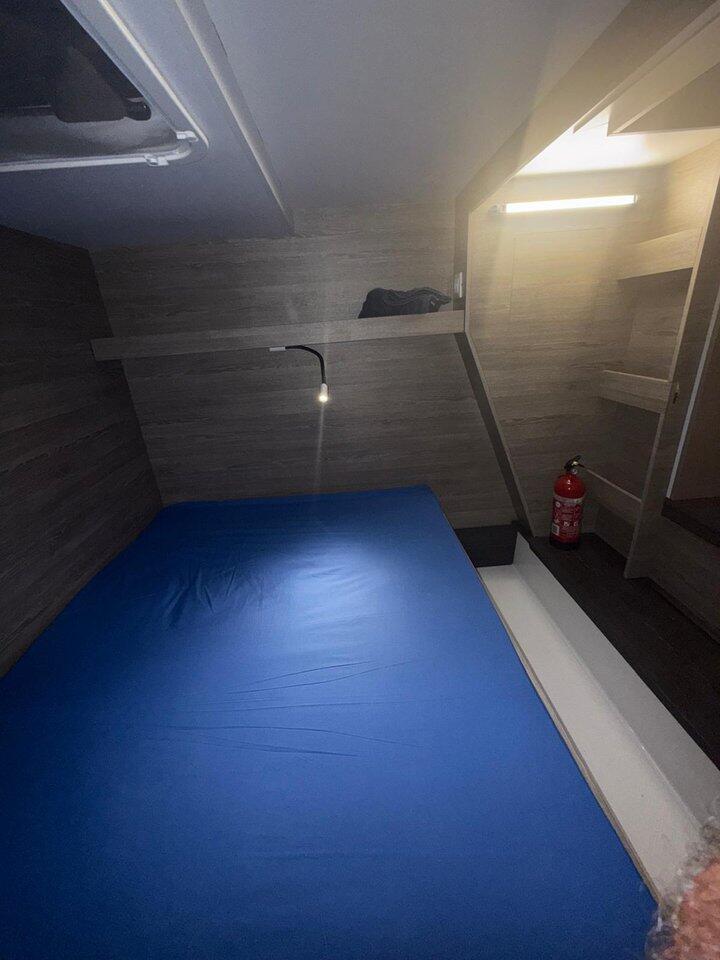
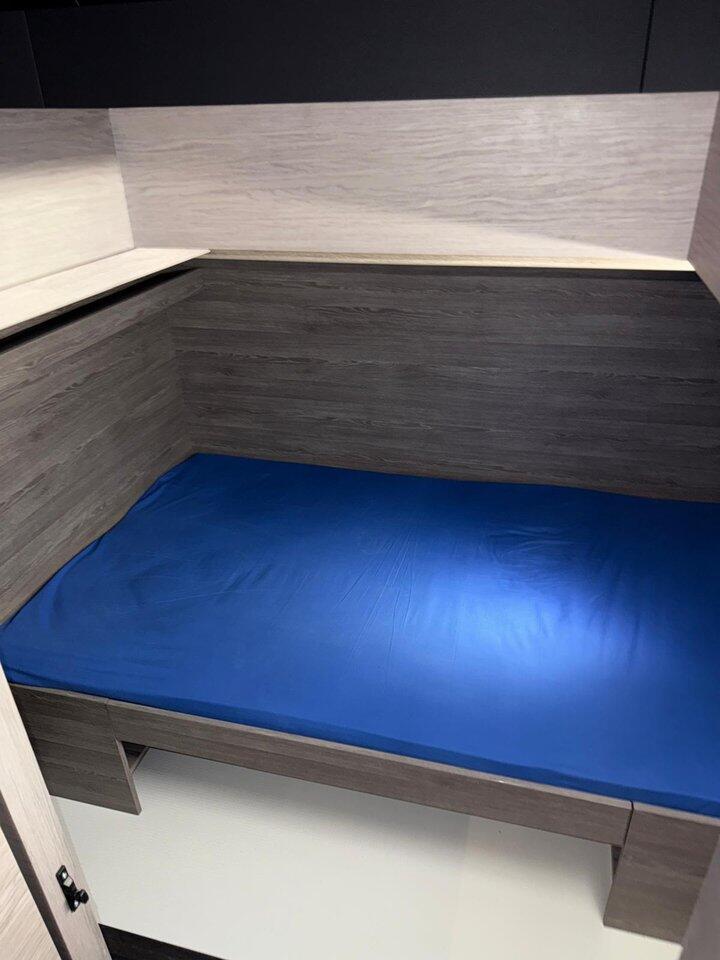
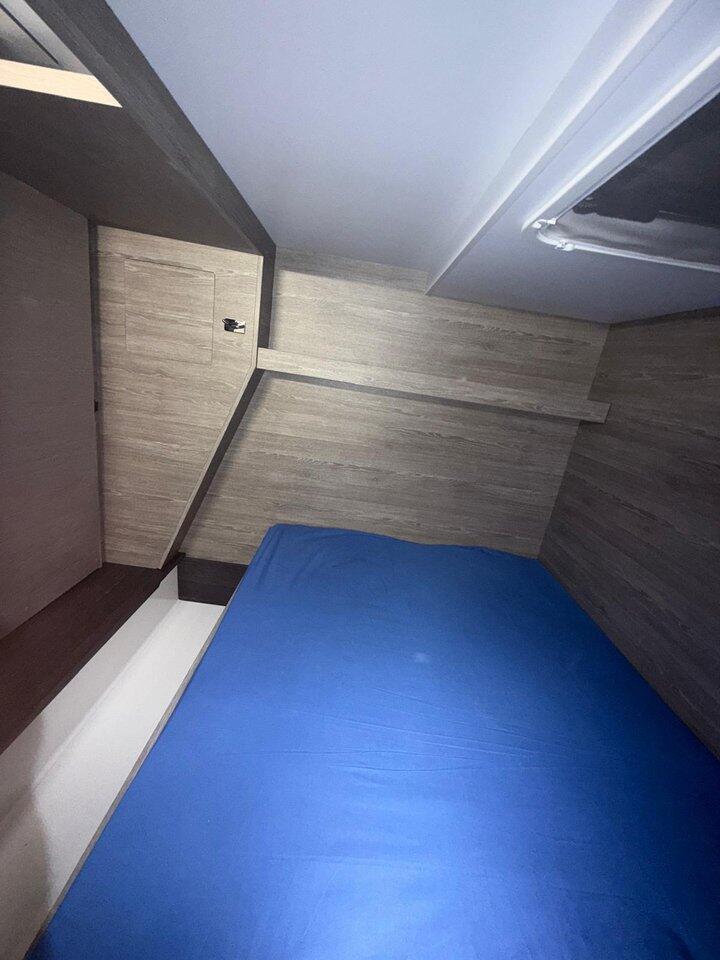
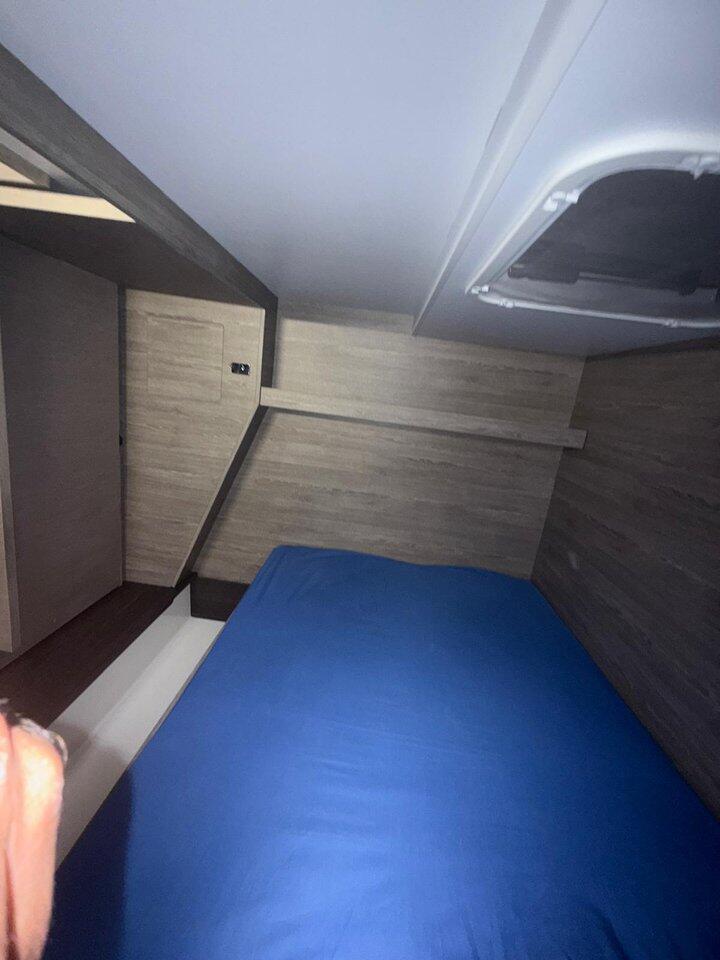
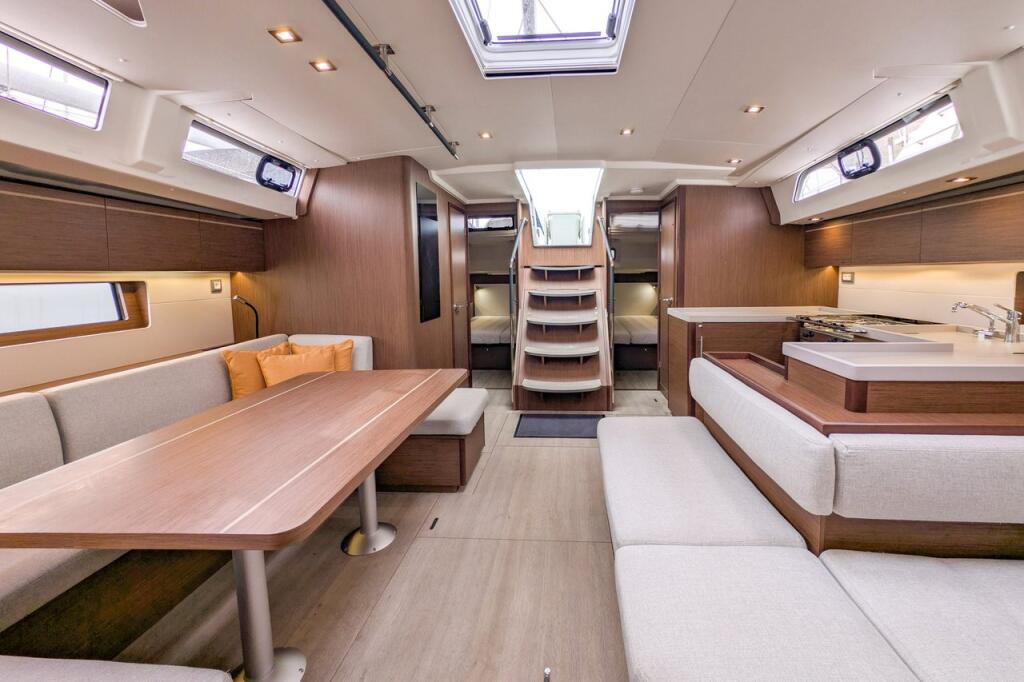
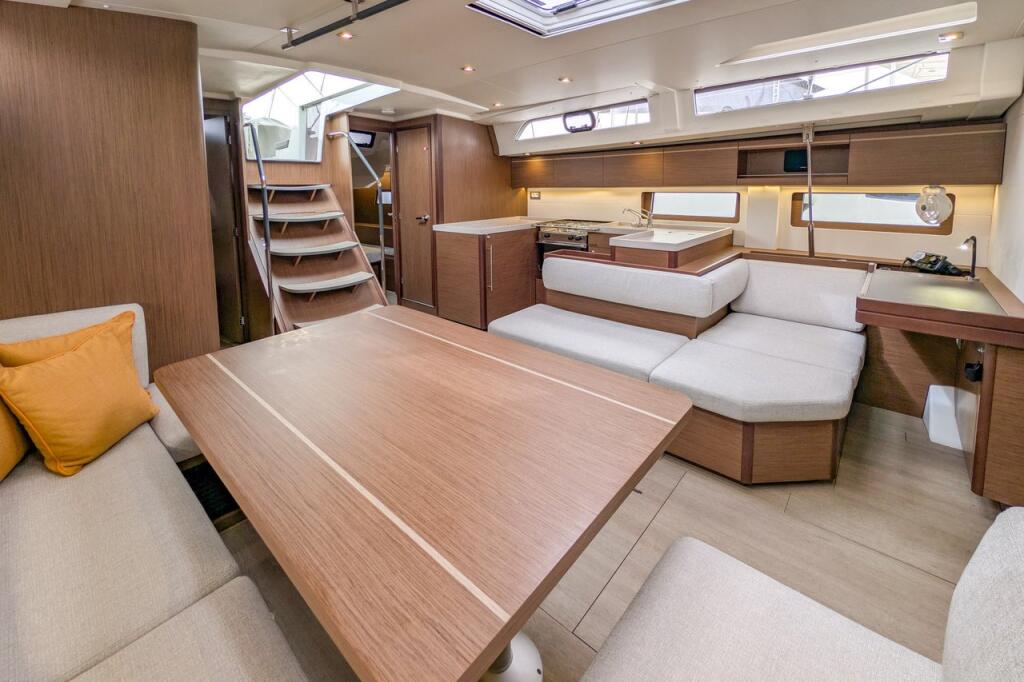
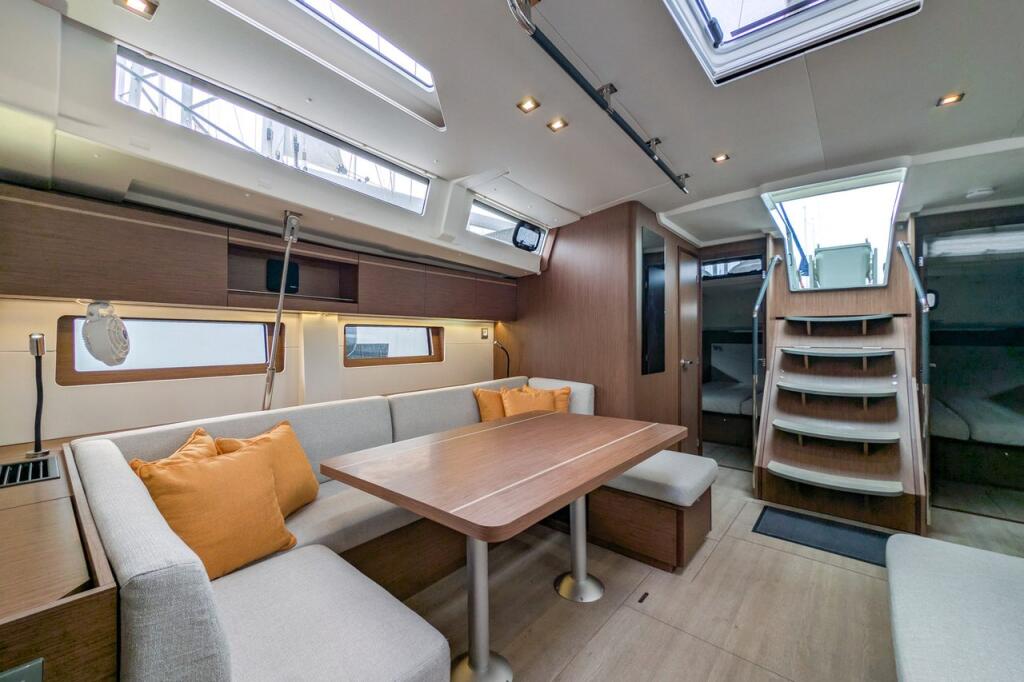
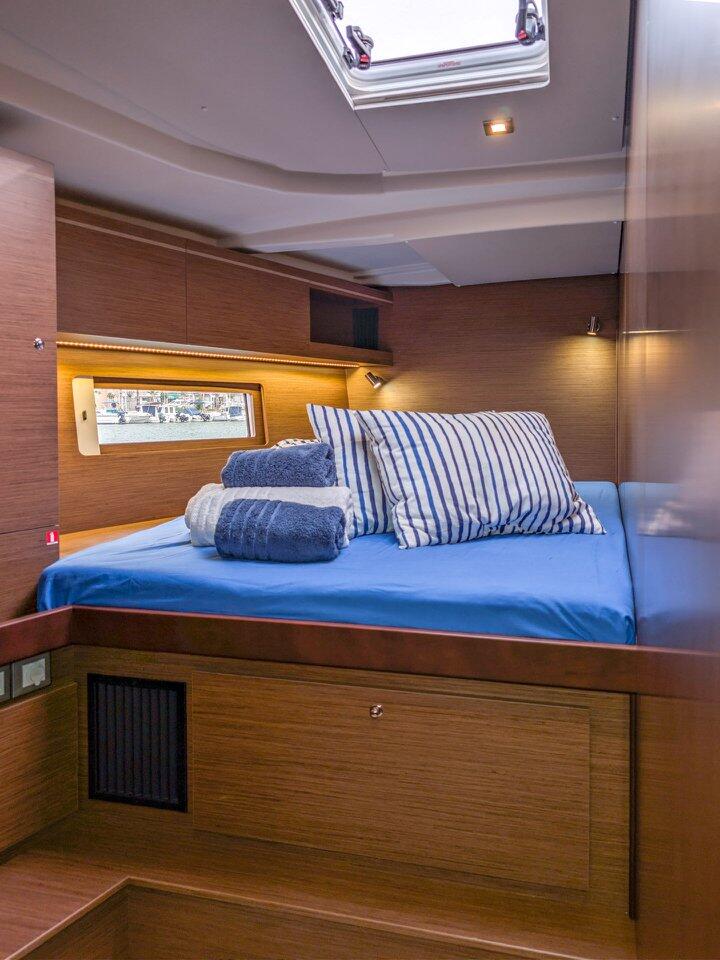
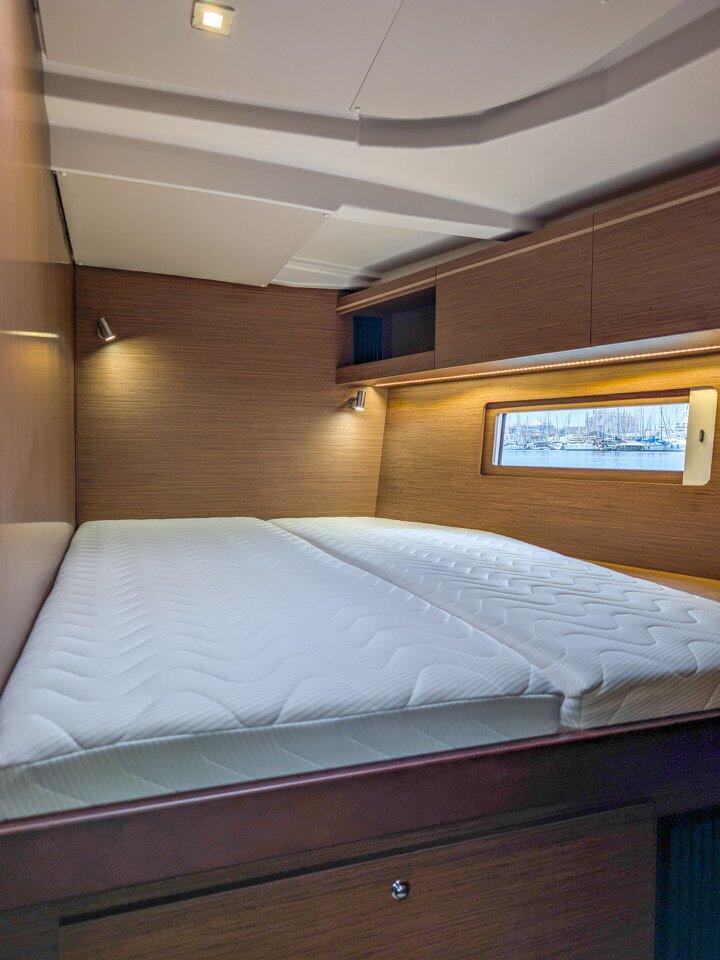
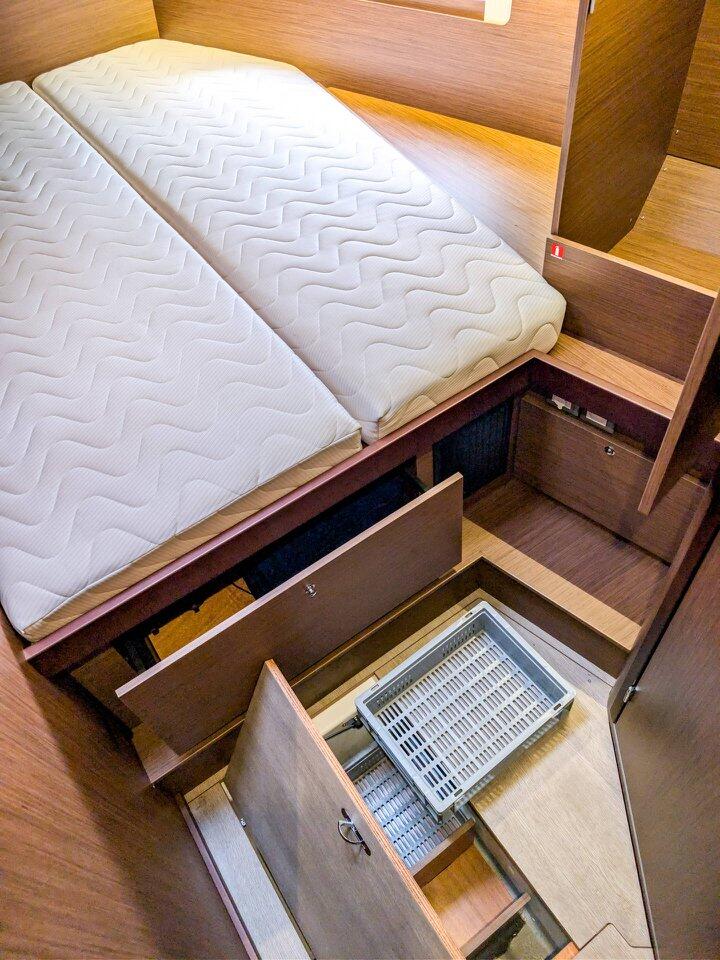
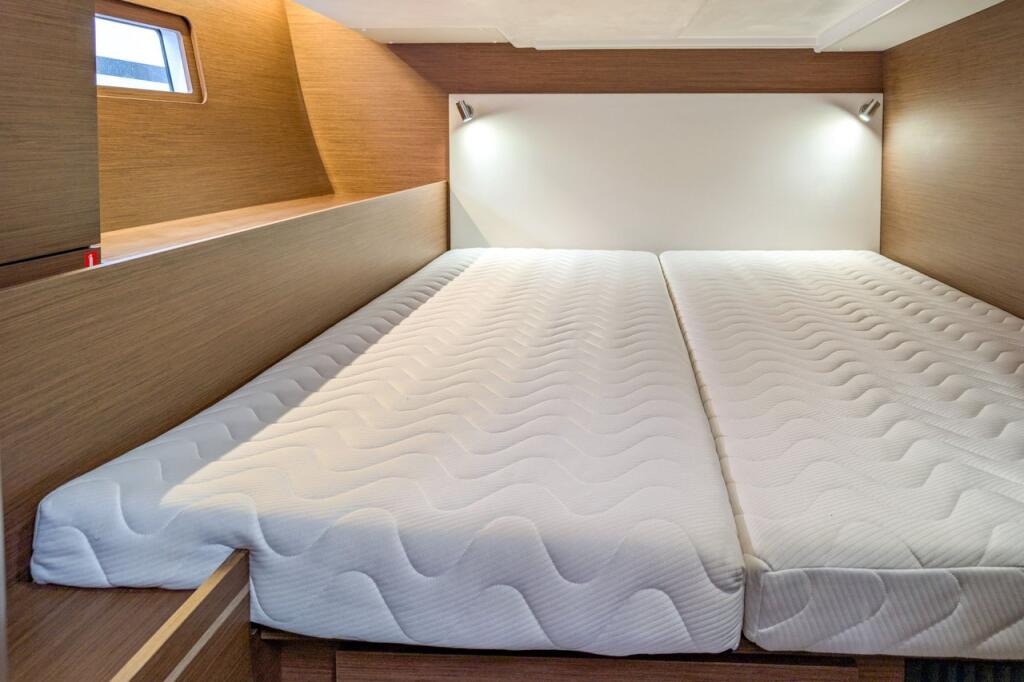
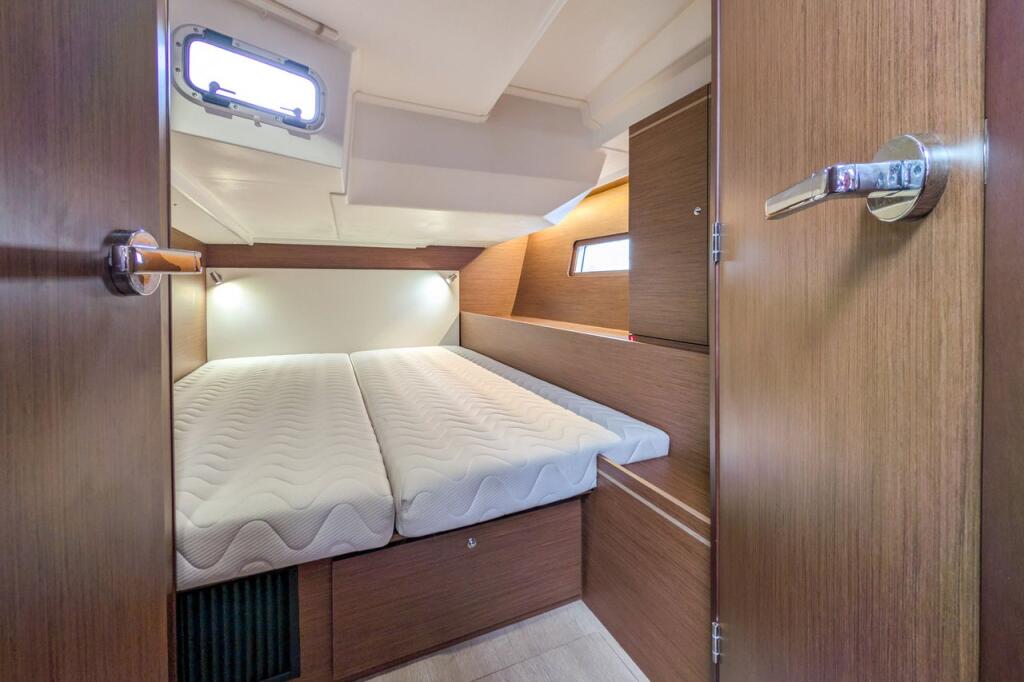
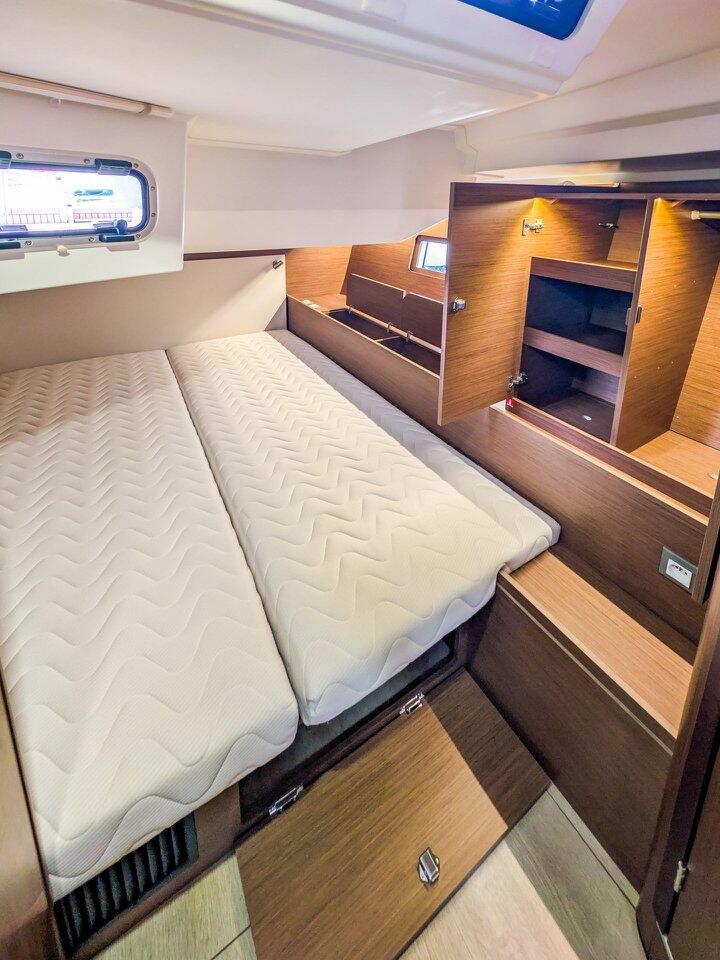
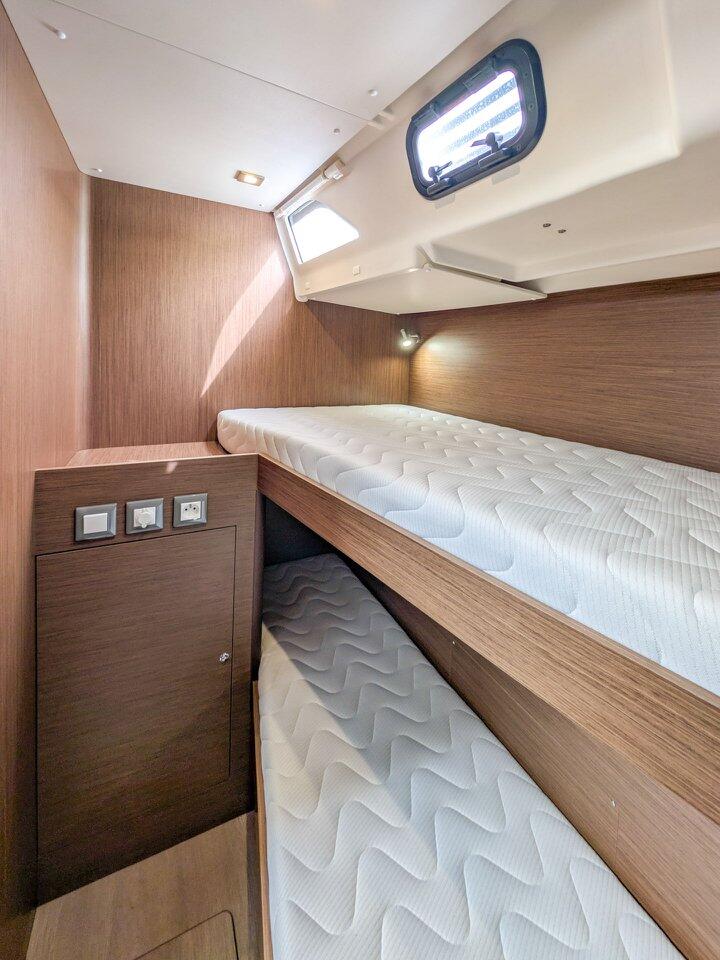
The right charter yacht is not determined by length and weekly price alone. A yacht that appears to offer enough berths for six people on paper is not automatically the best choice for six adults. Cabin layout, number of heads, storage space, cockpit size, and freedom of movement on deck all have a significant impact on daily life onboard.
Couples and small crews often benefit from a yacht that is easy to manoeuvre and straightforward to handle with limited hands. For double handed crews, furling or reefing systems, autopilot, clear line layouts, and support during harbour manoeuvres become particularly important. Additional interior space, by contrast, matters less when only two people are living onboard.
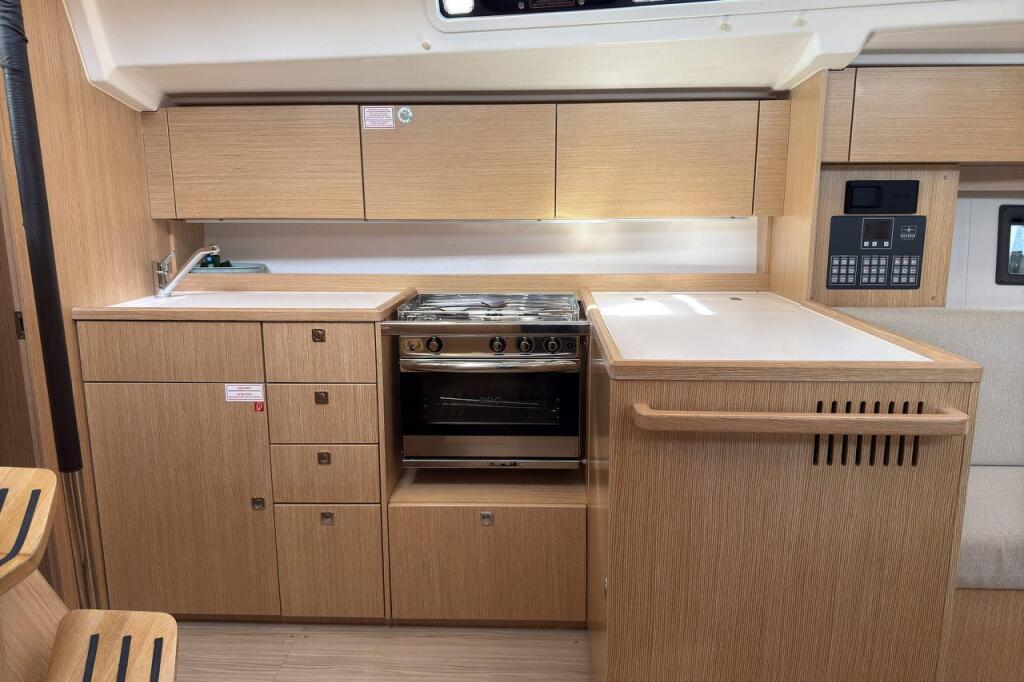
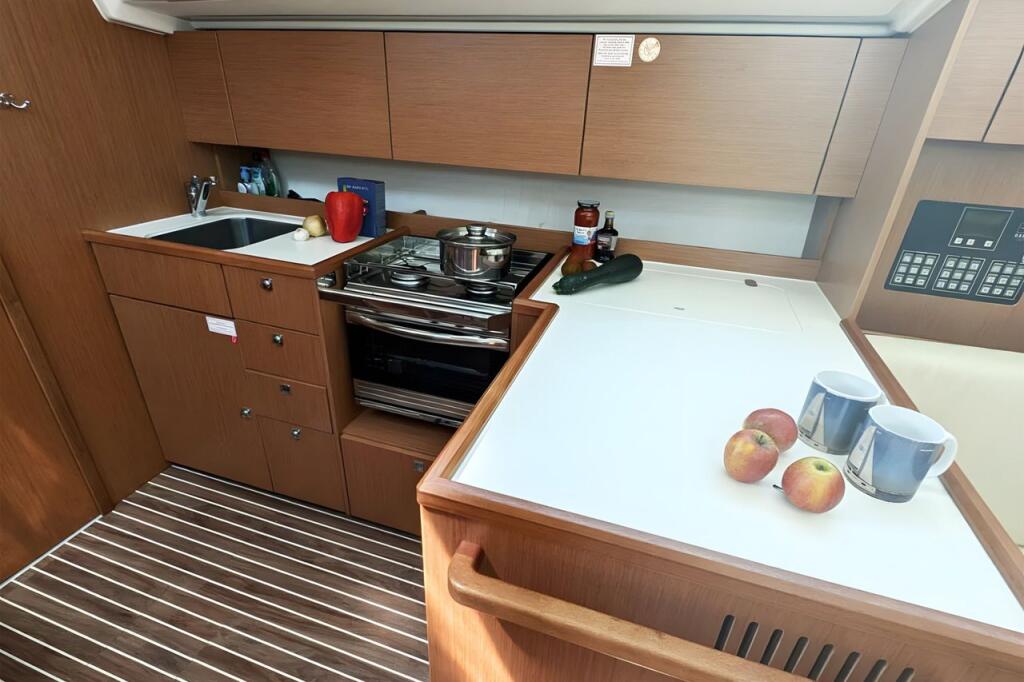
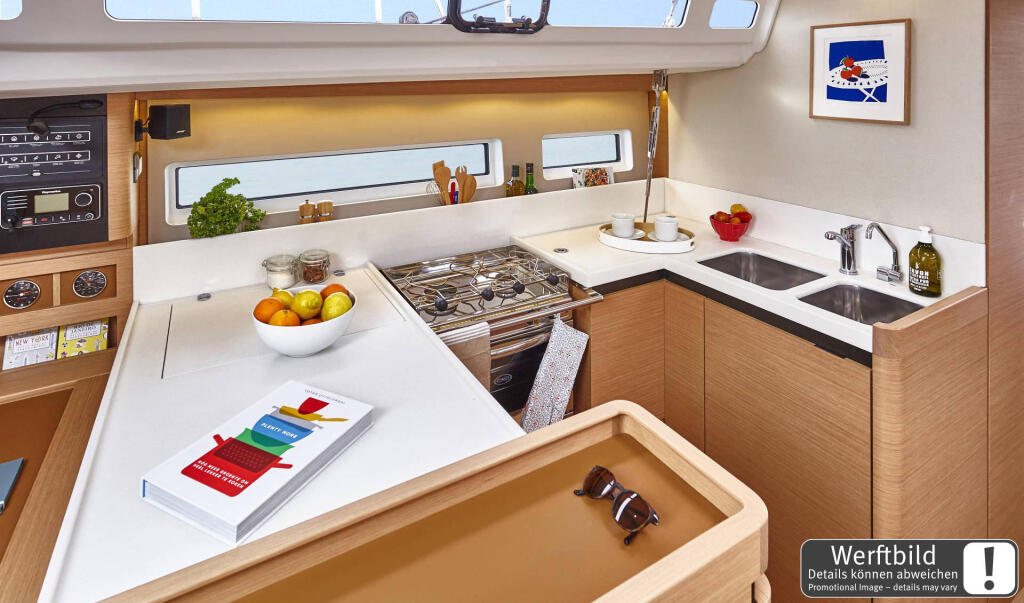
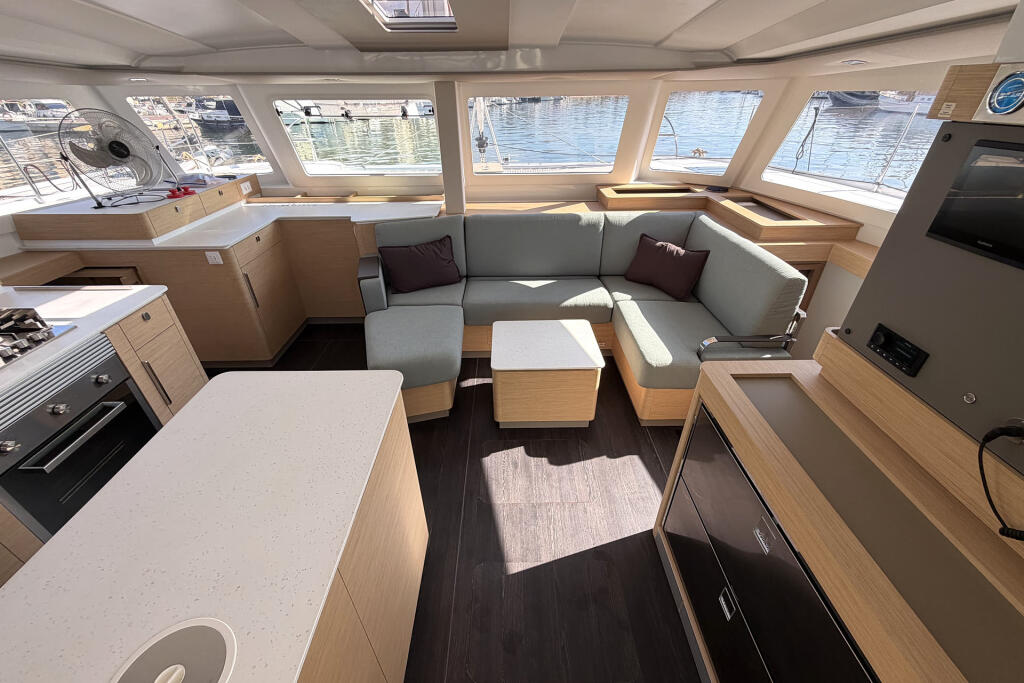
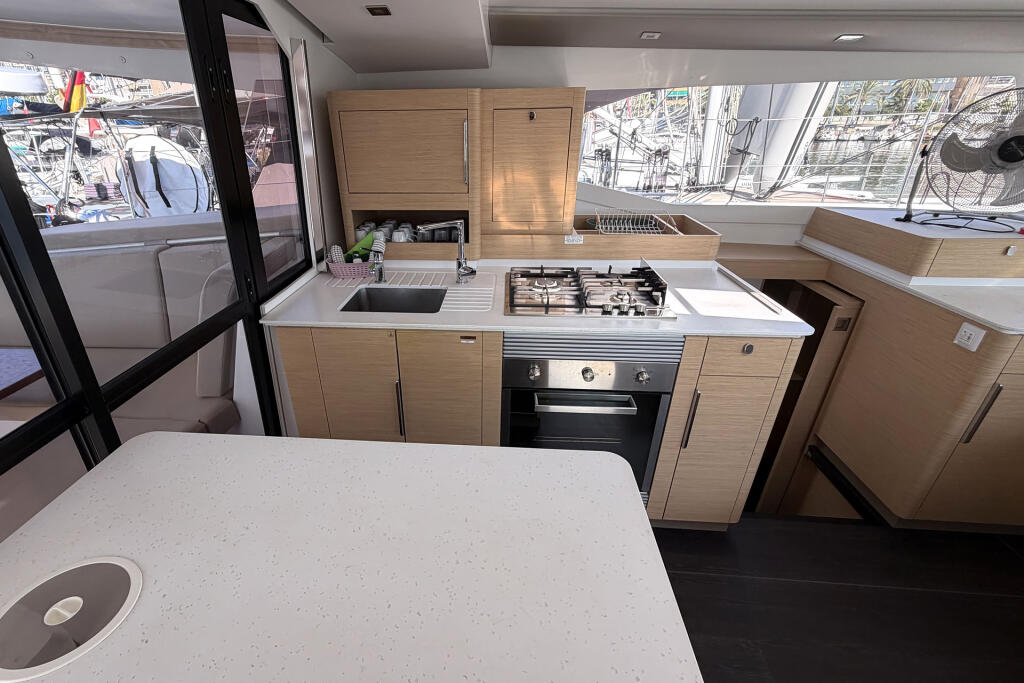
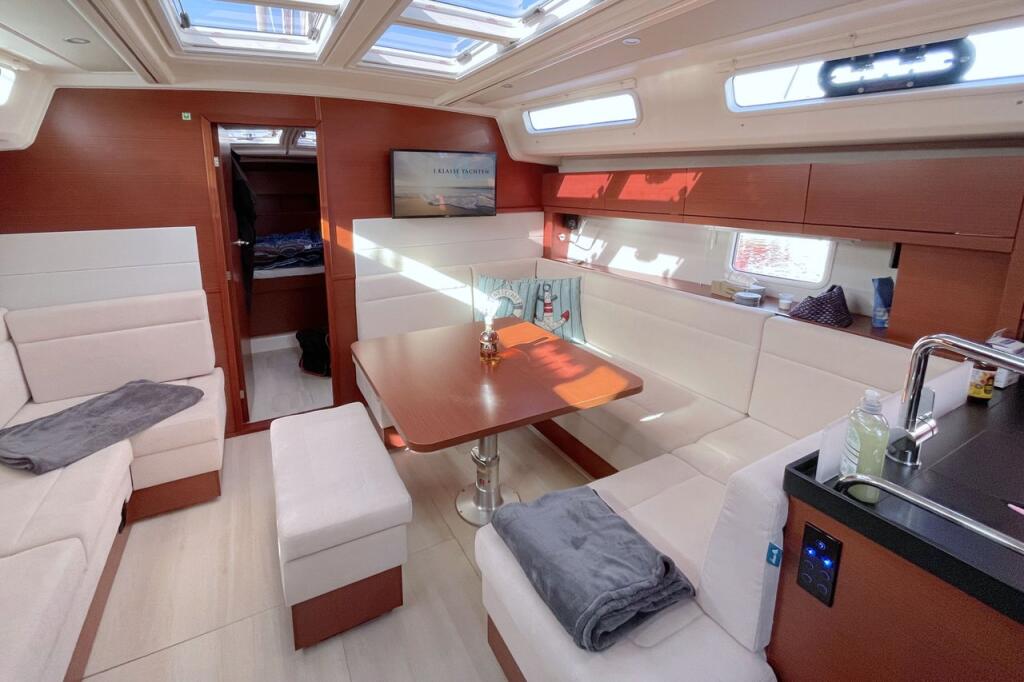
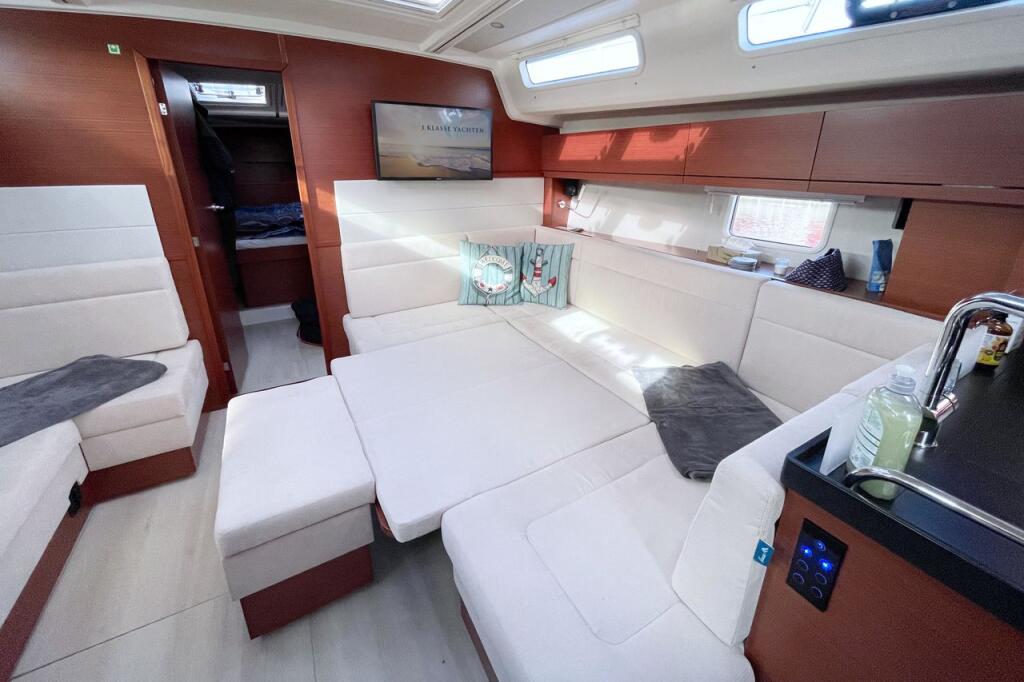
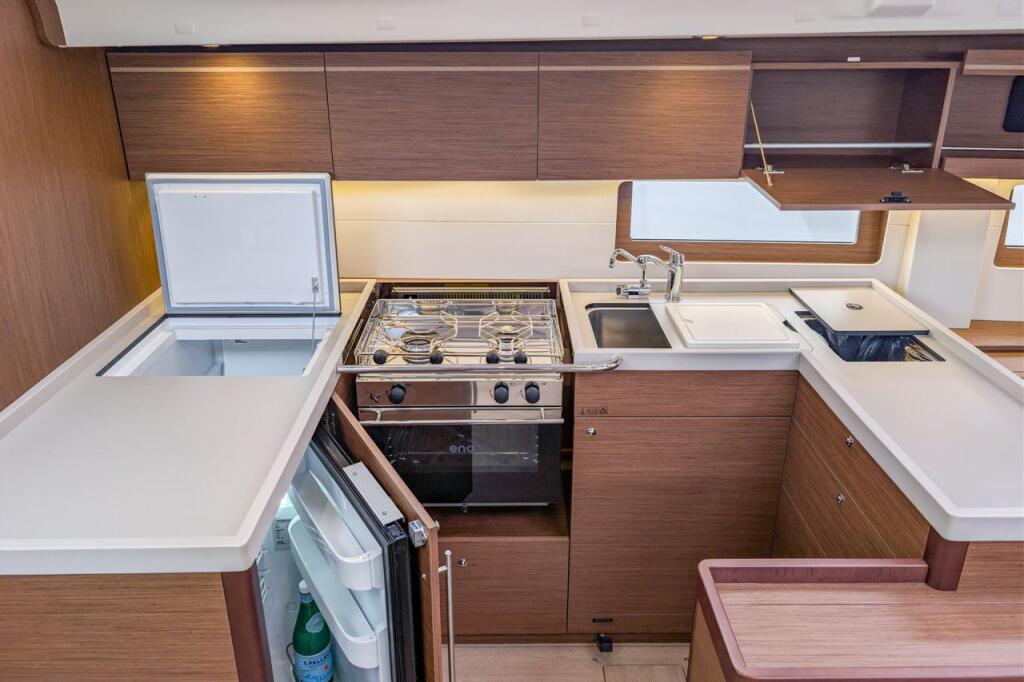
Families and larger groups tend to set different priorities. A greater number of separate cabins and adequate storage may be more important than an especially performance focused sailing concept. On Mallorca, the cockpit, swim access, and sun protection also matter more, since a large part of the day is spent outside the saloon. For several adults sharing the yacht, it is also worth considering how practical the galley, sanitary areas, and communal spaces really are.
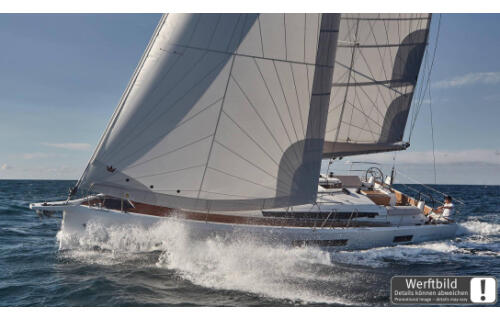
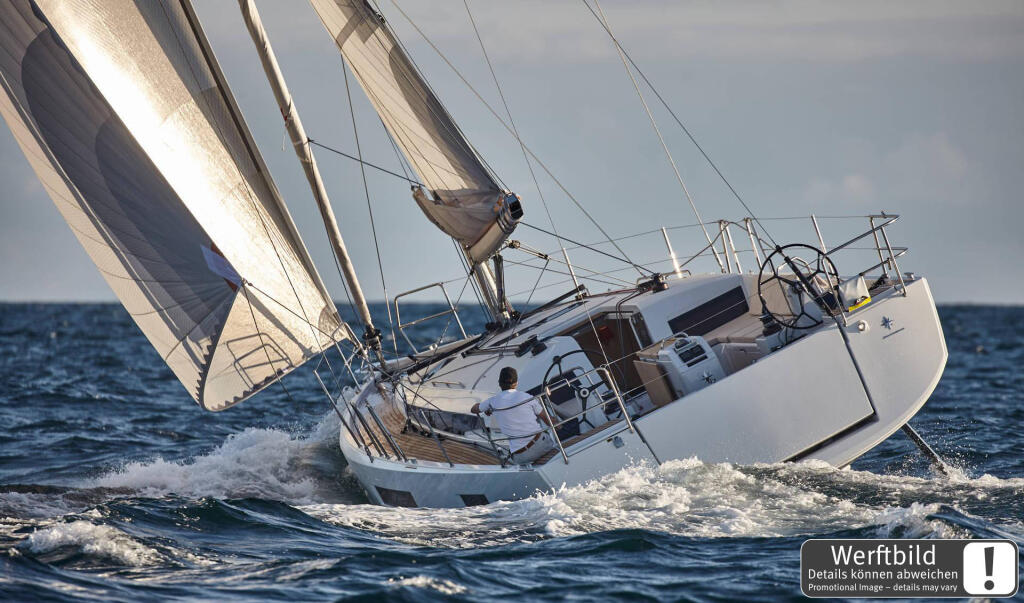
Experienced crews planning longer legs will often look more closely at sail plan, performance, tank capacities, and navigation. A crew intending to sail longer stretches along the west coast will expect something different from a yacht than one moving mainly between bays and ports along the south coast. The individual yacht pages above therefore provide a far better basis for decision making than broad recommendations based only on boat length.
What should you compare before booking a yacht?
When hiring a yacht in Palma, your choice should suit both the crew and the passage you have in mind. In addition to price and year of build, ease of handling, layout, and the equipment actually onboard are especially important.
-
Crew size: How many people will actually be living onboard, and how many of them can actively sail and manoeuvre the yacht?
-
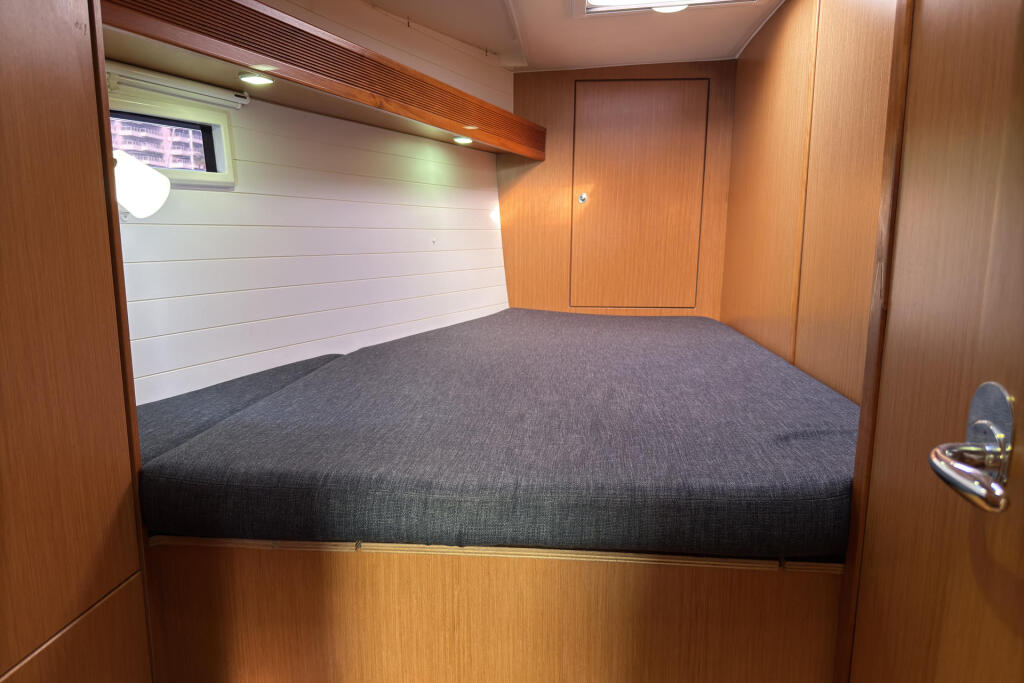
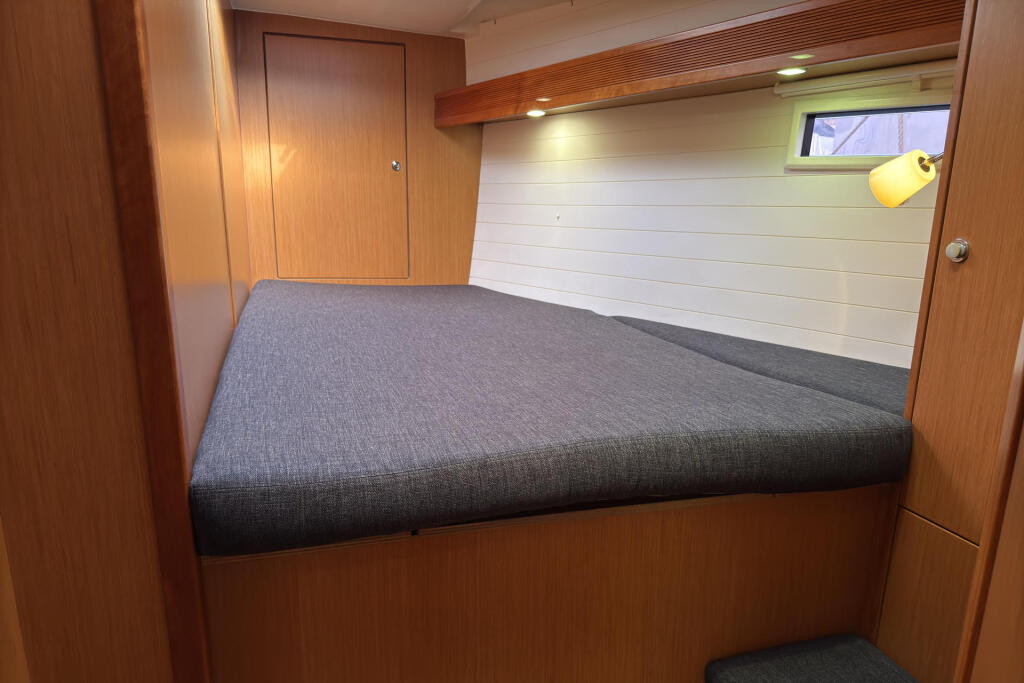
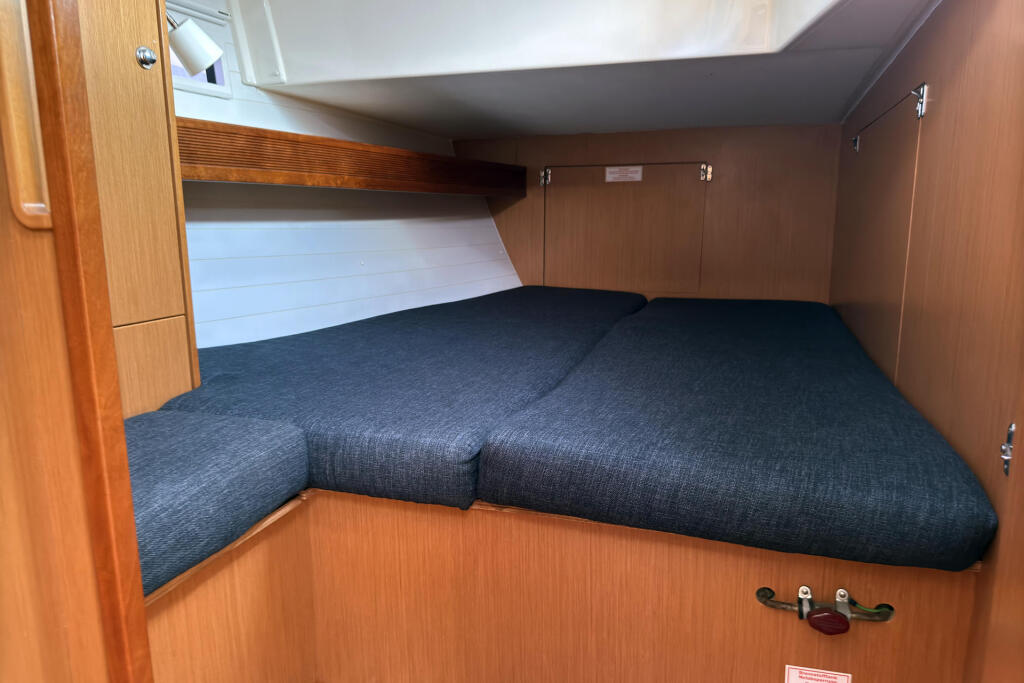
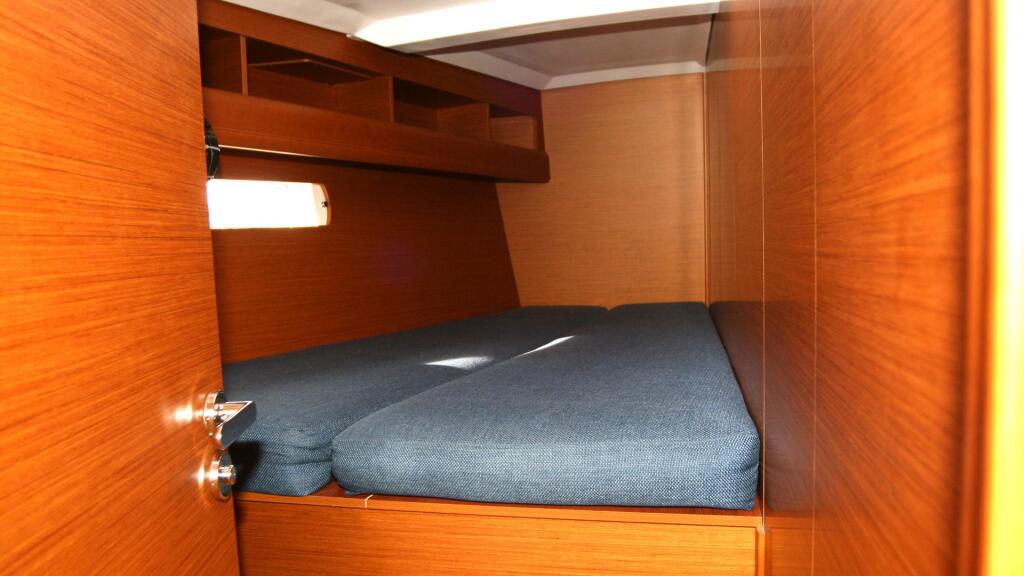
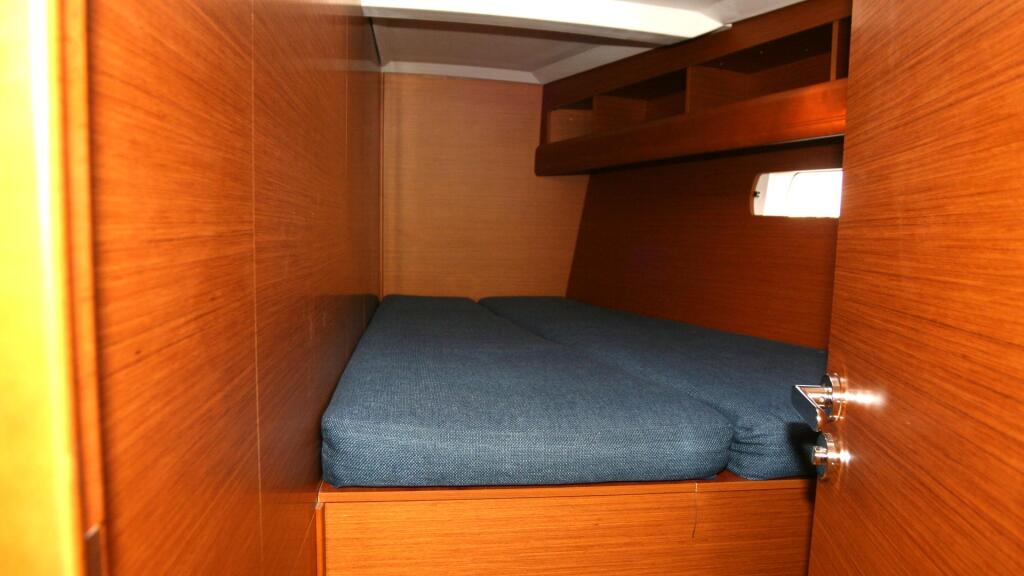
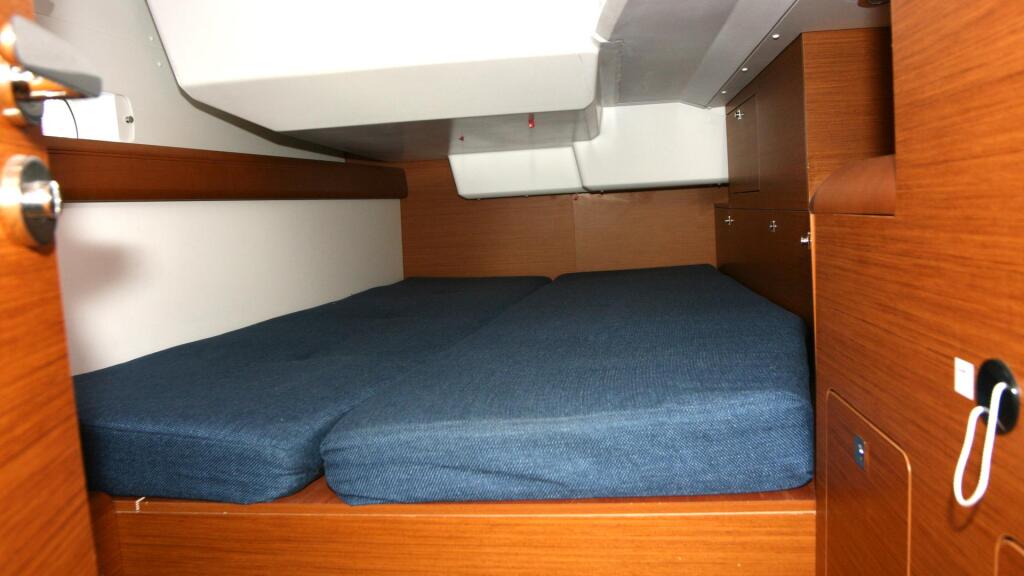
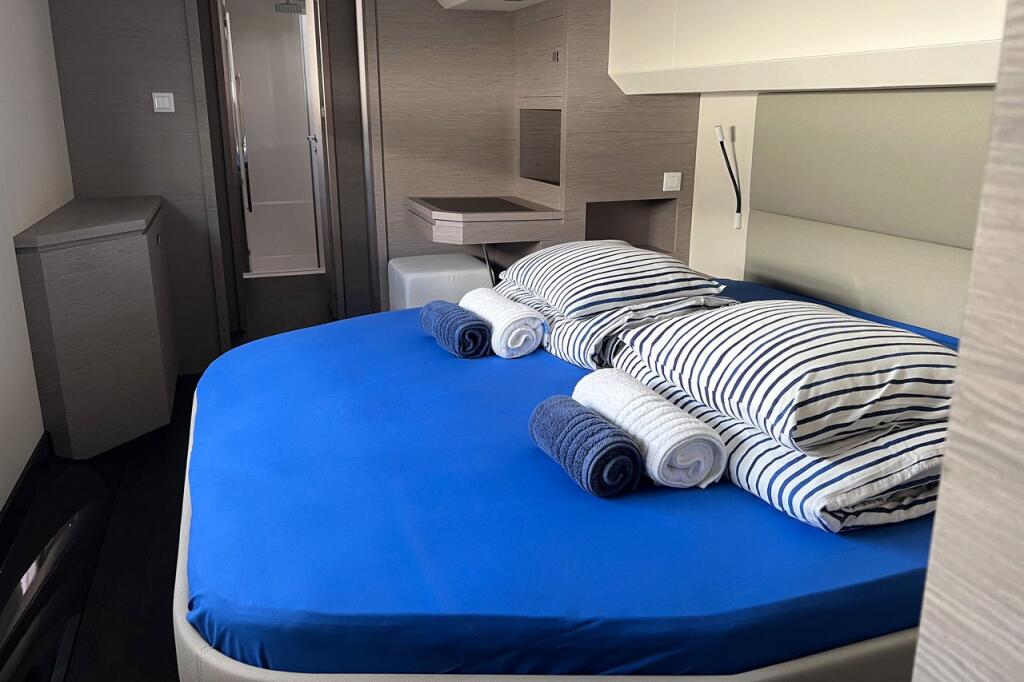
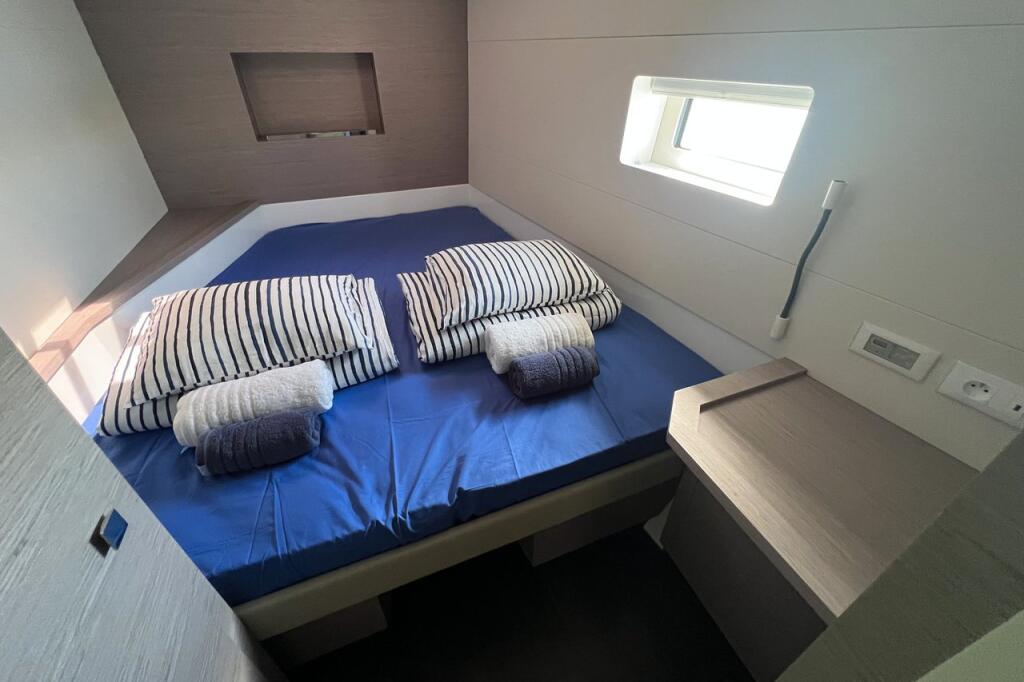
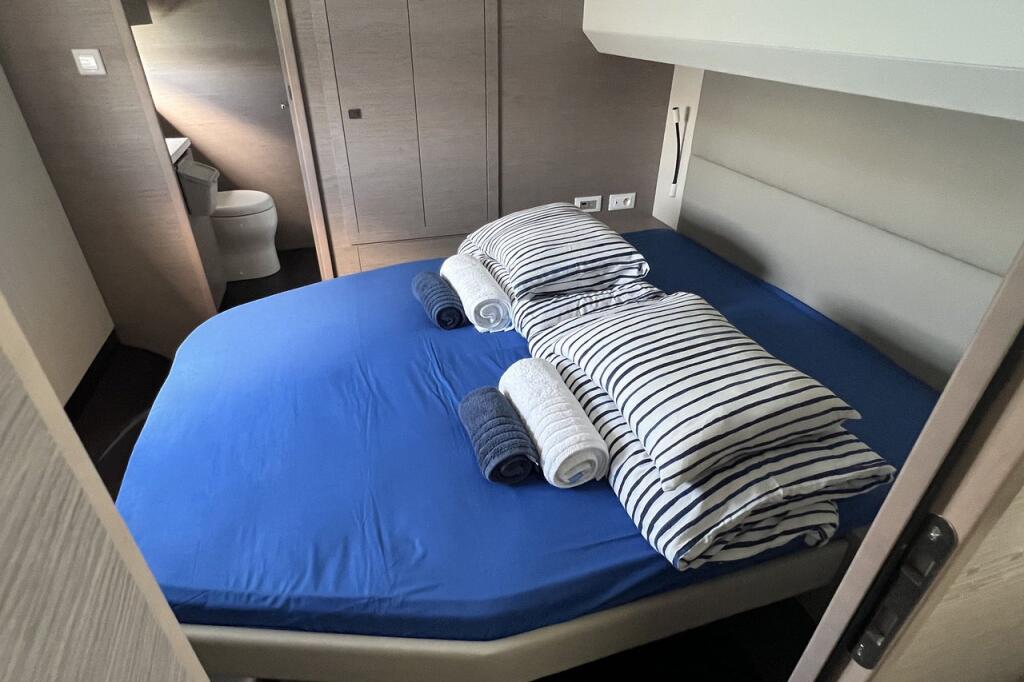
Cabins: Check the number, layout, and suitability for adults, children, or couples.
-
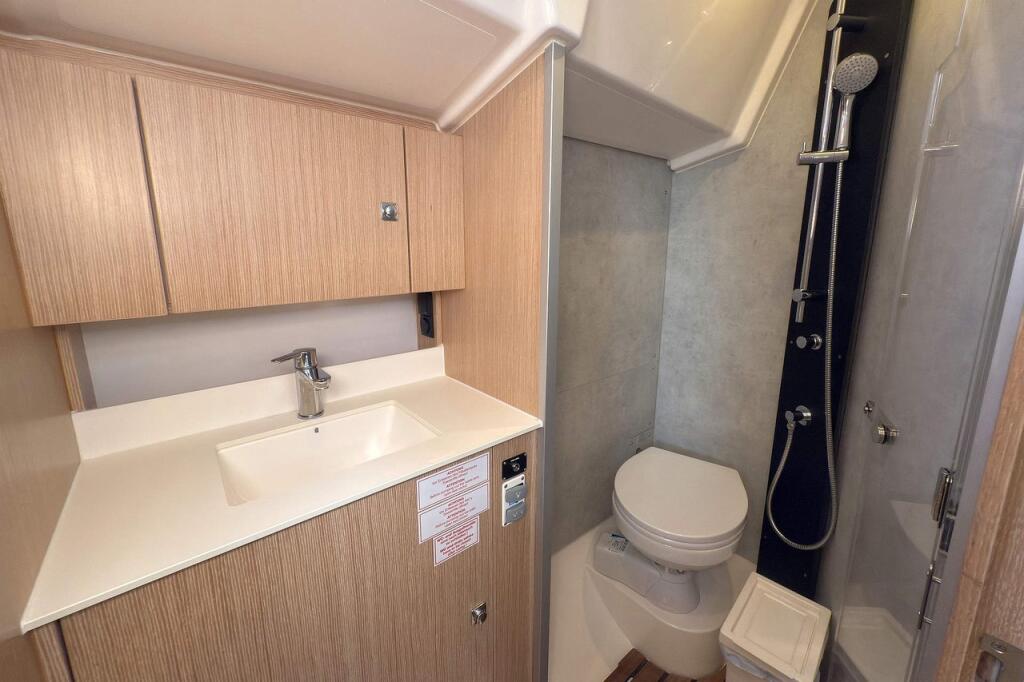
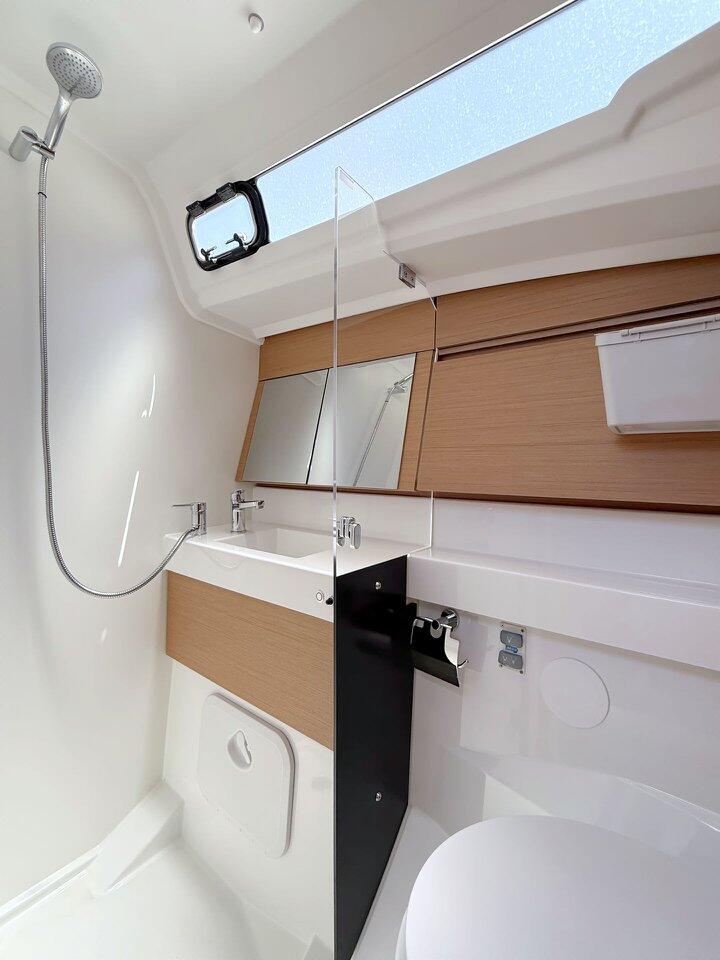
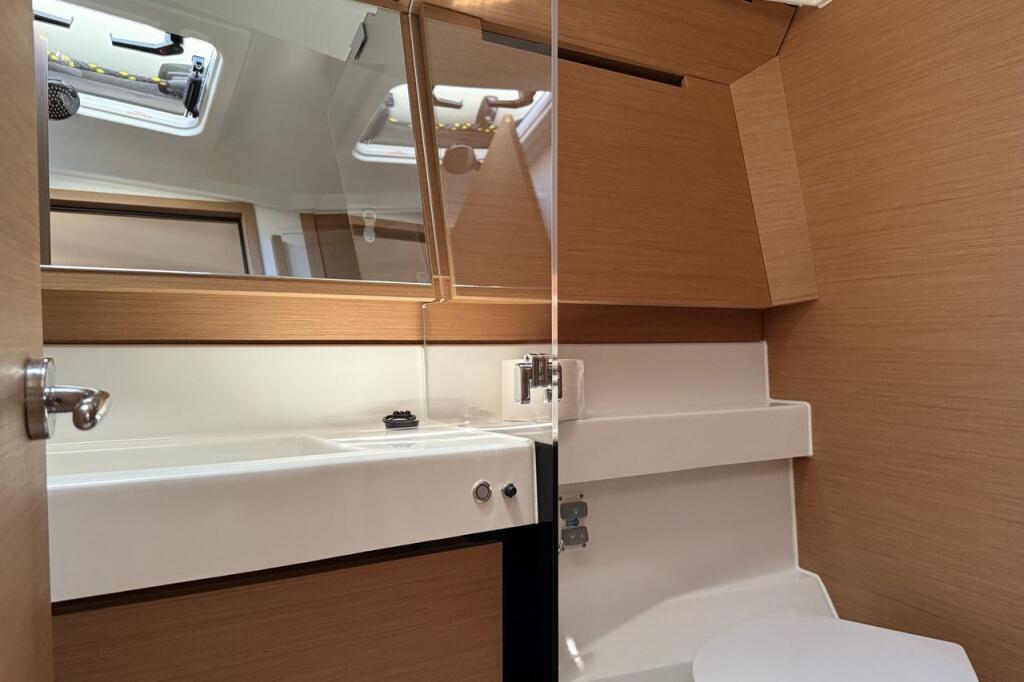
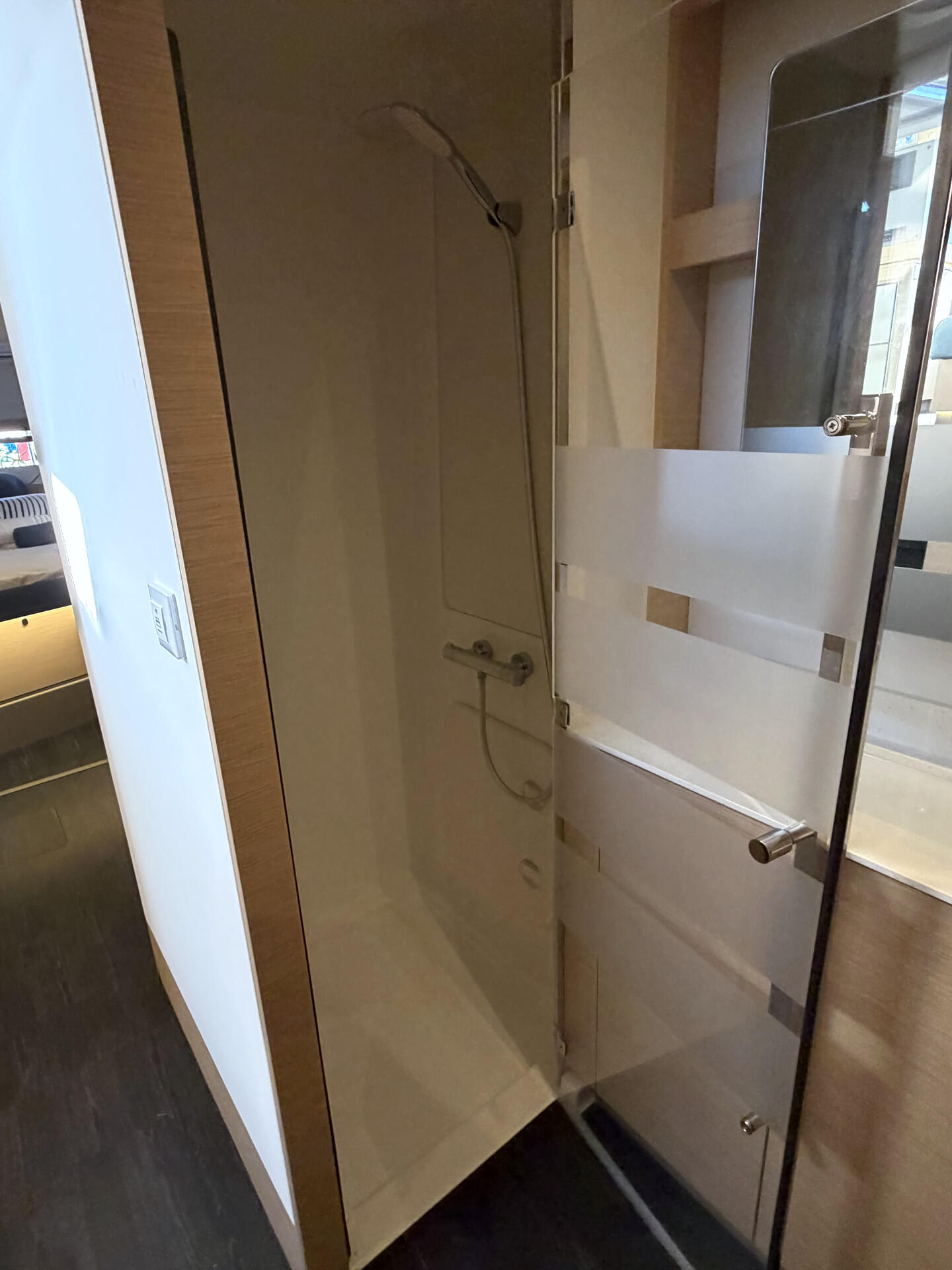
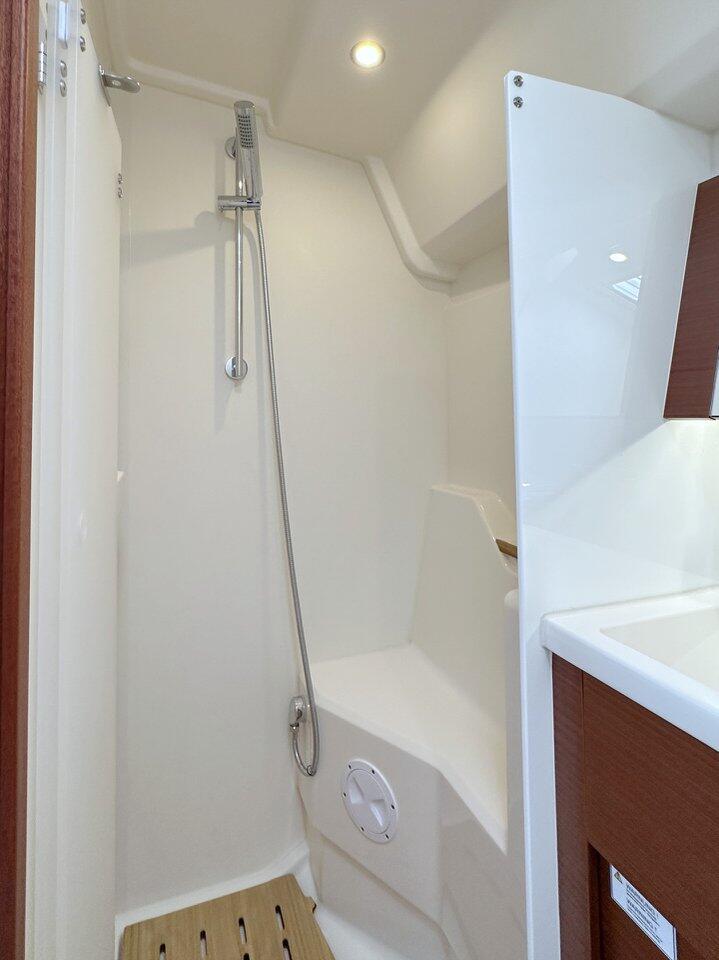
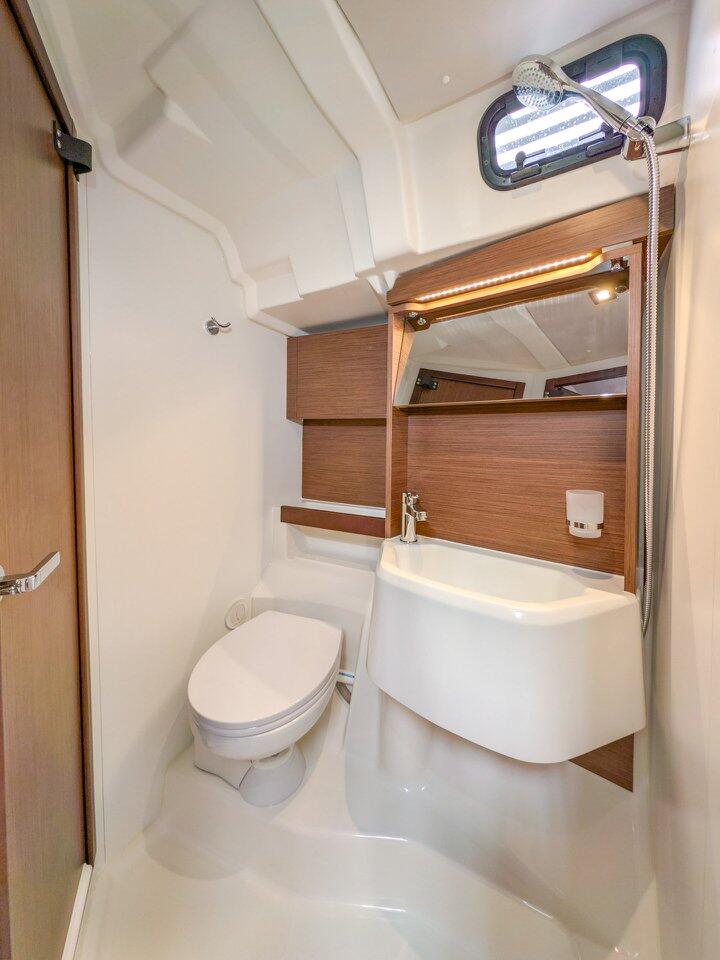
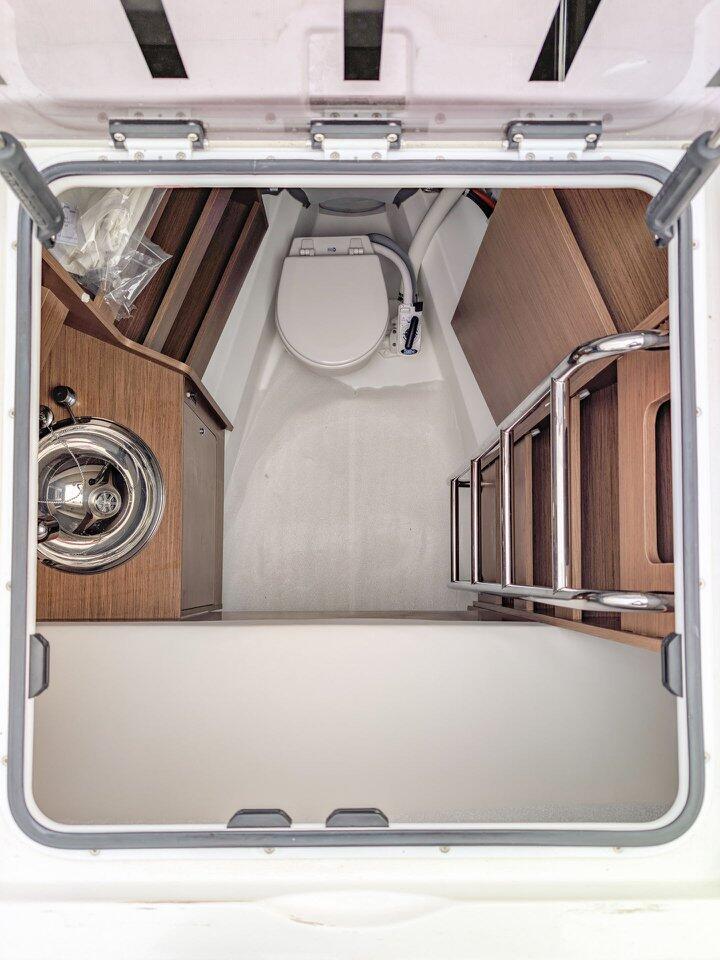
Heads: For larger crews, an additional toilet or shower can make daily life onboard far easier.
-
Yacht length and beam: More space usually also means more mass and greater demands during harbour manoeuvres.
-
Manoeuvrability: Particularly in Mediterranean marinas, the crew should judge which yacht size they can handle with confidence.
-
Draught: It affects the choice of possible anchorages and should be taken into account when planning your route.
-
Keel configuration: This influences both draught and sailing characteristics.
-
Mainsail and reefing system: Check how the sail is hoisted, reefed, and lowered.
-
Line layout and sail handling: For small crews, halyards and sheets that are easy to reach are particularly important.
-
Bow thruster: On larger yachts it can make harbour manoeuvres easier, although it never replaces sound planning and good boat handling.
-
Autopilot: Especially helpful on longer passages and for smaller crews.
-
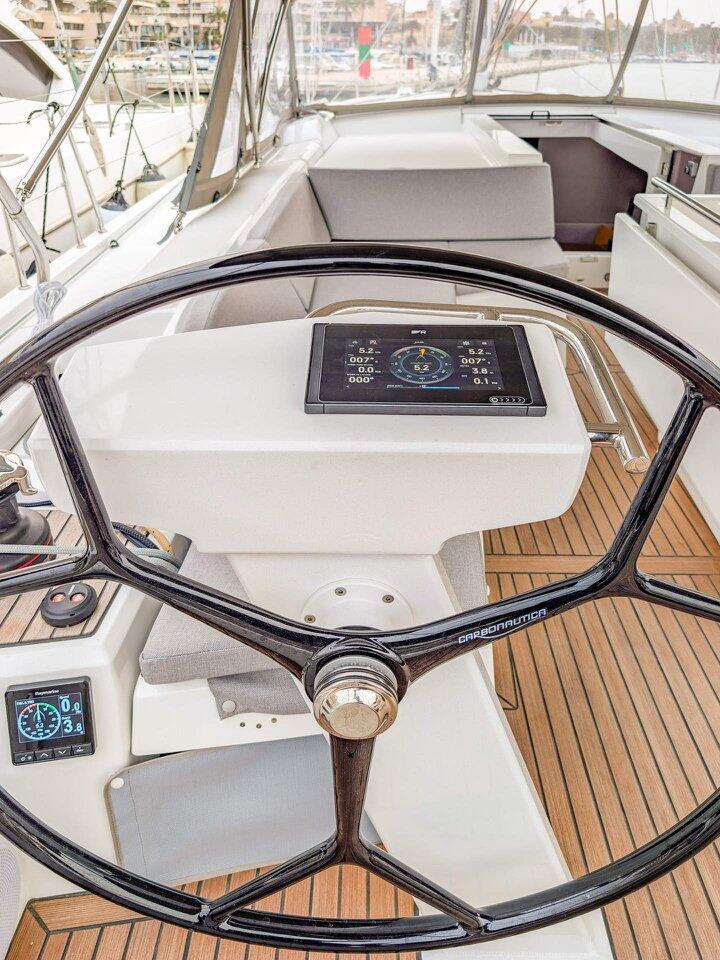
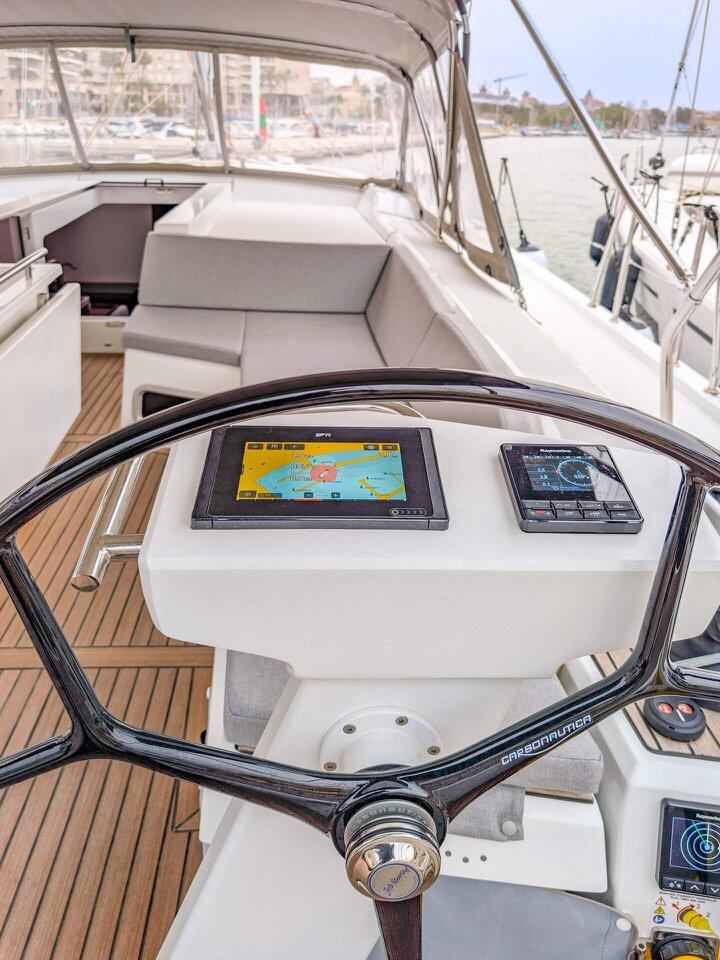
AIS and navigation: Review the individual equipment fitted, including chartplotter, AIS, and other navigation instruments.
-
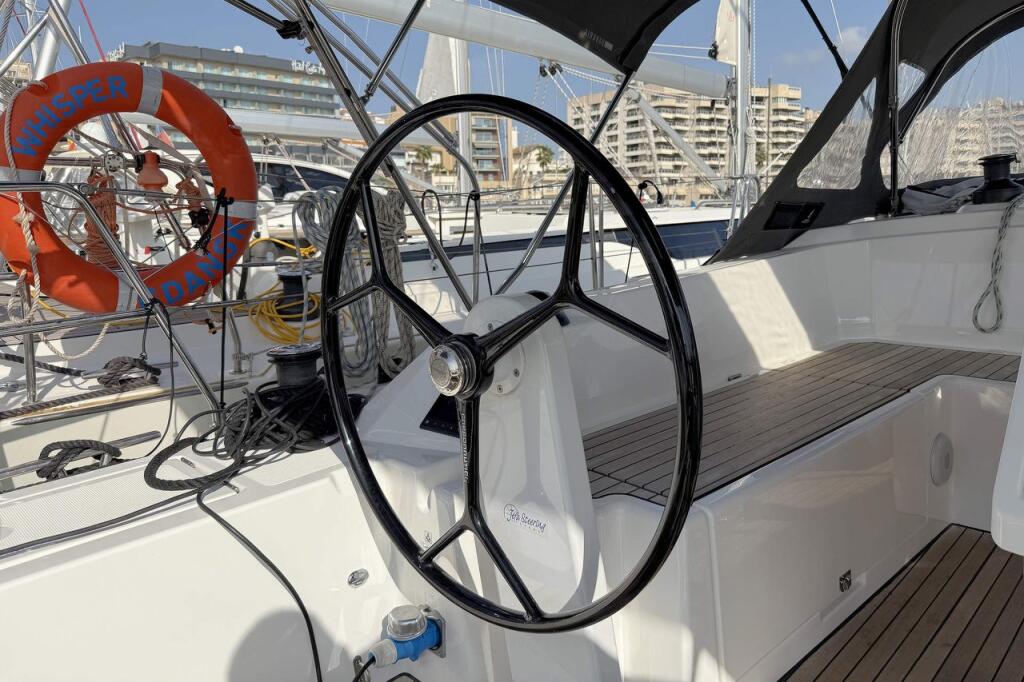
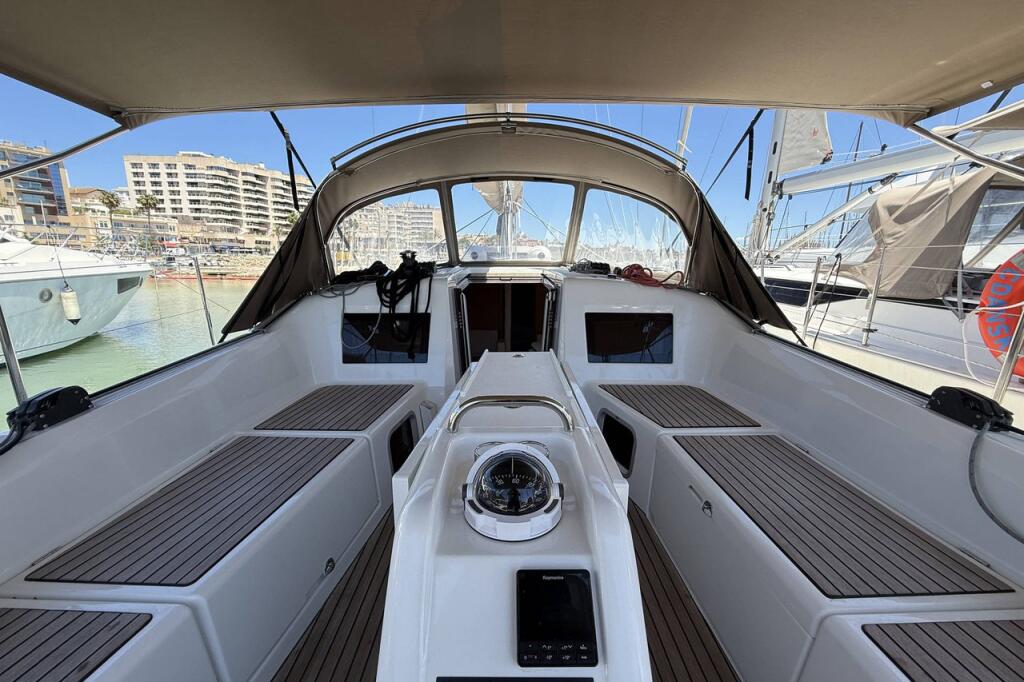
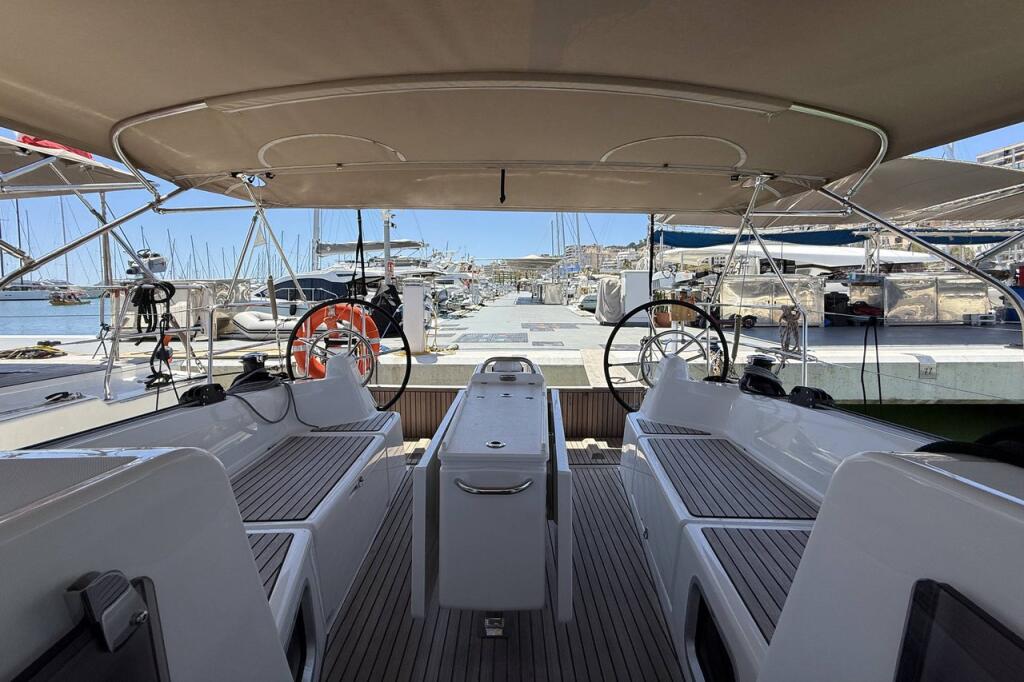
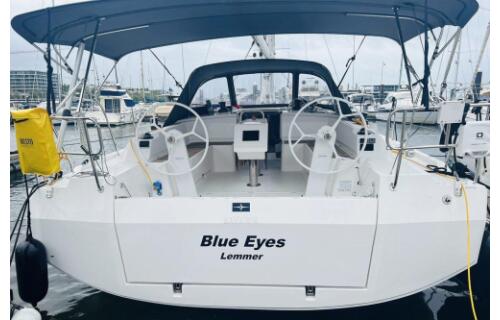
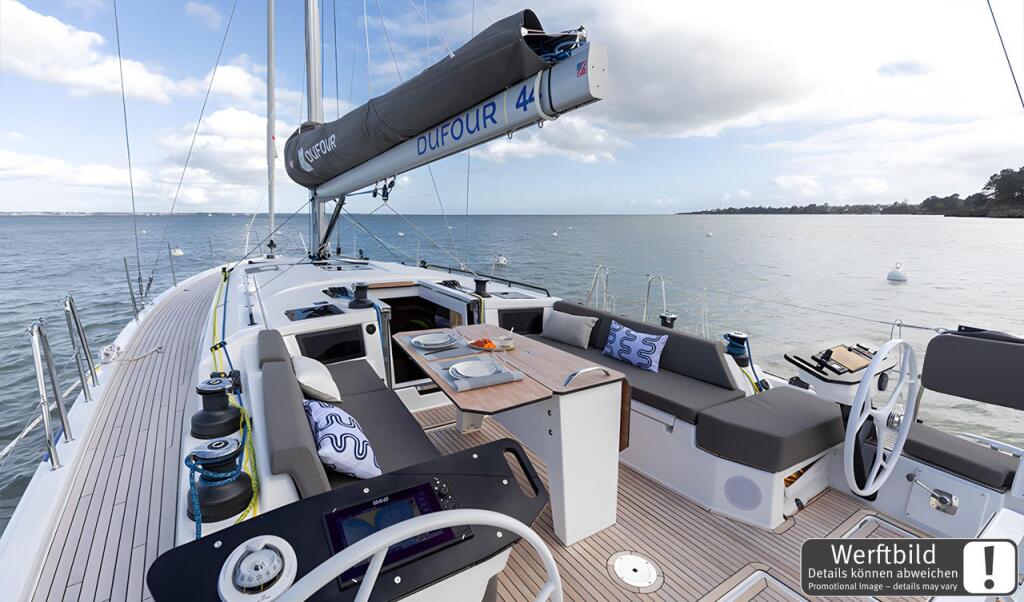
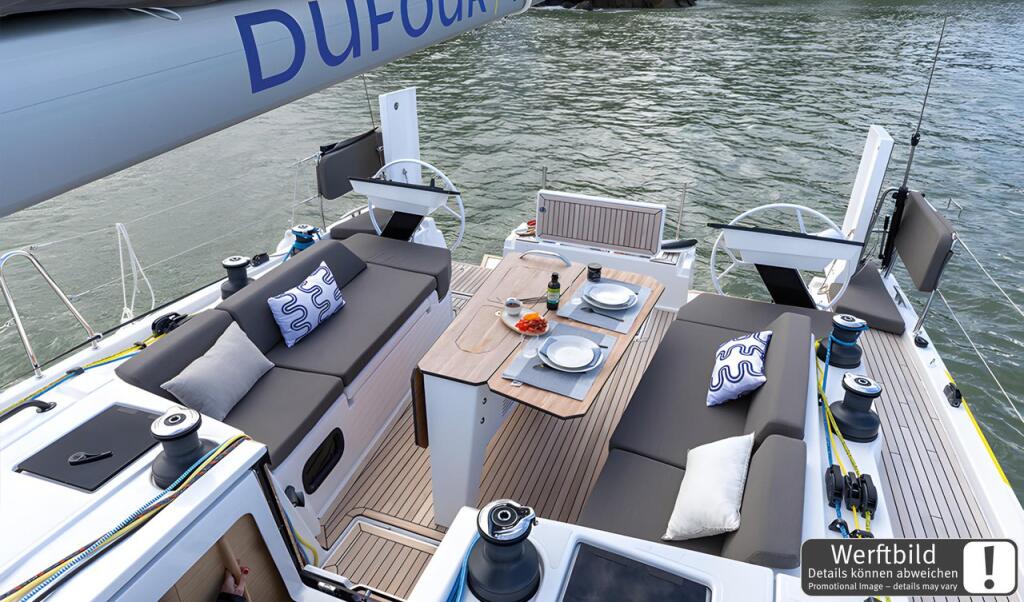
Cockpit: Seating, freedom of movement, and access to controls can vary considerably.
-
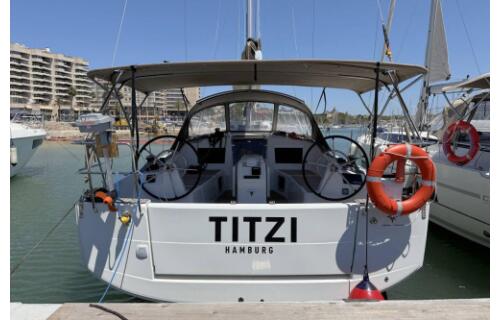
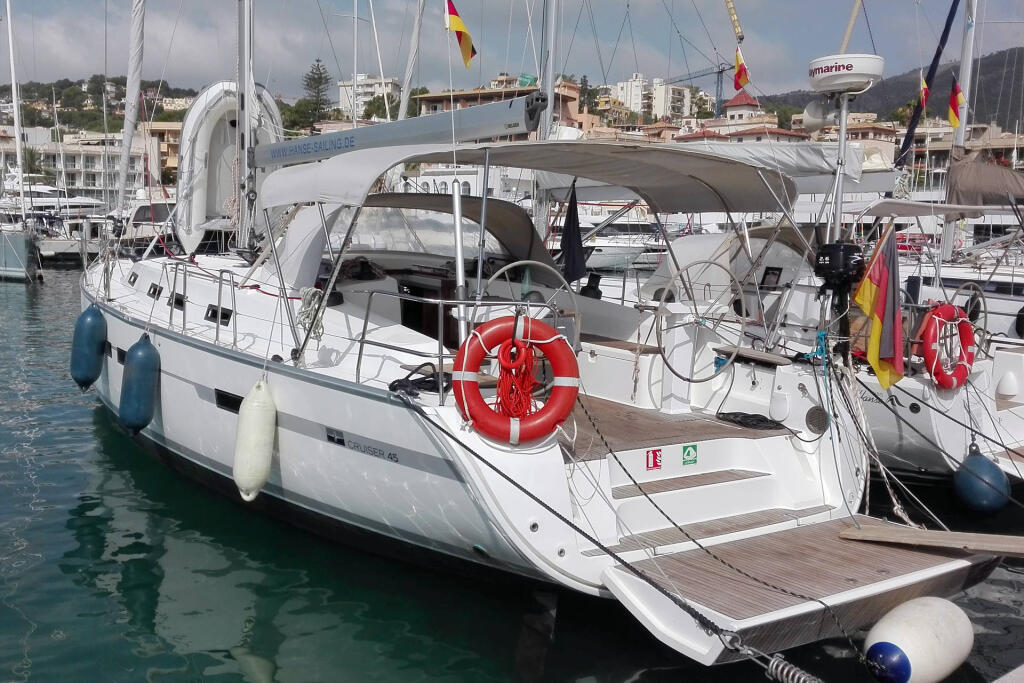
Bimini or other shade protection: In the Mallorcan summer, reliable protection from the sun is an important comfort feature.
-
Ventilation: Hatches, airflow, and any additional systems have a direct effect on comfort during warm nights.
-
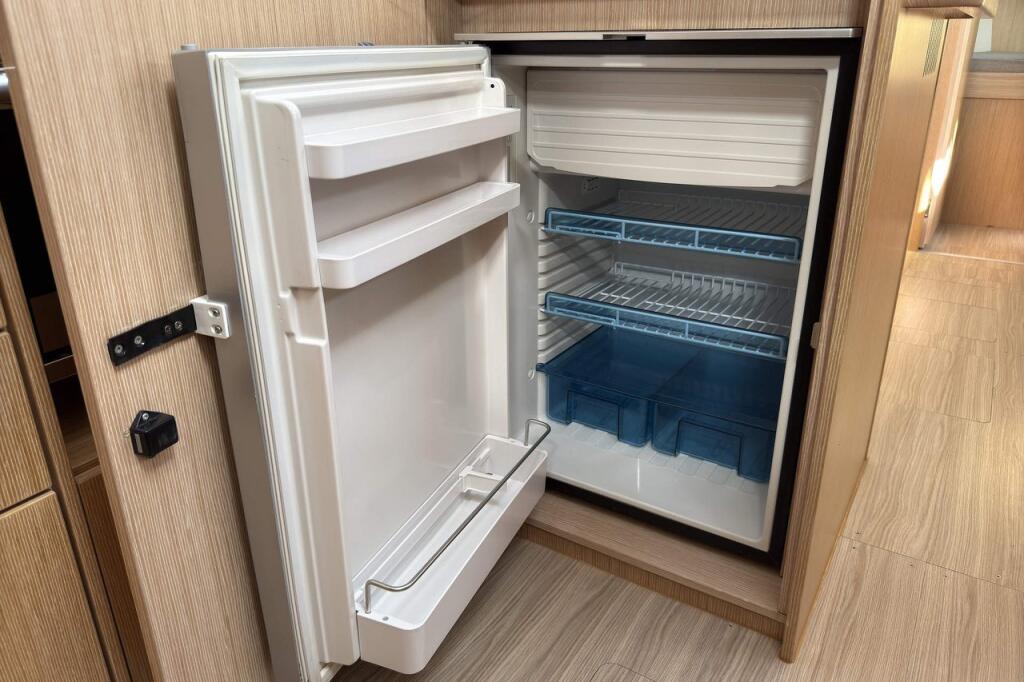
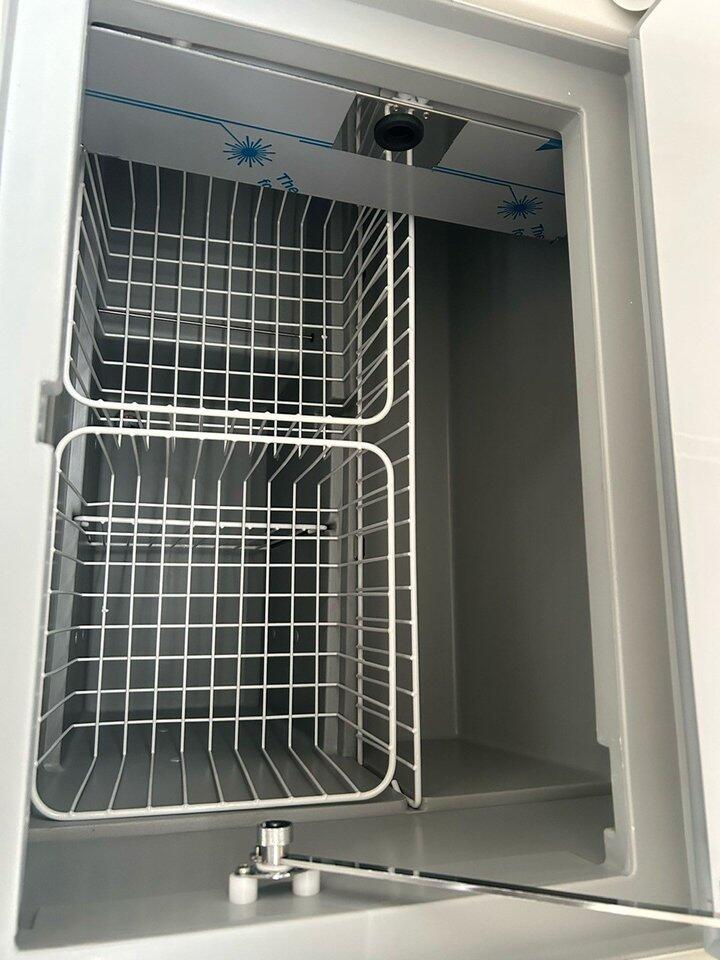
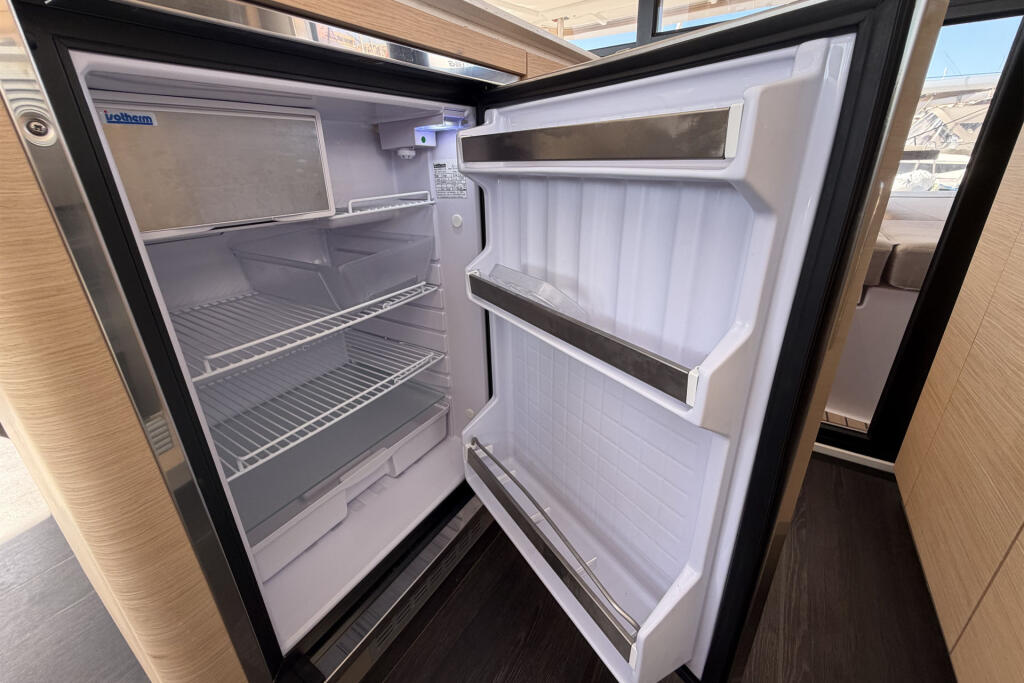
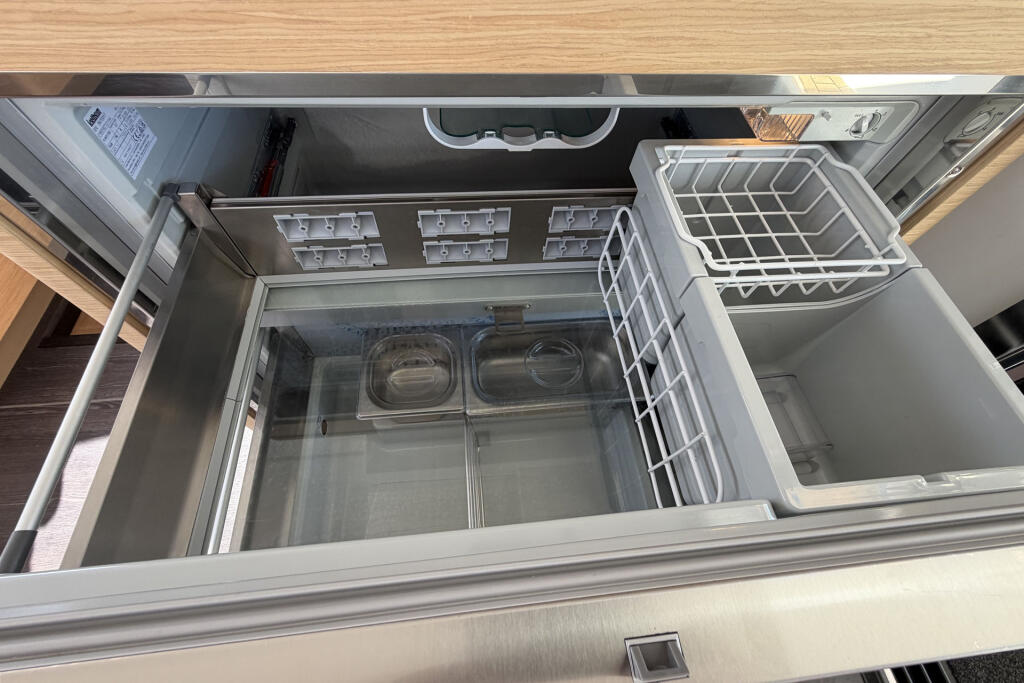
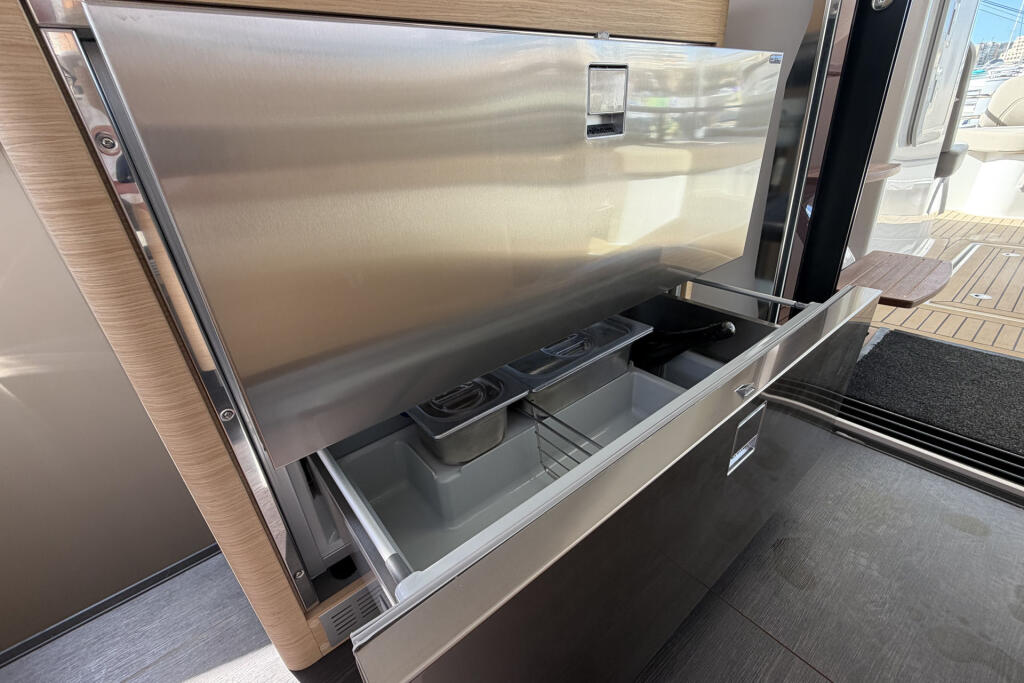
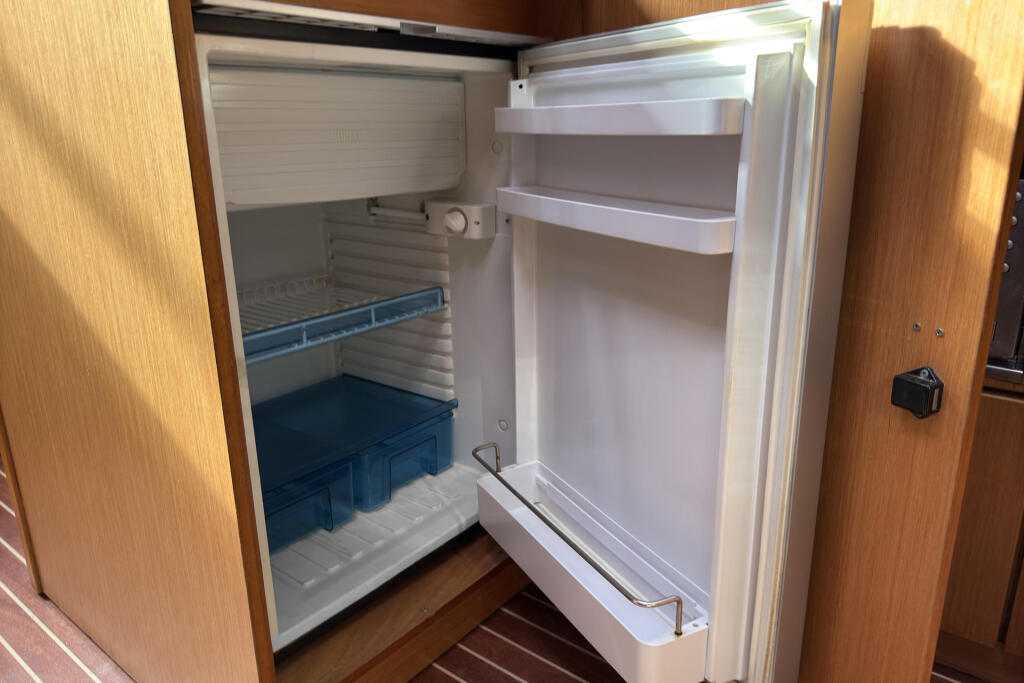
Cooling capacity: Refrigeration and fridge space matter when several days are planned between larger provisioning opportunities.
-
Anchoring equipment: If you plan to spend frequent nights in bays, this area deserves particular attention.
-
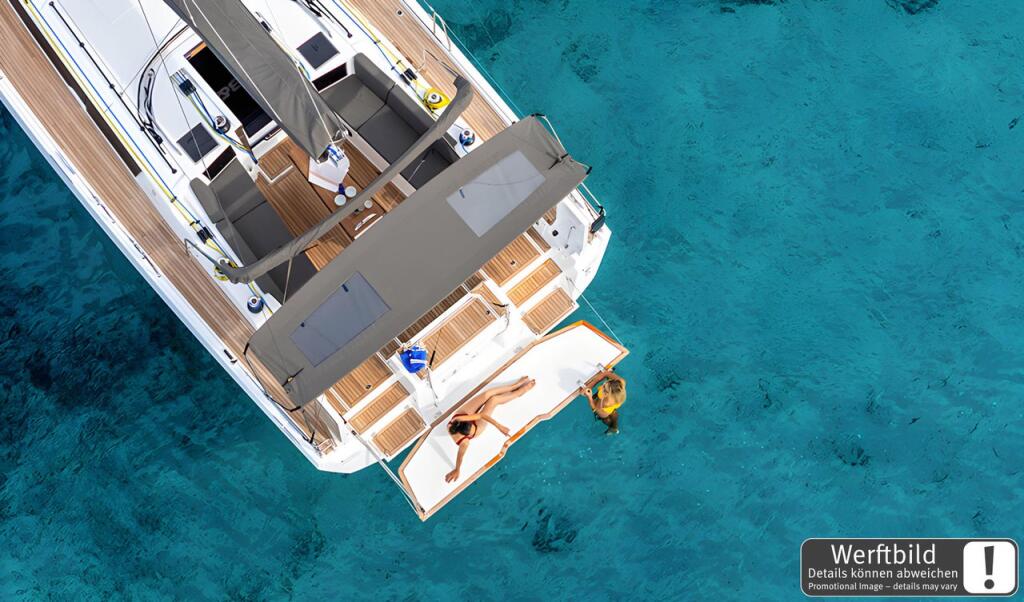
Swim access: The swim platform and ladder influence everyday comfort during stops at anchor.
-
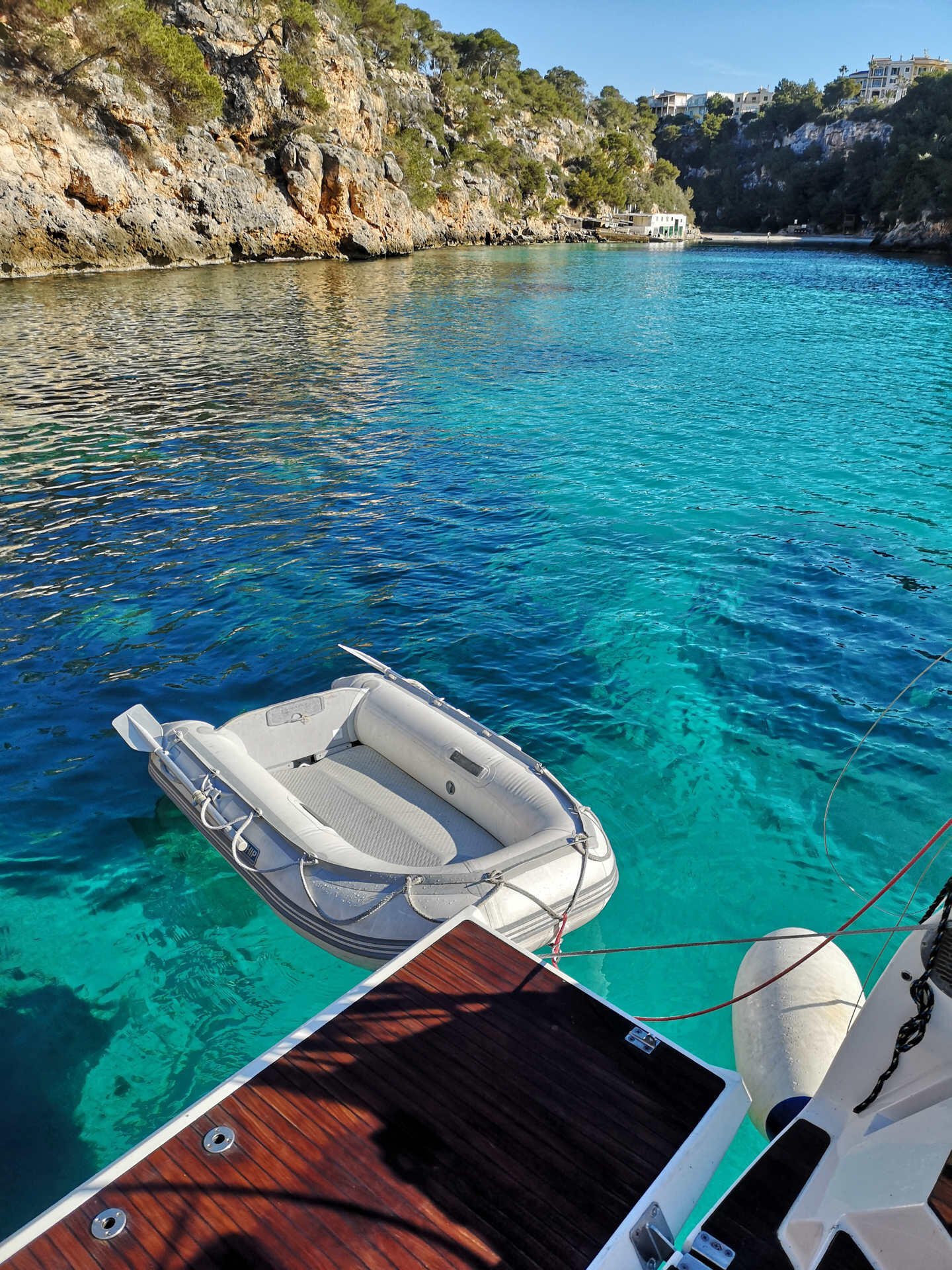
Dinghy: On passages with frequent nights at anchor, a tender may be important for going ashore.
-
Water and fuel capacity: Larger reserves increase flexibility, especially if you are not planning to enter a marina every evening.
What matters most is always the specific yacht. For that reason, compare the sailing yachts actually listed in Palma and their specifications, rather than simply choosing the largest or least expensive yacht available.
Mallorca charter base in the Port of Palma
Marina Naviera Balear in Palma
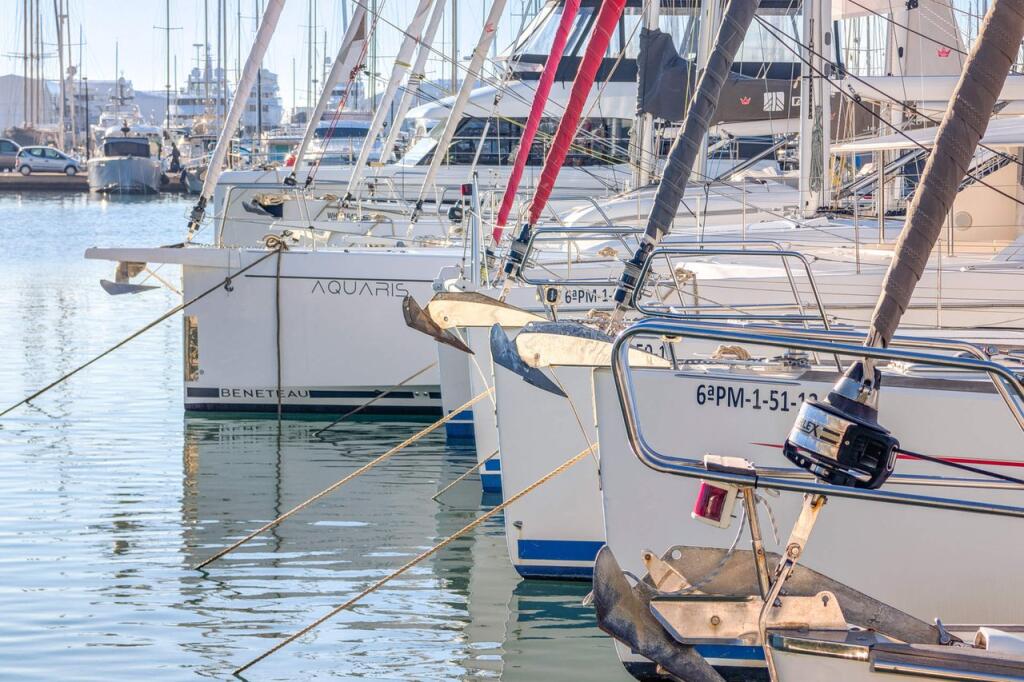
Our charter base is located at Marina Naviera Balear in the Port of Palma. The marina sits on the Paseo Marítimo and is therefore part of the city’s harbour area. Restaurants, hotels, shops, and other urban infrastructure can be found all around the port. According to the marina, available facilities include sanitary areas with showers, WiFi, parking, and controlled access.
For charter crews, the close connection between harbour and city is especially convenient. Provisions do not need to be arranged days before the trip. Shopping for the first part of the passage can be done in Palma before departure. For larger crews, however, it is still advisable to allow enough time for provisioning and stowing supplies rather than leaving everything until just before the yacht handover.
Palma is a major port with leisure traffic, ferries, and other commercial shipping. When departing and returning, good seamanship therefore includes a careful lookout, clear task allocation onboard, and full awareness of local traffic conditions. Once beyond the harbour area, the broad Bay of Palma opens up and the crew can begin the real coastal passage.
On the day of arrival, enough time should be set aside for luggage, provisioning, formalities, and yacht handover. Taking the time to become familiar with the yacht calmly and thoroughly will save unnecessary questions later about onboard systems and equipment. On a yacht that is new to the crew, the location of valves, switches, safety devices, and operating controls is just as important as the sailing equipment itself.
Where can you sail from Palma?
From Palma, Mallorca can be divided into several distinct cruising areas. For a standard charter week, it is usually more sensible to explore one or two coastal regions properly rather than setting a complete circumnavigation of the island as a fixed objective. A full circuit may be possible, but it leaves less margin for changing weather, harbour days, and longer stays in places worth enjoying properly.
The actual route therefore emerges from the combination of charter duration, crew, yacht, and weather conditions. Along the west and northwest coast in particular, wind and sea state can have a significant impact on planning. Along the south and southeast coast, by contrast, numerous bays and a range of harbour options allow for a more finely structured itinerary.
Southwest coast, Port d’Andratx, and Sa Dragonera
The southwest is an obvious direction for crews who do not wish to begin their trip from Palma with long daily legs straight away. After leaving the bay, various stretches of coastline and bays lie along the route towards Santa Ponça, Port d’Andratx, and Sant Elm.
The character of this cruise changes gradually as you go. At first, the crew is still sailing in the wider setting of the Bay of Palma and the more developed southwest coast. Further west, the landscape becomes more dramatic, and the coastline around Andratx and Sant Elm marks the transition towards the Serra de Tramuntana.
Port d’Andratx makes an excellent harbour stop and can also serve as the point at which to decide on the next stage. In suitable conditions, the passage can continue towards Sant Elm and Sa Dragonera. Crews preferring to cover less distance can instead turn back towards Palma and include additional bays in the southwest.
Sa Dragonera is a protected natural area. Special rules apply to navigation, approach, and going ashore. The relevant authorities specify, among other things, minimum distances from the coastline outside approved approach zones. Requirements such as these should always be checked in their current form during route planning.
For families or crews who would like to alternate between sailing, swimming, and time ashore, the southwest is an excellent and flexible cruising ground. It can be enjoyed as a short trip in its own right or used as the opening section of a longer route along the west coast.
West coast and the Serra de Tramuntana
North of Sa Dragonera begins a markedly more demanding stretch of coastline. The Serra de Tramuntana defines Mallorca’s western side with steep mountains and, in places, very high coastal cliffs. Harbours and sheltered options are more widely spaced here than along many parts of the south coast.
For sailors, this contrast is precisely what makes the area so appealing. The west coast feels far more like a true coastal passage than a classic bay hopping cruise. Planning should therefore be more conservative. Before departure, it is essential to assess not only wind strength and direction, but also sea state and the conditions likely at the intended intermediate stops.
Port de Sóller is an important possible harbour on this route. Between Palma and there are sections where a crew cannot simply divert to the next marina at any given moment. The decision to sail the Tramuntana side should therefore be based on a stable and reliable forecast.
For a week long charter from Palma, reaching this area can be entirely realistic if conditions are suitable and the crew has sufficient experience. A rigid plan that must be completed regardless of the weather, however, is poorly suited to this stretch of coast.
Crews who prefer mainly short legs, daily marina options, or a very fixed holiday schedule will usually find more alternatives along Mallorca’s southern side. Those looking for longer sailing stretches and a more exposed coastline can deliberately include the west in their plans.
South coast and Cabrera
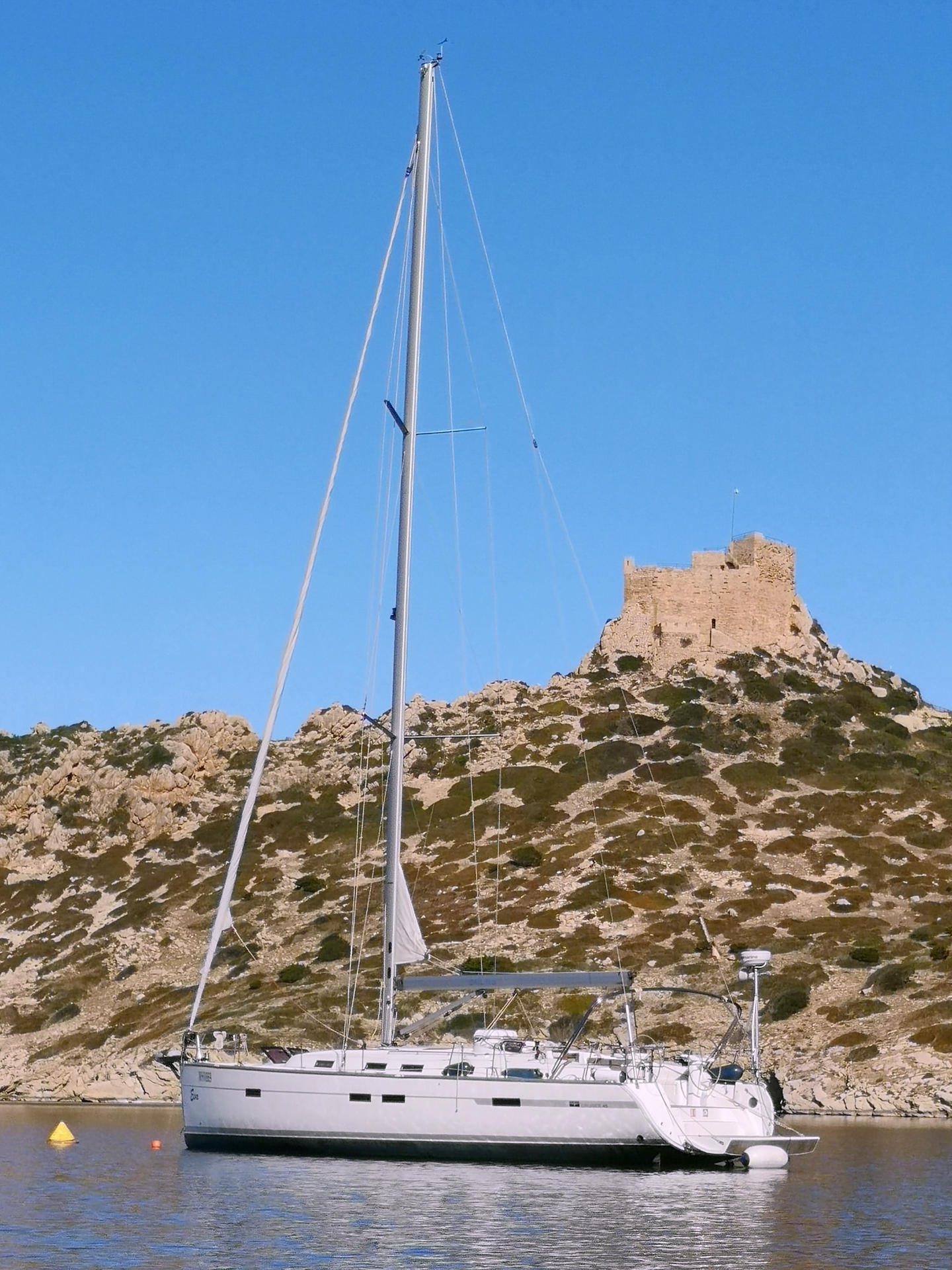
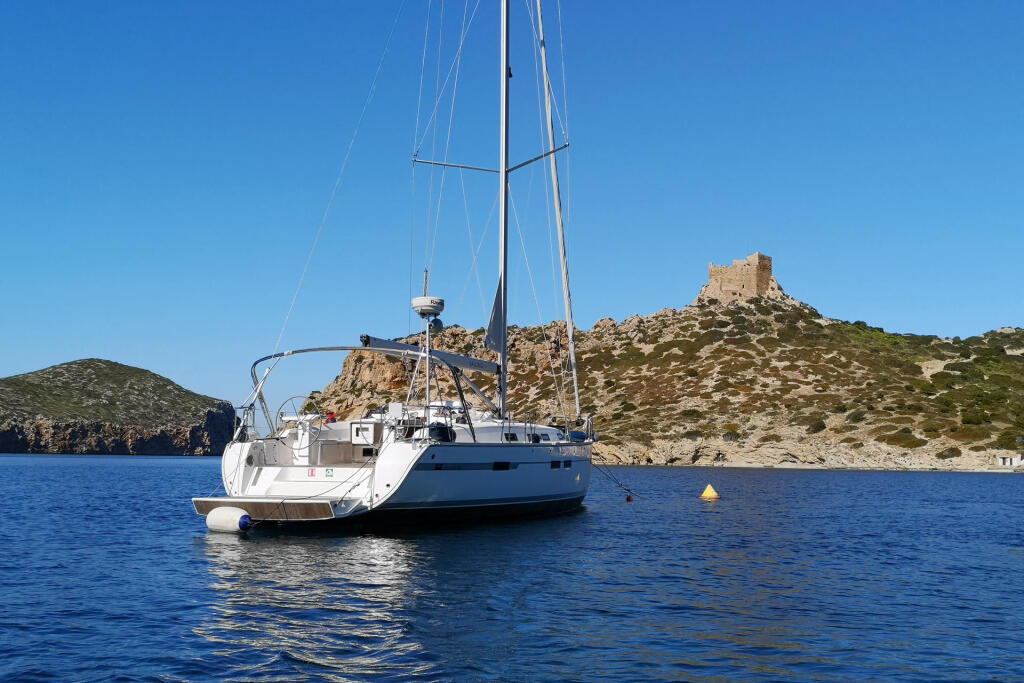
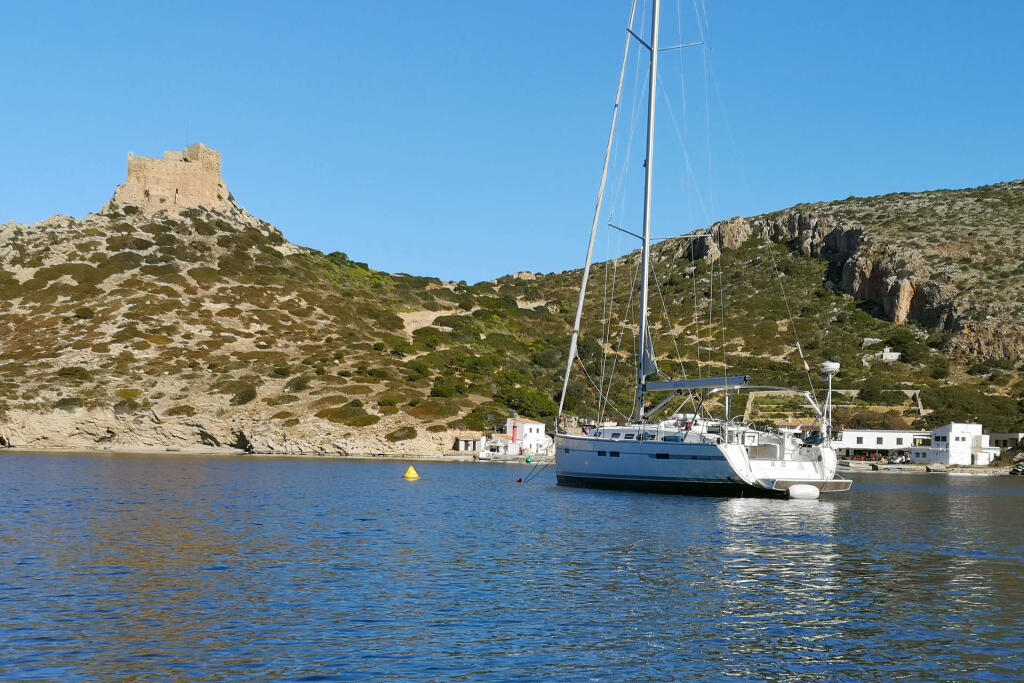
Sailing southeast from Palma reveals a different side of the cruising ground. After leaving the bay, the route follows the south coast towards Cap Blanc, the shores around Es Trenc, and Colònia de Sant Jordi. From there, the Cabrera archipelago lies to the south of Mallorca as a distinctive destination in its own right.
This direction works particularly well for a one week yacht charter from Palma because sailing days can be combined with coastal stops and nights at anchor. The crew can first remain within Mallorcan coastal waters and then incorporate Cabrera more deliberately into the route.
Cabrera is a national park and cannot be treated like an ordinary anchorage. Permission is required for navigation within the protected area. Overnight stays and mooring are also subject to regulated procedures and limited capacity. A stop in Cabrera should therefore be arranged in advance and not assumed to be a guaranteed overnight option at short notice.
The appeal of this part of the cruise lies in the balance between coastal sailing and an island destination set apart by open water. At the same time, the route remains compact enough to leave room for weather related changes or an additional harbour day if needed.
When anchoring around Mallorca, the protection of Posidonia seagrass meadows must also be taken into account. Anchoring on Posidonia is generally prohibited throughout the Balearics. Where regulated buoy fields exist, the applicable local rules must be followed.
Mallorca’s southeast coast
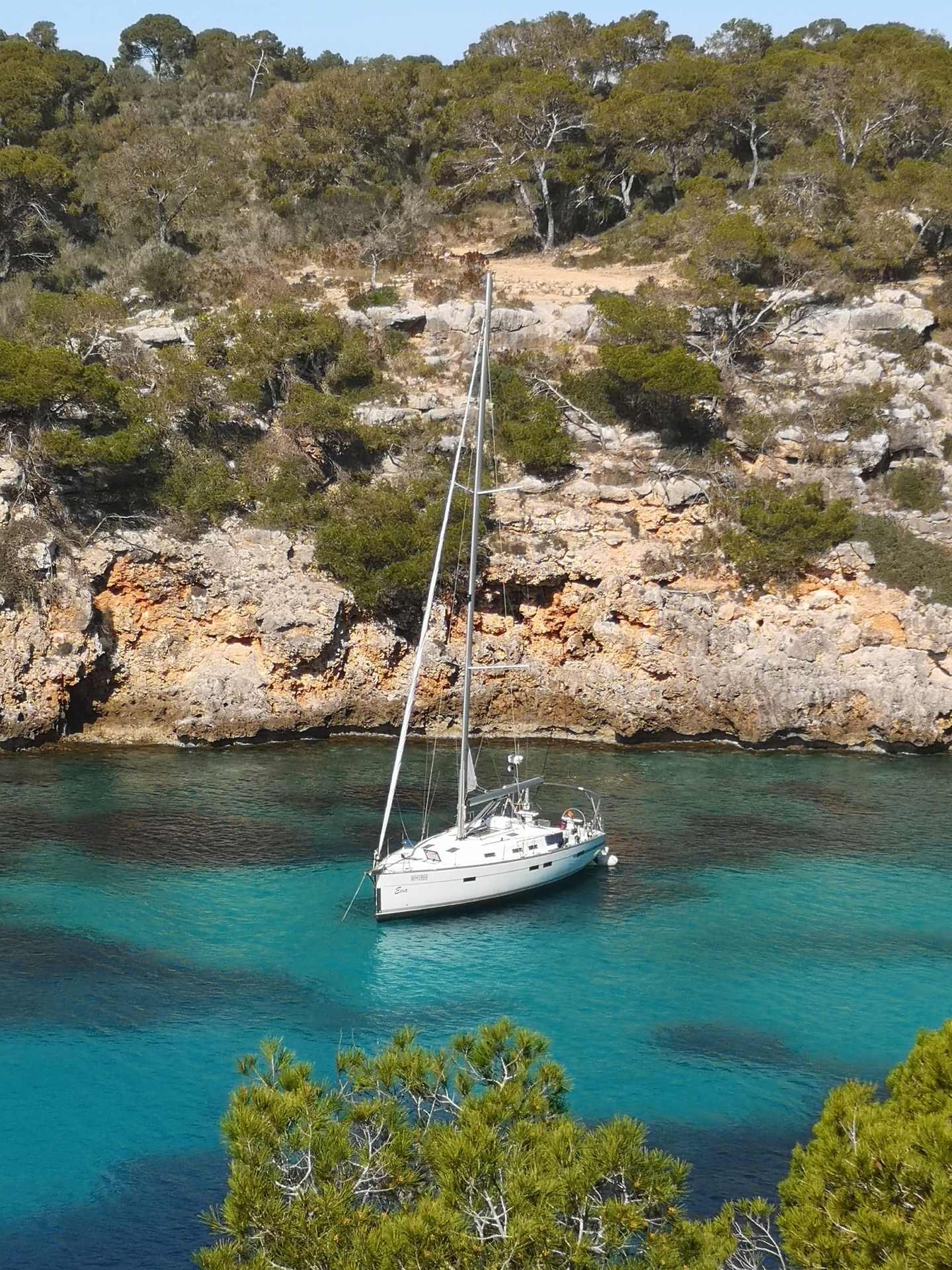
Those continuing east from Palma along the south coast reach a cruising area of numerous calas, coastal villages, and sheltered inlets. Possible destinations include areas around Cala Figuera, Porto Petro, and Portocolom. How far the route extends depends on the balance you want between sailing time and time spent ashore or at anchor.
Compared with the Tramuntana coast, a southeast route can usually be planned in more detail and broken into smaller stages. A crew can alternate between nights in harbour and suitable anchorages, adjusting individual daily legs to suit the weather, the mood onboard, and the time available.
For families or crews who do not wish to spend several hours under way every day, this is a clear advantage. At the same time, the route remains appealing for active sailors because longer legs between individual stretches of coast can still be included.
When choosing an anchorage, the visual appeal of a cala should never be the only criterion. Wind direction, swell, seabed, water depth, Posidonia protection, and current occupancy all play a major role. Well known bays can be particularly busy in high season.
A week is enough for a southeast cruise provided the turning point is chosen realistically. The further northeast you sail, the more important it becomes to allow sufficient time for the return to Palma. A sensible route should therefore not be calculated backwards from a distant point only on the final day.
Mallorca yacht charter from Palma
Mallorca brings together several distinct styles of Mediterranean sailing within a relatively compact area. To the south and southeast, many routes are shaped by calas, sandy bays, and coastal settlements. In the west, the Serra de Tramuntana transforms the cruising ground entirely. Between the two lies the wide Bay of Palma, the starting and finishing point for many charter itineraries.
Wind conditions also vary across the island. During the warmer months, the thermal Embat often develops in the Bay of Palma. This sea breeze typically builds during the day and is a characteristic feature of local sailing weather, especially between April and October.
For that reason, a Mallorca yacht charter still requires active weather planning despite the Mediterranean climate. Thermal winds can create delightful sailing conditions, while other weather patterns may bring considerably stronger winds and heavier seas. More exposed stretches of coast should always be planned with an ample margin of safety.
Unlike cruising grounds where almost every night is spent in a marina, anchoring plays an important role in Mallorca. This also affects the choice of yacht. Ground tackle, cockpit comfort, shade, swim access, cooling capacity, and, where relevant, a dinghy may be more important in daily life onboard than additional interior details.
Palma lends itself equally well to a varied coastal cruise and to a route with longer sailing legs. Which option makes the most sense cannot be decided by looking at the chart alone. The crew, the weather window, and the yacht all determine how wide the scope of the charter week should be.
When is the best time for a yacht charter in Palma?
The sailing season in Mallorca can usefully be divided into early, peak, and late season. There is no single objectively best time. Crews seeking the warmest swimming conditions have different priorities from sailors who prefer milder temperatures and less crowded bays.
In spring, Mallorca becomes increasingly attractive for active sailors. Temperatures are generally more comfortable for long hours on deck than during very hot summer periods. At the same time, crews should expect more variable weather at this time of year and build a greater margin into their route planning.
In early summer, long days combine with increasingly warm conditions. The thermal daily wind cycle becomes more relevant, and crews can combine sailing with extended stays in bays particularly well. As the season progresses, harbours and popular anchorages naturally become more sought after.
July and August are the classic high season. For families, these months often coincide with school holidays, the sea is warm, and life onboard shifts strongly towards the cockpit and swim platform. At the same time, demand for berths and well known anchorages rises. Forward planning of daily stages therefore becomes more important.
In September, the sea usually remains pleasantly warm after summer, while the highest holiday demand has already eased in many places. For crews who want to combine sailing and swimming, this can be an especially attractive period. Even so, weather developments should still be monitored on a daily basis.
Later in autumn, the importance of stable weather windows increases. Experienced crews may choose this period specifically for quieter harbours and a stronger focus on sailing itself. Those seeking maximum predictability and long swimming days will usually prefer a different part of the season.
Your choice of yacht should also match the time of travel. In high season, shade and ventilation are especially important. In early and late season, cockpit protection, dependable onboard systems, and the ability to live comfortably below deck in less summery conditions carry greater weight.
Yacht charter for couples, families, and experienced crews
A couple sailing a yacht on their own needs a different boat from a family of six. For double handed crews, manageable dimensions, autopilot, lines that are easy to reach, and controlled harbour handling are key priorities. An additional cabin can certainly be useful, but it should not automatically lead to choosing an unnecessarily large yacht.
Families often benefit from generous cockpit space, effective shade, storage, and easy swim access. With young children, individual deck organisation also becomes especially important. The route can then be planned with shorter daily legs and longer stays in suitable bays or harbours.
For larger groups, the number of berths should not be confused with genuine comfort. Separate cabins, heads, storage, and cockpit seating determine how well life together works over the course of a week. At the same time, the effort required for docking and departure increases with yacht size.
Experienced or performance oriented crews may place greater emphasis on sail plan, trim options, and sailing characteristics, and may also wish to include longer coastal passages. Even then, practical handling remains important. For a demanding cruise, a yacht whose systems the crew can operate with confidence is usually a better choice than additional size that merely creates unnecessary complexity in harbour.
Which equipment is important when sailing around Mallorca?
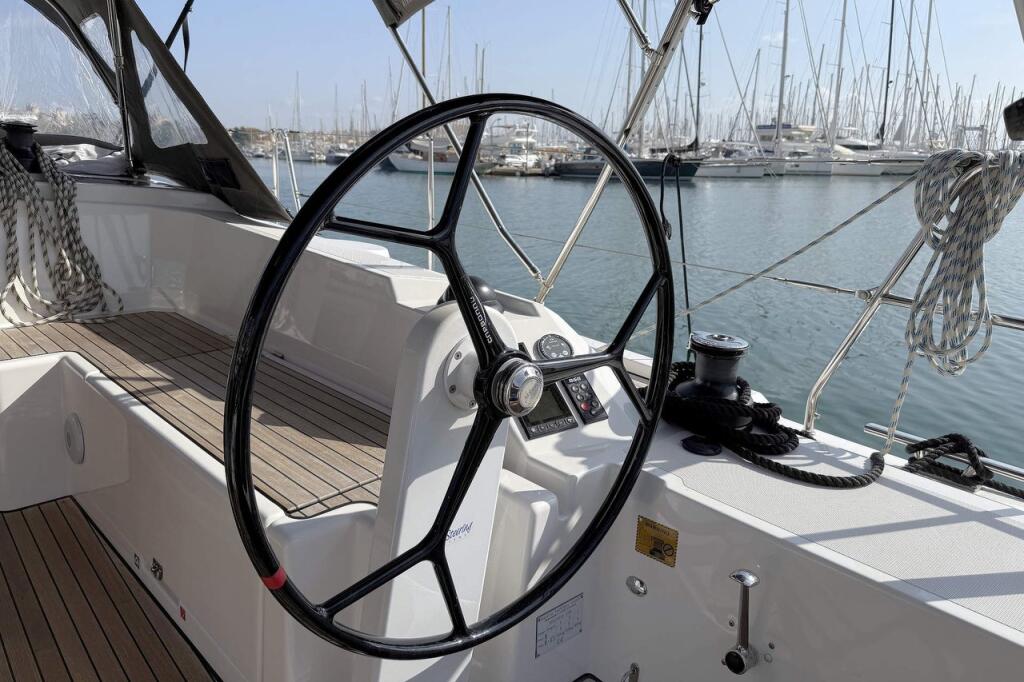
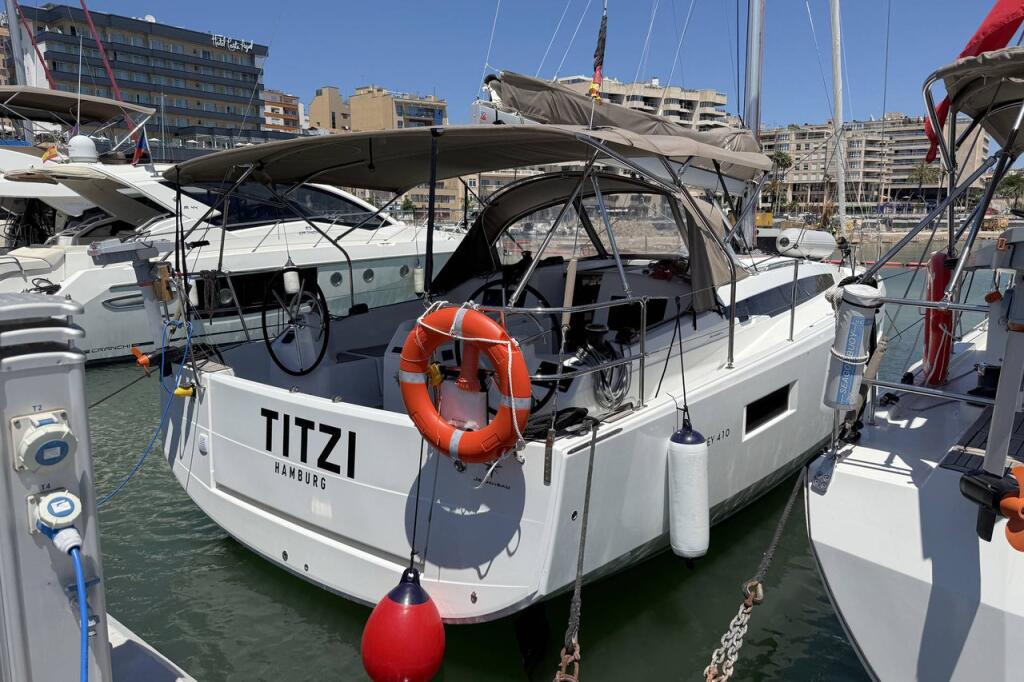
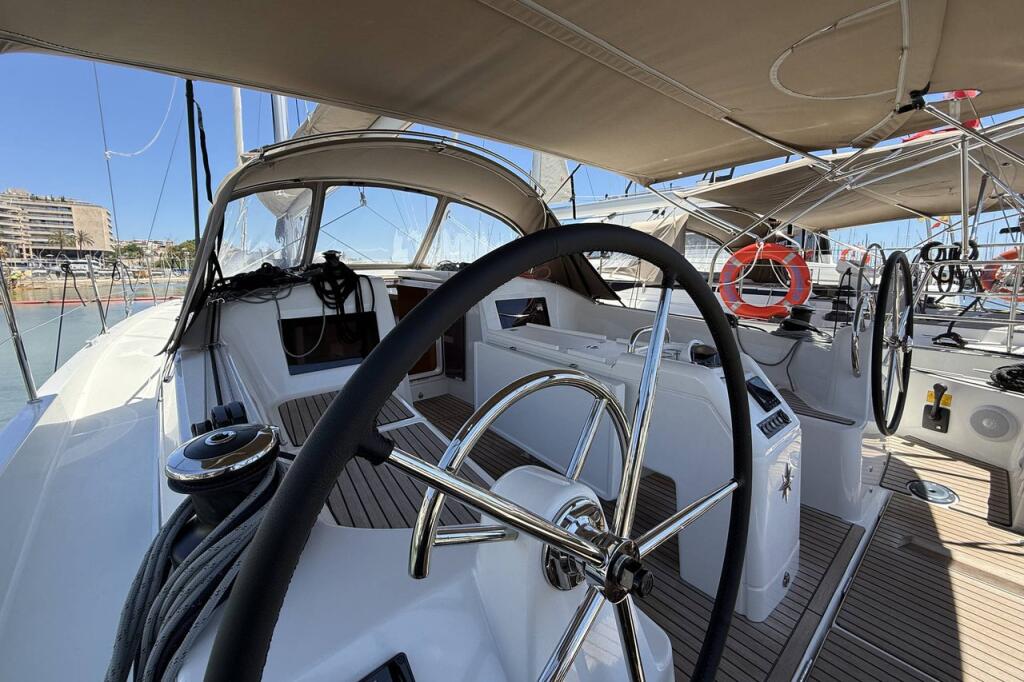
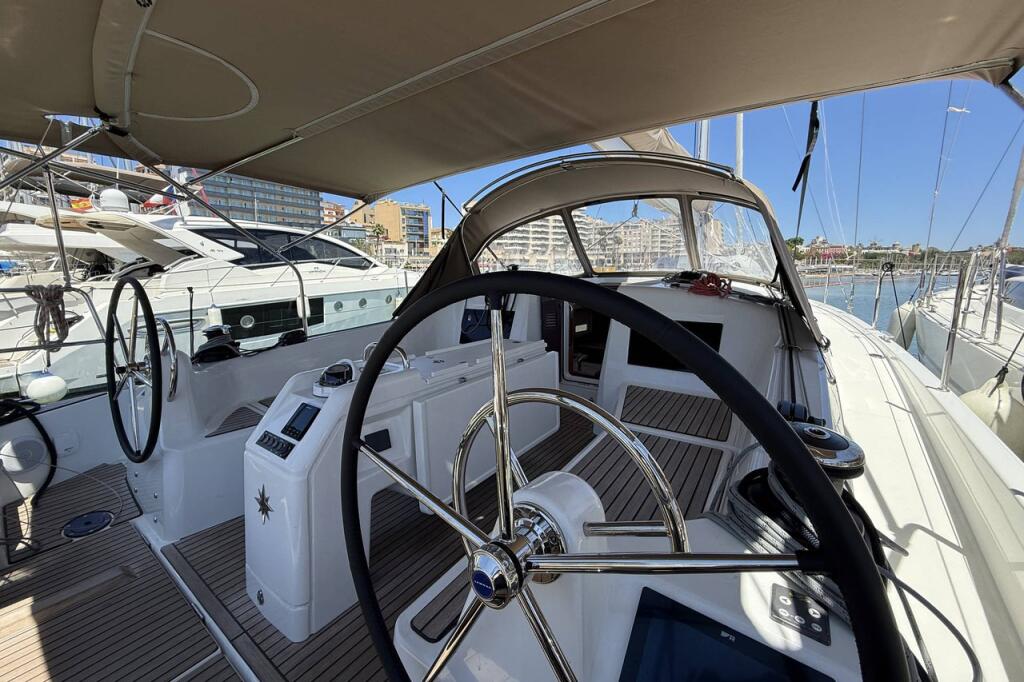
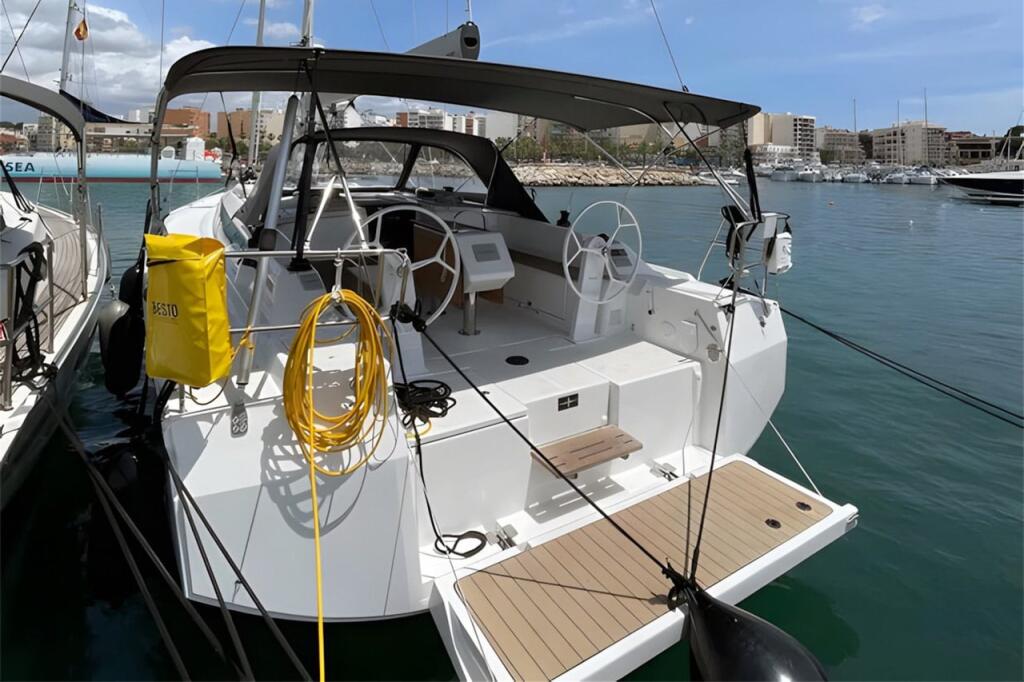
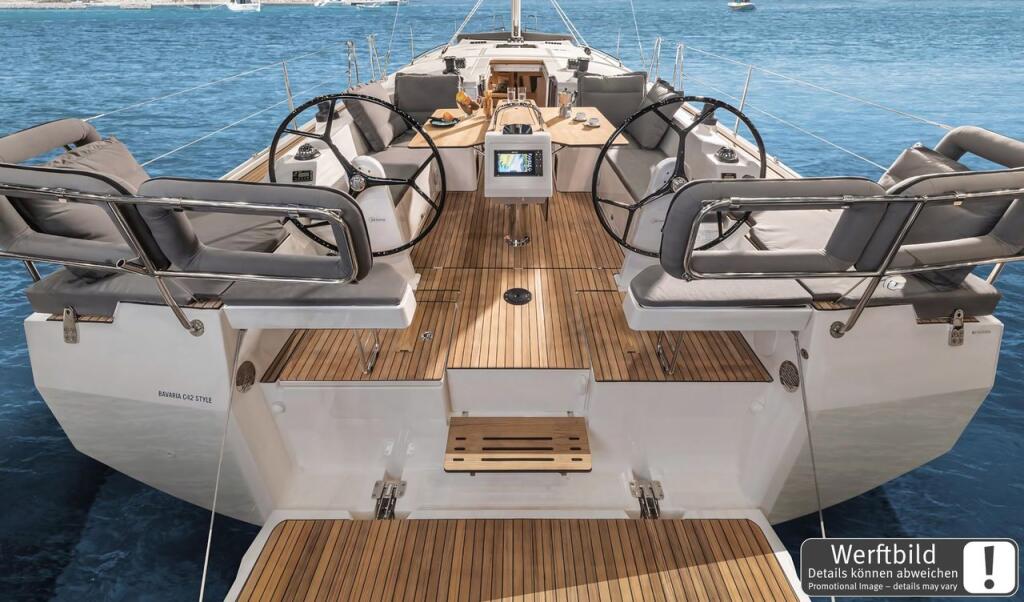
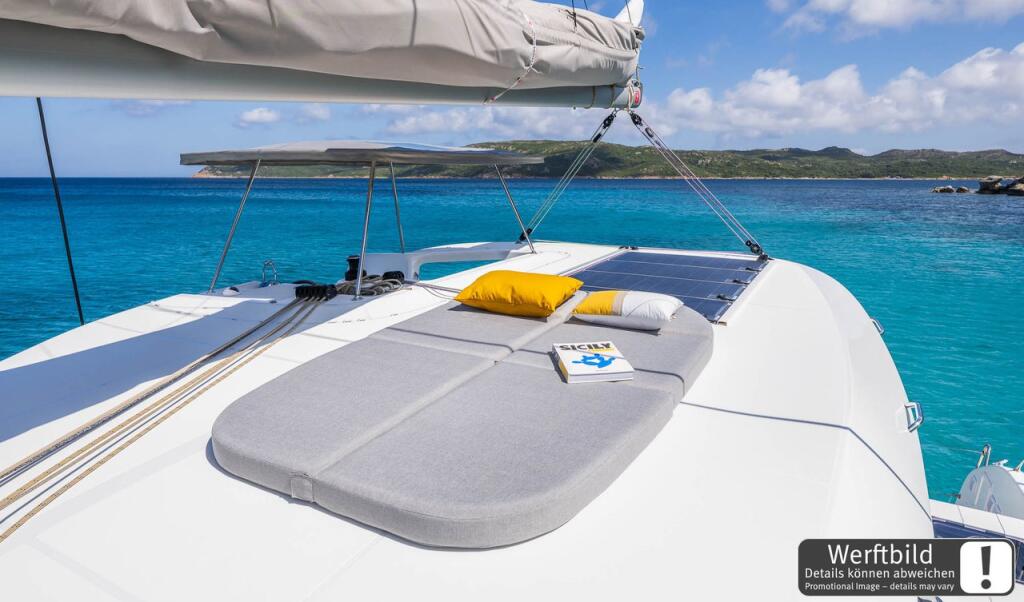
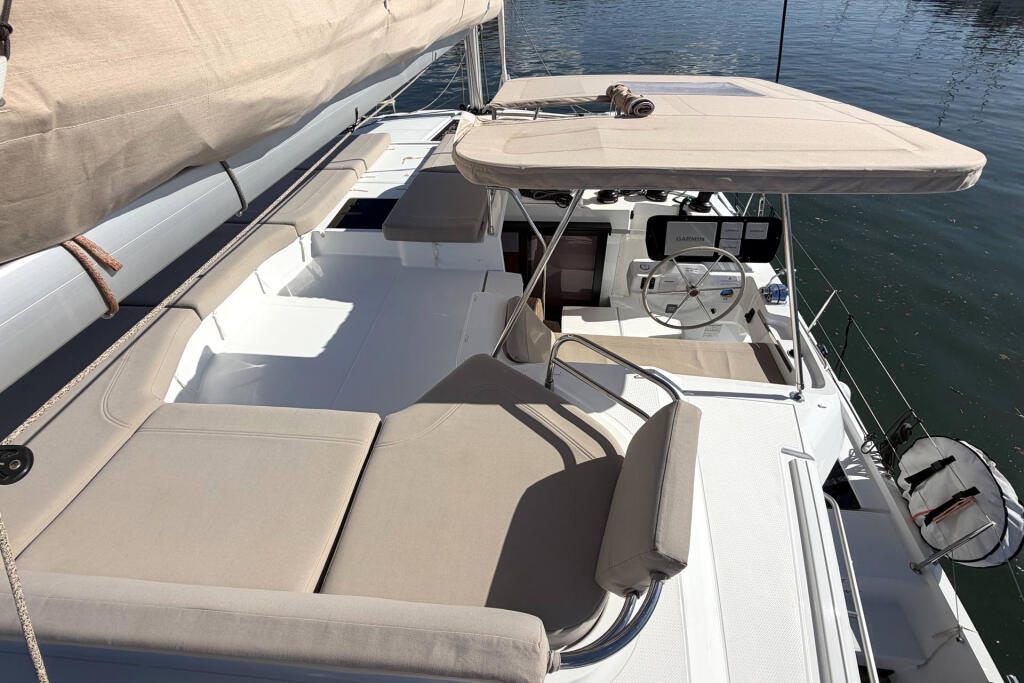
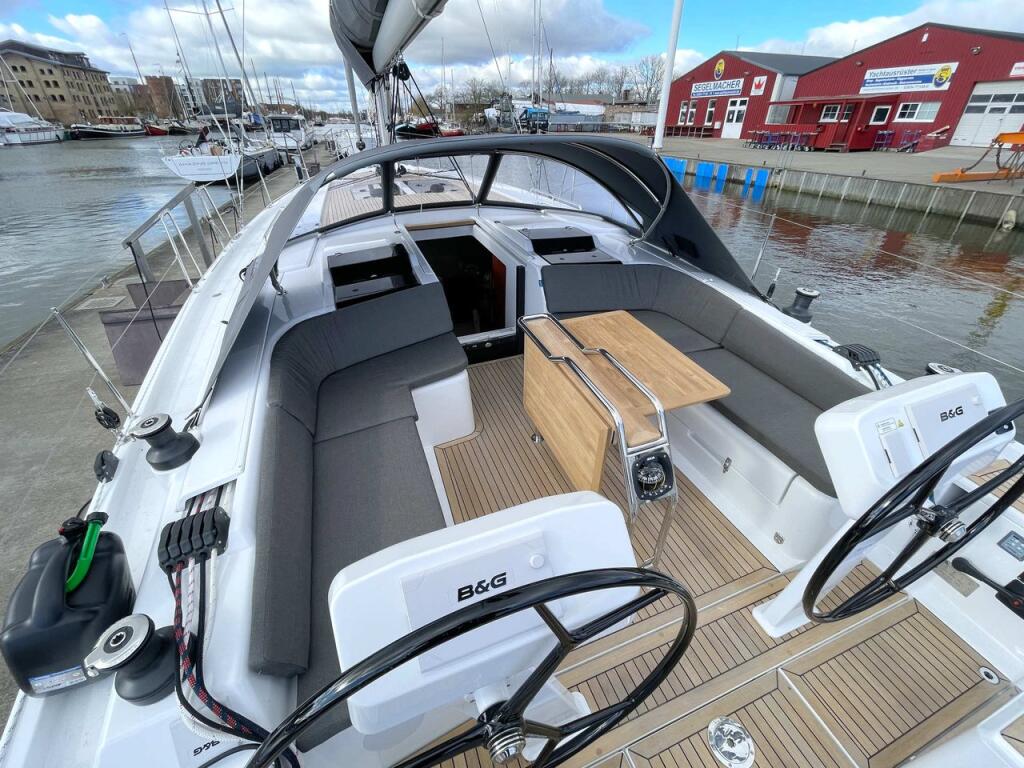
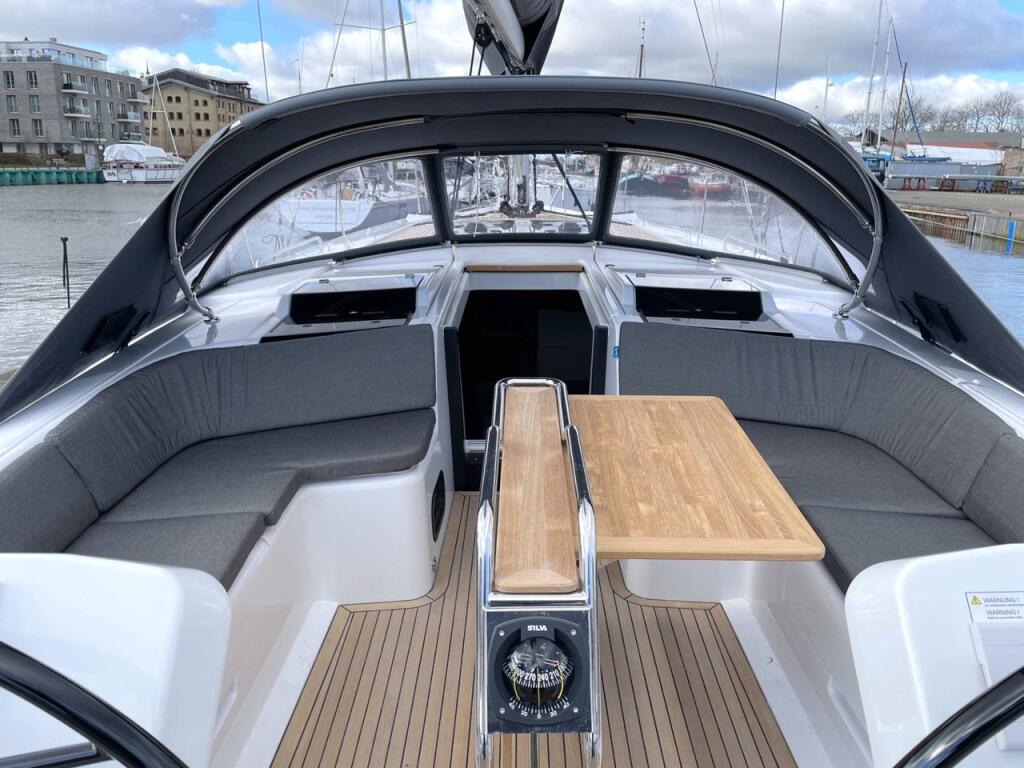
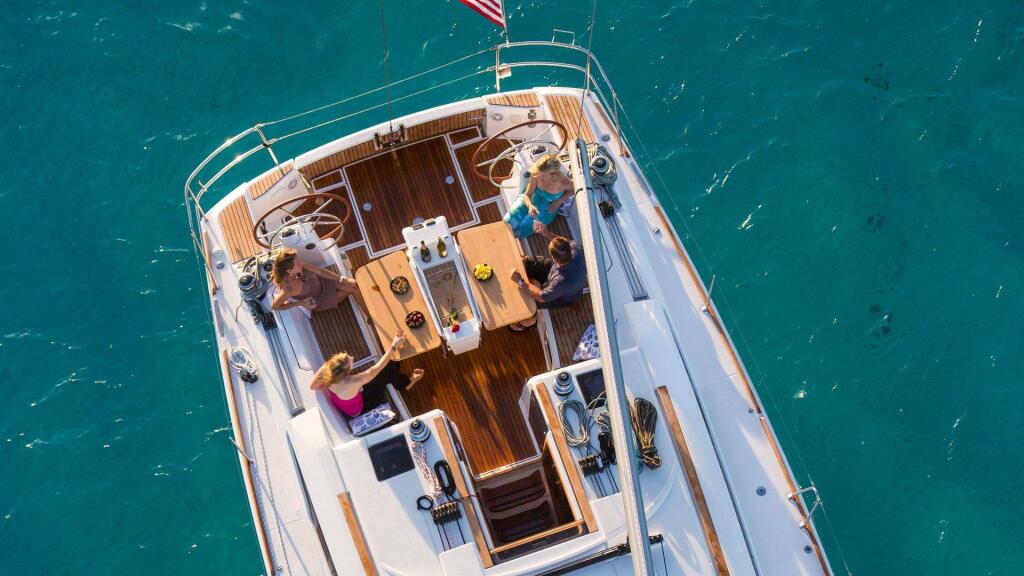
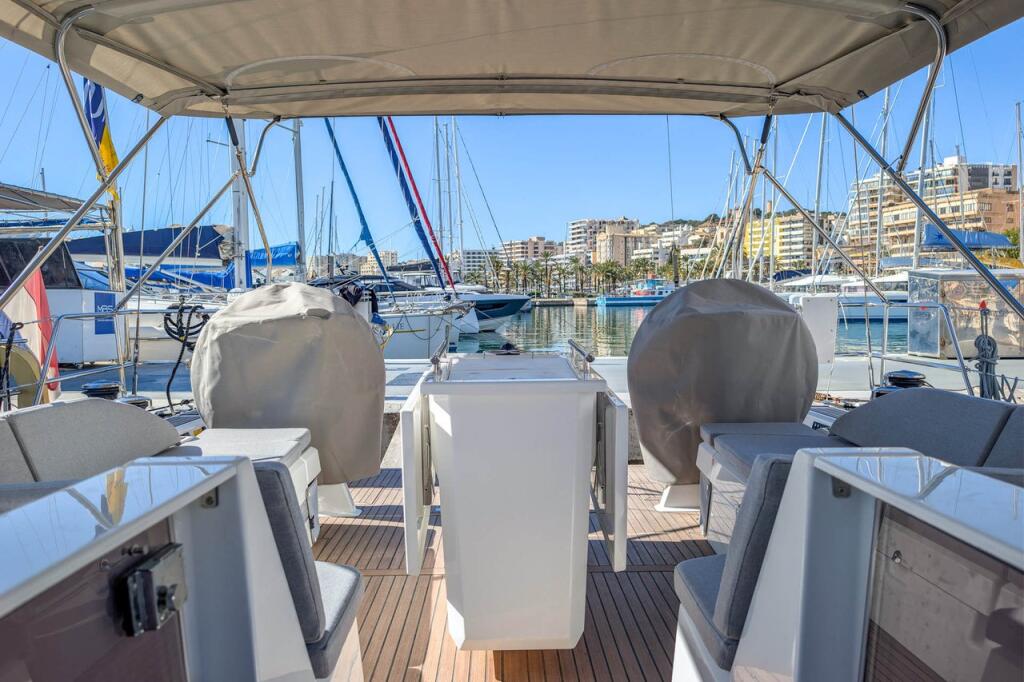
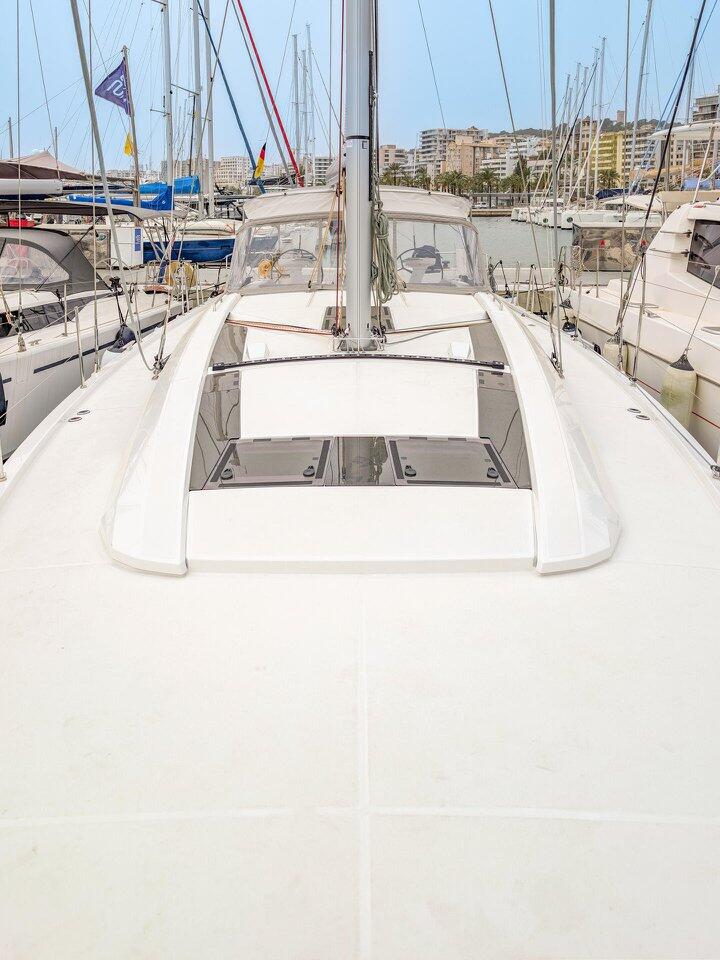
On Mallorca, a large share of life onboard takes place in the cockpit. An effective bimini or another form of shade can therefore make a considerable difference to comfort during the warmer season. Before booking, it is worth checking which solution the specific yacht offers and how large the shaded area actually is.
Ventilation also deserves careful attention. On warm summer nights, hatches, airflow, and the overall cabin layout all influence sleeping comfort. A larger yacht is not automatically better ventilated than a smaller model.
If you plan to spend several nights at anchor, anchoring equipment should be reviewed closely. The operation of the anchor windlass, chain length, chain marking or display, and overall ease of use are all relevant in practice. Equally important is a sound understanding of local anchoring rules and protected Posidonia areas.
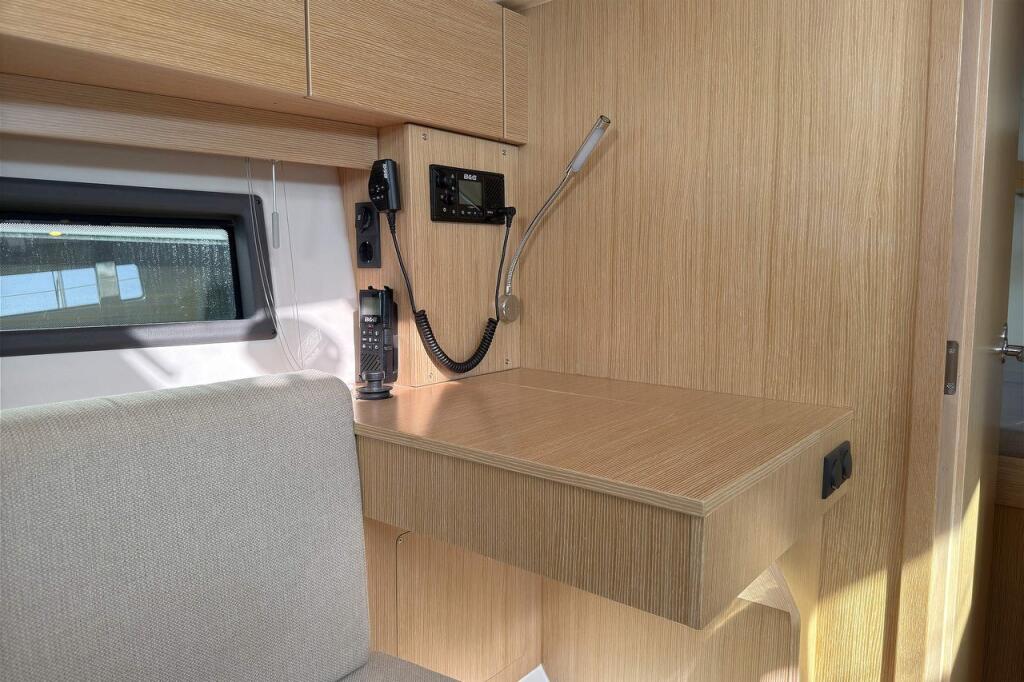
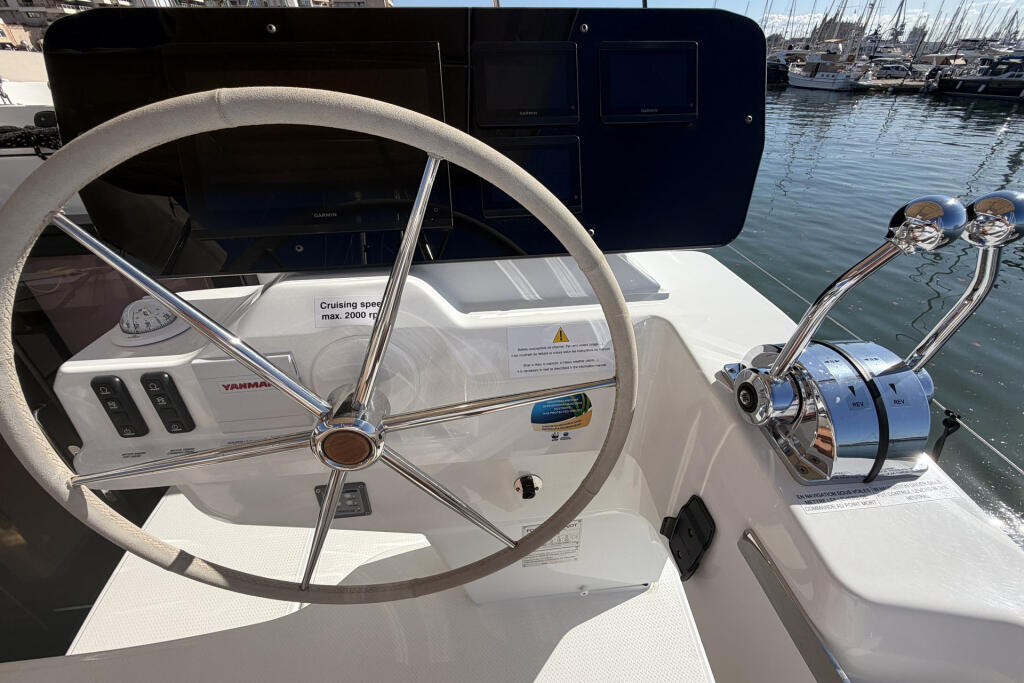
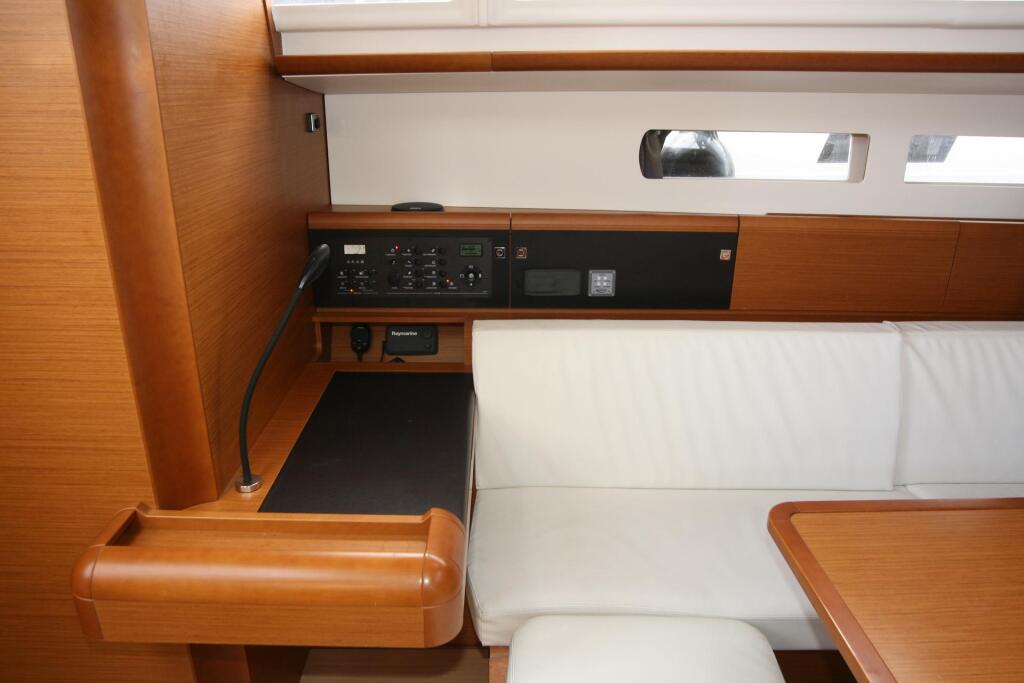
An autopilot is particularly valuable on longer legs and for smaller crews. Chartplotters and other navigation systems support route planning, but they do not replace chart awareness or a proper lookout. If you expect a particular electronics setup, it should be checked on the individual yacht page.
For frequent swimming stops, the swim platform, ladder, and deck shower become equipment features that are used time and again. A dinghy can also be important when the yacht is at anchor and the crew wishes to go ashore. Whether and in what form this equipment is available depends on the specifications of the charter yacht in question.
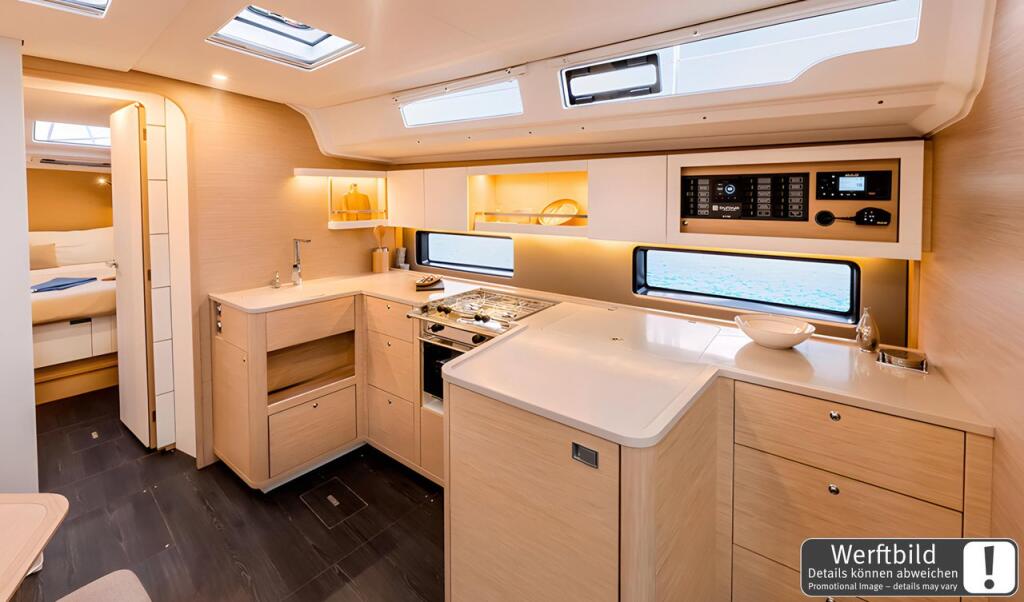
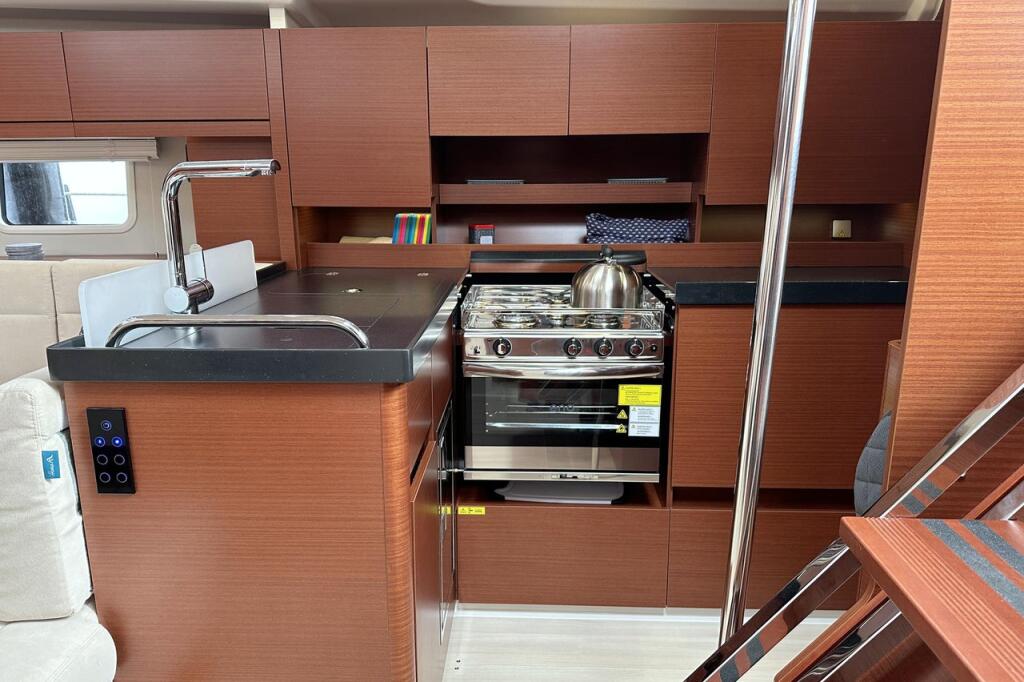
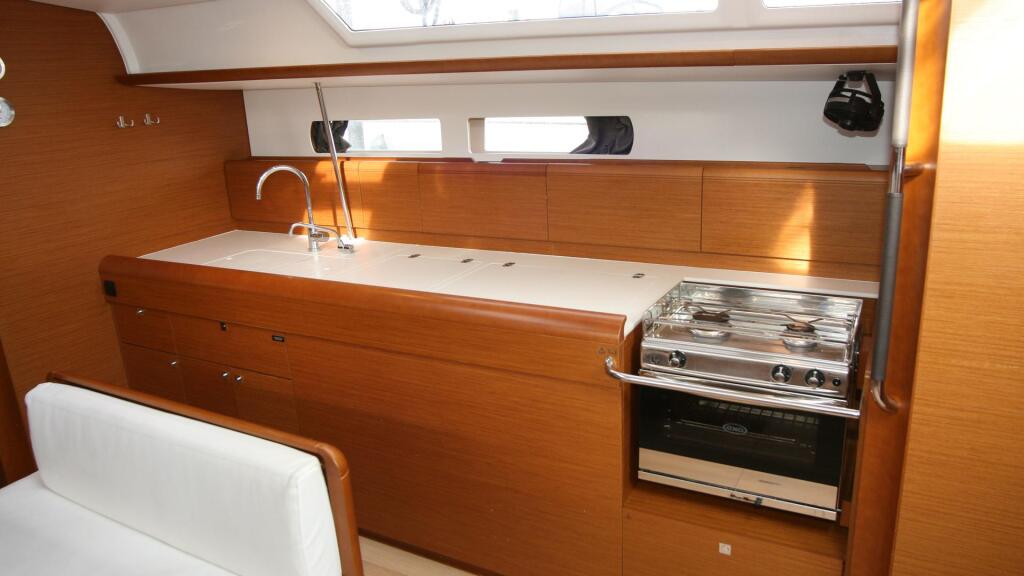
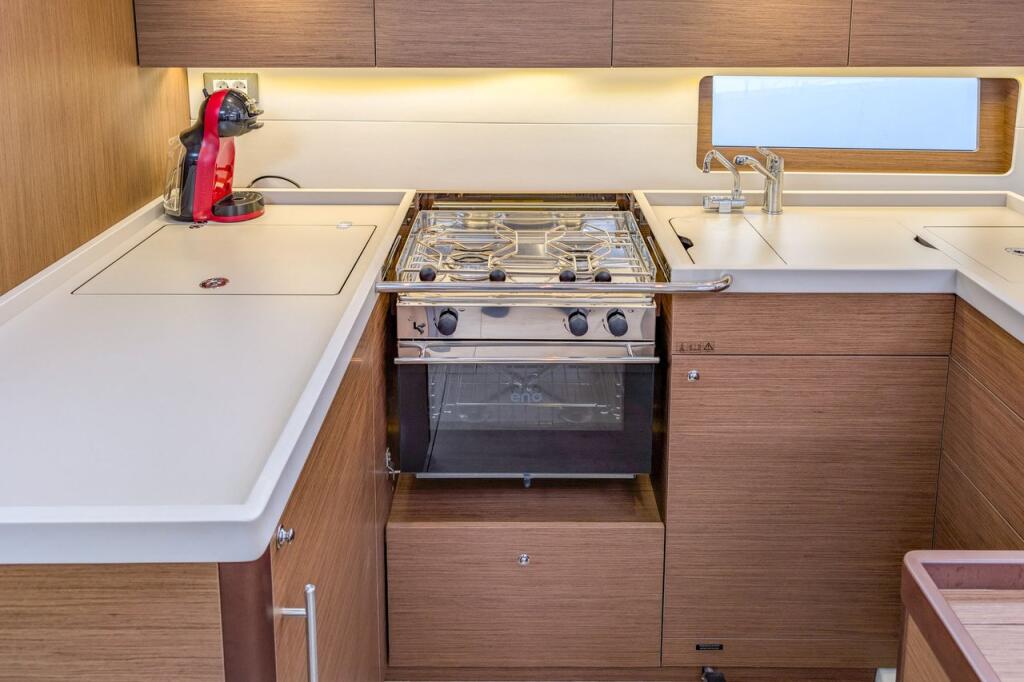
Cooling capacity and water reserves also influence the route. A crew calling regularly at marinas and towns can reprovision more often. If several nights at anchor are planned in succession, adequate stores and a practical galley become far more valuable.
For a yacht charter in Mallorca, one simple principle applies: assess the equipment according to the life you plan to lead onboard. The yacht list shows which systems are available on each sailing yacht. For technical features, the specific yacht description should always be treated as the decisive reference.
How does a yacht charter in Palma work?
Everything begins with your preferred charter dates. Once the period and crew size are fixed, the available fleet for Palma can be narrowed down. The yacht list then shows only the boats that are genuinely available for the dates you want.
The next step is to compare cabins, heads, yacht size, sail configuration, and equipment. Your planned cruise should already form part of this decision. A small crew planning short coastal legs may need a different yacht from six experienced sailors intending to make longer passages.
After reservation, travel arrangements and route preparation can be planned in greater detail. This includes crew documents, provisioning, and familiarisation with the possible cruising ground. In protected areas such as Cabrera, any required permits and reservations should be arranged in good time.
At the base in Marina Naviera Balear, check in and yacht handover then follow. During this process, the crew should not only inspect visible equipment, but also become familiar with the onboard electrics, engine, sail systems, navigation, anchoring system, and all safety related installations. Questions are easiest to resolve while both the base team and the yacht are still together on site.
Only then does the actual cruise begin. The final route should be set according to the current forecast and adjusted regularly throughout the week. A charter from Palma provides enough different route options to allow this flexibility, without requiring the crew to commit to a single fixed course before the trip has even begun.
FREQUENTLY ASKED QUESTIONS ABOUT YACHT CHARTER PALMA
Yes. First Class Sailing operates its own charter base and sailing yachts in Palma. The yachts available for a specific period can be compared in the yacht list on this page. Selection, preparation, and handover all relate to the charter yachts we manage directly.
Yes, Palma is an excellent base for combining a cruise along the south coast with Cabrera. The Cabrera archipelago is a national park. Navigation and overnight stays are subject to specific permit and reservation requirements, so a visit should be included in your planning well in advance.
Yes. A week allows for several well balanced cruising options, such as the southwest coast and Dragonera, the south coast and Cabrera, or parts of the southeast coast. A full circumnavigation of the island, by contrast, should only be planned with sufficient time in hand, an appropriate crew, and favourable weather conditions.
Yes, a charter for two is possible provided a suitable yacht is available and the crew meets the requirements for handling the yacht safely. For double handed crews, manageable yacht size, autopilot, easy to use sail systems, and straightforward harbour handling are especially important.
A charter agency usually acts as an intermediary between the customer and the company operating the yacht and base. With a fleet operator, yacht preparation, technical support, and handover all form part of the operator’s own charter business. This means information about the specific yacht is much closer to the team that works with it directly.
That depends on your crew size and planned route. Small crews often benefit from ease of handling and manoeuvrability. Families tend to focus more on cockpit space, shade, and layout. For longer passages, autopilot, navigation equipment, tank capacity, and sailing characteristics may carry greater importance.
Yes. Via the southwest and Sa Dragonera, the west coast towards the Serra de Tramuntana and Port de Sóller can be included in your route. This stretch of coastline is more exposed than many areas in the south and should only be sailed with a suitable weather forecast and sufficient experience.
Shade protection, good ventilation, anchoring equipment, autopilot, navigation systems, cooling facilities, and practical swim access are especially valuable on many Mallorca charters. If you plan to anchor frequently, you should also pay close attention to the yacht’s specific anchoring setup and, where relevant, a dinghy. What matters most are the specifications of the yacht you choose.
Yes. Palma offers routes that can be planned with short daily legs and regular stops. For families, the yacht should provide sufficient cockpit space, shade, storage, and a suitable cabin layout. The route and daily distances should always be adapted to the age profile and sailing experience of the crew.