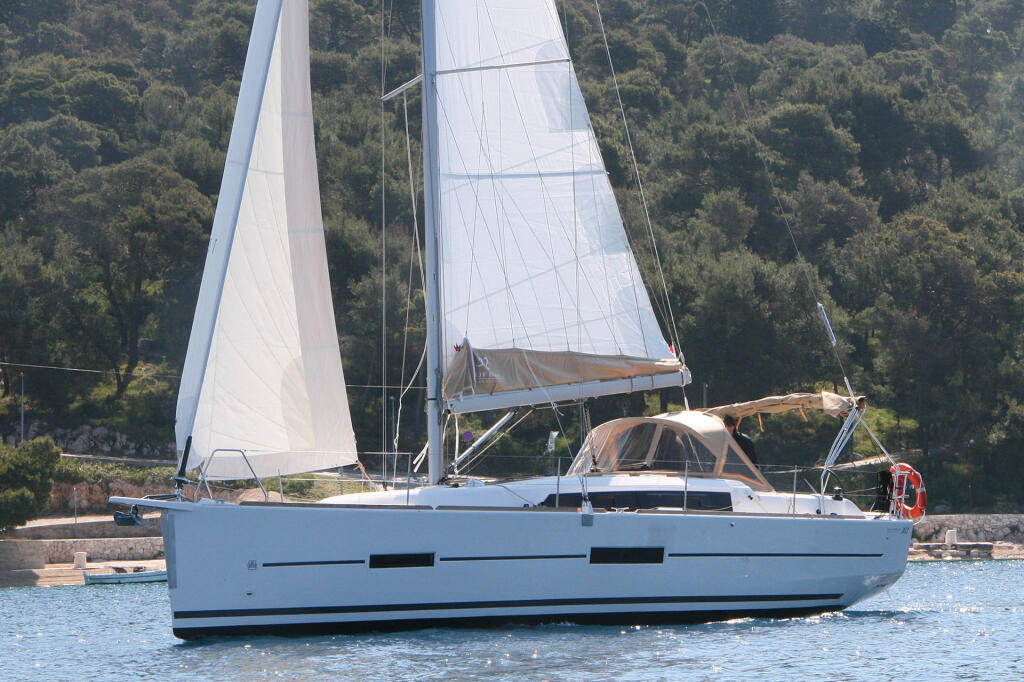
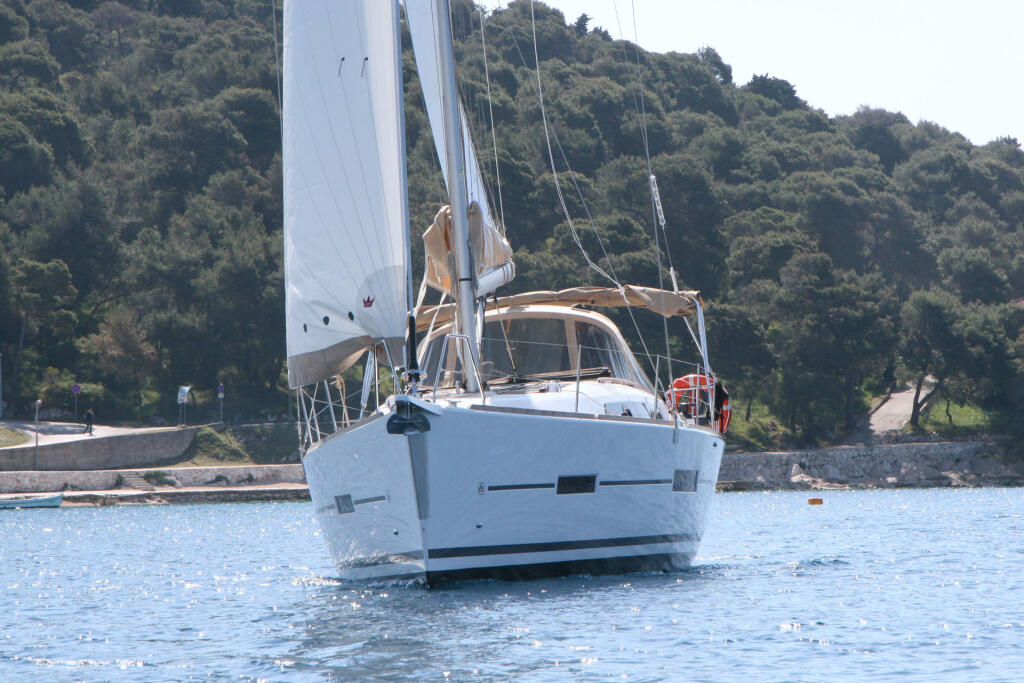
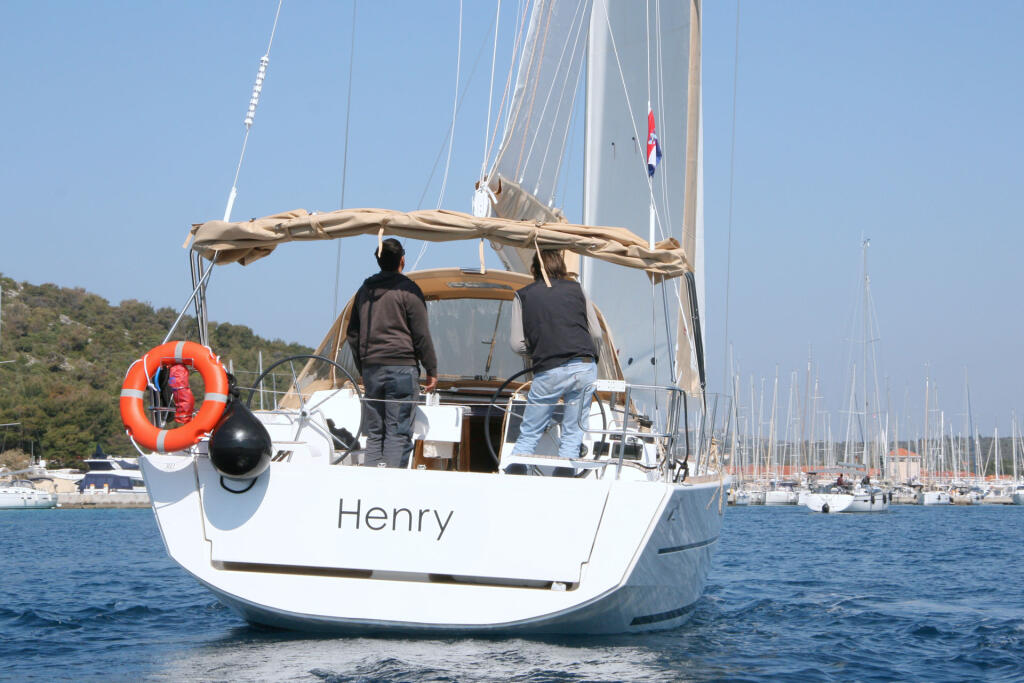
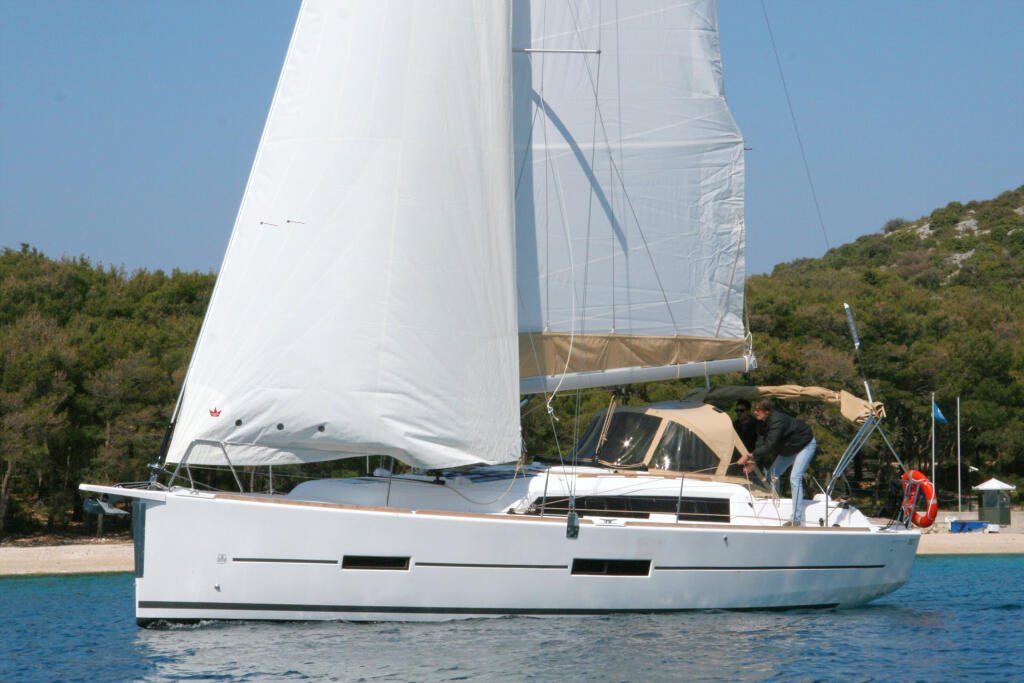
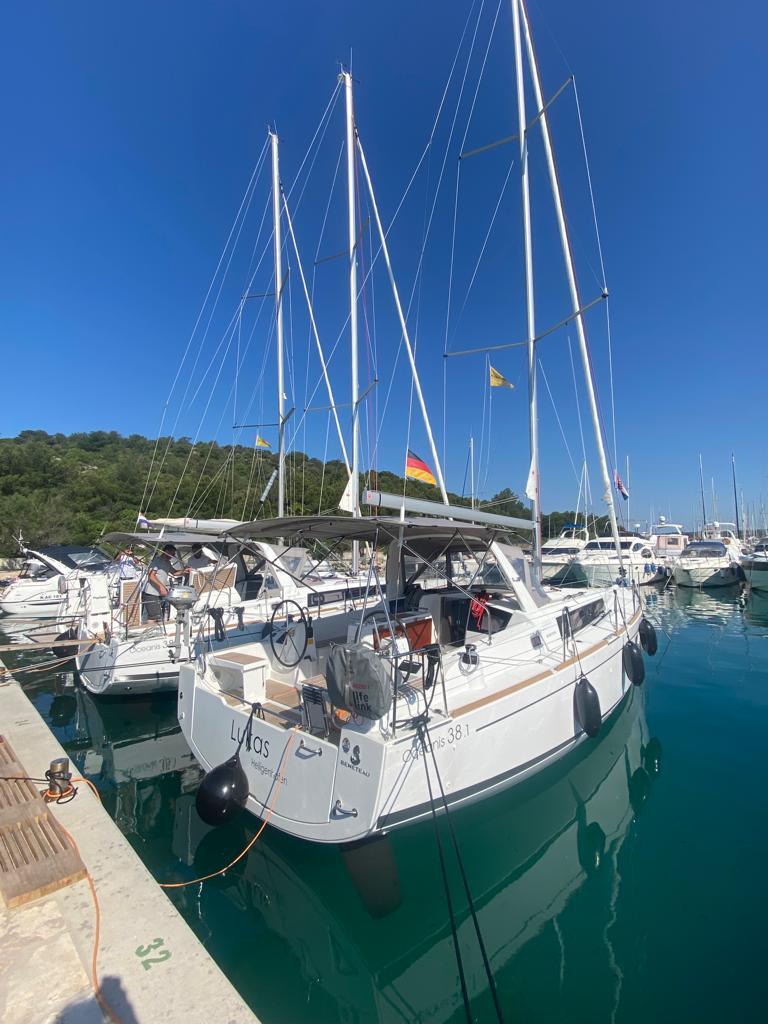
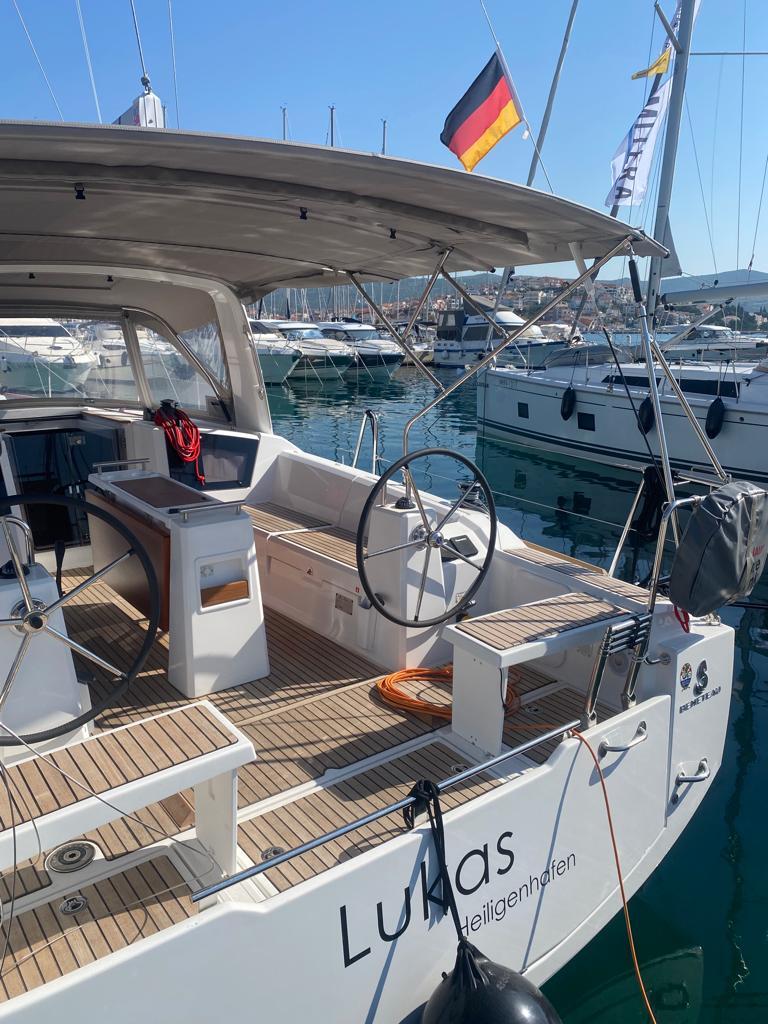
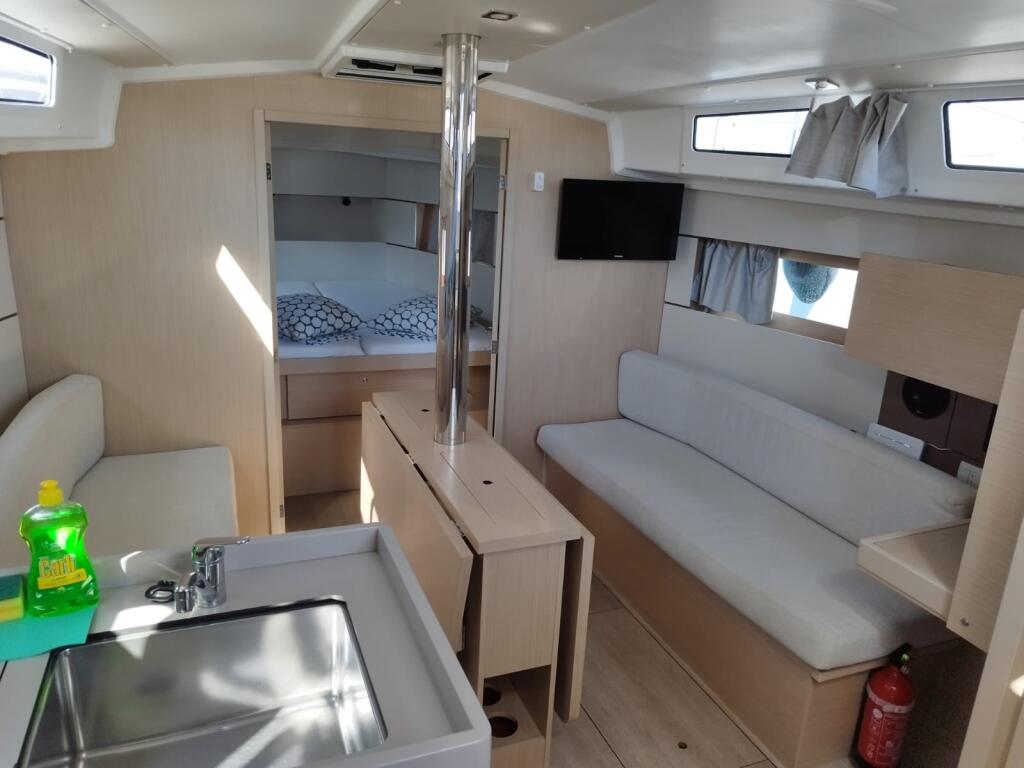
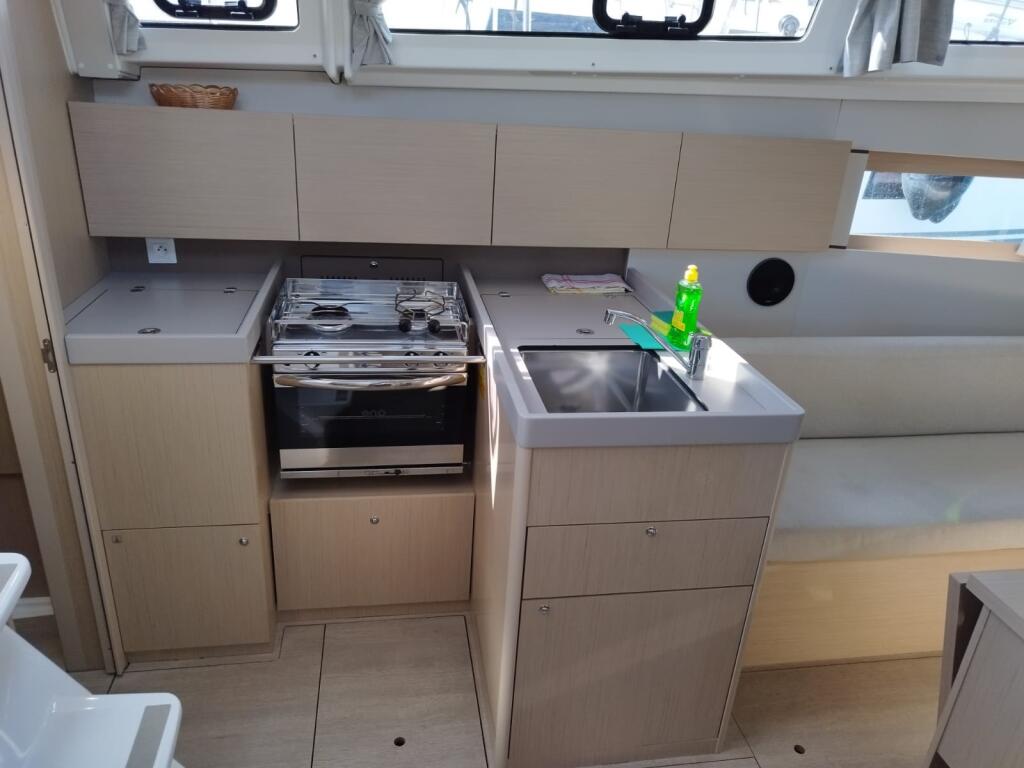
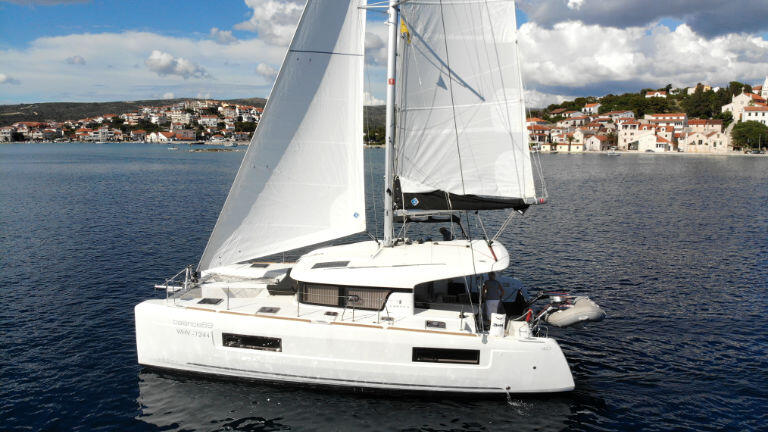
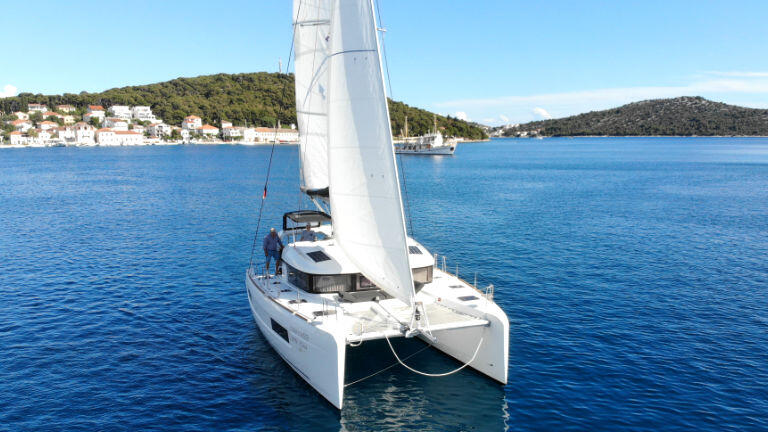
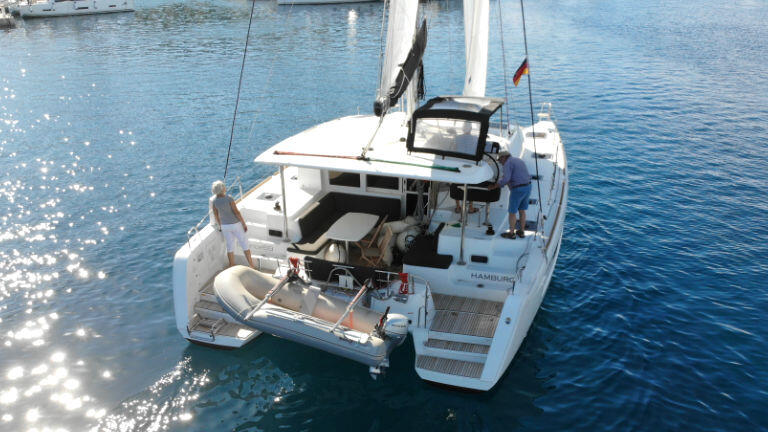
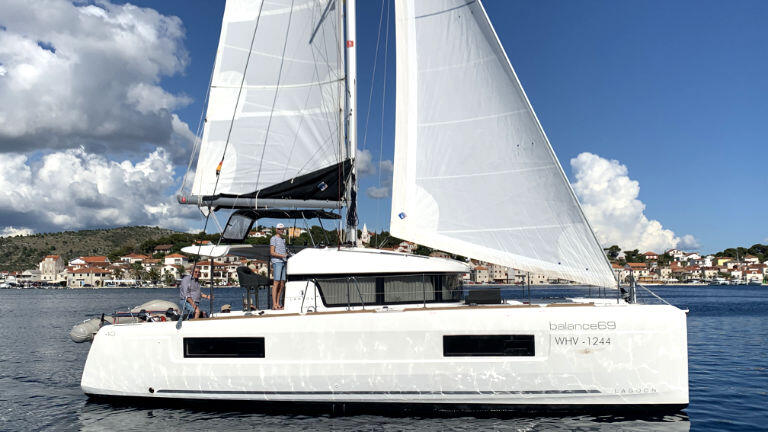
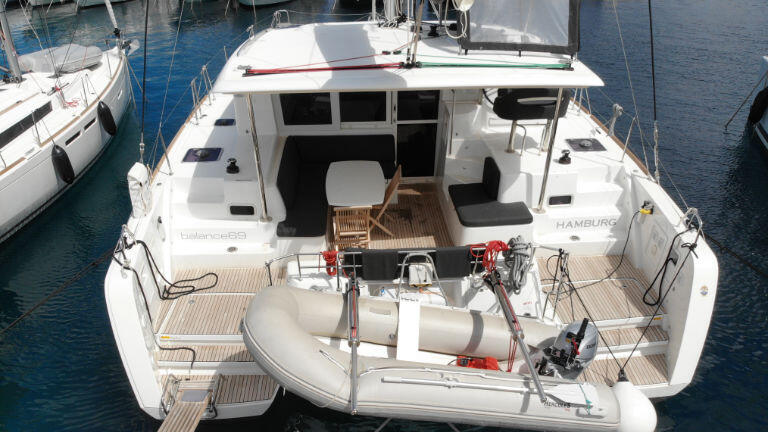
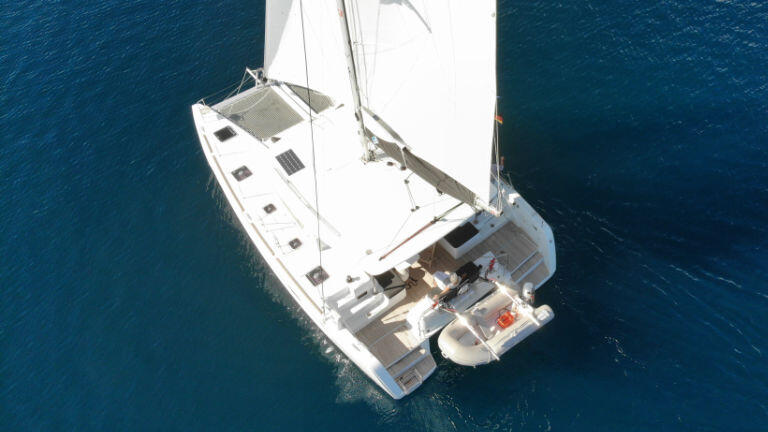
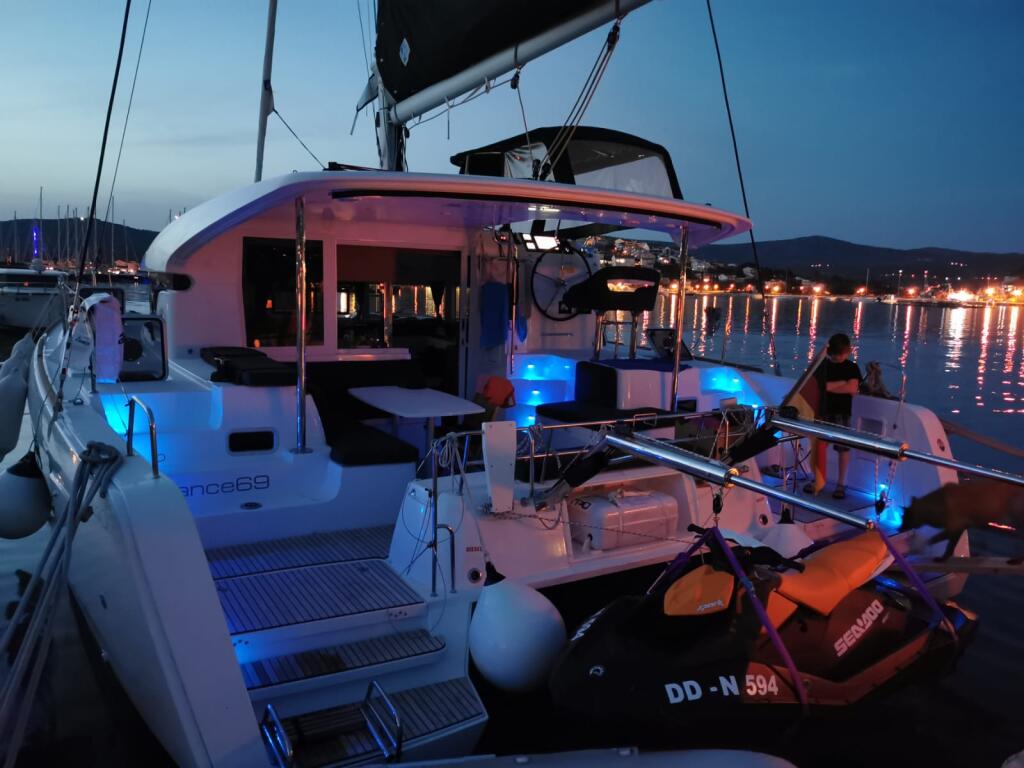
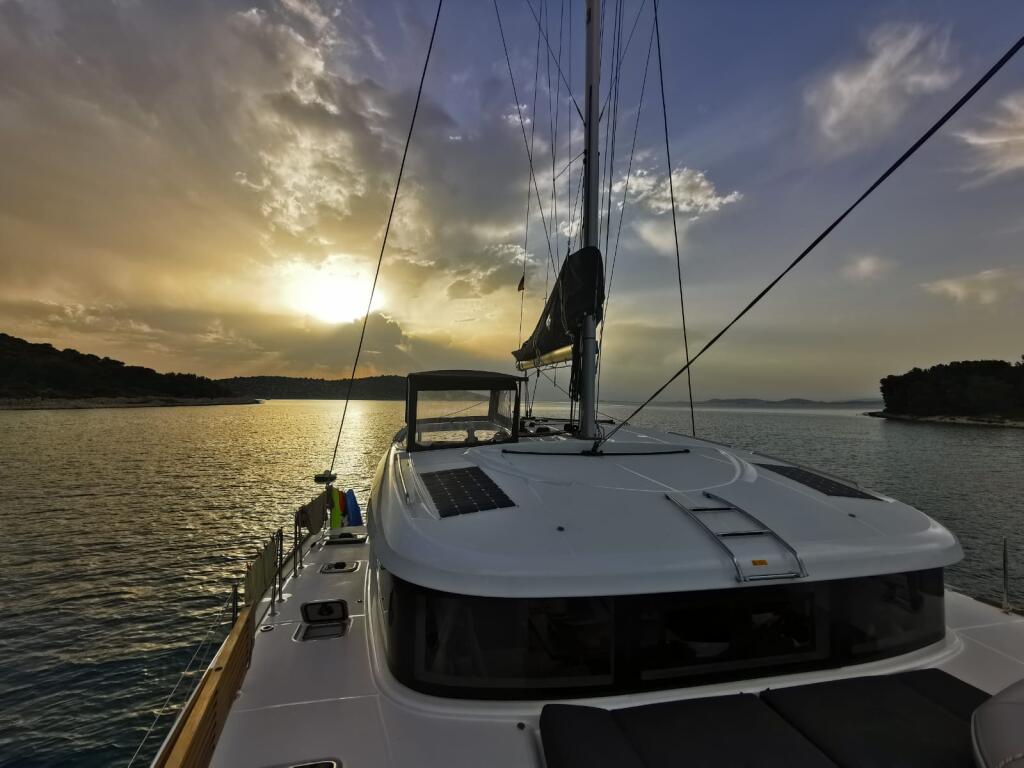
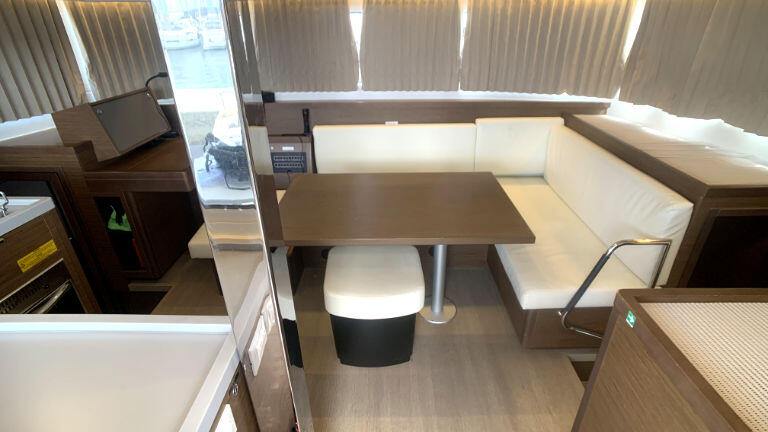
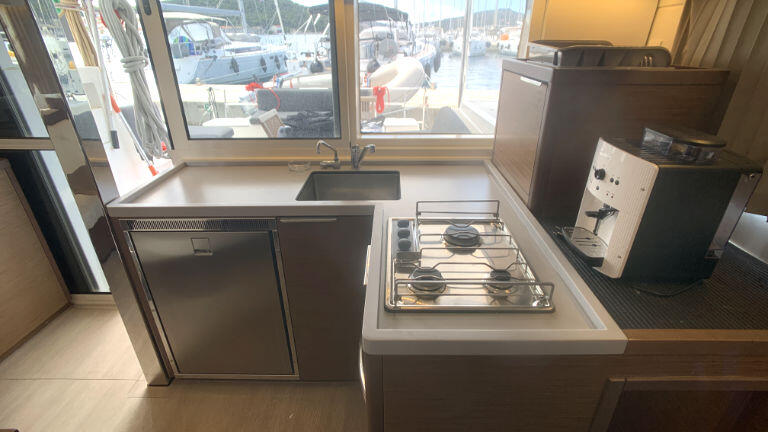
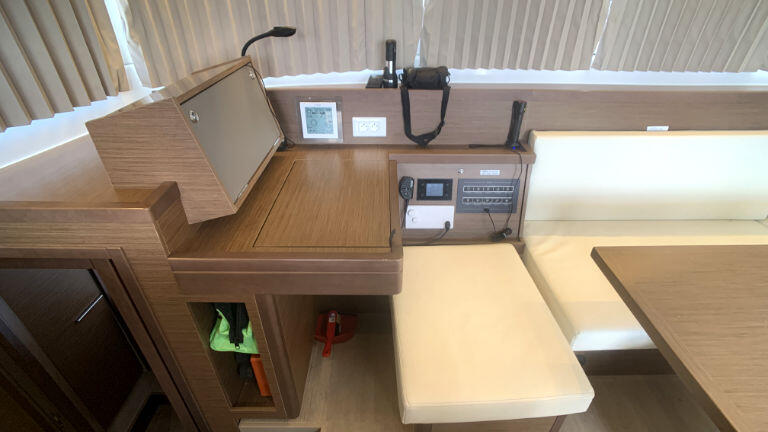
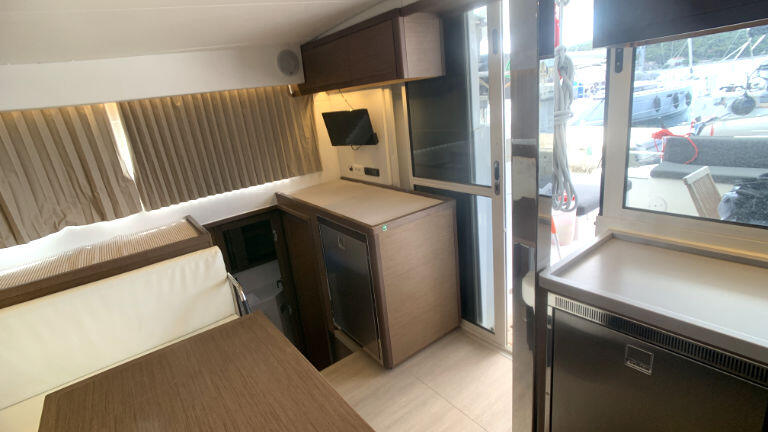
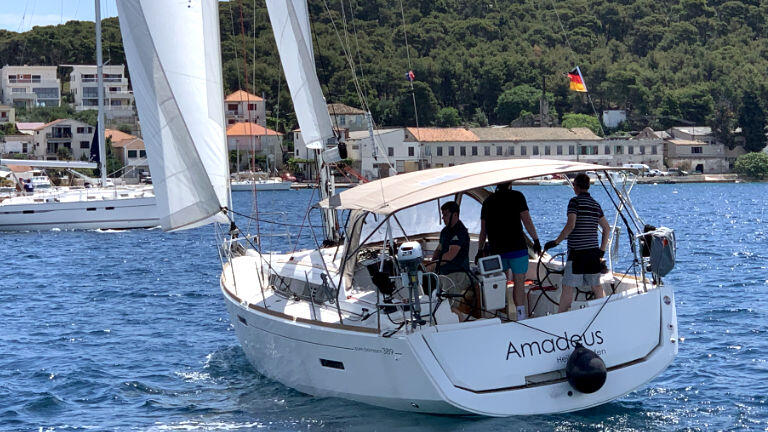
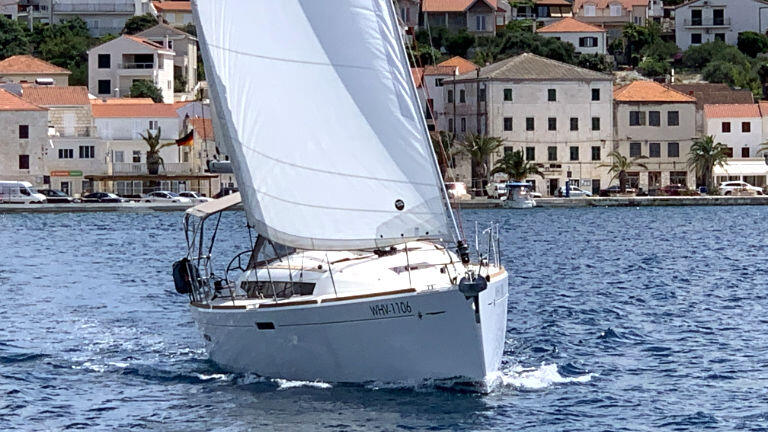
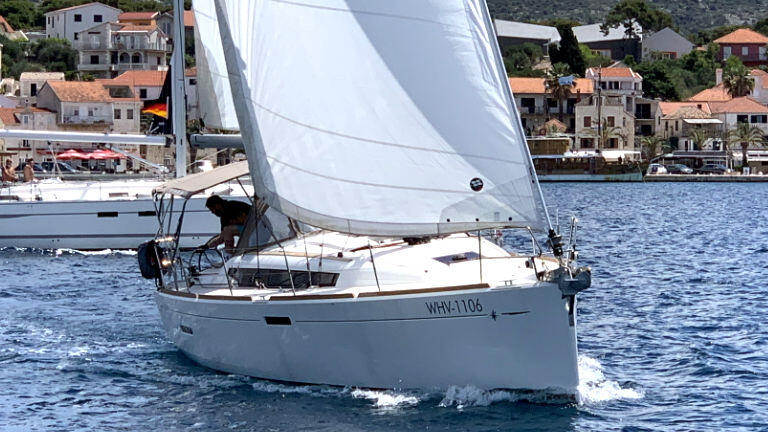
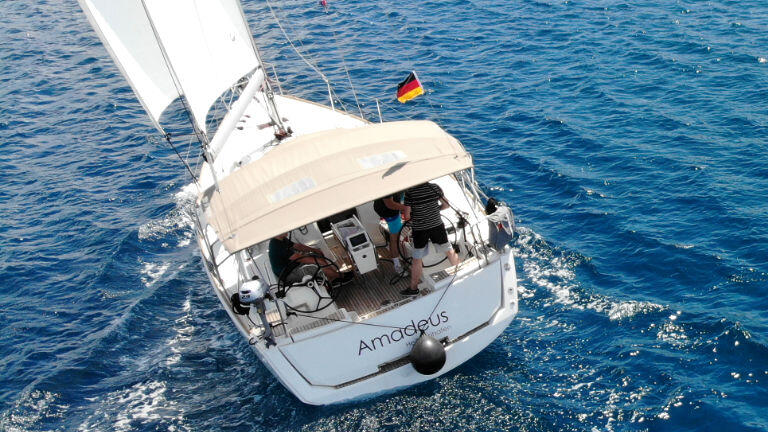
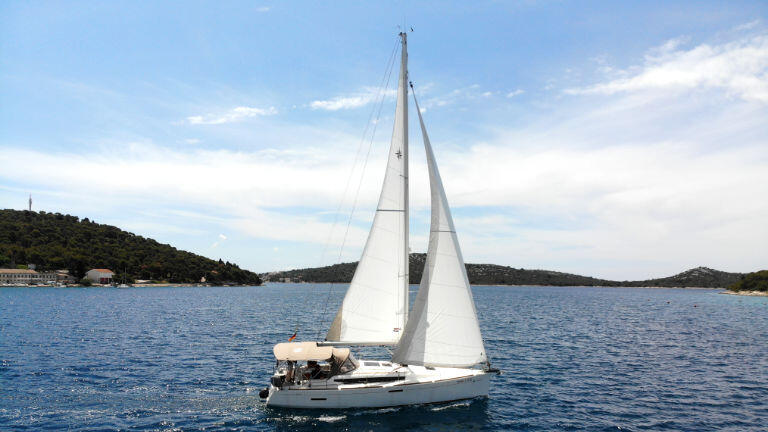
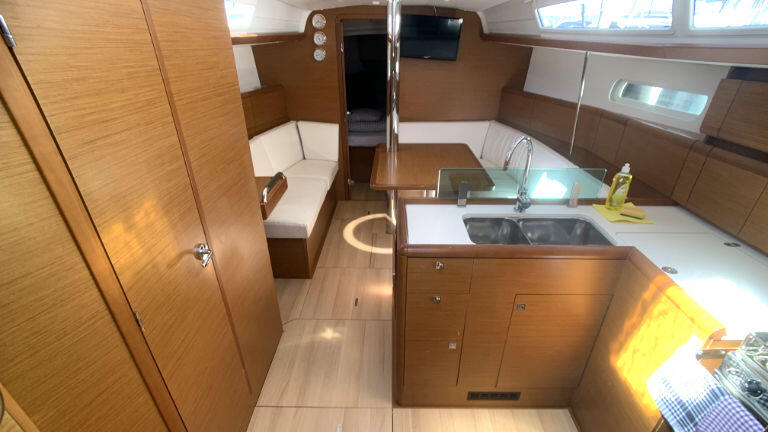
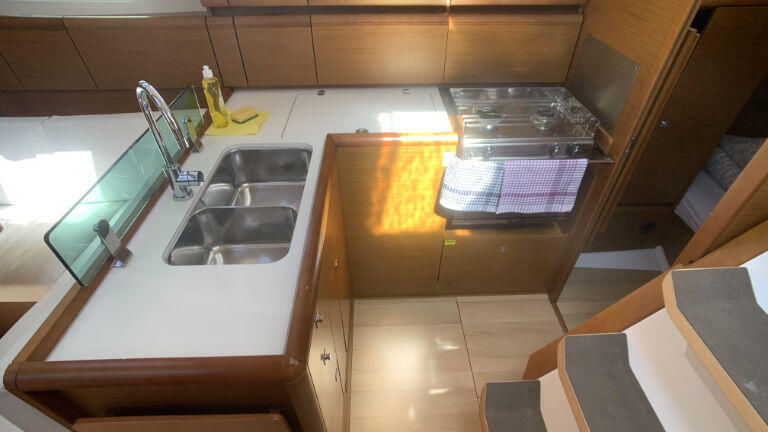
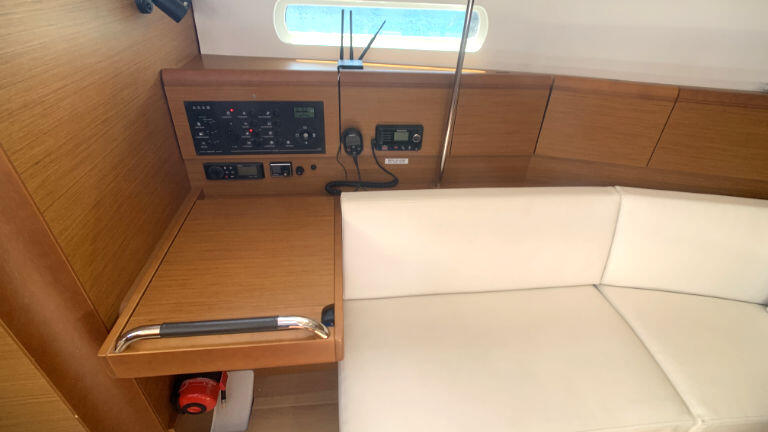
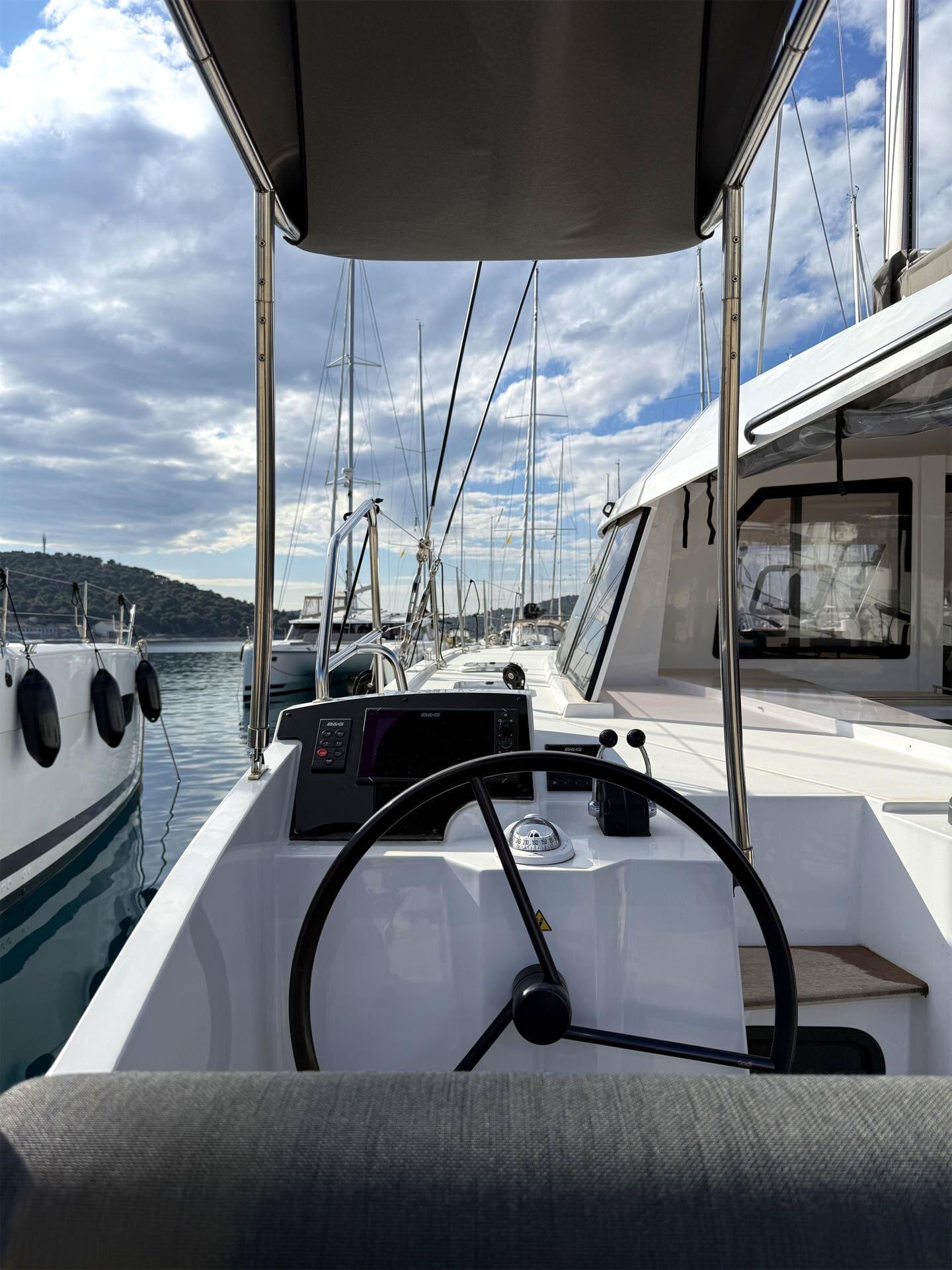
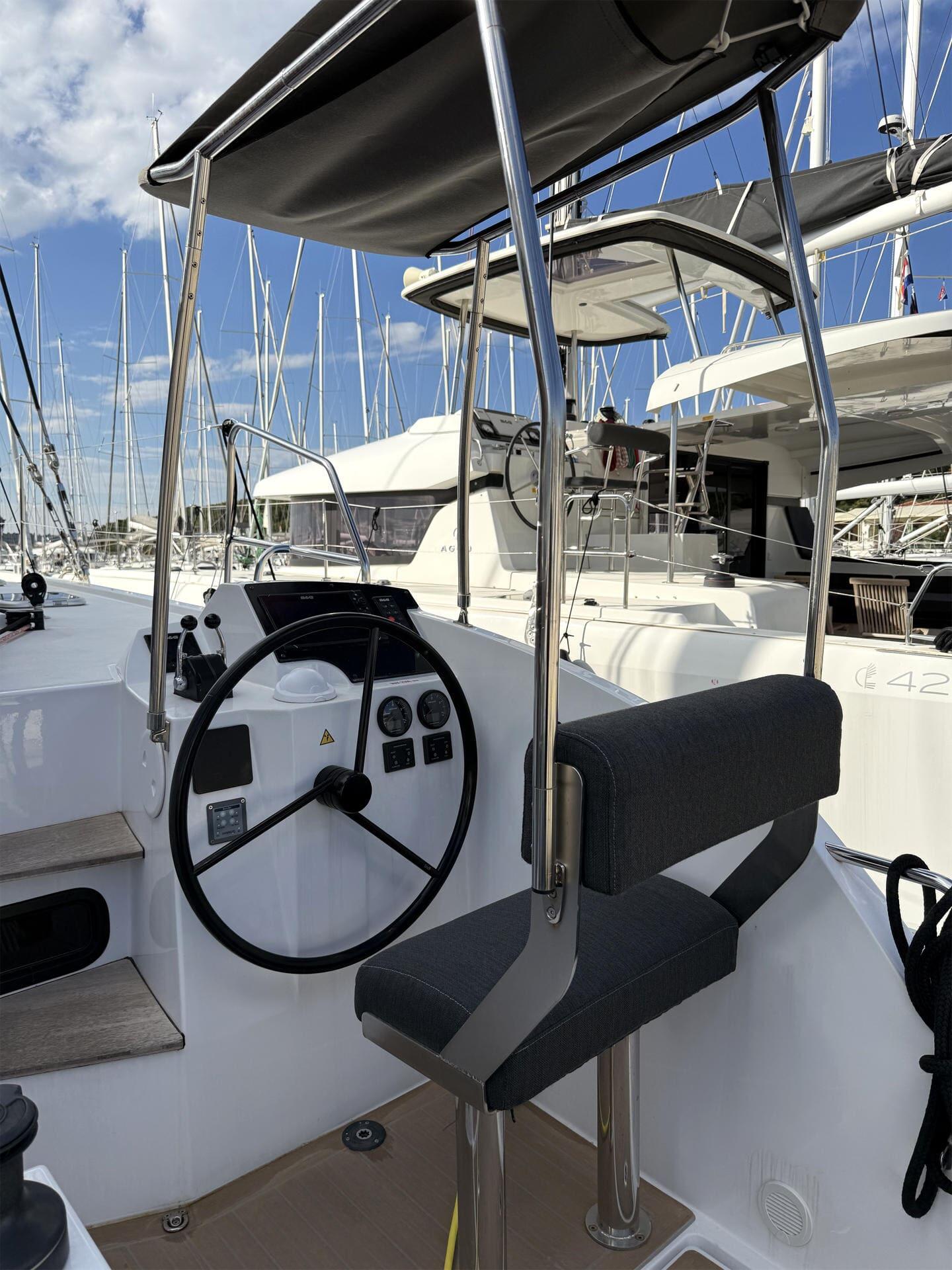
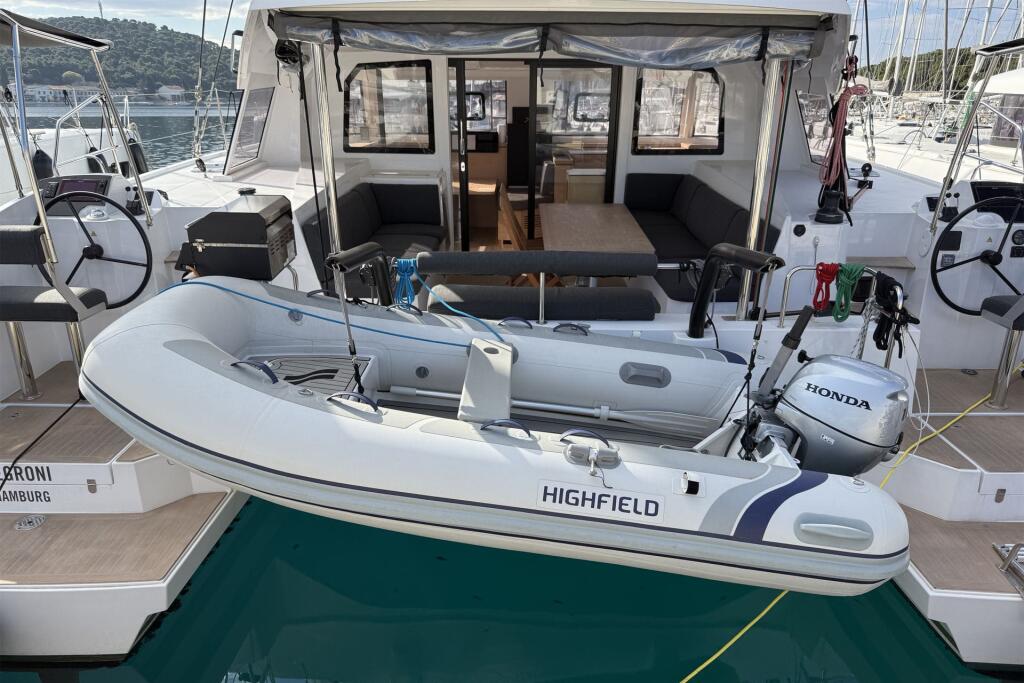
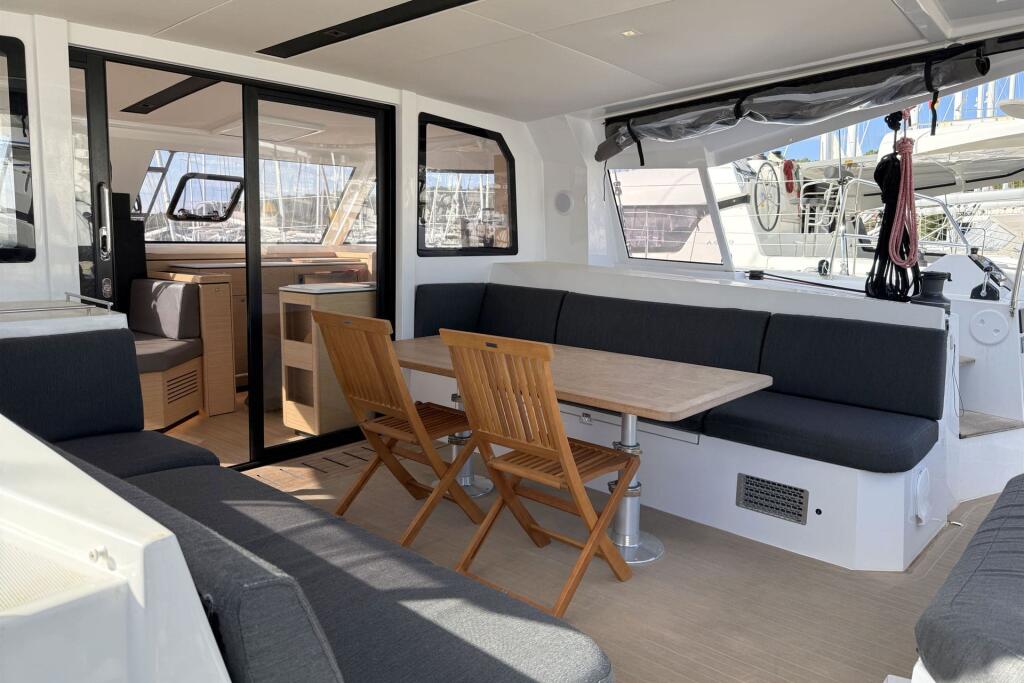
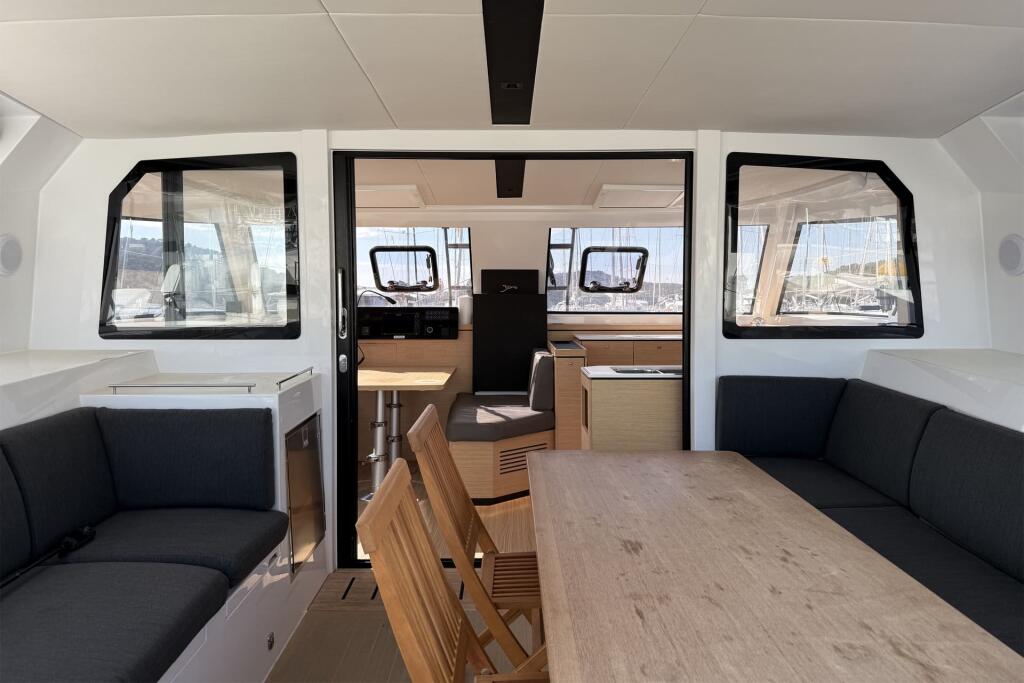
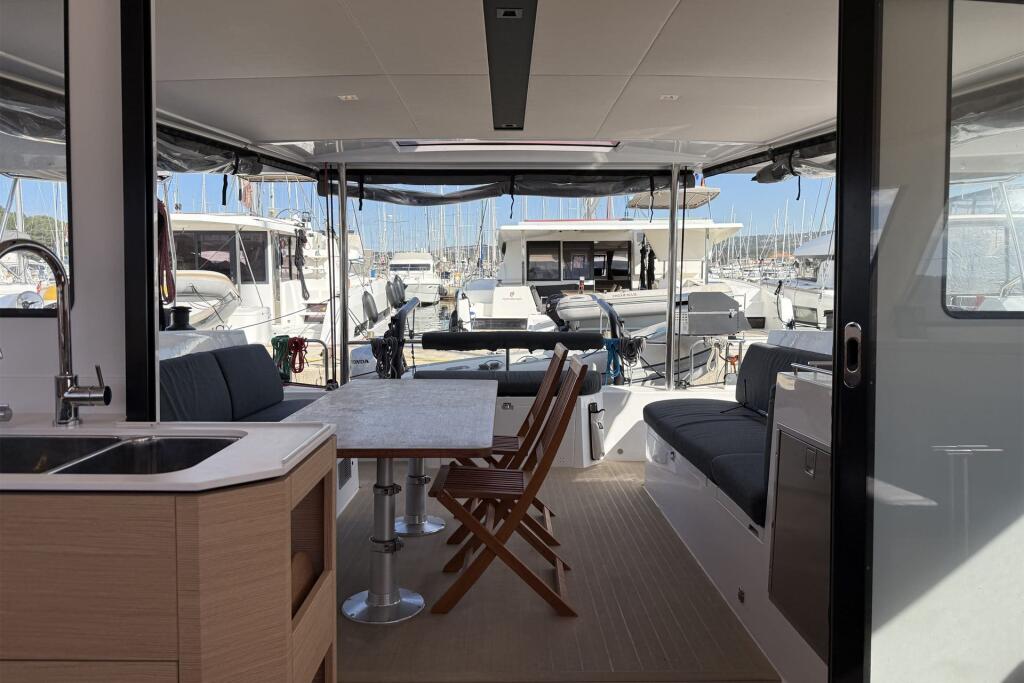
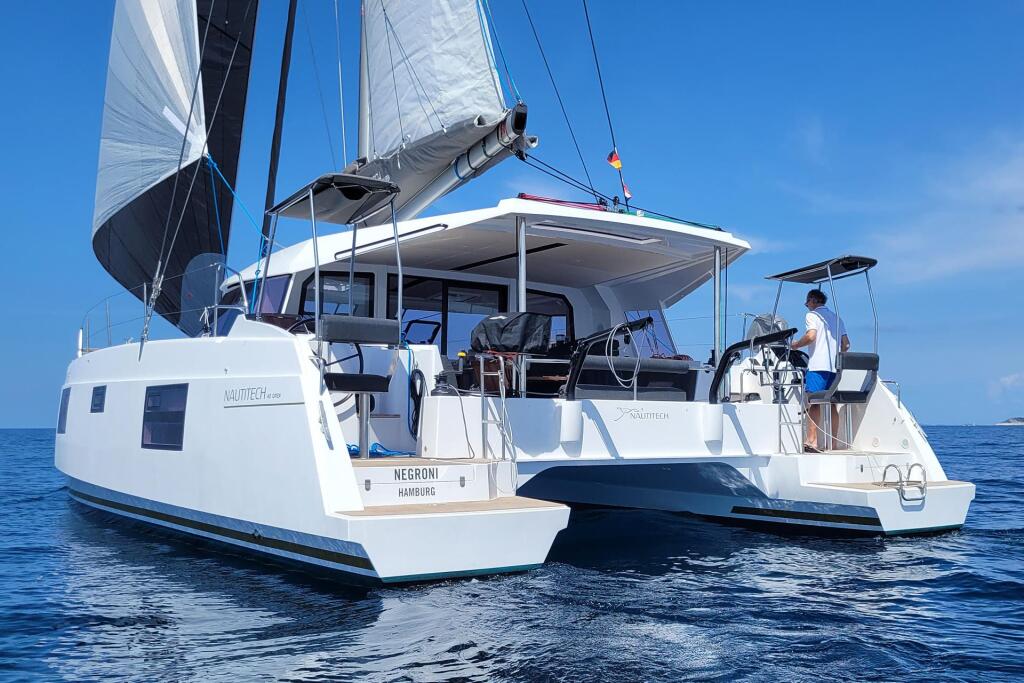
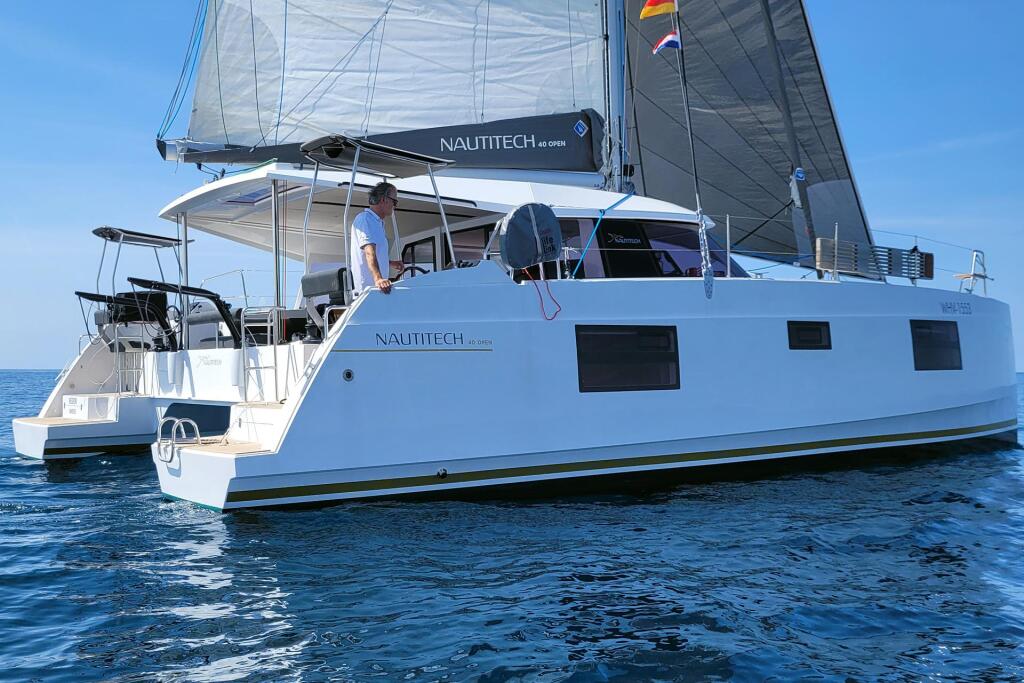
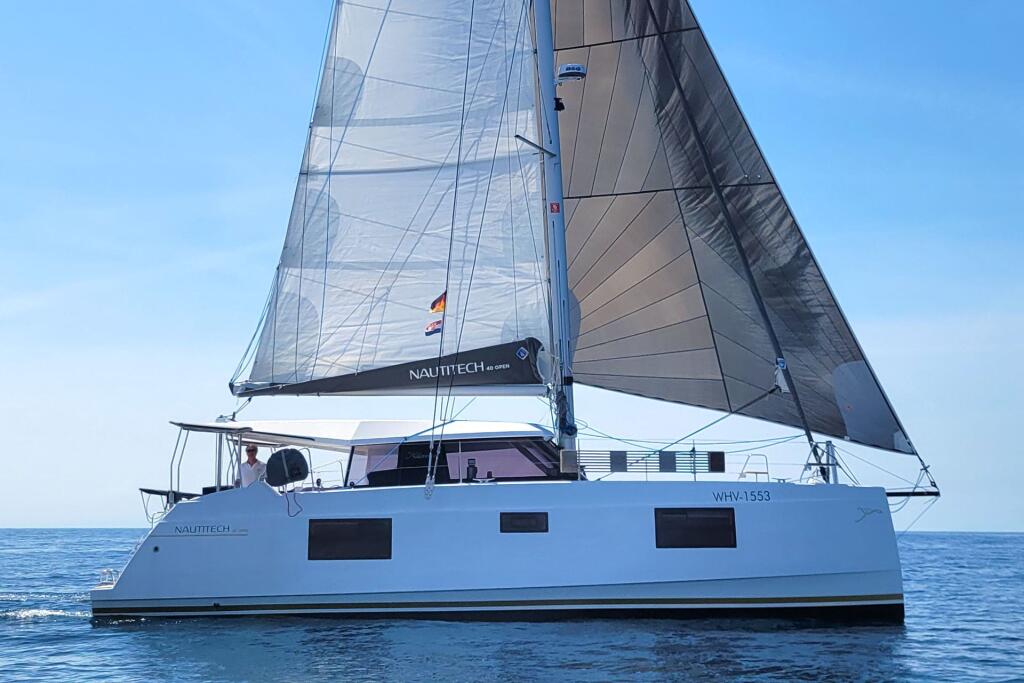
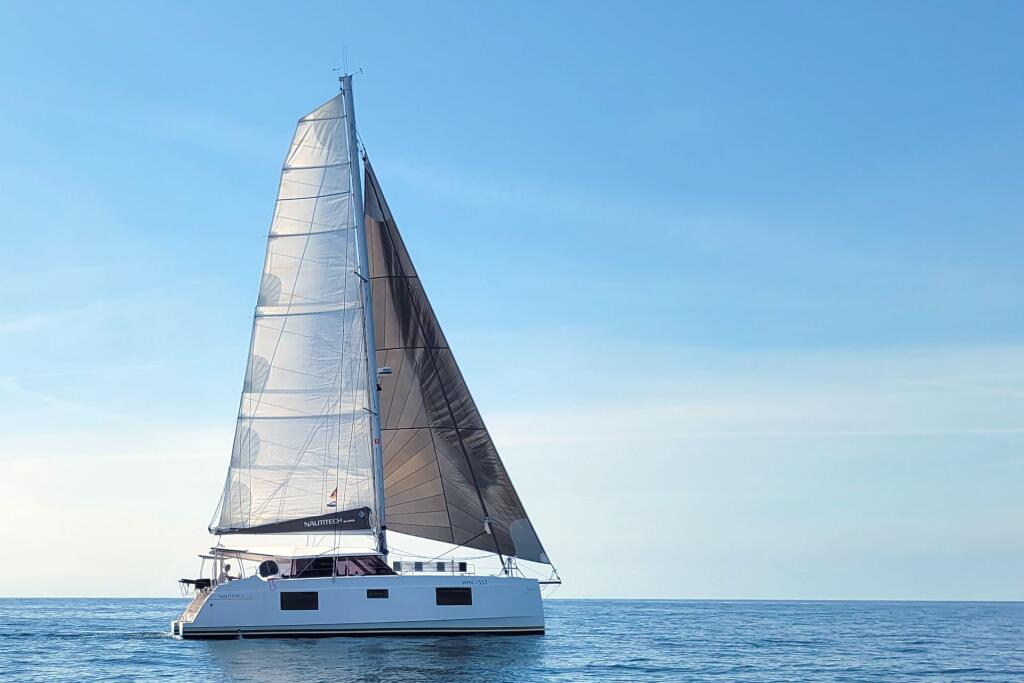
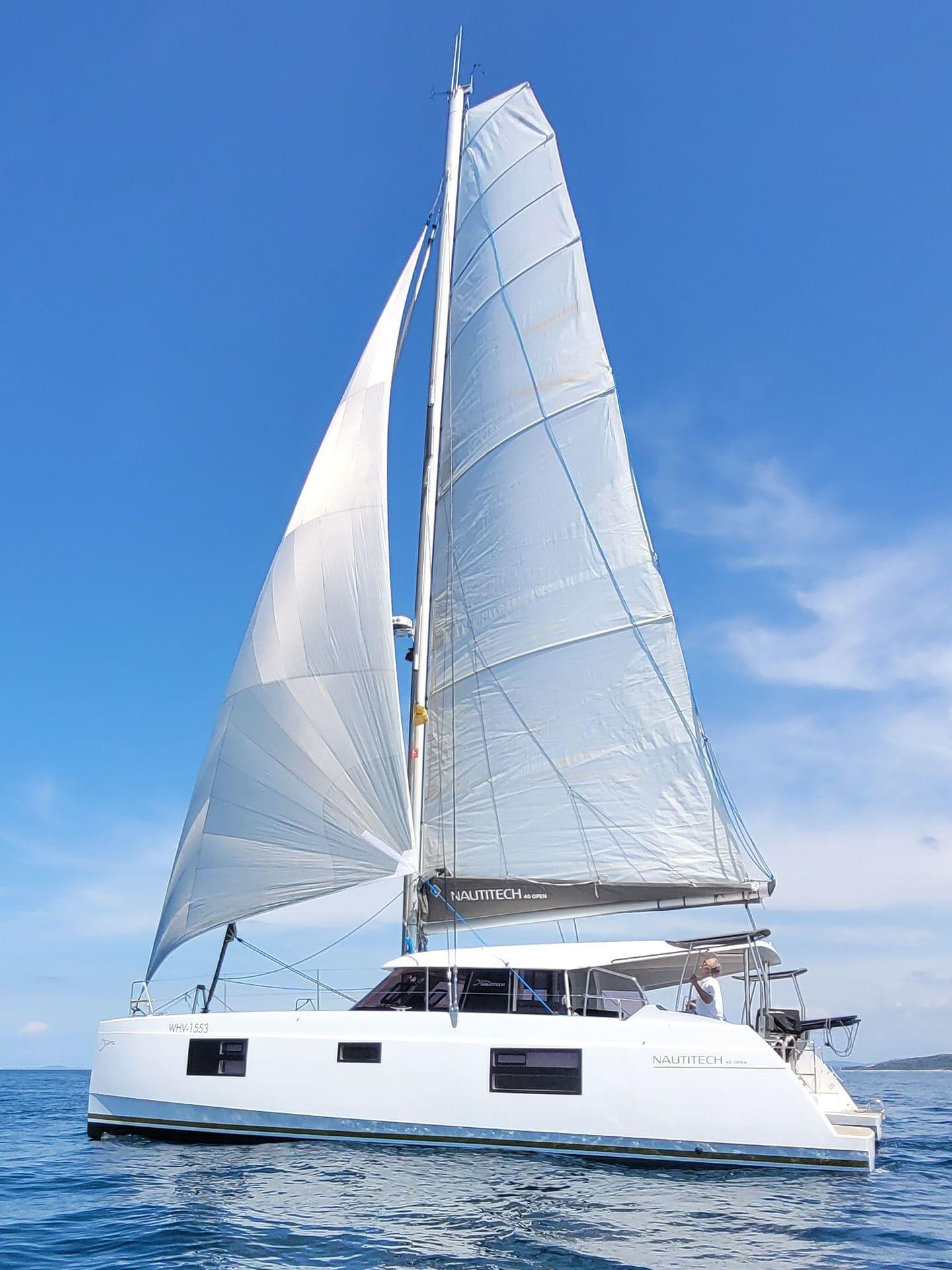
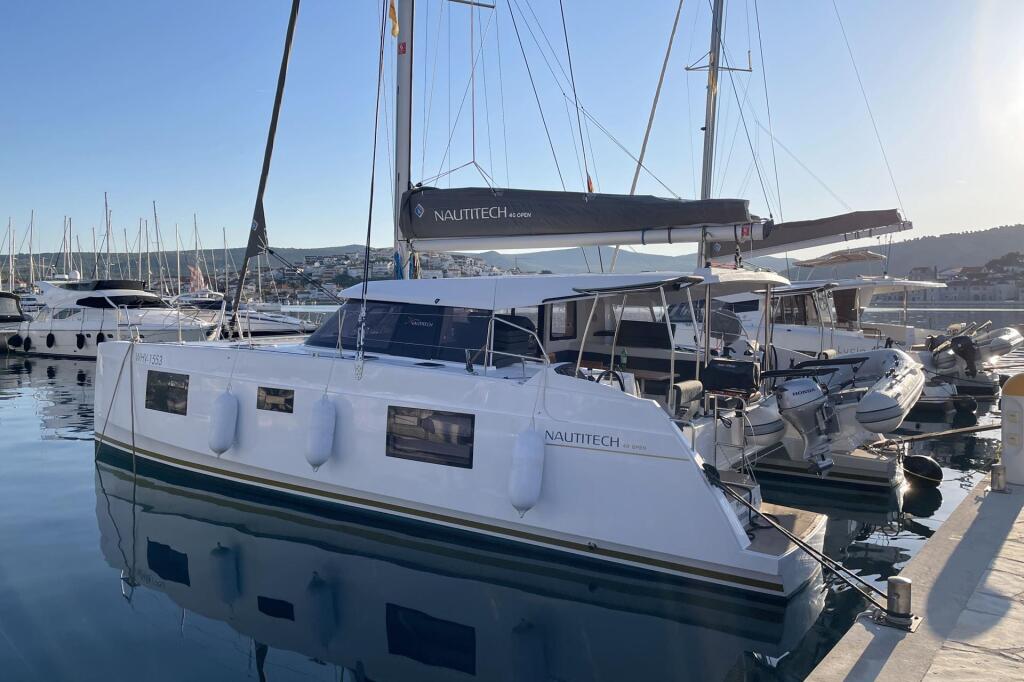

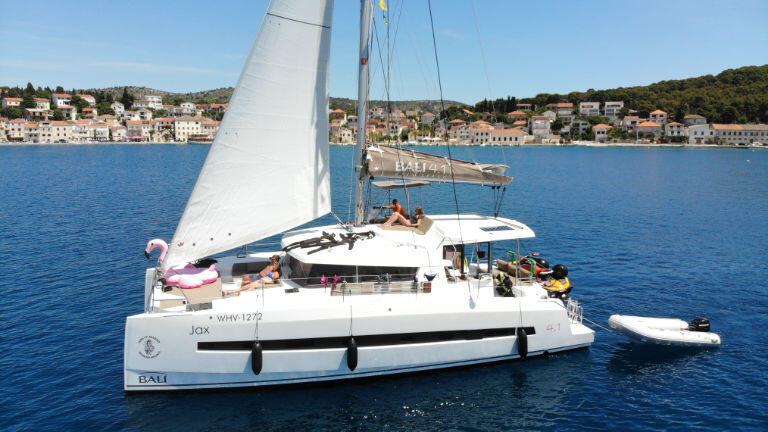
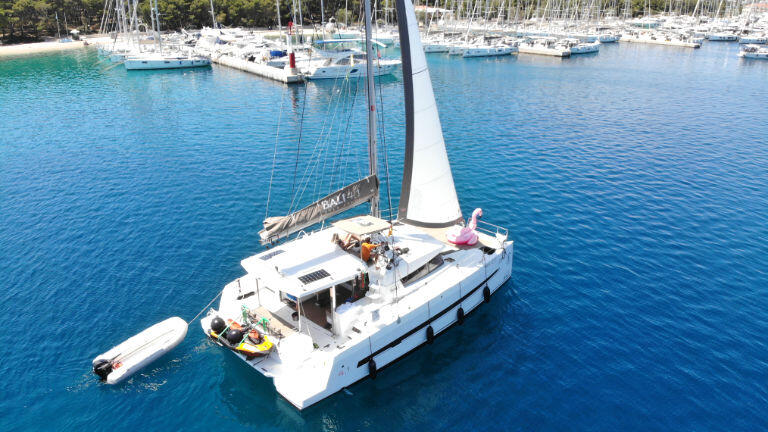
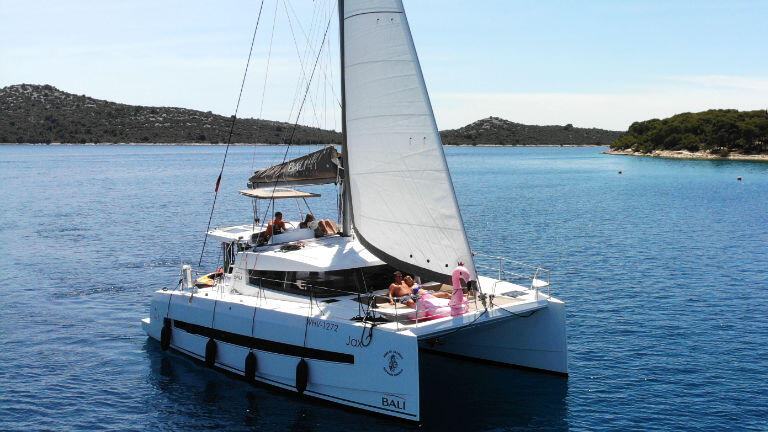
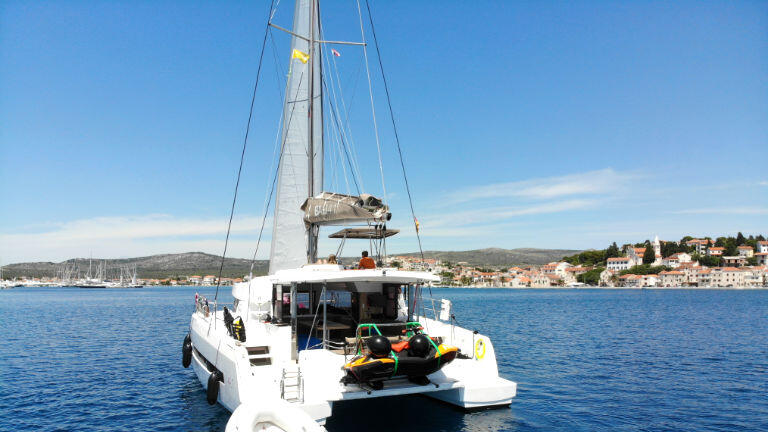
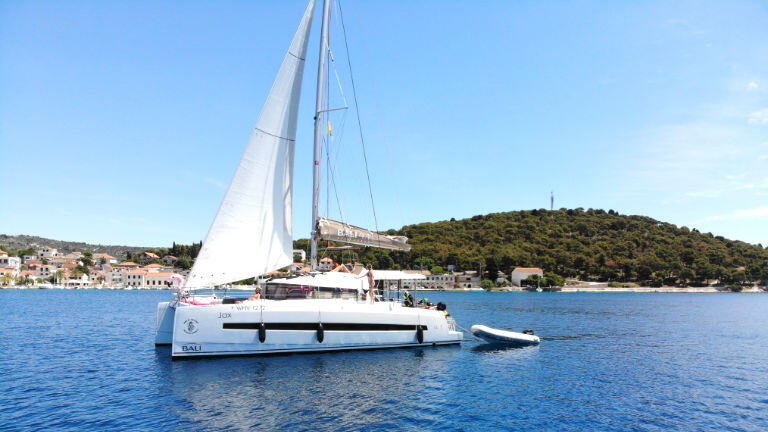
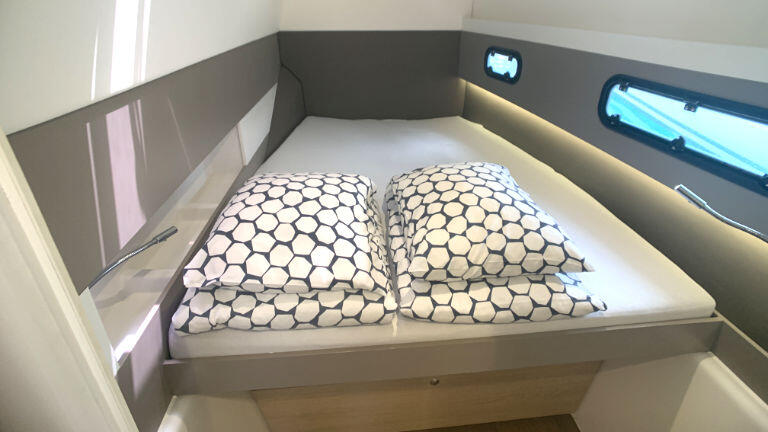
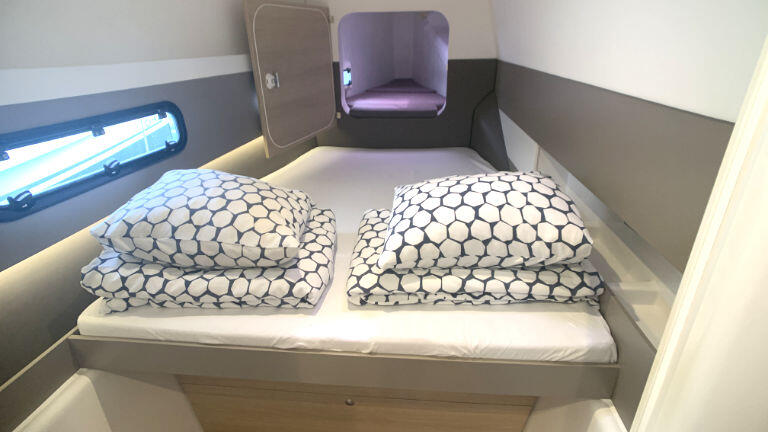
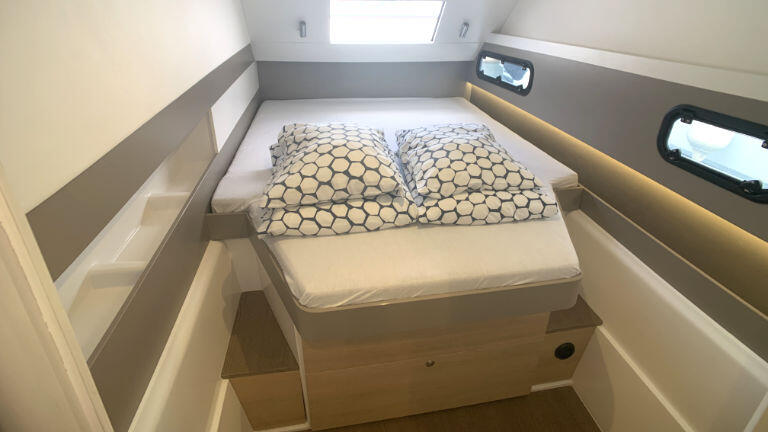
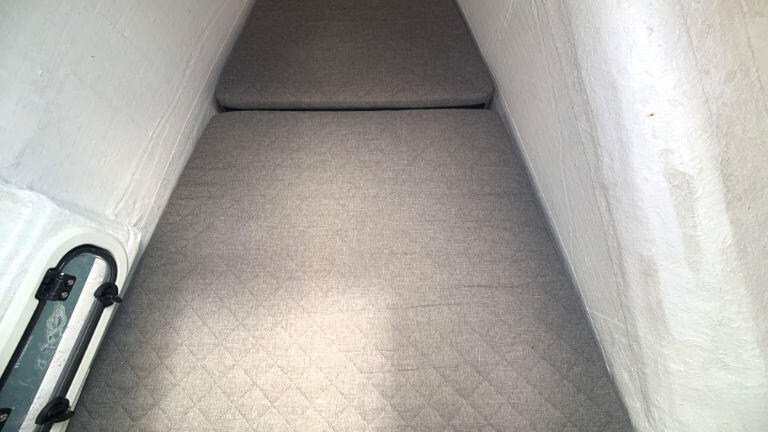

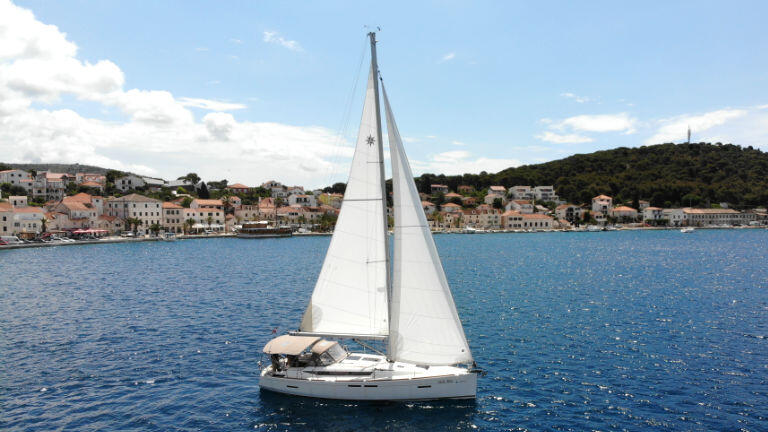
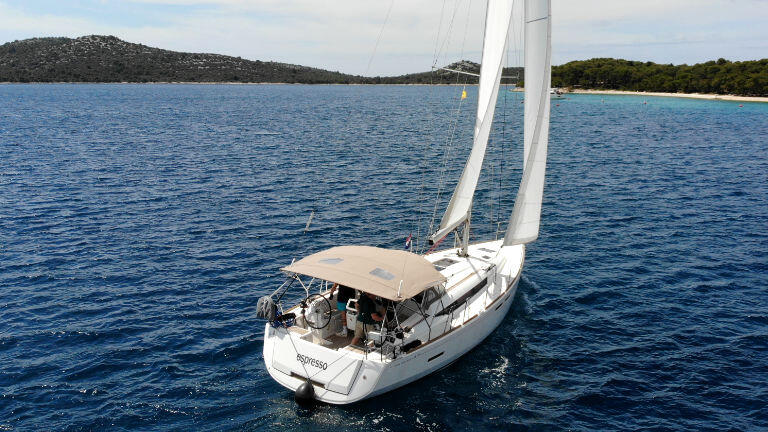
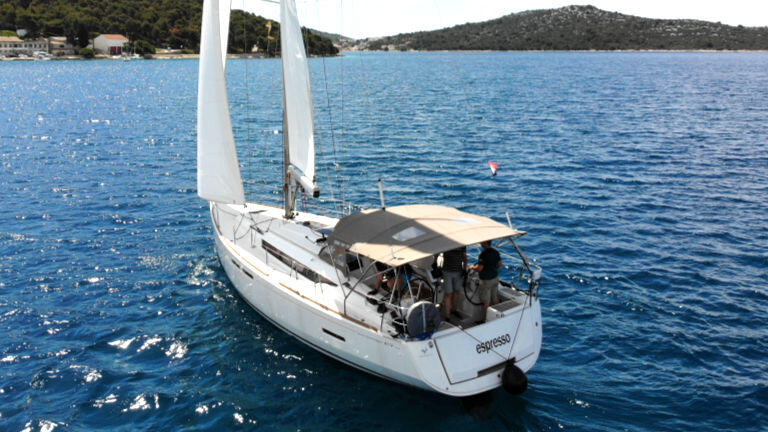
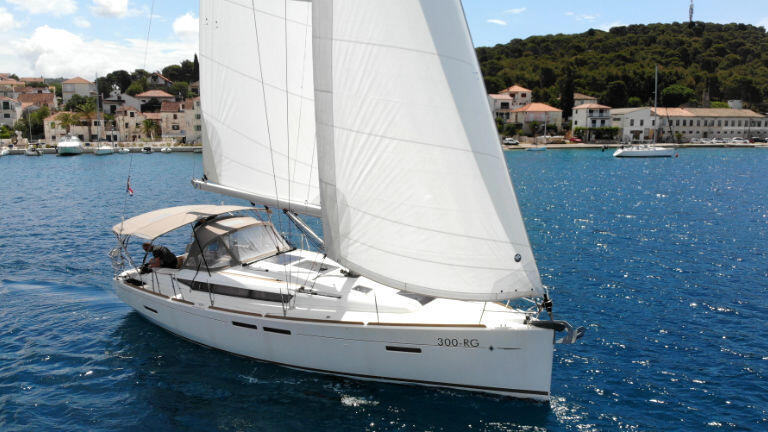
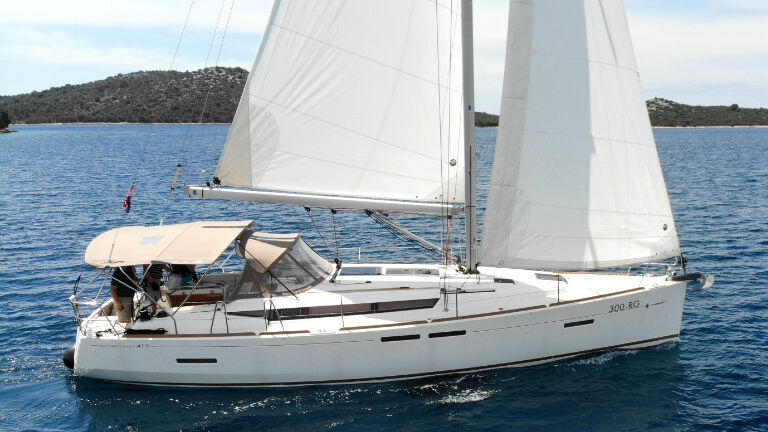
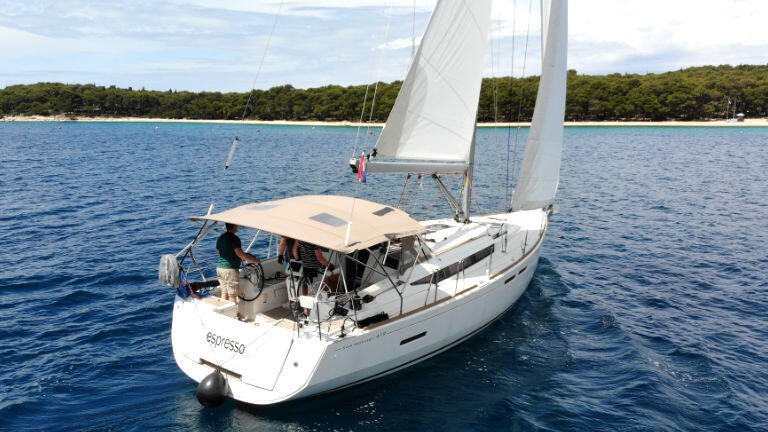
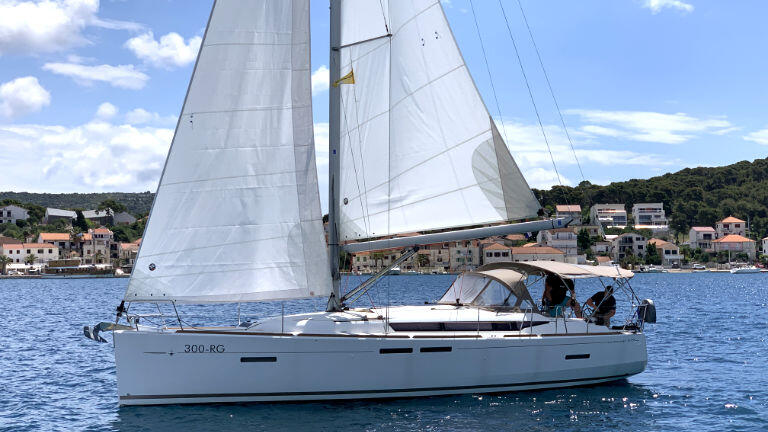
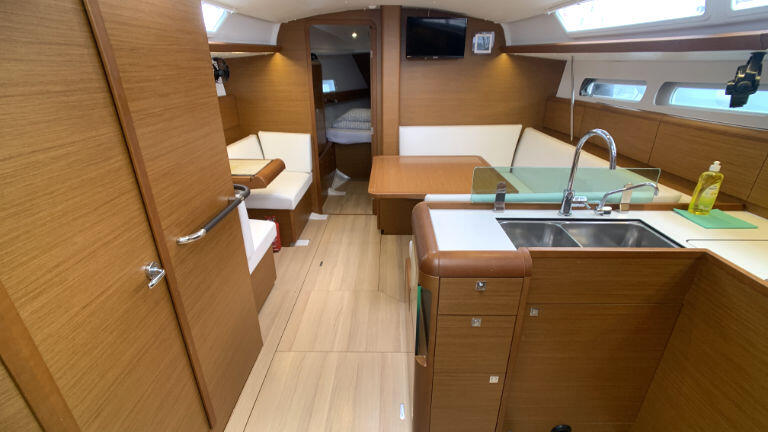
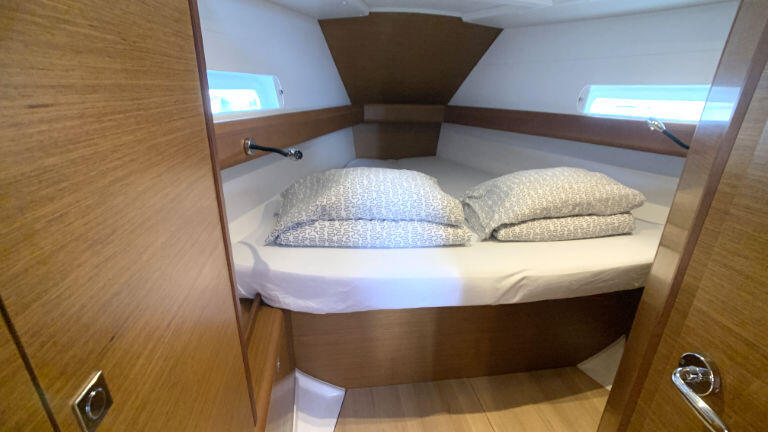
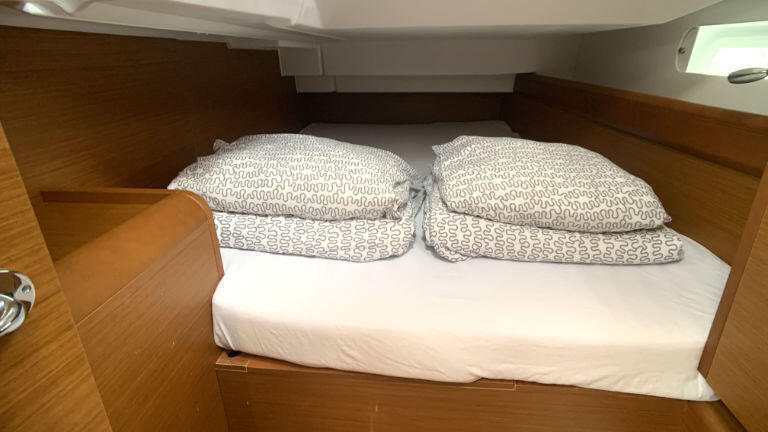
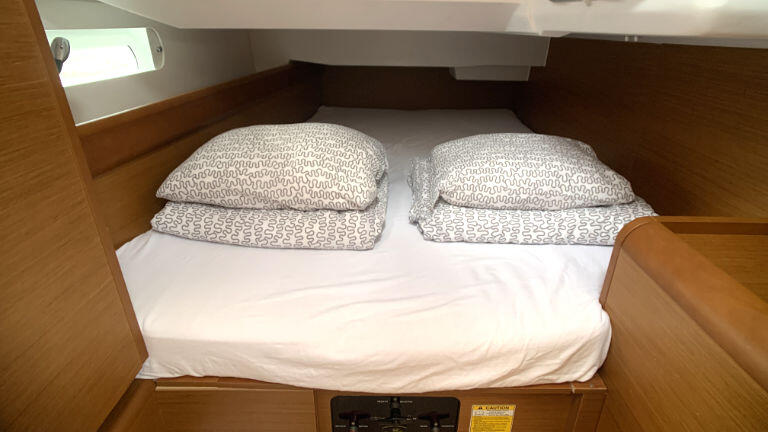
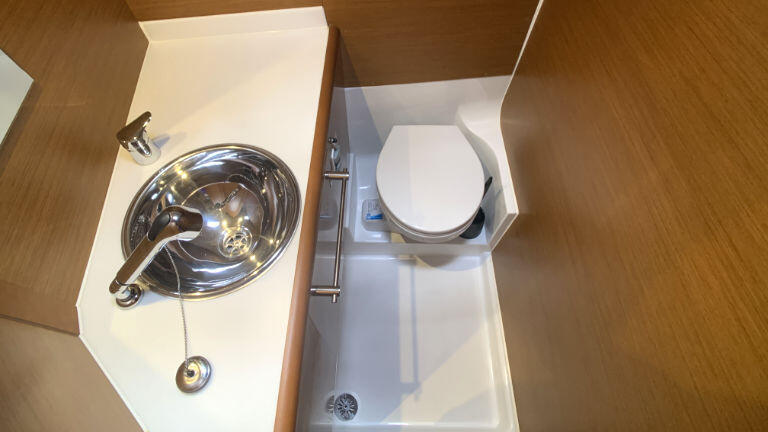
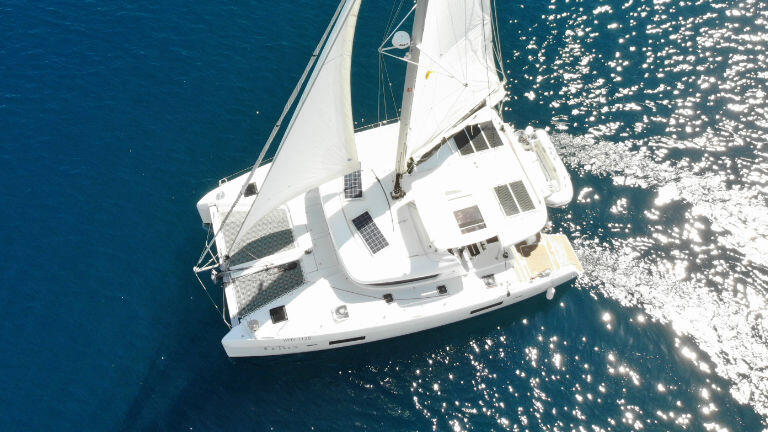
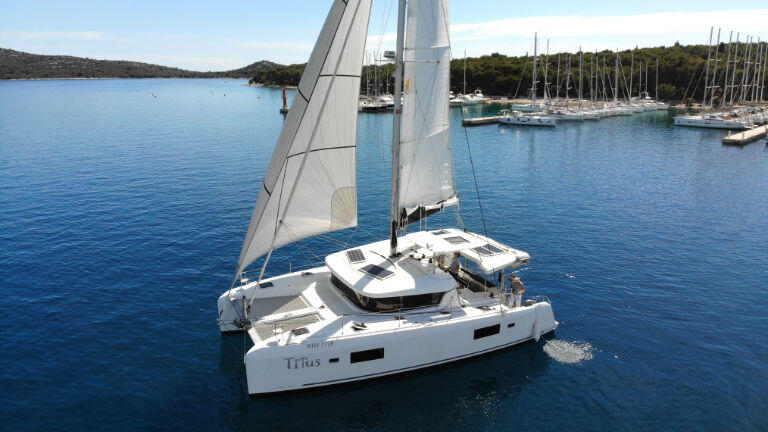
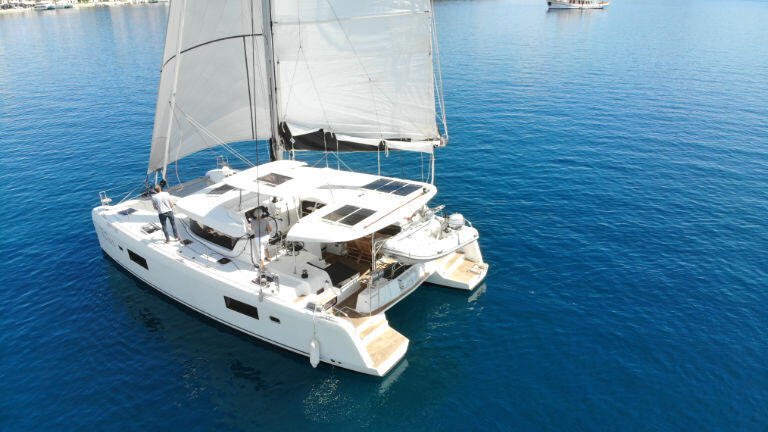
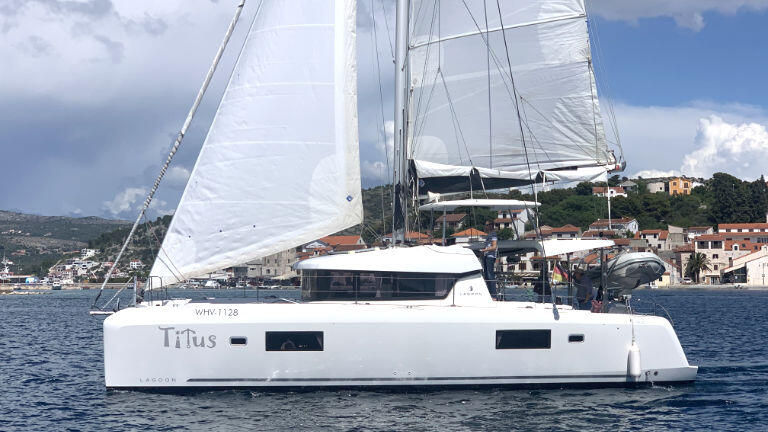
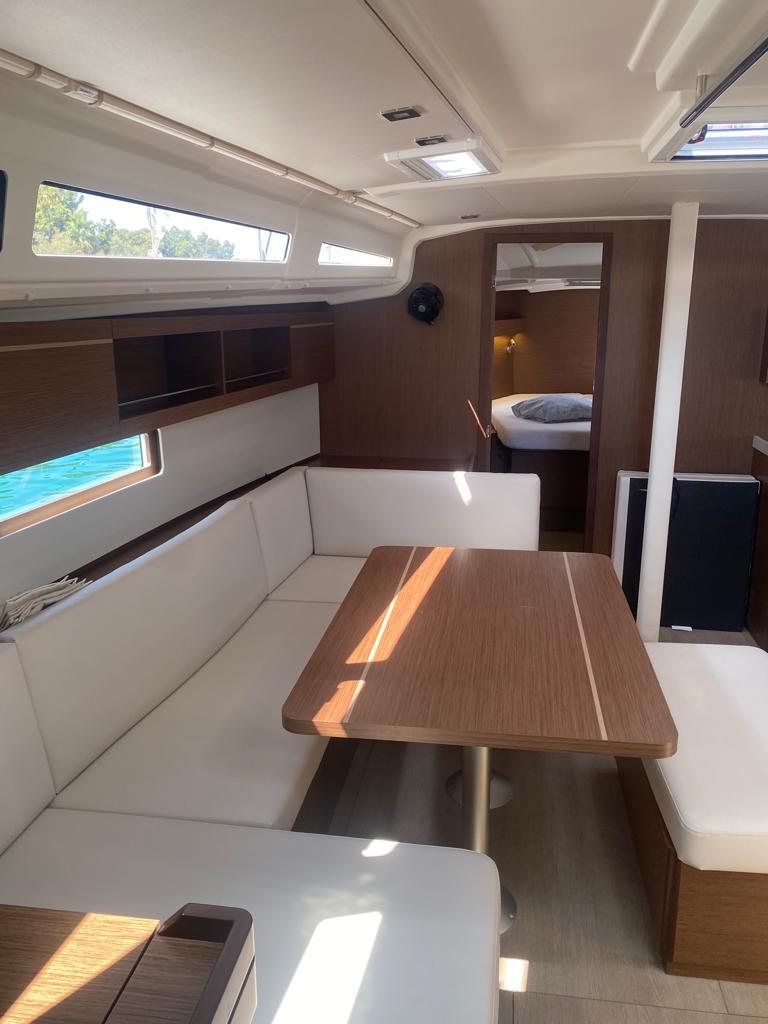
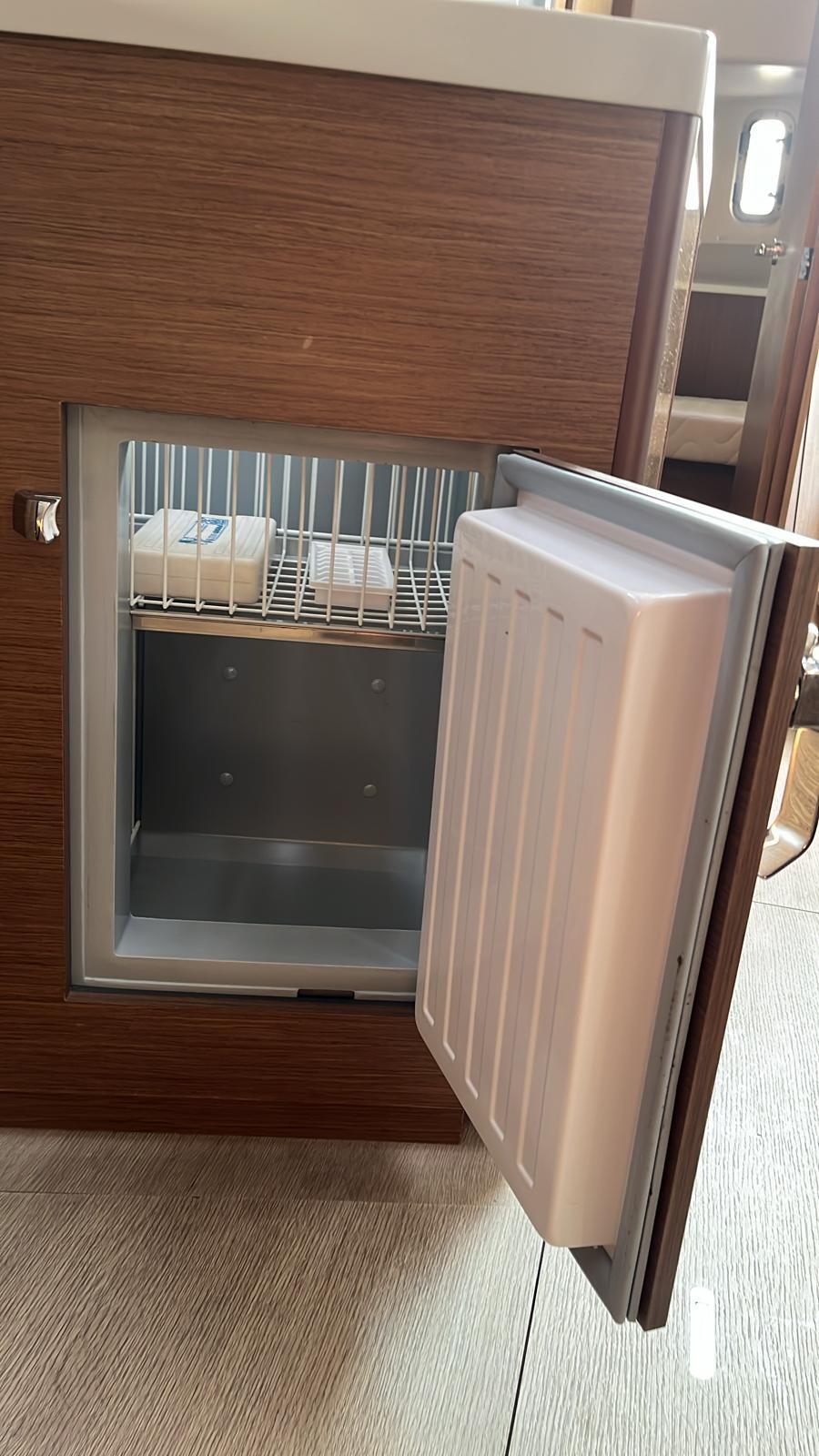

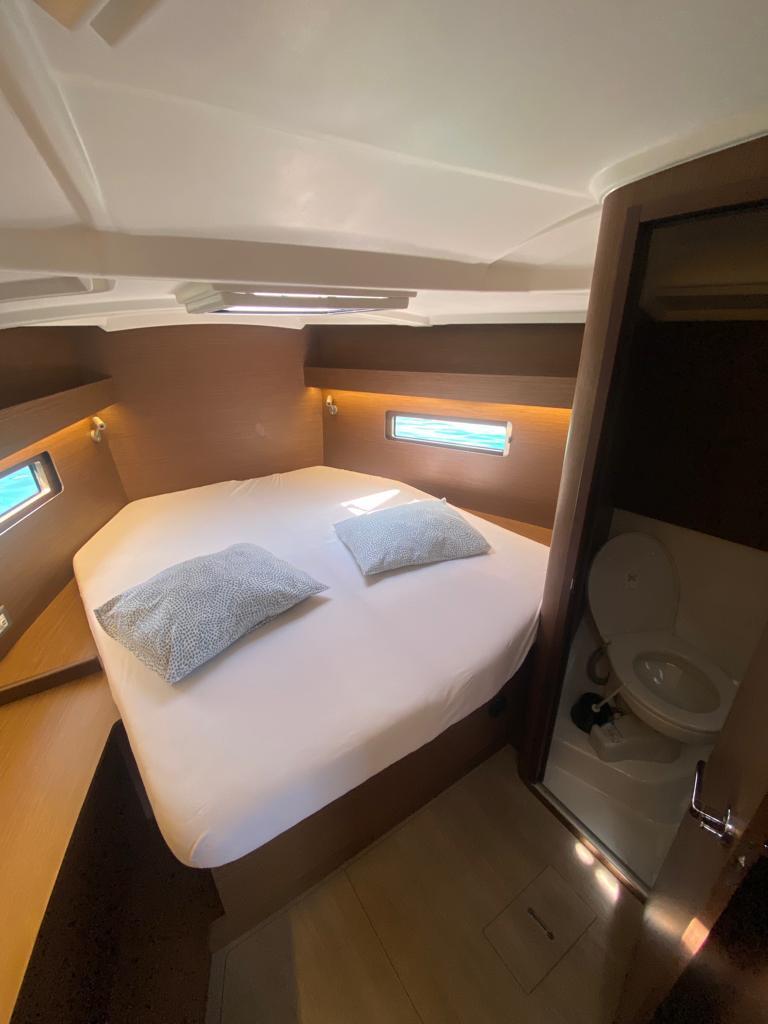
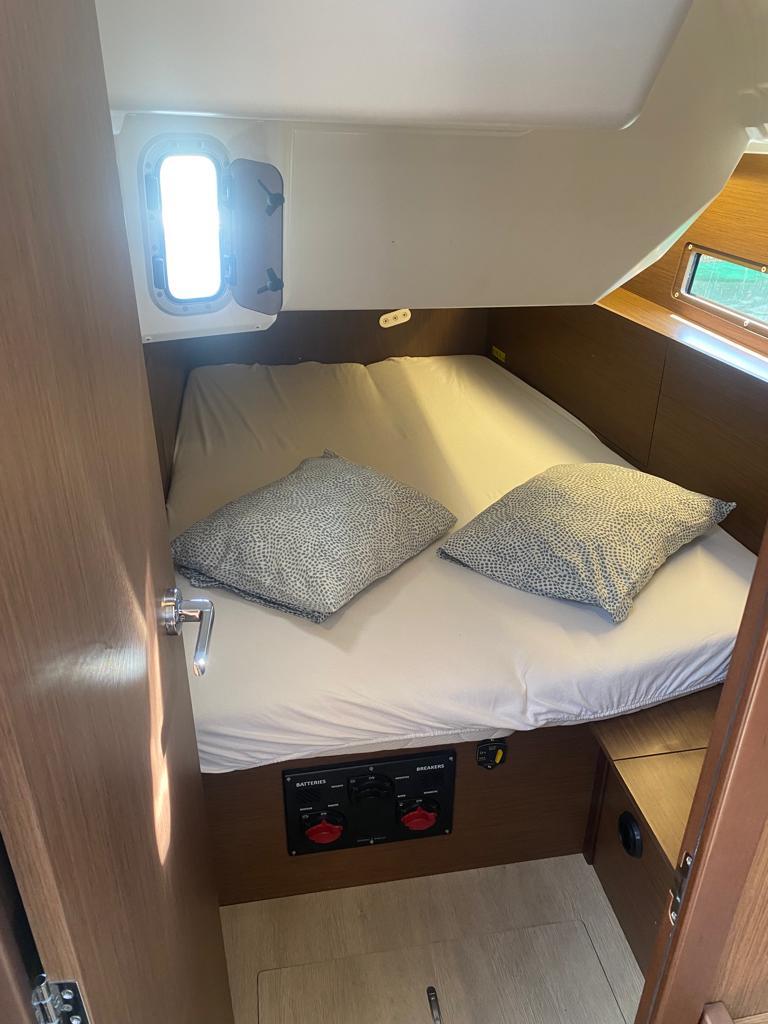
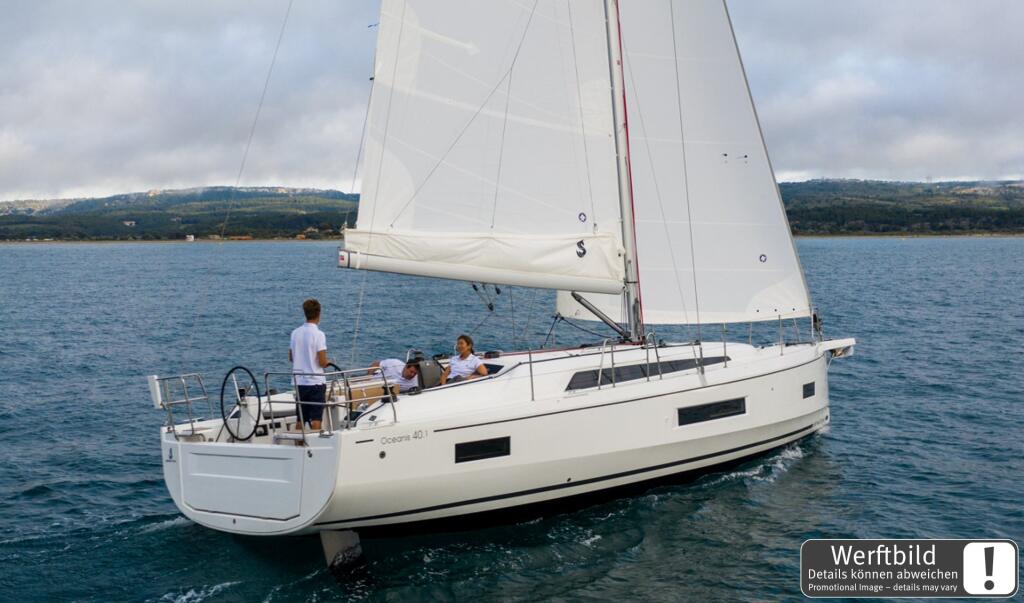
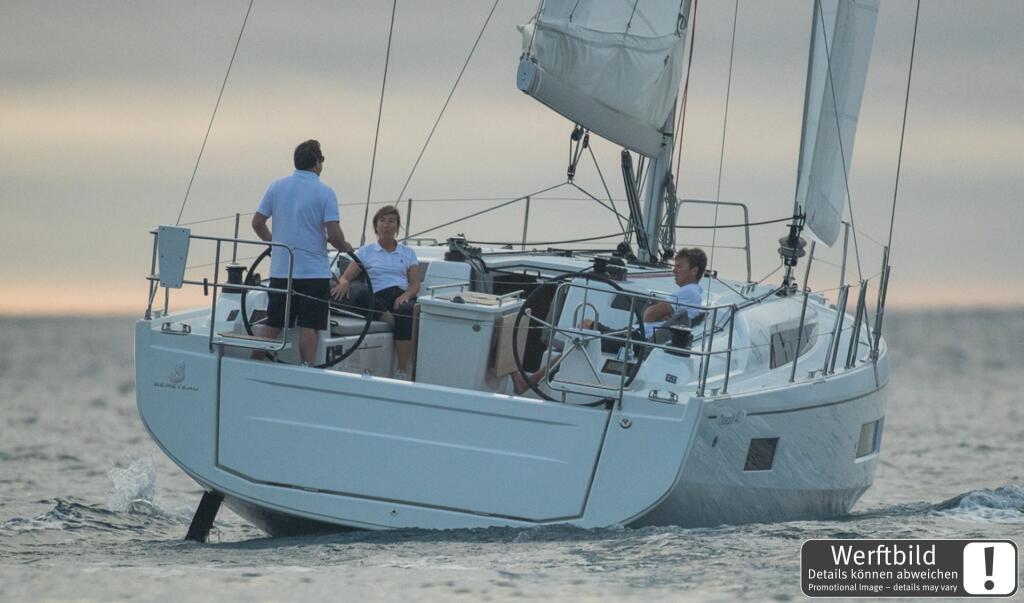
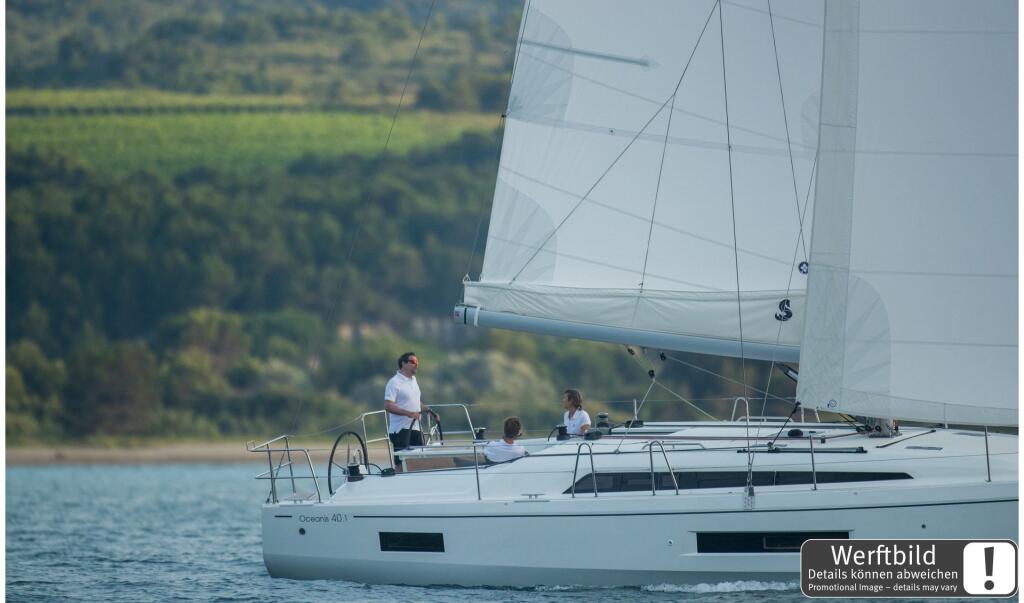
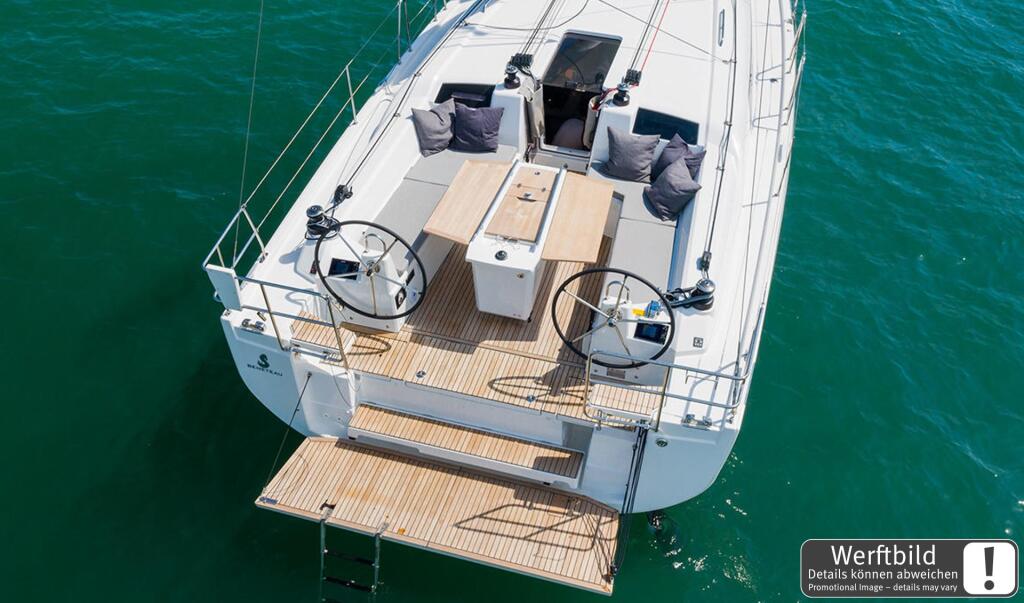
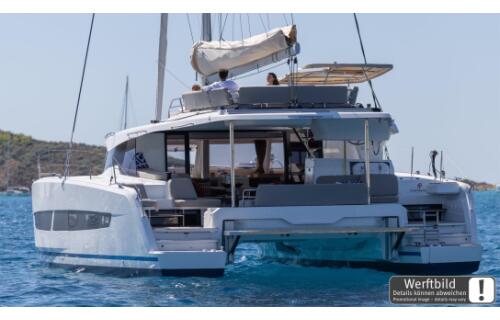
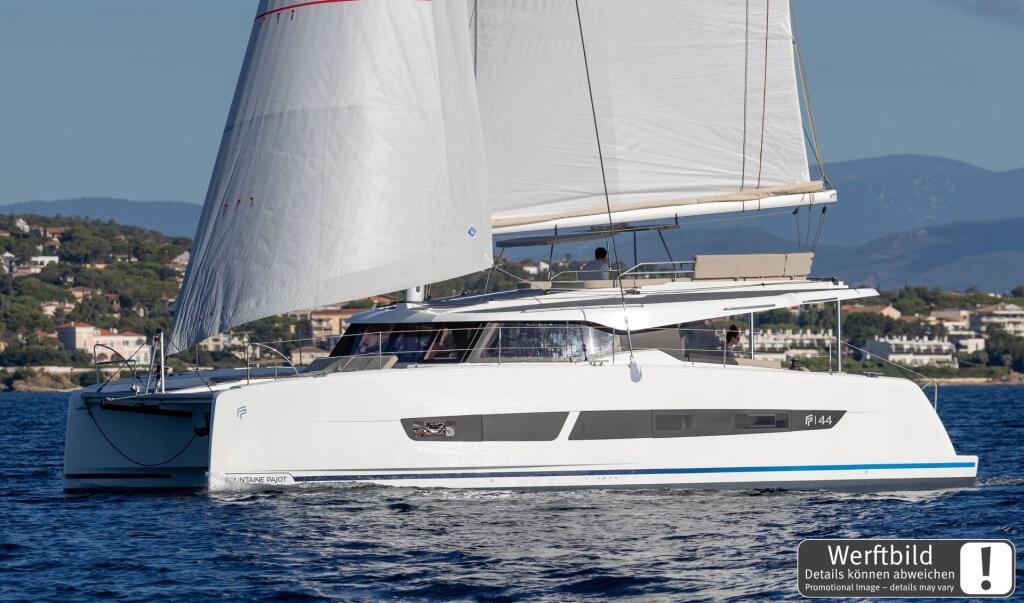
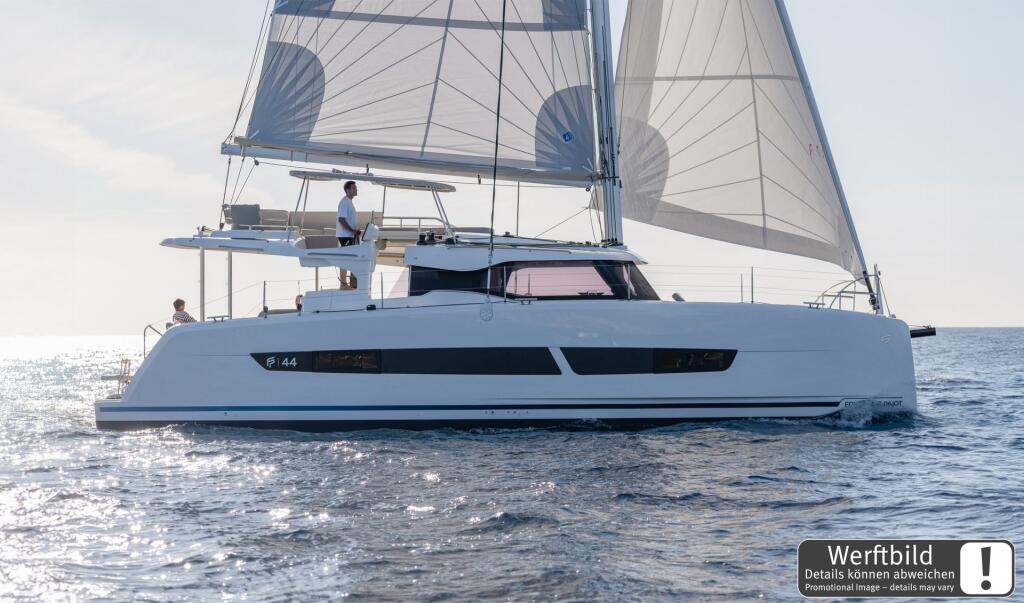
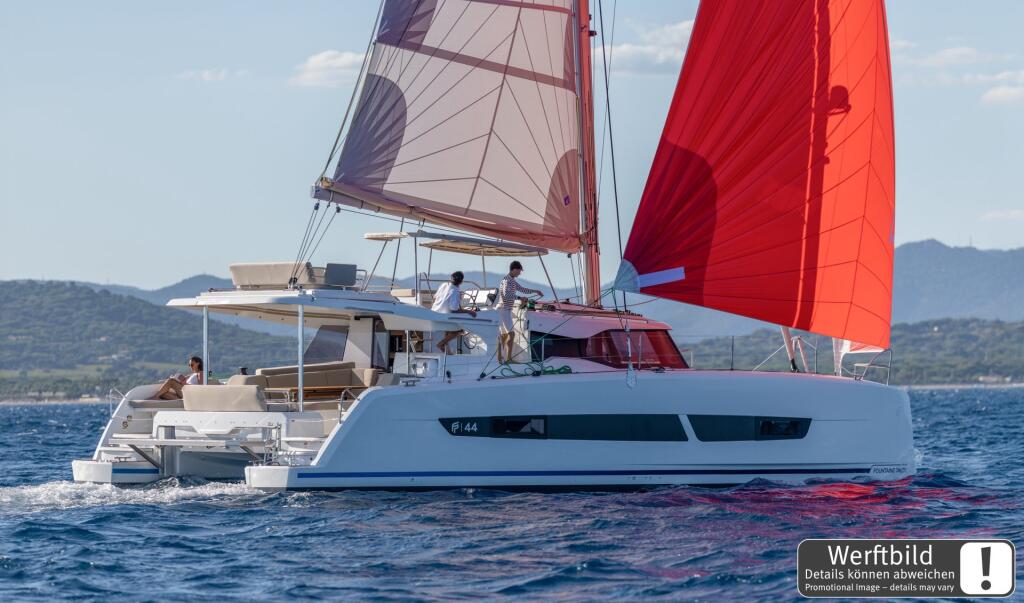
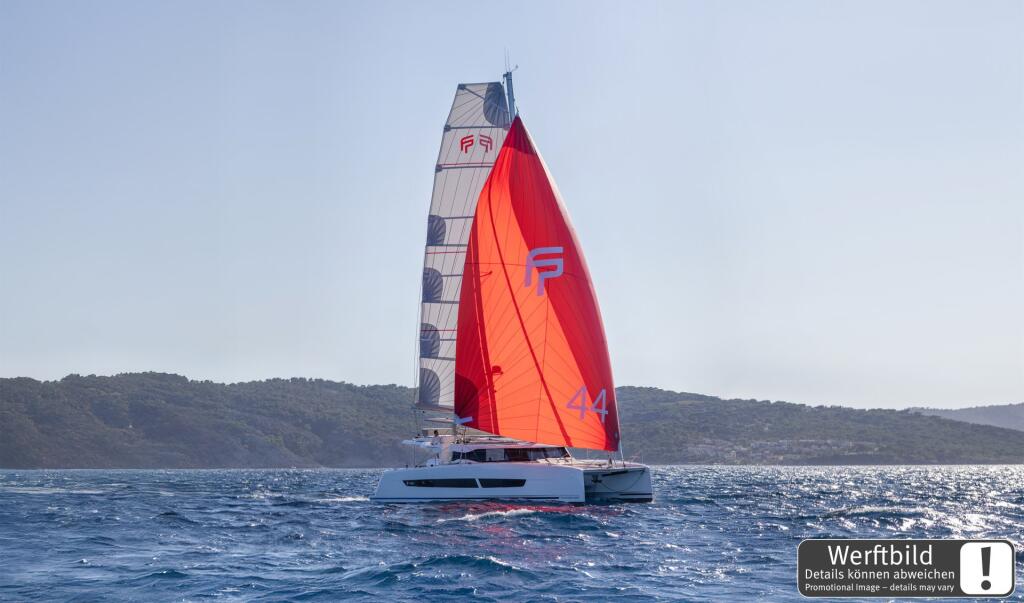
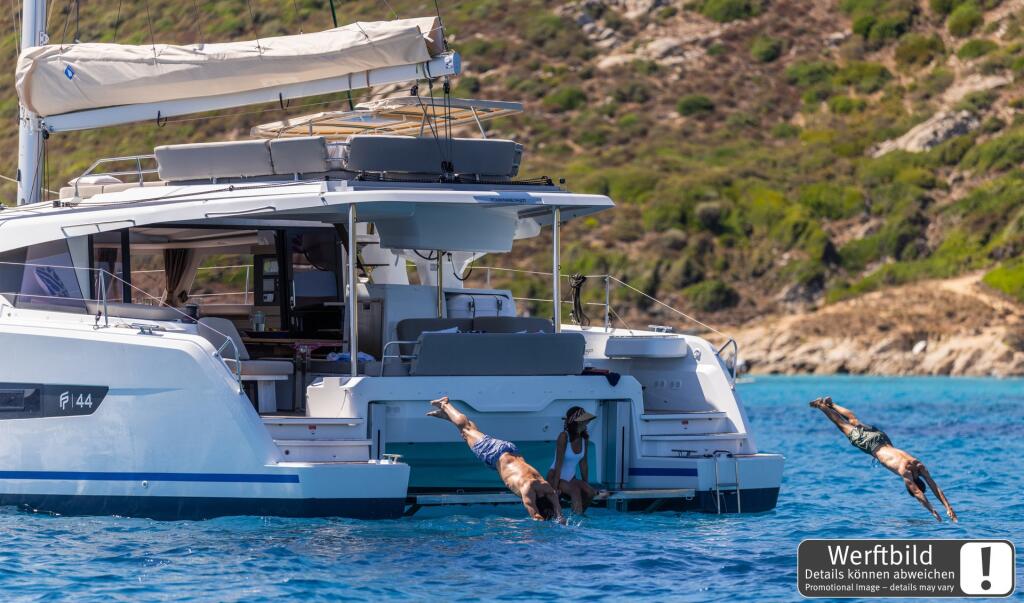
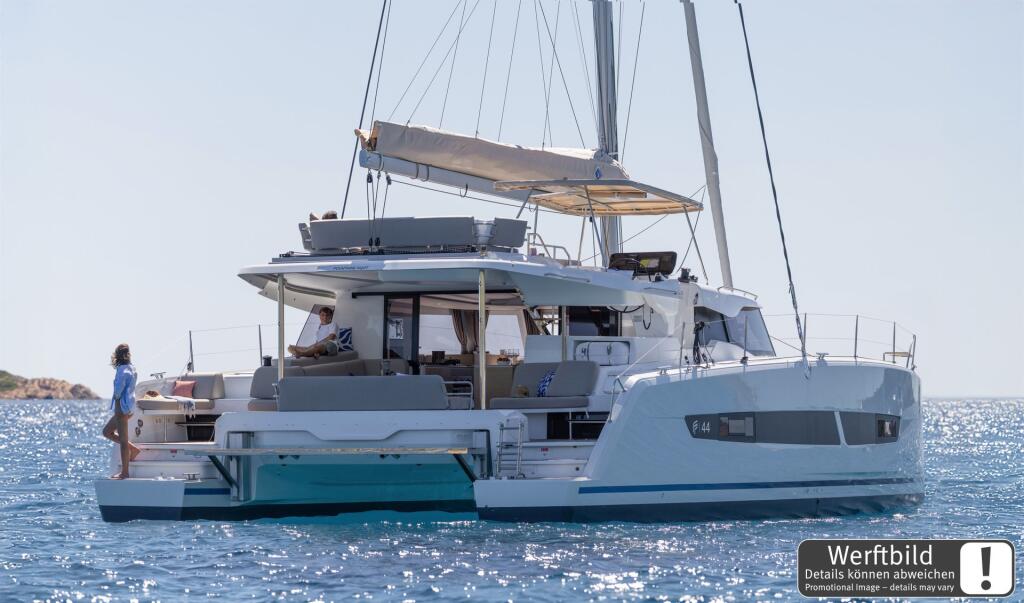
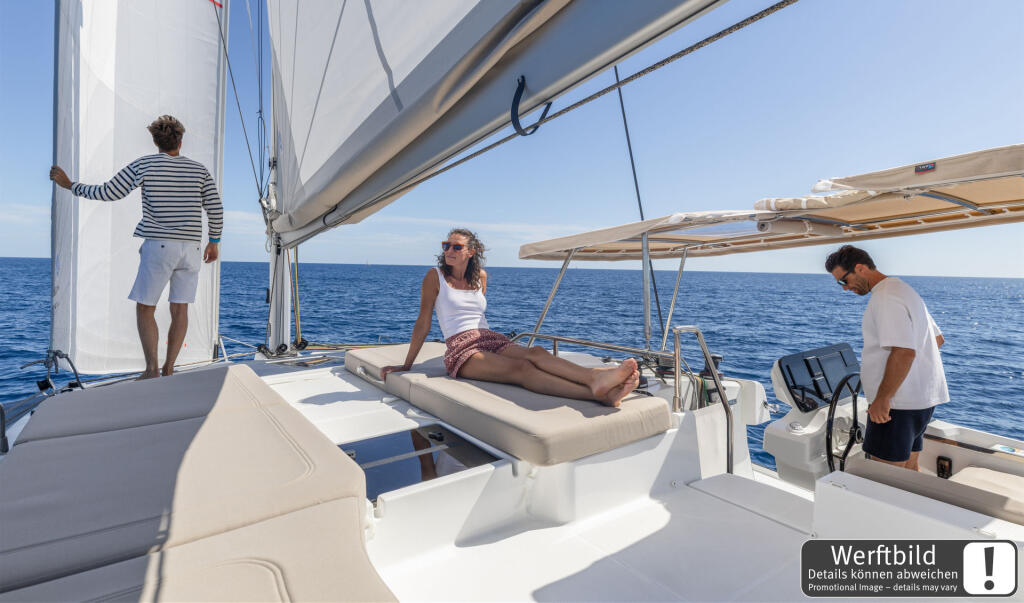
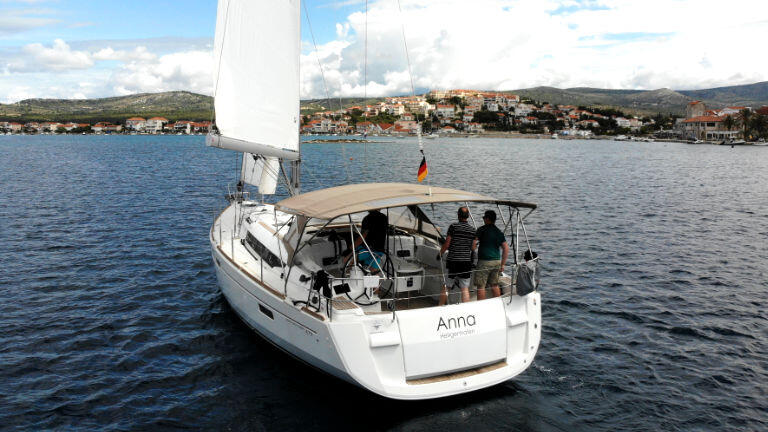
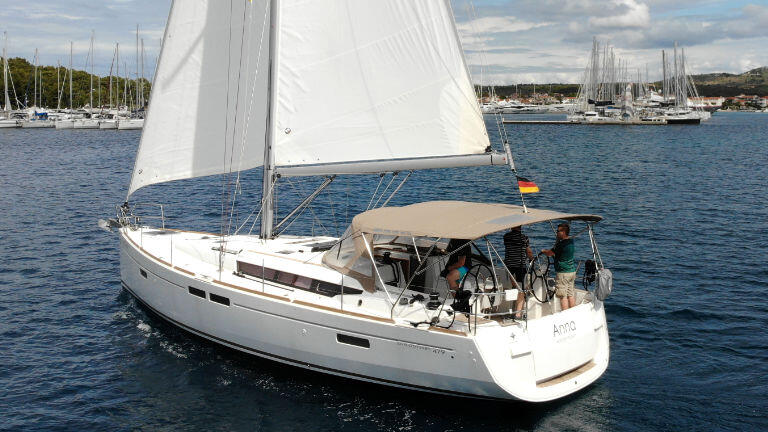
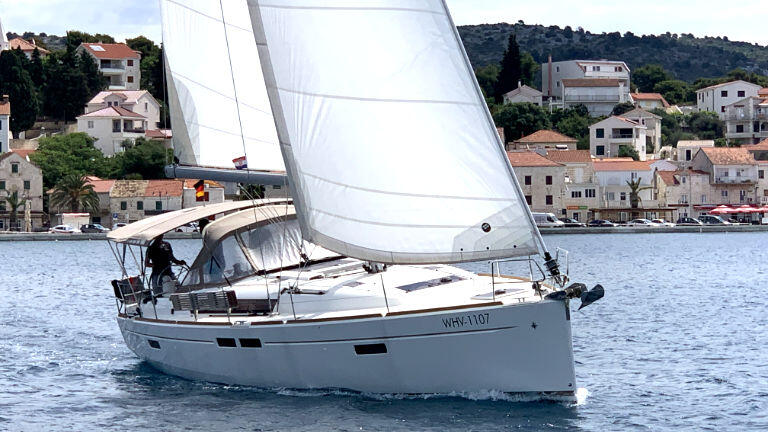
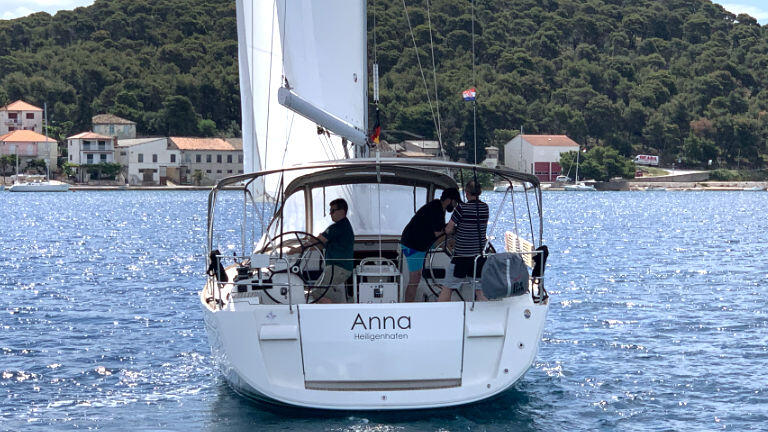
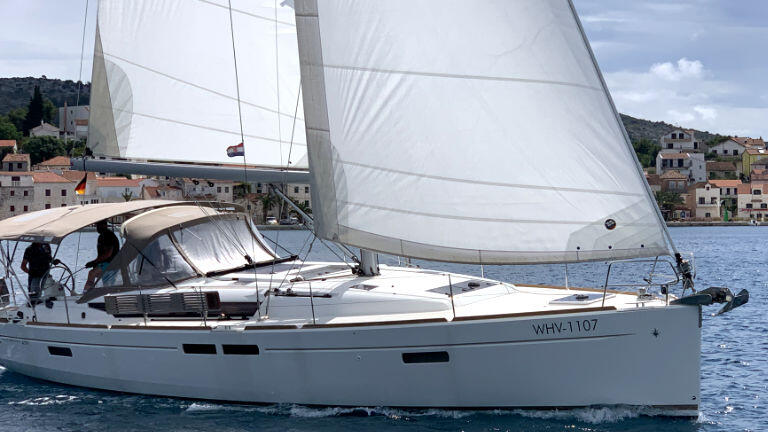
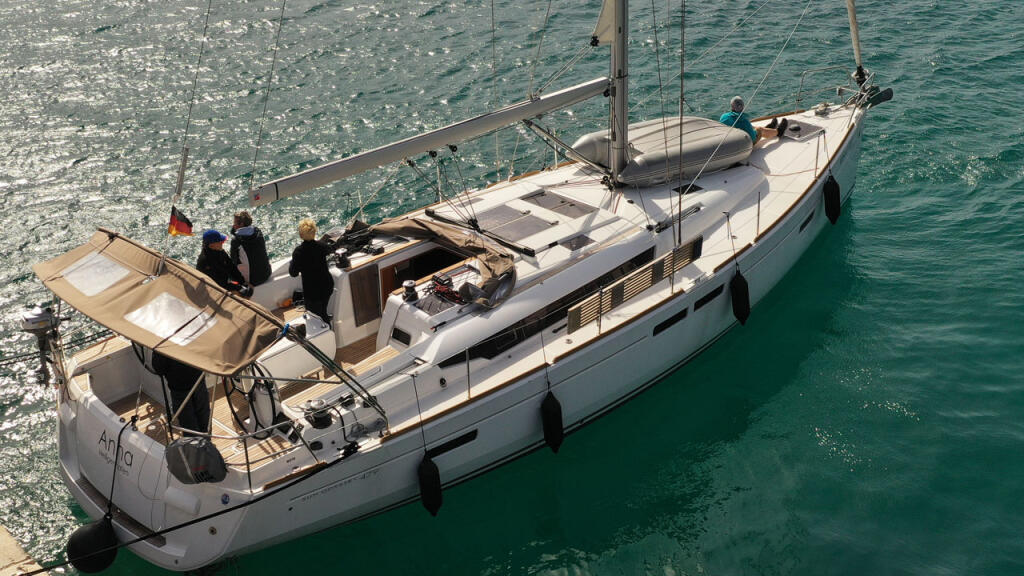

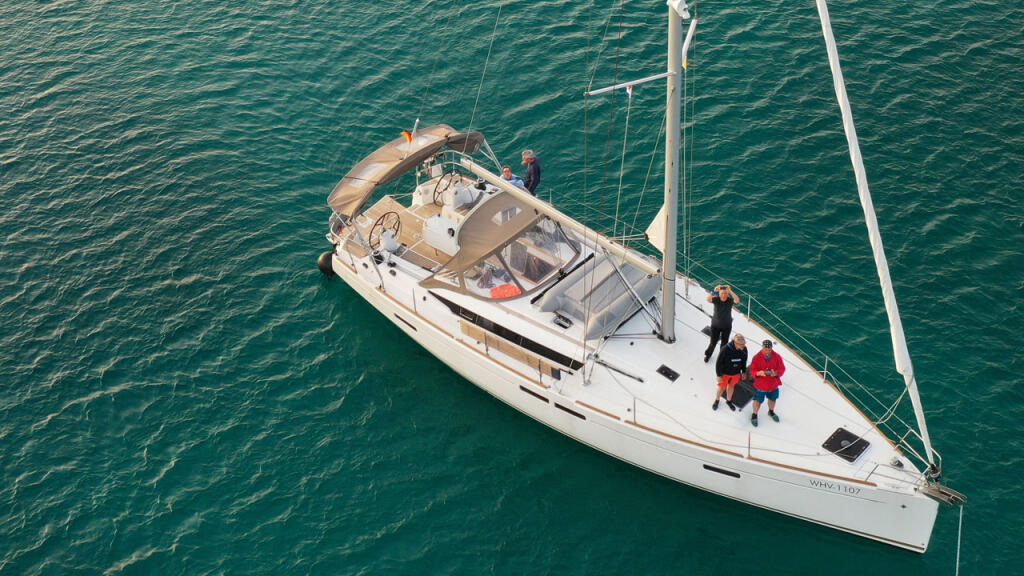
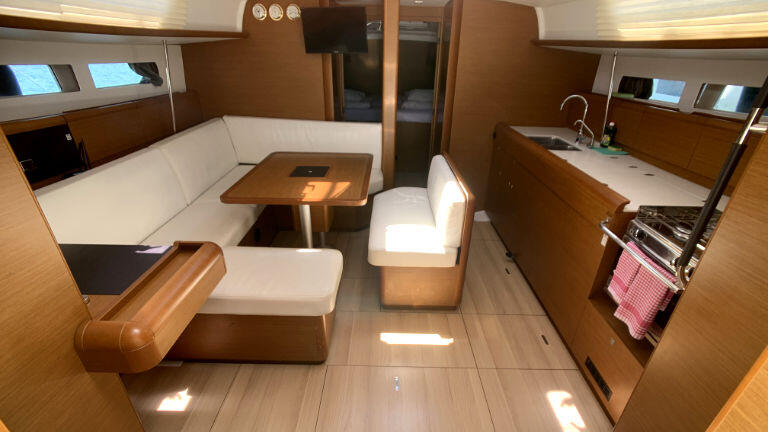
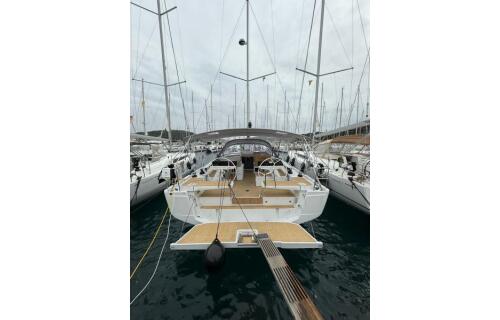
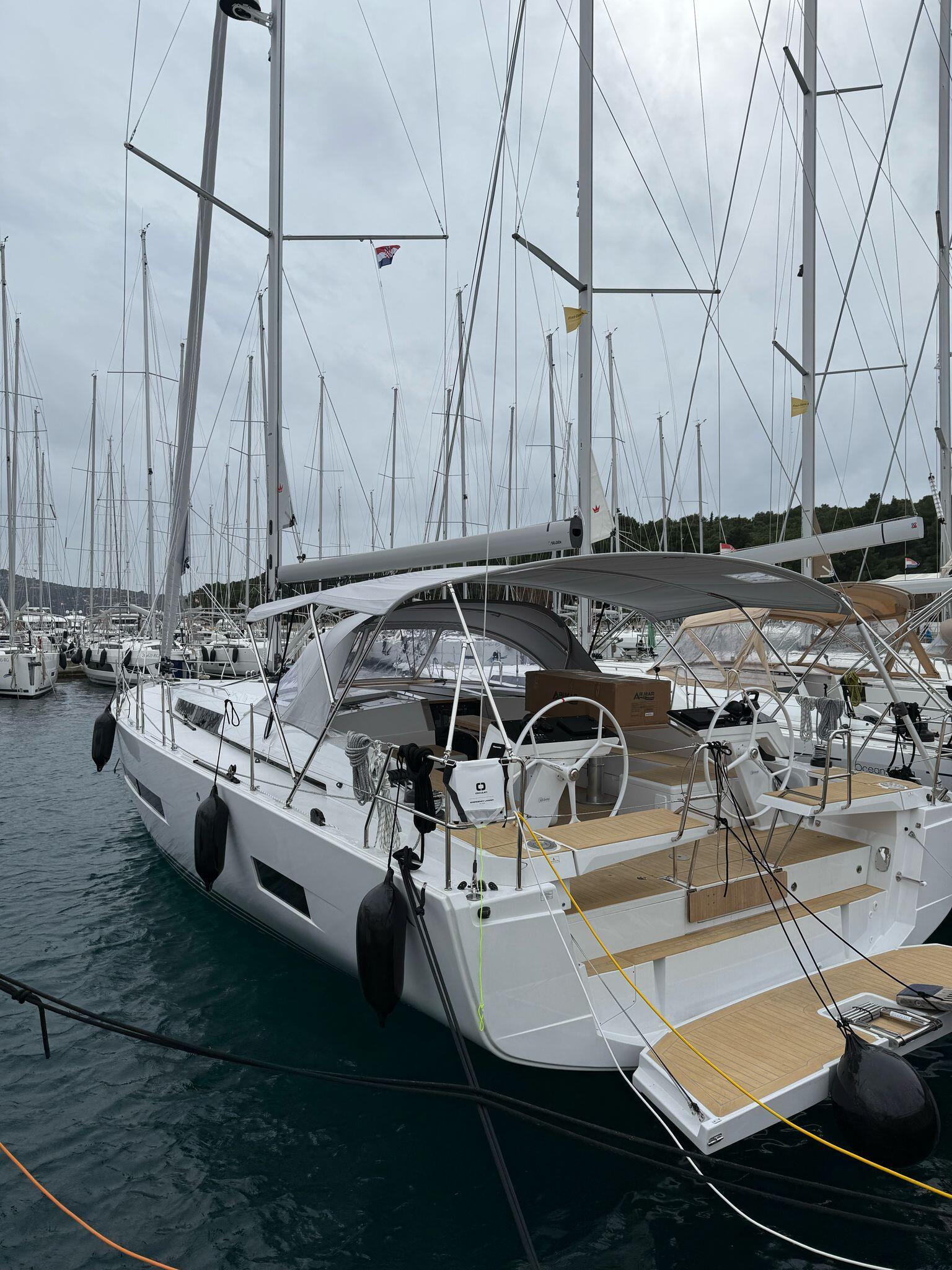
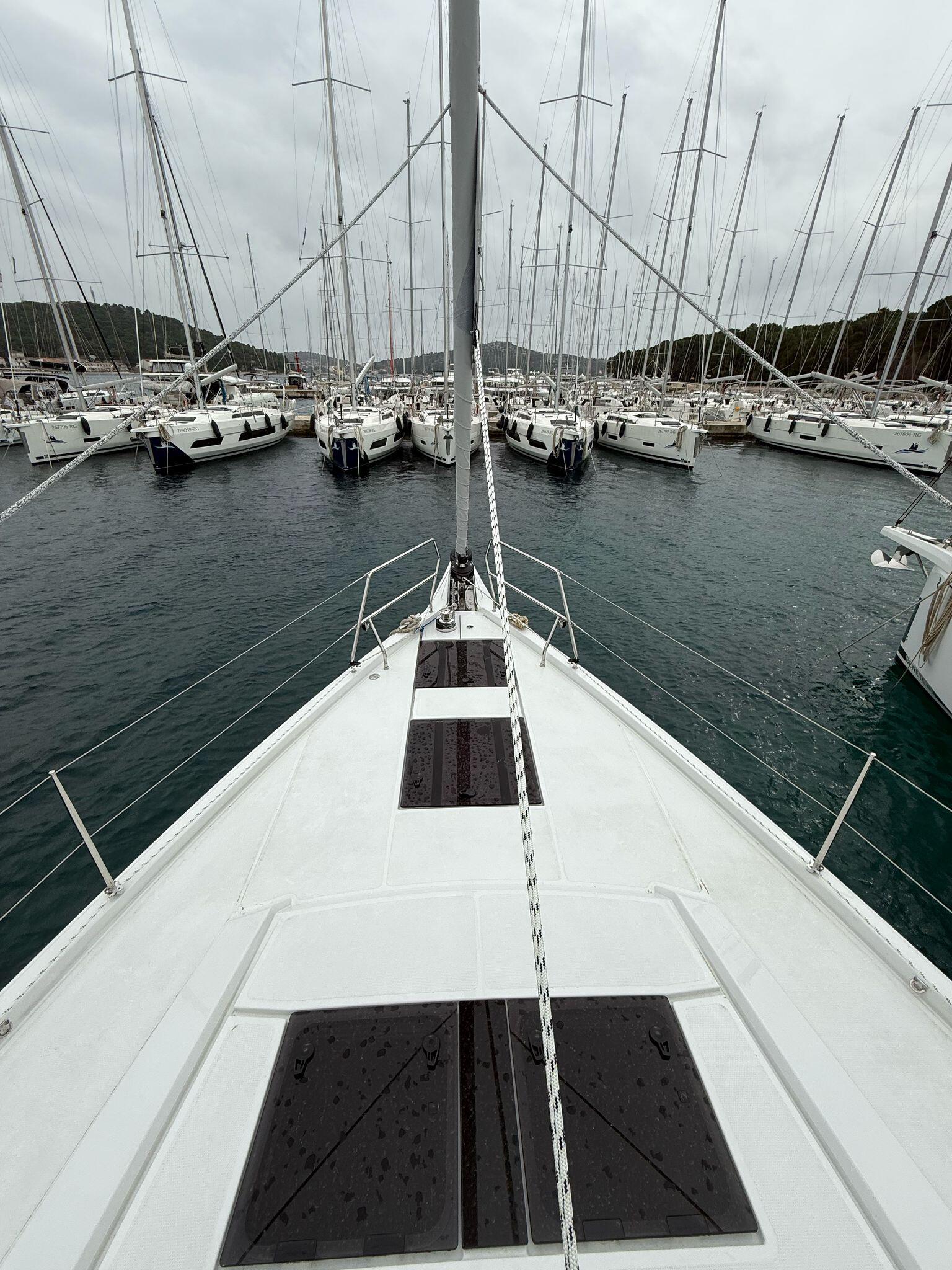
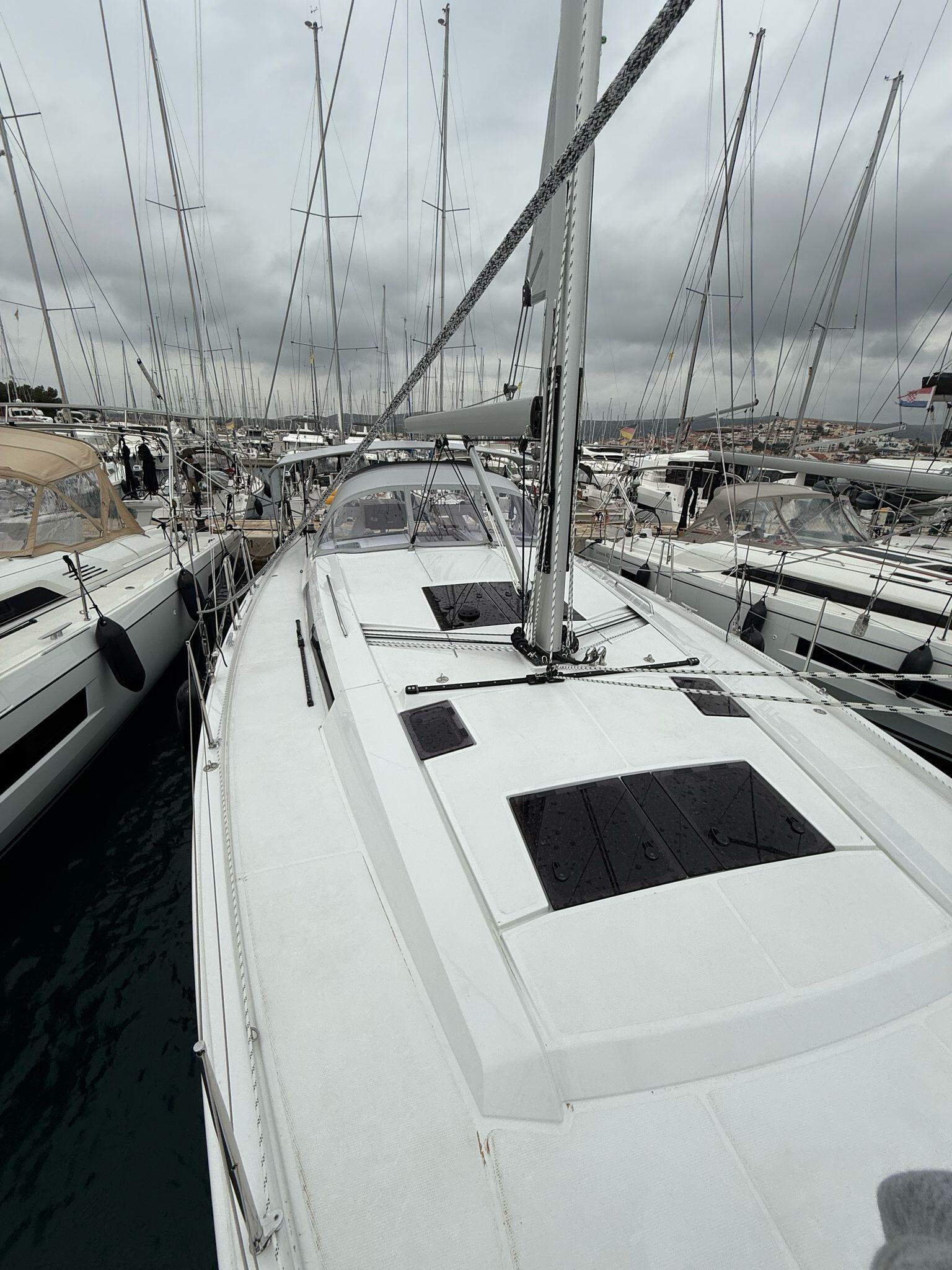


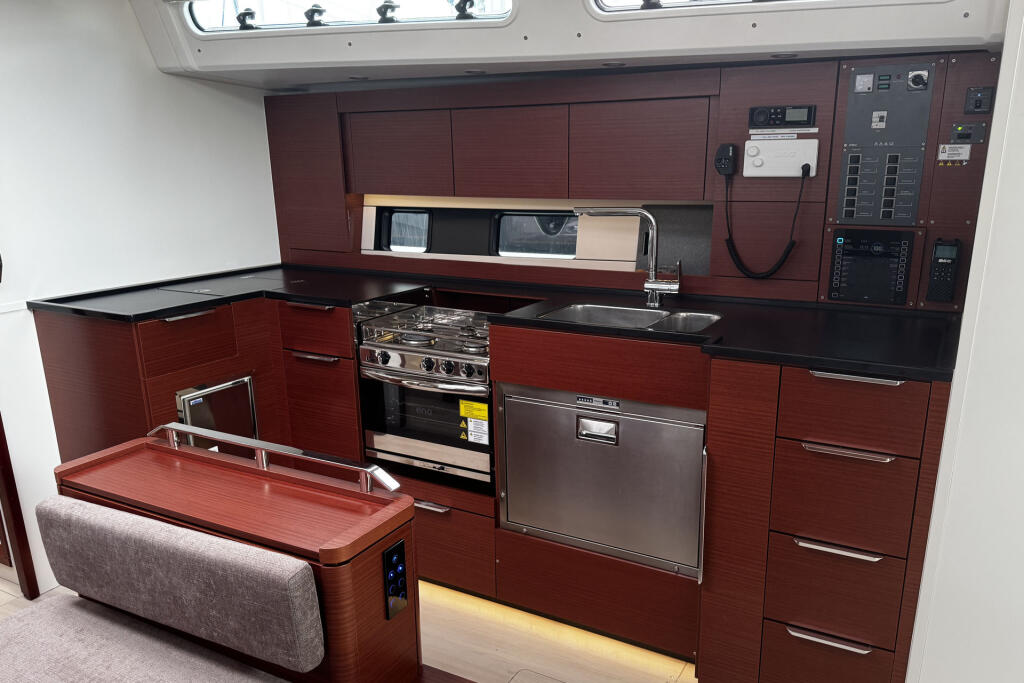
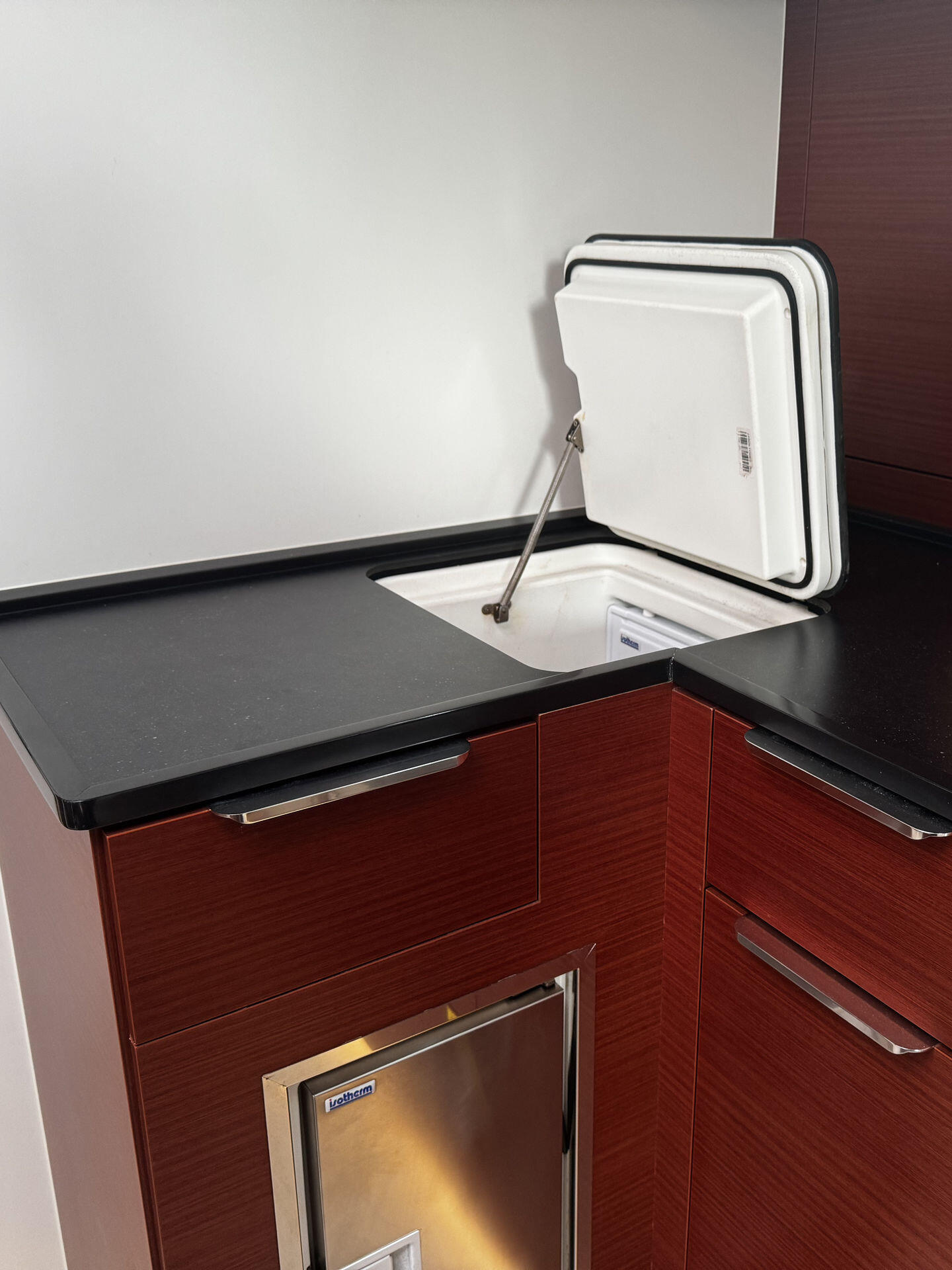

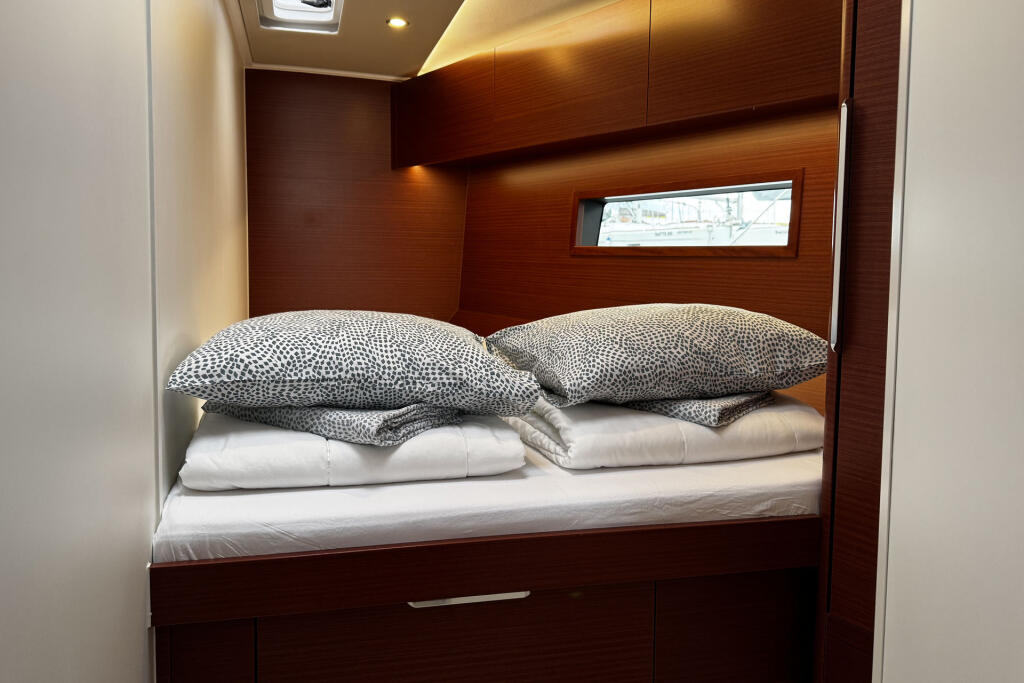
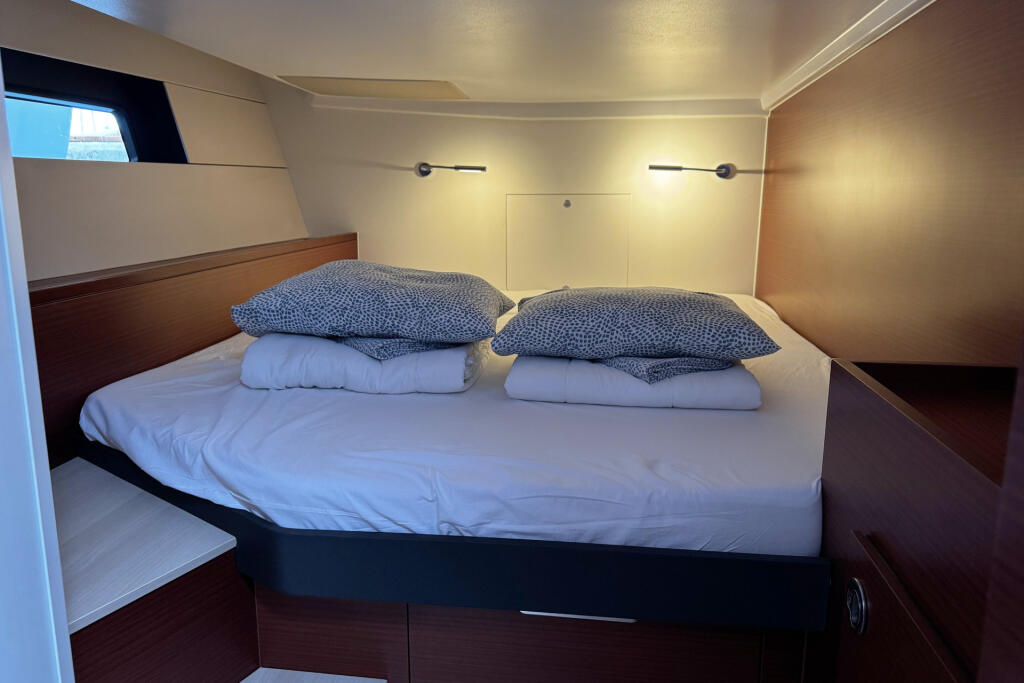
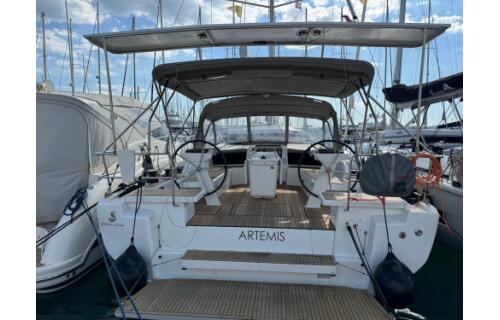
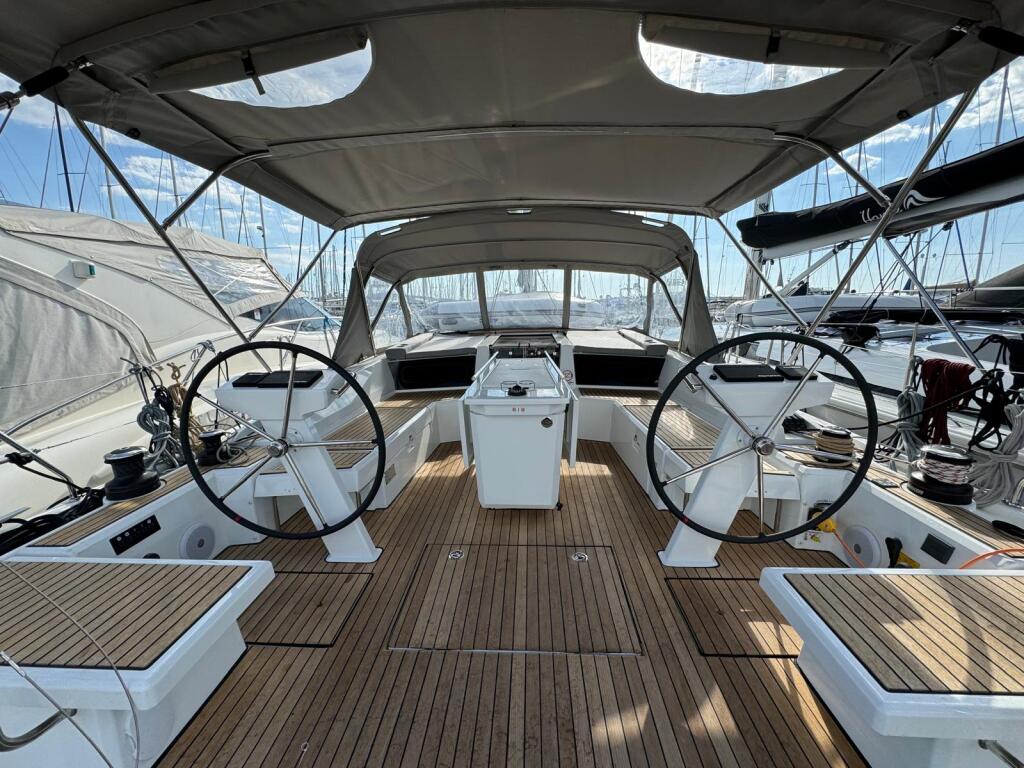
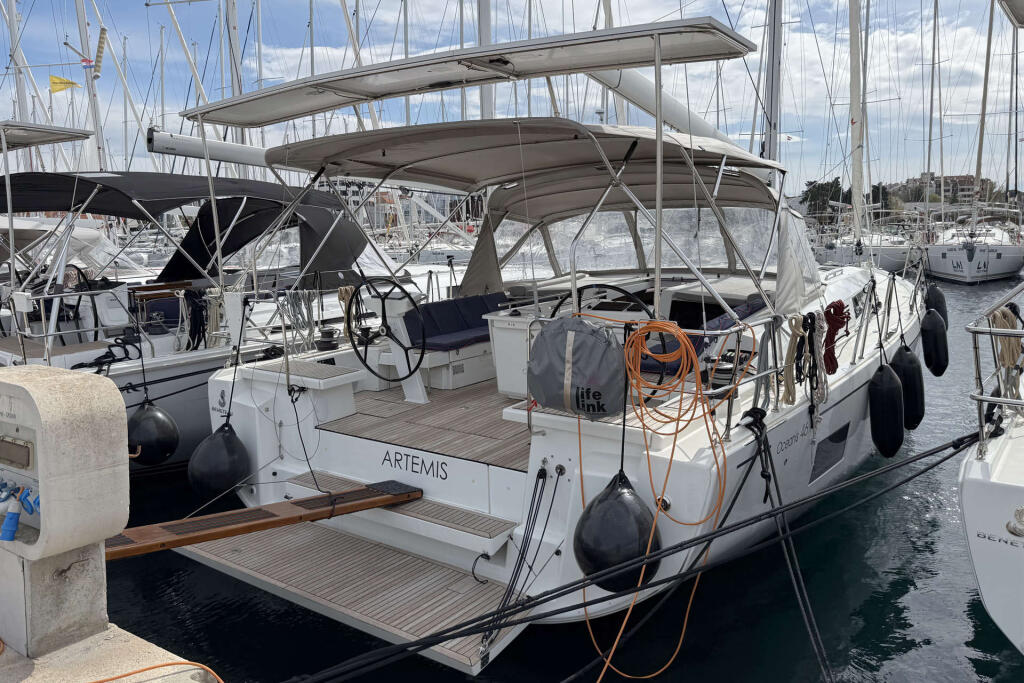
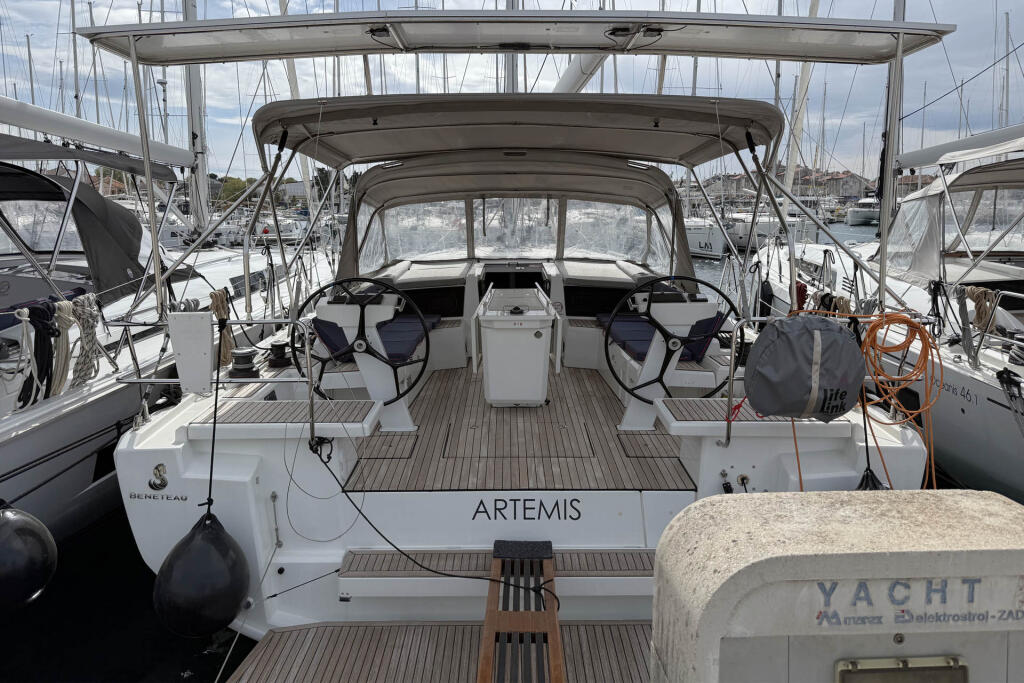

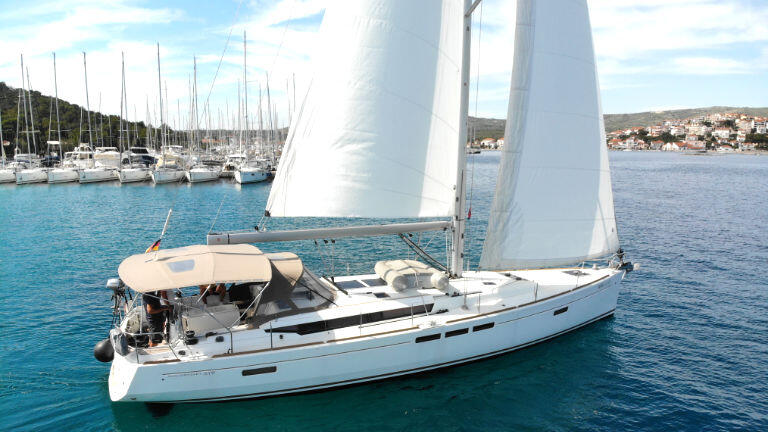
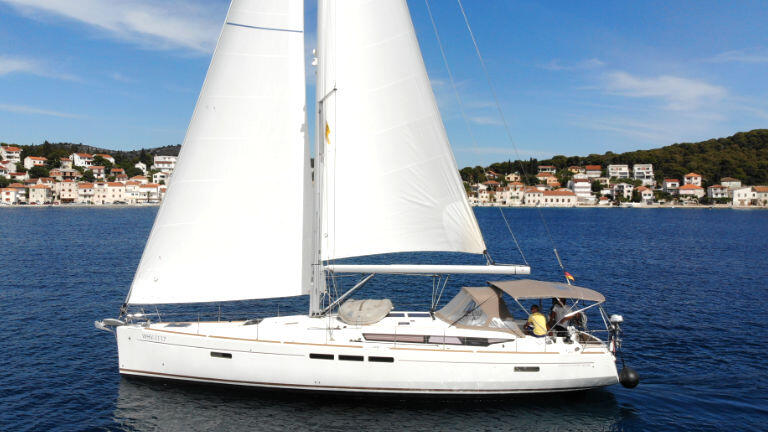
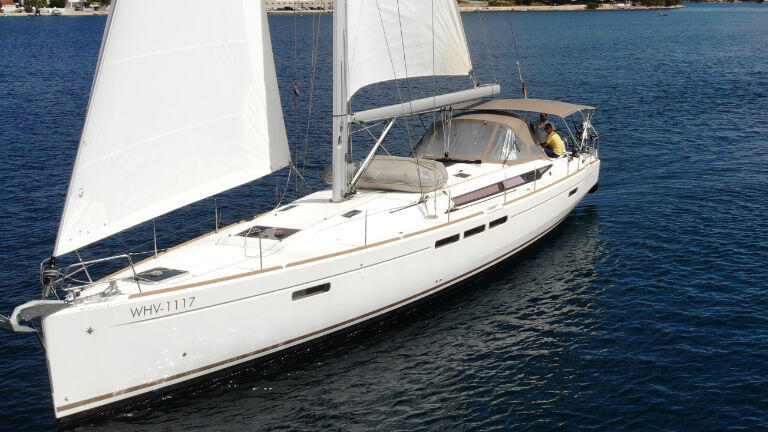
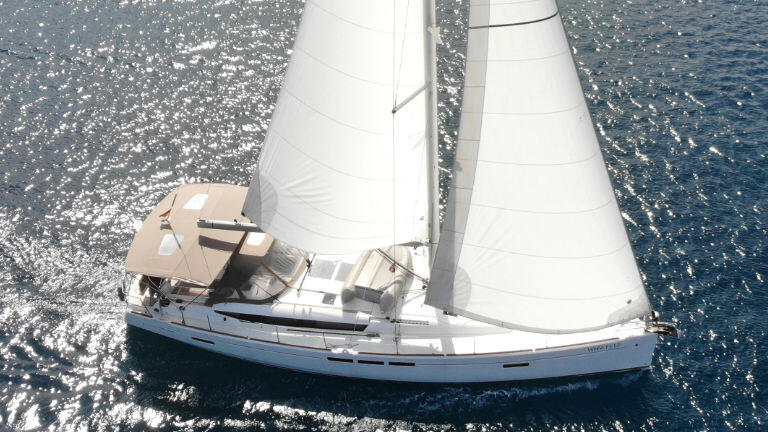
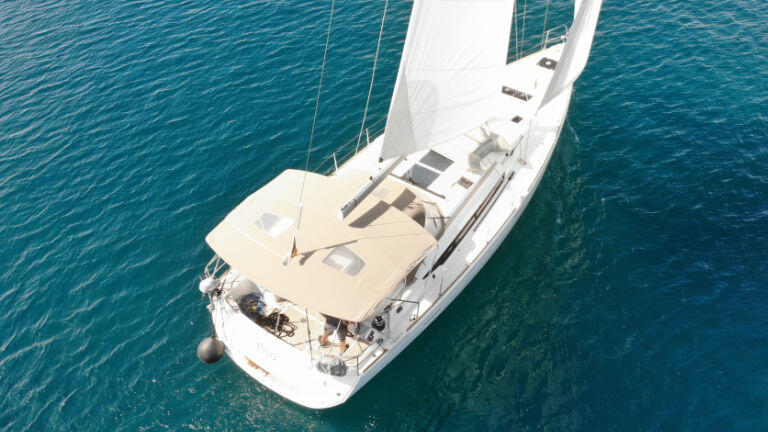
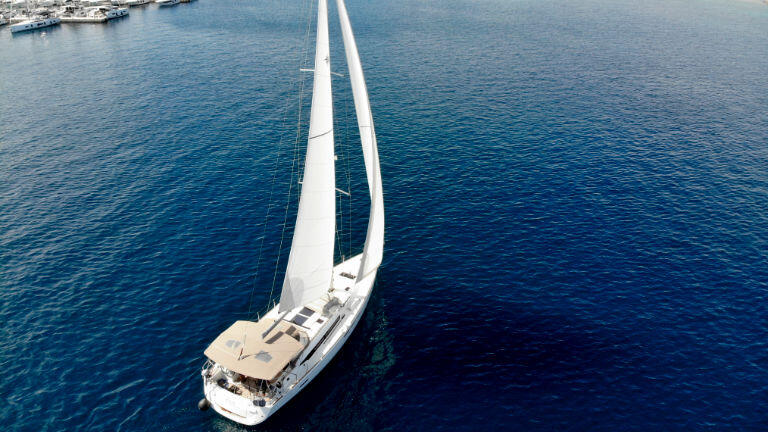
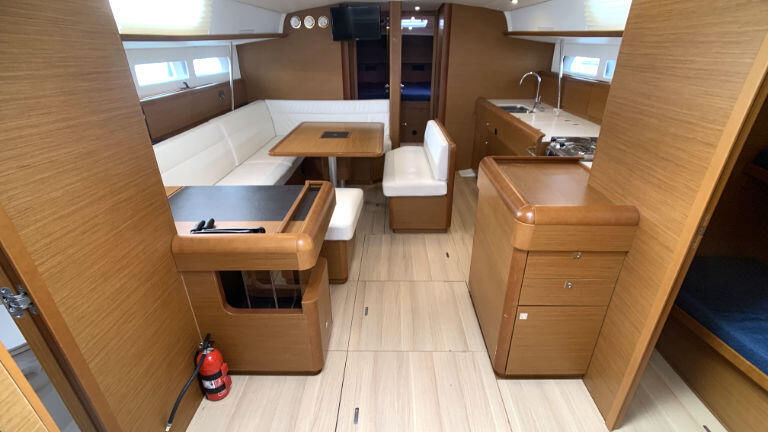
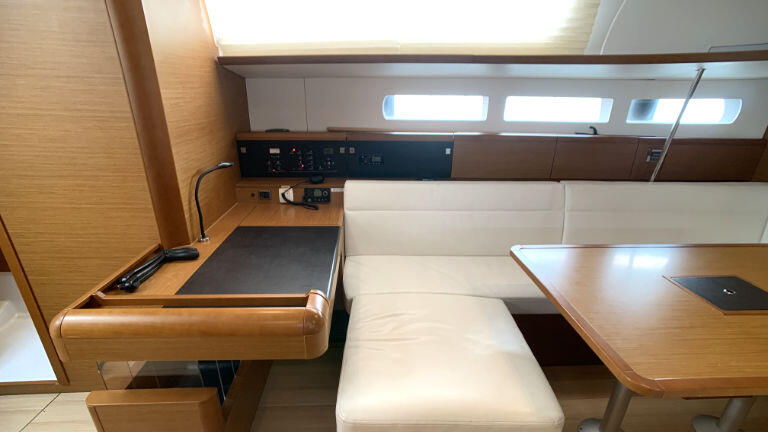
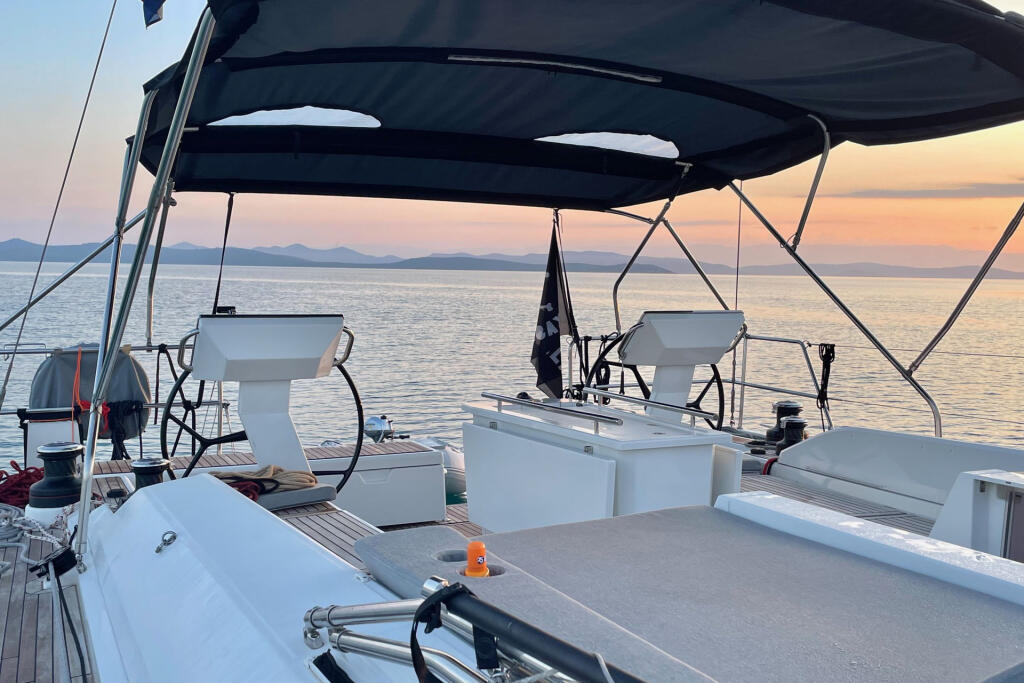
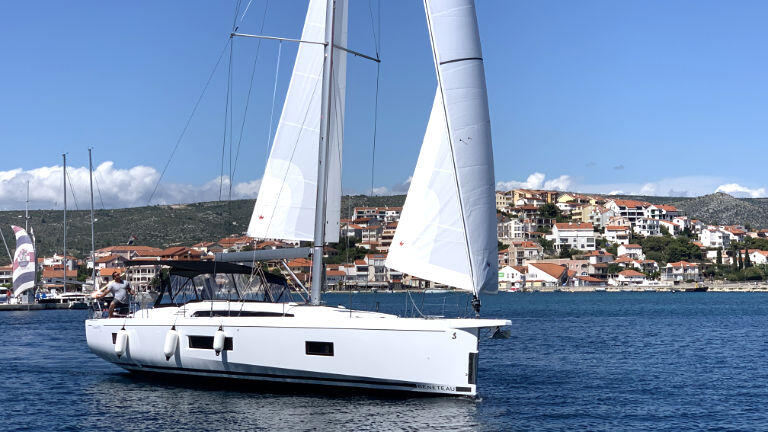
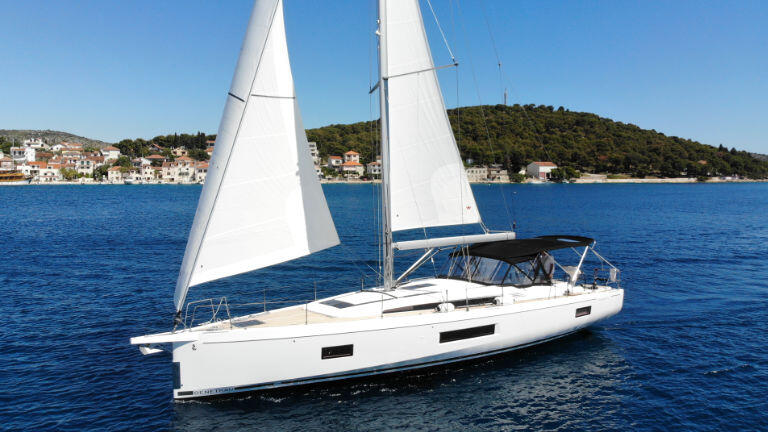
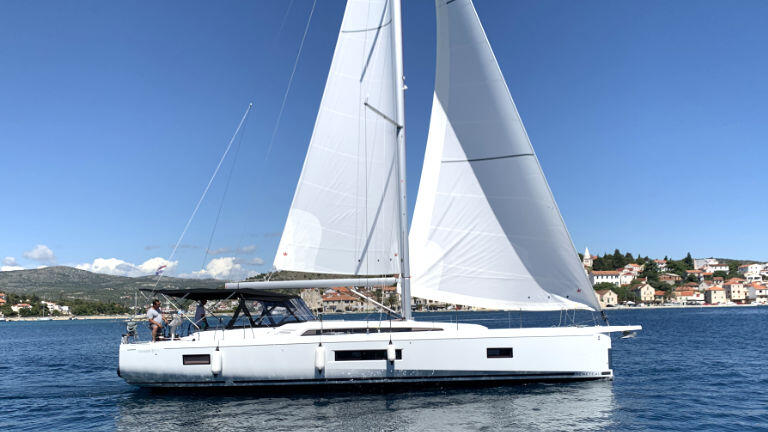
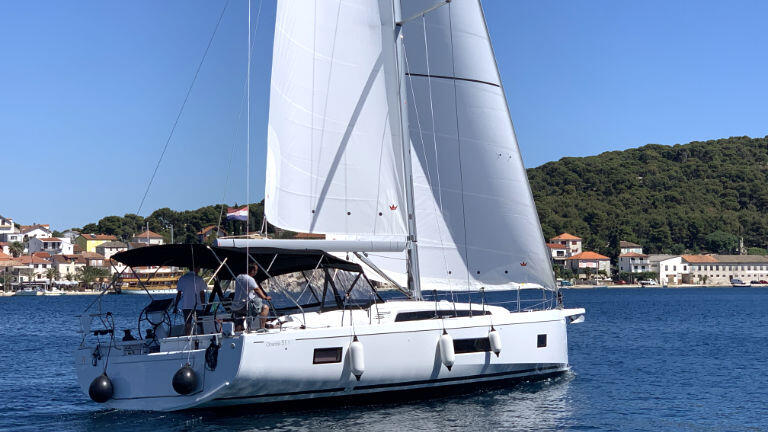
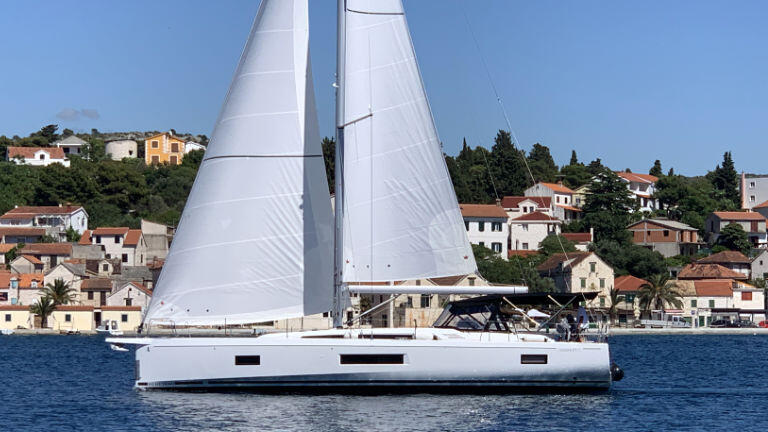
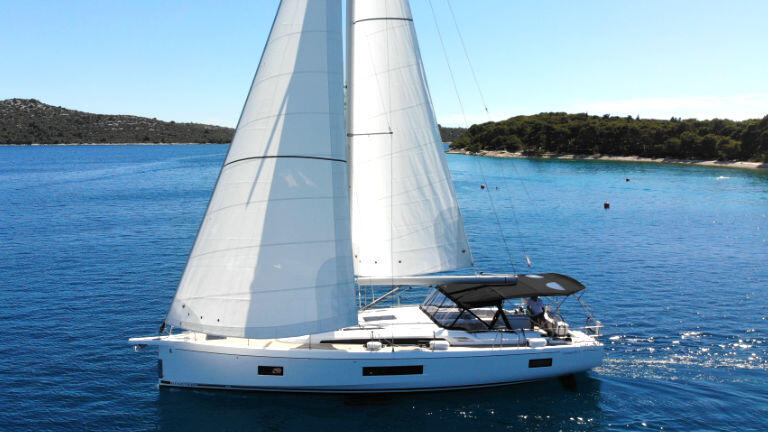
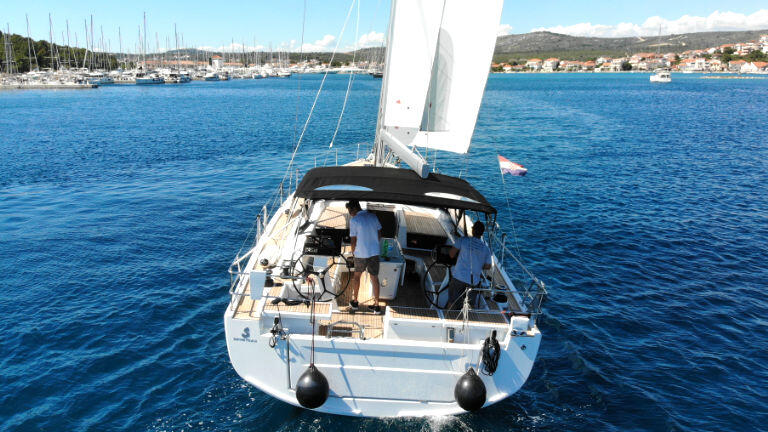
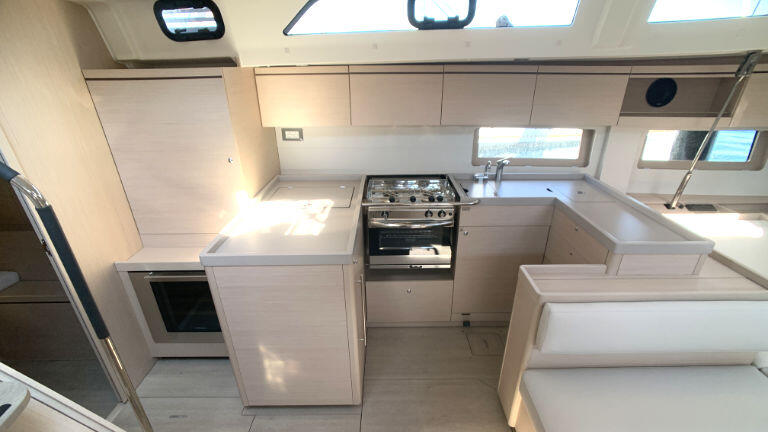
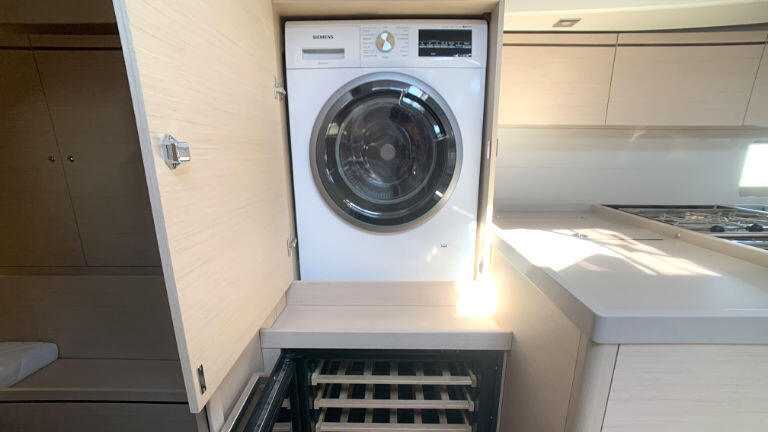

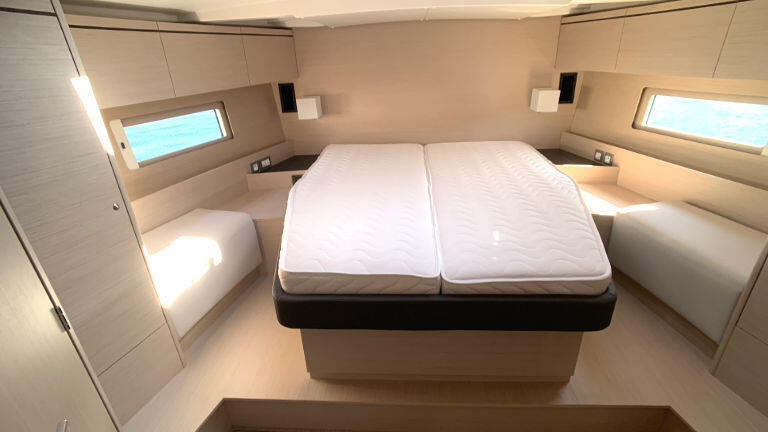
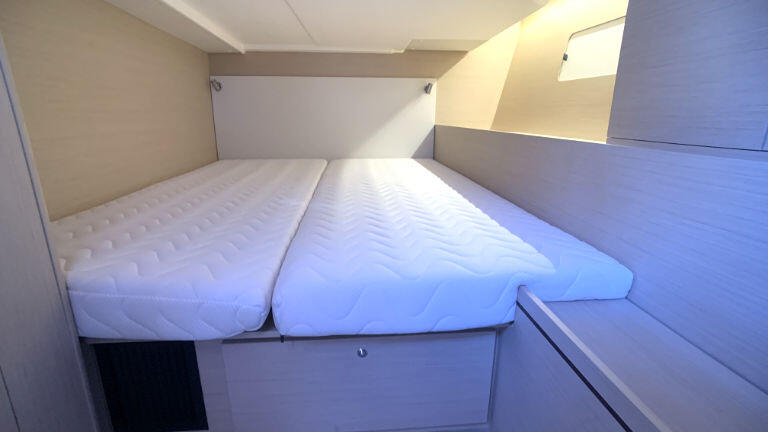
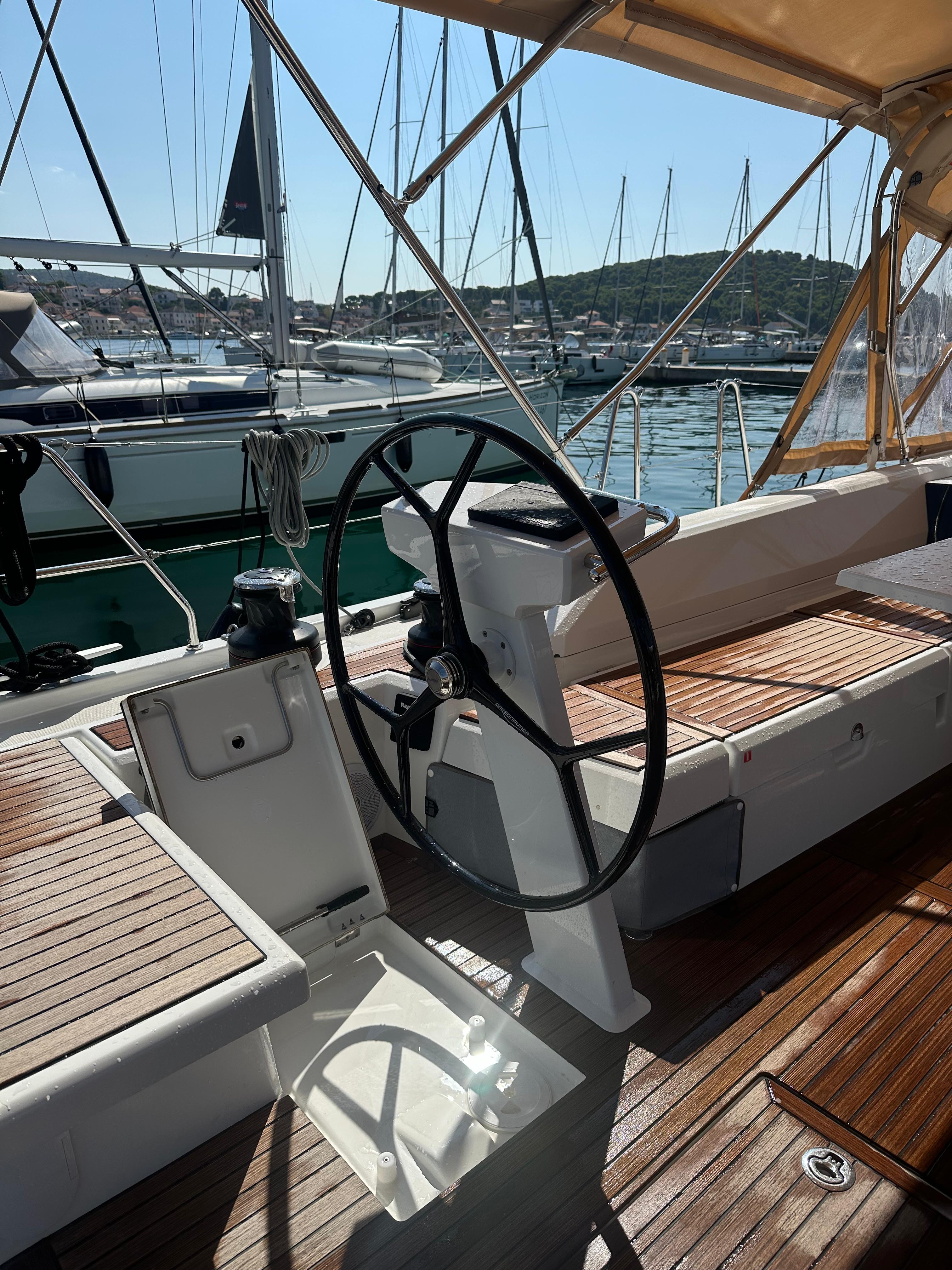
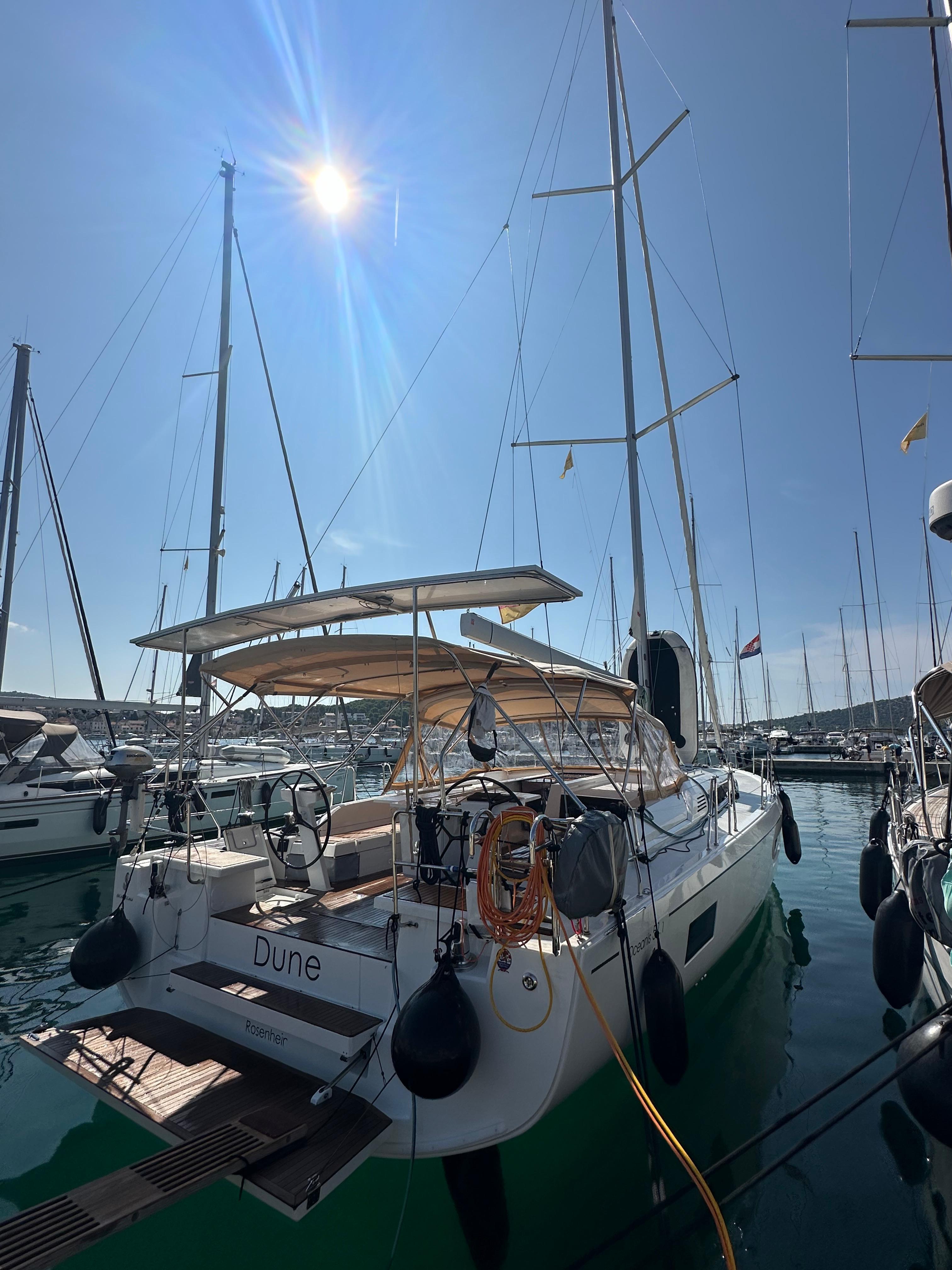
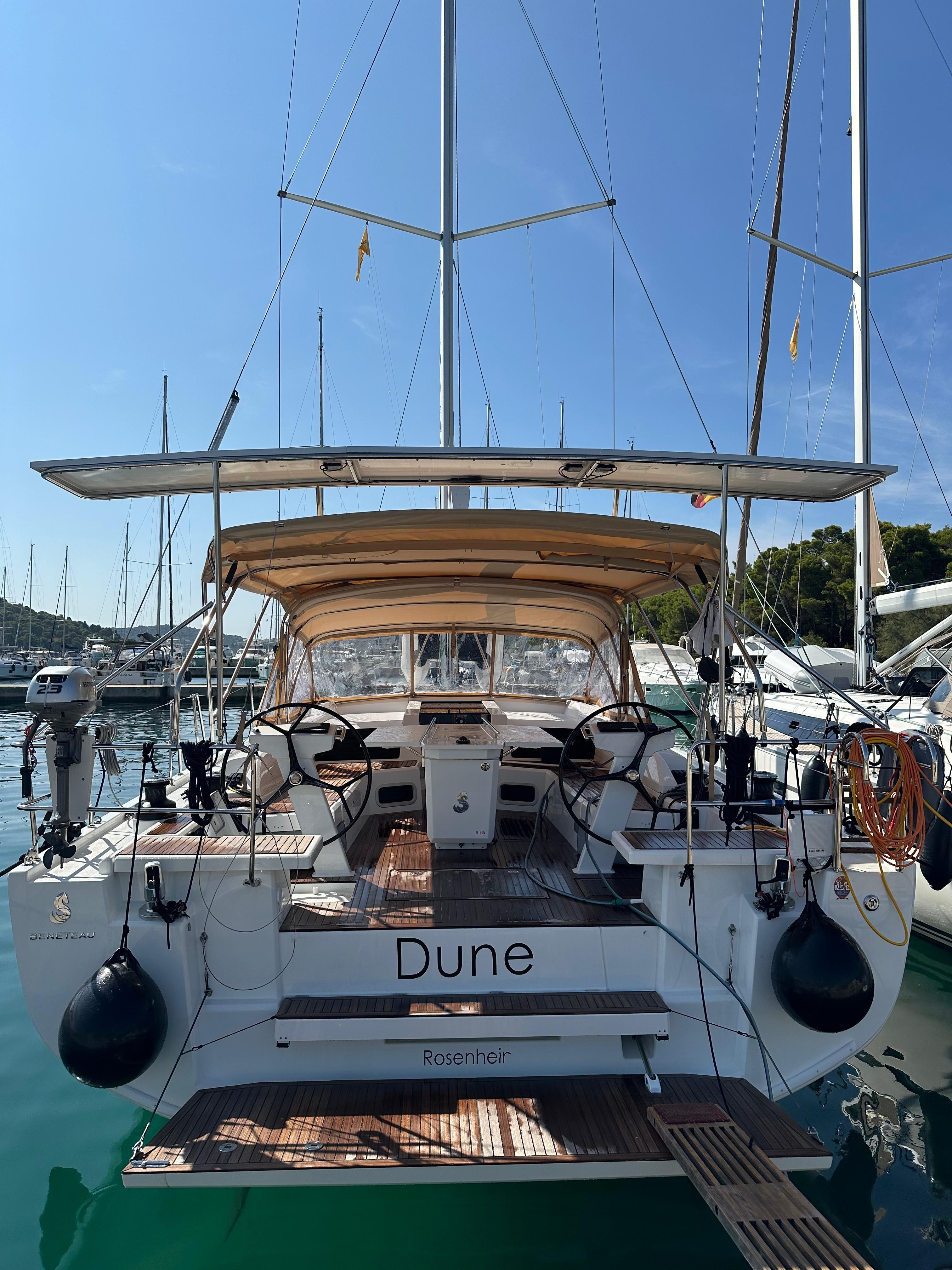
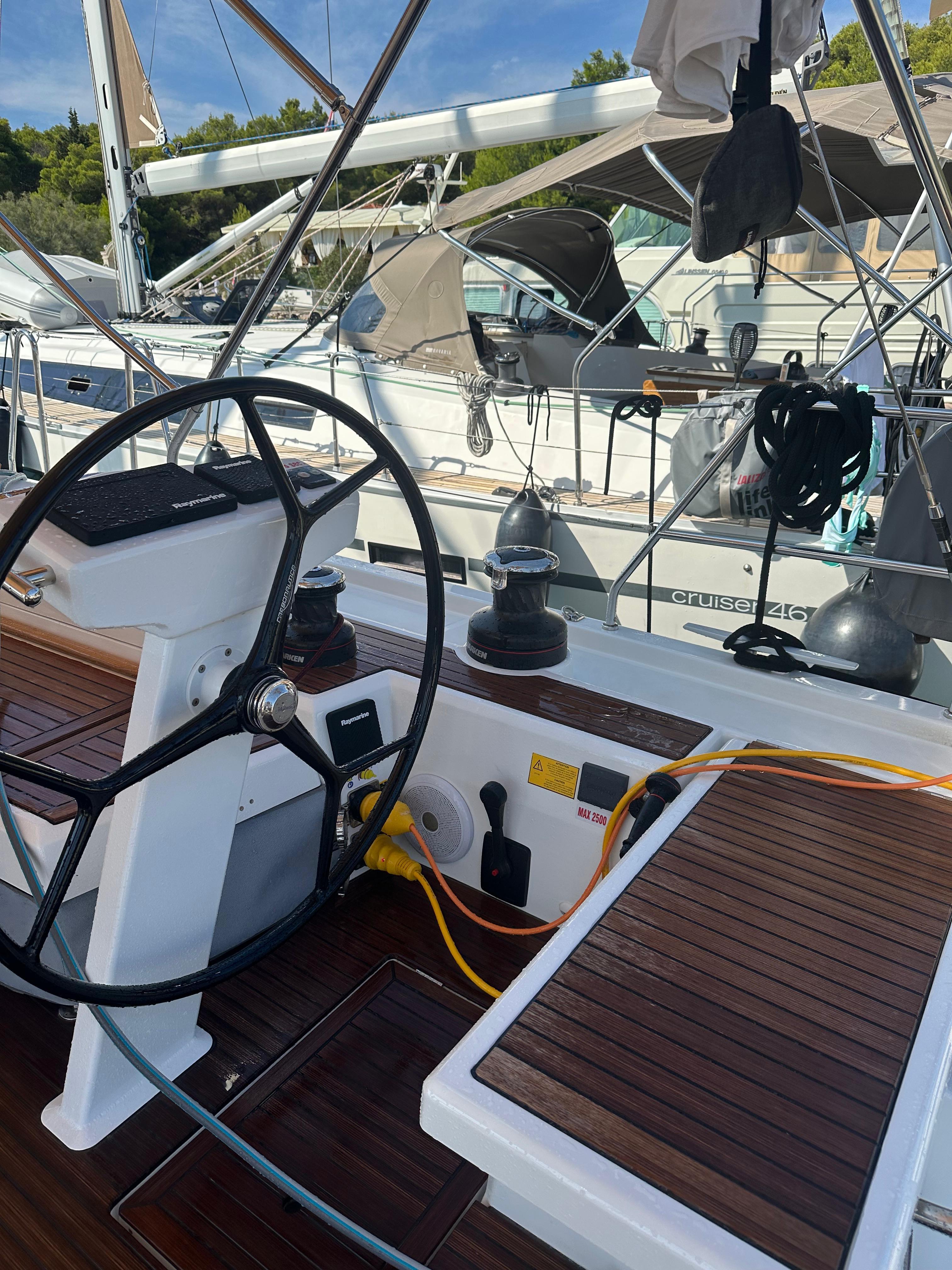
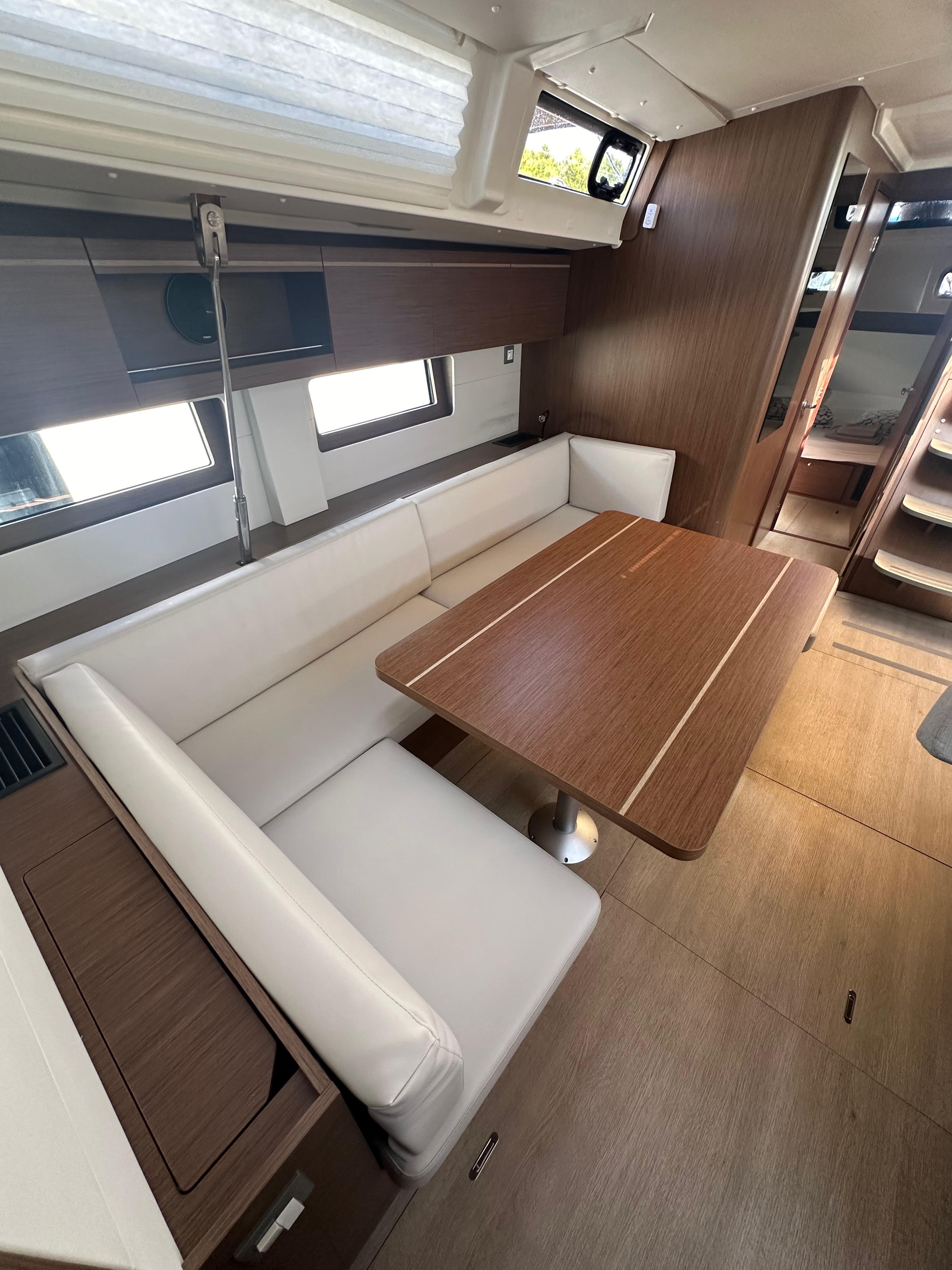
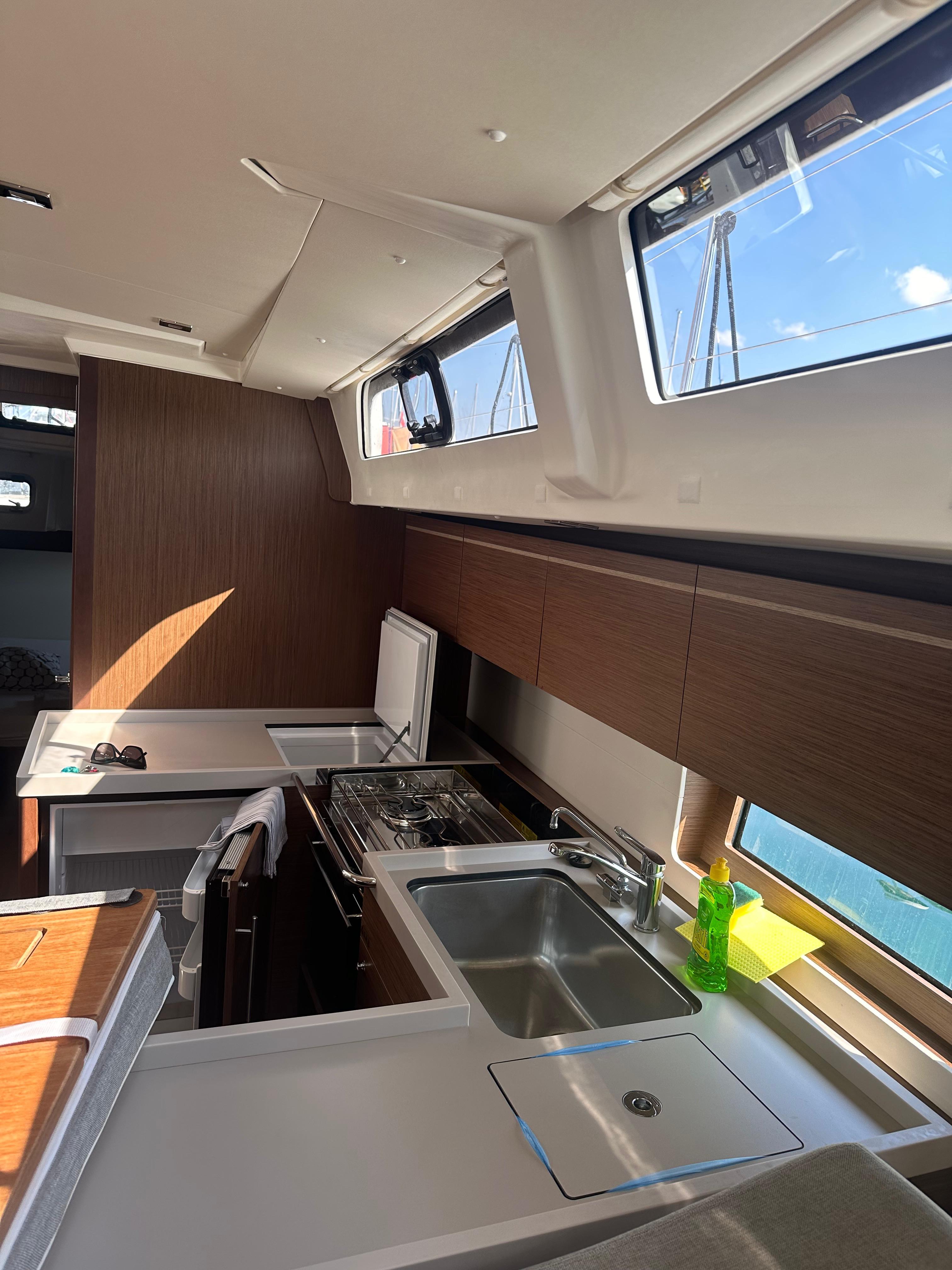
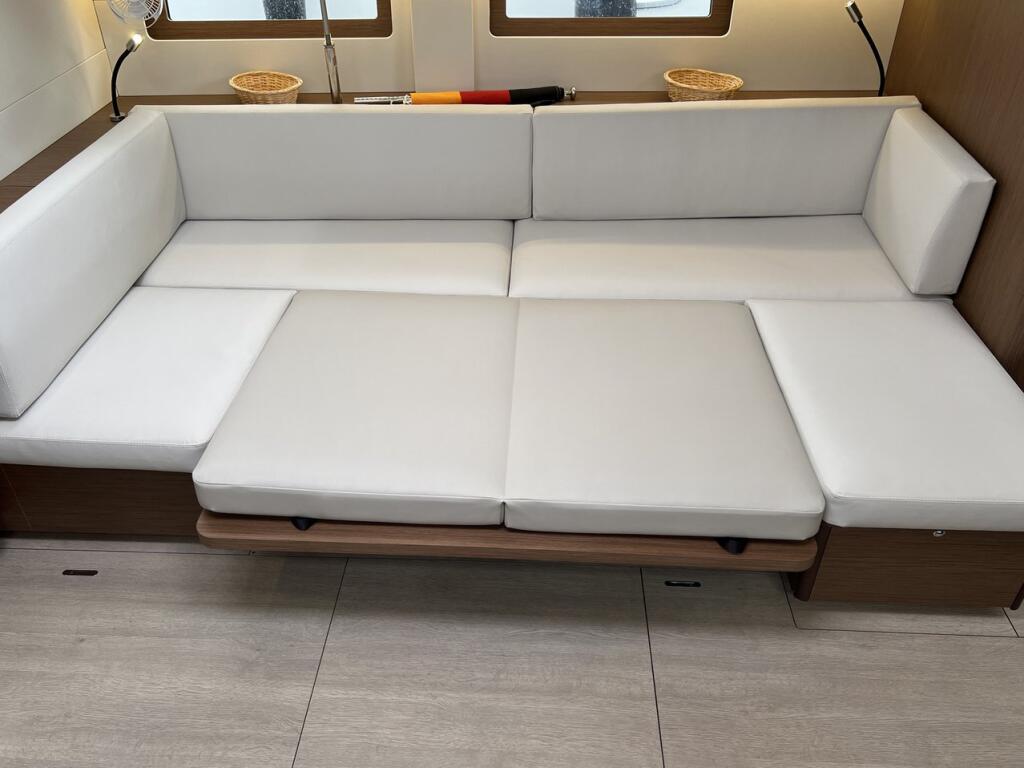
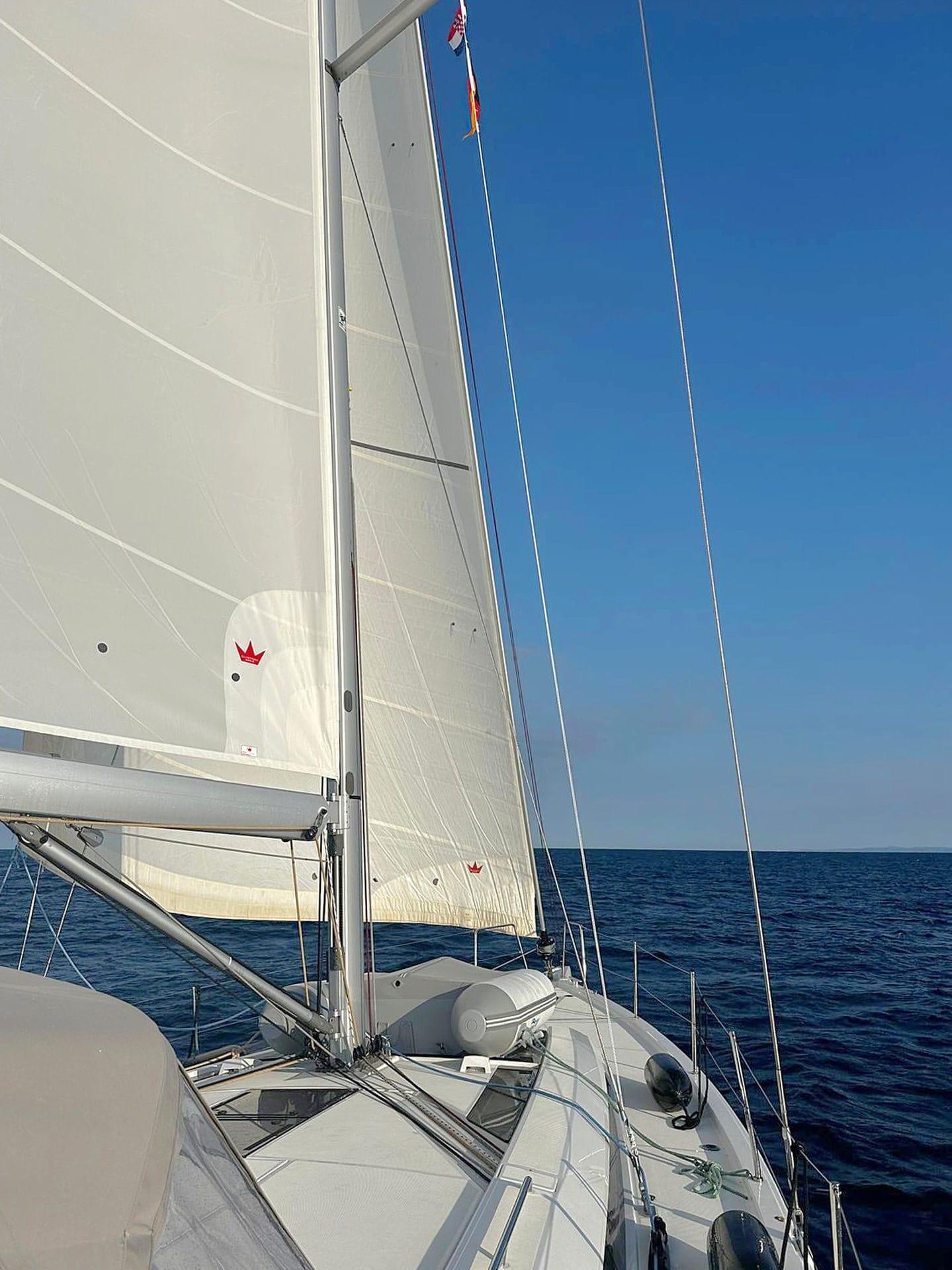
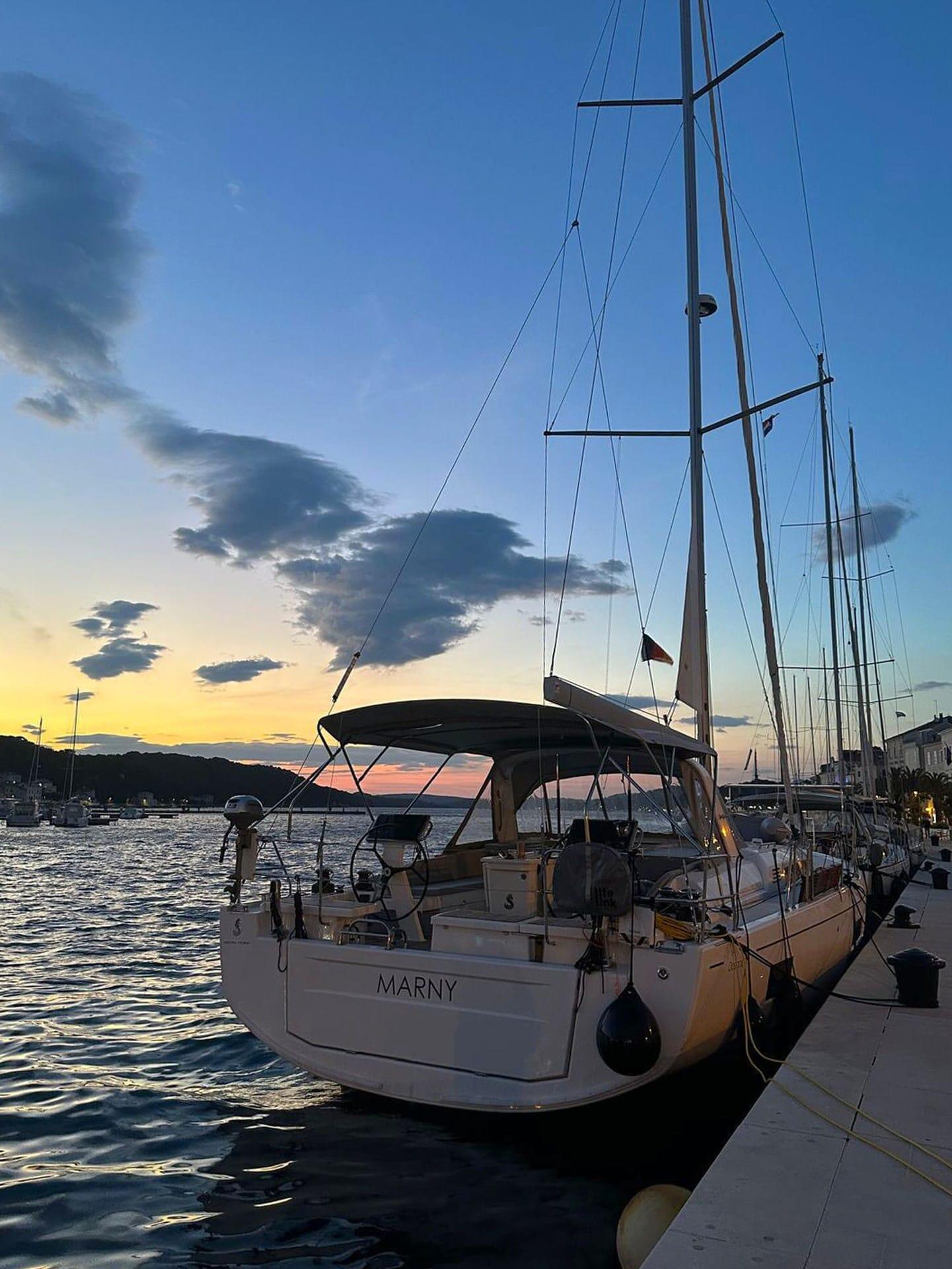
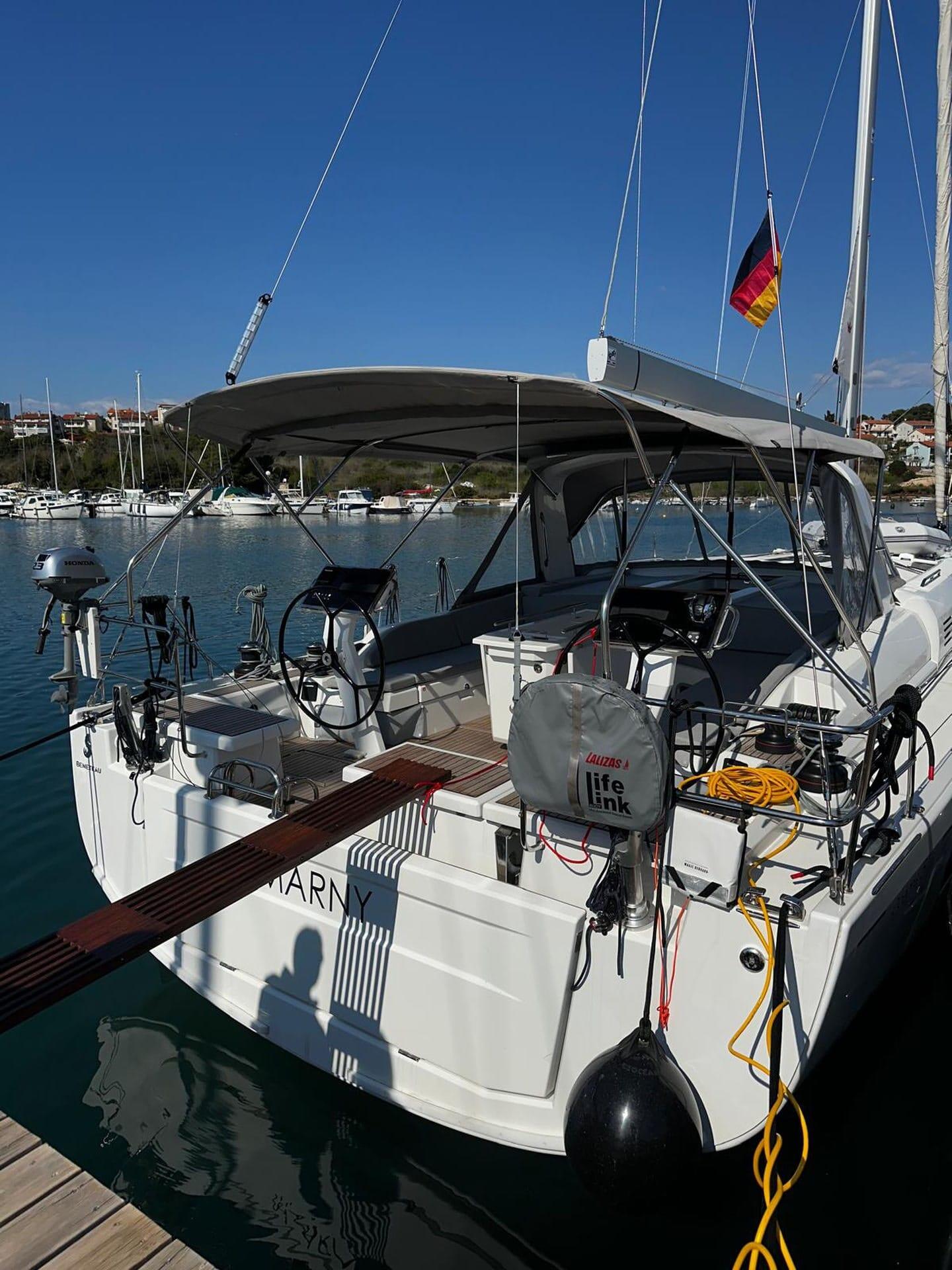
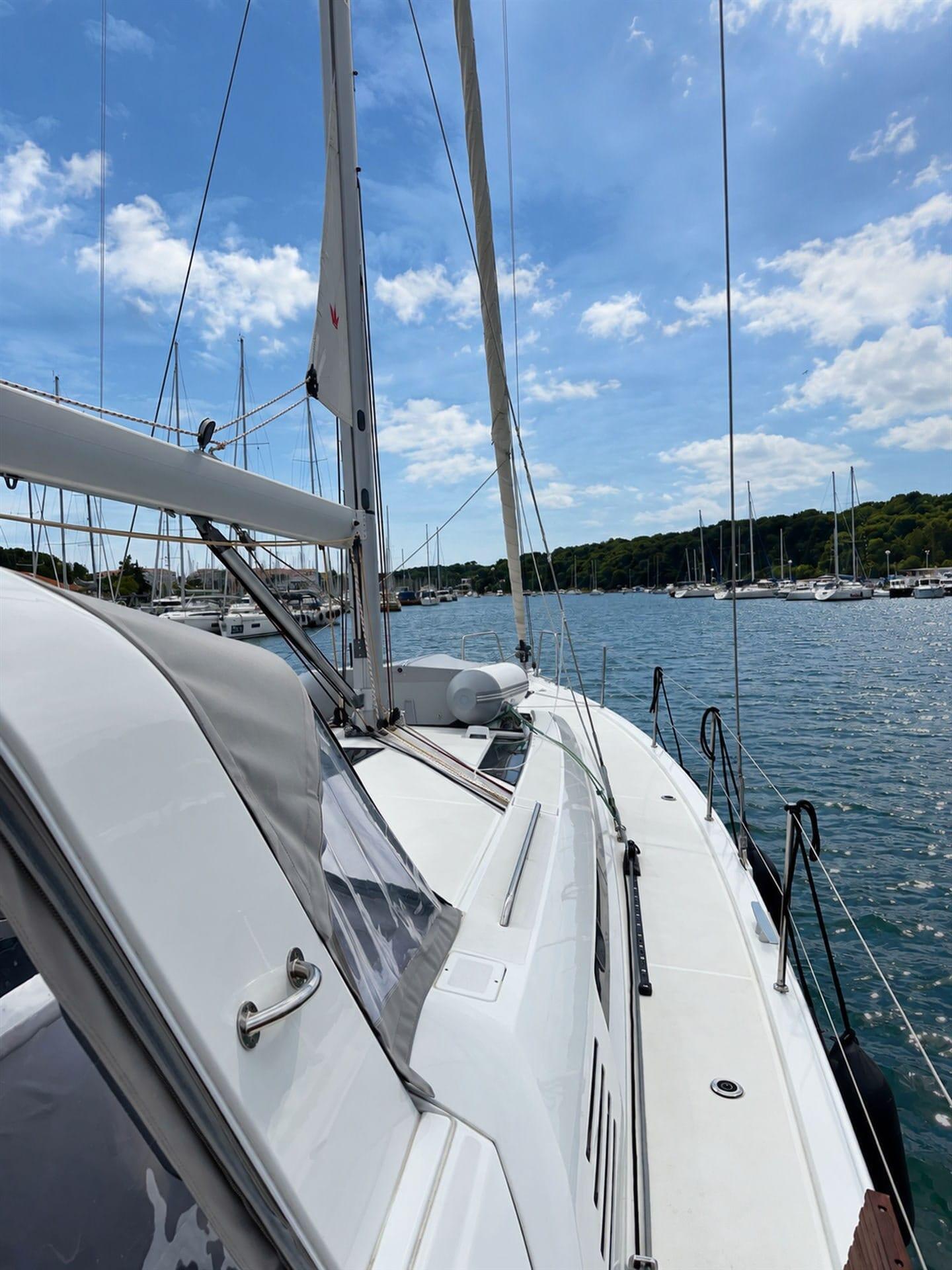
Yacht Charter Rogoznica
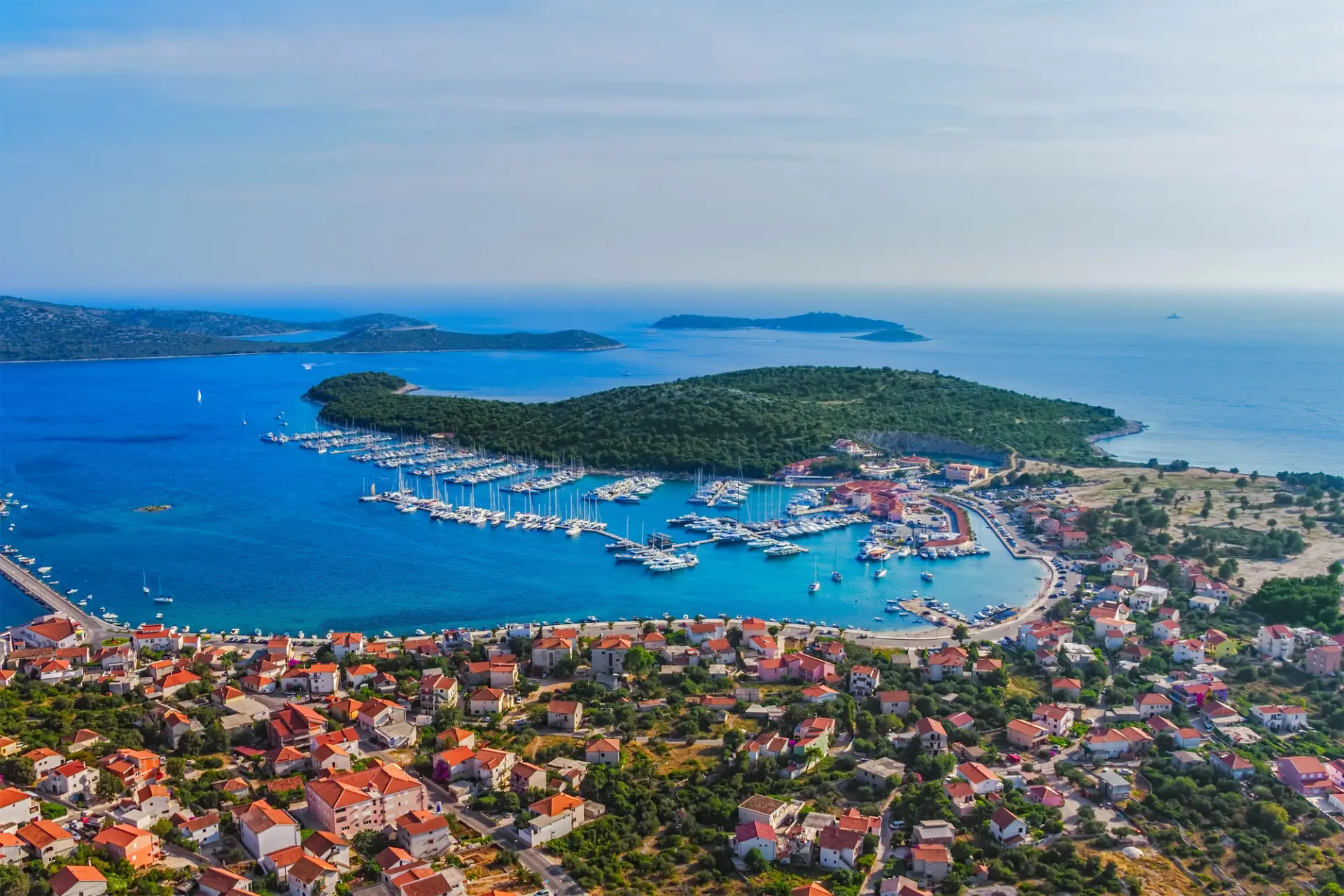
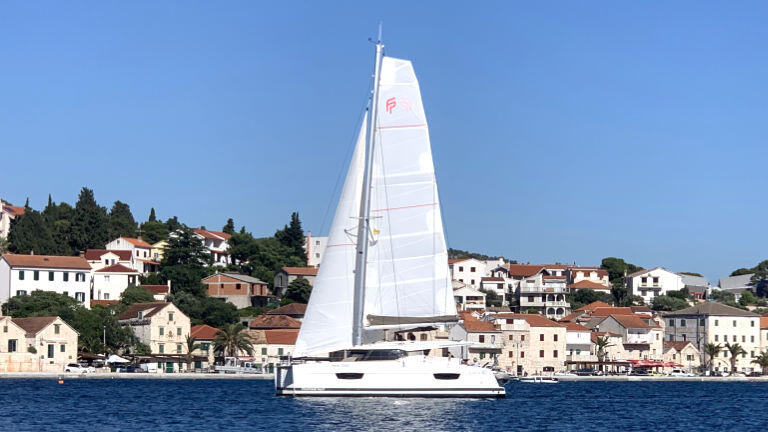
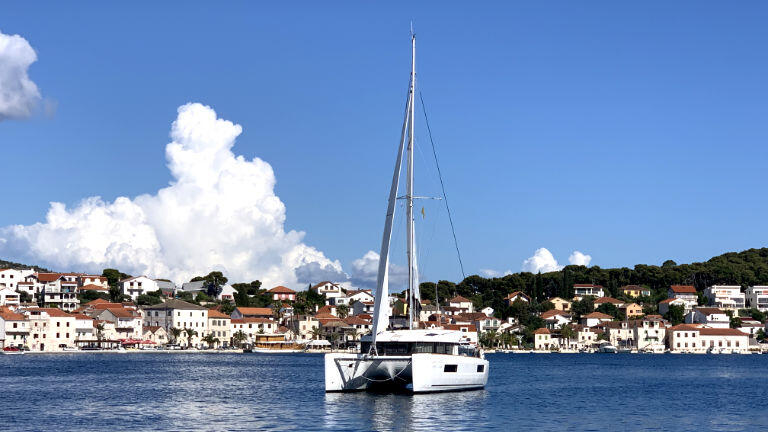
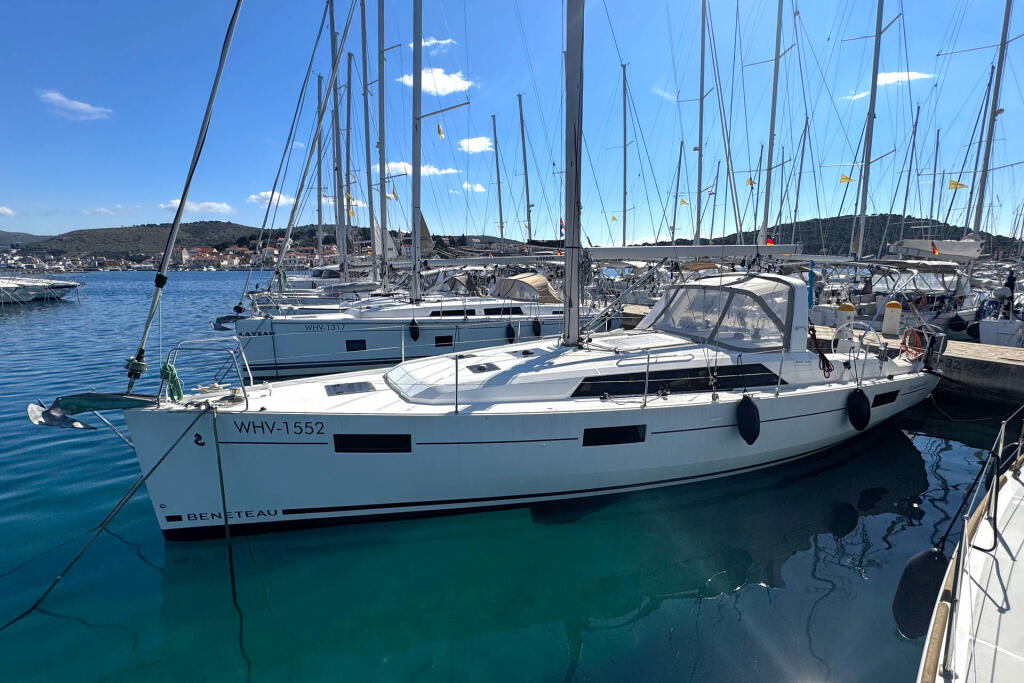
Rogoznica is located on the Central Dalmatian Adriatic coast between Šibenik and Split. For a sailing holiday, this position is especially appealing because it opens up two distinctly different cruising directions. To the north, routes lead into the islands off Šibenik and onward to the Kornati archipelago. To the south lie Šolta, Brač and Hvar, while Vis, in suitable conditions, offers a more offshore option for more ambitious itineraries. Our charter base is located in Marina Frapa in the sheltered bay of Soline. First Class Sailing is also currently represented there as an on site charter operator.
This makes yacht charter in Rogoznica equally suitable for crews who prefer short daily passages with frequent harbour or anchorage stops, and for sailors who wish to combine several larger islands in one itinerary. A one week cruise does not need to be tied to a single route from the outset. Weather developments, wind direction, berth availability and the crew’s experience can all be taken into account during planning, without having to redesign the entire passage plan.
First Class Sailing operates its own charter bases and assumes operational responsibility for the preparation and support of the yachts. In Croatia, Rogoznica, Biograd, Punat and Pula are part of our base network. The company operates as an independent charter provider with personal points of contact and more than 50 years of yacht charter experience.
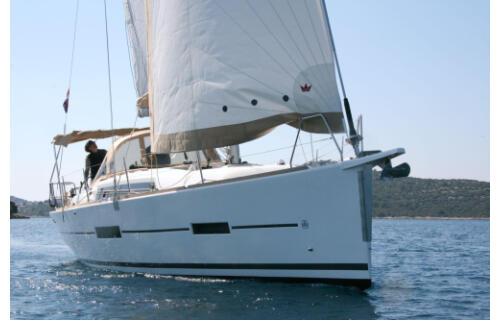
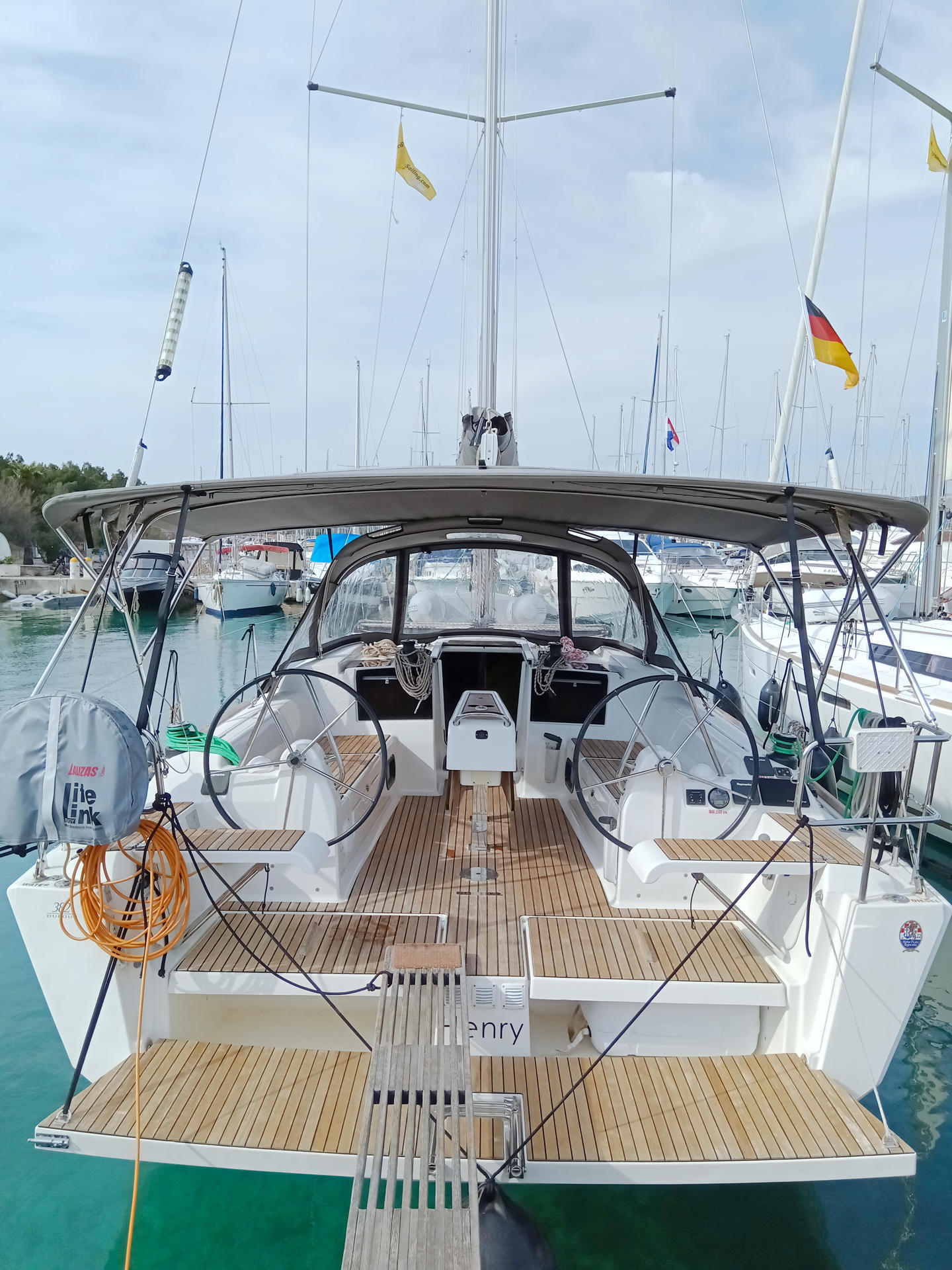
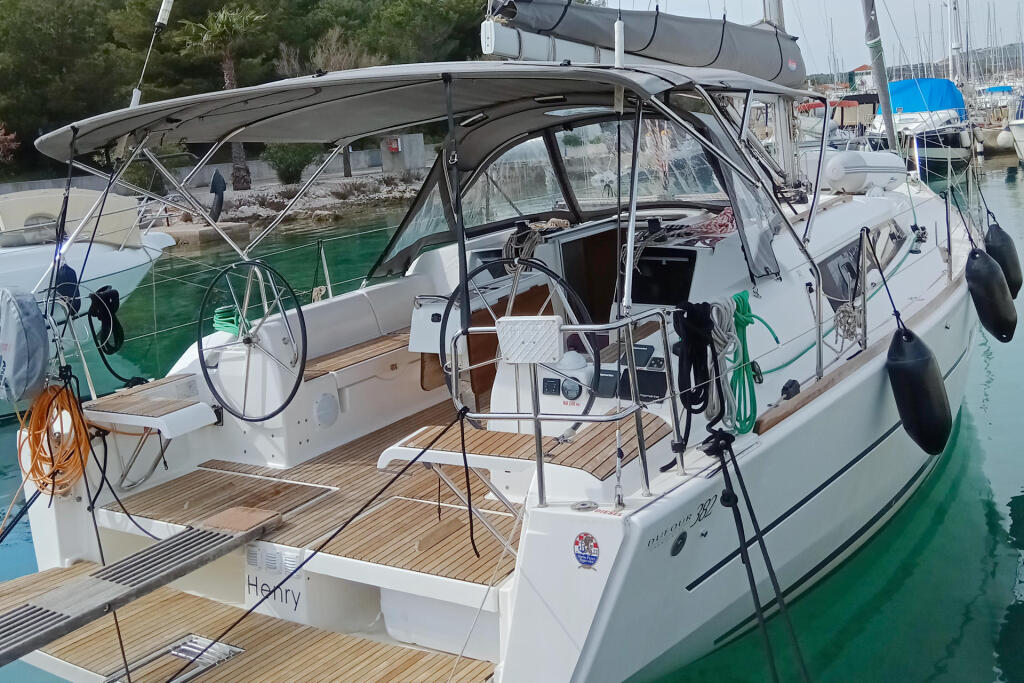
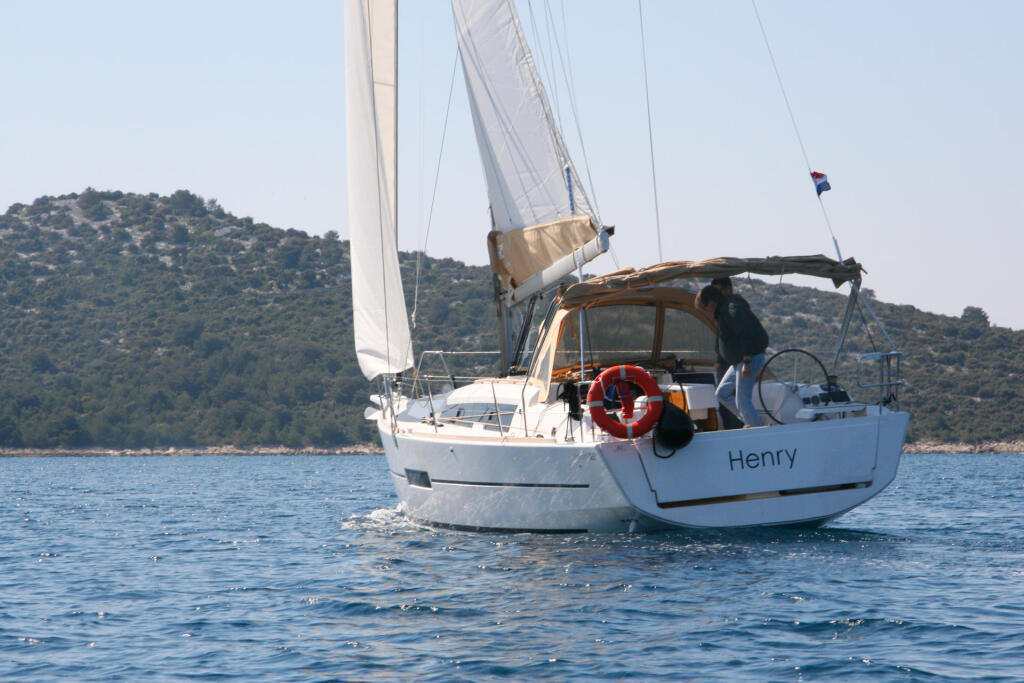
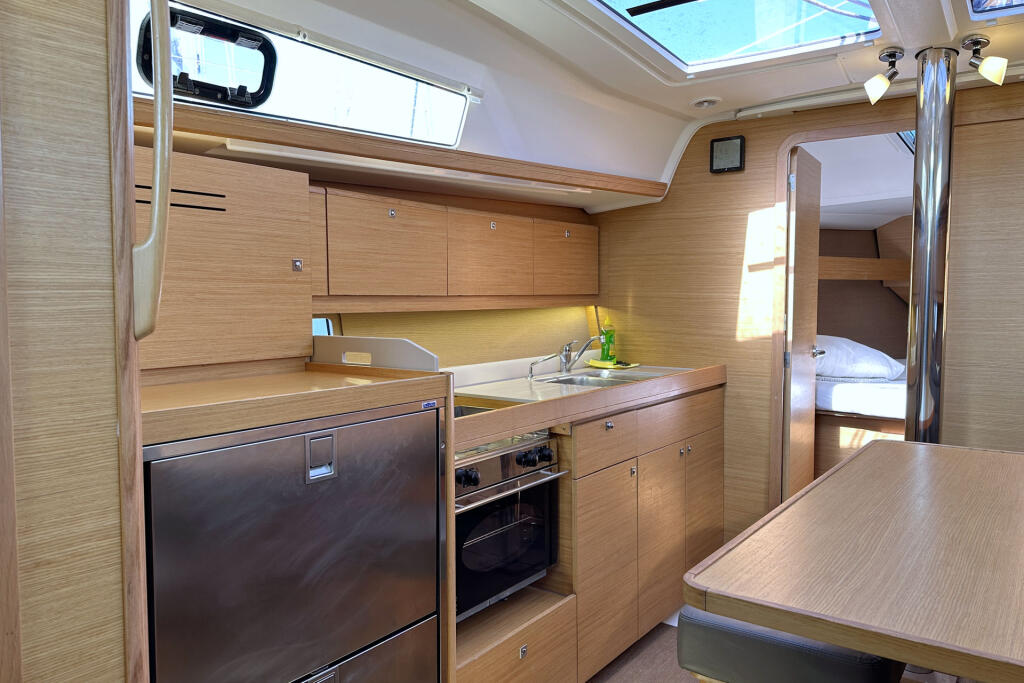
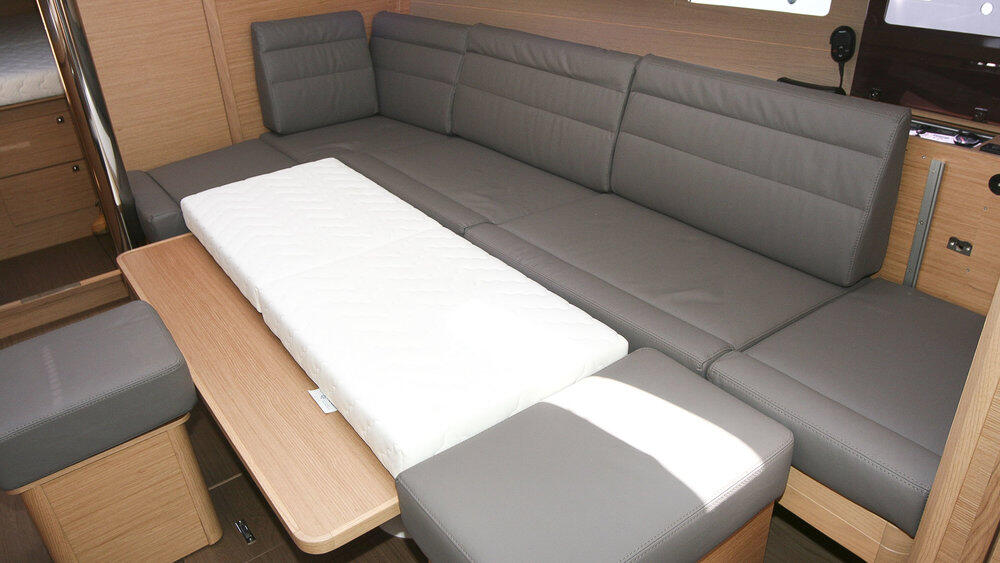
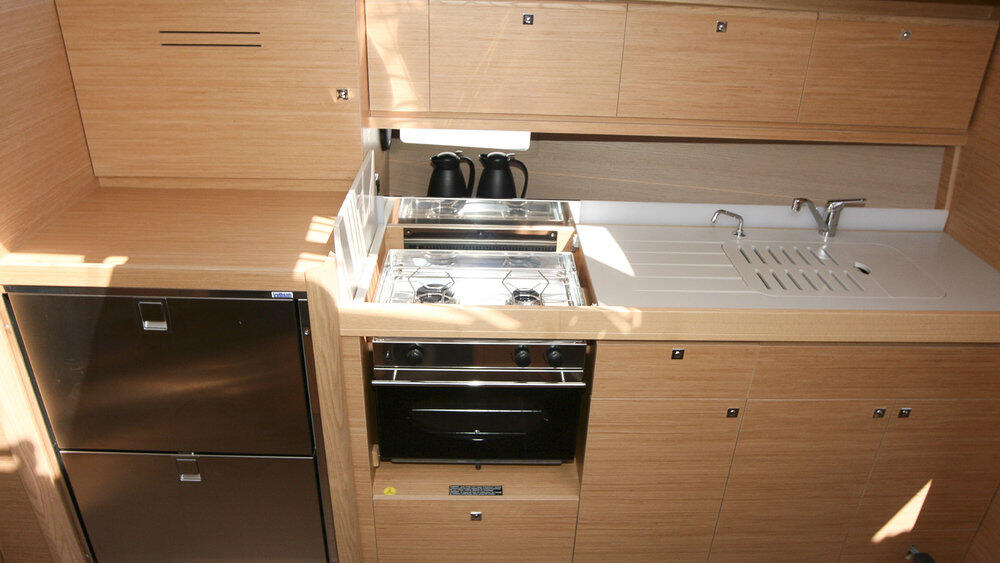
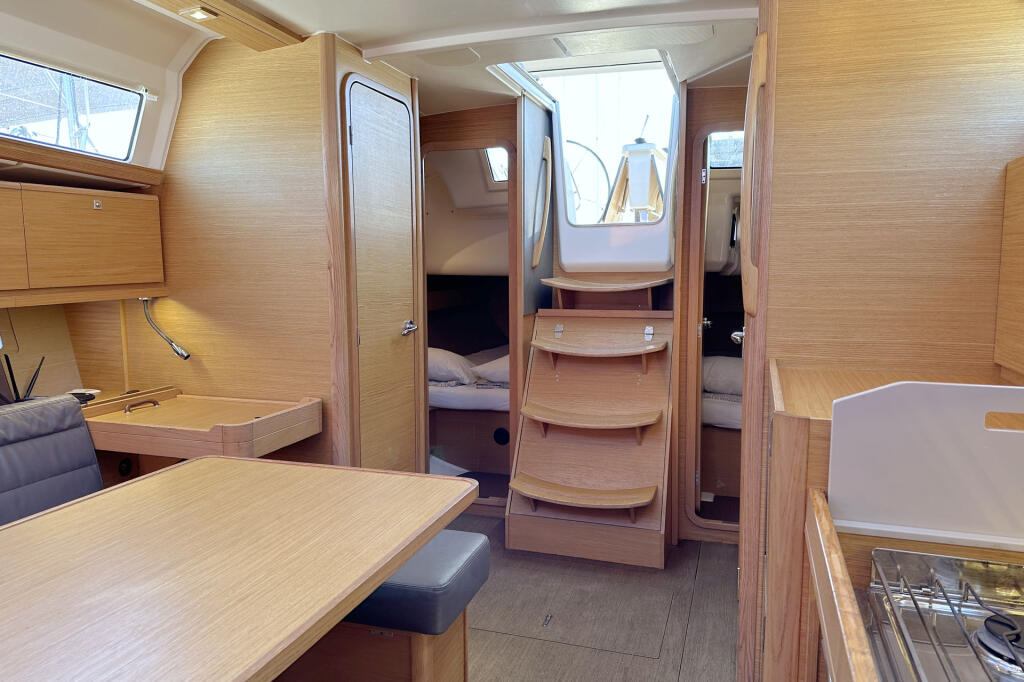
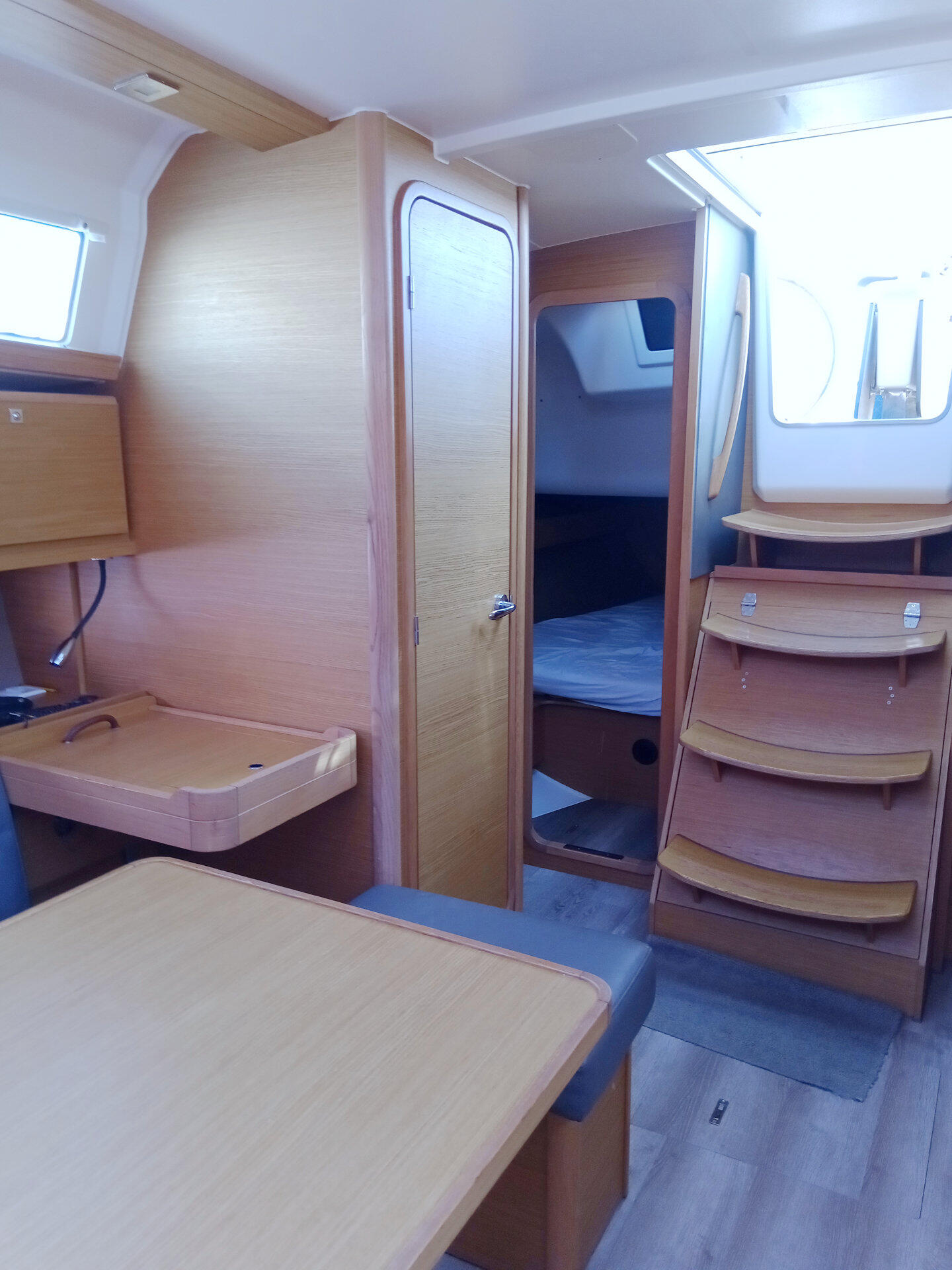
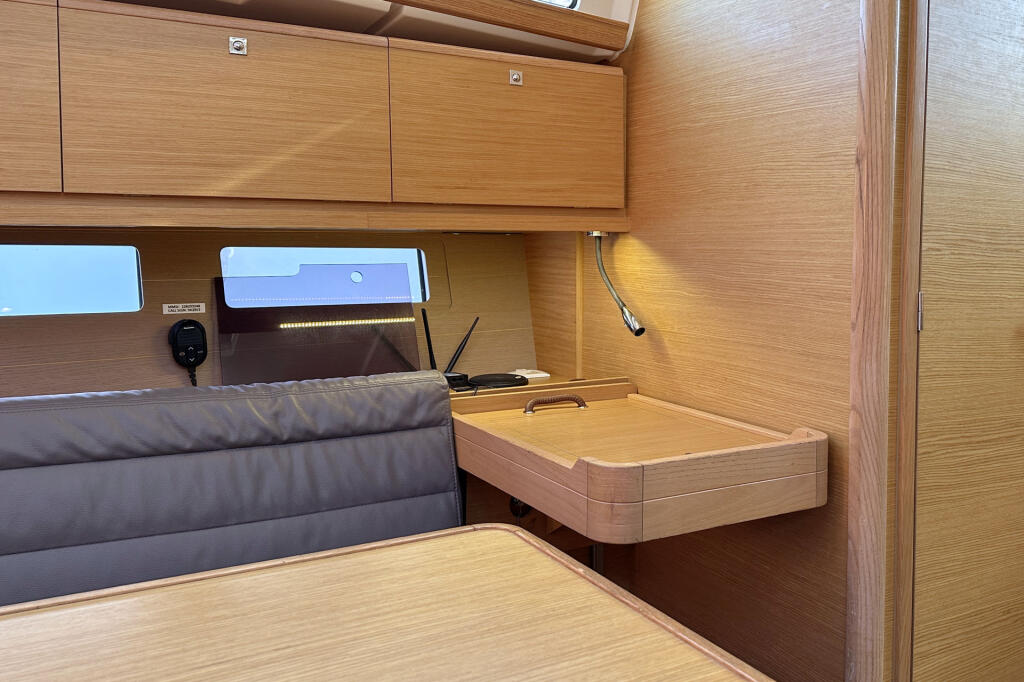
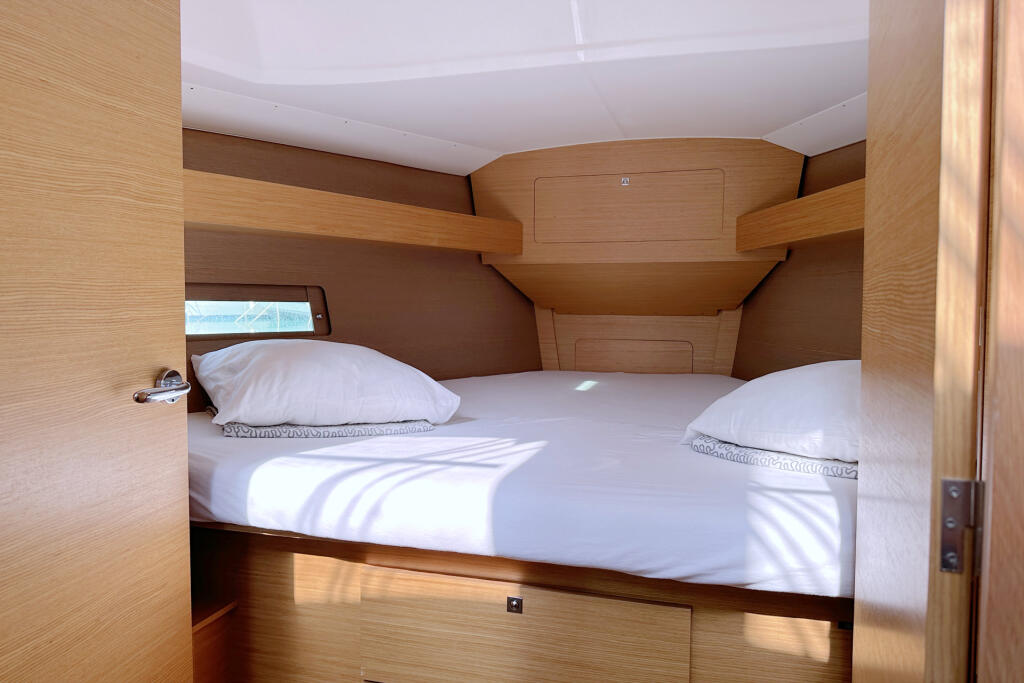
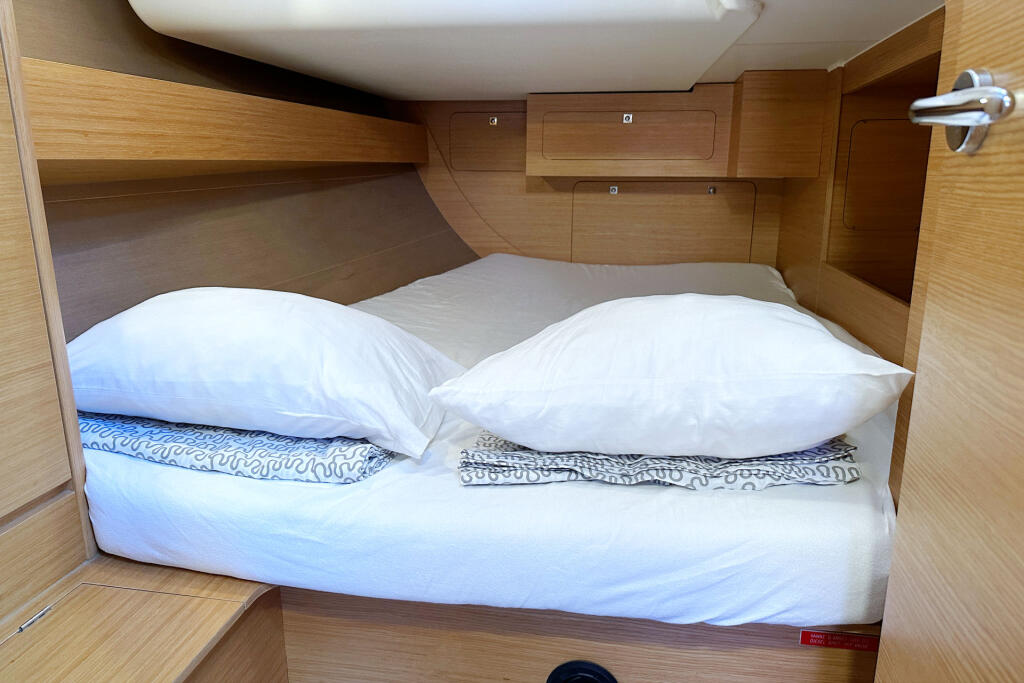
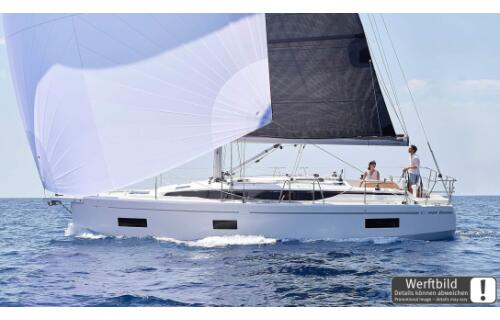
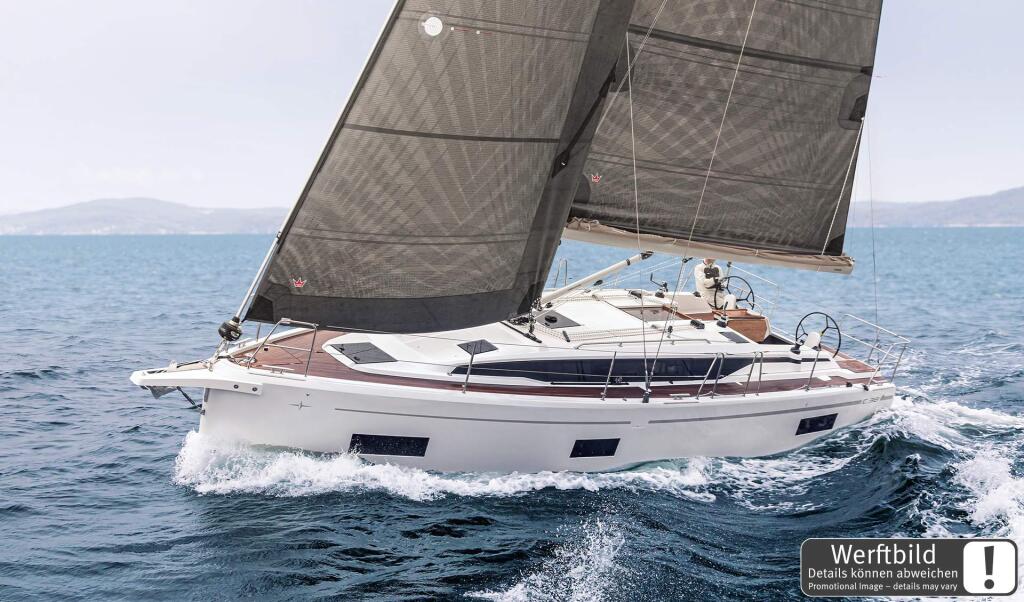
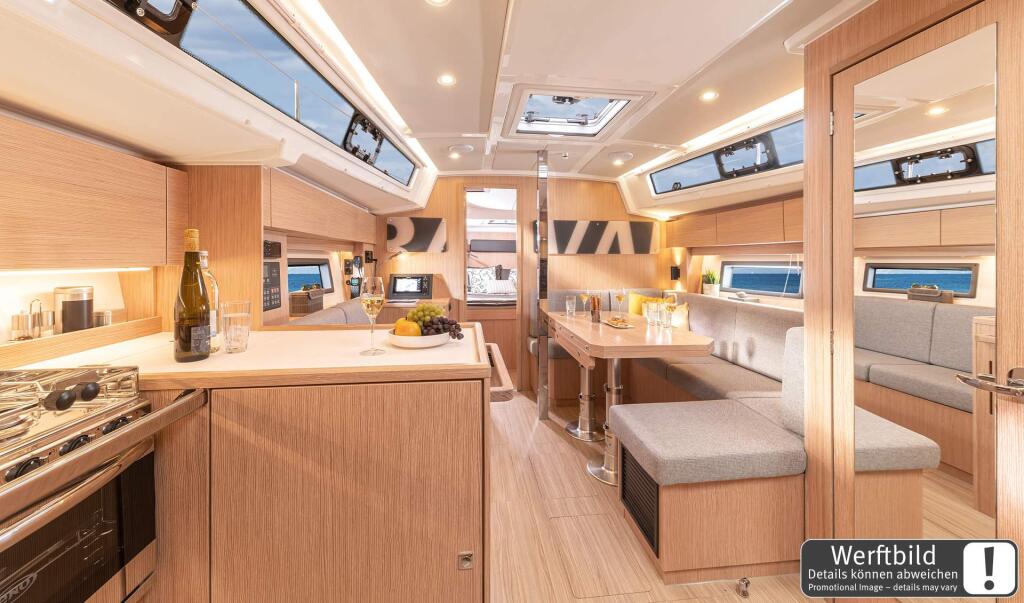
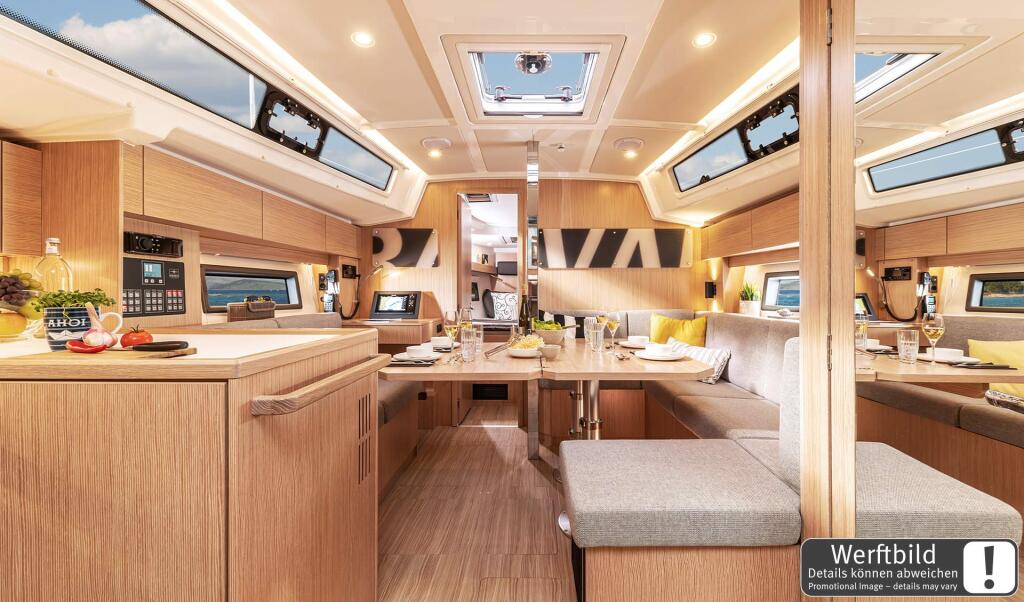
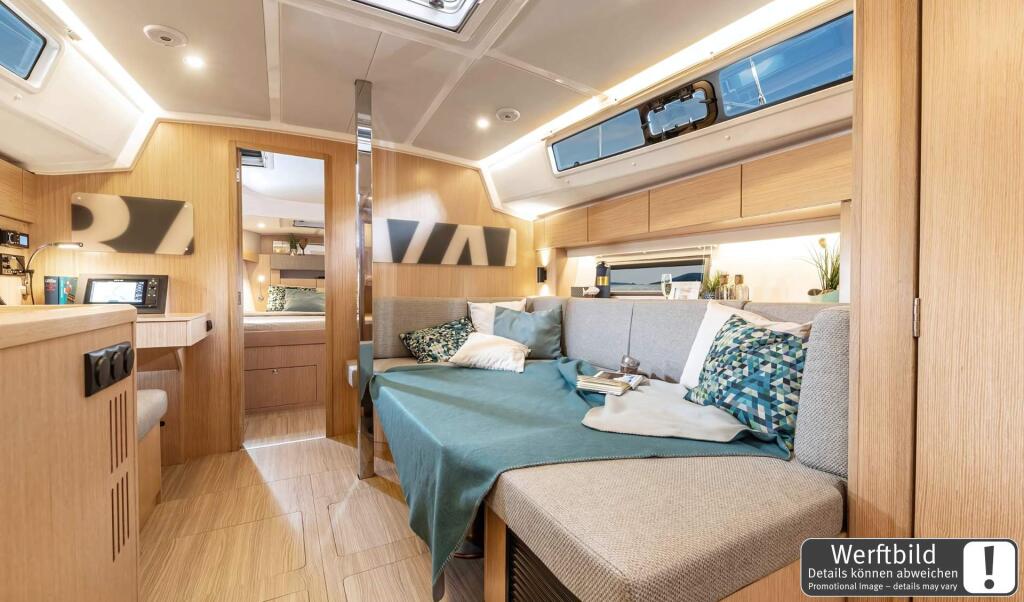
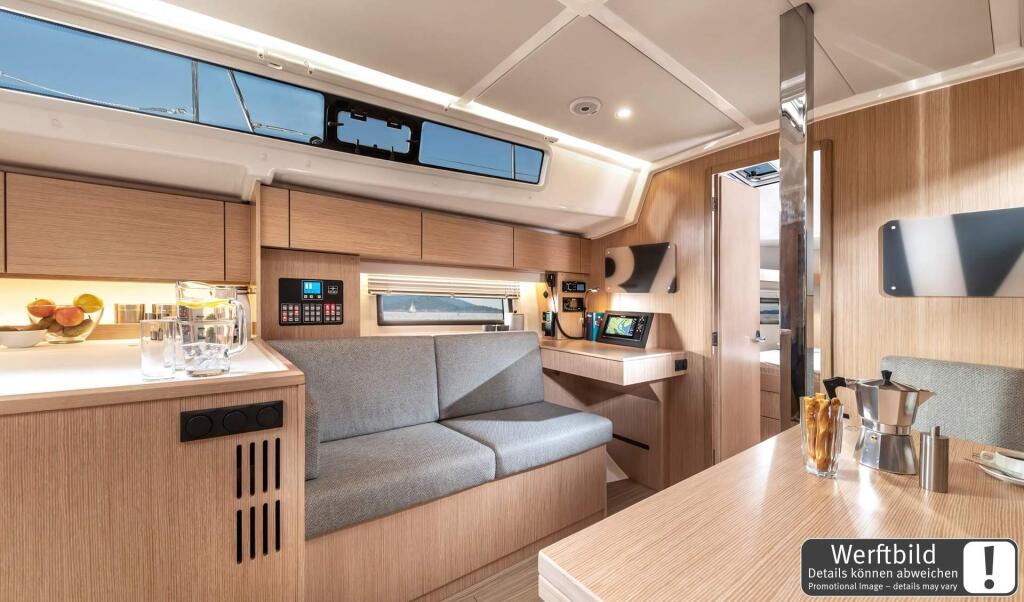
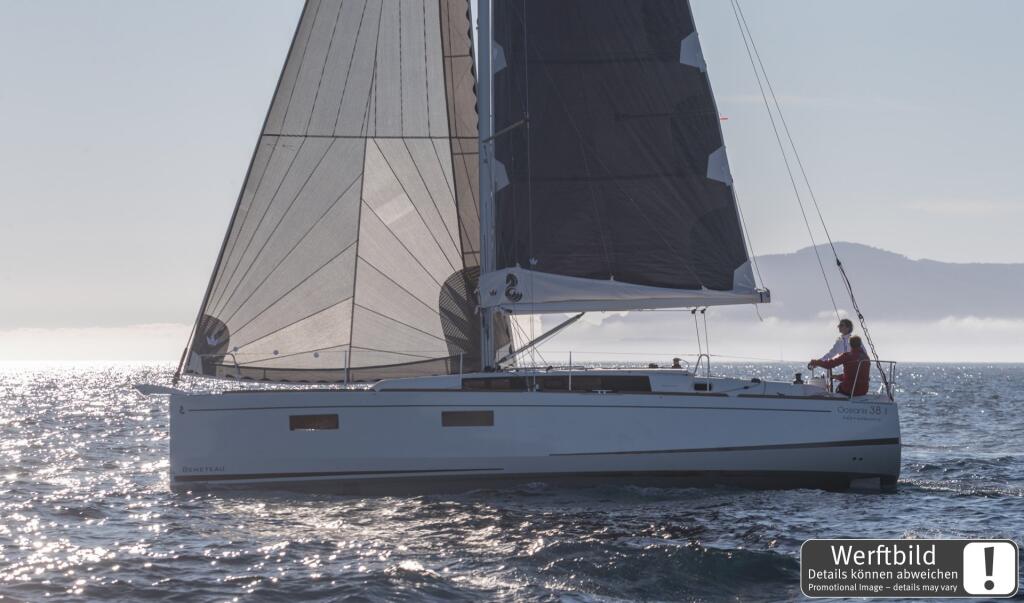
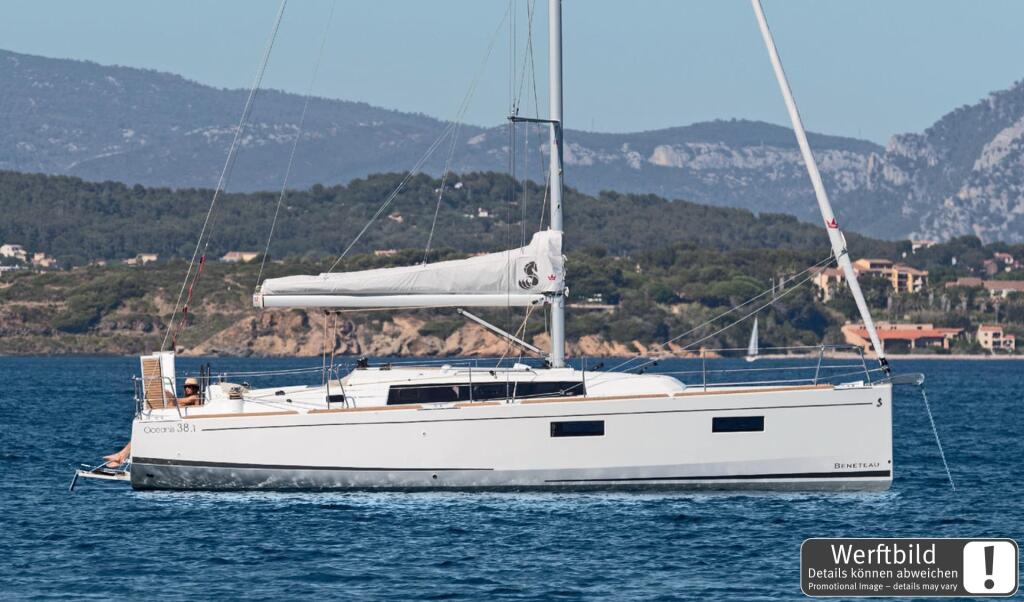
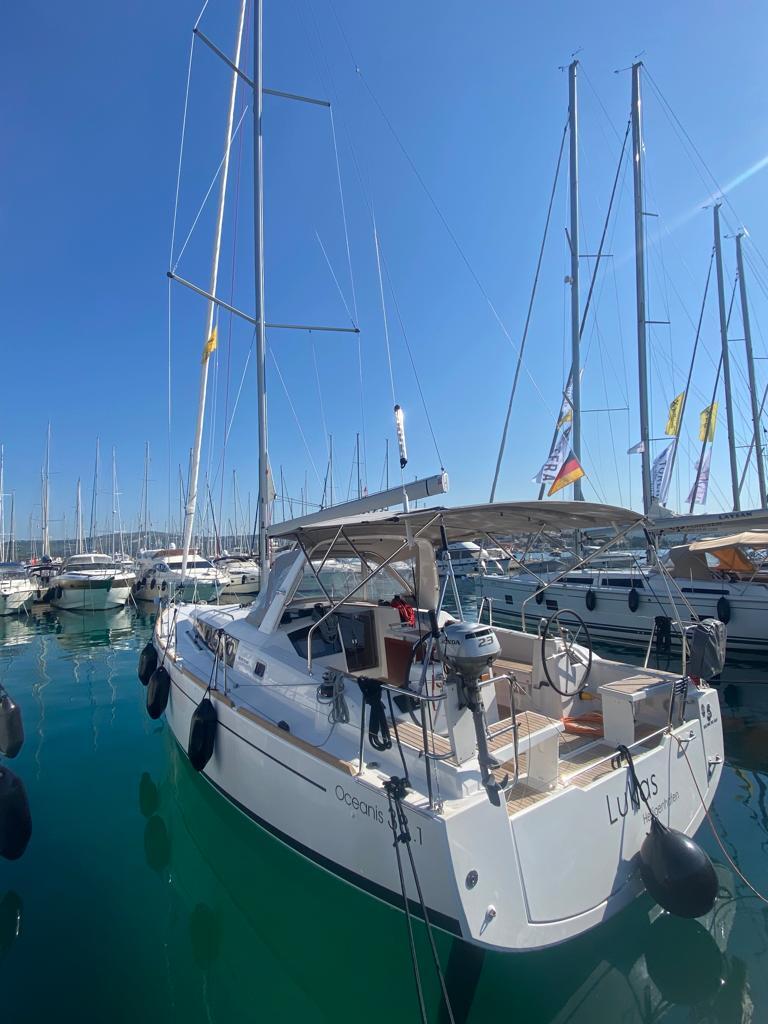
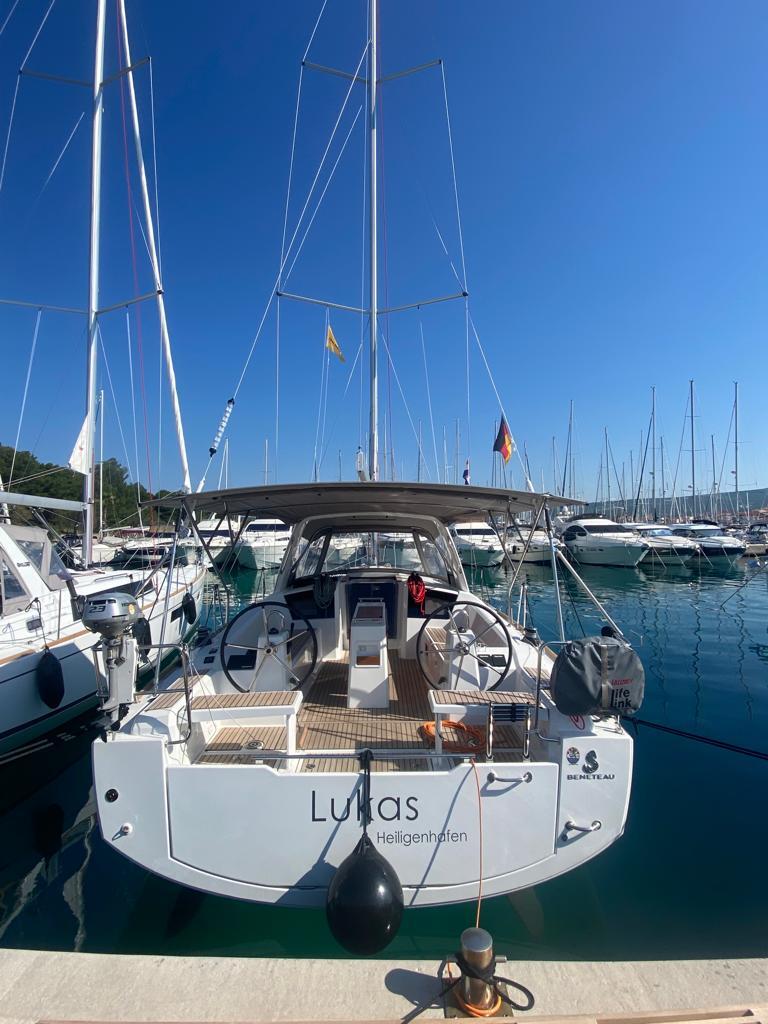
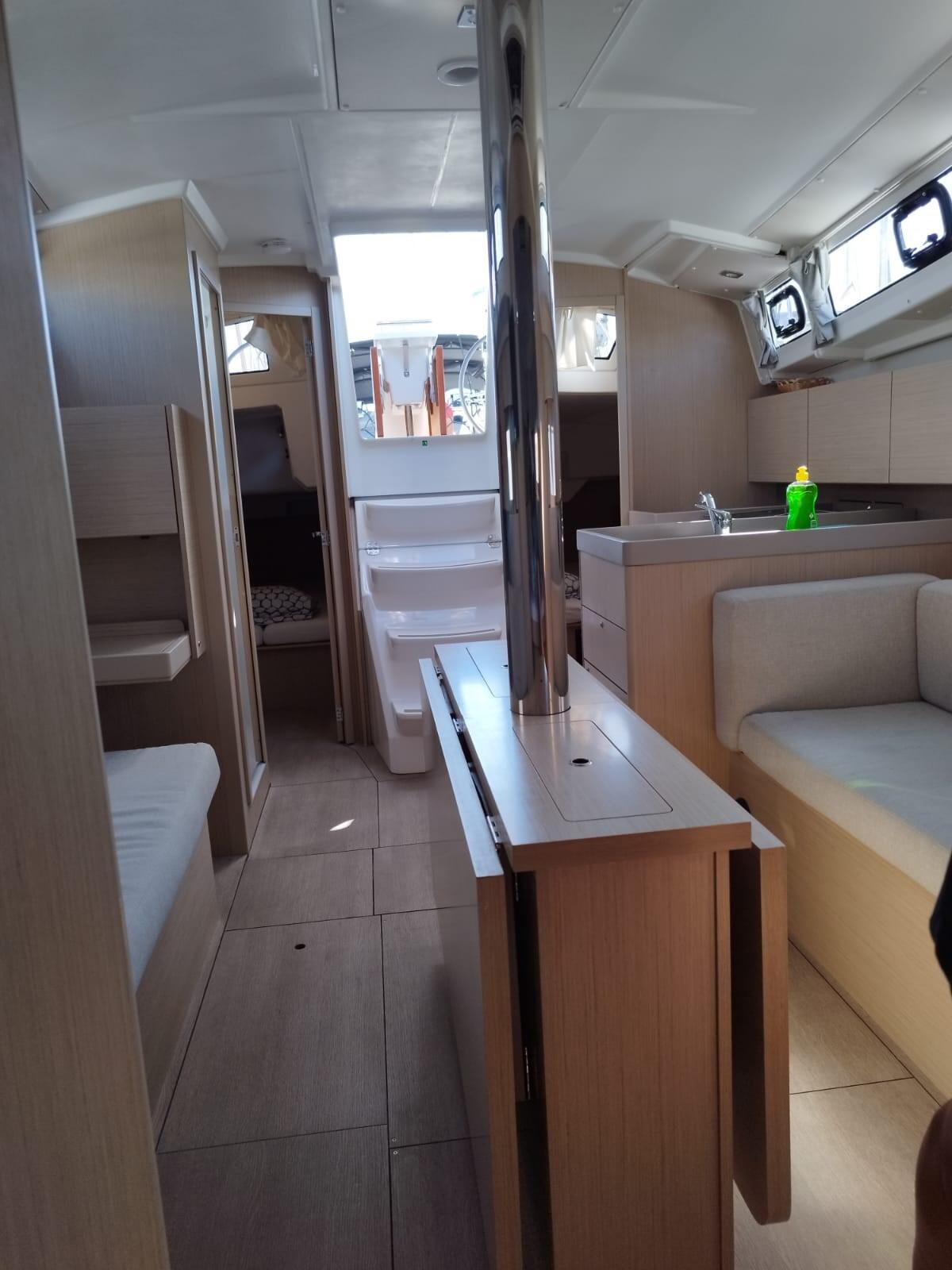
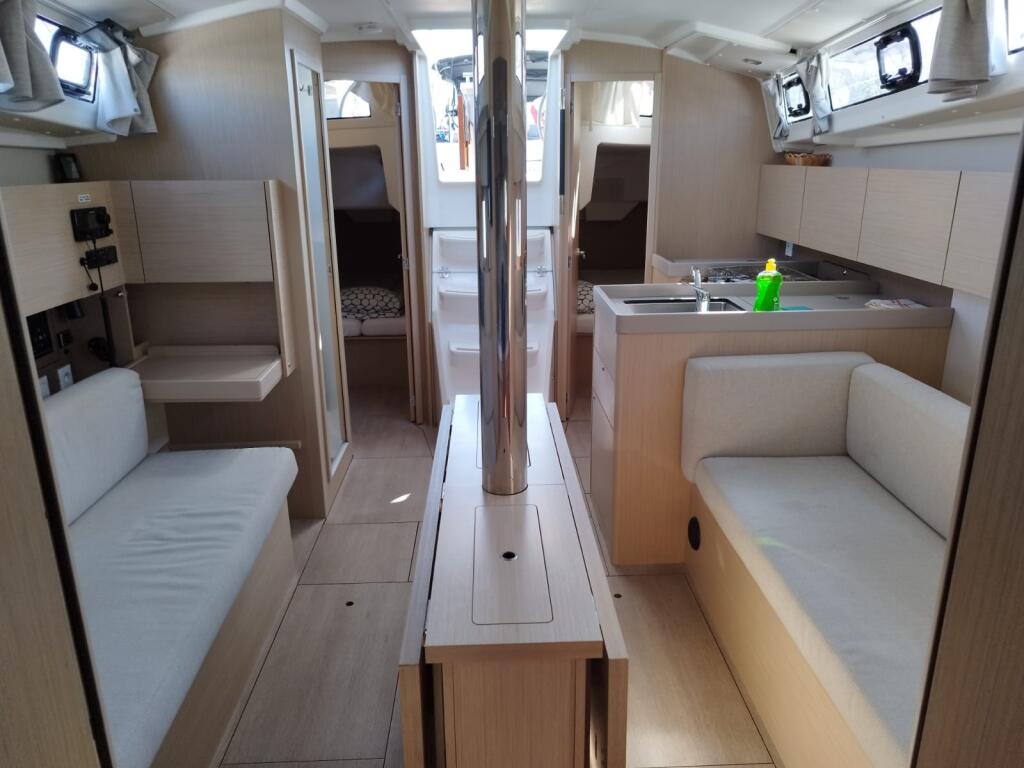
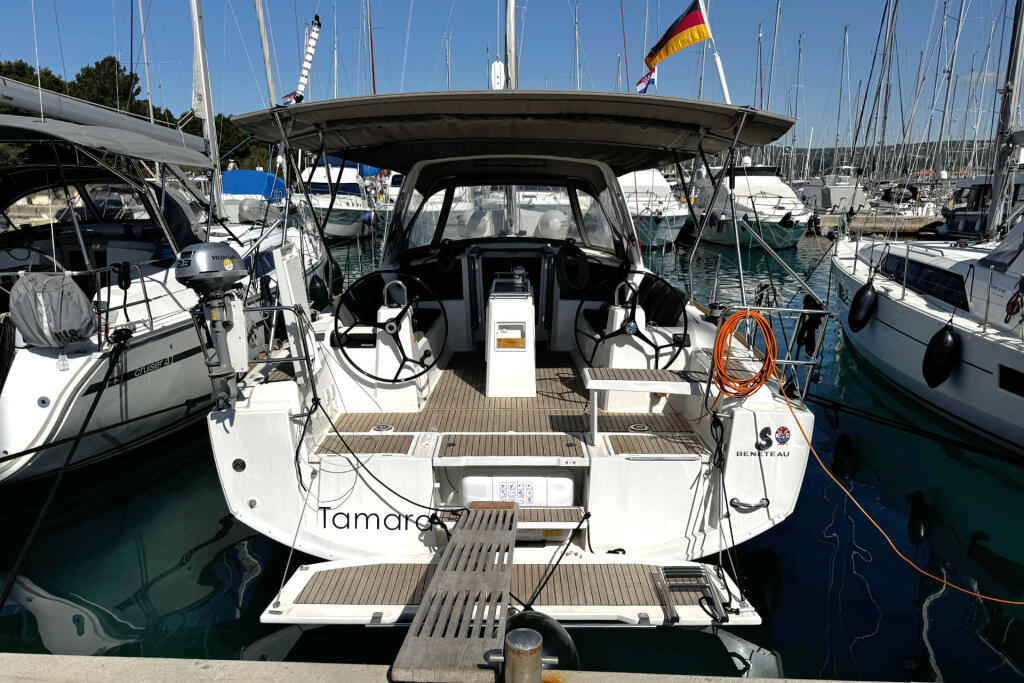
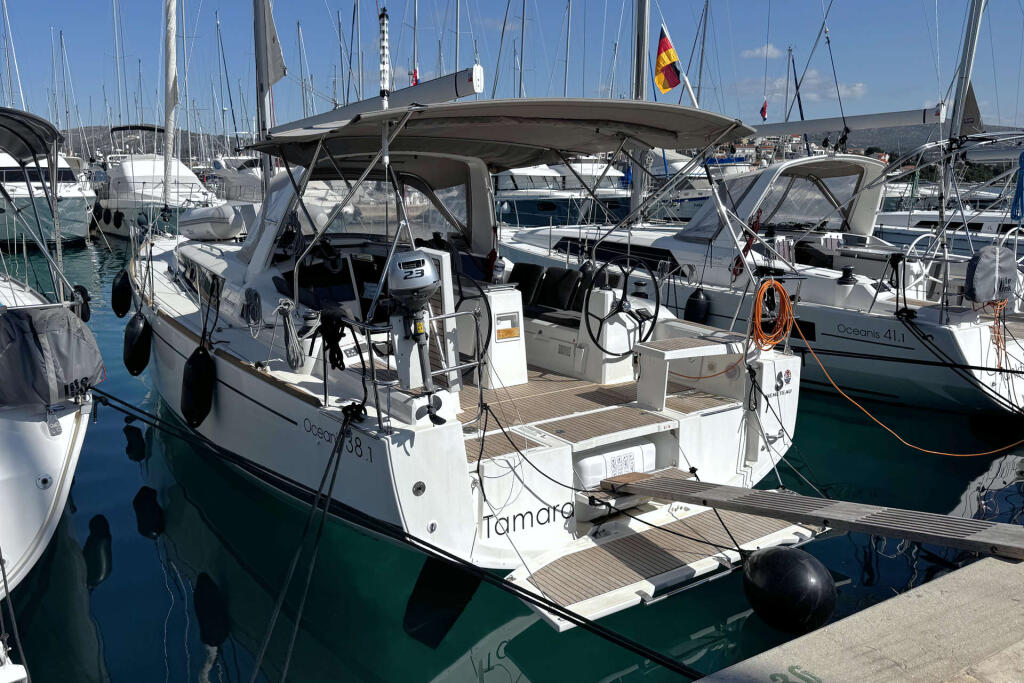
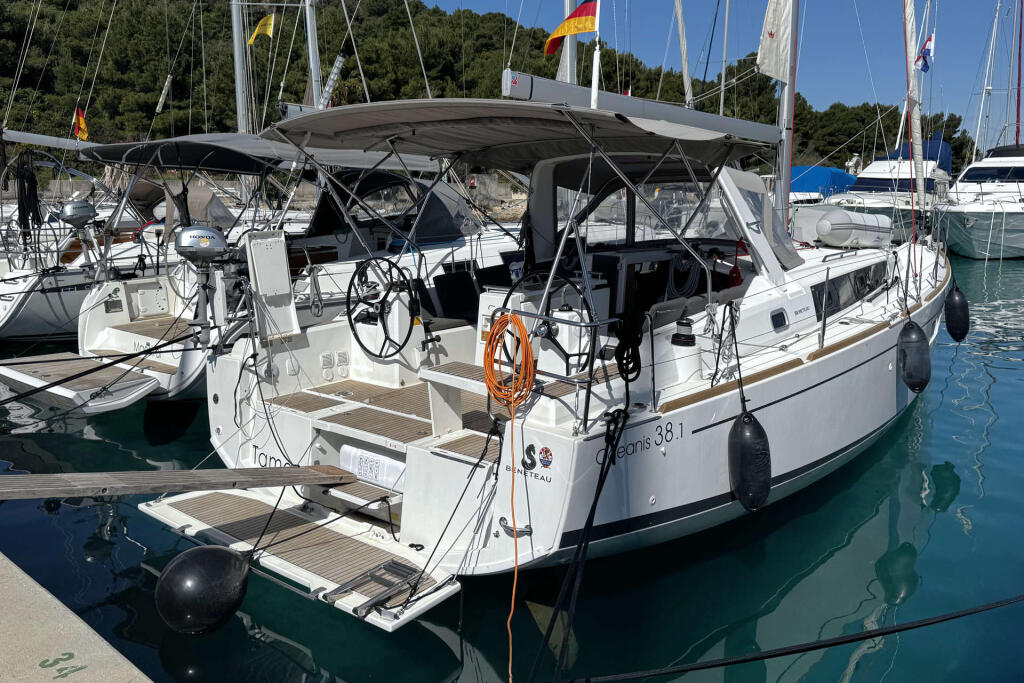
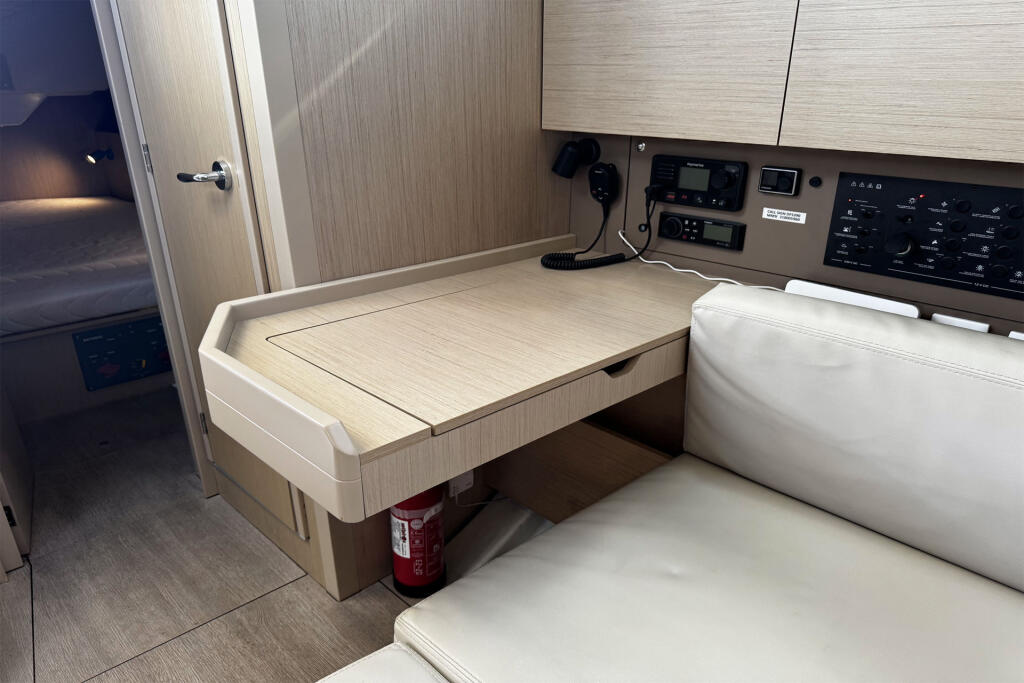
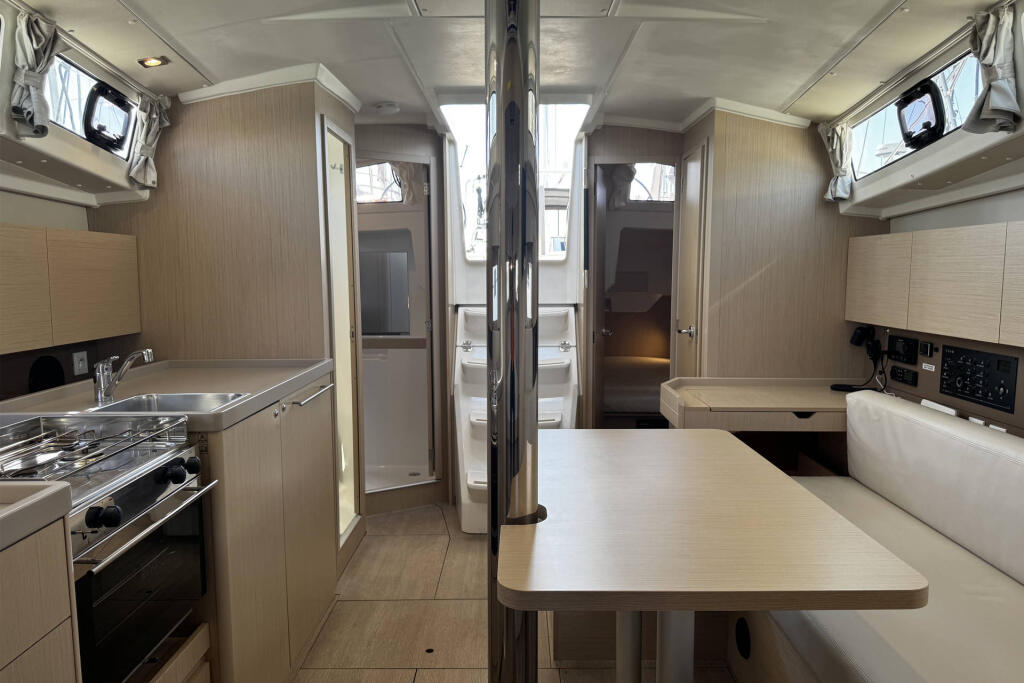
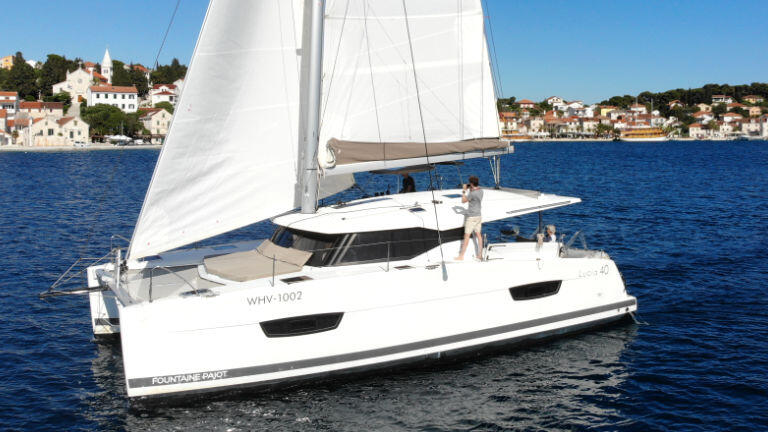
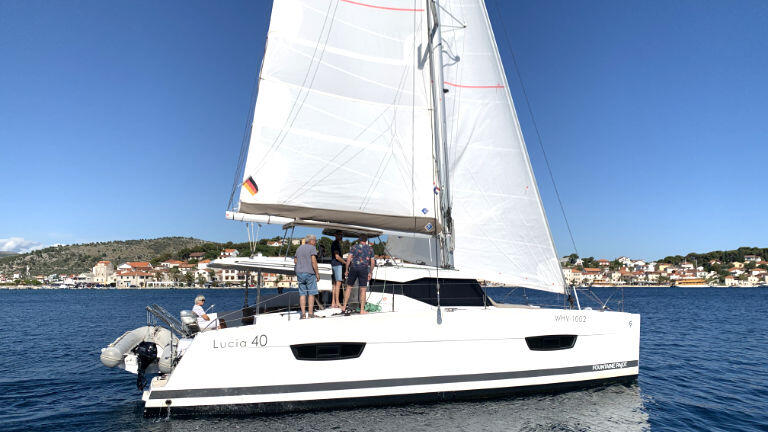
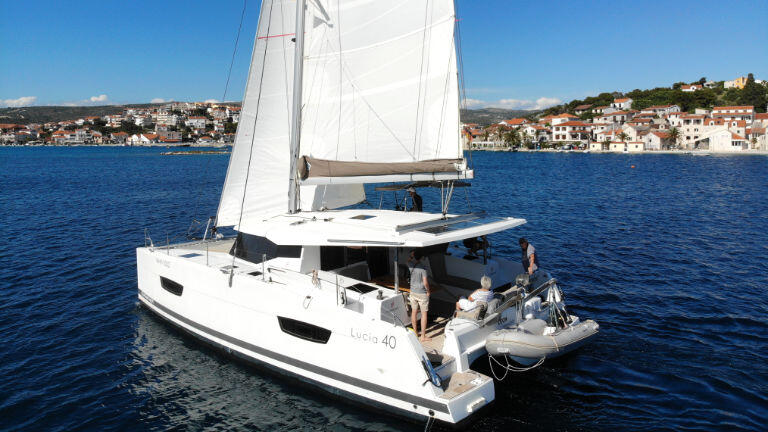
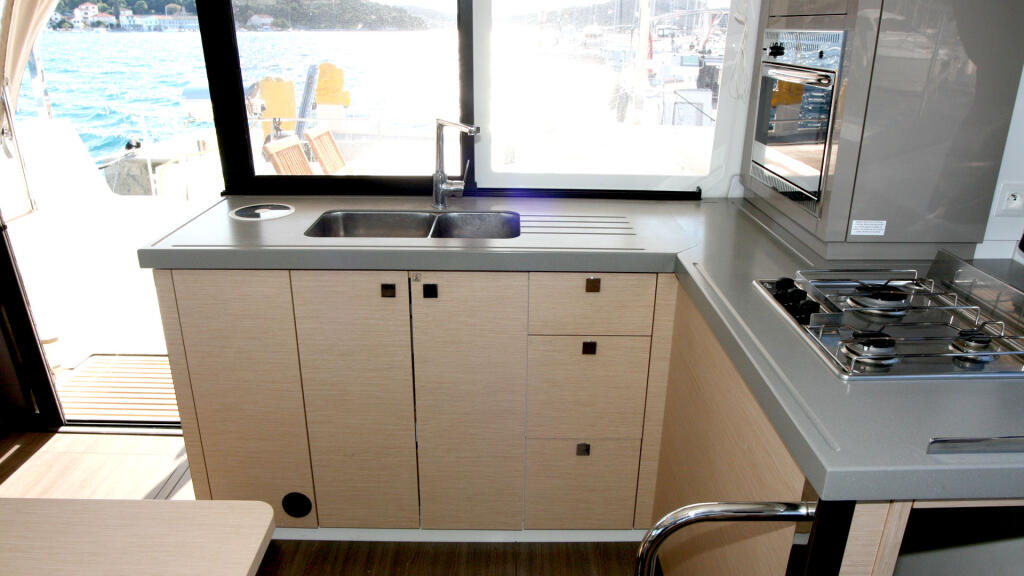
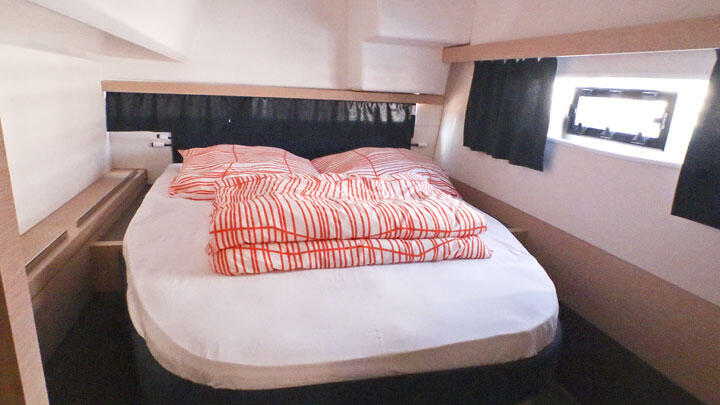
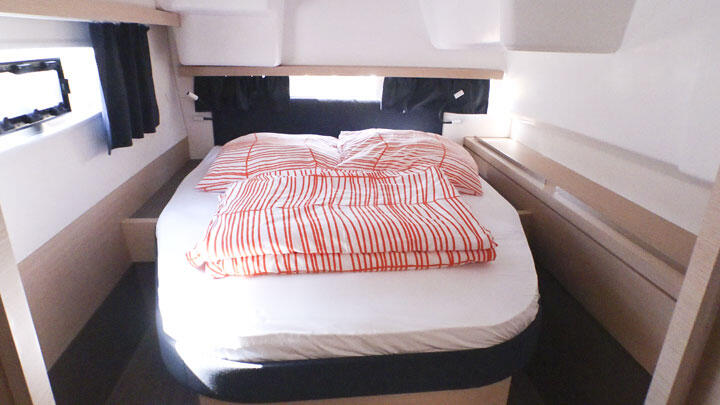
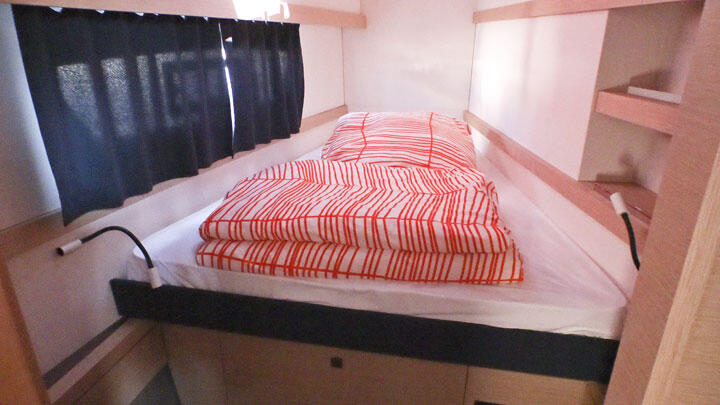
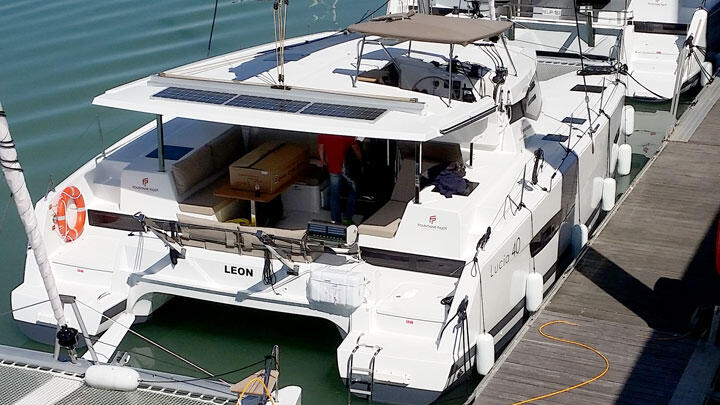
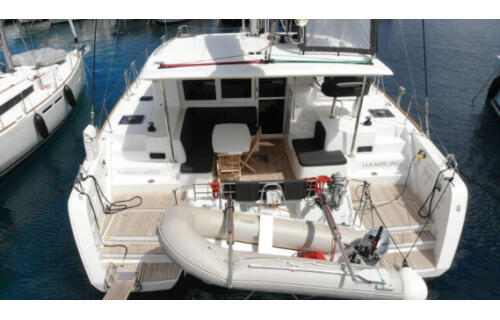
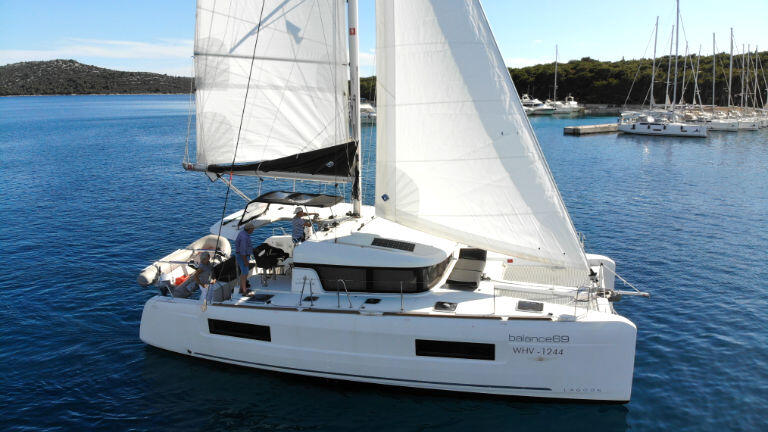
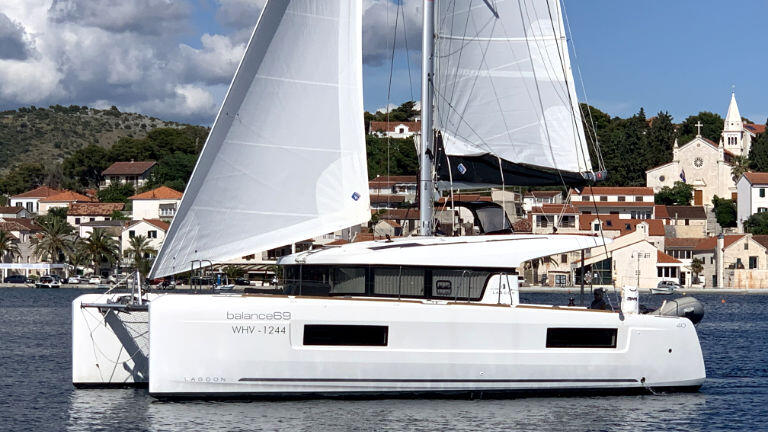
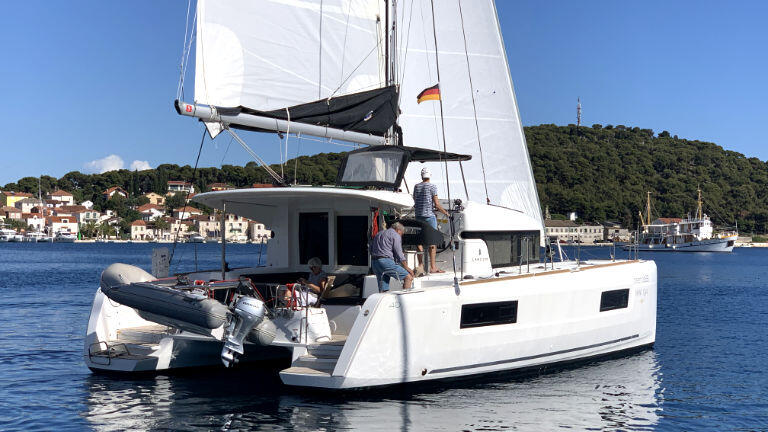
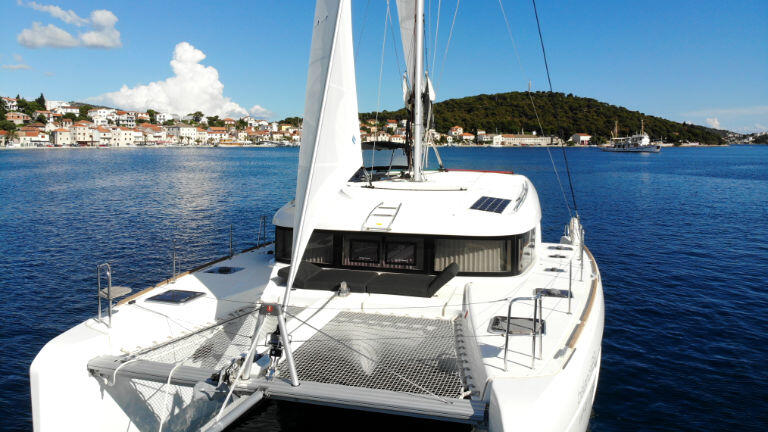
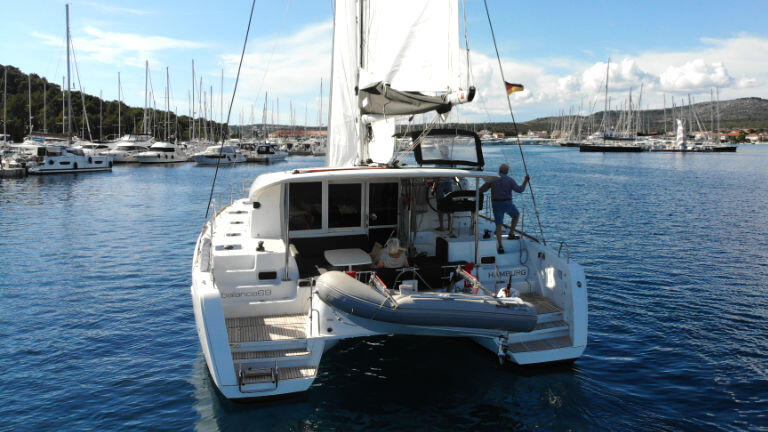
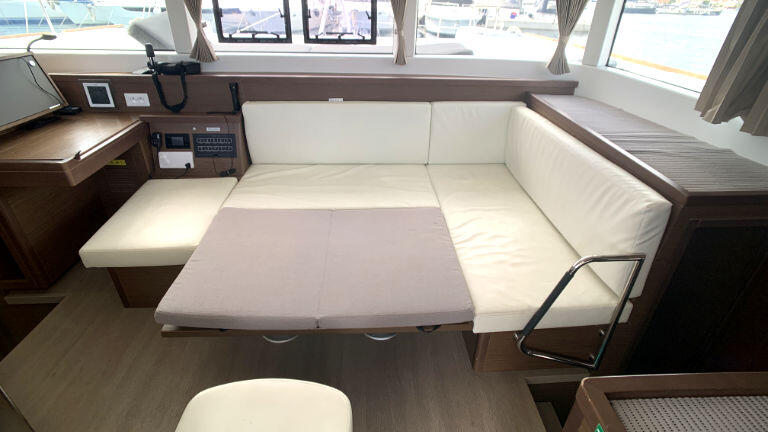
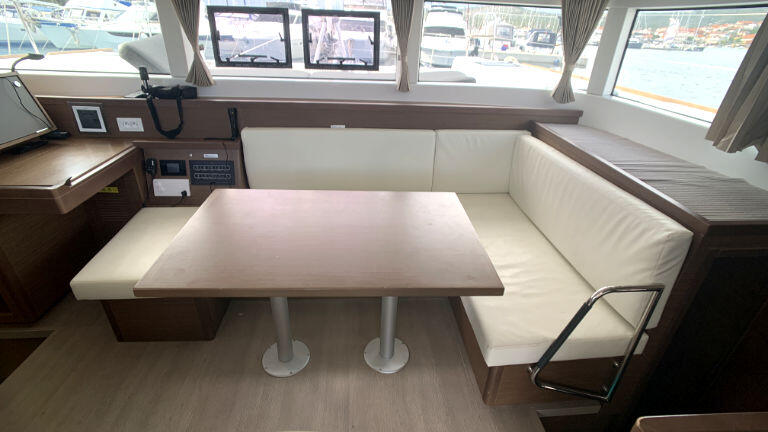
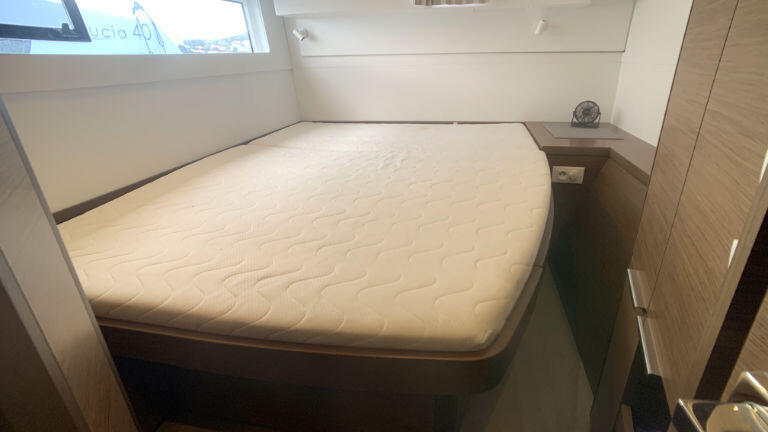
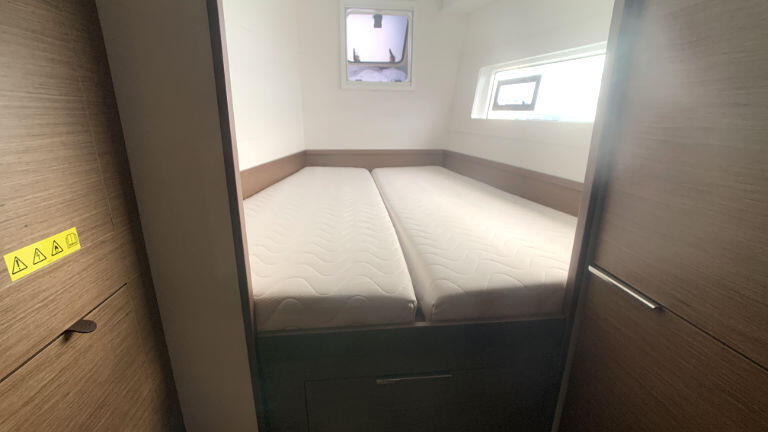
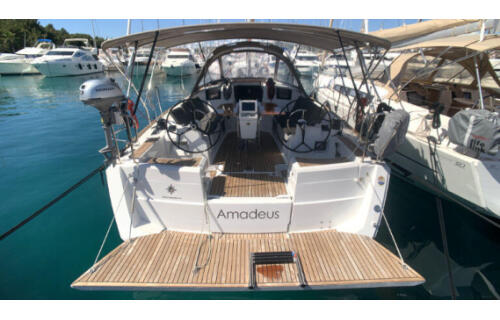
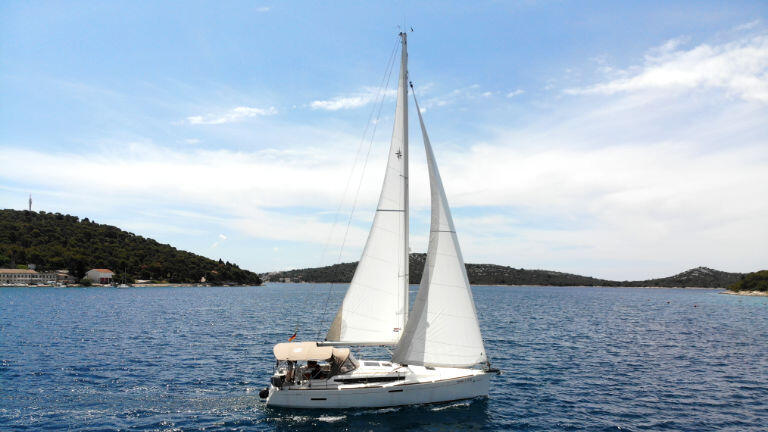
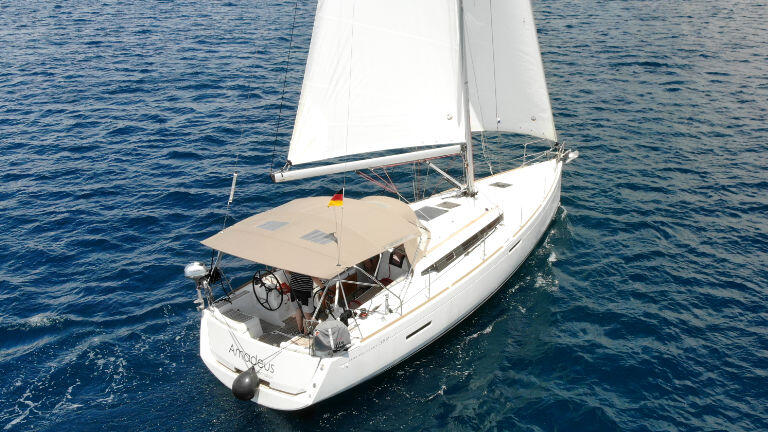
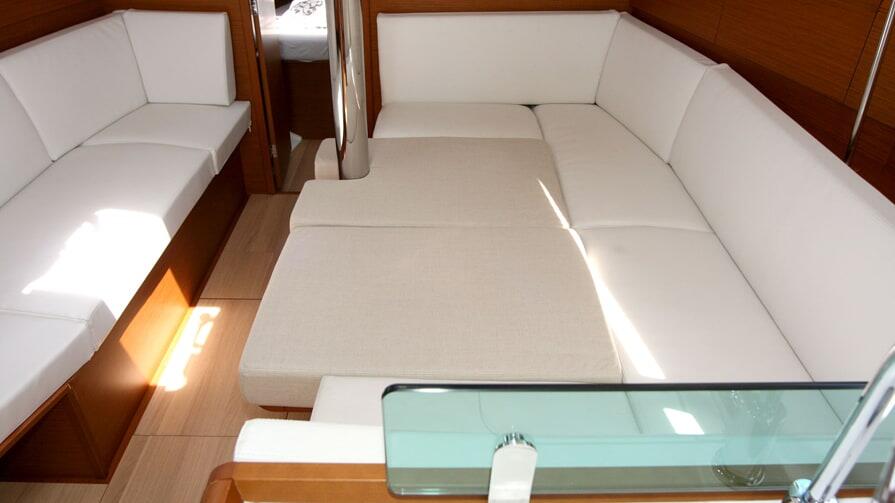
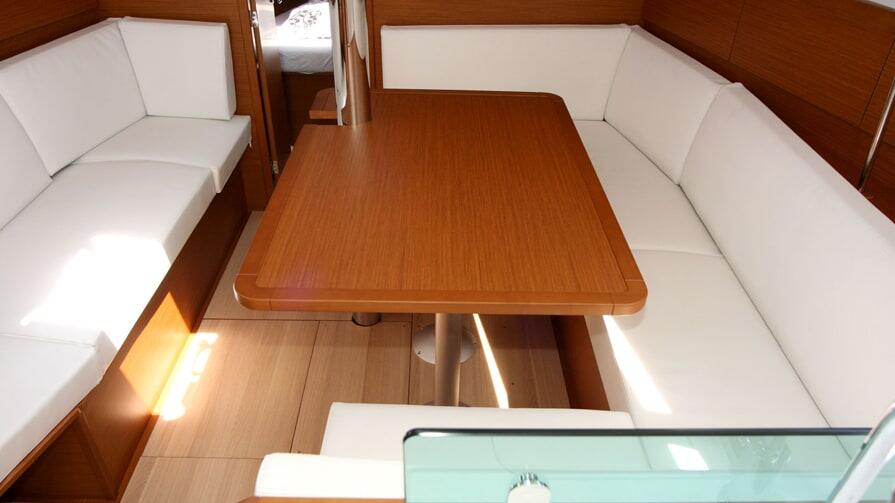
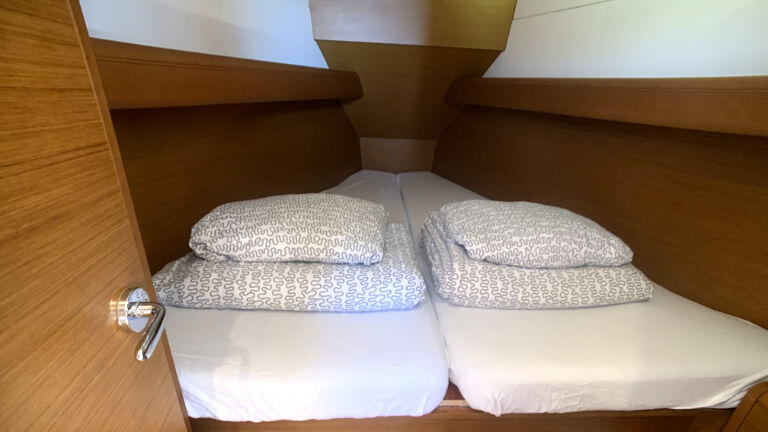
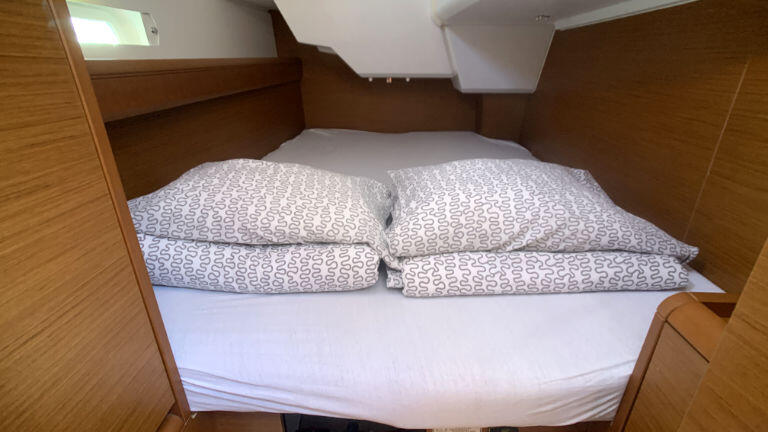
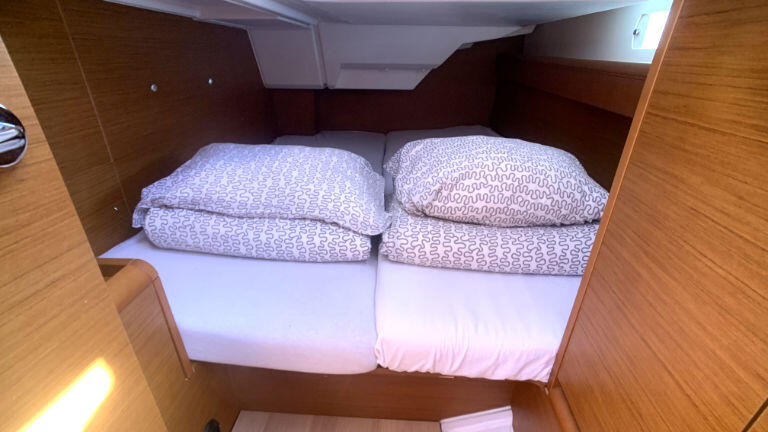
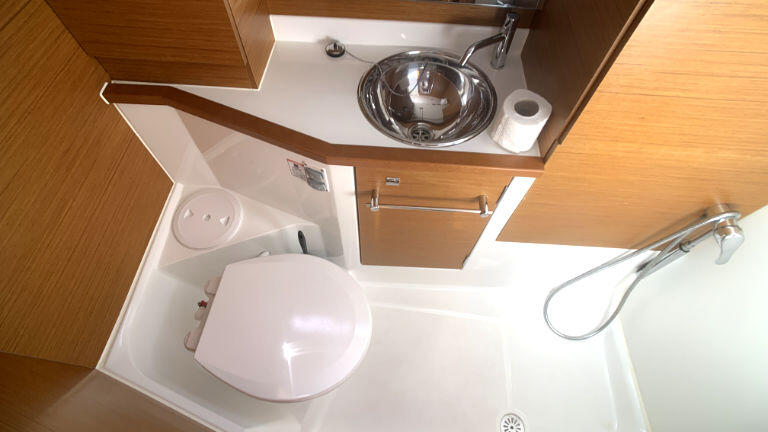
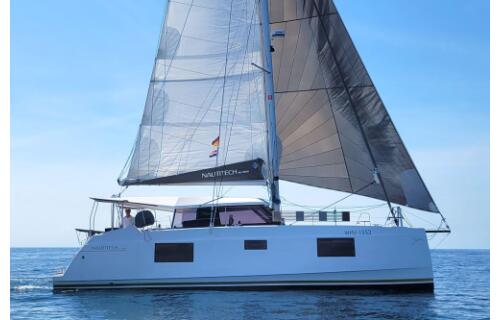
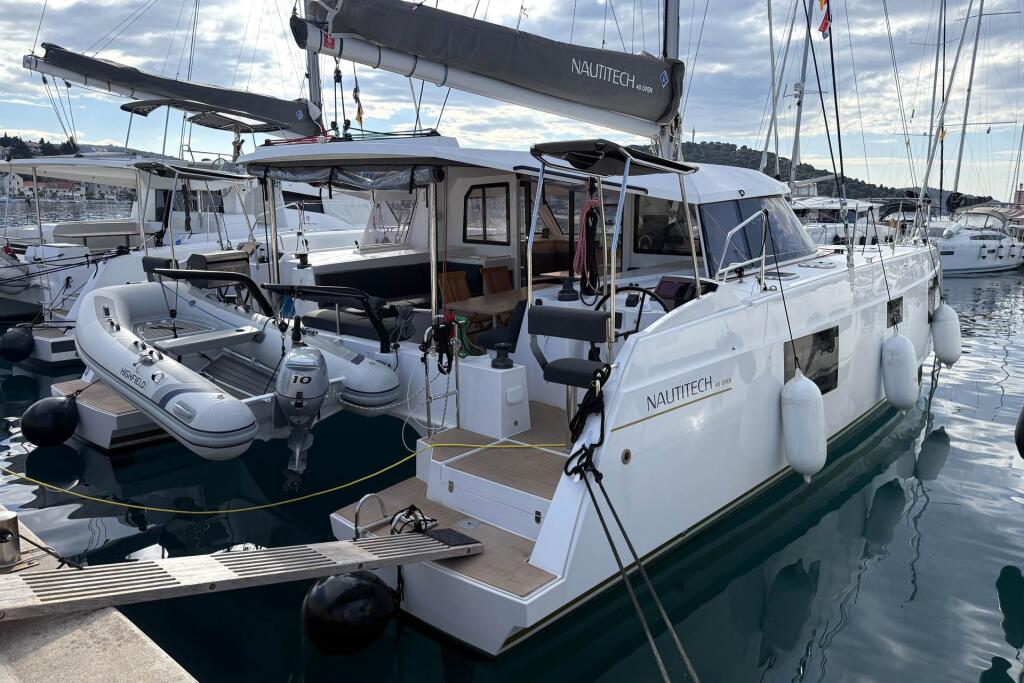
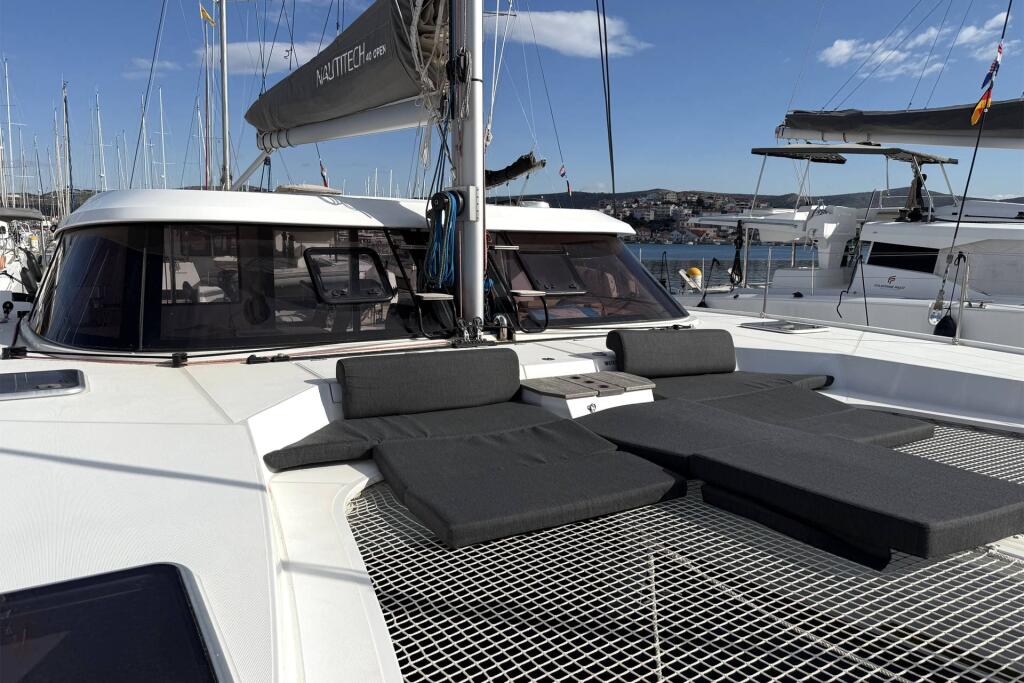
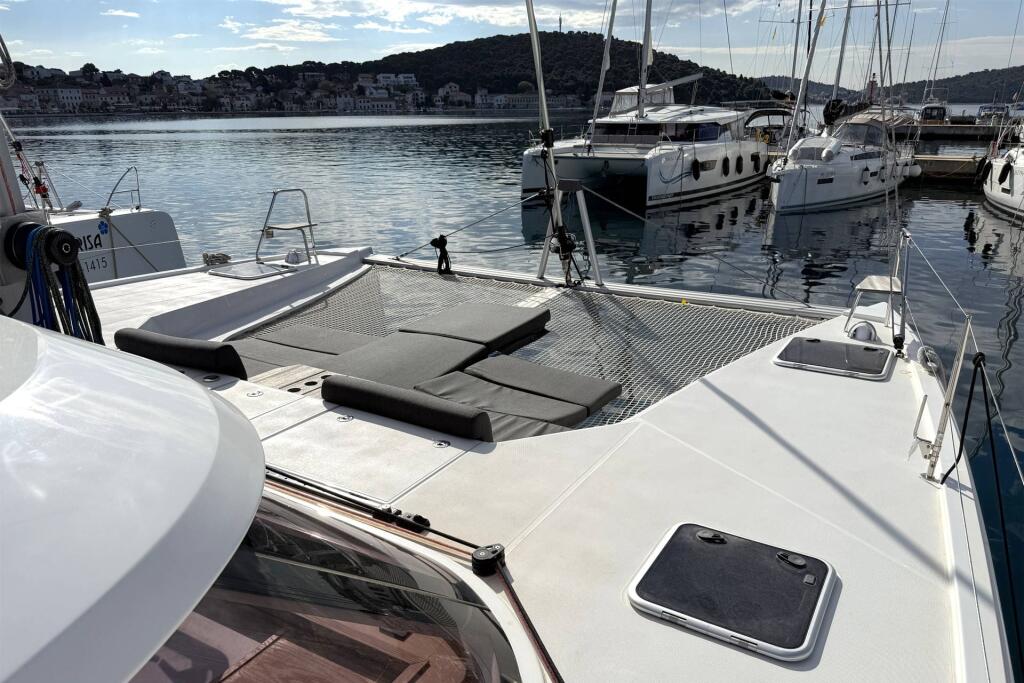
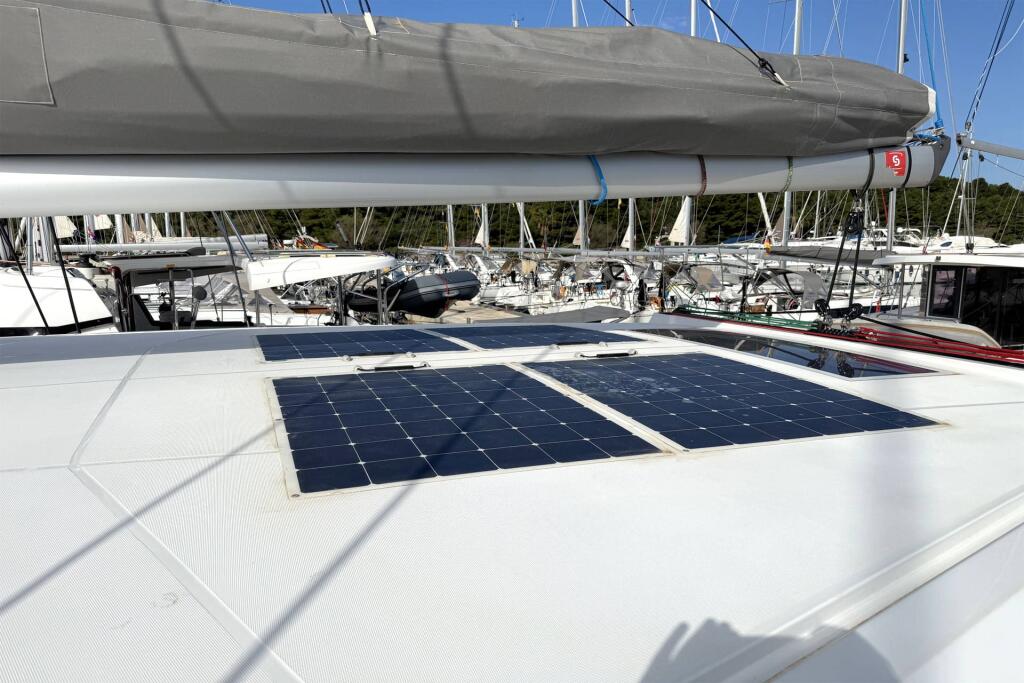
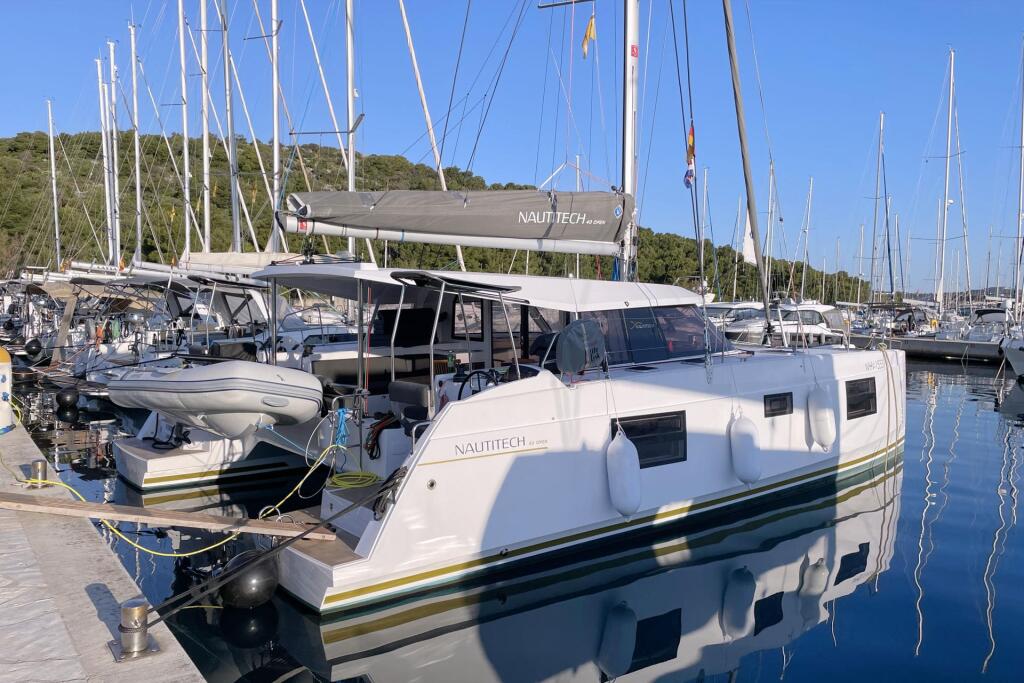
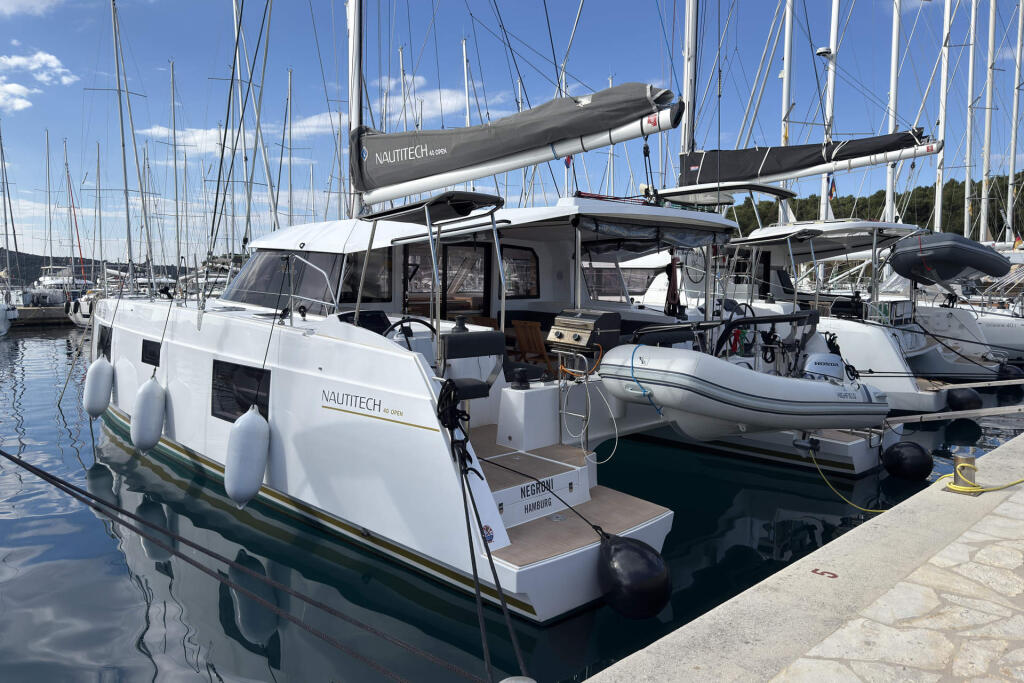
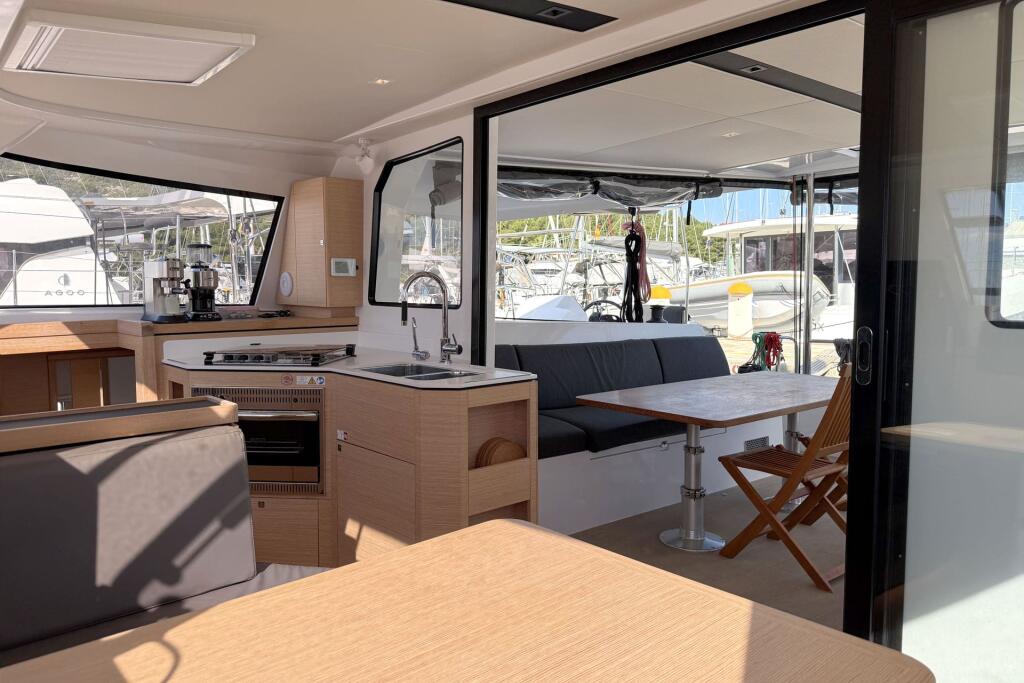
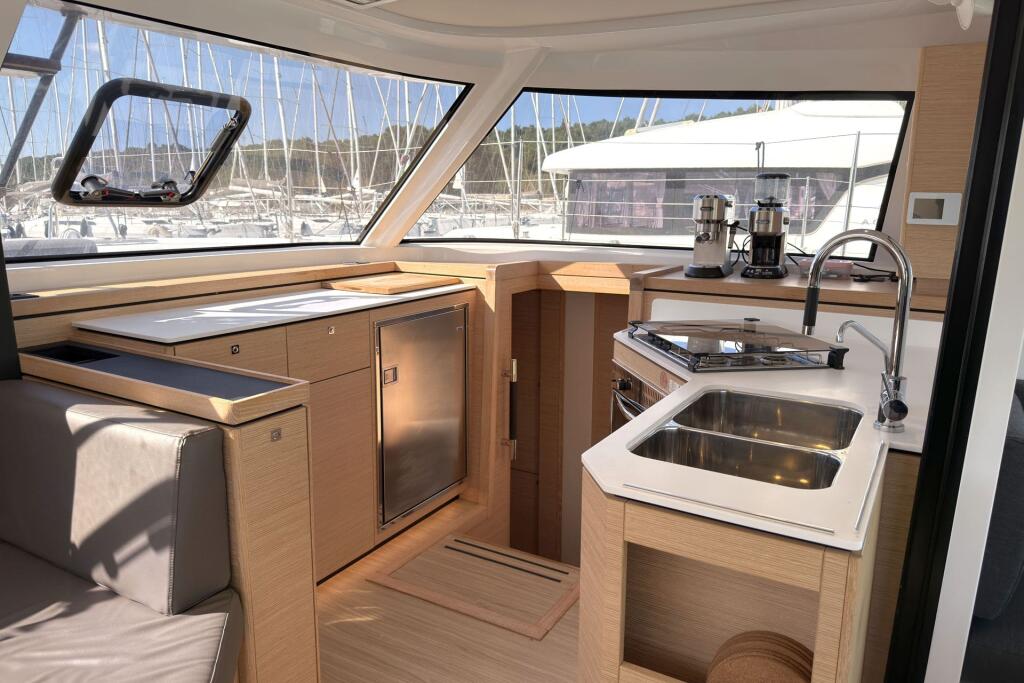
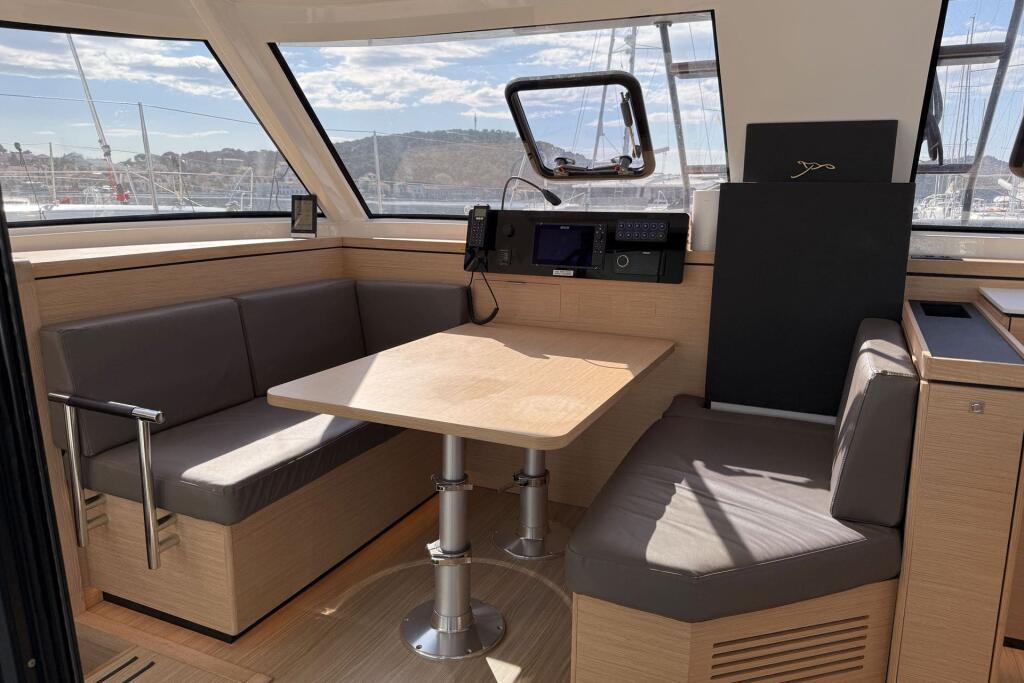
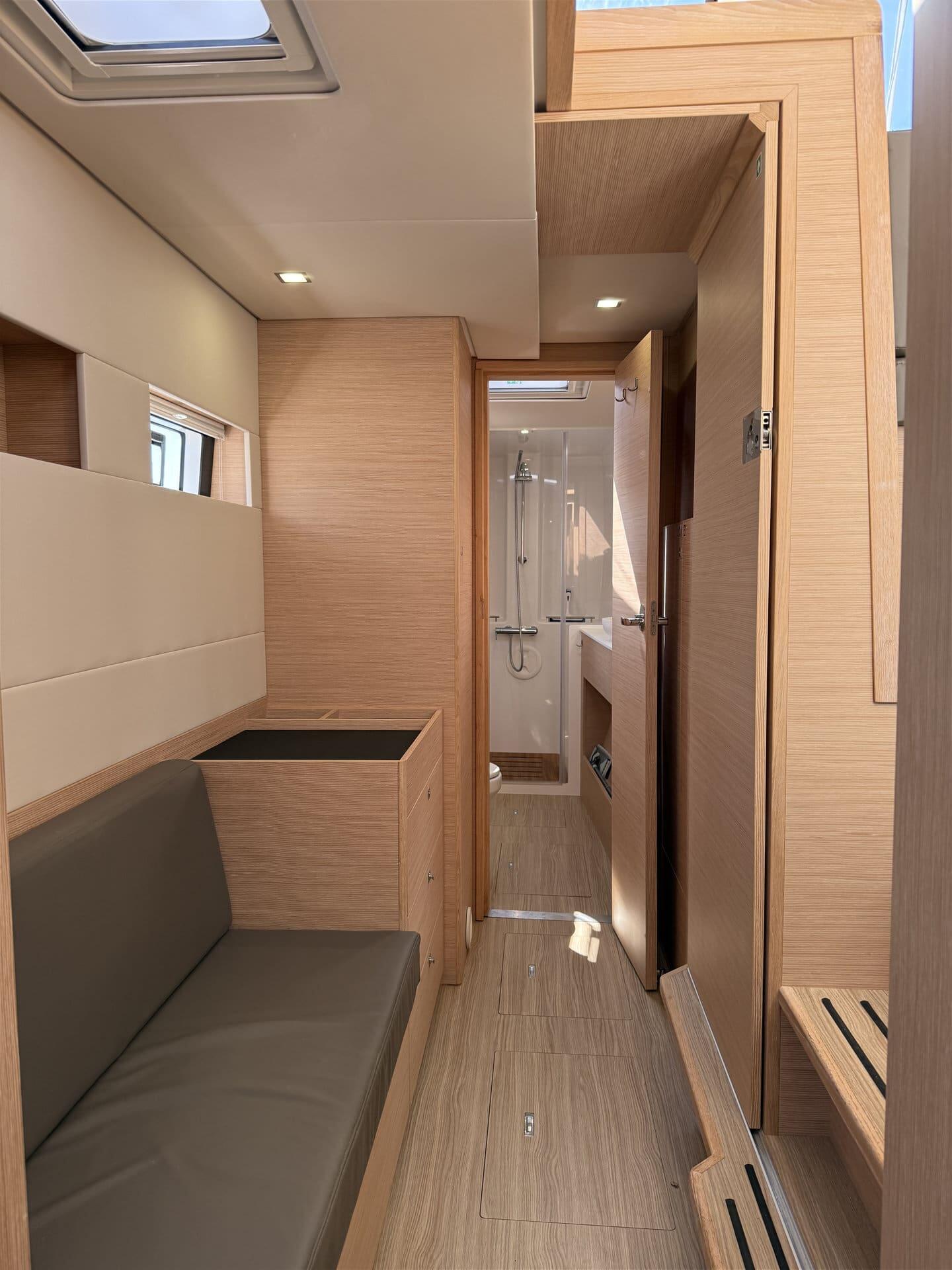
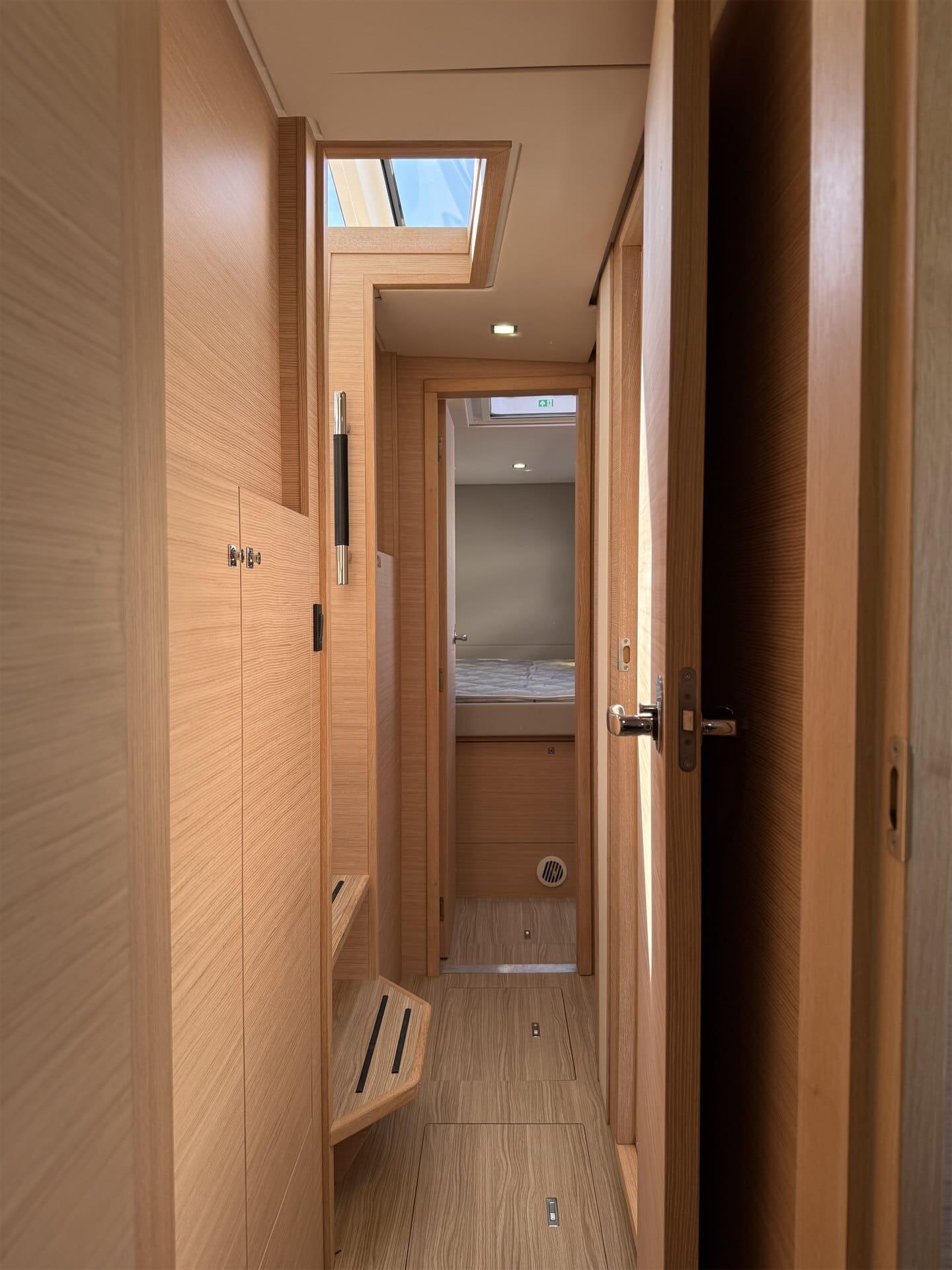
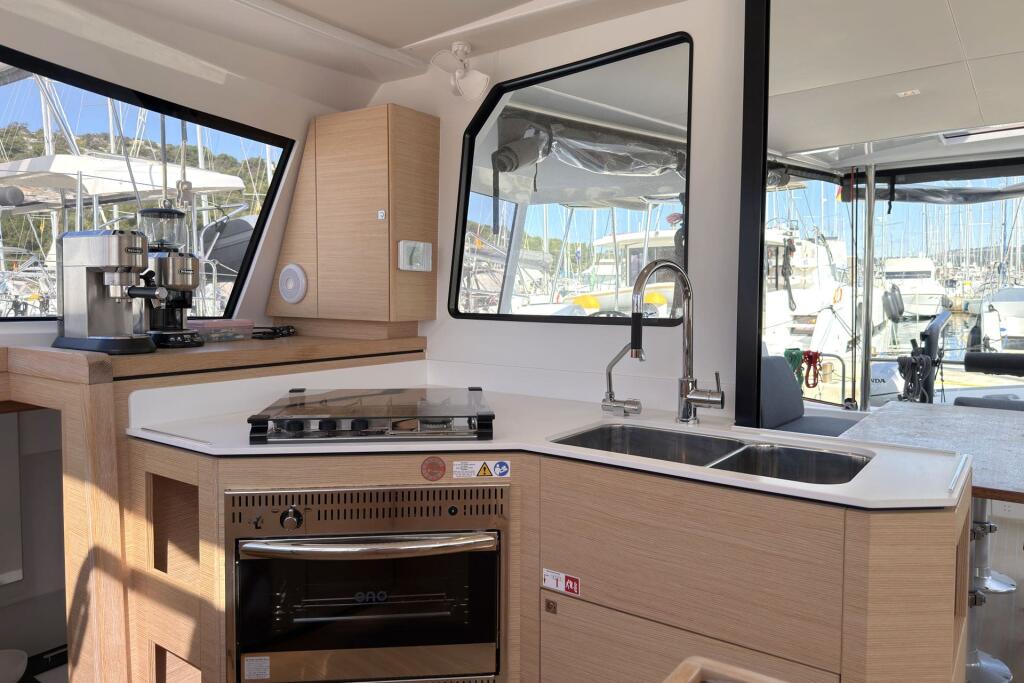
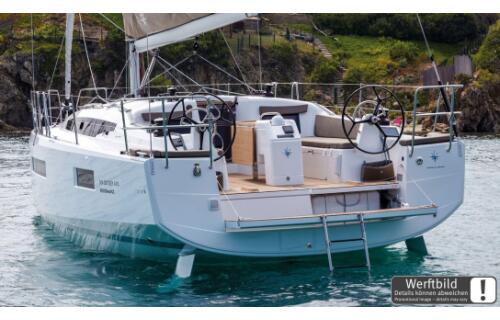
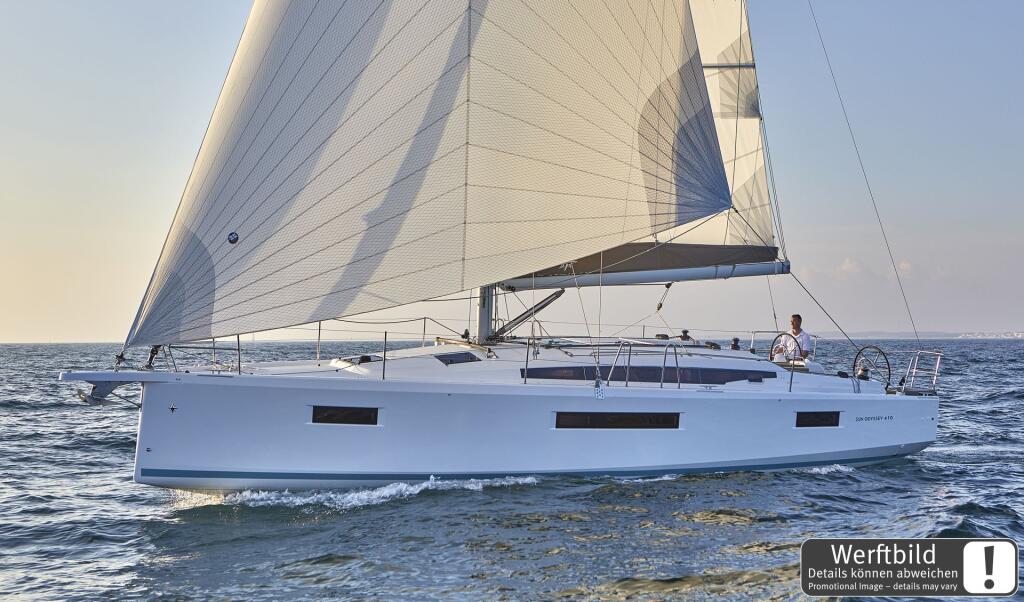
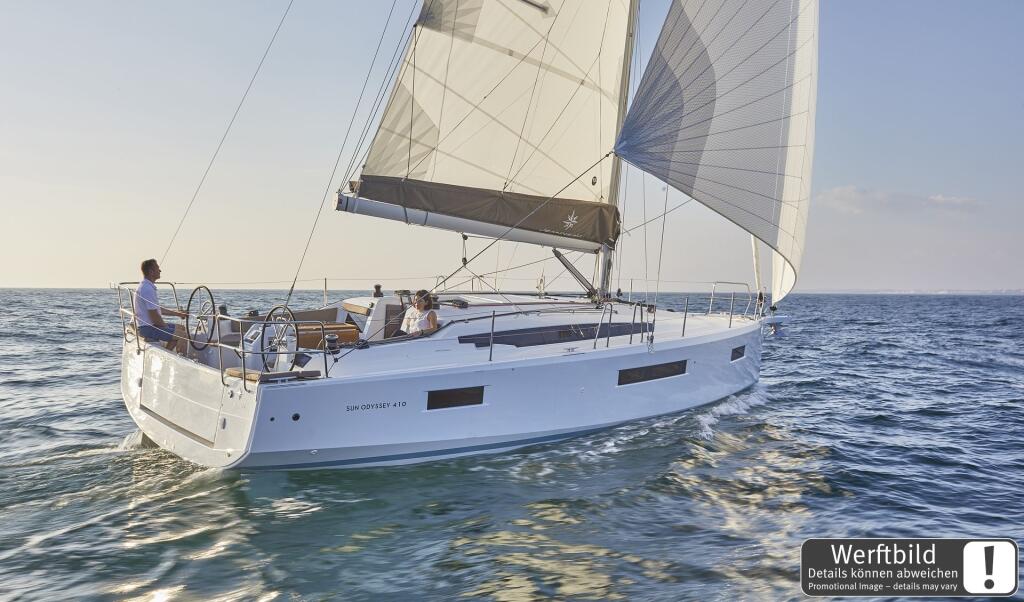
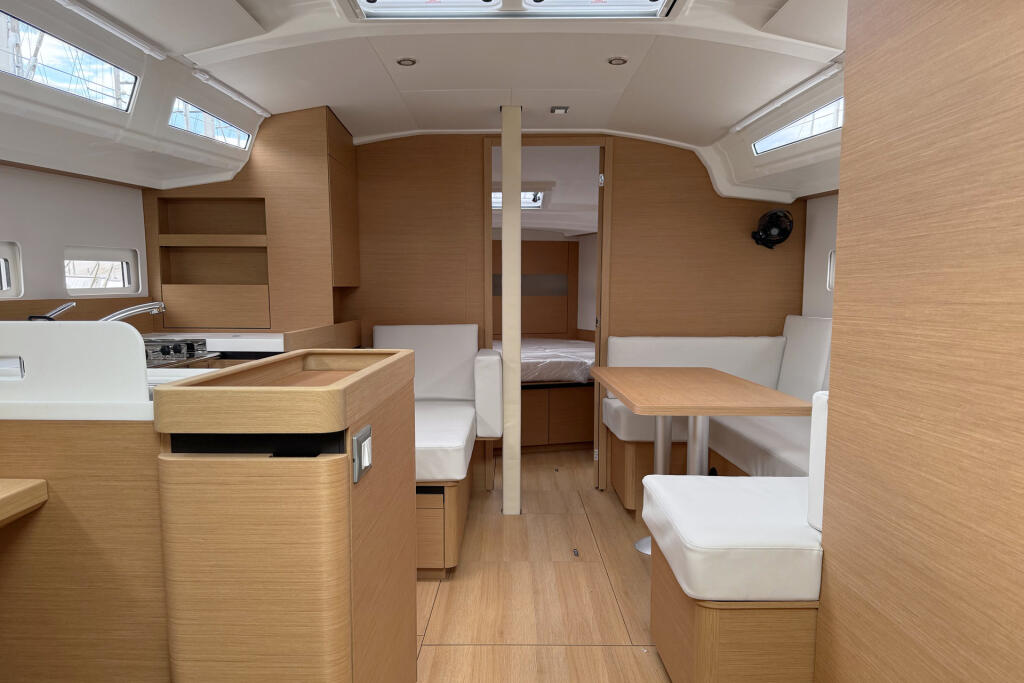
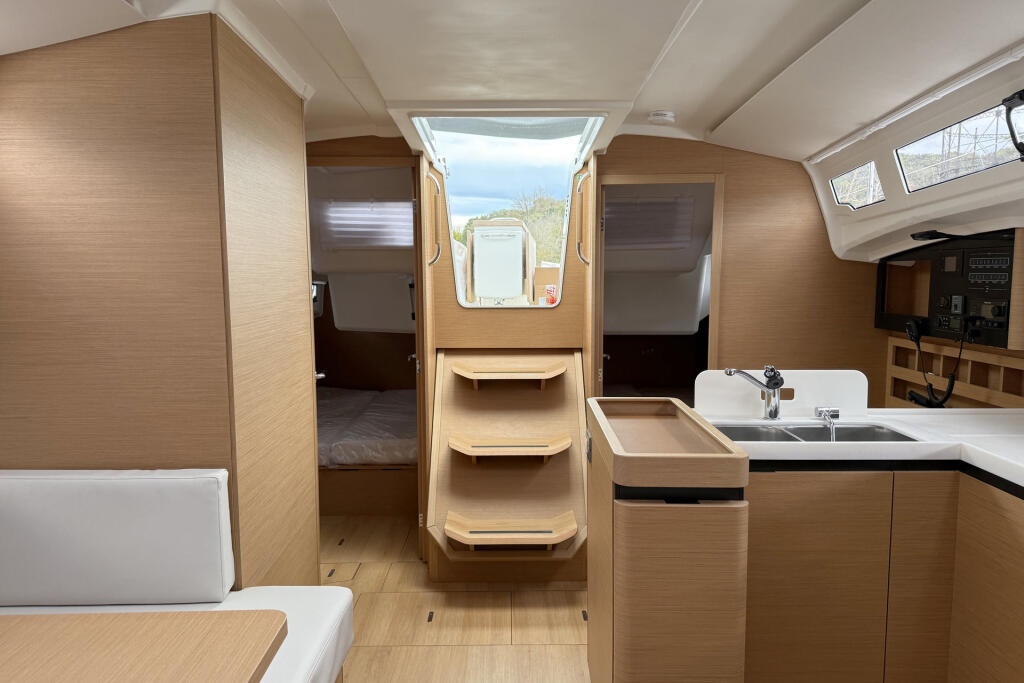
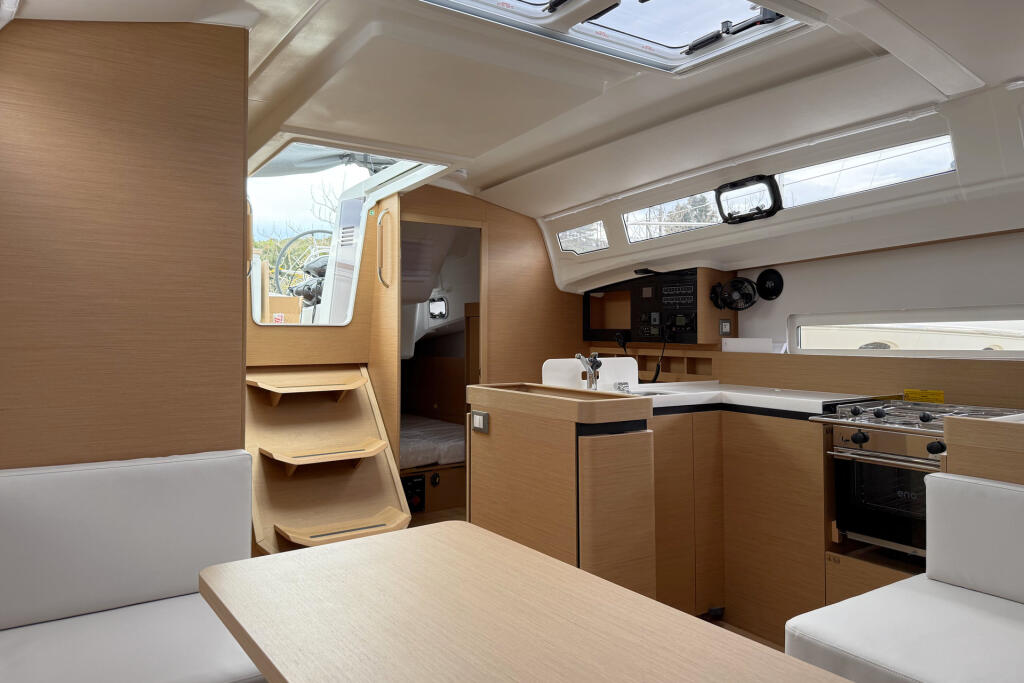
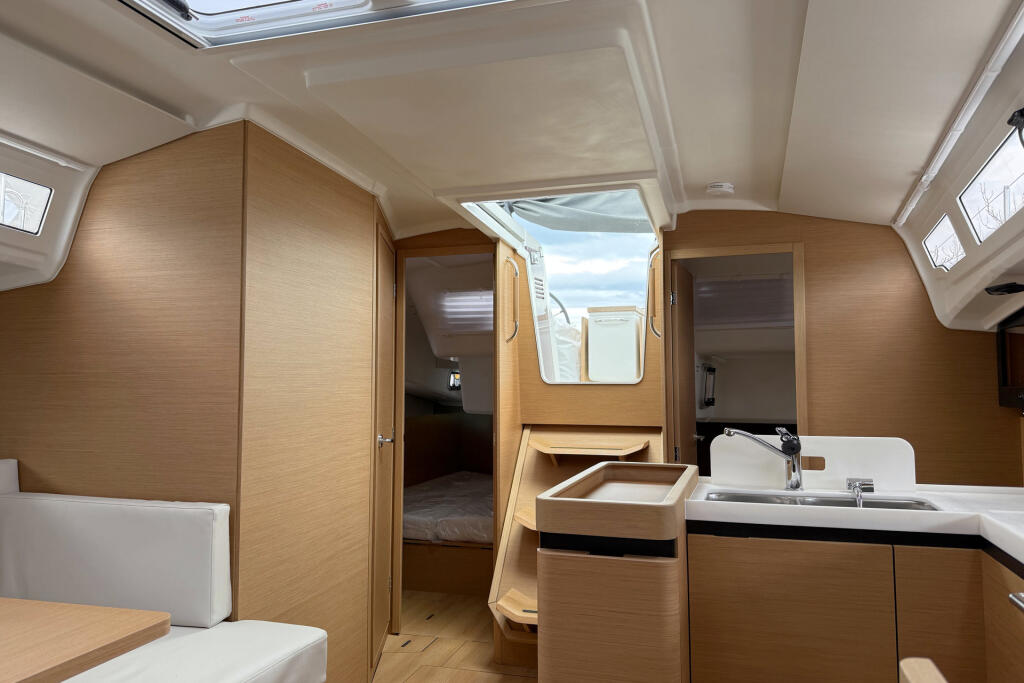
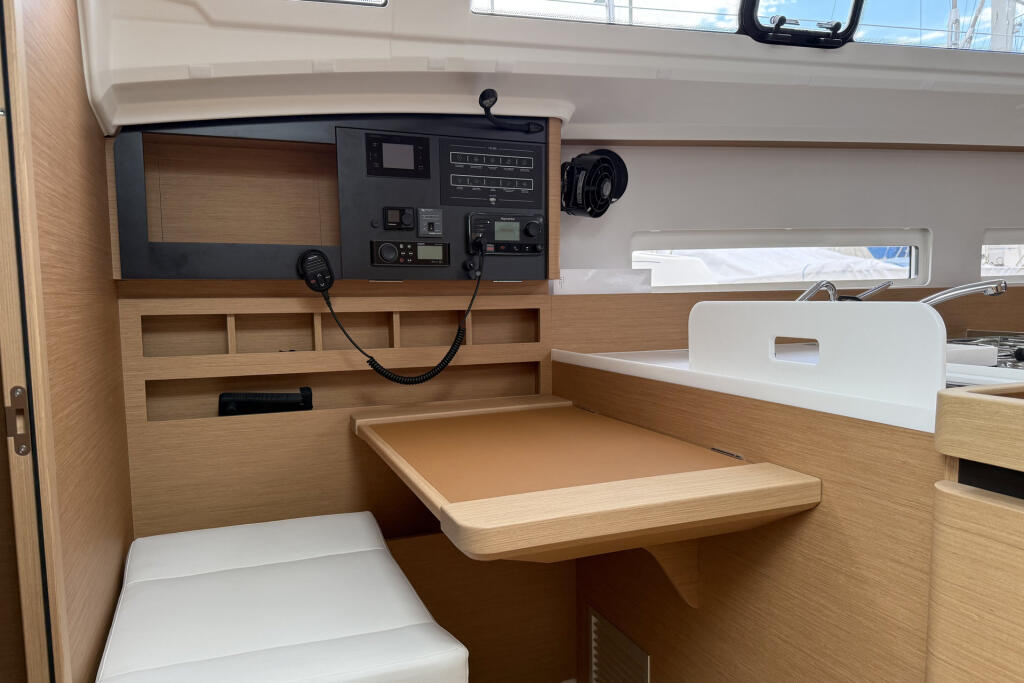
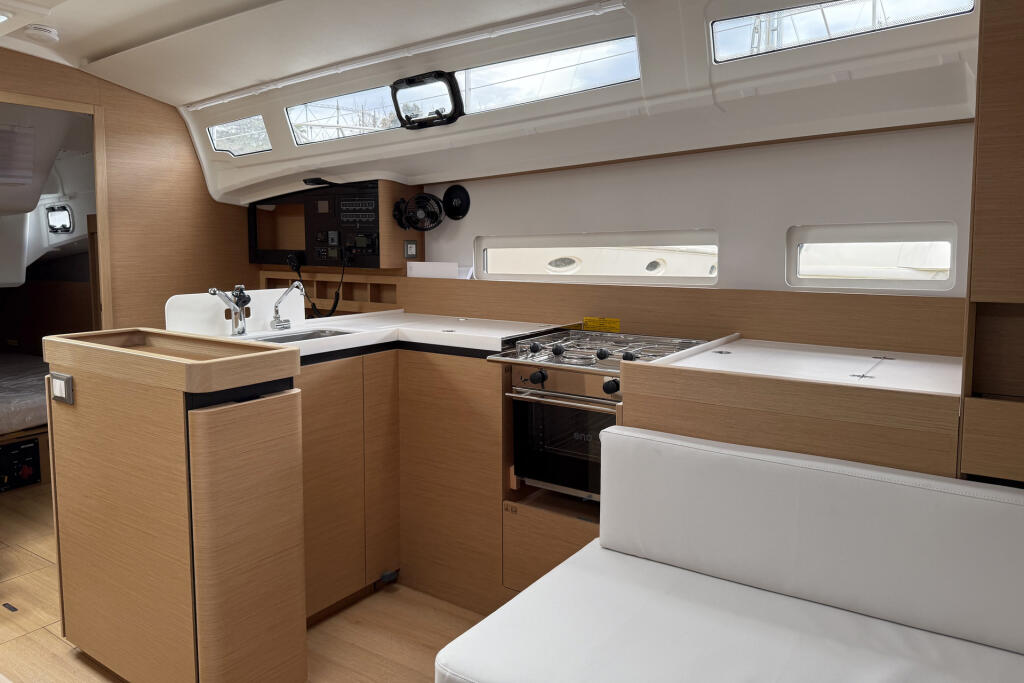
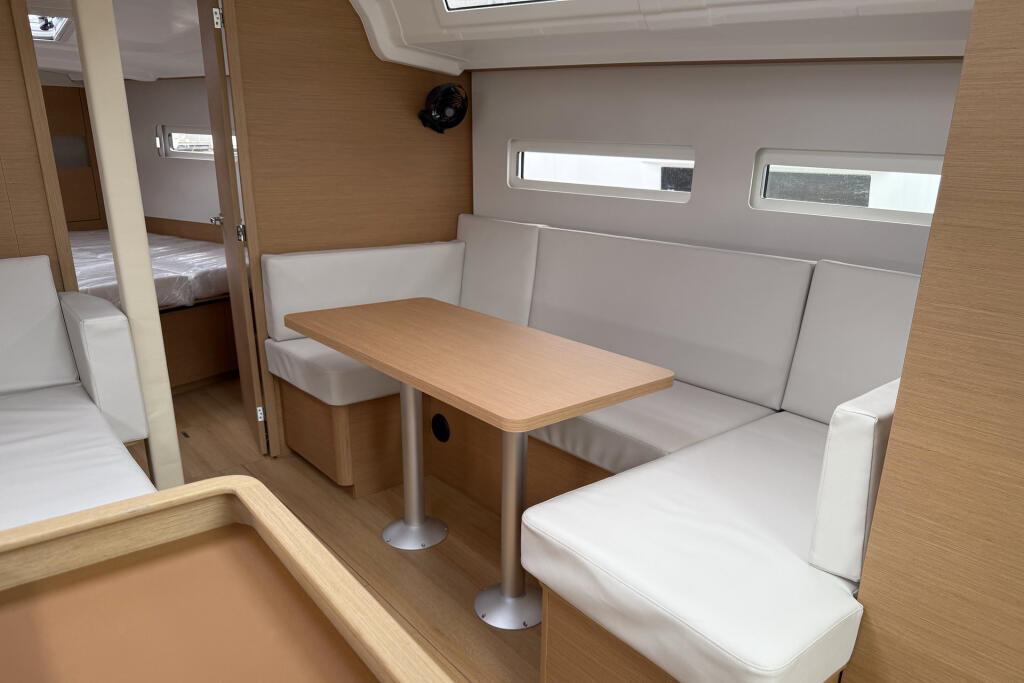
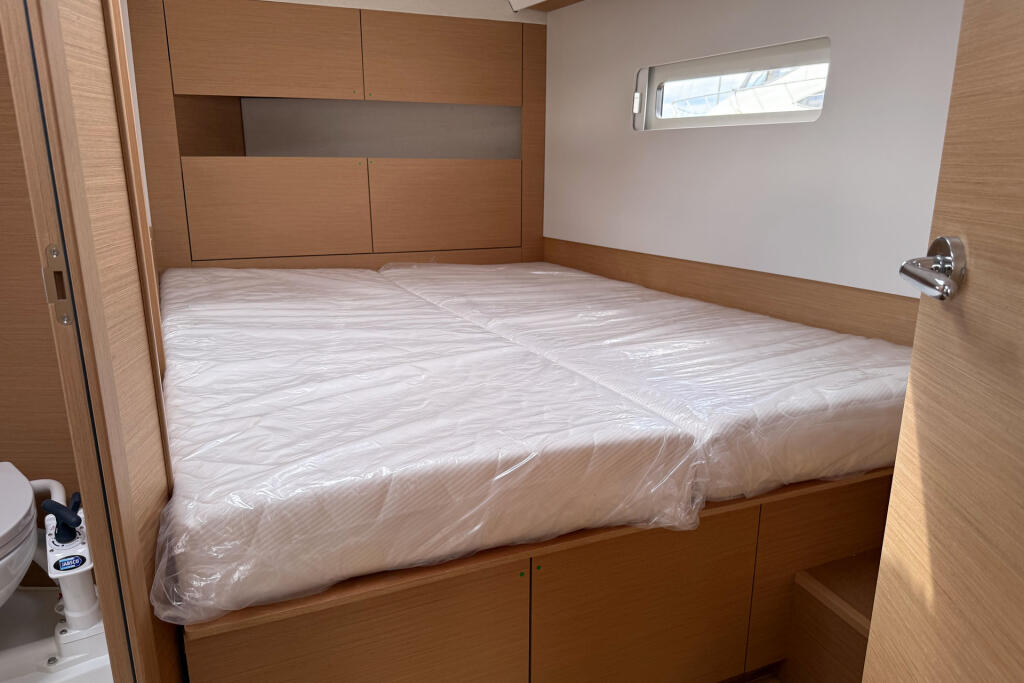
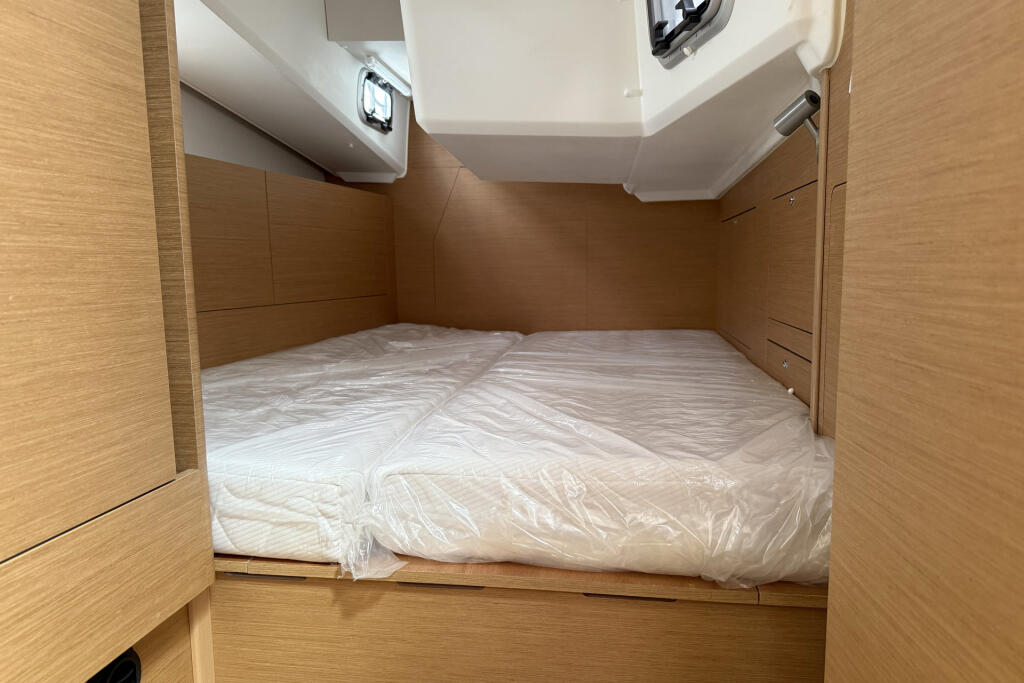
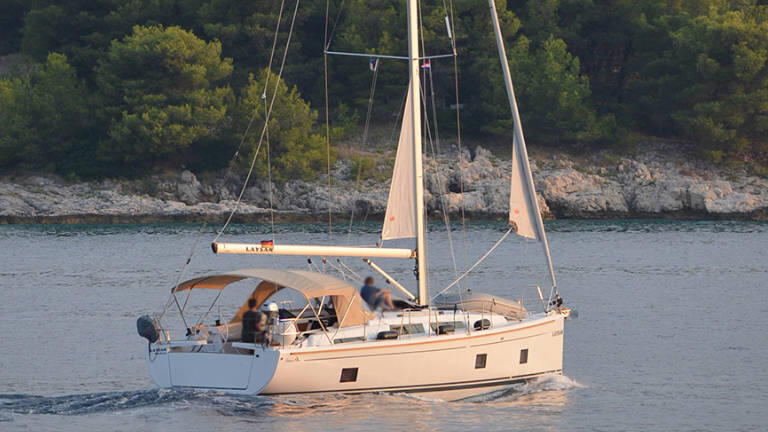
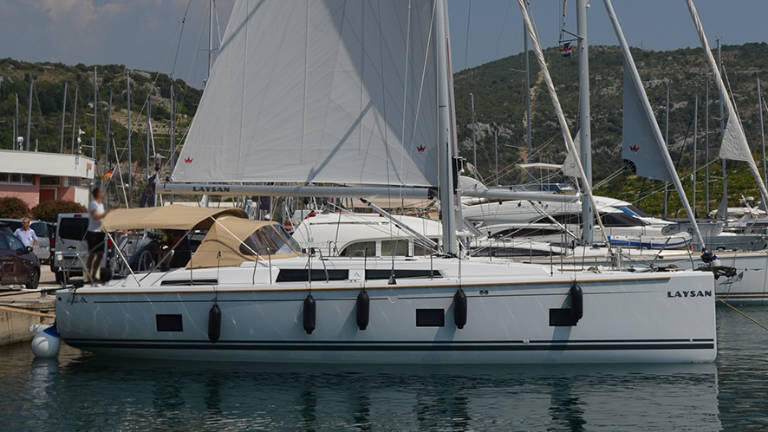
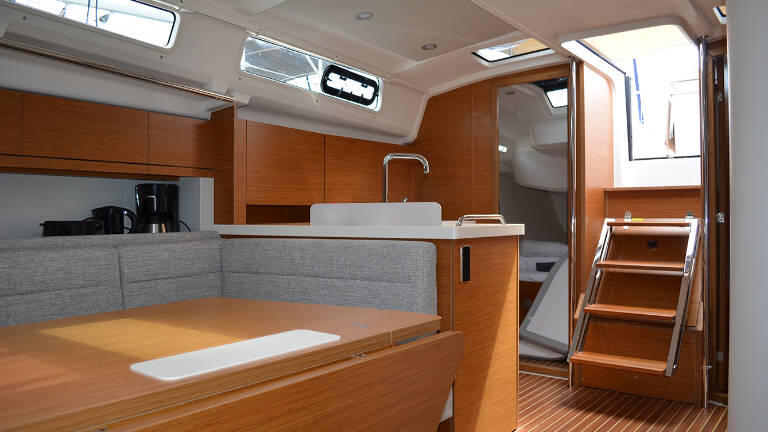
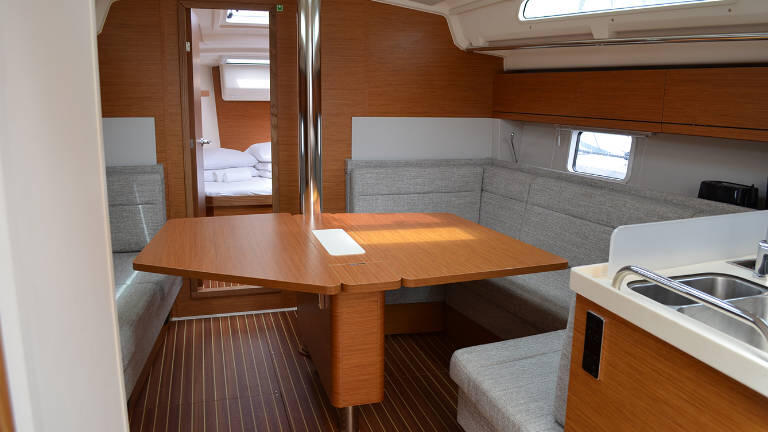
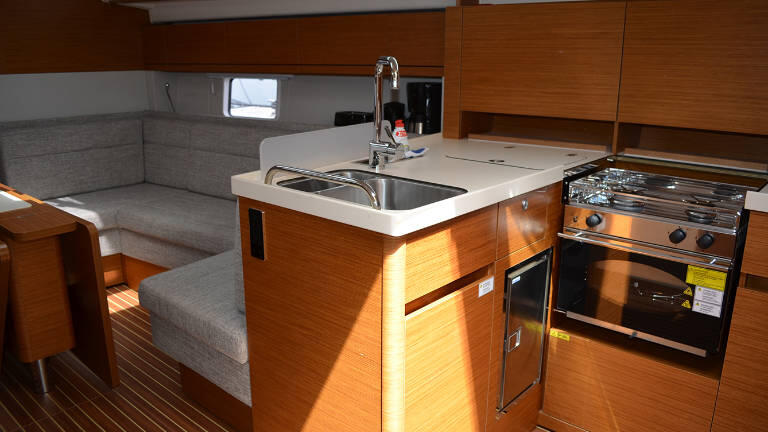
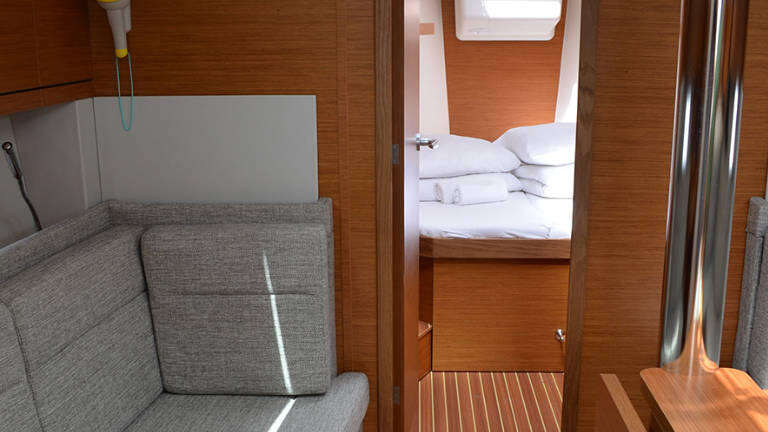
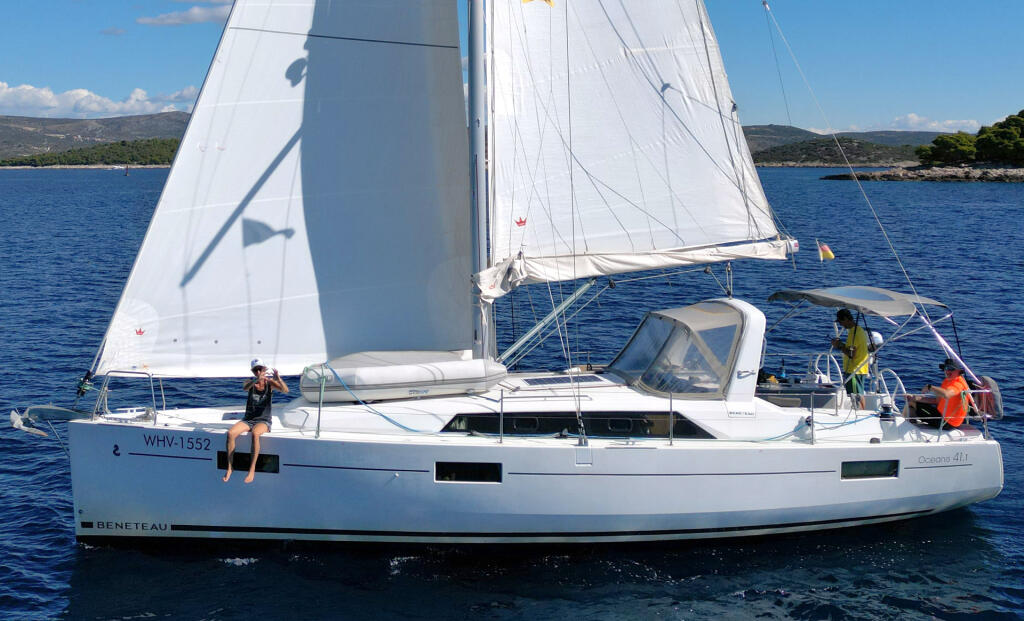
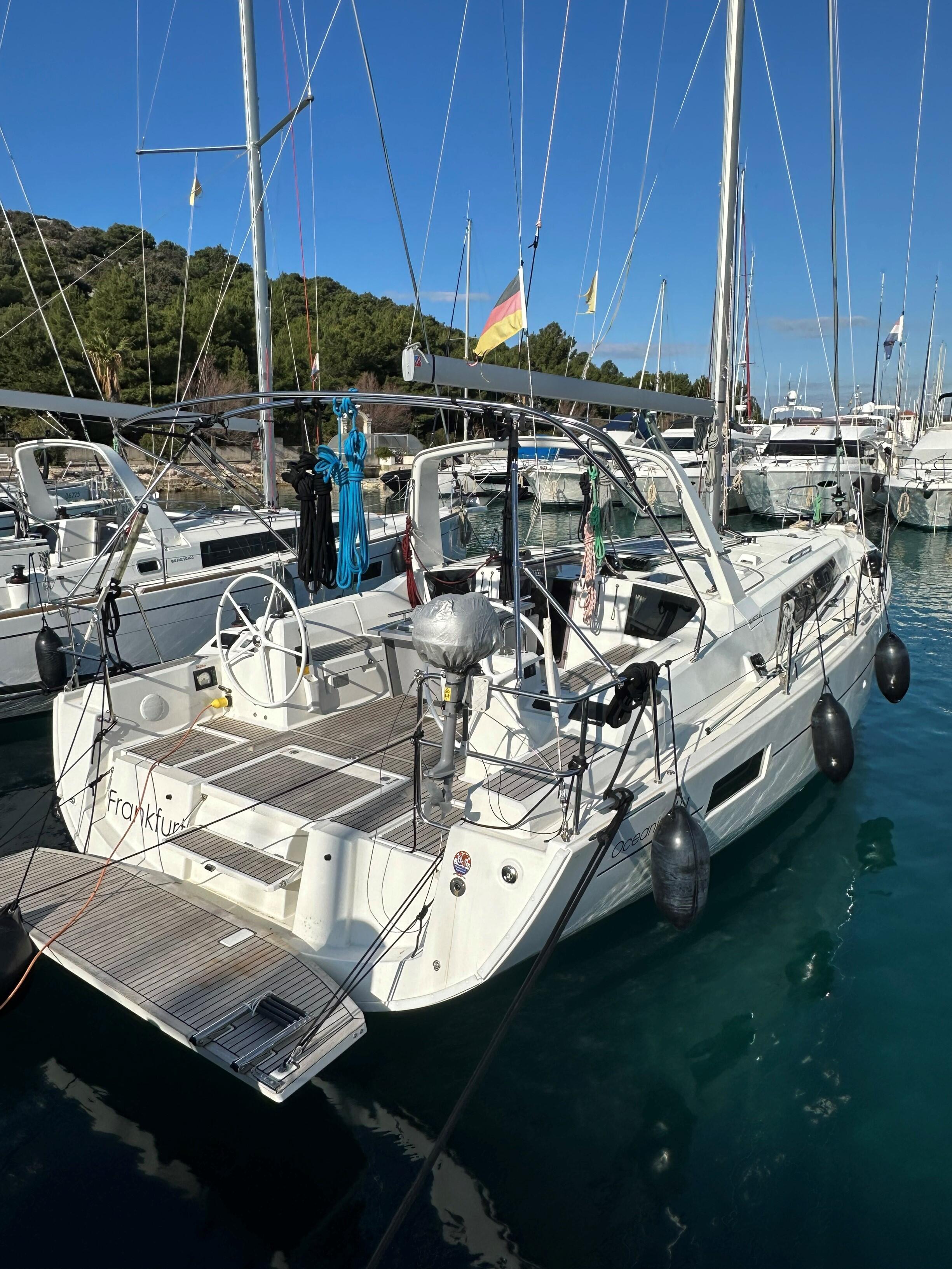
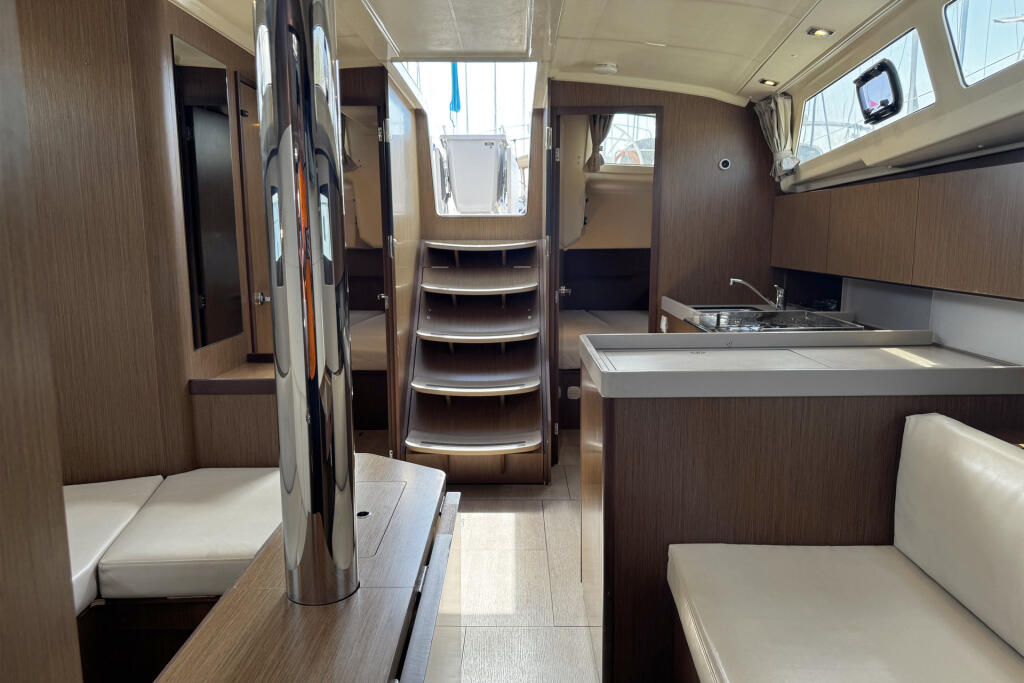
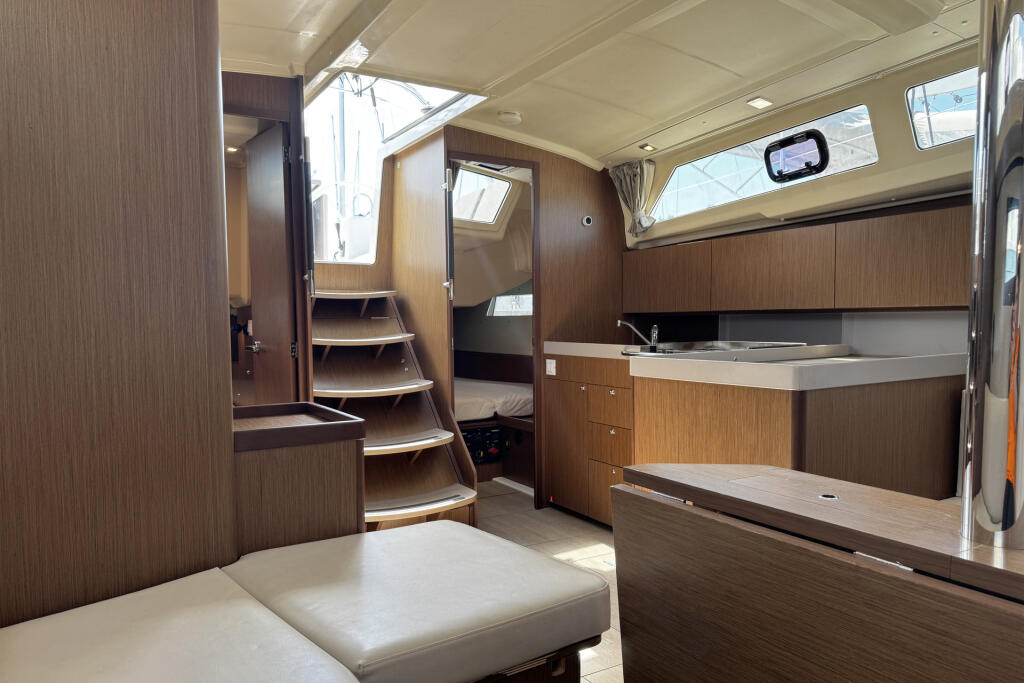
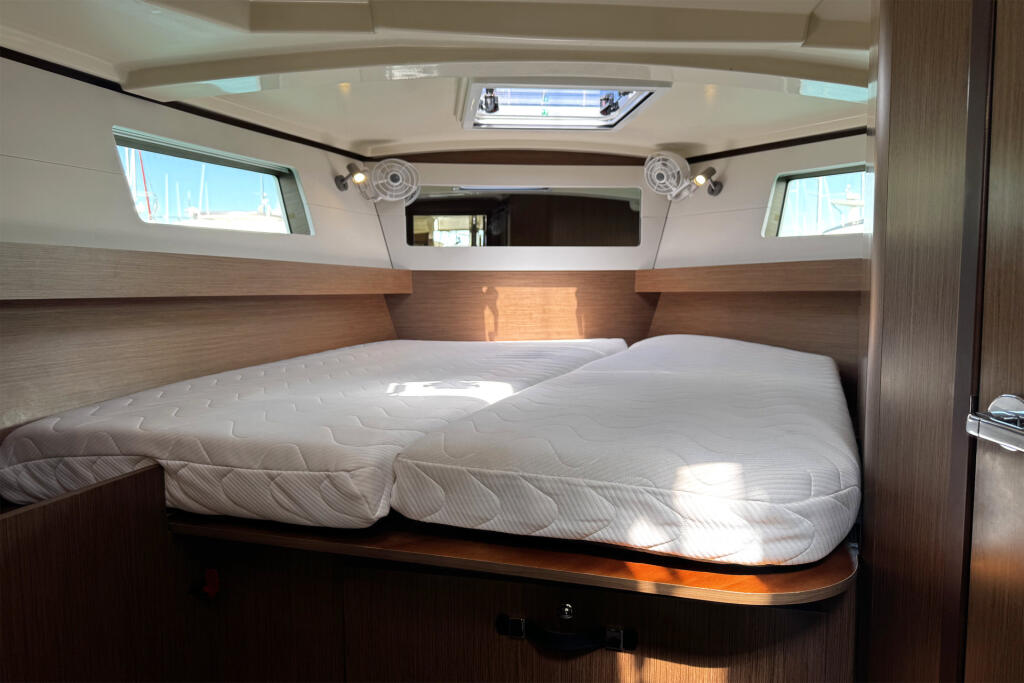
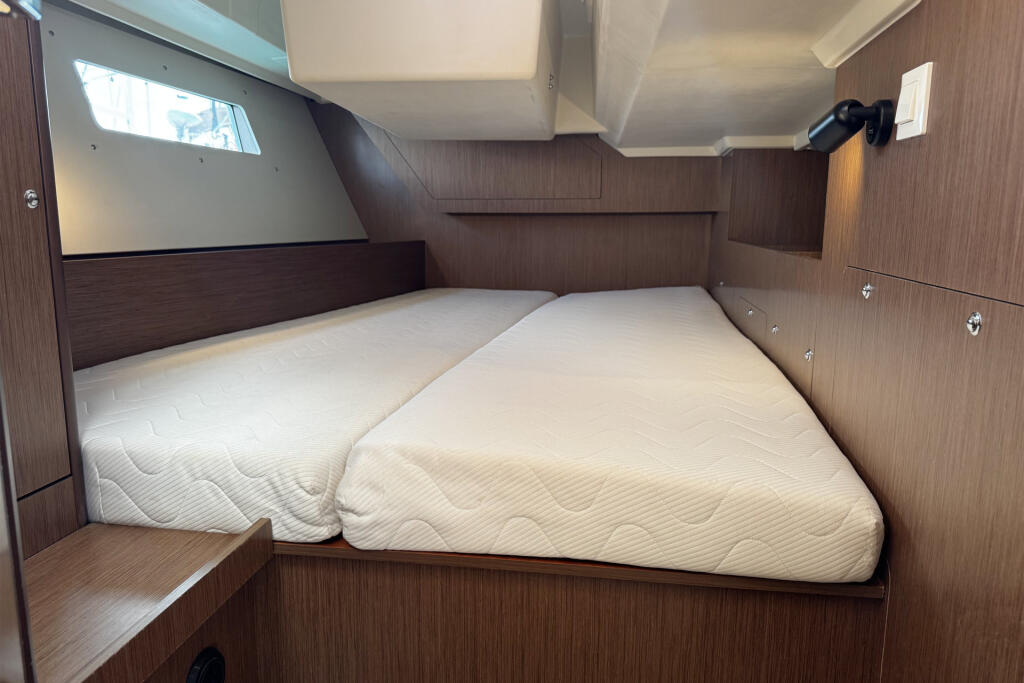
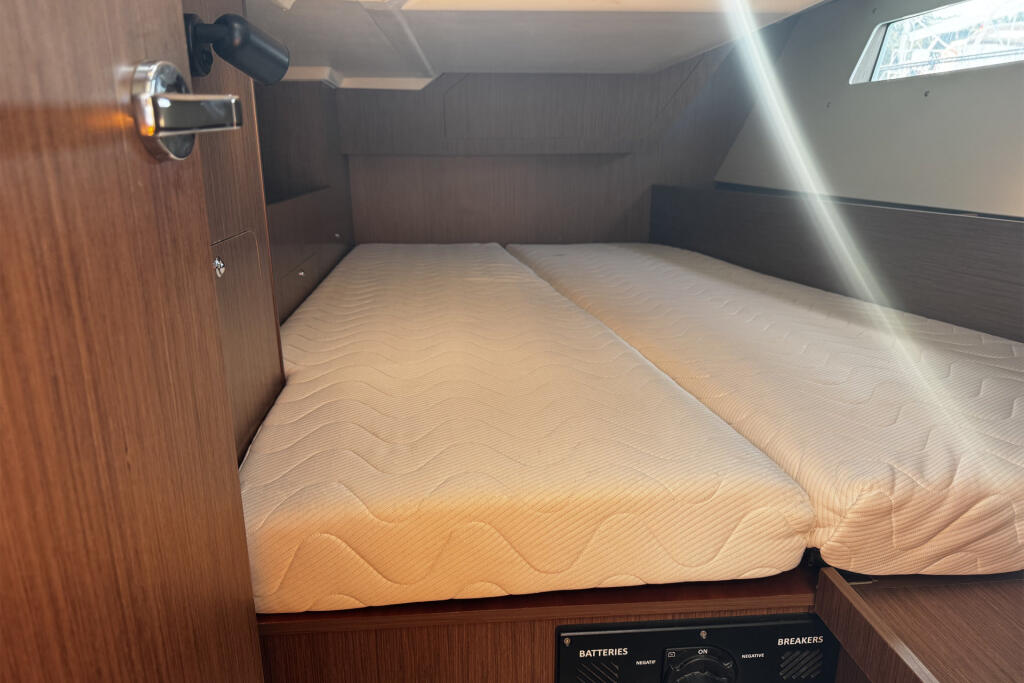
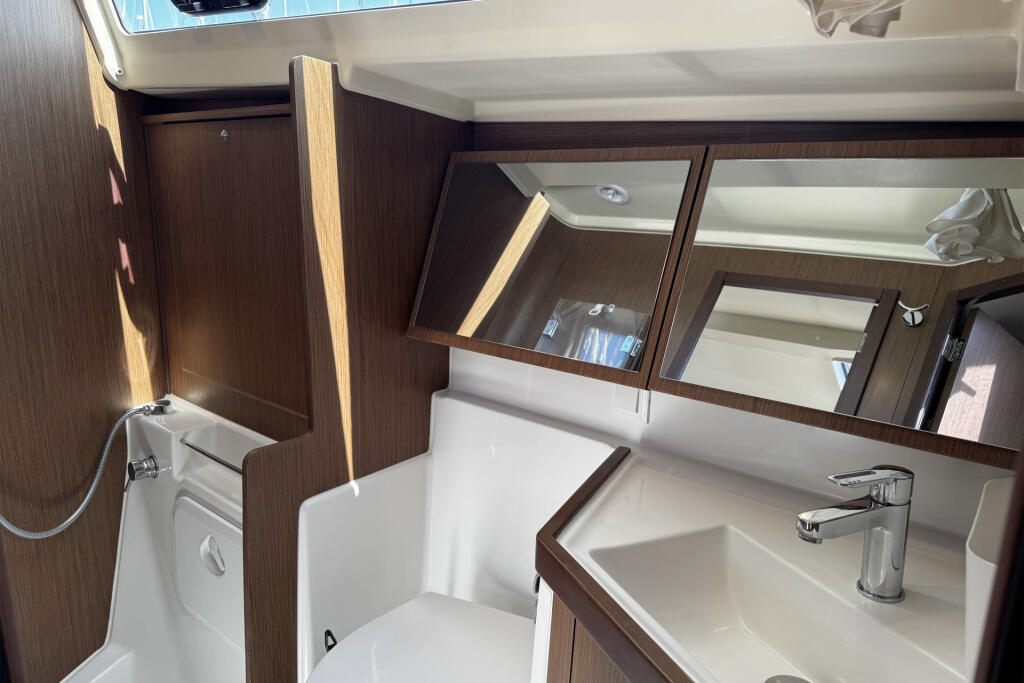
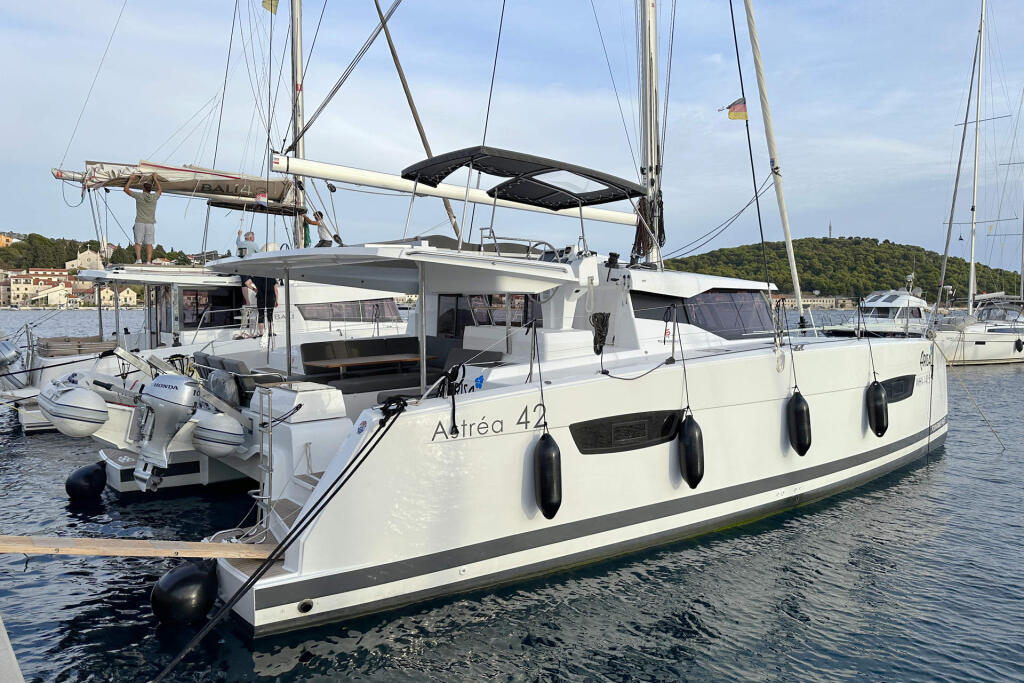
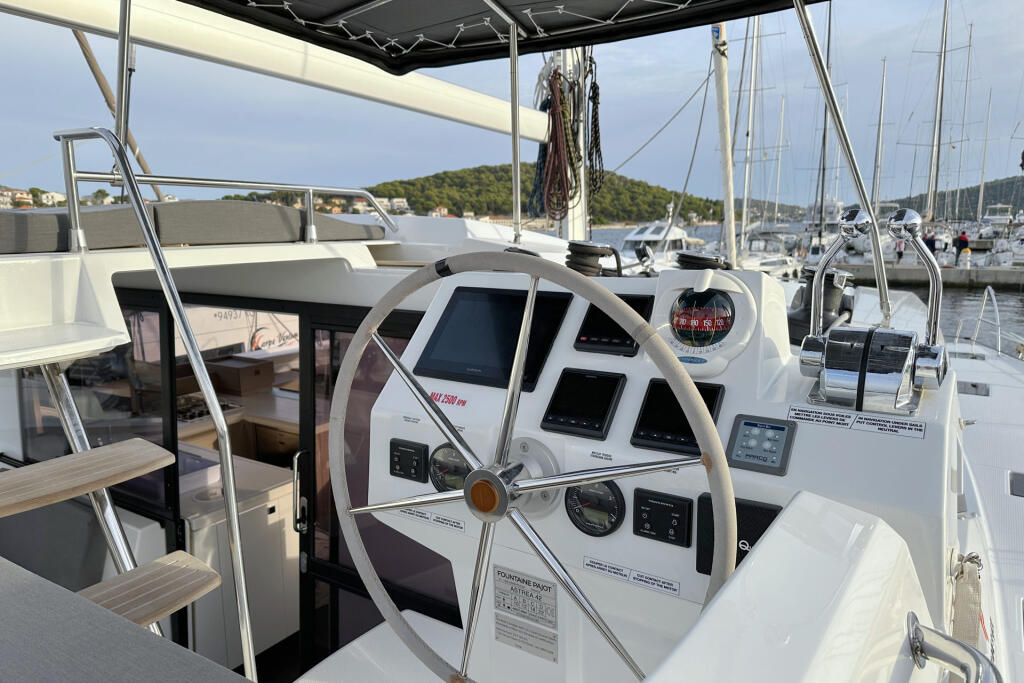
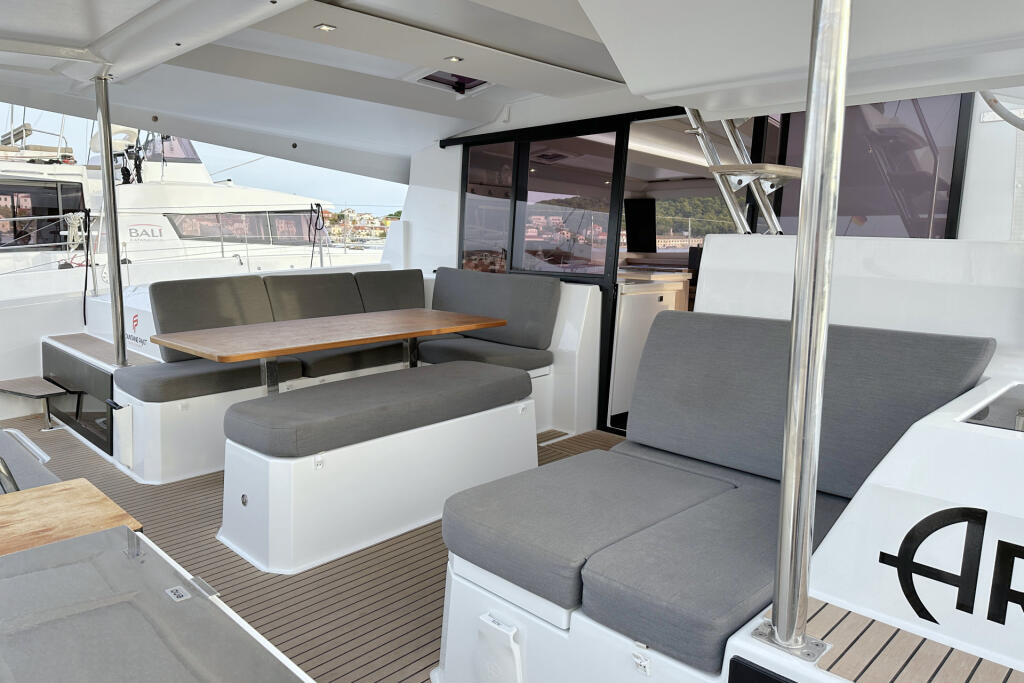
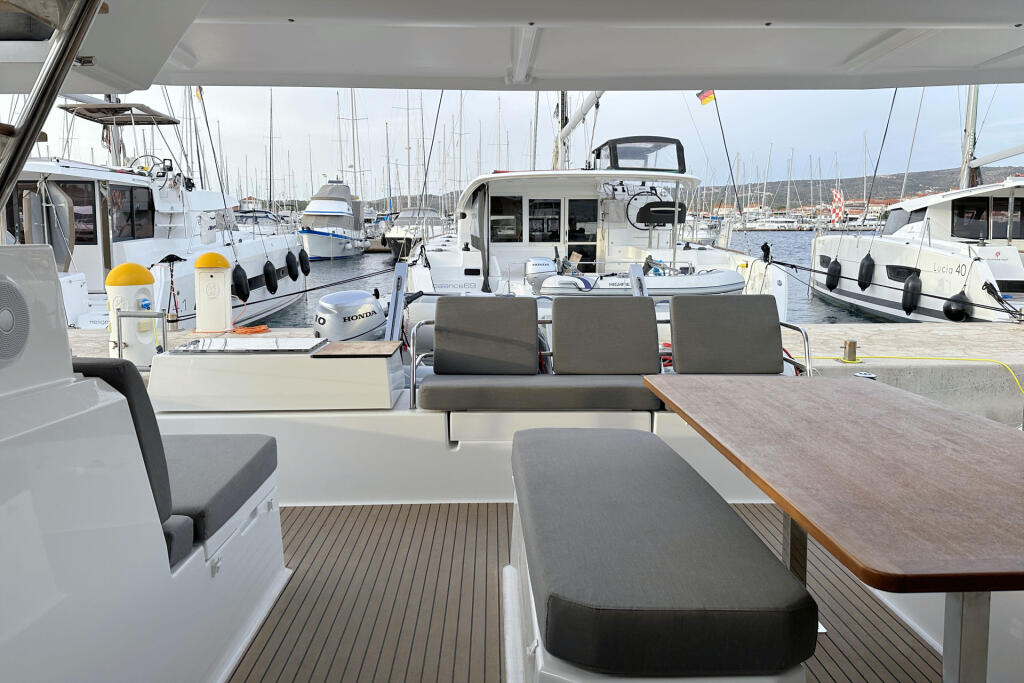
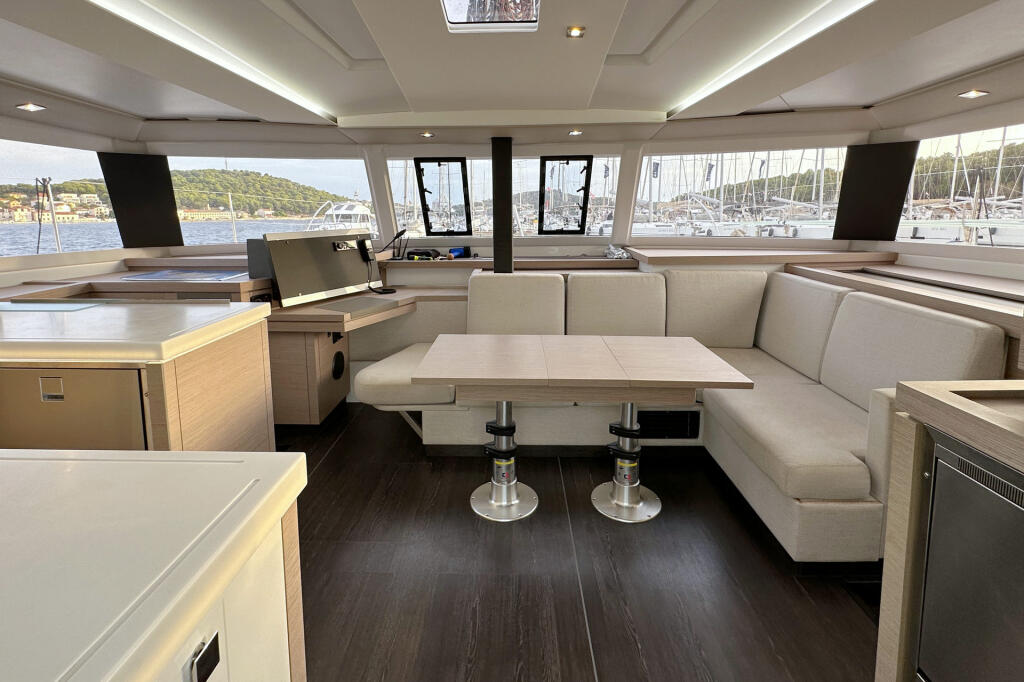
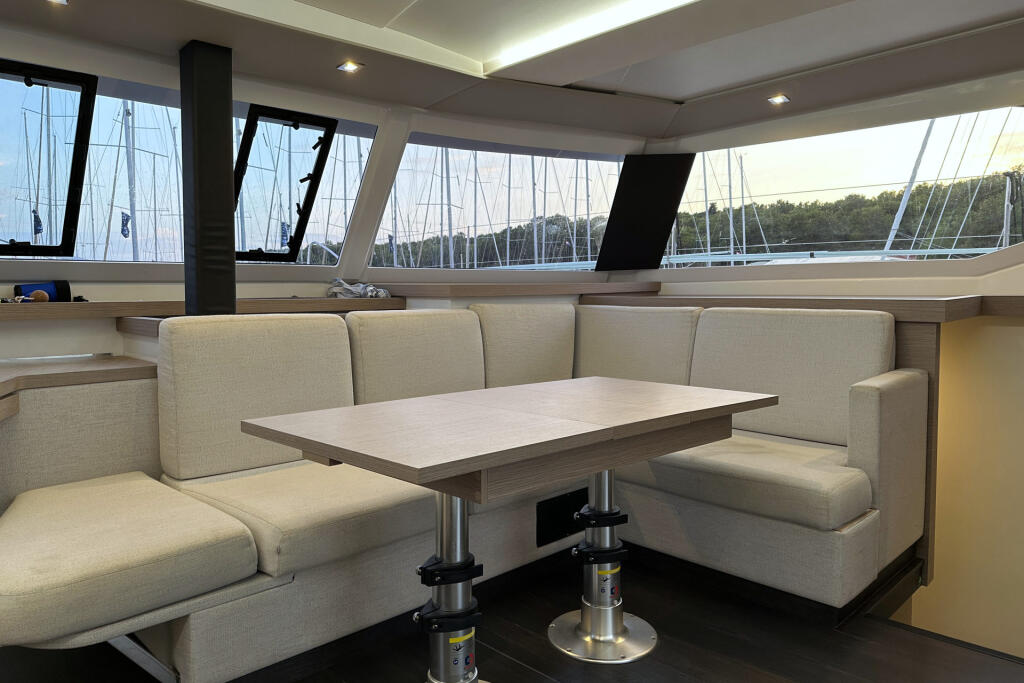
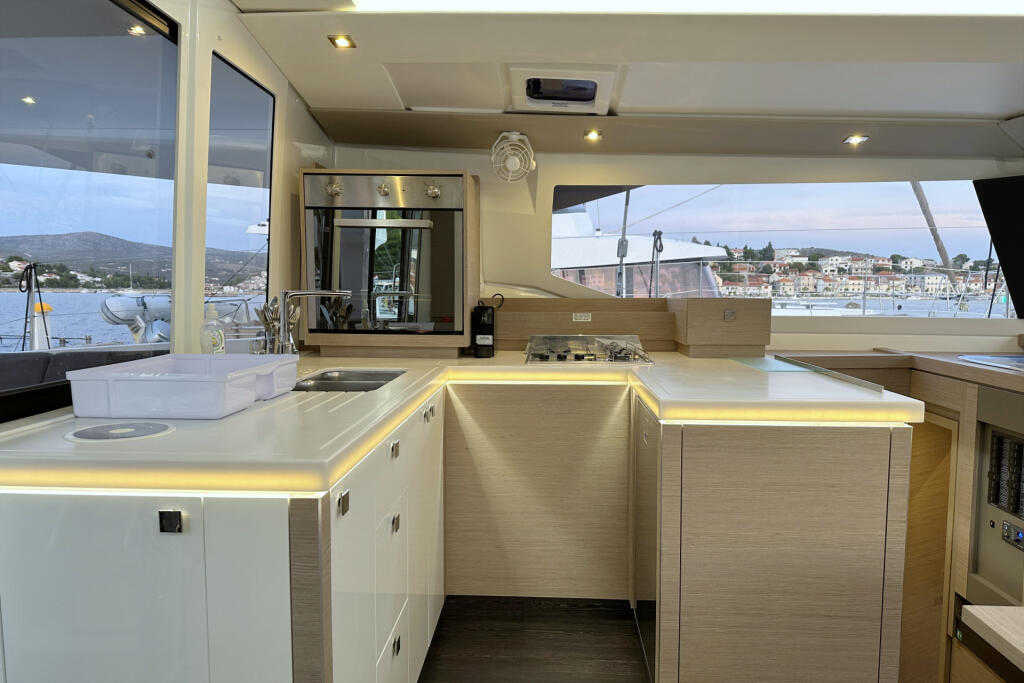
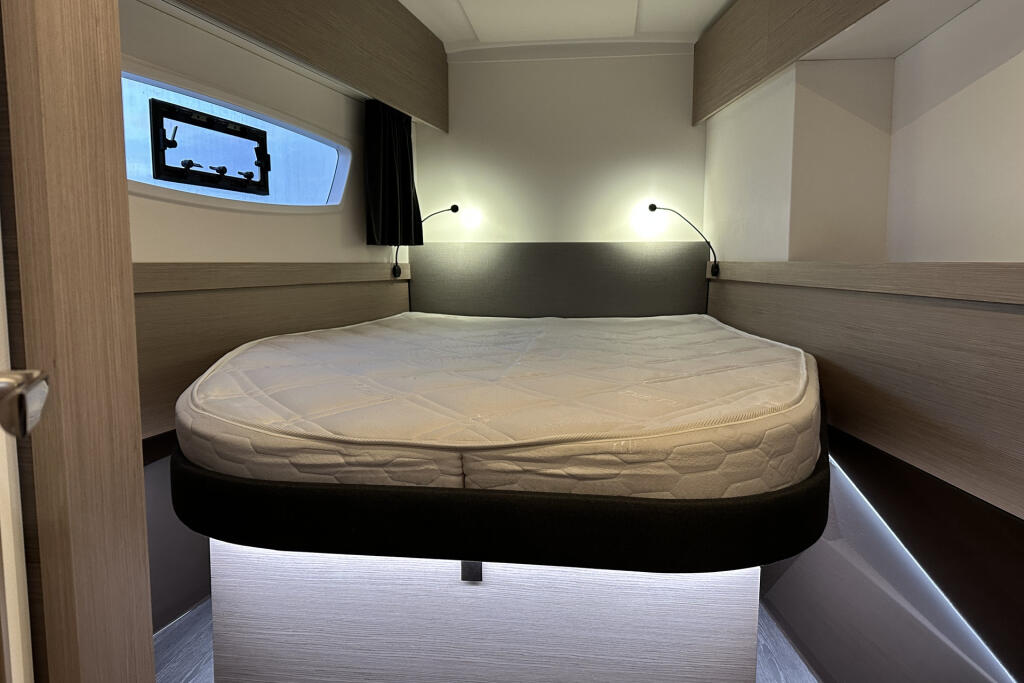
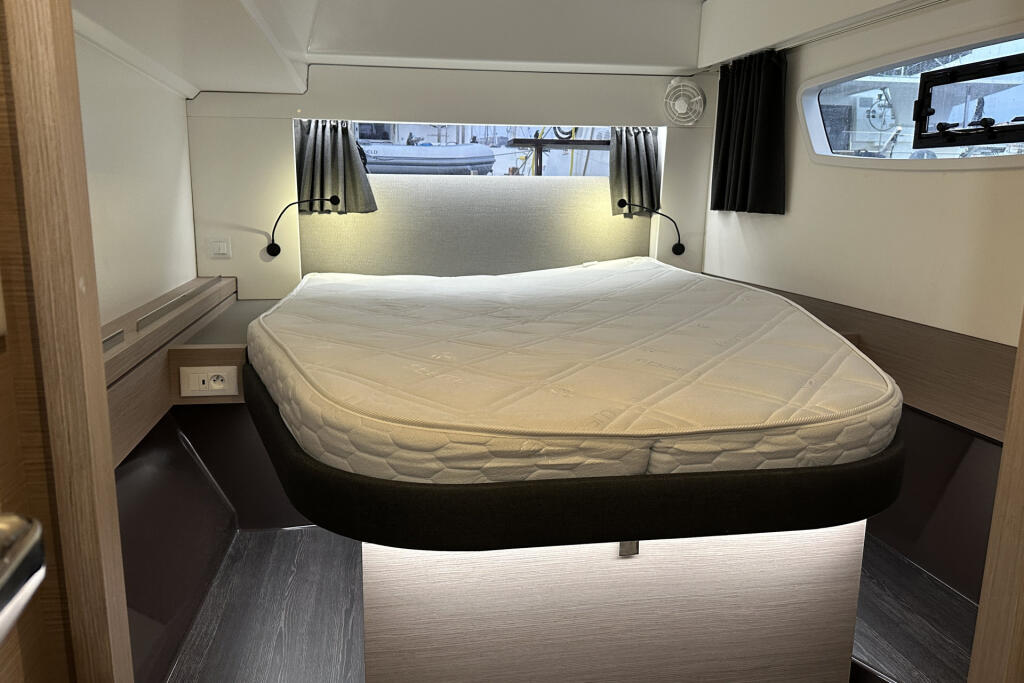
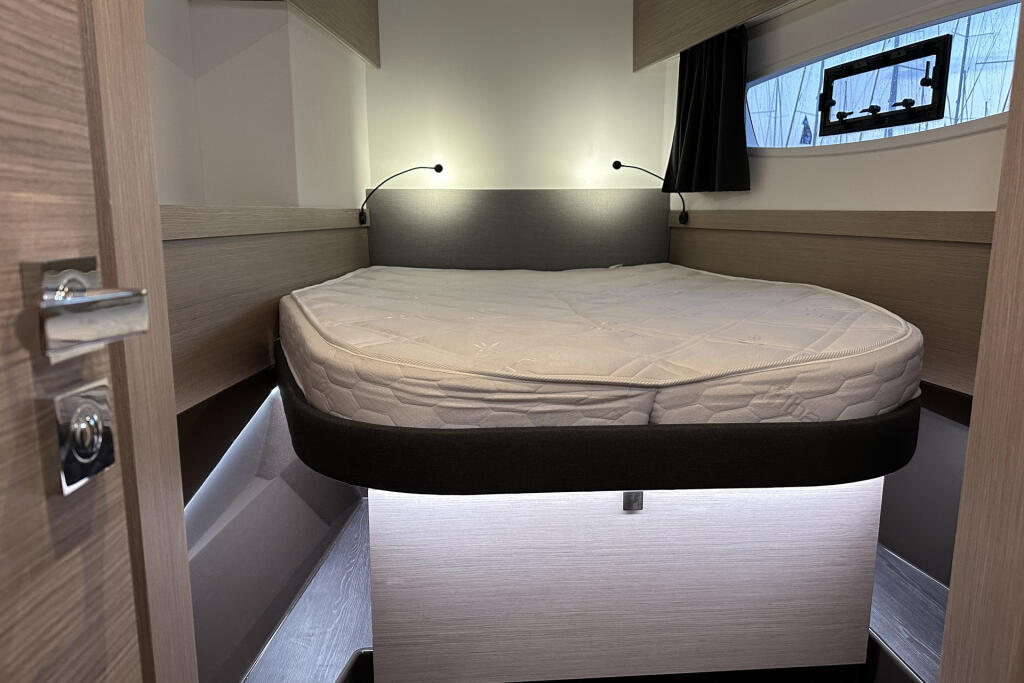
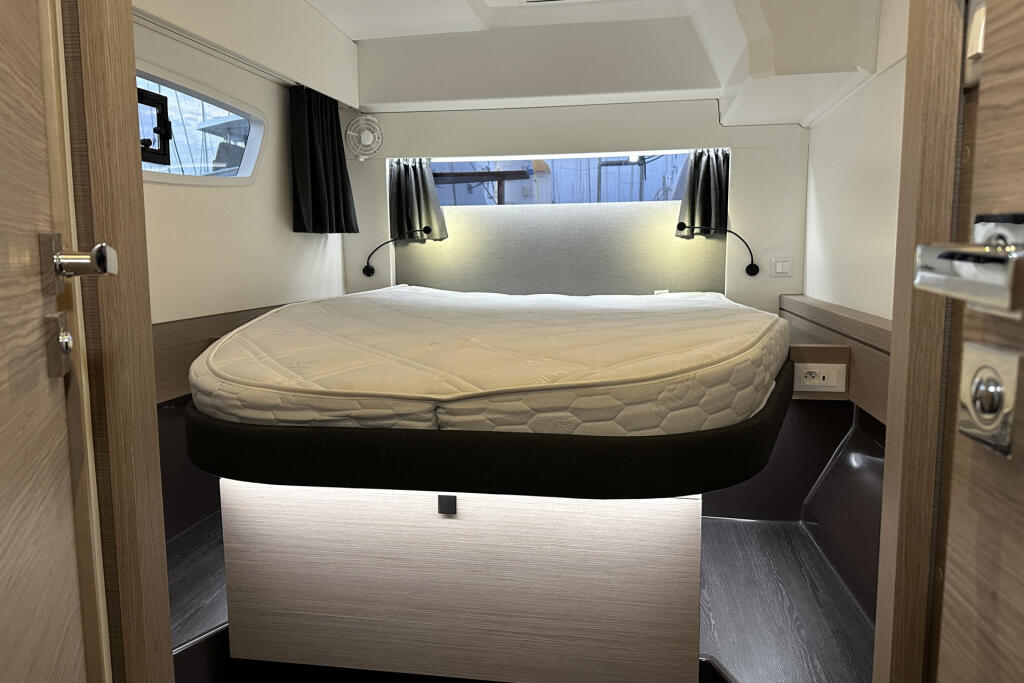
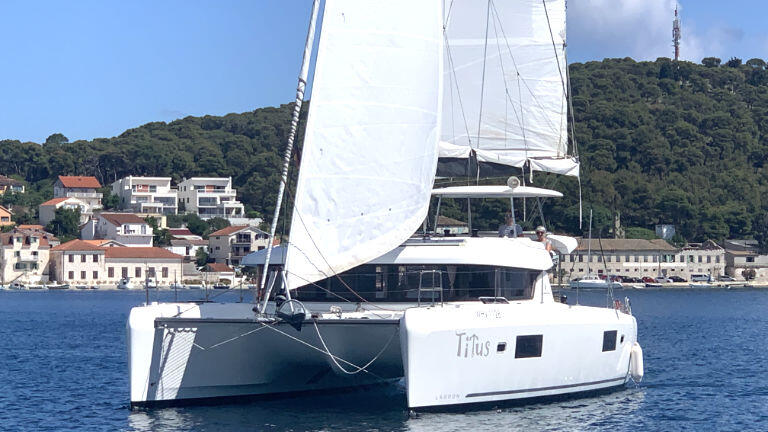
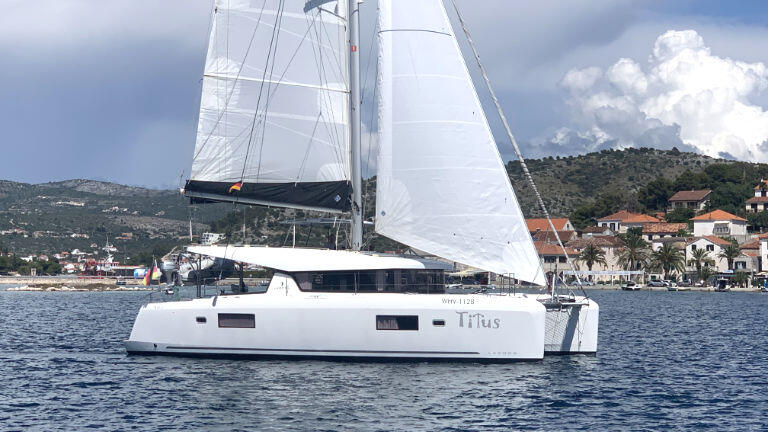
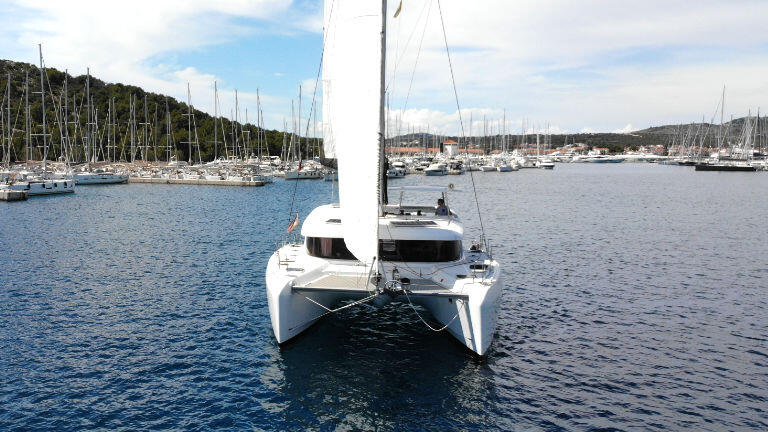
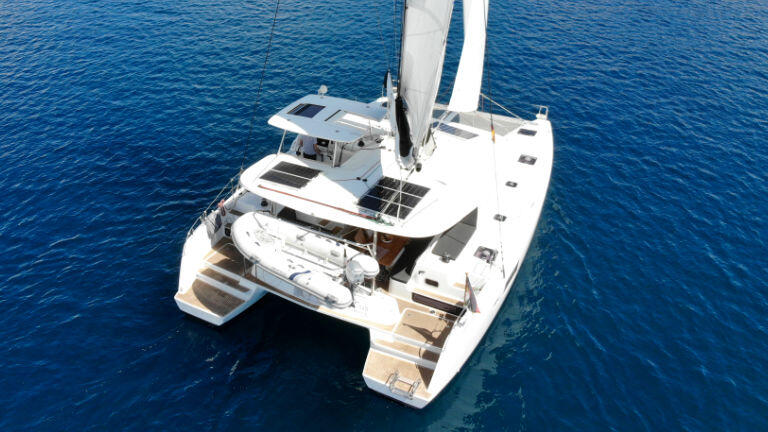
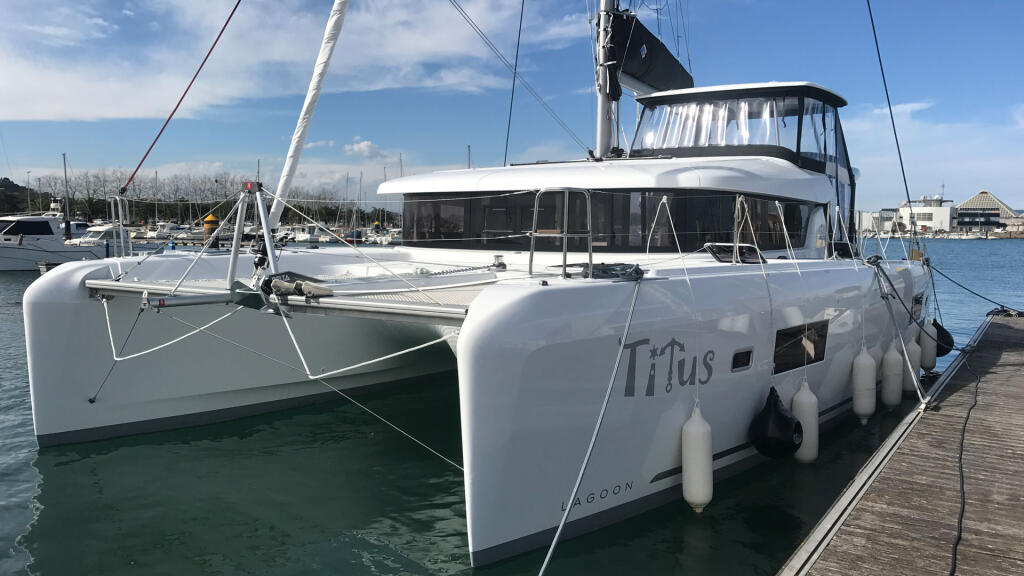
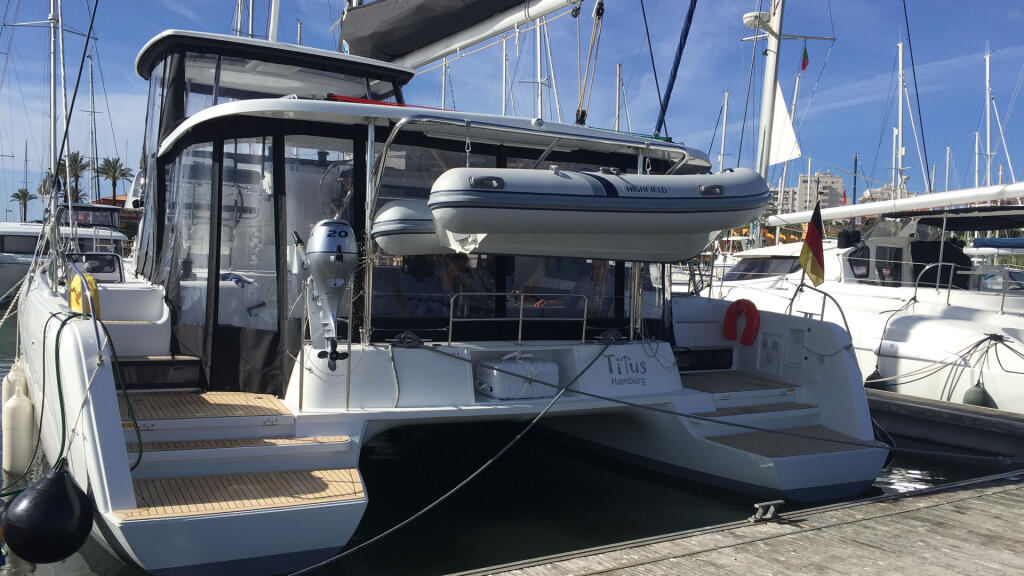
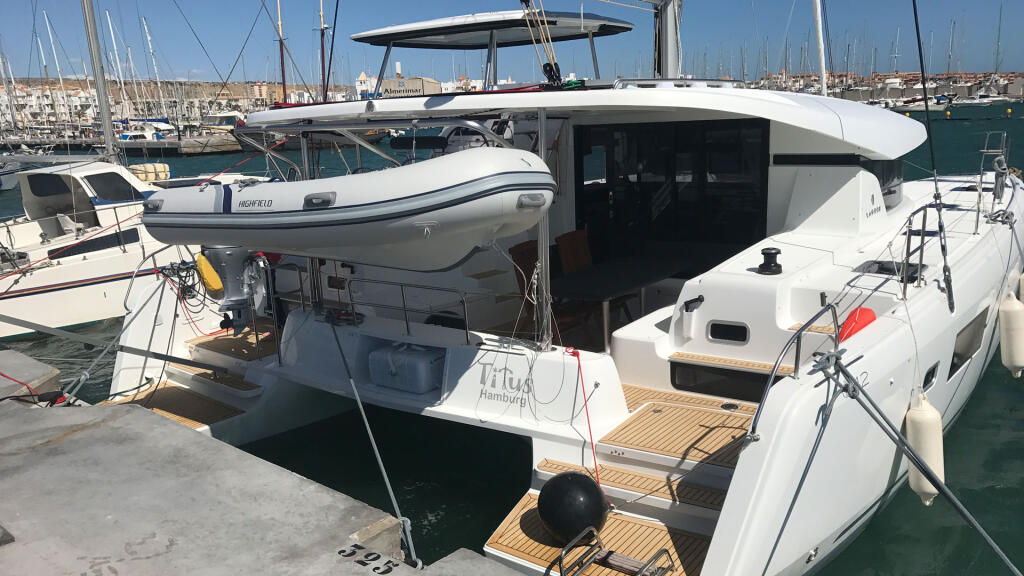
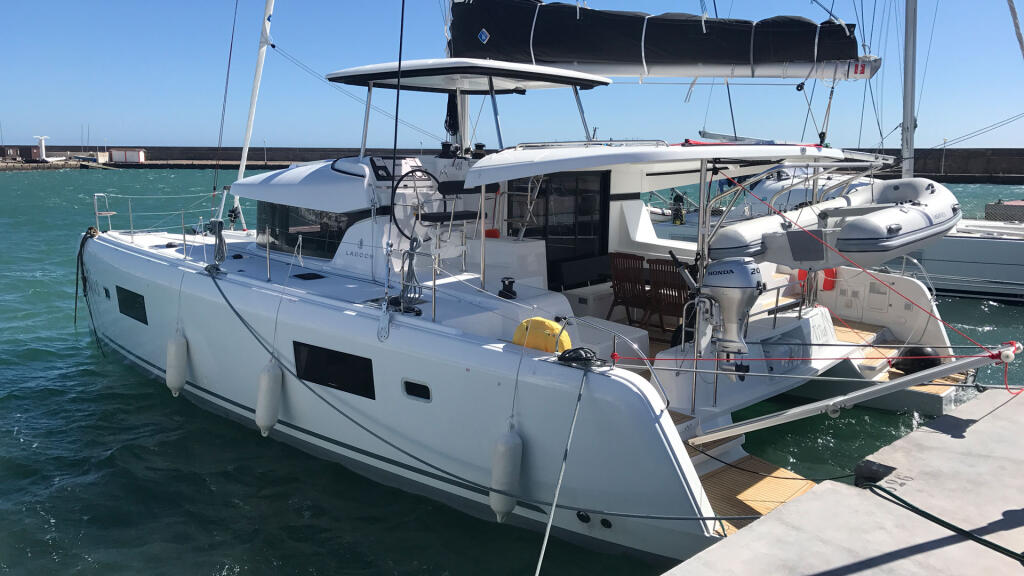
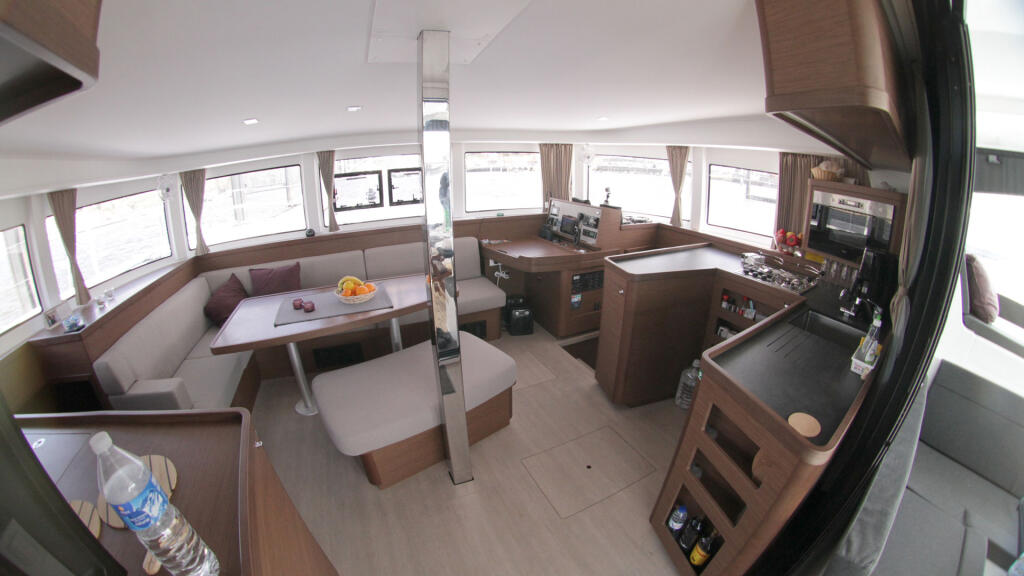
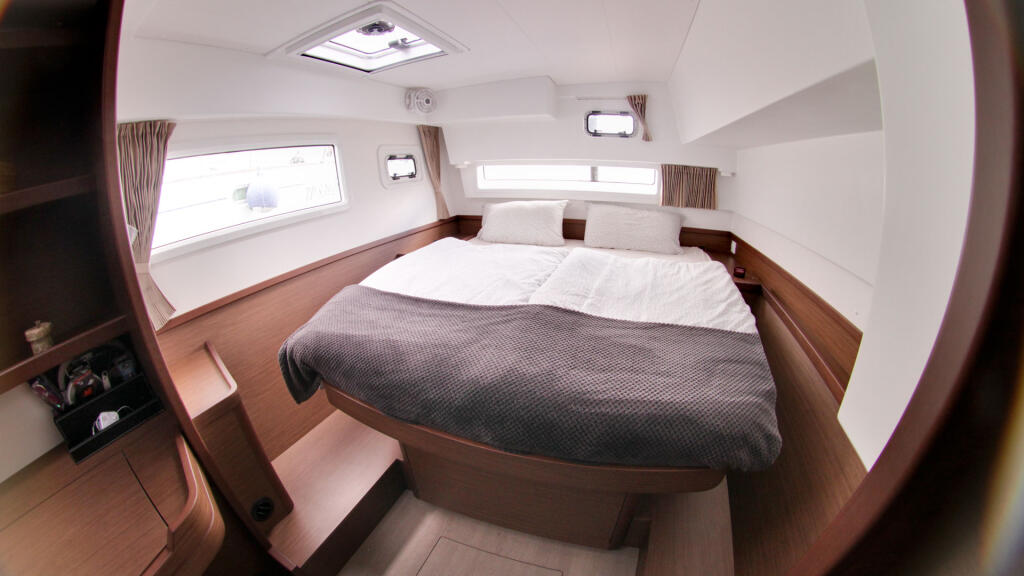
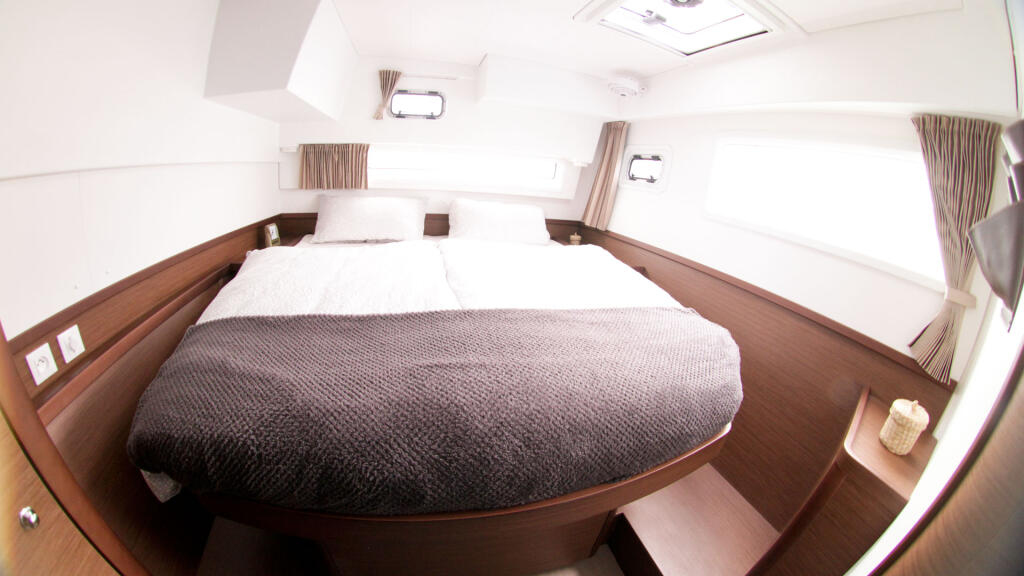
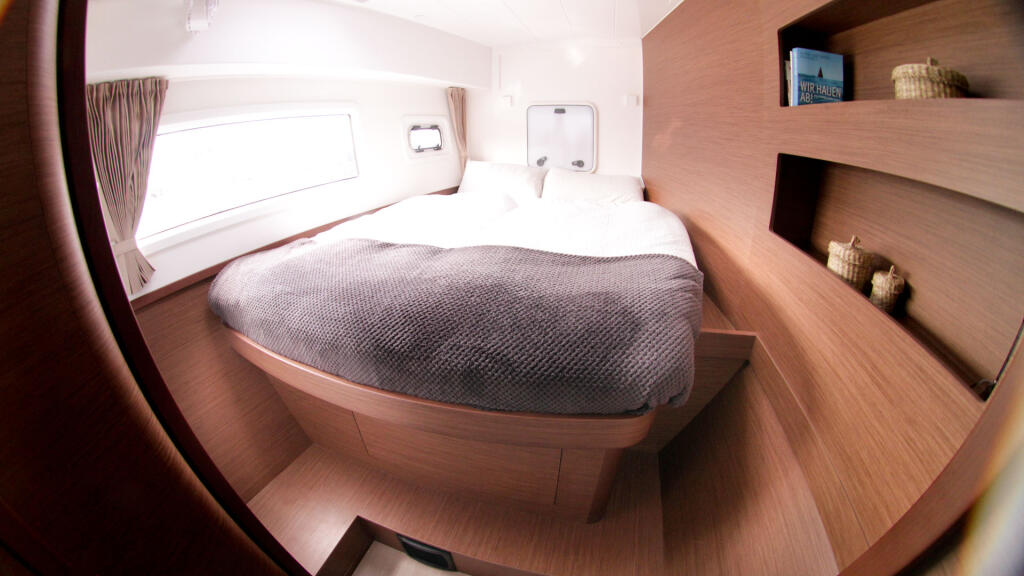
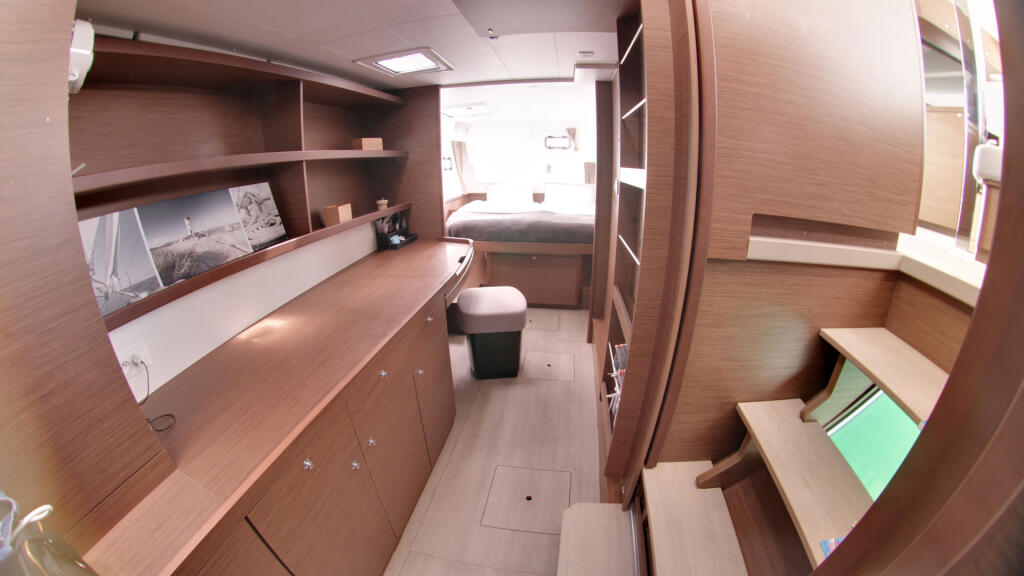
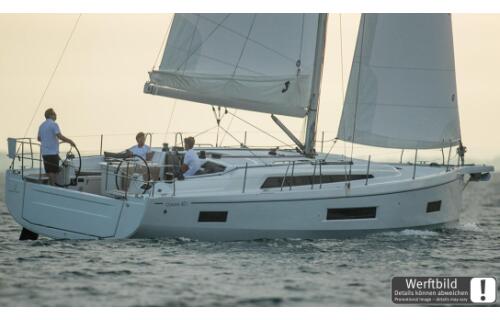
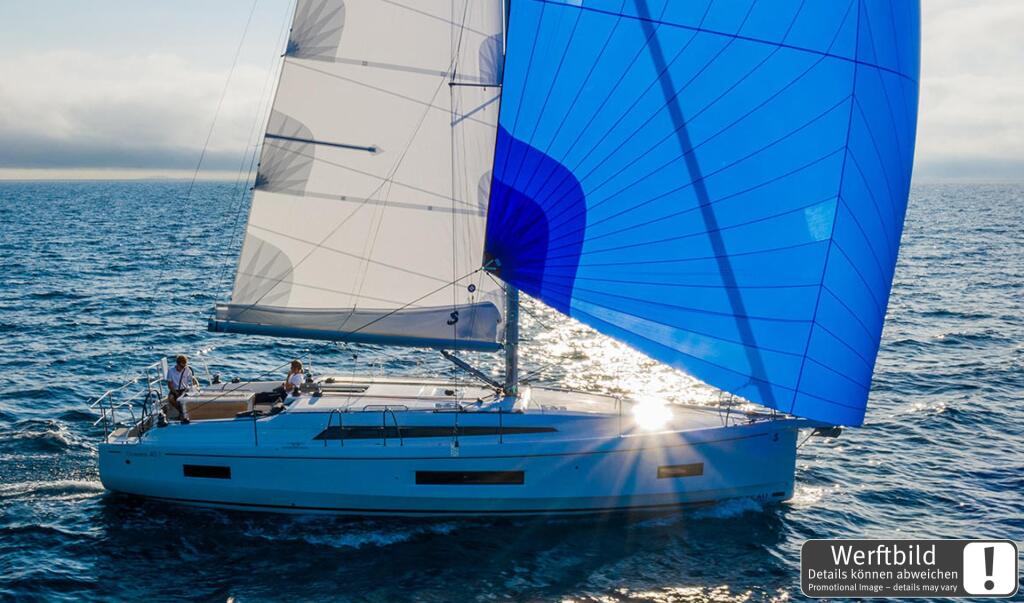
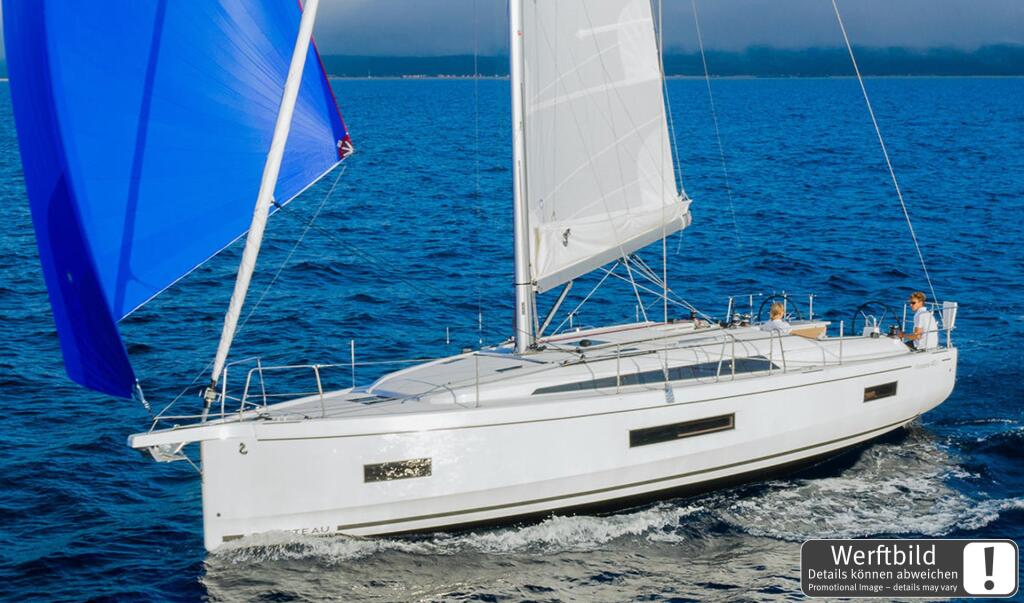
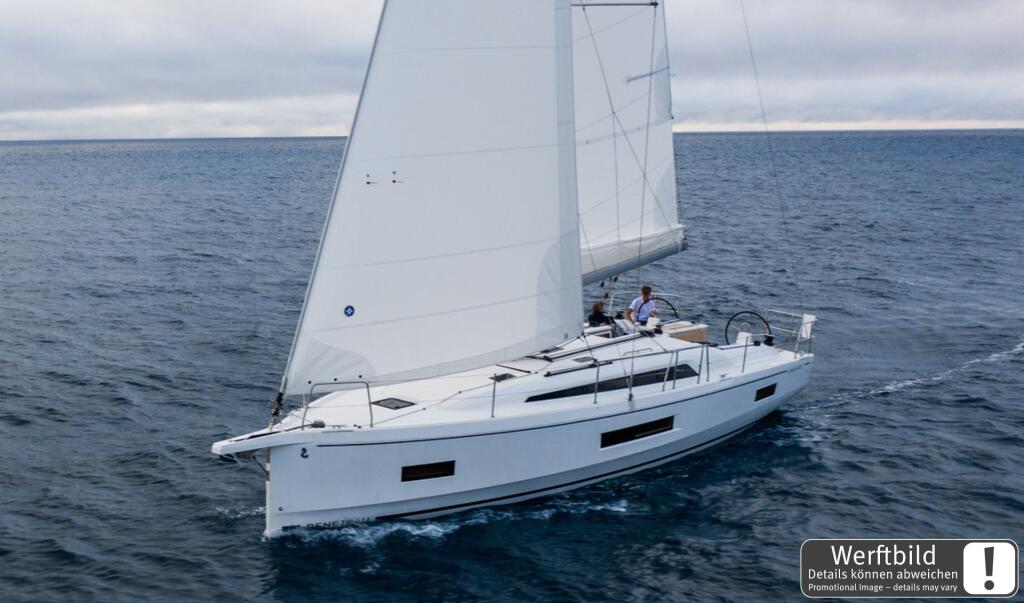
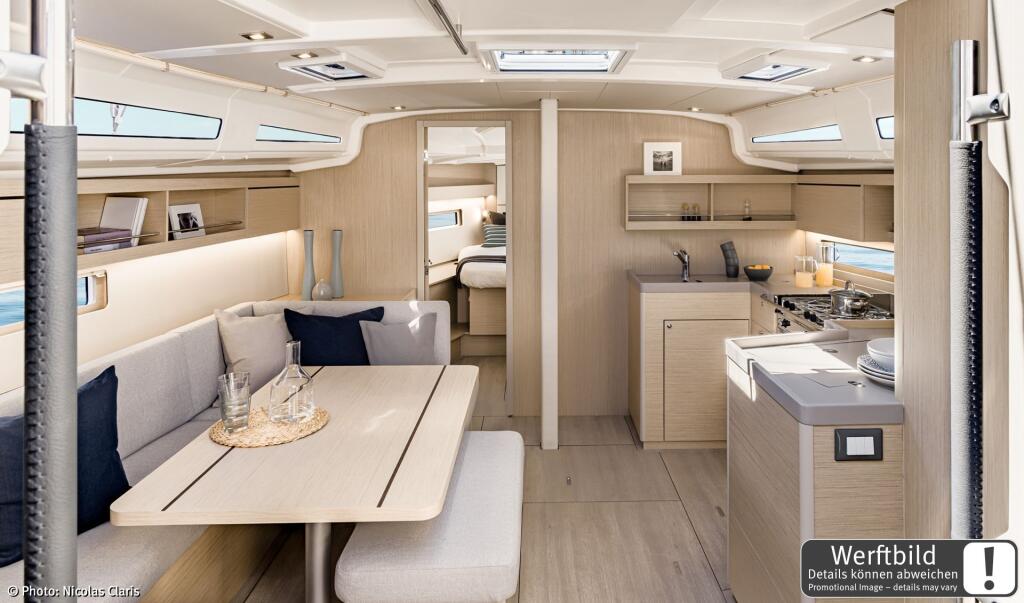
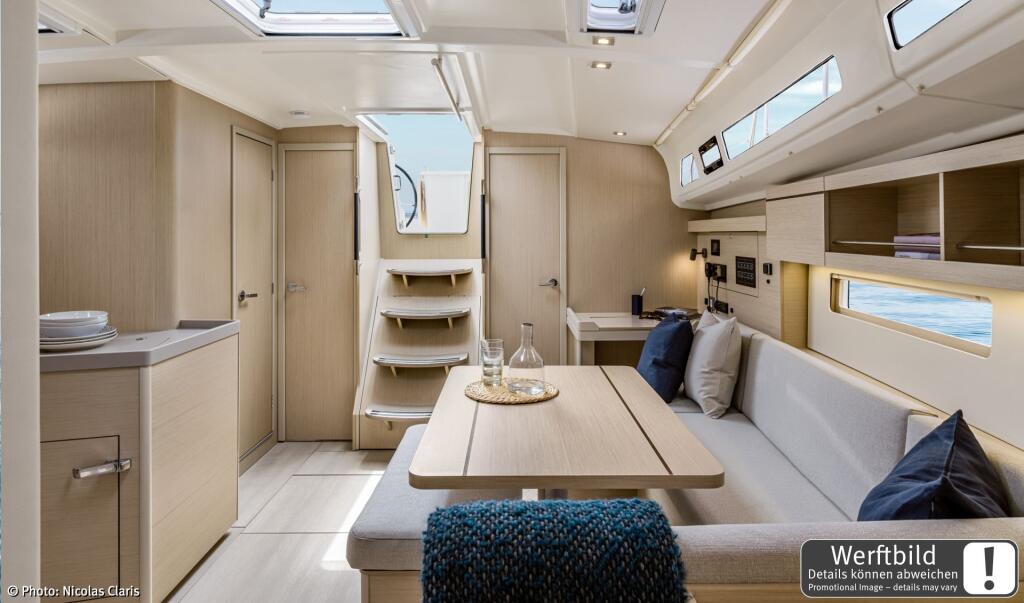
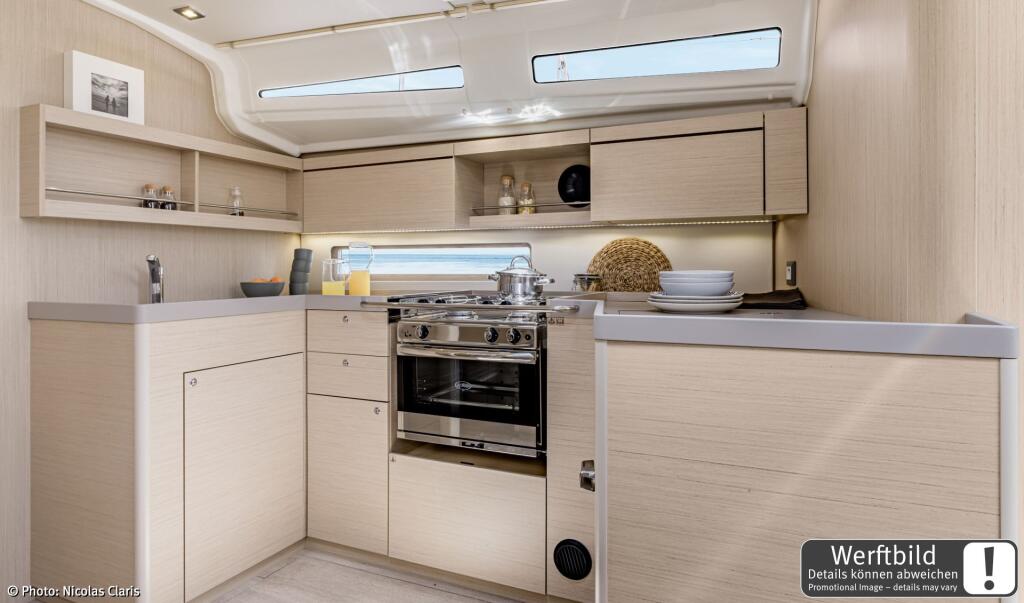
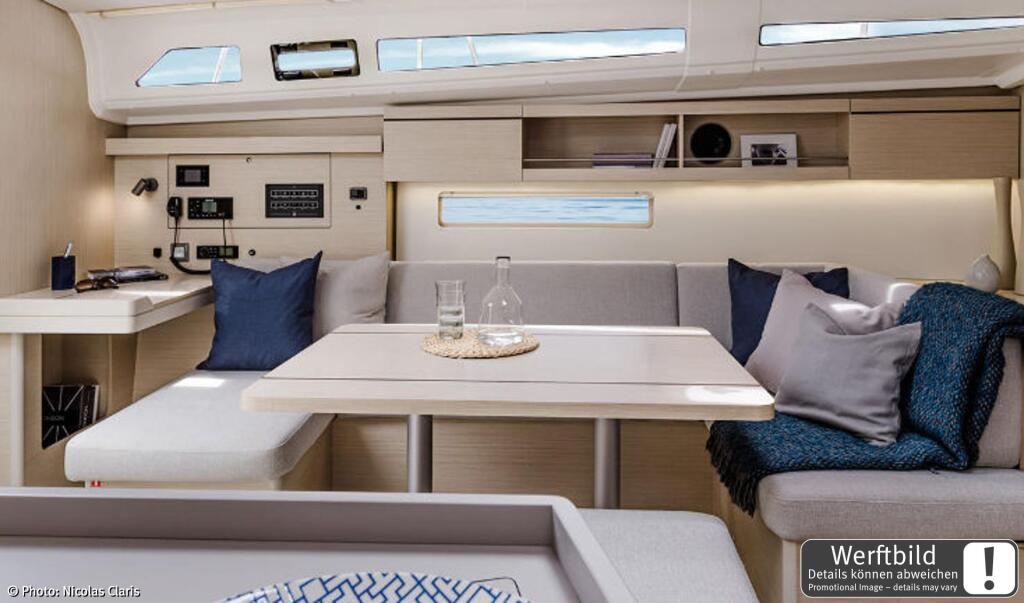
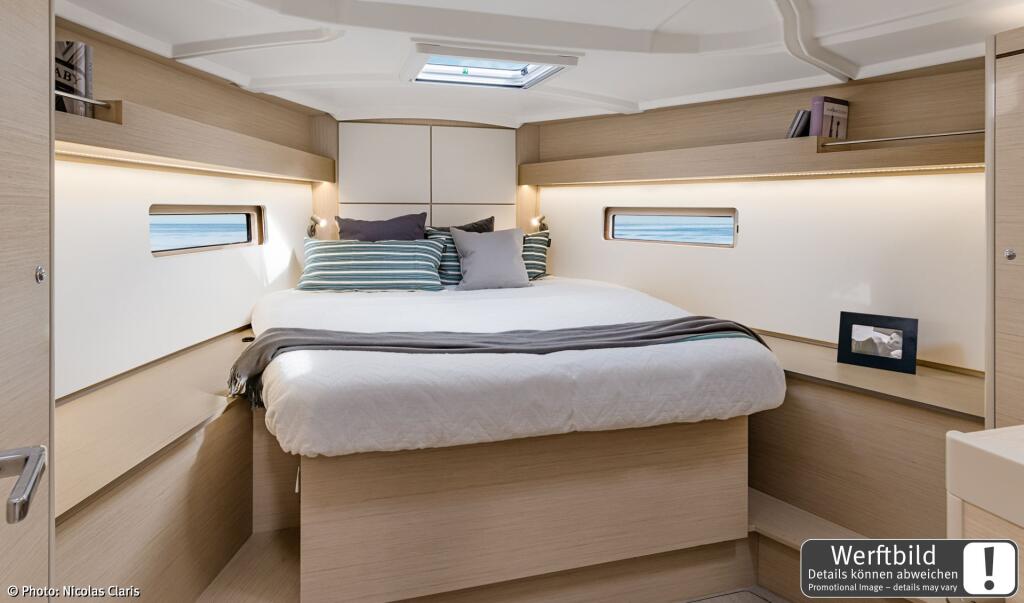
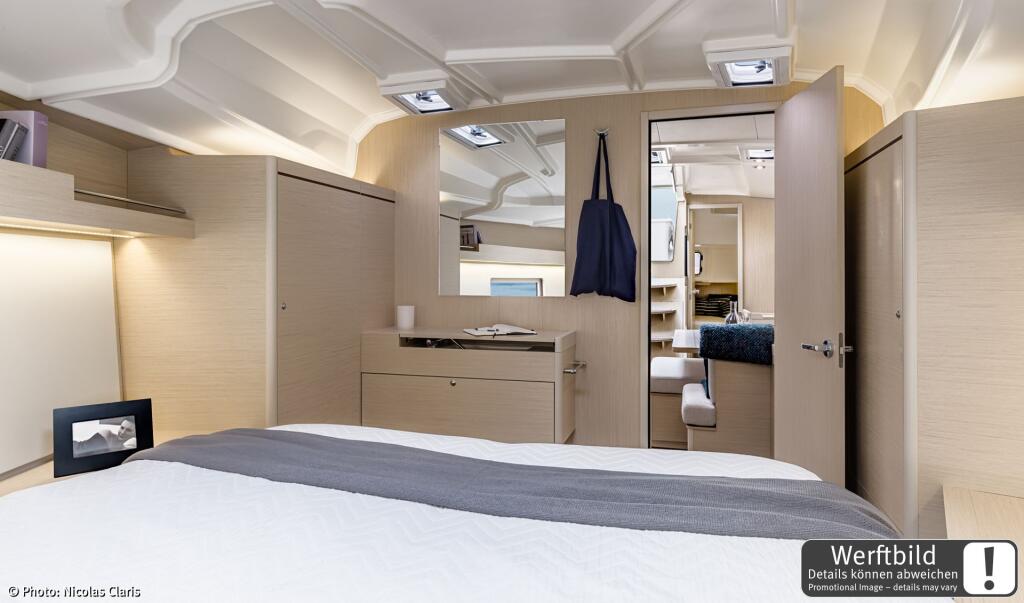
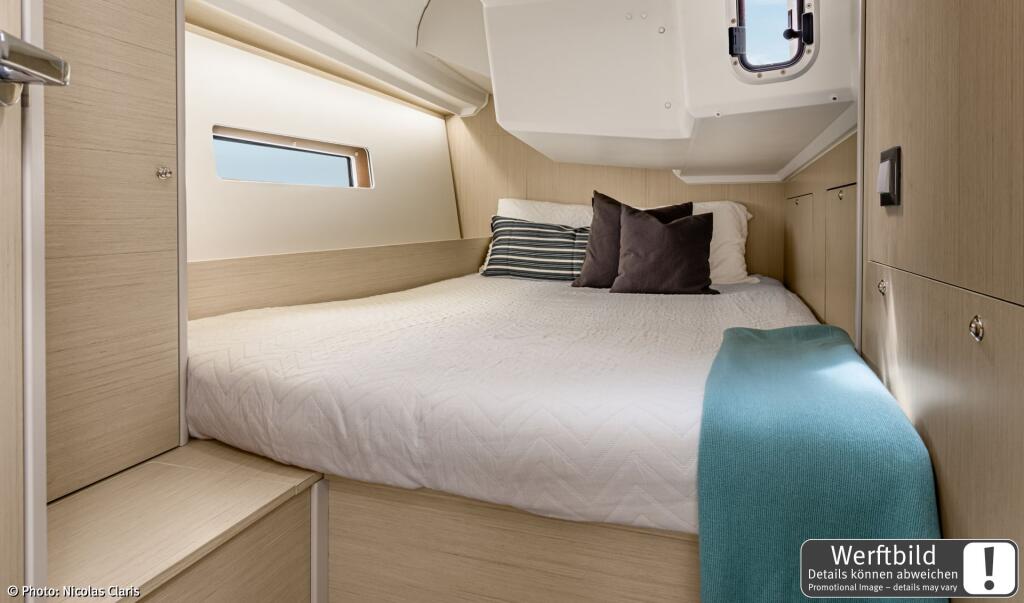
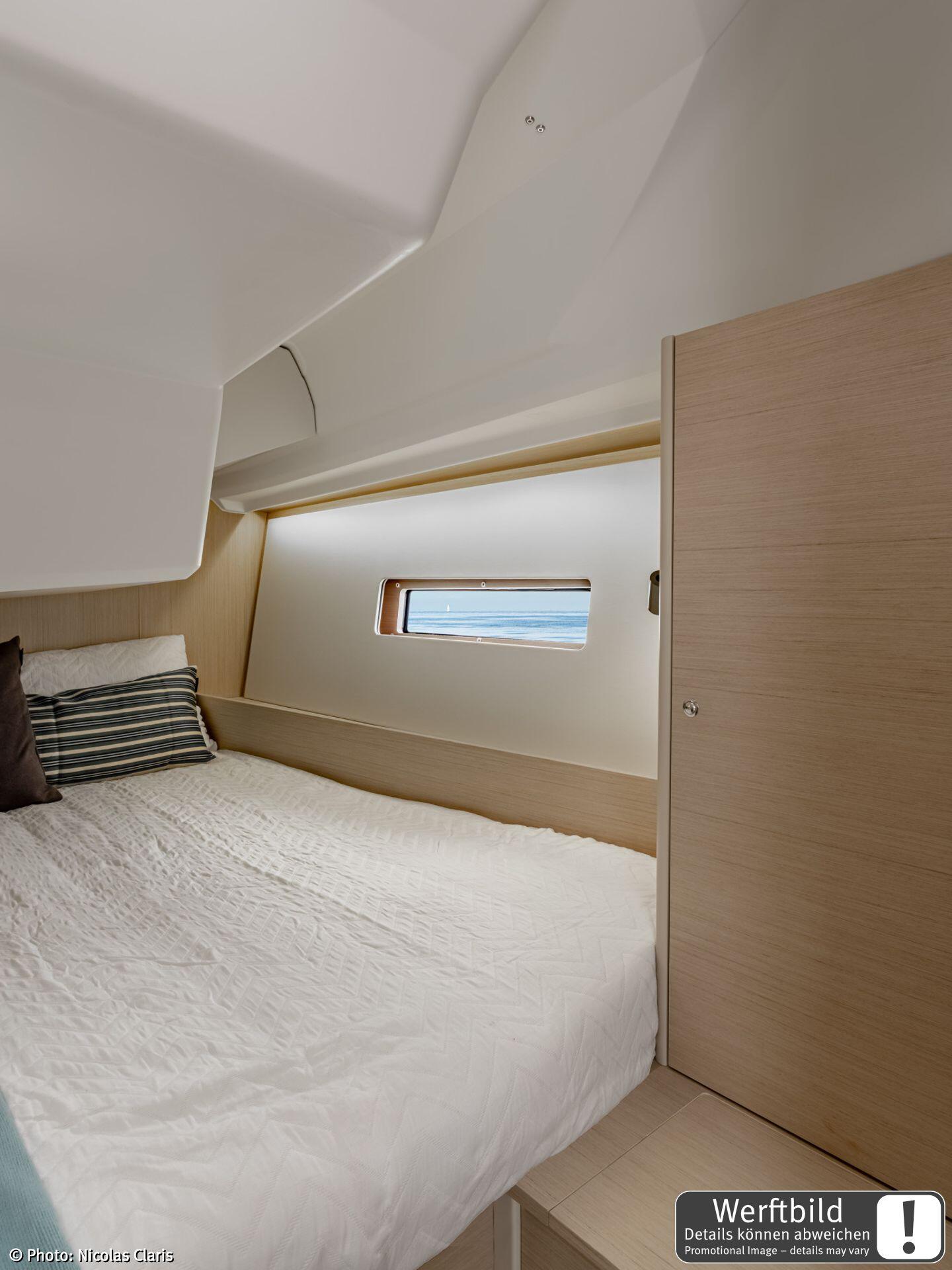
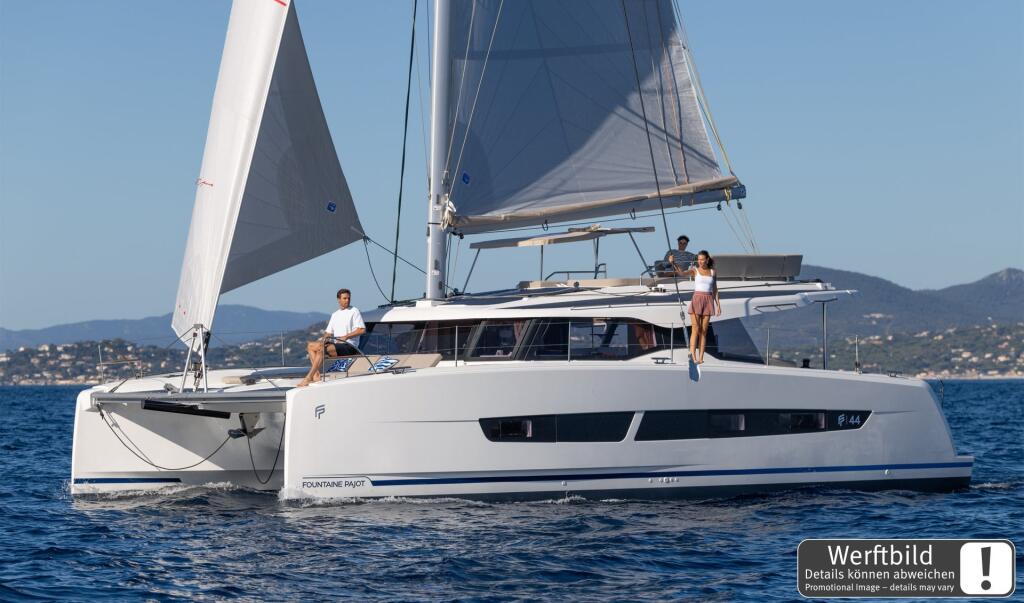
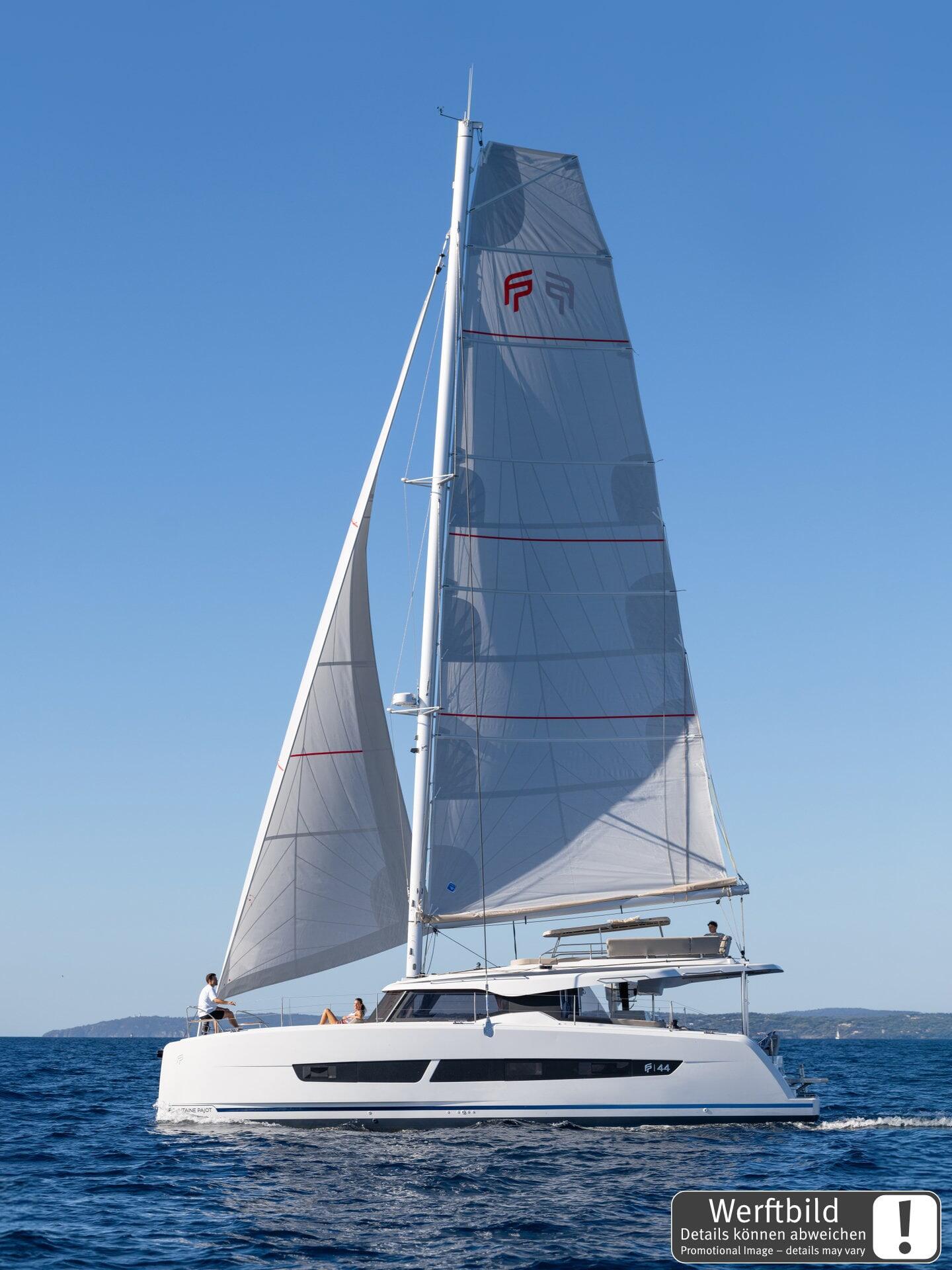
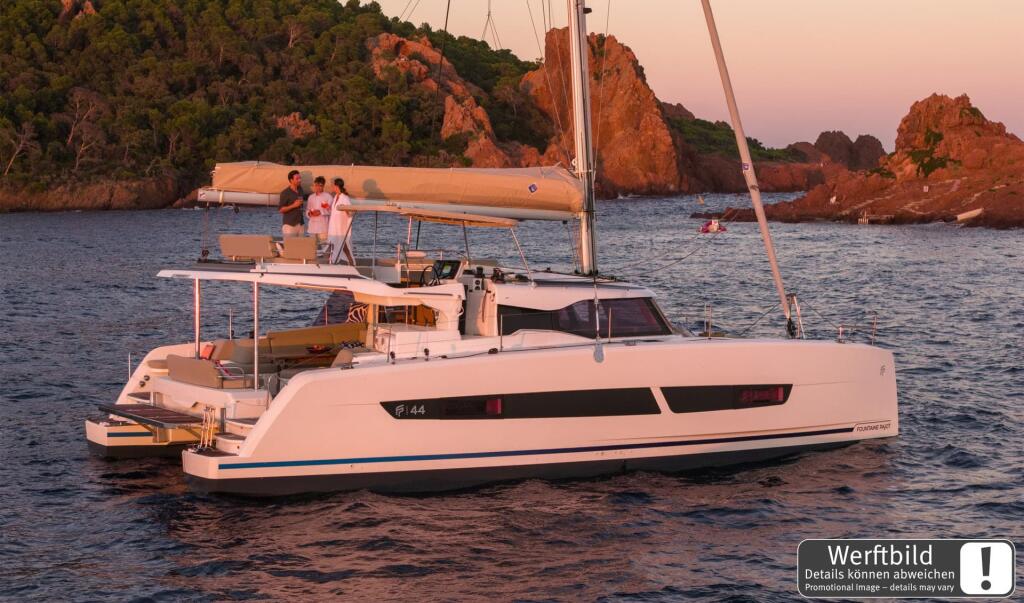
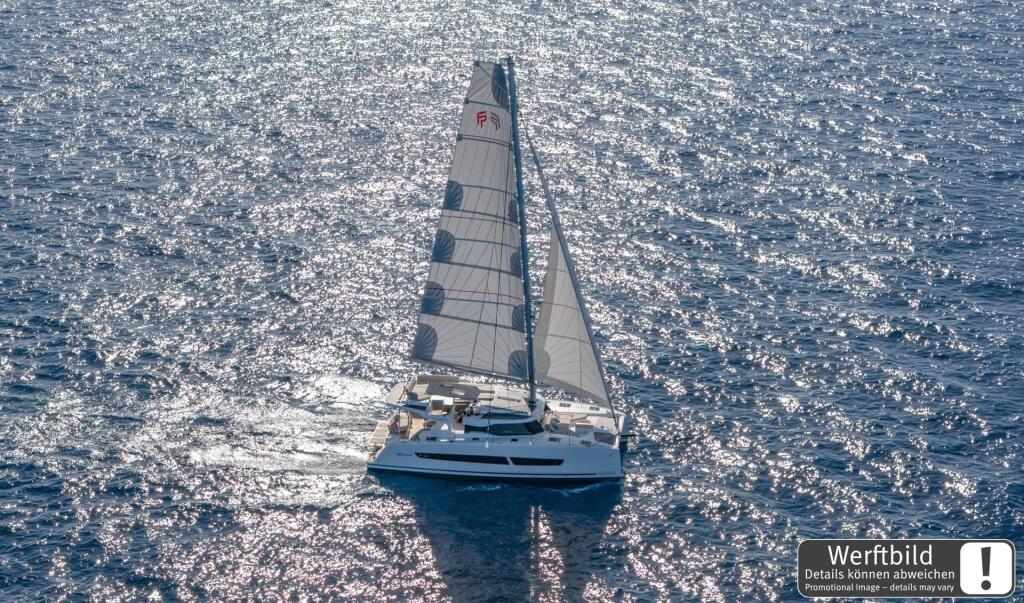
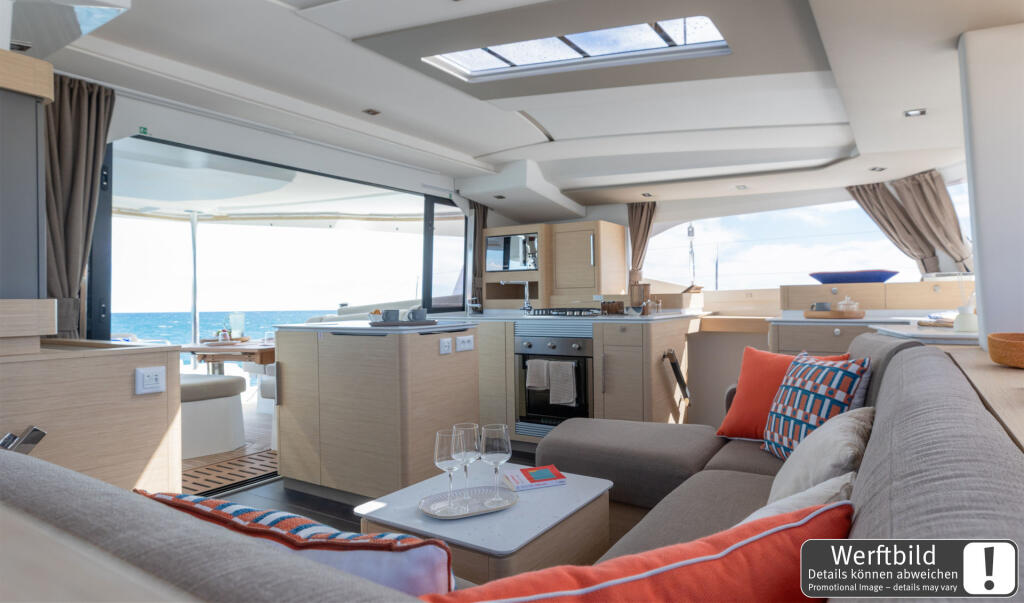
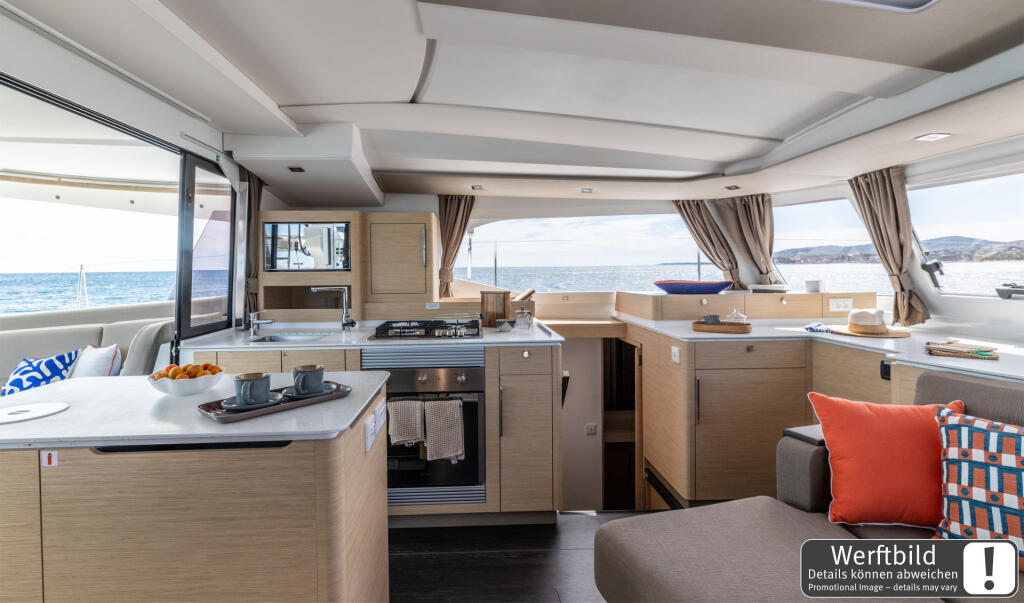
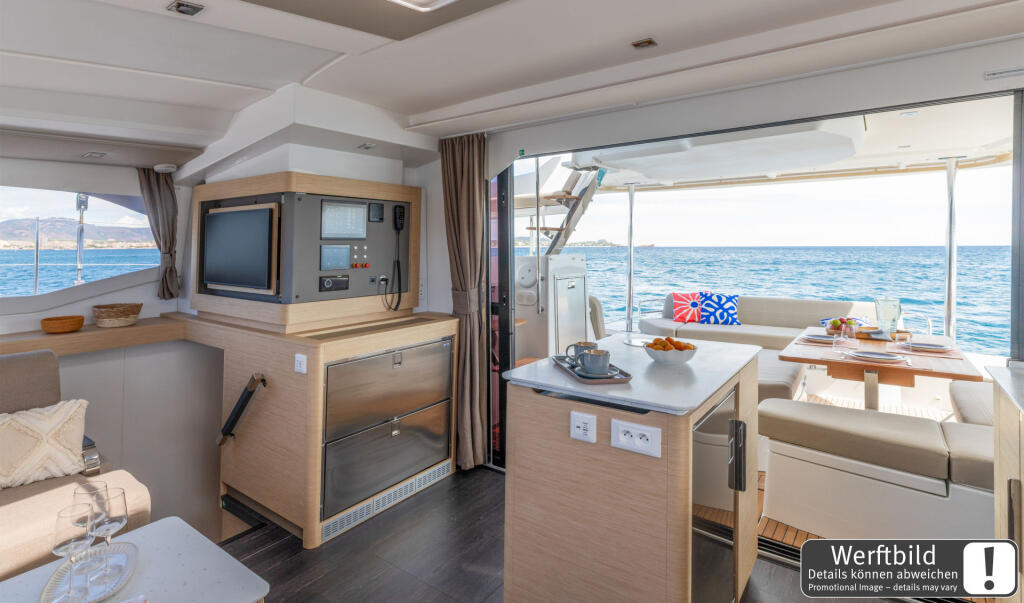
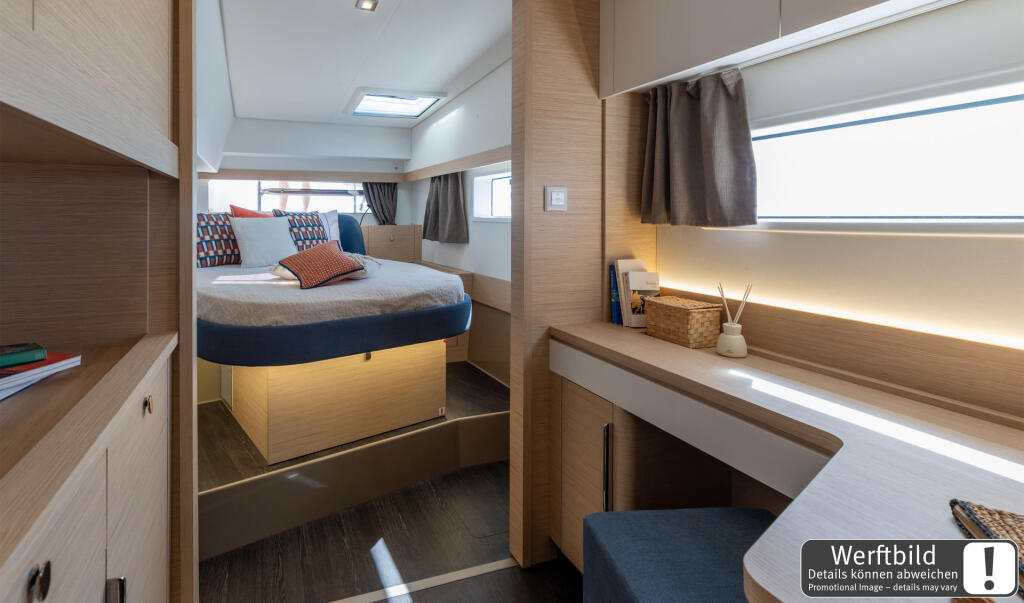
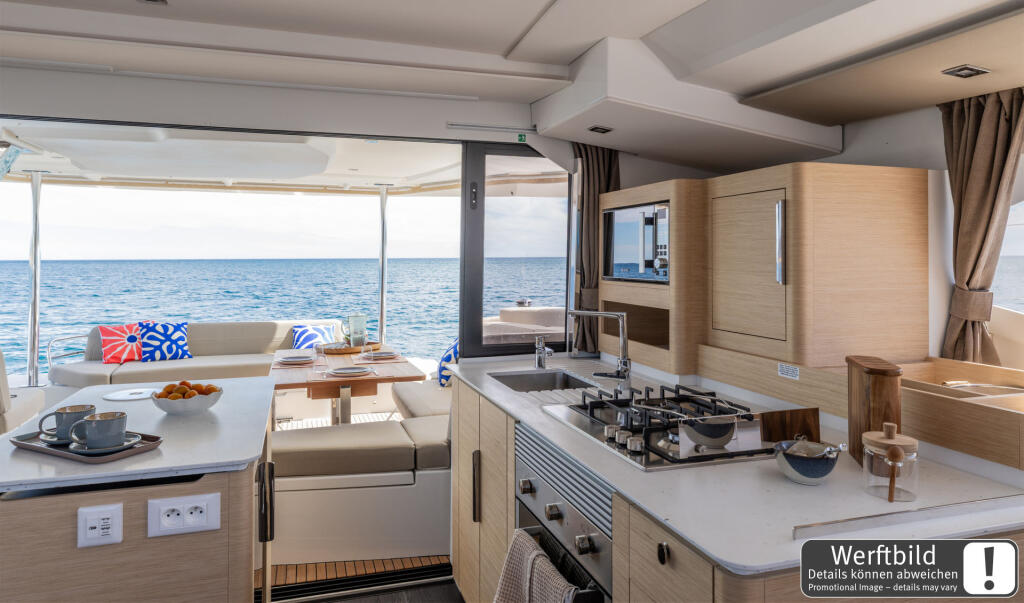
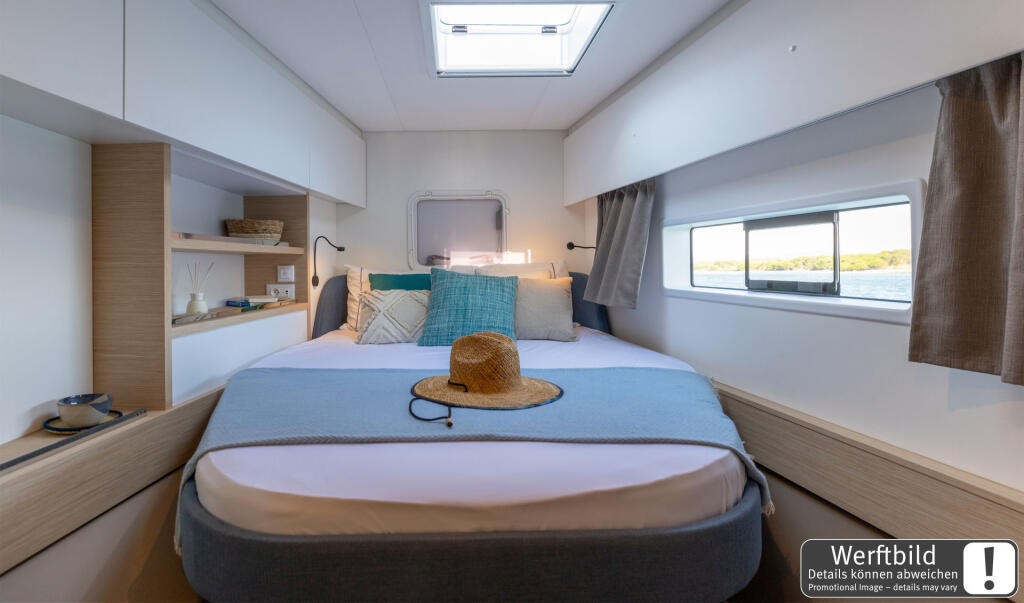
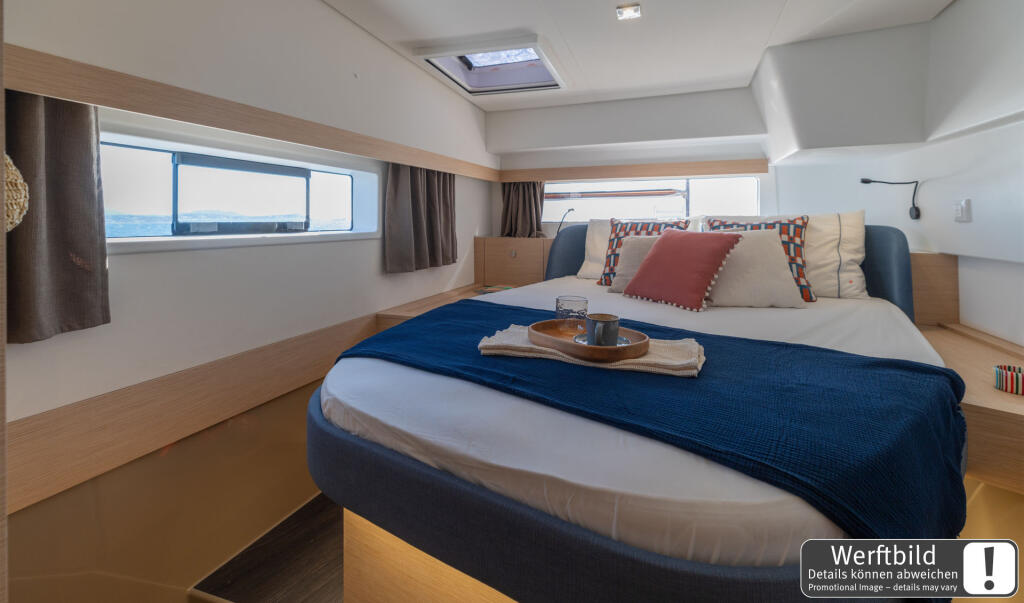
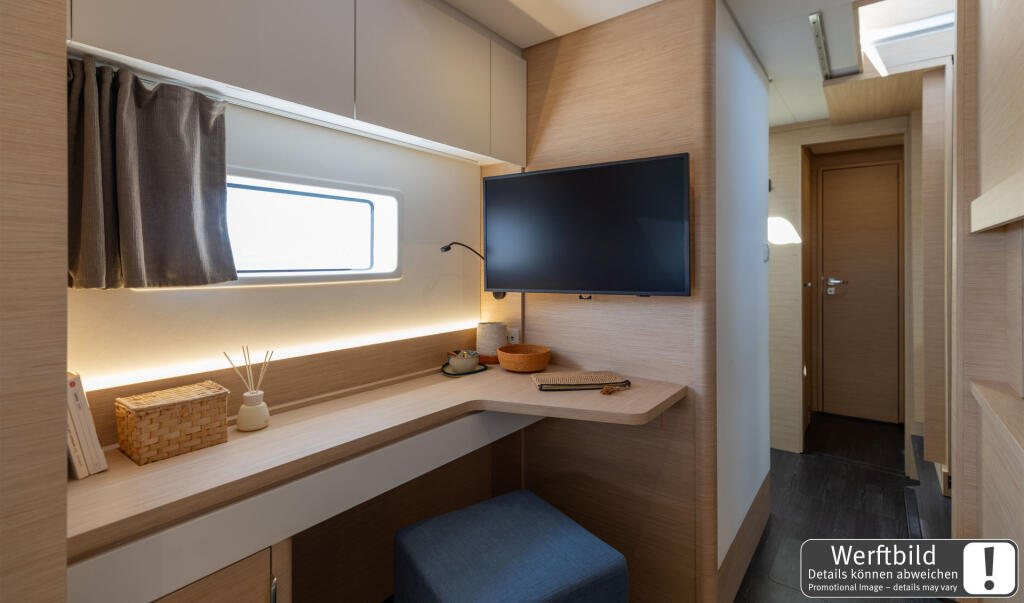
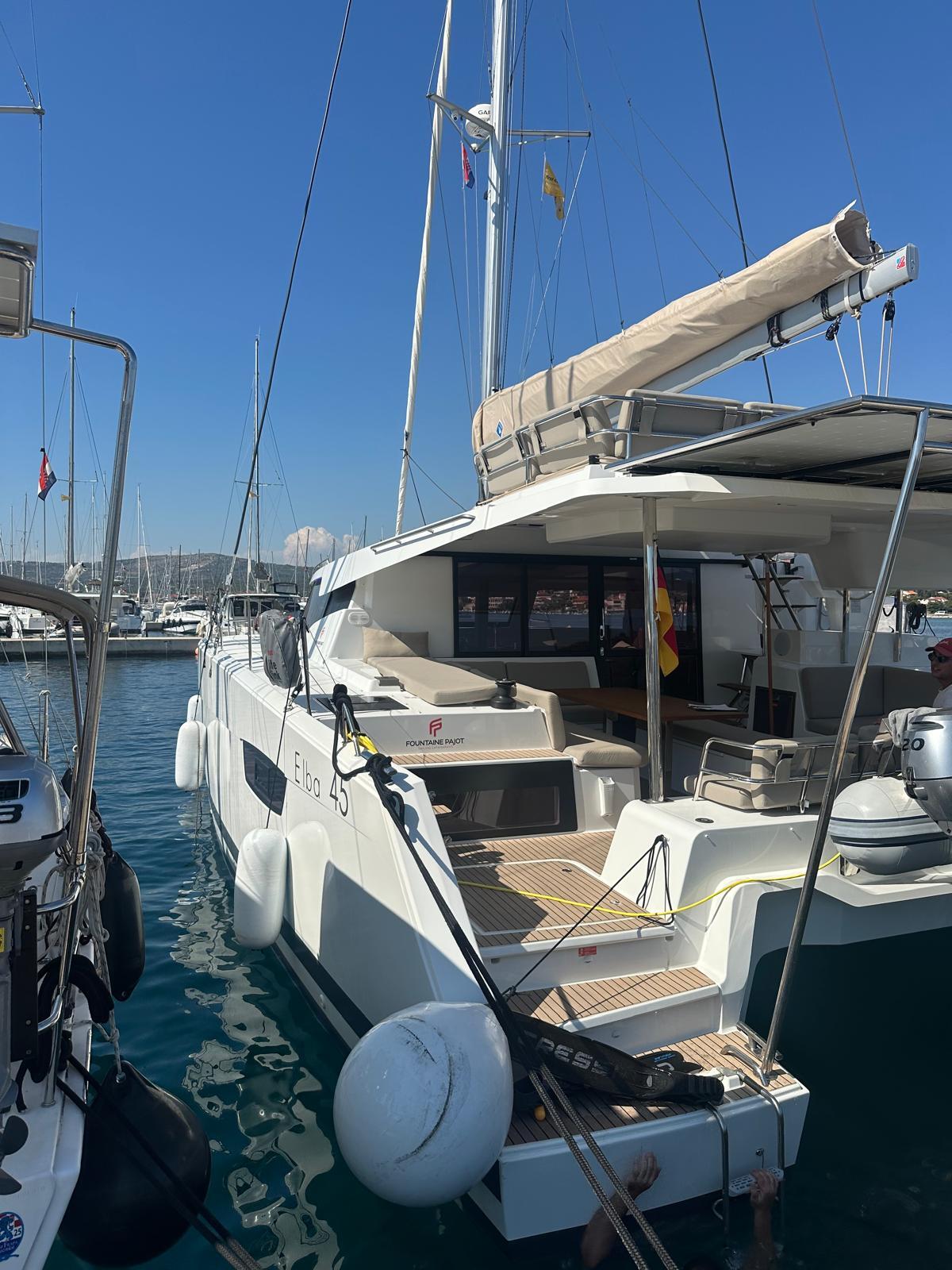
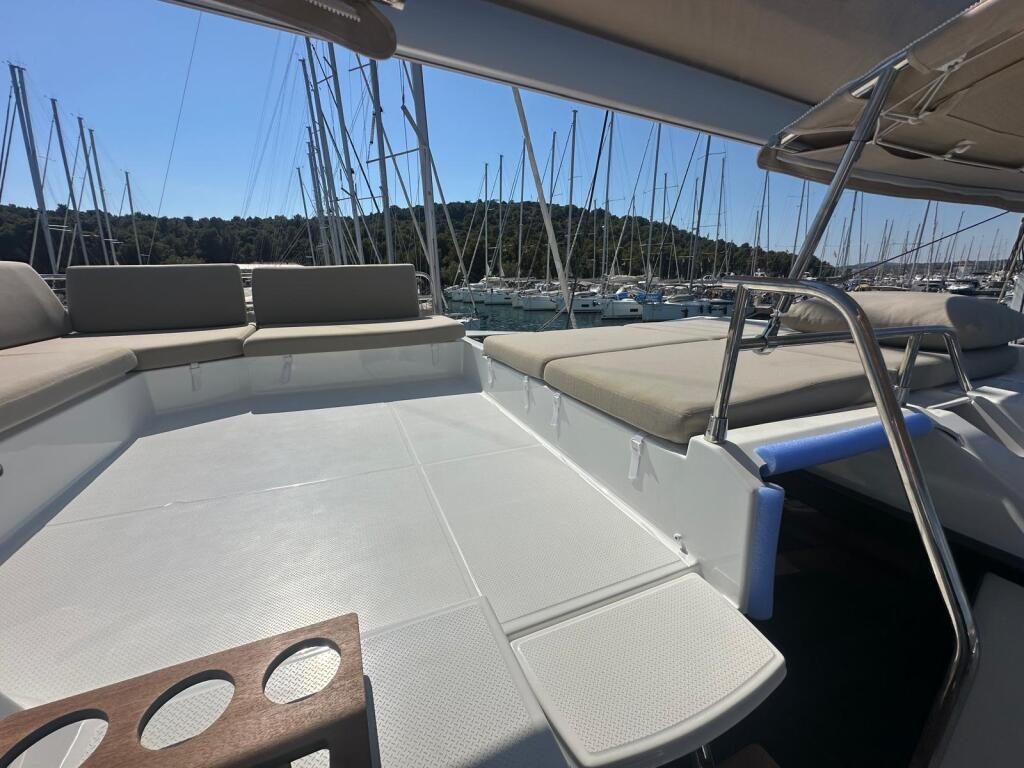
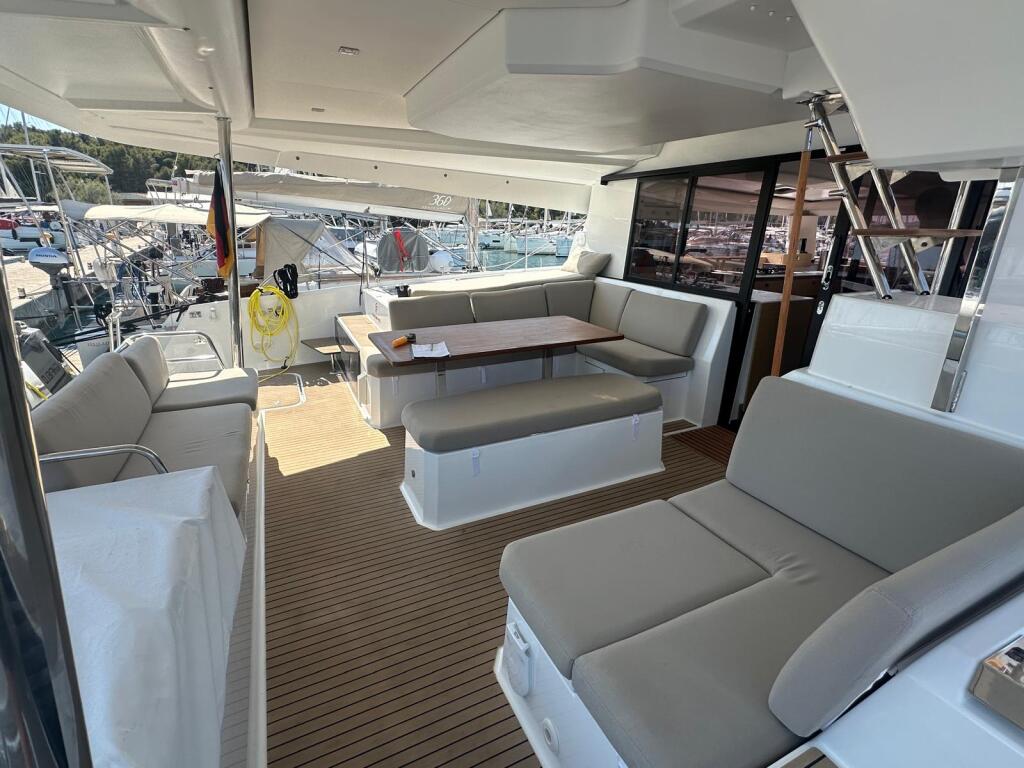
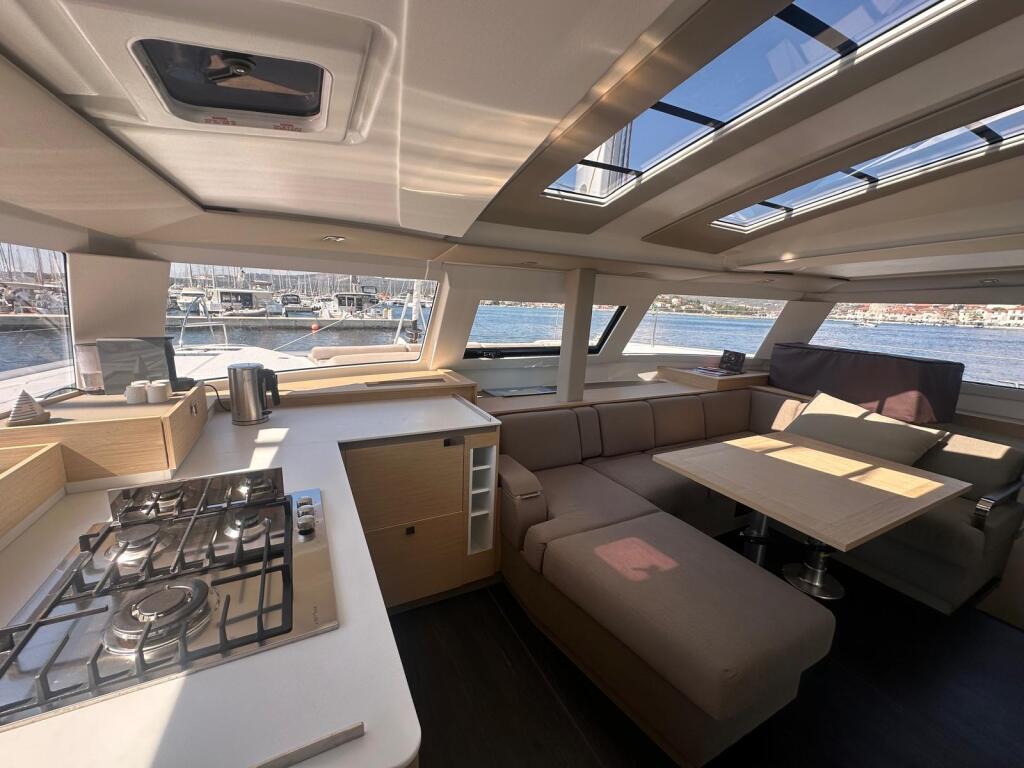
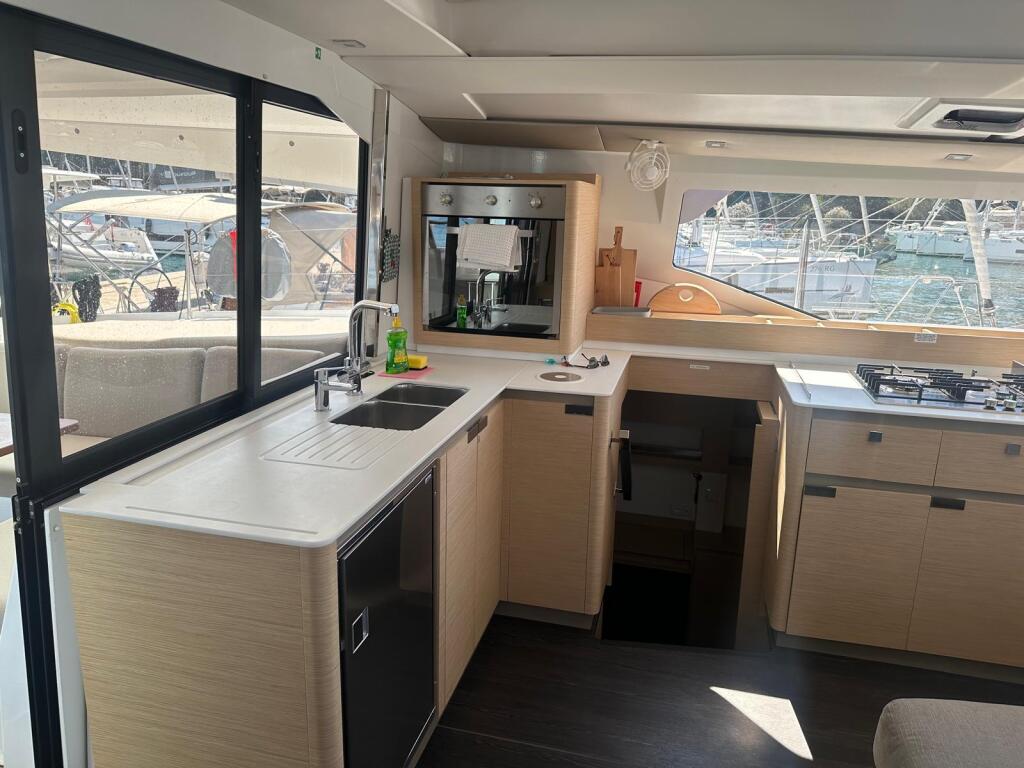
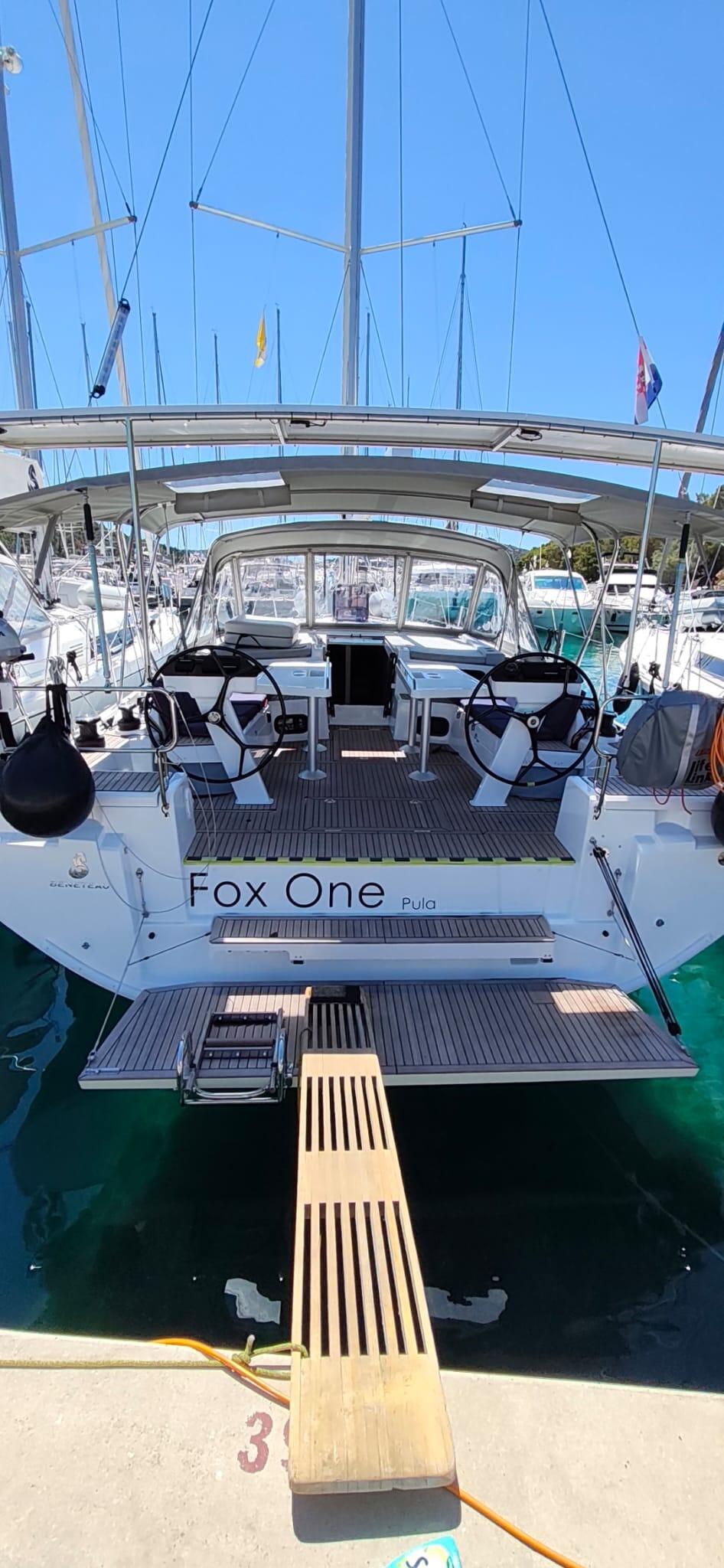
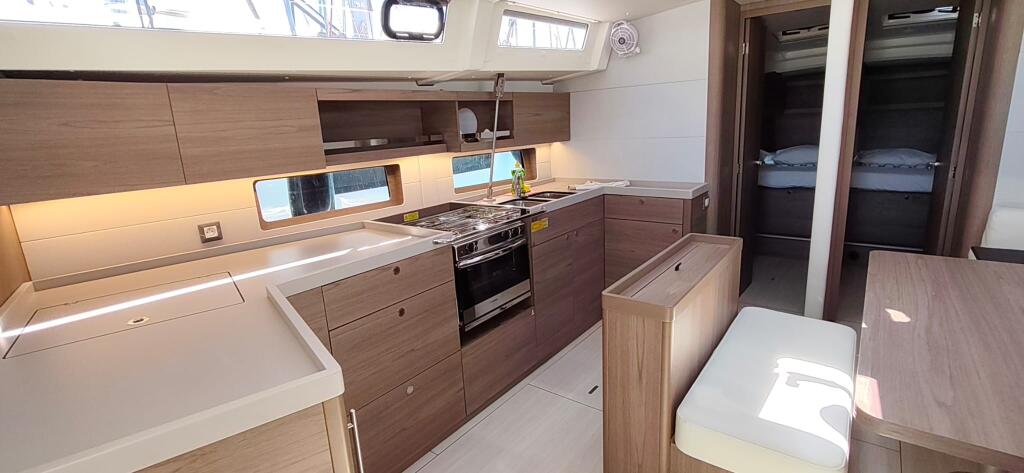
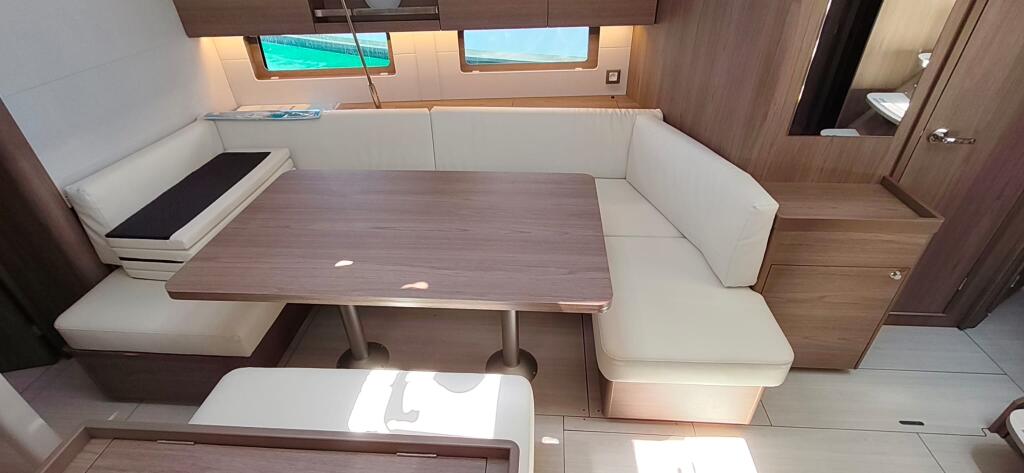
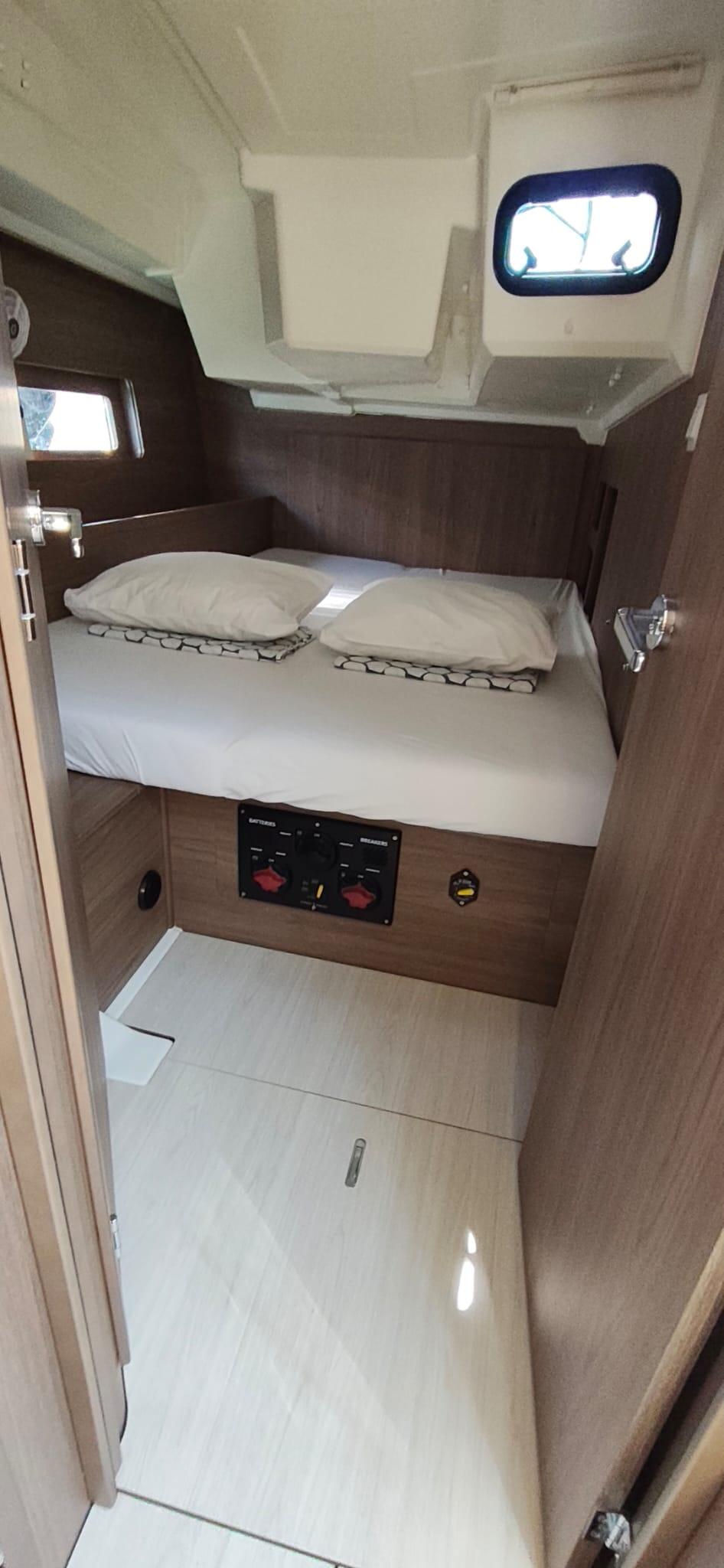
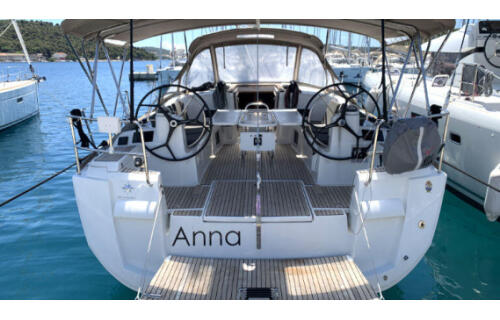
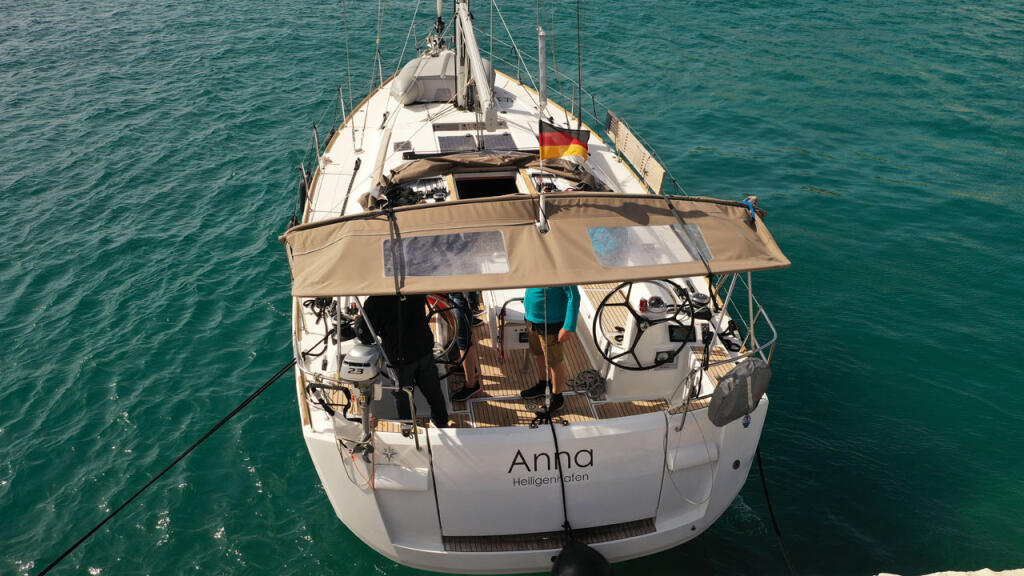
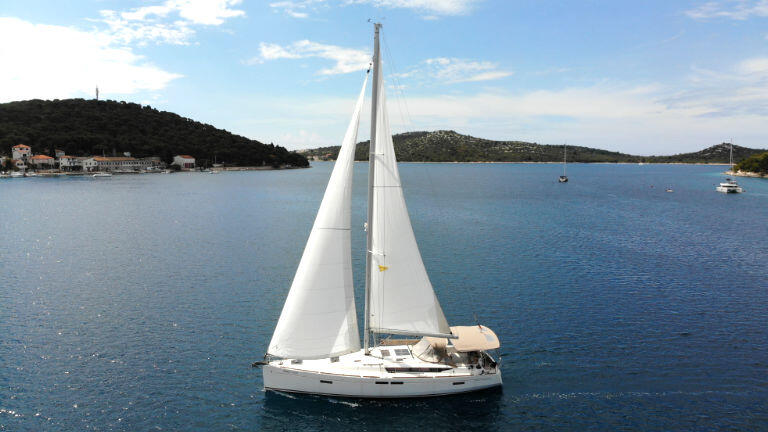
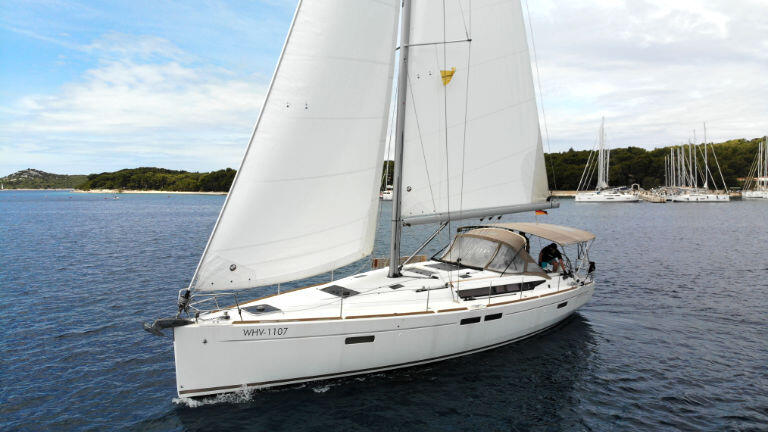
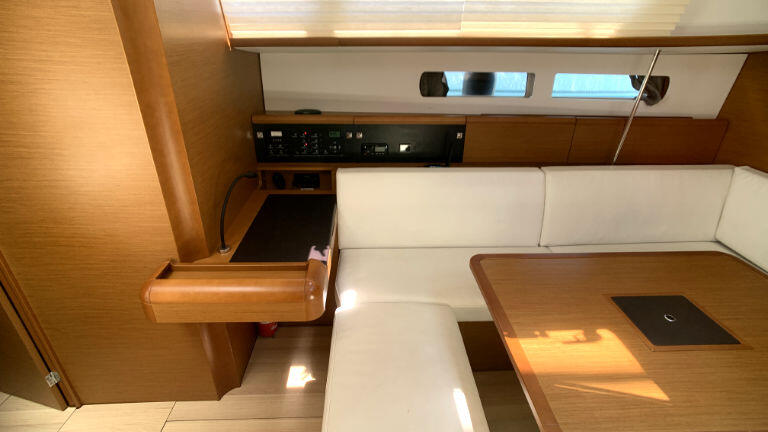
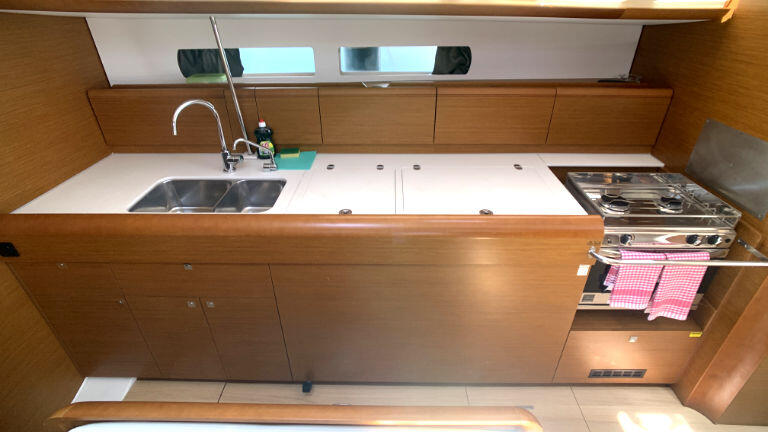
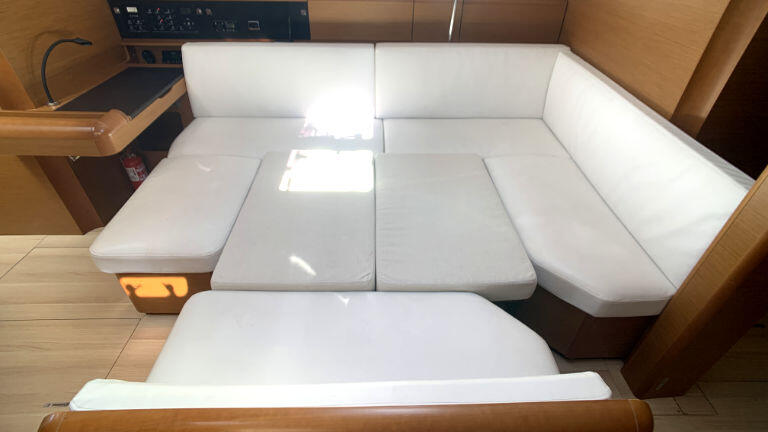
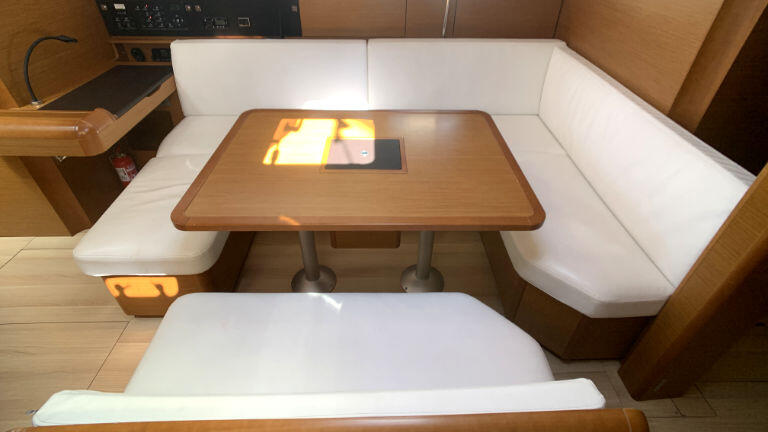
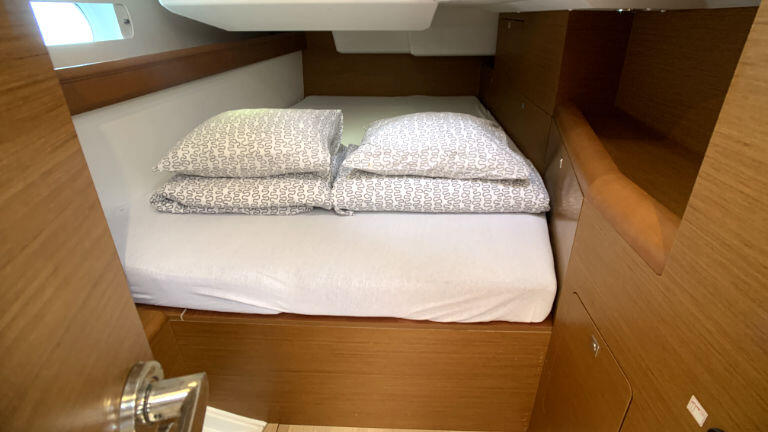
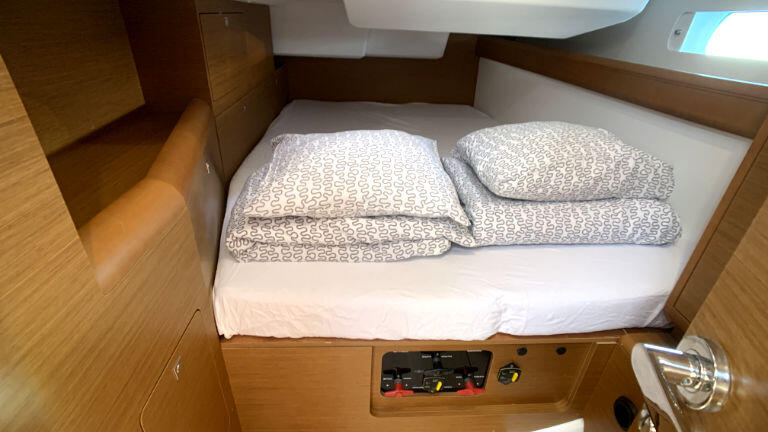
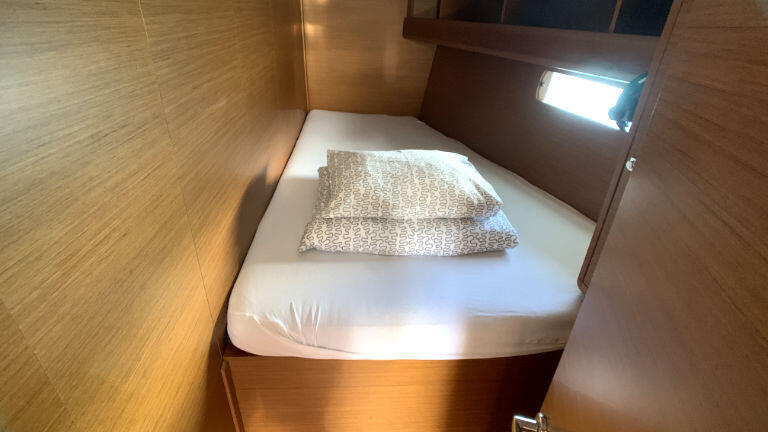
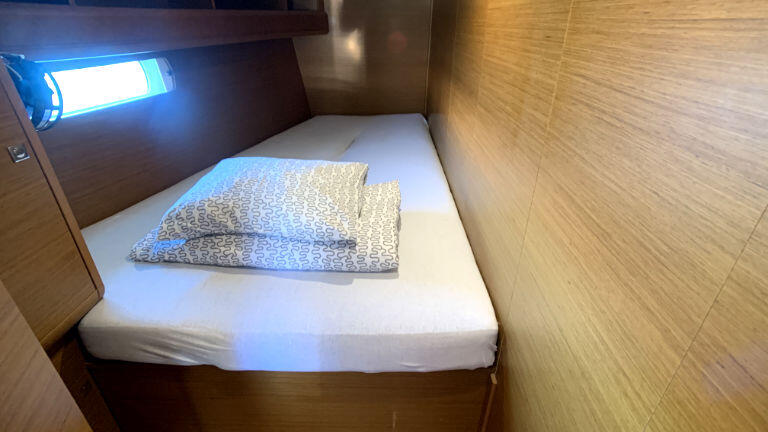
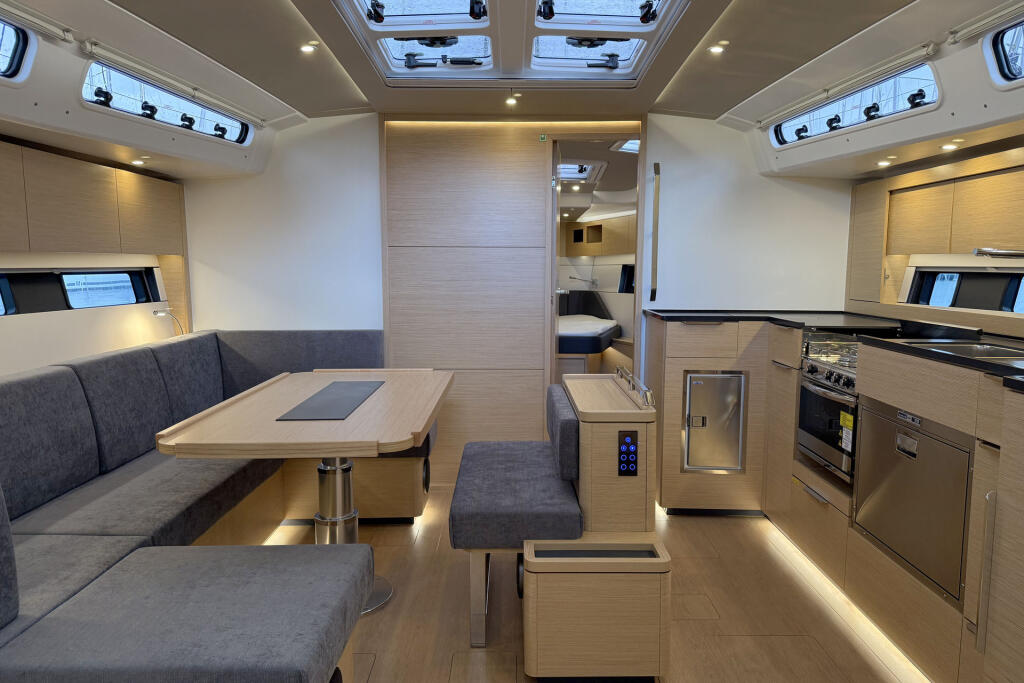
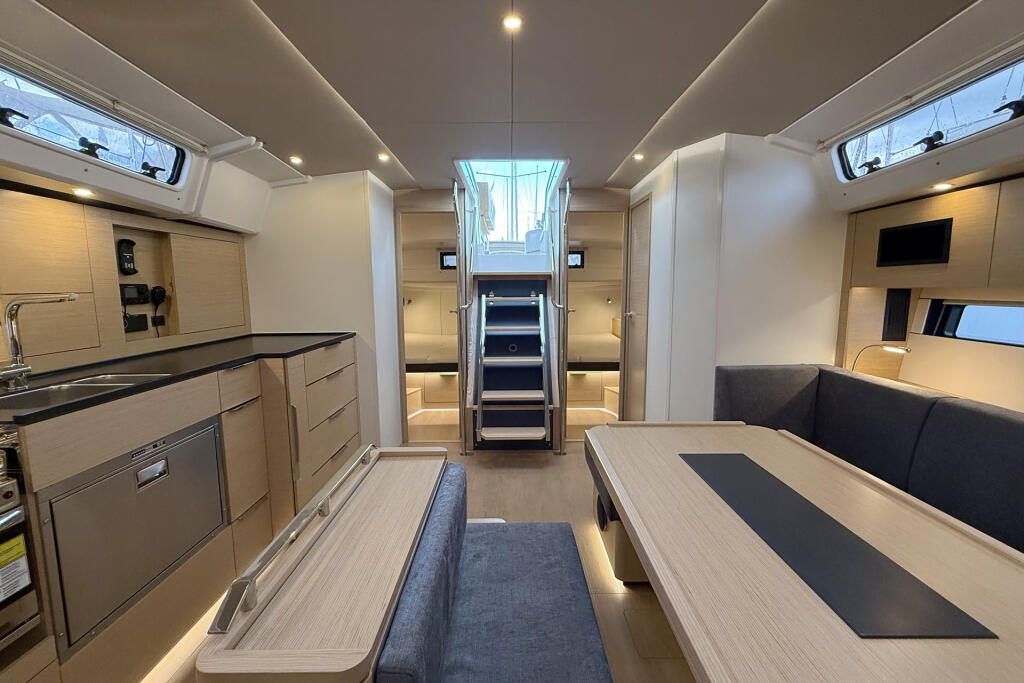
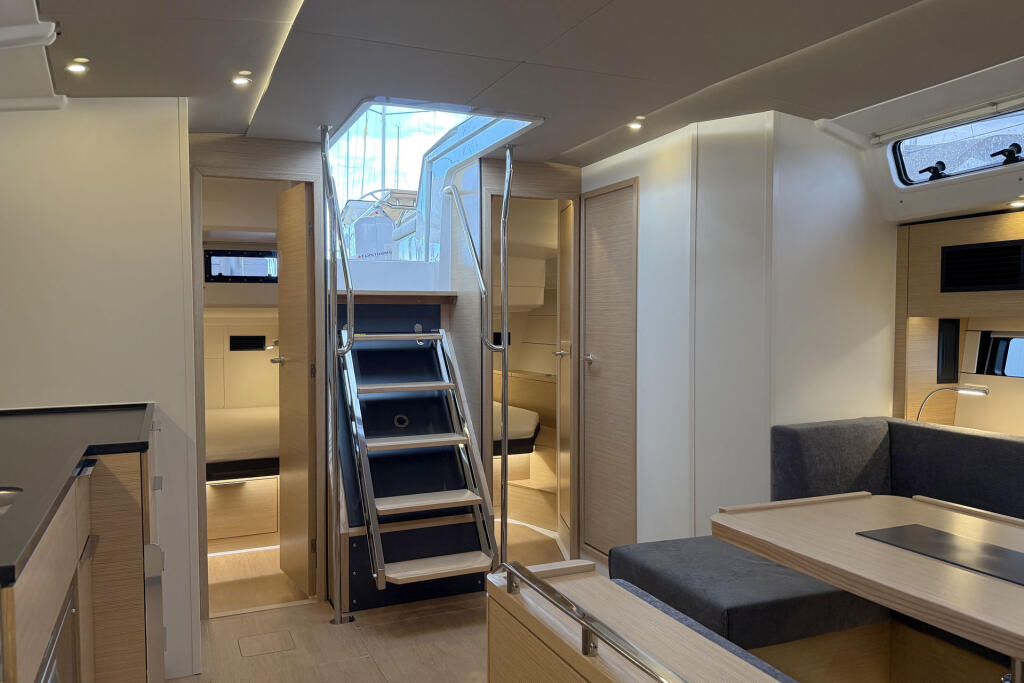
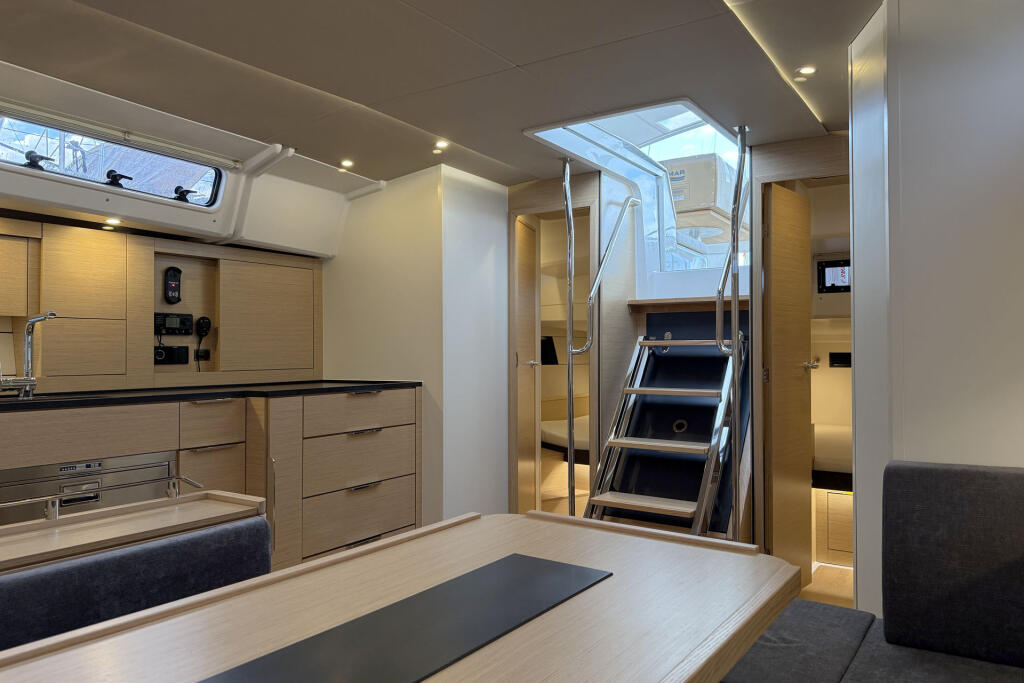
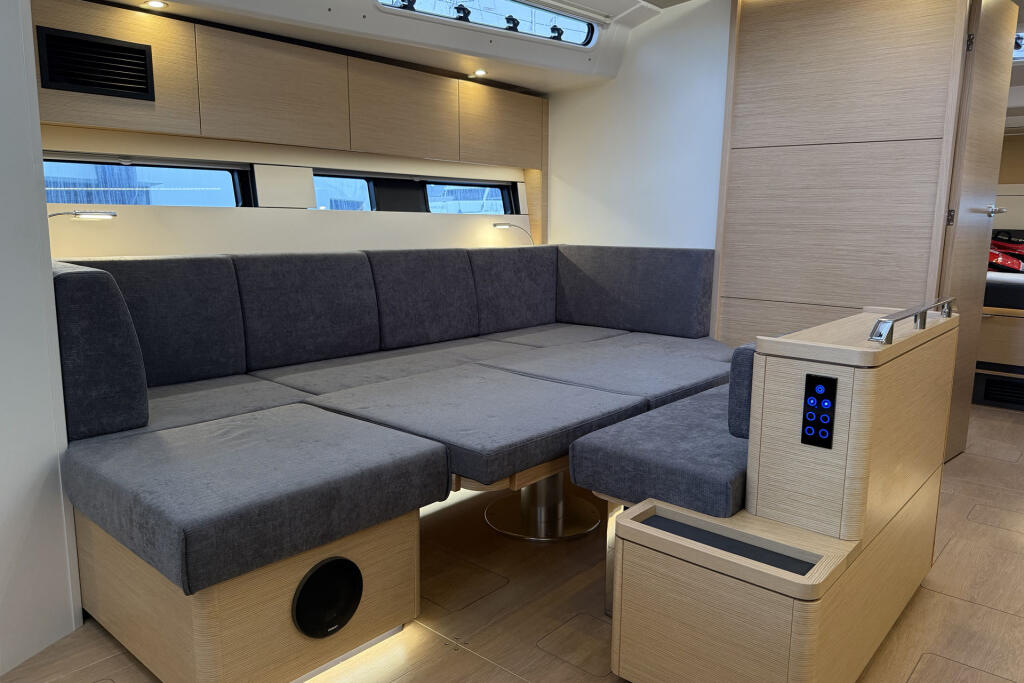
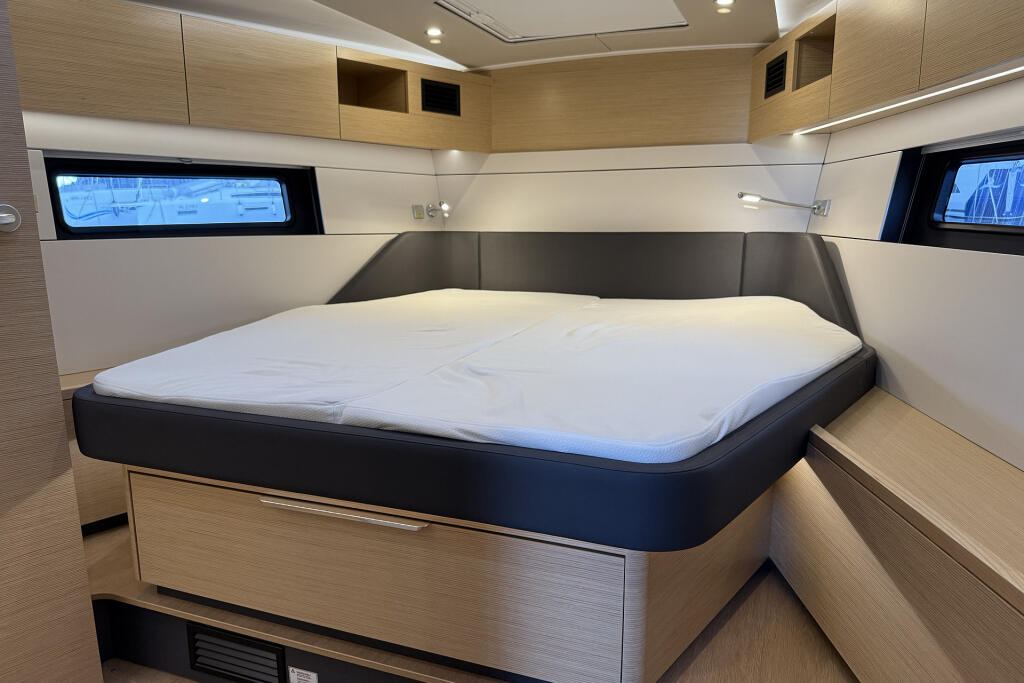
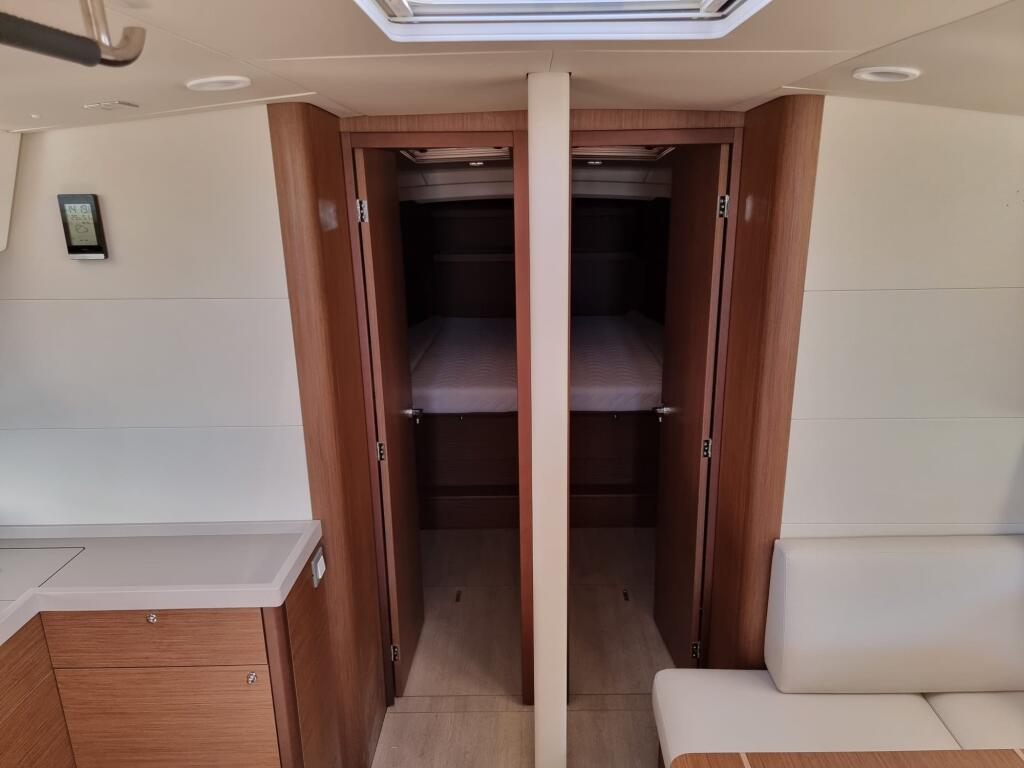
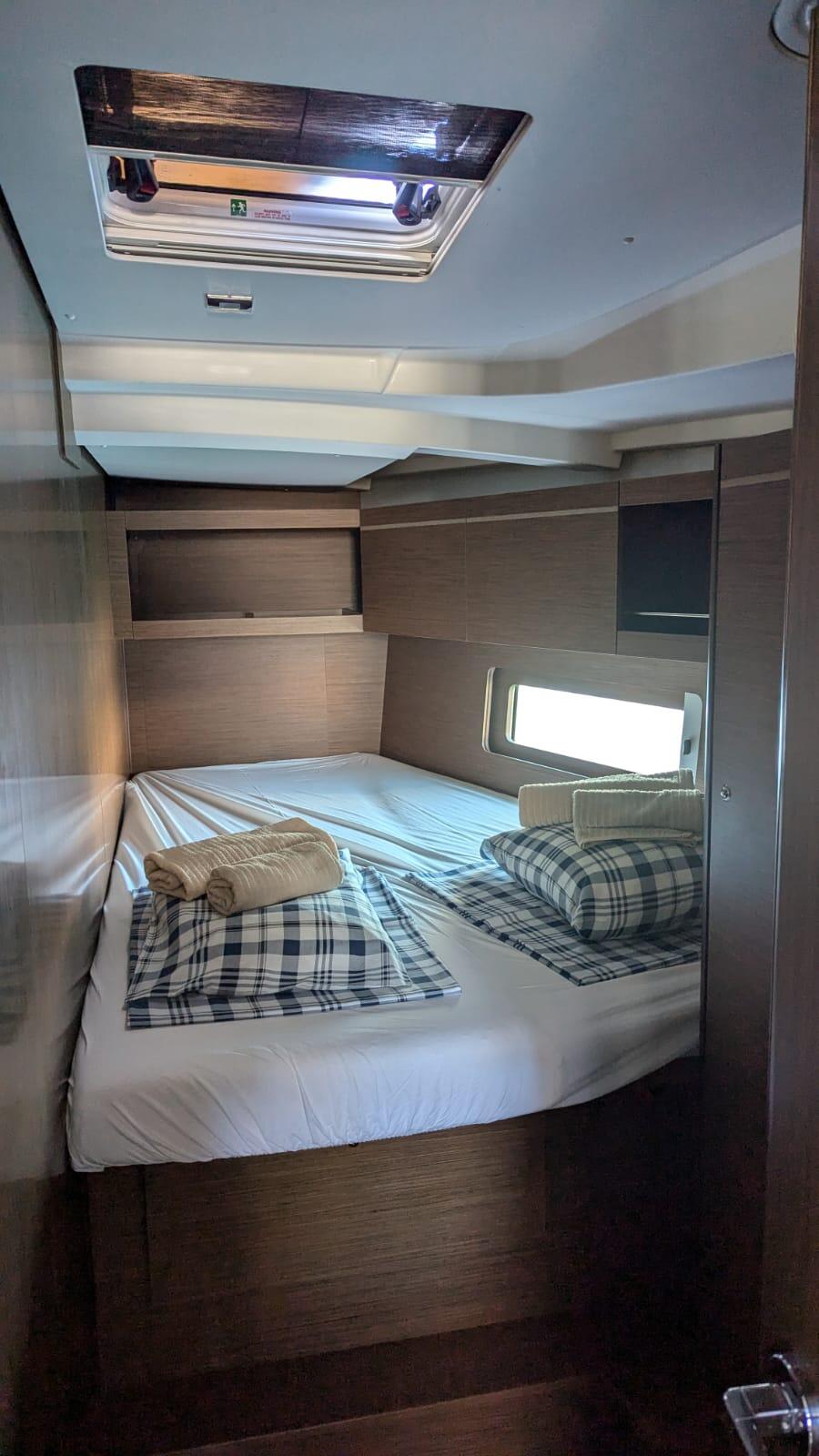
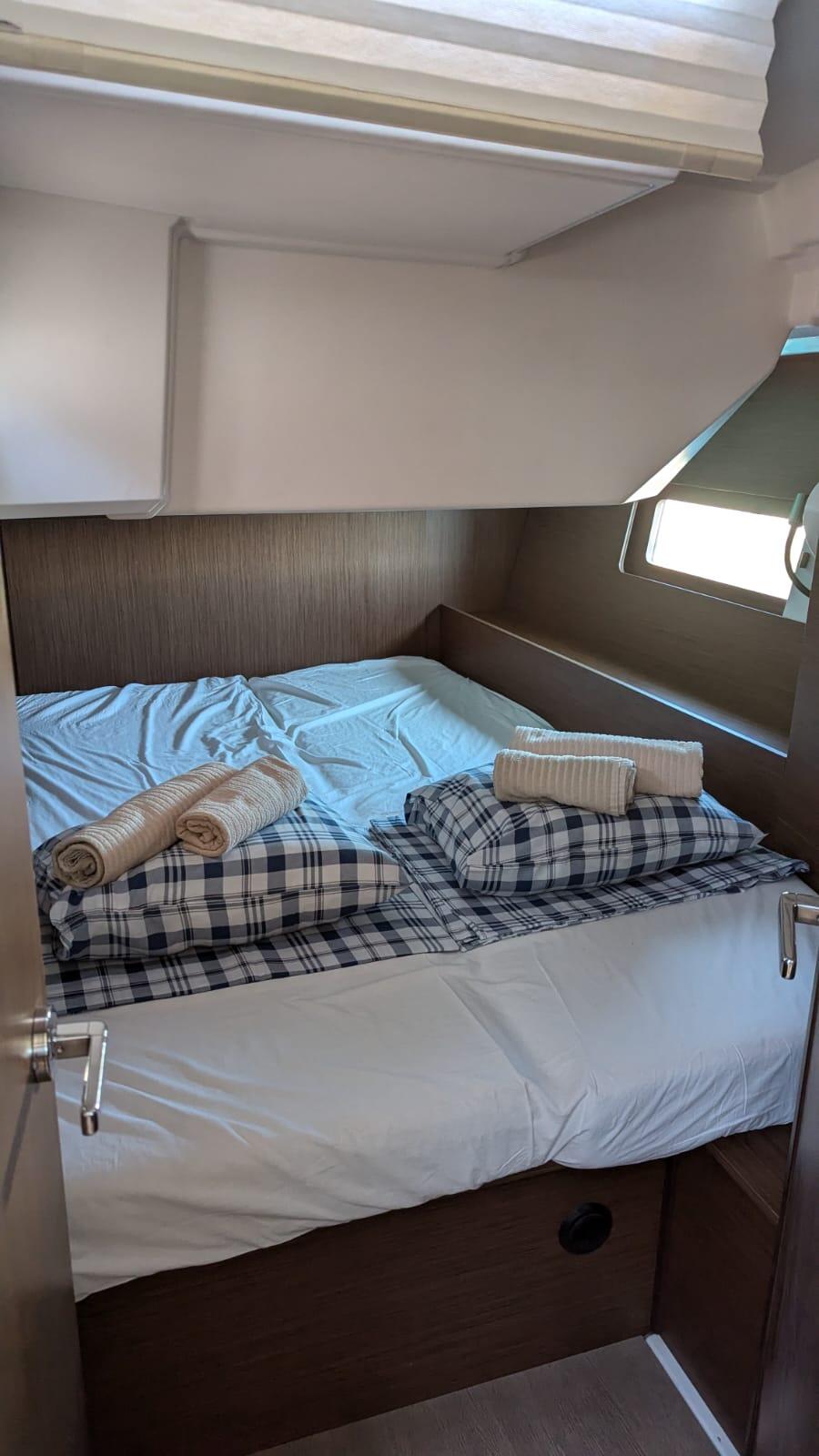
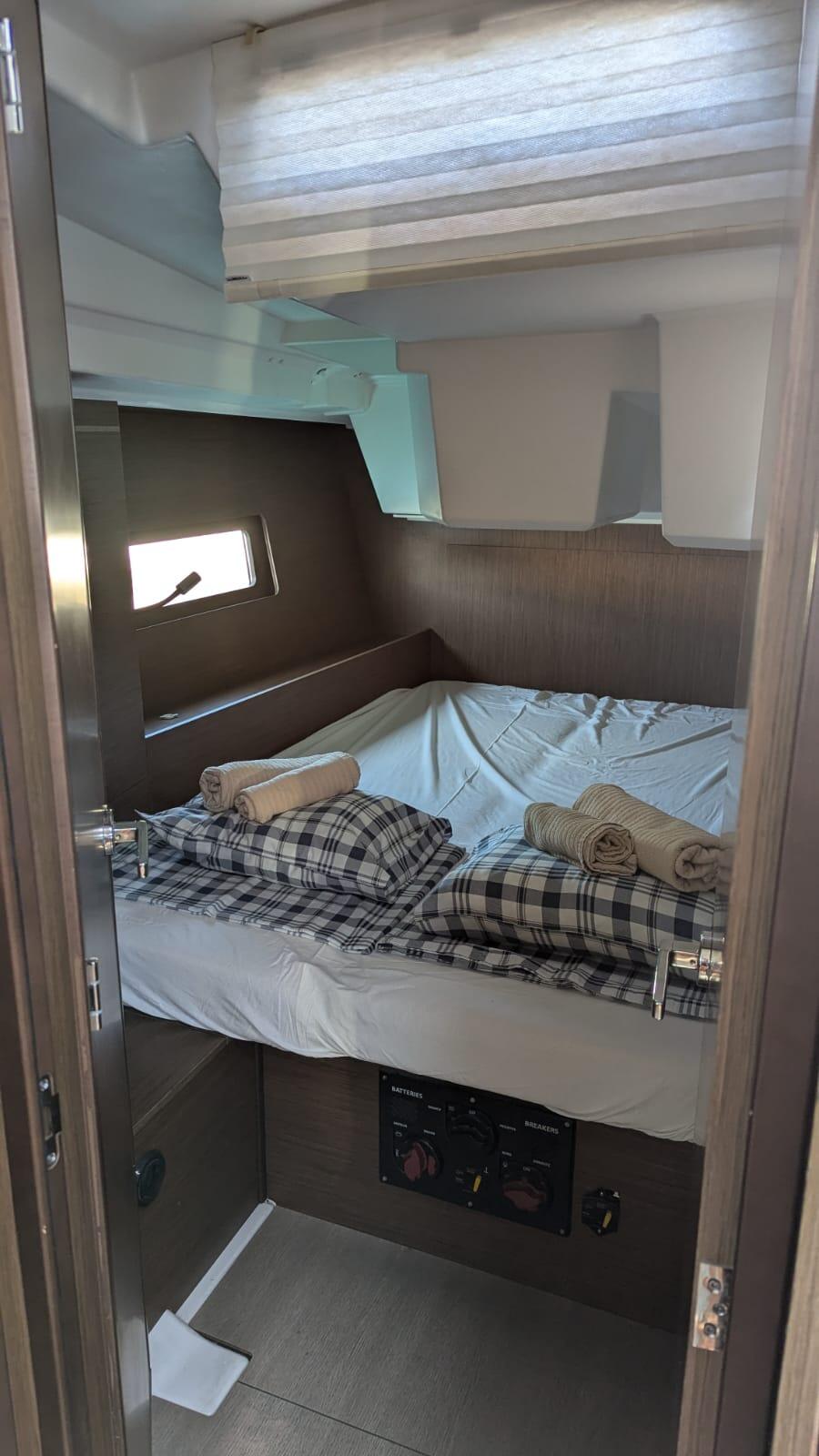
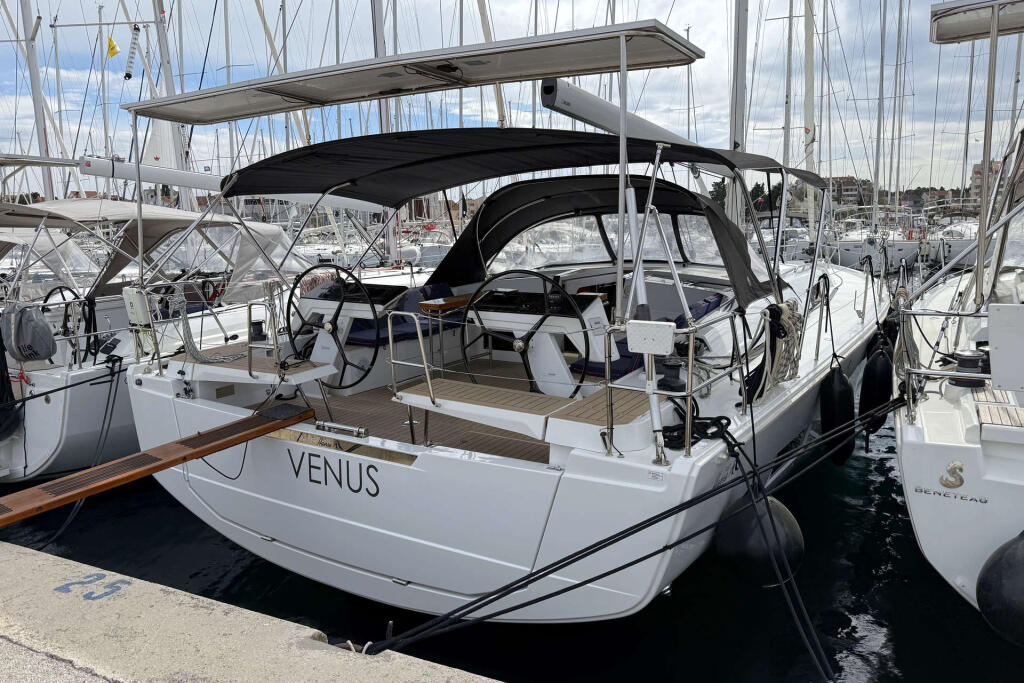
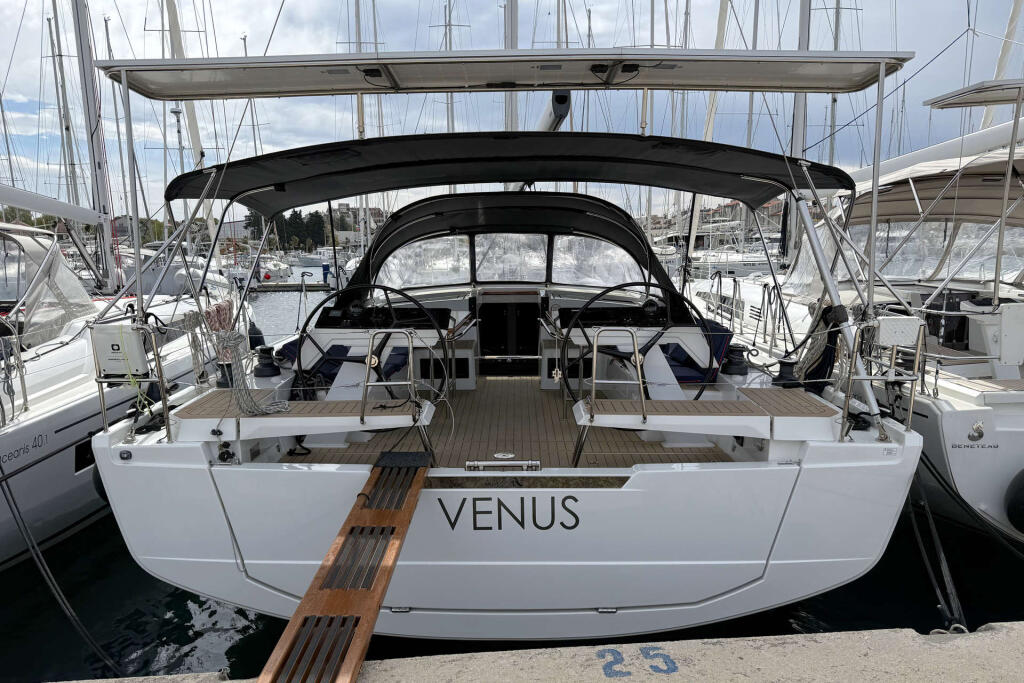
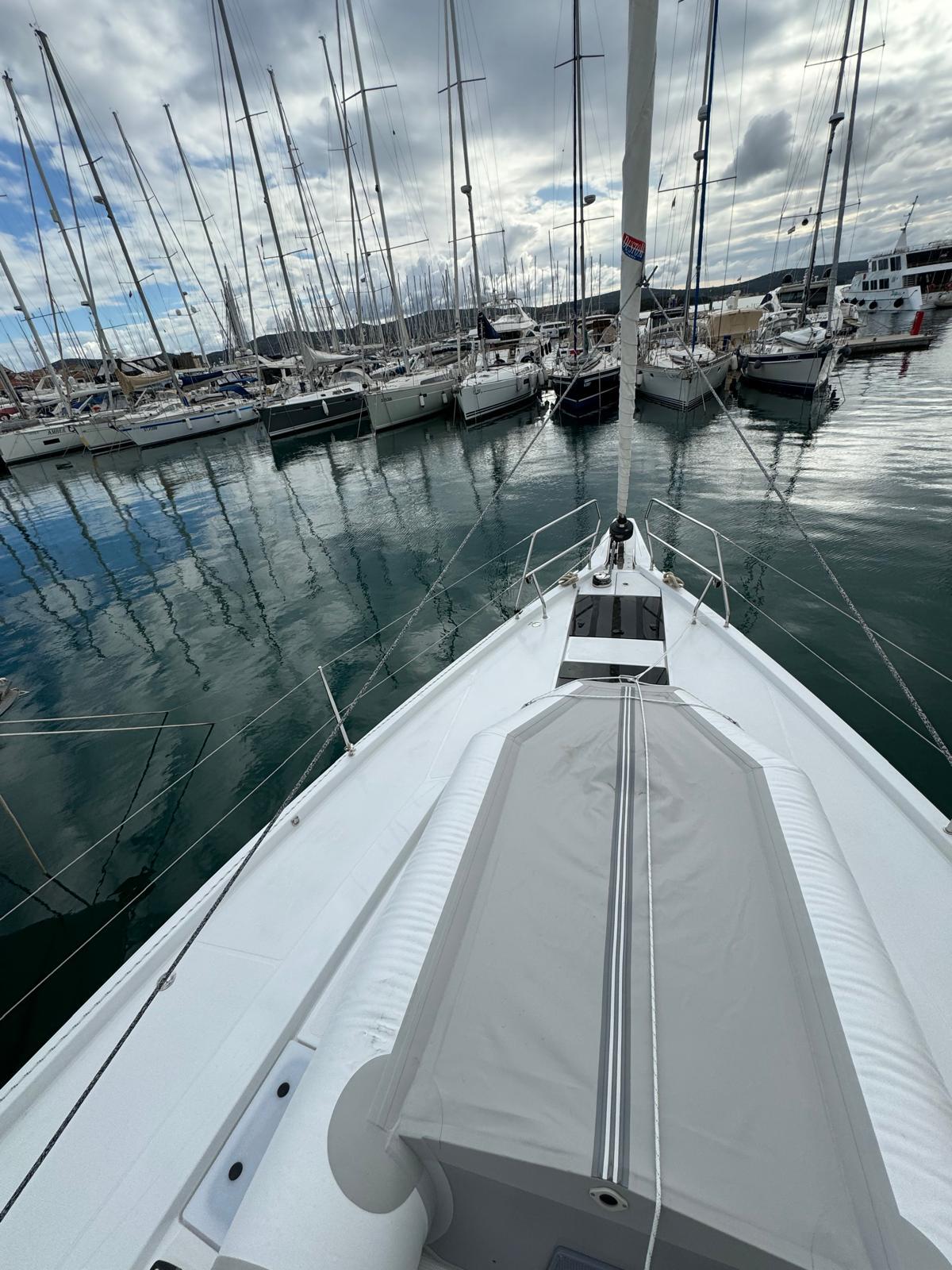
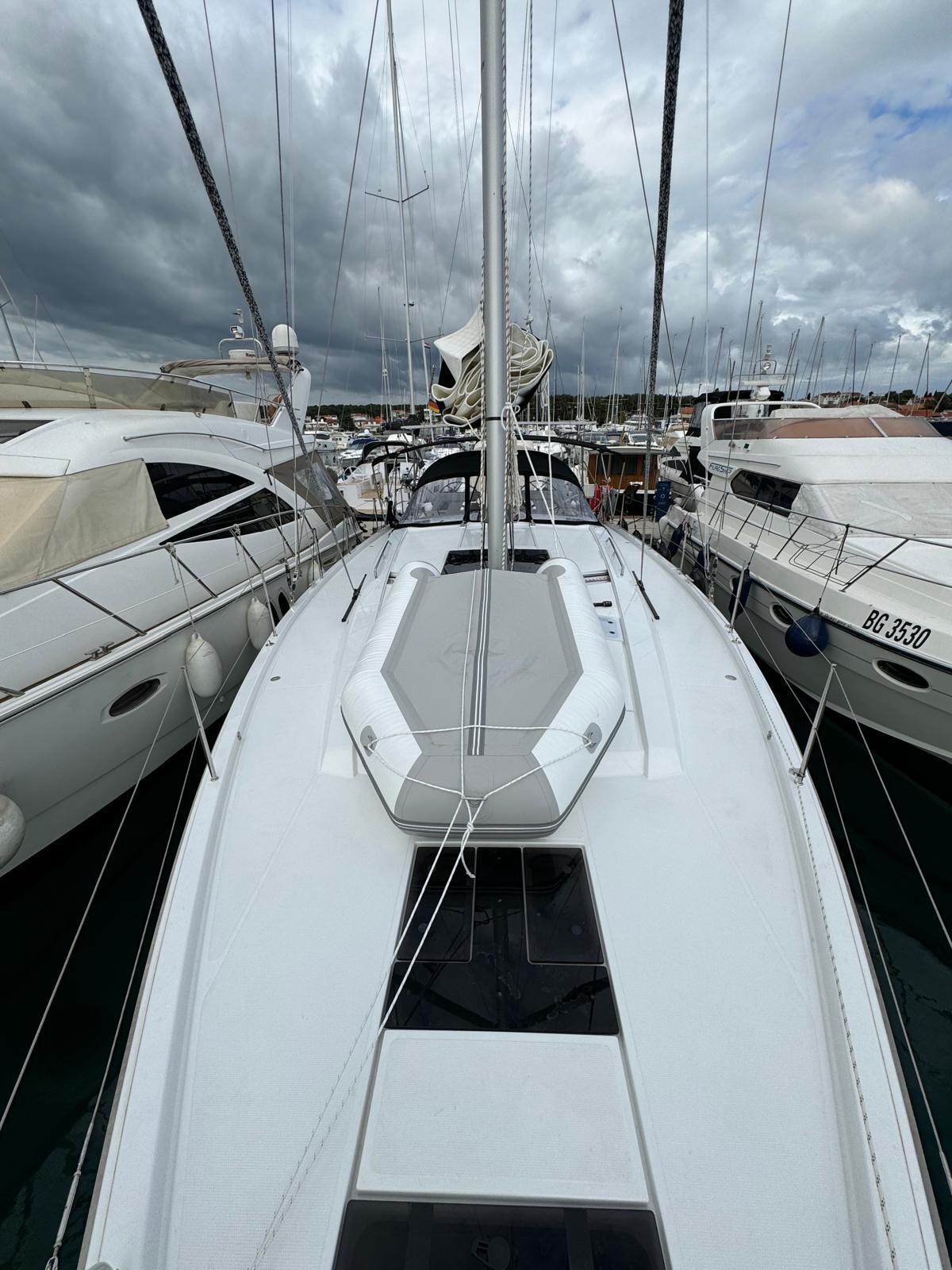
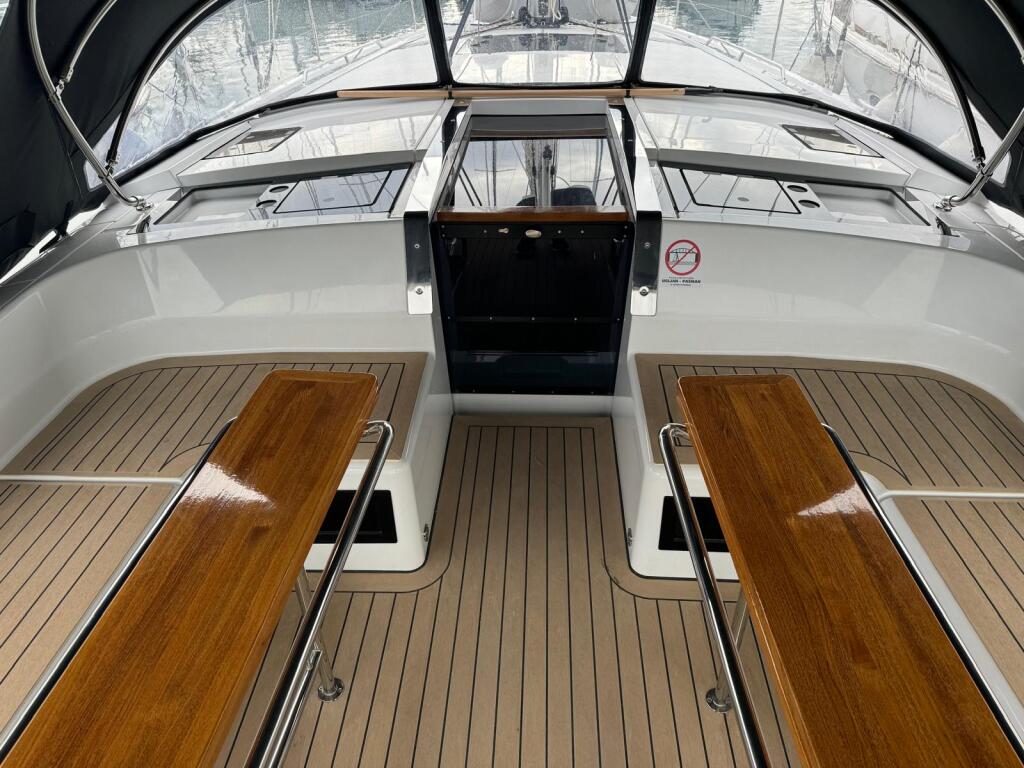
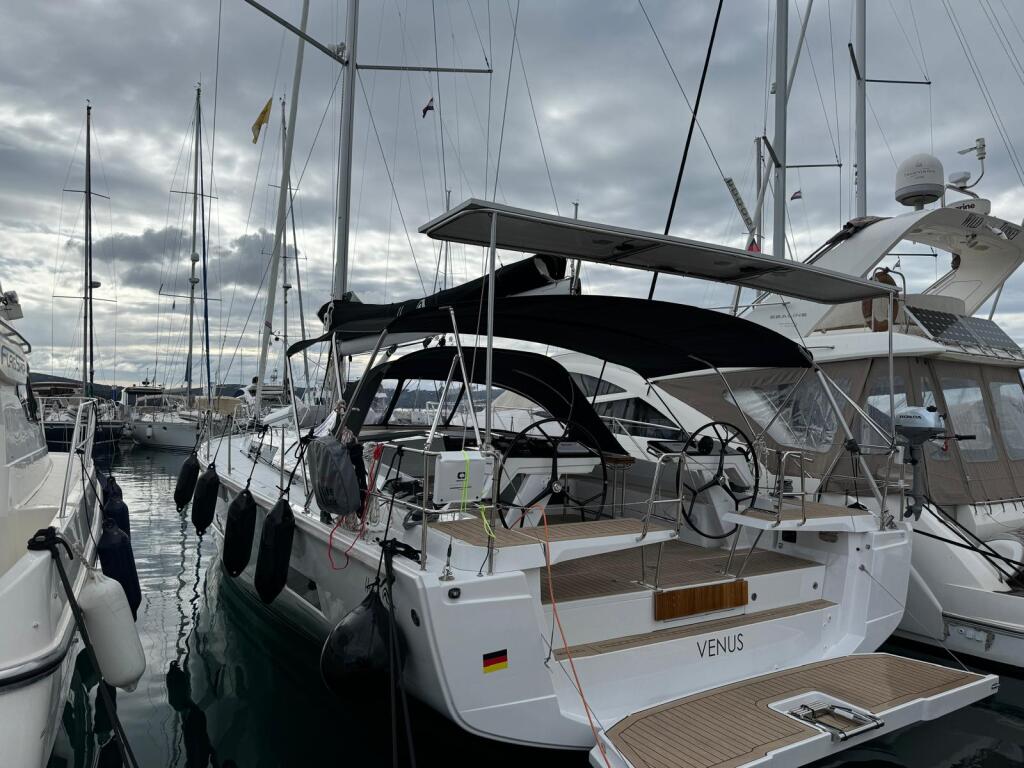
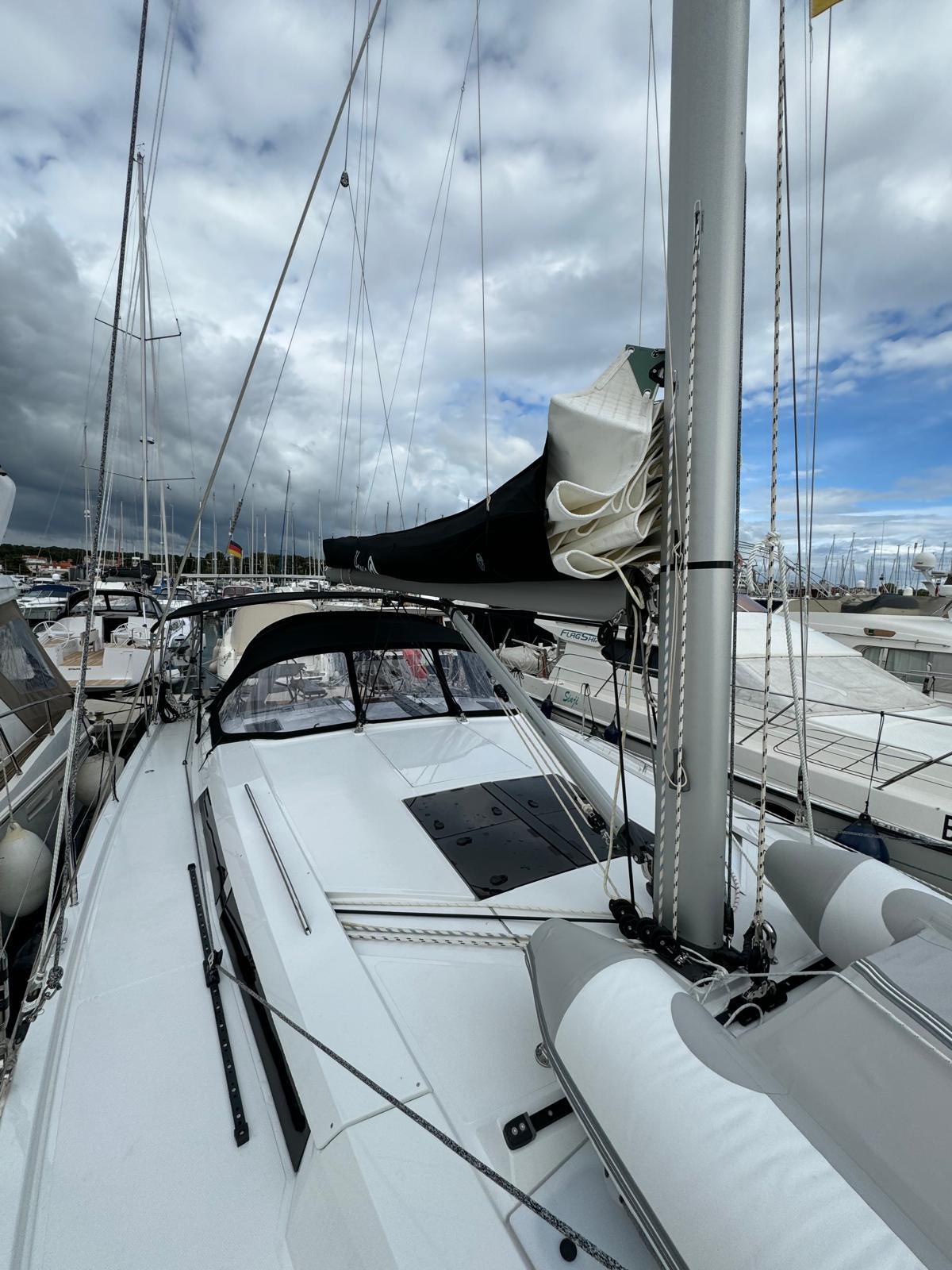
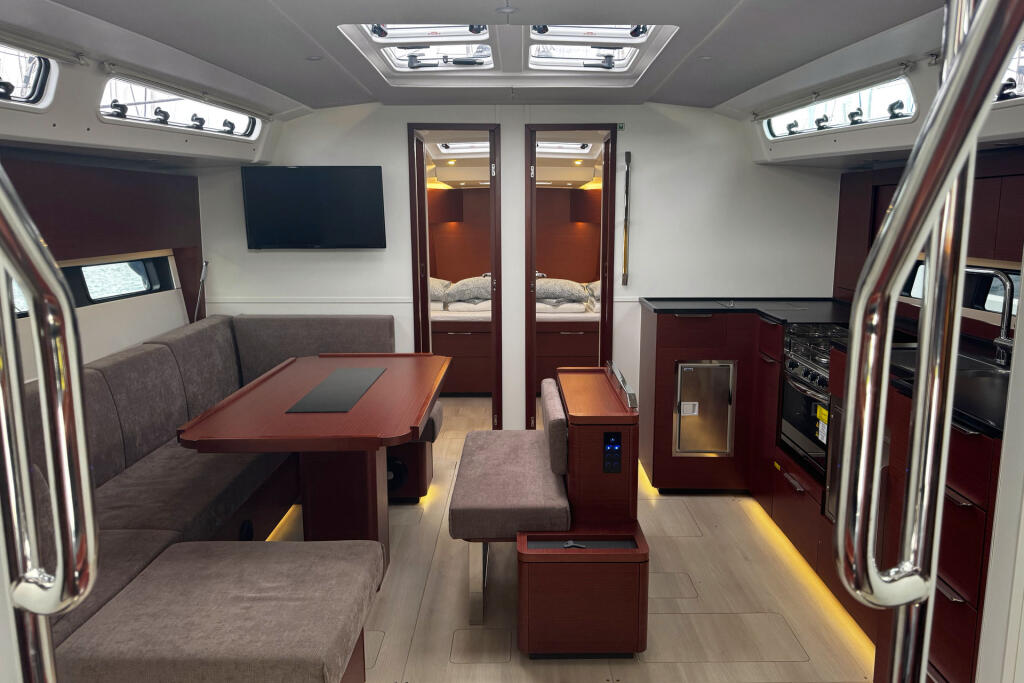
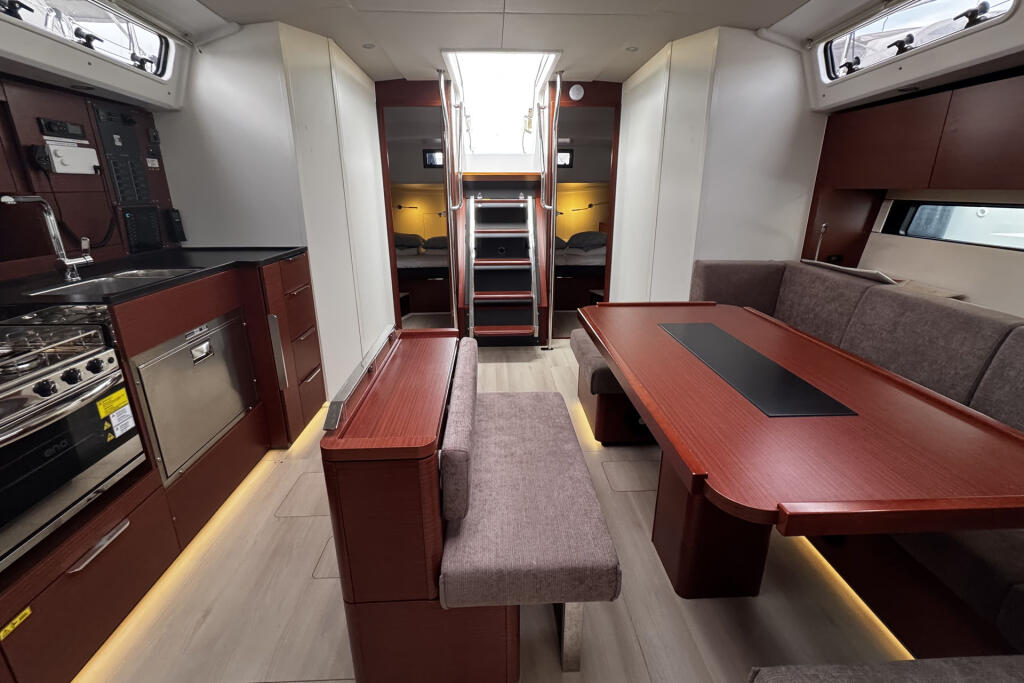
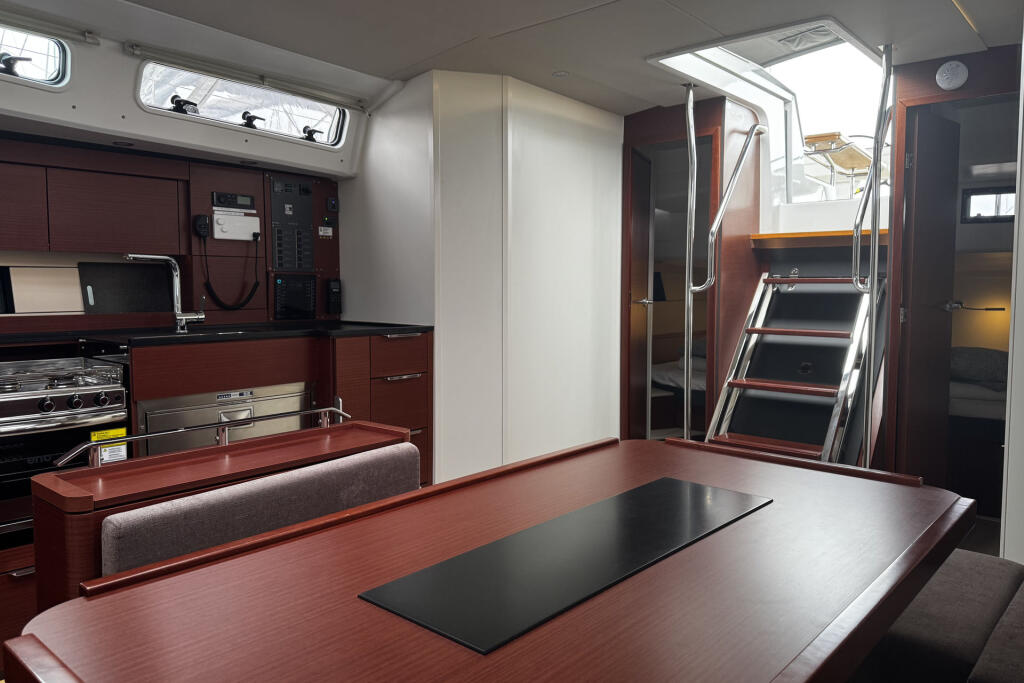
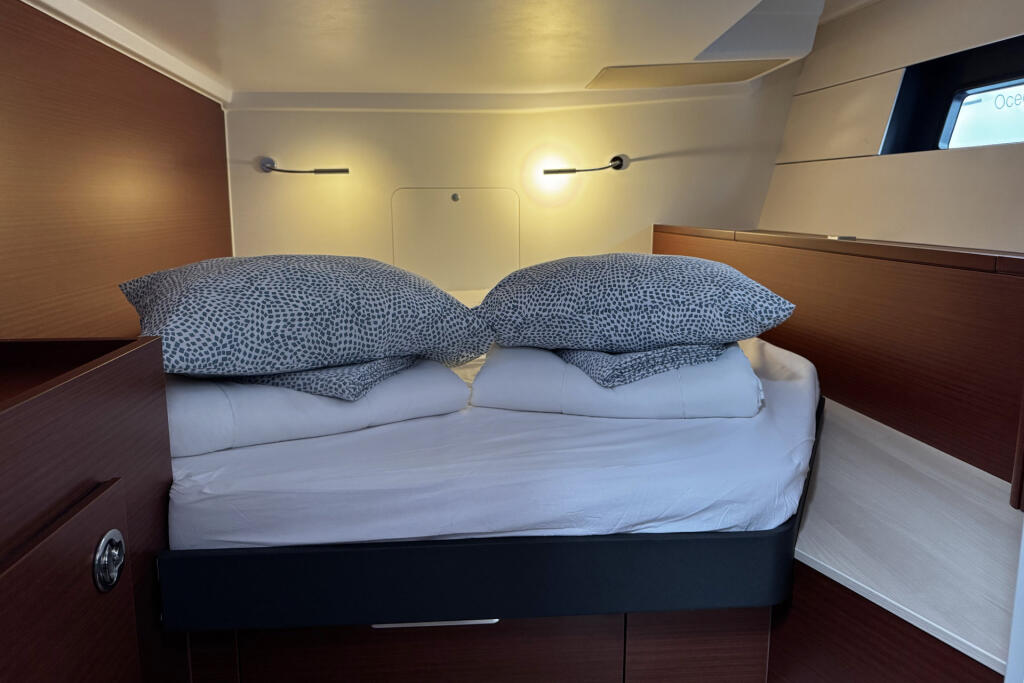
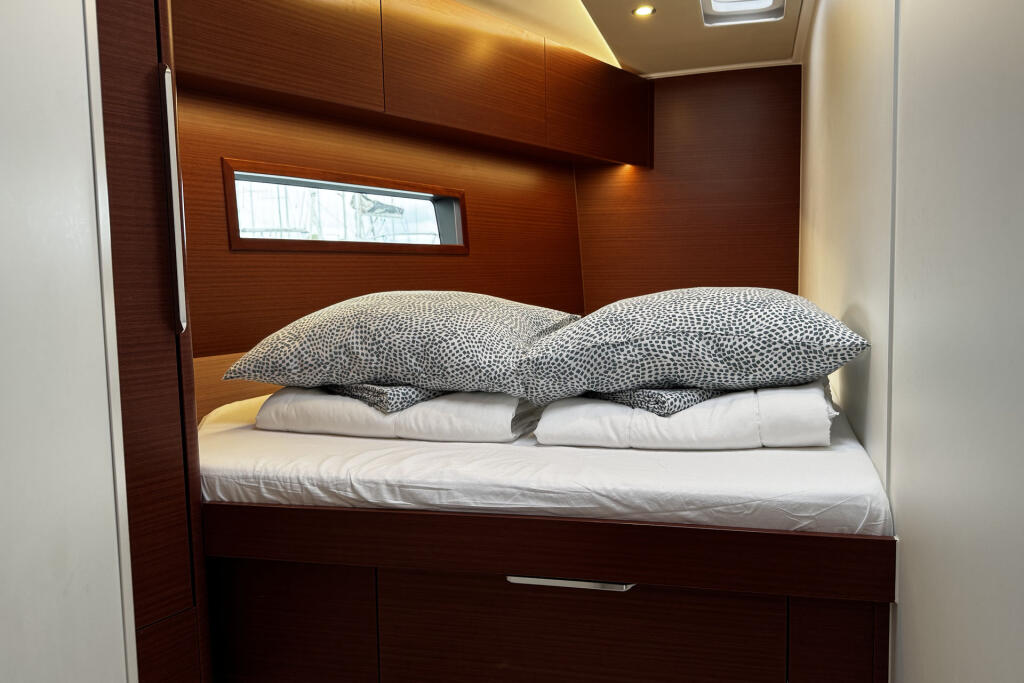
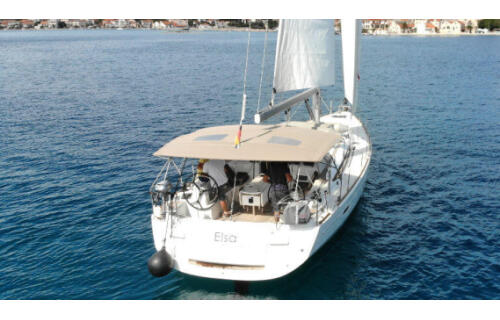
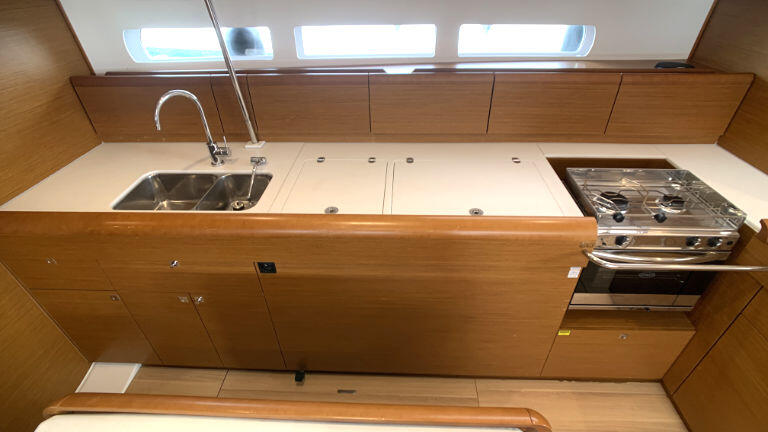
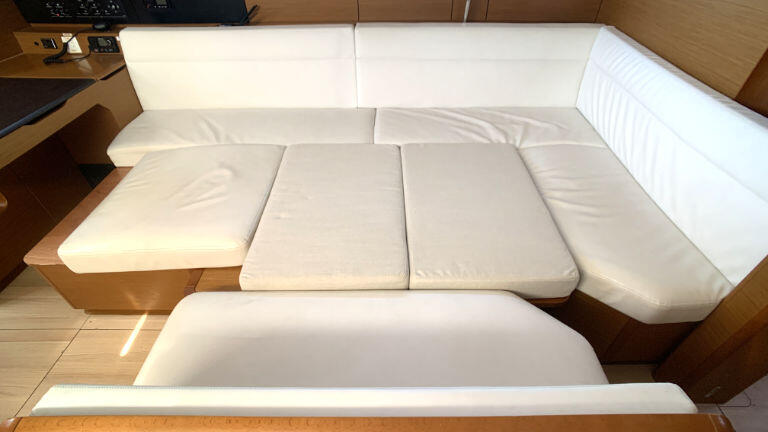
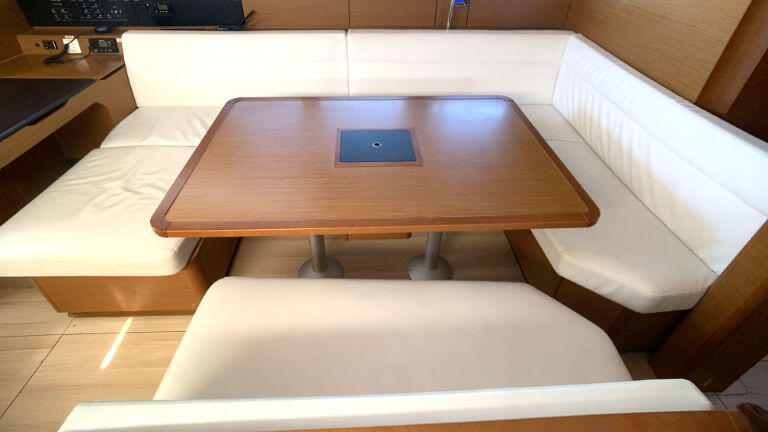
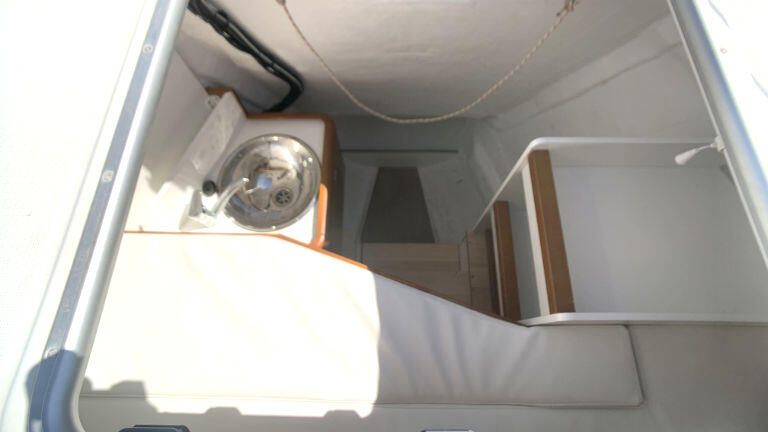
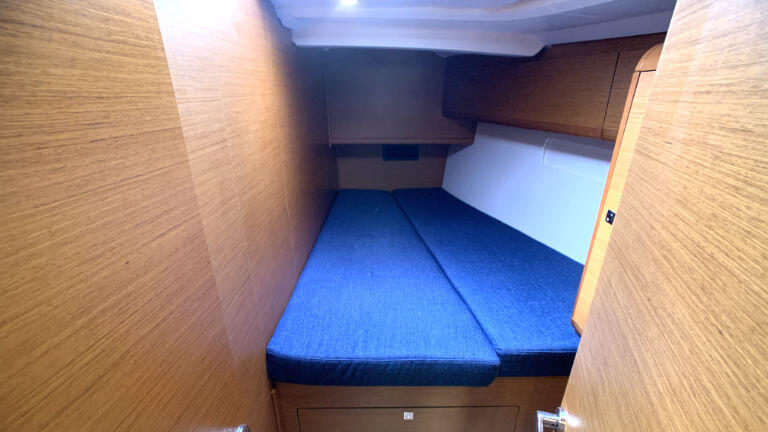
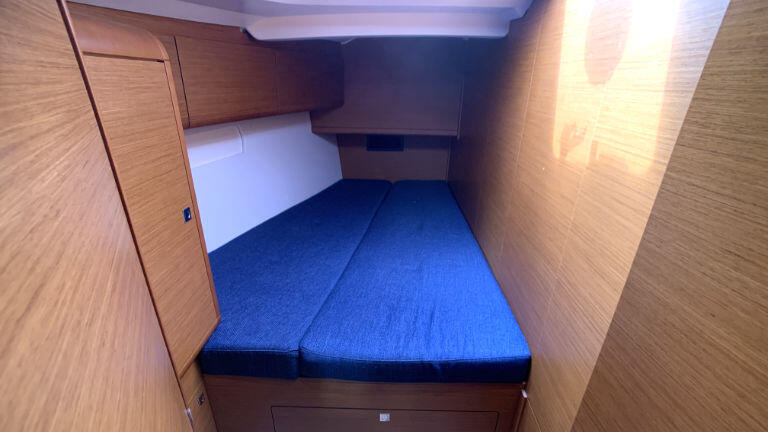
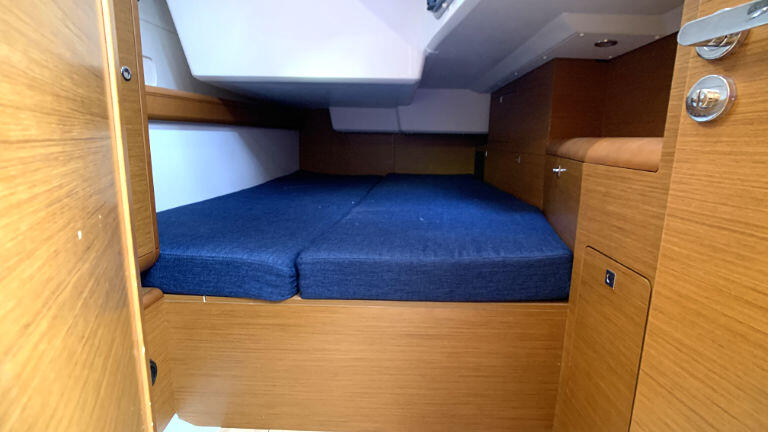
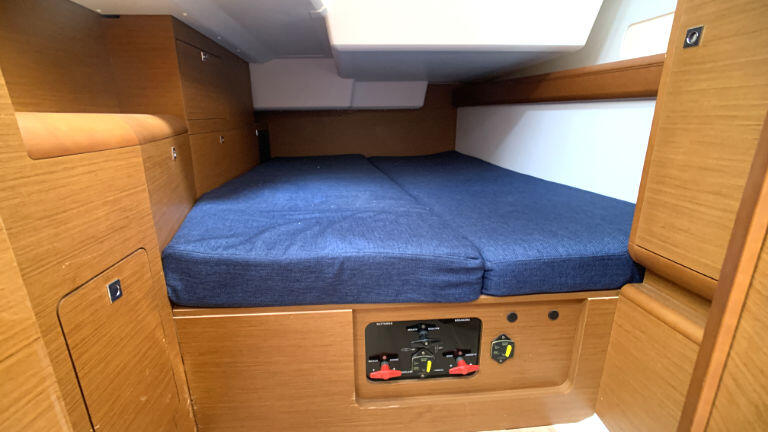
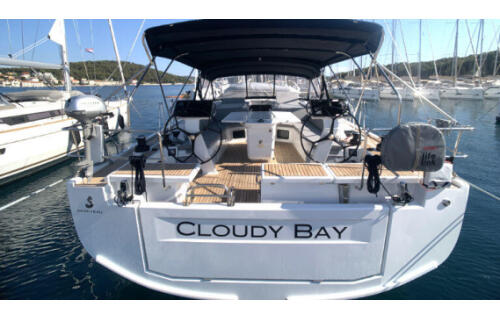
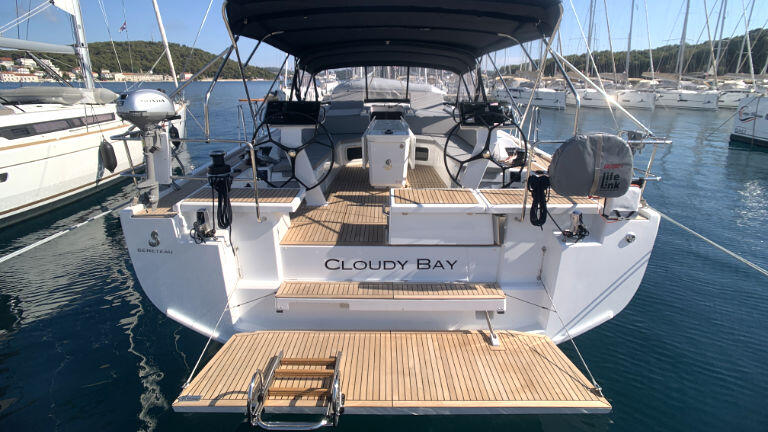
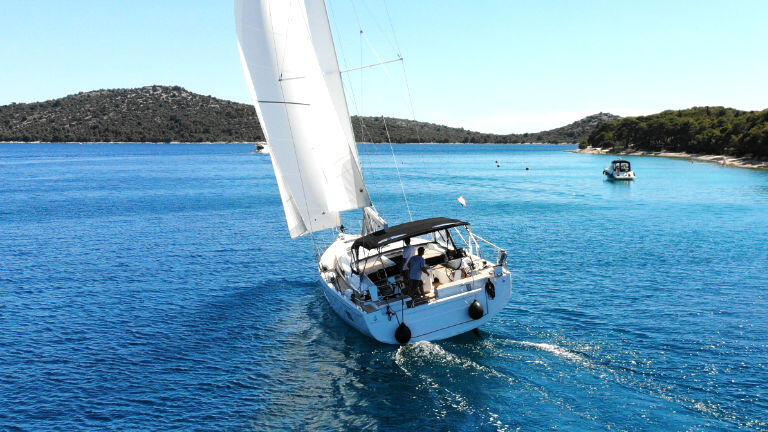
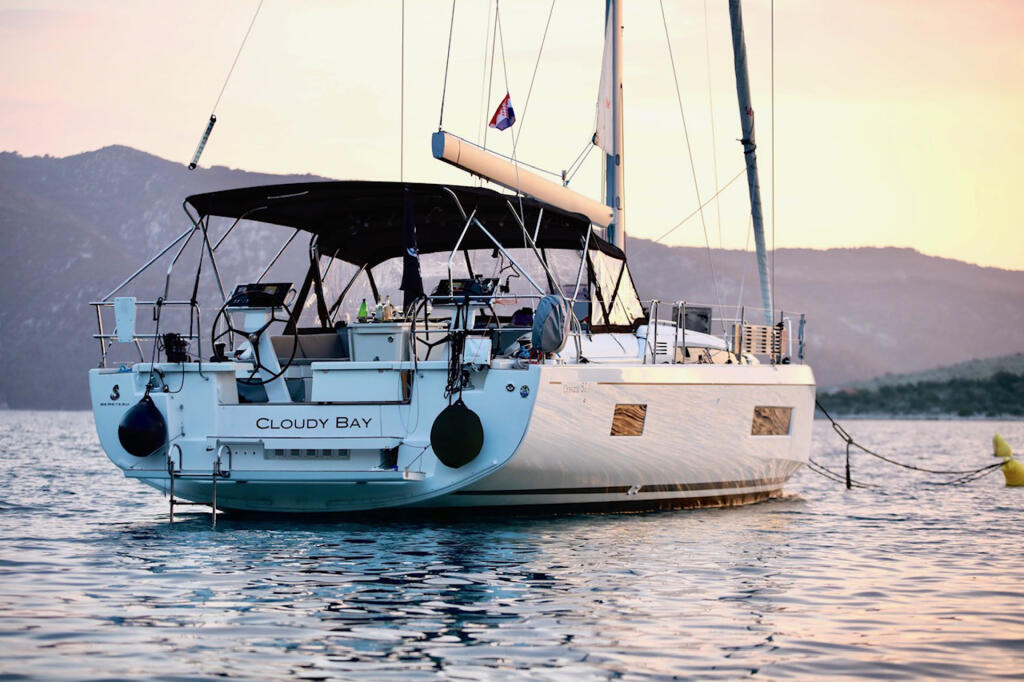
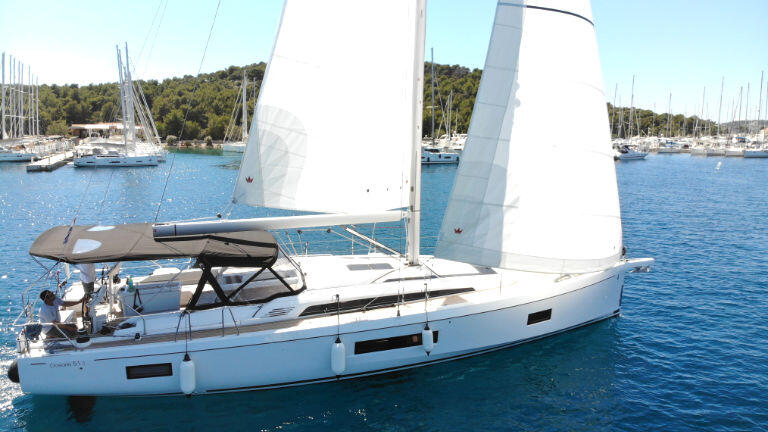
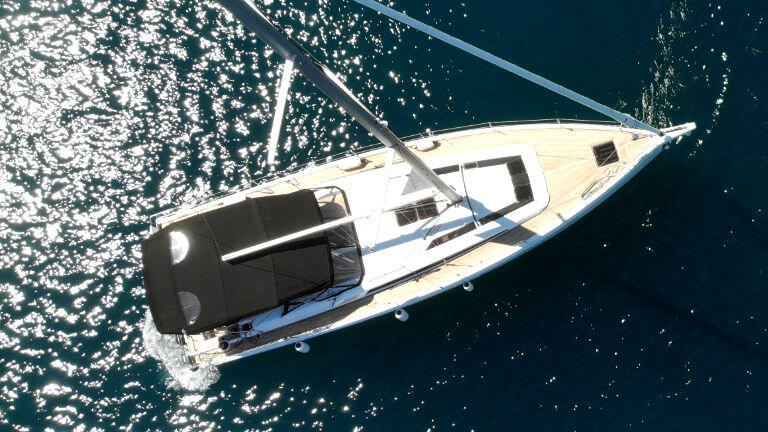
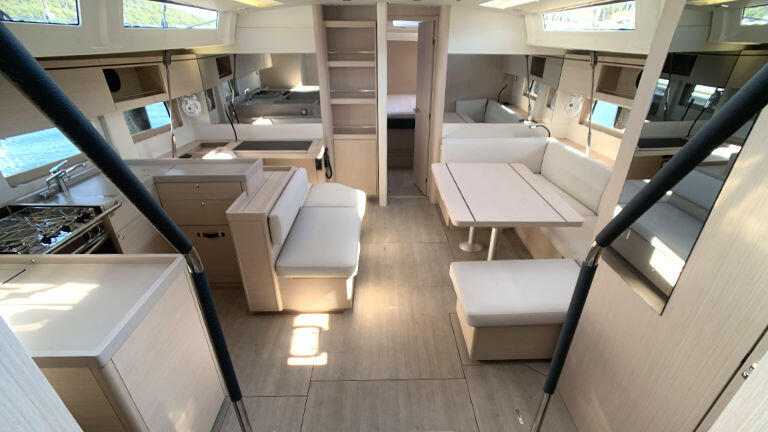
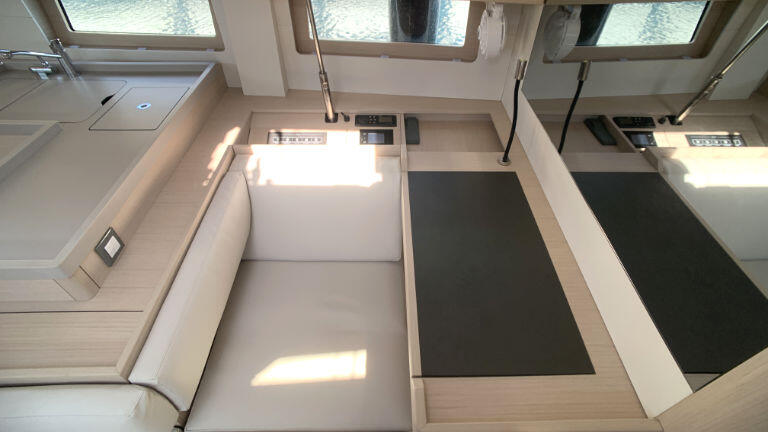
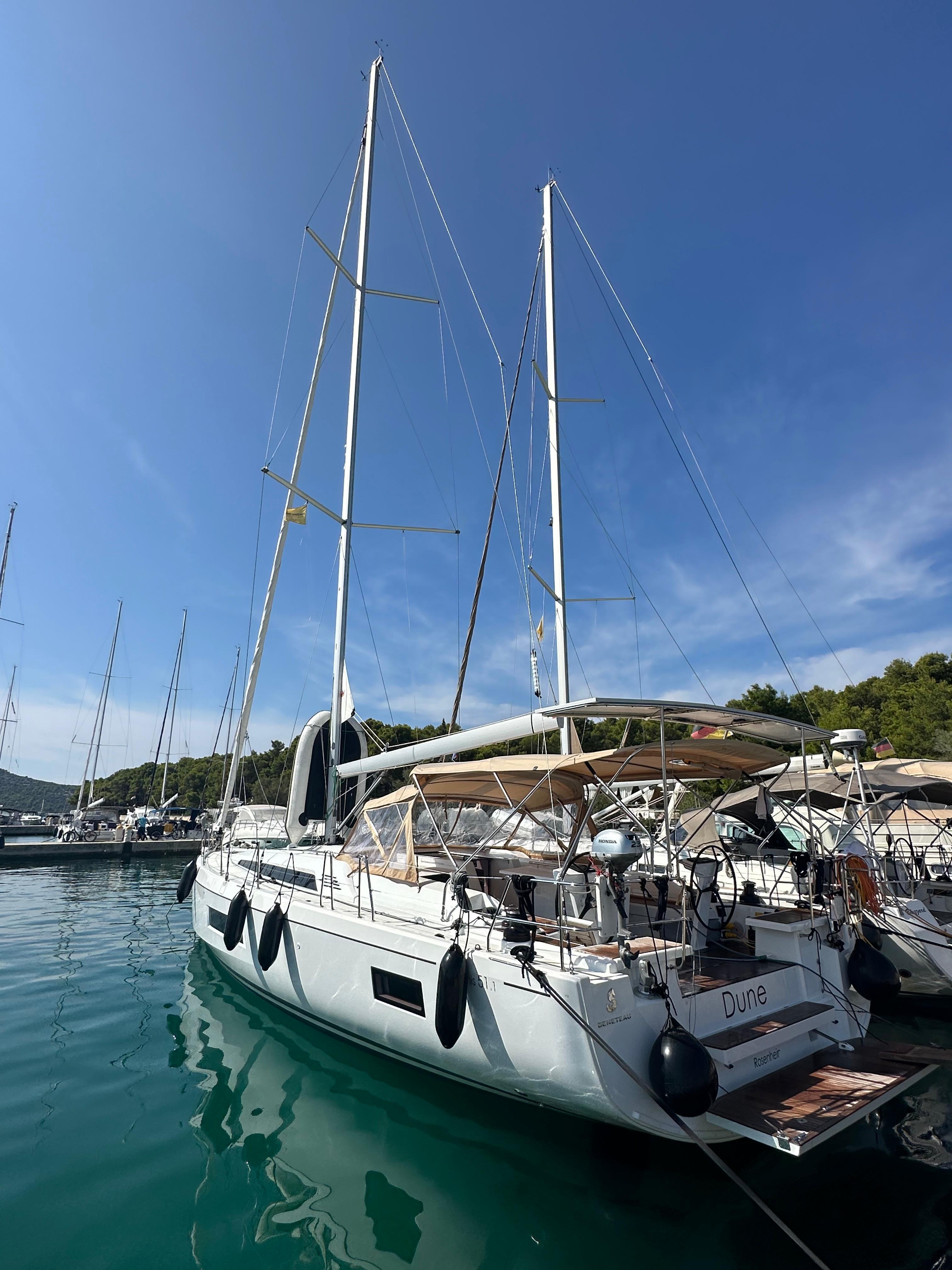
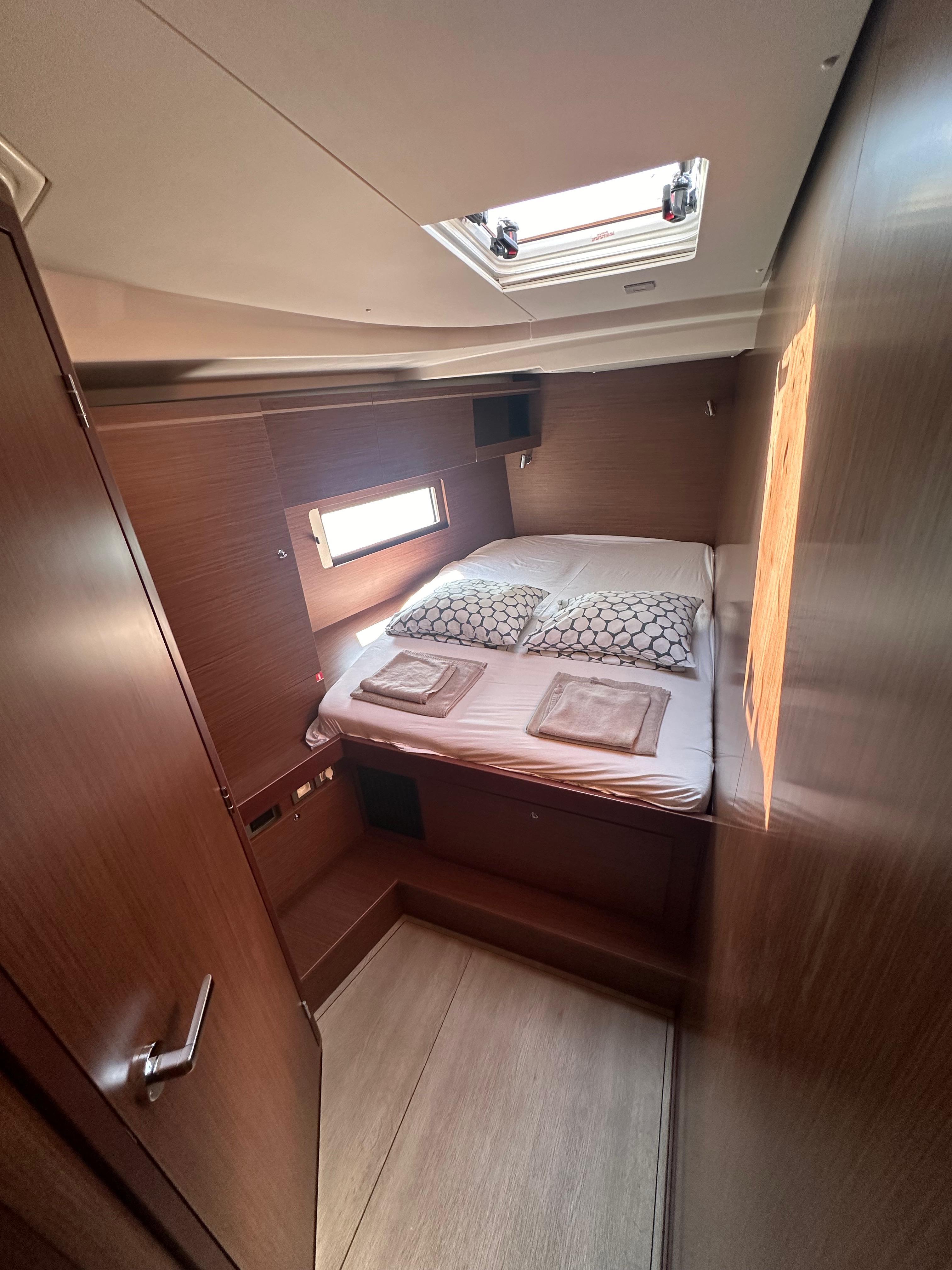
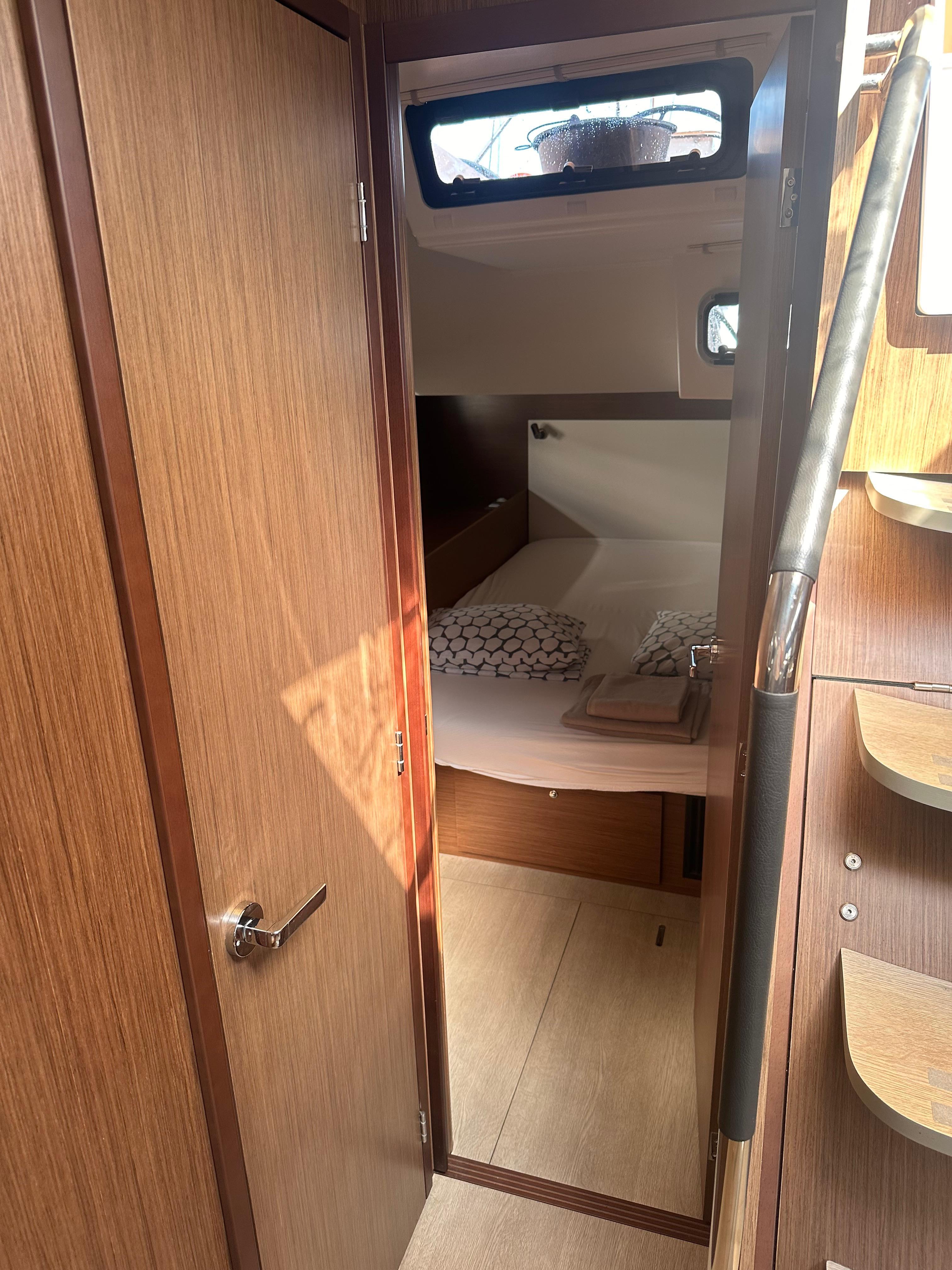
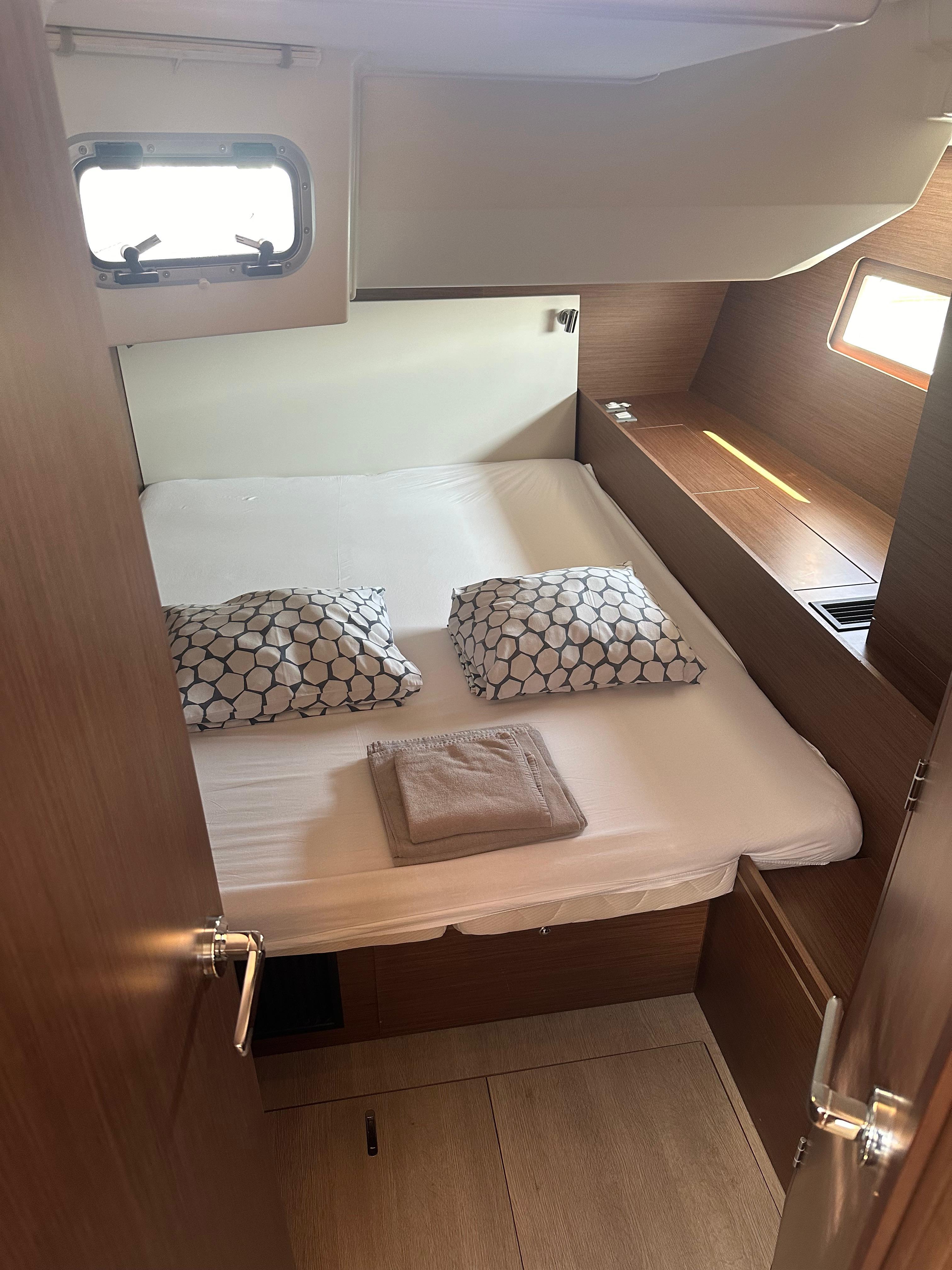
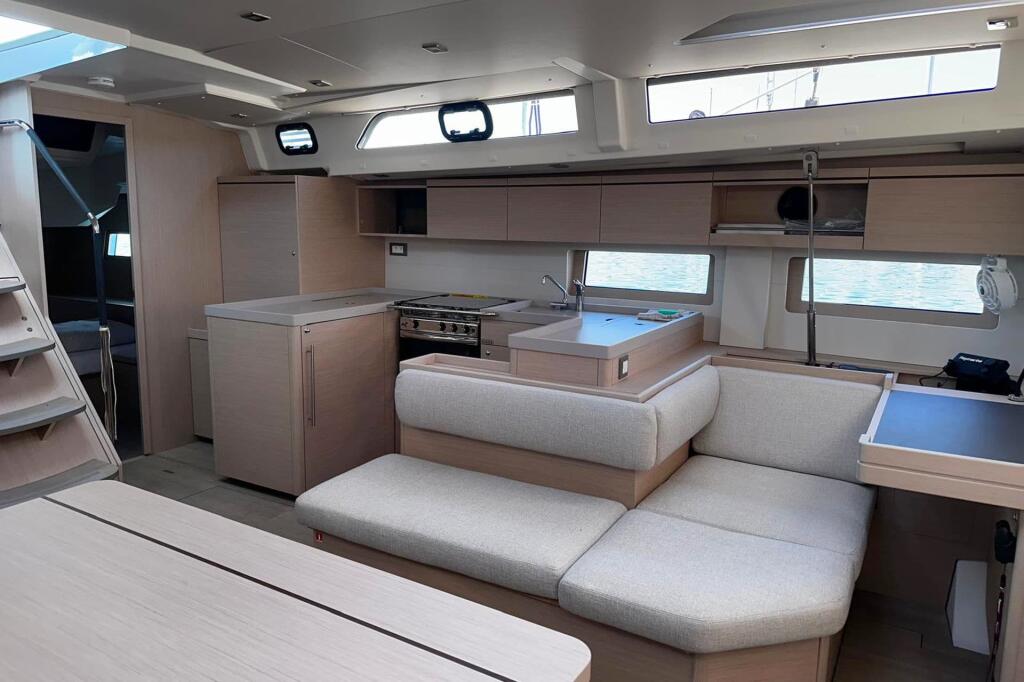
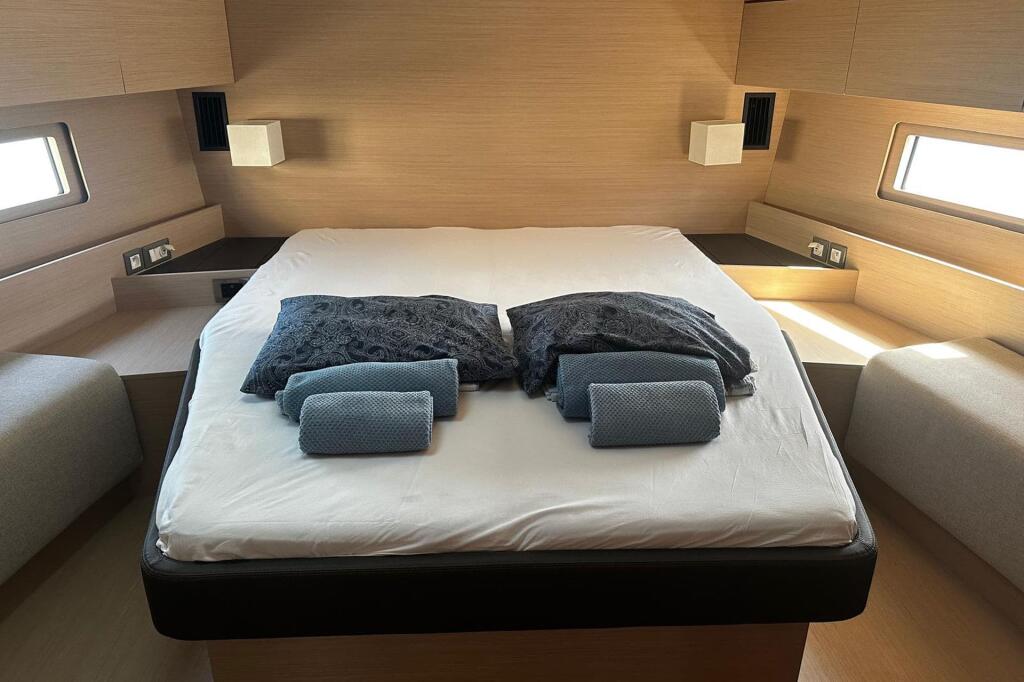
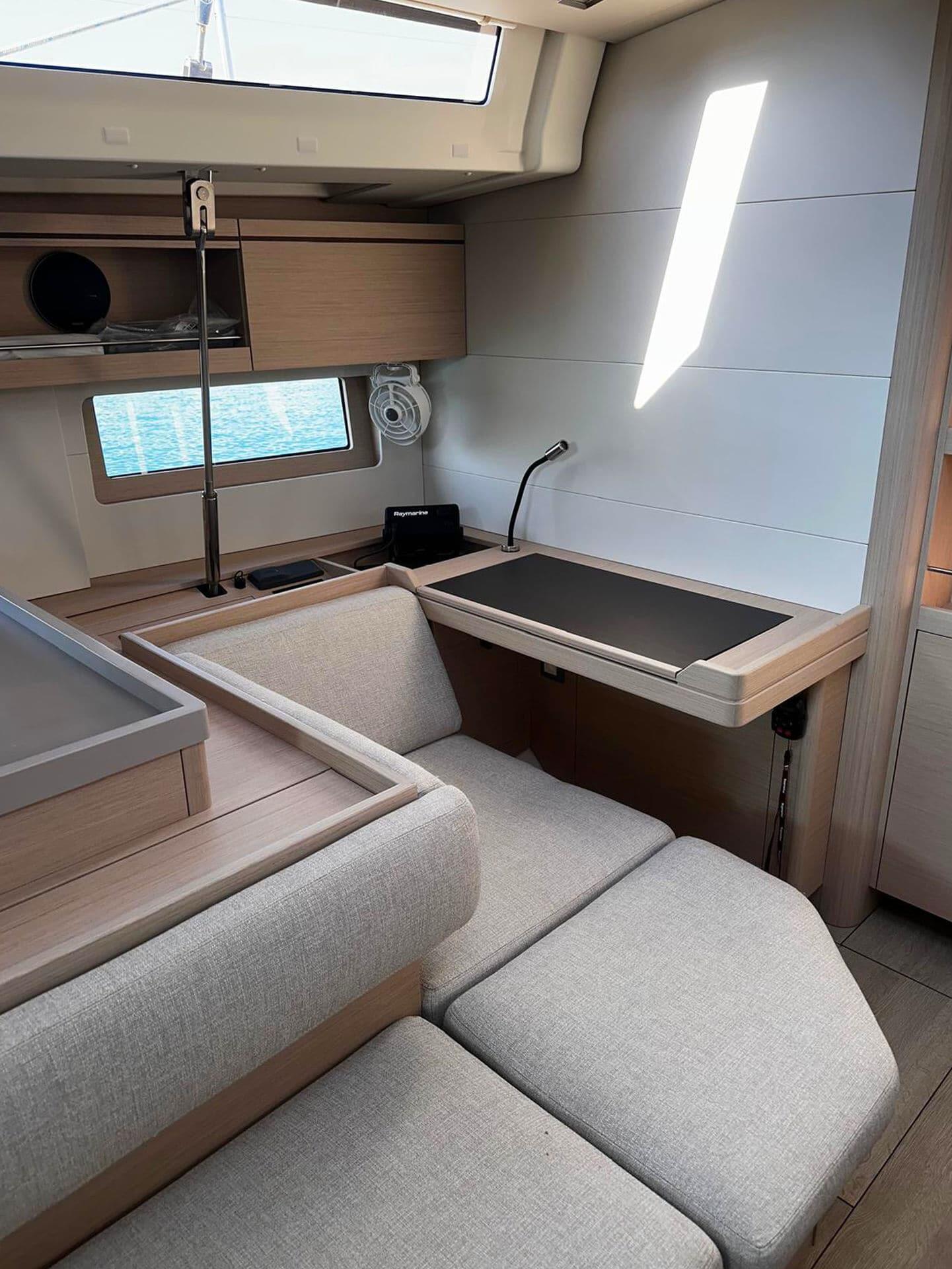
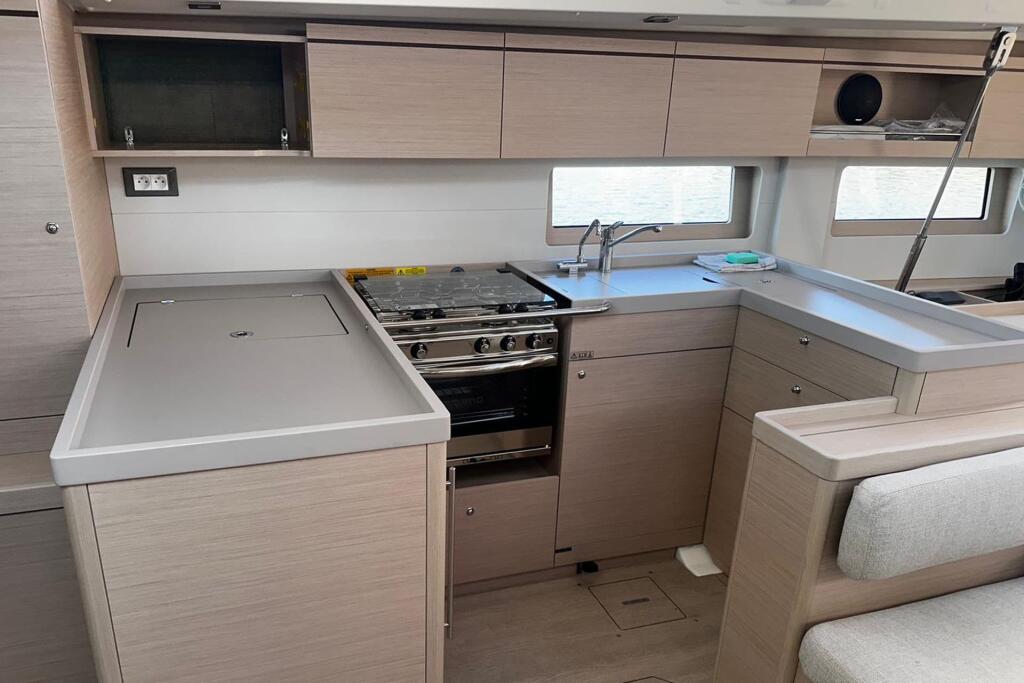
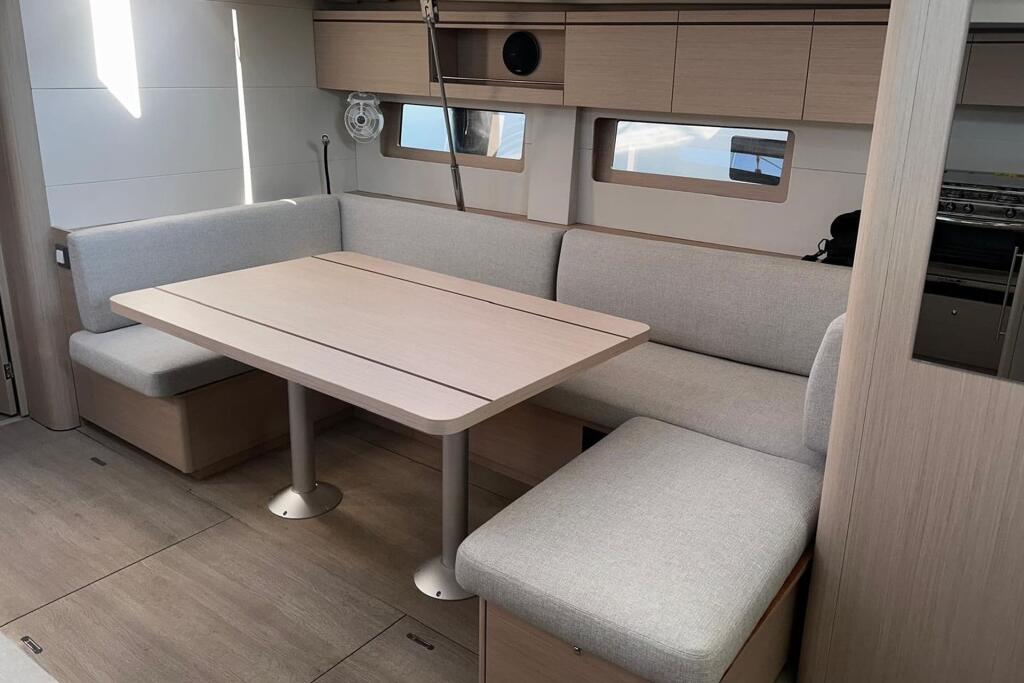
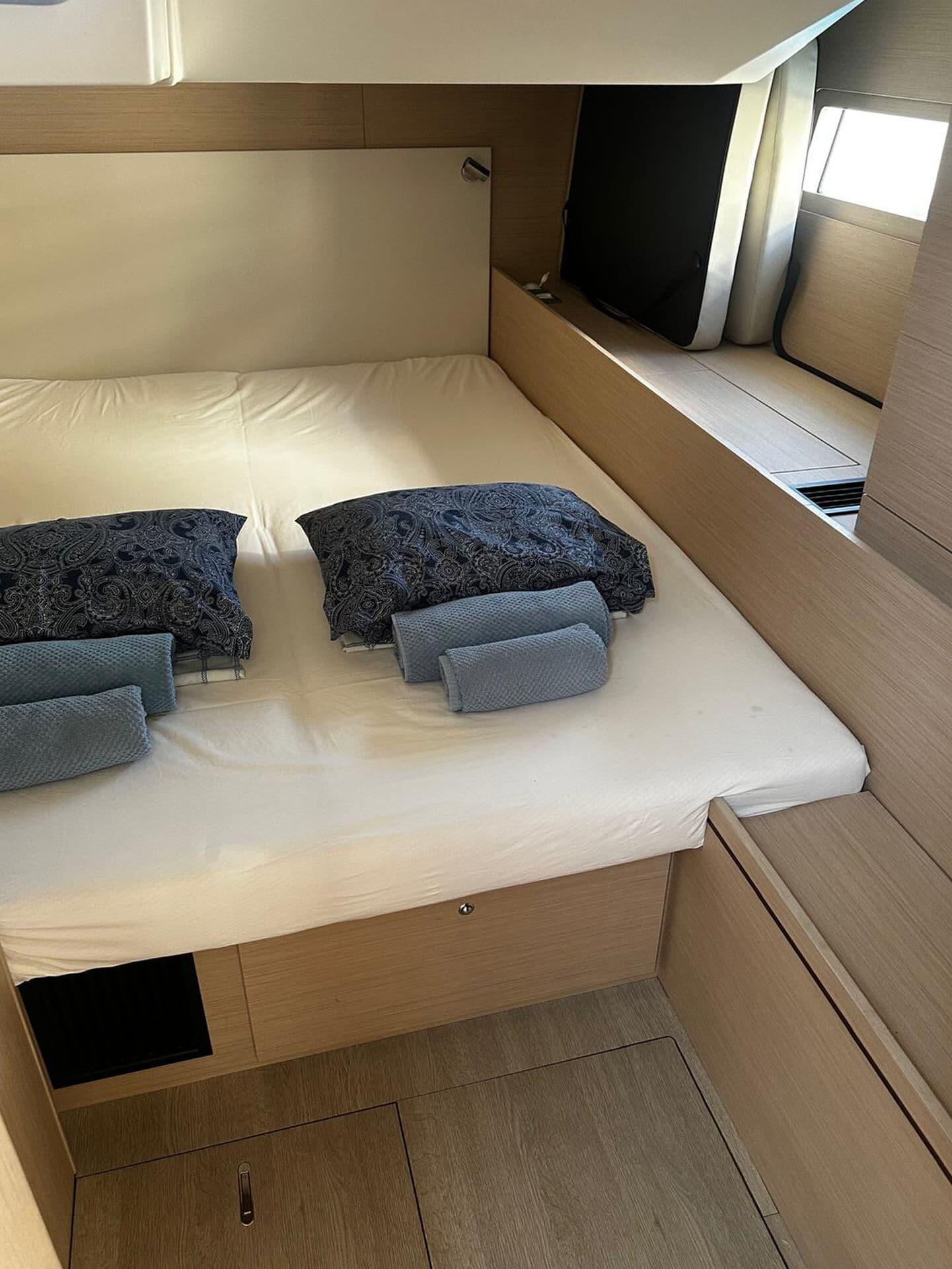
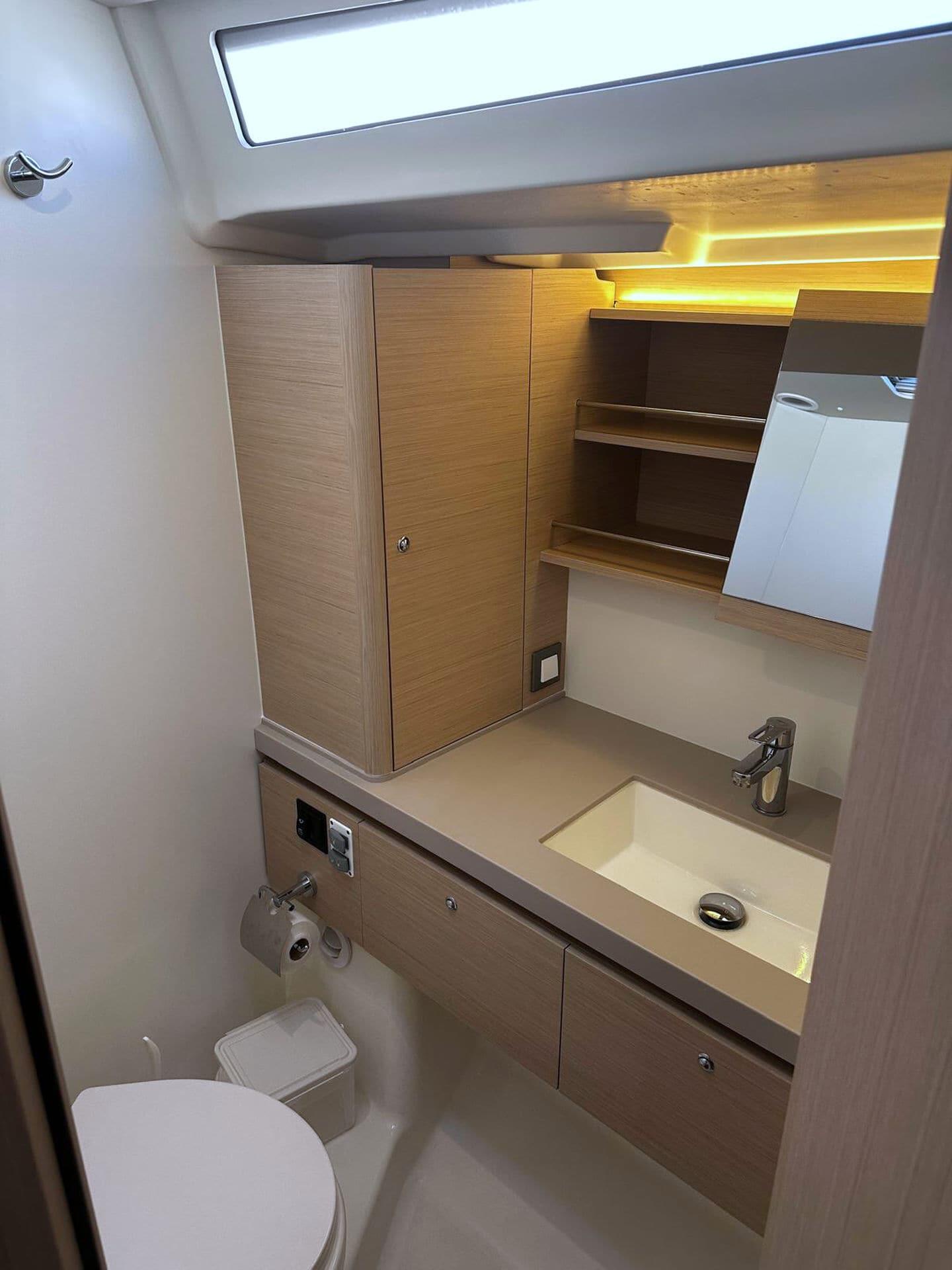
The yacht offers shown above this text present the sailing yachts actually available in Rogoznica. There, you can compare charter periods, size, cabin layout and the equipment of each yacht. For making the right choice, this is far more meaningful than a general recommendation based solely on yacht length.
Why charter a yacht from Rogoznica?
Rogoznica is positioned almost exactly where several of Central Dalmatia’s classic cruising grounds can be sensibly linked together. Those sailing north first reach the coastal and island scenery of the Šibenik region. Beyond that lies the Kornati area. To the south, the character changes with larger islands such as Šolta, Brač and Hvar. This location offers far greater routing flexibility than a departure harbour from which nearly every cruise requires the same long approach or return leg.
Even short passages can be planned with purpose. Primošten, the offshore islands of the Šibenik archipelago and a range of bays along the Central Dalmatian coast make it possible to create itineraries that do not require many hours under sail each day. This is particularly attractive for families, mixed crews or those undertaking their first independent sailing trip in Croatia.
More experienced crews can make use of Rogoznica in a different way. In favourable weather, longer legs can be included and more distant destinations combined. Hvar, Vis or an extended Kornati cruise do, however, require more careful planning. Particularly on a one week charter, the return passage should be considered early enough to avoid unnecessary time pressure should the weather change toward the end of the trip.
The sheltered position of the marina also makes preparations for the first day at sea easier. Once the yacht has been handed over and the crew is provisioned, the real route planning begins immediately within the cruising area itself. Rogoznica lies in a deep natural bay and is regarded as a distinctly nautical location on the Central Dalmatian coast.
Own charter operation with a local team
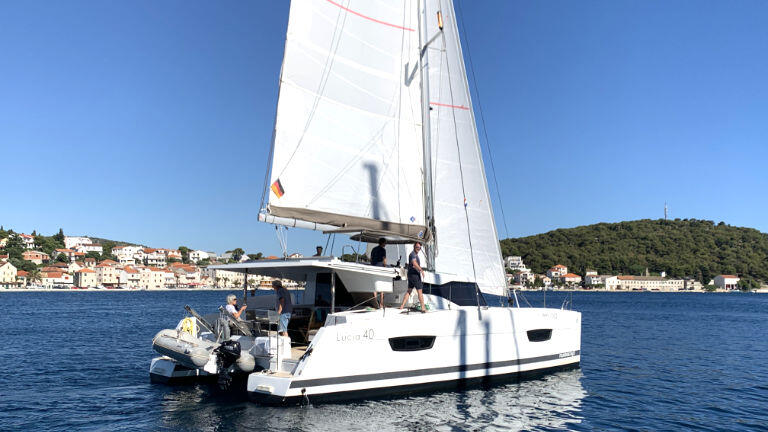
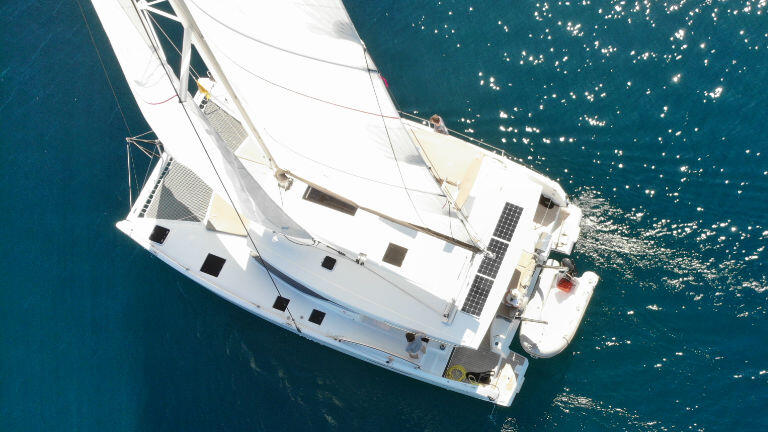
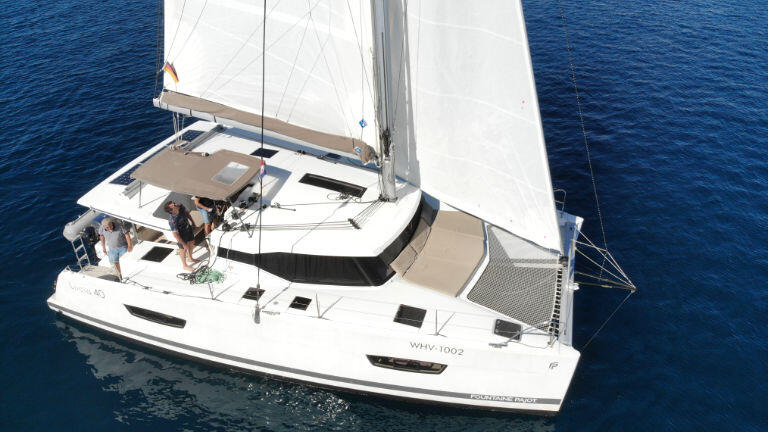
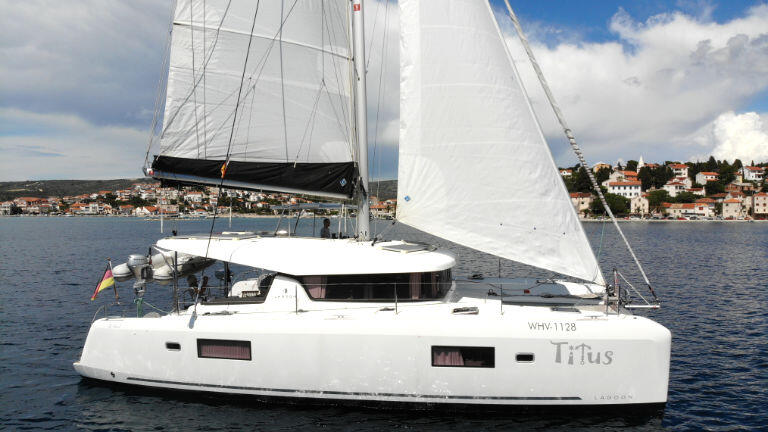
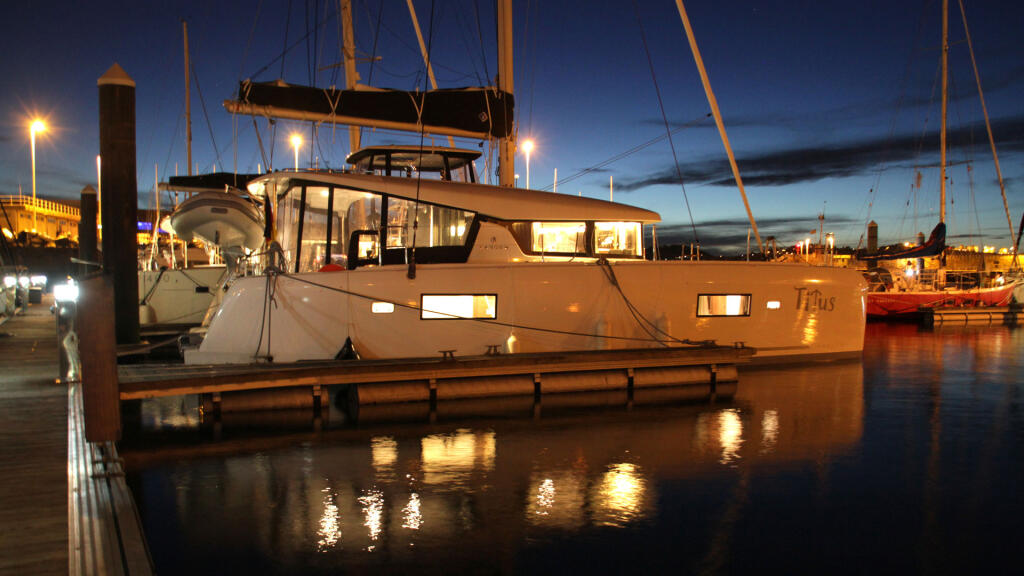
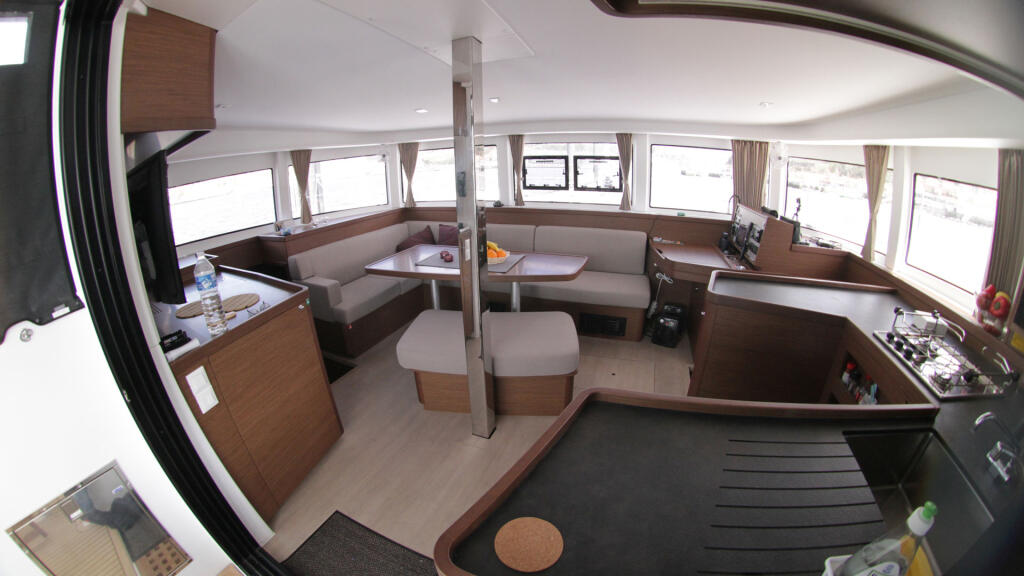
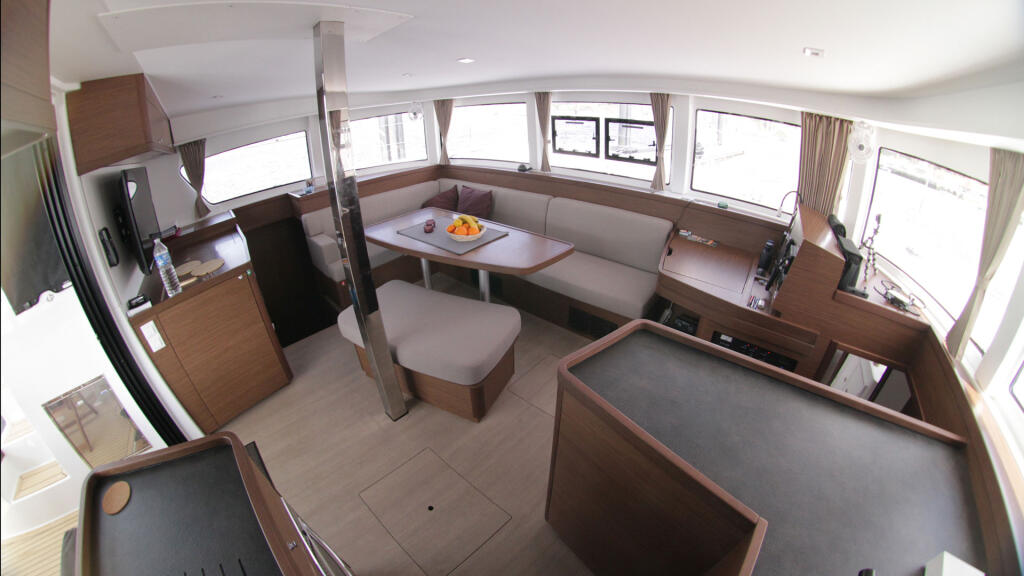
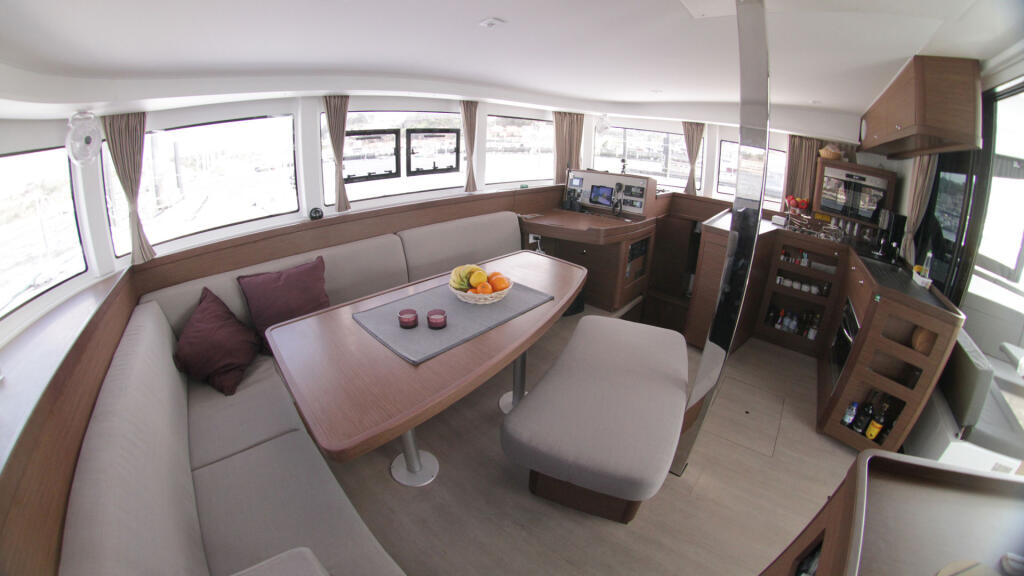
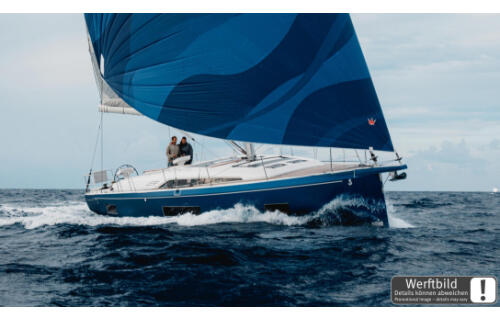
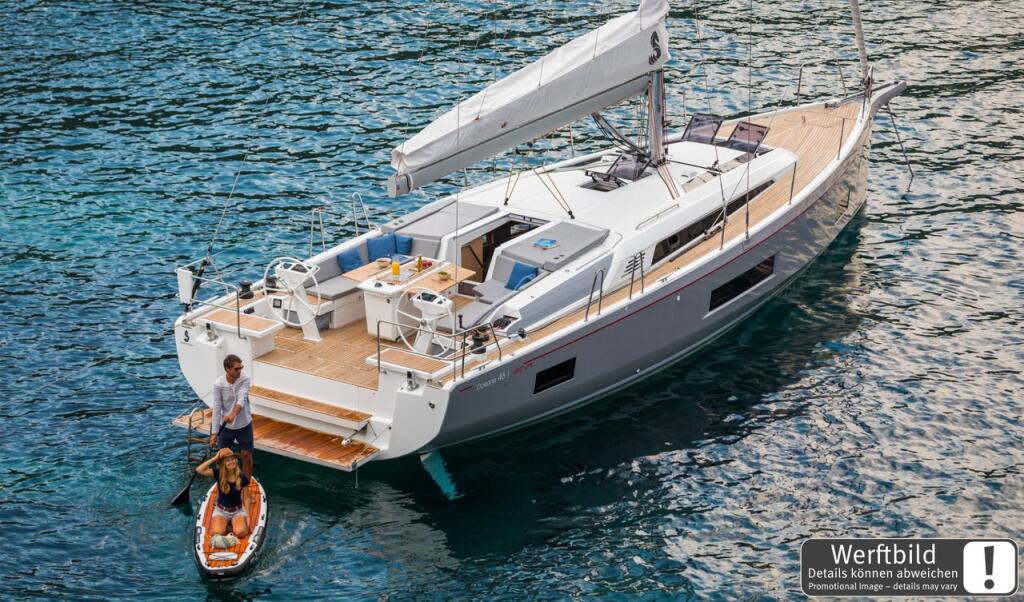
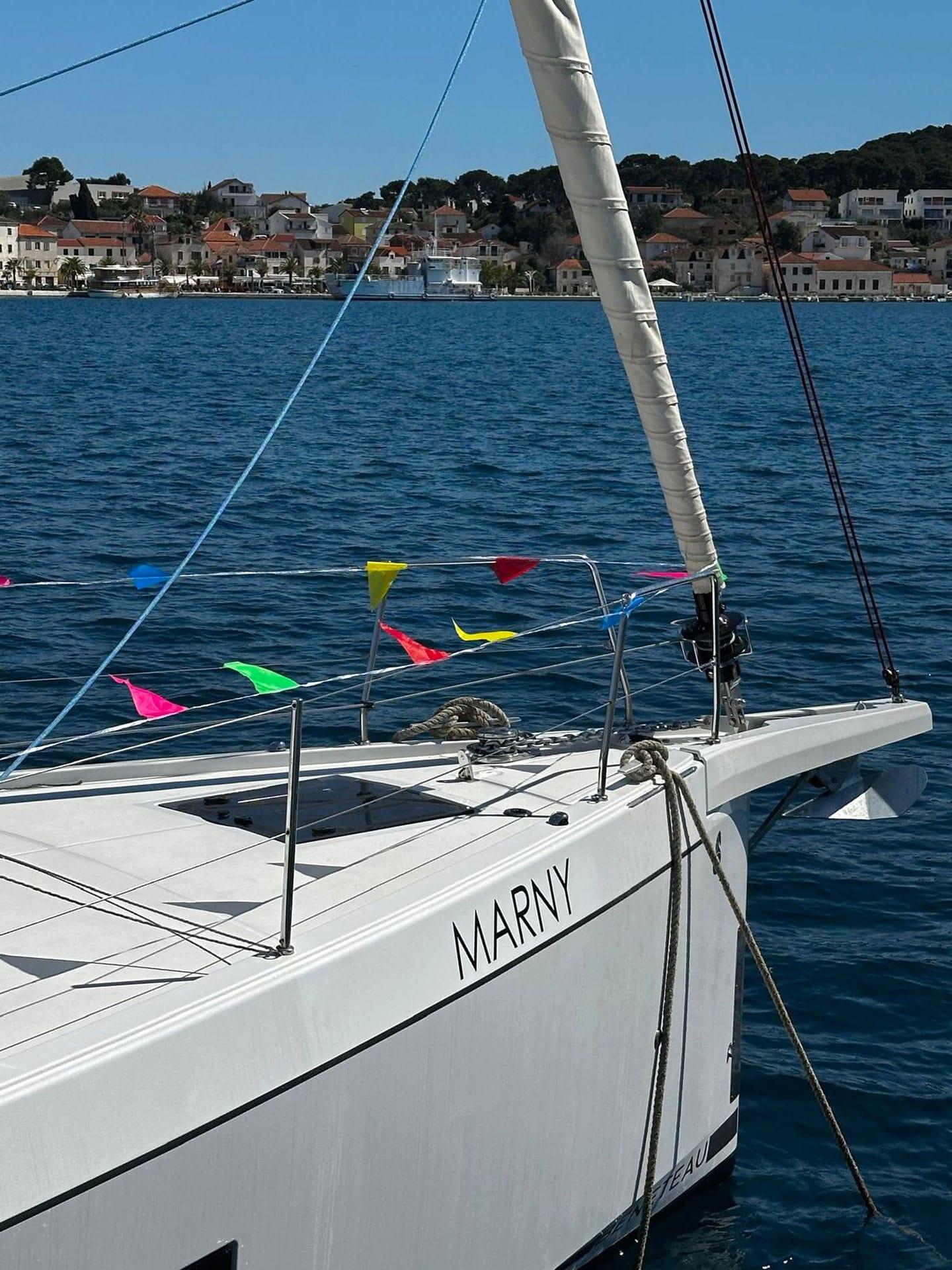
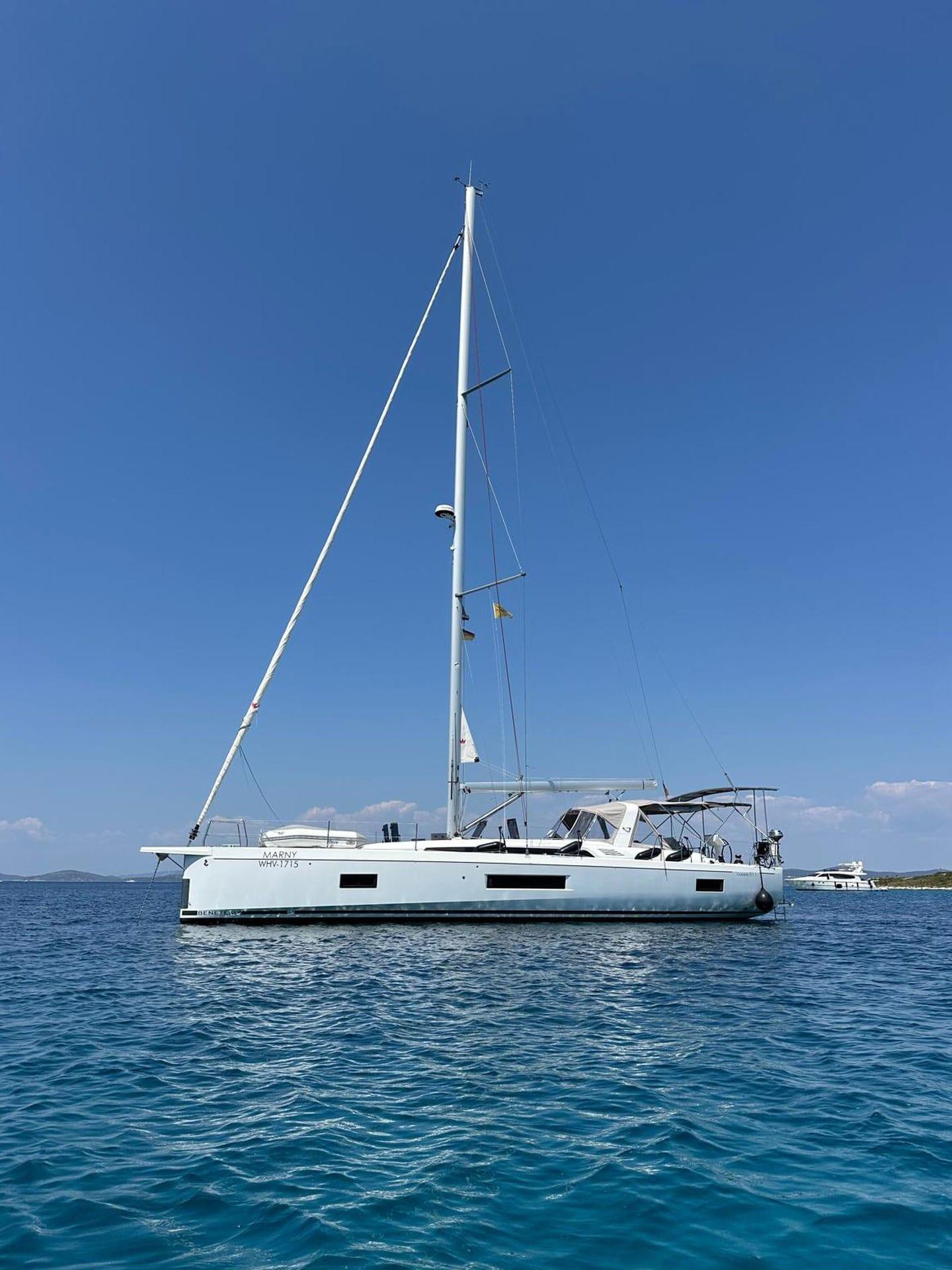
Sailing Yacht Charter Rogoznica
With a charter agency or yacht charter marketplace, the focus is often on brokering between different fleets, bases and operators. This can be useful when the initial aim is to compare offers from various providers. The actual preparation of the yacht, technical support and handover at the dock are then carried out by the respective fleet operator.
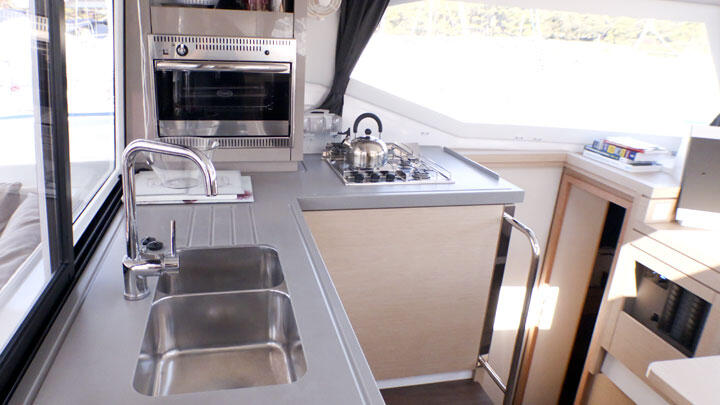
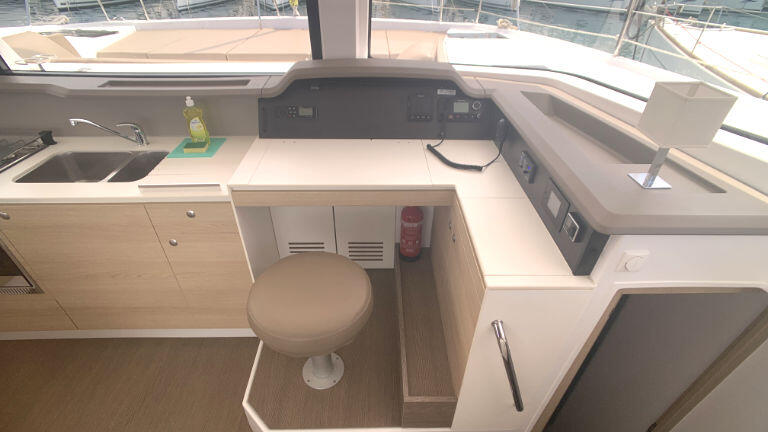
With an in house charter operation, yacht management, preparation and base operations form part of the same operational structure. This means that questions about a specific sailing yacht can be clarified more directly with the team that works with the yachts at the location. This includes, for example, the actual equipment on board, the cabin layout, the handling of individual systems or practical questions relating to handover.
Yacht preparation is also a key part of this responsibility. Condition, maintenance and the careful preparation of a charter yacht are central quality standards for First Class Sailing. In Croatia, the focus is on well maintained yachts, professional handovers, personal support and dependable processes at manageable, well organised bases.
Of course, a booking may also be made through a charter agency or another sales partner. Regardless of the booking route, the operational work at our charter base in Rogoznica remains exactly the same. The yacht is prepared there, handed over there and checked back in there after the cruise.
Finding the right sailing yacht in Rogoznica
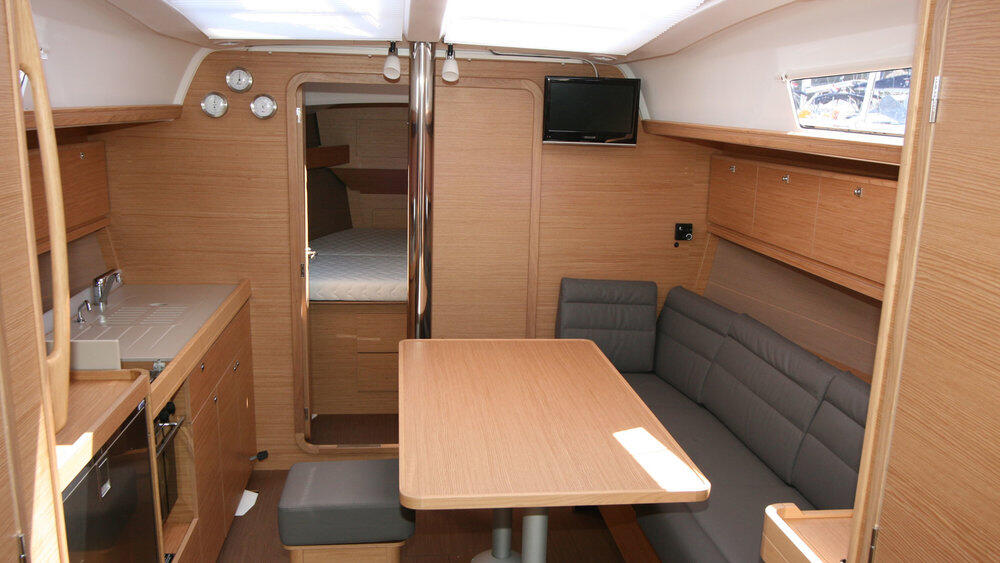
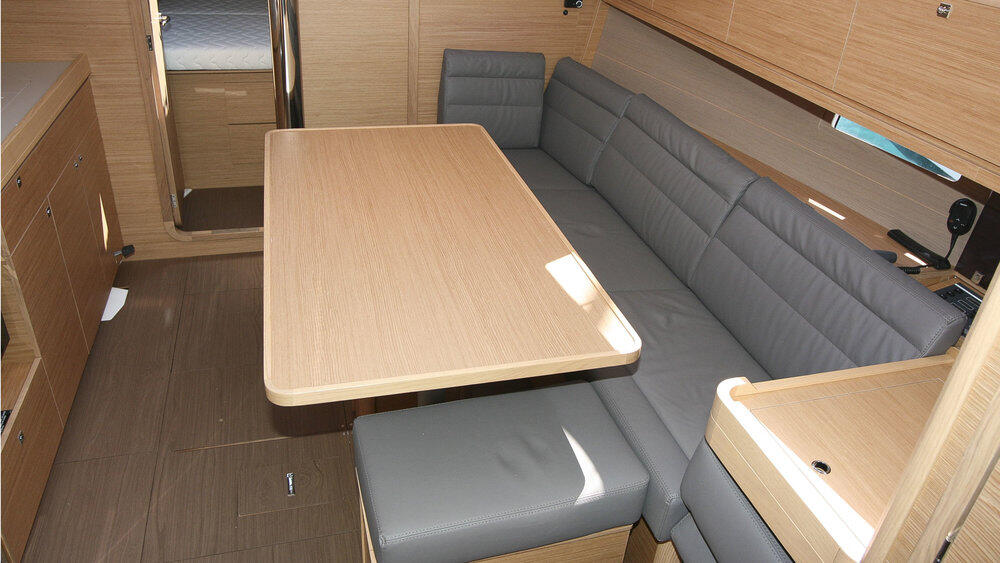
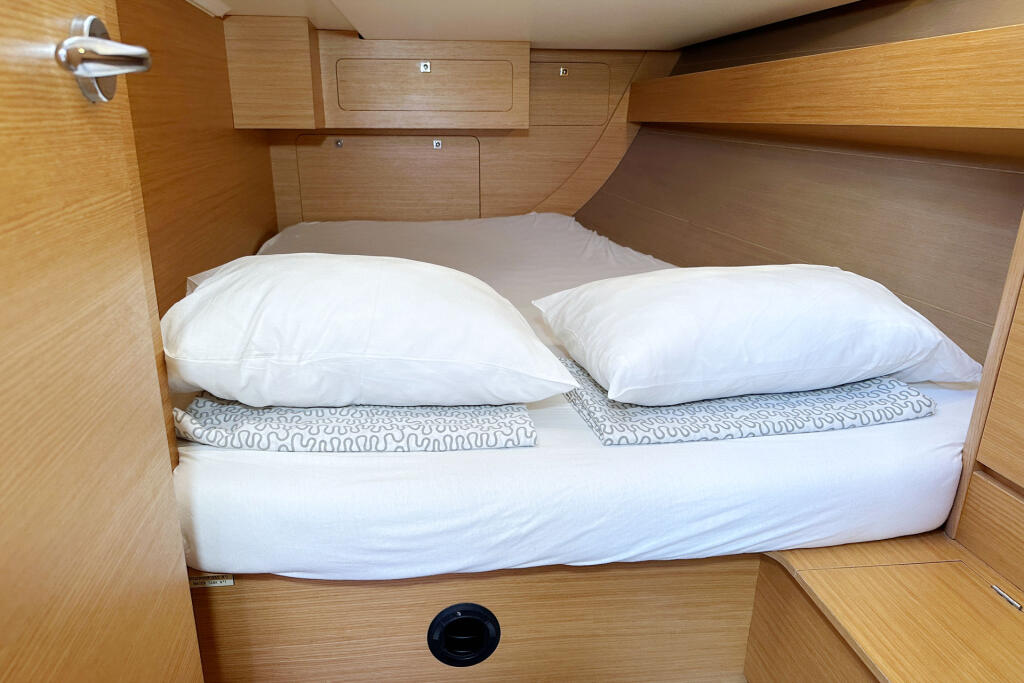
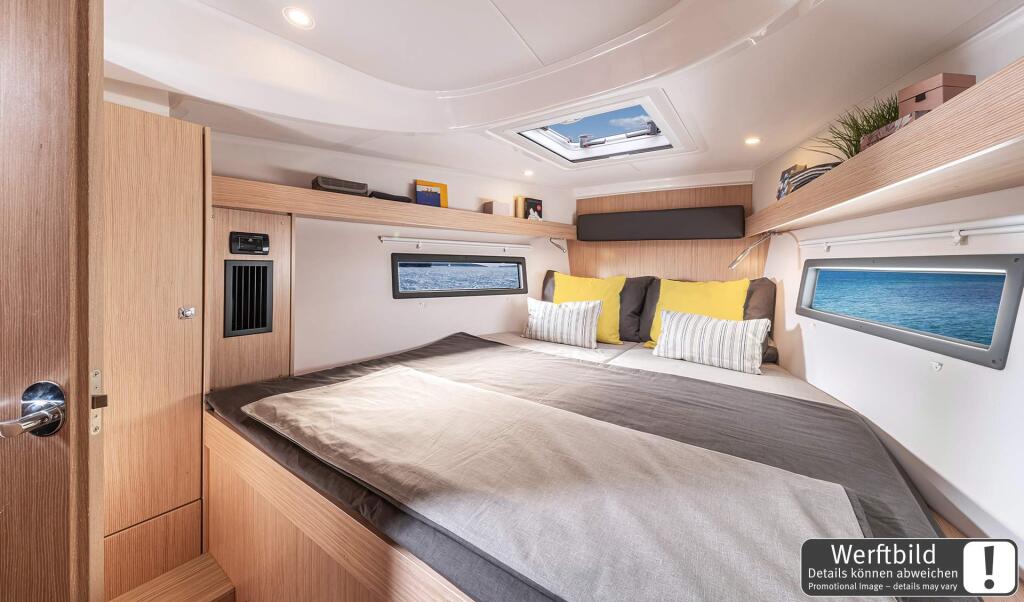
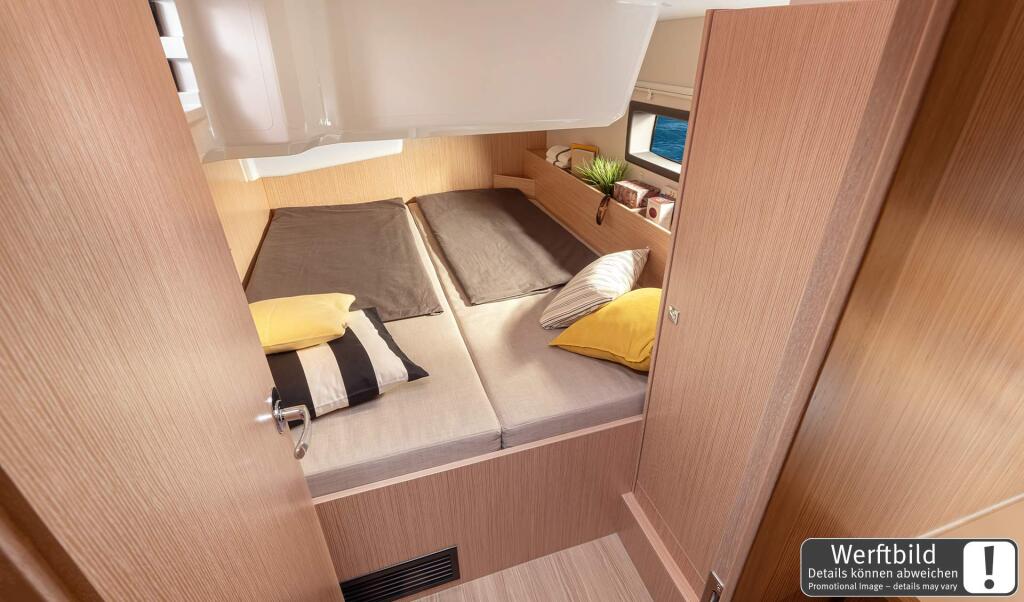
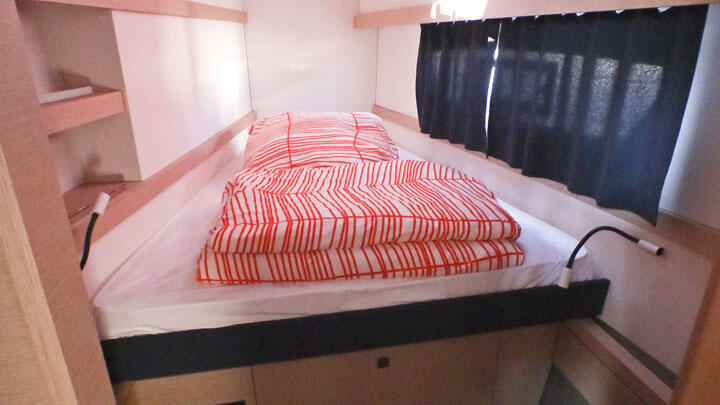
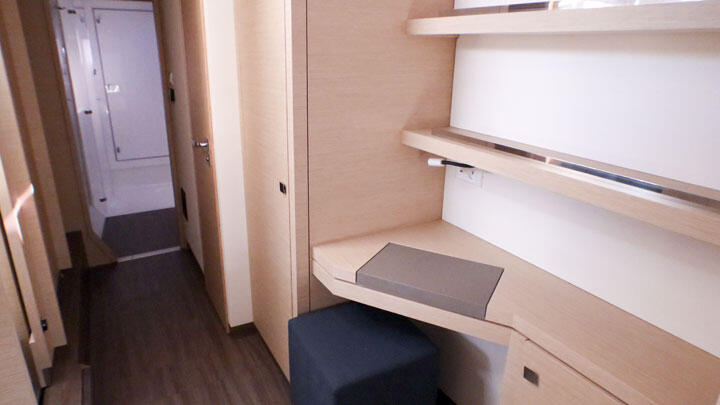
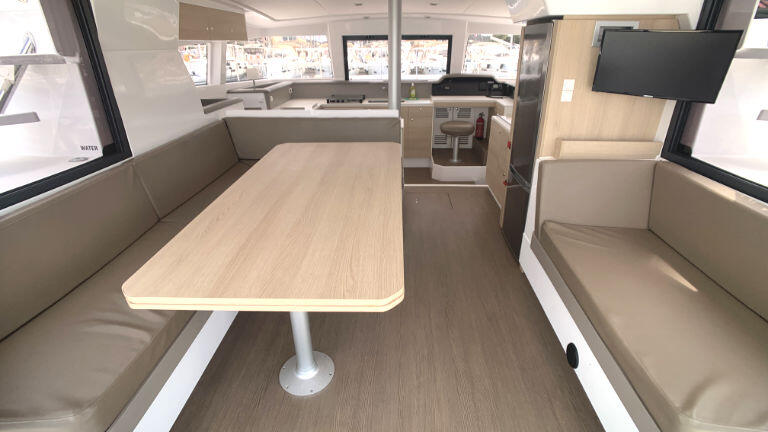
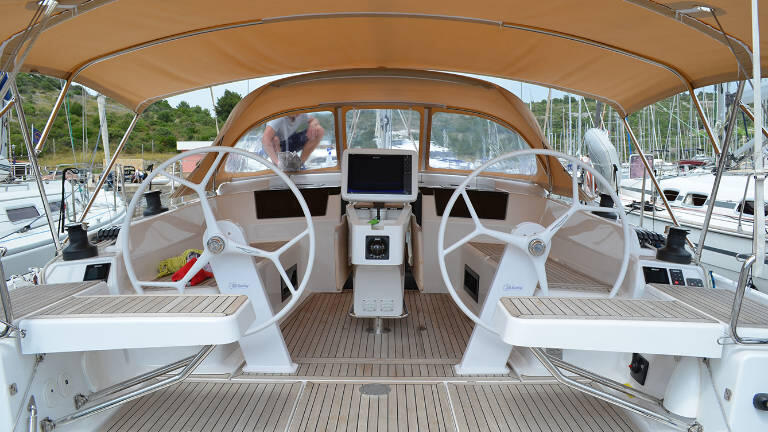
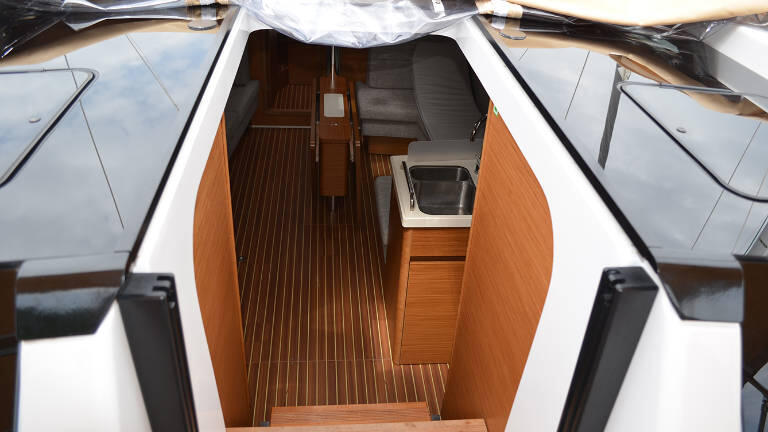
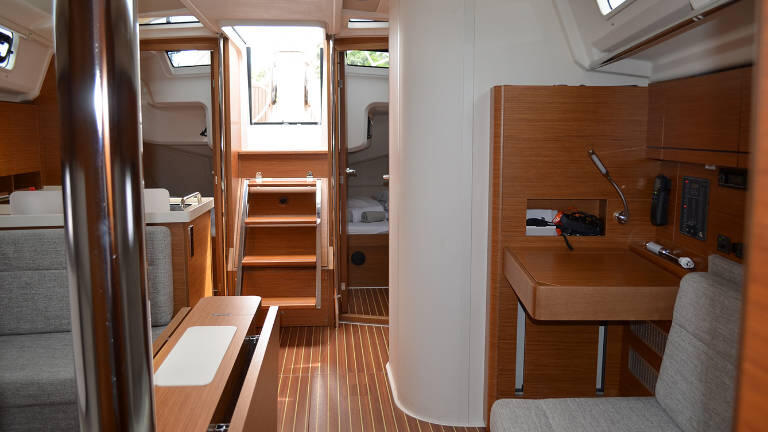
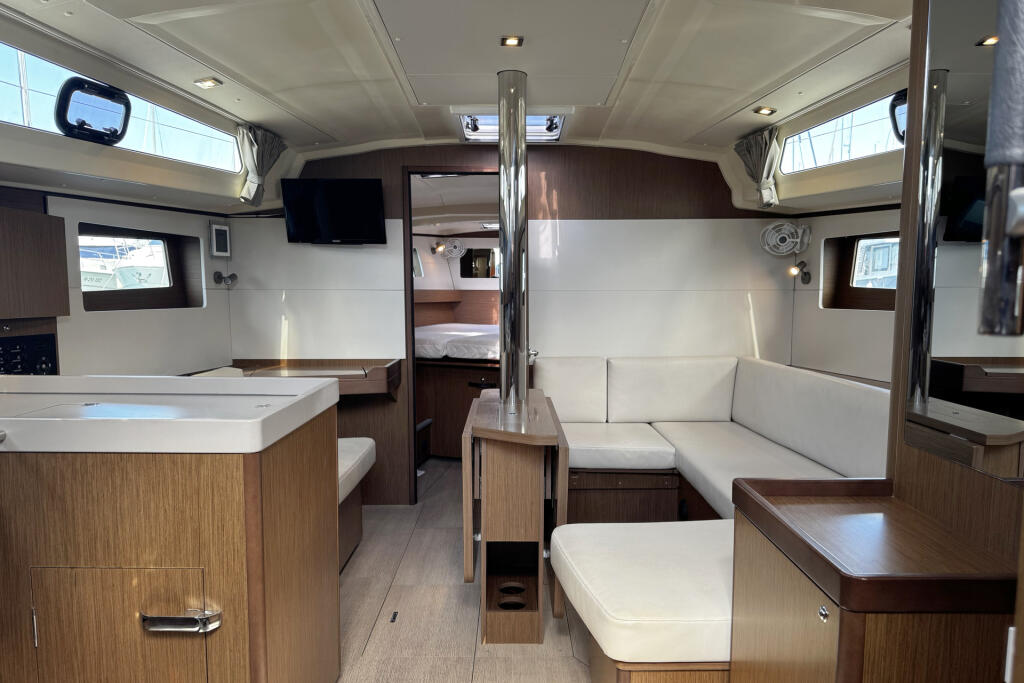
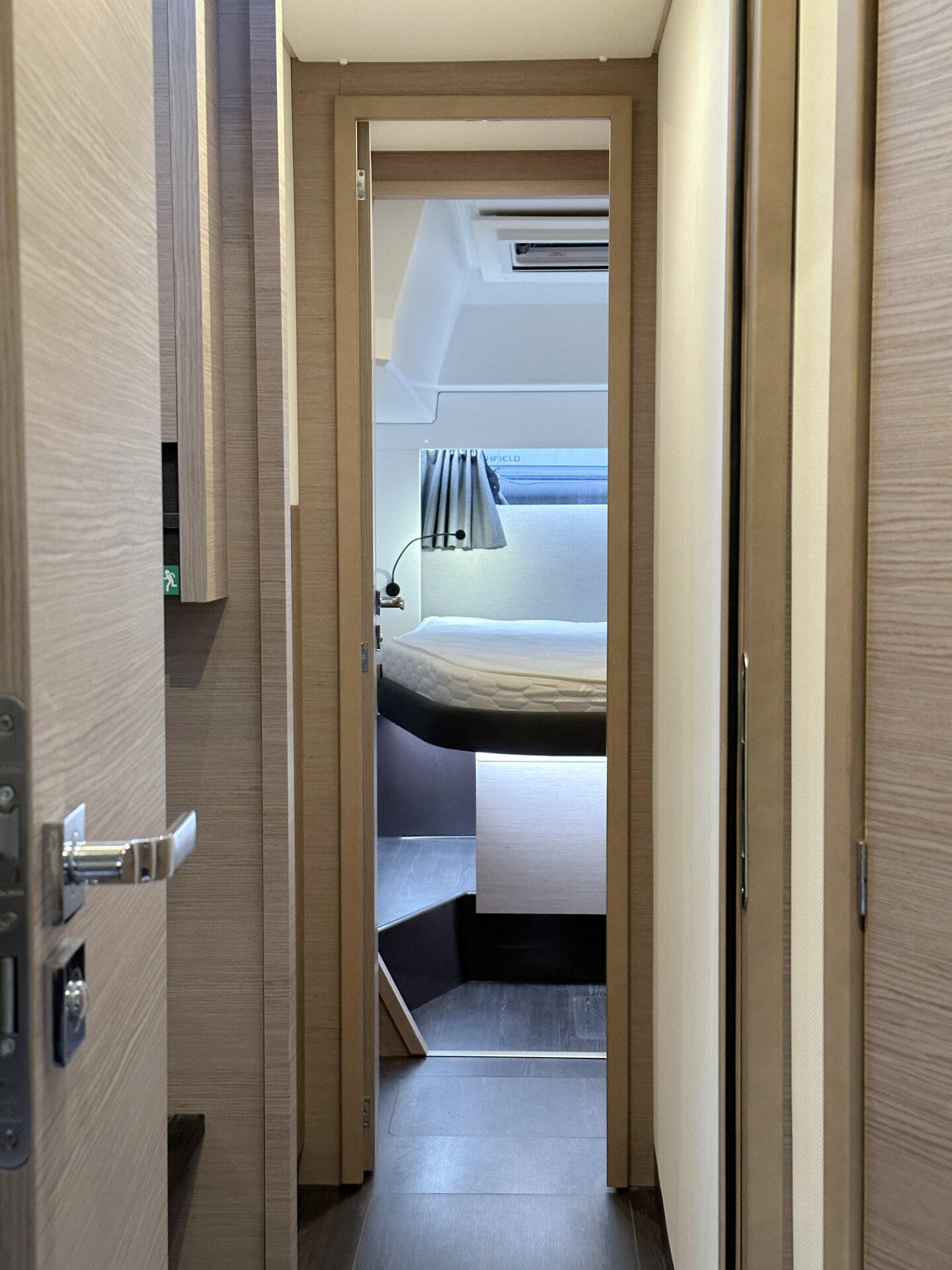
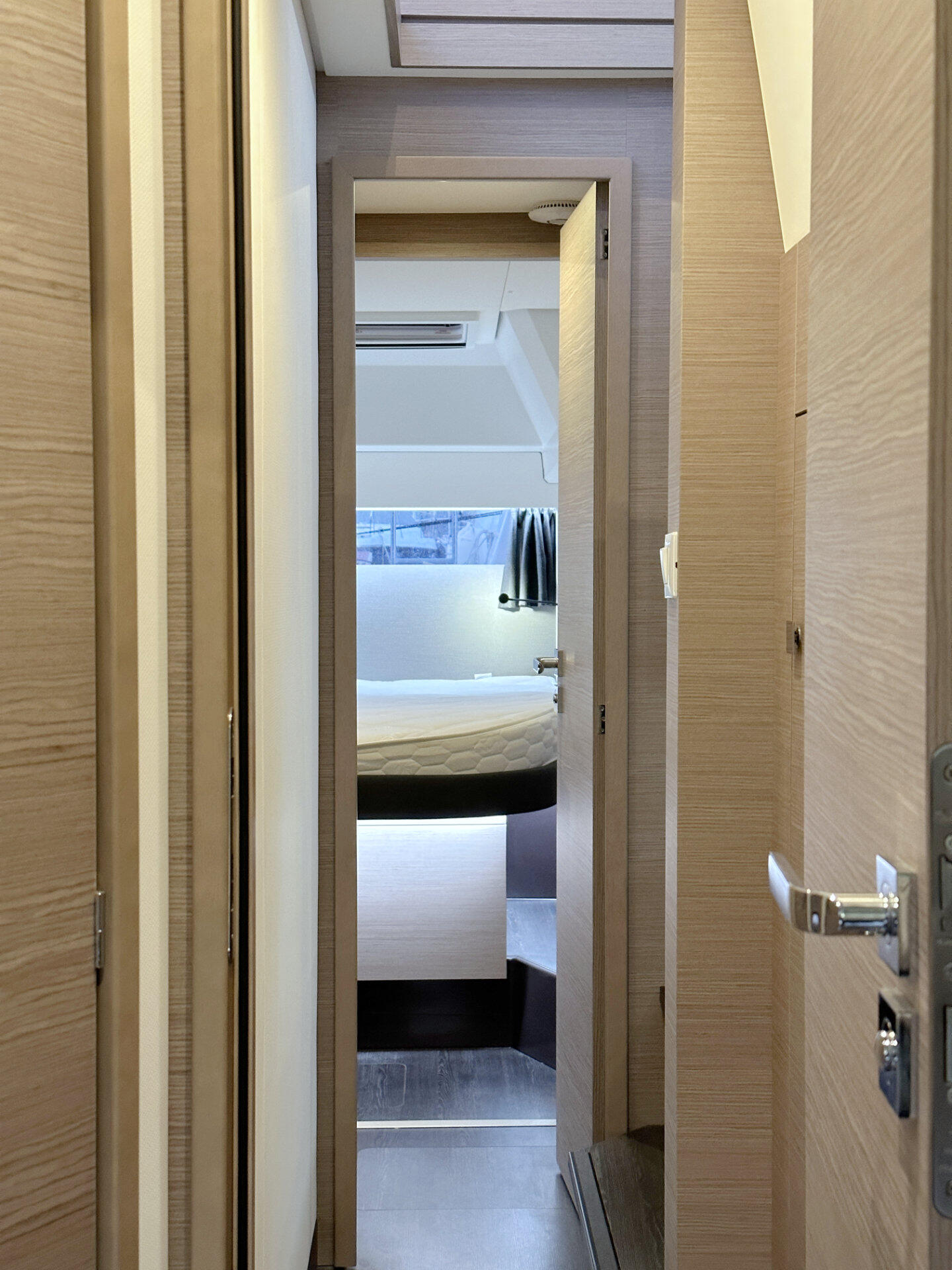
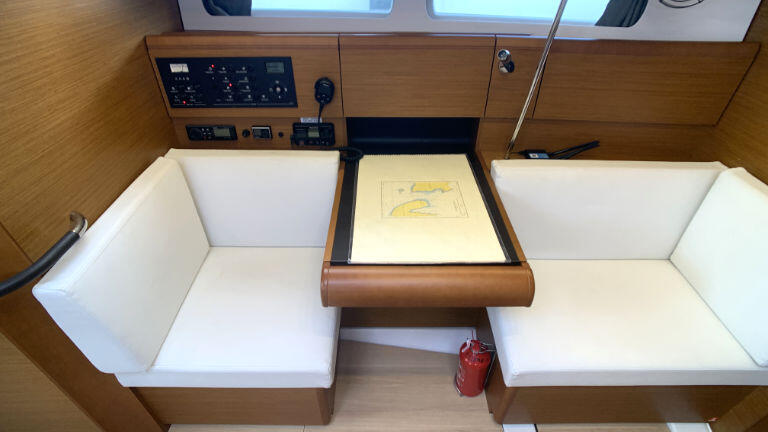
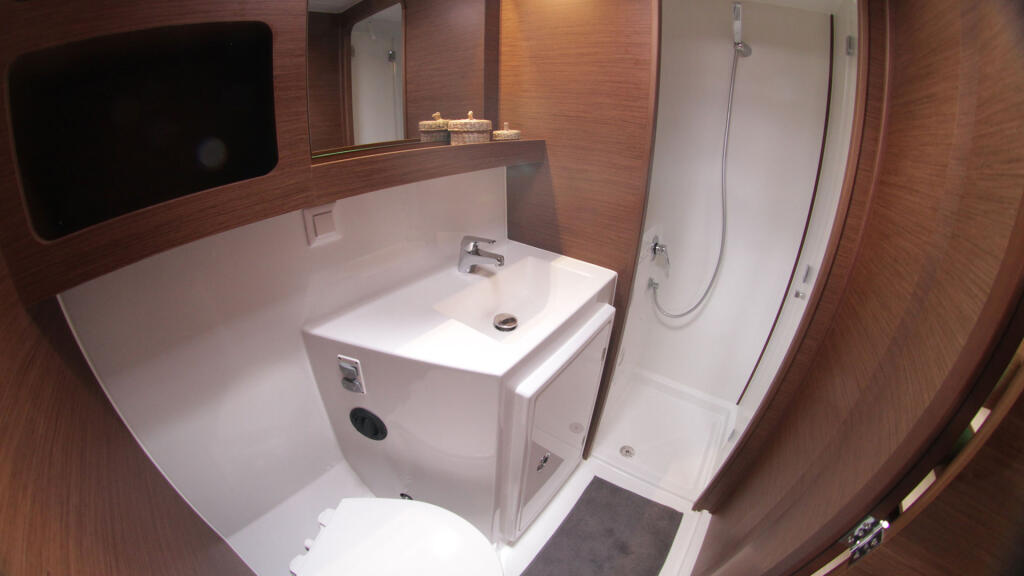
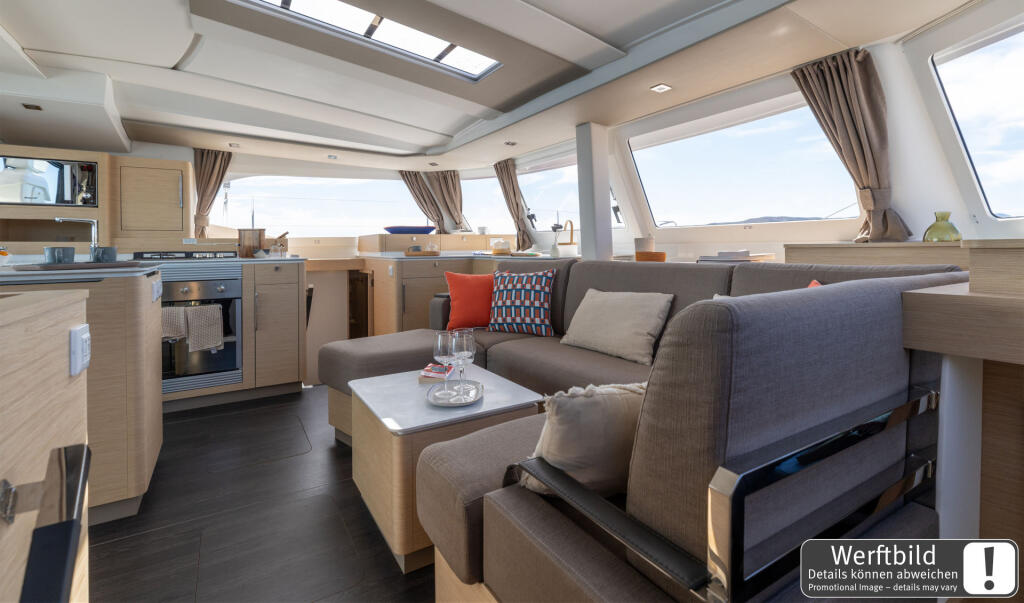
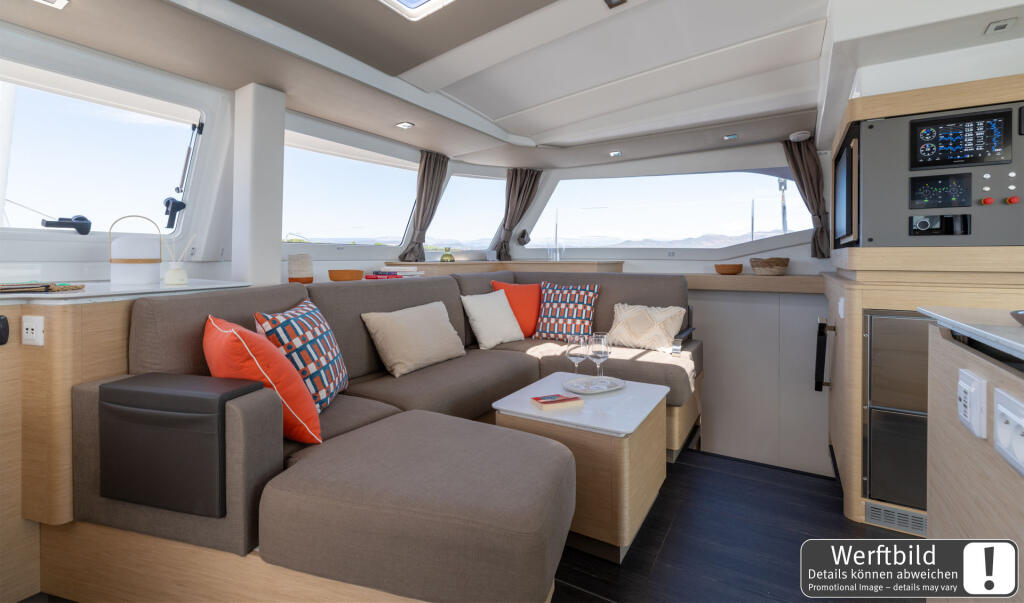
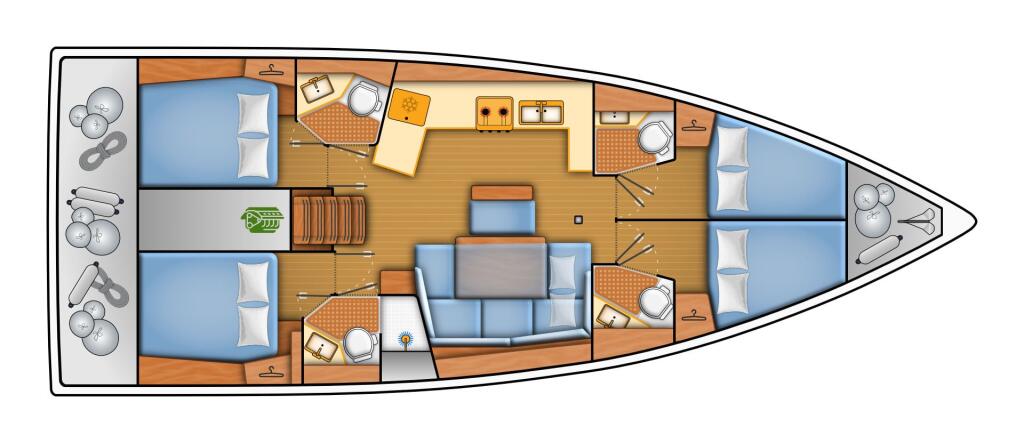
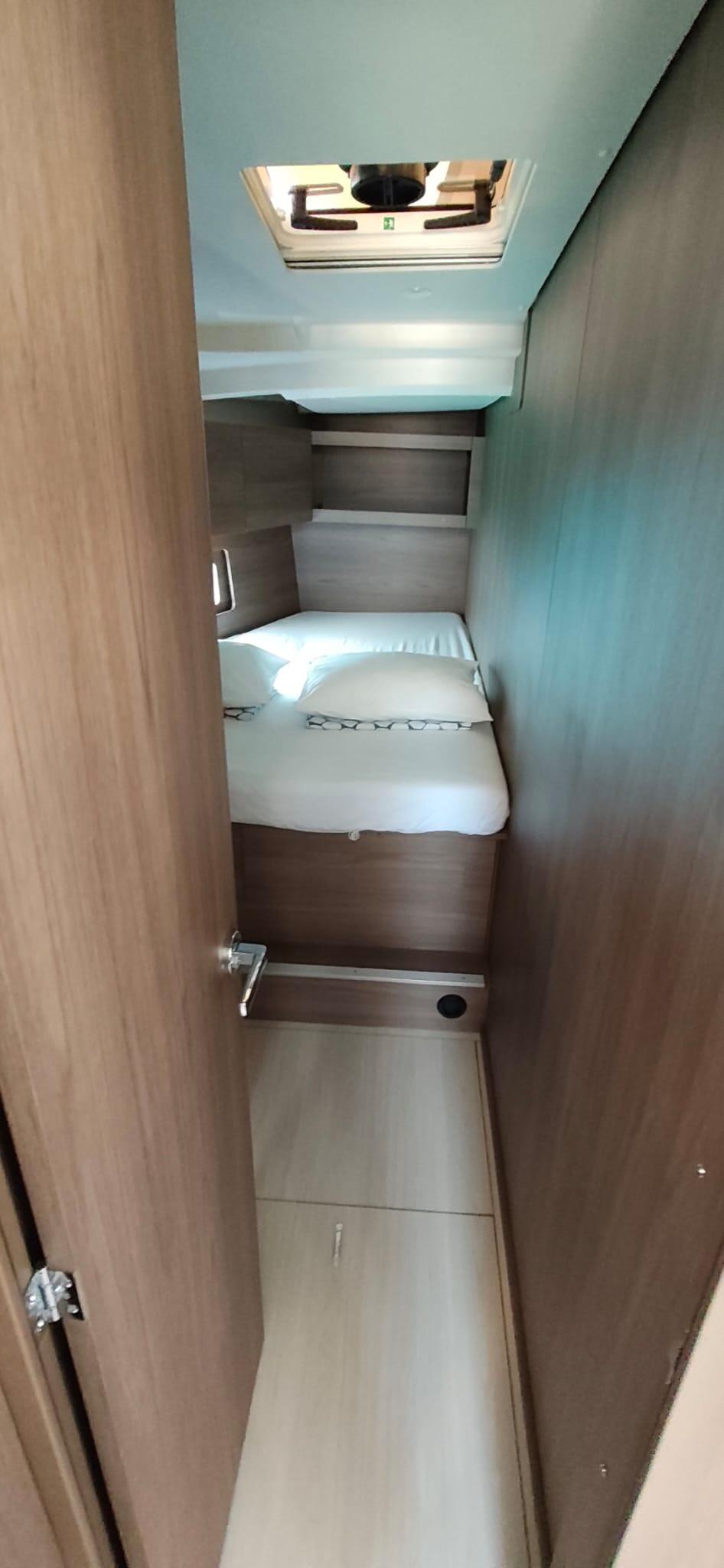
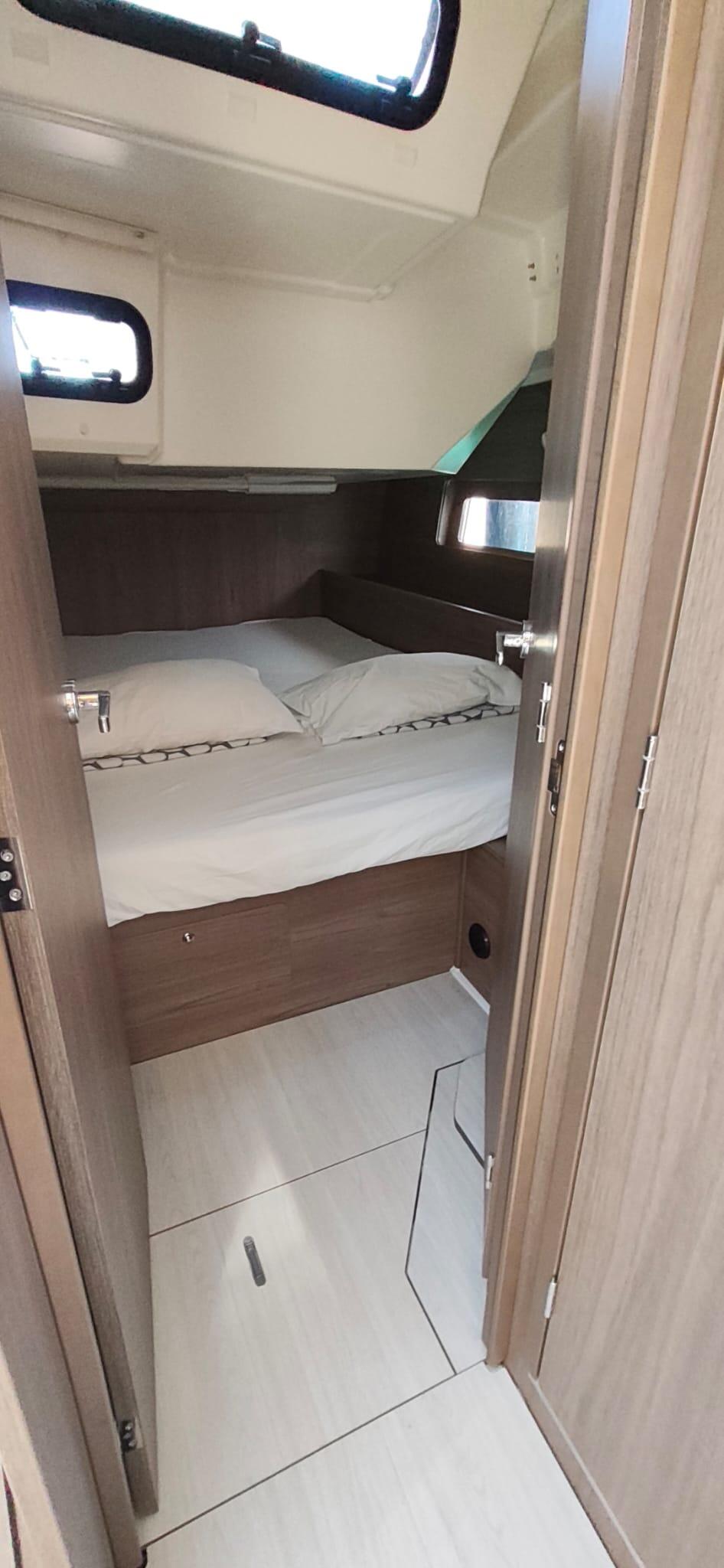
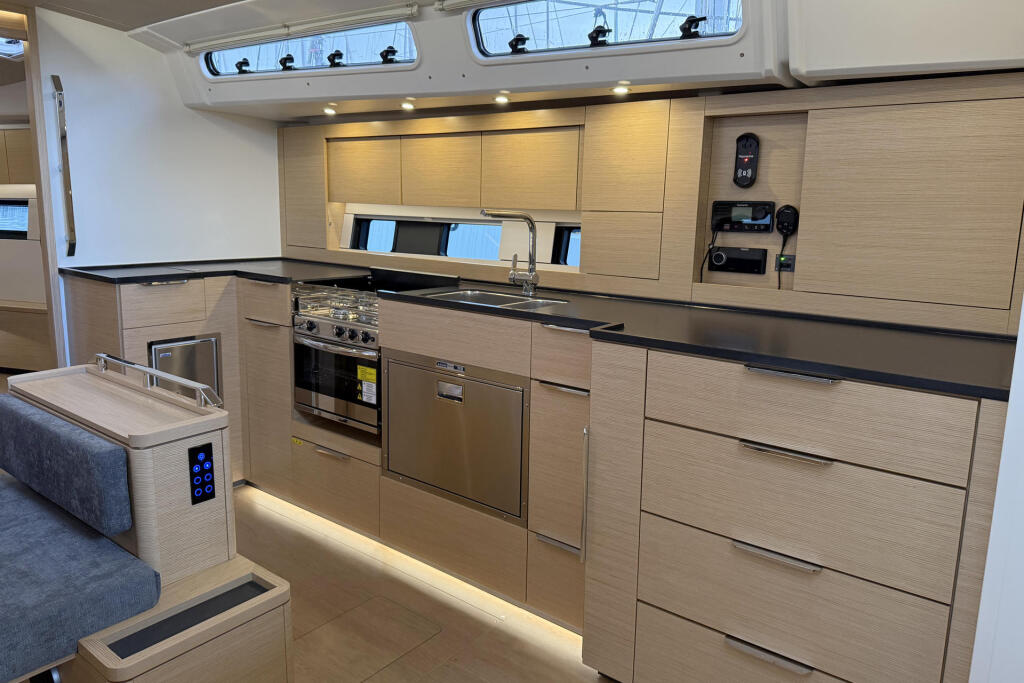
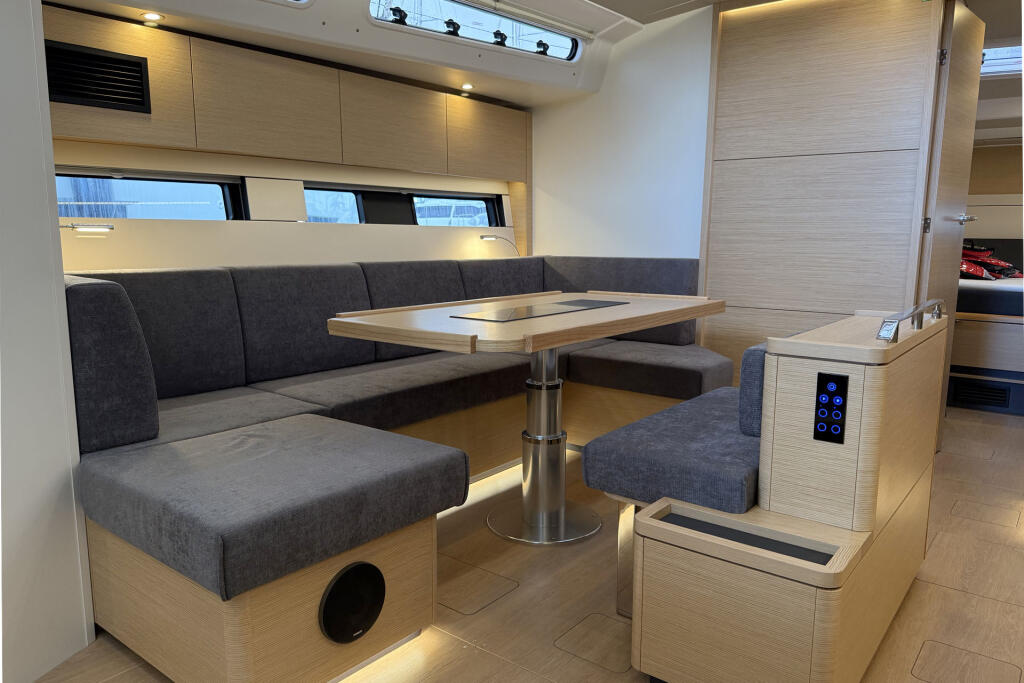
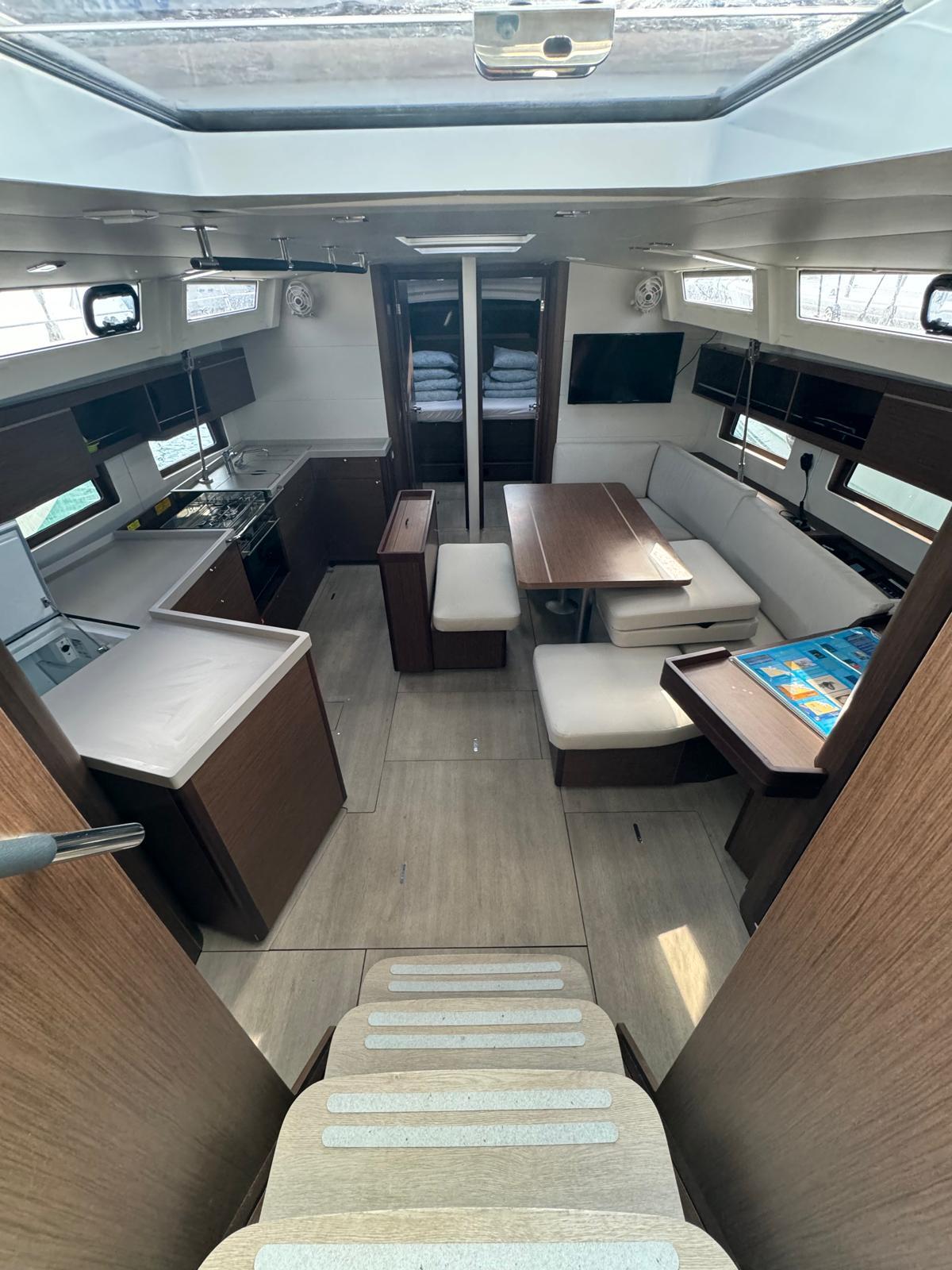
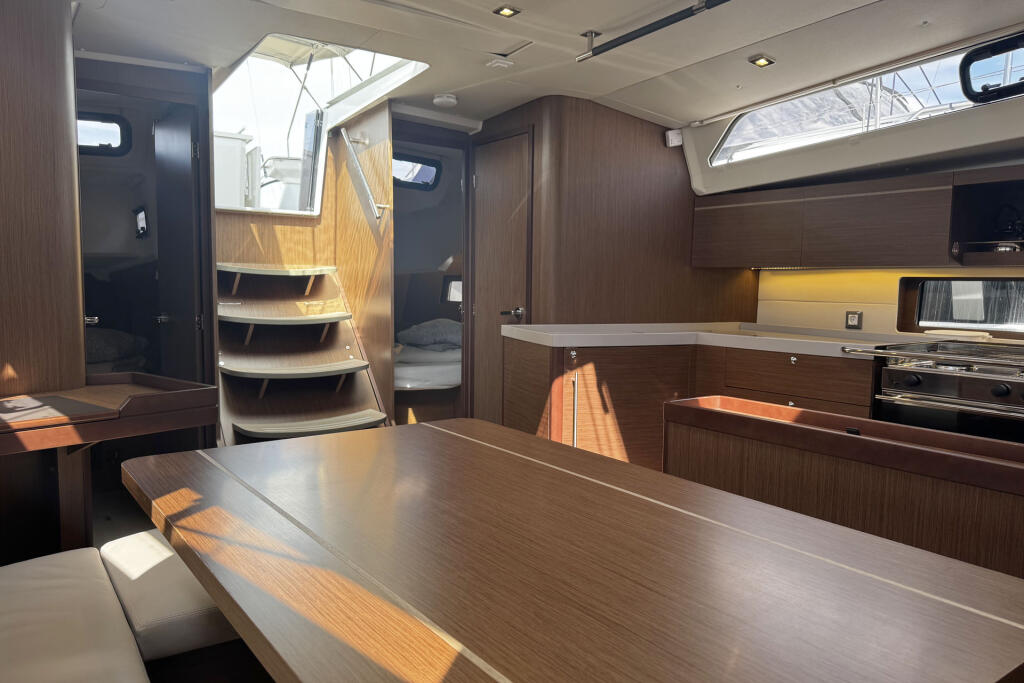
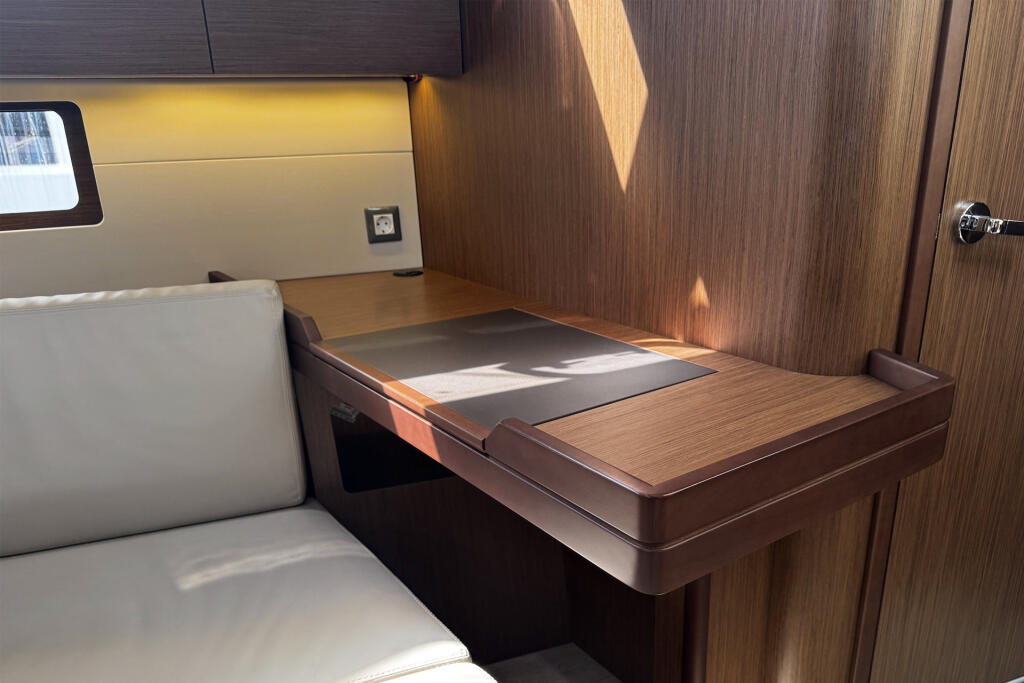
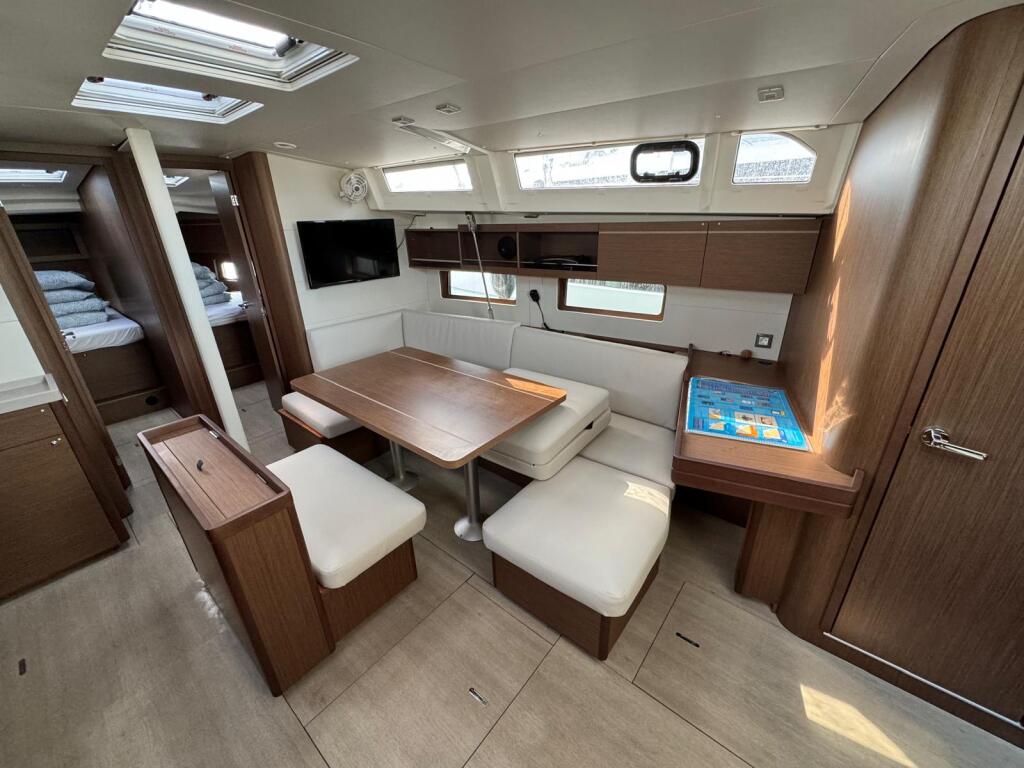
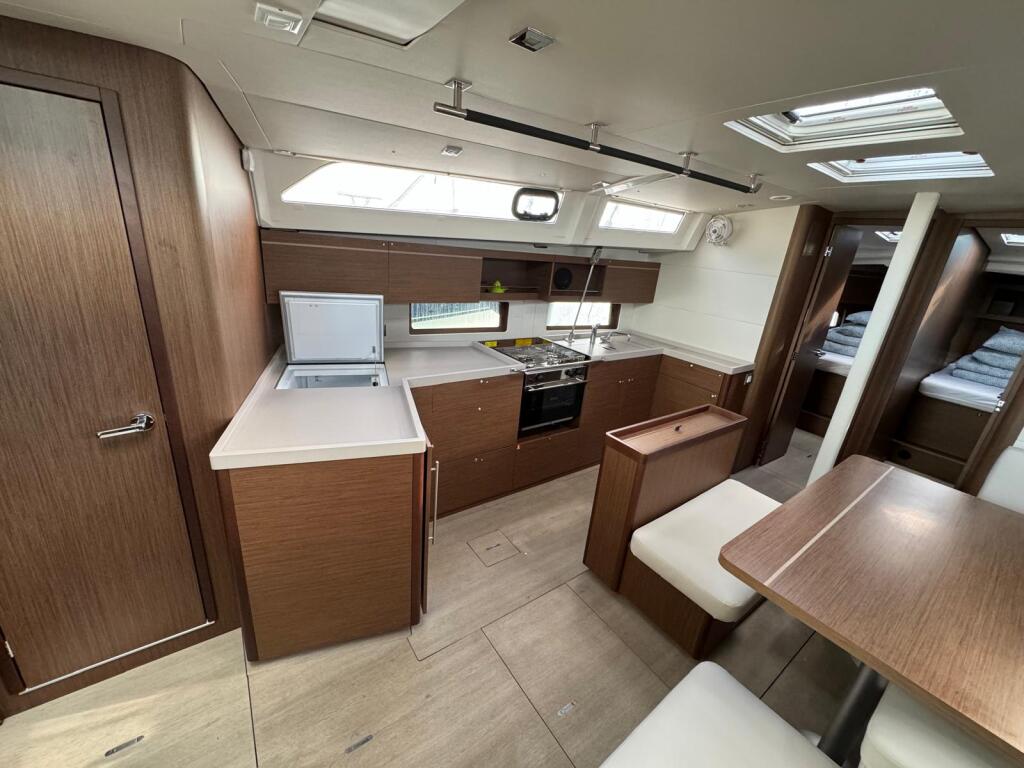
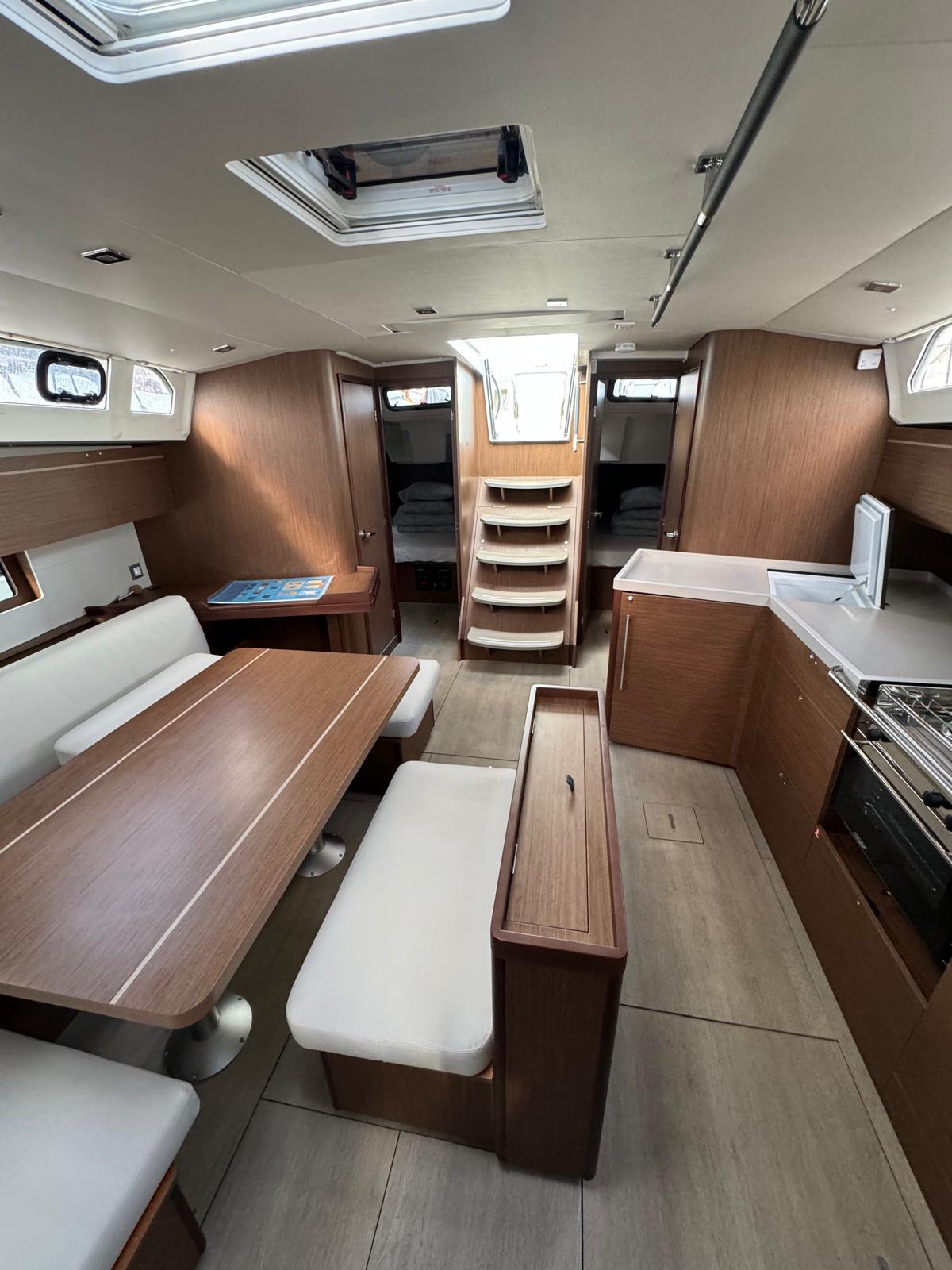
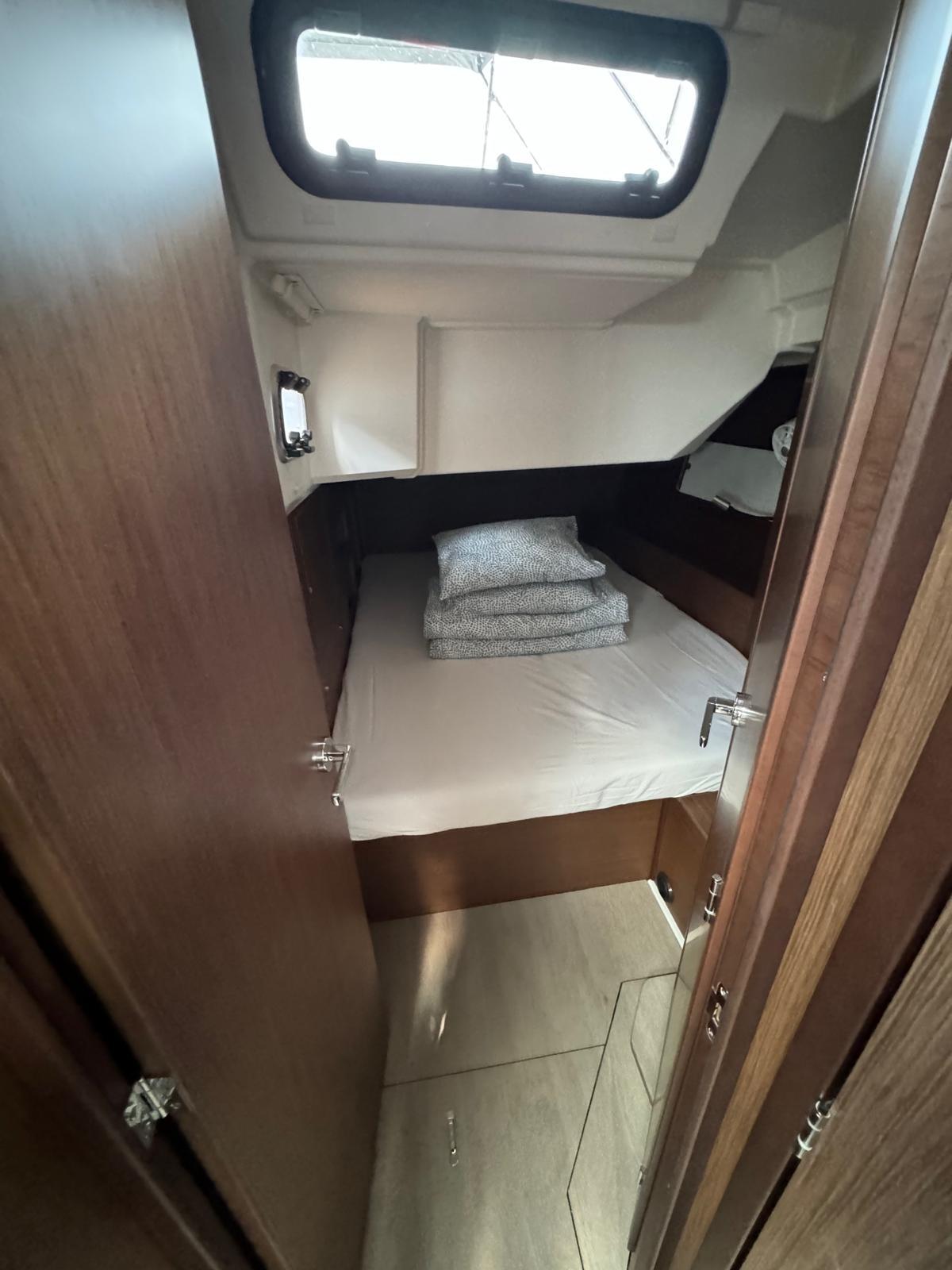
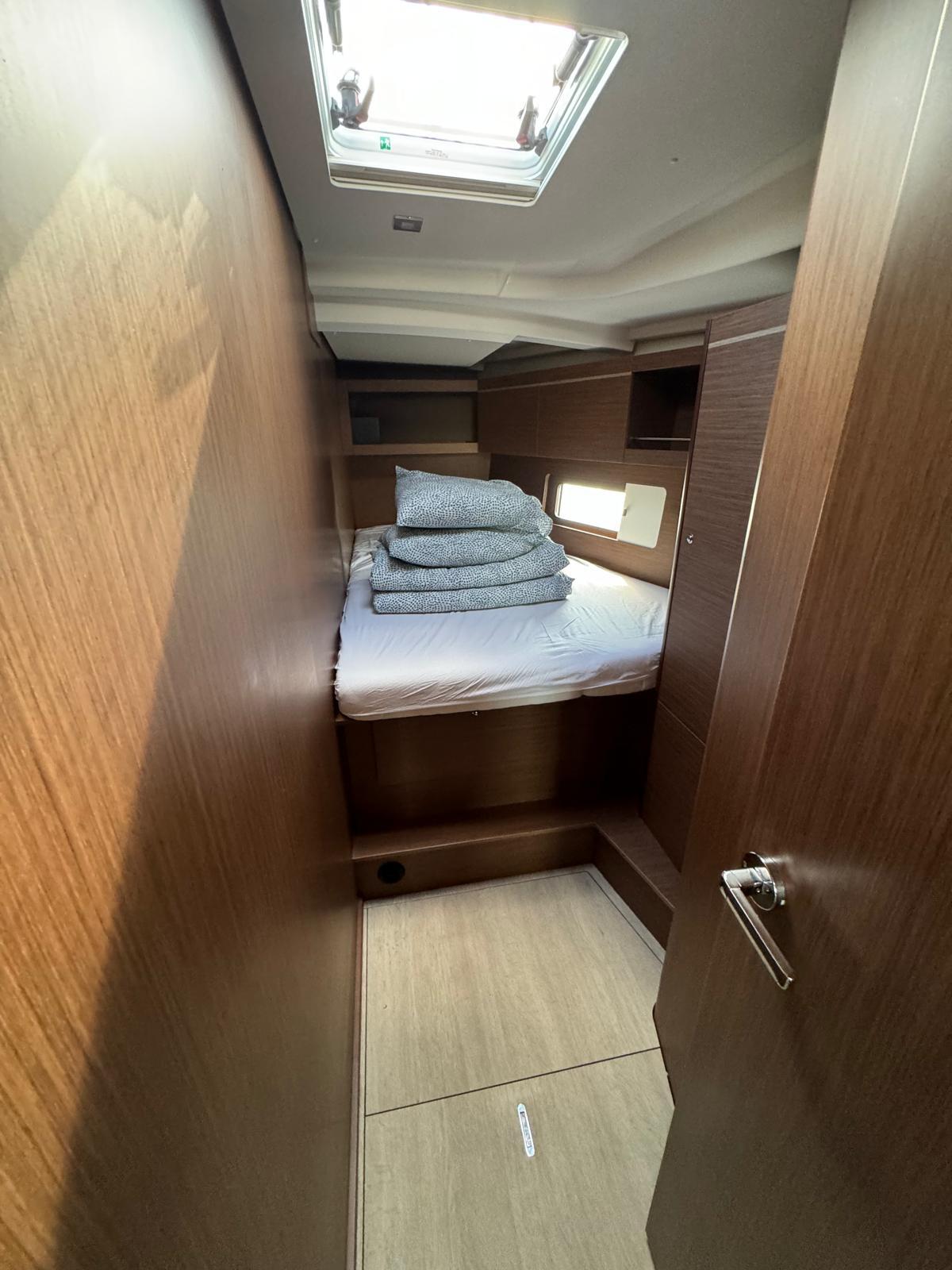
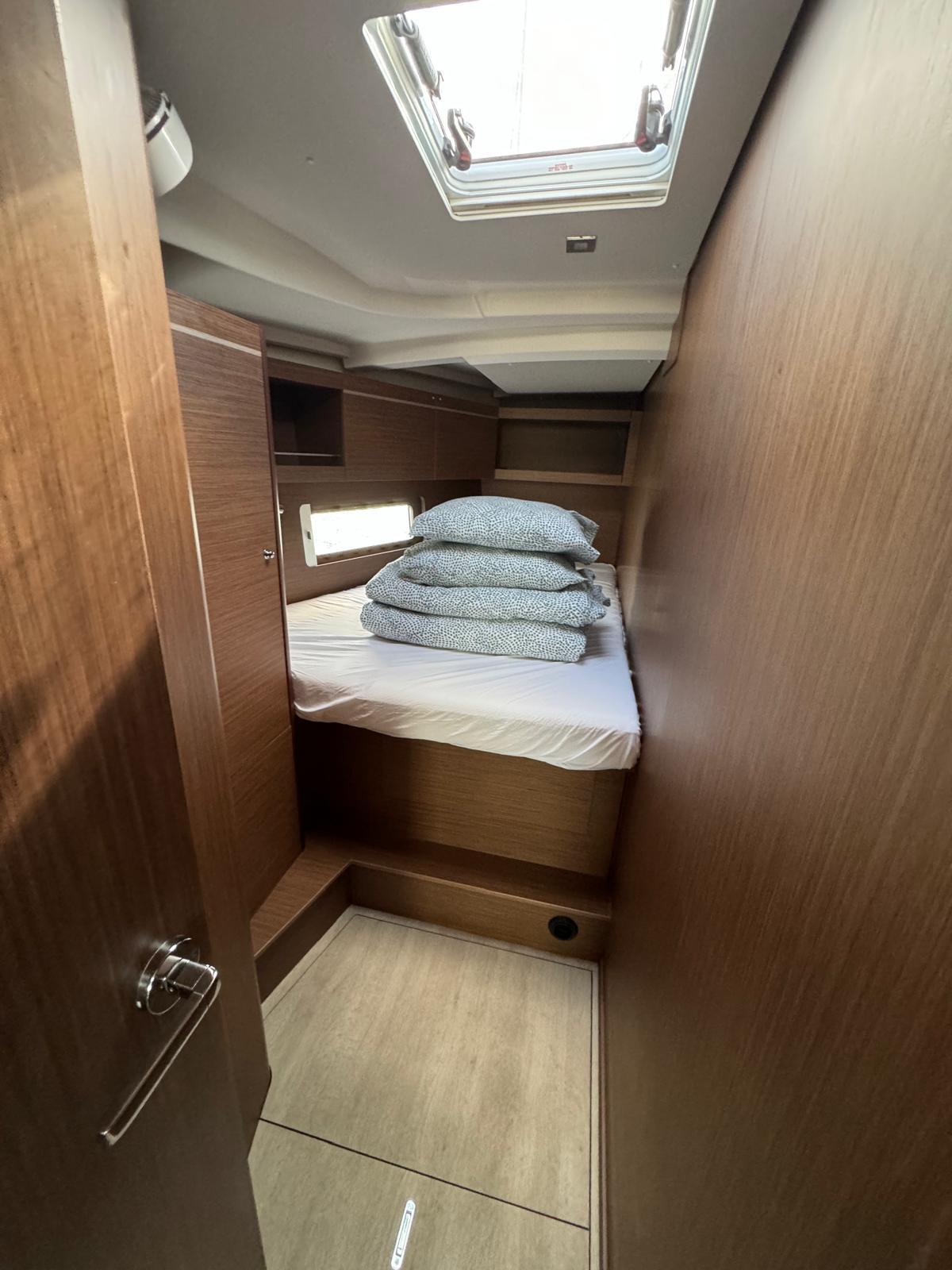
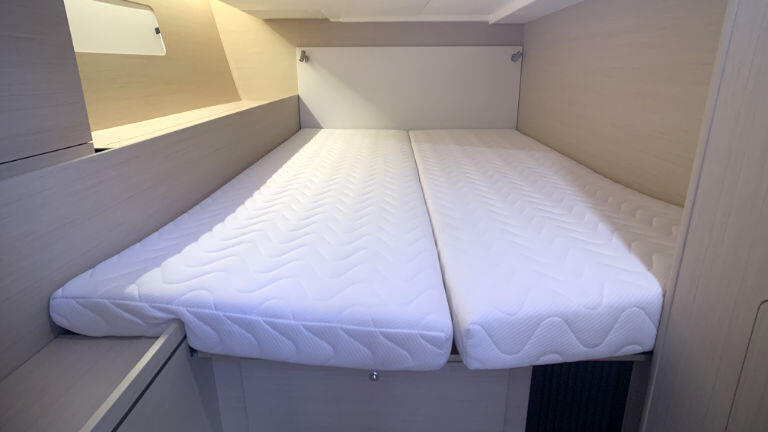
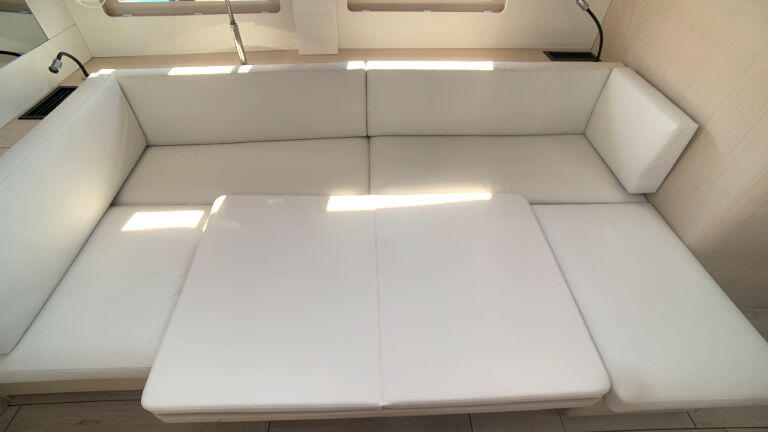
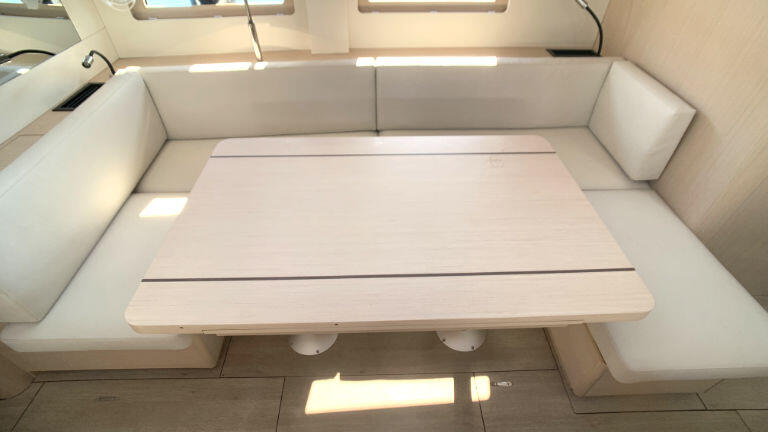
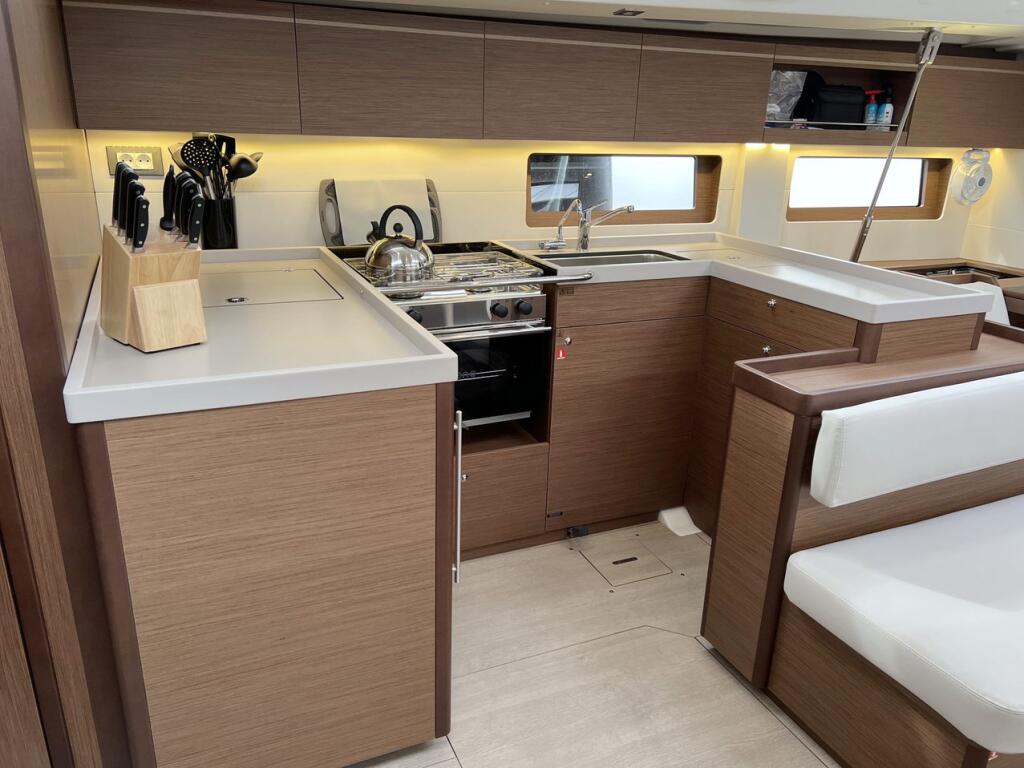
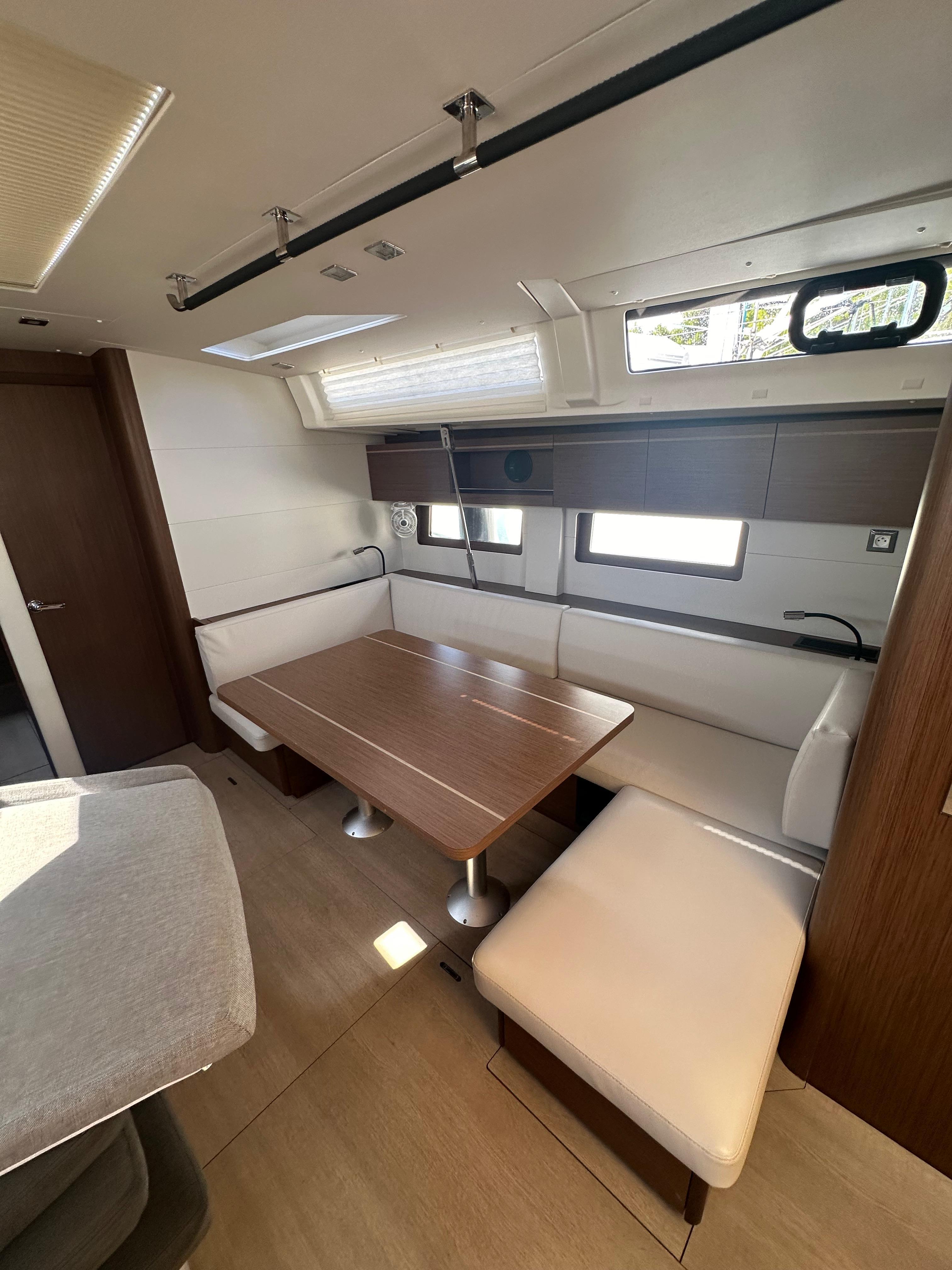
When choosing a charter yacht, it is worth starting with the crew and the planned itinerary. A compact yacht can be very comfortable to handle for two people or a small experienced crew, and makes manoeuvring in smaller harbours easier to manage. For a family or several adults, however, greater emphasis is usually placed on cabin layout, storage space, sanitary facilities and cockpit area.
The planned route also changes the requirements. Those mainly sailing short daily legs between bays and harbour towns may set different priorities from a crew planning longer passages to Vis or through larger parts of the Kornati area. On longer legs, an autopilot, navigation electronics and ergonomic deck layout become more important.
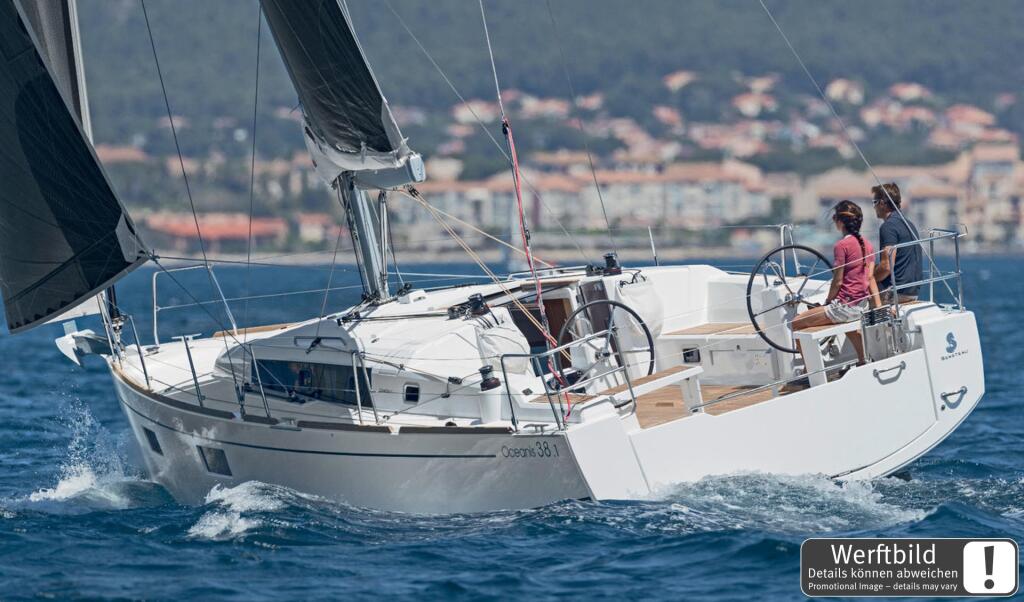
For experienced or performance minded sailors, sail area, rig, mainsail configuration and the yacht’s sailing behaviour also play a greater role. Other crews prefer simple operation, good manoeuvrability under engine and as much living space as possible. Both approaches can be entirely right for a cruise from Rogoznica. What matters is the kind of holiday and sailing experience you are planning.
For that reason, yacht lists and detail pages should always be considered together. They contain the specific information for each yacht. Year of build, length or price alone say very little about how well a yacht suits the crew, the handling requirements and the intended cruising area.
What should you compare before booking a yacht?
A sailing yacht should match the number of guests, the experience on board and the intended style of use. For yacht hire in Rogoznica, the combination of onboard comfort, manoeuvrability, sail handling and Mediterranean practicality is particularly important.
-
Crew size and approved number of guests: Crucial for berths, deck space and daily life on board.
-
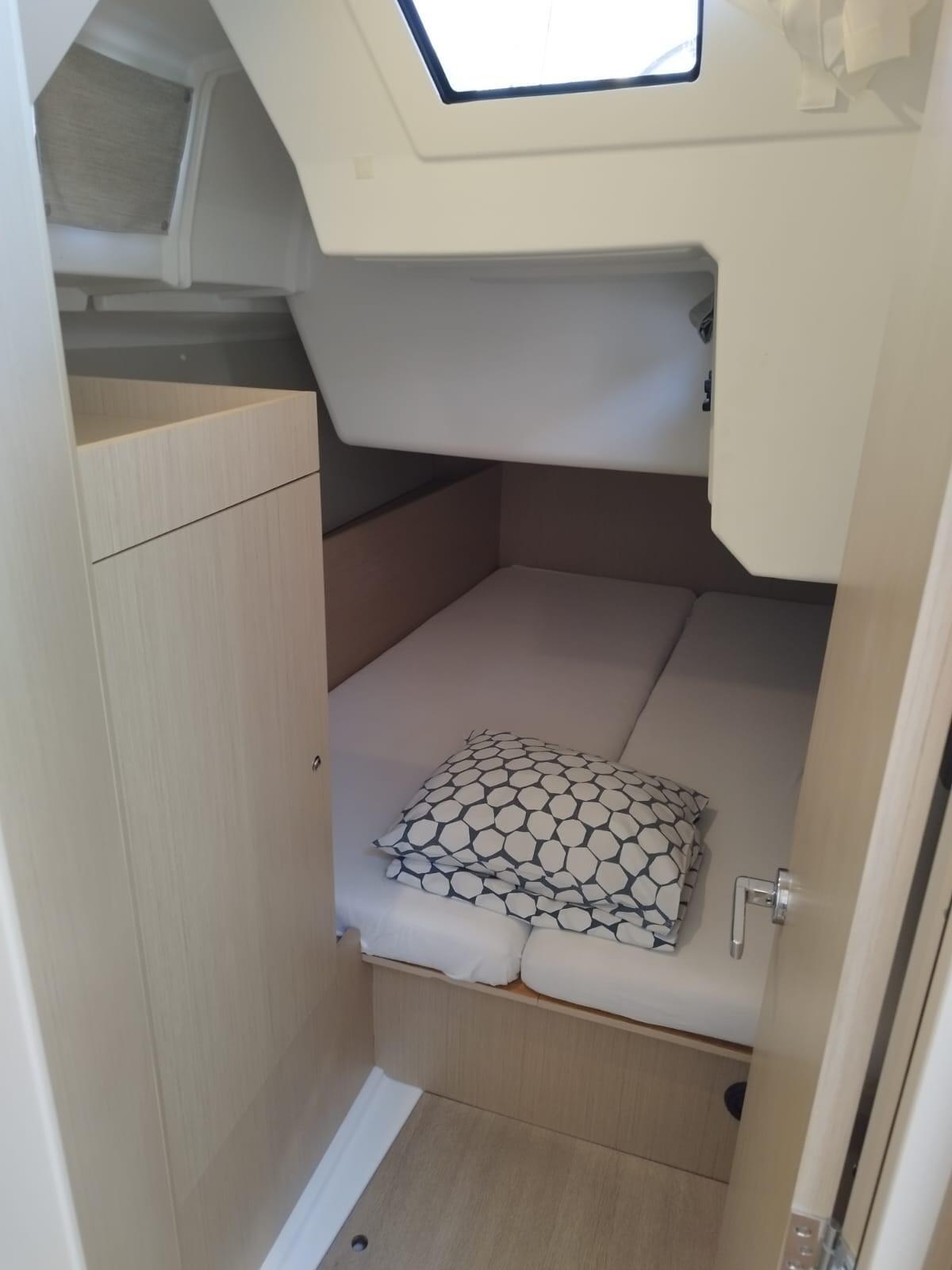
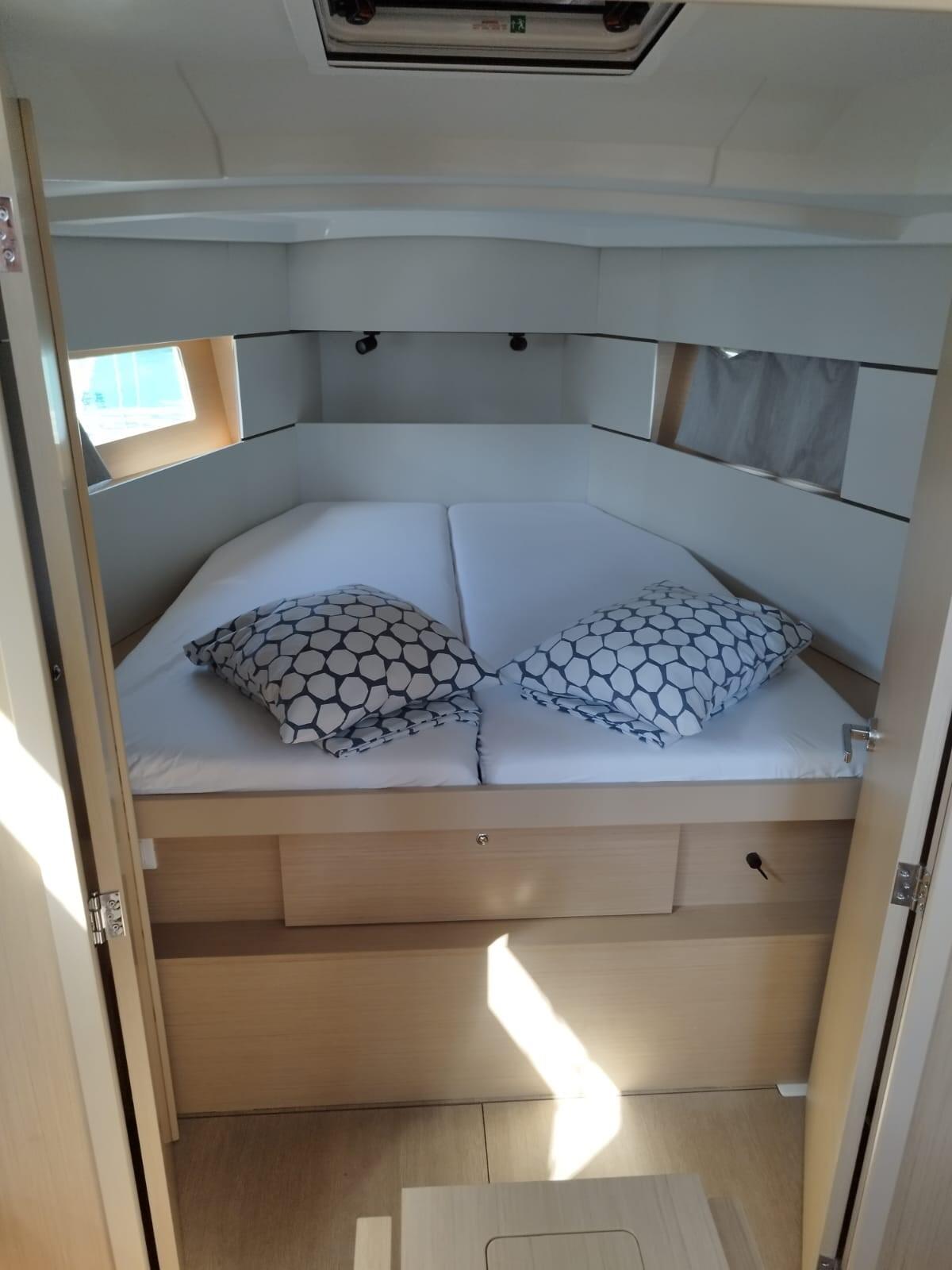
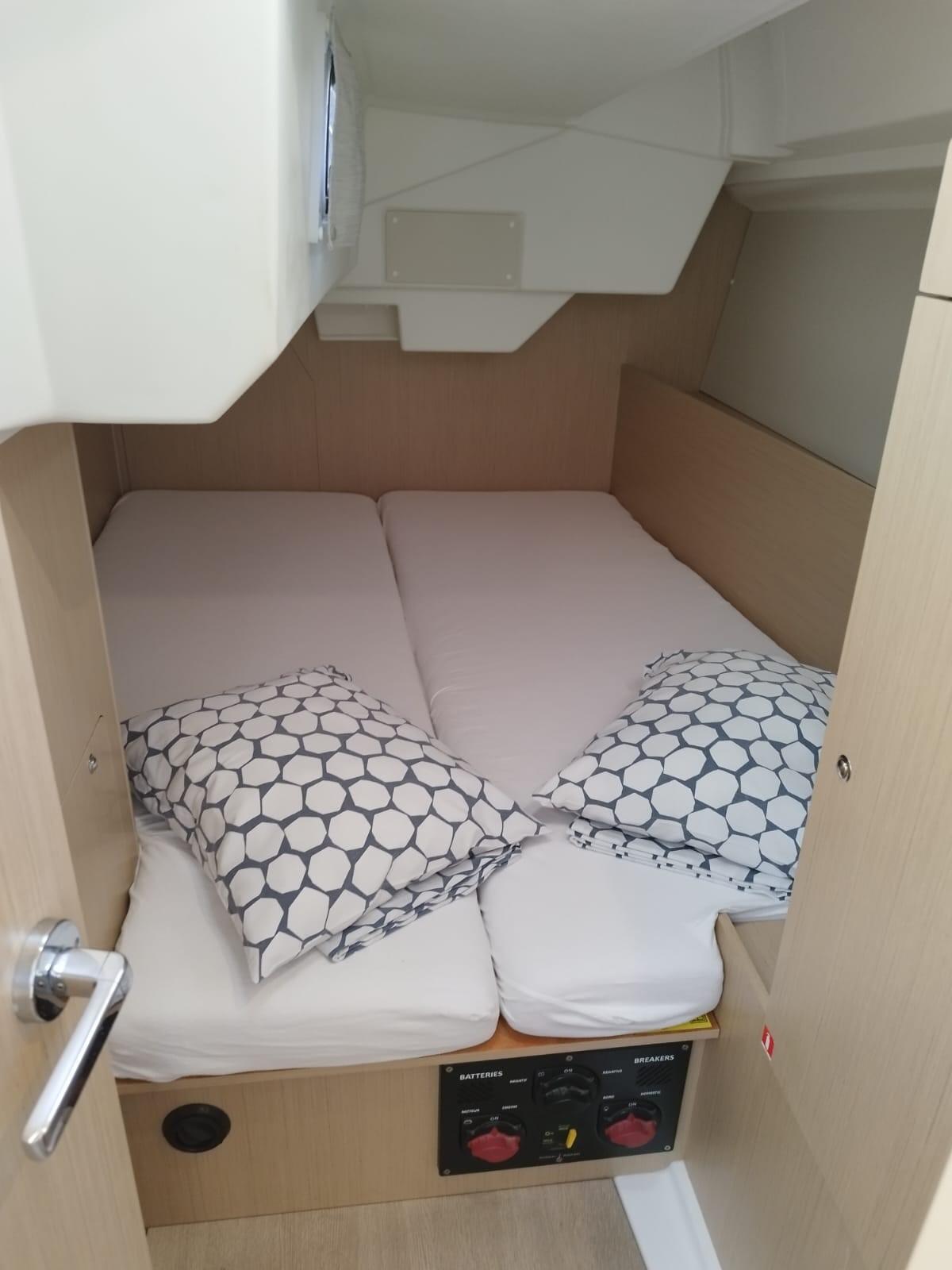
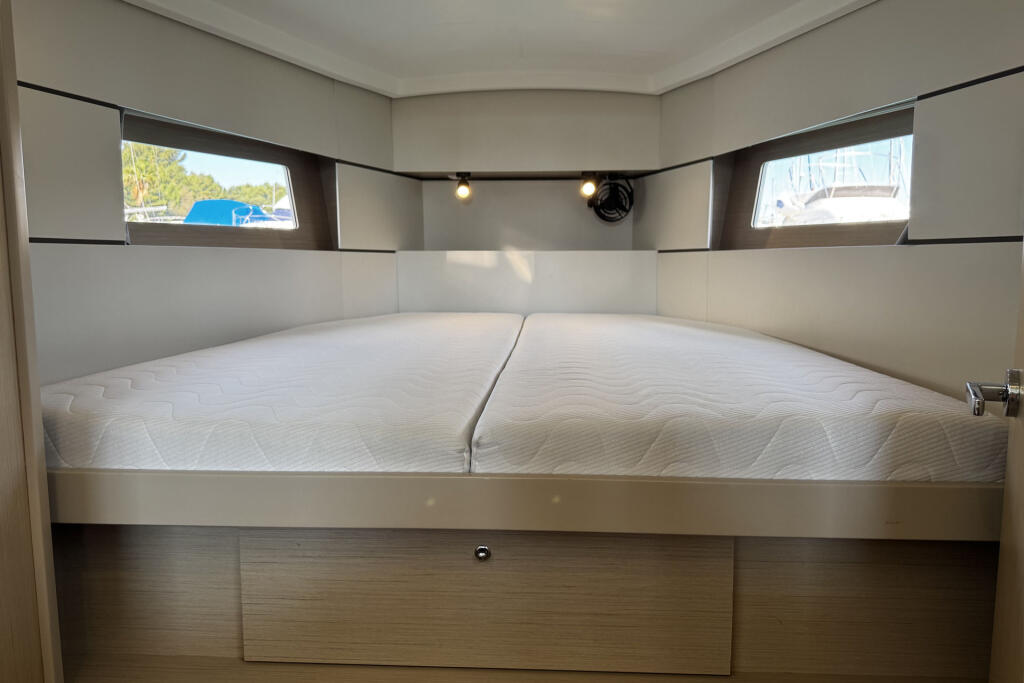
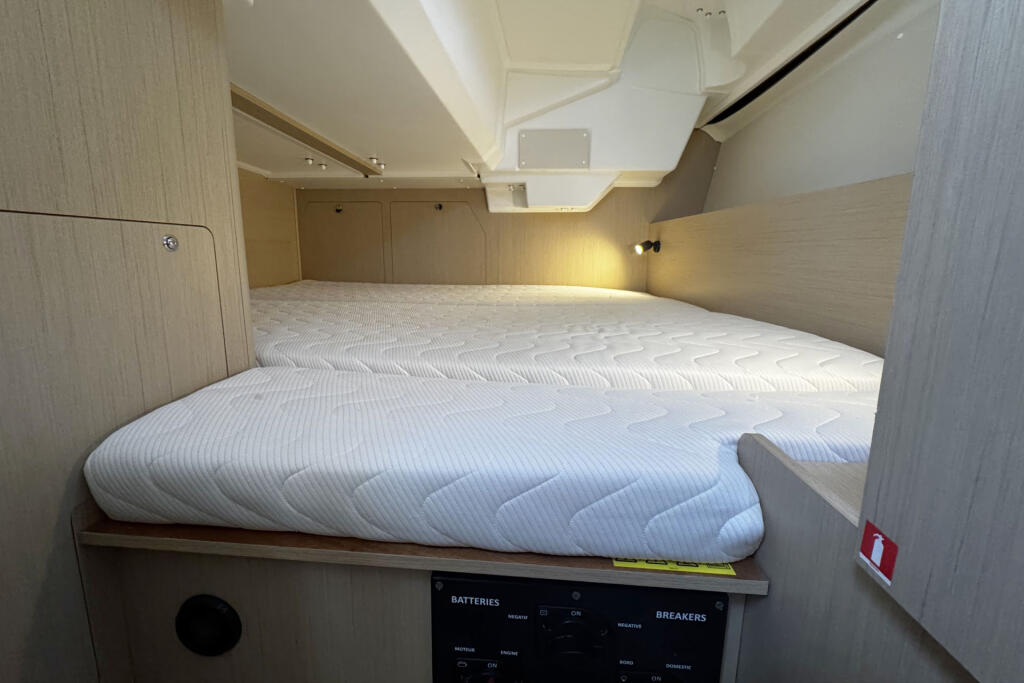
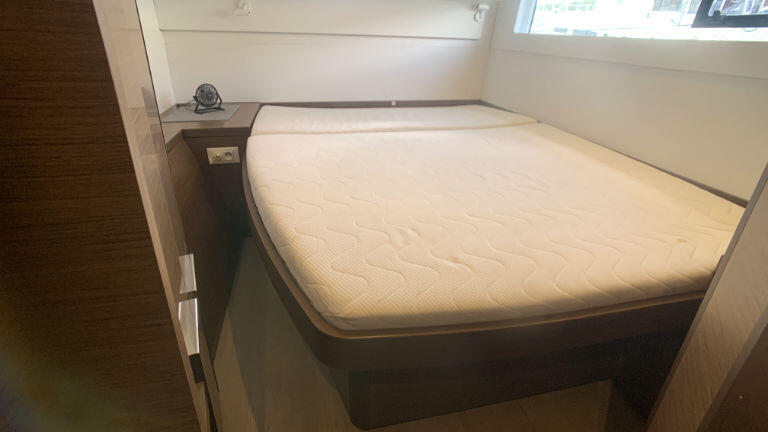
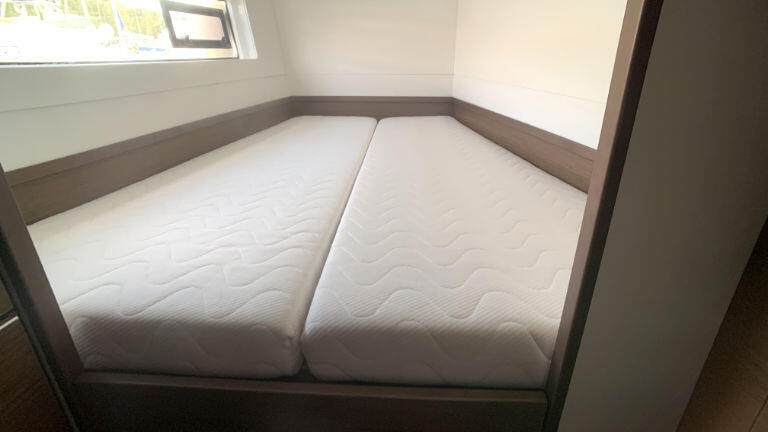
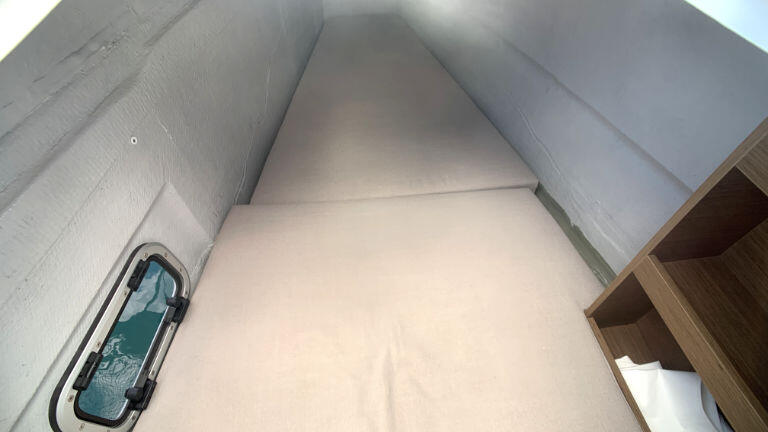
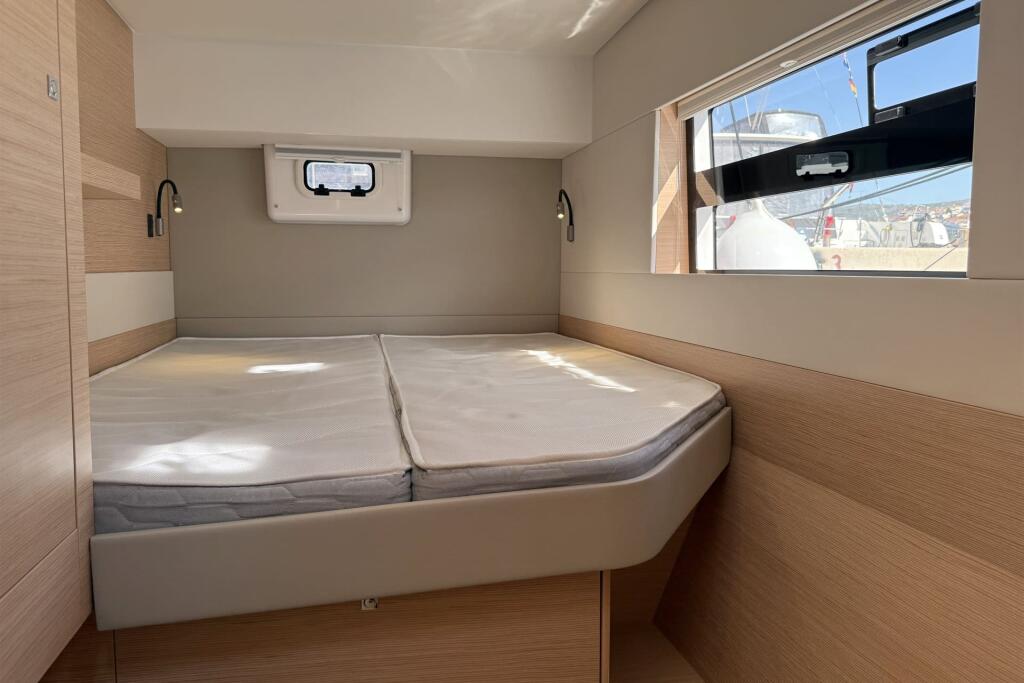
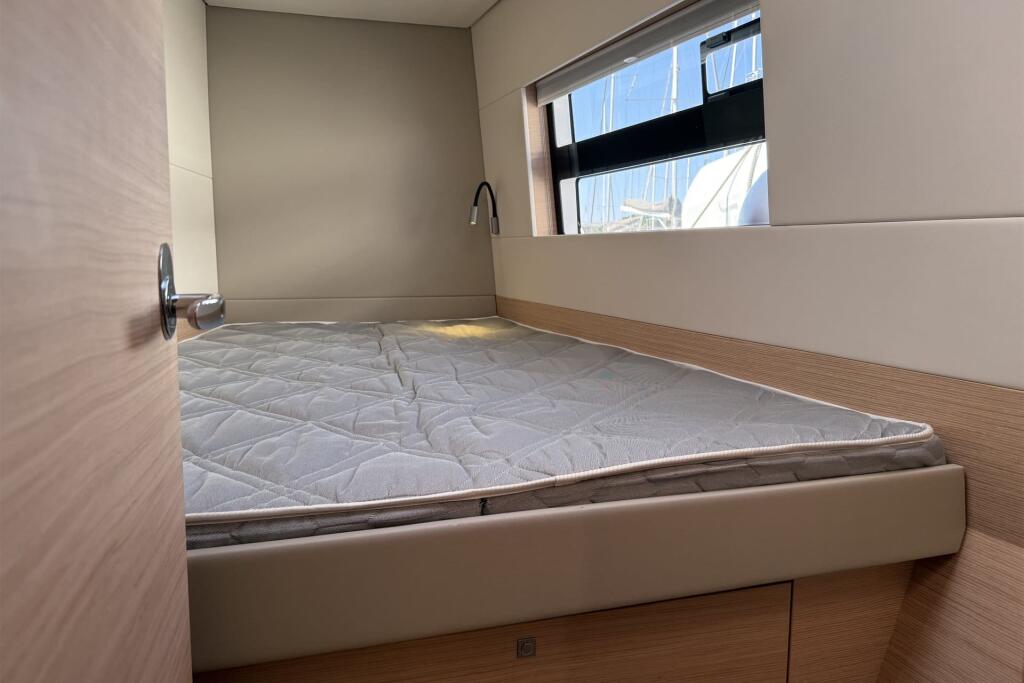
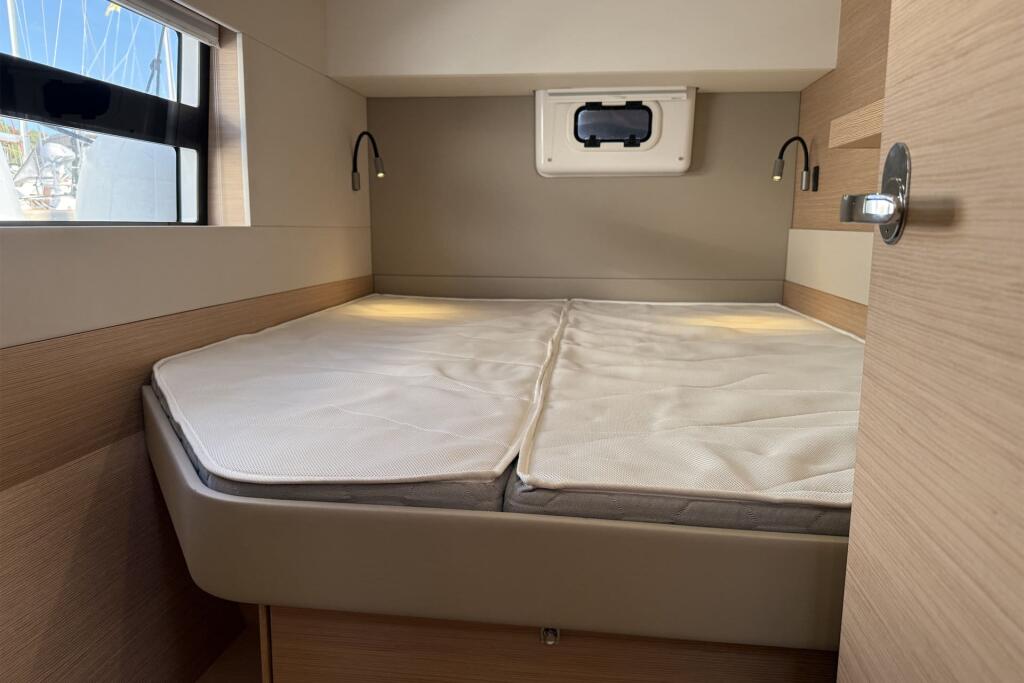
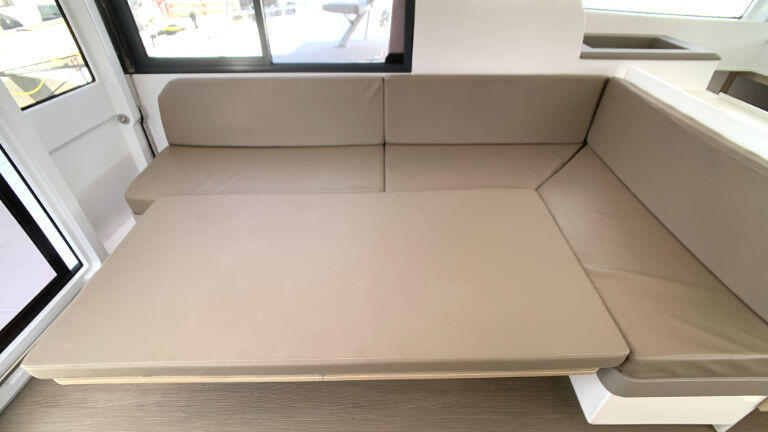
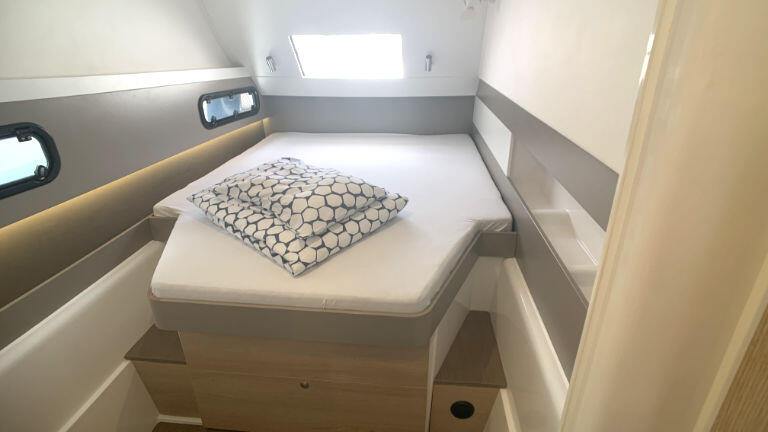
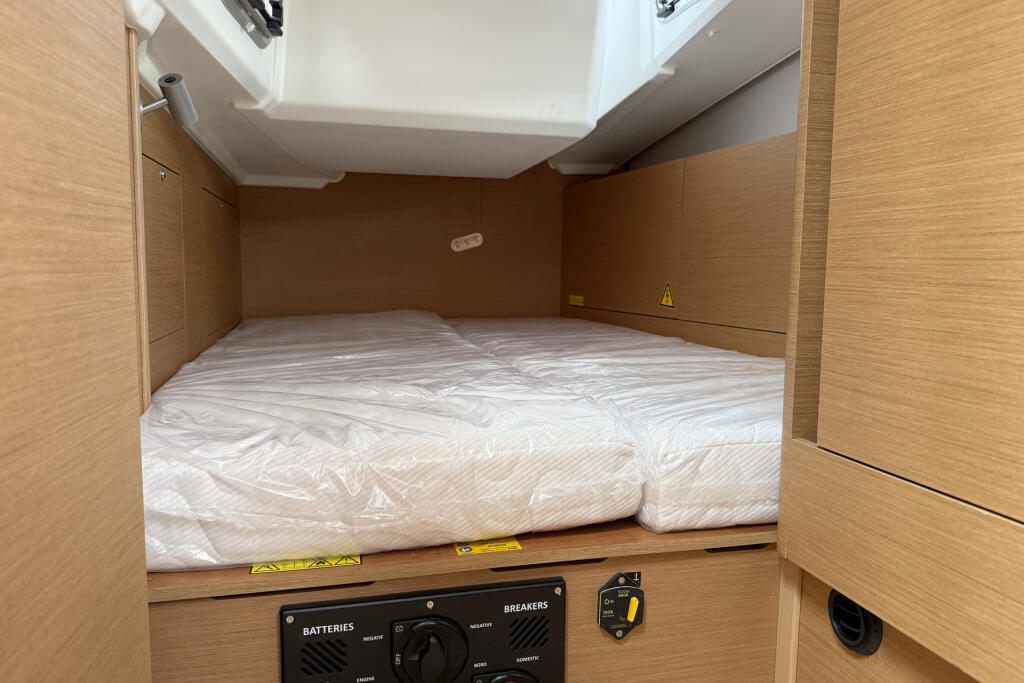
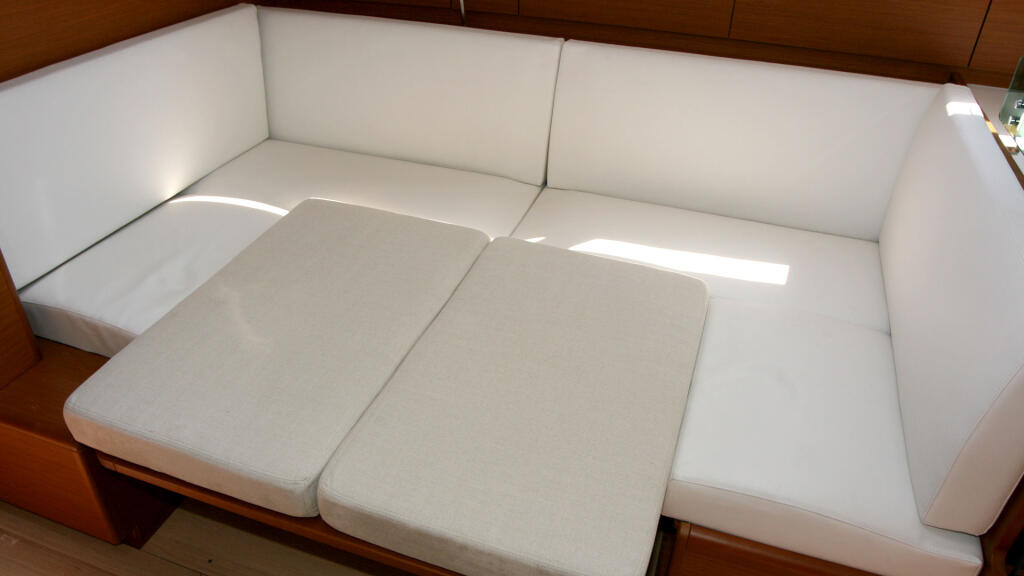
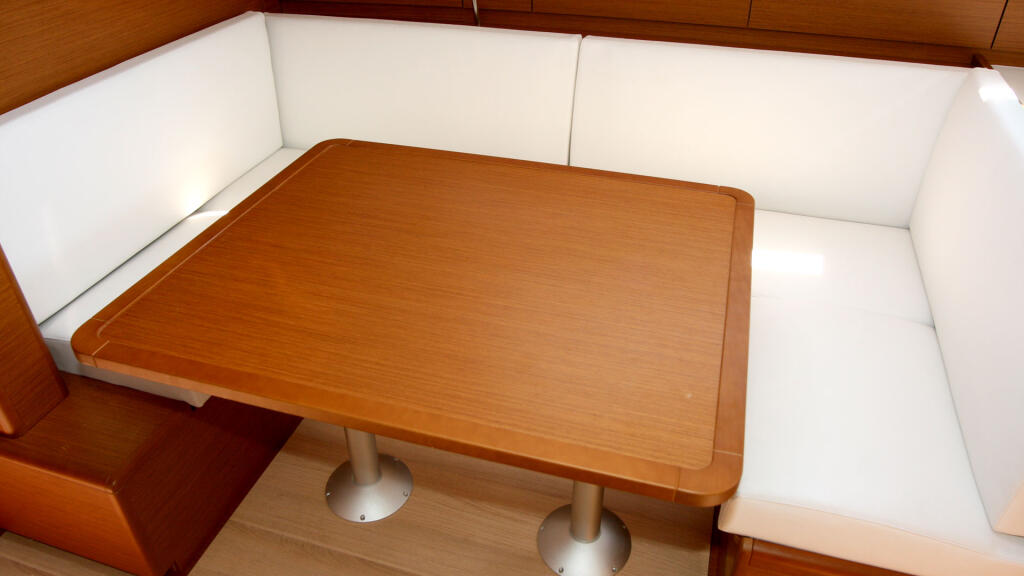
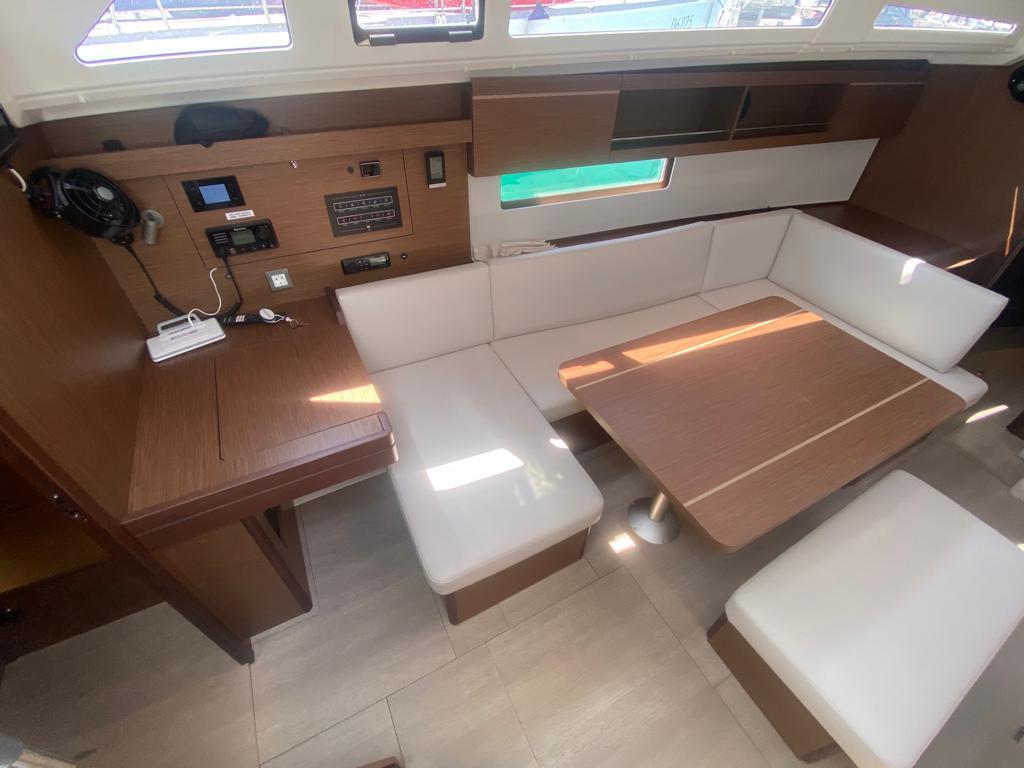
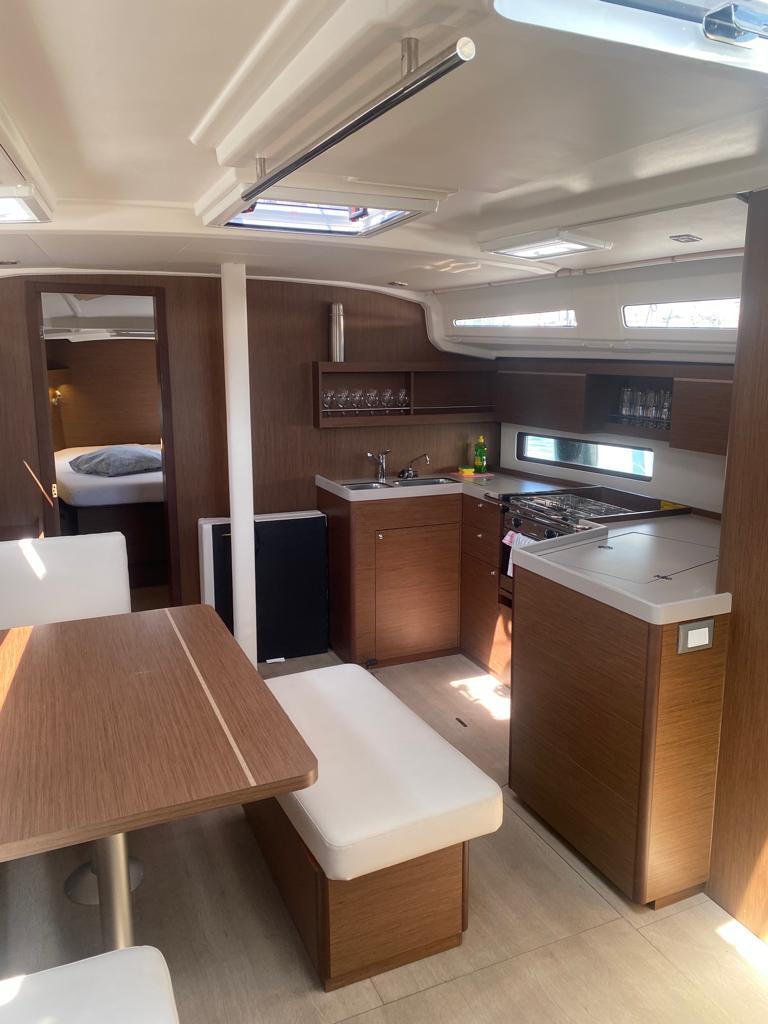
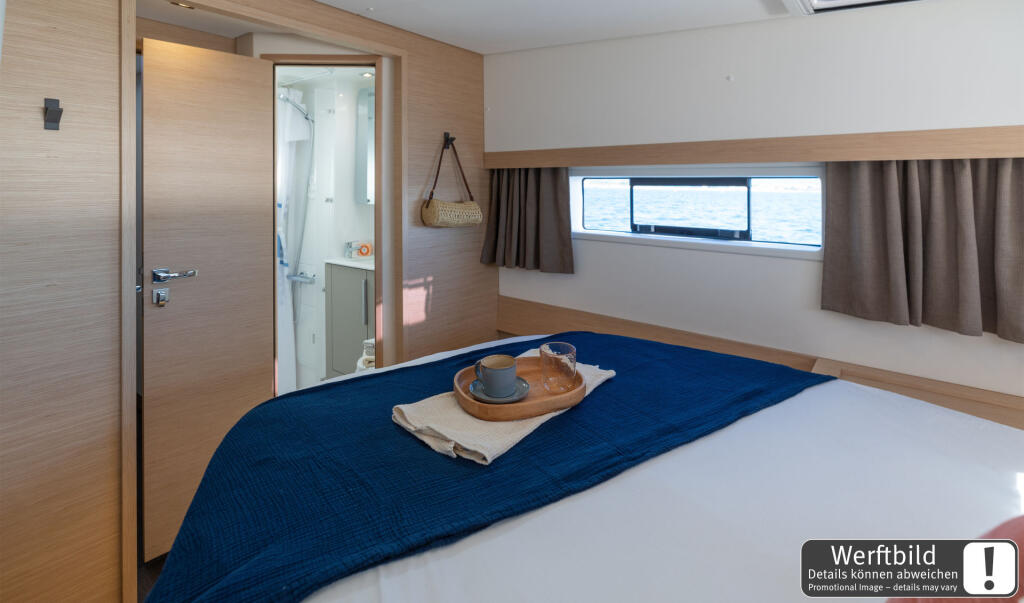
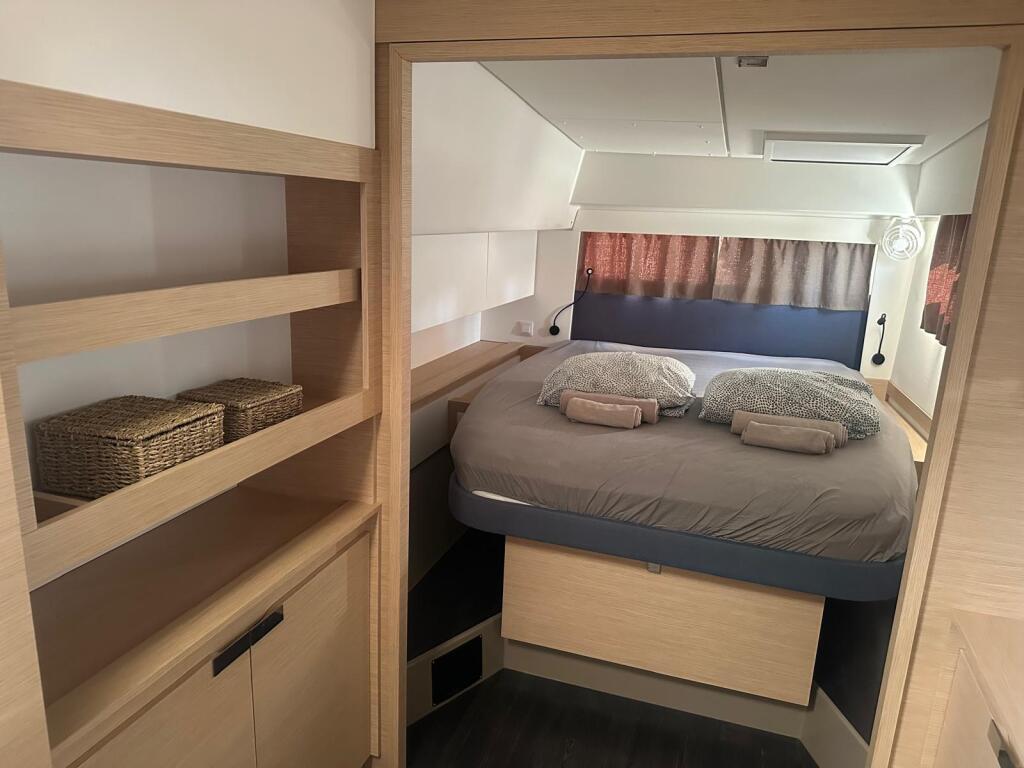
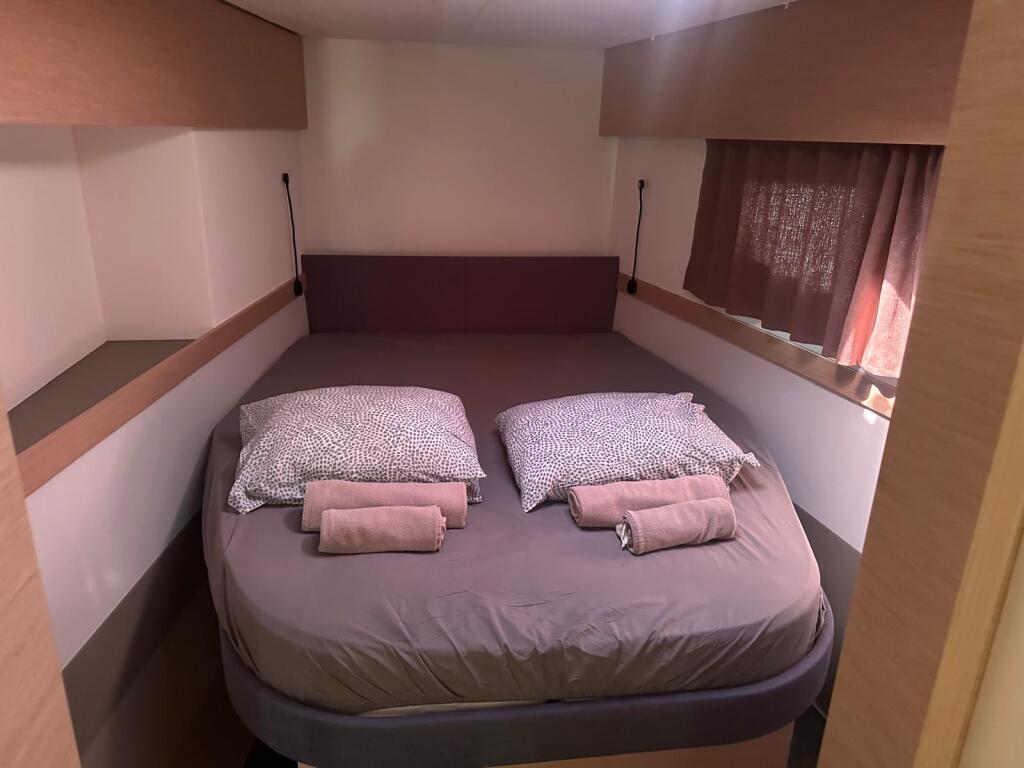
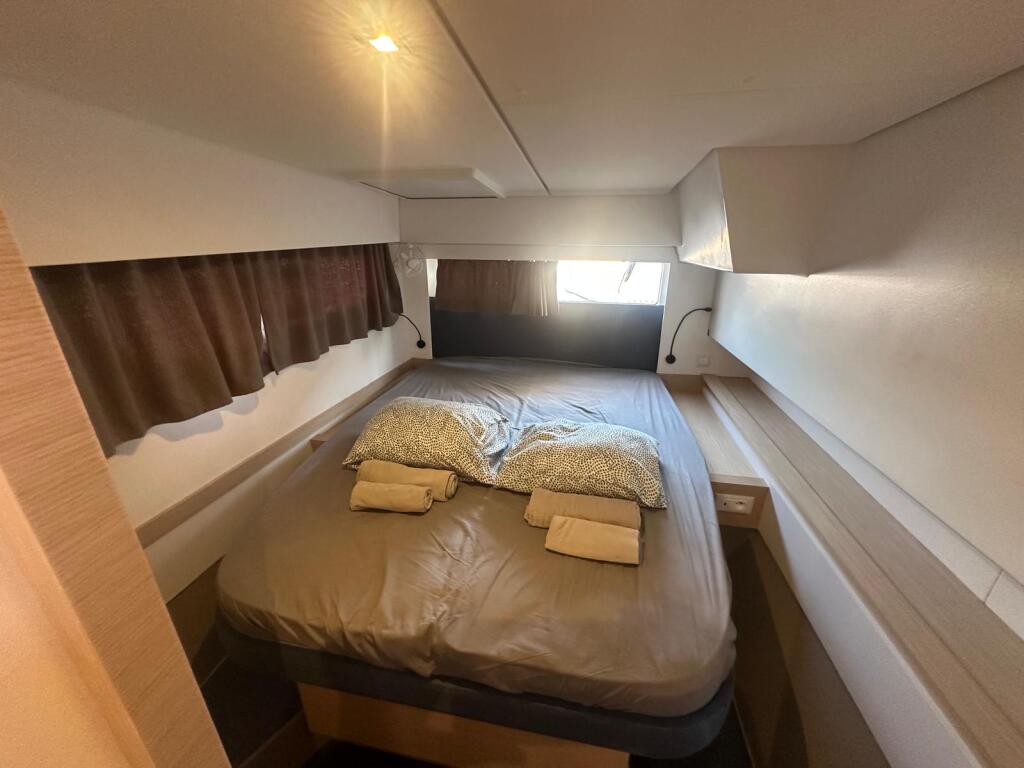
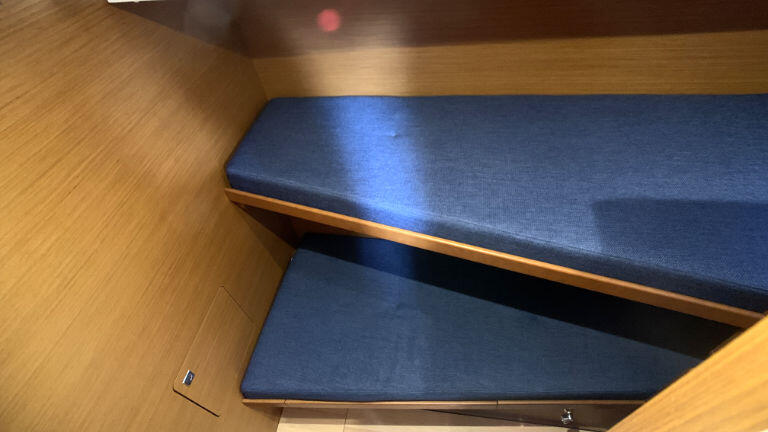
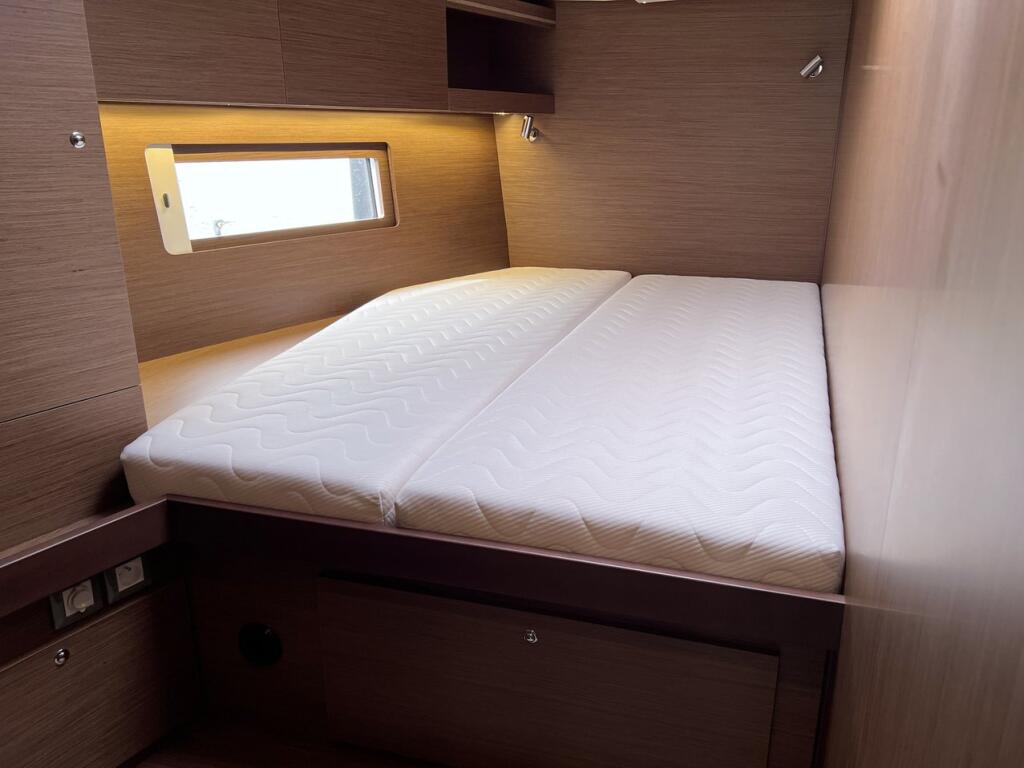
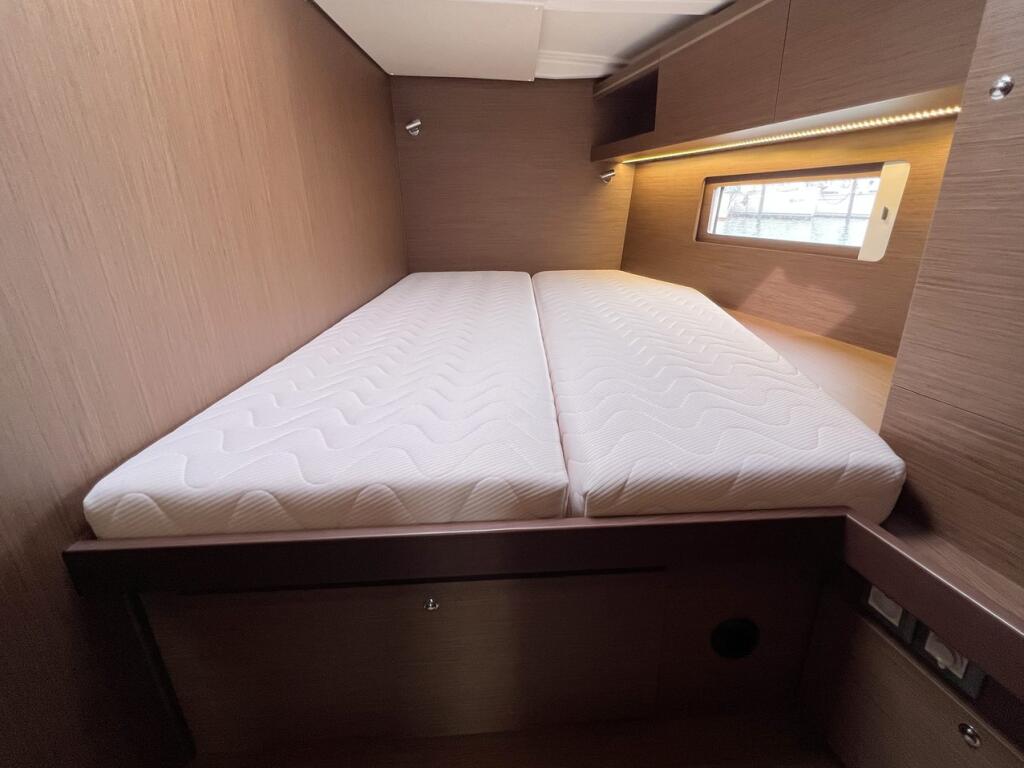
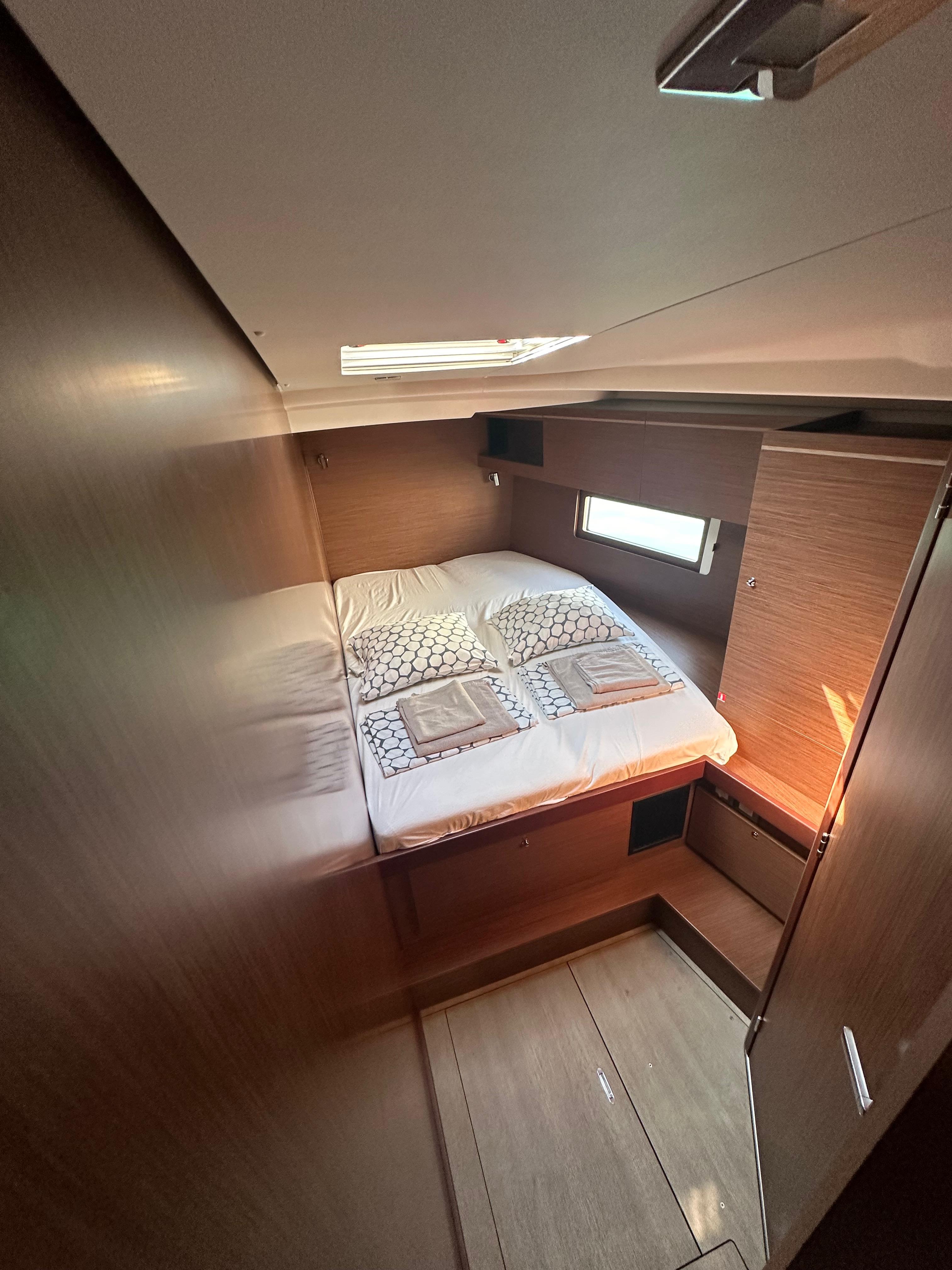
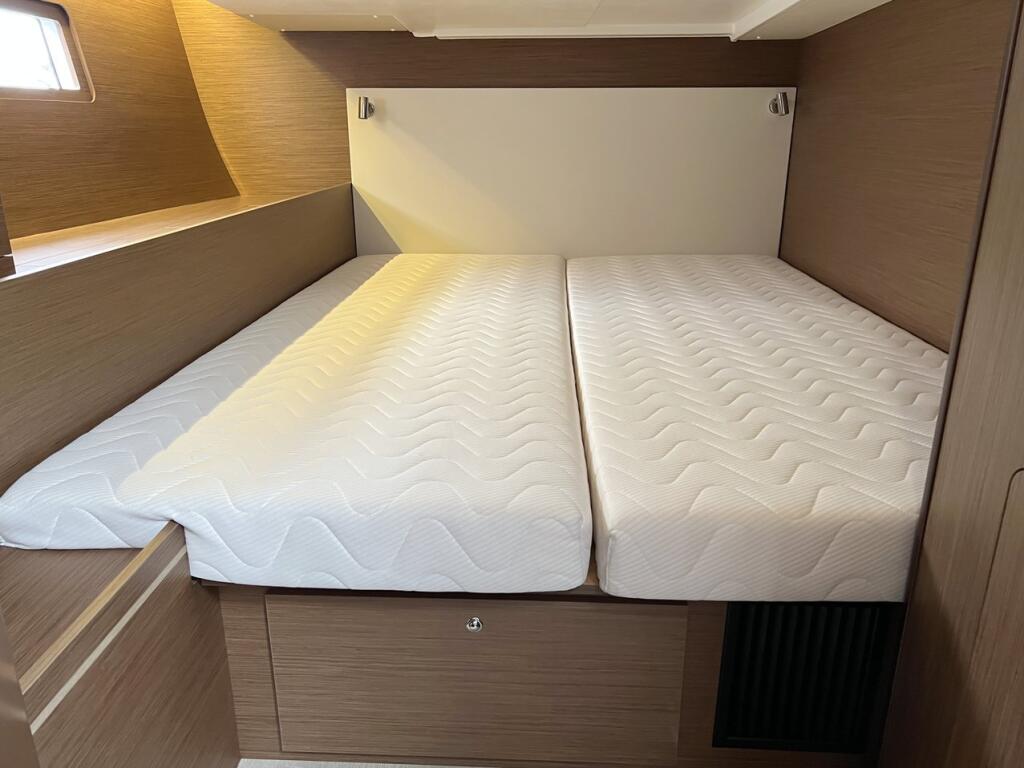
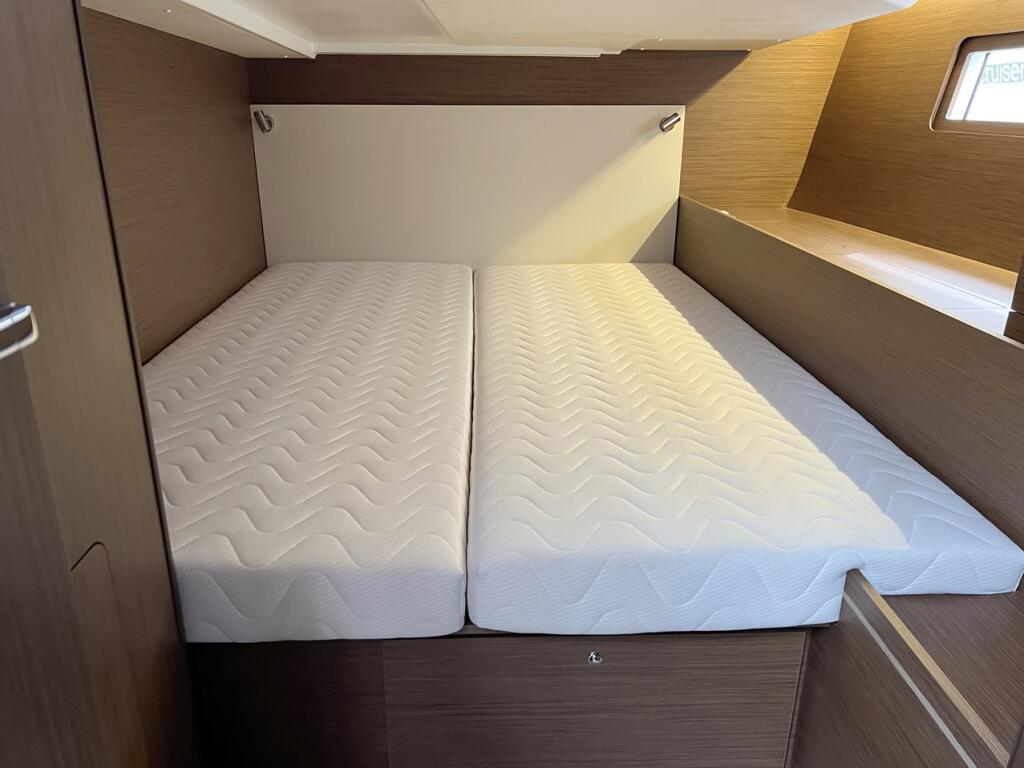
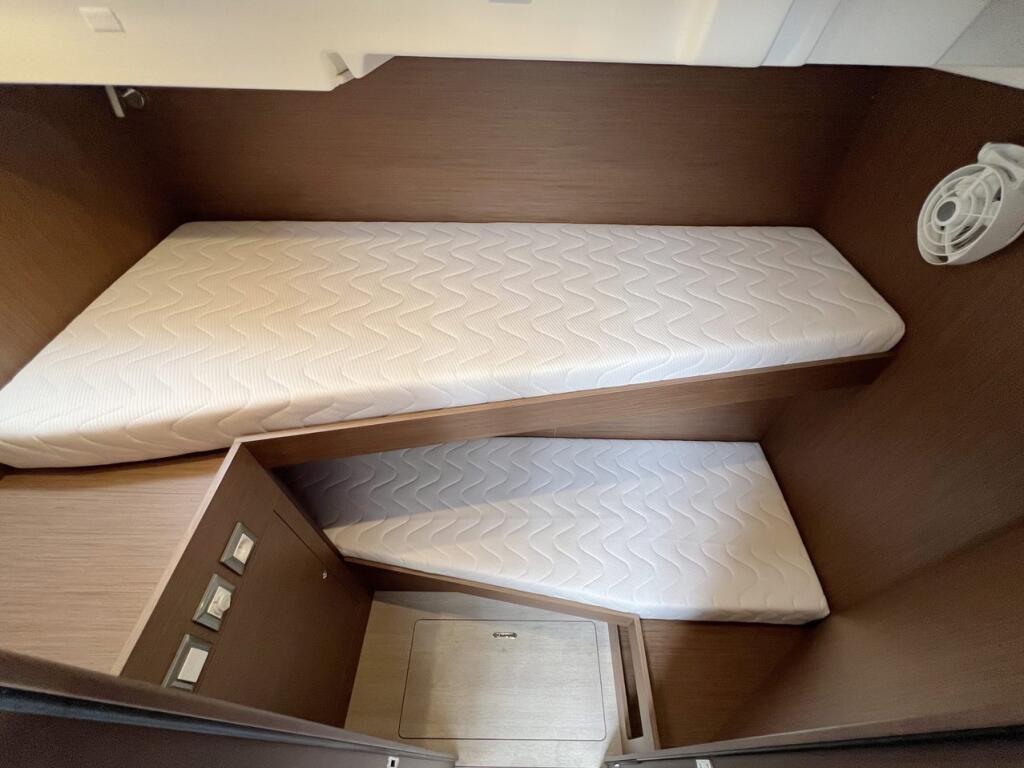
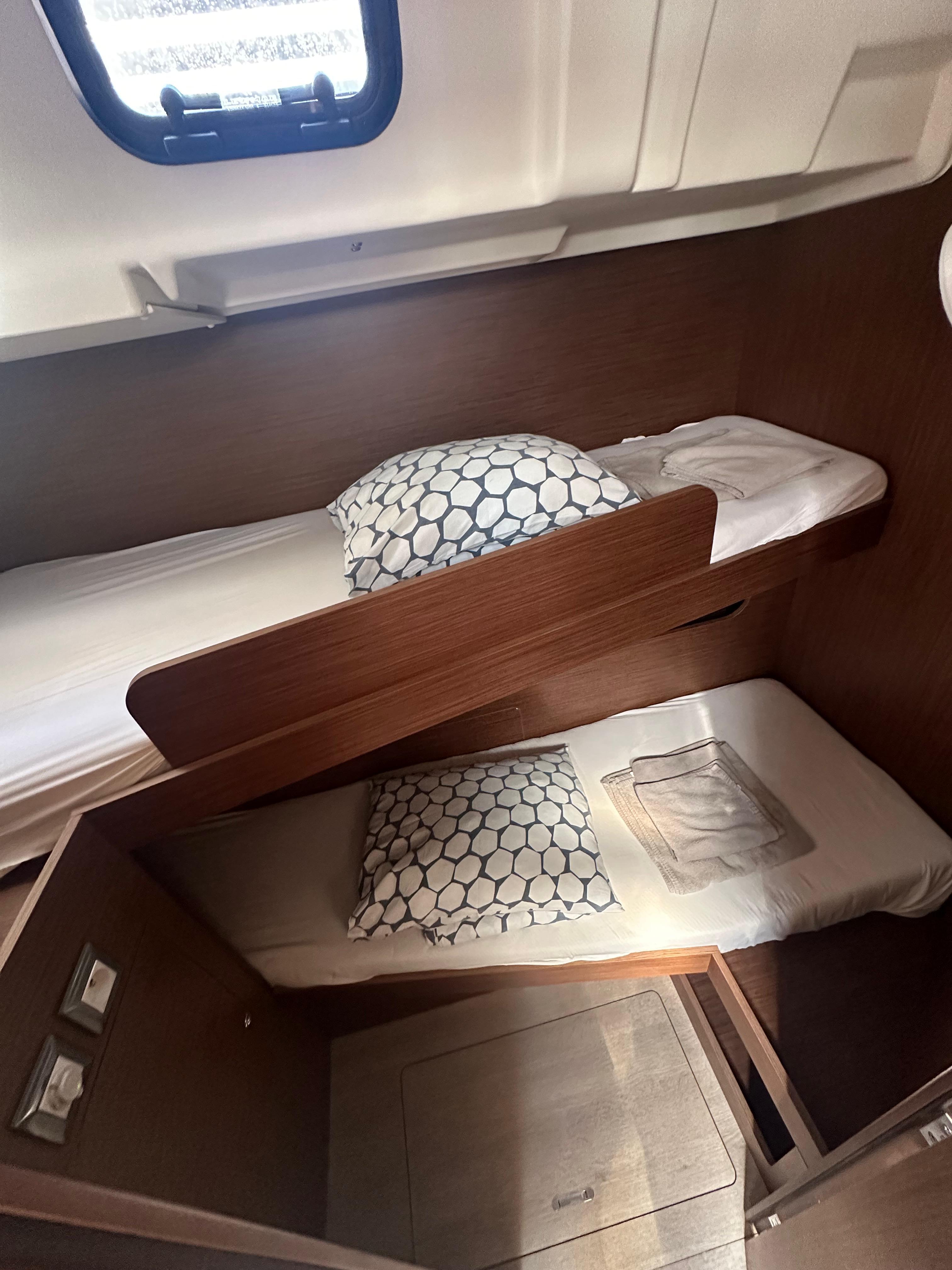
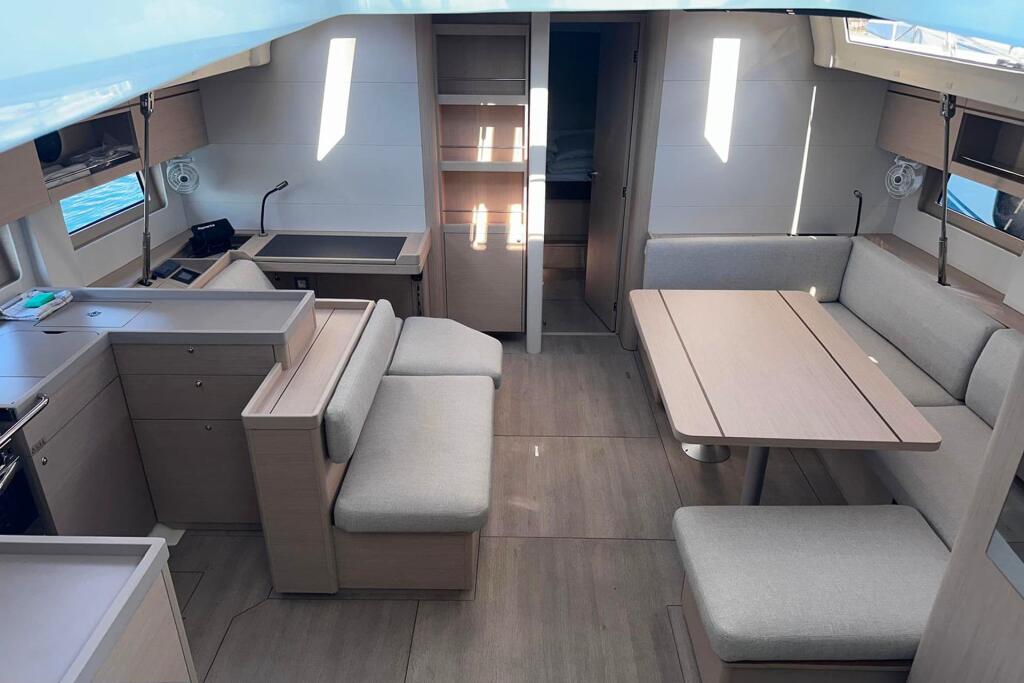
Cabin layout: Two larger cabins may be more practical for a small crew than a greater number of smaller sleeping areas.
-
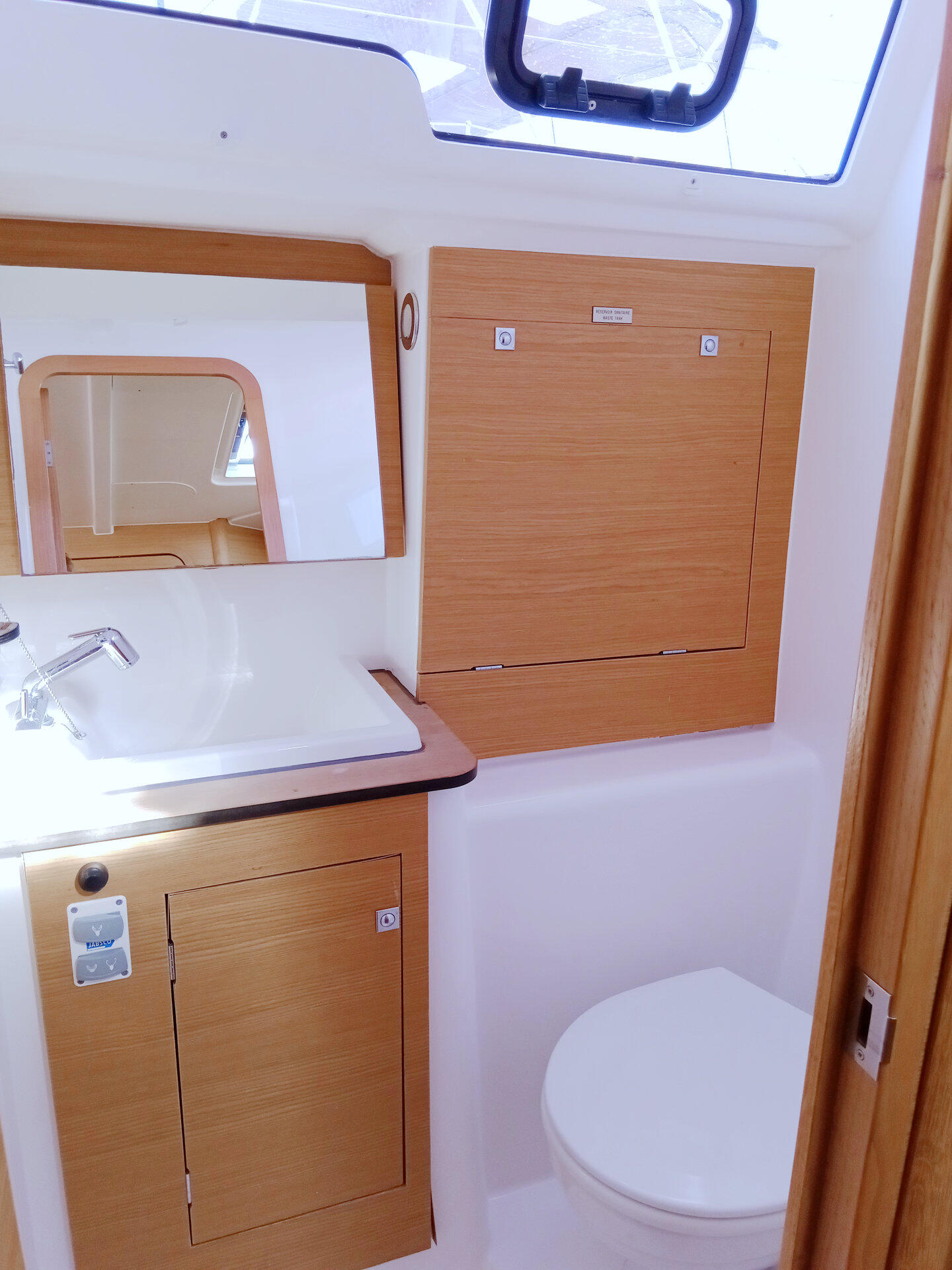
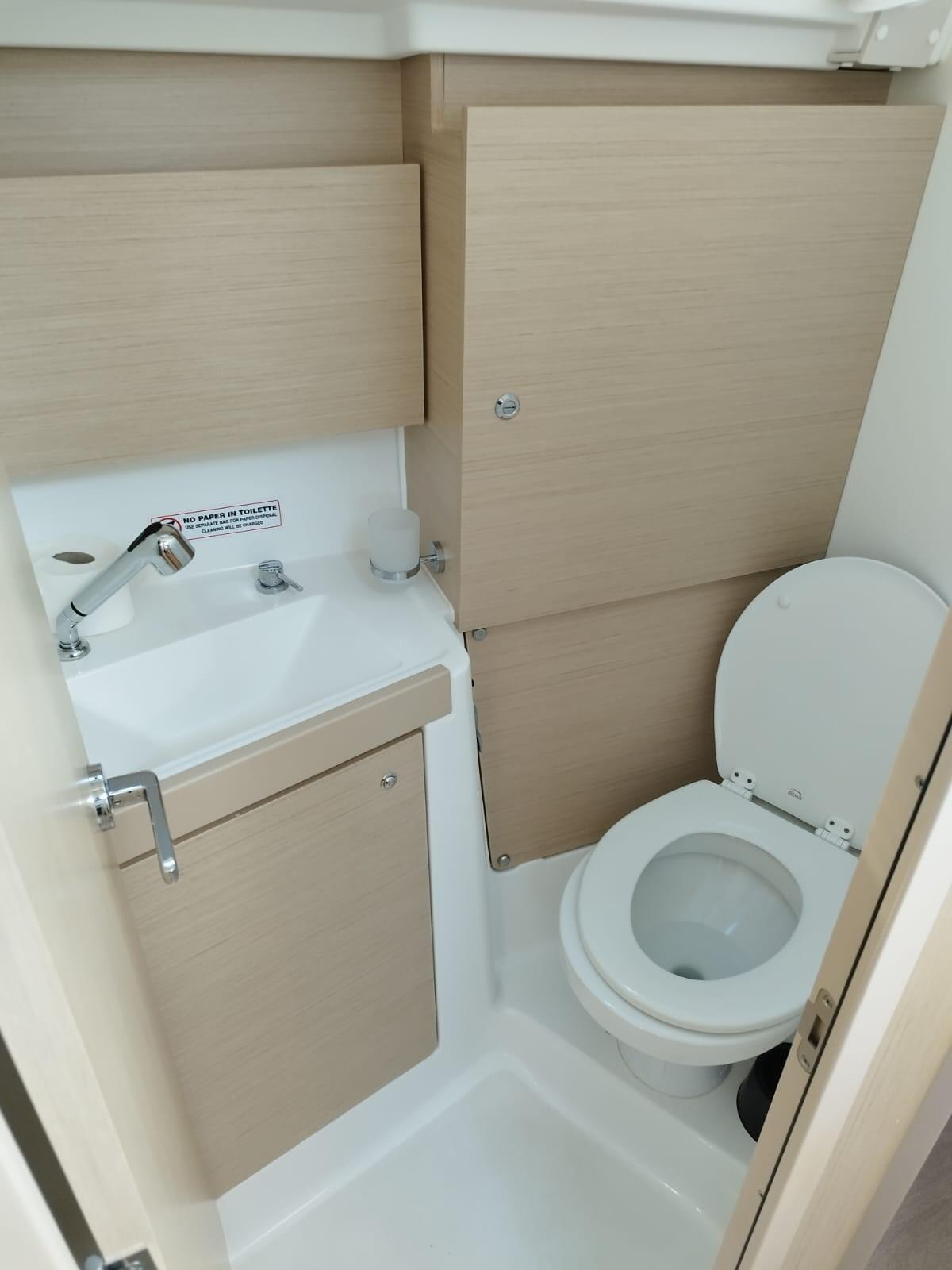
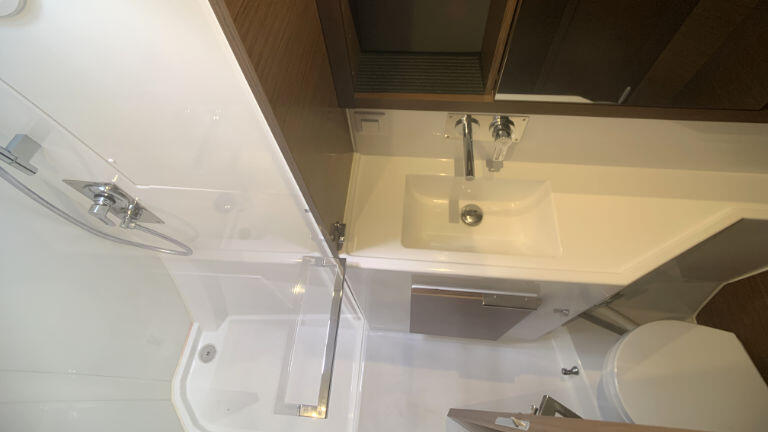
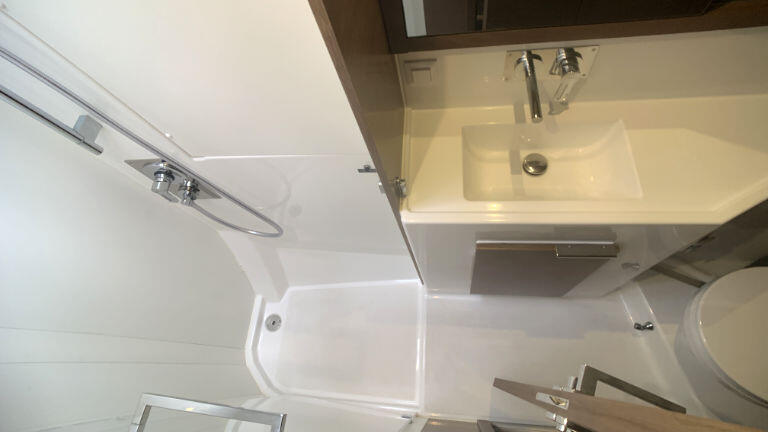
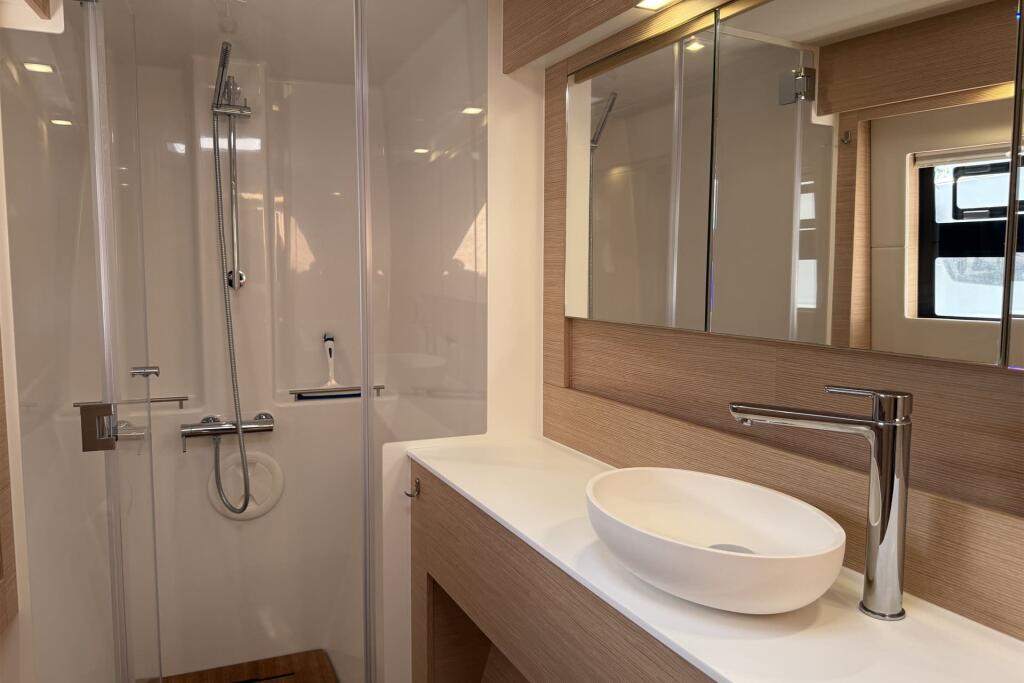
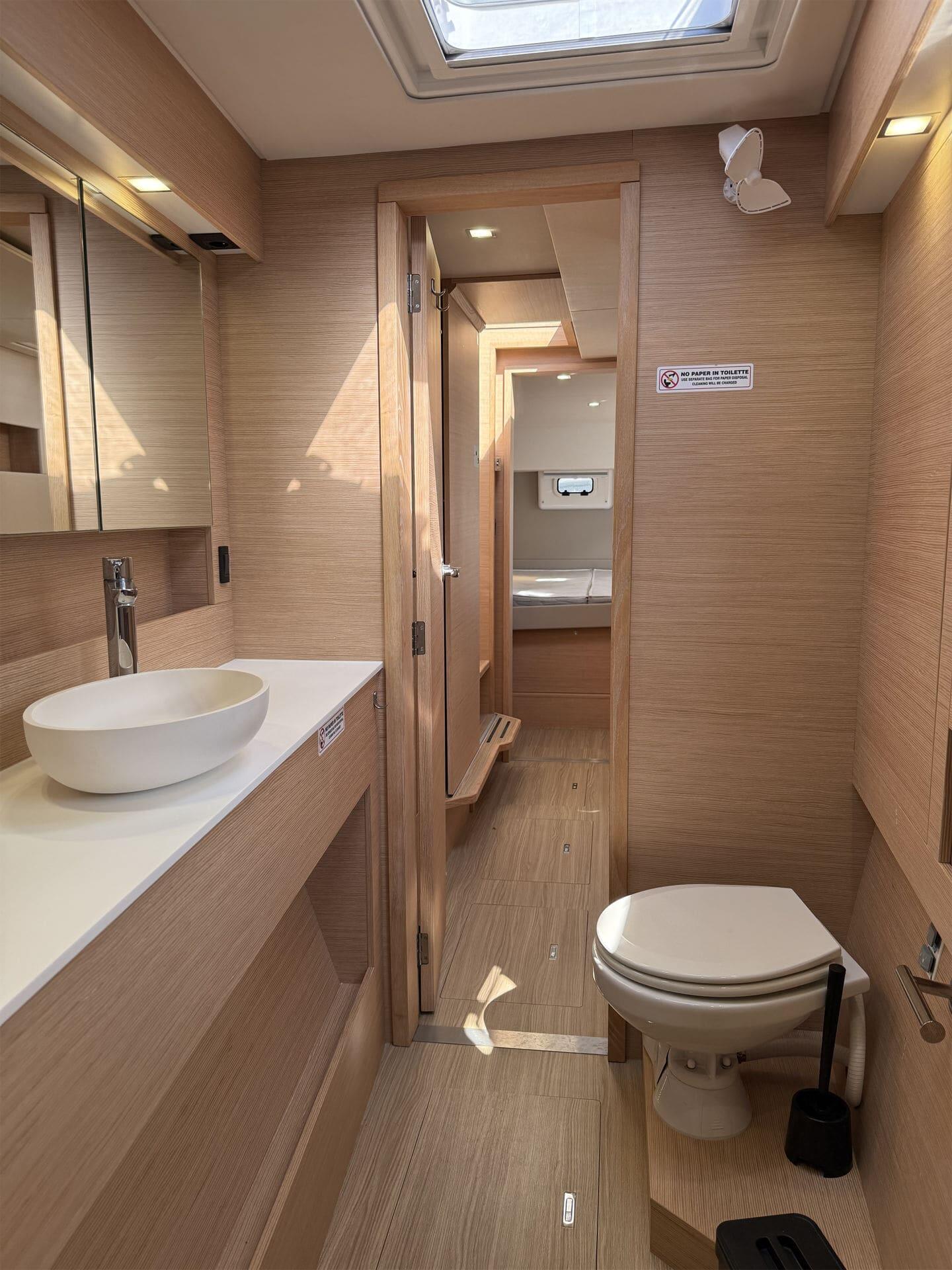
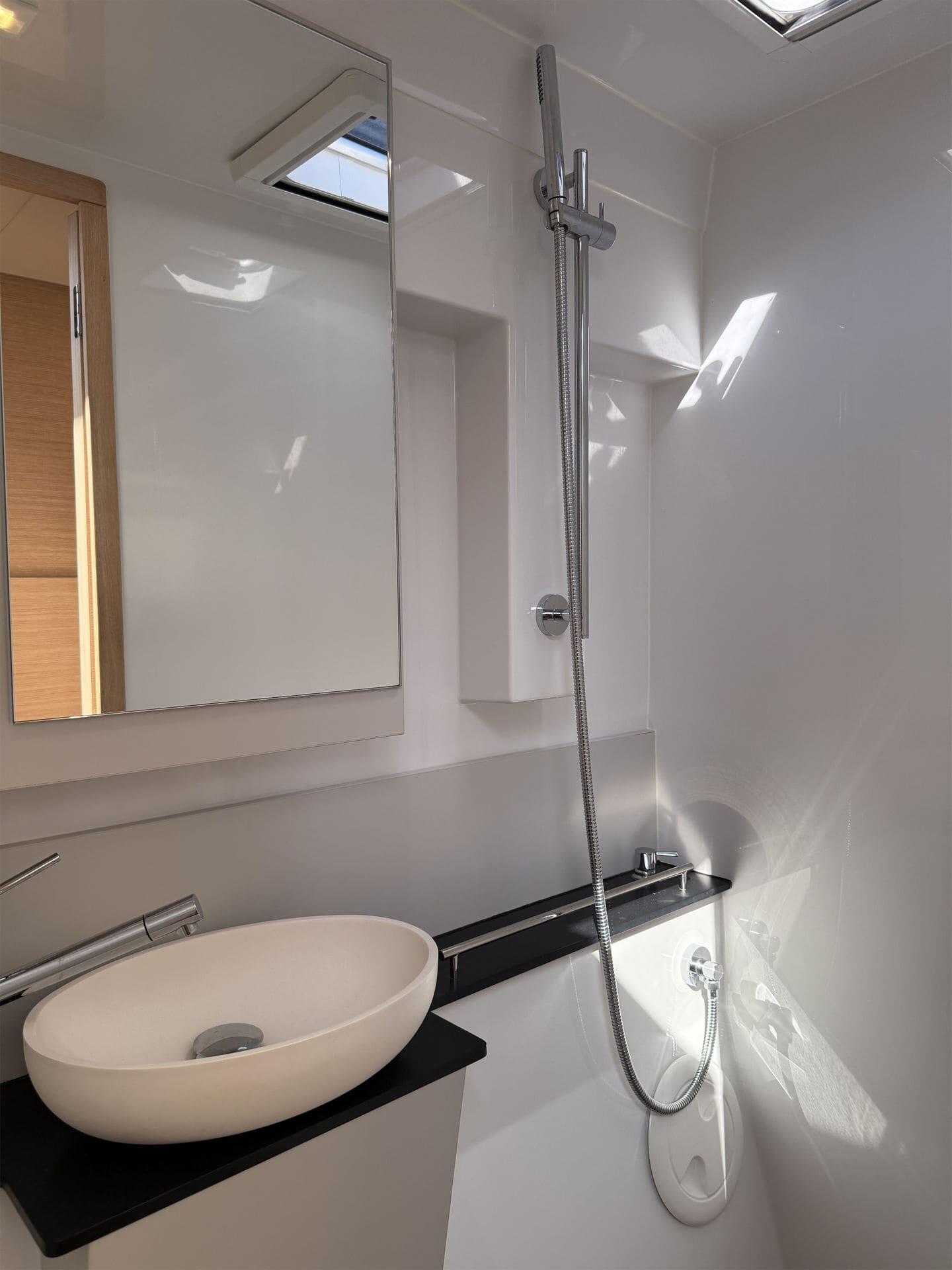
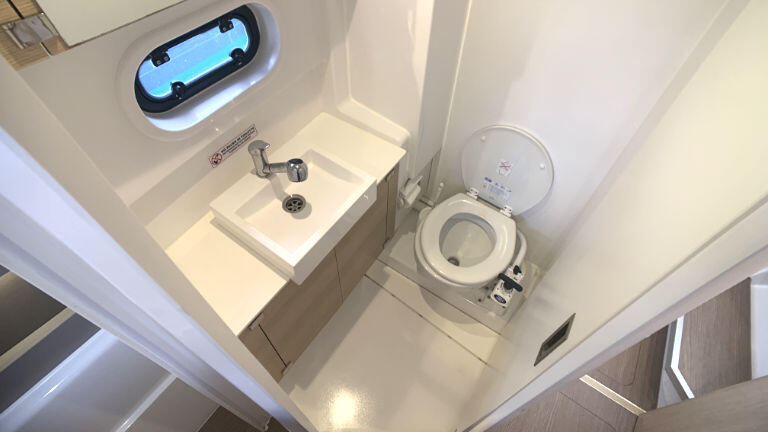
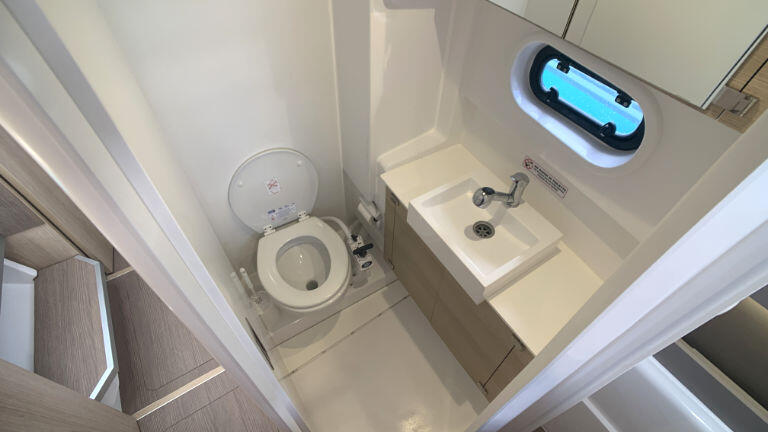
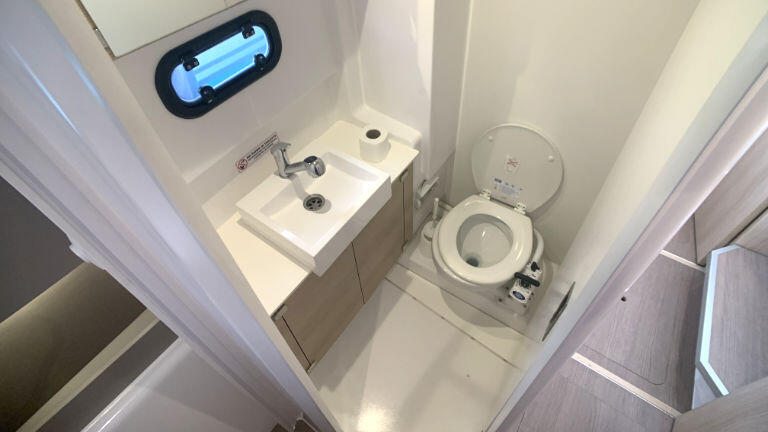
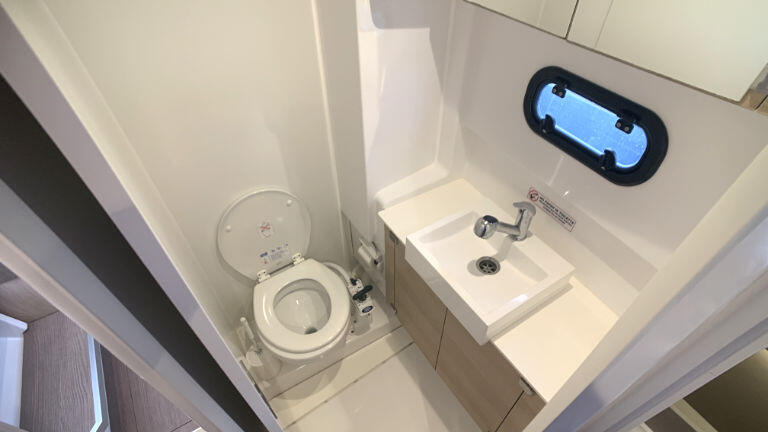
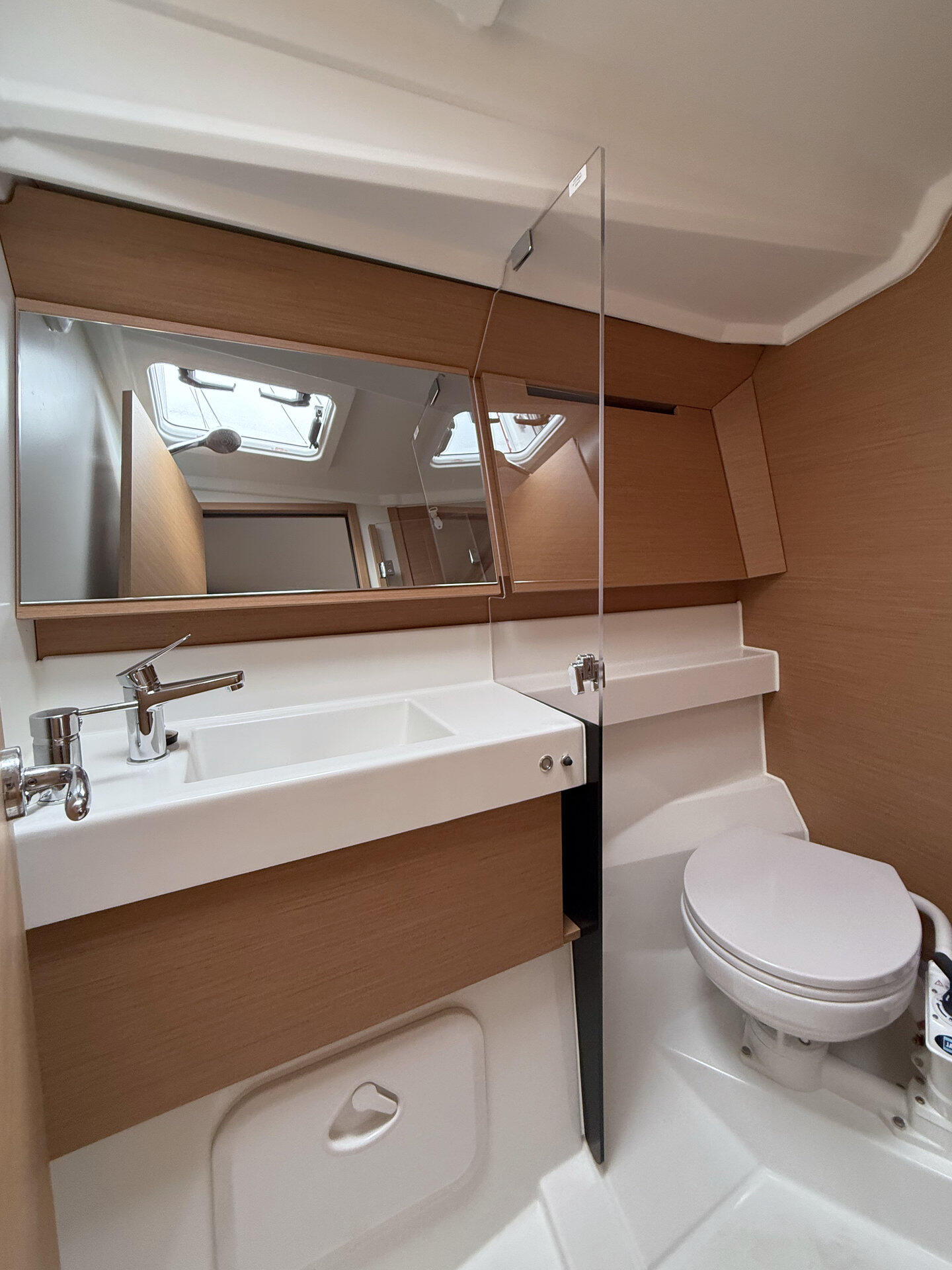
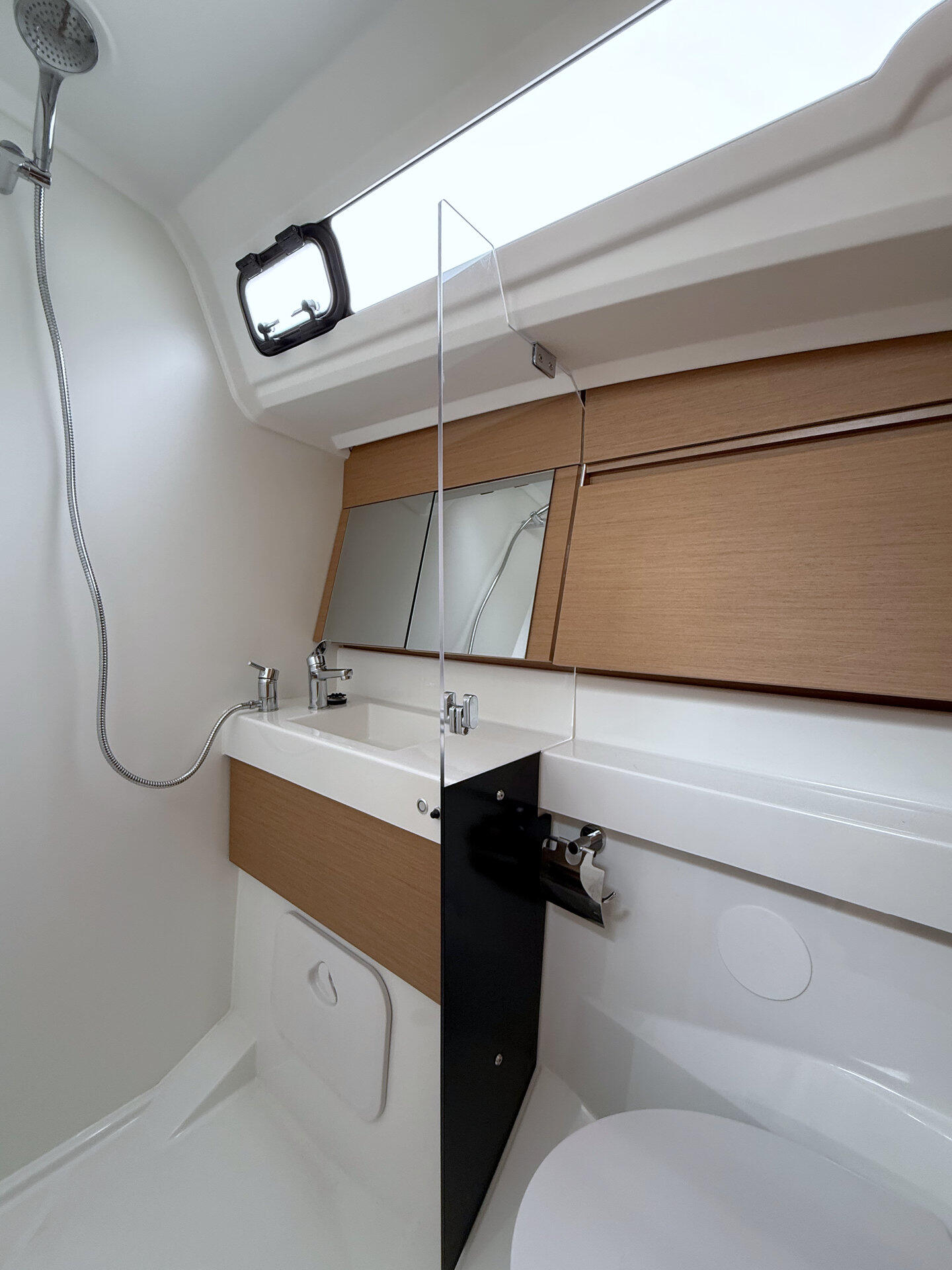
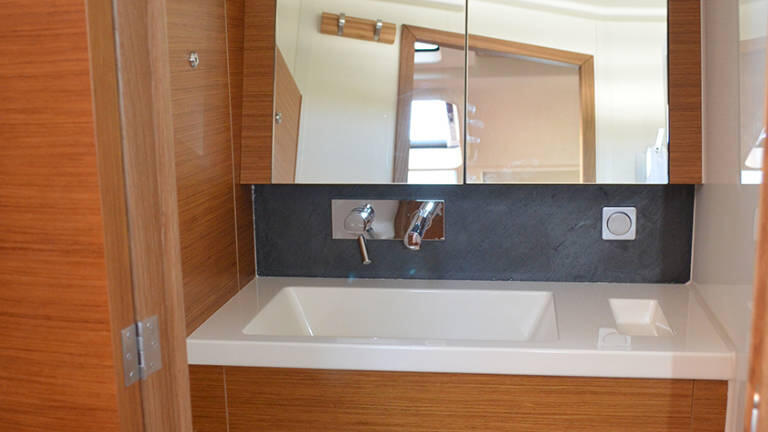
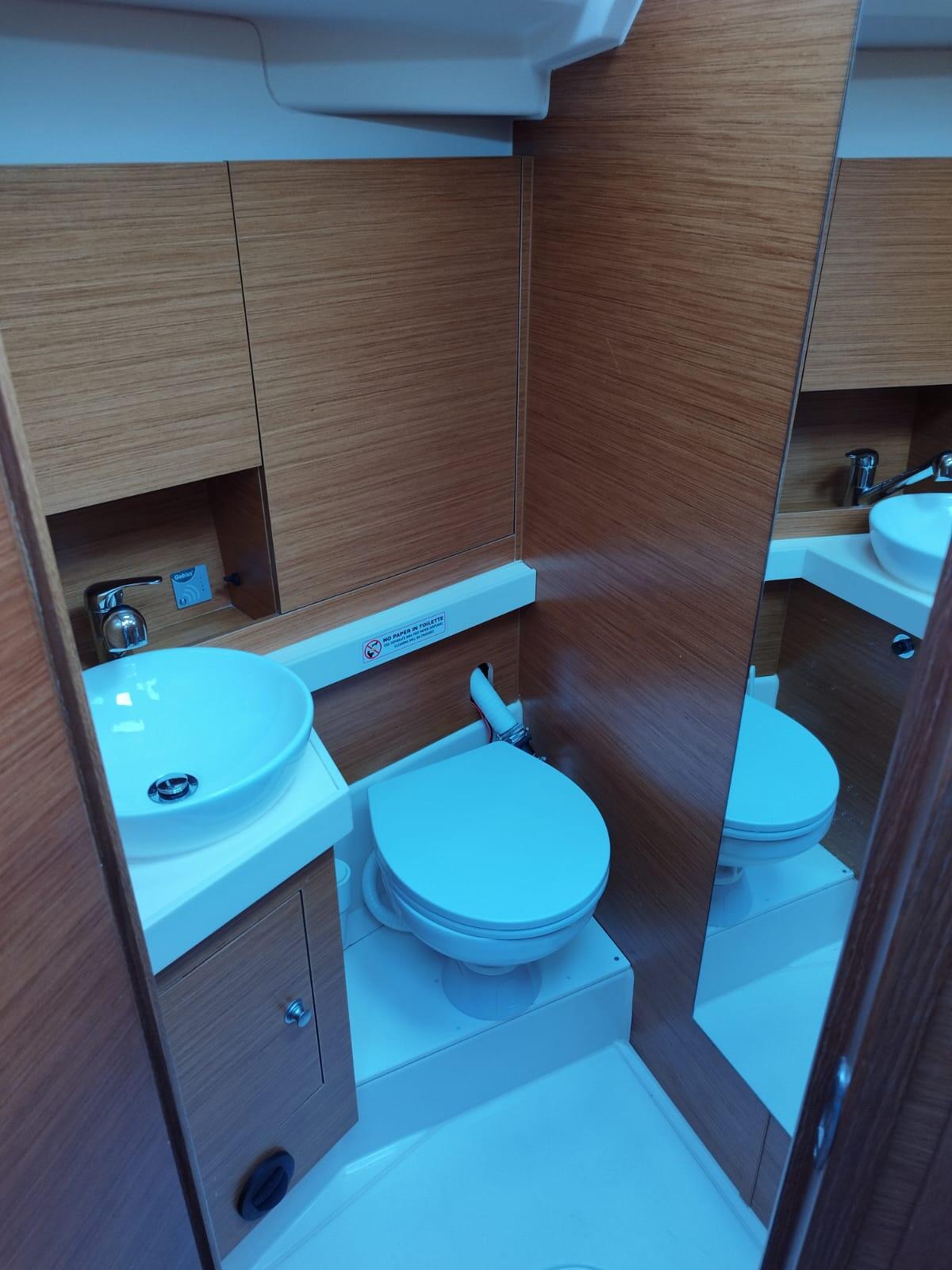
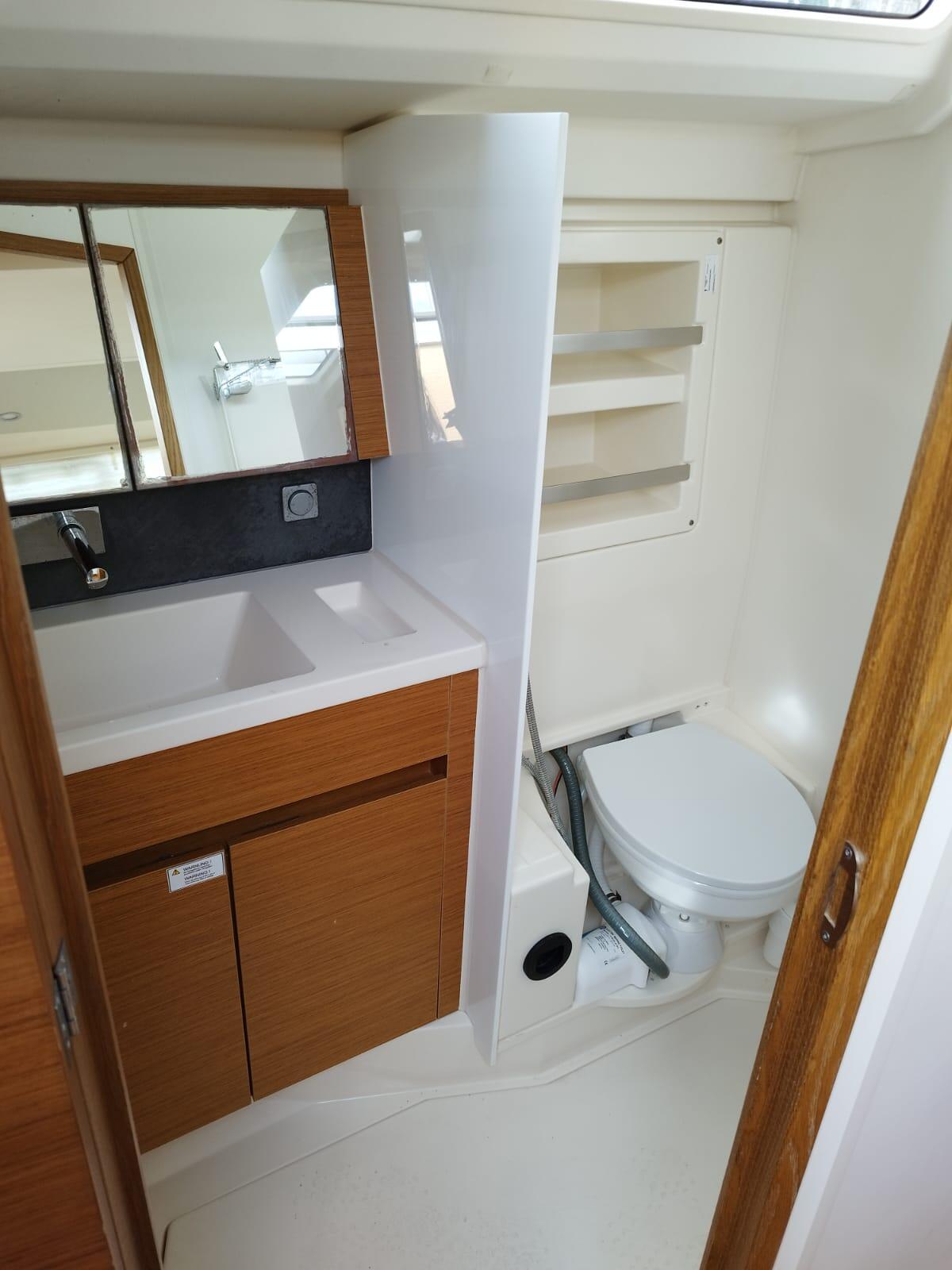
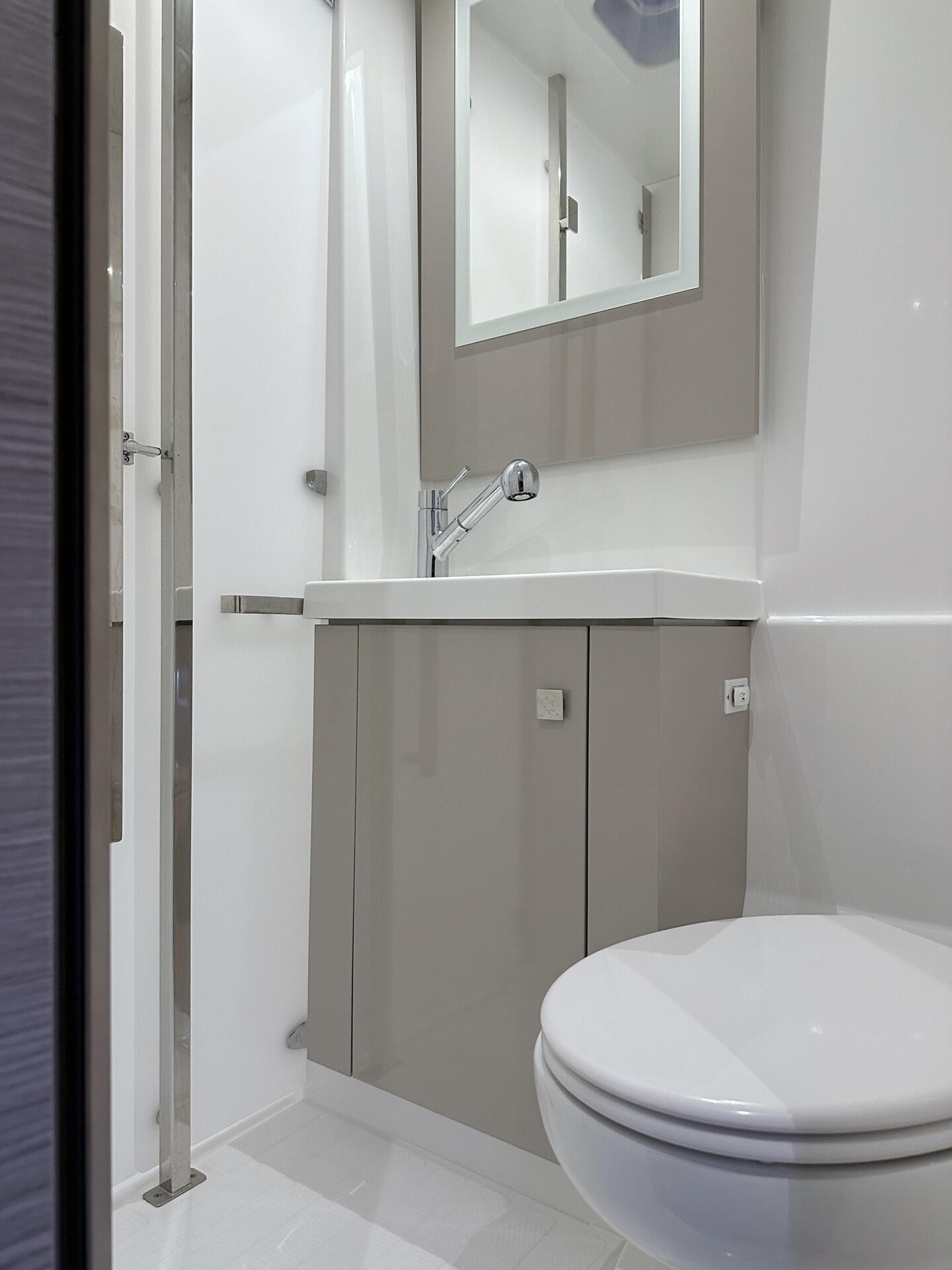
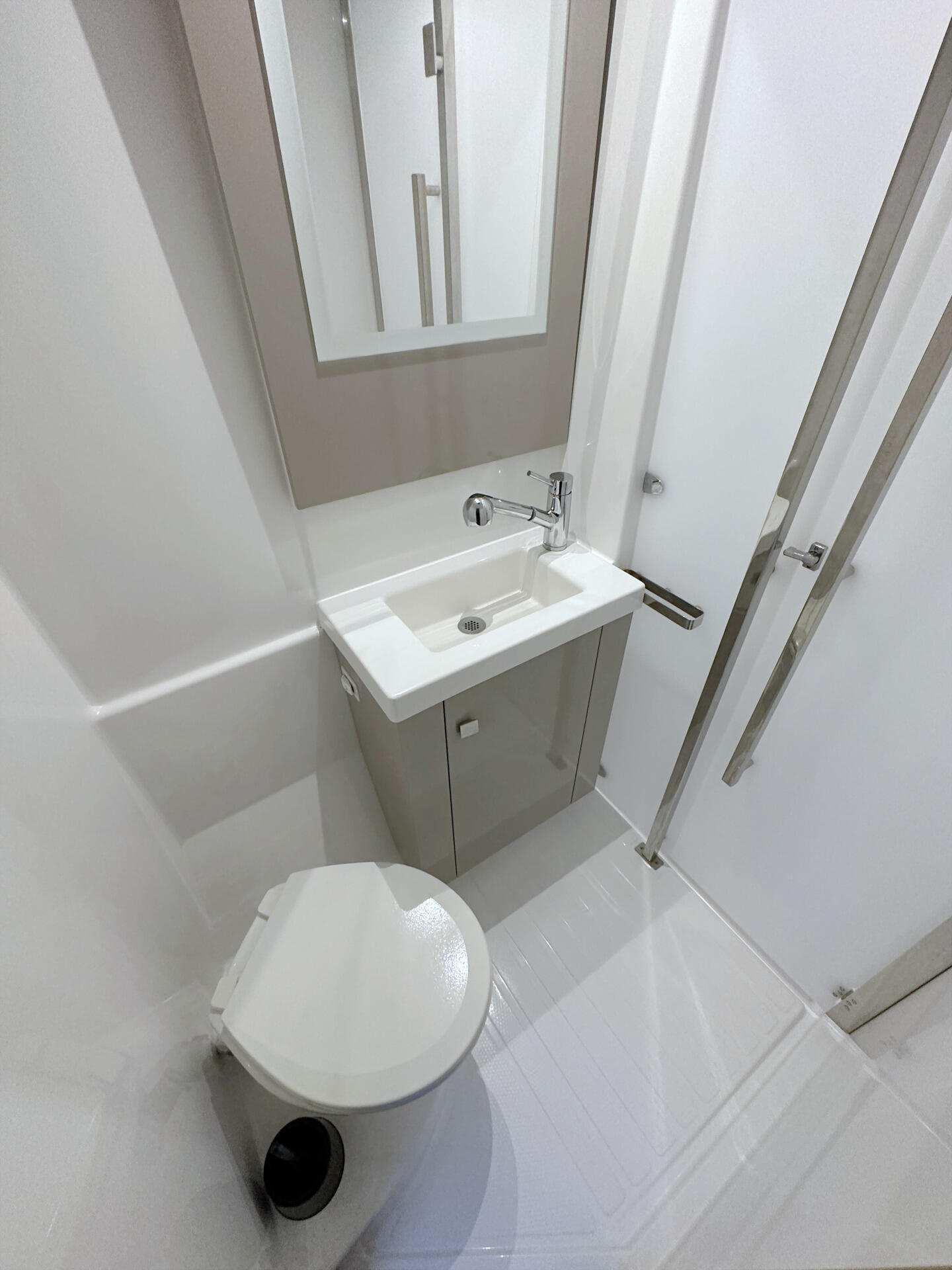
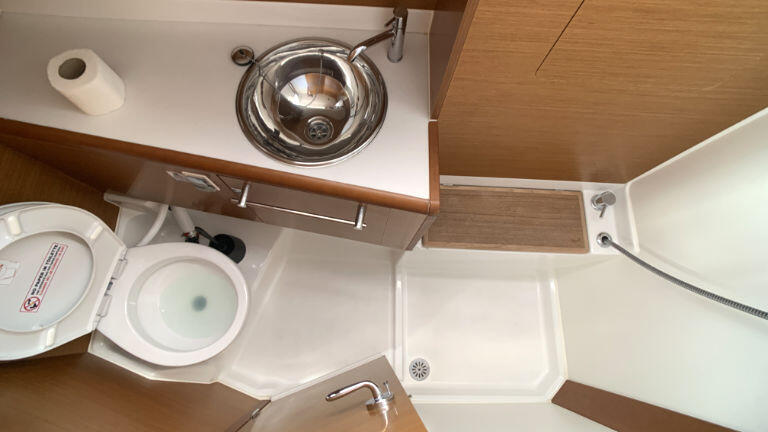
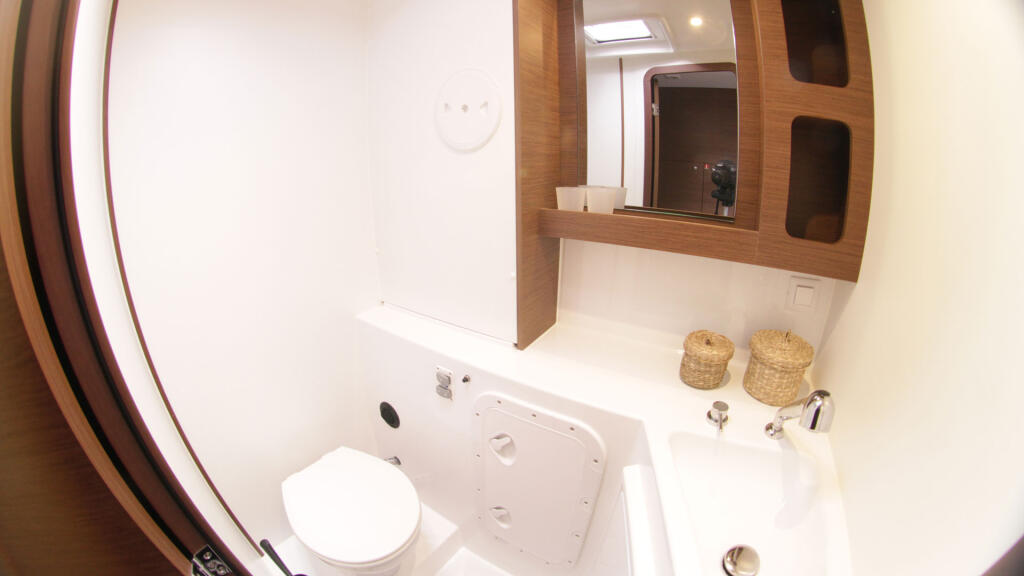
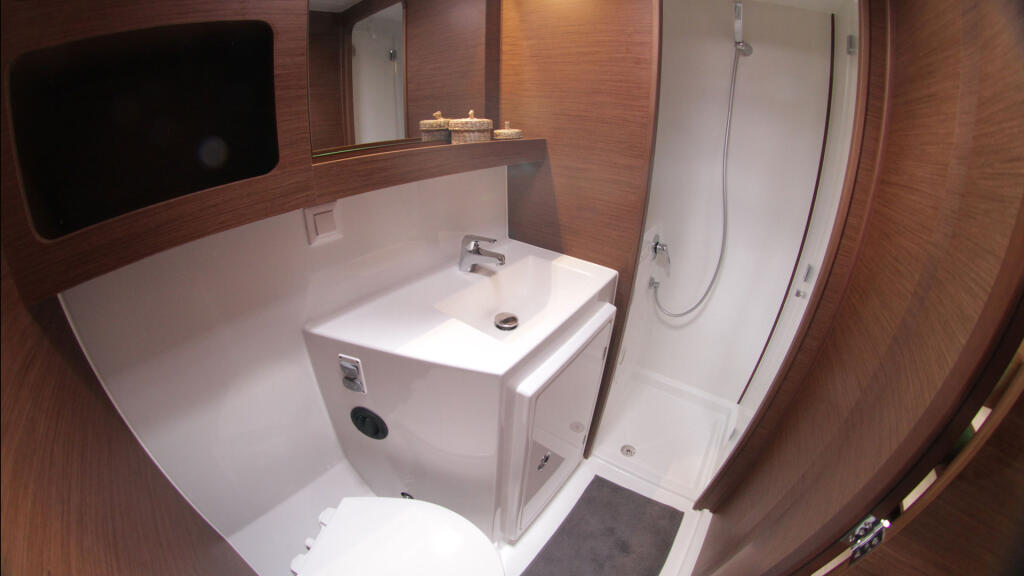
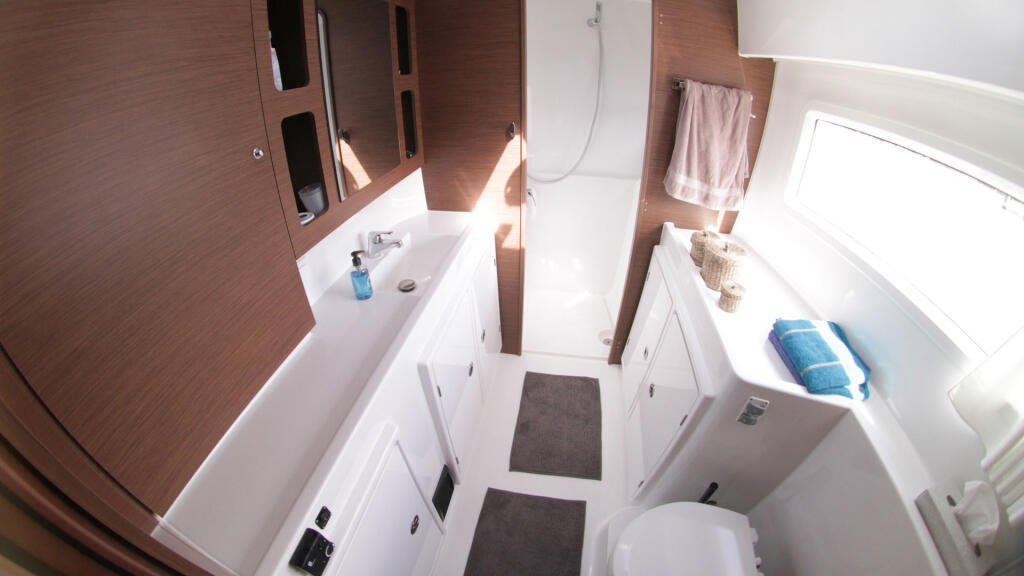
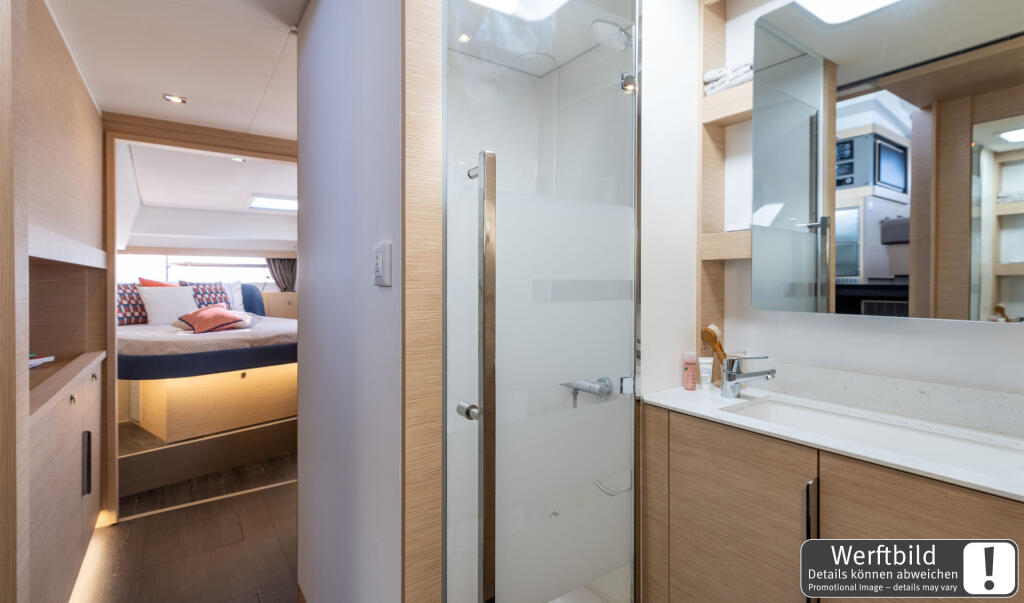
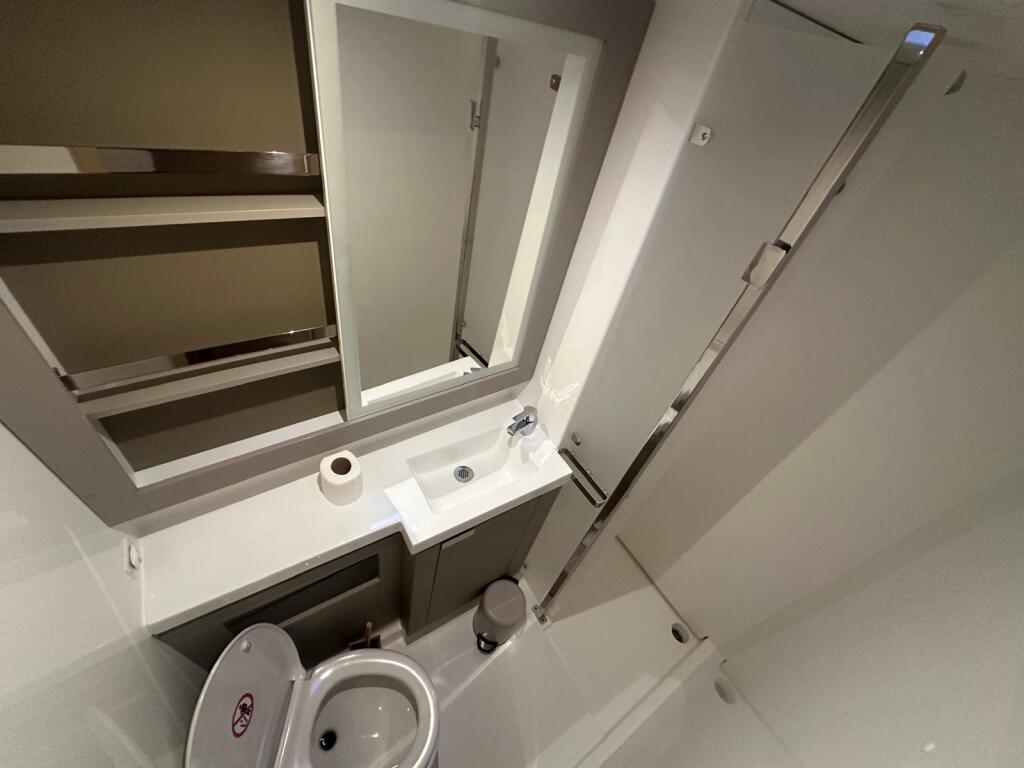
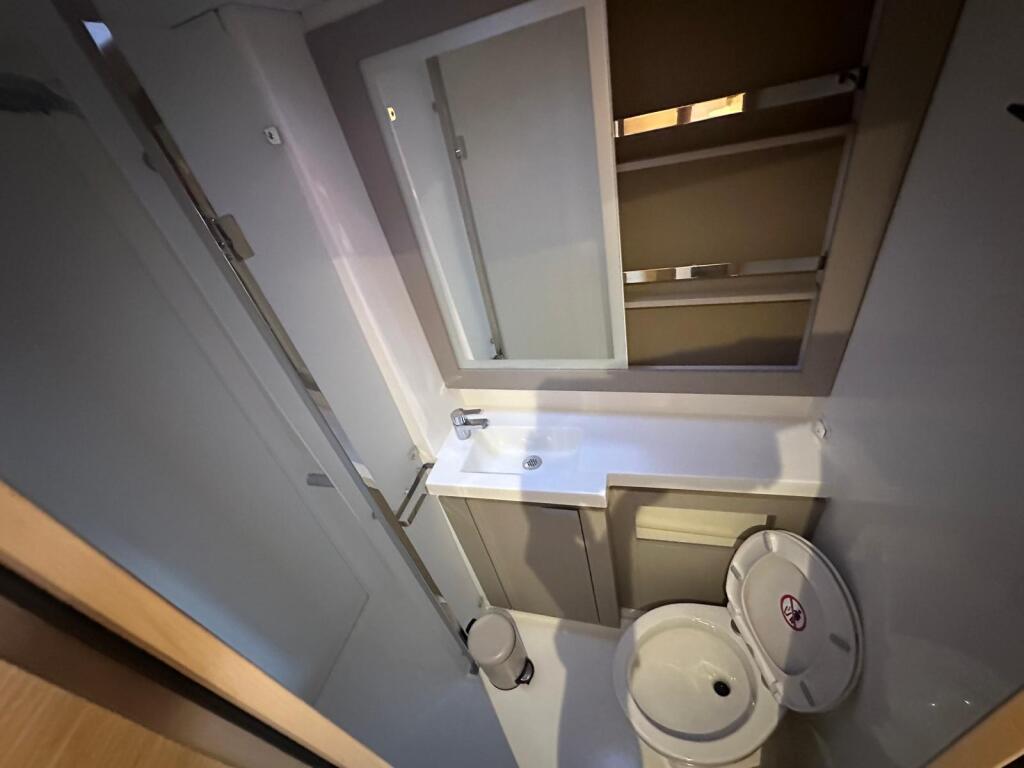
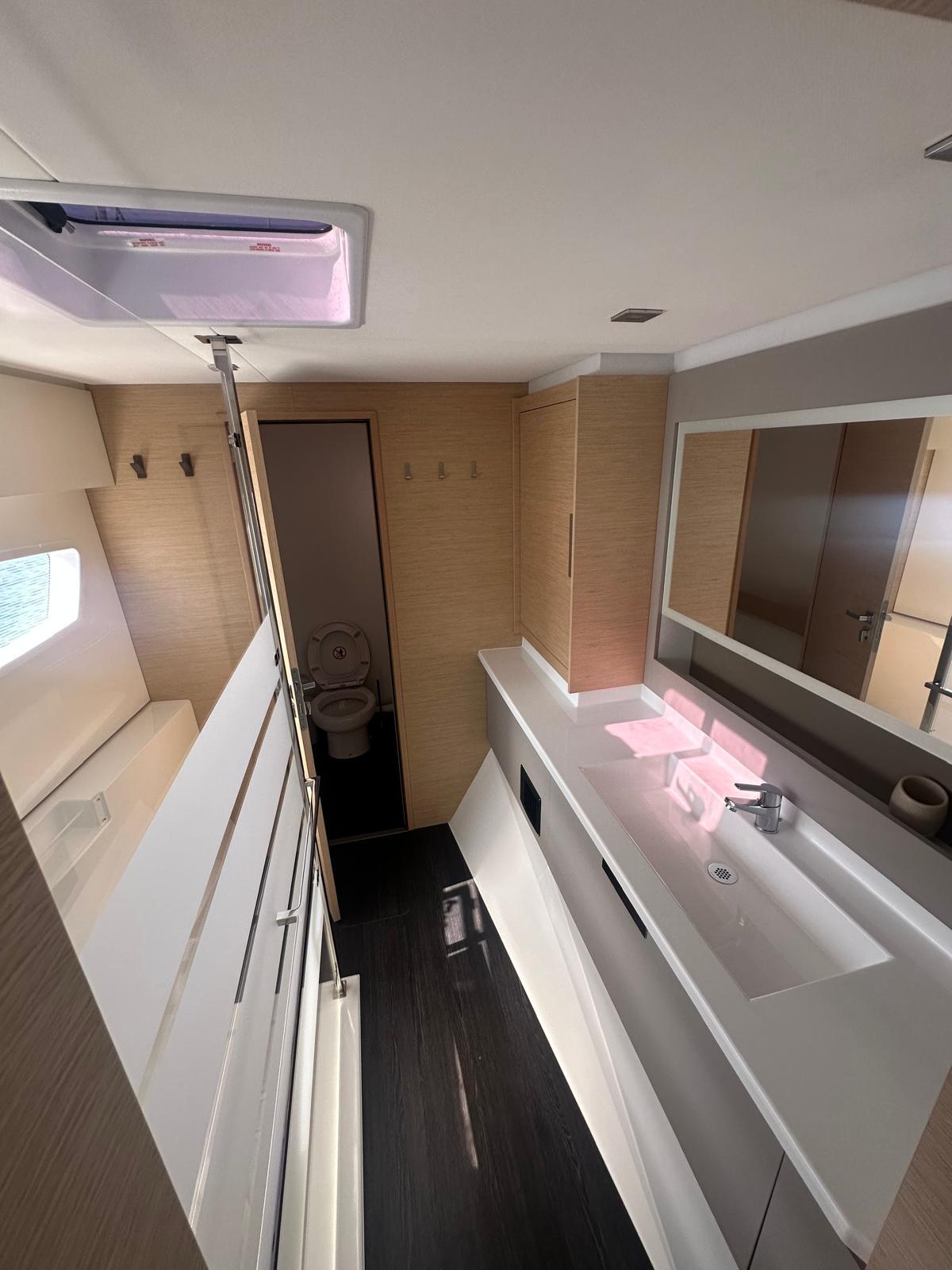
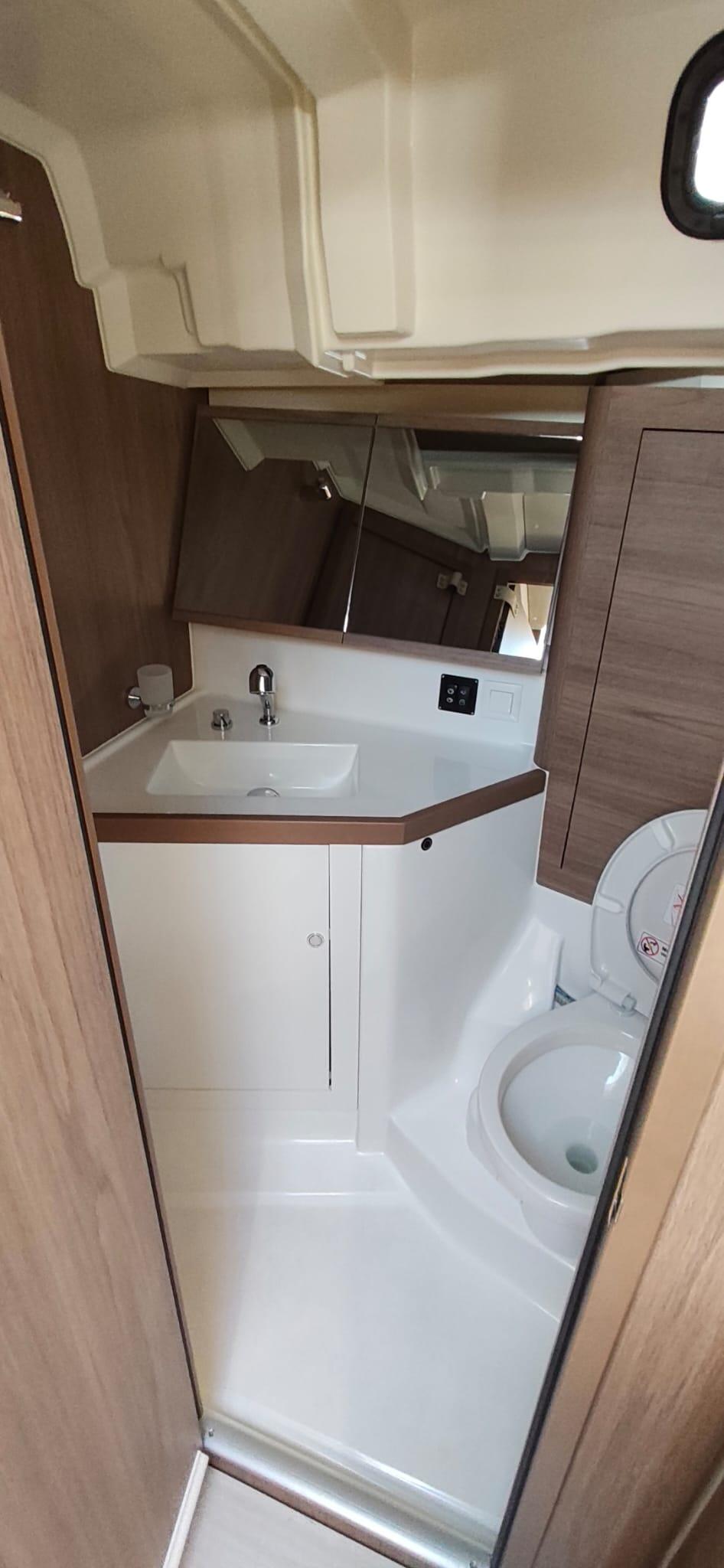
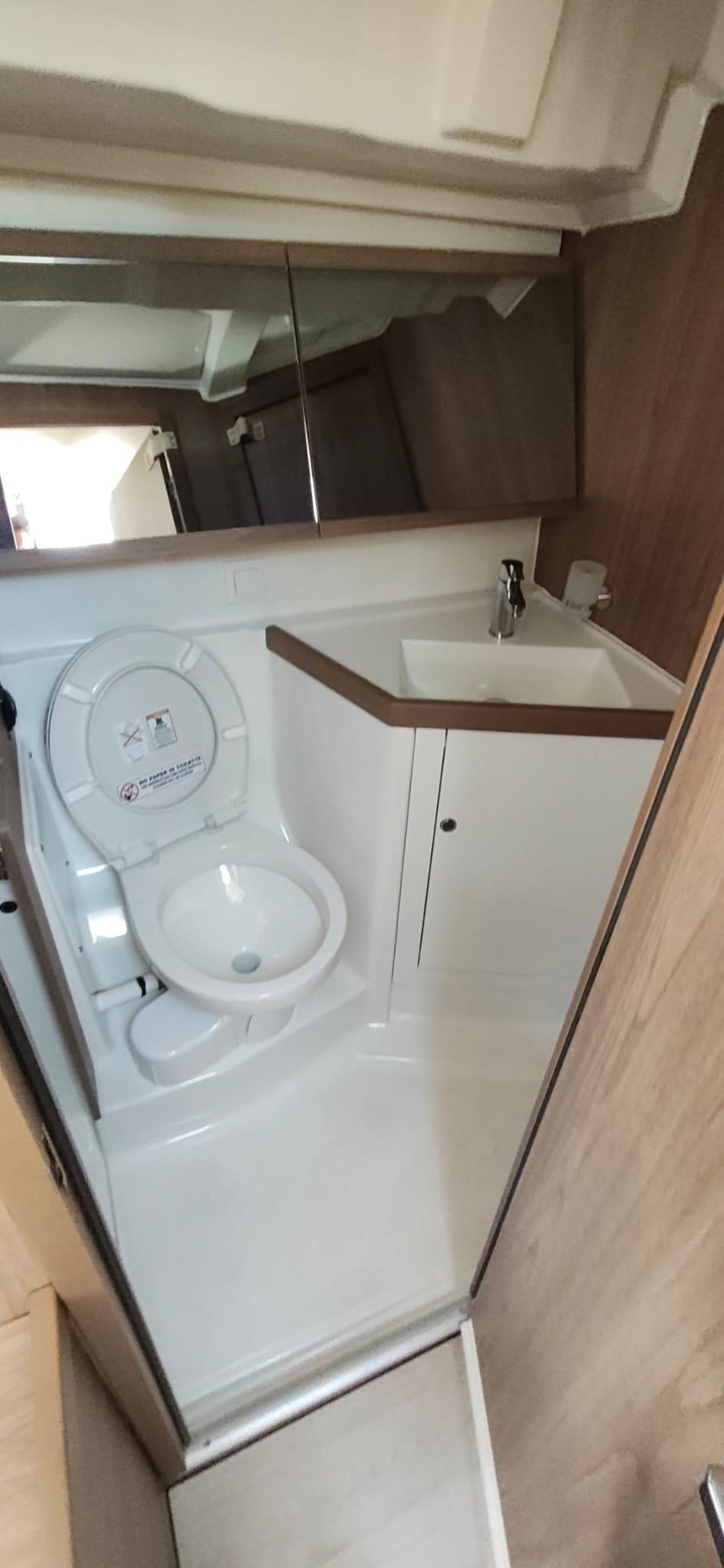
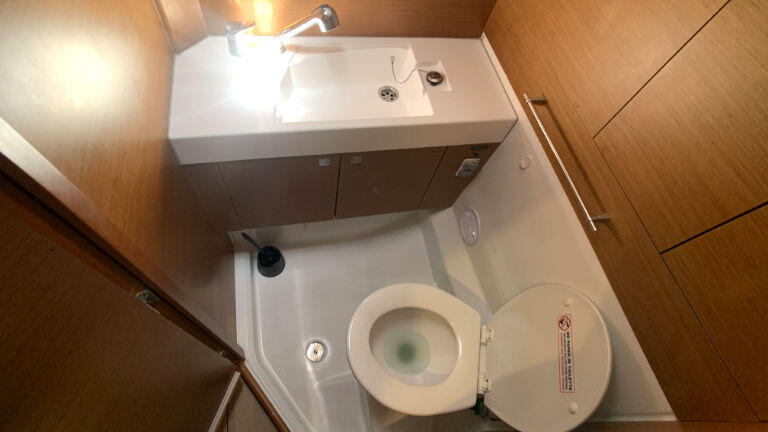
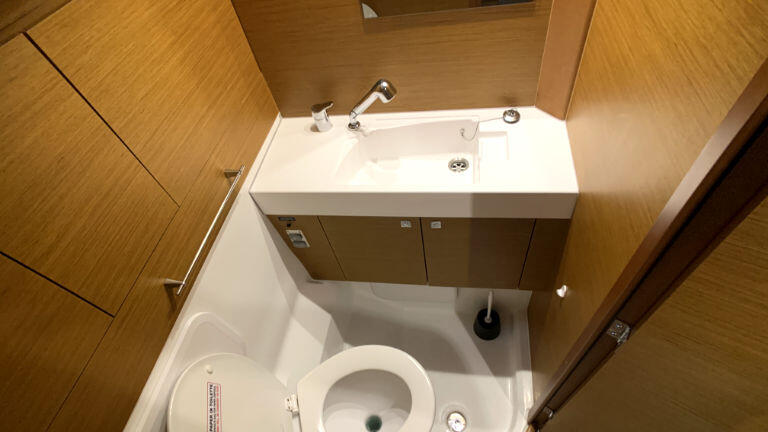
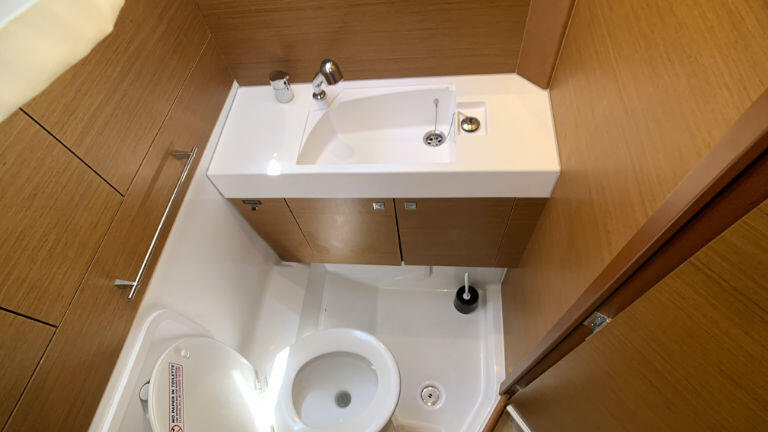
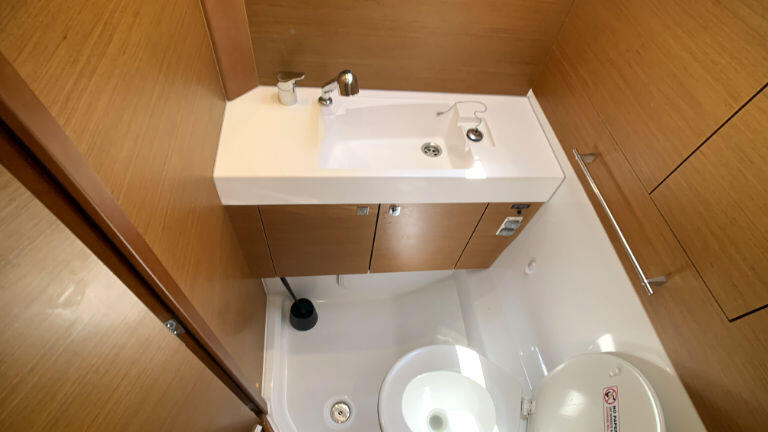
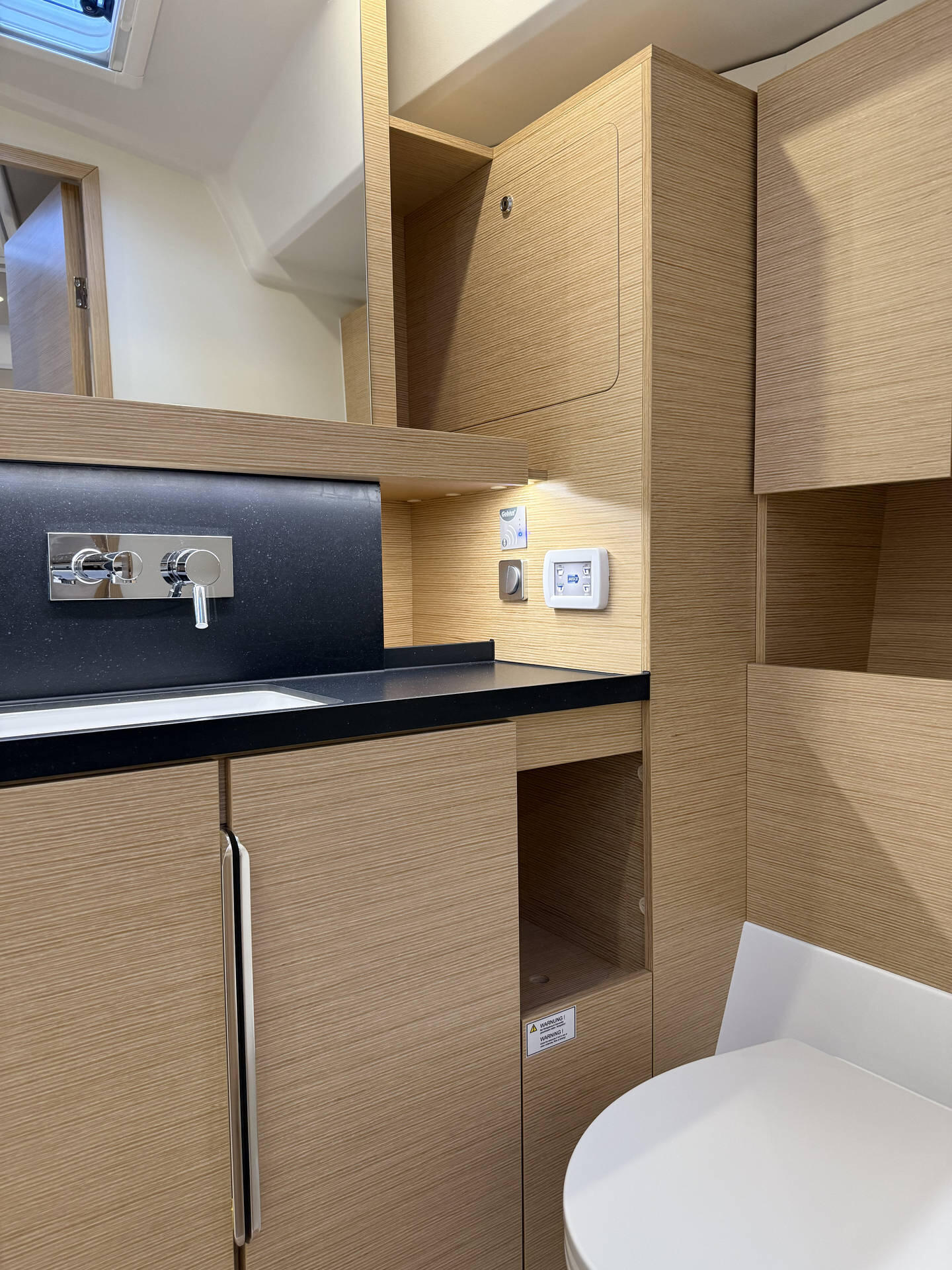
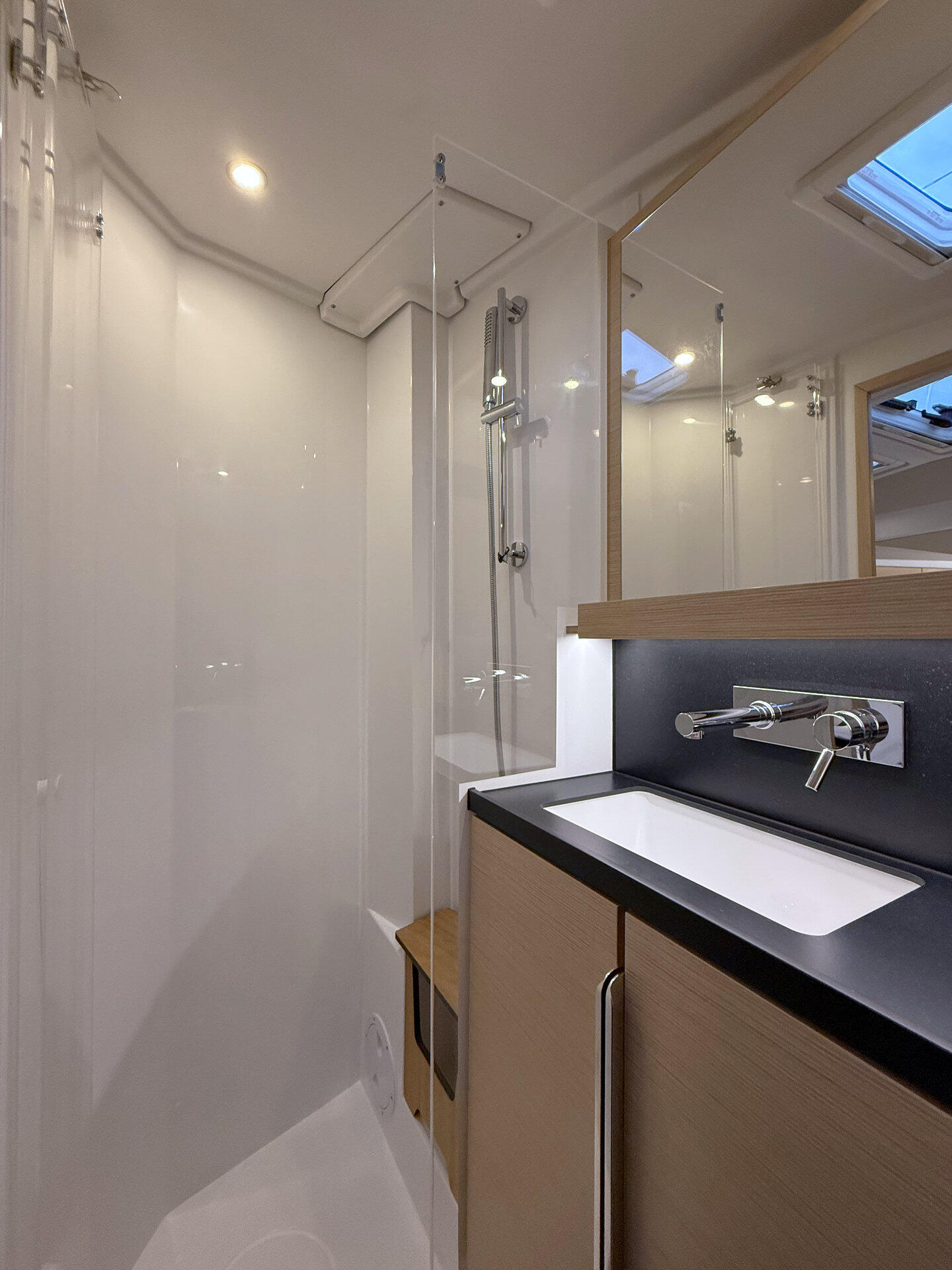
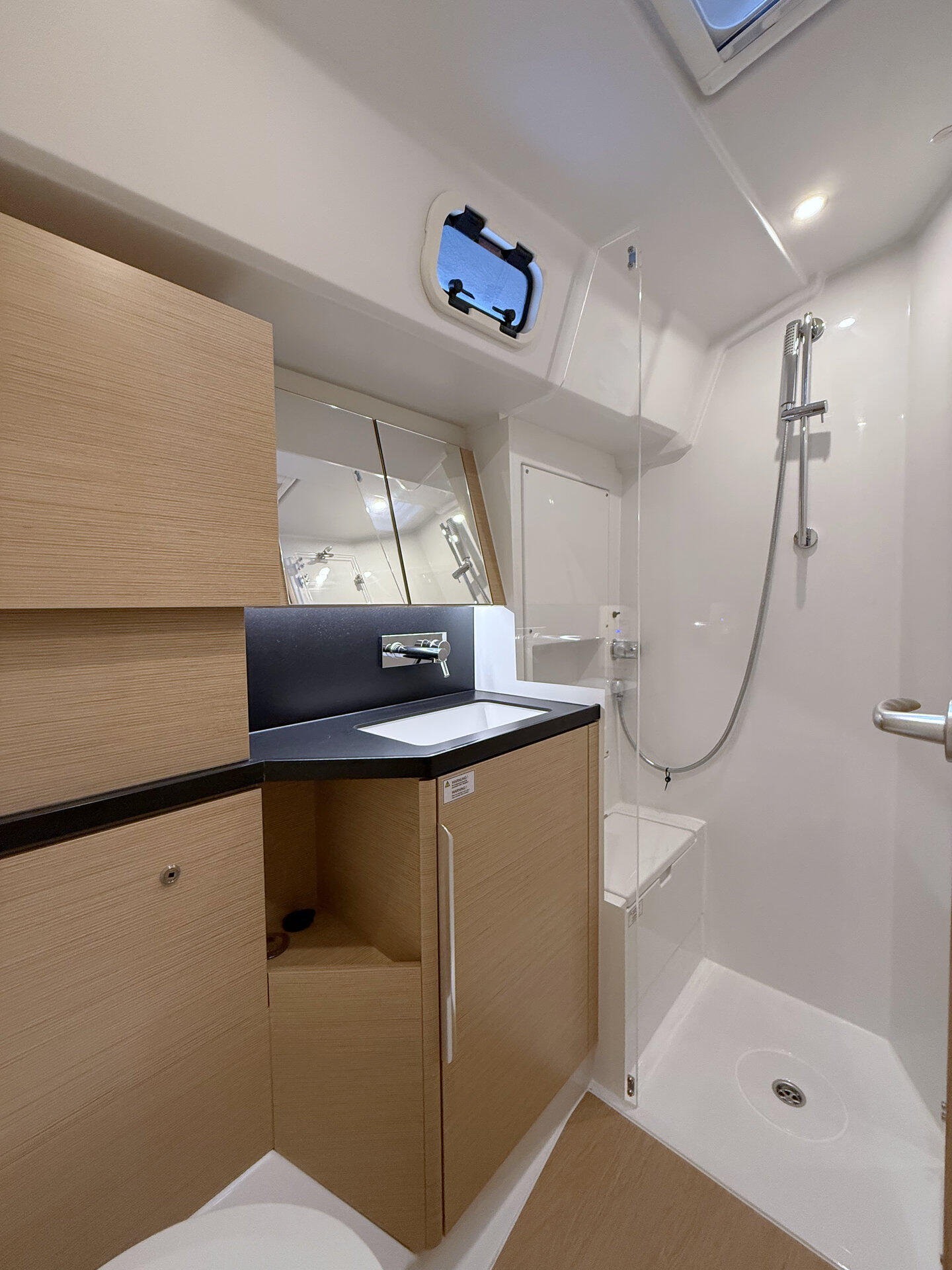
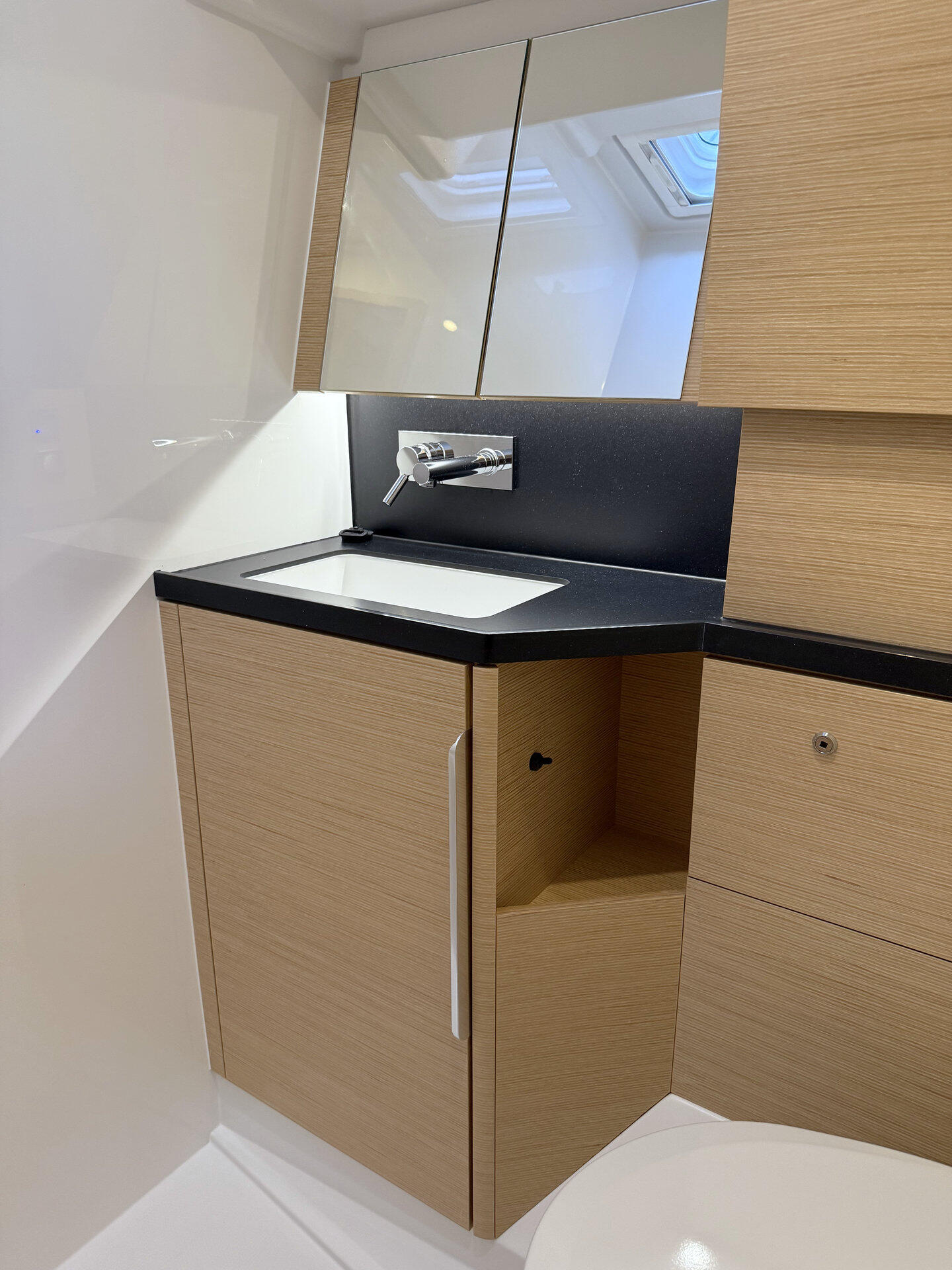
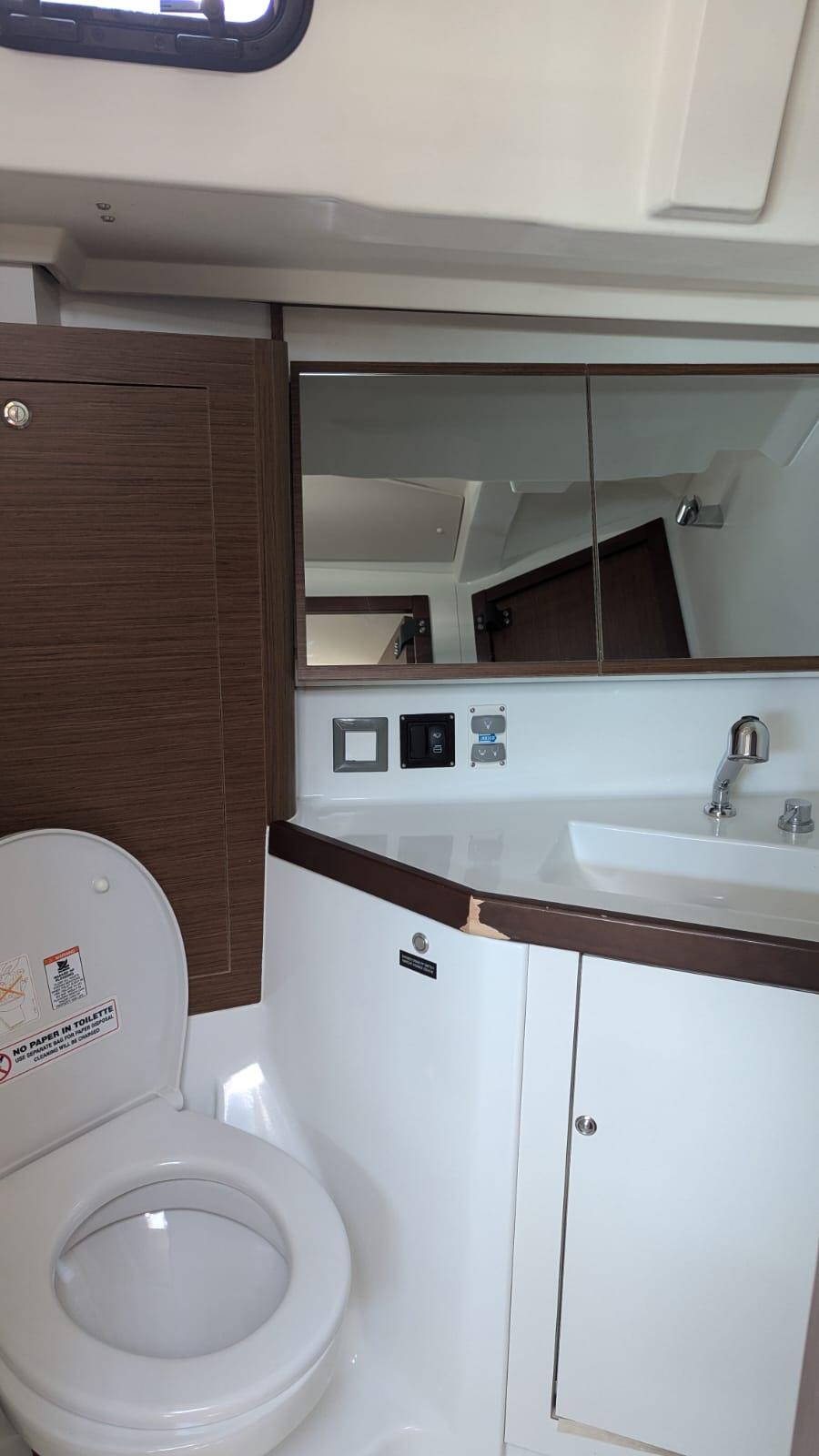
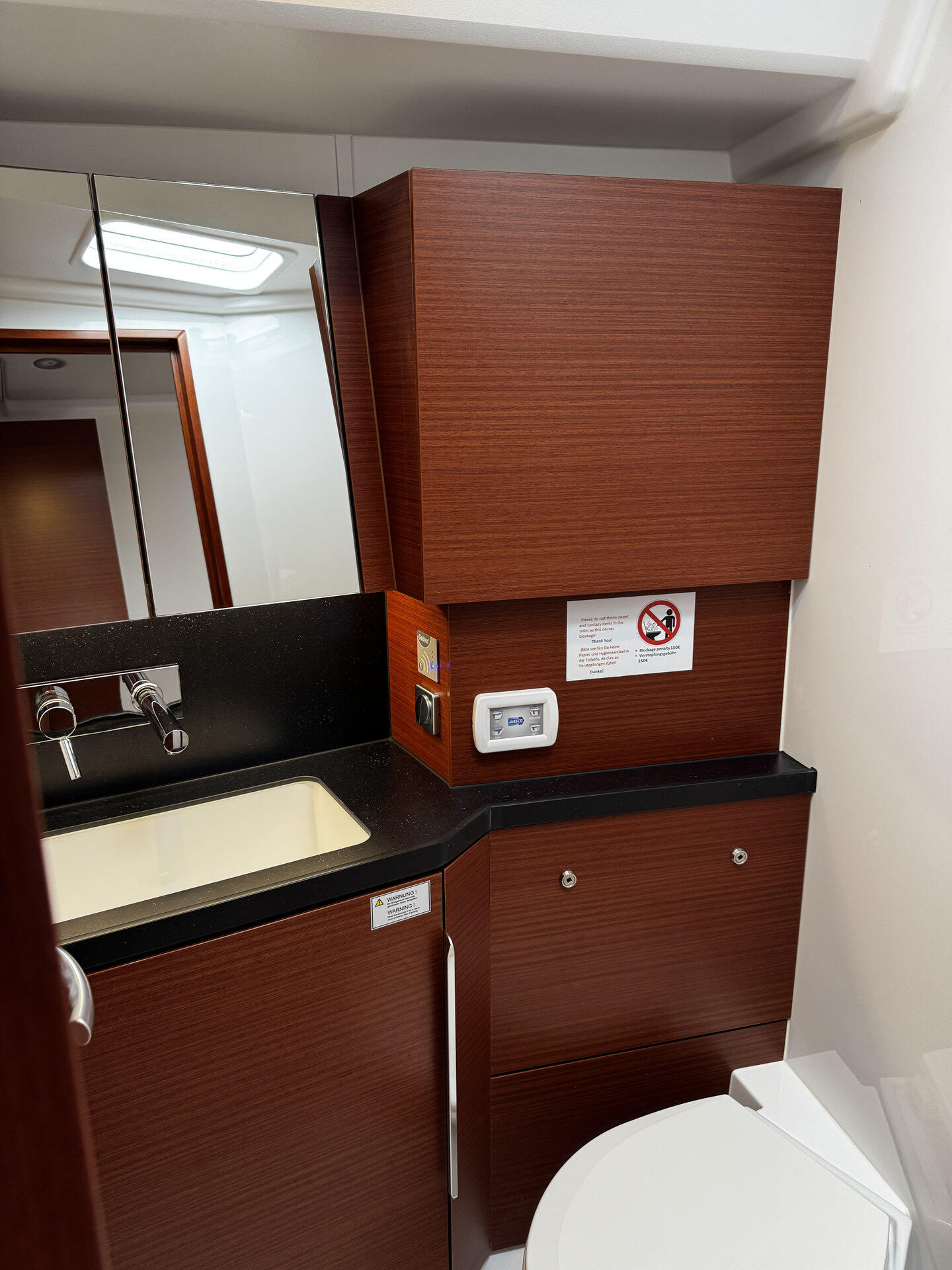
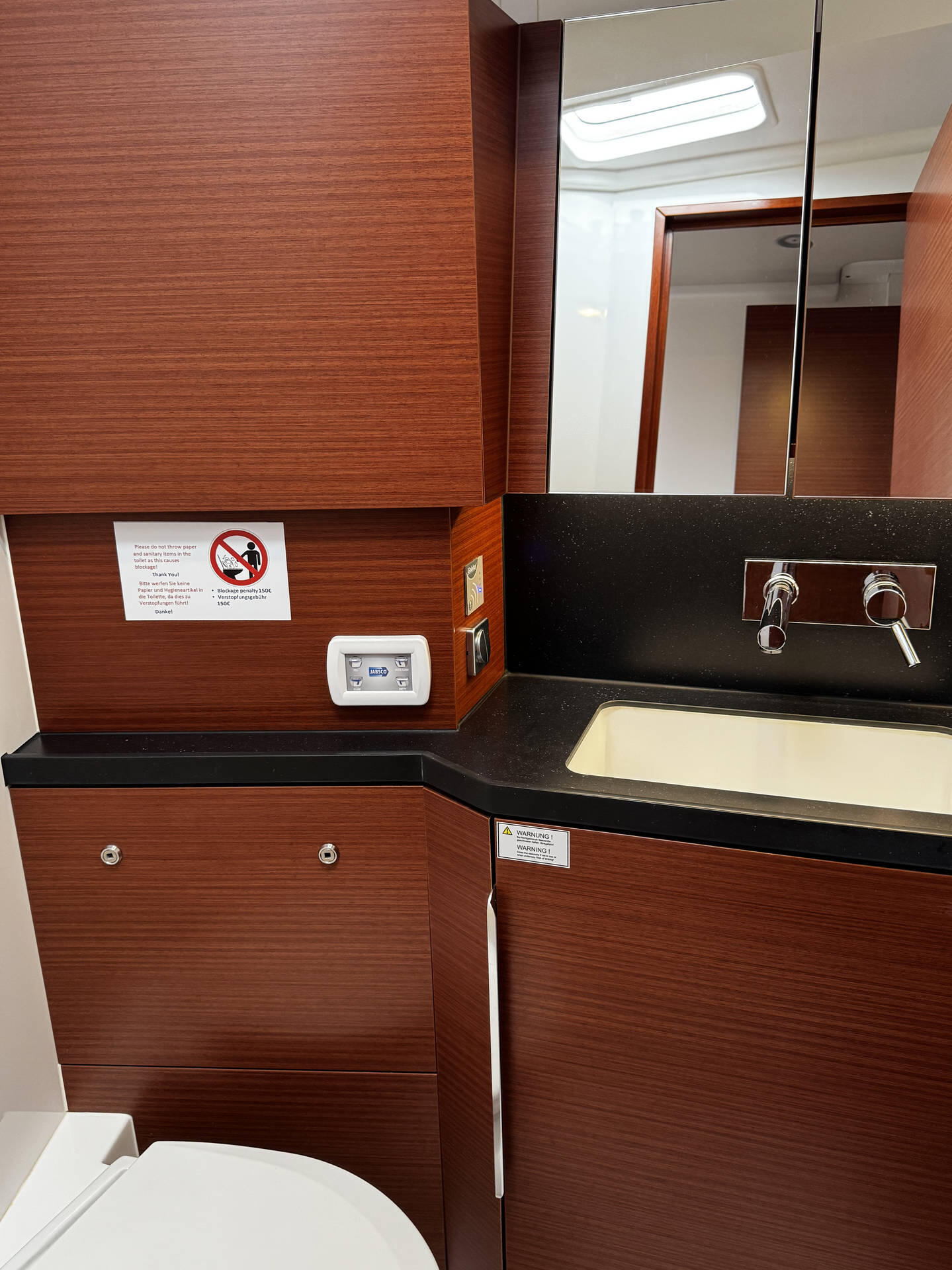
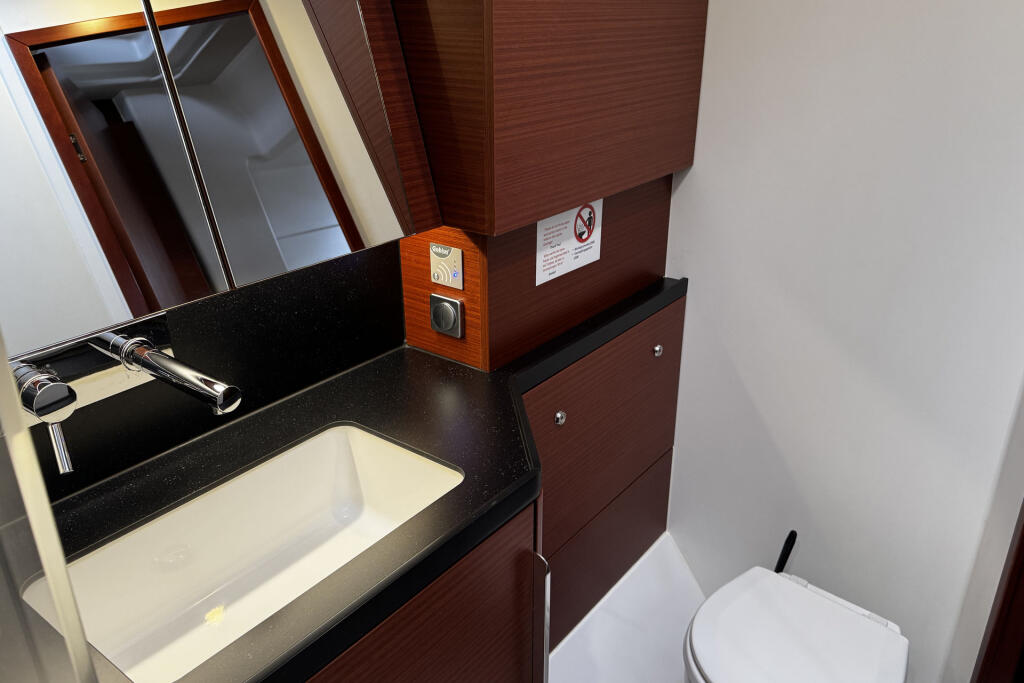
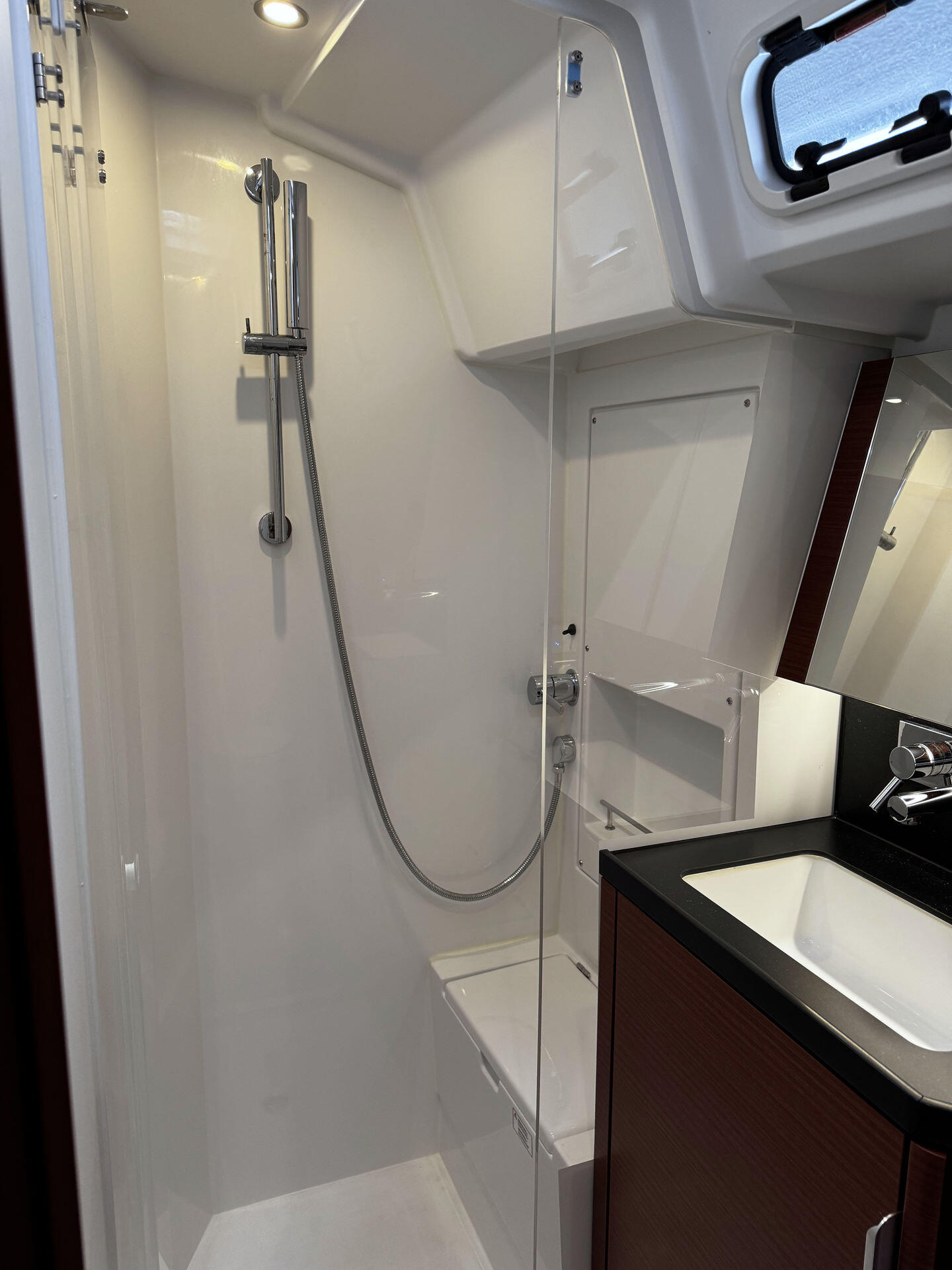
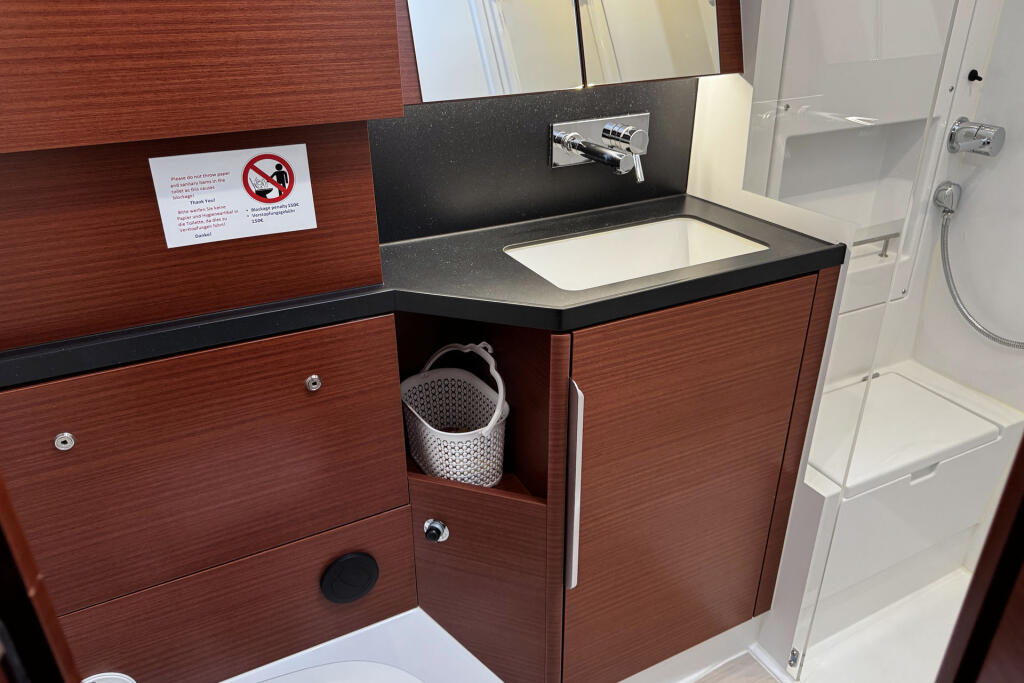
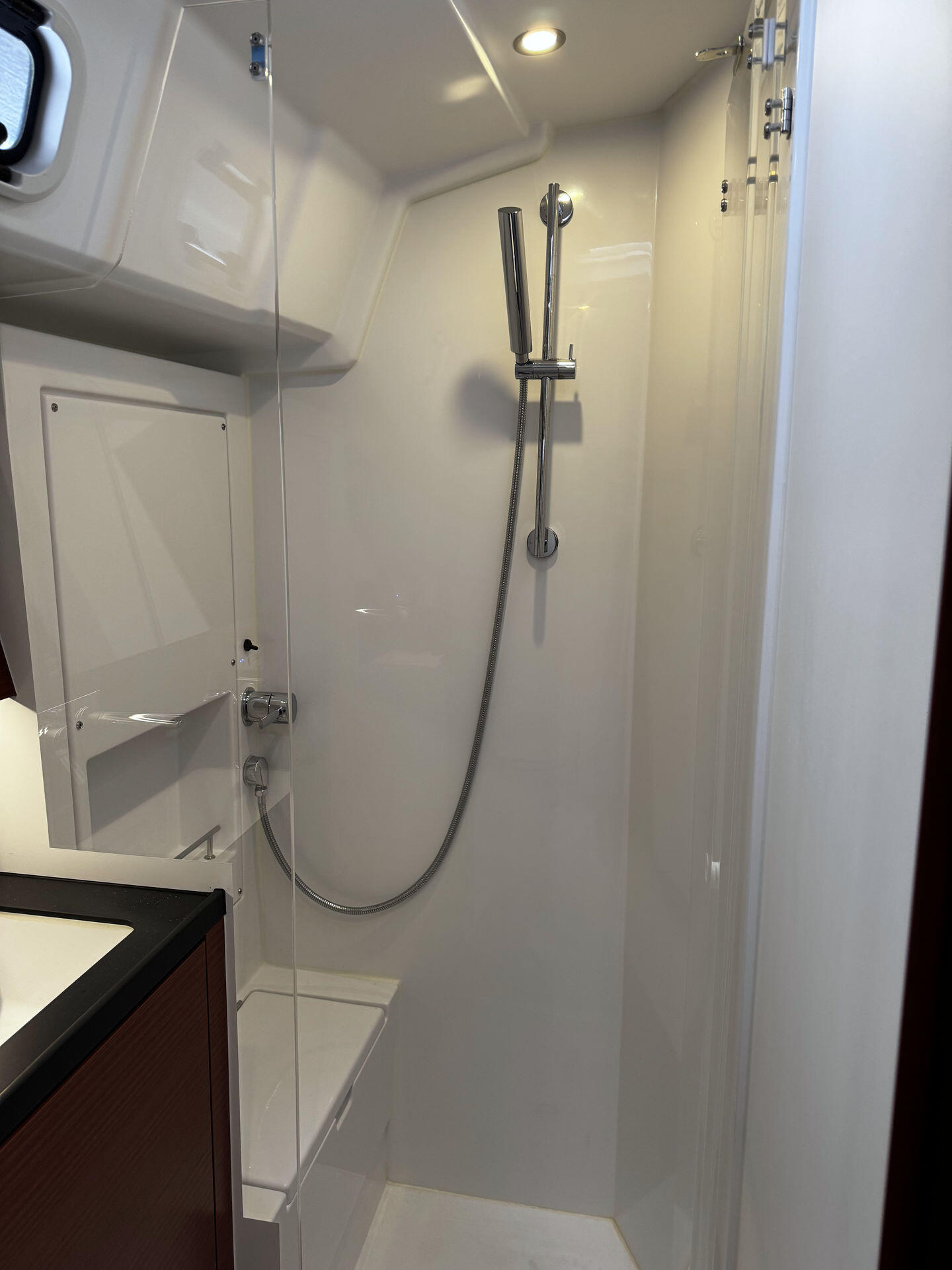
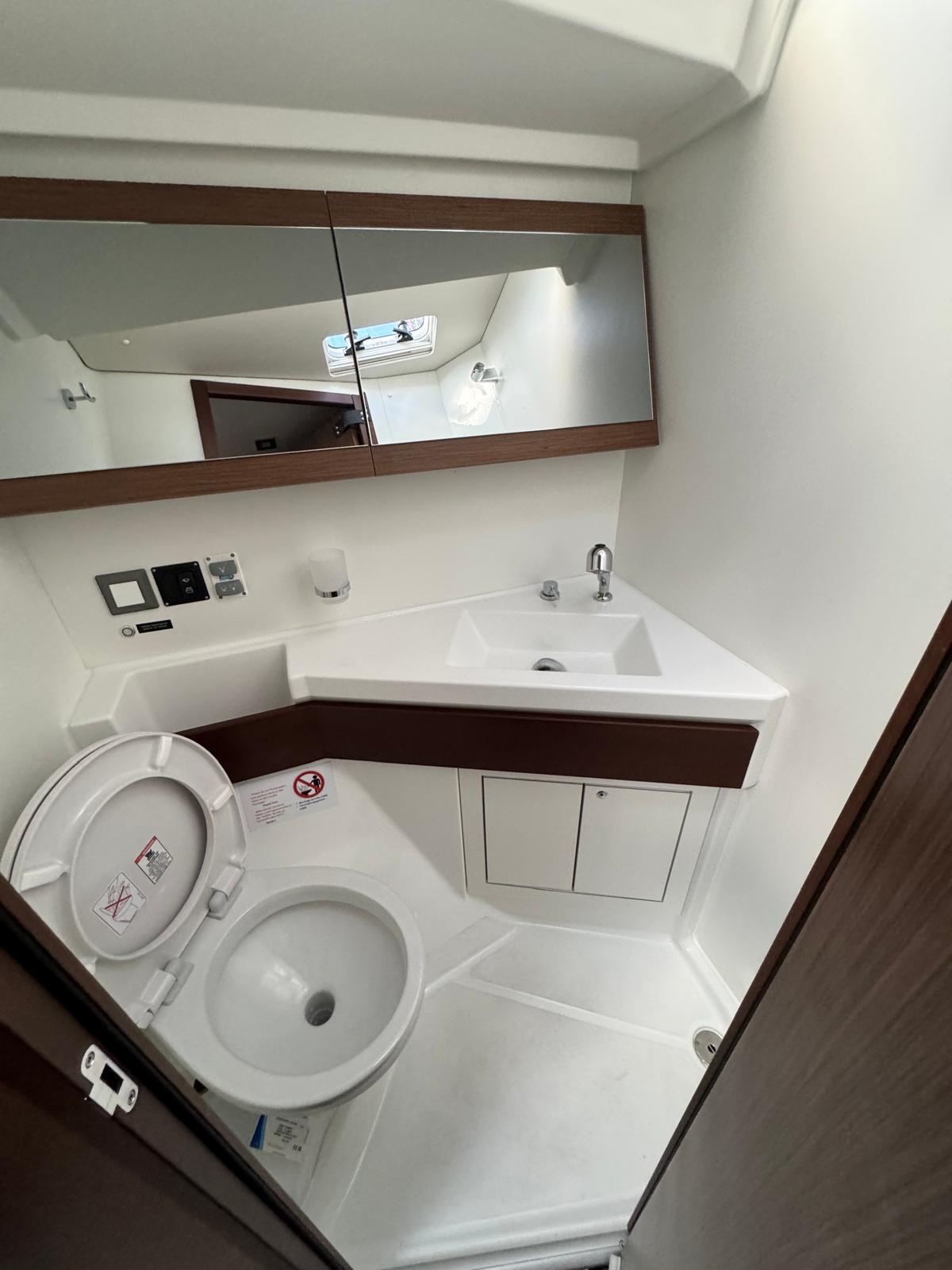
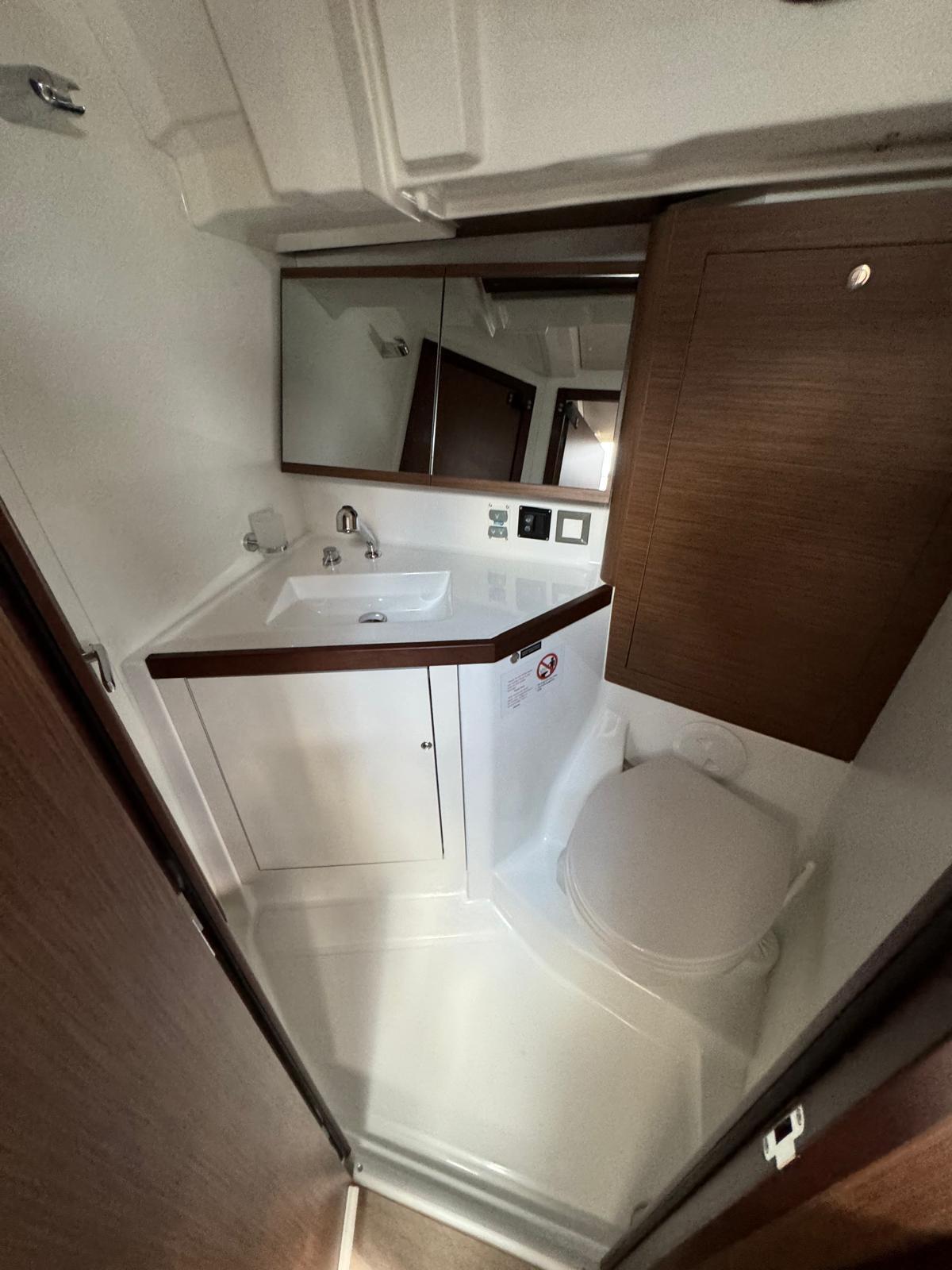
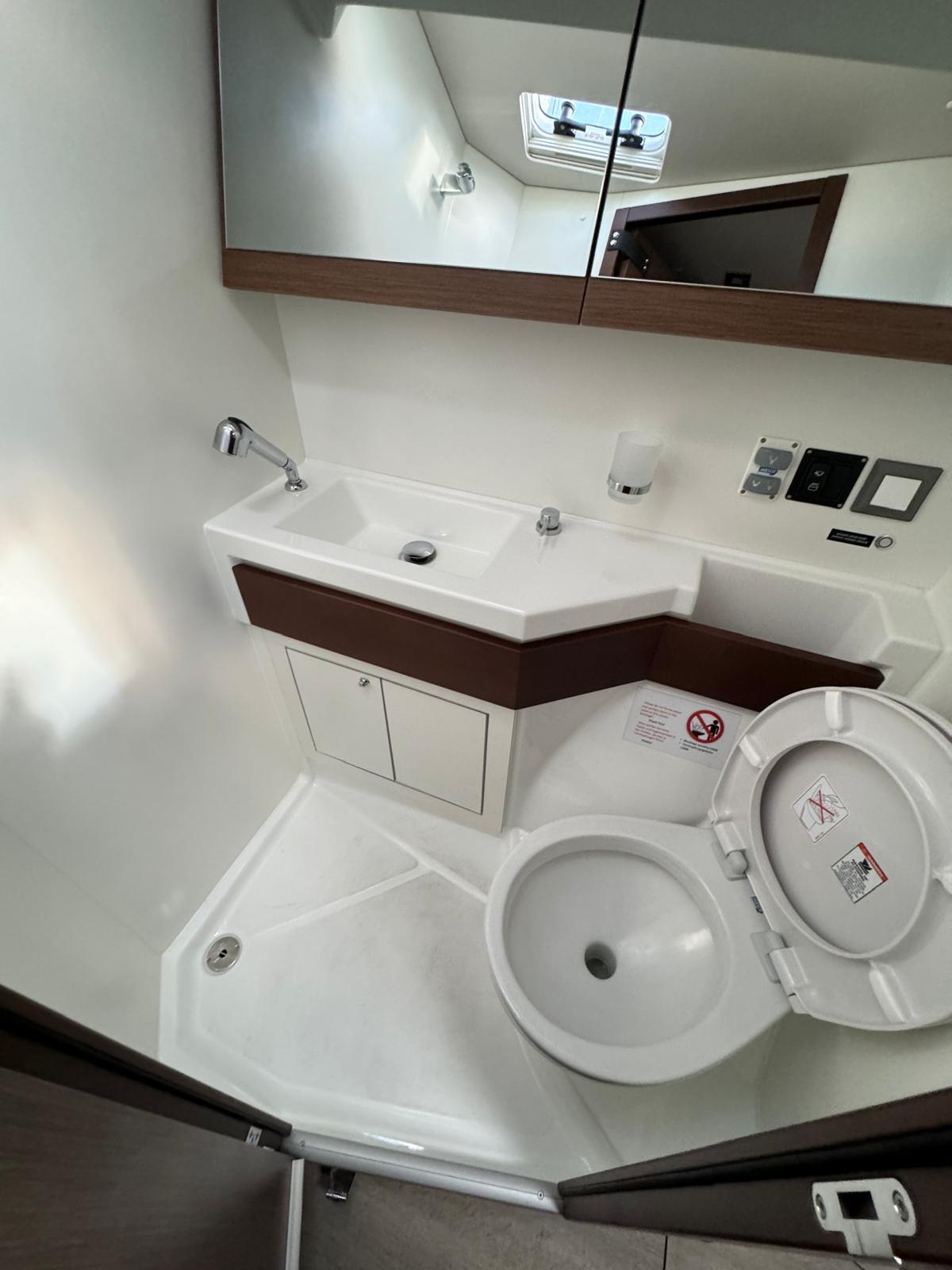
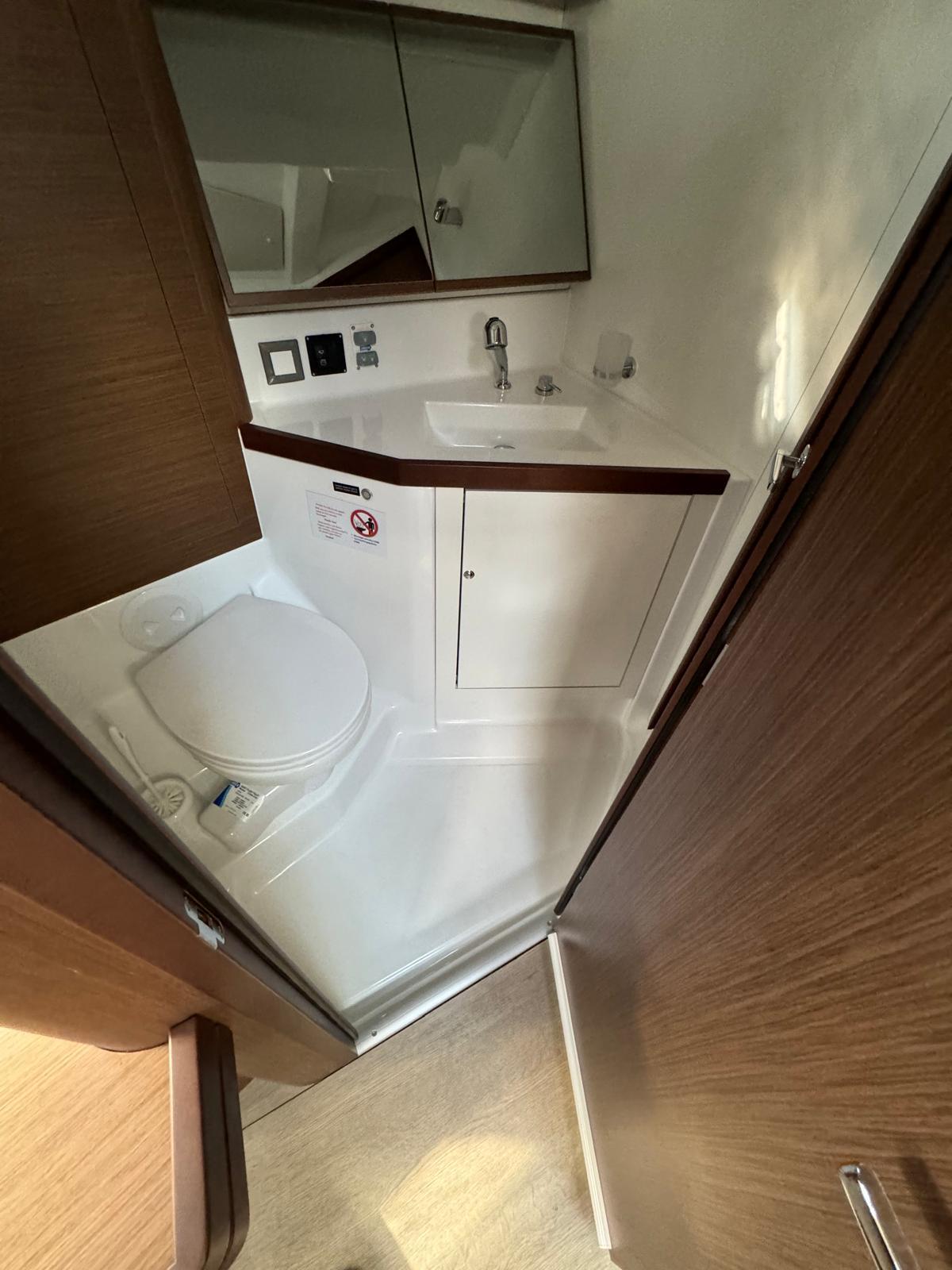
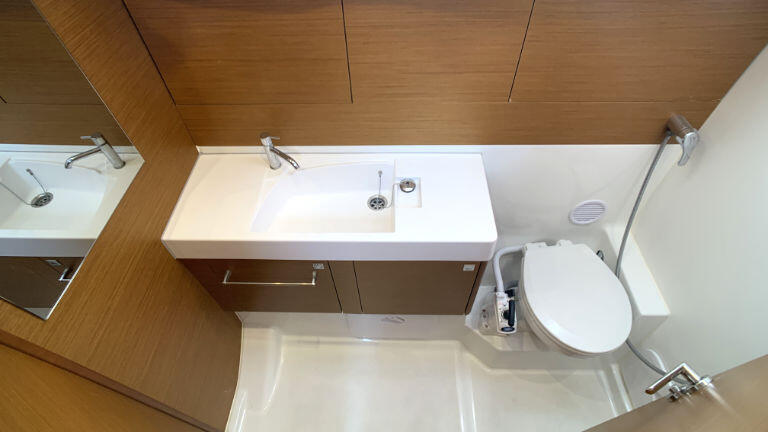
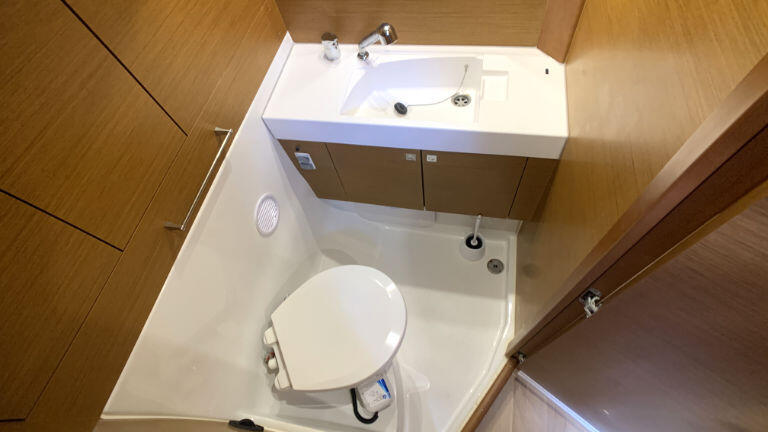
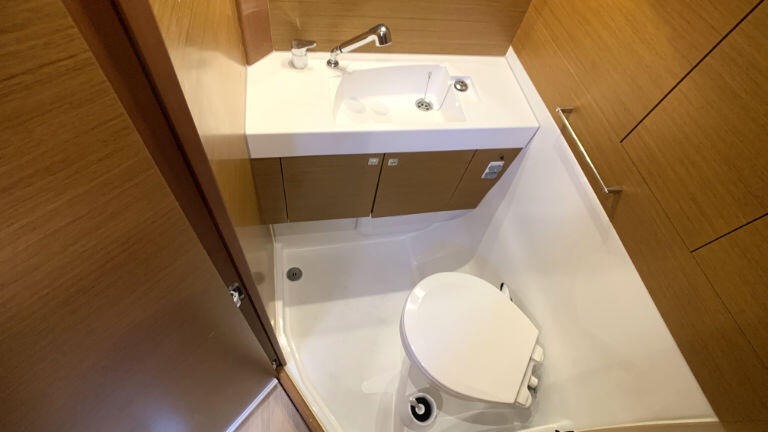
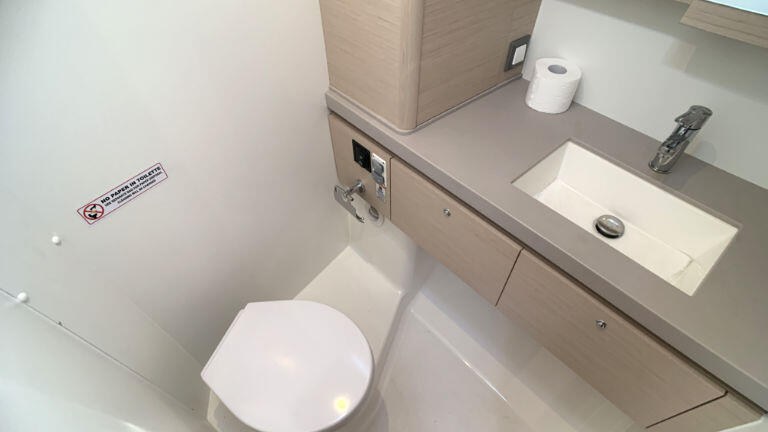
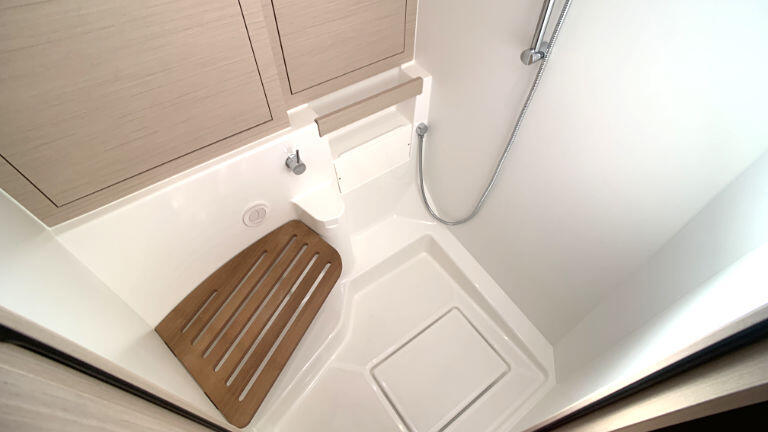
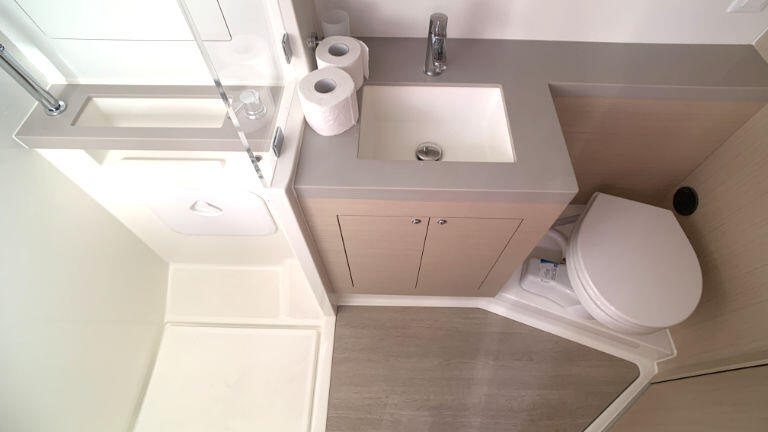
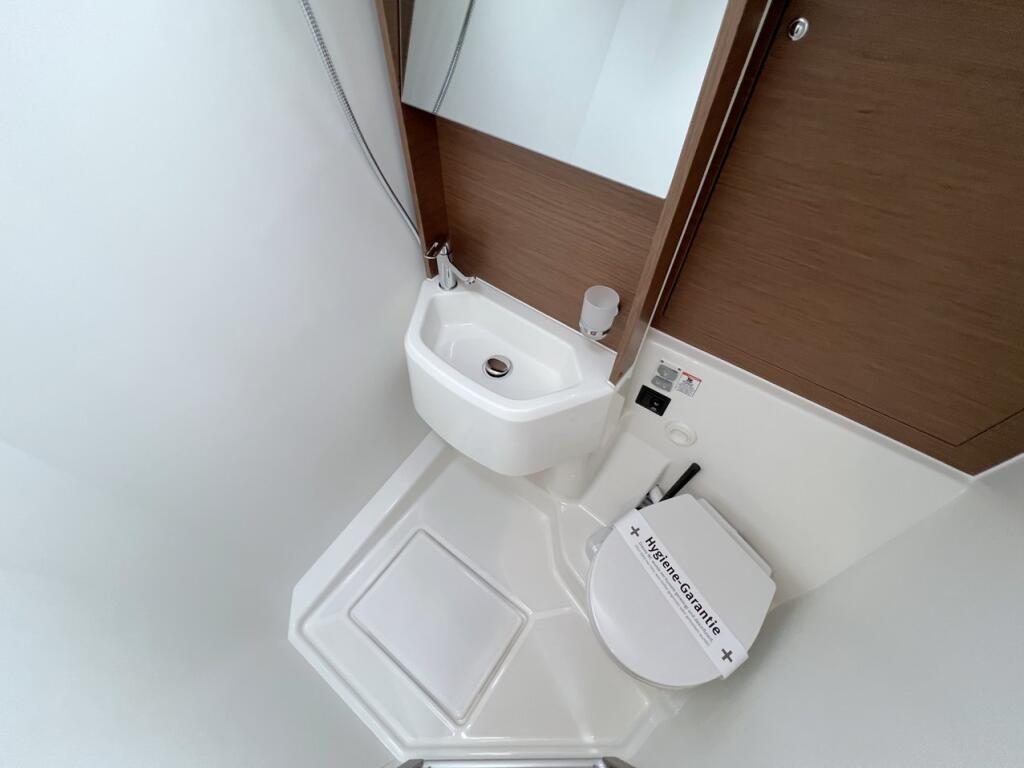
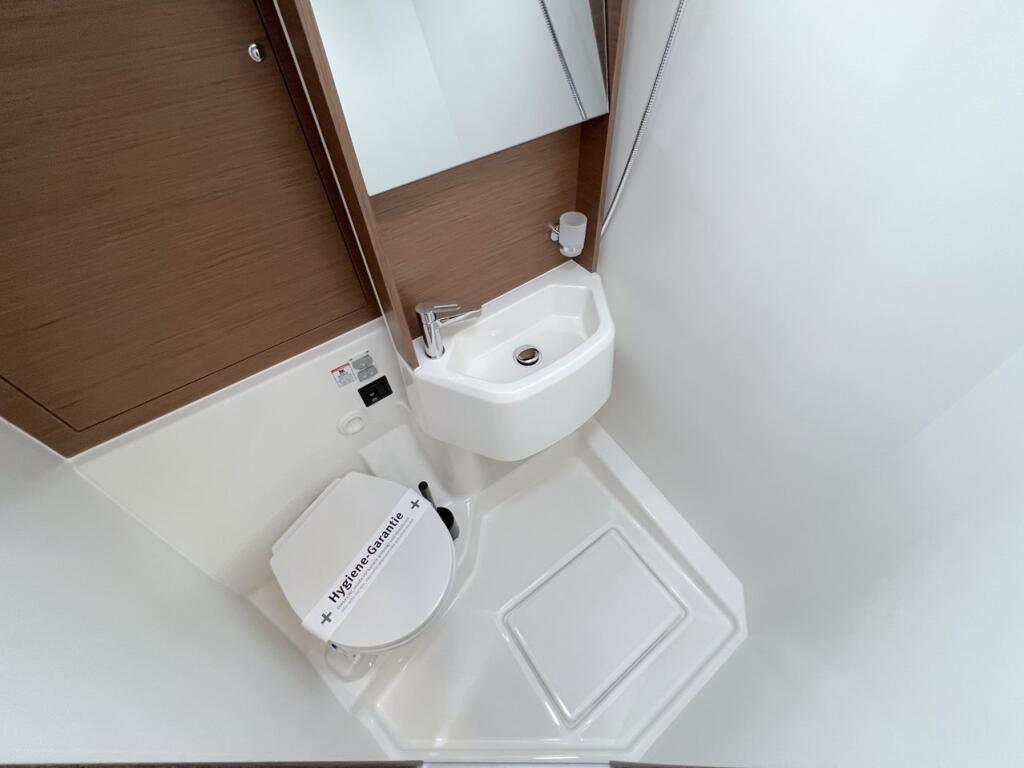
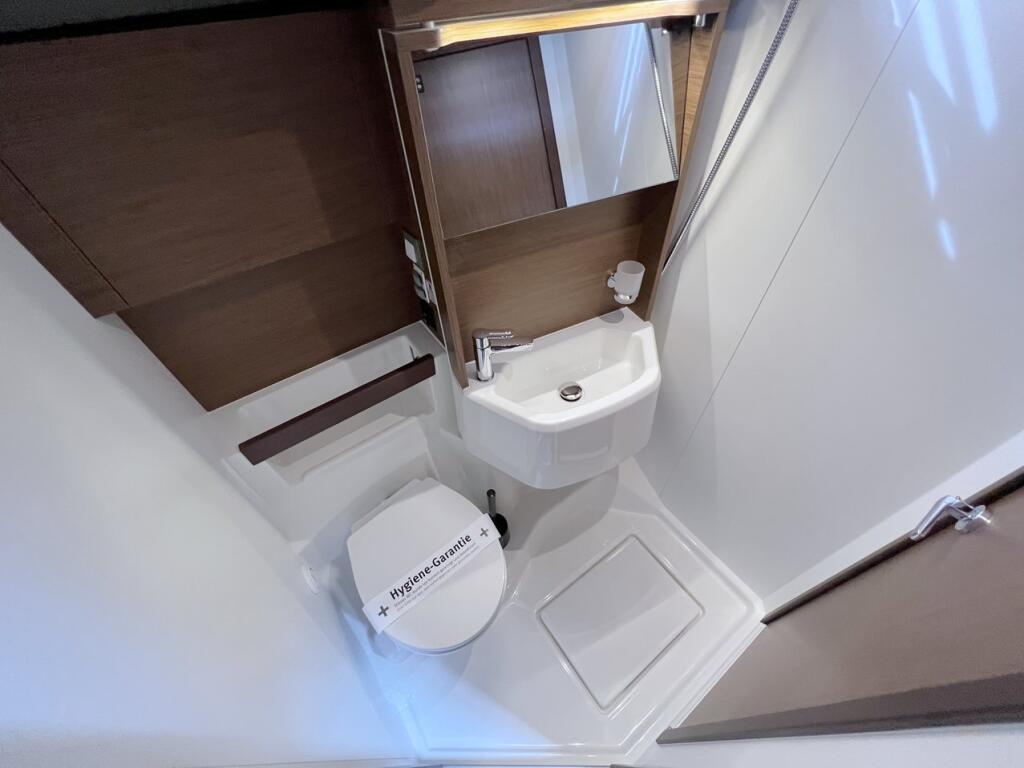
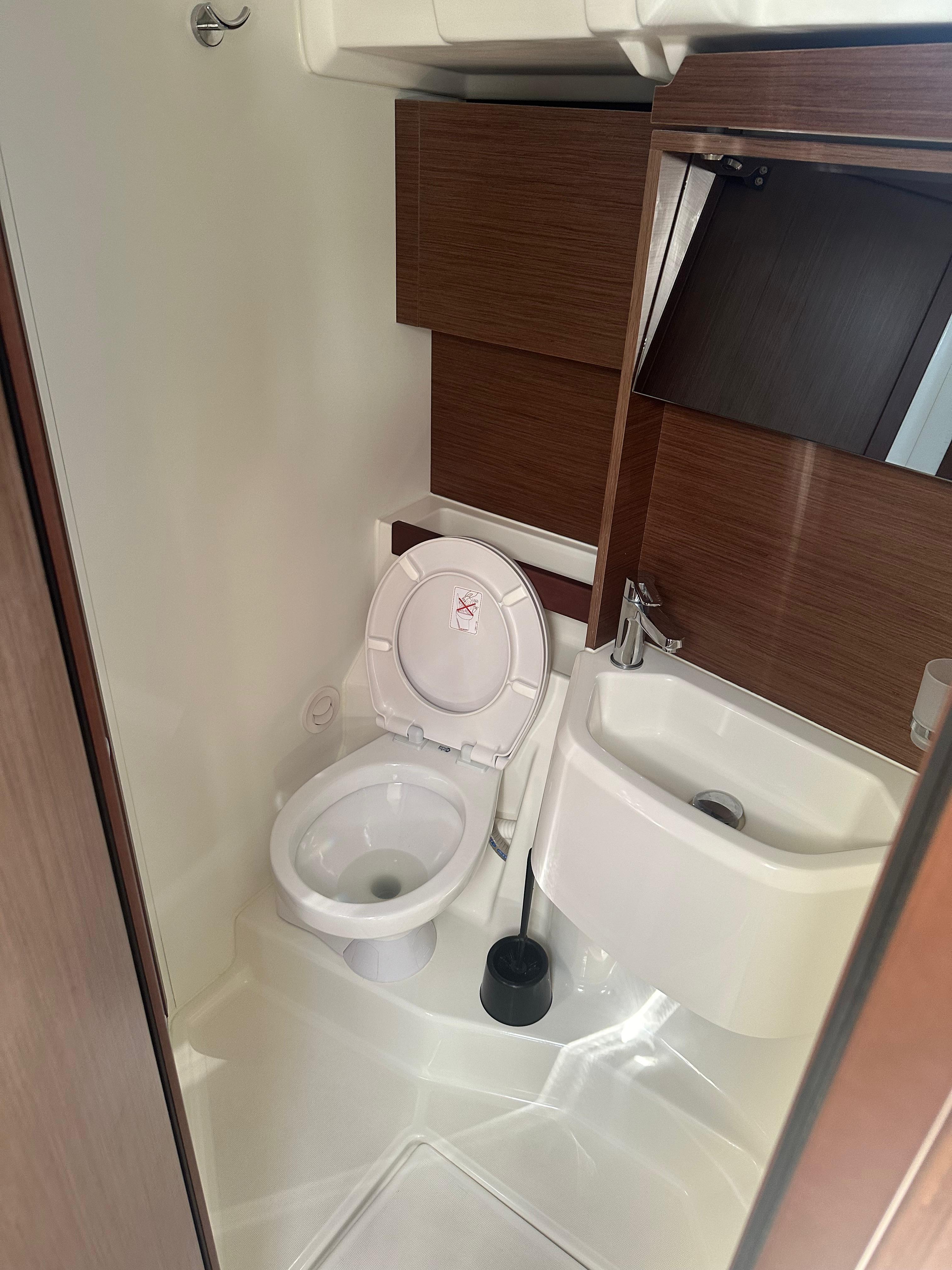
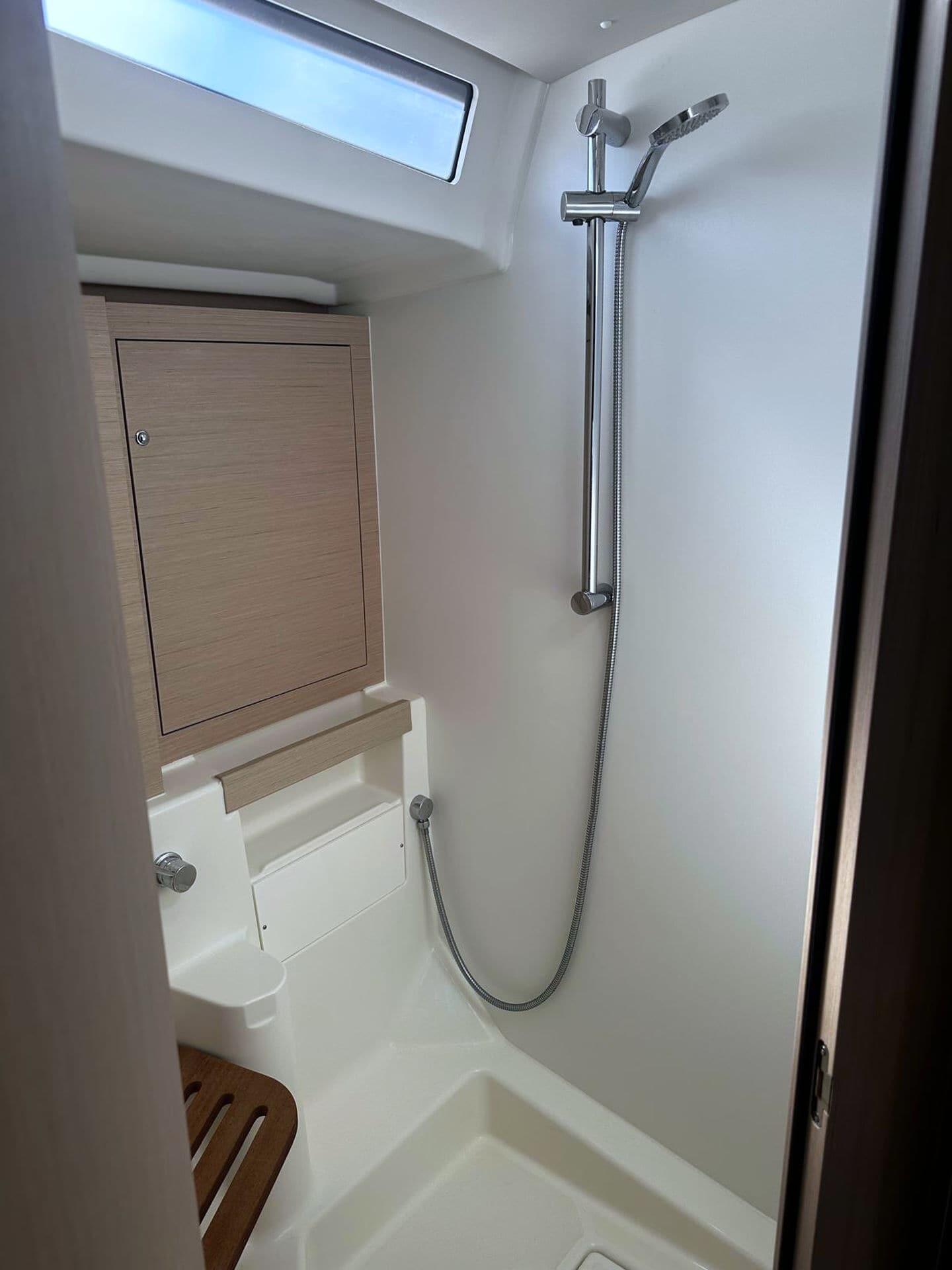
Heads: For families or larger groups, the number of bathrooms has a clear impact on comfort.
-
Yacht length and beam: More space often also means more effort when berthing and departing.
-
Manoeuvrability: Especially relevant in crosswinds and in busy marinas.
-
Draft and keel: Important when choosing bays, anchorages and shallower areas.
-
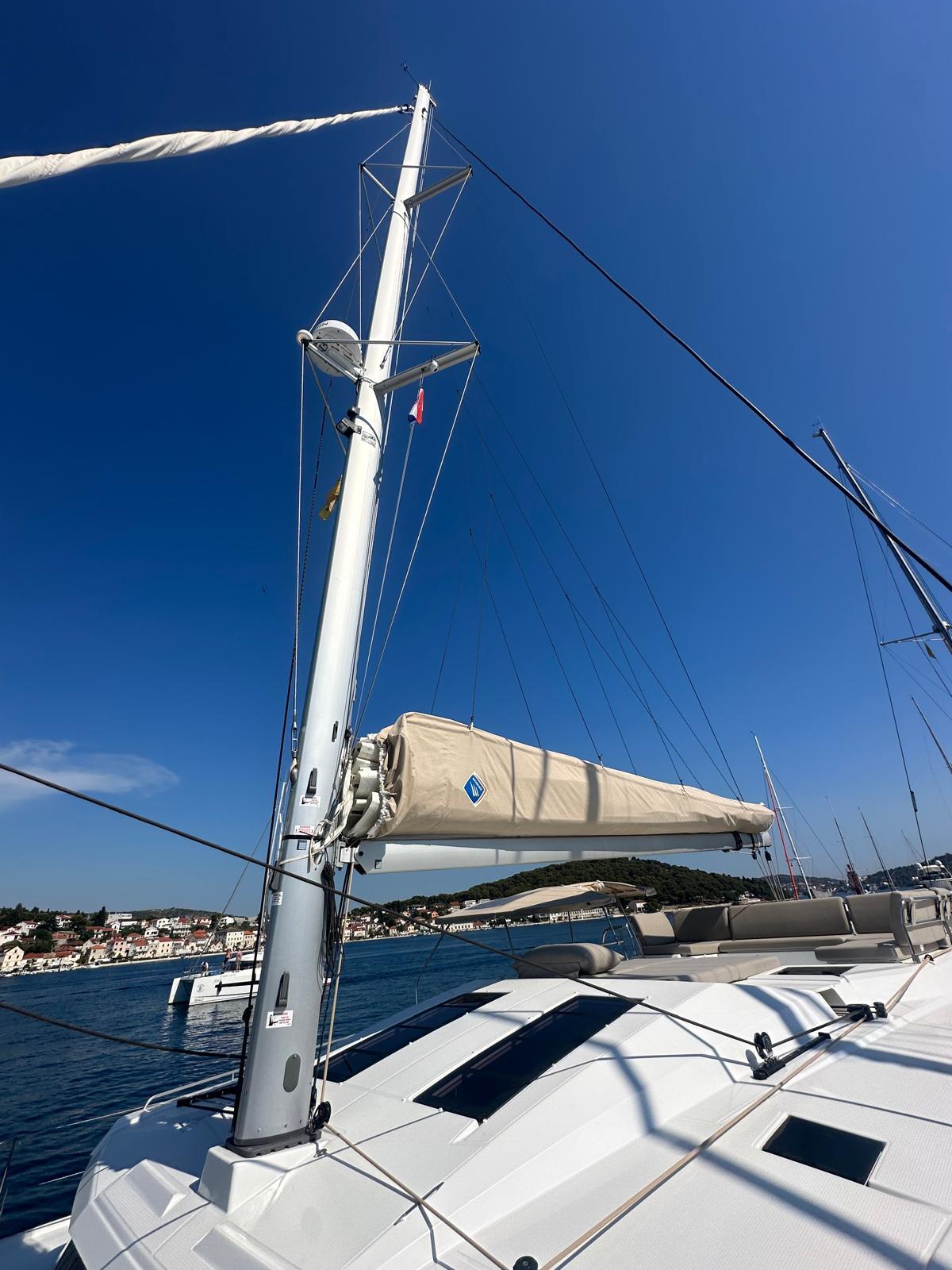
Mainsail configuration: An in mast furling mainsail and a classic battened mainsail differ in handling and sailing characteristics.
-
Headsail handling: For small crews, clear and easily accessible sail handling is especially important.
-
Bow thruster: Can make harbour manoeuvres easier on larger yachts. Equipment should be checked for the specific yacht.
-
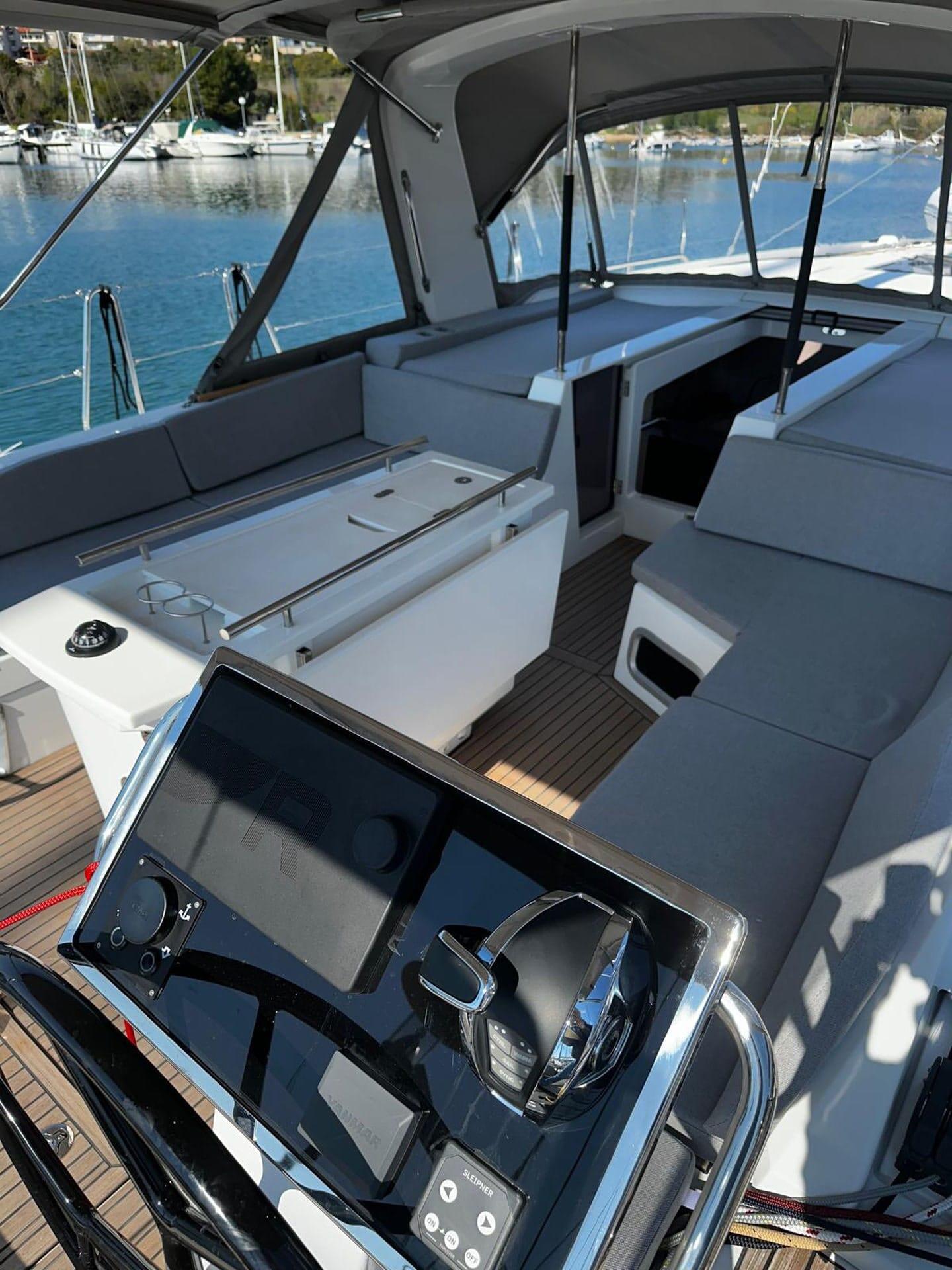
Autopilot: A practical relief on longer passages or with a small crew.
-
AIS: Supports traffic awareness, but does not replace independent navigation and watchkeeping.
-
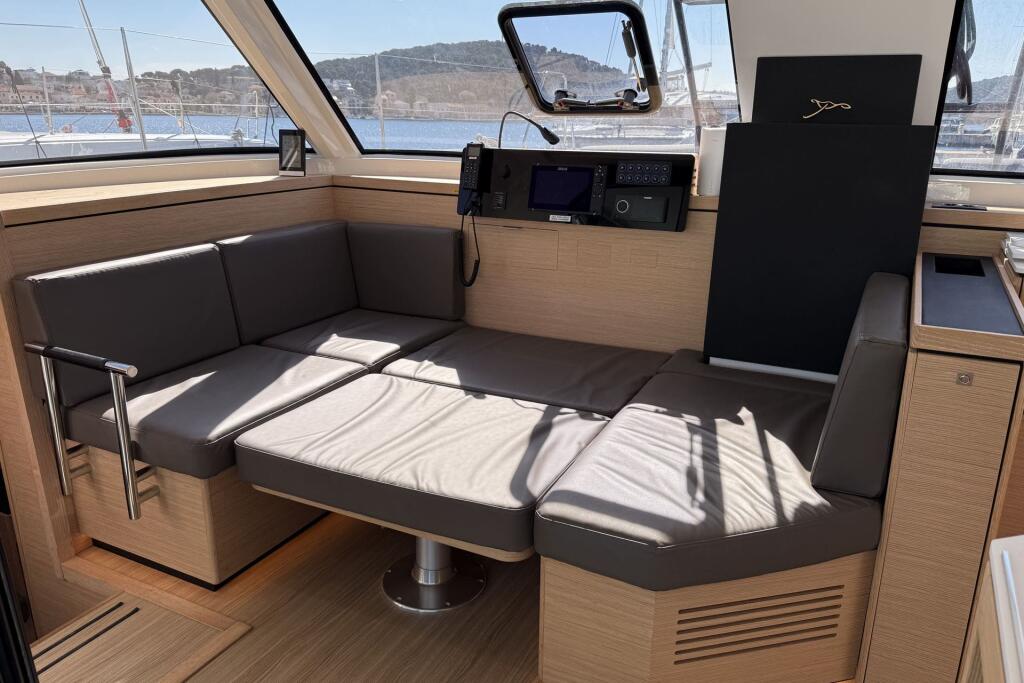
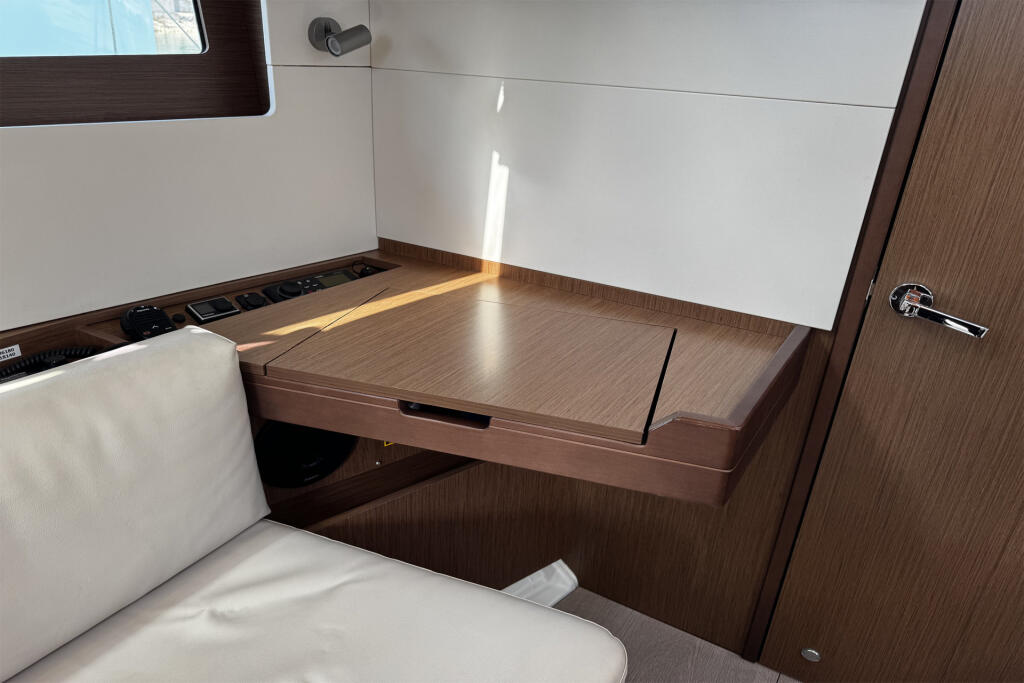
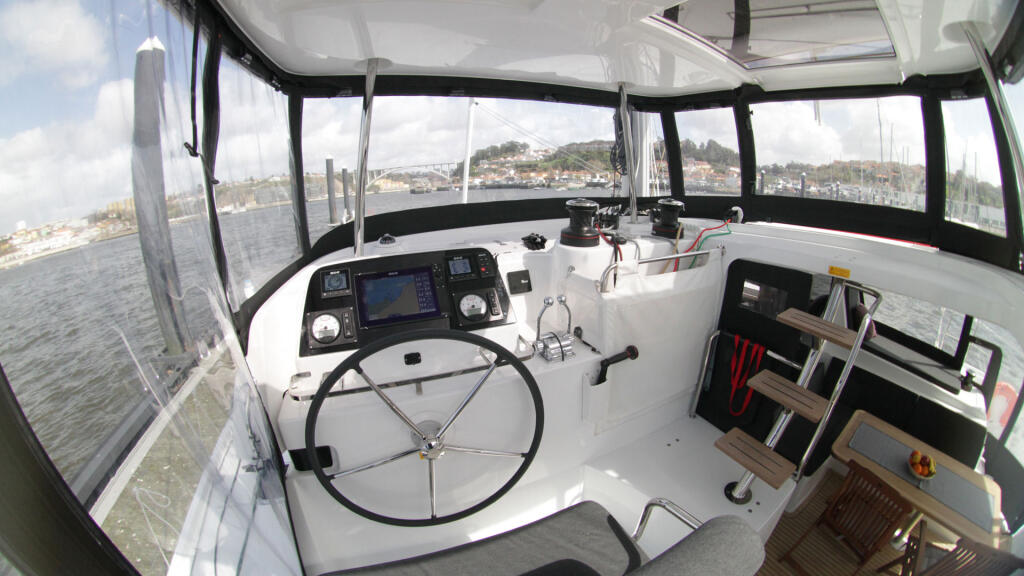
Chartplotter and navigation instruments: Positioning and ease of use can vary from one yacht to another.
-
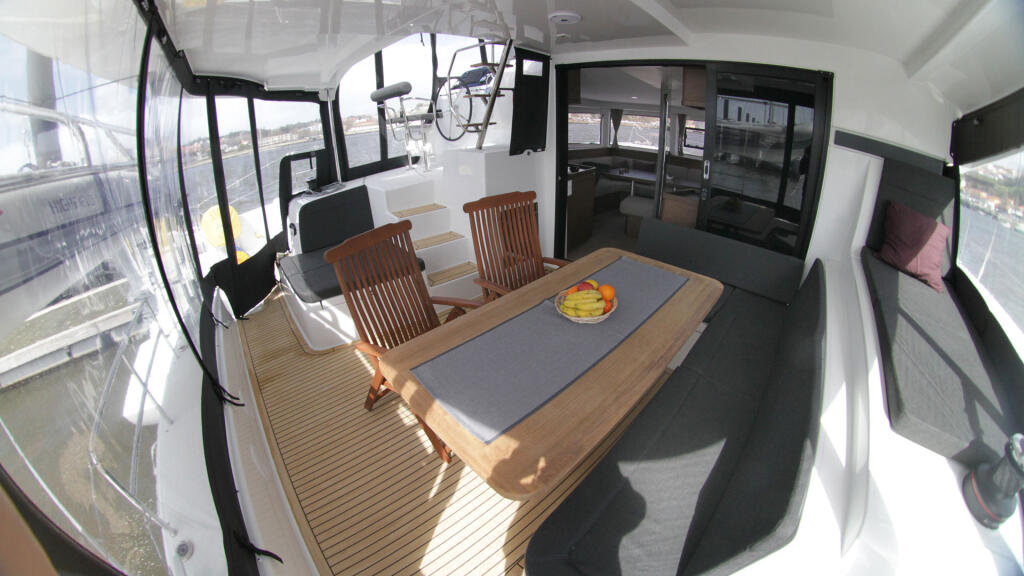
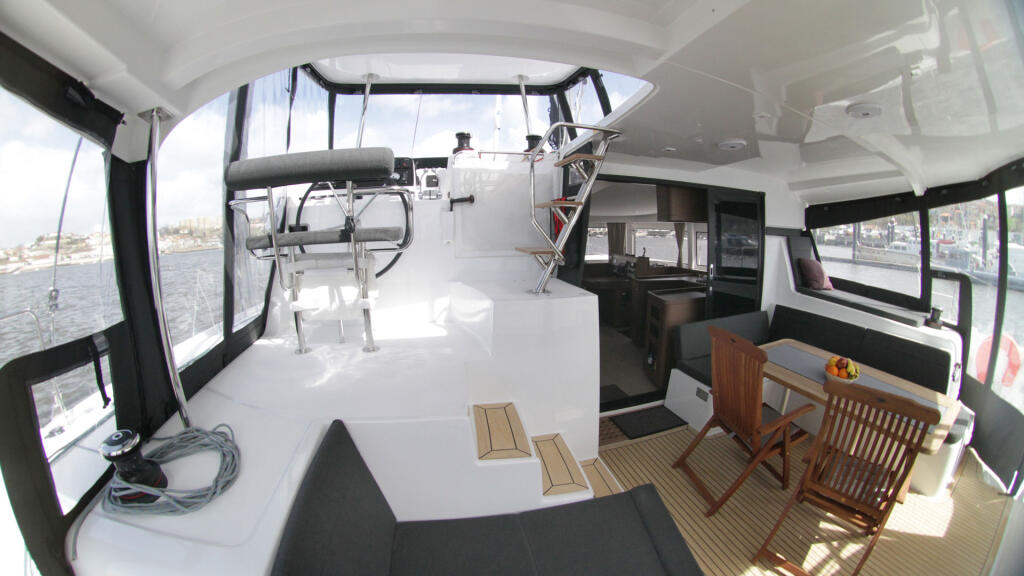
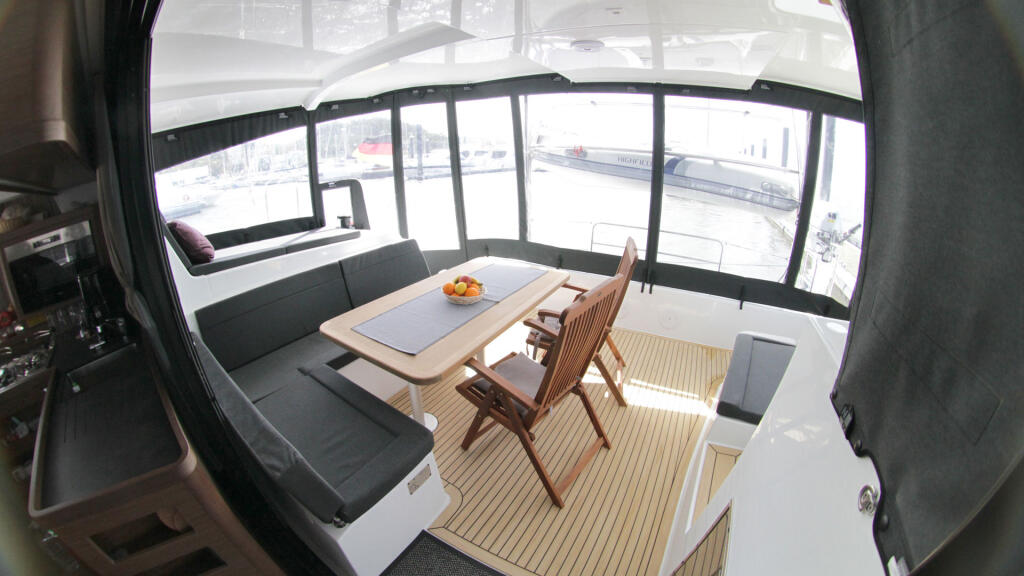
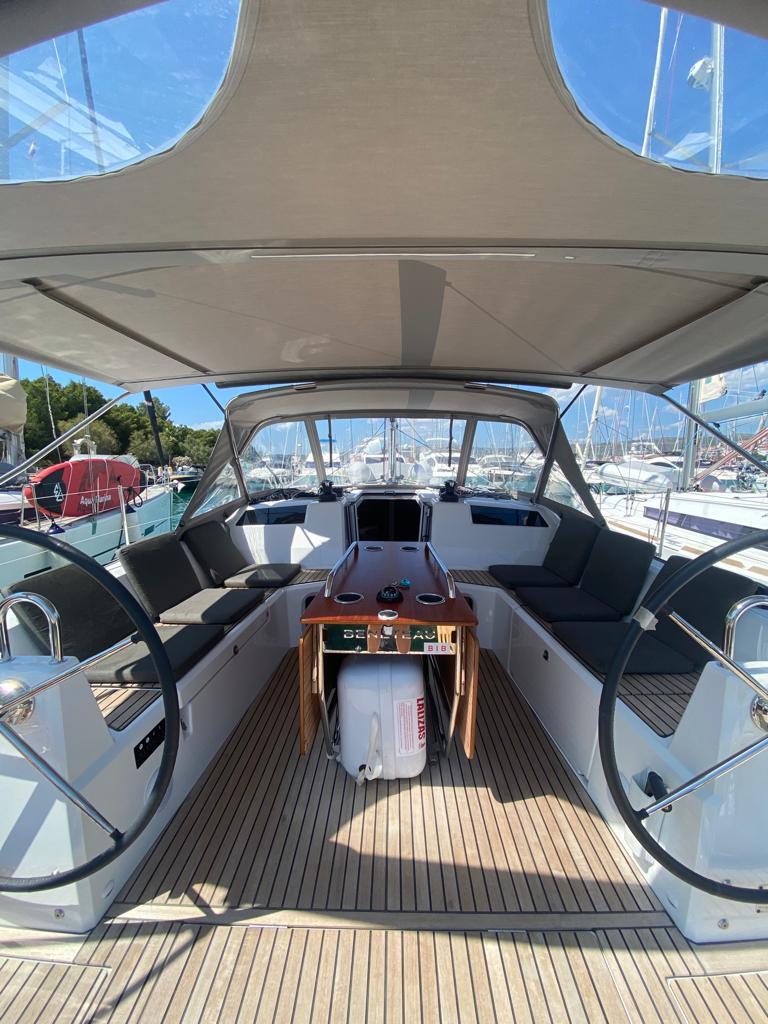
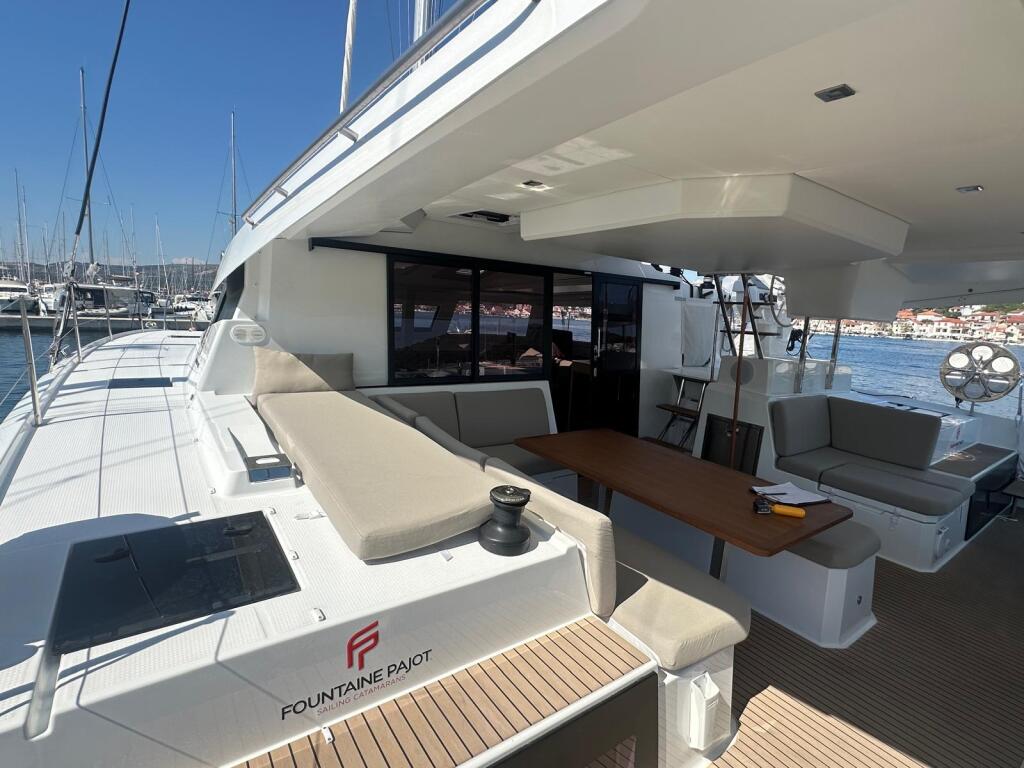
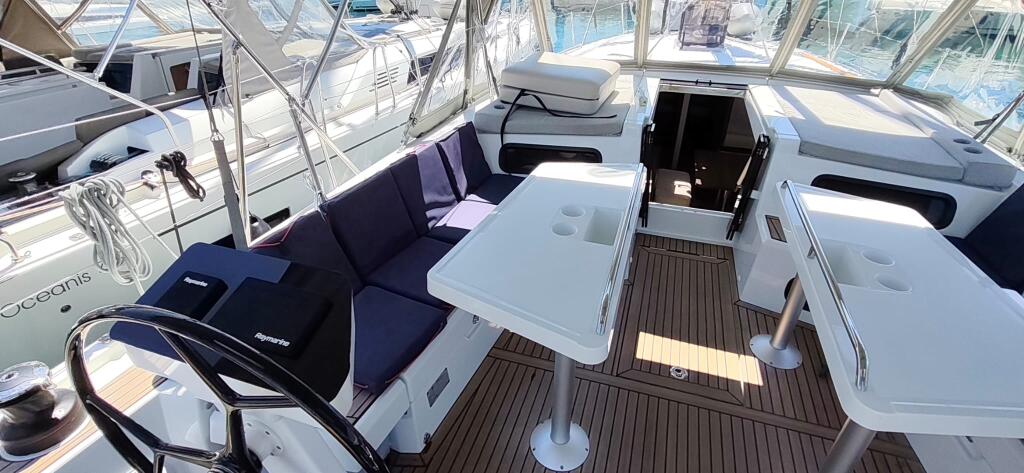
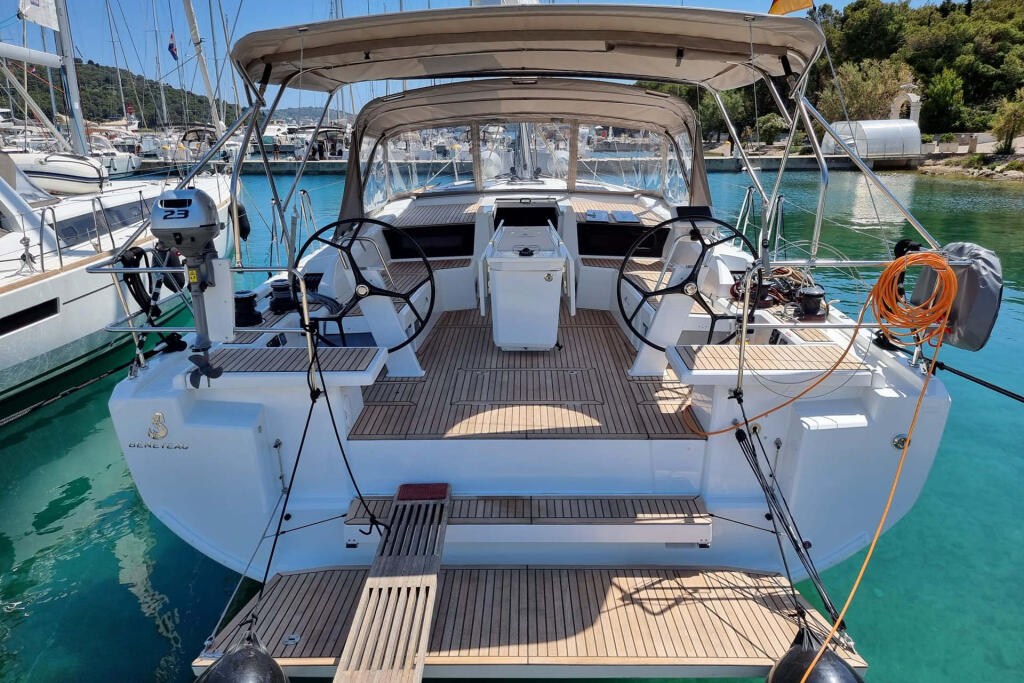
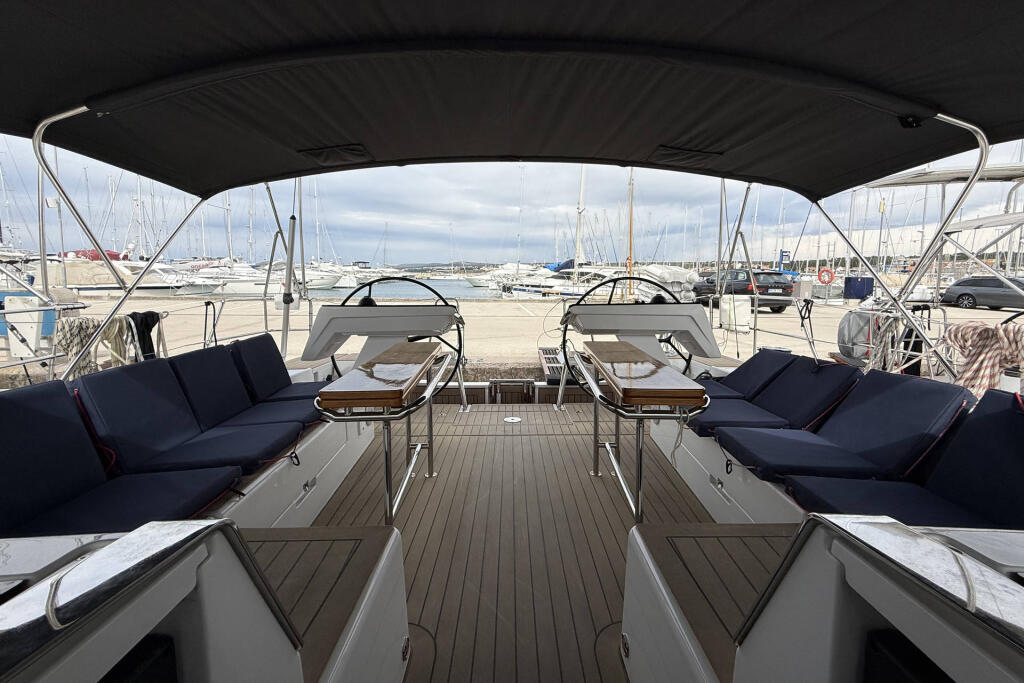
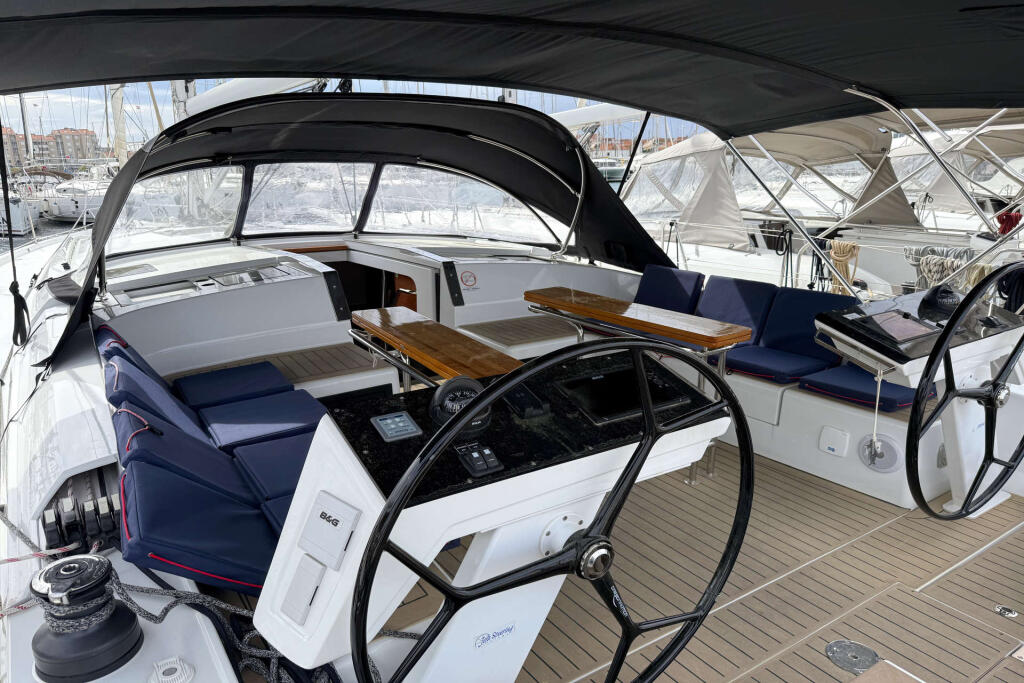
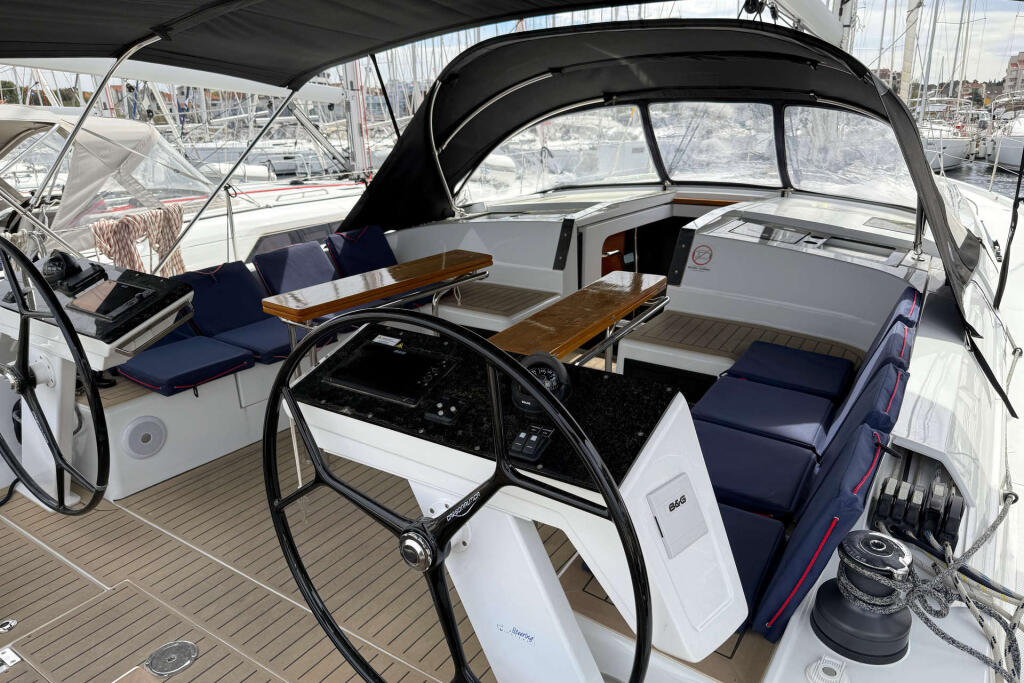
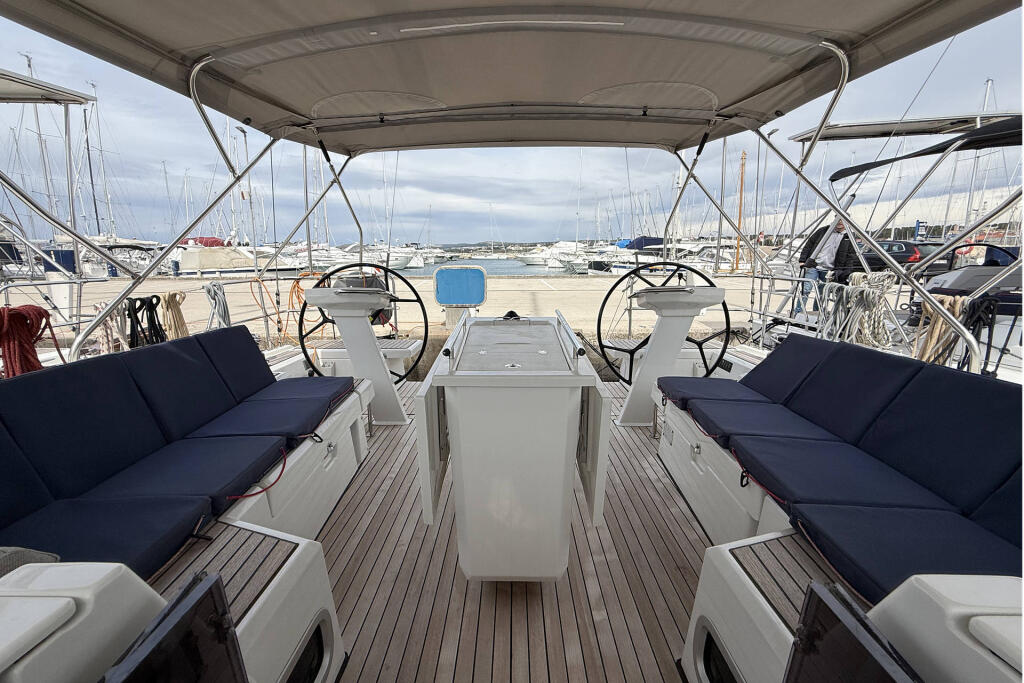
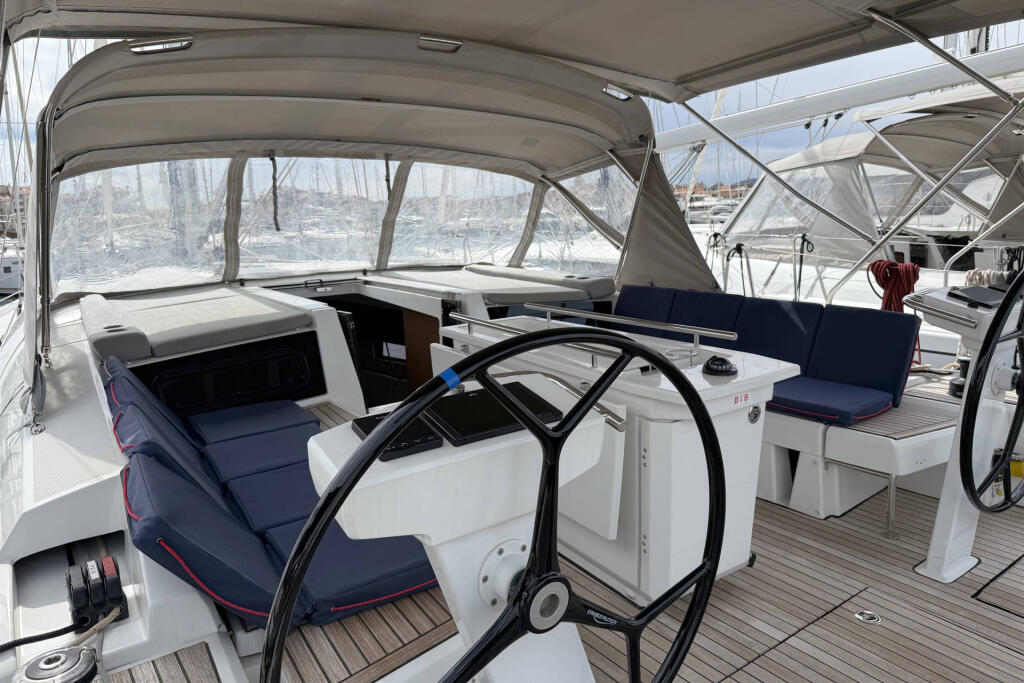
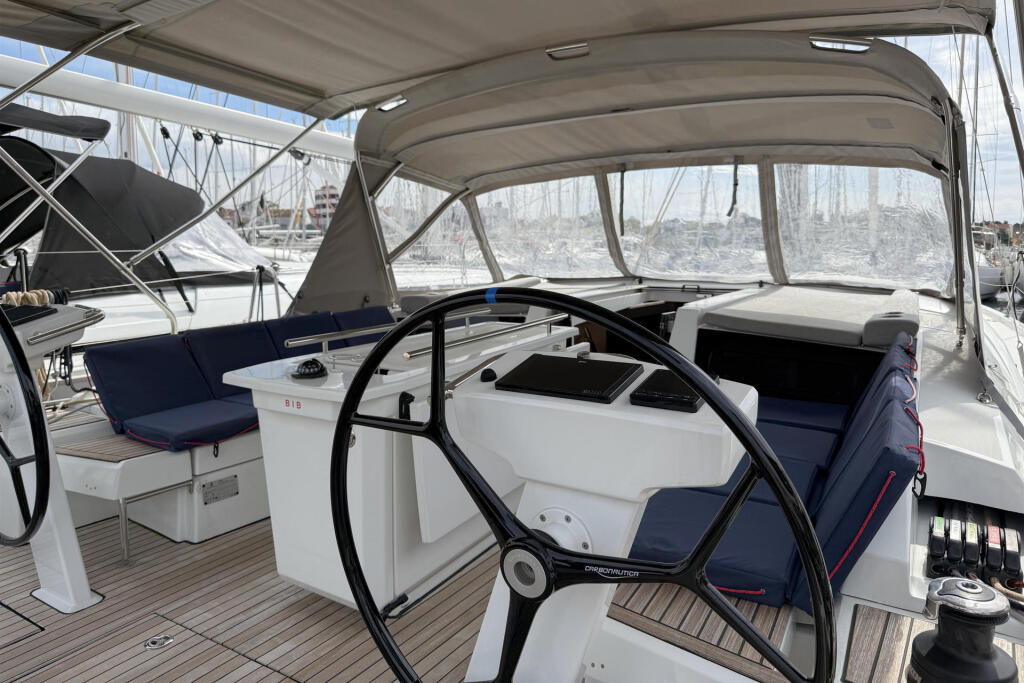
Cockpit: Size, seating position and the reachability of lines affect both comfort and handling.
-
Storage space: With a full crew and a one week charter, it quickly becomes more important than expected.
-
Water tank: Relevant if you plan to spend nights in bays rather than marinas.
-
Fuel capacity: Especially important on longer routes and during light wind periods.
-
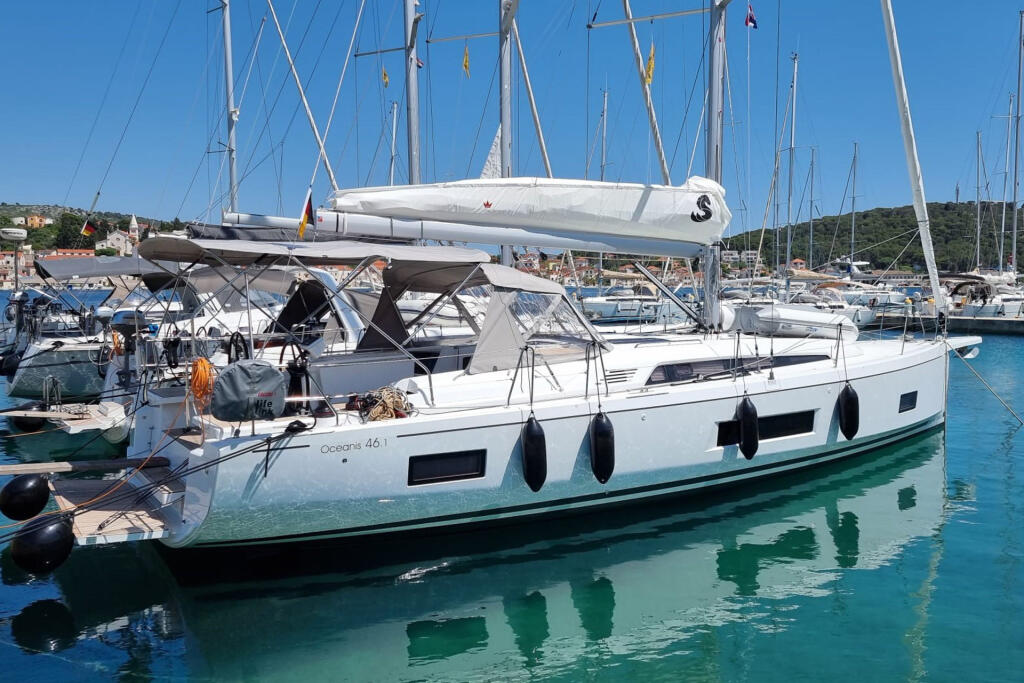
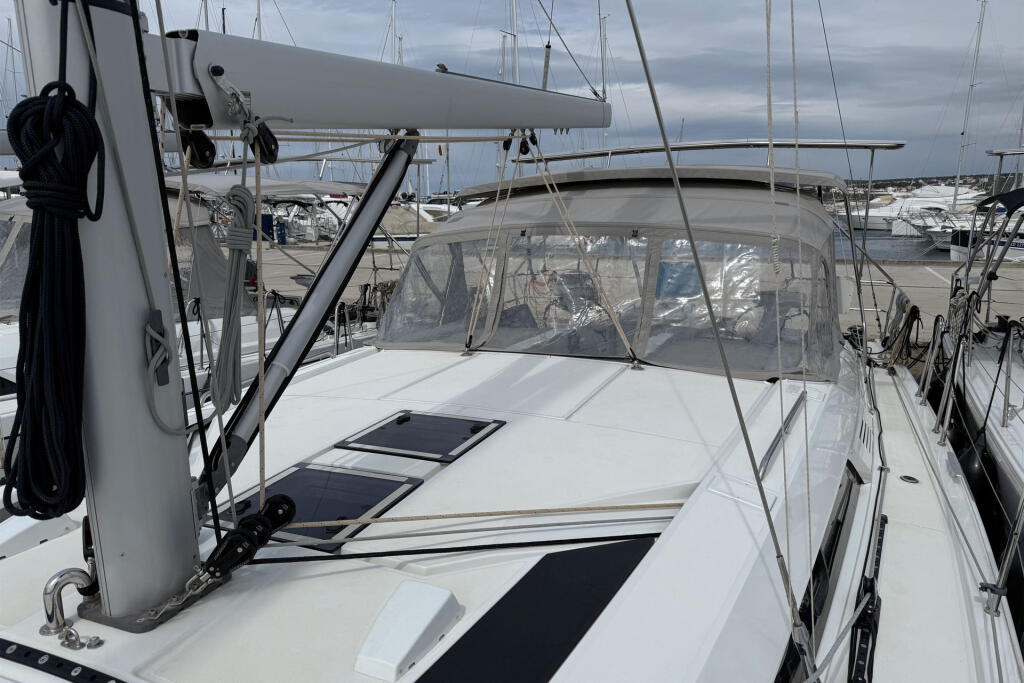
Bimini and sun protection: A major comfort factor during the Croatian summer.
-
Ventilation: Important for warm nights and fully occupied cabins.
-
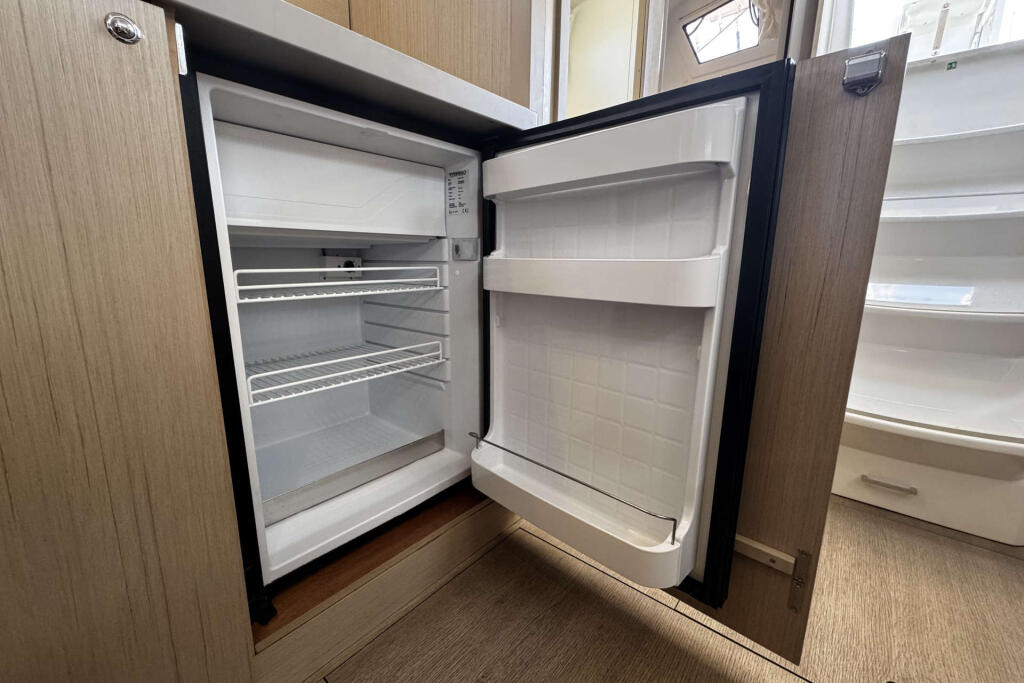
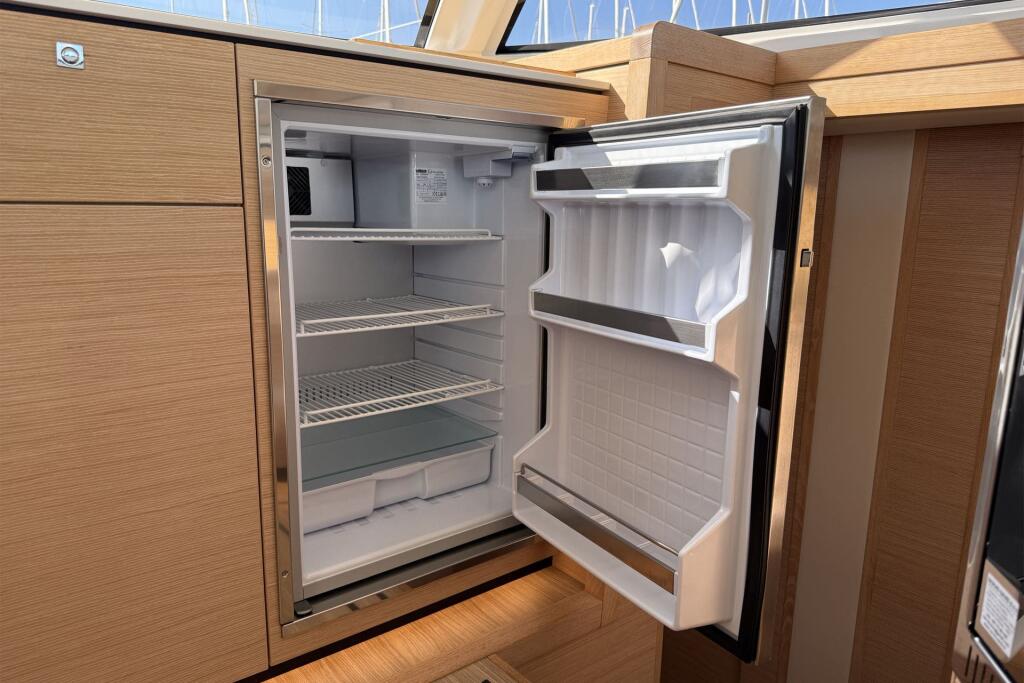
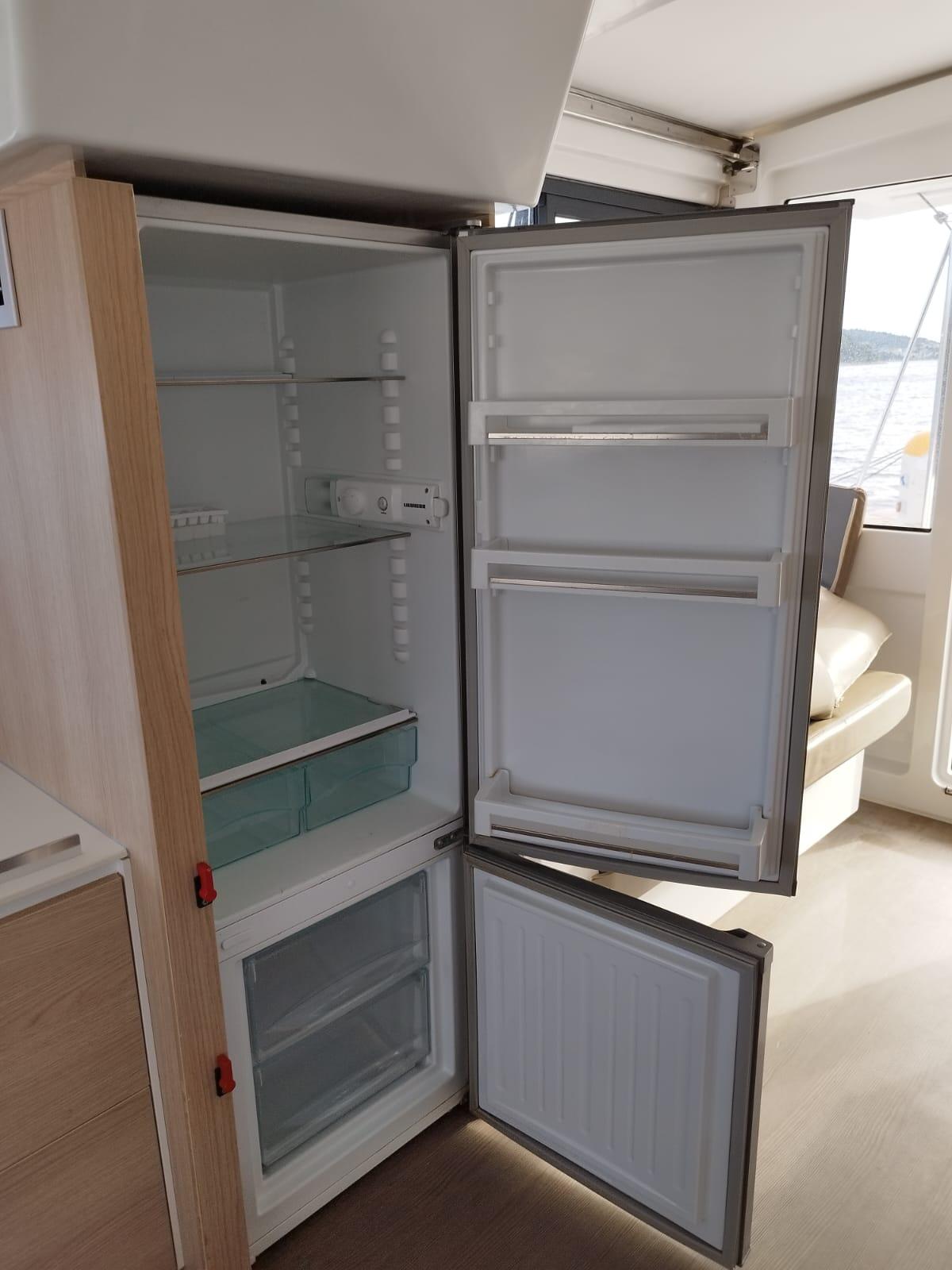
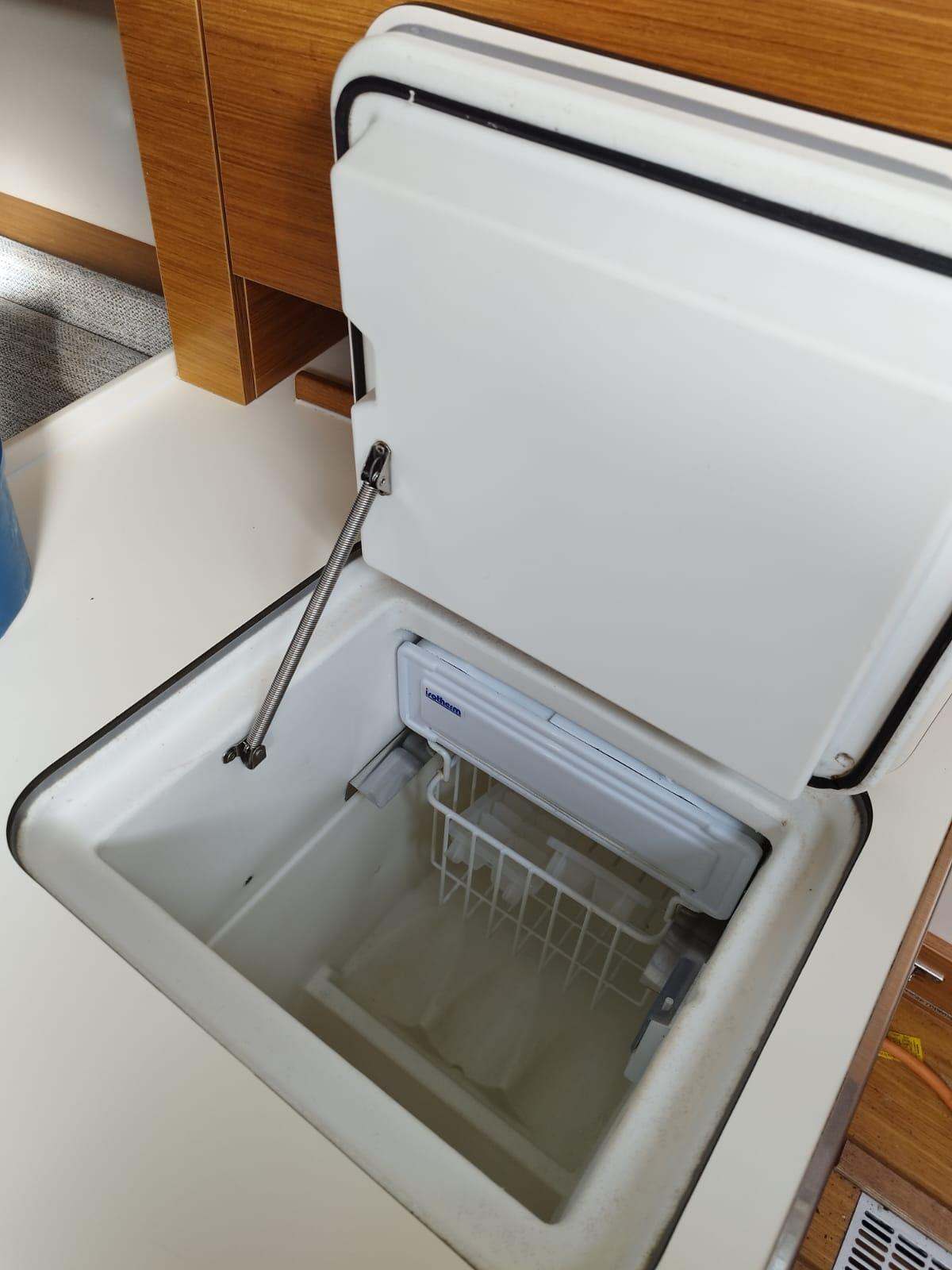
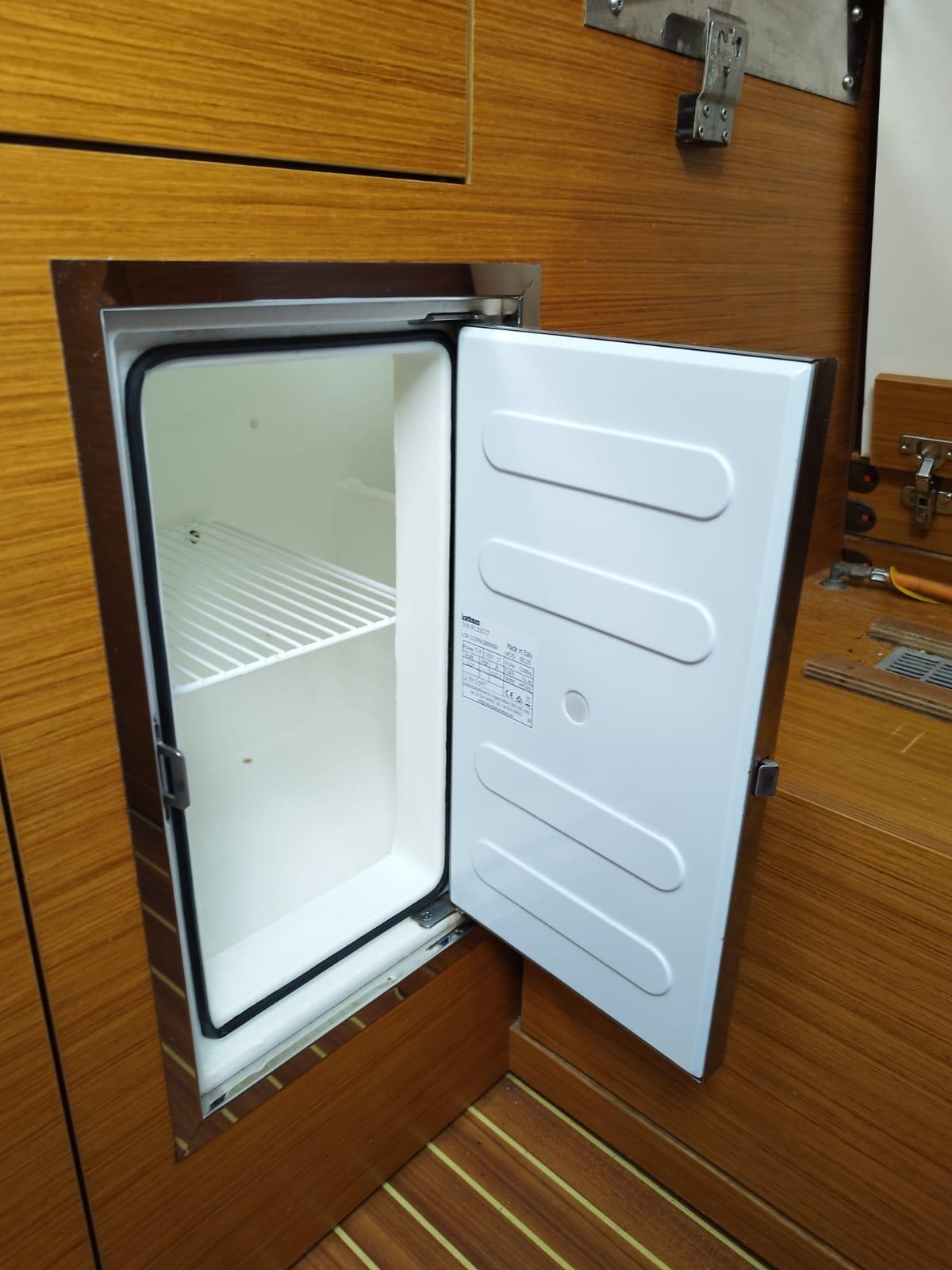
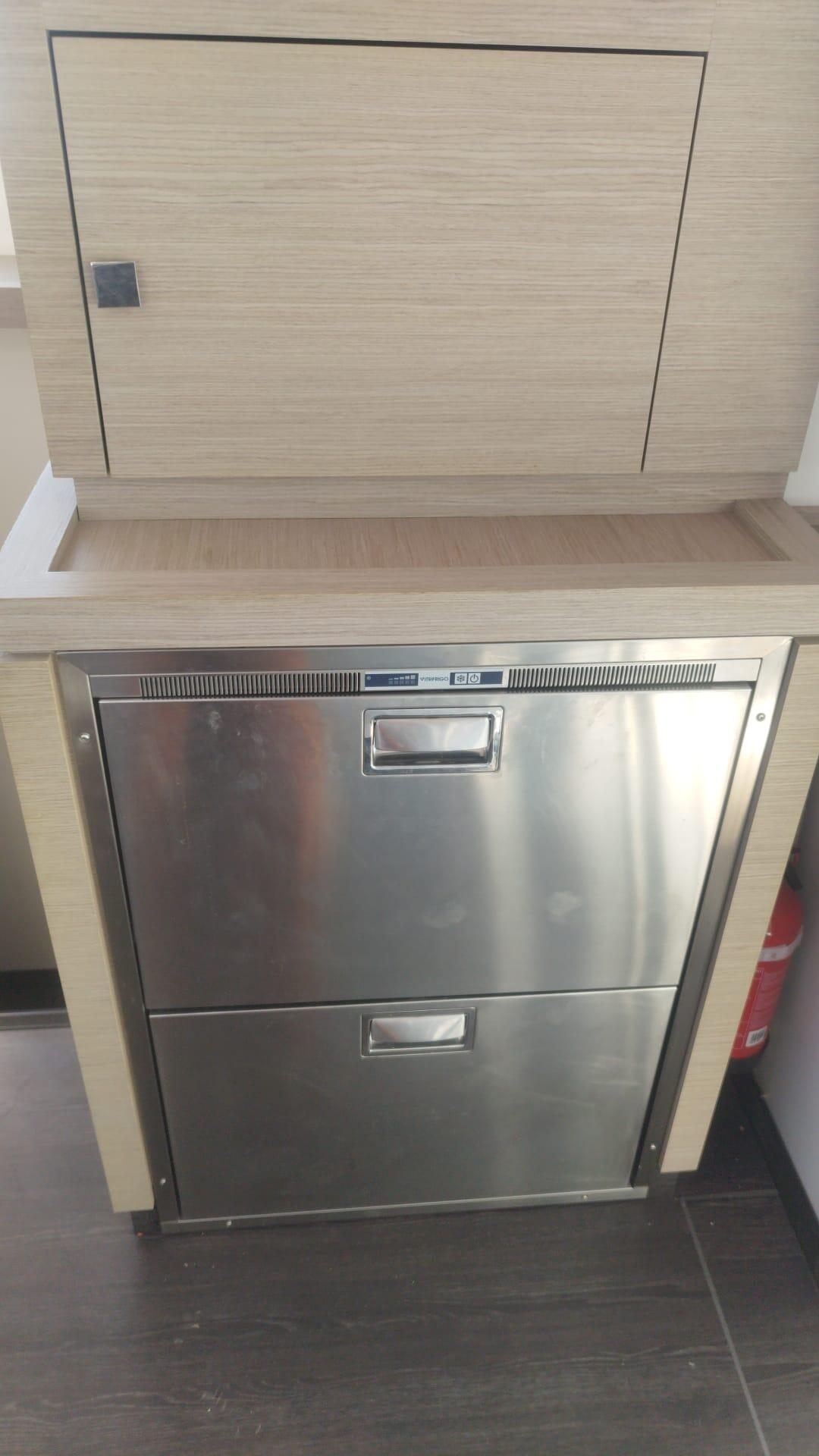
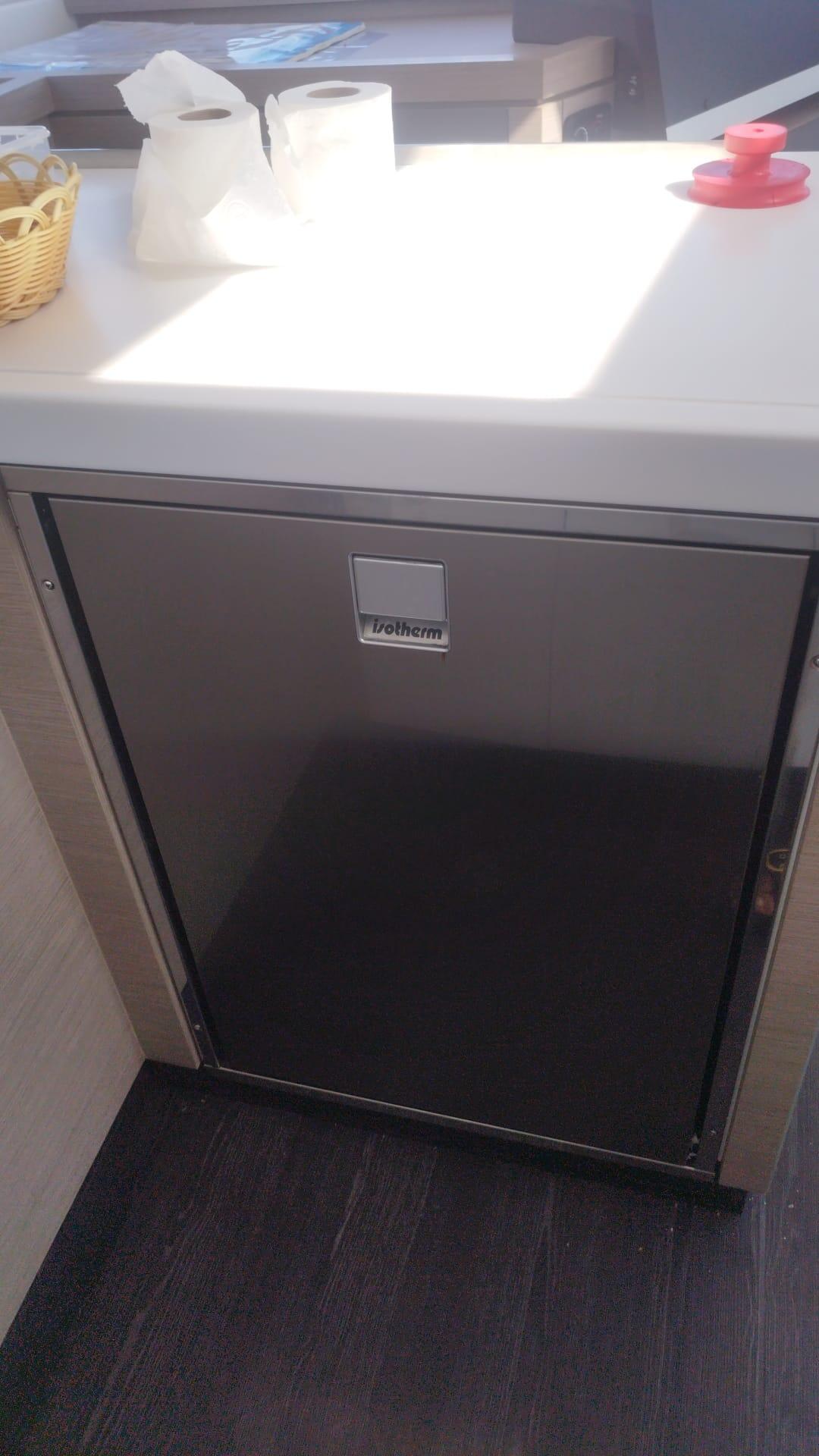
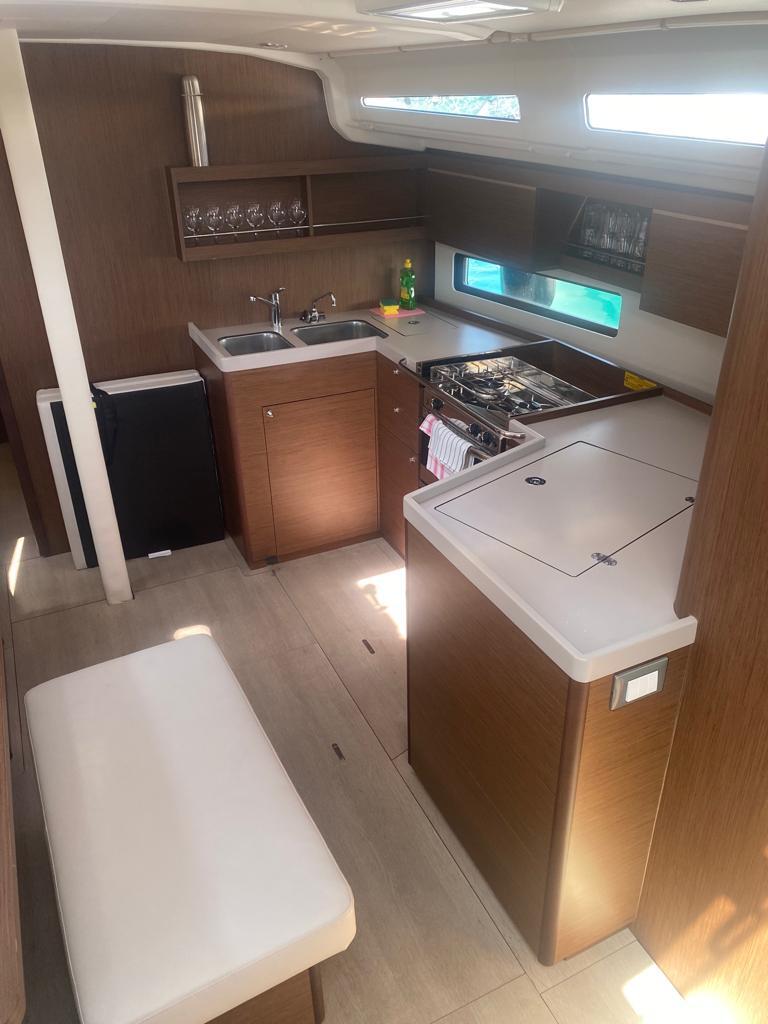
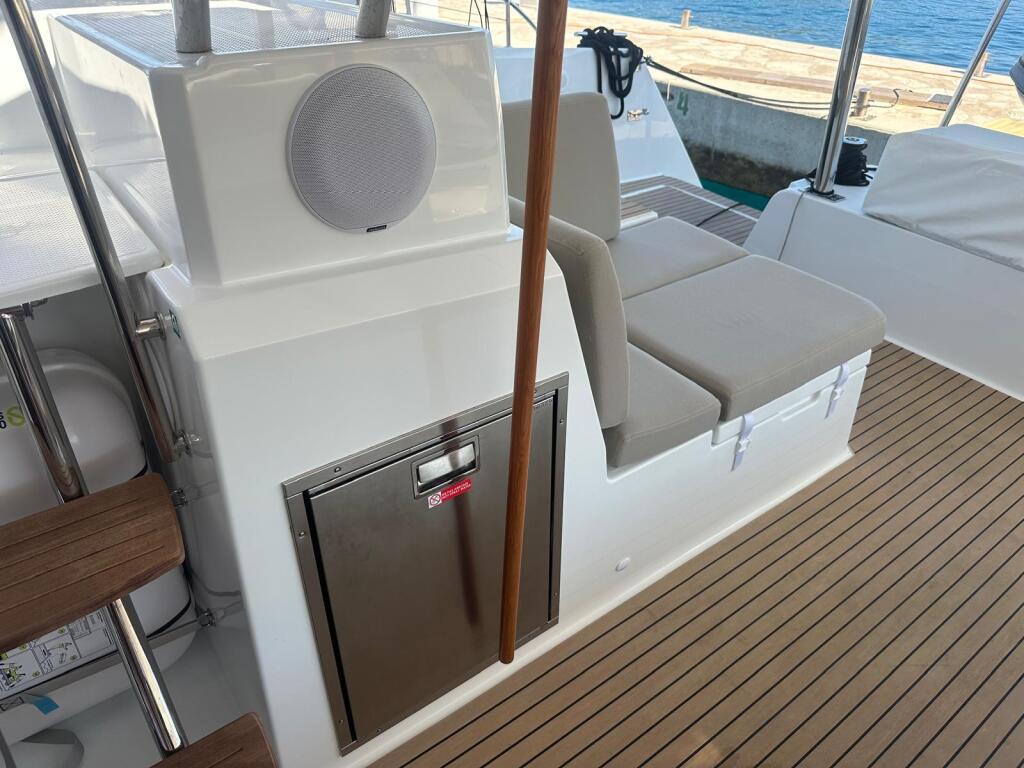
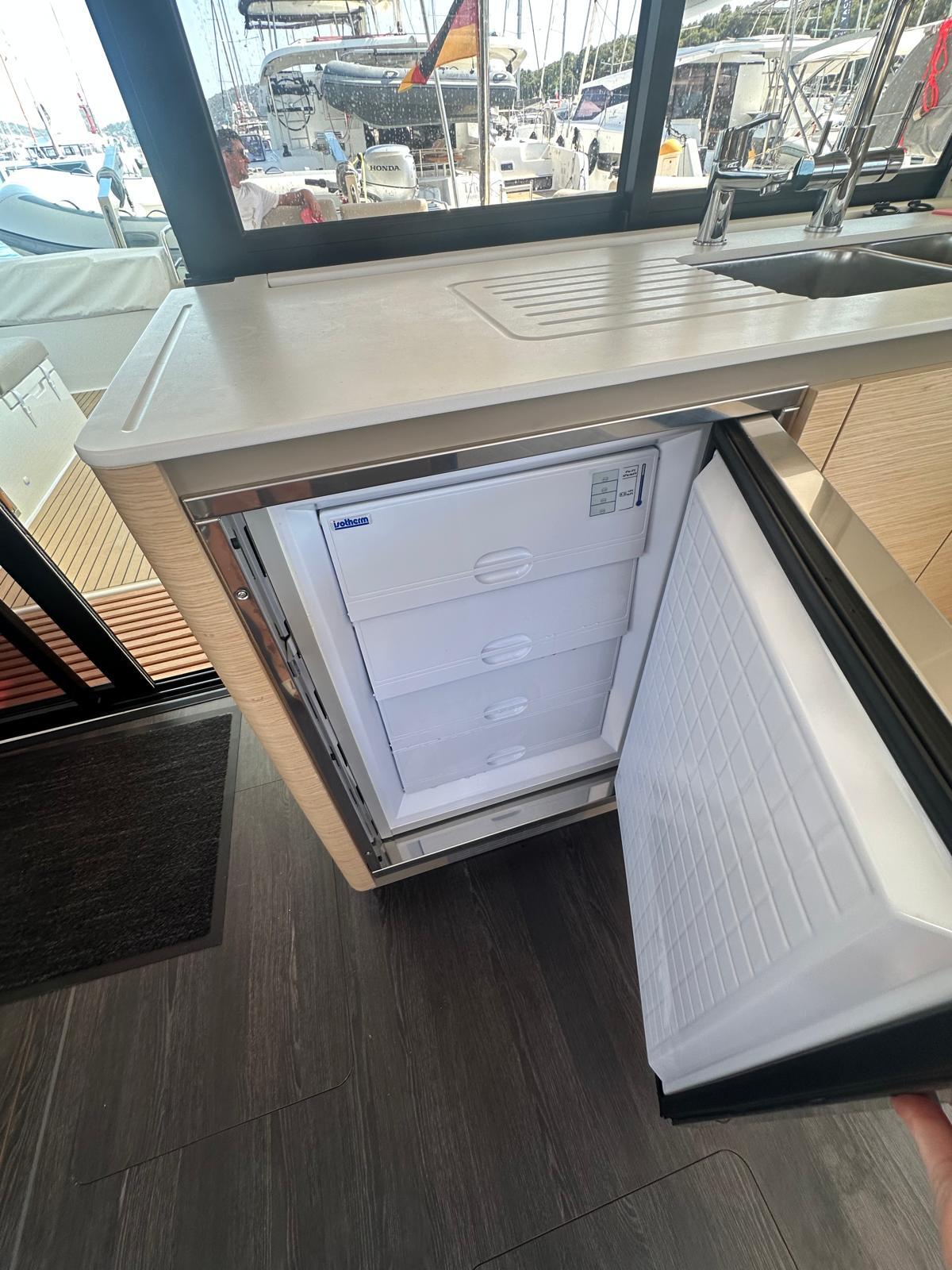
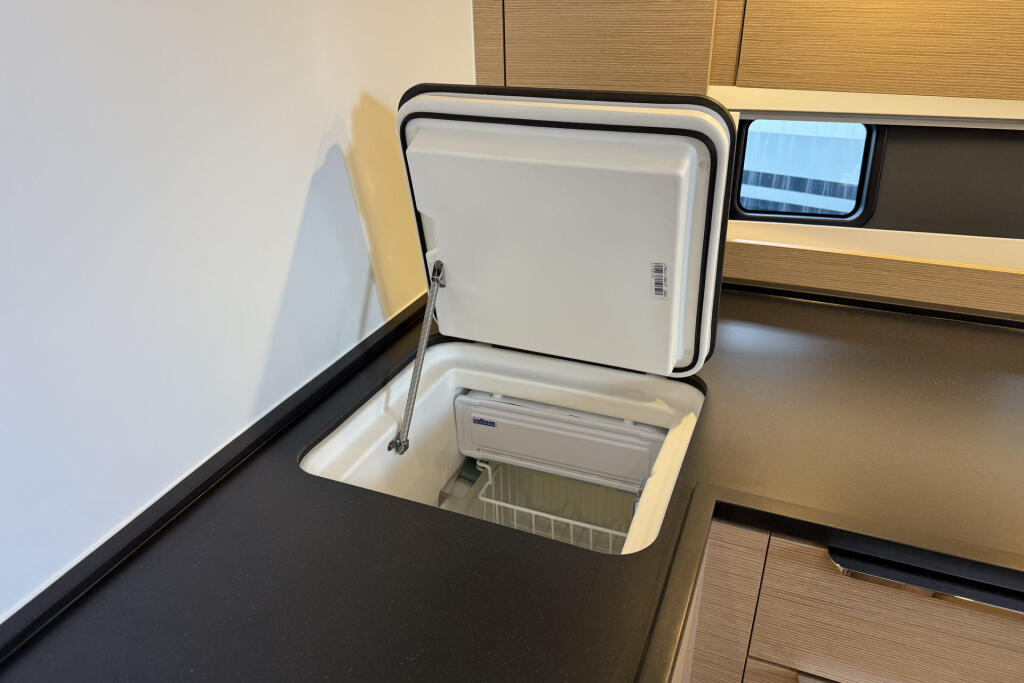
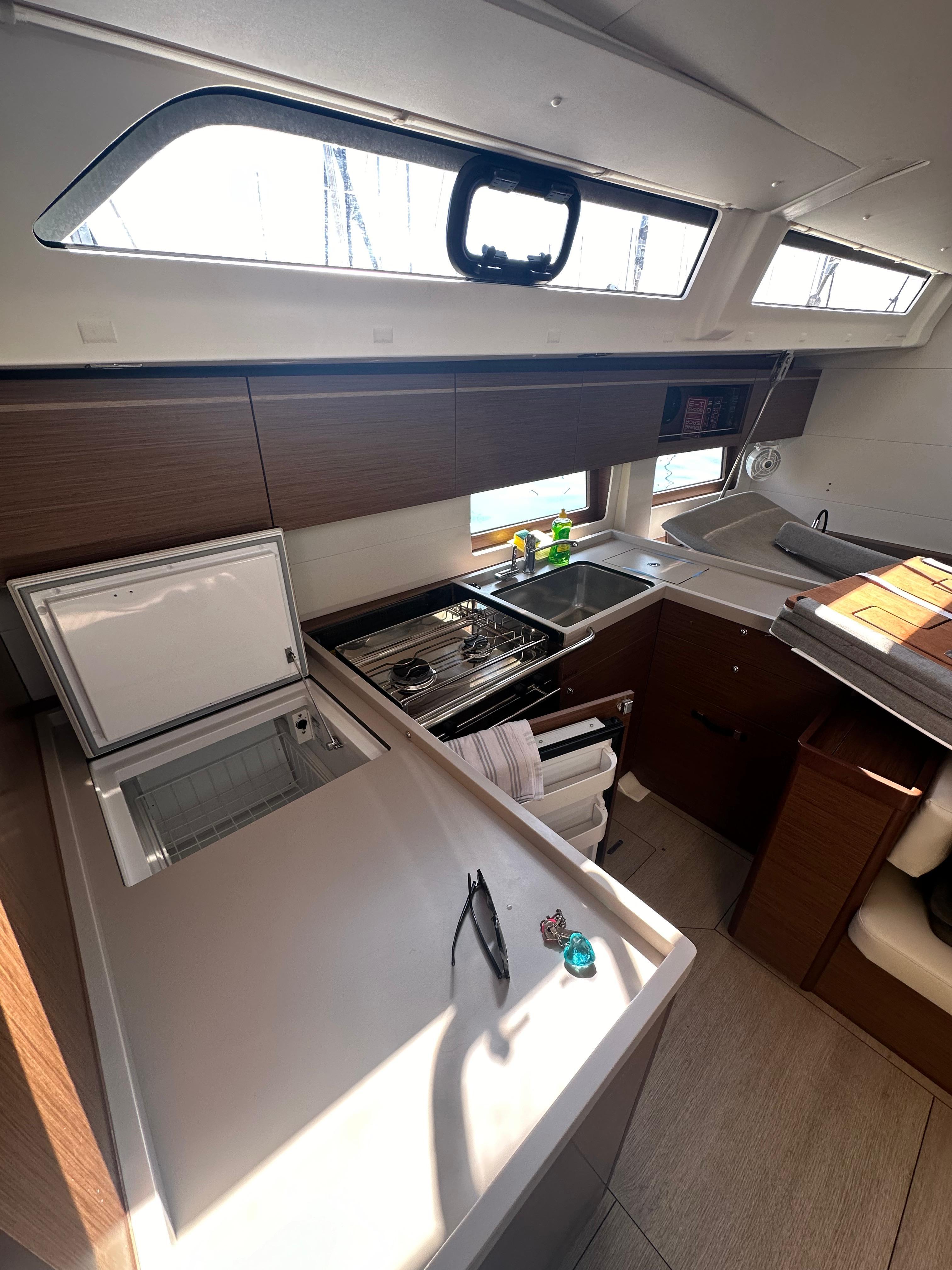
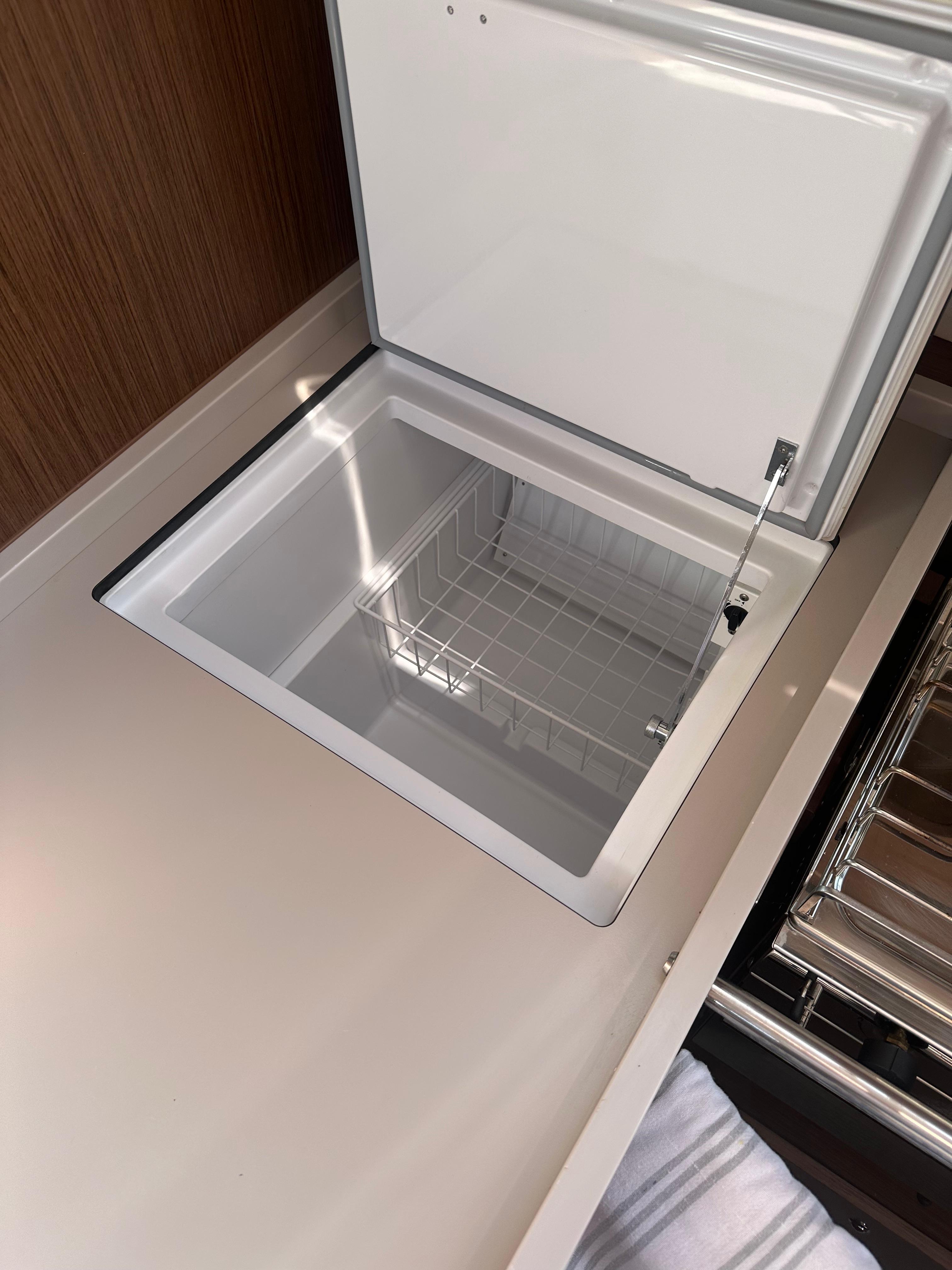
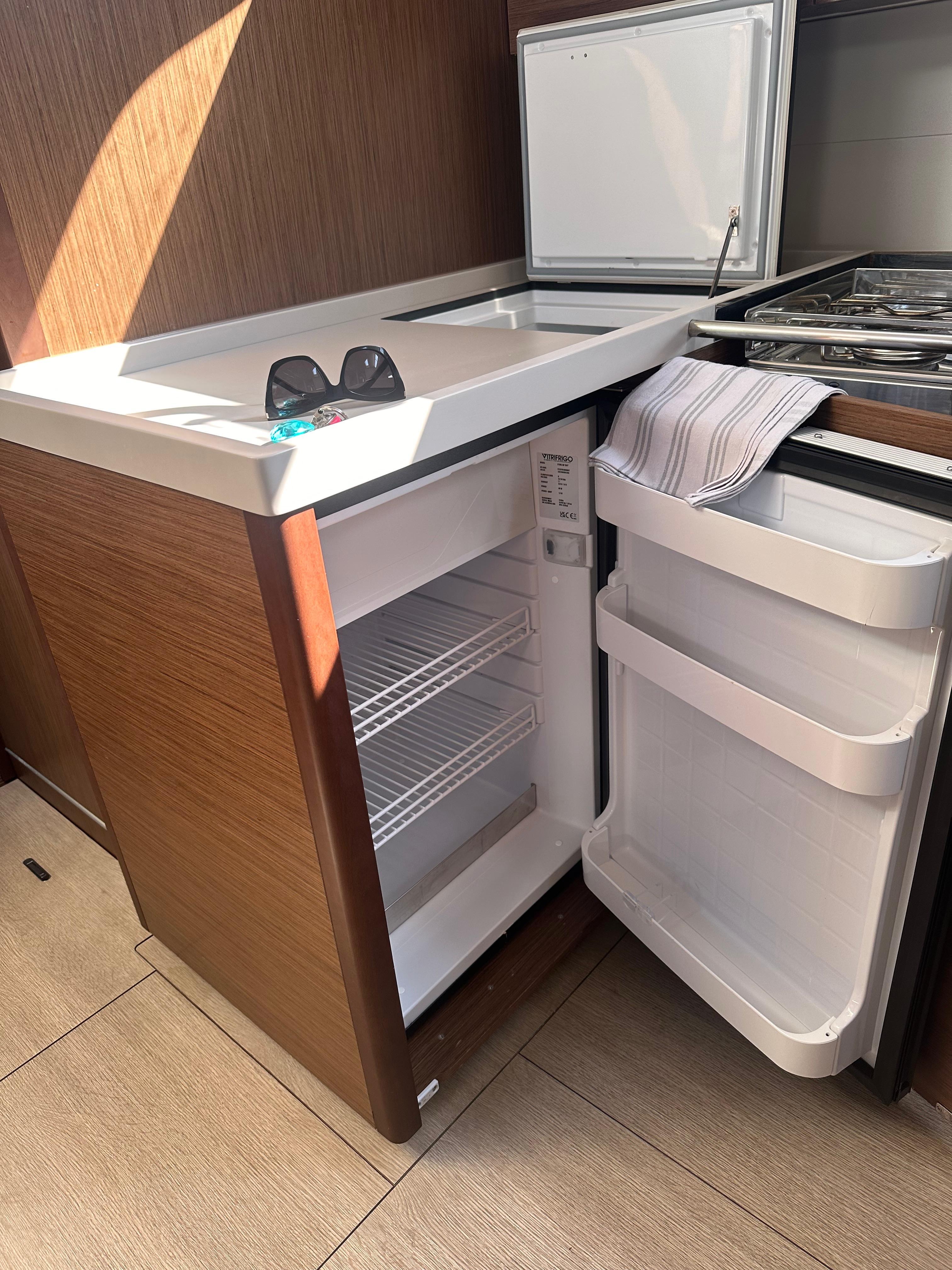
Fridge capacity: Relevant for crews carrying plenty of provisions or planning several nights at anchor.
-
Anchoring equipment: In an area with many bays, this is one of the most important equipment categories.
-
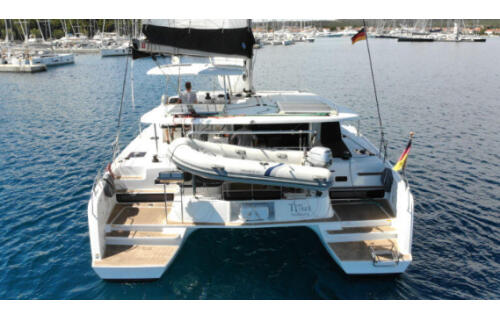
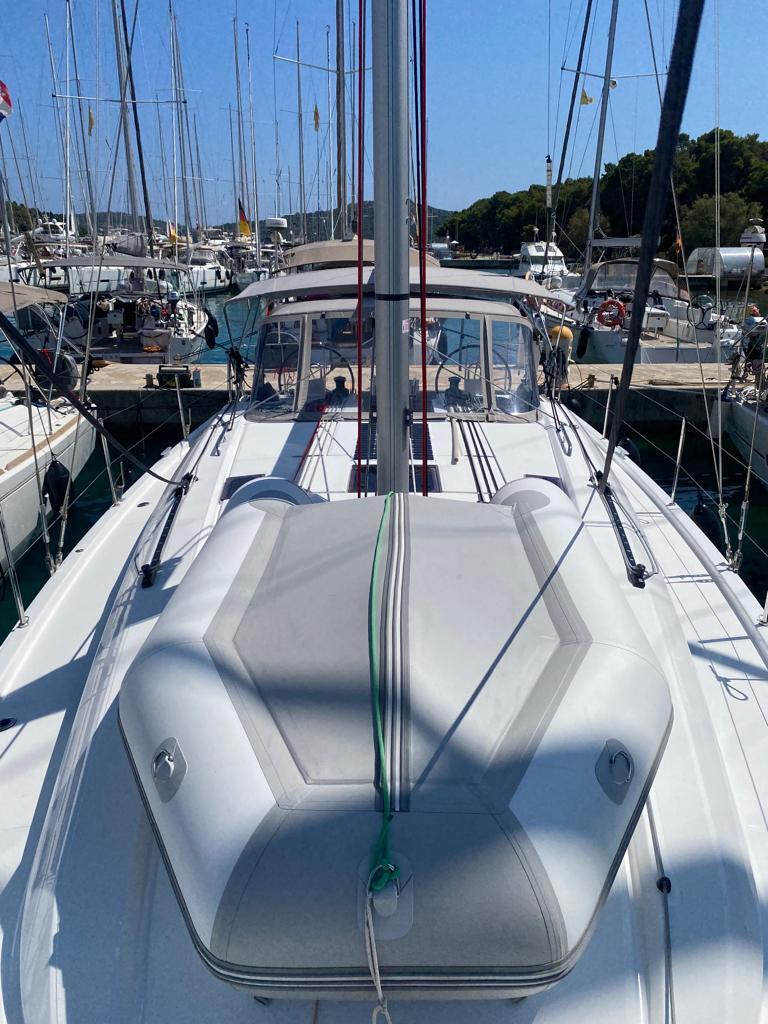
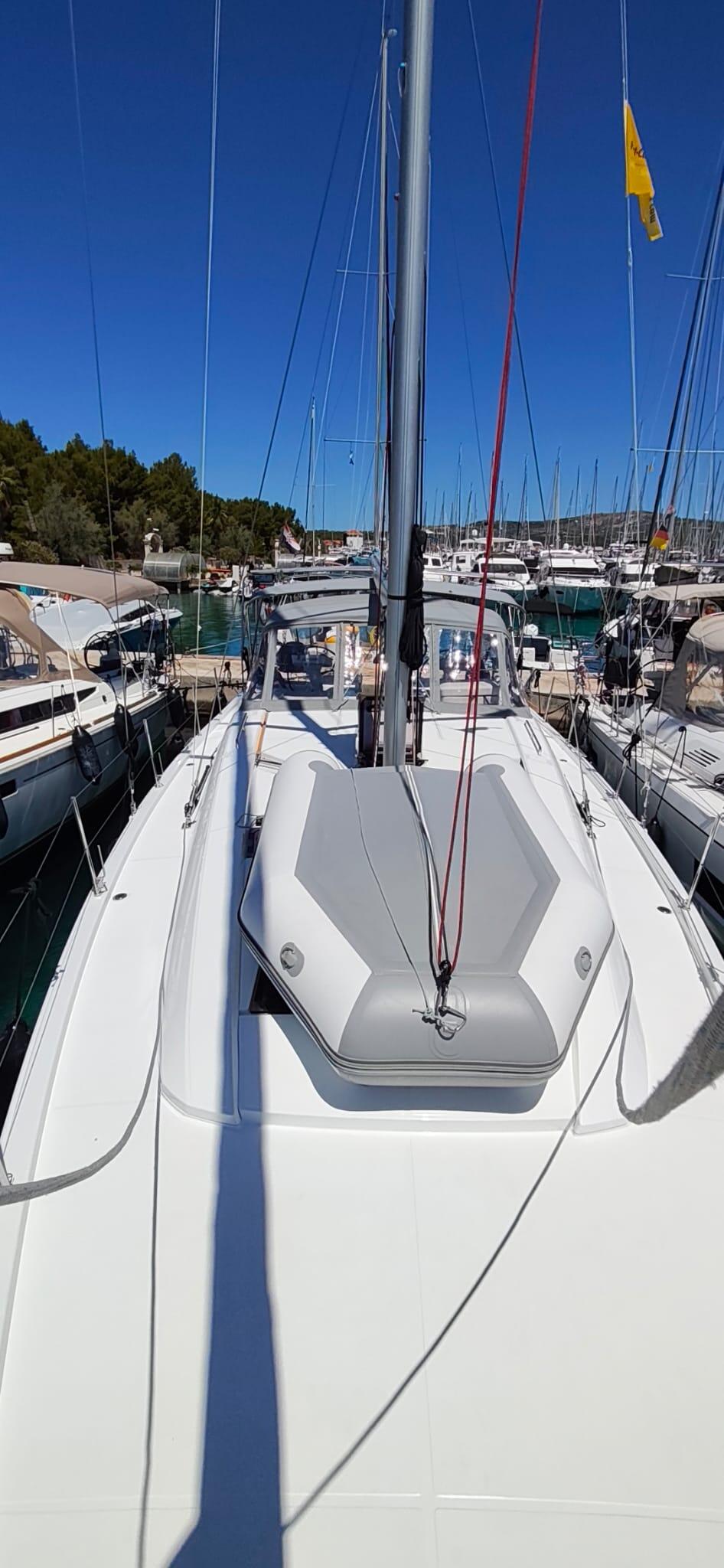
Dinghy: Practical if you are not spending the night directly alongside a pier or town quay.
Specific equipment differs from yacht to yacht. For that reason, compare the details in the yacht listings and on the individual yacht pages rather than choosing based on length or charter price alone.
Charter base in the heart of Central Dalmatia
Marina Frapa Rogoznica
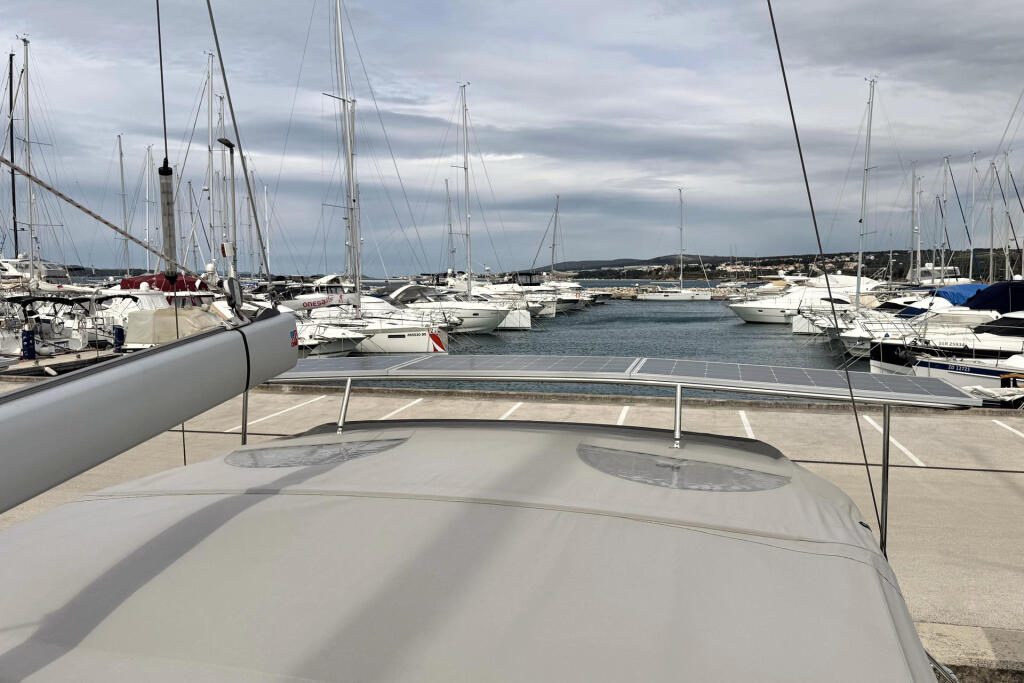
Our charter base in Rogoznica is located in Marina Frapa in the Bay of Soline. The marina lies on the Gradina peninsula directly beside Rogoznica, between the larger coastal cities of Šibenik and Split. First Class Sailing is currently listed by the marina as a resident charter operator.
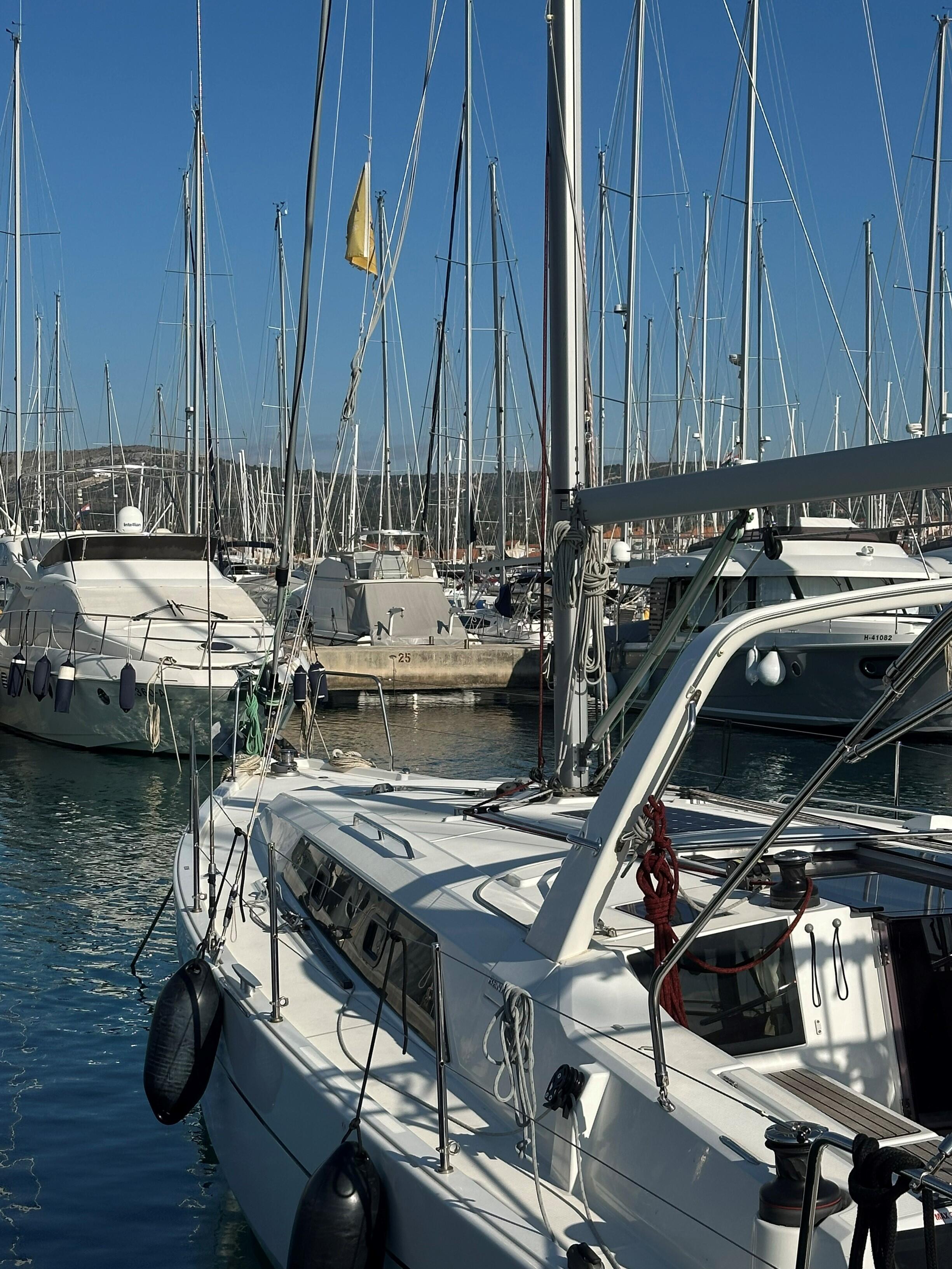
At the start of a charter, the infrastructure around the berth is especially important. Within the marina you will find, among other facilities, a grocery store, dining options, a nautical equipment shop, sanitary facilities and additional services. This allows the essential preparations for your cruise to be completed in the immediate vicinity of the yacht.
Rogoznica itself is also right on the waterfront. If there is still time after arrival, you can walk into the town or spend the evening in the marina area. This is particularly practical during changeover days, as provisioning, yacht handover and dinner do not necessarily require additional transfers.
Split Airport is the nearest major airport. The marina is also easily accessible via the coastal region between Split and Šibenik. For crews arriving by air, Rogoznica is therefore a comparatively convenient starting point for Central Dalmatia.
Where can you sail from Rogoznica?
From Rogoznica, itineraries can be planned both to the north and to the south. For one week, it generally makes sense to choose one main focus and allow enough reserve for weather changes, longer swimming stops and the return passage. A route that appears straightforward on the chart can take considerably more time in headwinds or more demanding sea conditions.
The following areas represent four different ways to experience Central Dalmatia from Rogoznica. Actual routes always depend on weather and sea state, charter duration, yacht, berth availability and the crew’s experience.
Šibenik islands and Kornati
The northern course leads from Rogoznica toward Primošten and onward into the island cruising ground off Šibenik. Islands such as Zlarin, Kaprije, Kakan or Žirje can be used as individual destinations or linked into a route toward Kornati. This area is appealing because short daily stages and longer sailing days can be combined with ease.
For crews who enjoy island hopping, the Šibenik archipelago is already a cruising area in its own right. Small island settlements, bays and varied overnight options make it possible to shape the daily plan more around the wind and the crew than around a rigid circular route.
Further north begins the Kornati region. The national park encompasses a particularly intricate part of this archipelago, with numerous islands, islets and rocky coastlines. The nautical experience differs markedly from the busier coastal towns farther south. Here, the scenery and the navigation between islands take centre stage.
For a one week cruise from Rogoznica, the Kornati islands are certainly a realistic destination. However, it is wiser to explore one part of the archipelago thoroughly than to place as many islands as possible on the route. Crews planning several nights between Kornati, Žut and the Šibenik archipelago retain more flexibility for wind conditions and berthing options.
When anchoring and navigating, crews should take the highly indented coastline and local restrictions into account. Up to date charts, cruising information and weather reports should therefore form part of the daily planning, even on short distances.
Primošten, Šibenik and the coast north of Rogoznica
If you do not wish to head deep into the islands straight away, you can shape your cruise northward along the coast. Primošten is close enough for an easy start to the charter week and is therefore often well suited as a first or last stop. The town combines a harbour stay with a compact historic centre directly on the waterfront.
Further toward Šibenik, the coastline becomes more varied through islands and access channels. Here, the route can be combined with Zlarin or other offshore islands. This creates an itinerary in which harbour towns and bays can alternate naturally.
Šibenik is especially appealing for crews who wish to combine their sailing holiday with a more substantial time ashore. From there, the cruising area continues toward the sheltered coastal and river system around the Krka region. On a one week charter, however, this detour should be weighed carefully against other destinations. The farther inland the route extends, the less time remains for the island world.
This direction works particularly well for crews who wish to keep a flexible daily rhythm. In less favourable conditions on the open Adriatic, destinations closer to the coast or between the islands can offer a sound alternative to longer open water passages.
Compared with a cruise focused solely on Kornati, the character here is more varied, combining coastal towns, island stops and more sheltered stretches. Anyone wishing to experience a different type of harbour each evening will find many attractive combinations here.
Šolta, Brač and Hvar
South of Rogoznica lie some of Central Dalmatia’s best known islands. Šolta and Brač are sensible first major island destinations if you are planning a southern itinerary. In this direction, the cruising ground opens up more than in the finely structured archipelago north of Šibenik.
On Šolta, smaller harbour towns and bays alternate. The island therefore works well as a link between Rogoznica and destinations farther to the southeast. Brač offers longer coastal stretches and several possible ports of call, meaning the route does not need to be centred on a single harbour.
Hvar expands the cruising radius considerably. The western side with the Pakleni Islands and the area around Hvar Town has a very different character from the quieter bays and smaller settlements along the island. Crews should therefore decide in advance whether lively harbour stops, peaceful bays or as much sailing time as possible are the main priority.
For one week, a route via Šolta or Brač to Hvar is possible, but it should be planned with sufficient reserve. A tightly packed programme with a new distant destination each day leaves little room for adjustment when wind or sea state changes the plan.
This southern direction is particularly well suited to crews who prefer larger islands and longer coastlines. Compared with Kornati, the cruising ground feels less labyrinthine. In return, individual legs across more open water can be longer.
Vis and the Pakleni Islands
Vis lies farther out in the Adriatic and therefore demands greater care in passage planning. From Rogoznica, the island is reachable, but on a one week charter it should be treated as a deliberate main destination rather than an additional stop on an already busy route.
Its appeal lies precisely in the more open passage. Between the mainland and Vis, there are fewer opportunities to break a long leg spontaneously into several very short stages. Weather forecast, wind direction and sea state therefore have a stronger influence on the decision of when to make for the island.
On Vis, different stretches of coast and harbour towns are available for overnight stays. Crews including the island in their itinerary should allow sufficient time for the stay itself. Sailing there only to leave again the next morning makes limited use of the additional effort involved in the passage.
The Pakleni Islands west of Hvar can link Vis with the Hvar cruising area. This creates a more demanding circular route that combines open stretches with more sheltered island groups. For experienced crews, this can be highly rewarding.
For less experienced charter crews, or when the weather outlook is uncertain, closer alternatives are often the wiser choice. In that case, Vis remains an excellent option for a future charter or a longer cruise. The distance should never lead a crew to cling to a fixed plan against an unfavourable weather development.
Adriatic yacht charter from Rogoznica
Central Dalmatia combines relatively short distances between many islands with stretches where a yacht can genuinely enjoy open sailing. This sets the region apart both from very open cruising grounds with long passages and from coastal areas where almost every route follows the same mainland line.
In summer, the Maestral often shapes the rhythm of the day. This thermal wind typically comes from the northwest, builds as the day progresses and eases again toward evening. In addition, Bora and Jugo are wind patterns that must be taken into account when planning a route. Bora can be gusty and highly variable from one location to another. Jugo usually develops more gradually and can build sea state over a longer period.
The many islands create alternatives, but they do not make careful weather planning any less important. Wind shadows, acceleration zones between islands and the orientation of a bay can create very different conditions over relatively short distances. For daily planning, it is therefore not enough to consider only the wind strength in the general marine forecast.
The overnight culture also shapes the cruise. In Croatia, marinas and town harbours can be combined with anchor bays or mooring fields. Which balance is most suitable depends on the crew, the yacht, the weather and the desired level of comfort. A crew wishing to anchor frequently will assess ground tackle, dinghy, refrigeration and water supply differently from a crew planning a marina stop every evening.
Rogoznica is centrally located enough to try different styles of Adriatic sailing. To the north lie intricate island navigation and the Kornati islands. To the south, the islands grow larger and the passages more open. These differences can already be experienced very clearly within a single charter week.
When is the best time for yacht charter in Rogoznica?
The main season for sailing charters in Croatia extends from spring into autumn. Which weeks suit a crew best depends less on one single “best month” than on the desired combination of weather, water temperature, activity levels in harbours and bays, and personal tolerance for heat.
In spring, the cruising ground is noticeably quieter than during the summer school holidays. The air grows warmer, though the weather can still be more changeable than in high summer. For crews whose main priority is sailing, and who do not need every swim stop to coincide with peak sea temperatures, this period can be very appealing.
Early summer already brings Mediterranean temperatures and long days. Harbours and bays become busier, yet usually remain below the peak pressure of the classic holiday weeks. For families not tied to school holidays, or for crews who value sailing and swimming equally, this phase is often especially attractive.
July and August are the most intense months on the Croatian coast. Air and sea temperatures are high, and many restaurants and tourist services are operating at full summer capacity. At the same time, demand for berths and popular bays rises sharply. Those sailing during these weeks should make overnight decisions earlier in the day and should not expect complete tranquillity at well known destinations.
For yacht selection, sun protection and ventilation become particularly important in high summer. A good bimini, airflow in the cabins, sufficient cooling capacity and a practical bathing platform can influence daily life on board more than equipment details that might carry greater weight on a northern charter.
Late summer and early autumn often combine still warm water with easing holiday traffic. At the same time, careful weather observation becomes more important again. Transitional periods can bring more changeable wind patterns, which makes a route with reserve days more sensible than a tightly scheduled circuit.
For experienced crews, the shoulder season can be especially rewarding from a sailing perspective. Families with young children, by contrast, often place greater value on warm sea temperatures and reliably pleasant swimming days. The right charter period therefore depends on the character of the cruise you have in mind.
Yacht charter for couples, families and experienced crews
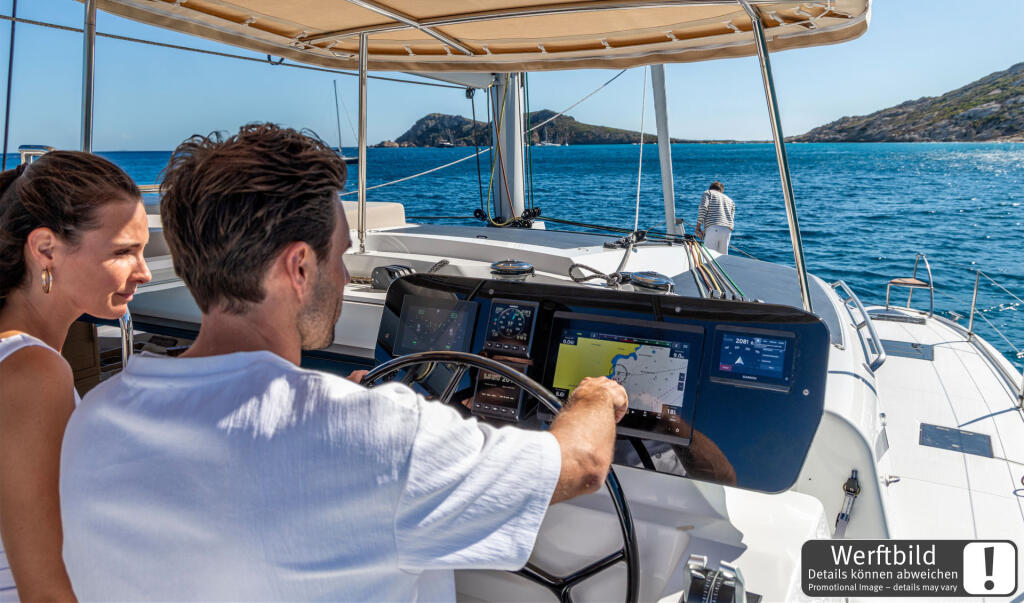
A couple sailing a yacht on their own does not automatically need the smallest available boat. More important are easily reached lines, straightforward manoeuvres, a sensibly positioned autopilot and a cockpit in which both people can work effectively. On a larger yacht, a bow thruster can provide additional assistance, provided the particular yacht is equipped with one.
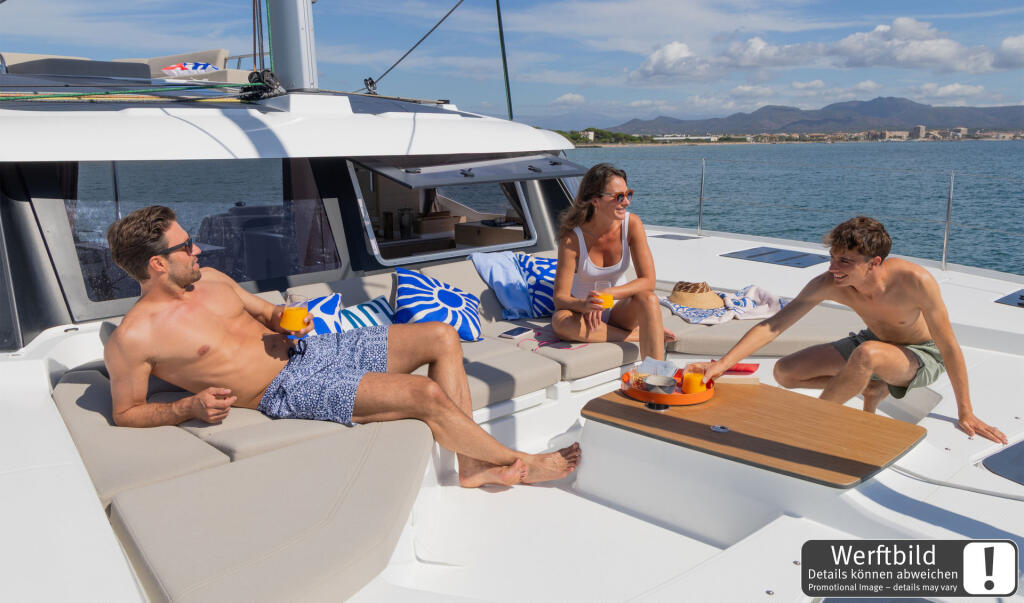
Families often place greater emphasis on cockpit space, access to the water, cabin layout, shade and storage. With small children, the type of overnight stays planned also matters. Short daily passages and several sheltered alternative destinations can be more important than maximising the number of islands visited in a week.
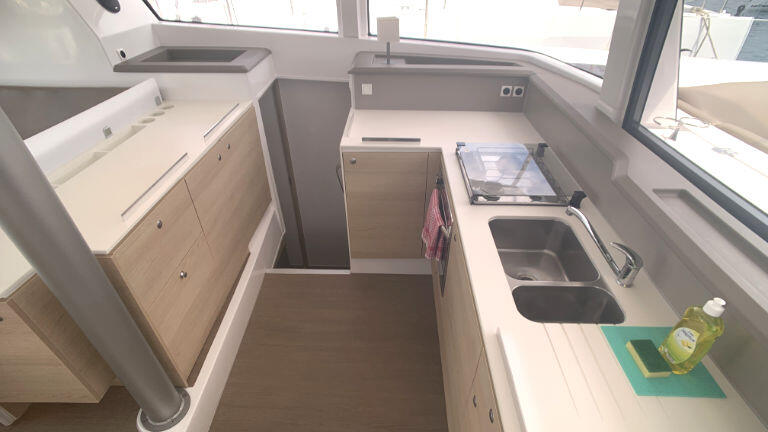
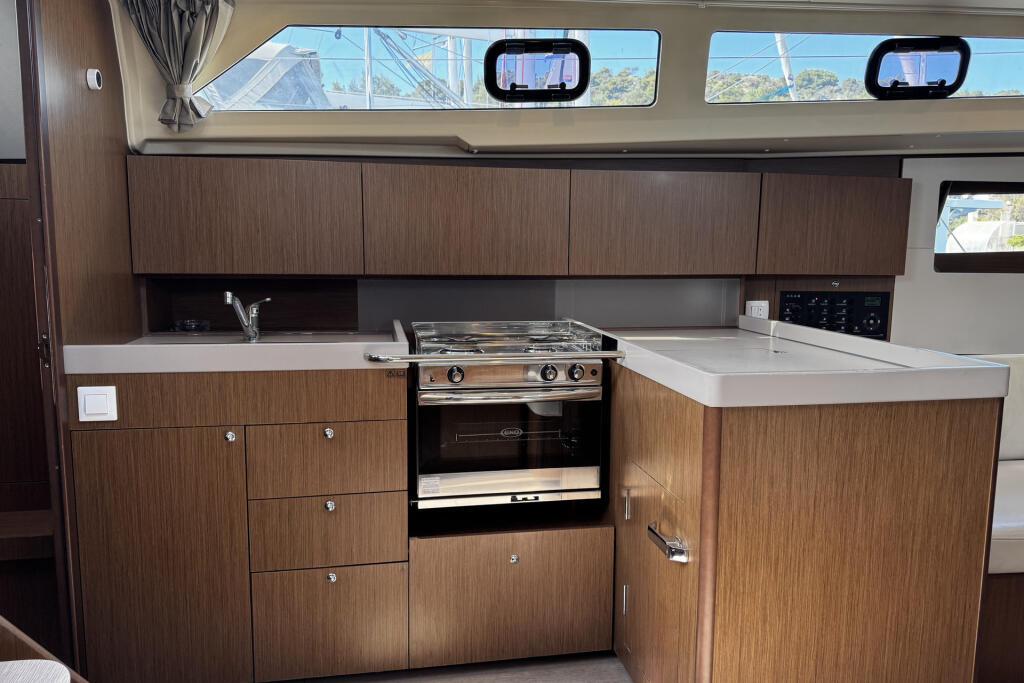
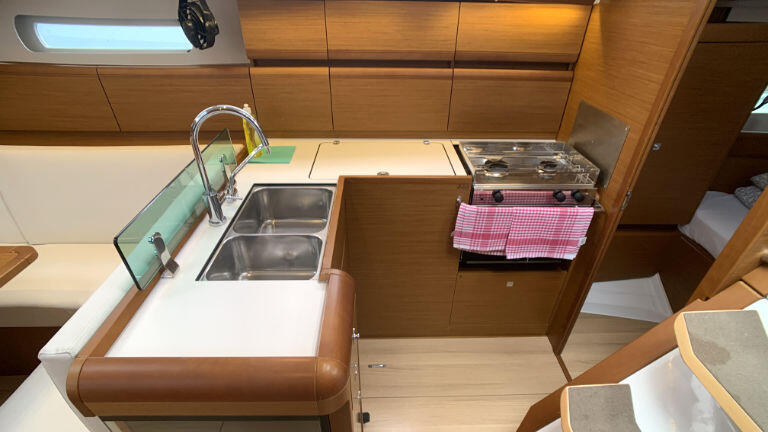
Larger groups need sufficient sleeping space, but the layout on board should also remain practical. More cabins do not automatically increase comfort if the cockpit, galley or storage space are too limited for the full crew.
Experienced sailors may choose more strongly according to sailing characteristics, rig and performance. For longer legs toward Hvar or Vis, an autopilot and an ergonomic helm position can add considerable value. Those sailing mainly between smaller bays and harbours, by contrast, will often place greater emphasis on manoeuvrability and uncomplicated handling.
Which equipment is important for yacht charter in the Adriatic?
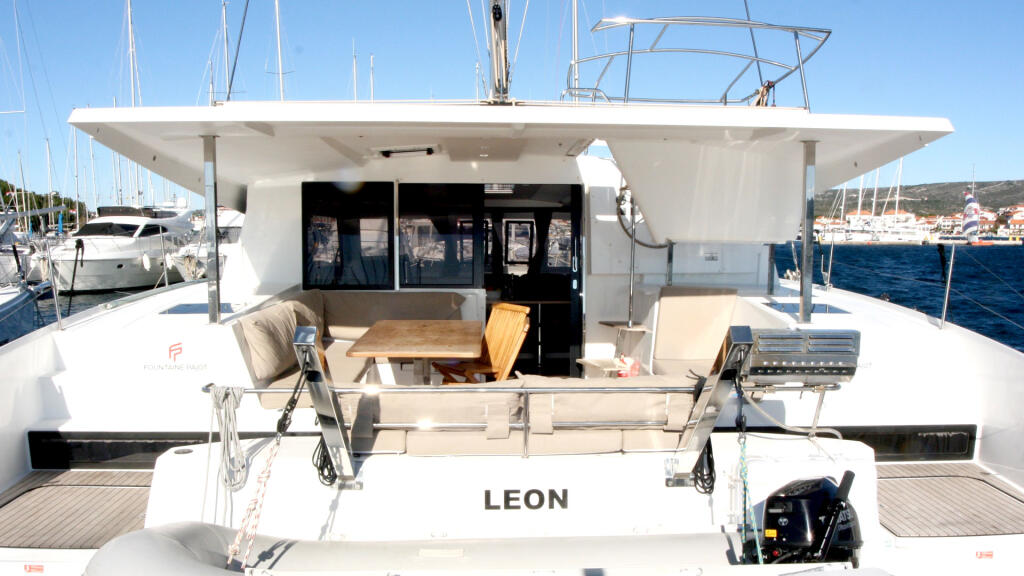
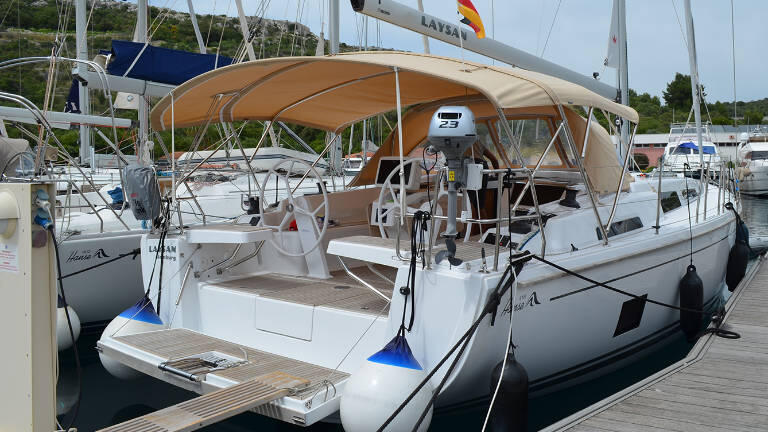
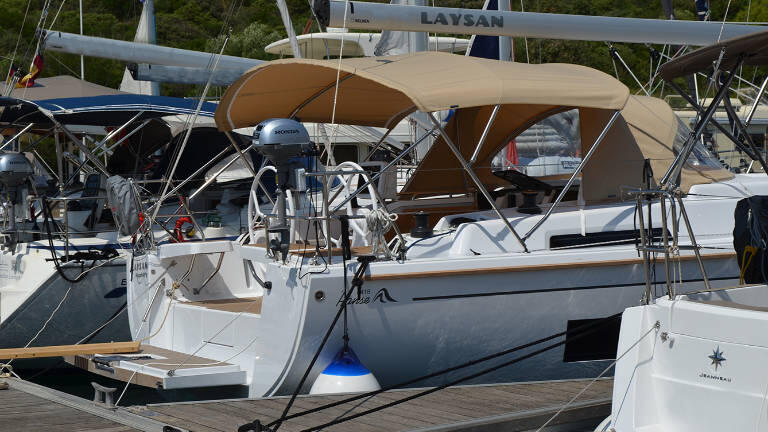
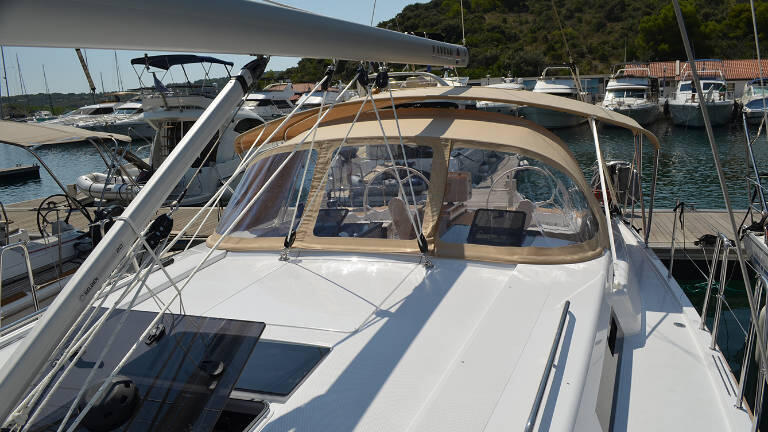
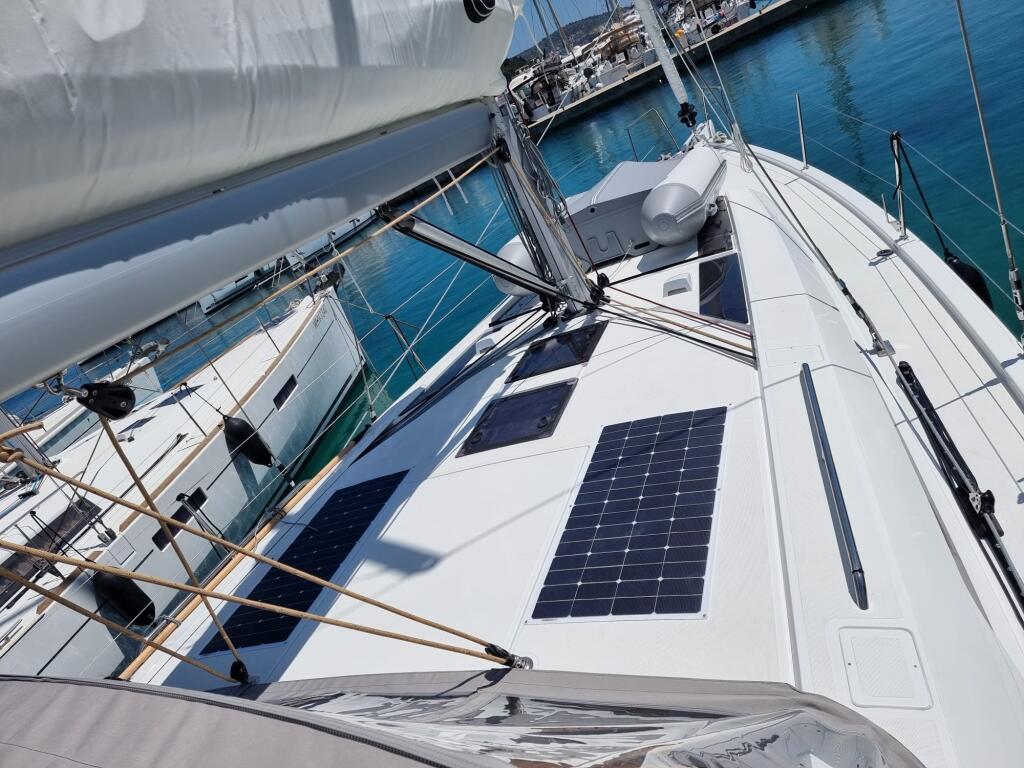
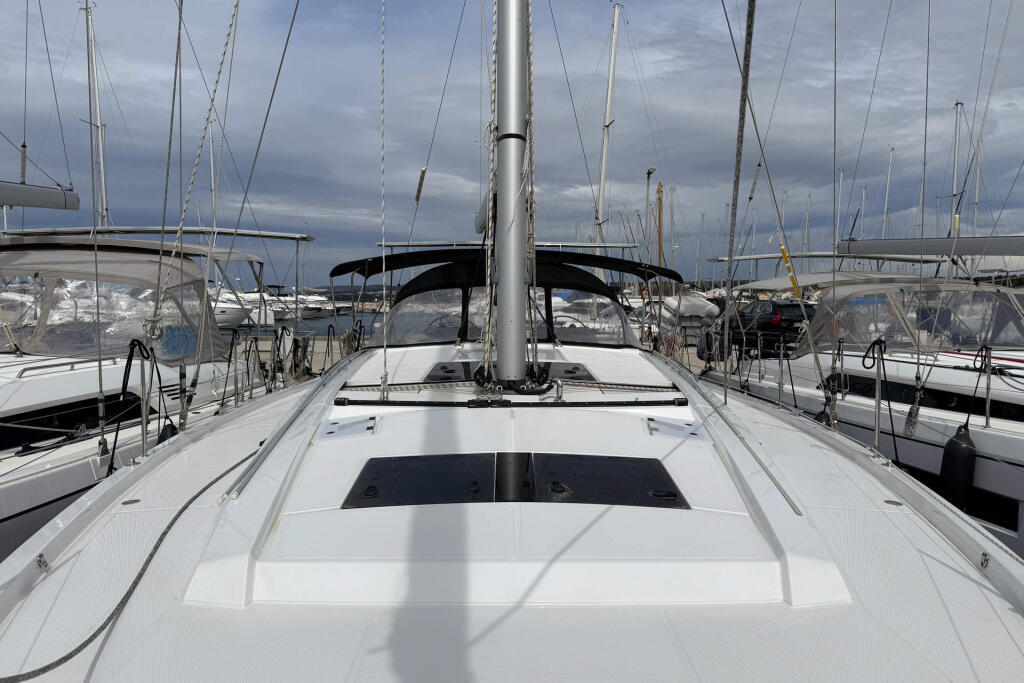
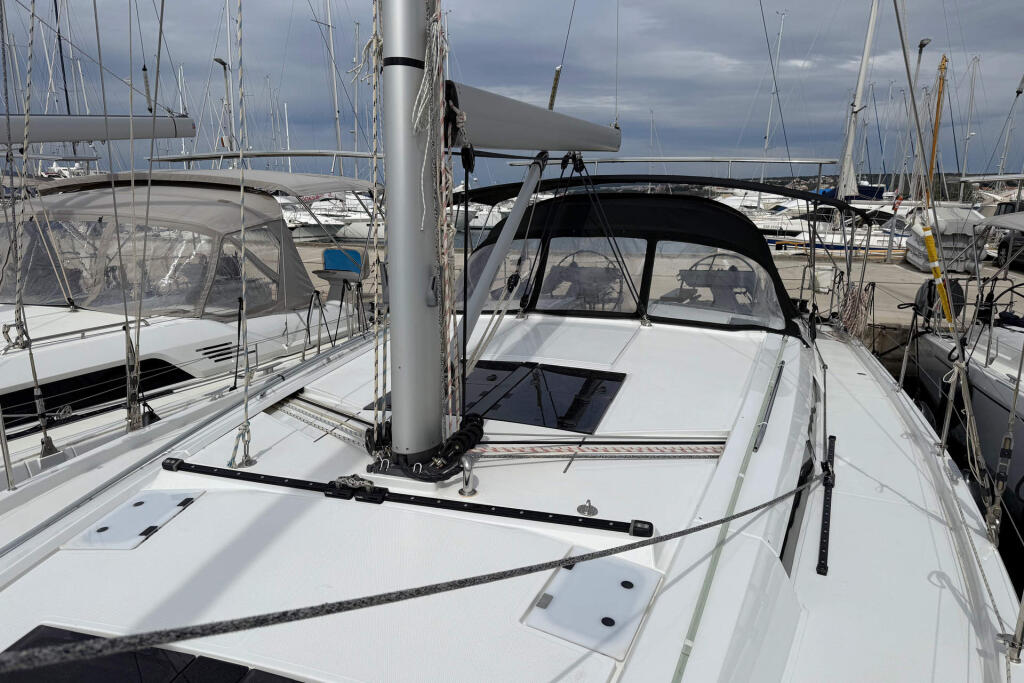
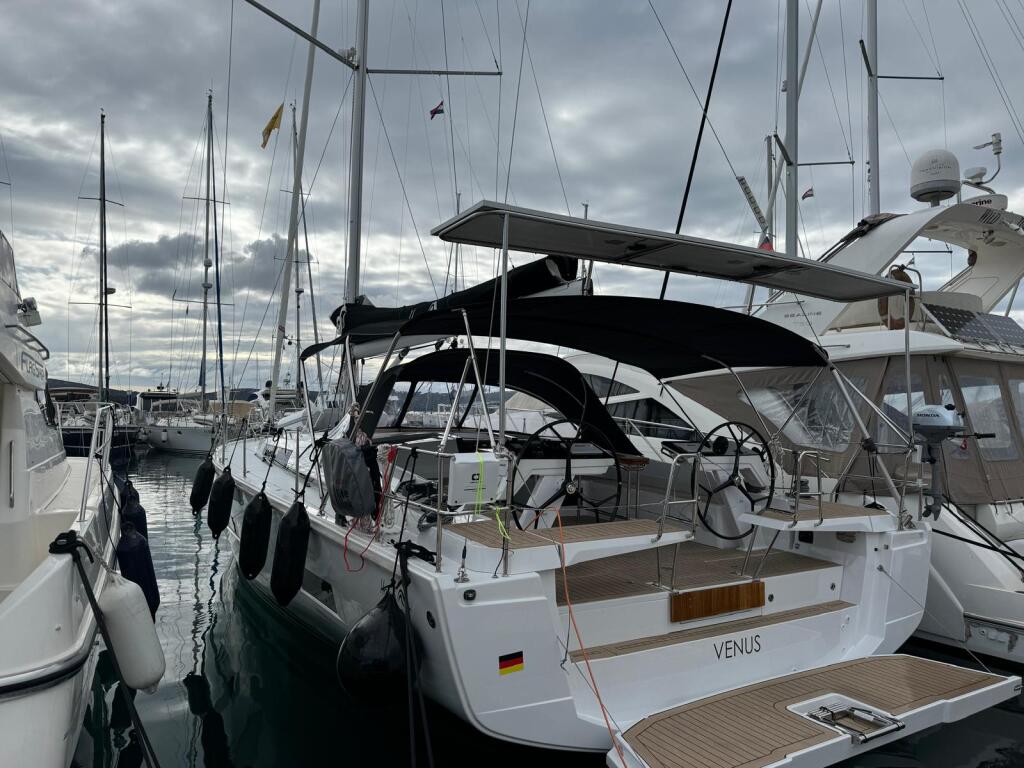
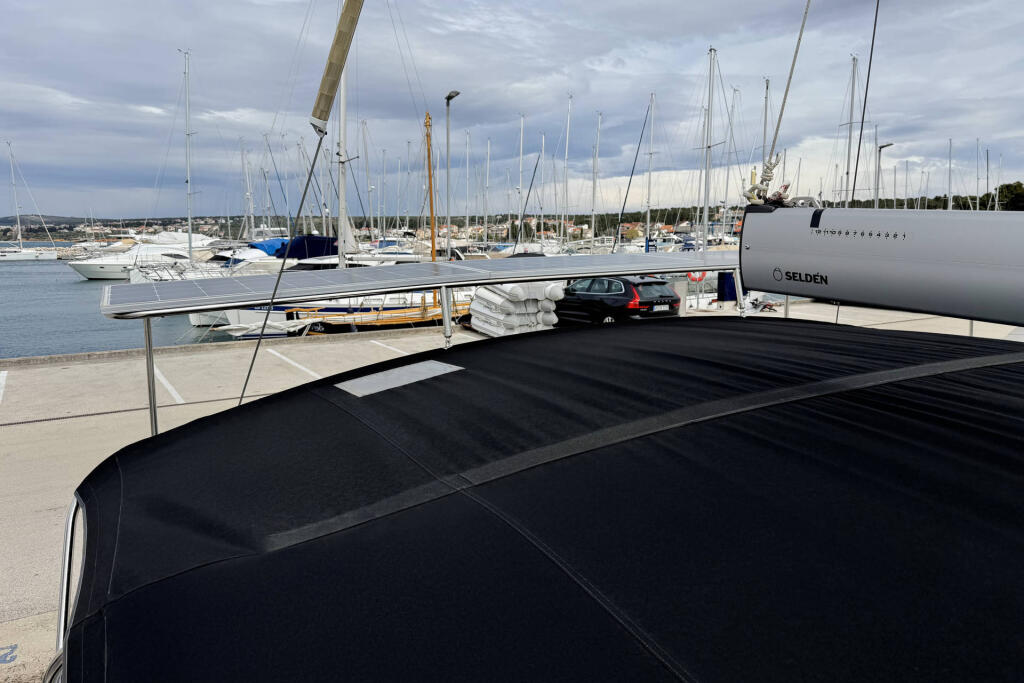
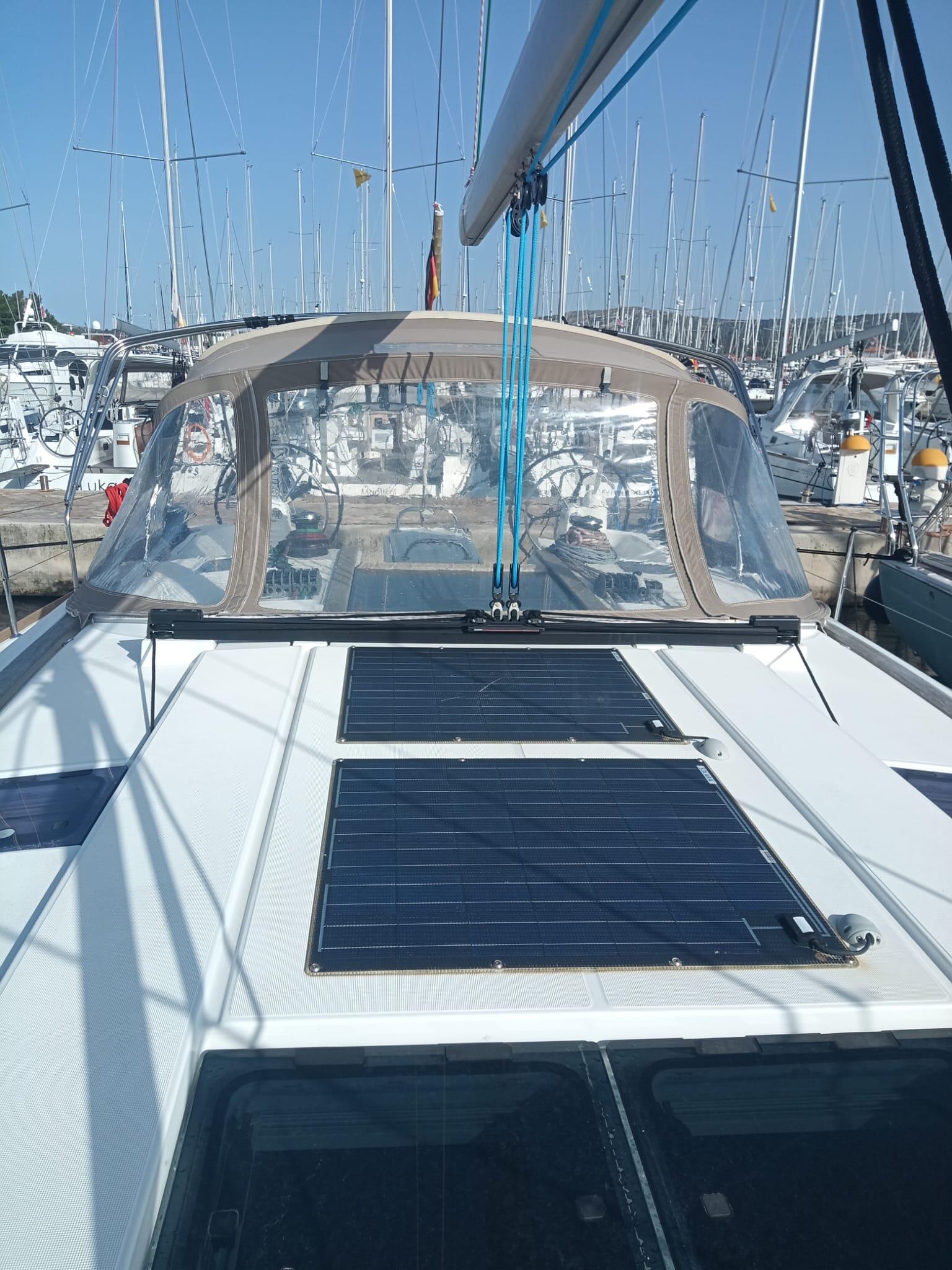
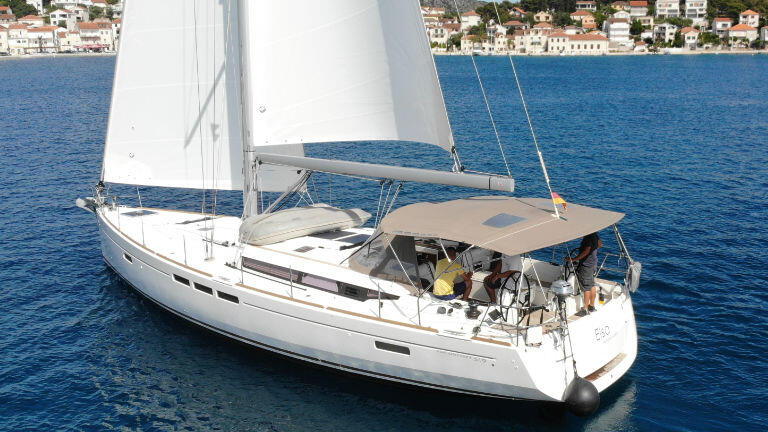
In Croatia, a bimini is one of those features whose value quickly becomes obvious in daily use. In high summer, the crew spends many hours in the cockpit. Effective shade is therefore important both on longer passages under engine and while at anchor. Before booking, it is worth checking how much of the specific yacht is actually covered.
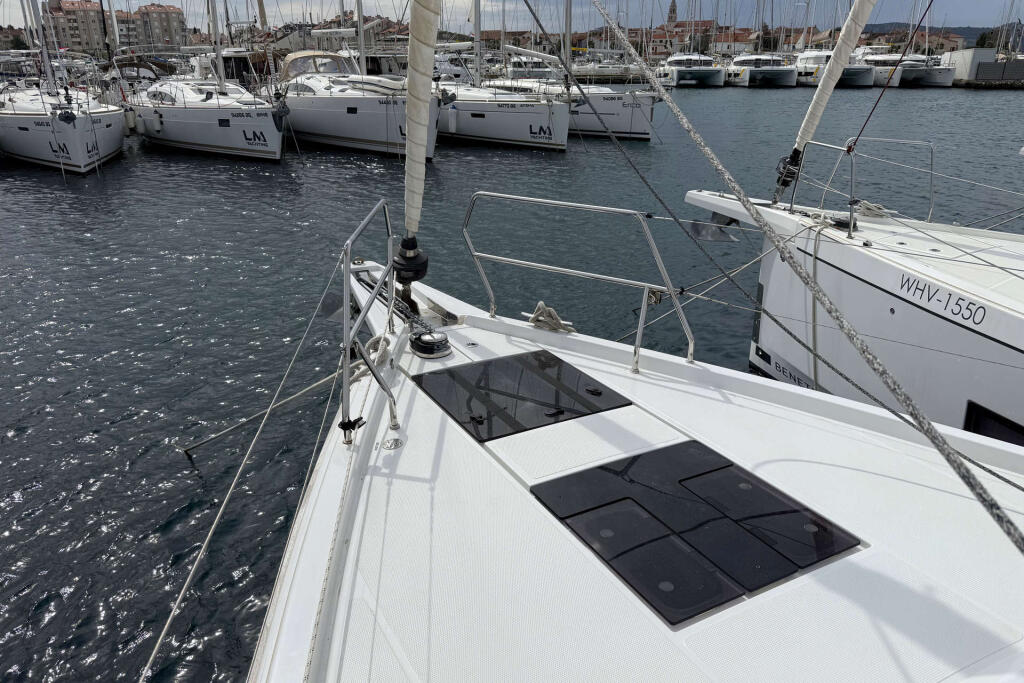
The anchoring equipment deserves at least as much attention. Many crews wish to spend part of their trip in bays. In that context, it is not only the anchor and chain length that matter, but also a well functioning anchor windlass and clear working space at the bow. The specific equipment and yacht details should be checked before chartering.
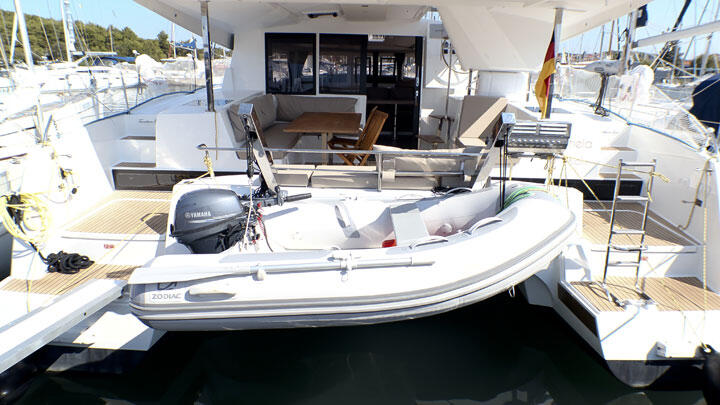
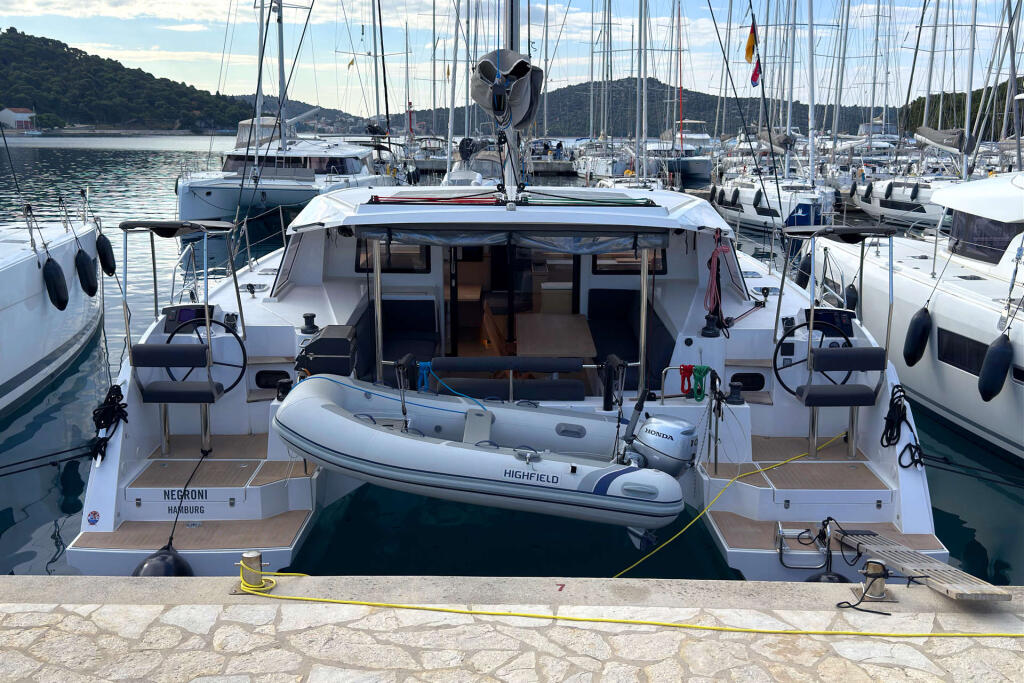
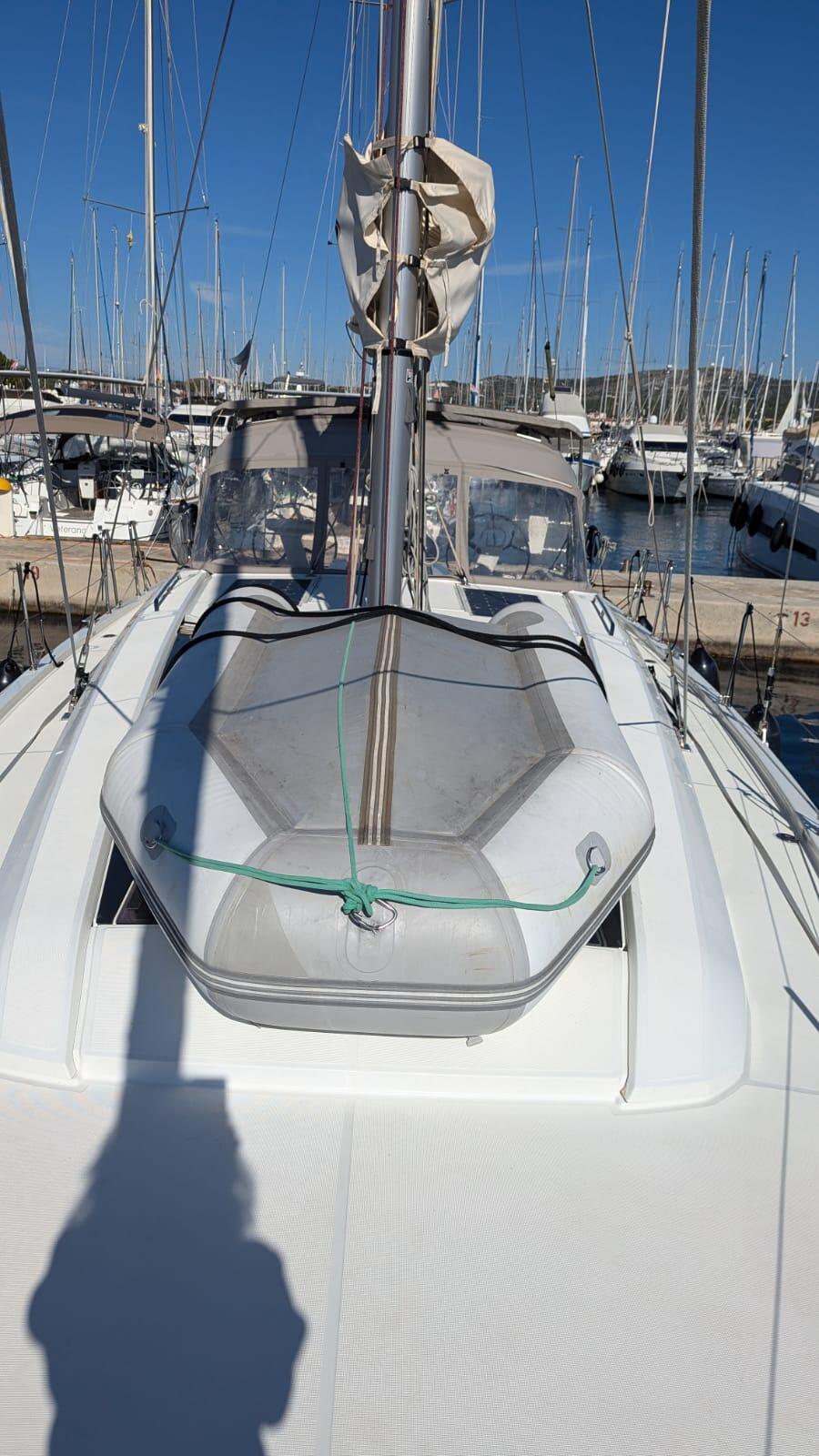
A dinghy expands the possibilities in bays and on mooring fields. It allows the crew to reach shore without having to move the yacht itself. Whether an outboard engine is provided, included or optional must be checked for the respective charter offer.
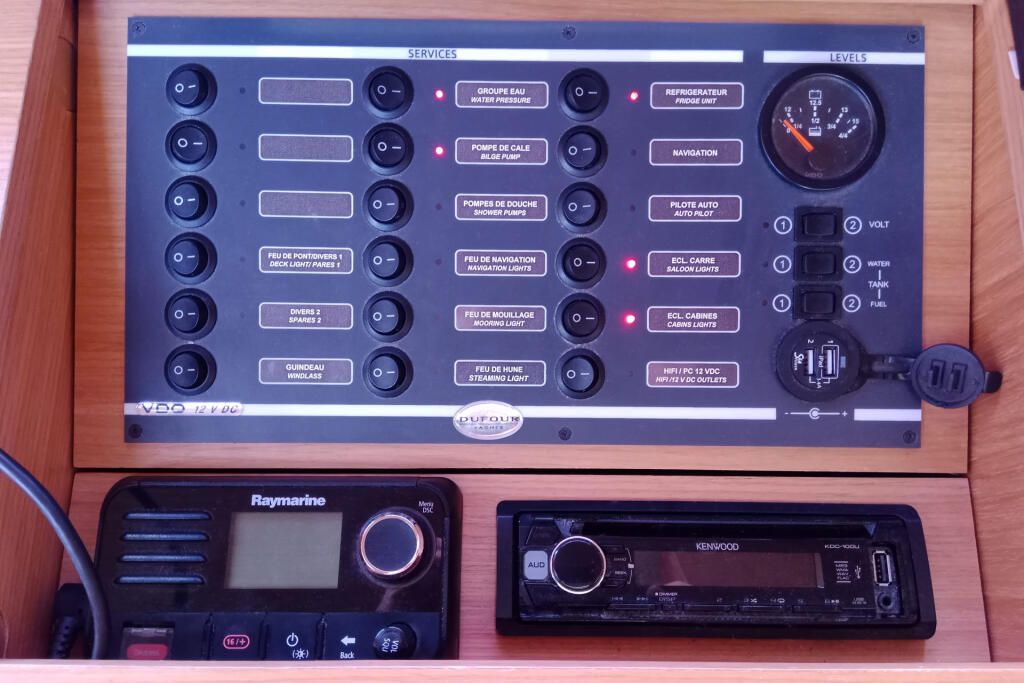
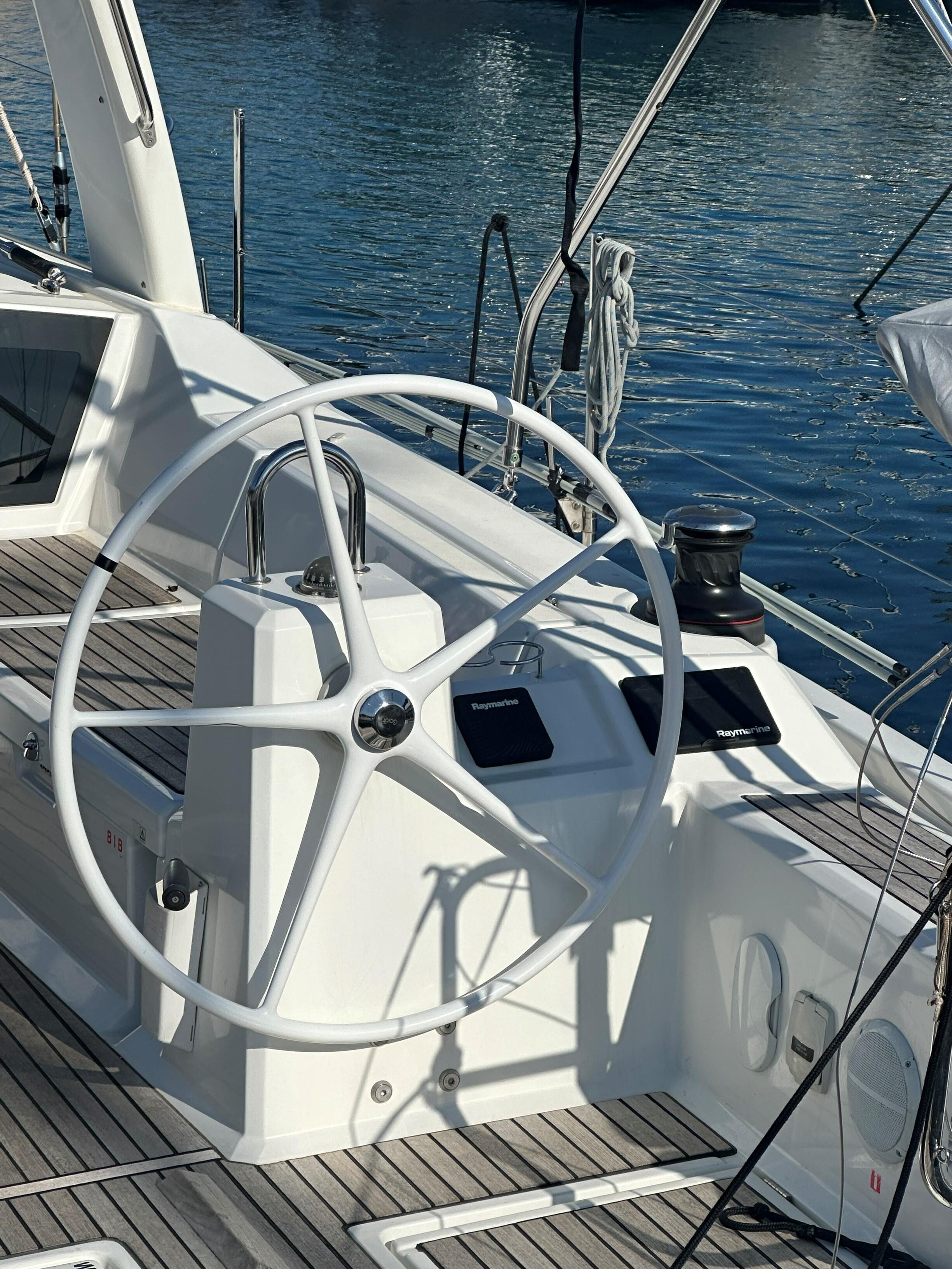
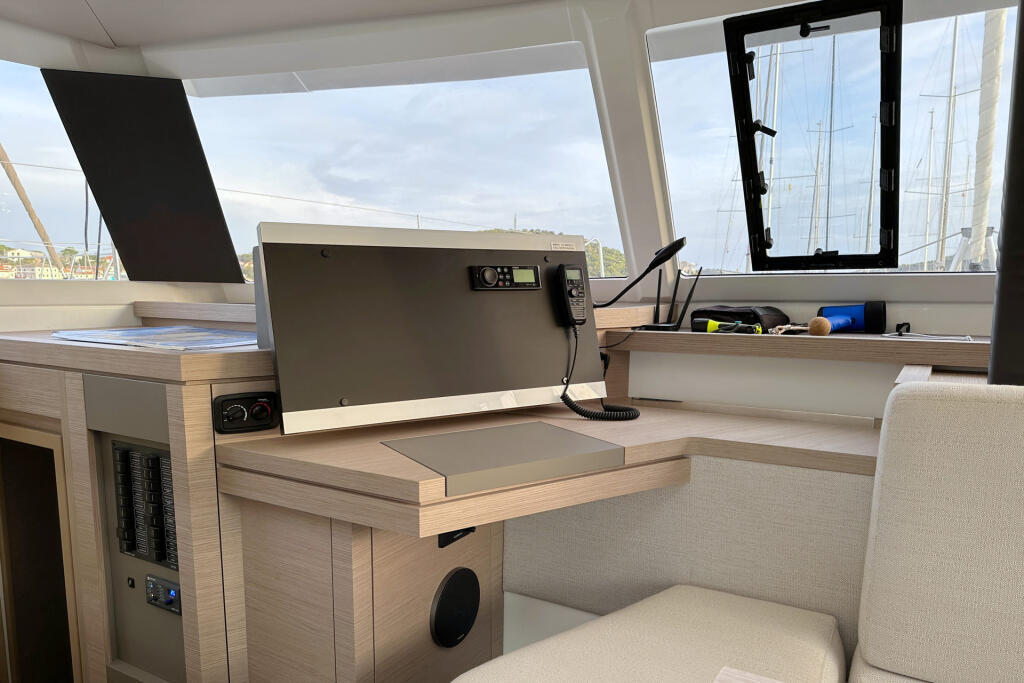
Autopilot and chartplotter become especially relevant on longer daily legs. The autopilot eases the workload for a small crew, while the plotter and other navigation instruments help with orientation between islands. Electronic navigation still does not replace up to date charts or visual checks of fairways, shallows and traffic.
A bow thruster can make manoeuvring in a full marina easier on larger yachts. On smaller sailing yachts, it is less decisive. In particular, crews with limited experience on the chosen yacht size should take harbour manoeuvres realistically into account during the selection process.
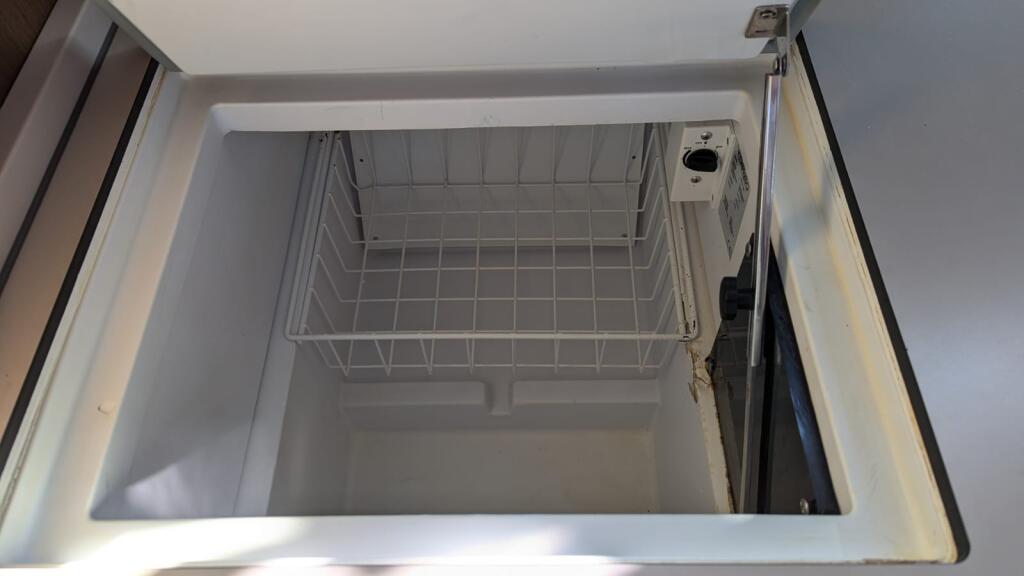
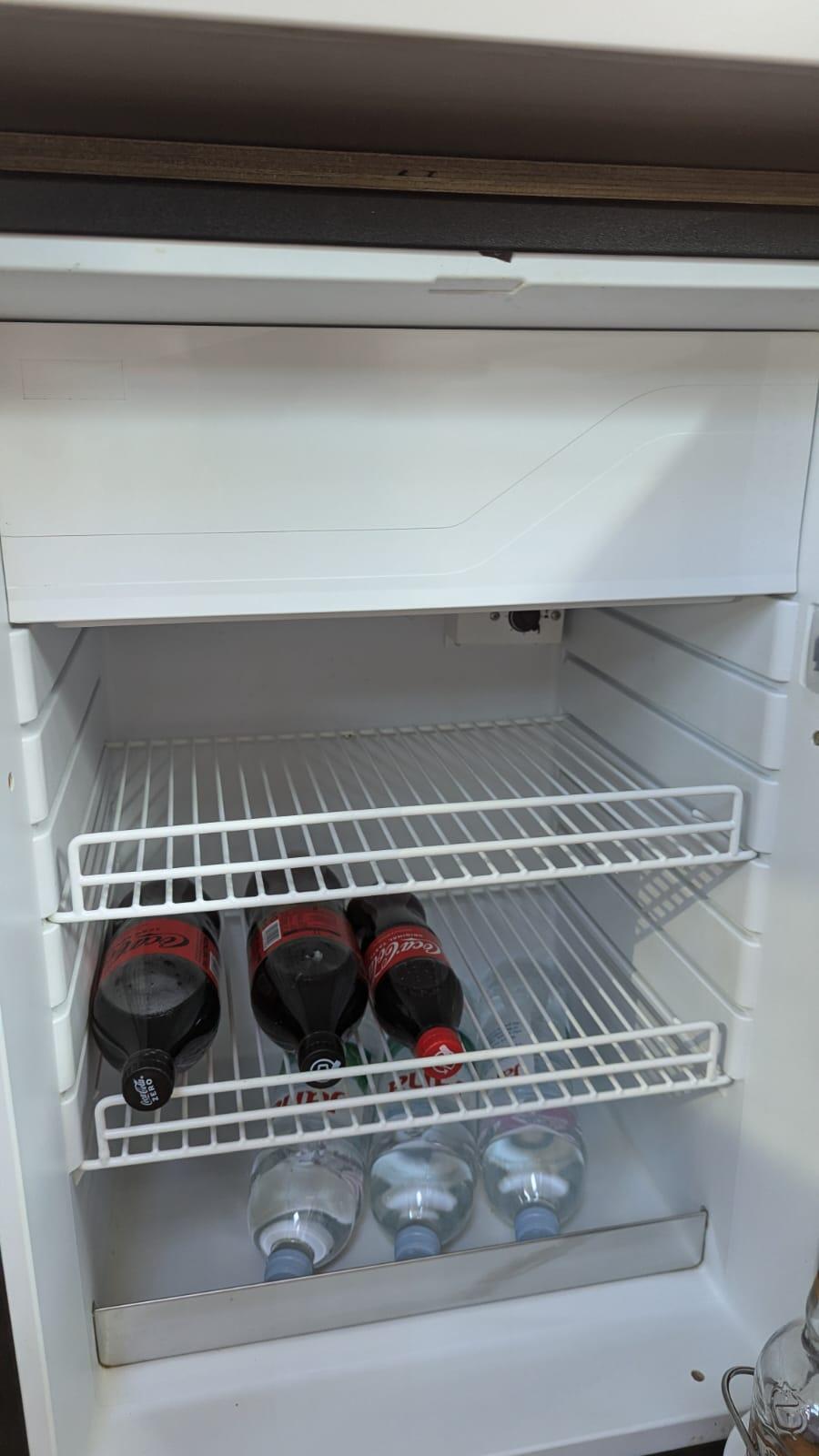
Cooling, ventilation and water supply affect everyday comfort. Crews planning several nights at anchor are more dependent on onboard reserves. A crew calling at a marina almost every evening can refill water and replenish provisions more frequently.
For every sailing yacht, the information on the respective yacht page is decisive. Equipment such as bow thruster, AIS, autopilot, dinghy, navigation systems or special sail configurations should always be checked against the конкретely available yacht.
How does yacht charter in Rogoznica work?
The starting point is the charter period. Using the yacht list, you can check which sailing yachts in Rogoznica are available for your preferred dates. After that, crew size, desired number of cabins, yacht length and the most important equipment features should be compared carefully.
Before reserving, it is worth reviewing the full yacht specifications. Especially with similar yachts, differences in sail configuration, sanitary facilities, navigation or manoeuvring aids can be decisive. A small crew may value very different qualities from a group of six or eight guests.
Once the booking has been completed, the organisational steps for the charter follow. The specific contractual terms, payment arrangements and arrival information depend on the respective charter agreement. General assumptions regarding security deposit, handover time or extras should therefore not be drawn from general cruising information alone.
Upon arrival in Rogoznica, check in takes place at the charter base. The yacht is then handed over. During this process, the crew should not only be shown where individual items of equipment are stored, but should also understand how the yacht’s essential onboard systems operate. This includes in particular the engine, electrics, navigation, anchoring system, sanitary systems and safety related equipment.
Only once the handover is complete, the yacht is stowed and the crew is familiar with the key functions does the cruise truly begin. For the first leg, realistic planning is advisable. After travel, provisioning and briefing, a short first passage is often wiser than an ambitious distant destination on the same day.
FREQUENTLY ASKED QUESTIONS ABOUT YACHT CHARTER IN ROGOZNICA
First Class Sailing operates its own charter base at Marina Frapa Rogoznica and is responsible there for the operational support of the charter yachts. Depending on the sales channel, bookings can be made either directly with the operator or through charter agencies and partners. Yacht preparation and handover at the base are handled by the responsible charter operator.
Yes. Rogoznica lies south of the Šibenik archipelago and provides a practical starting point for routes toward Kornati. A one week charter generally offers enough flexibility for an itinerary focused on Kornati, provided the weather, yacht and crew are well matched. The specific route should not be planned by distance alone.
Yes. A range of cruising styles can be planned within a week. Possible options include routes into the Šibenik island area and the Kornati islands, or southern itineraries toward Šolta, Brač and Hvar. Vis may also be within reach, but it requires more reserve time and a more favourable weather situation.
A charter for two is generally possible, provided the crew has the experience and qualifications required for the specific yacht. For double handed crews, clear line handling, an autopilot, easily accessible controls and sound manoeuvrability are particularly important.
A charter agency normally brokers offers from various operators and can make broad market comparison possible. A fleet operator runs the yacht and charter base directly and is responsible, among other things, for preparation and handover. Even when bookings are made through partner agencies, the practical handling of the charter on site is carried out by the operator of the respective yacht.
That depends on crew size, experience and route. Small crews often benefit from straightforward handling. Families and groups require more cabins, storage space and cockpit area. For longer passages, an autopilot, navigation equipment and a comfortable working area on deck become more important. The specific yacht should therefore be chosen according to layout and equipment rather than by length alone.
Hvar is a realistic destination for many one week cruises from Rogoznica. Vis lies farther offshore and requires more deliberate planning. For both destinations, weather, wind direction, sea state, yacht and crew determine whether the route is sensible for the respective charter period.
For an Adriatic cruise, good sun protection, anchoring equipment, reliable navigation, an autopilot and sufficient cooling and water capacity are especially practical. On larger yachts, a bow thruster can make harbour manoeuvres easier. Crews who plan to anchor frequently or use mooring buoys should also check the dinghy carefully.
Rogoznica offers routes with both short and longer daily stages, allowing families to adapt the cruise to their own onboard routine. Important factors include a suitable cabin layout, sufficient shade, easy access to the water and a route with several alternative destinations in case weather conditions change.