

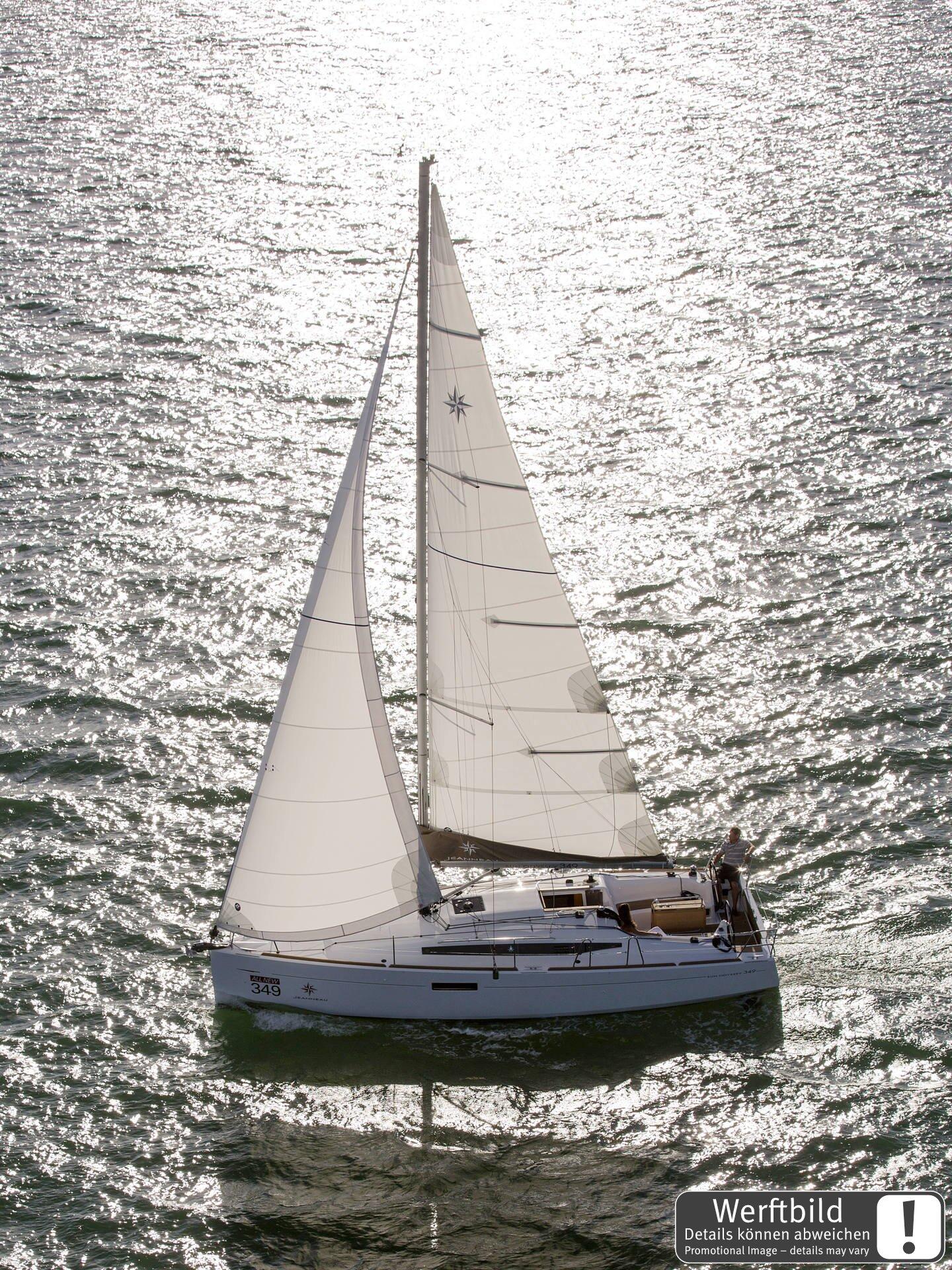
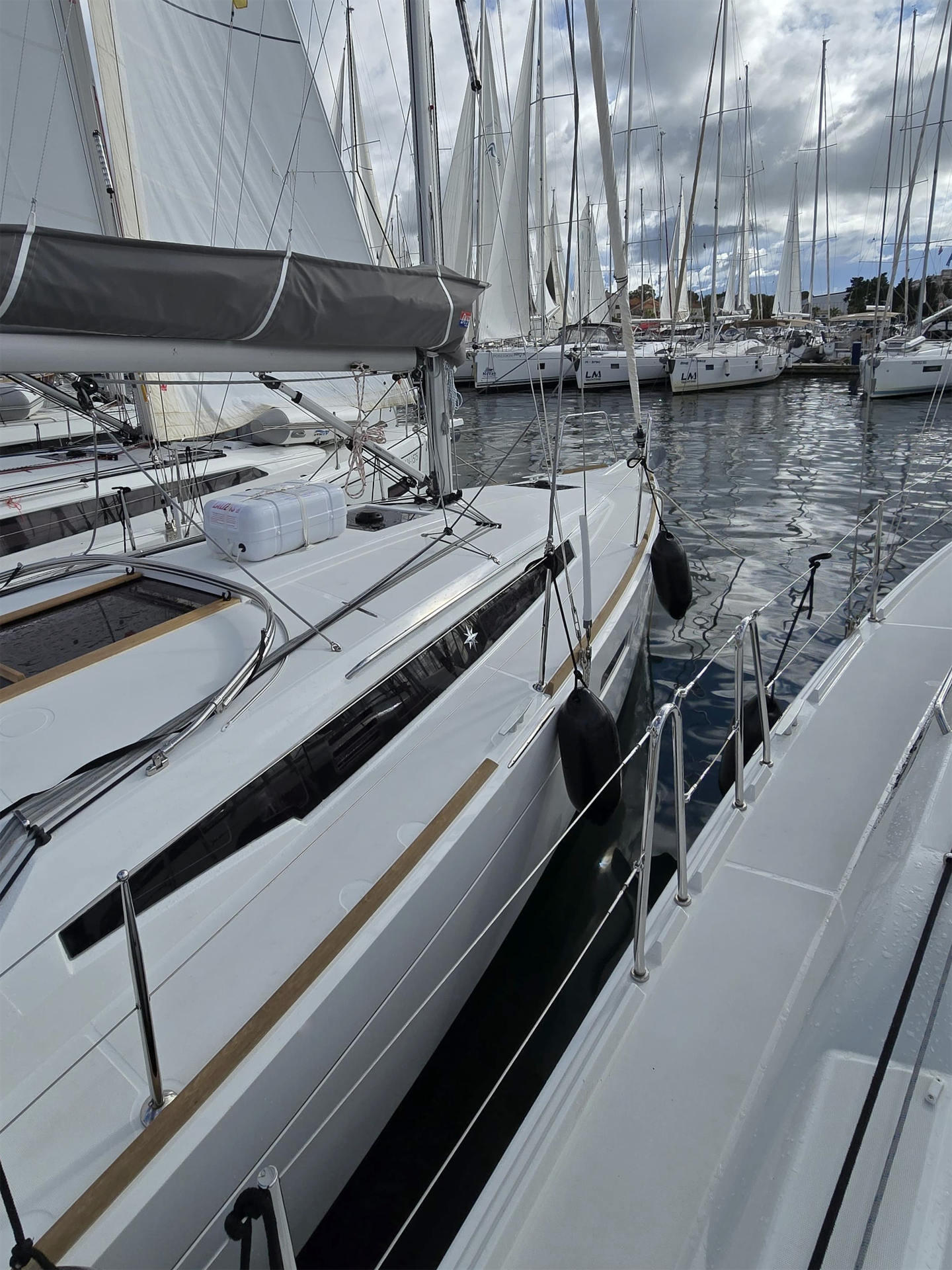
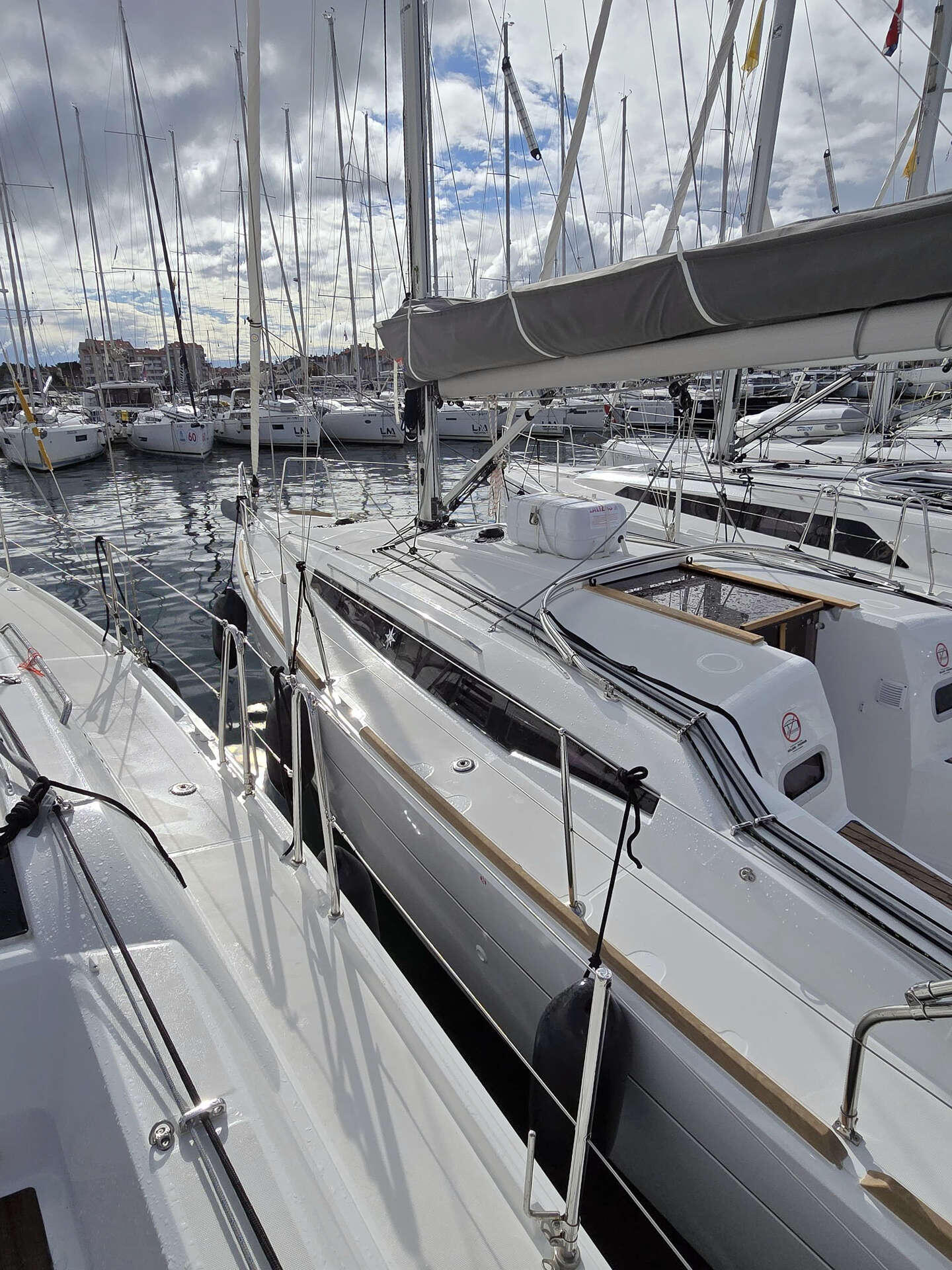
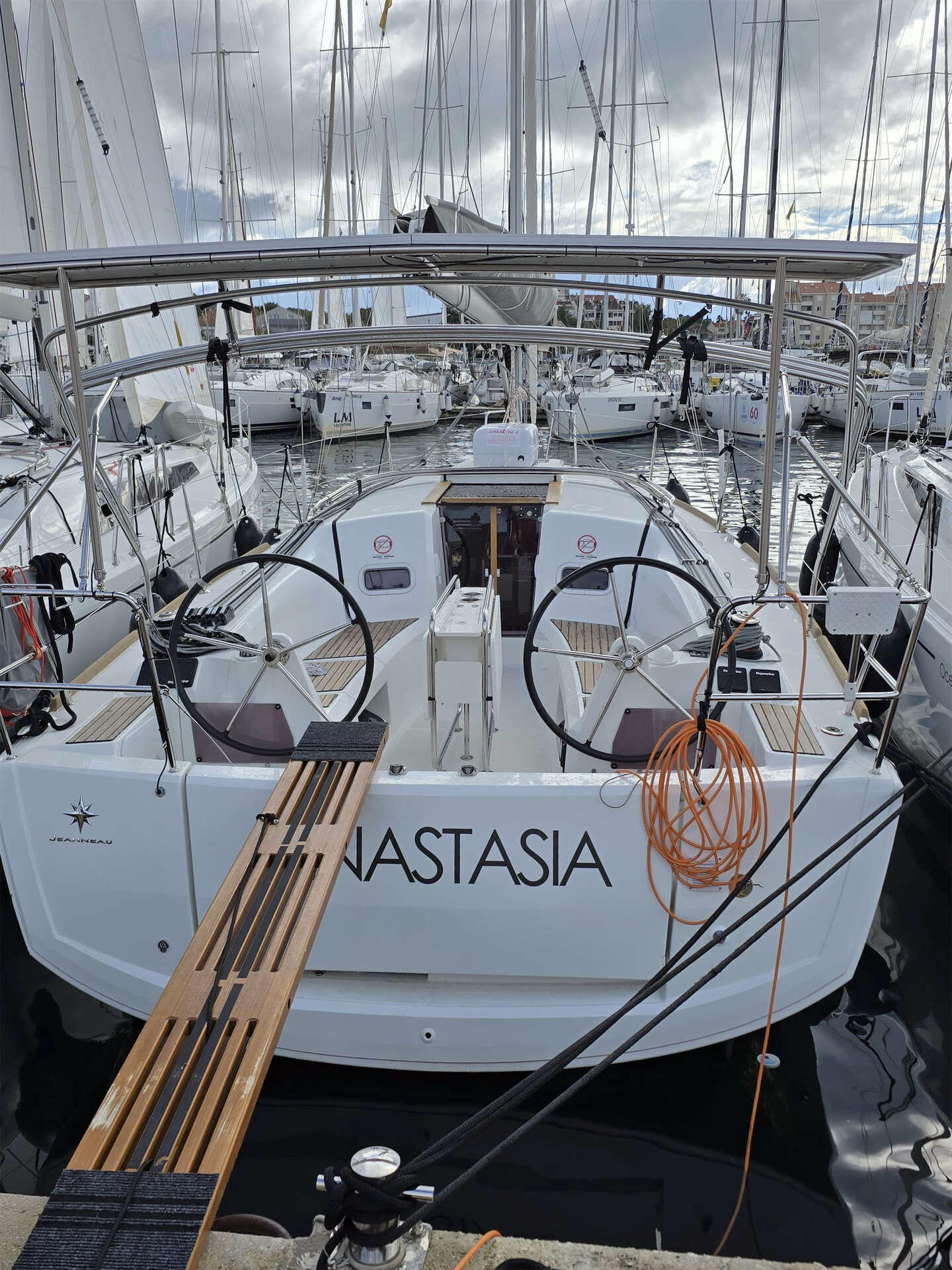



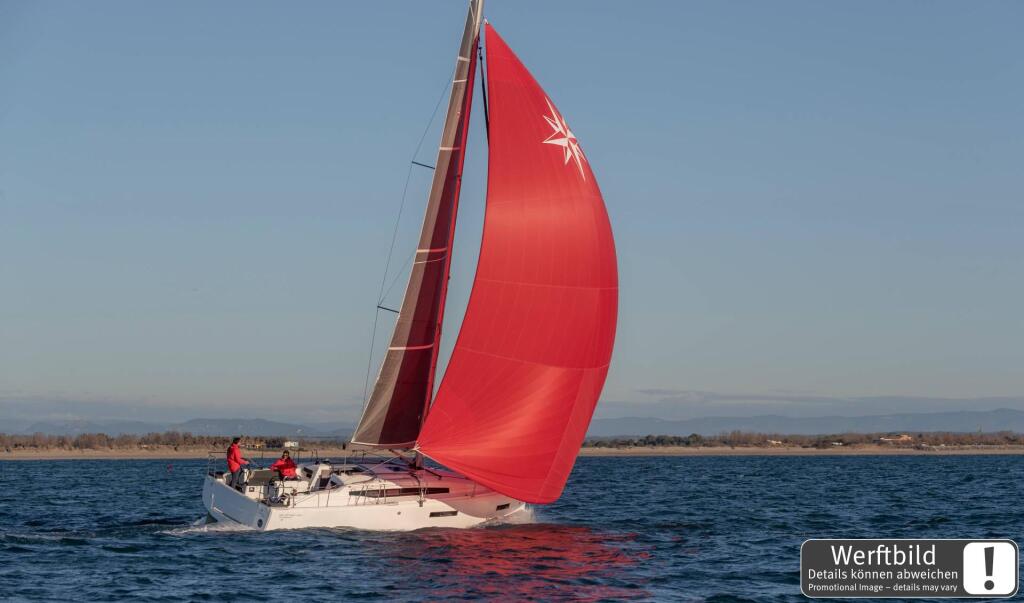
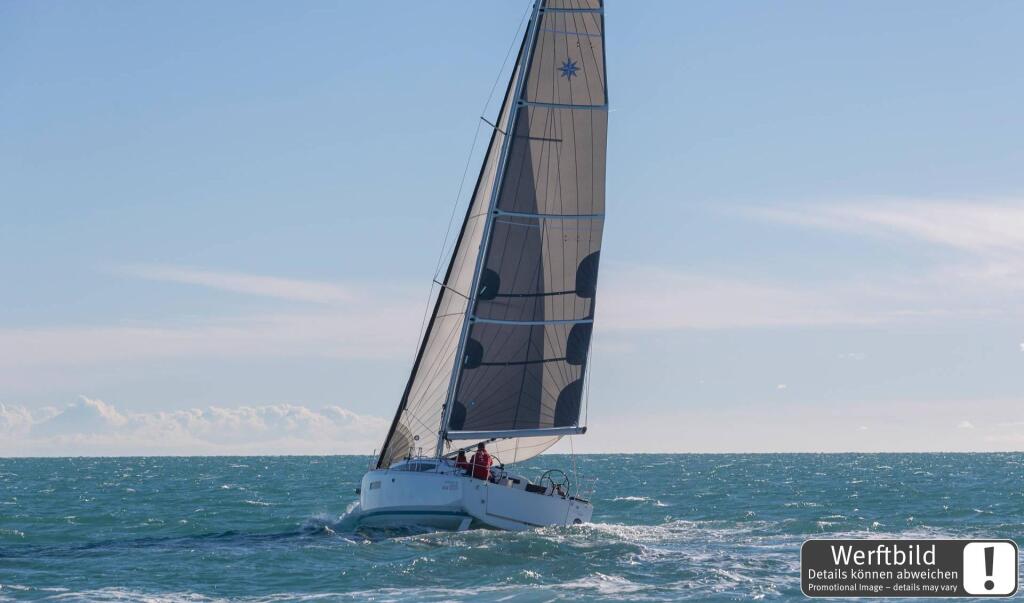
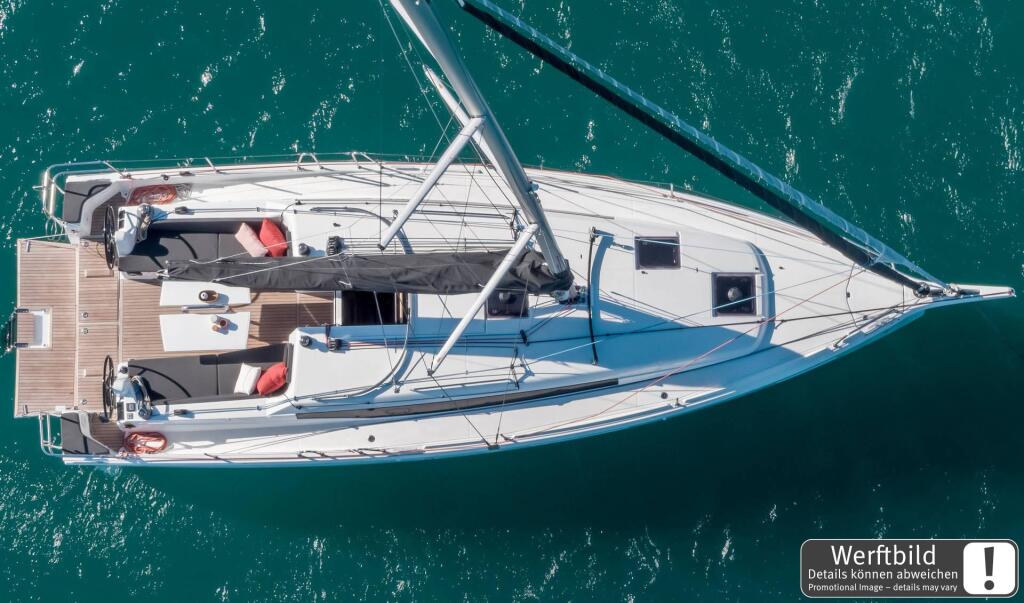
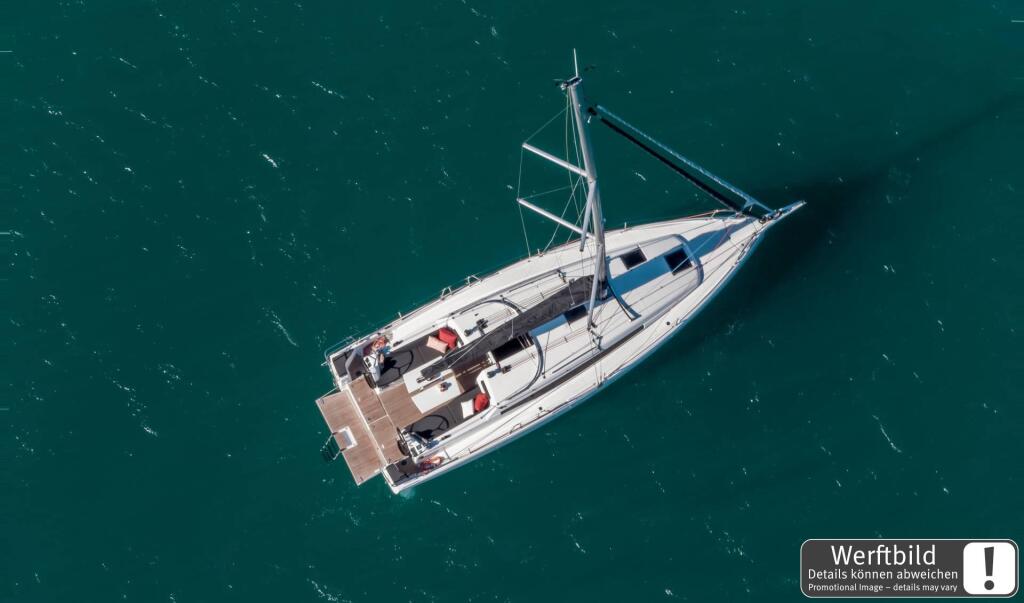

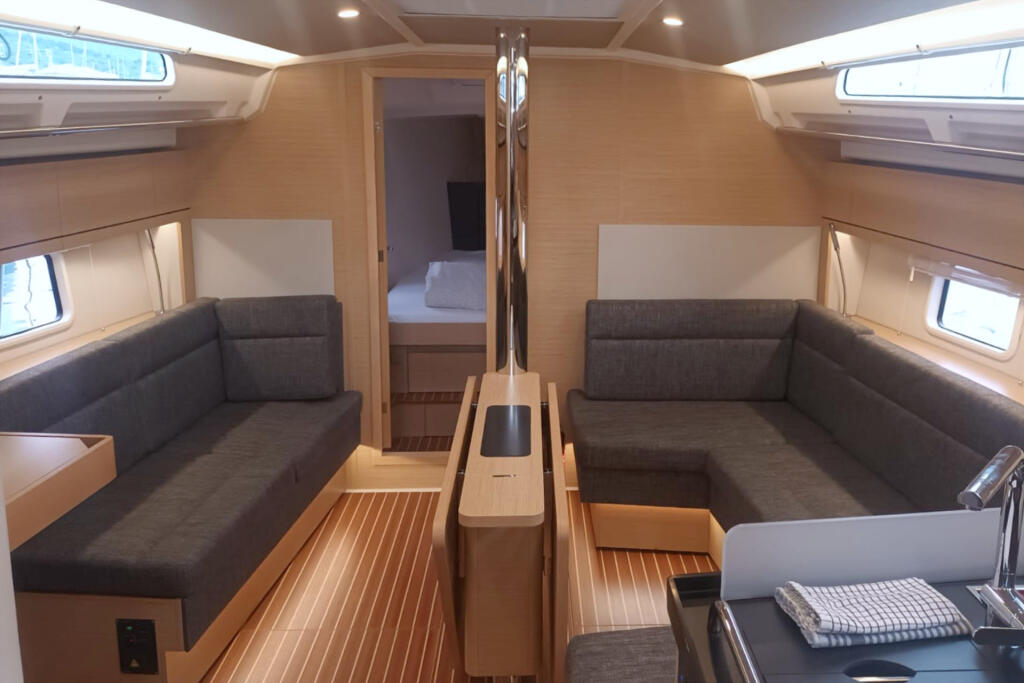
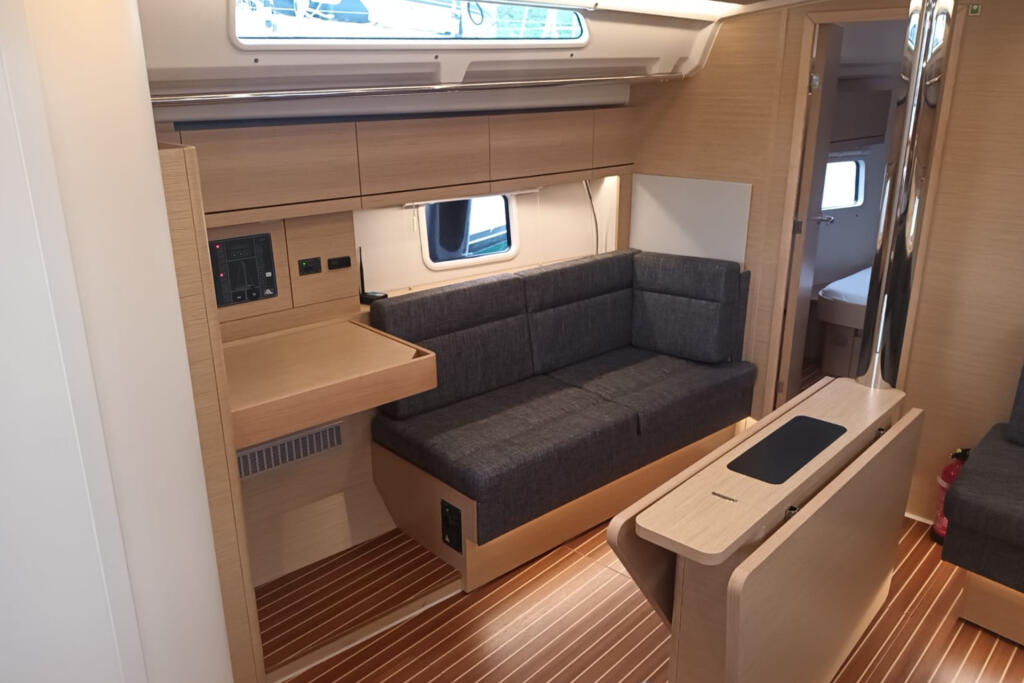
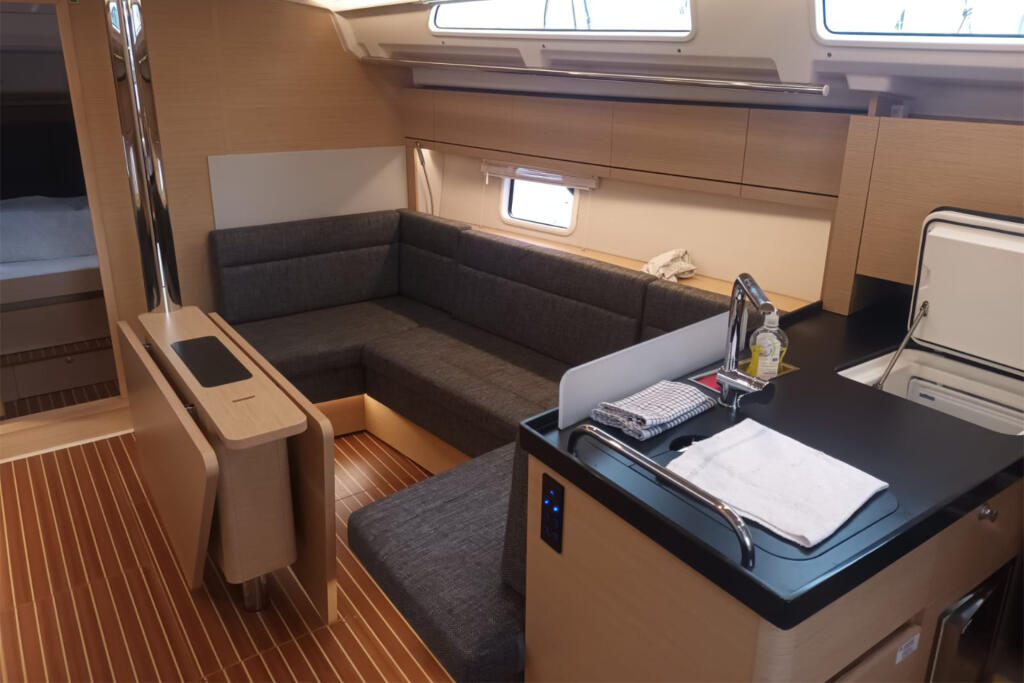
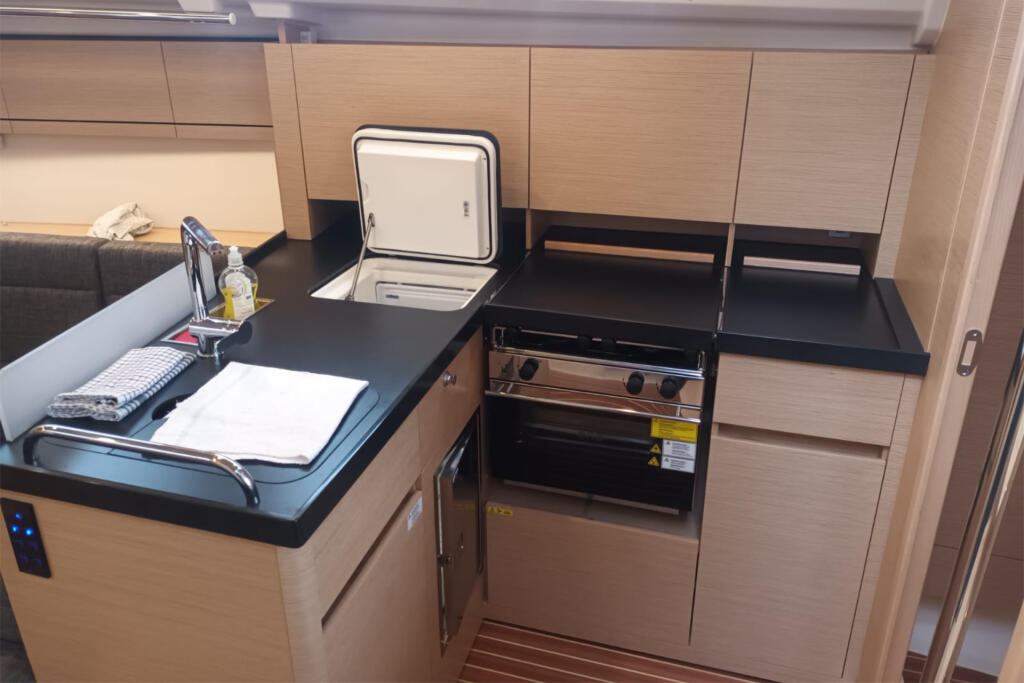
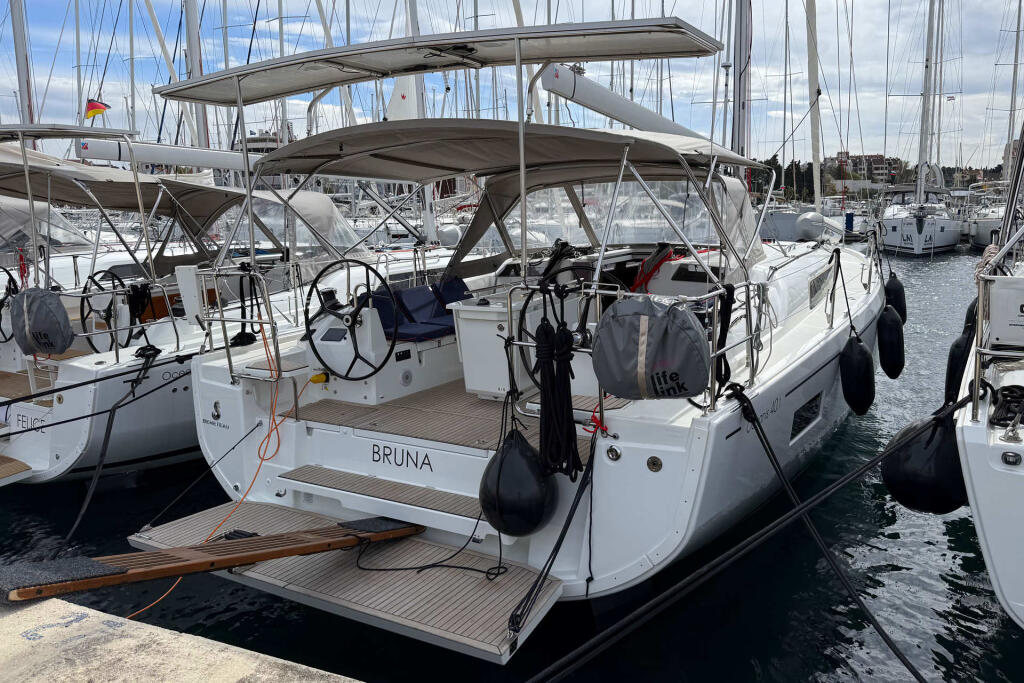
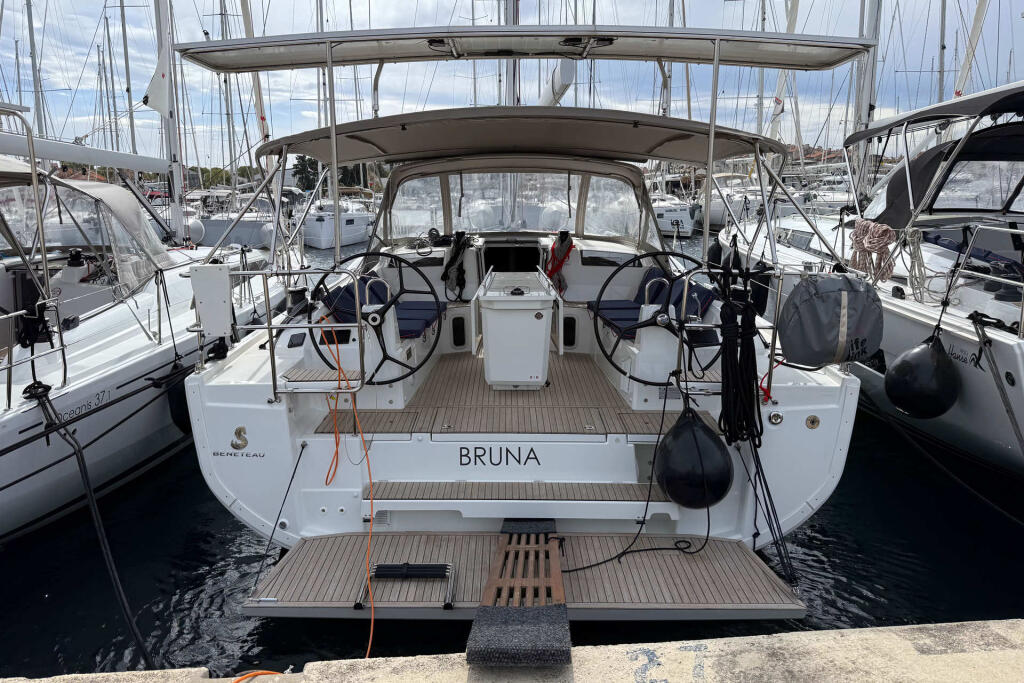
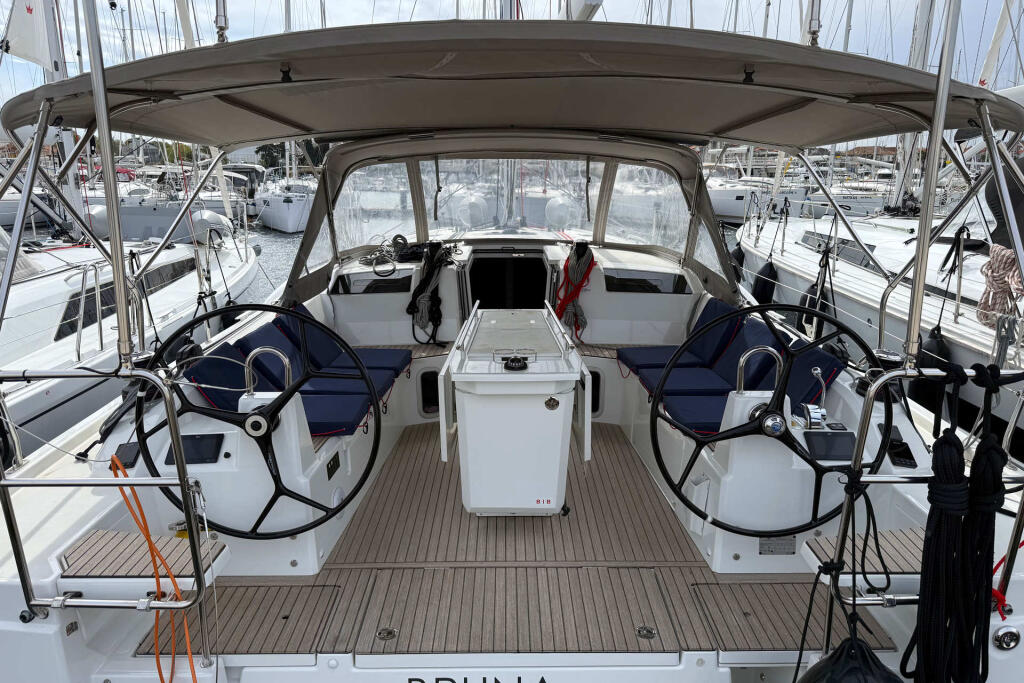
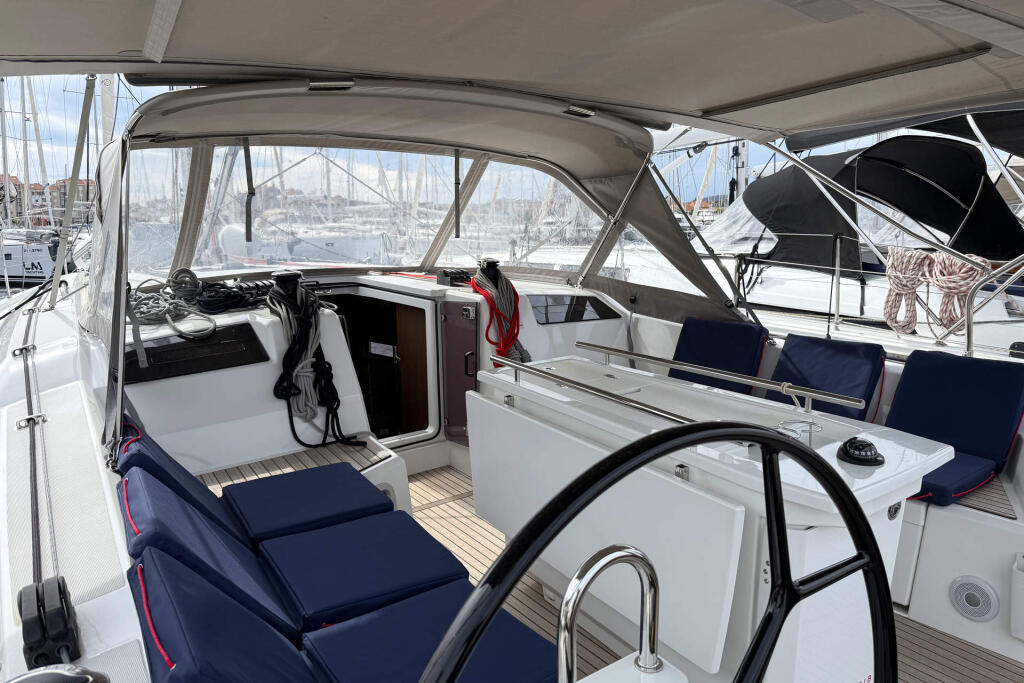

















































.jpeg)
.jpeg)
.jpeg)
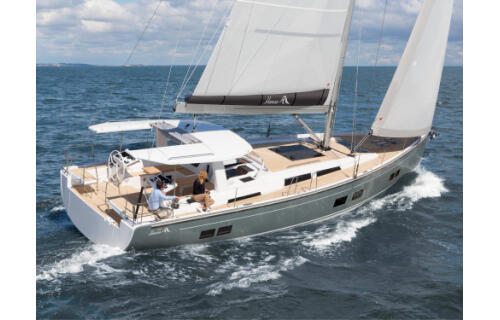
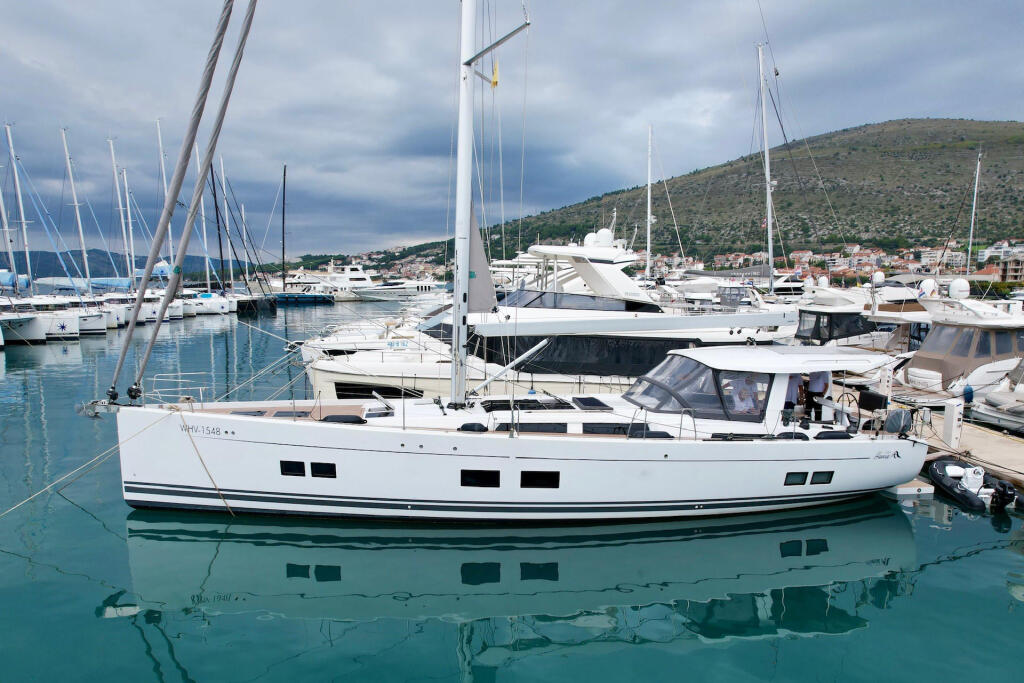
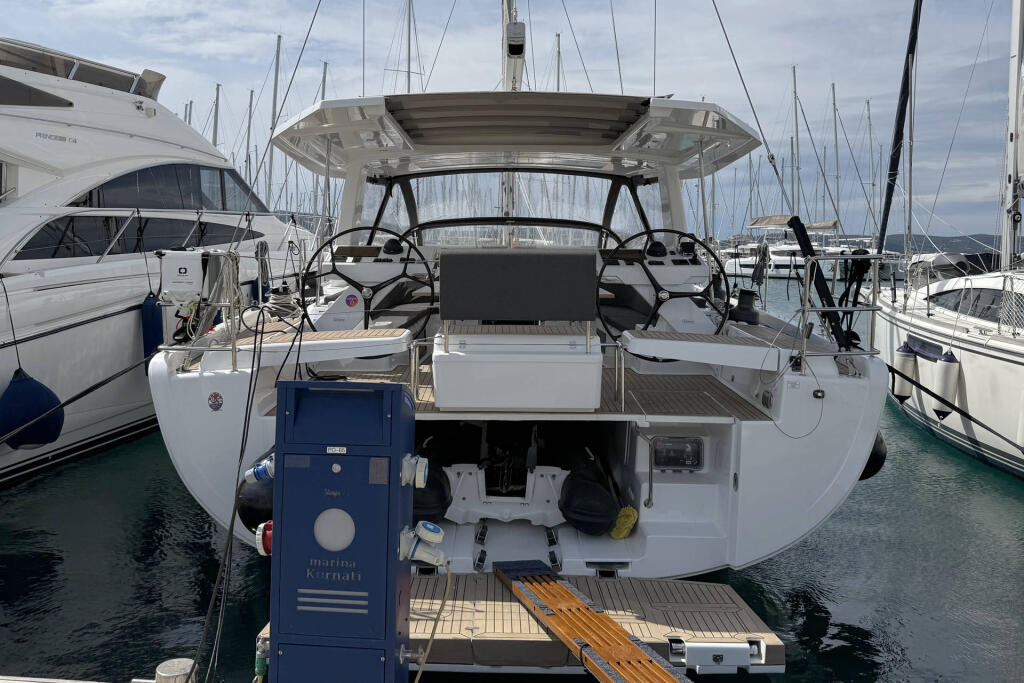
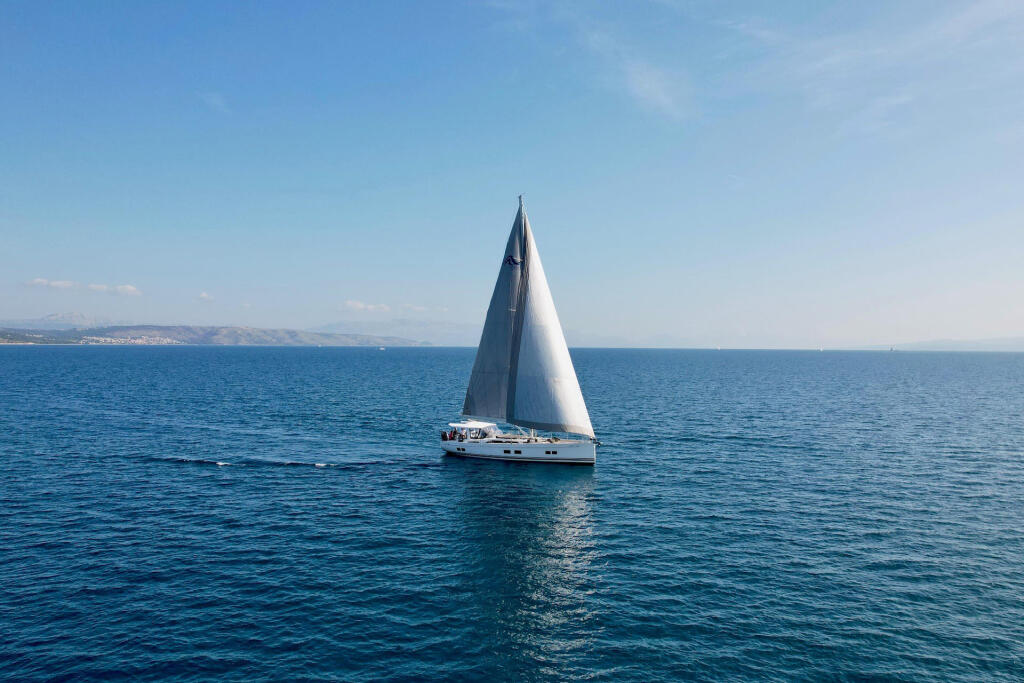
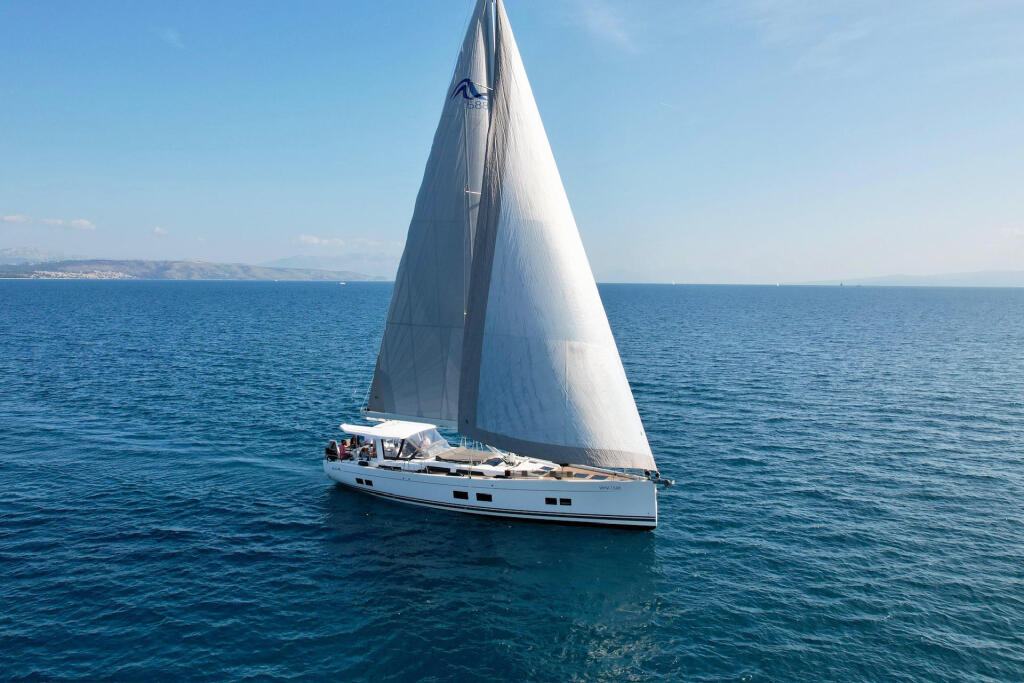
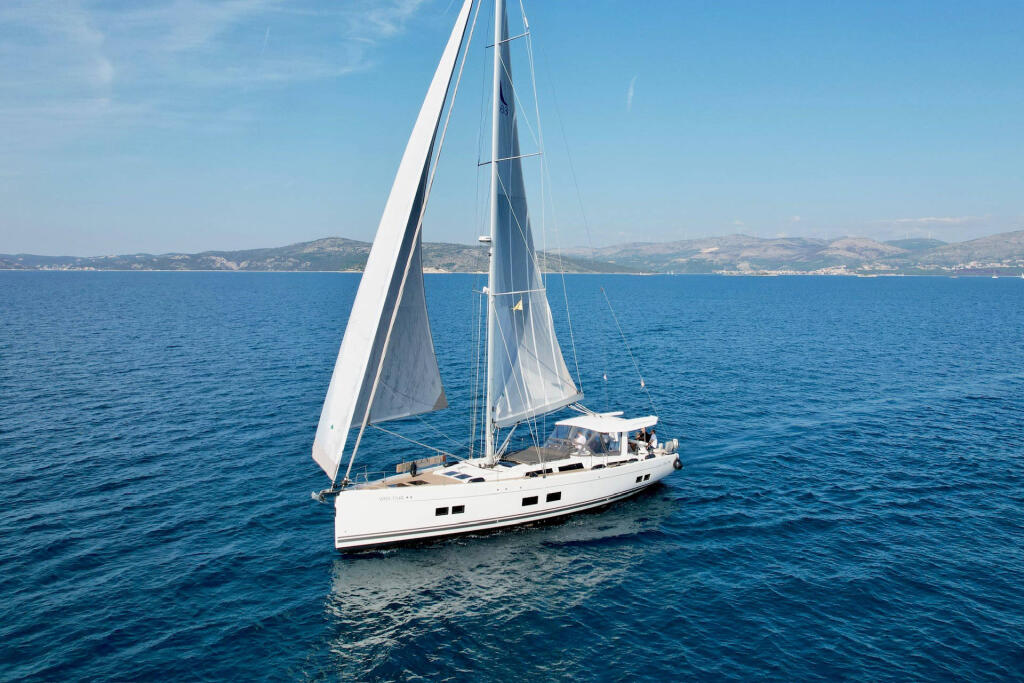
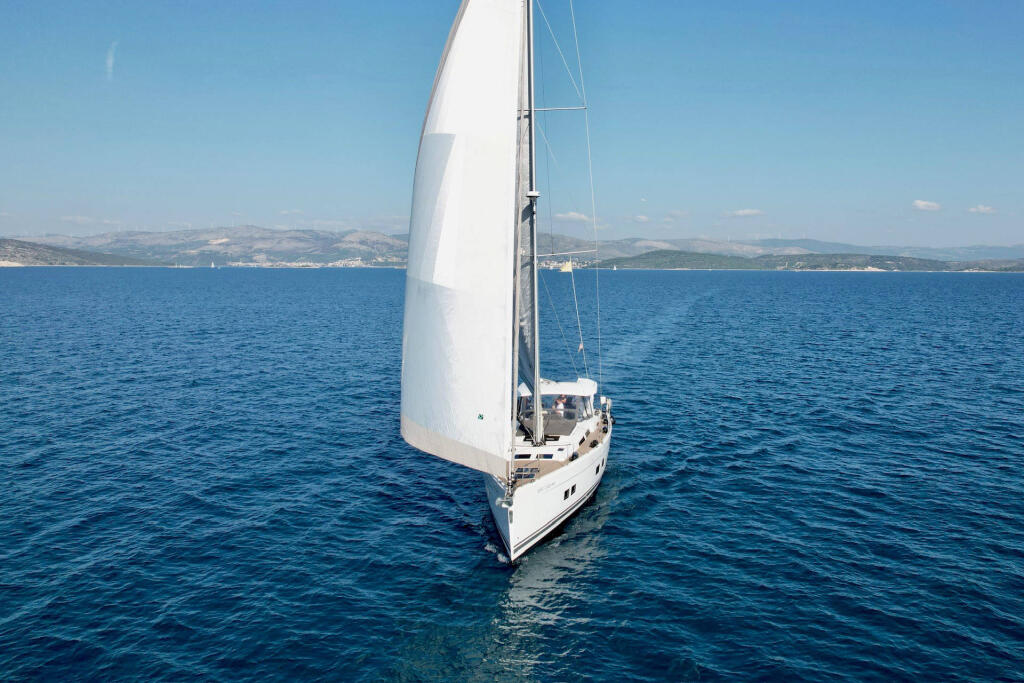
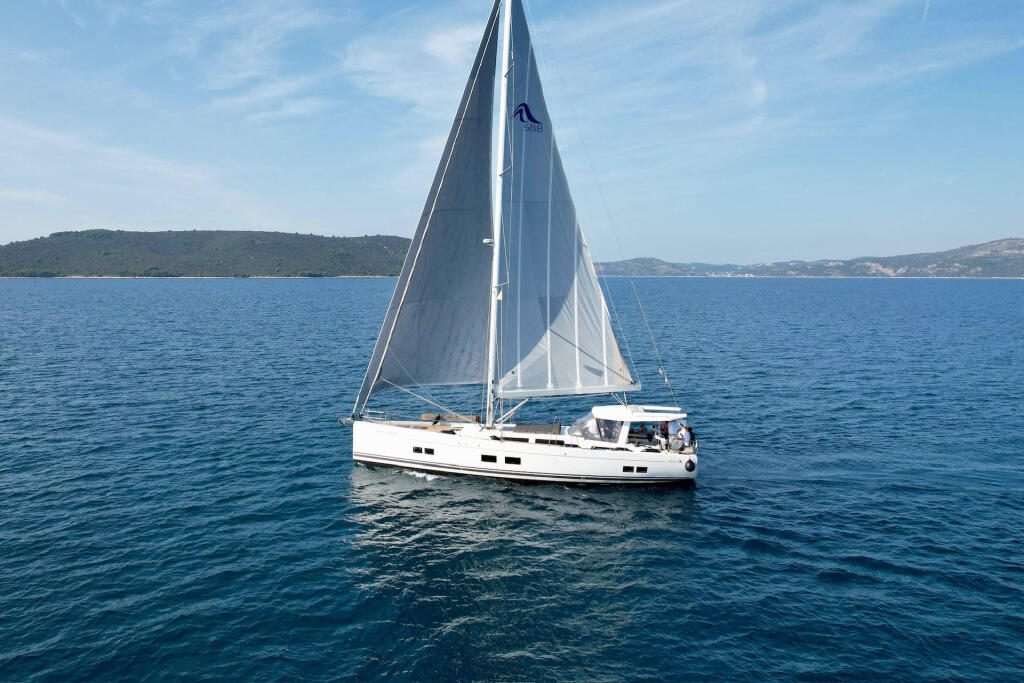
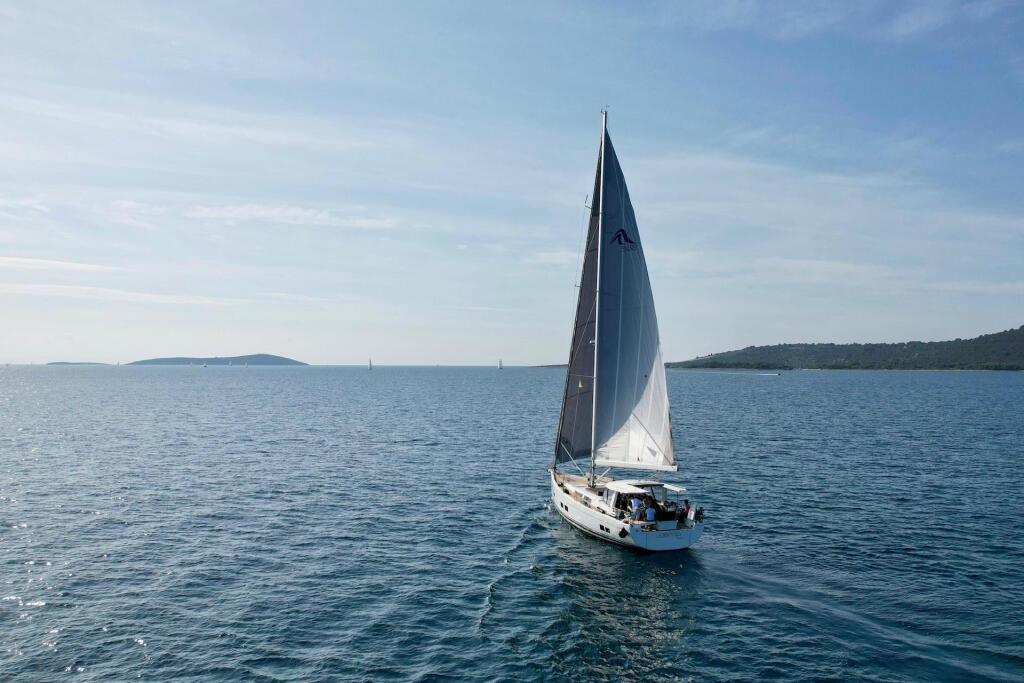
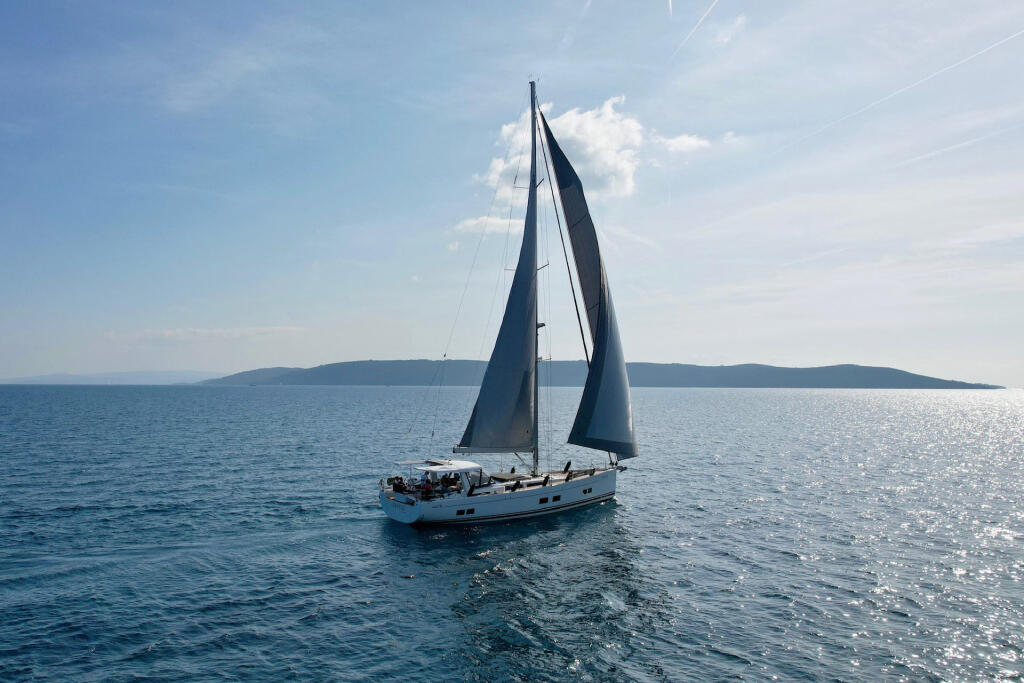
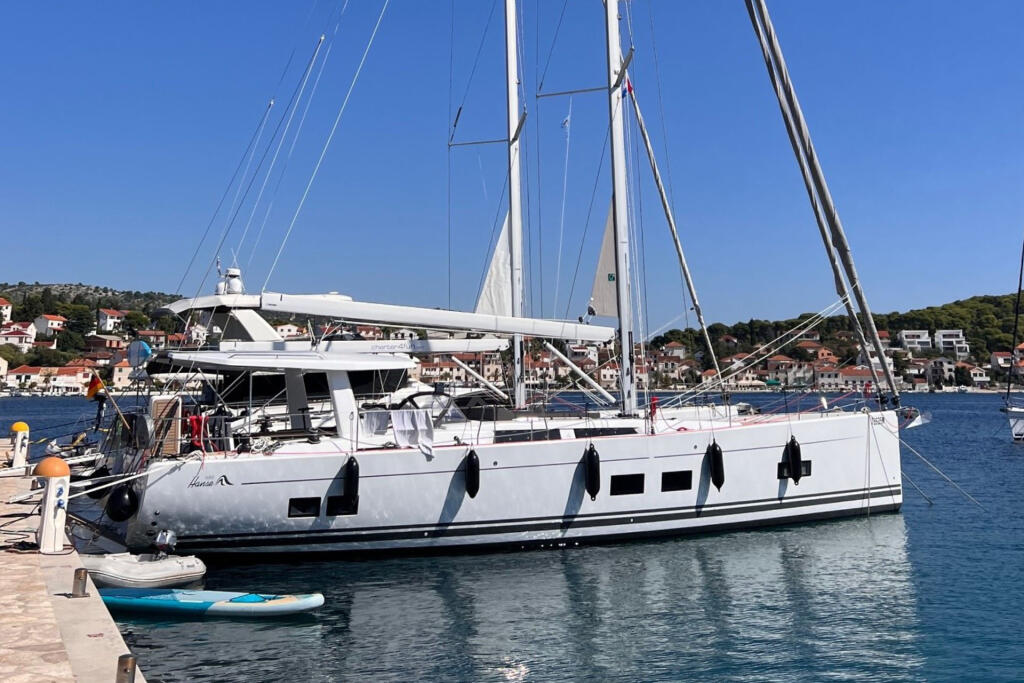
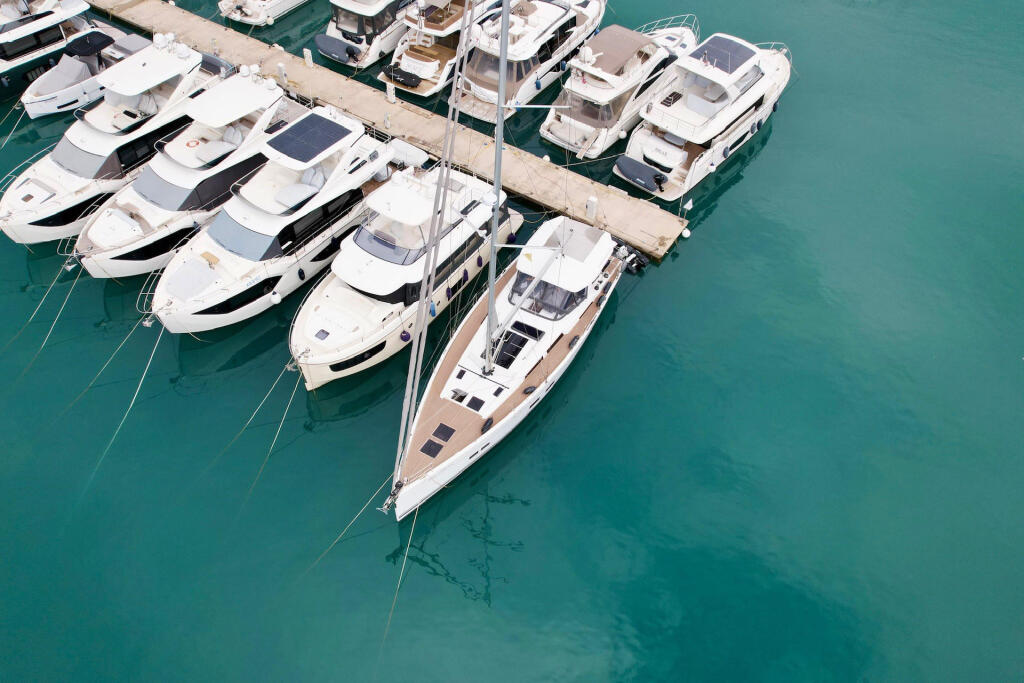
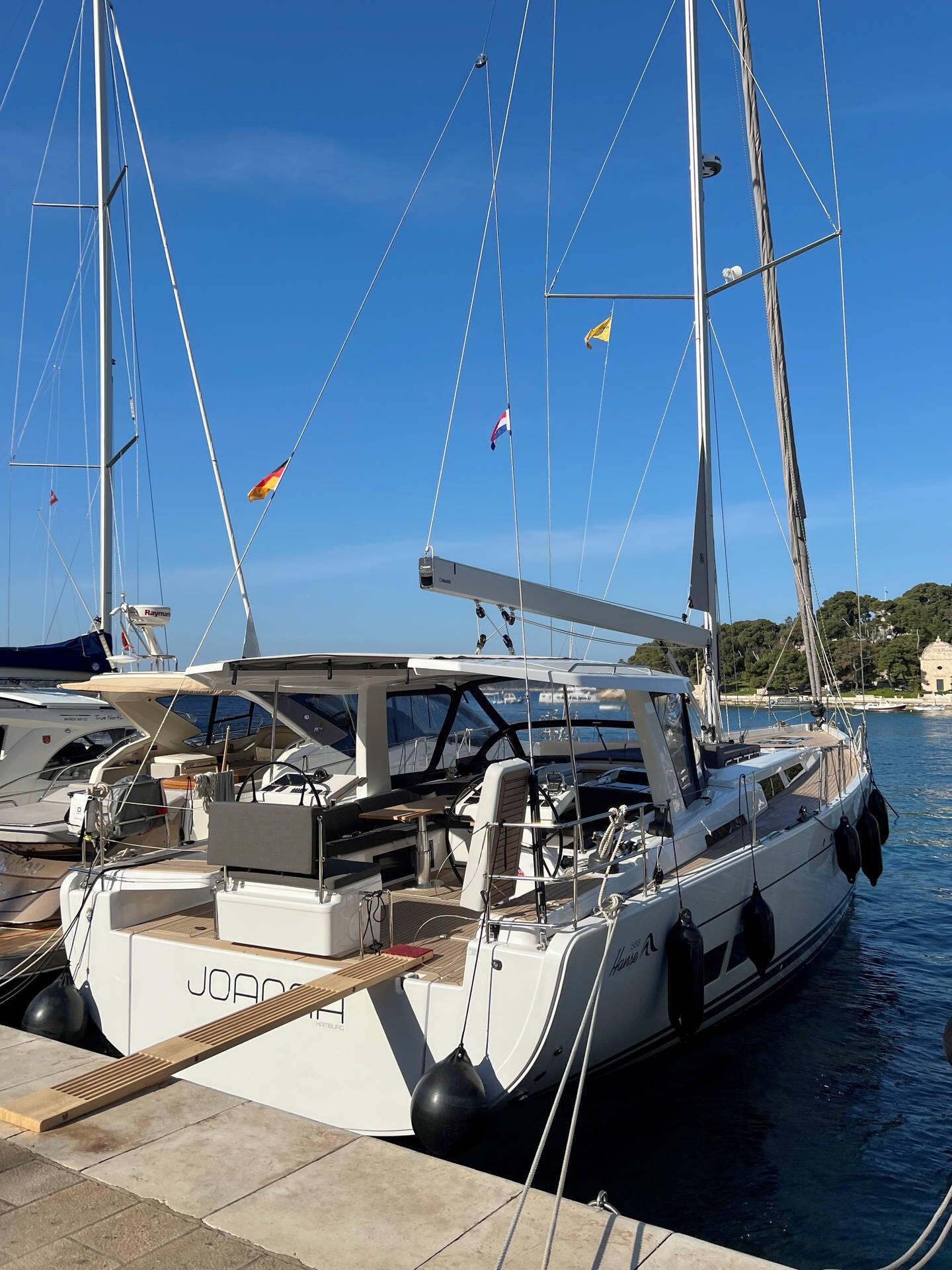
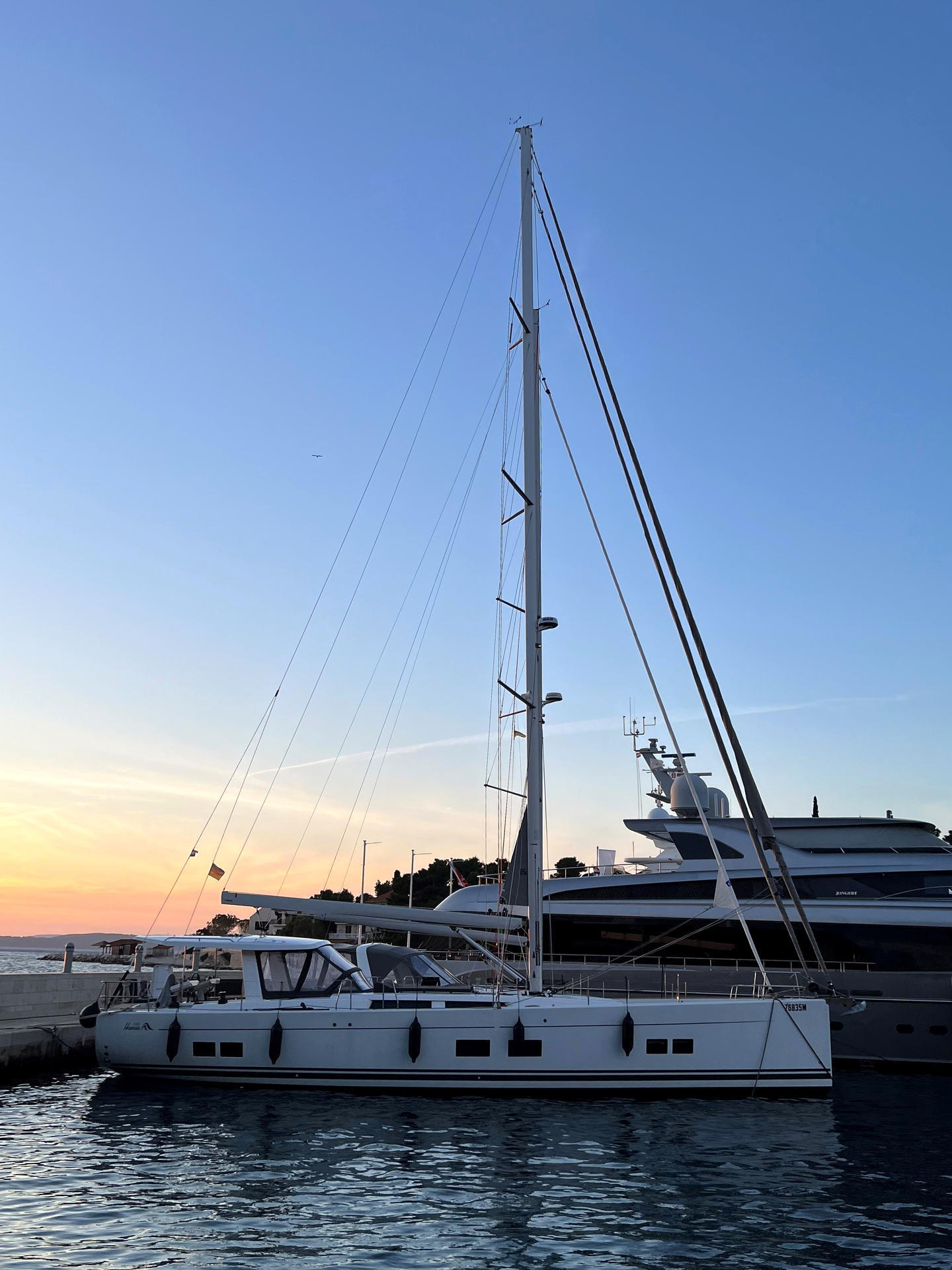
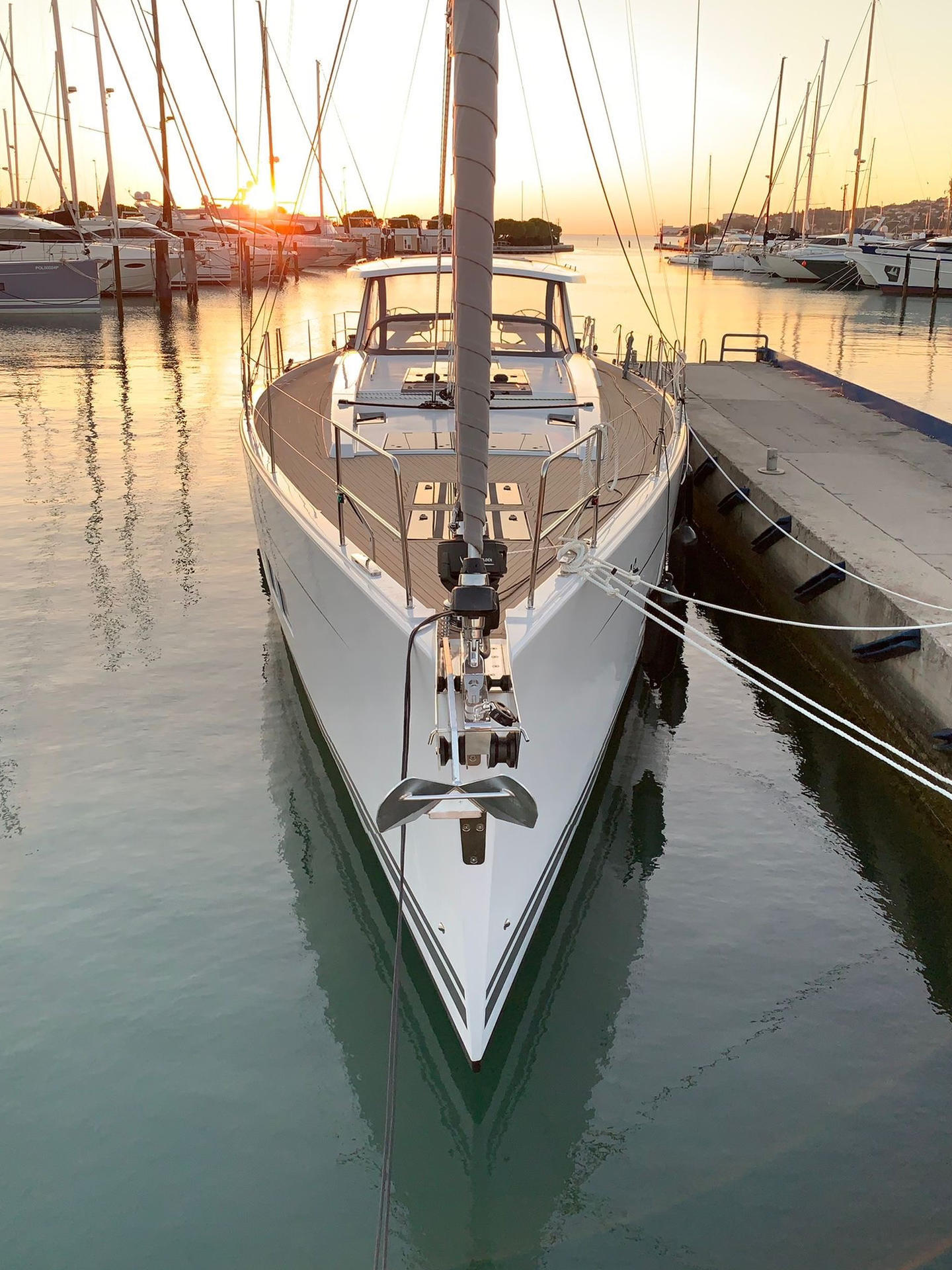
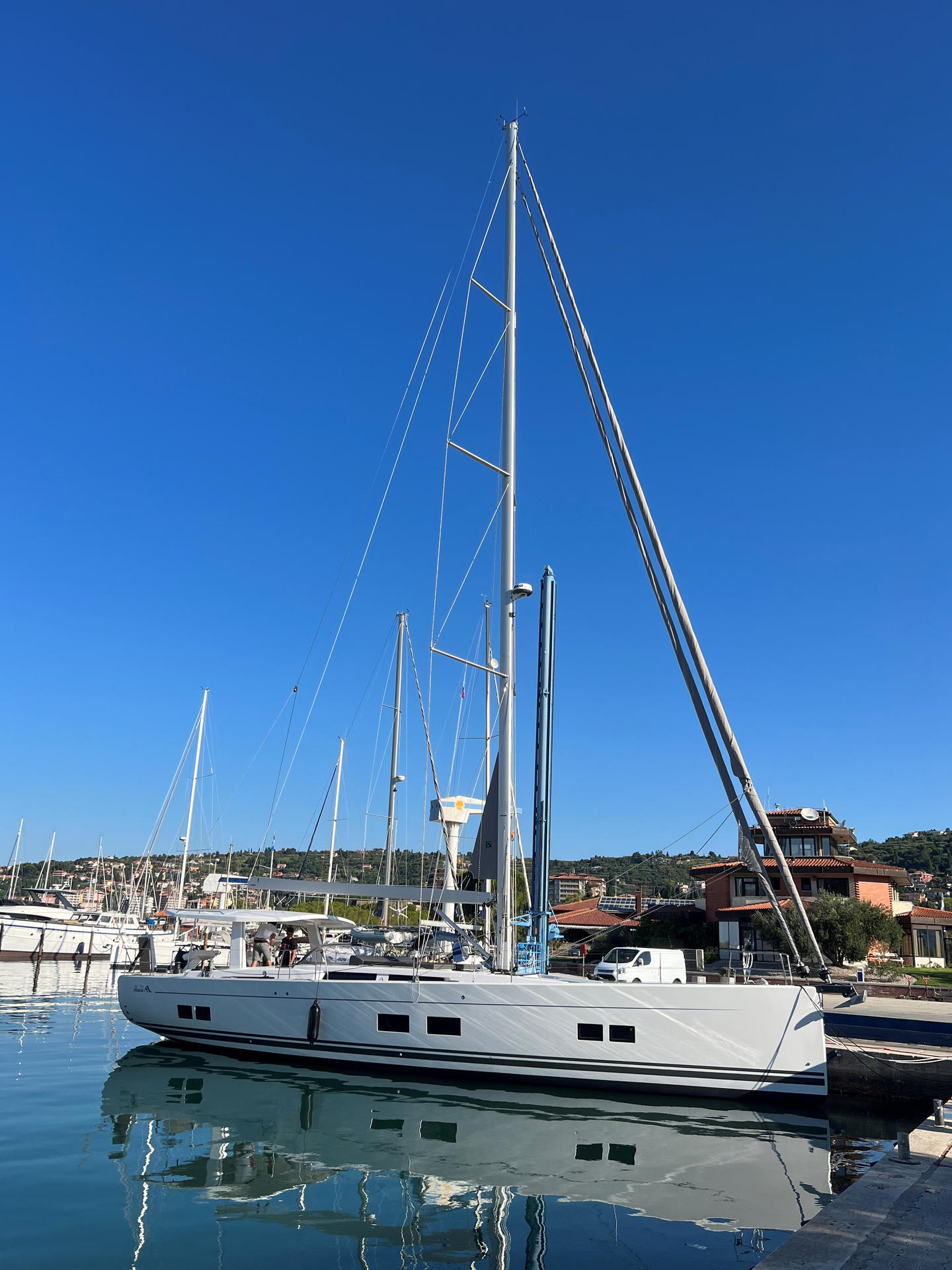
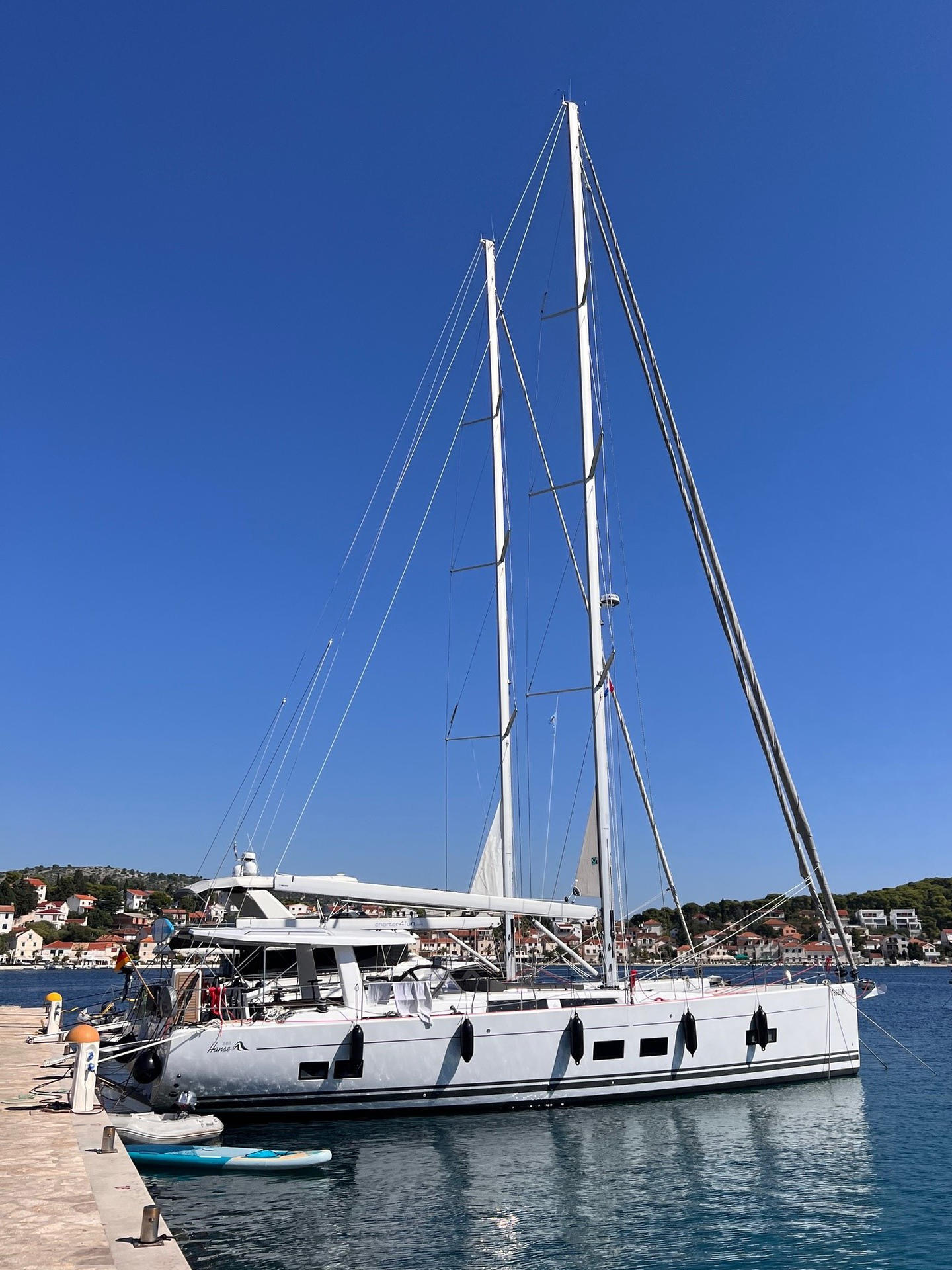
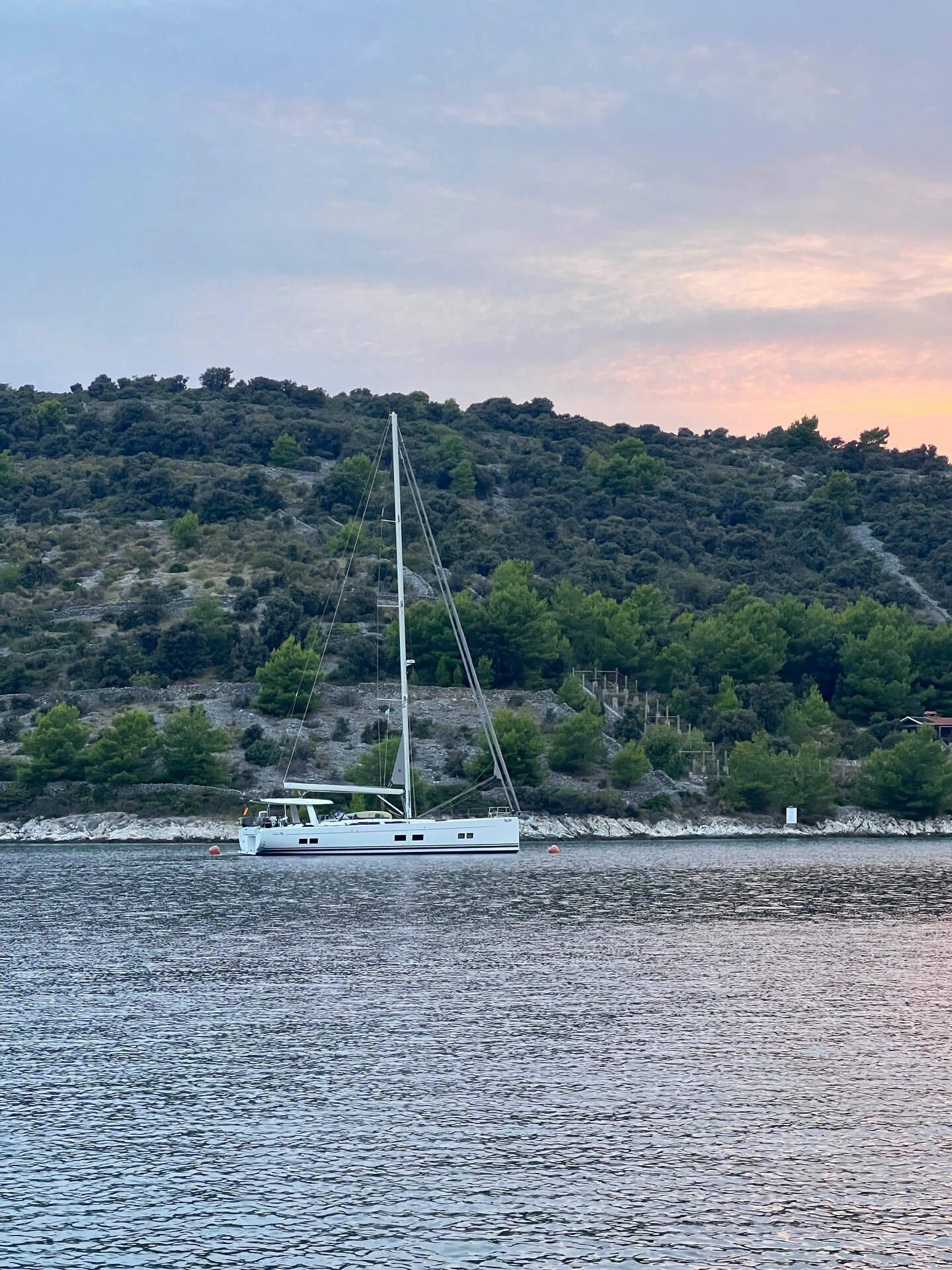
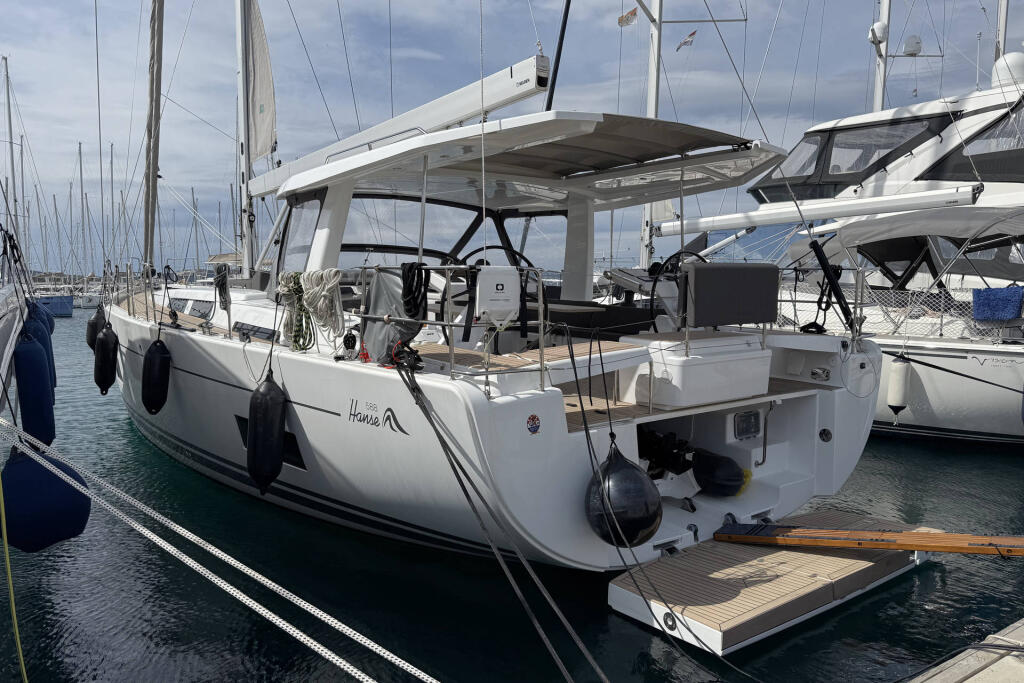
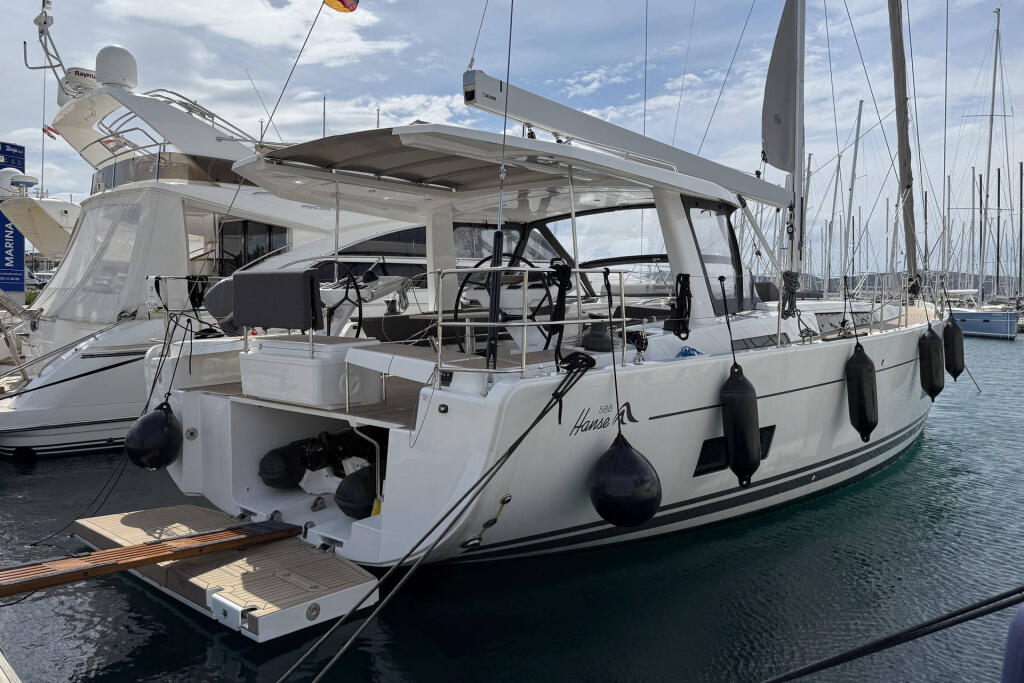
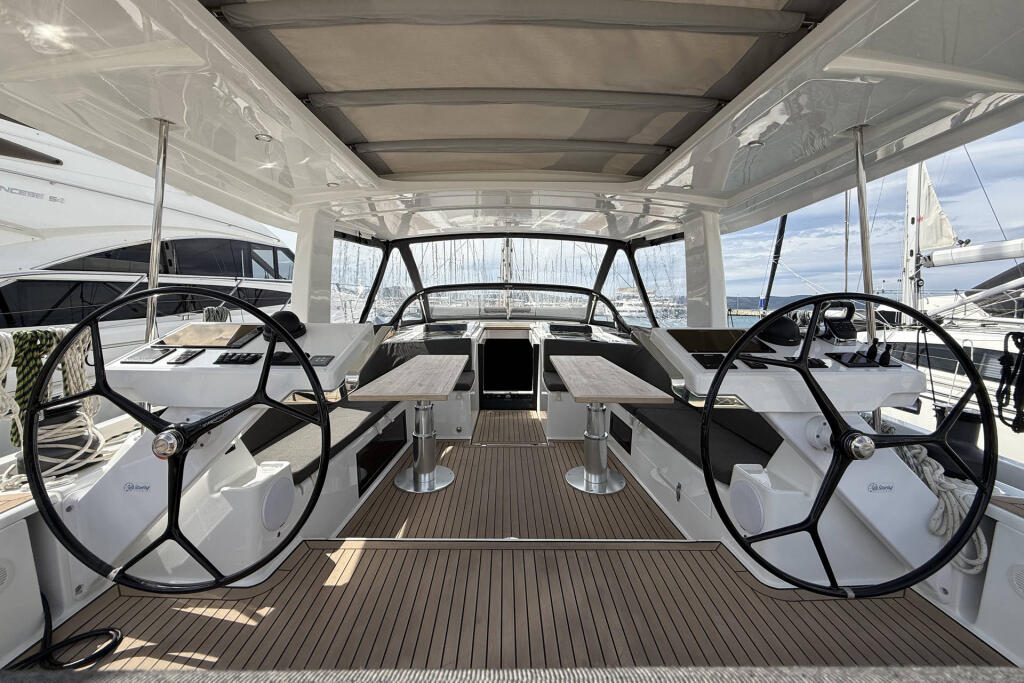
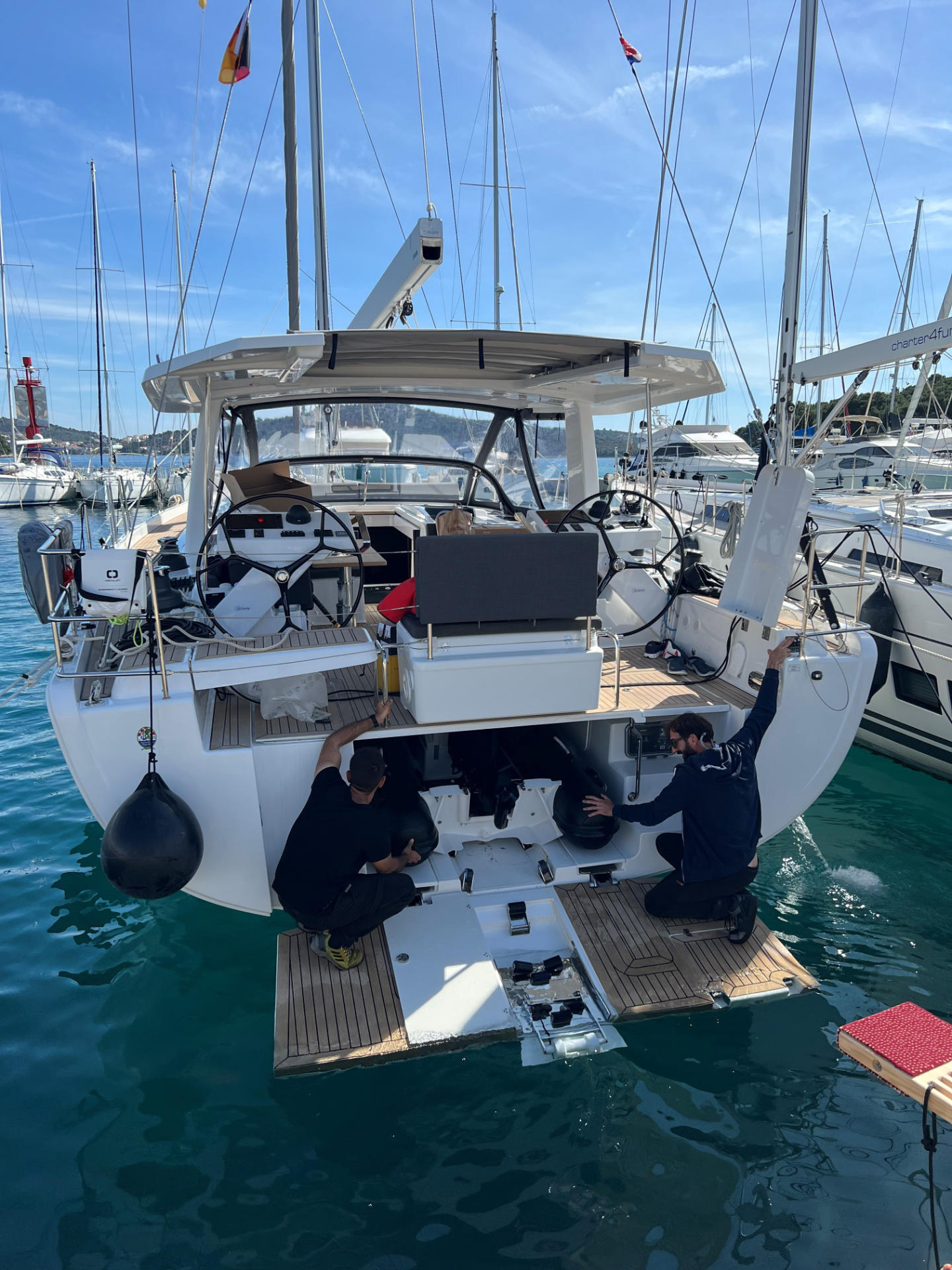
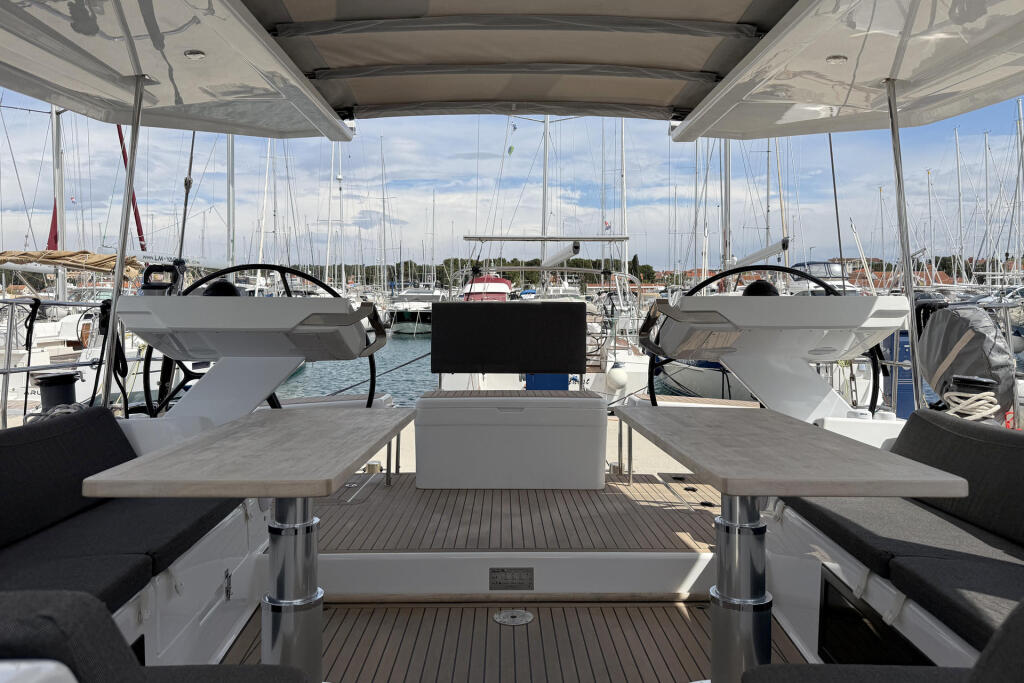
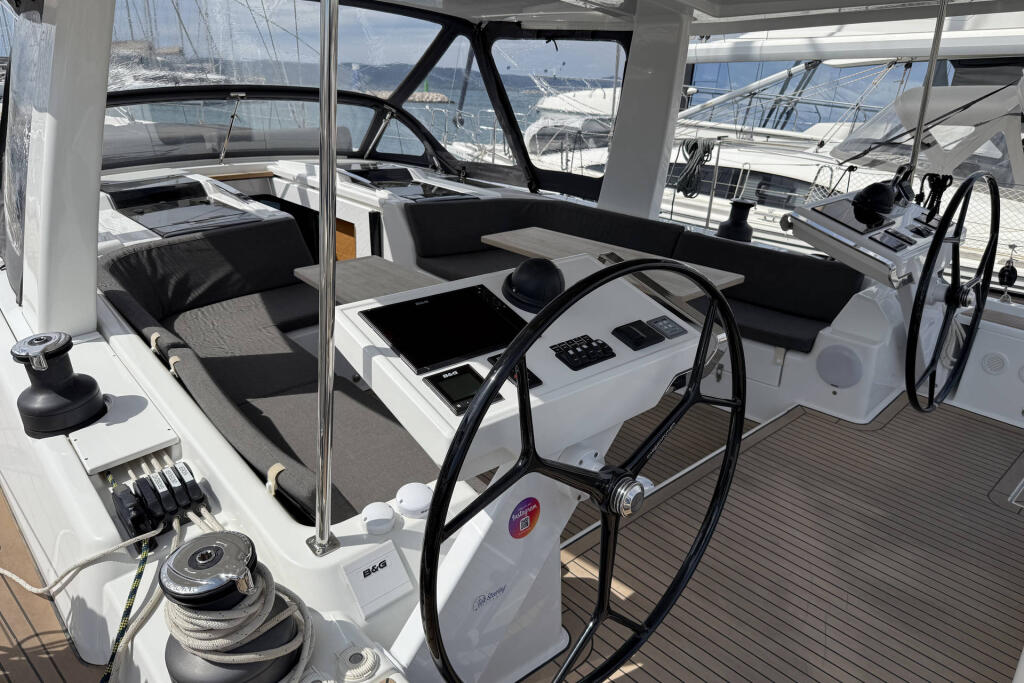
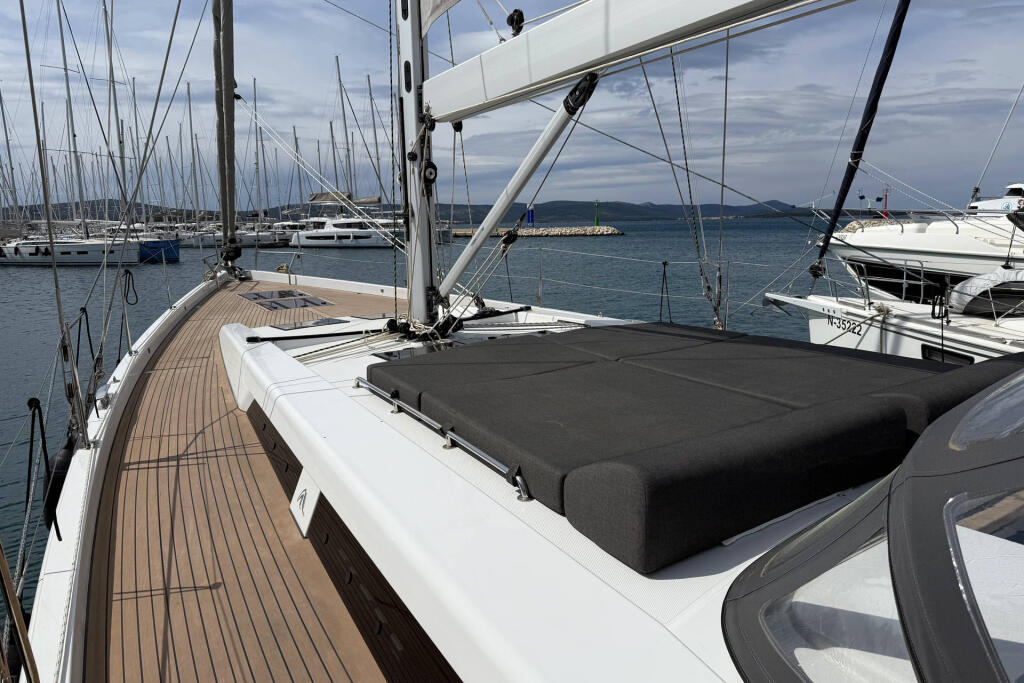
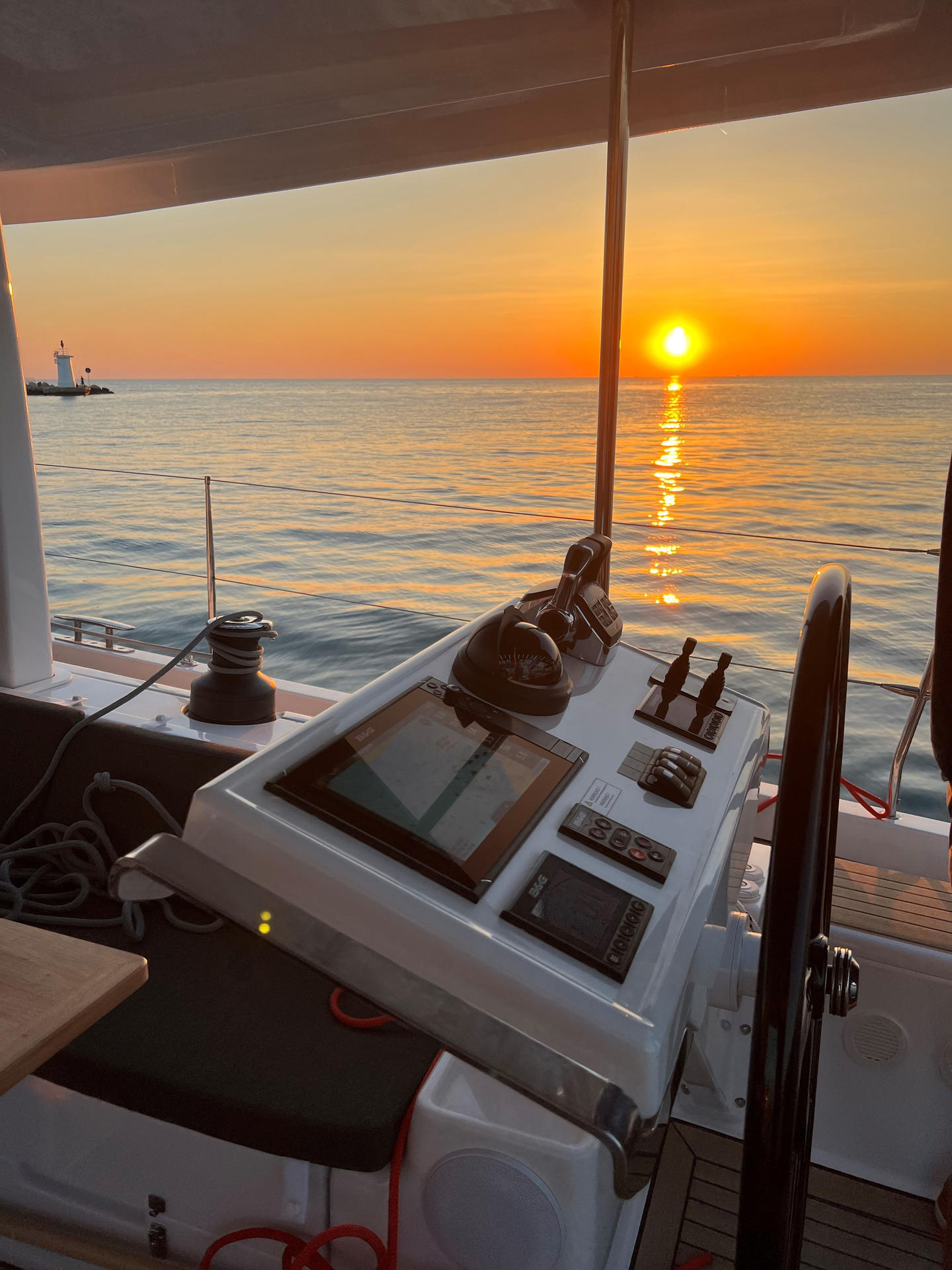
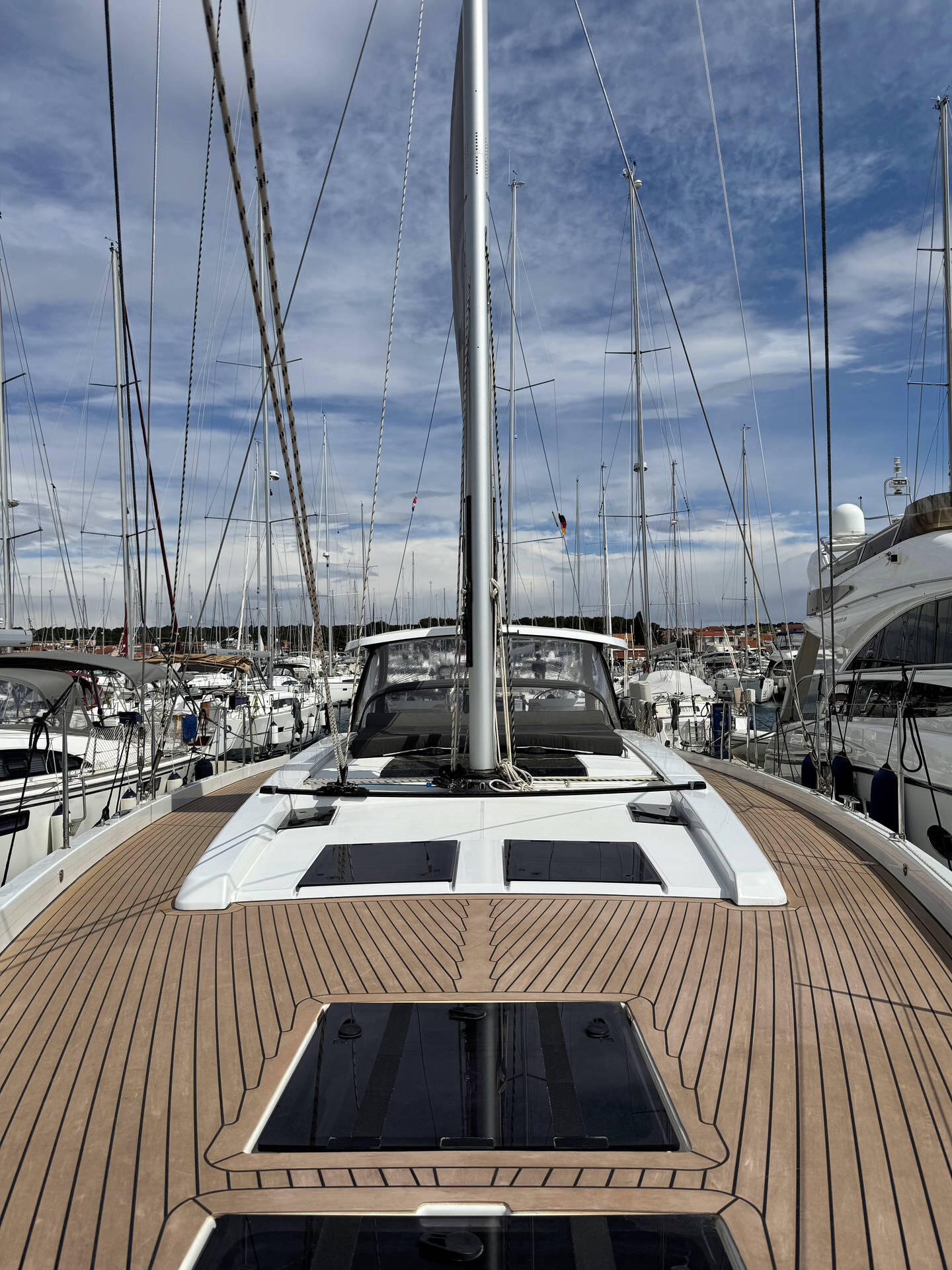
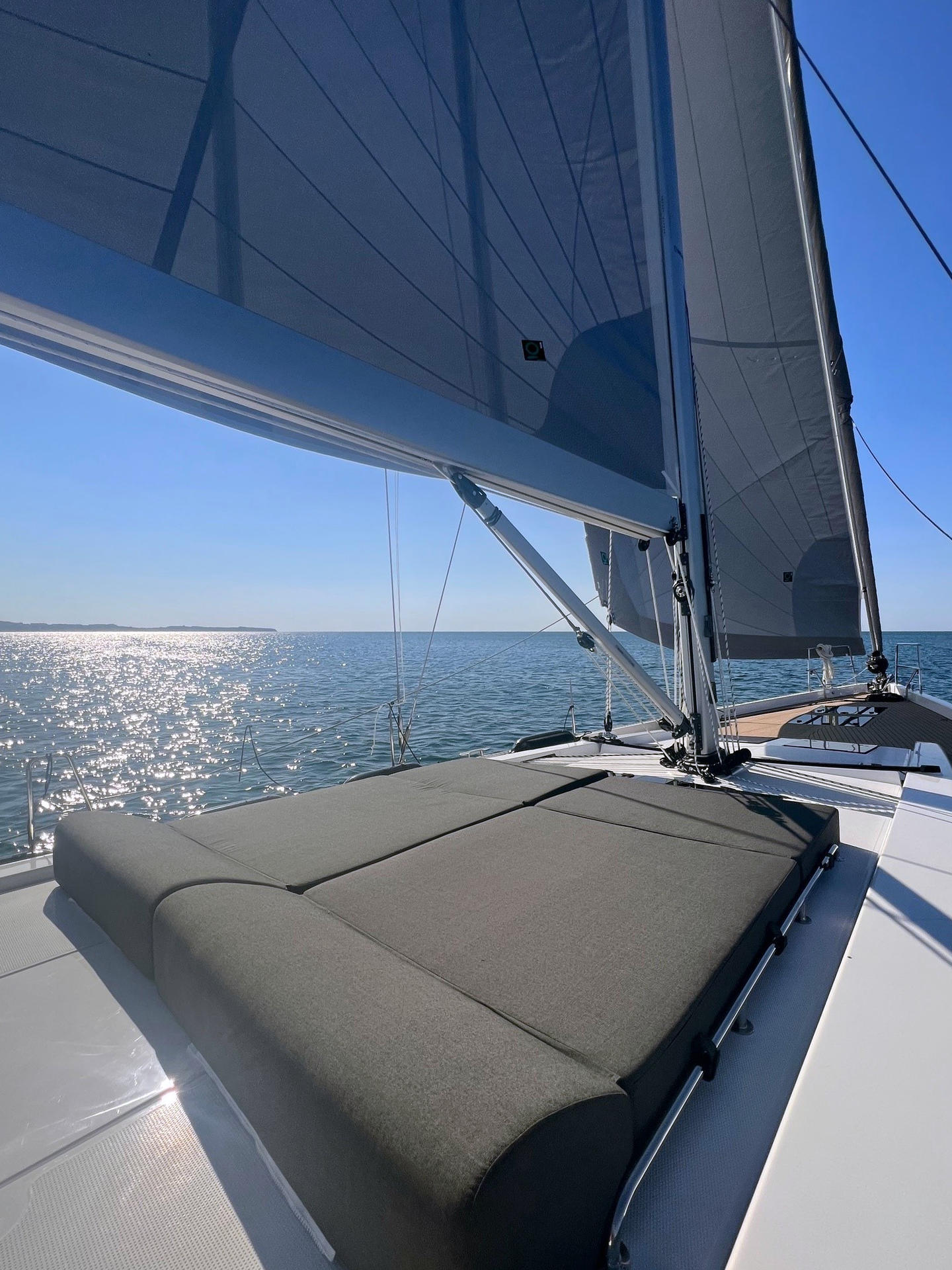
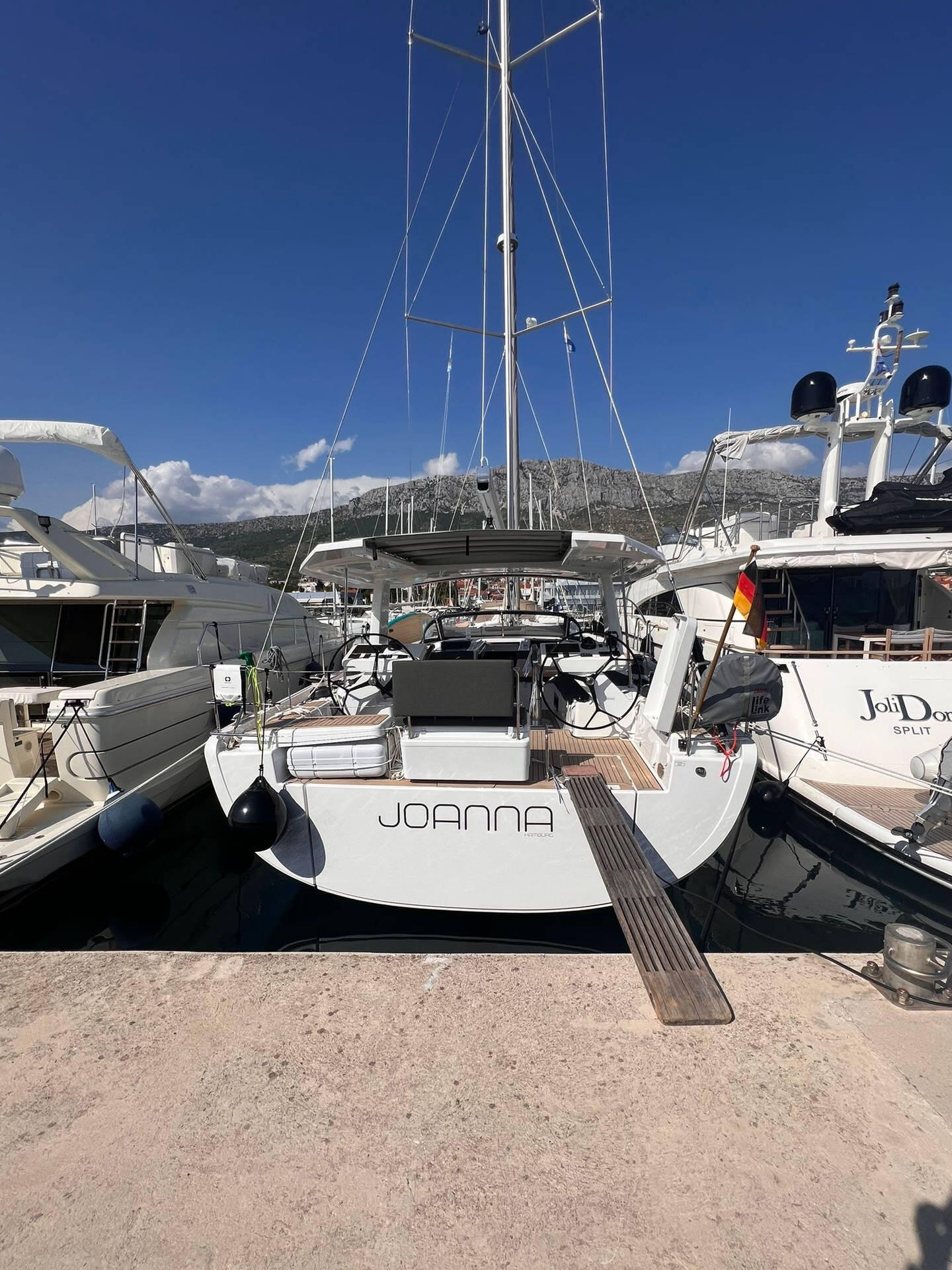
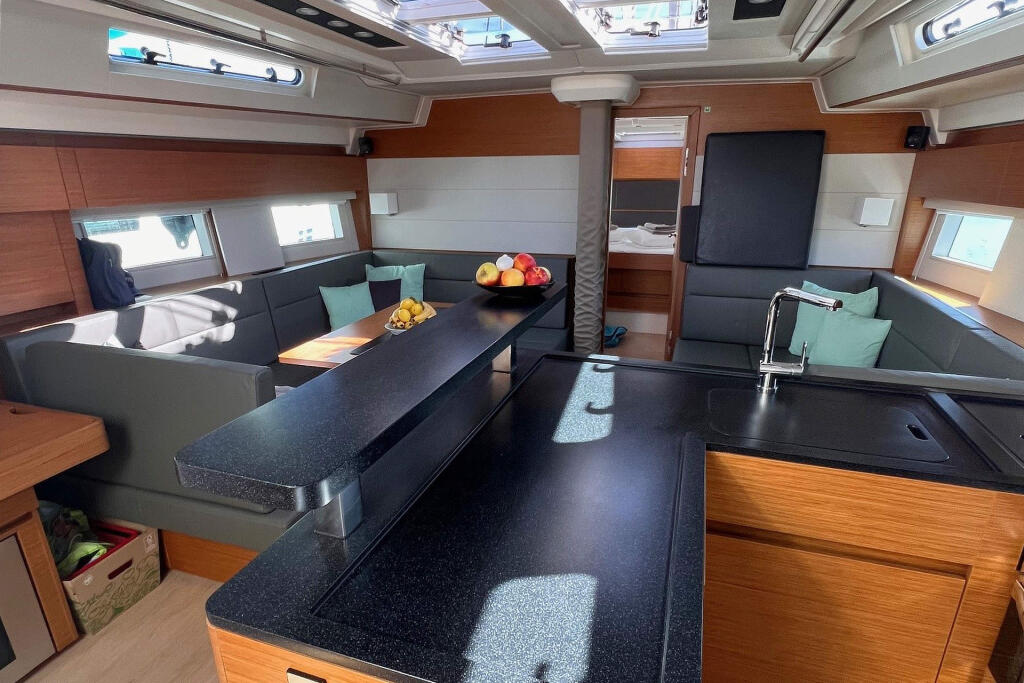
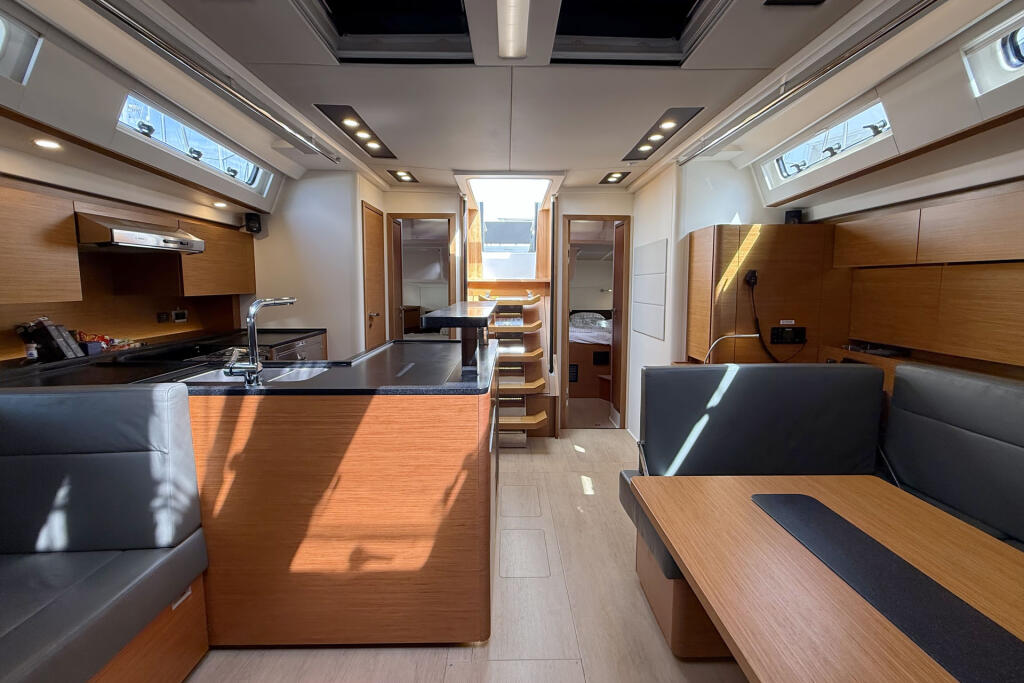
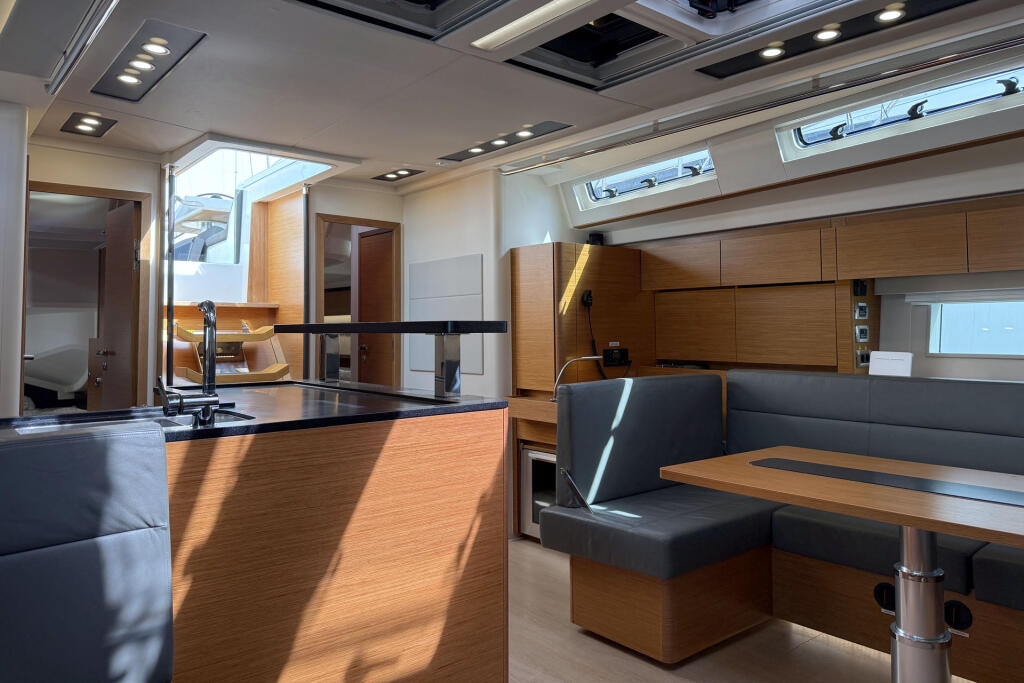
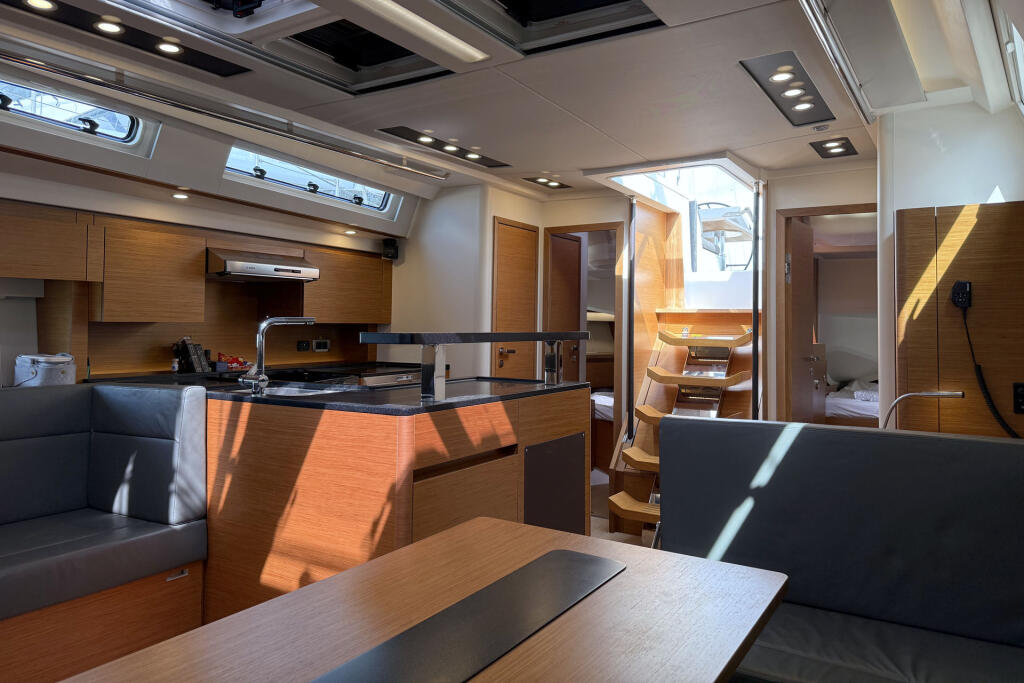
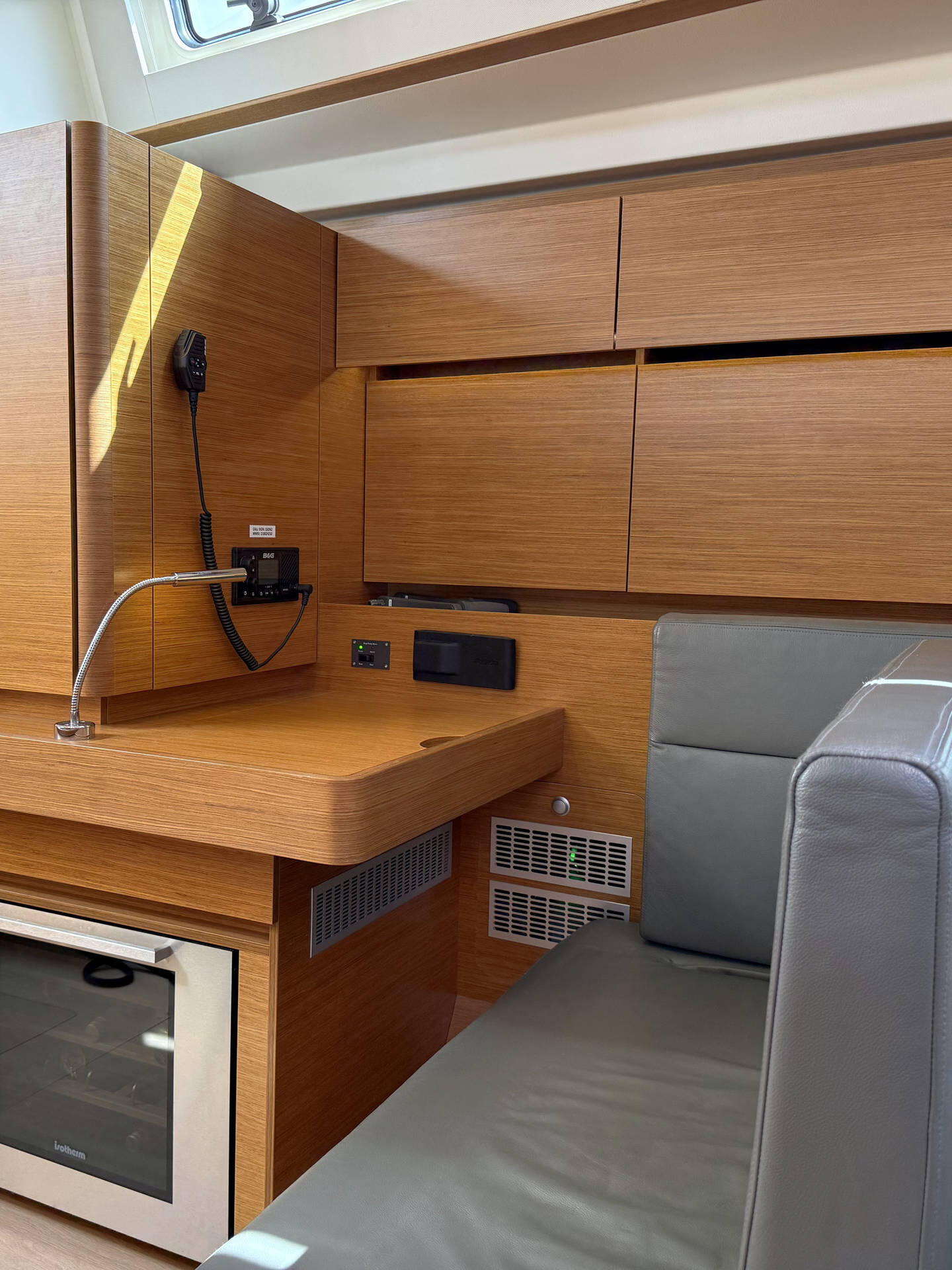

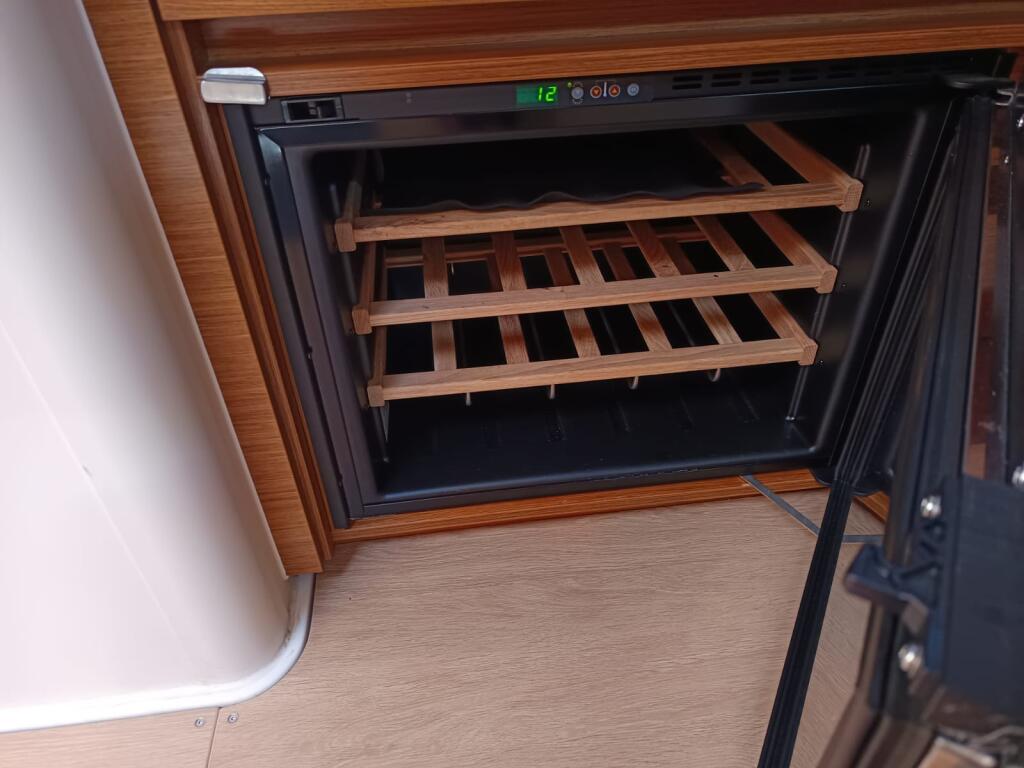
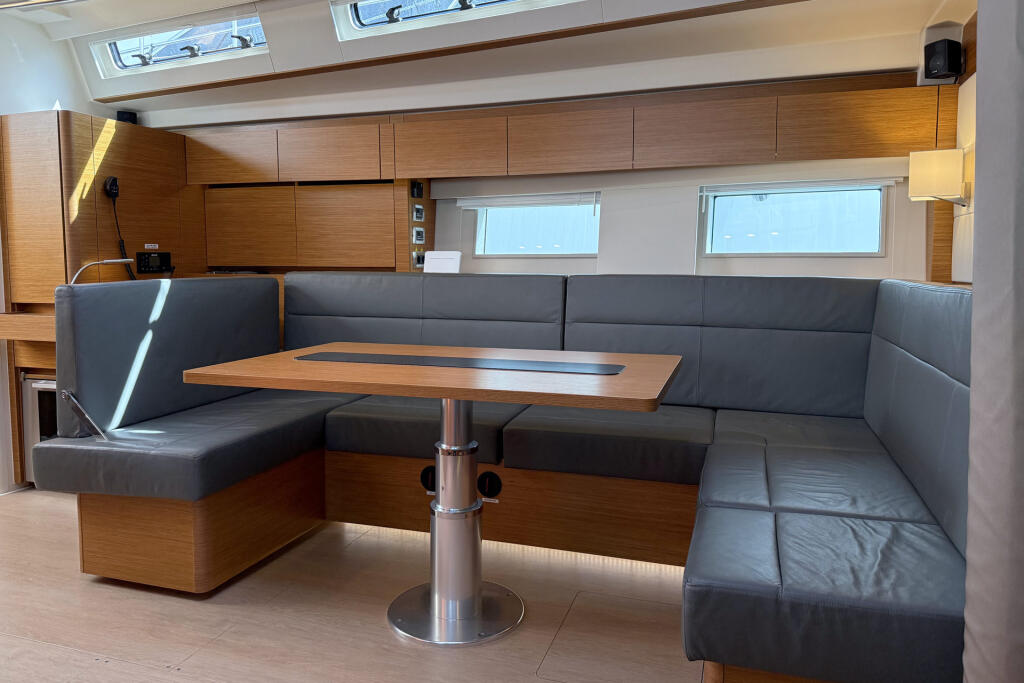

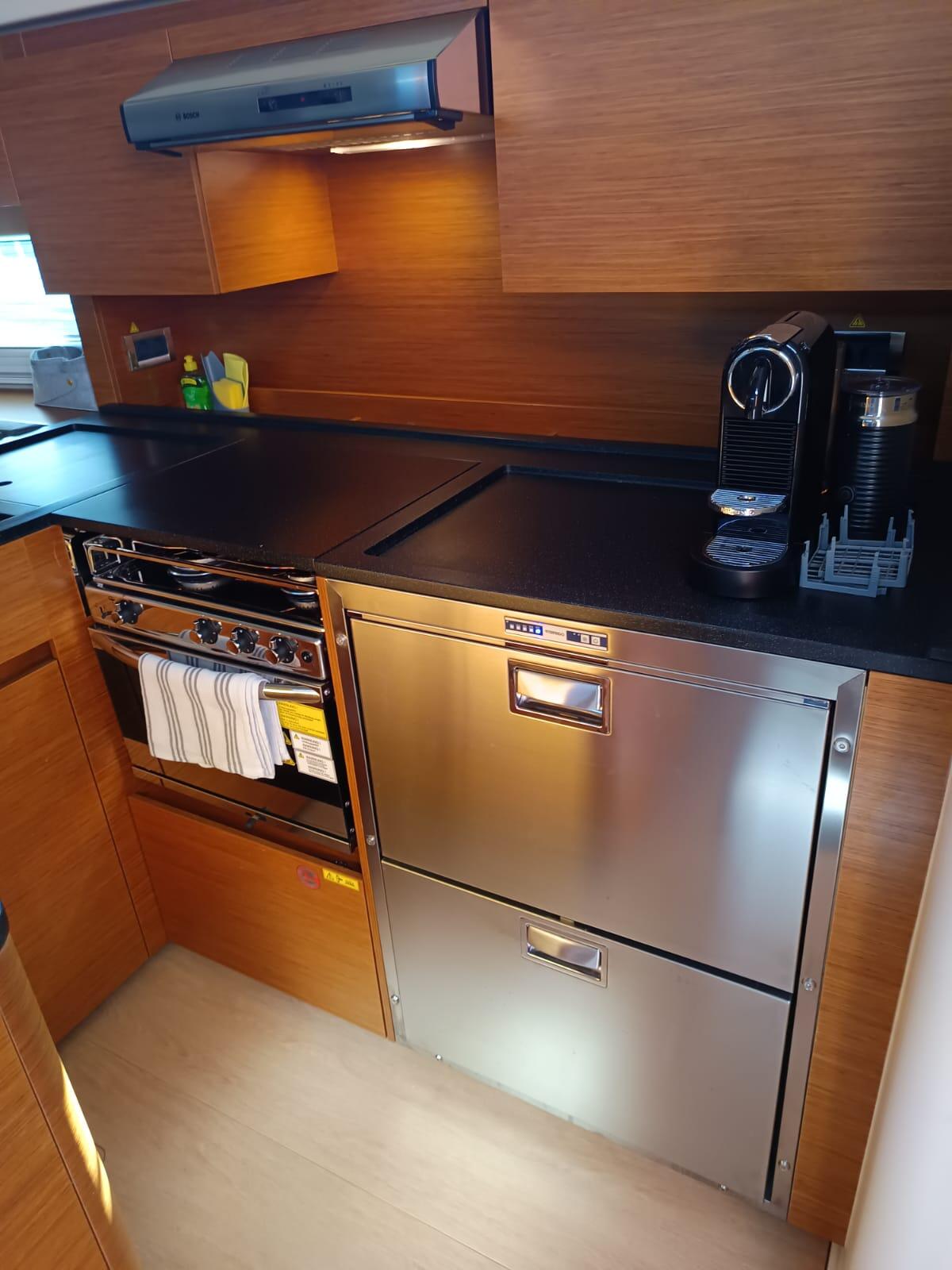
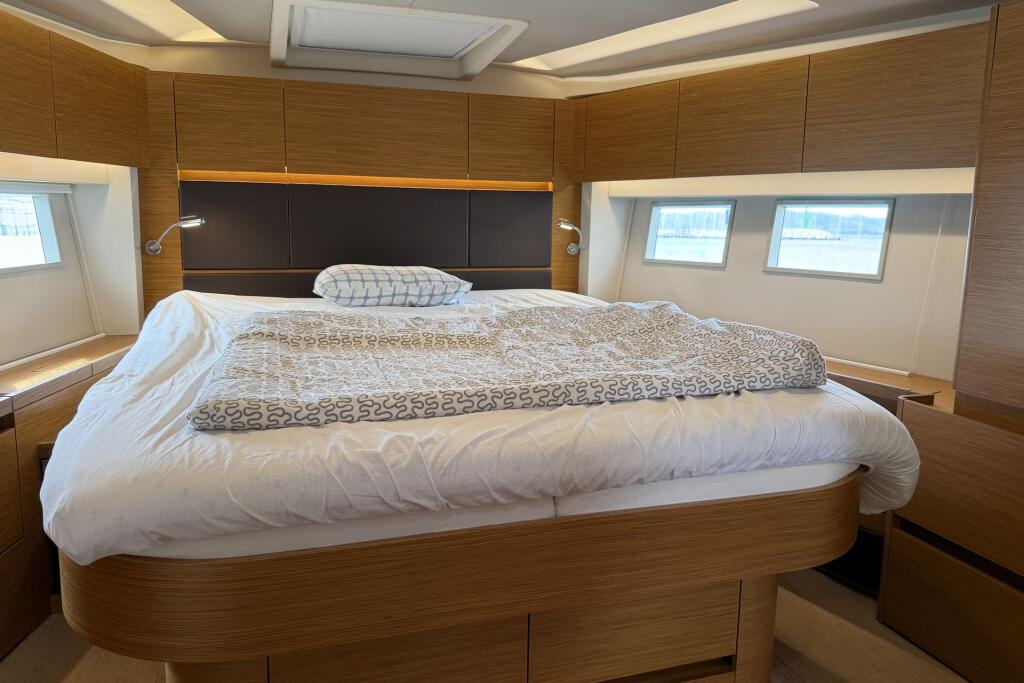
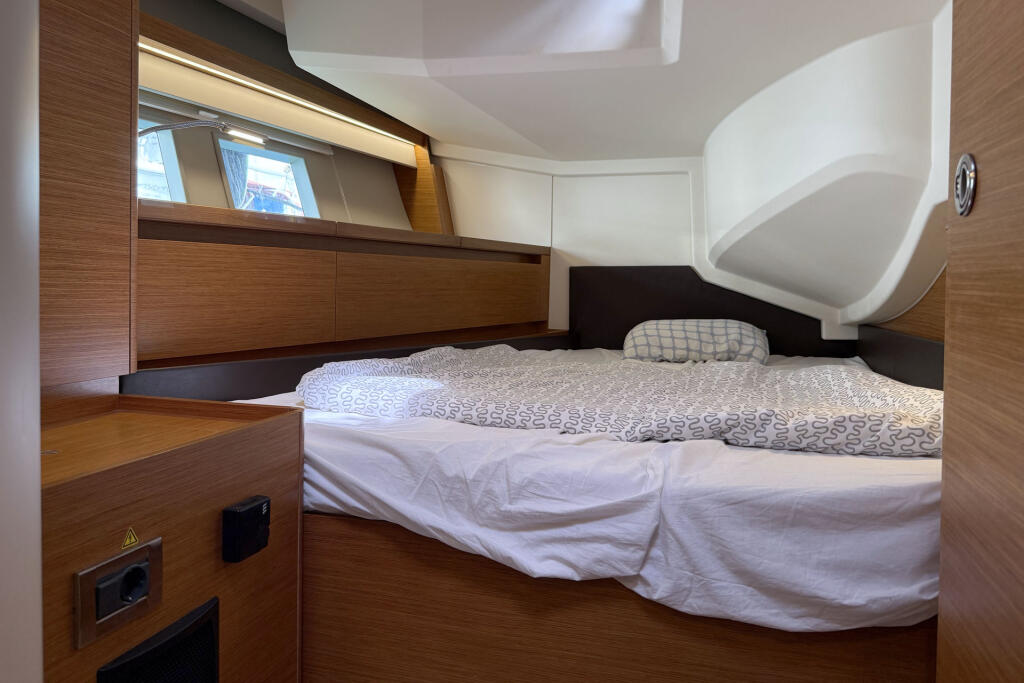
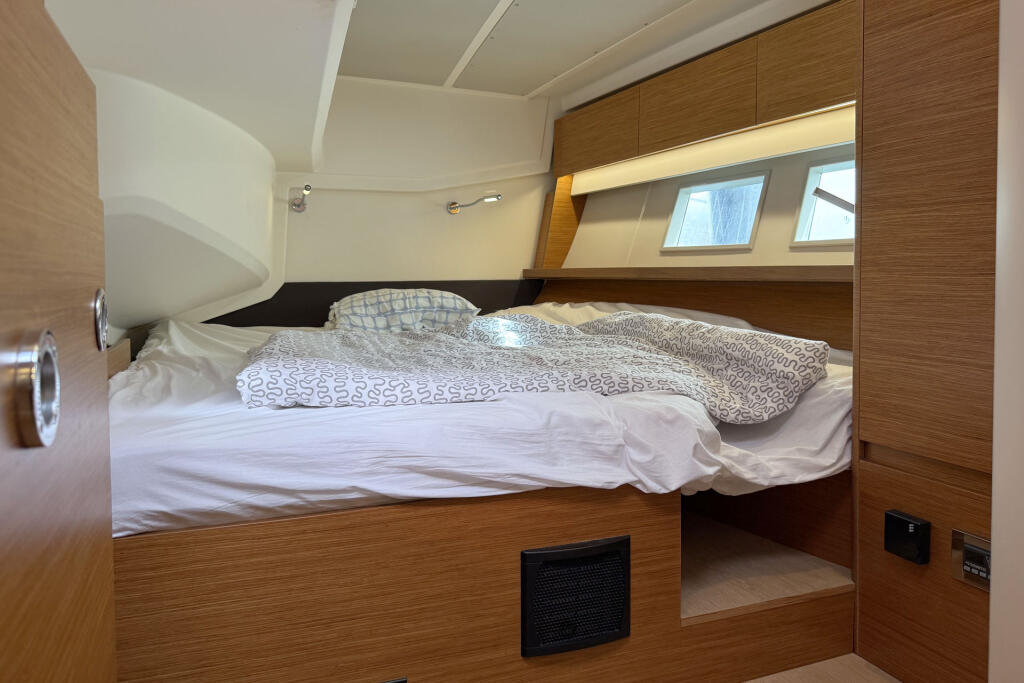
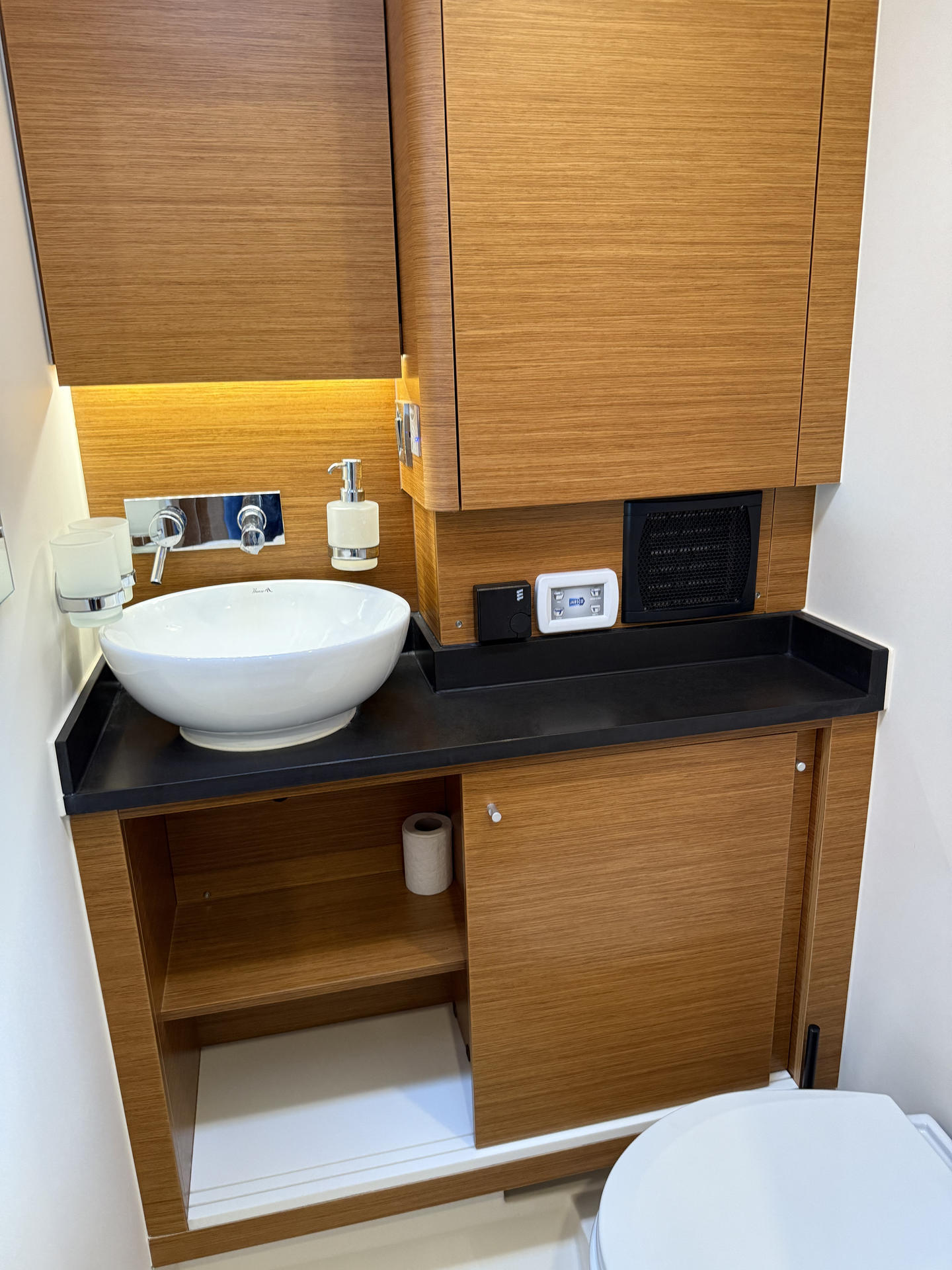
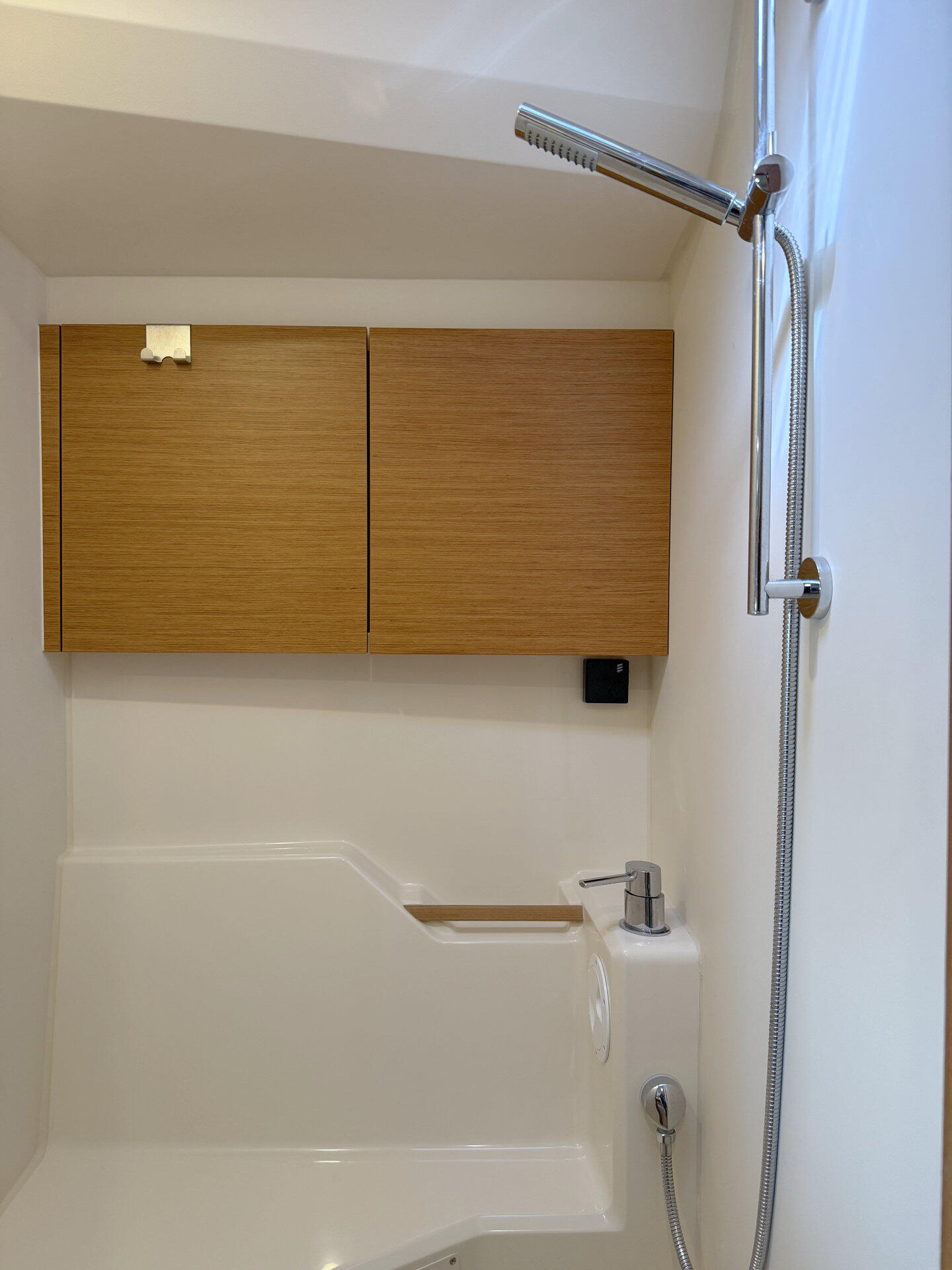
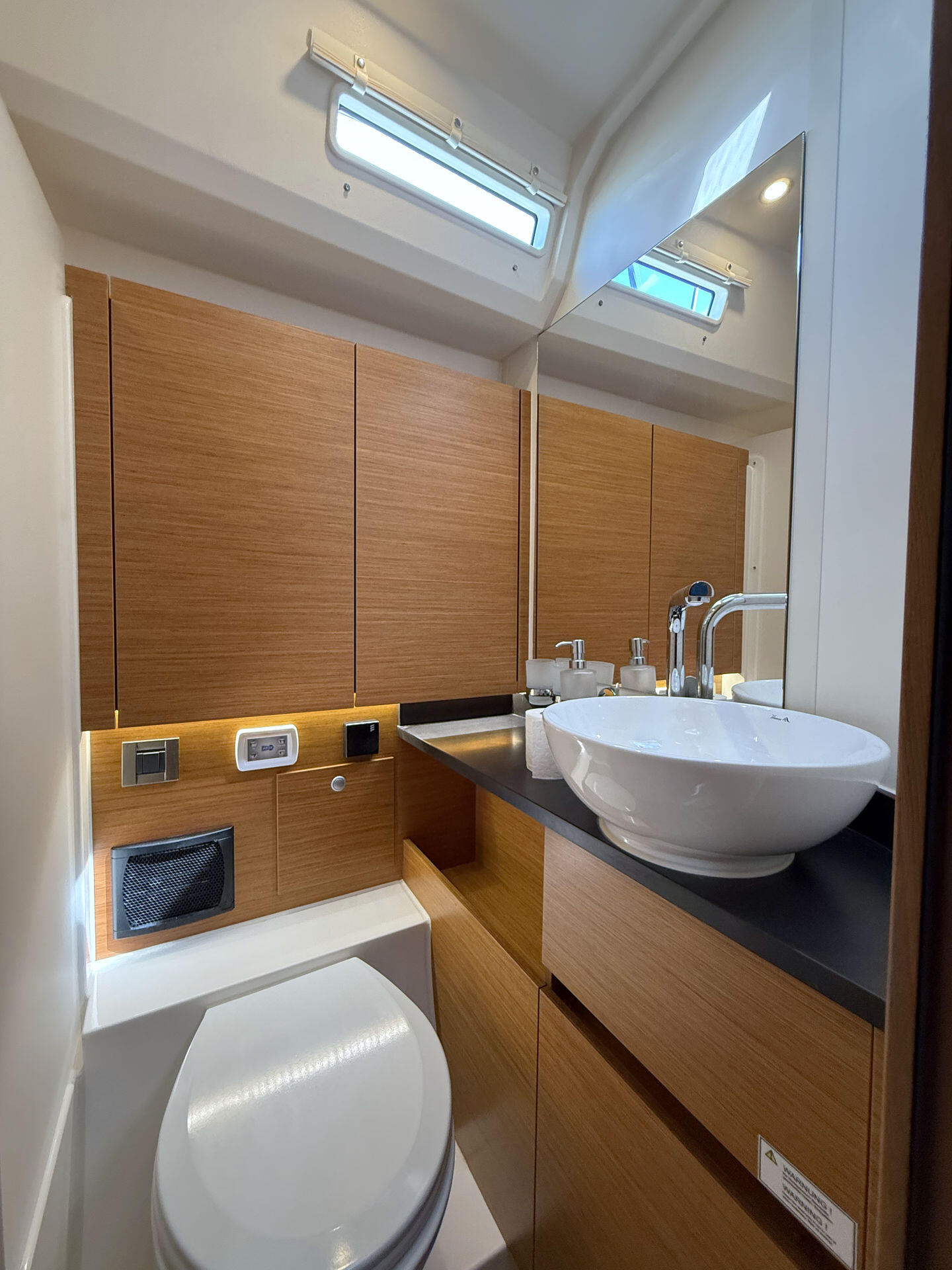
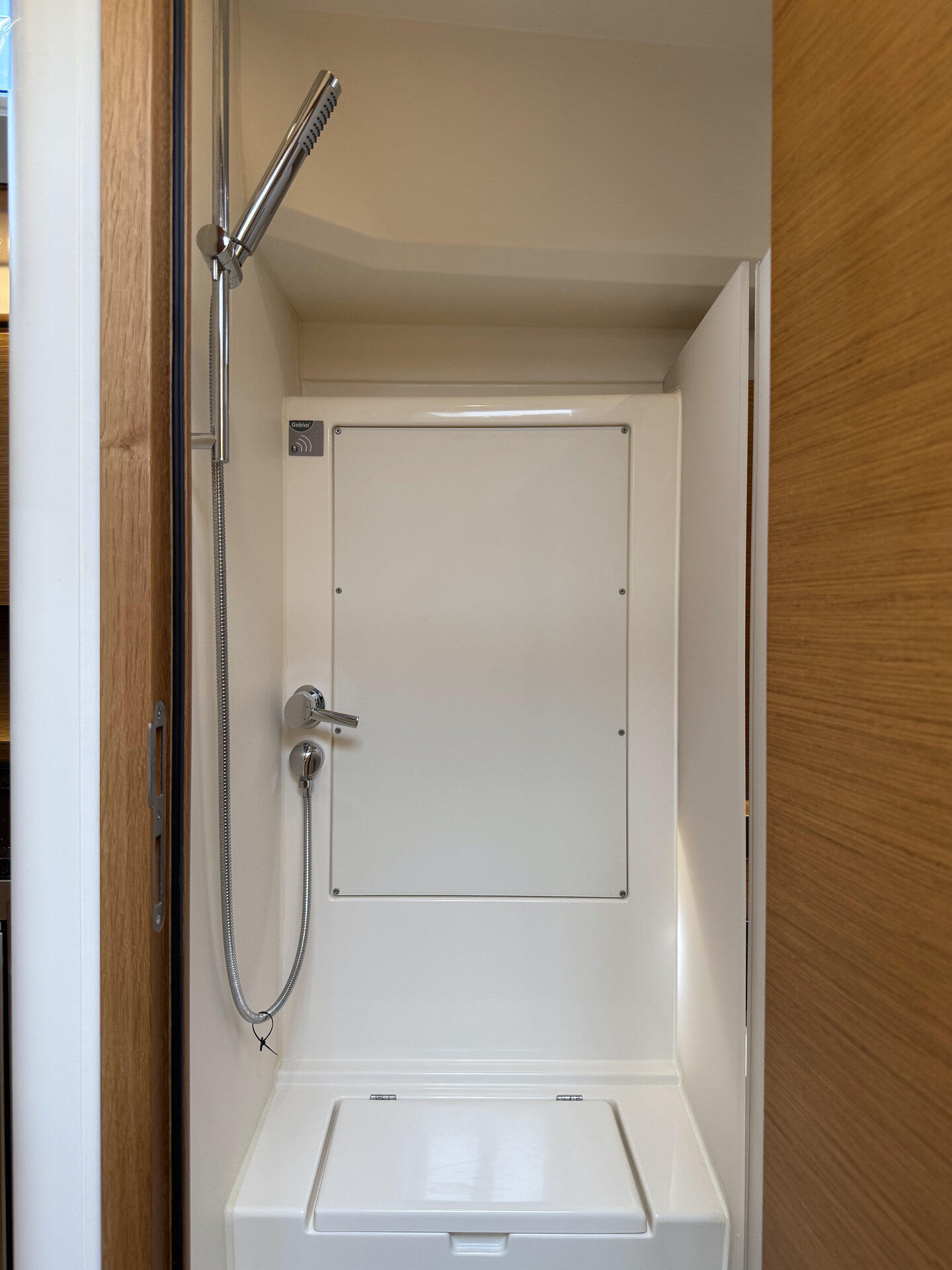
Yacht Charter Biograd
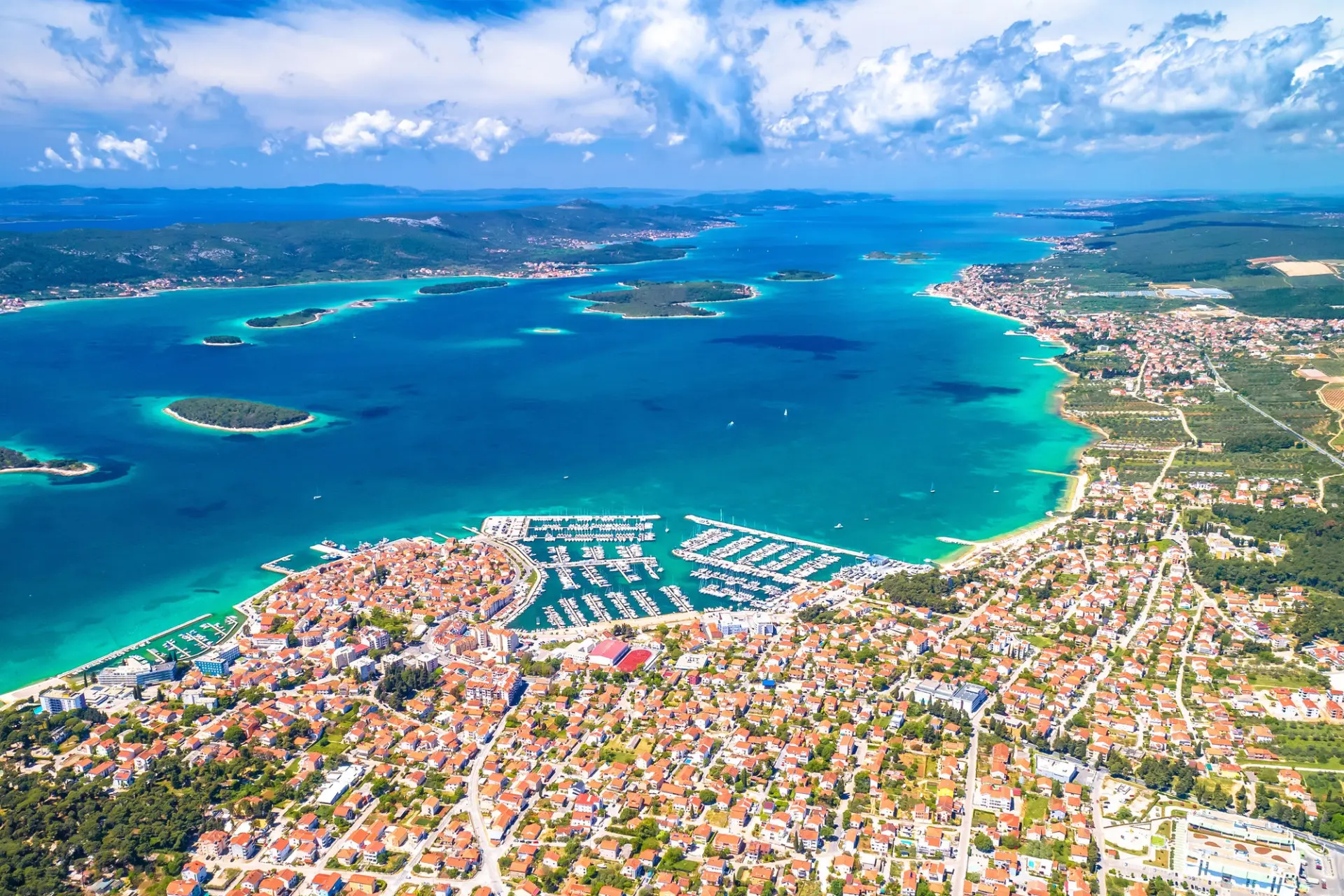
Biograd na Moru is located on the North Dalmatian Adriatic coast between Zadar and Šibenik. Our charter base is in Marina Kornati, directly beside a cruising area where the mainland coast, island chains and sheltered channels follow one another in close succession. Pašman lies just opposite Biograd. From here, routes open towards the islands of the Zadar archipelago, Dugi Otok and Telašćica, into the Kornati islands, and south towards Murter and Šibenik. Marina Kornati officially lists First Class Sailing as a resident charter operator for sailing yachts and catamarans.
For this reason, a yacht charter from Biograd can be planned in many different ways. Crews who prefer short daily passages can move between island villages, bays and harbours across North Dalmatia. Those looking to cover more distance can include Dugi Otok or the Šibenik island area in their itinerary. The Kornati islands are so conveniently placed in relation to the base that they can easily become the main focus of a one week charter. The most suitable course always depends on the weather, the crew, the yacht and the available charter period.
First Class Sailing operates its own fleet, with its own charter bases and direct operational responsibility for the yachts, their preparation and handover. This makes the process different from that of a purely booking based platform that brokers offers from various operators. Questions about a specific yacht, its equipment or procedures at the base can be resolved directly within the charter operation. The company has been active in yacht charter for more than five decades and runs several of its own bases in Croatia, on the Baltic Sea and in Mallorca. First-Class-Sailing-website-con…
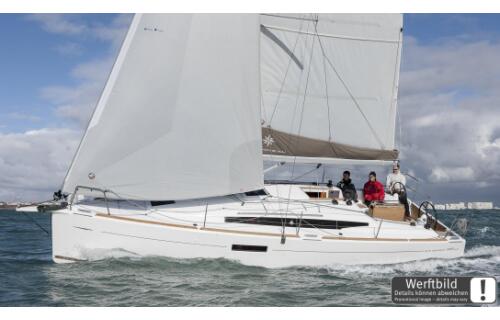
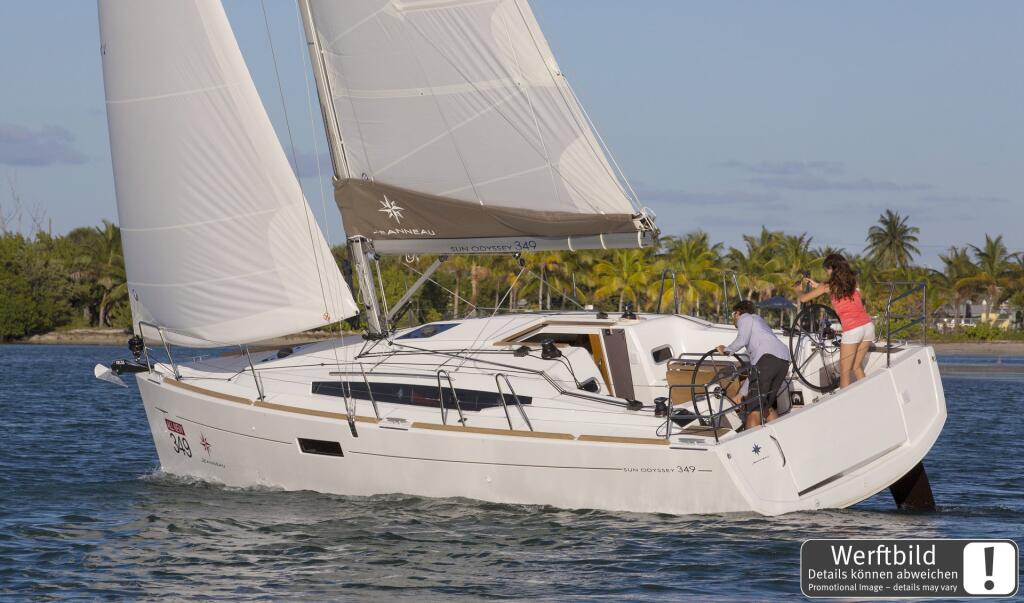
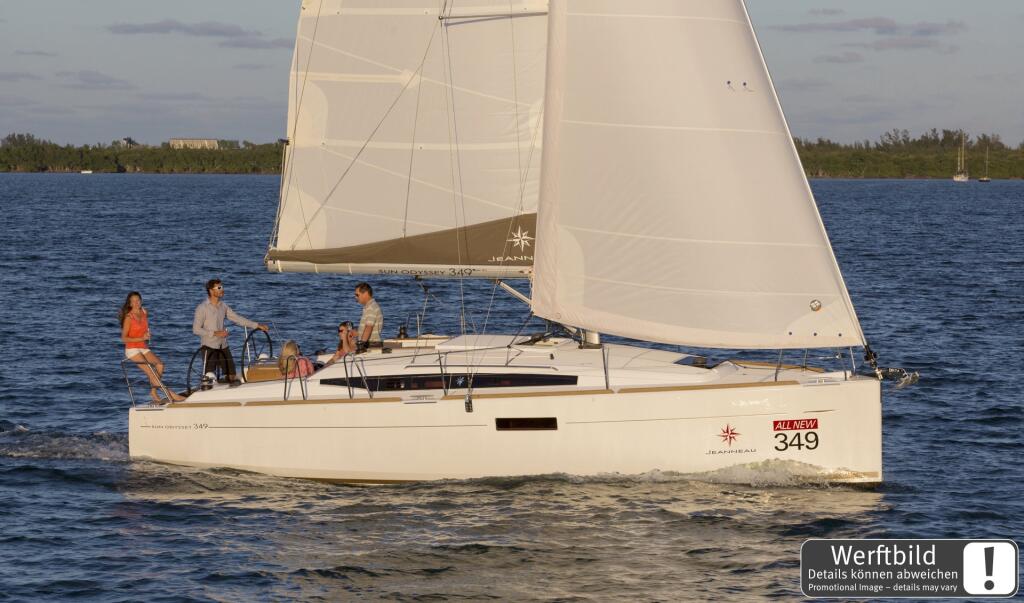
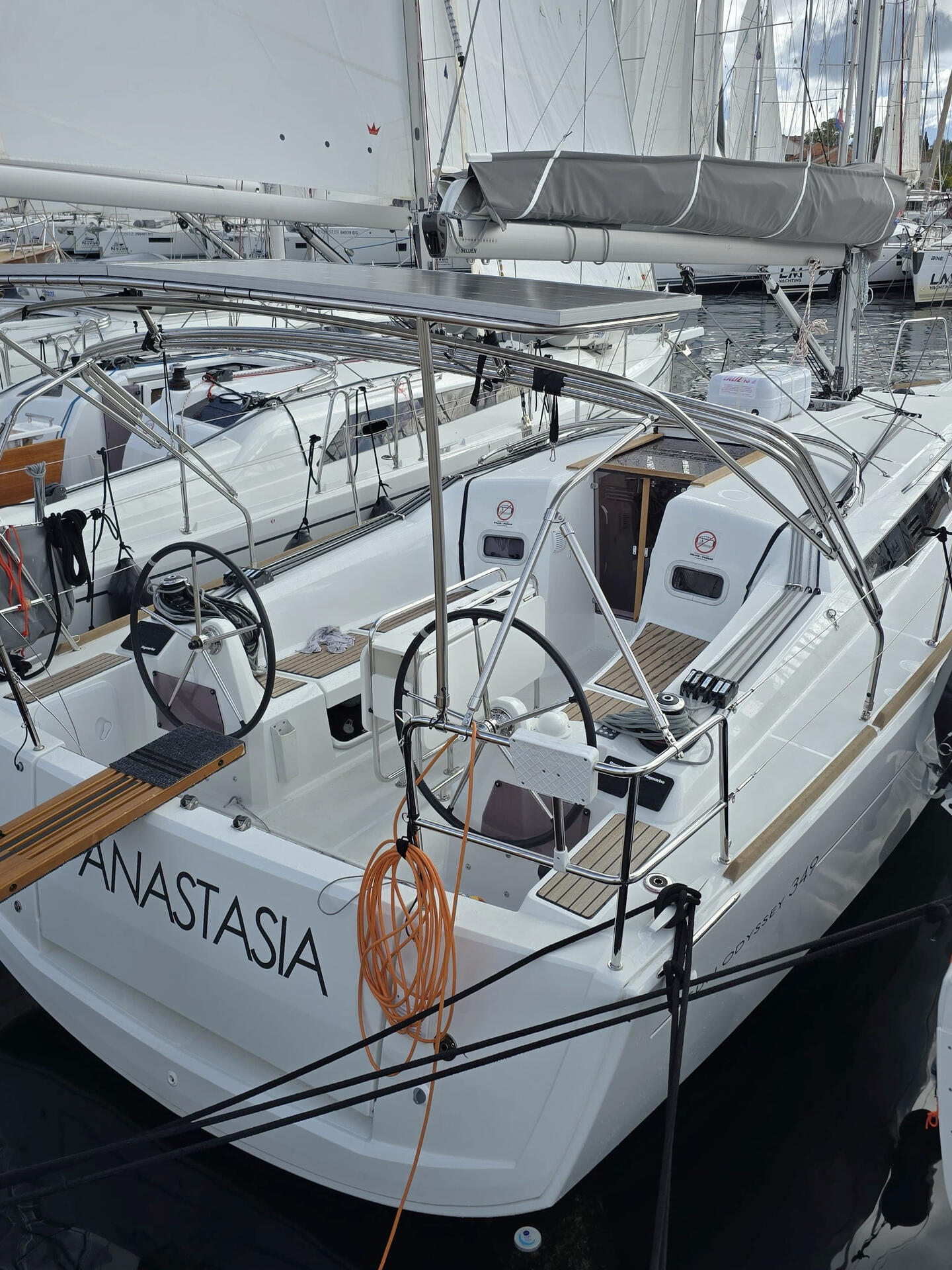
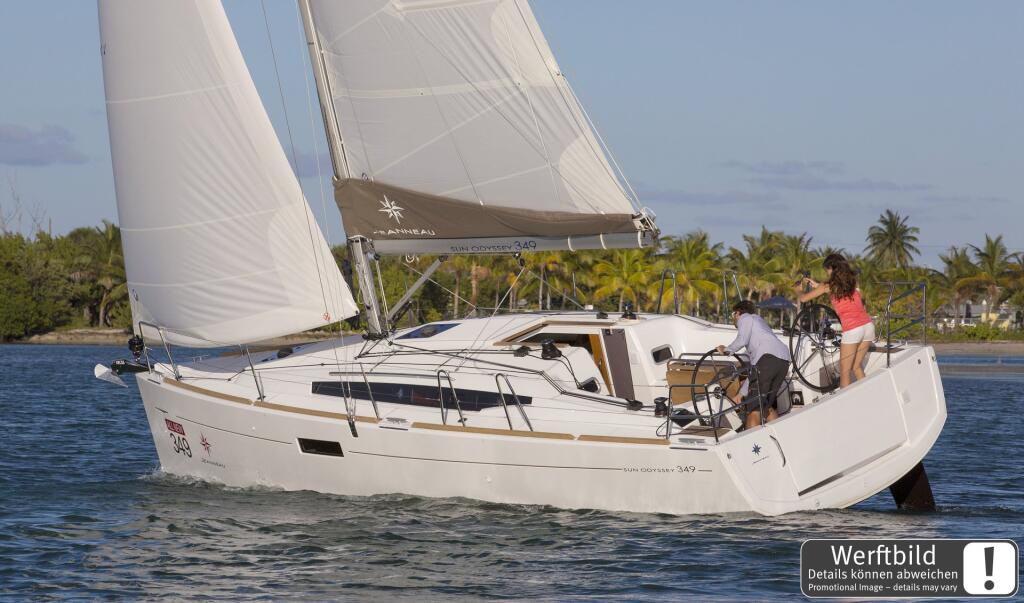
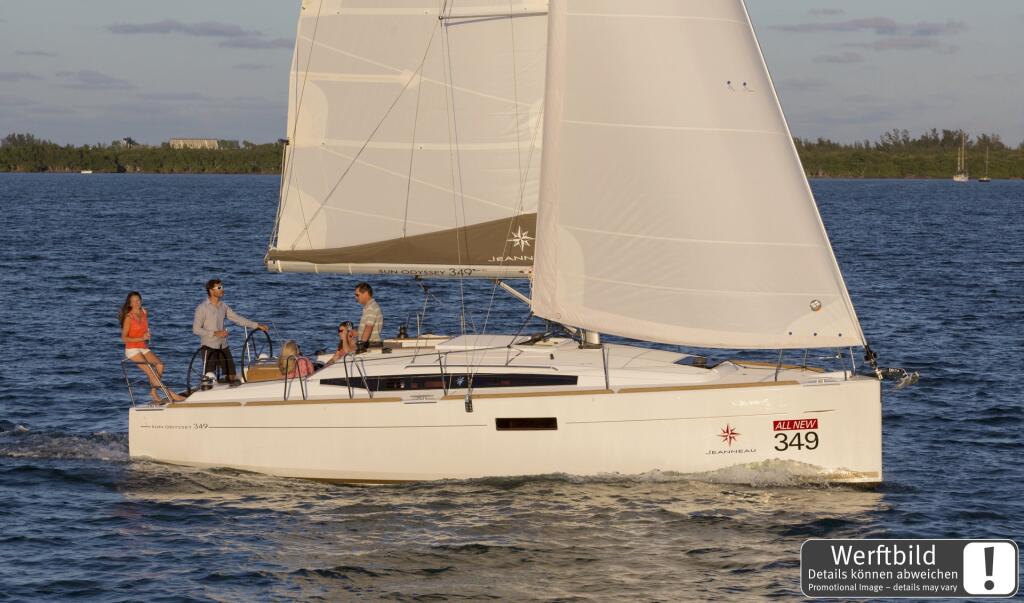
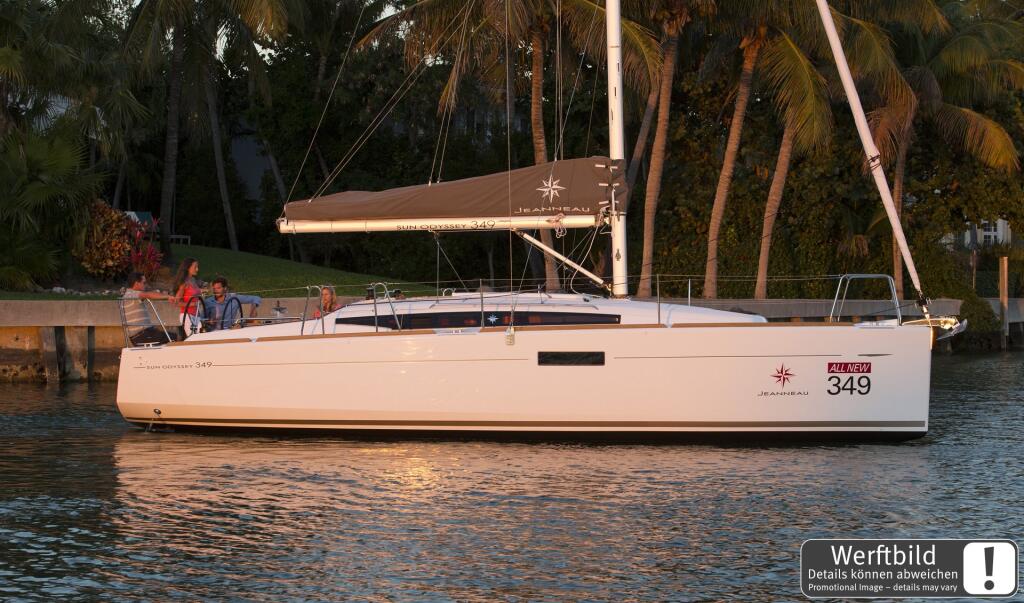
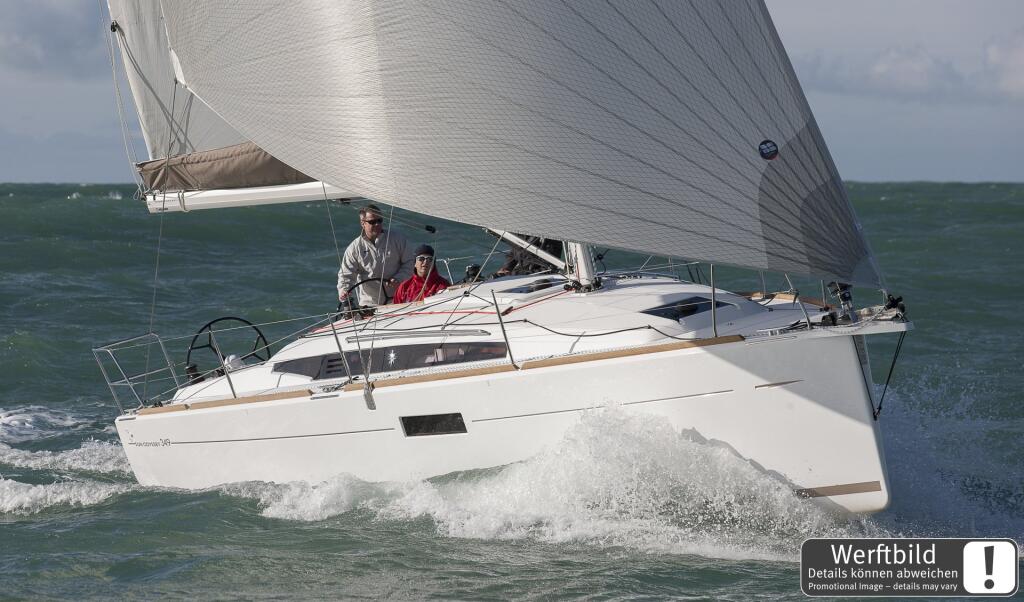
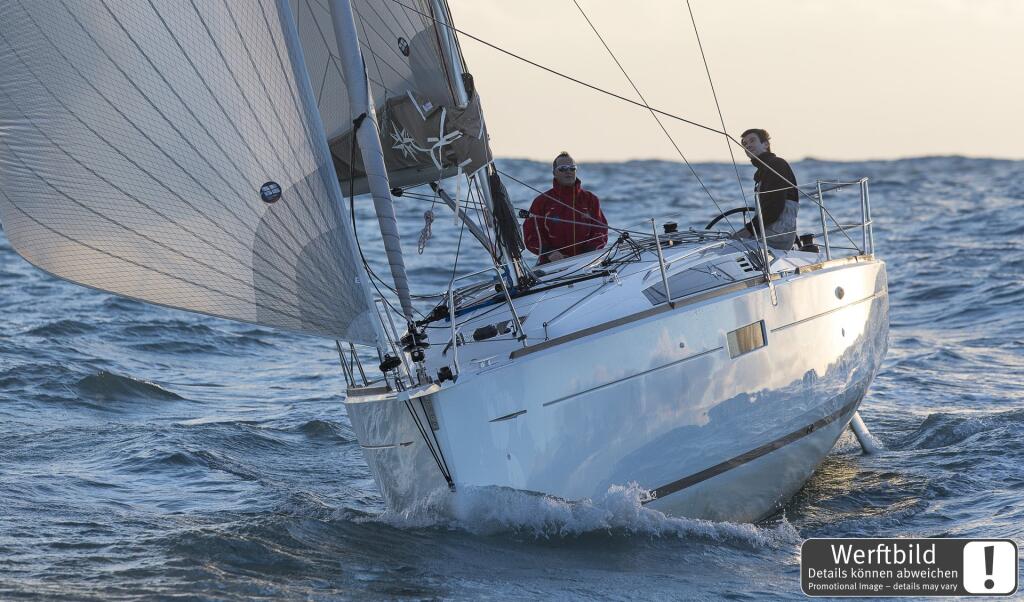
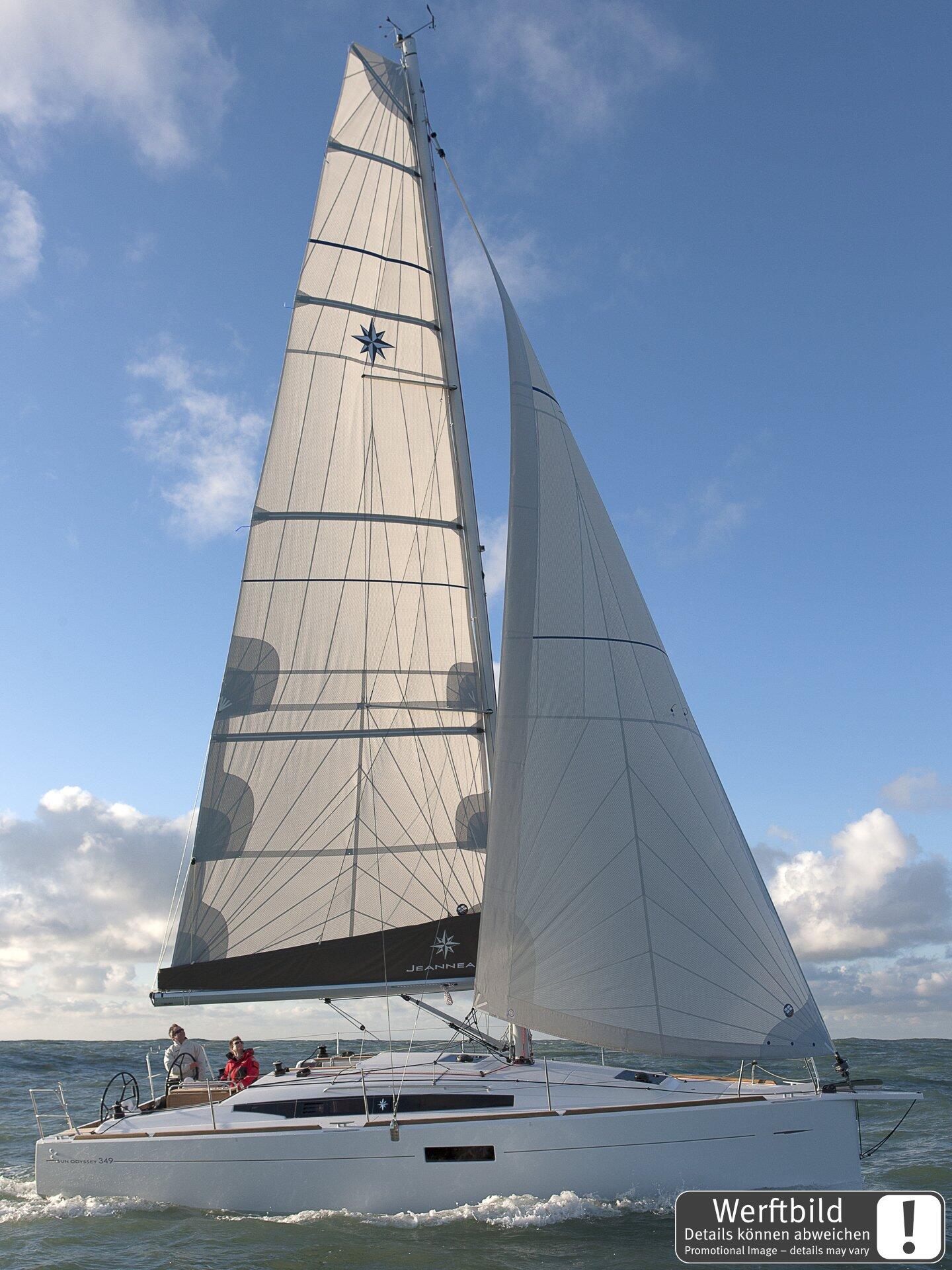
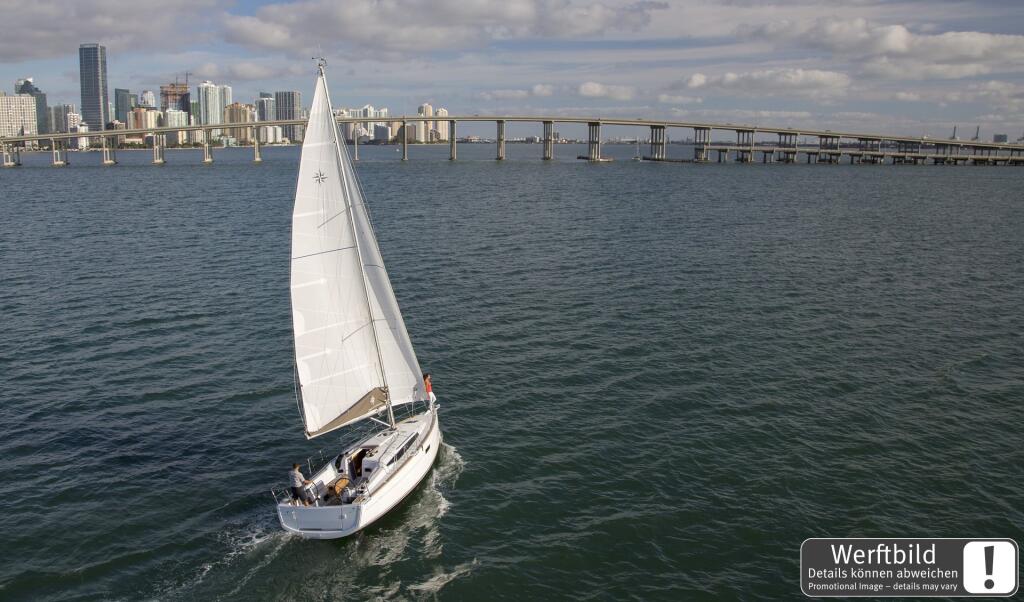
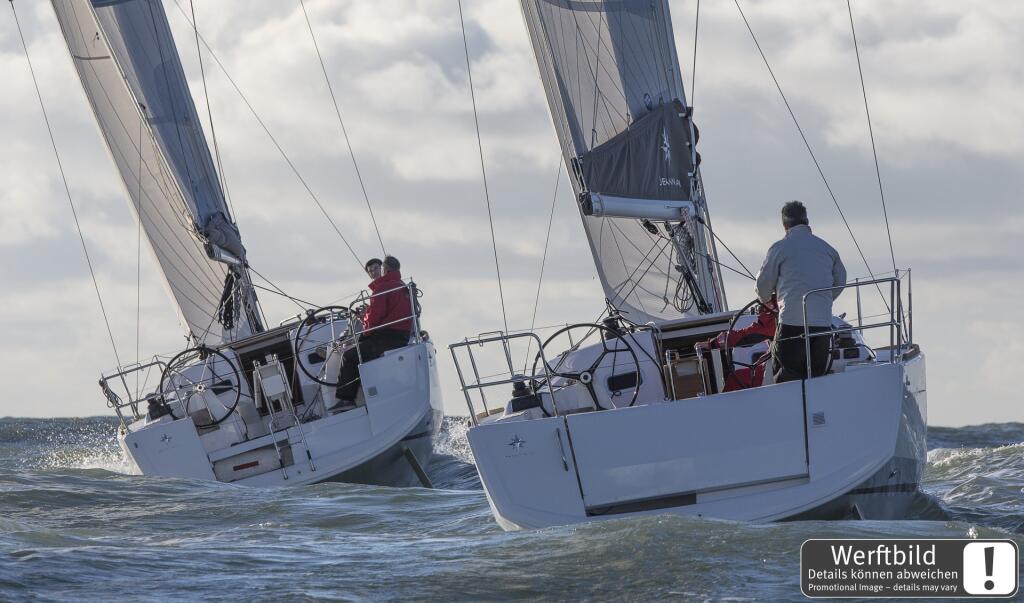
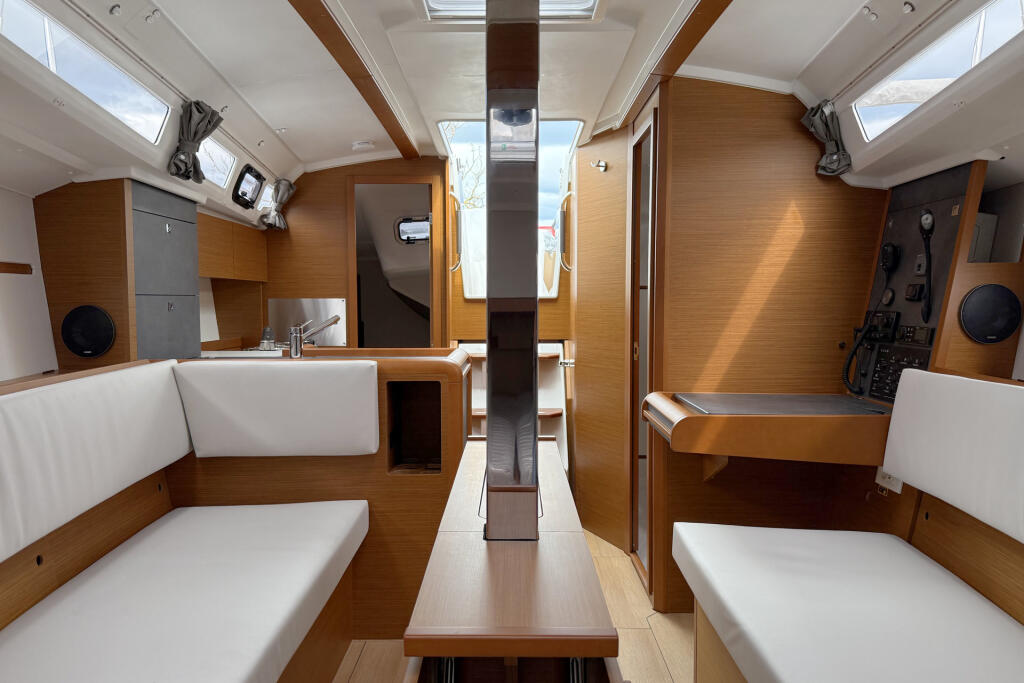
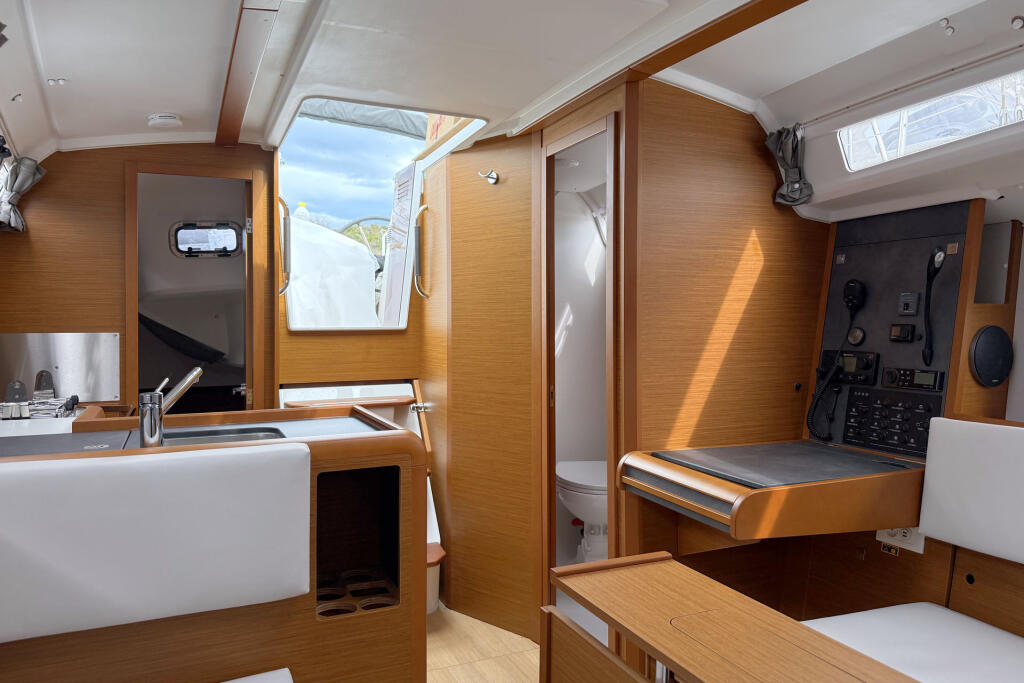
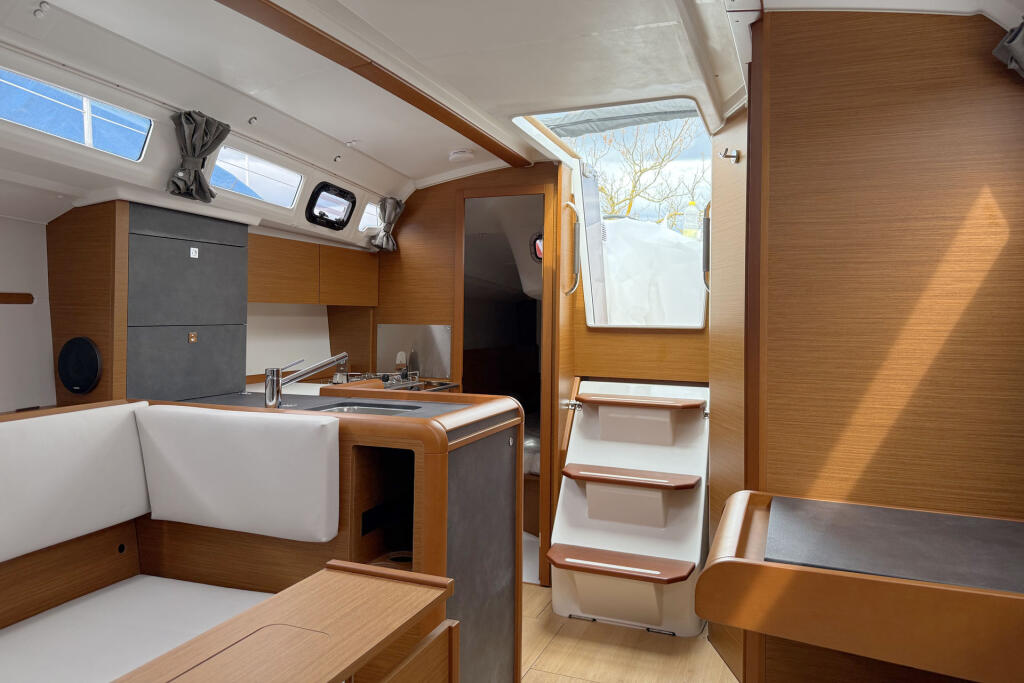
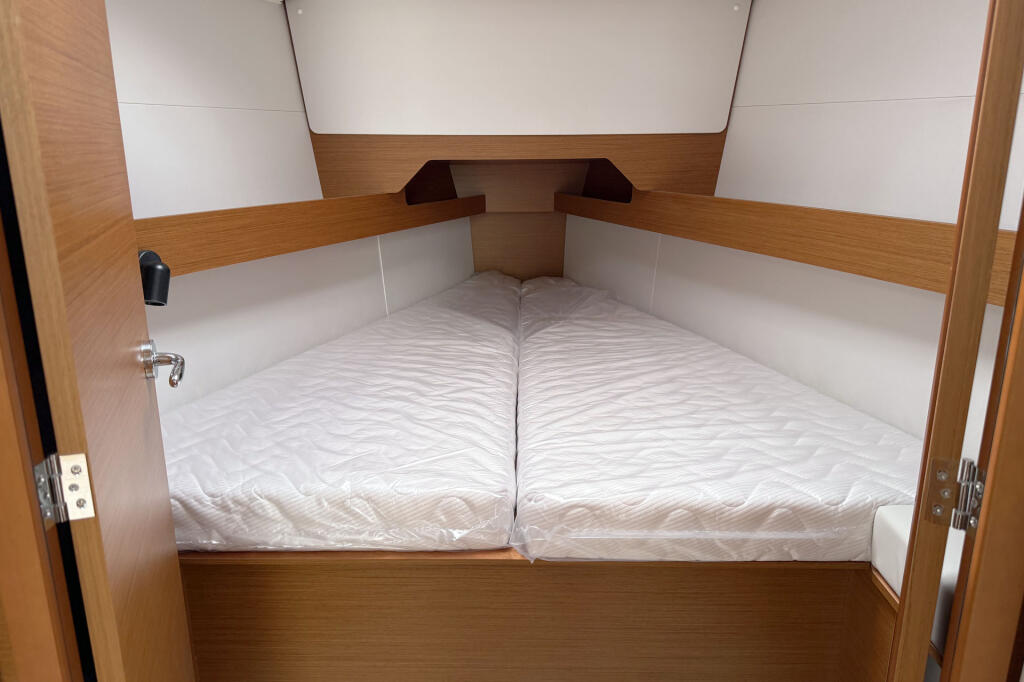
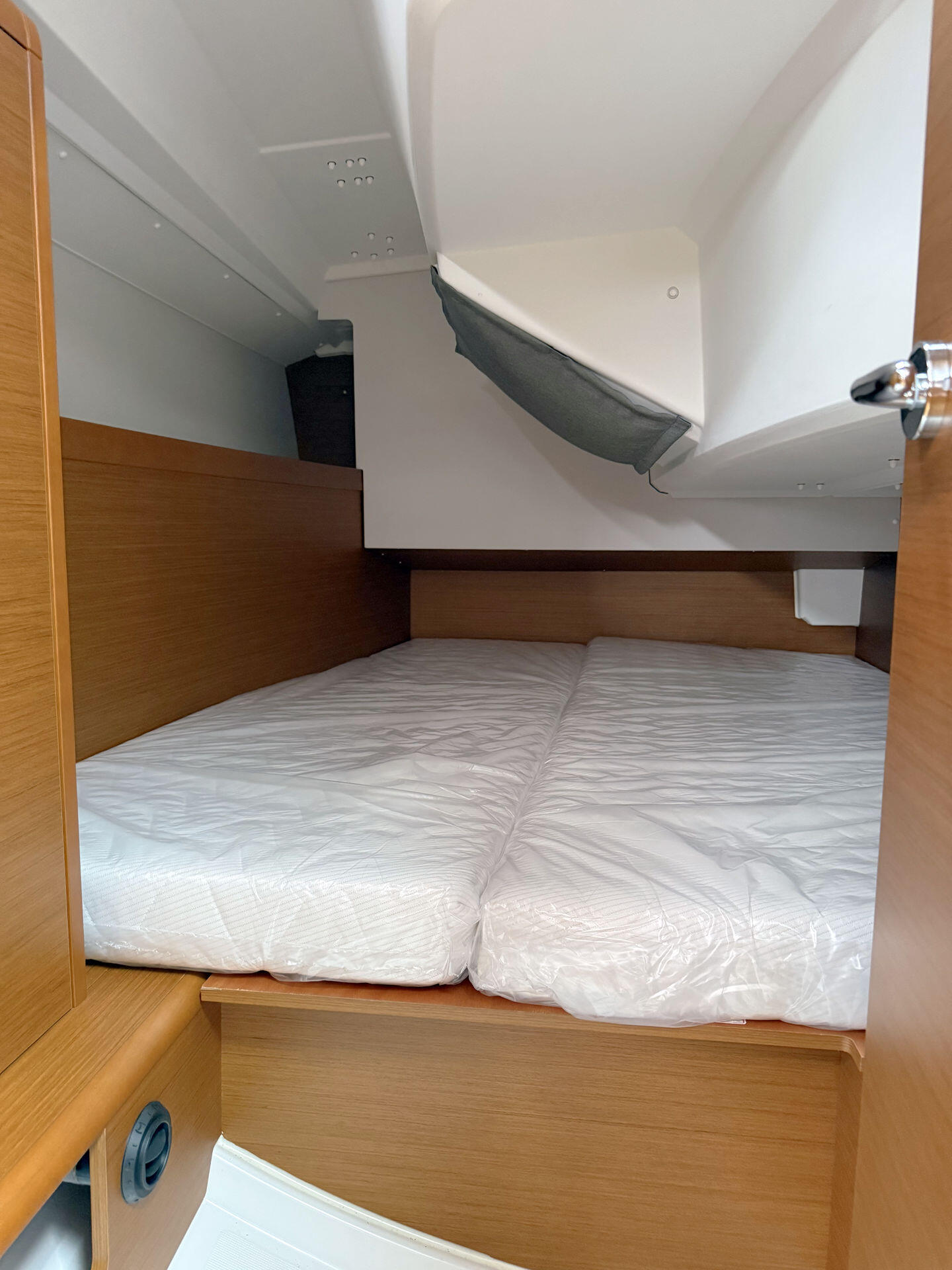
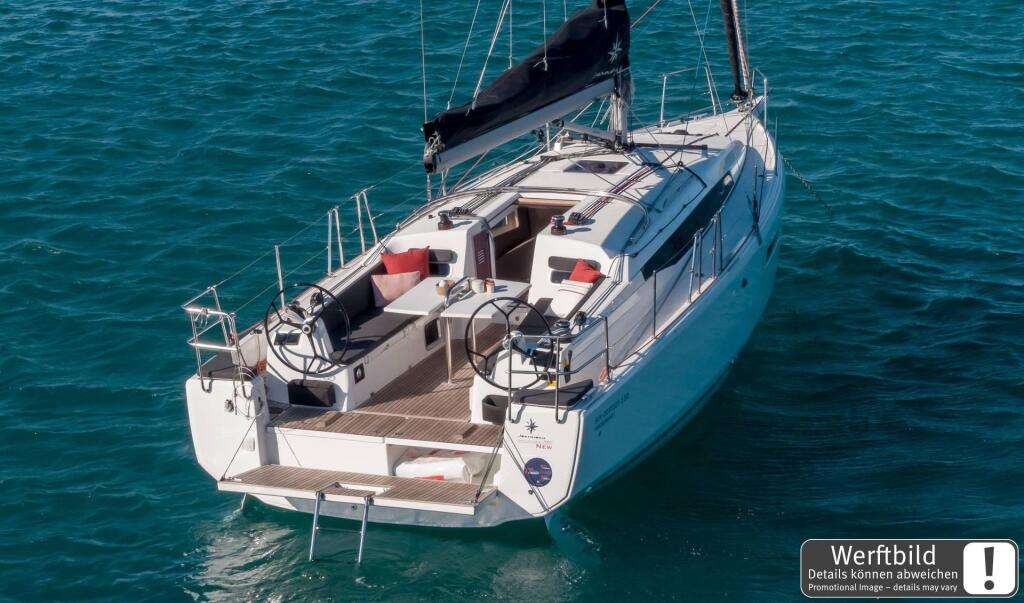
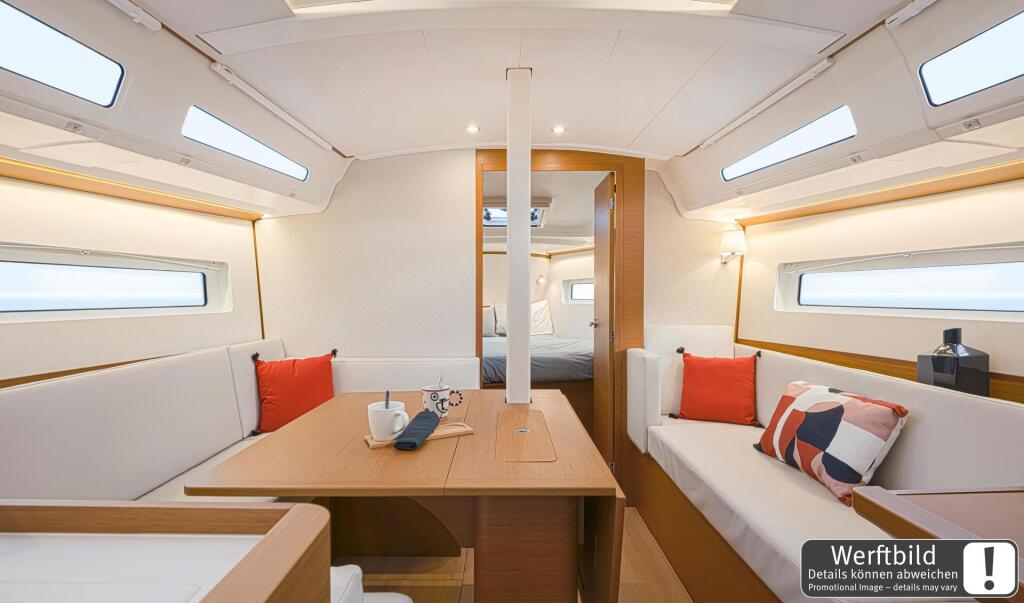
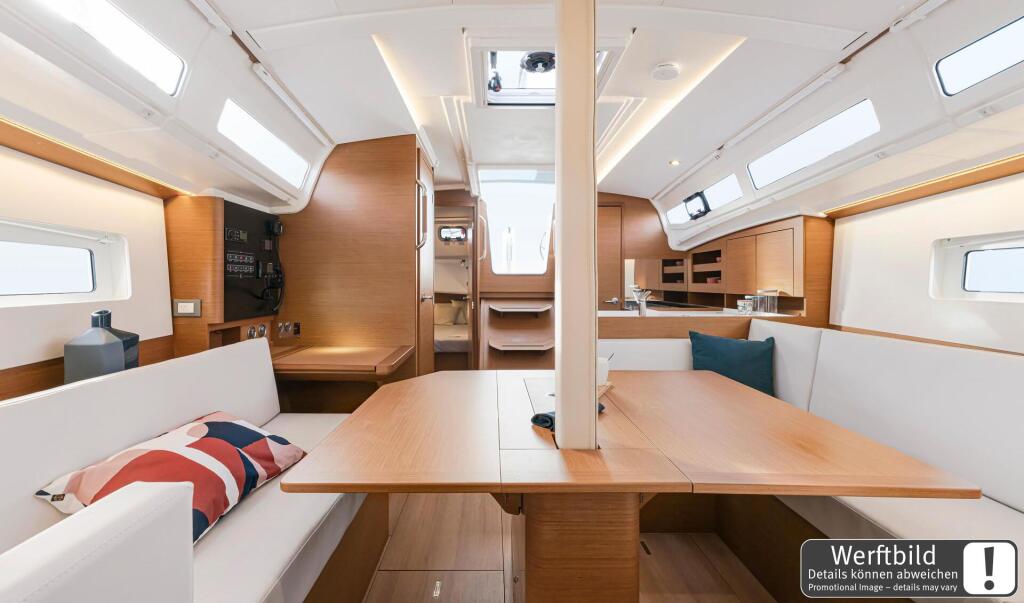
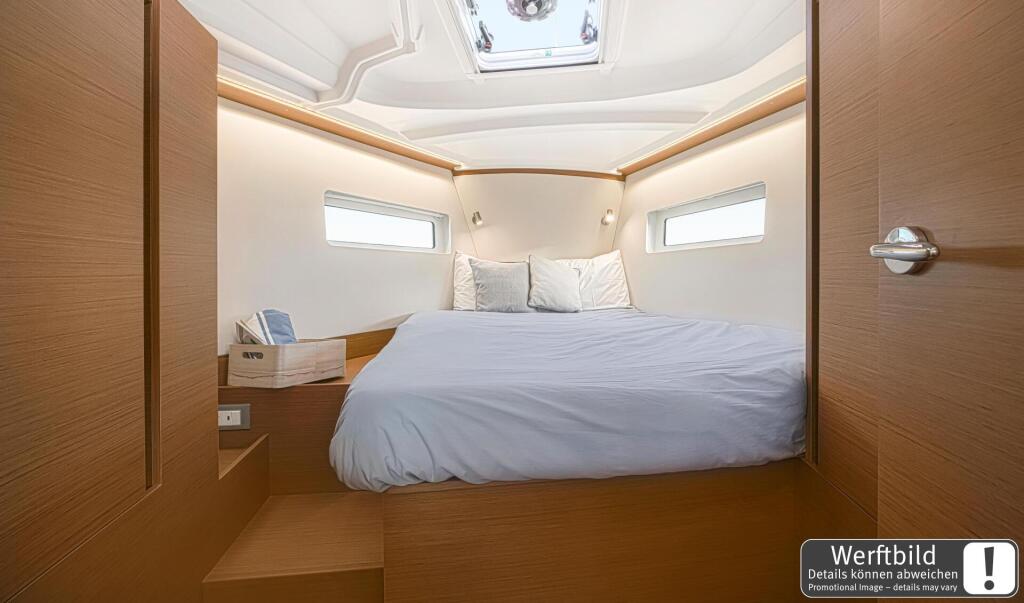
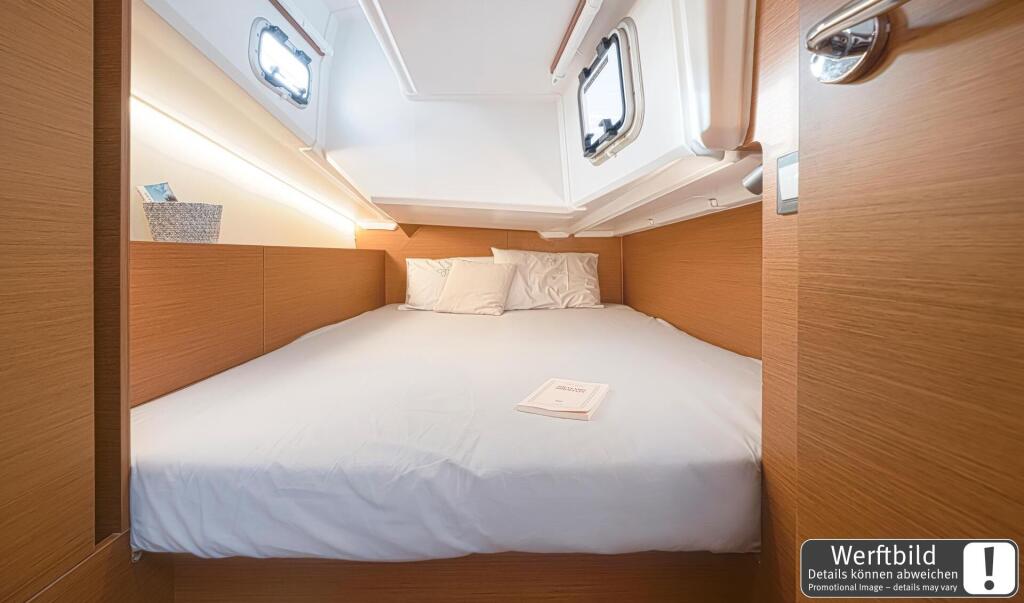
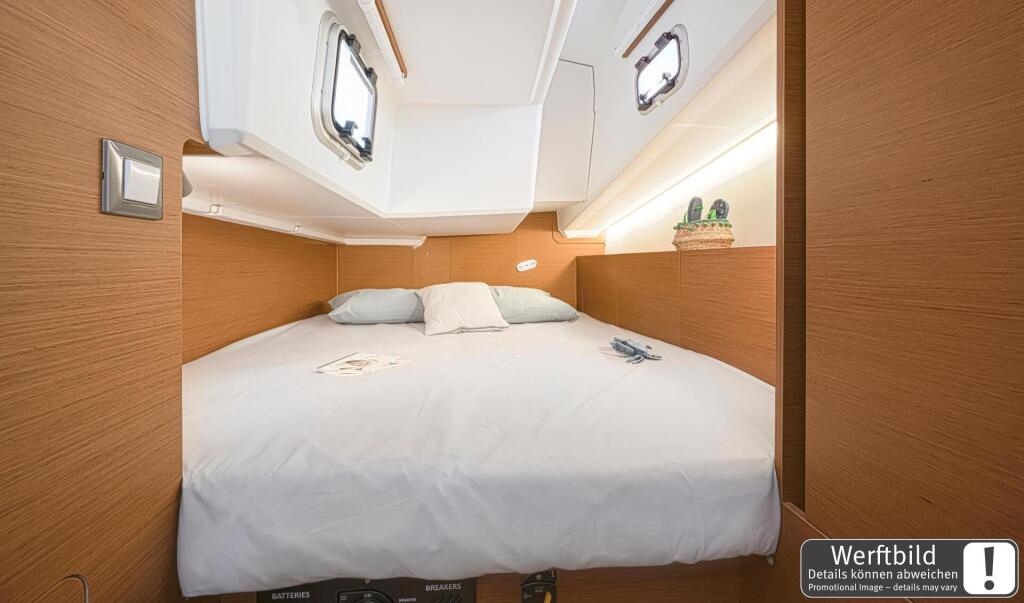
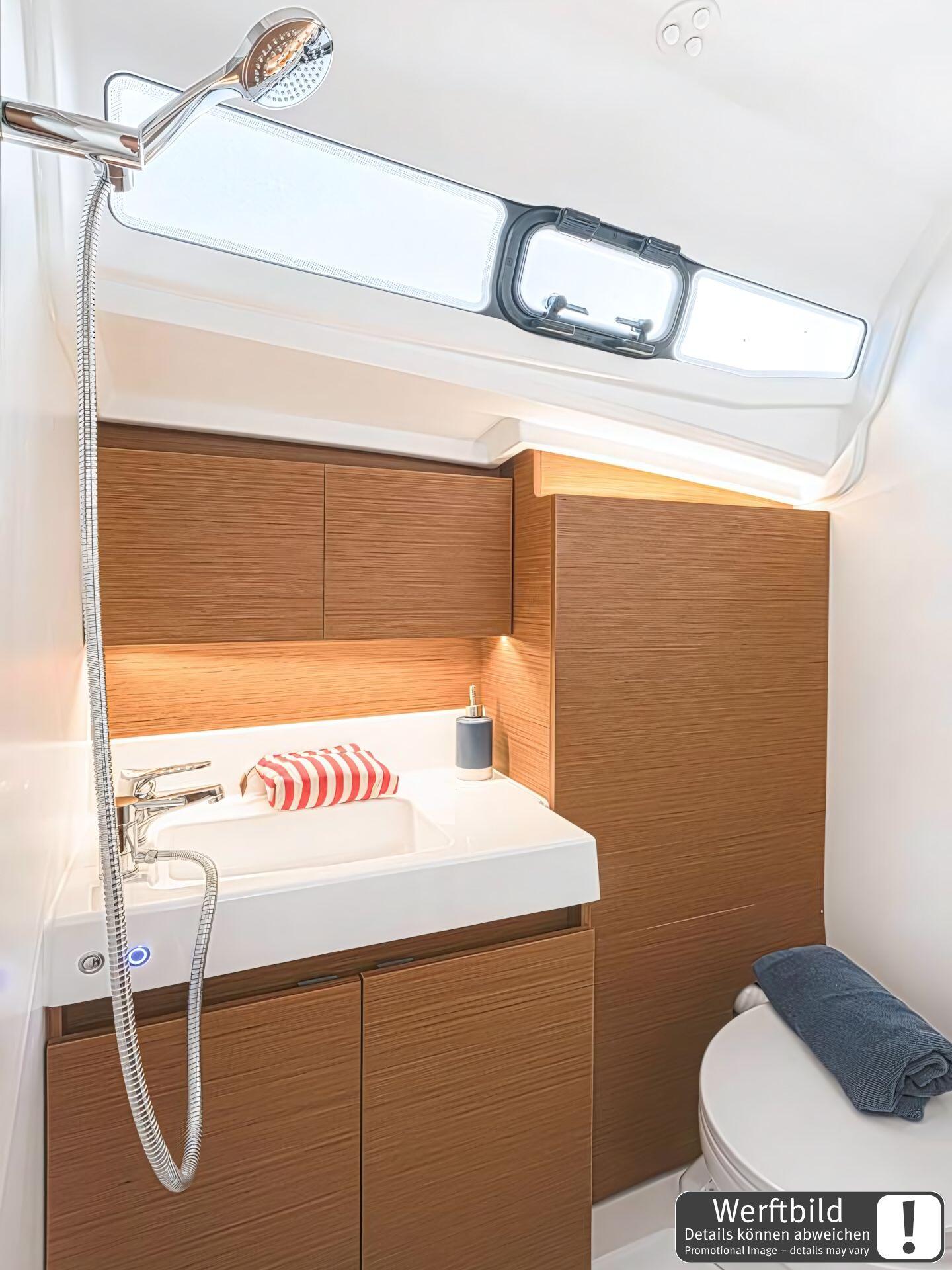
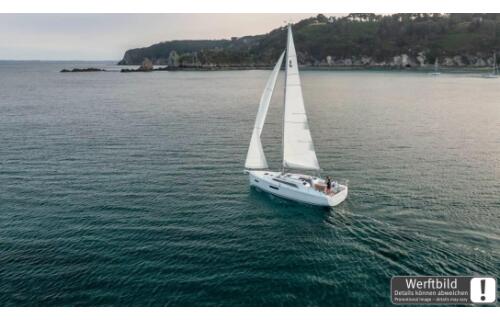
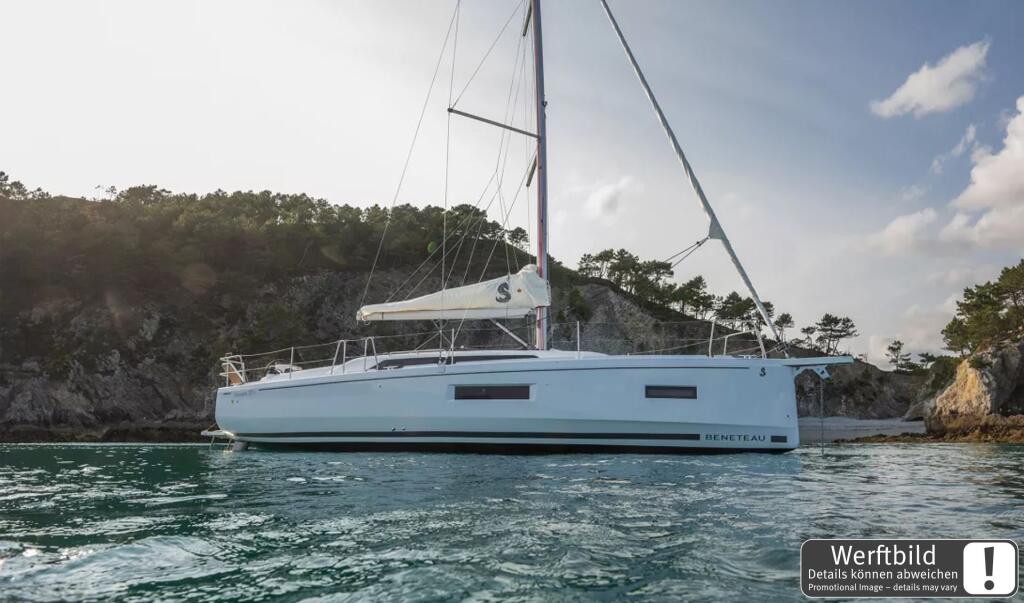
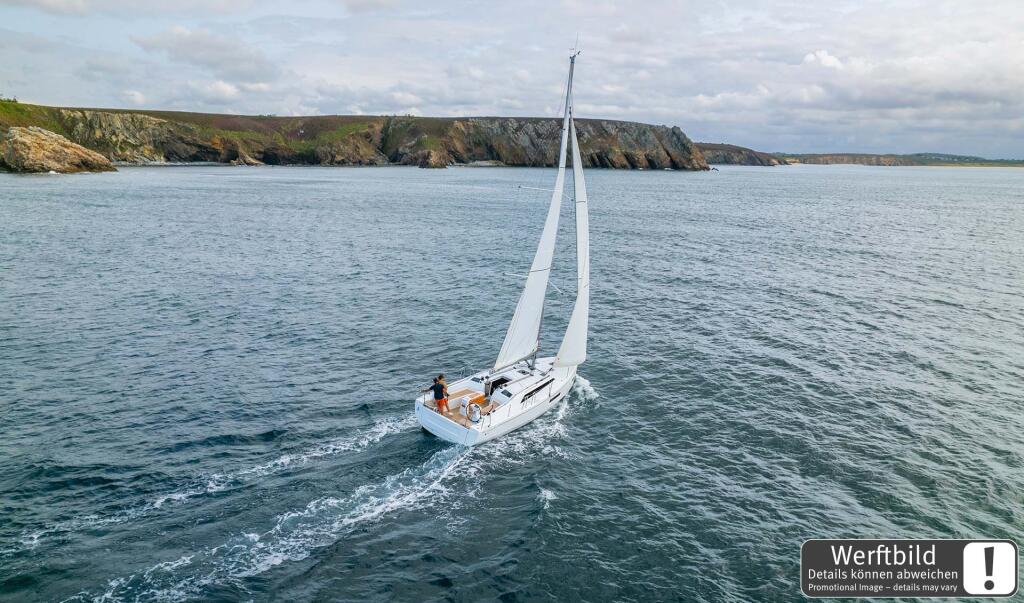
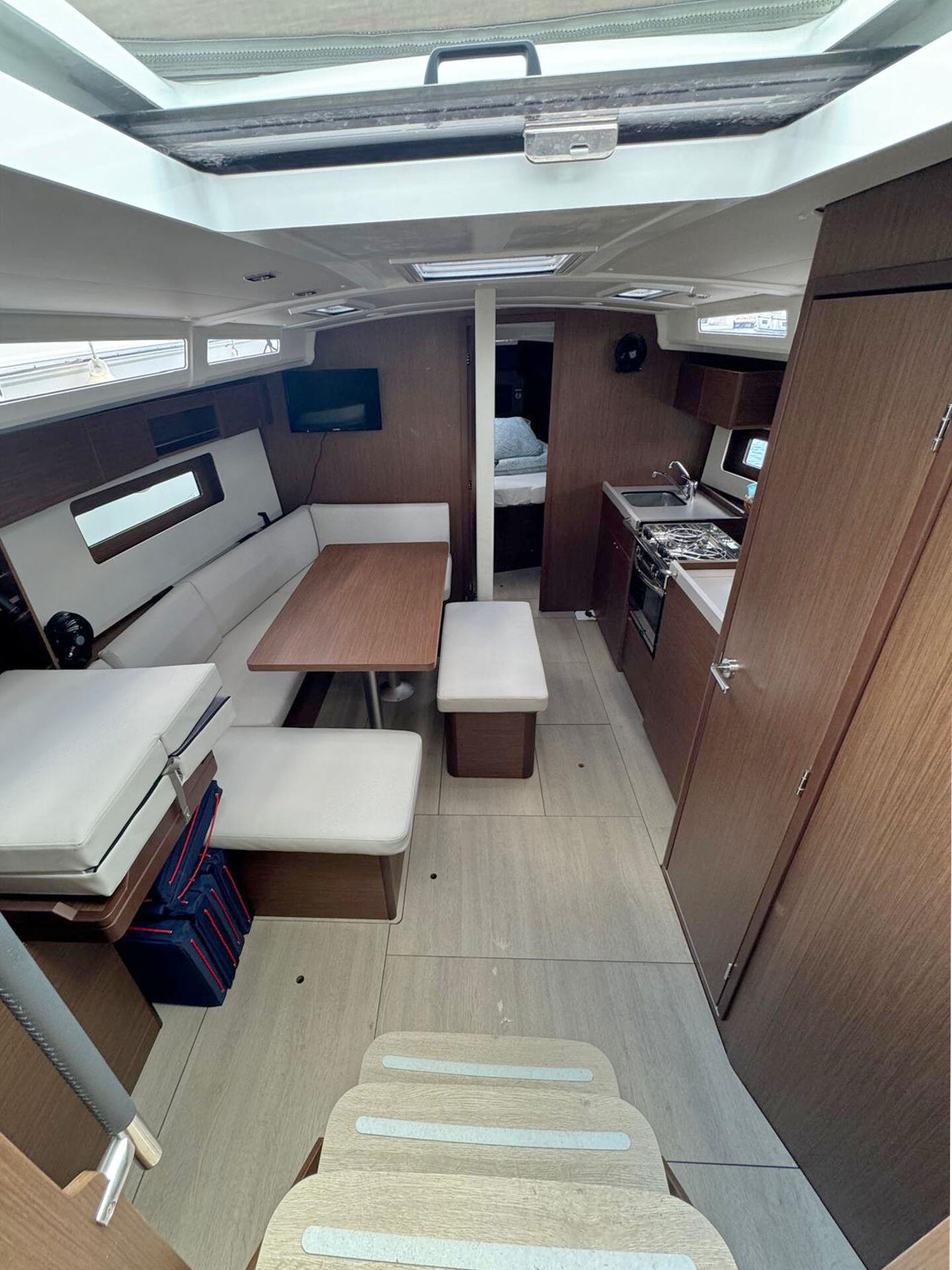
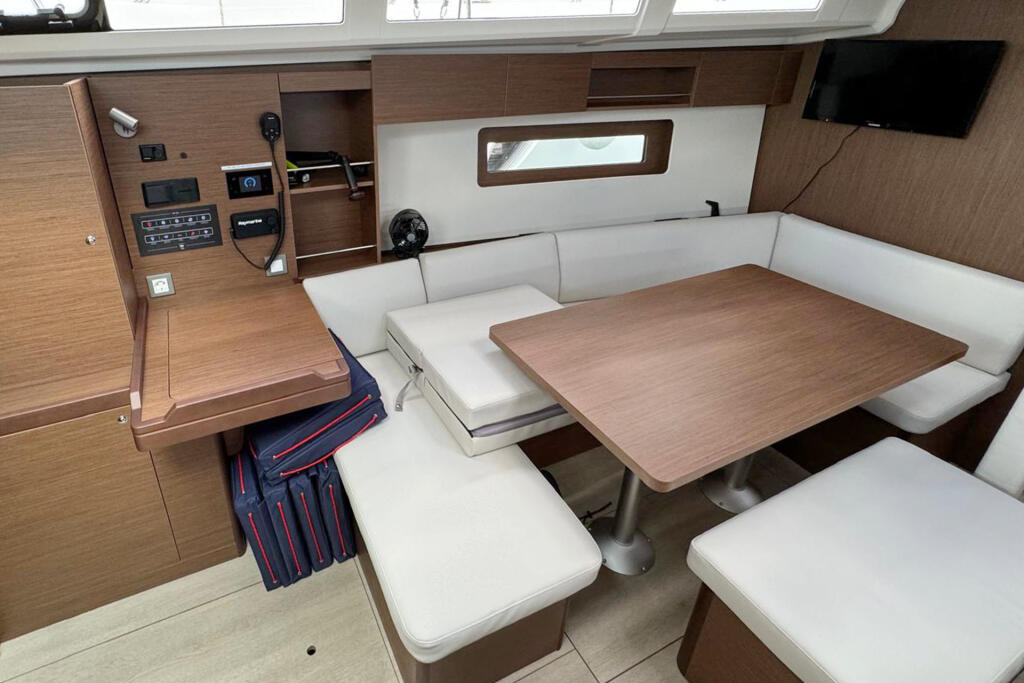
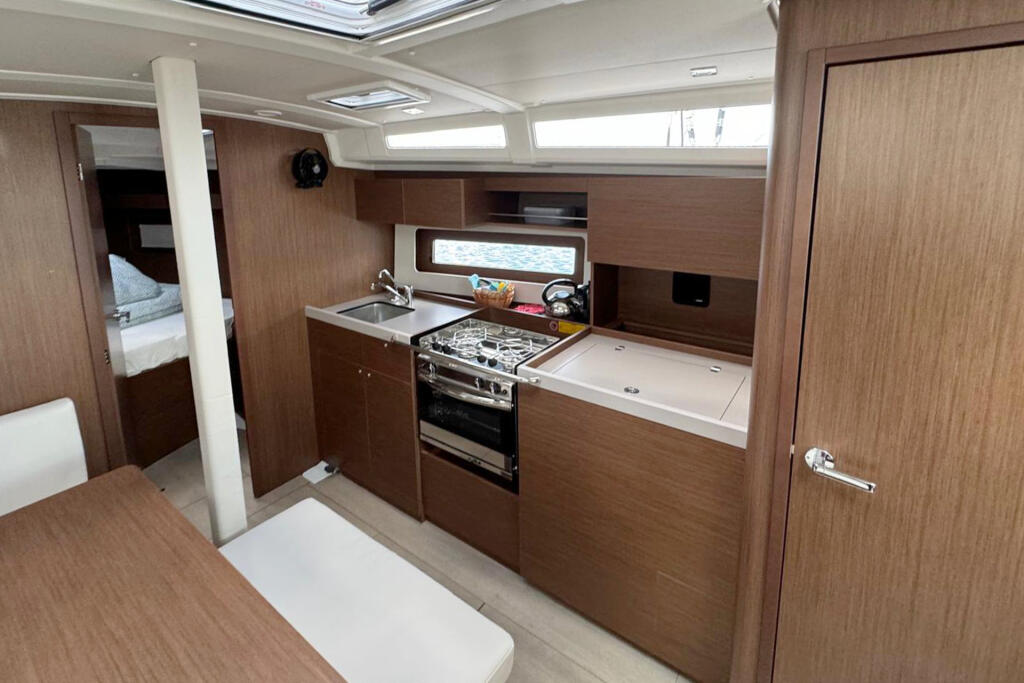
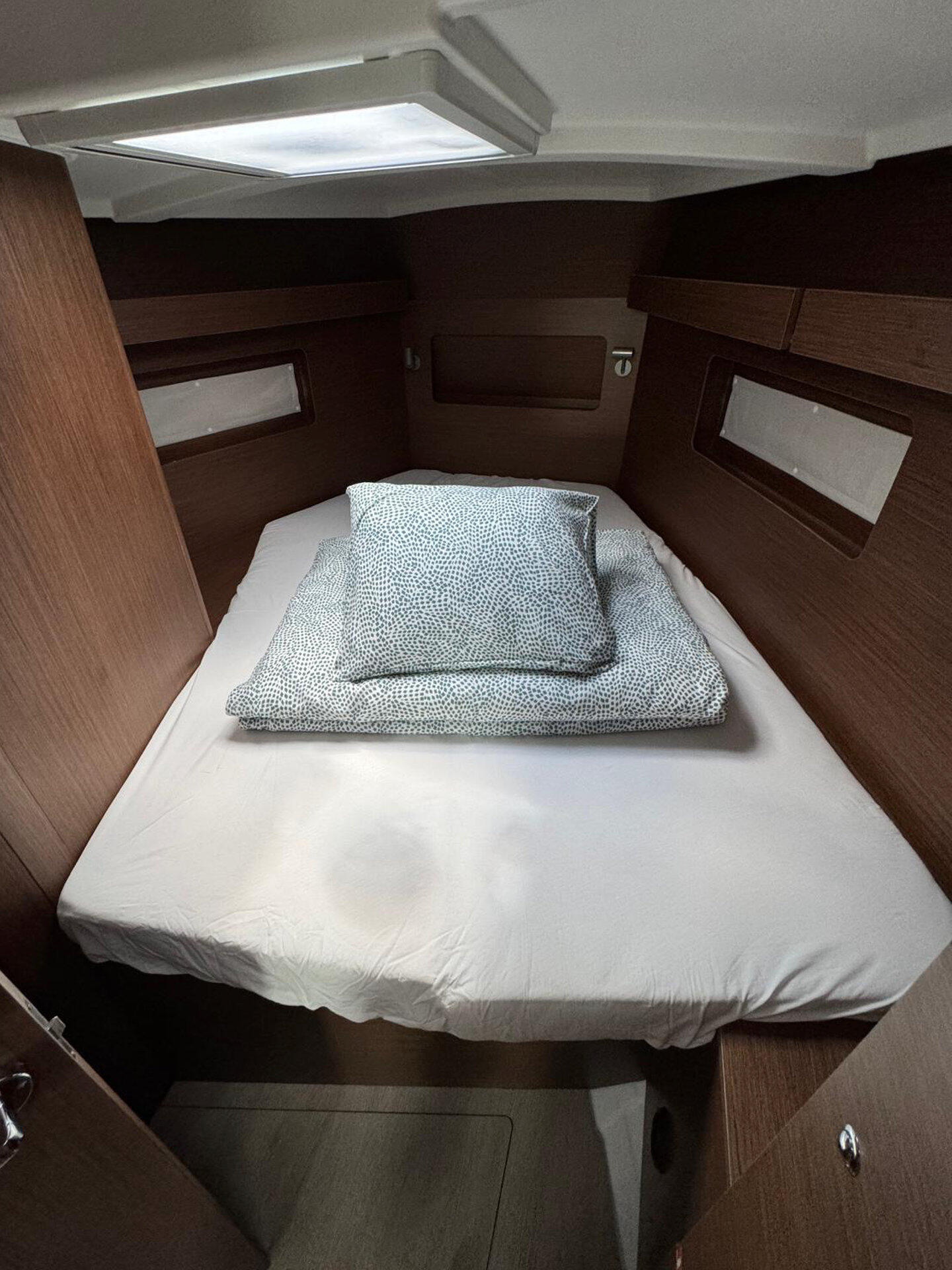
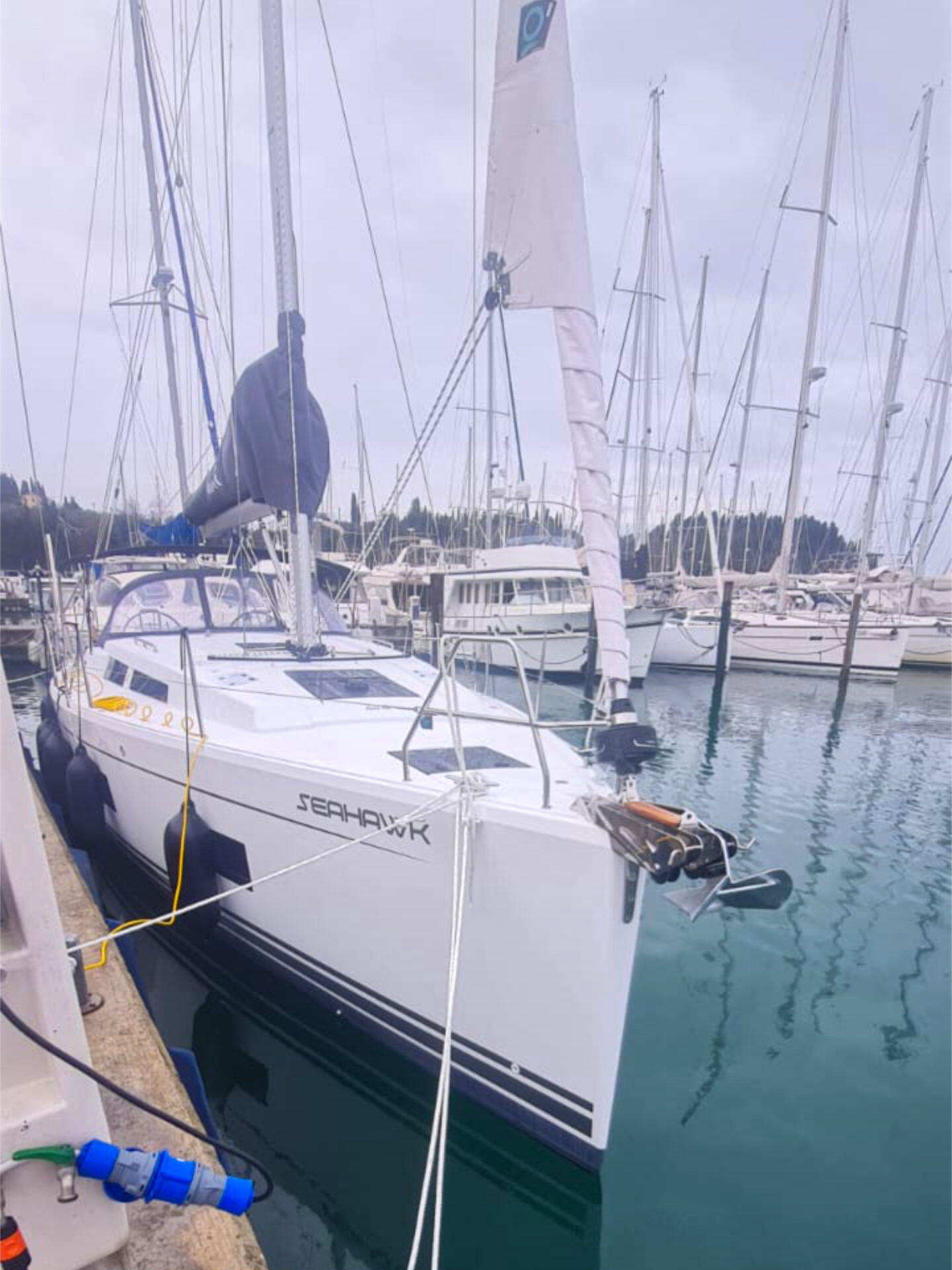
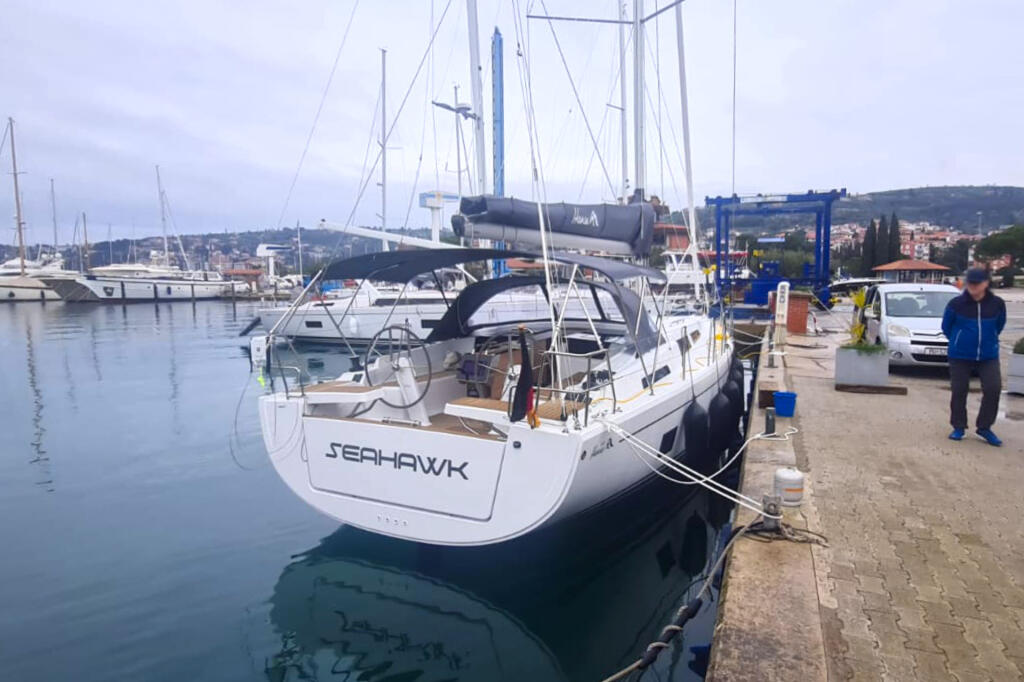
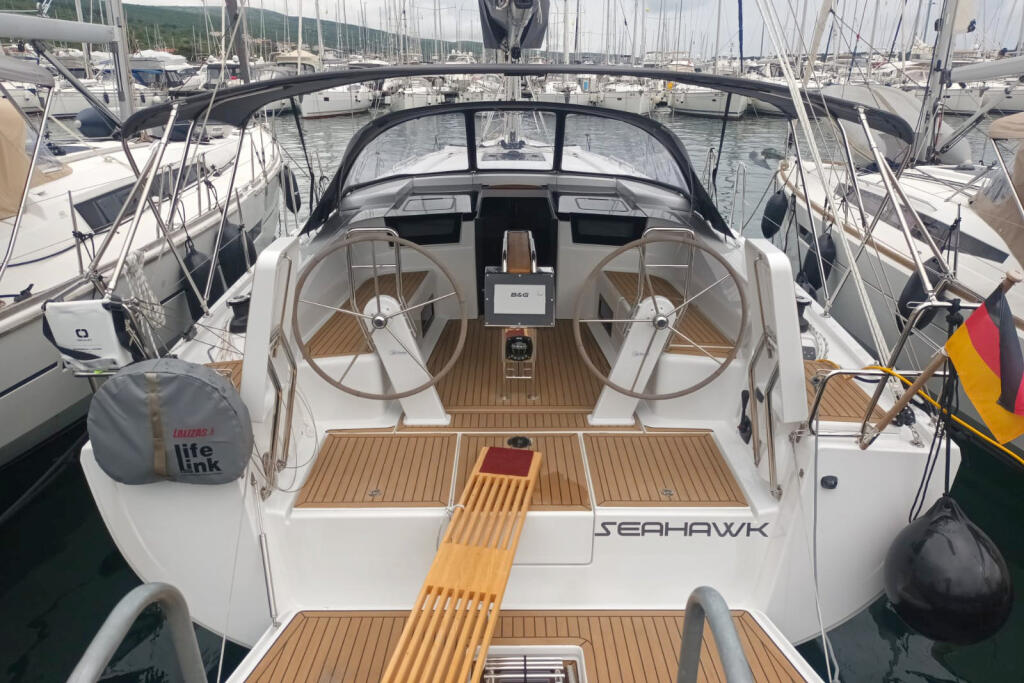
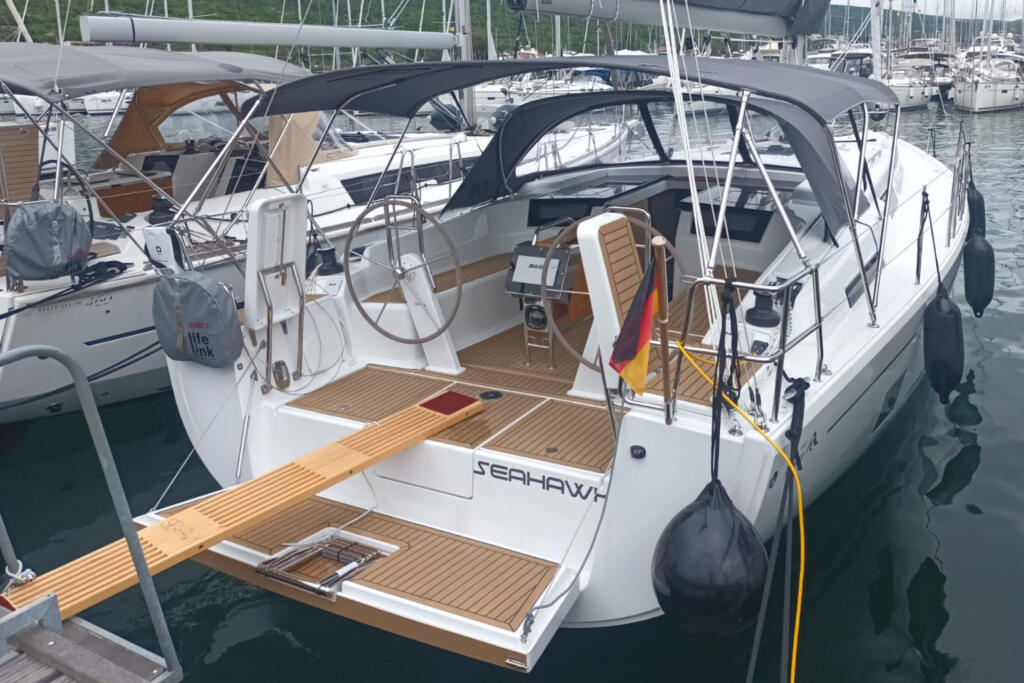
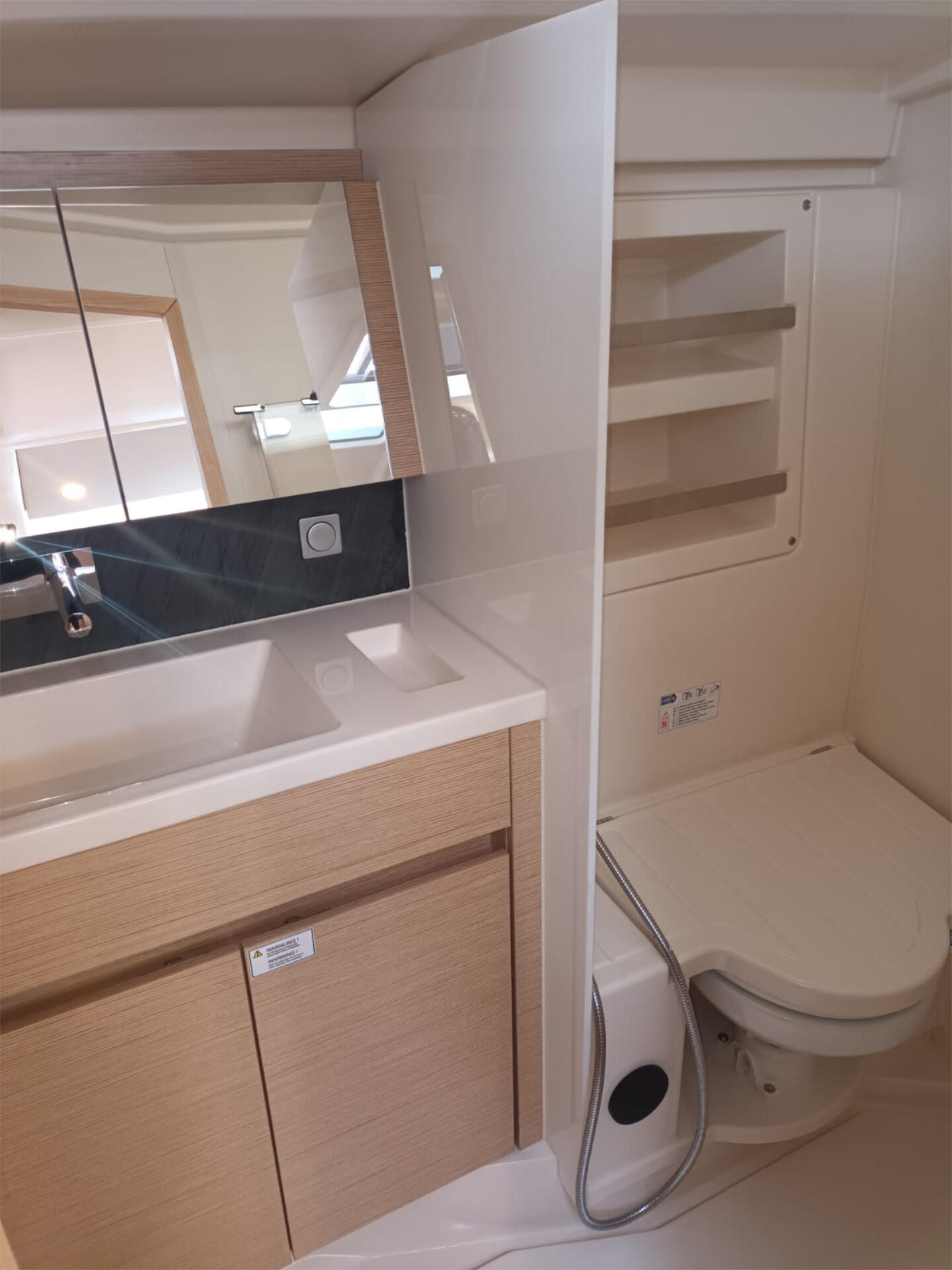
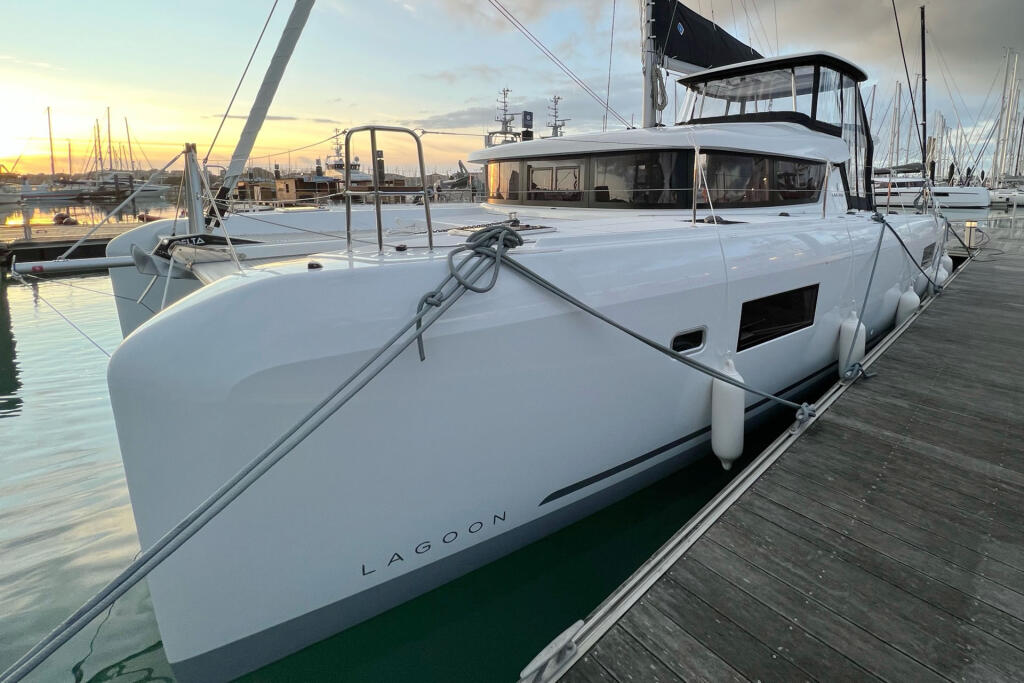
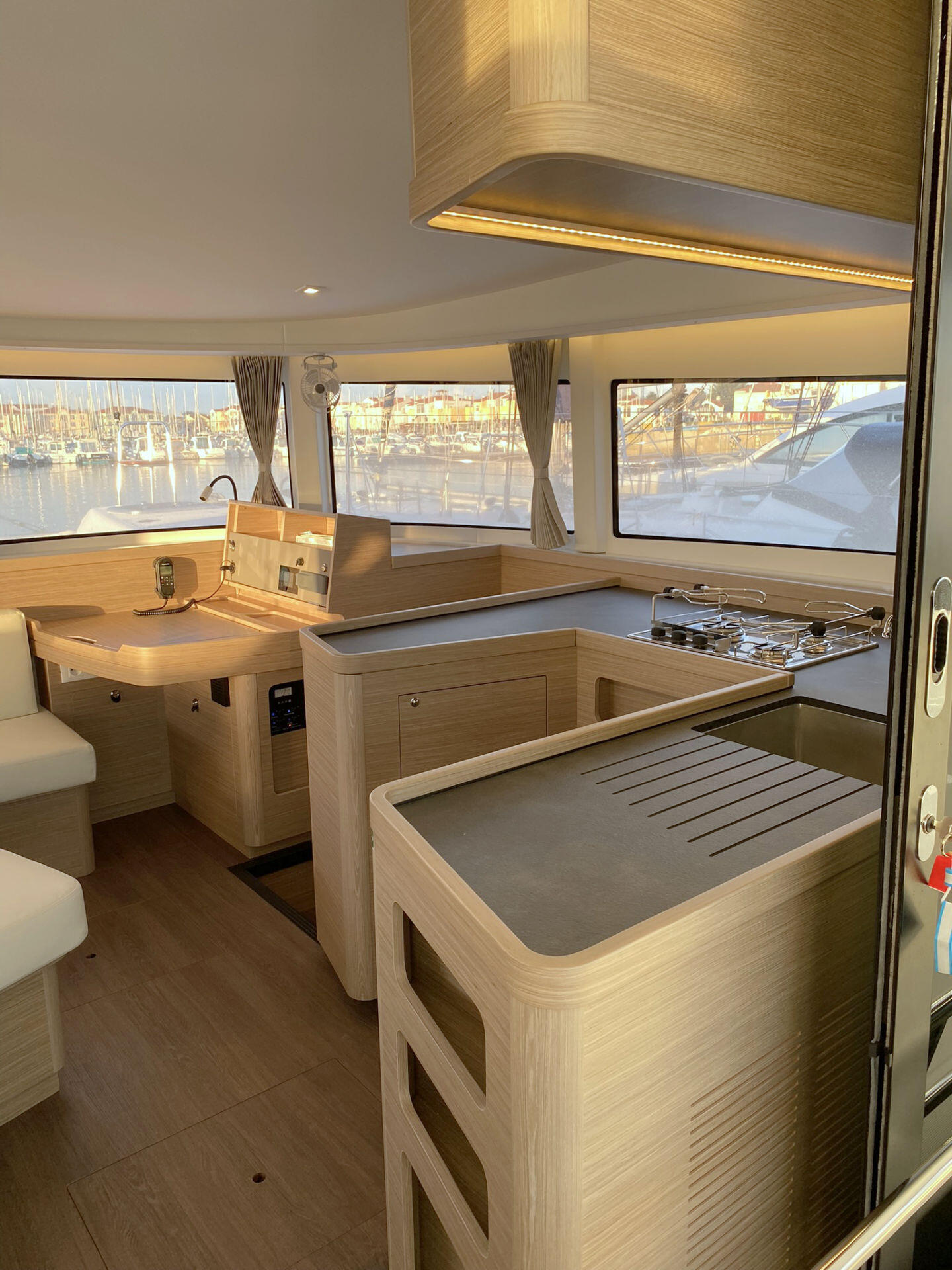
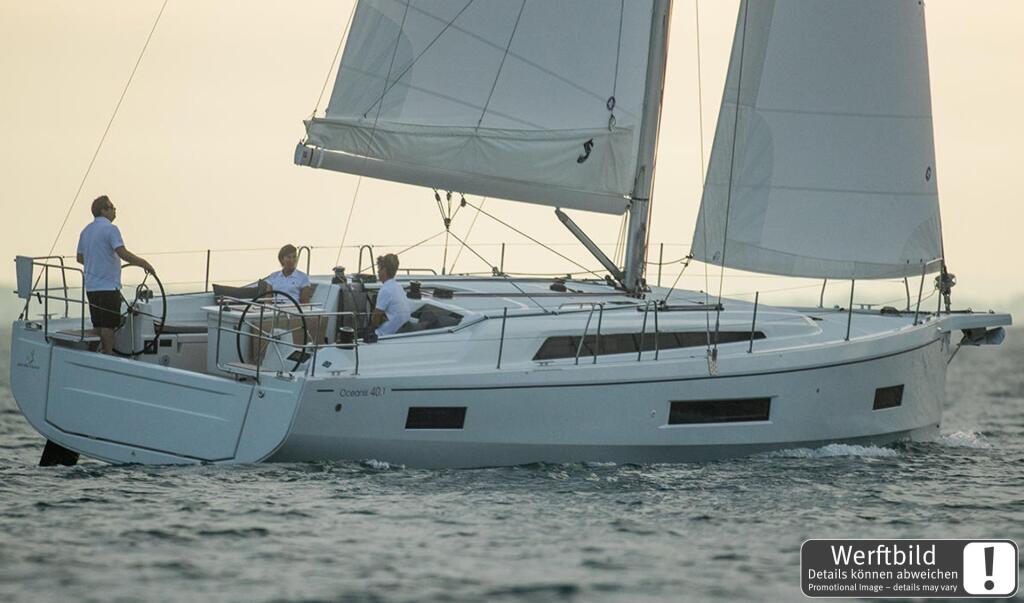
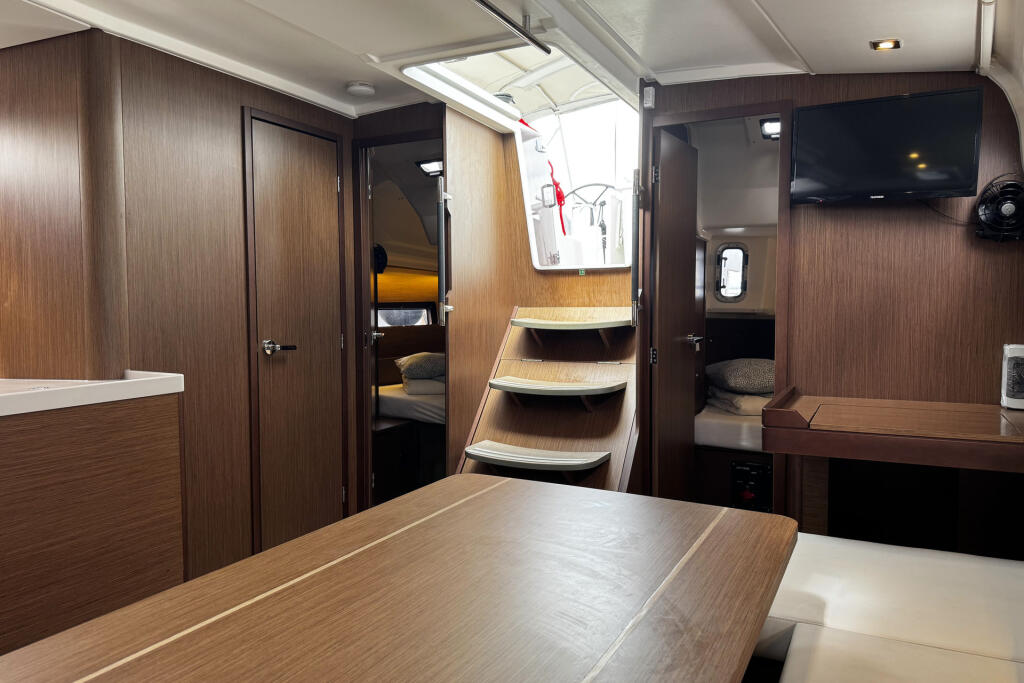
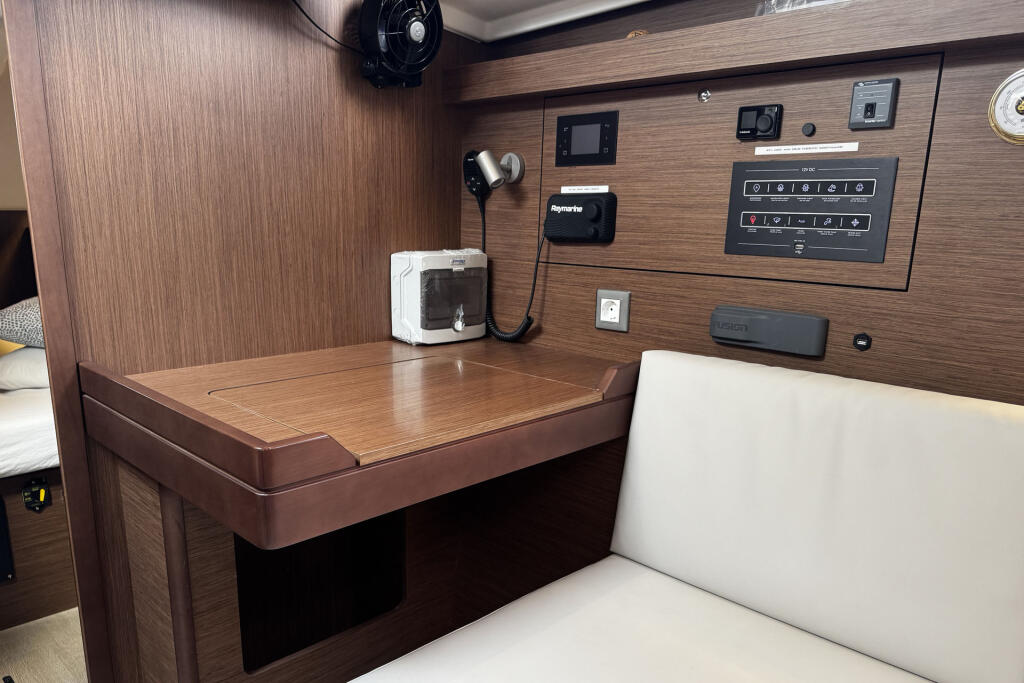
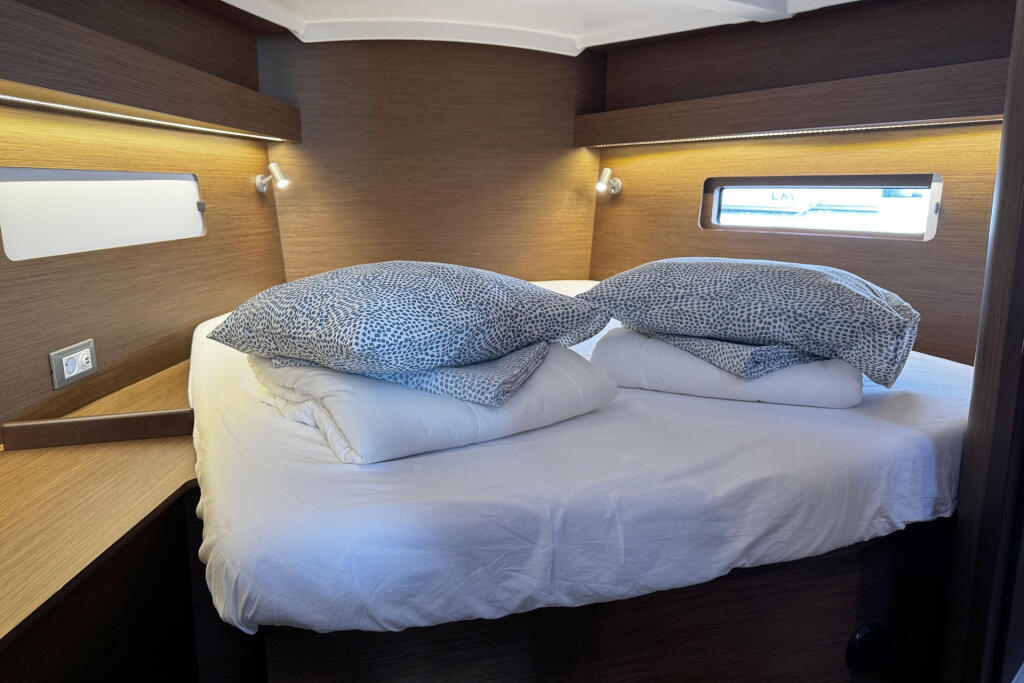
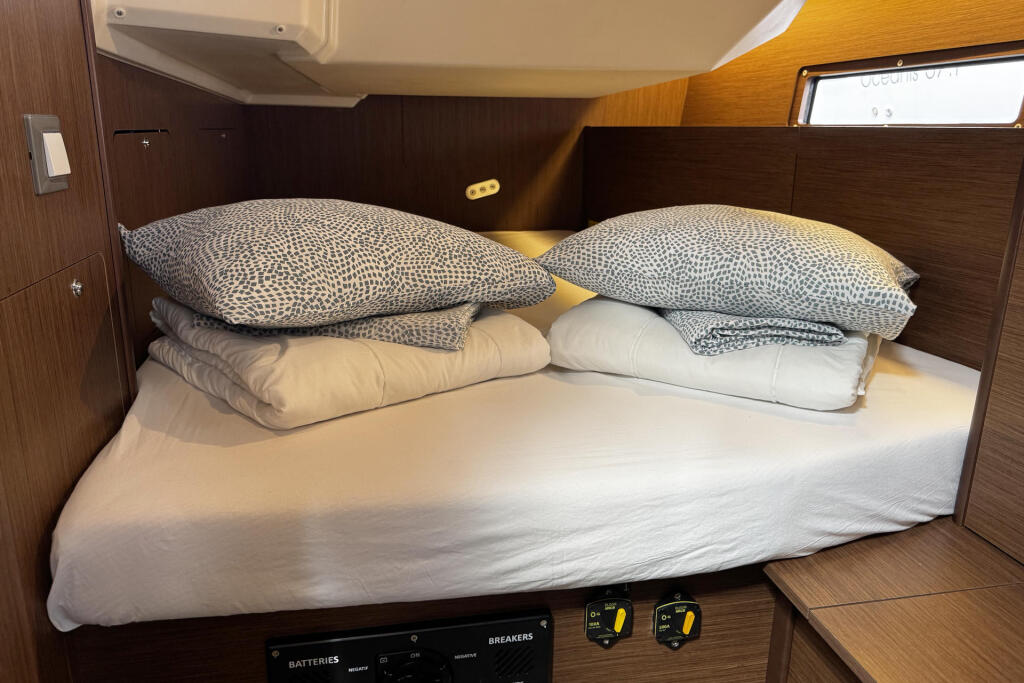
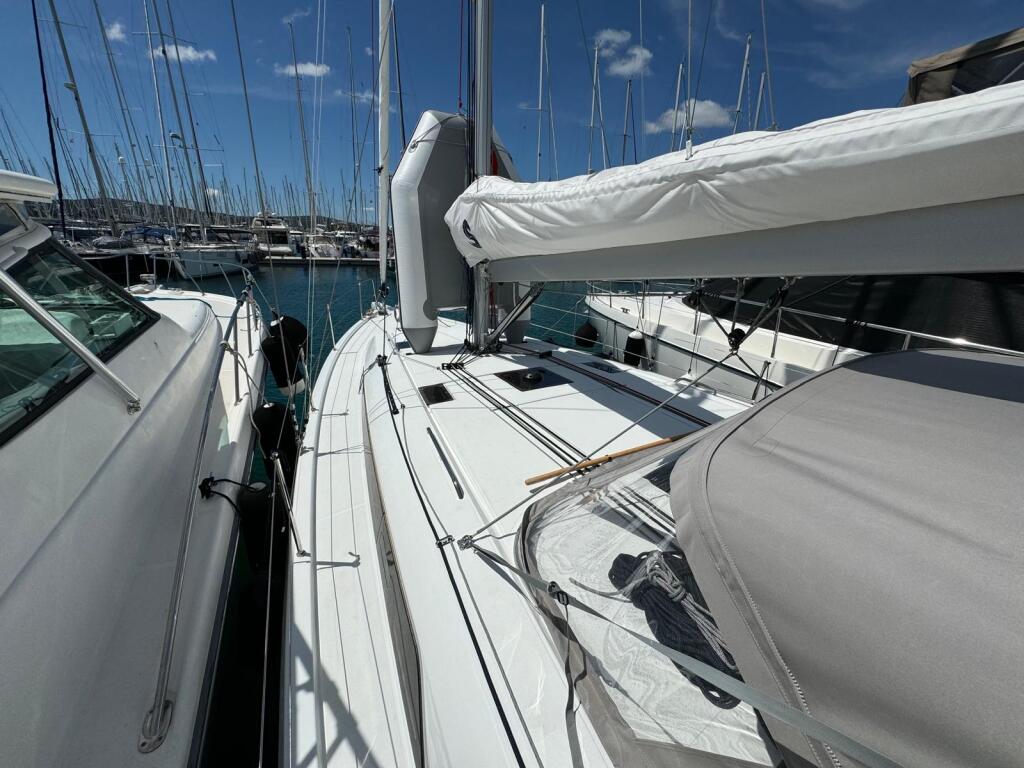
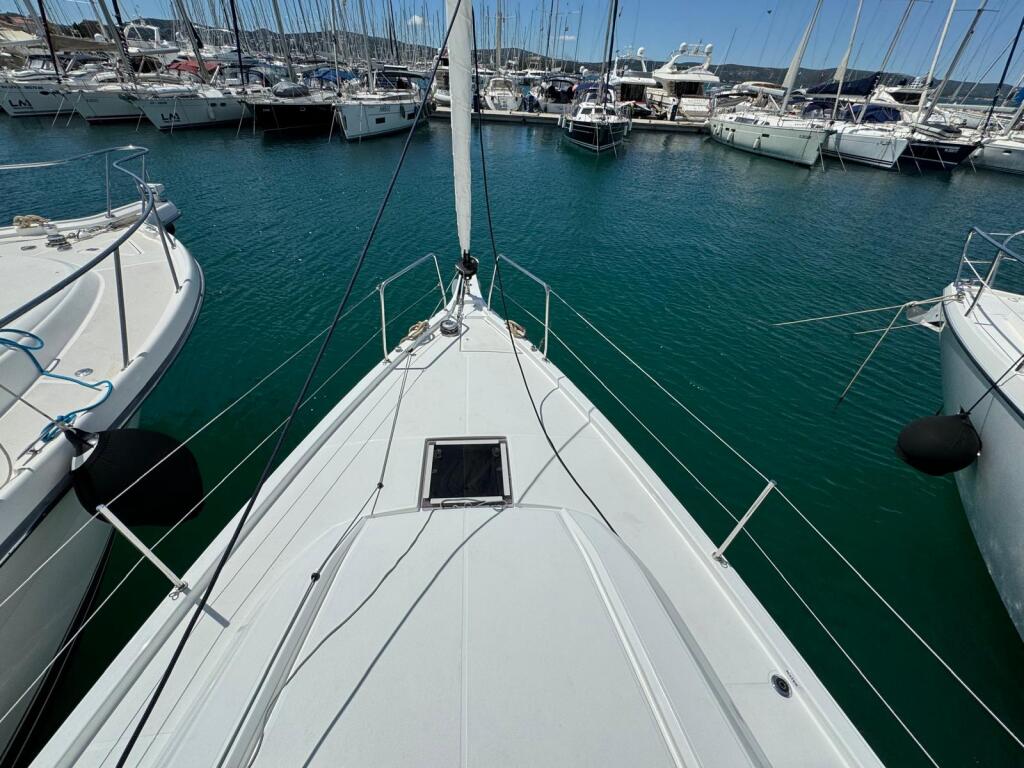
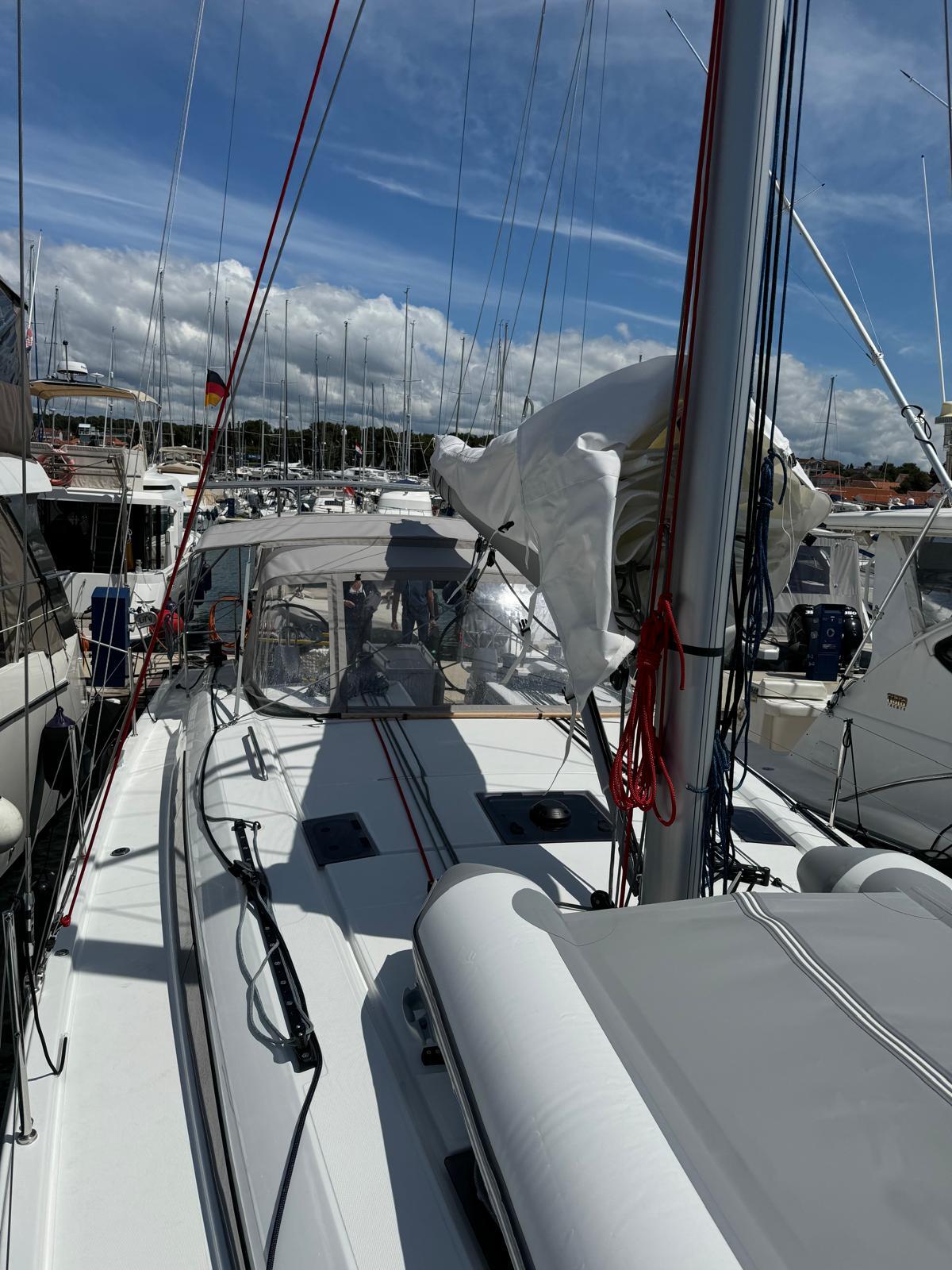
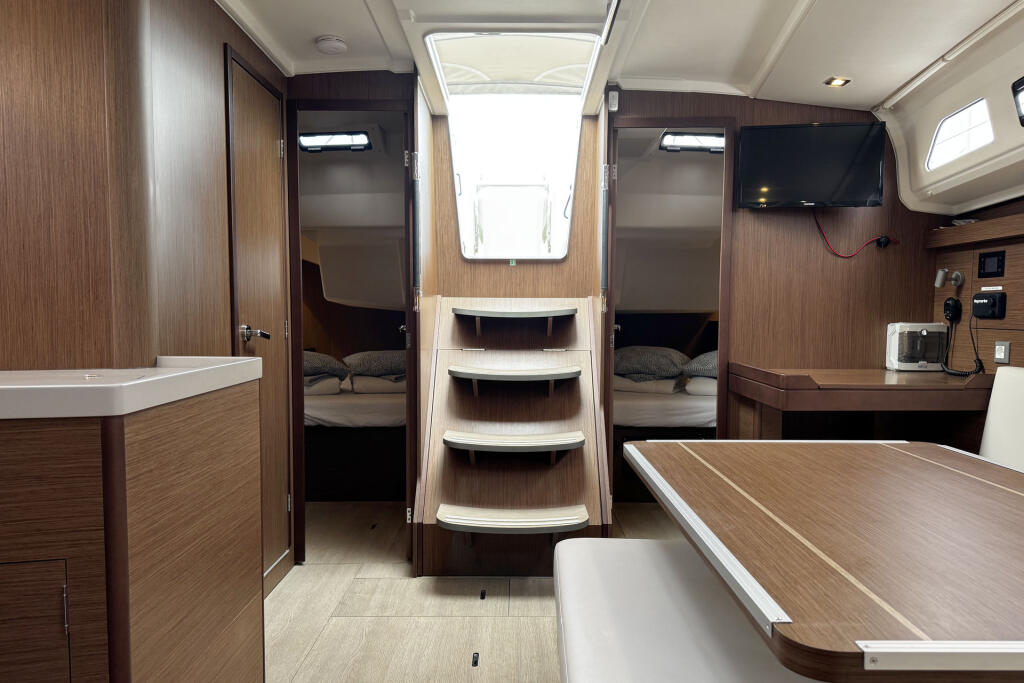
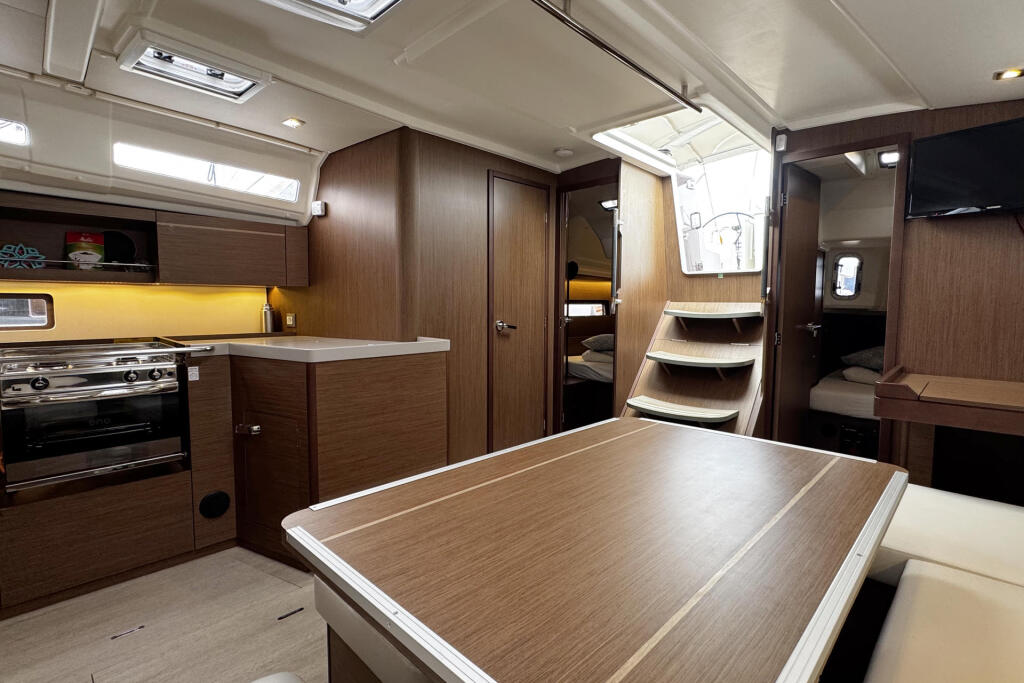
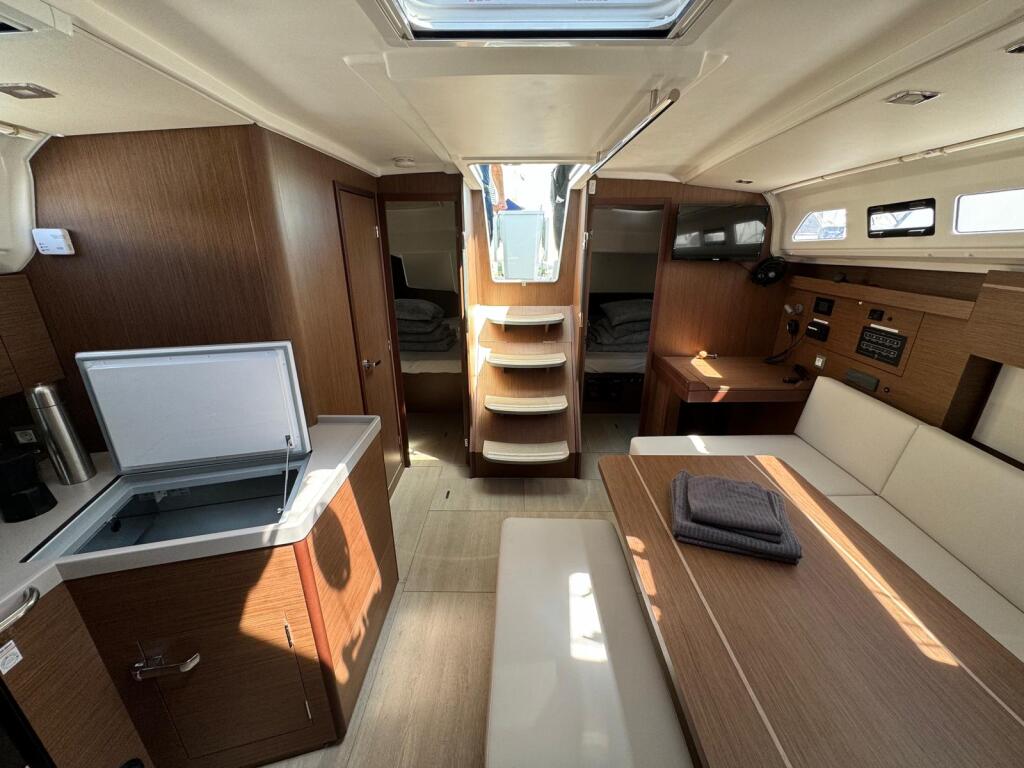
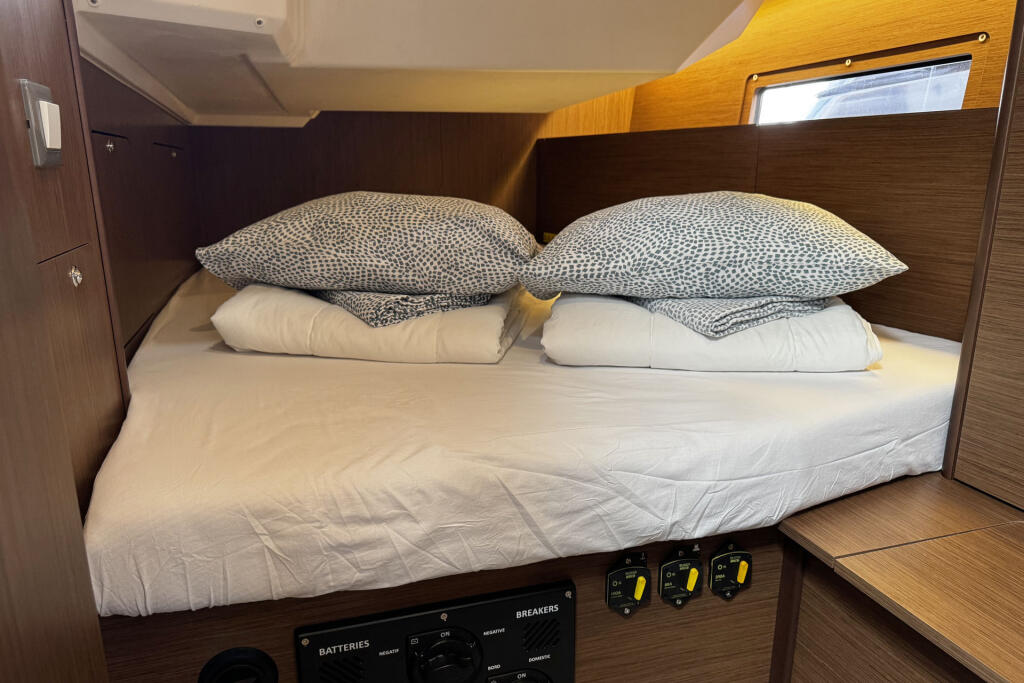
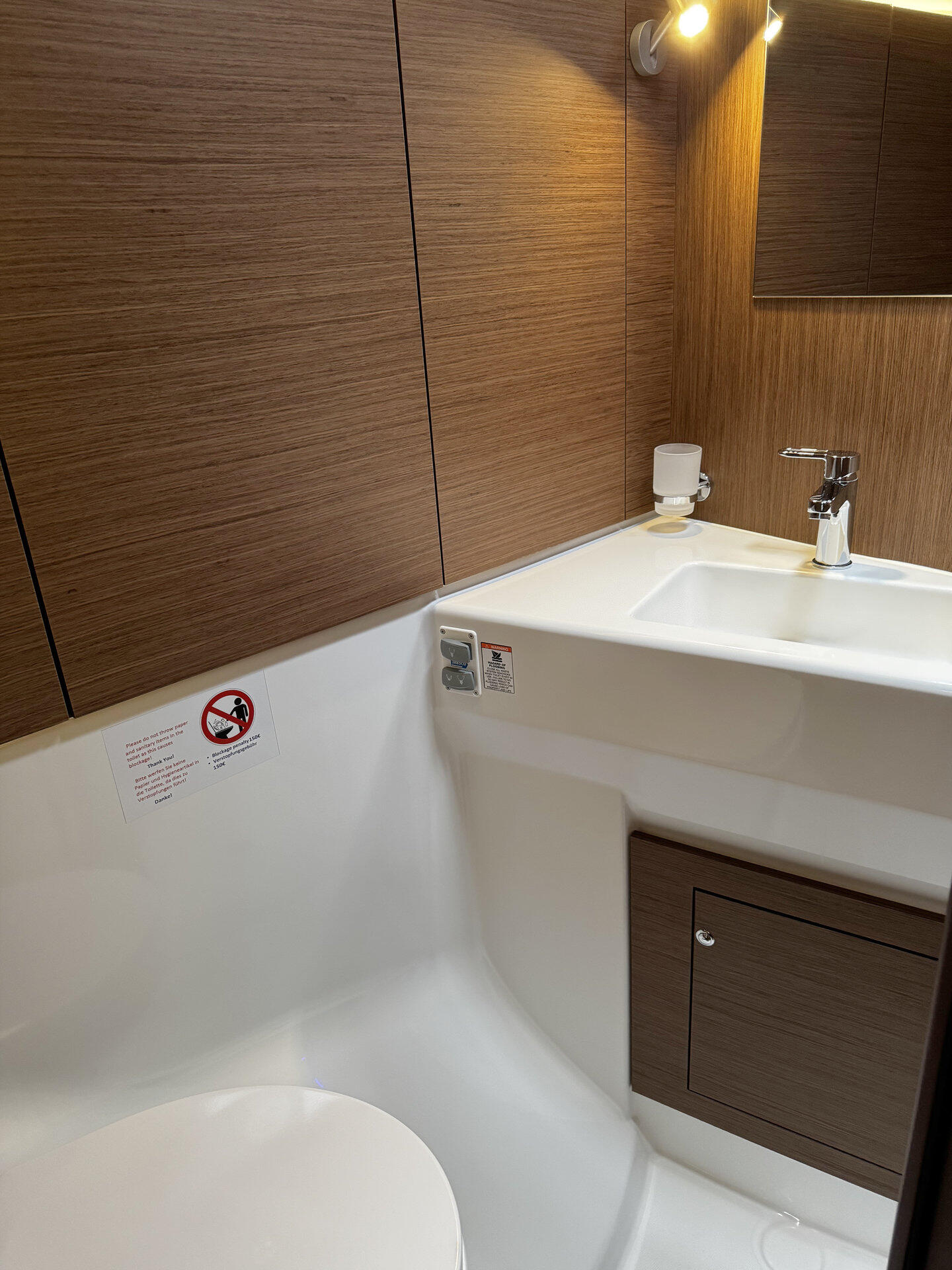
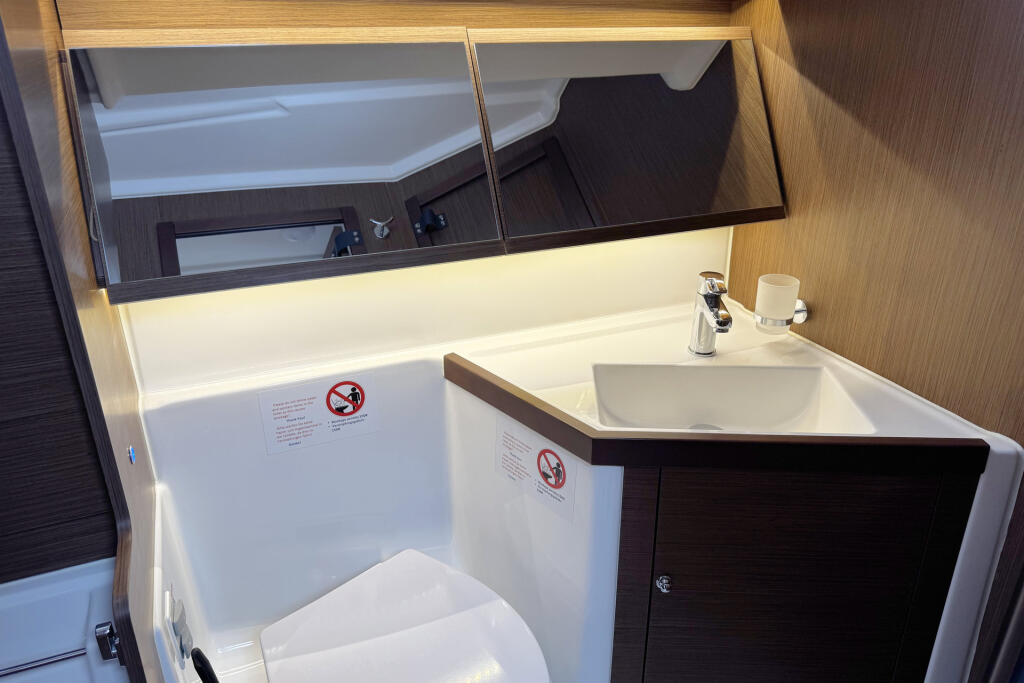
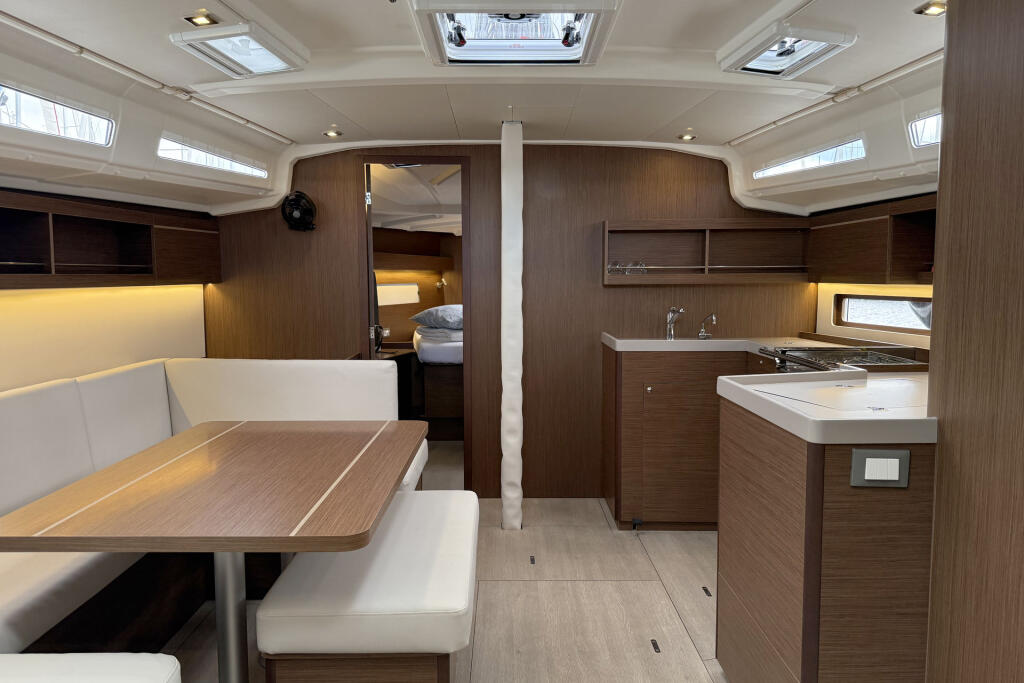
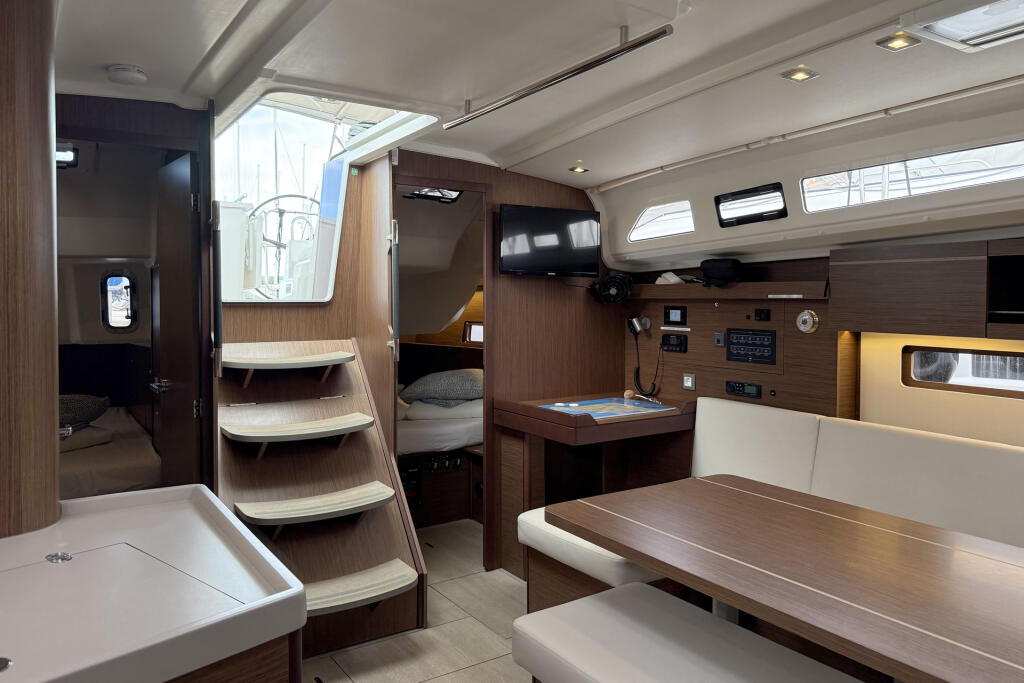
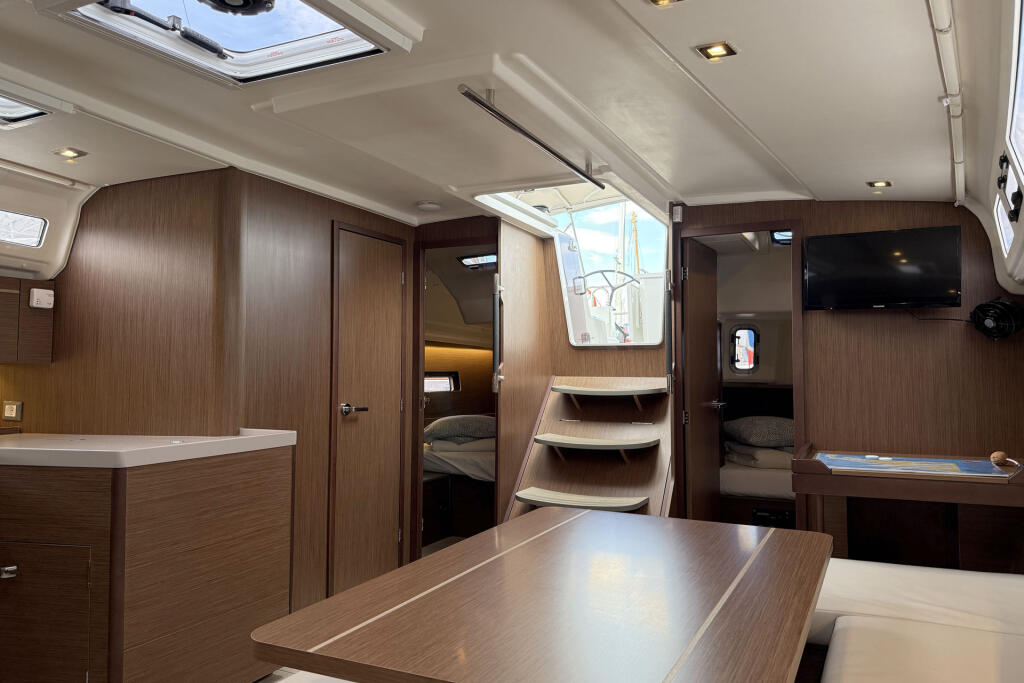
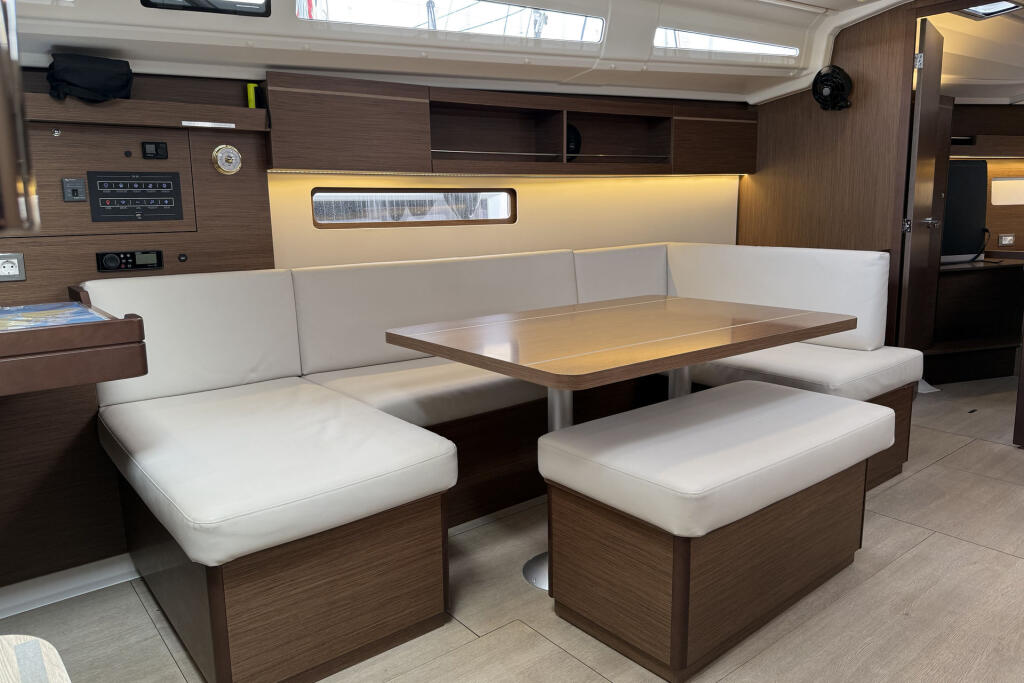
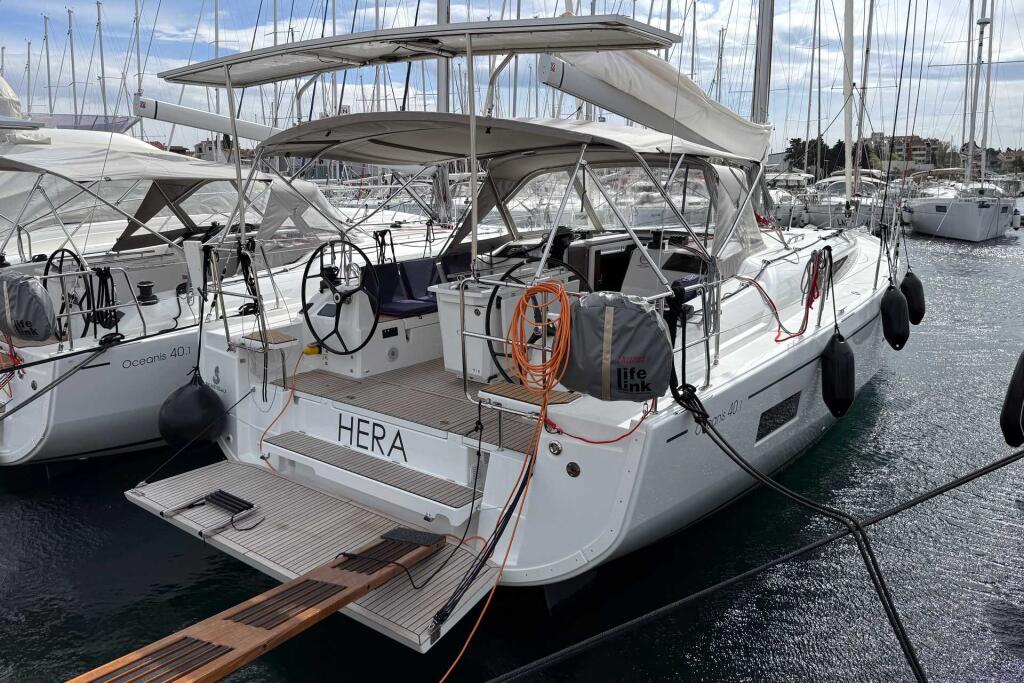
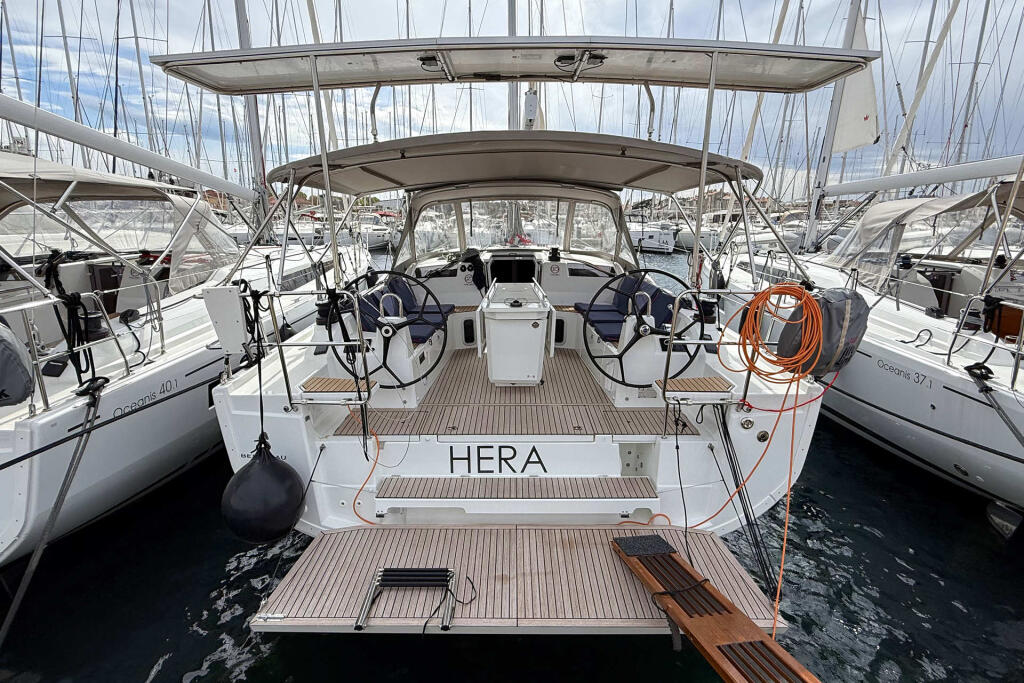
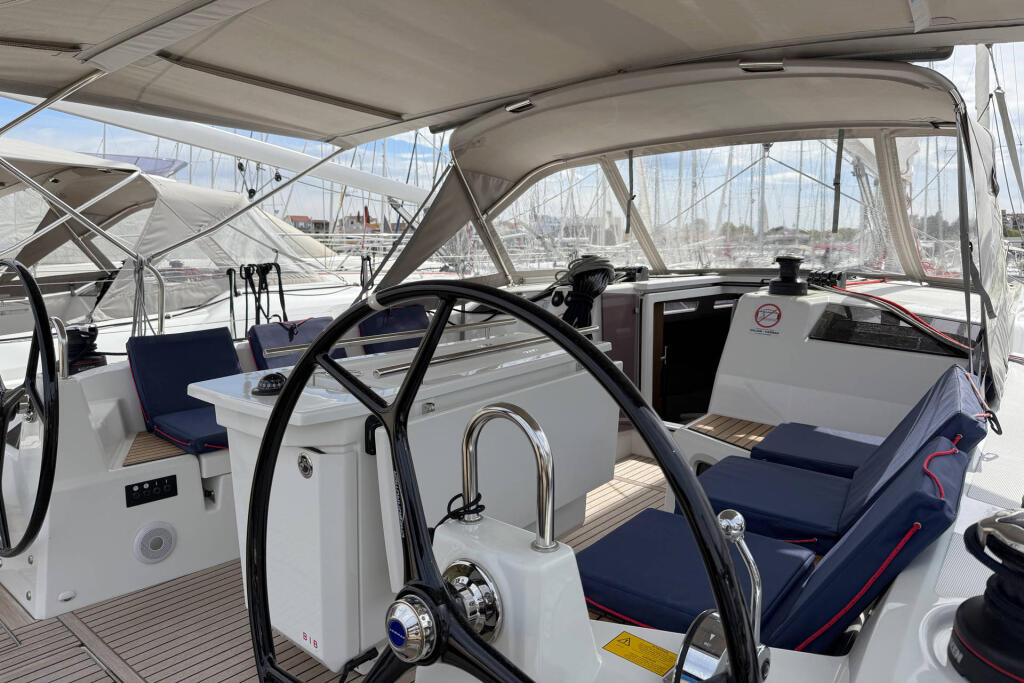
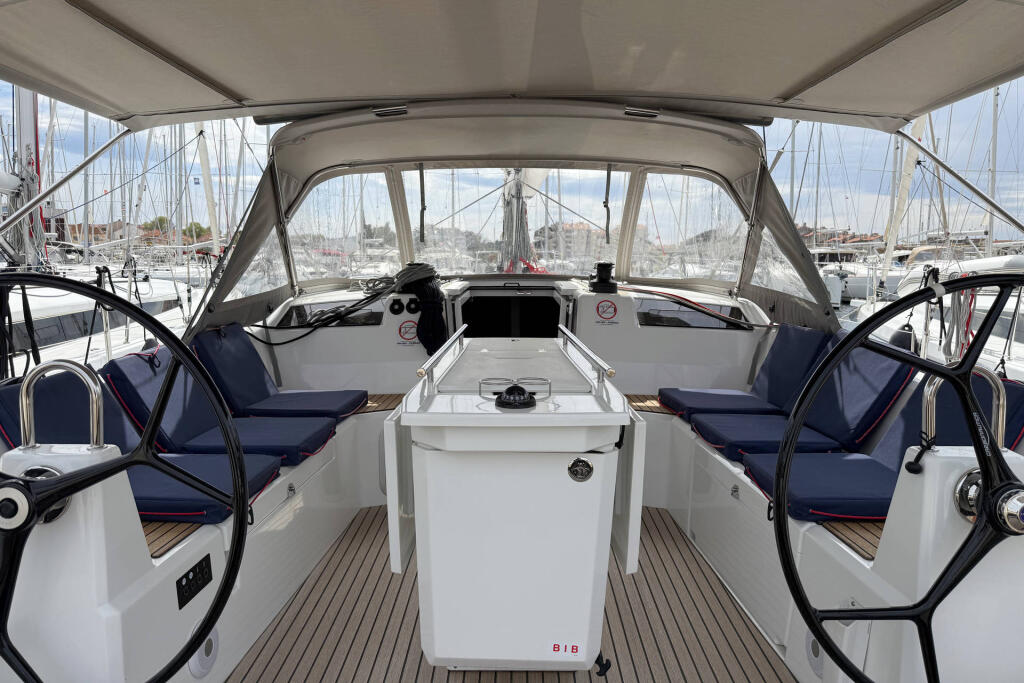
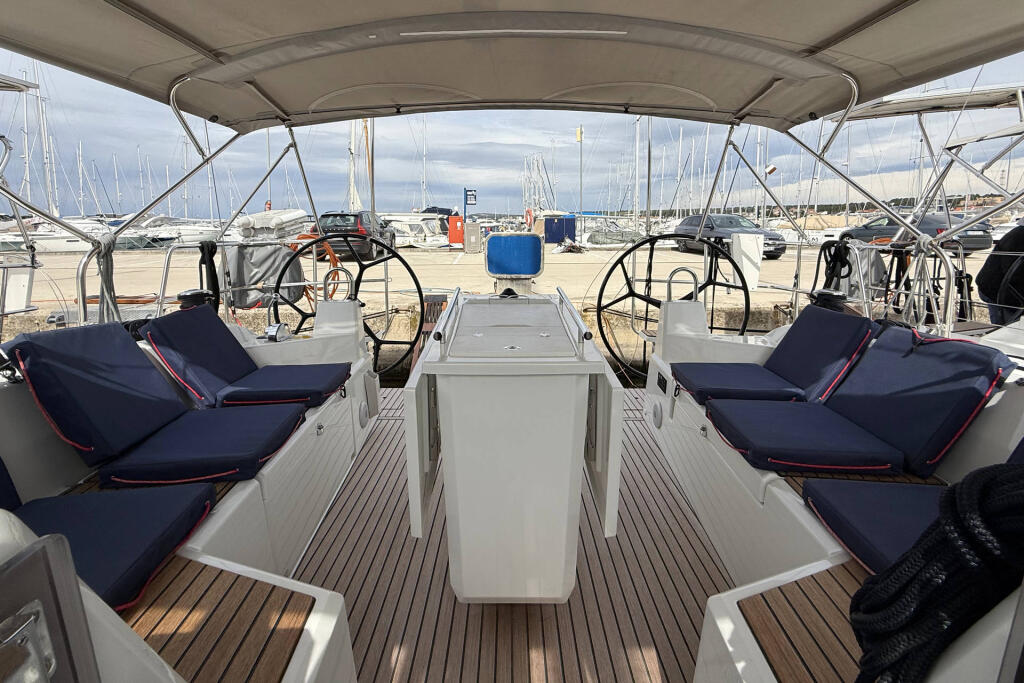
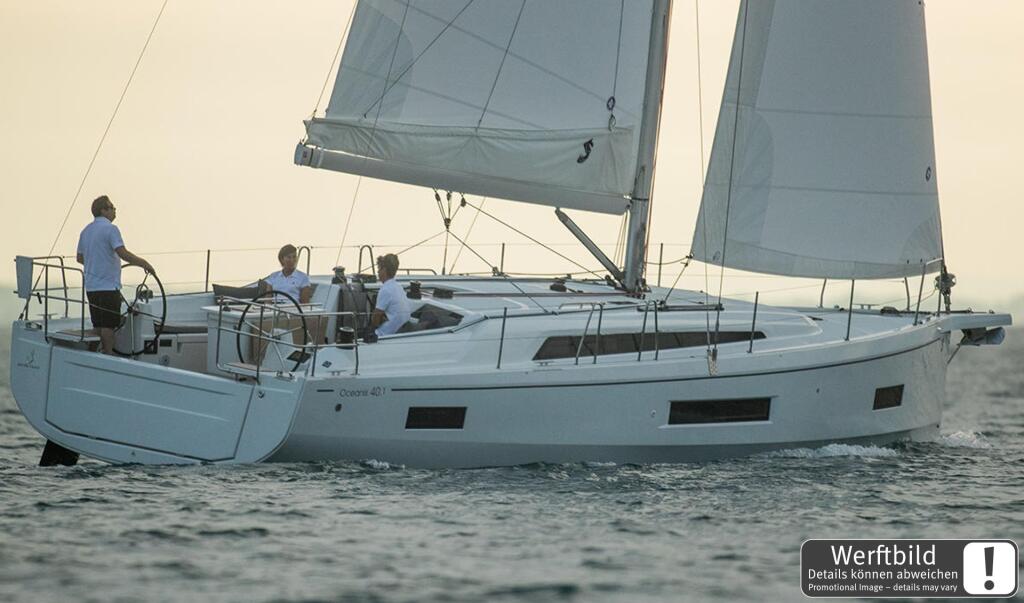
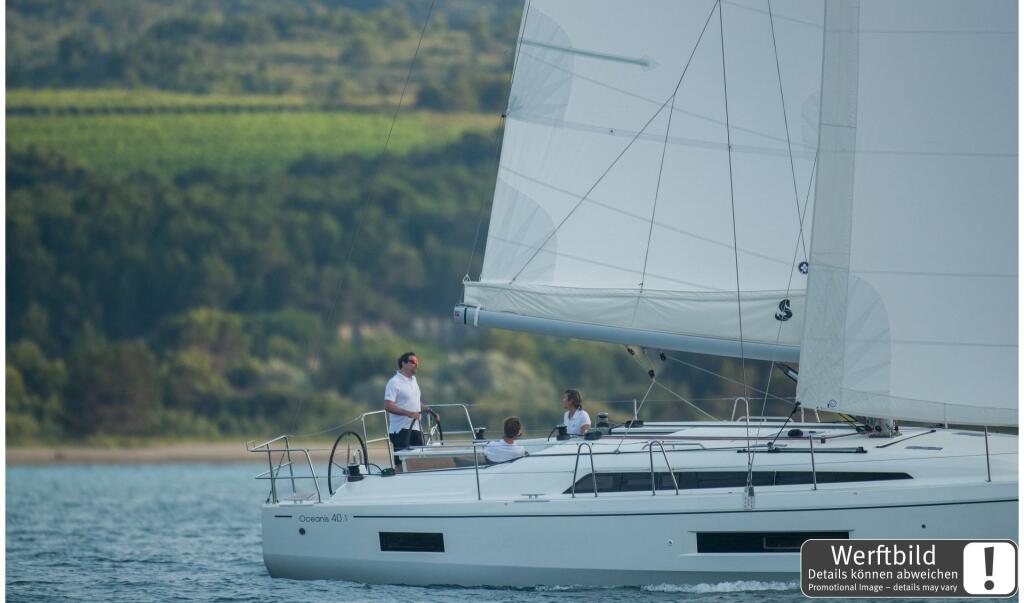
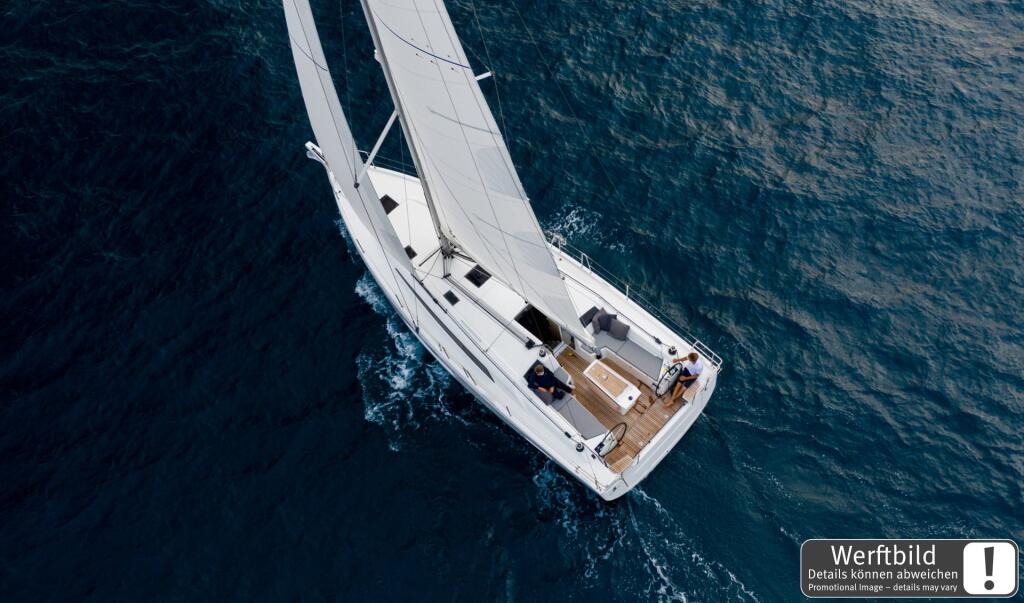
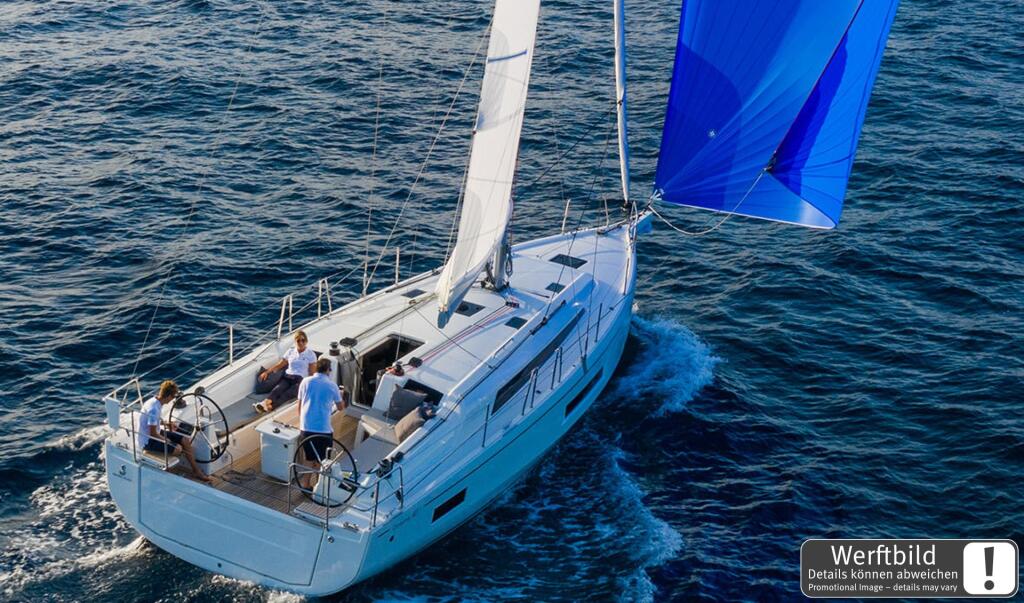
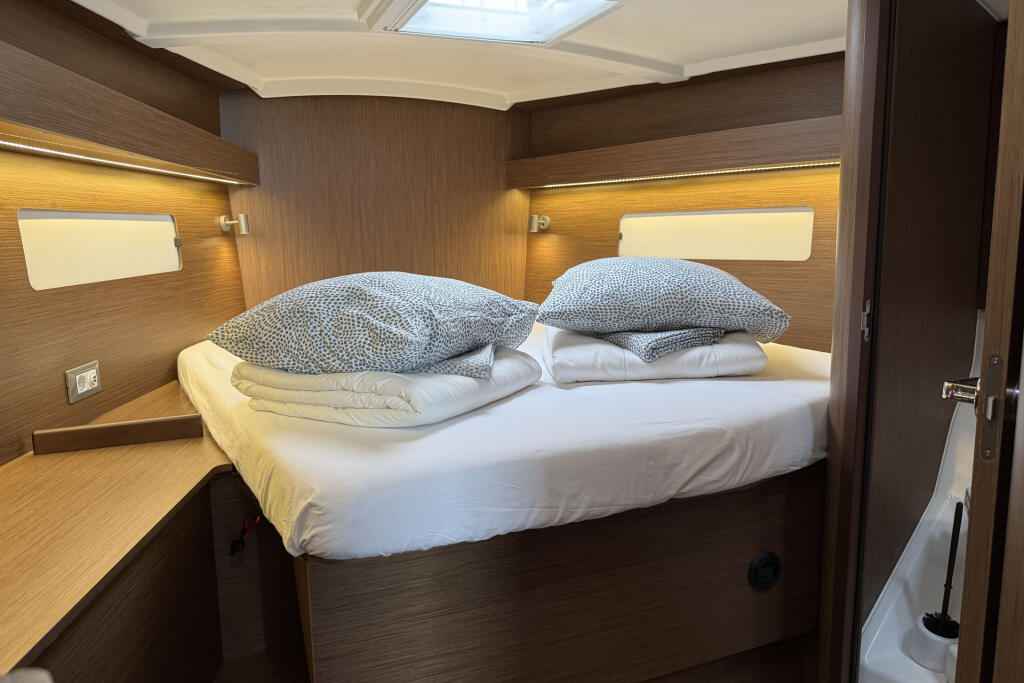
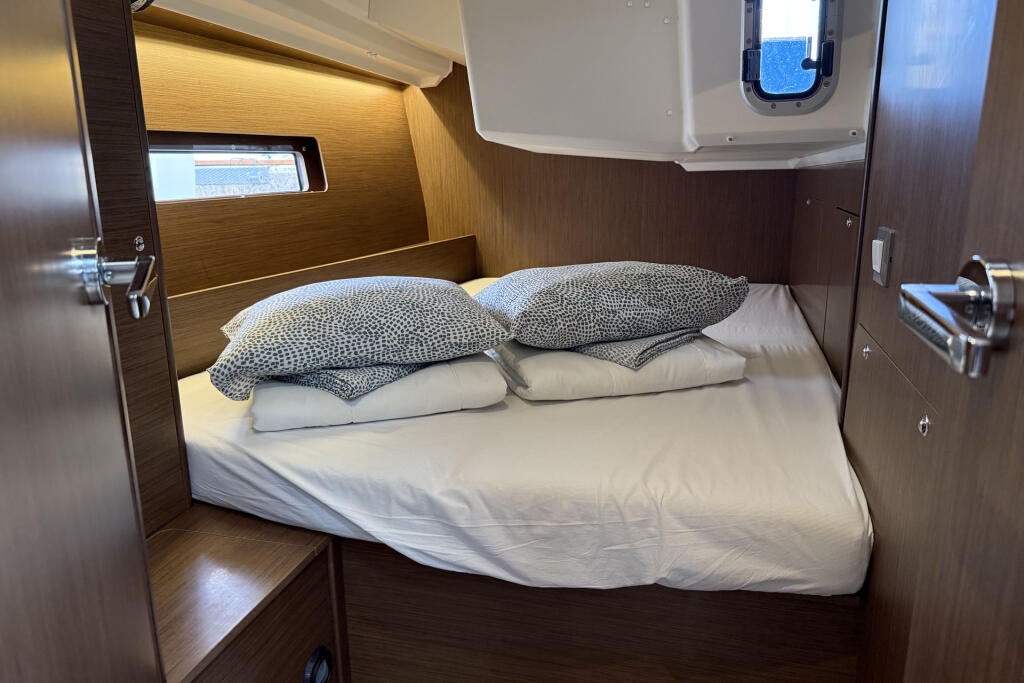
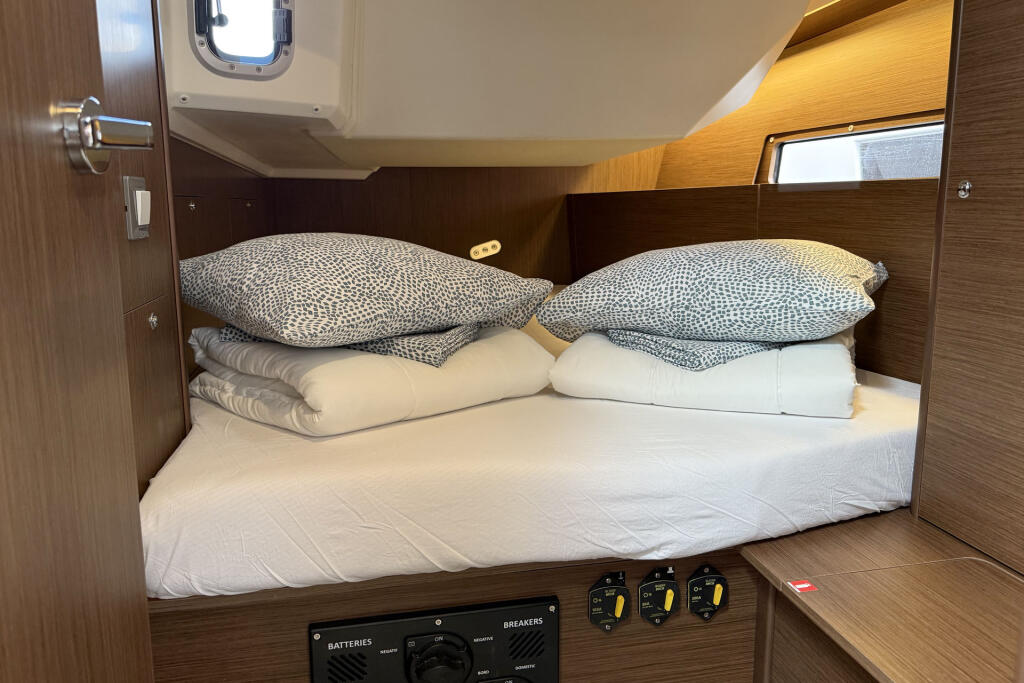
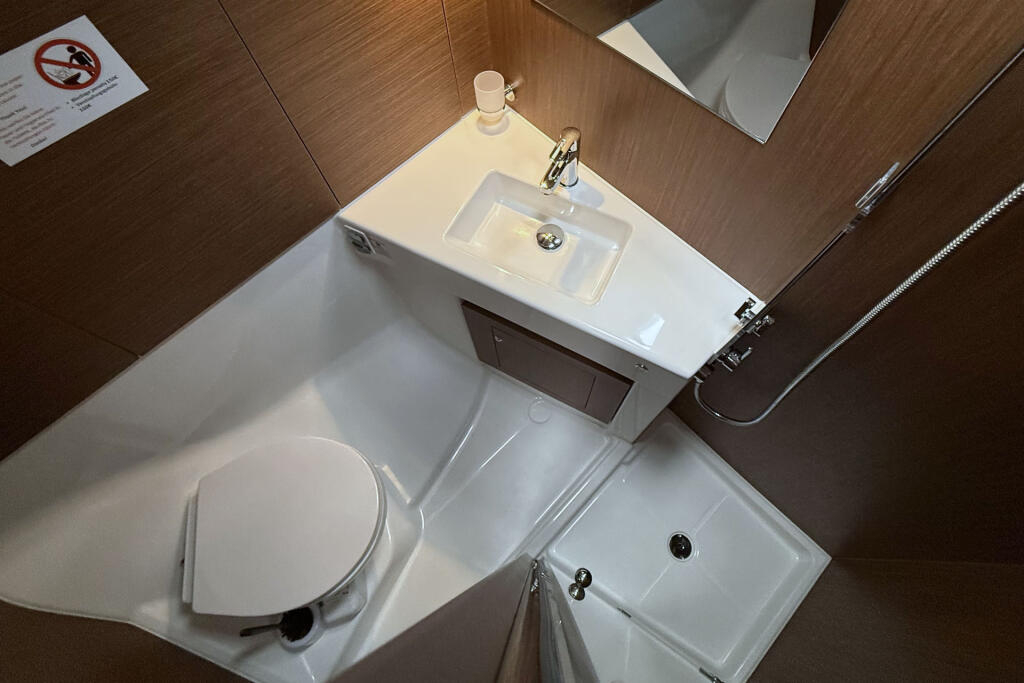
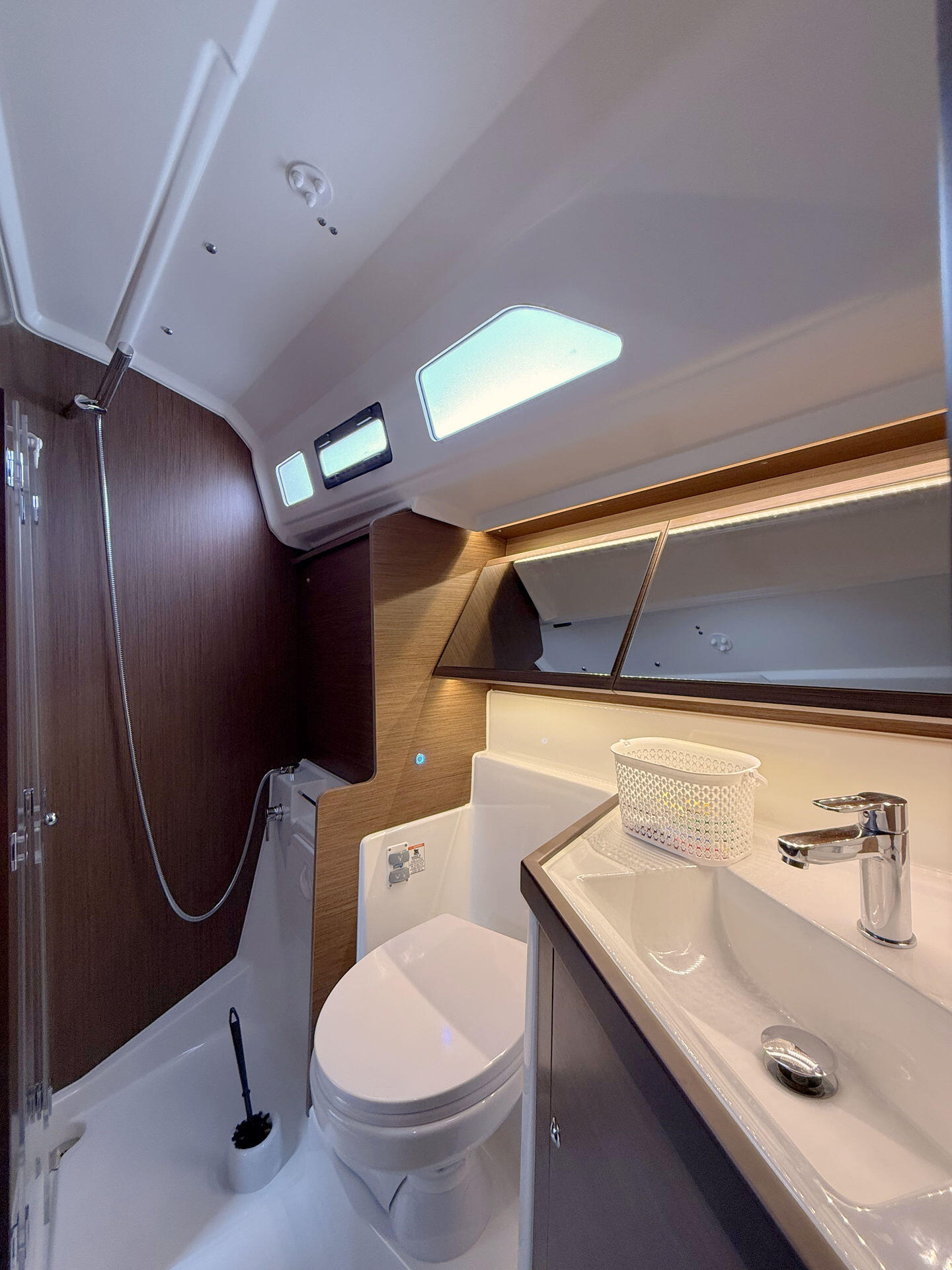
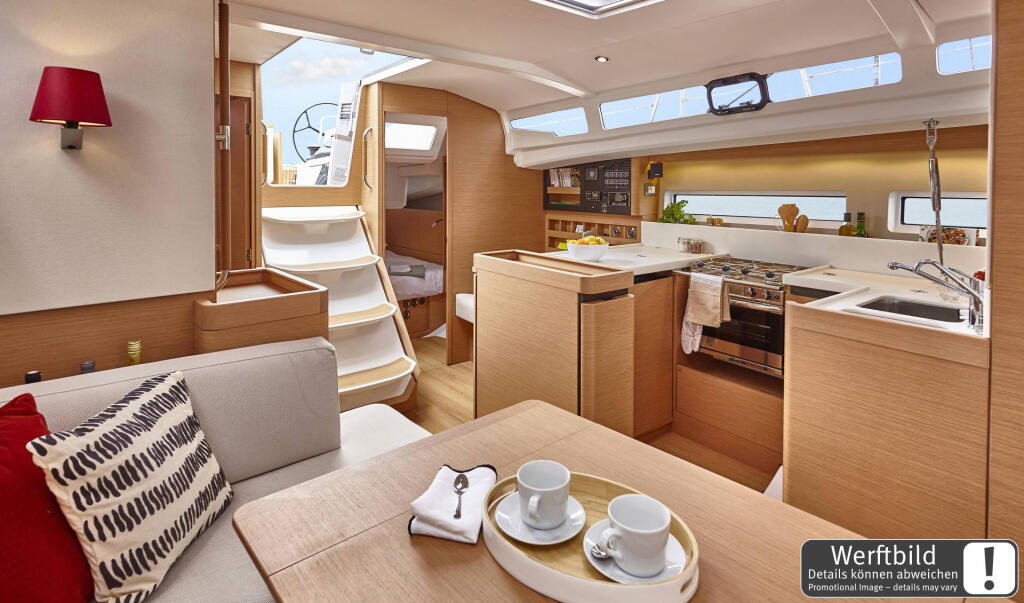
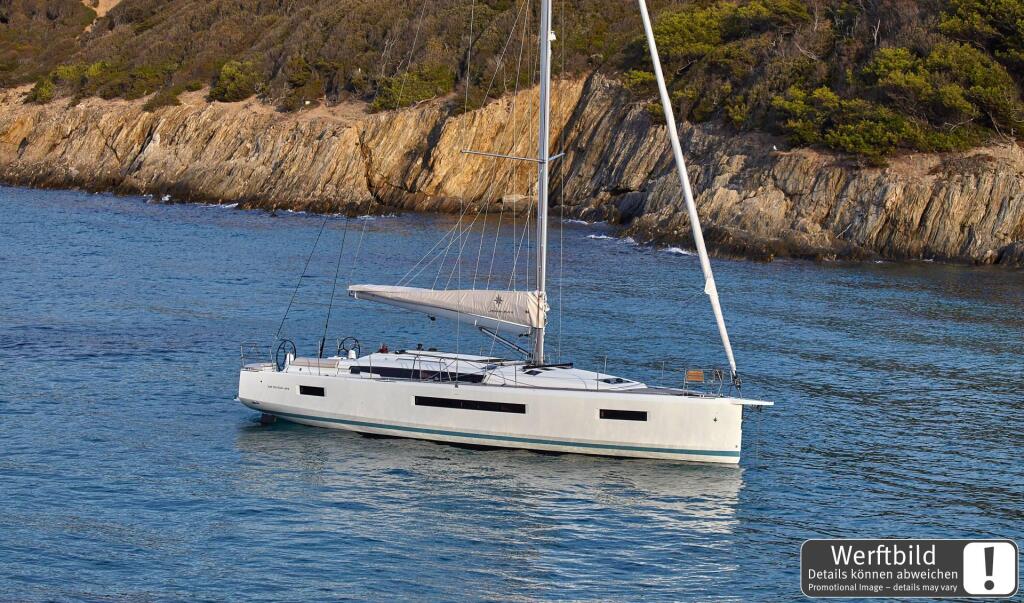
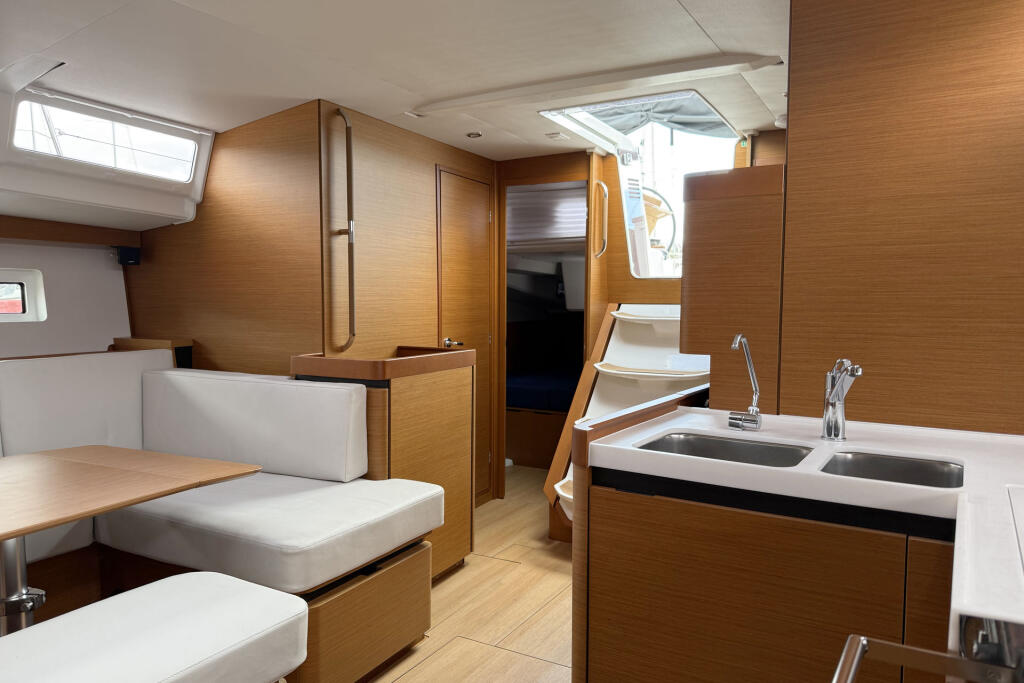
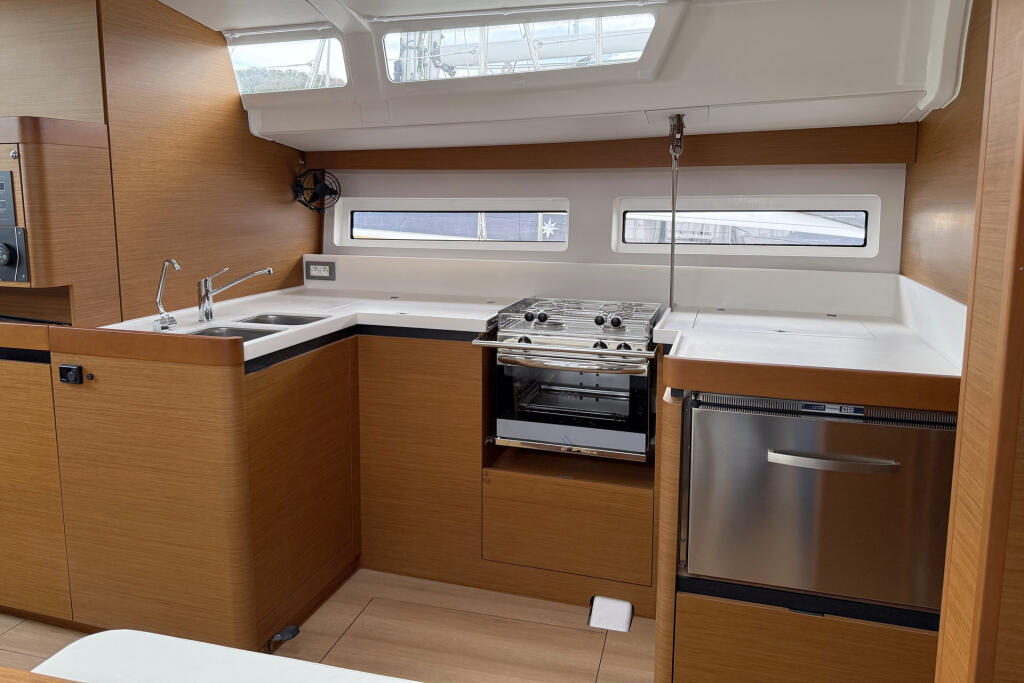
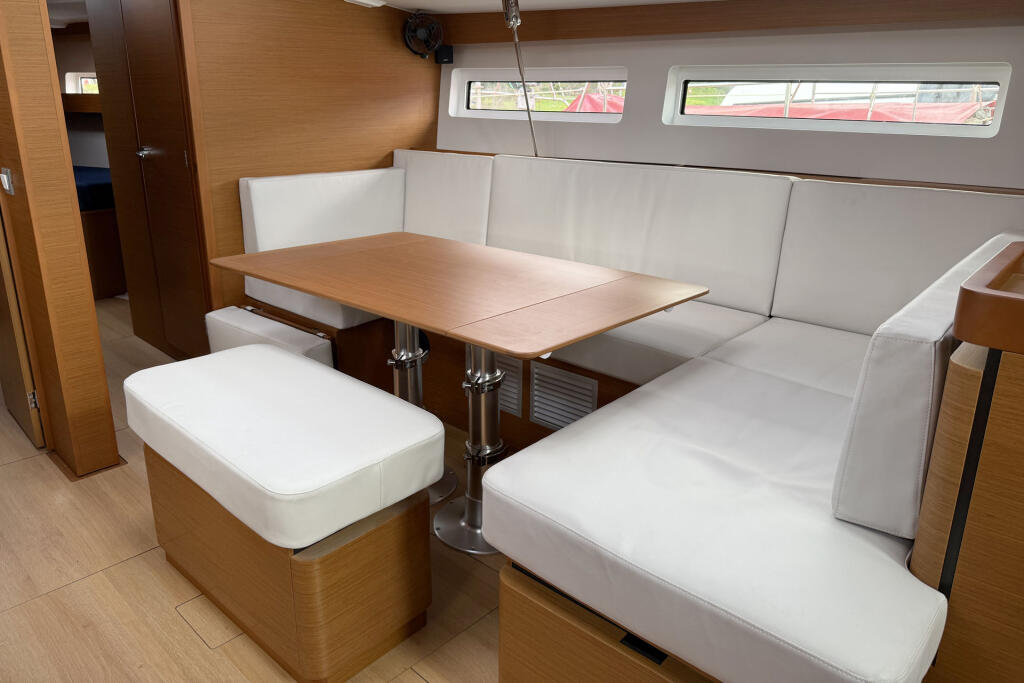
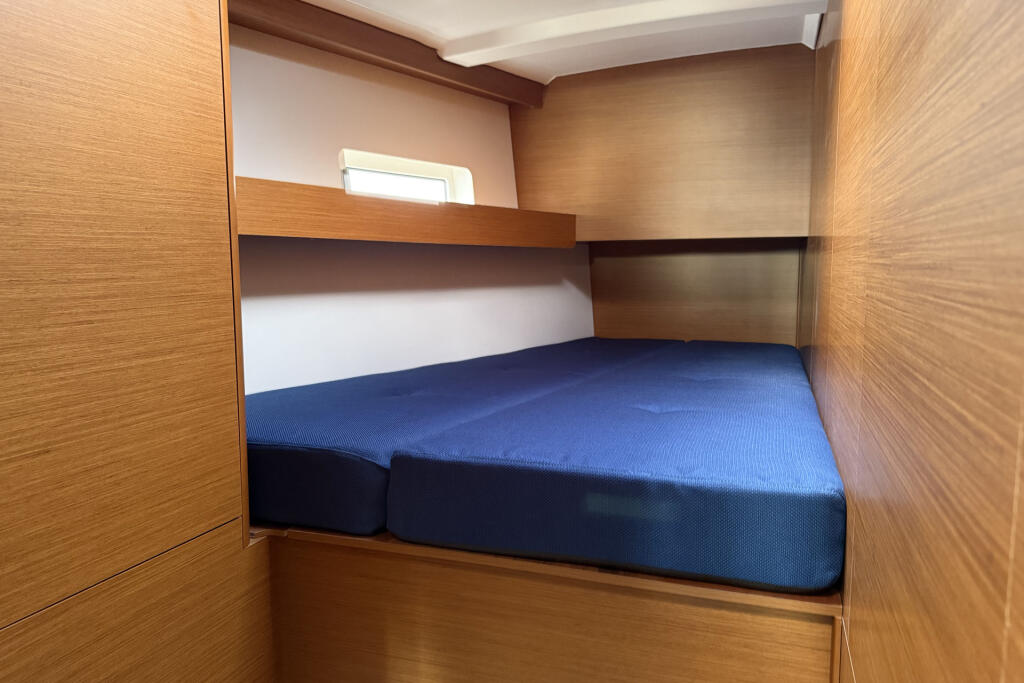
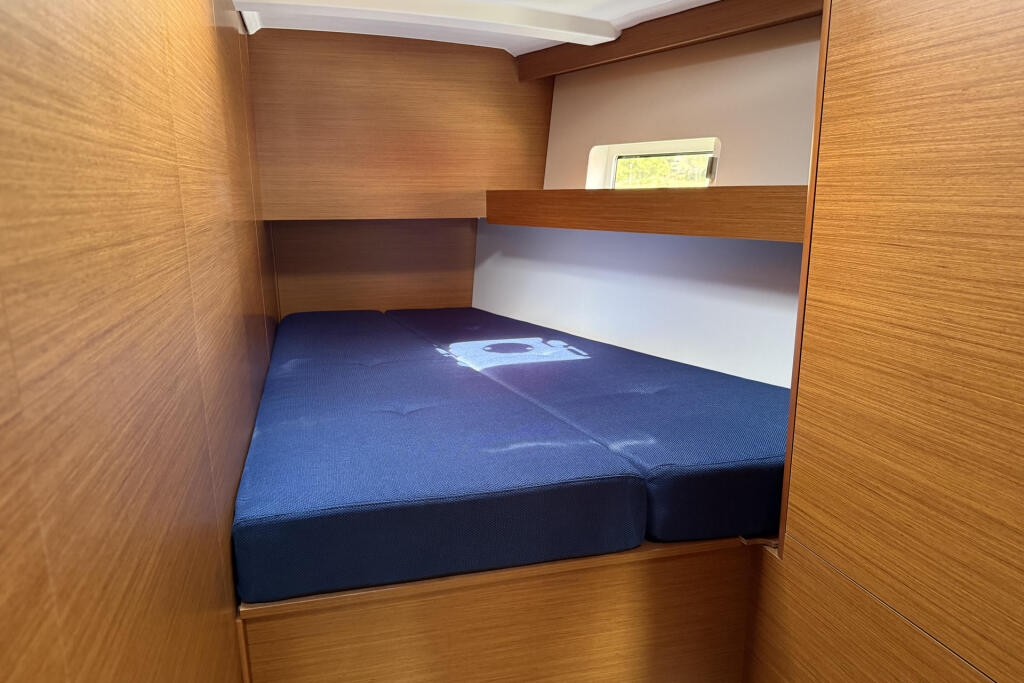
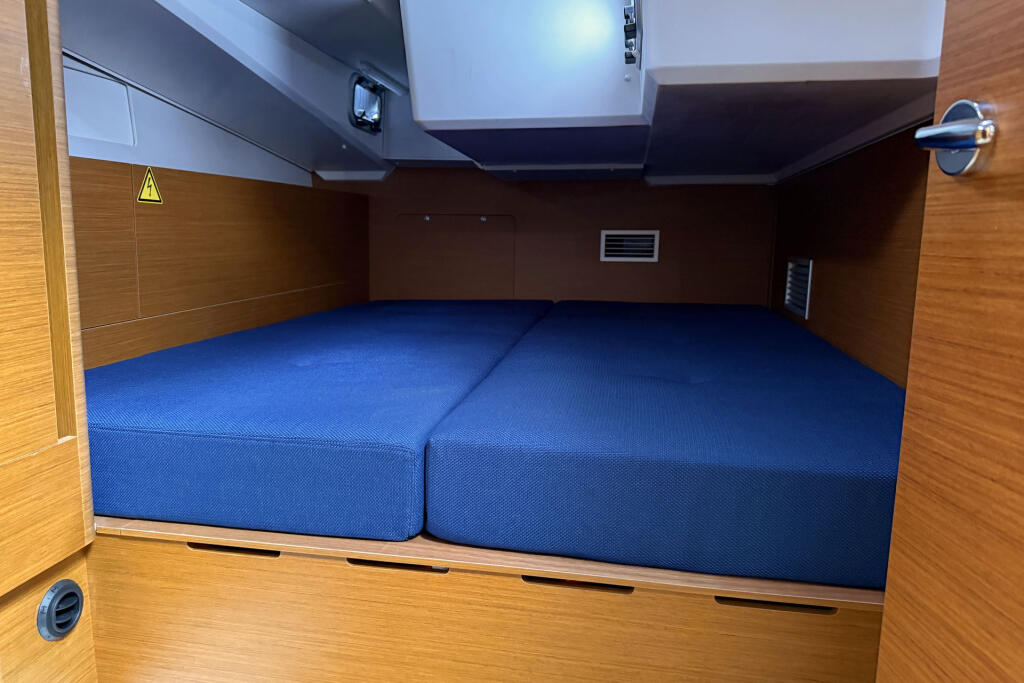
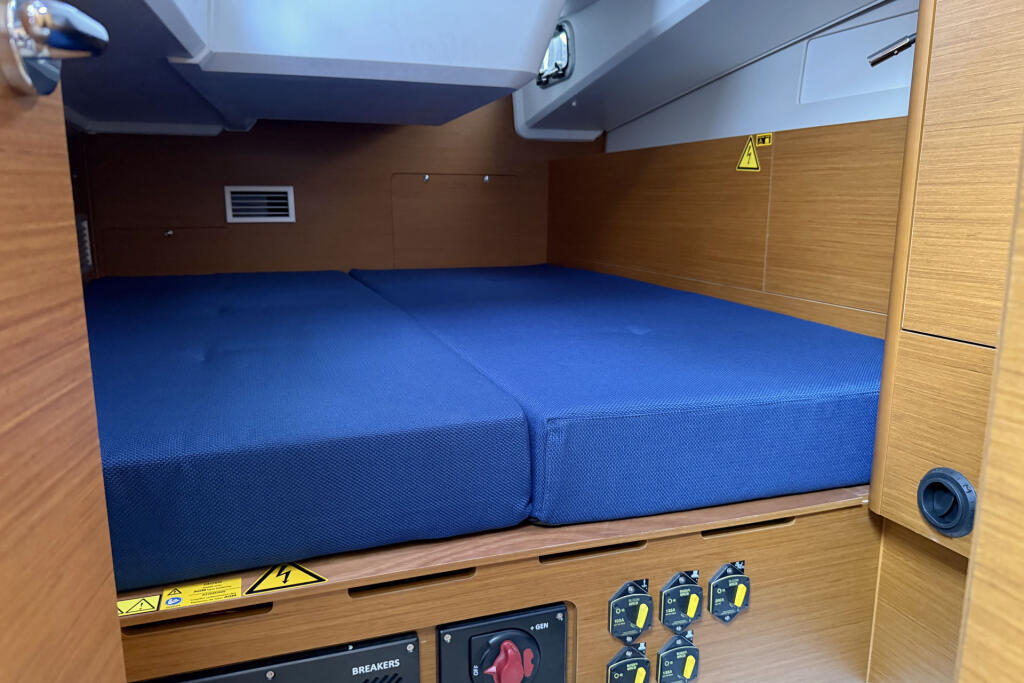
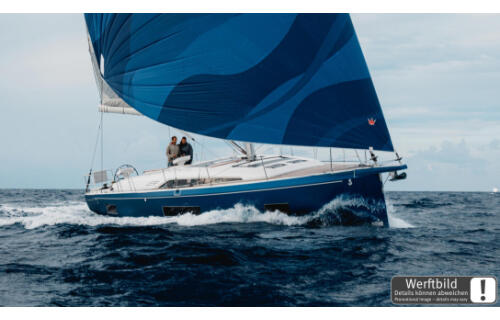
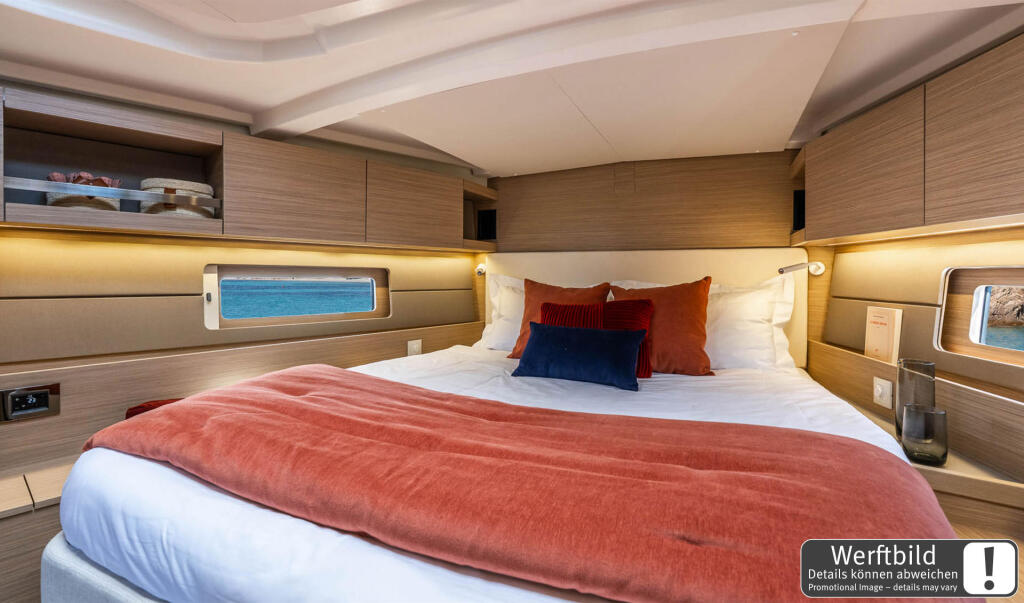
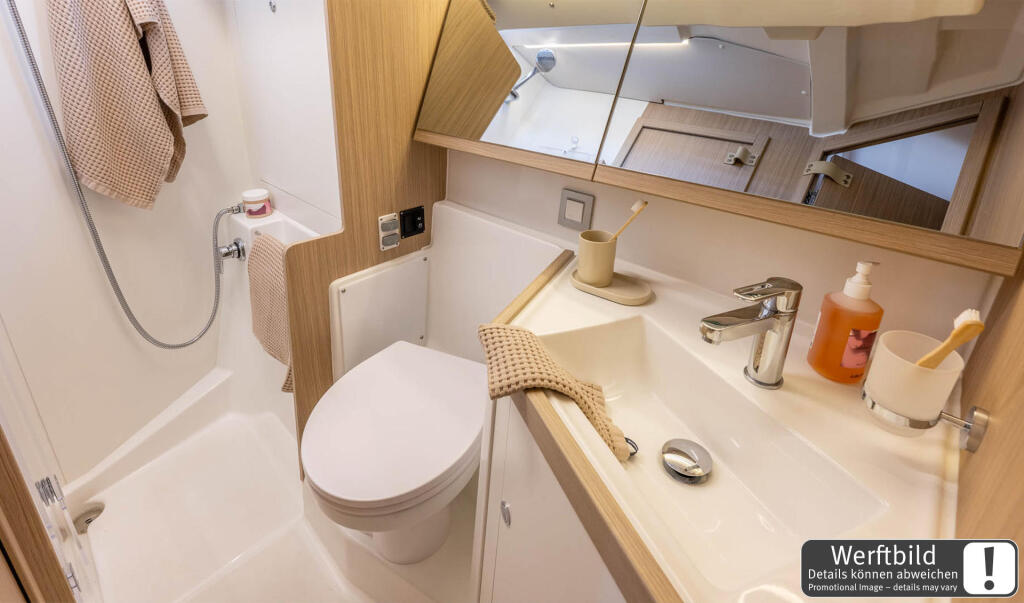
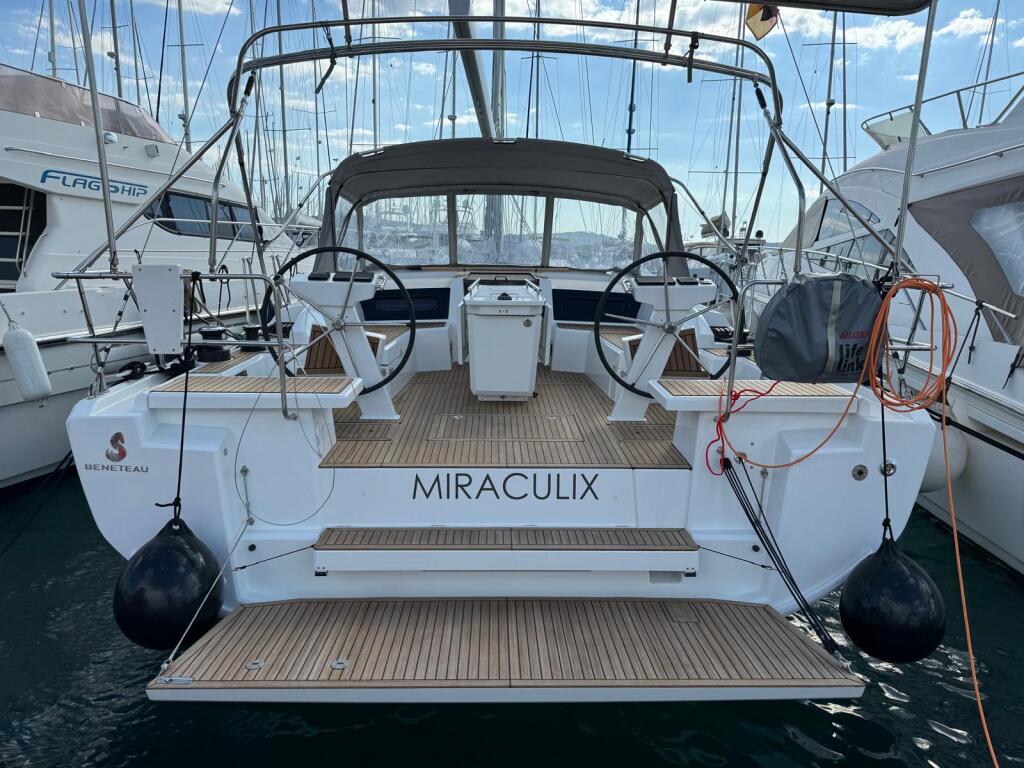
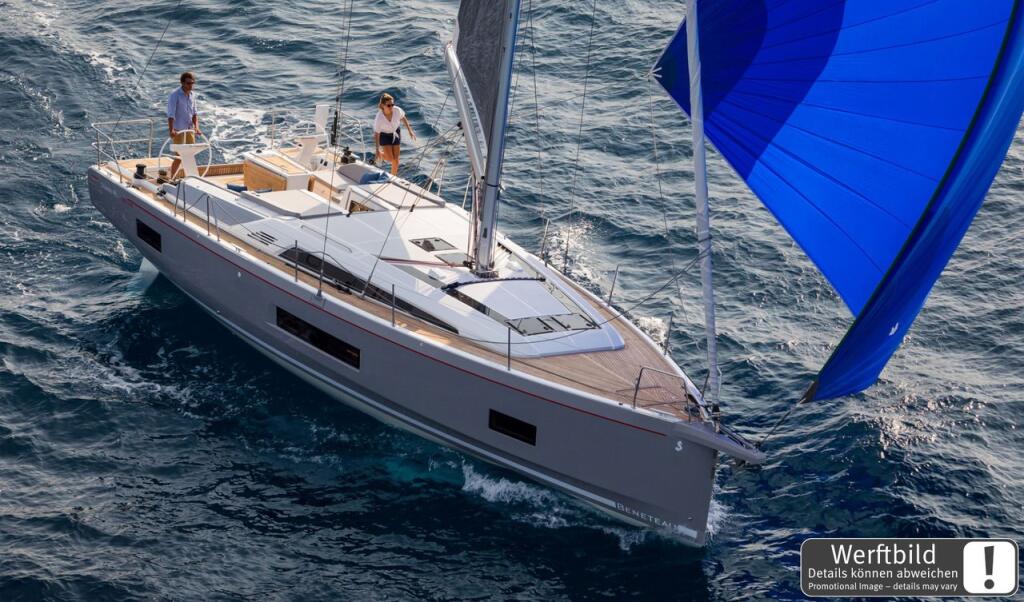
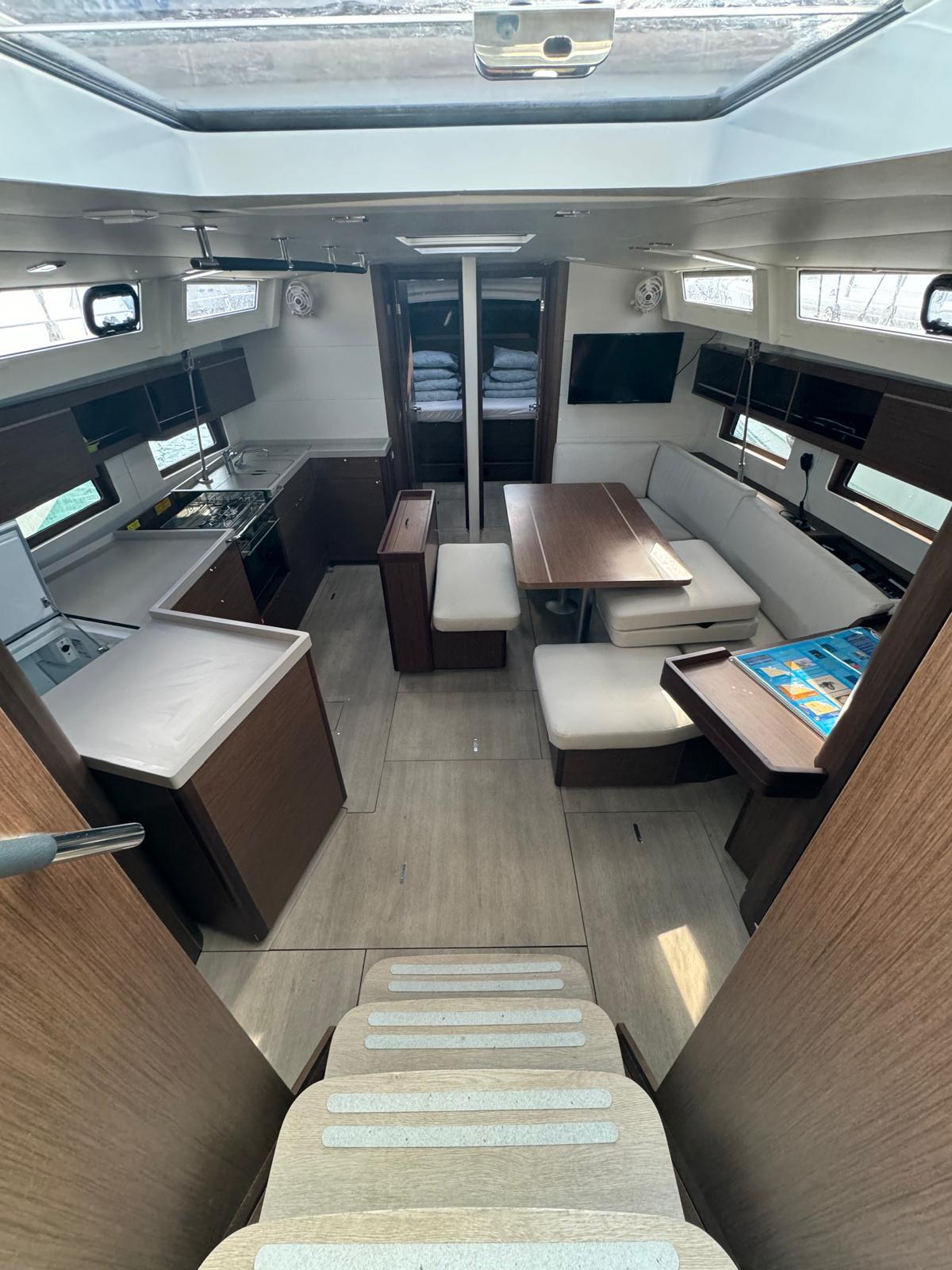
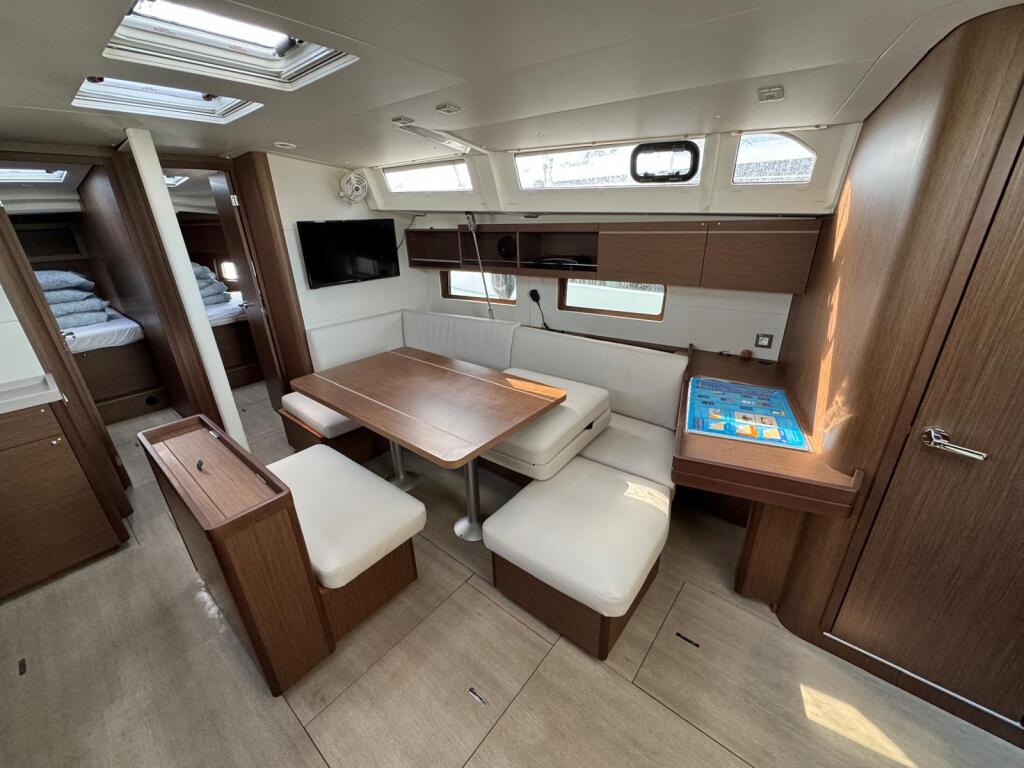
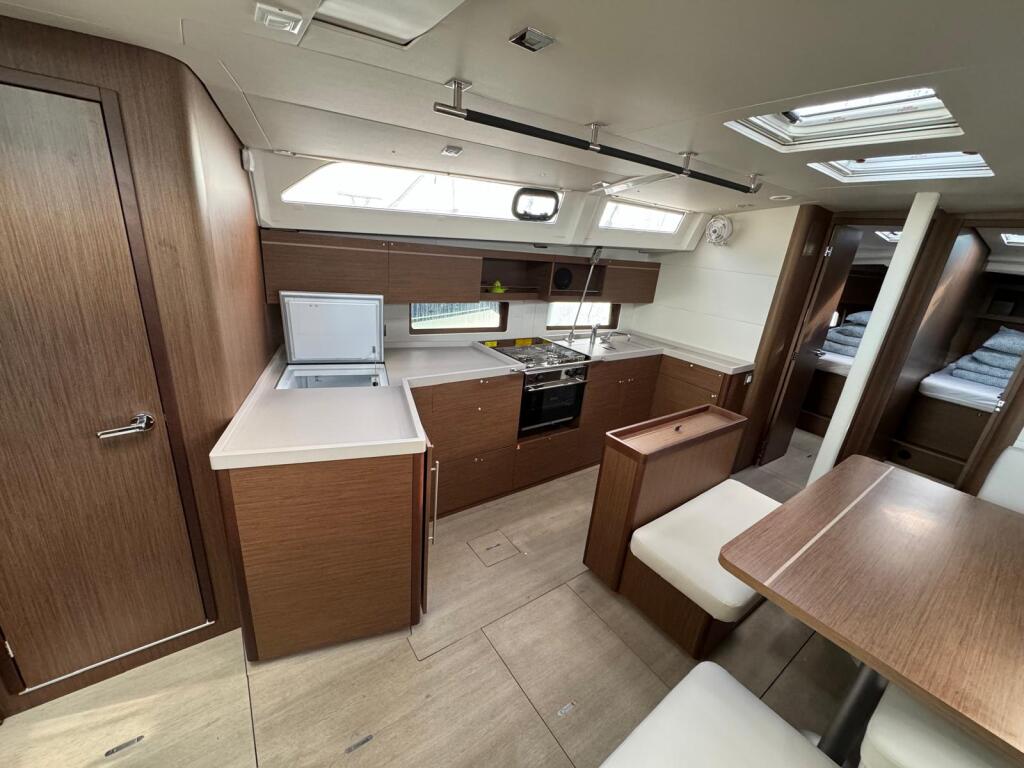
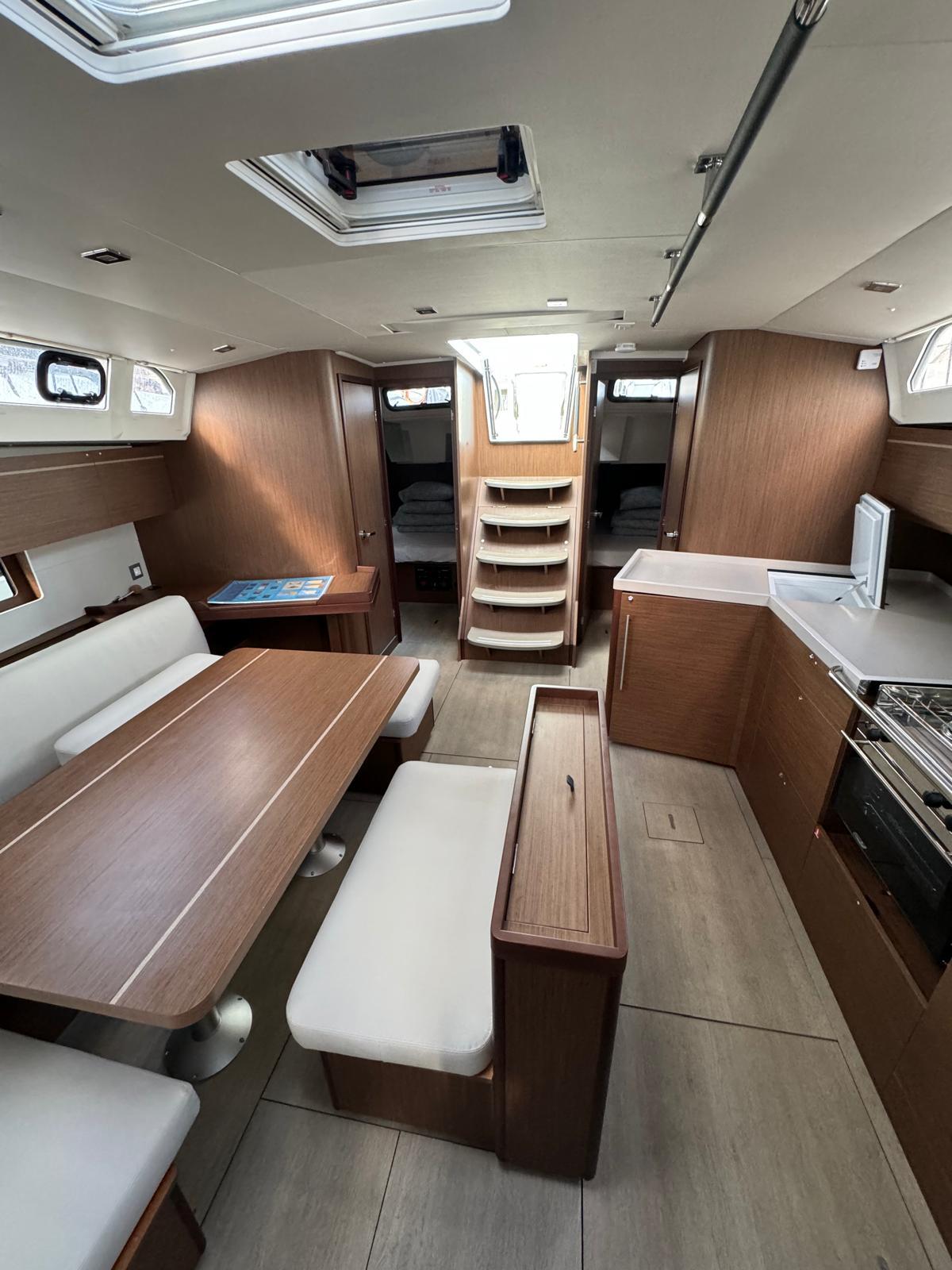
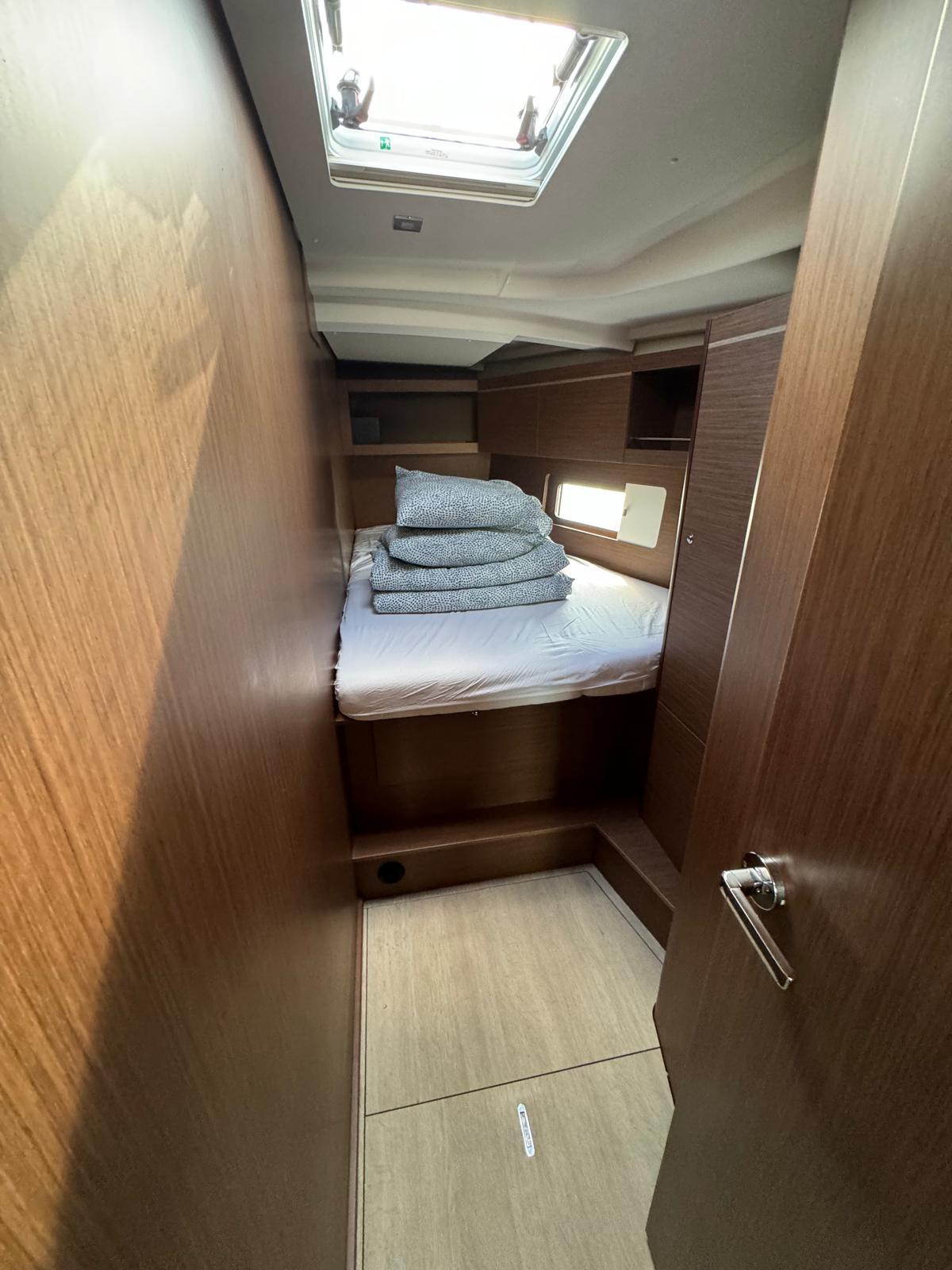
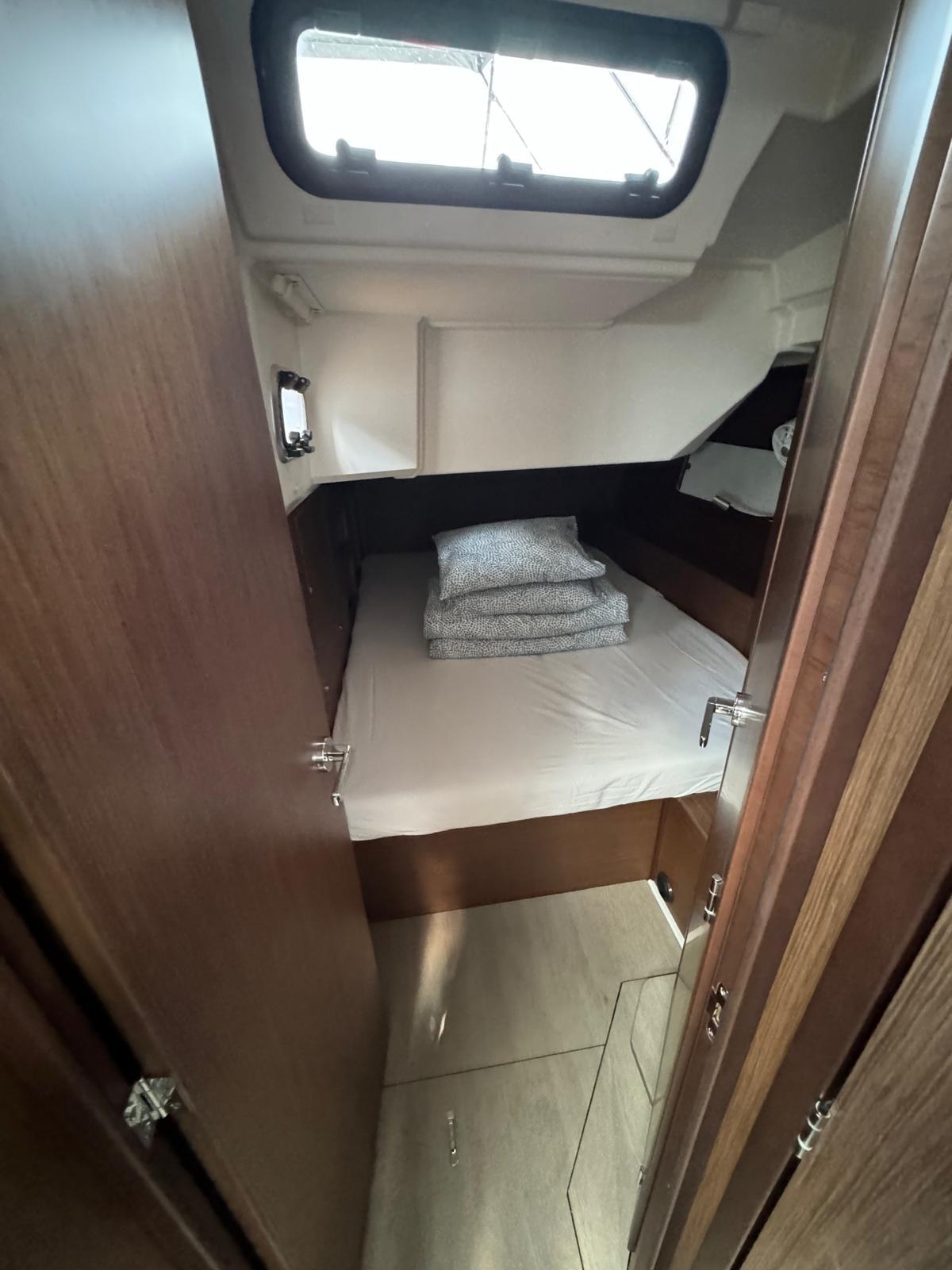
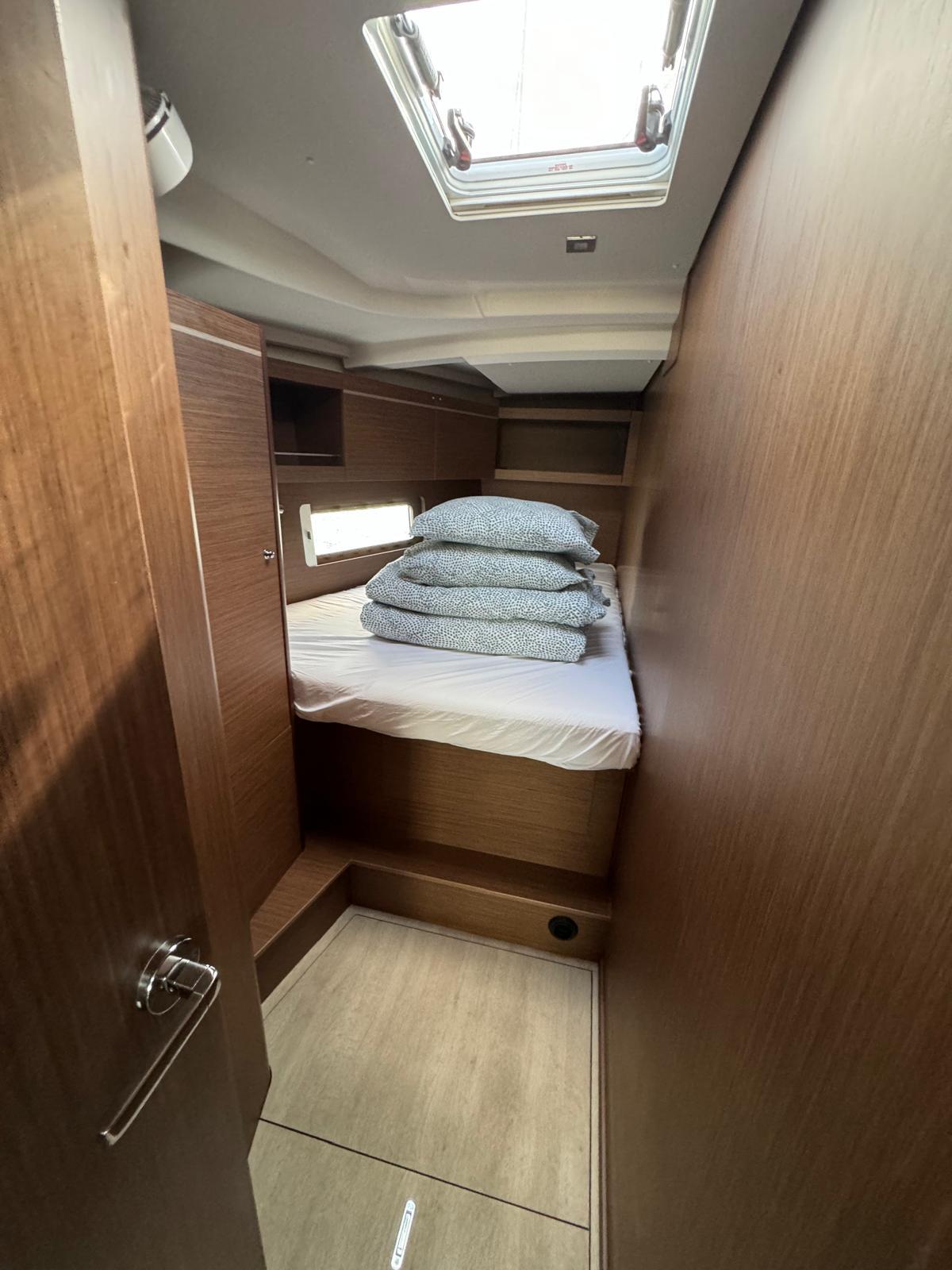
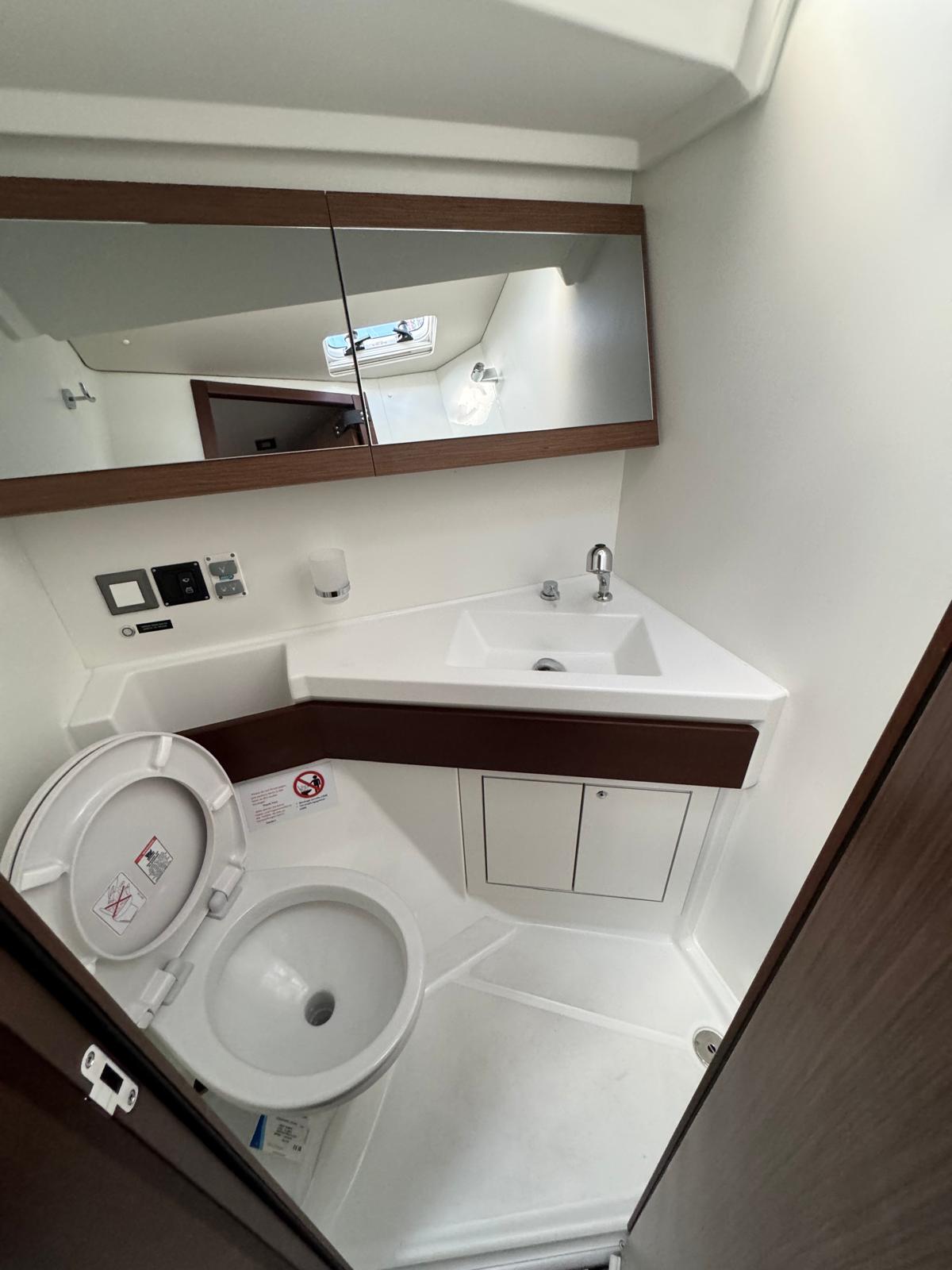
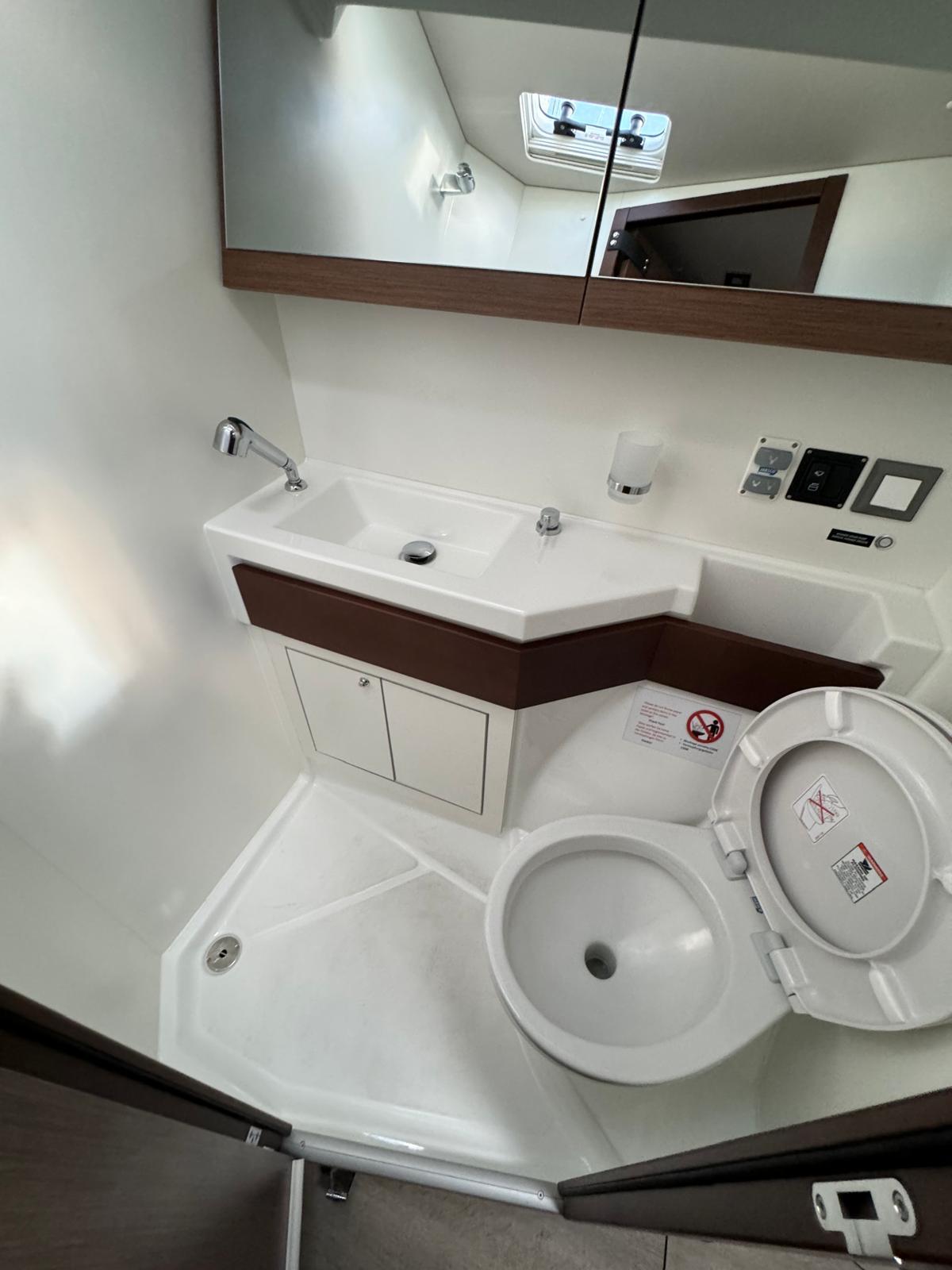
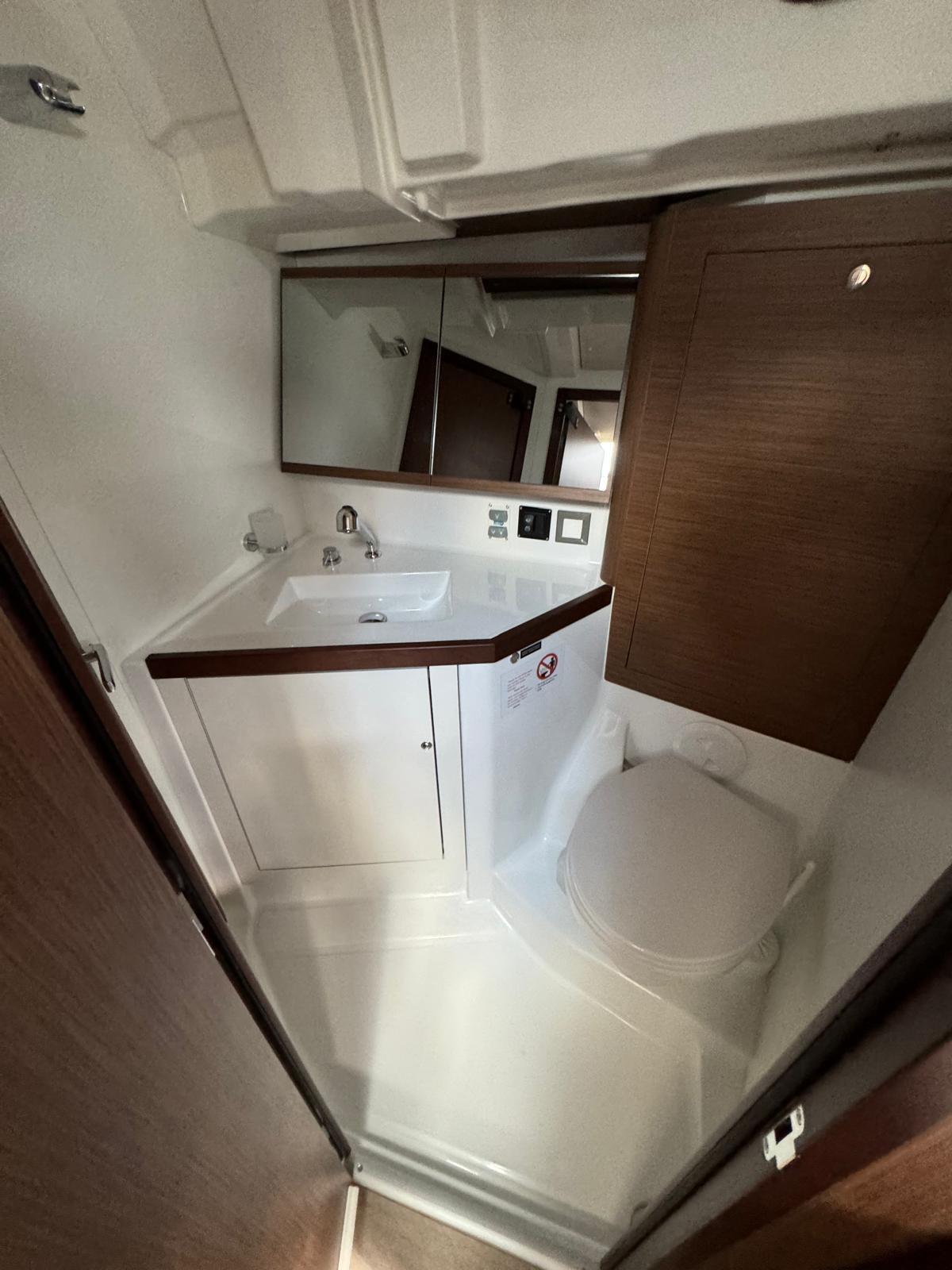
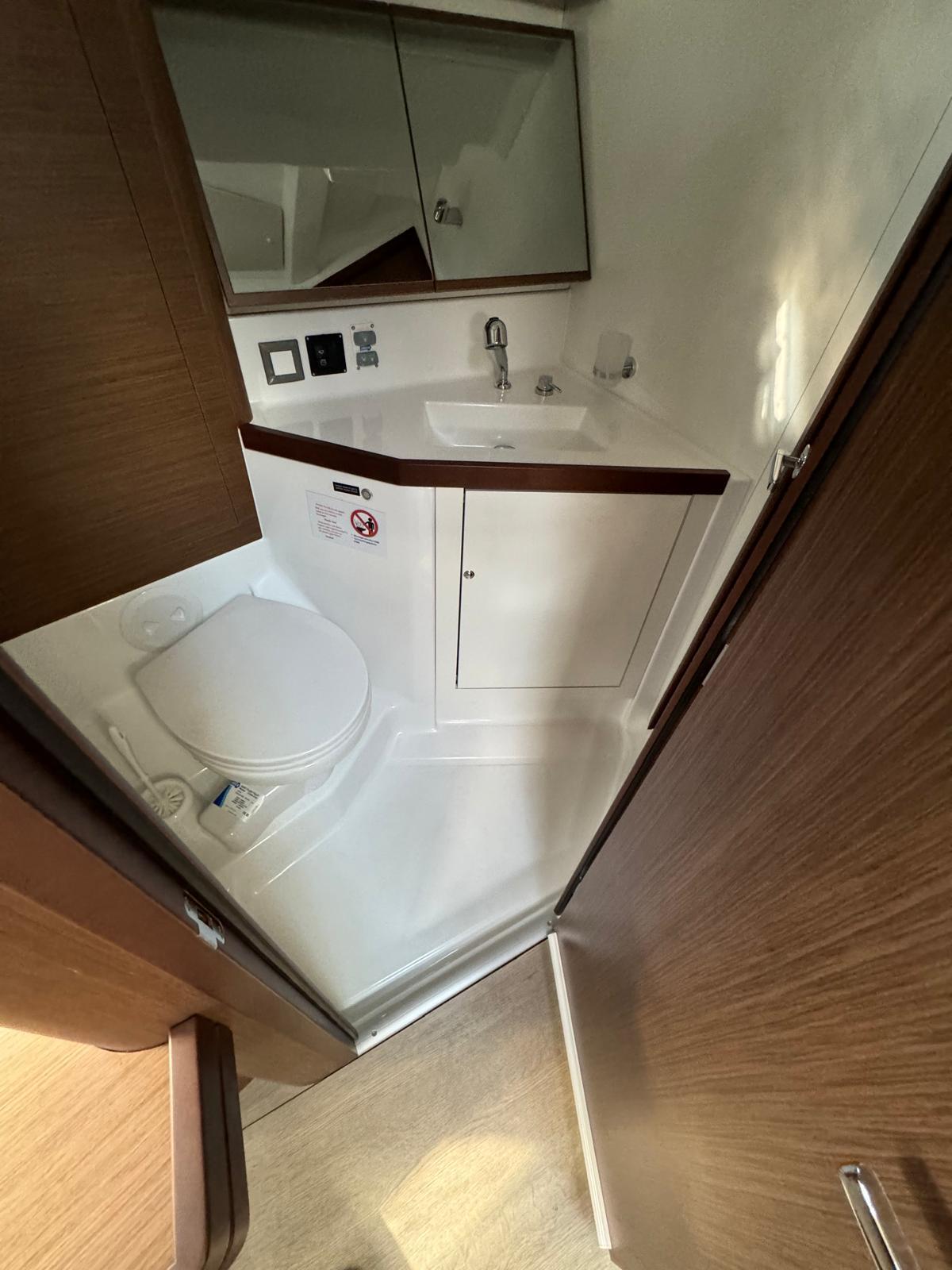
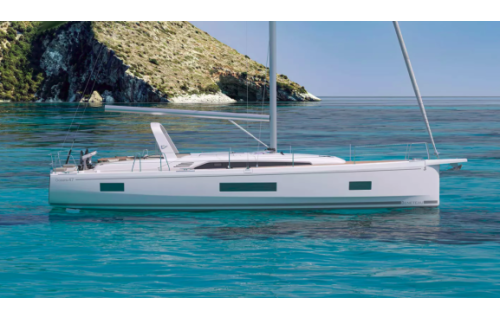
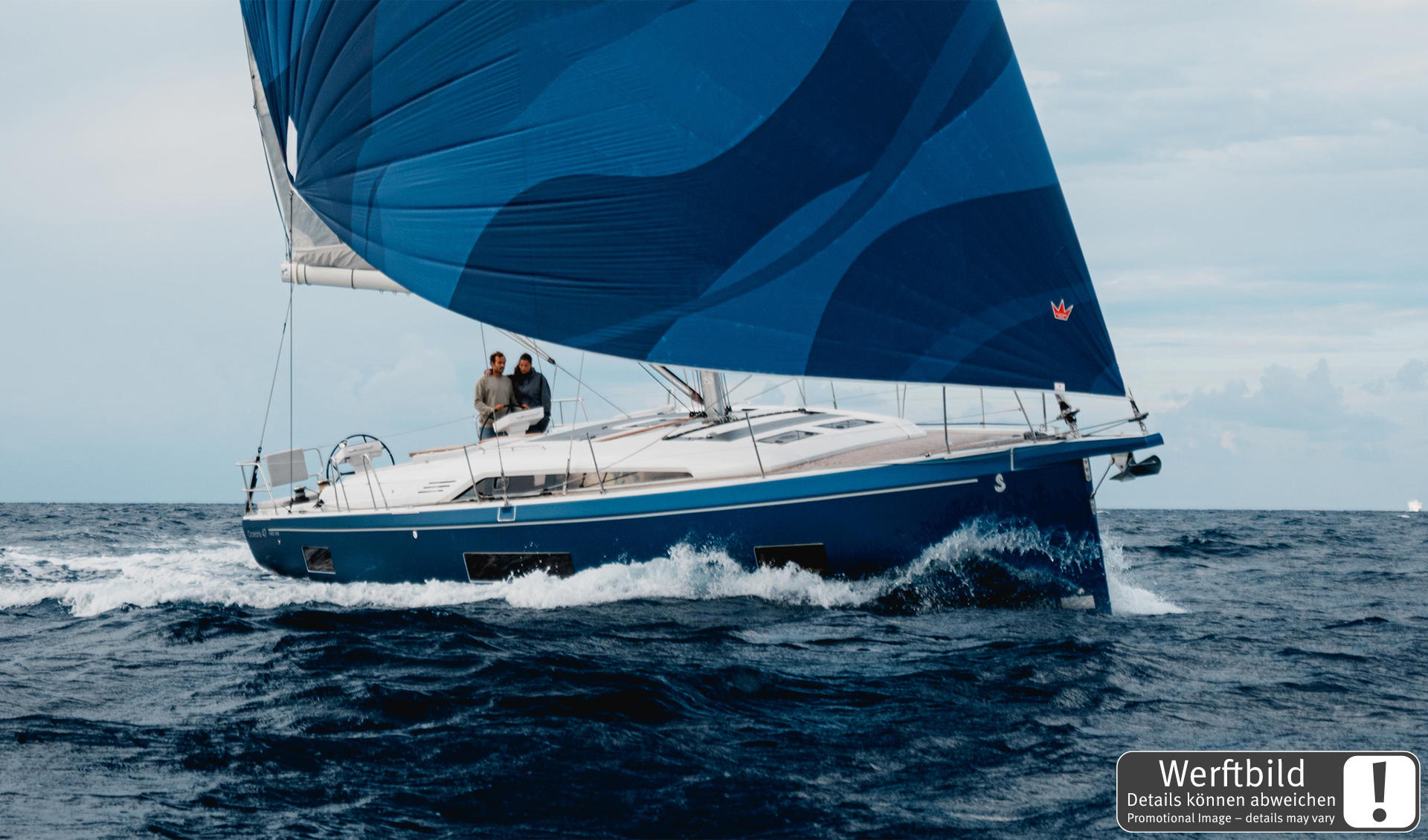
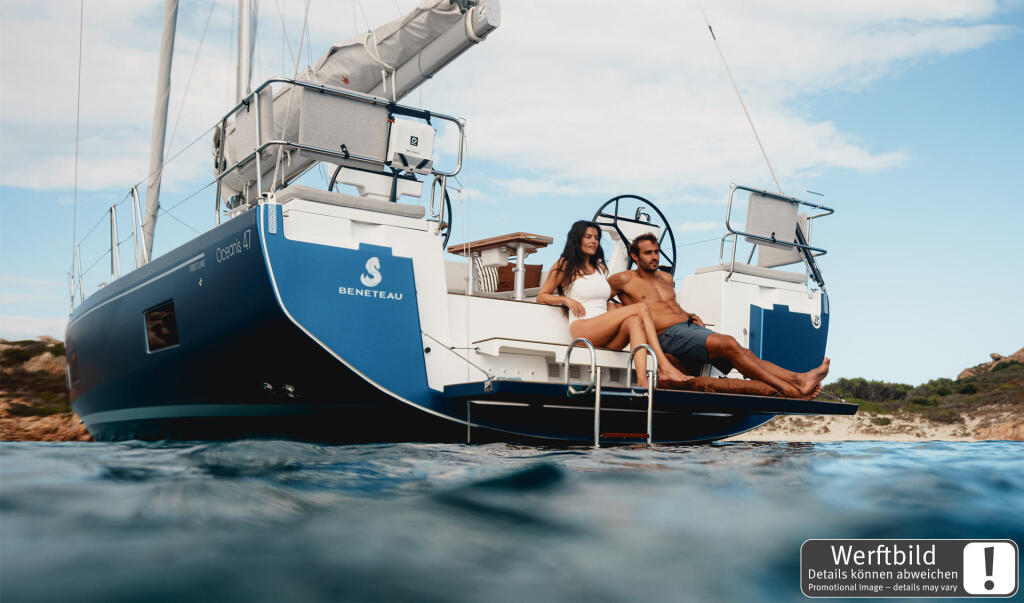
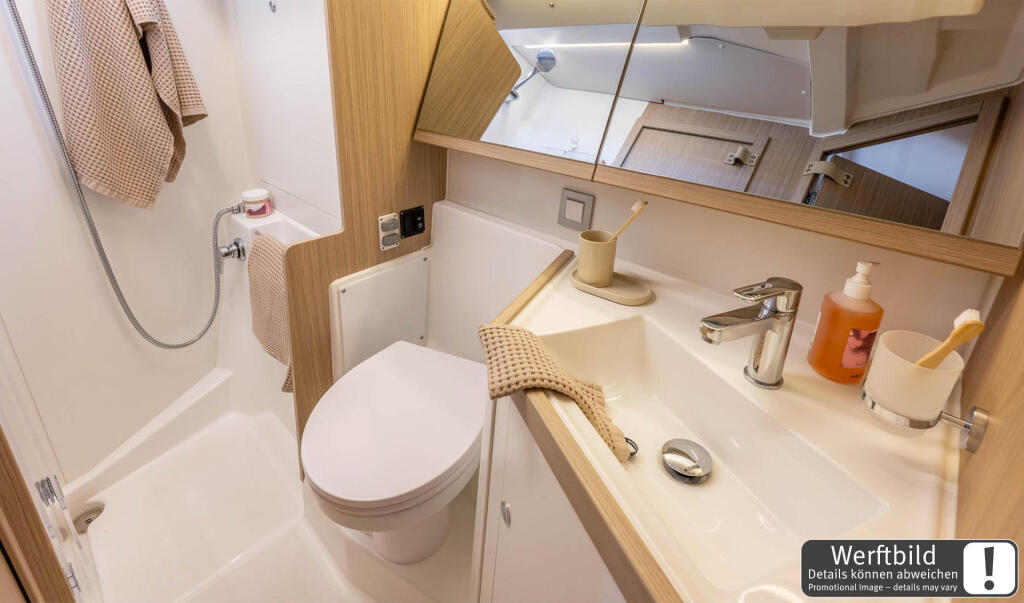
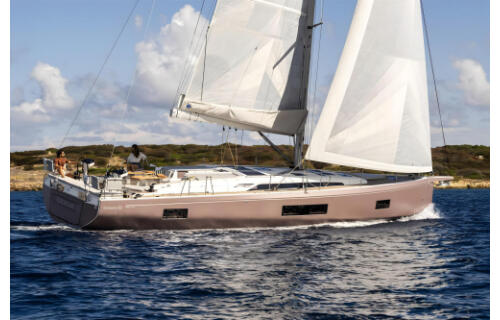
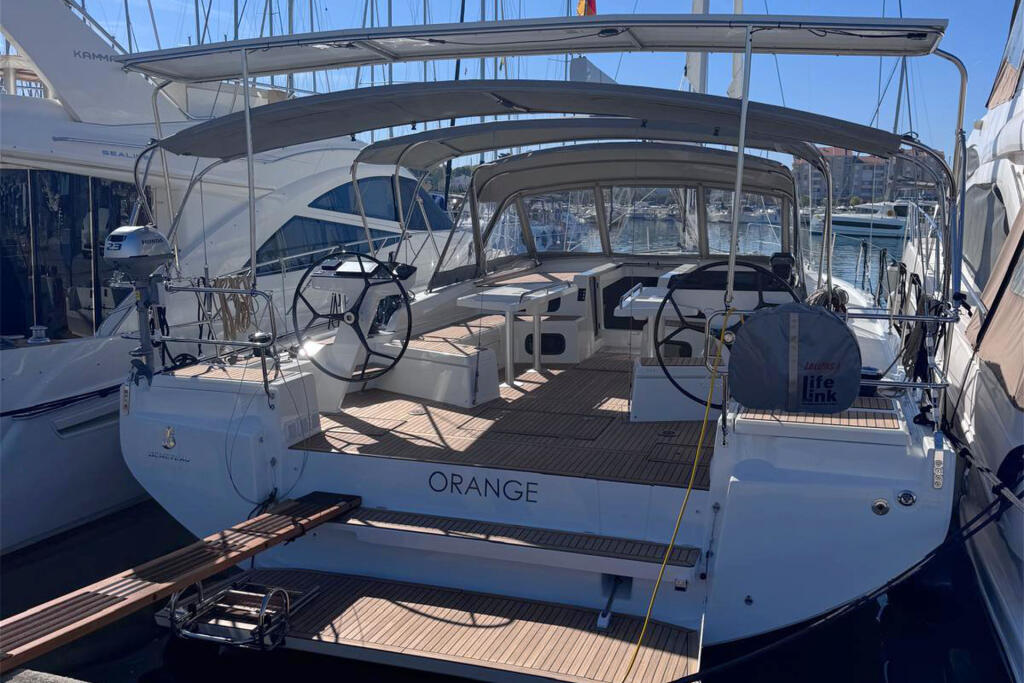
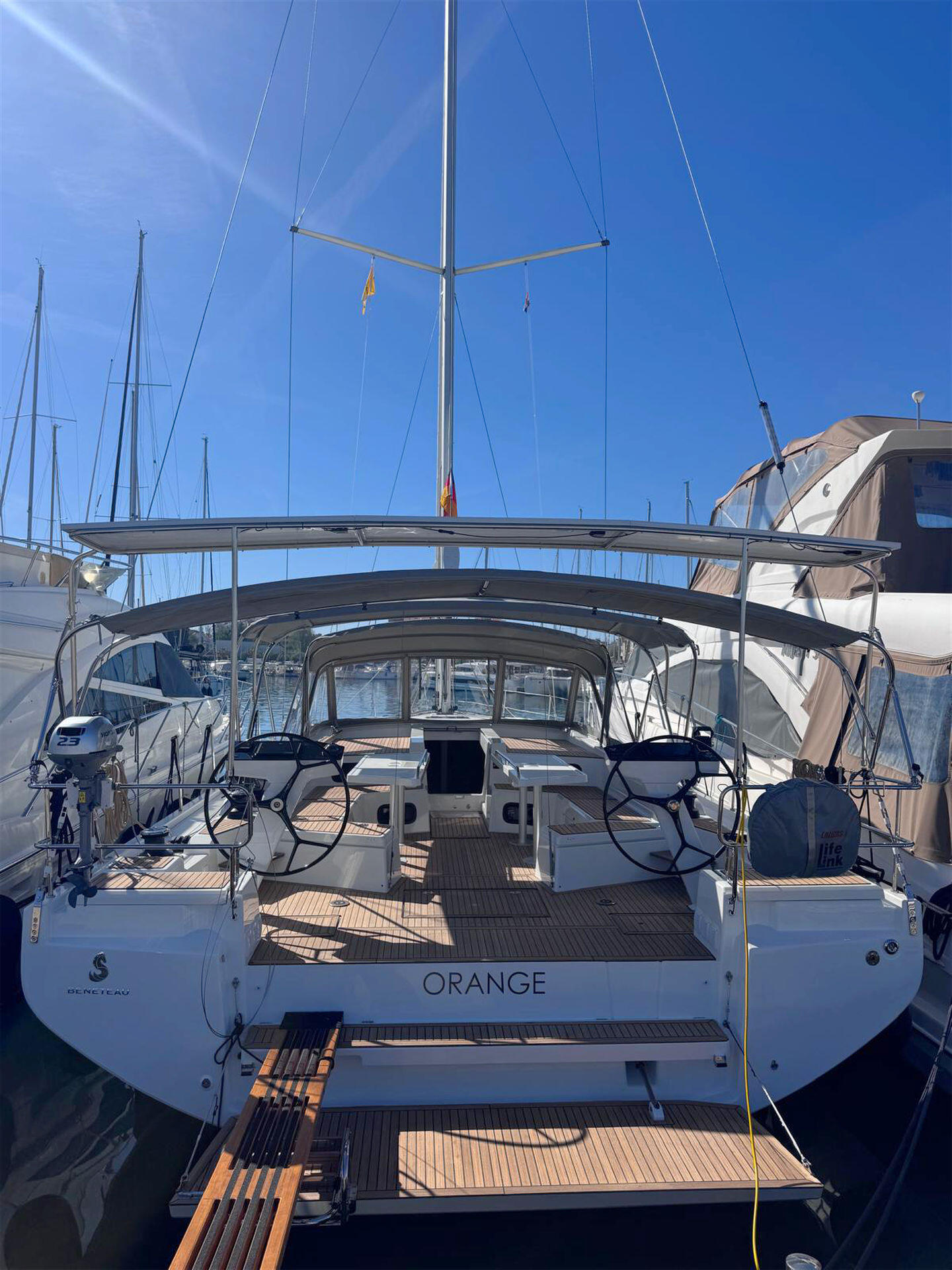
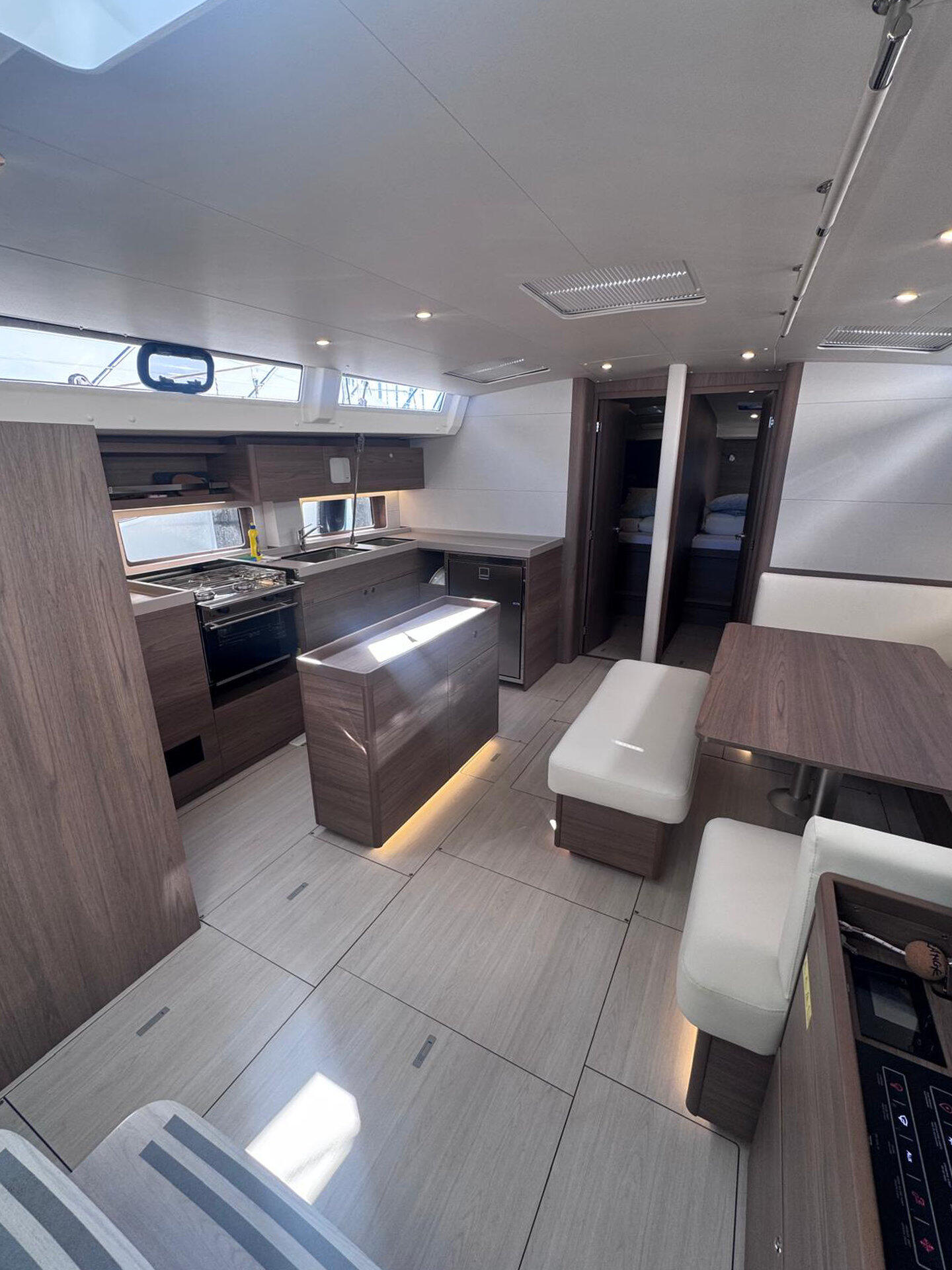
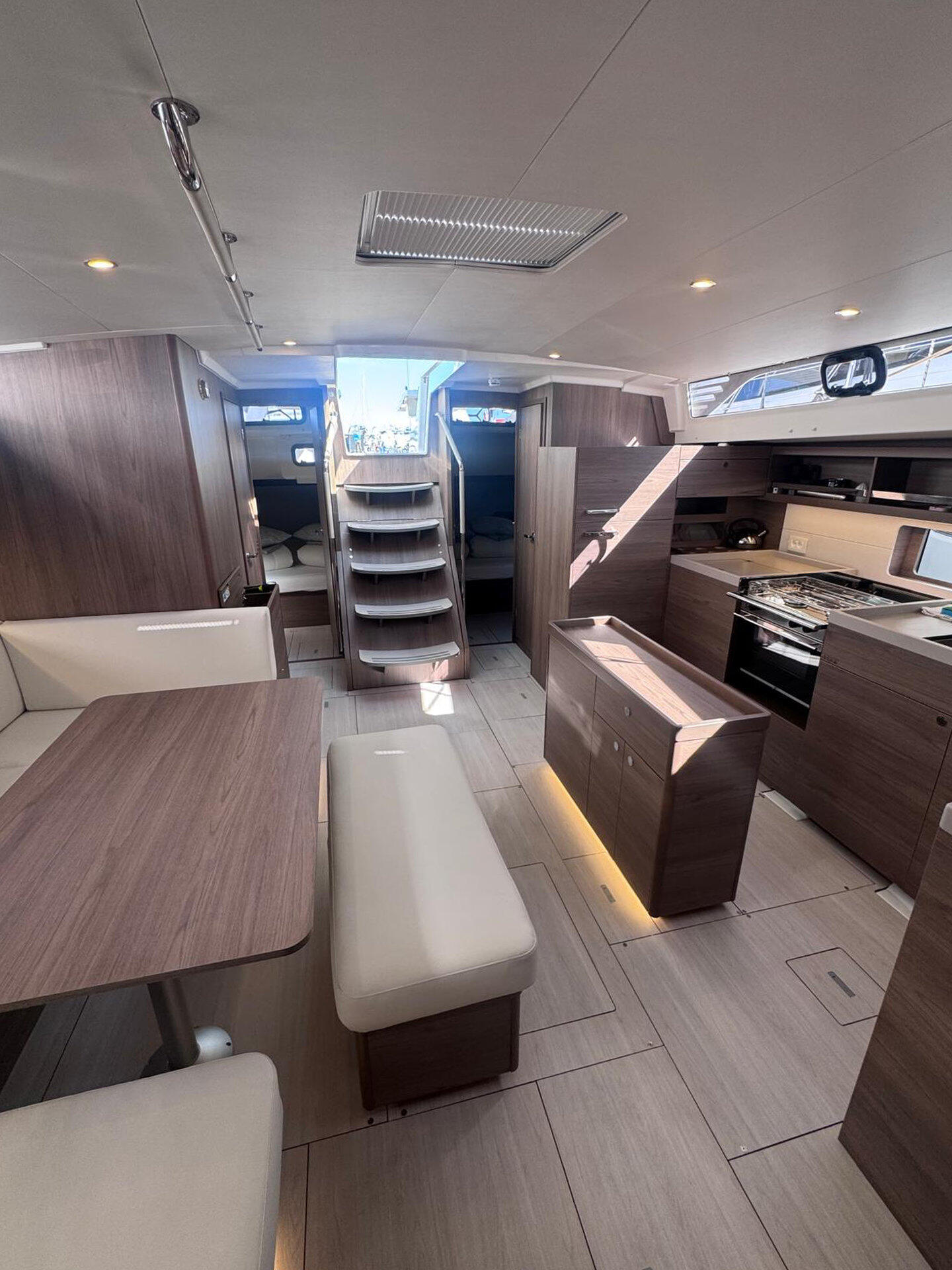
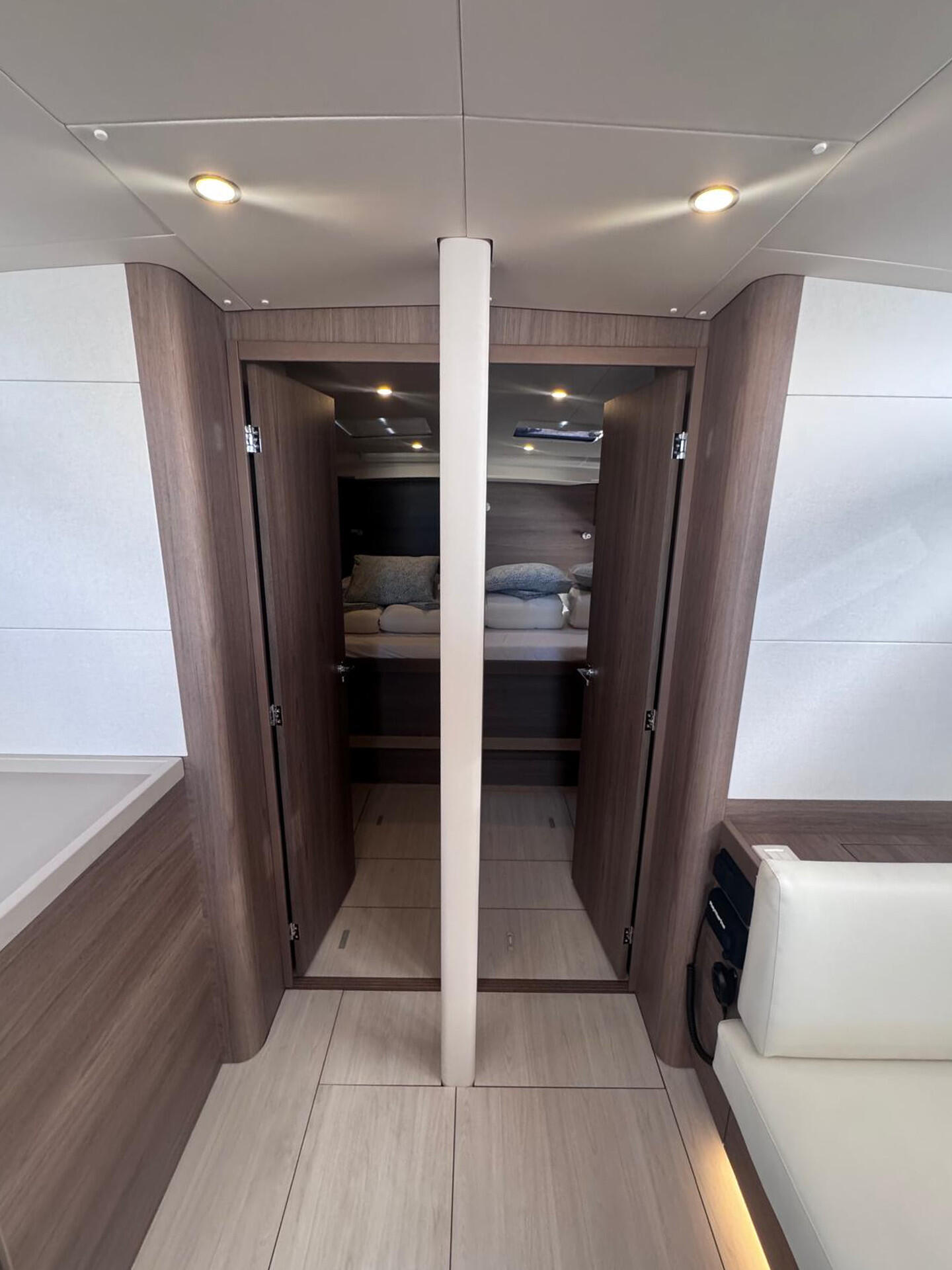
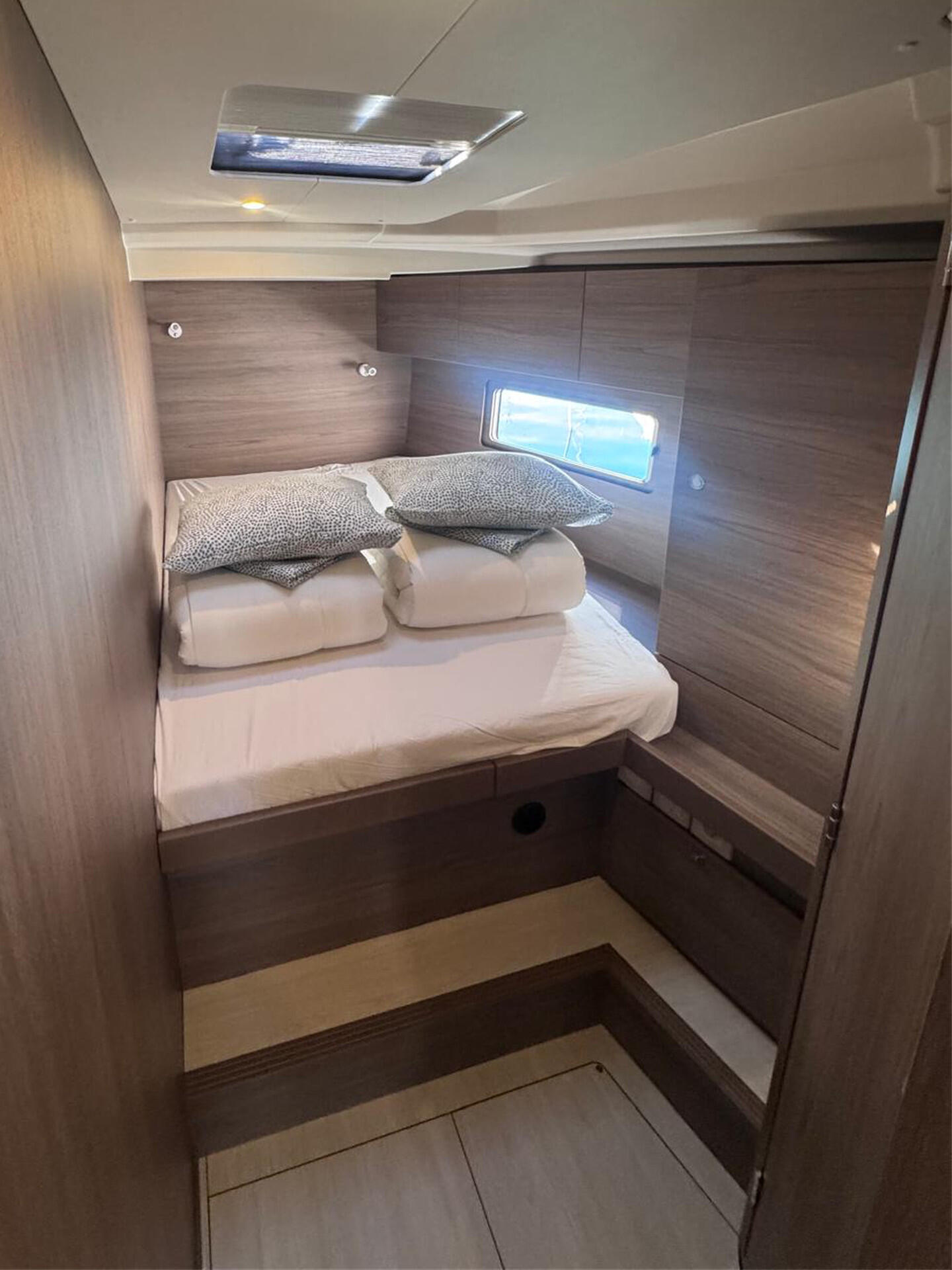
For your specific selection, please use the yacht offers shown above this text. There you can compare the sailing yachts available in Biograd by size, cabin layout and other features. In North Dalmatia in particular, it is well worth looking closely at each individual yacht, because a smaller, easy to handle sailing yacht may be the better choice for two or four people, while larger crews need to pay closer attention to berths, sanitary facilities, storage space and cockpit area.
Why charter a yacht from Biograd?
Biograd’s greatest strength is its position between several very different cruising grounds. Directly to the west lie Pašman and the other islands of the Zadar archipelago. To the south west, routes begin towards Žut and the Kornati islands. Those sailing north can include Ugljan, Dugi Otok and Telašćica in their plans. To the south, possible routes continue via Murter into the Šibenik island area. This means your itinerary does not need to be committed to just one direction.
This location is especially practical when a charter week needs to remain flexible. If the weather changes, a longer planned leg can in some cases be replaced by a shorter route between more sheltered island areas. That does not mean North Dalmatia is straightforward in all conditions. Bora, Jugo, thunderstorms and local wind acceleration can also require a significant adjustment of the route here. However, the dense island structure offers more possible course variations than a cruising ground where long open passages lie between the main destinations.
Biograd therefore works equally well for crews planning short passages with plenty of time at anchor, and for sailors who want to combine several cruising areas within a week. Pašman and nearby island destinations allow for a relatively compact start. Dugi Otok or a wider loop towards Šibenik requires more route planning. A combination of the Kornati islands and more distant destinations can be appealing for experienced crews, provided the weather and schedule allow enough room to adapt.
For a classic one week yacht charter in Biograd, it is usually more sensible to set a geographical focus rather than trying to tick off as many famous places as possible. A cruise through the Kornati islands and Telašćica has a different character from a route via Zlarin and Šibenik. A family crew with children often plans differently from an experienced team that is specifically looking for longer passages. Biograd offers suitable options for both approaches.
Book directly with the fleet operator
Sailing yacht charter Biograd
A sailing yacht charter in Biograd can be arranged through a charter agency, a marketplace, or directly with the company that operates the fleet and base in question. An agency often compares yachts from different operators and can therefore be useful when several regions or fleets are to be considered side by side. A fleet operator, by contrast, works with its own yachts and its own operational procedures at the charter base.
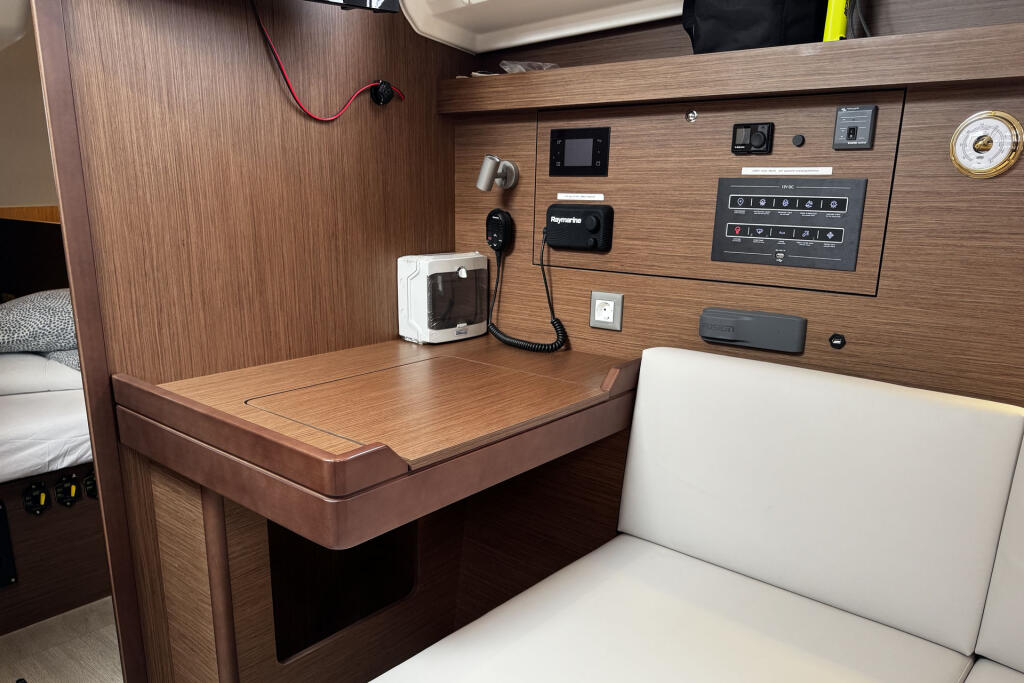
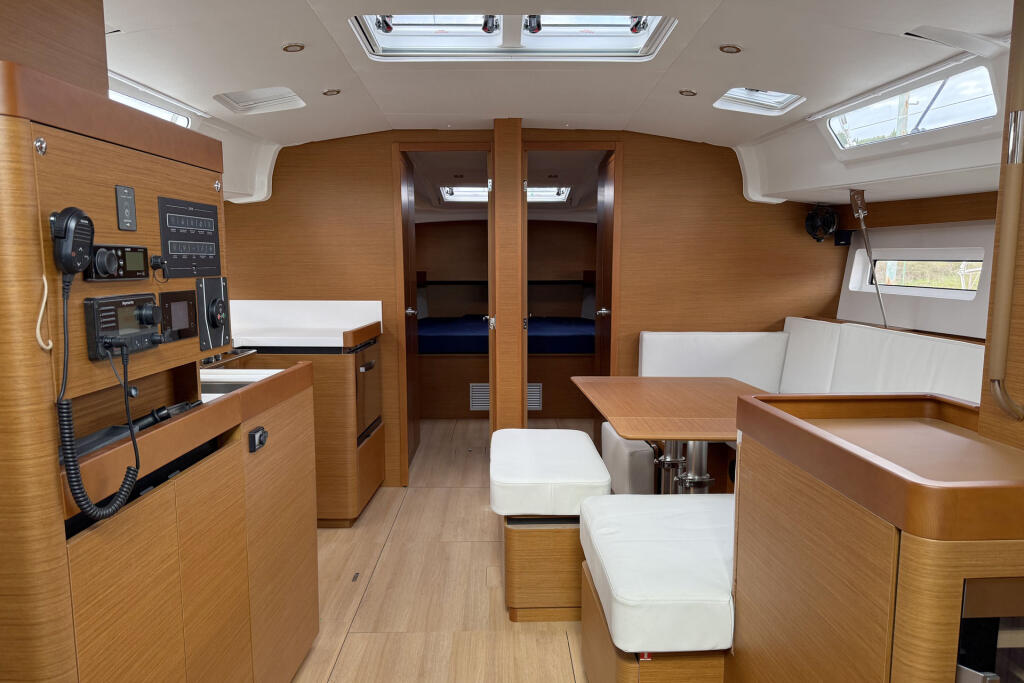
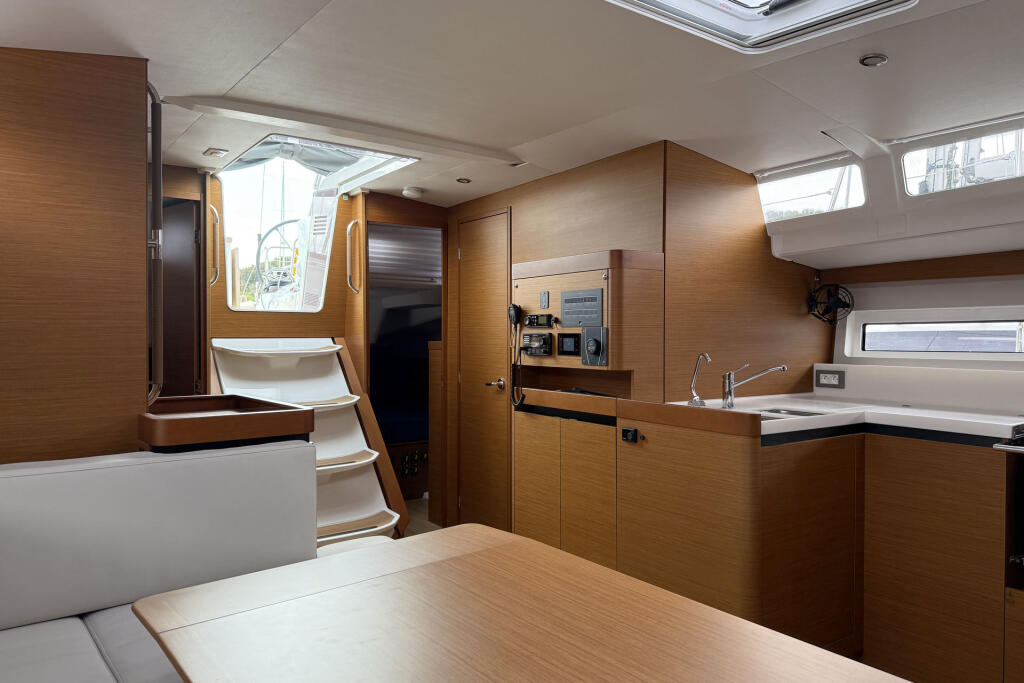
The practical difference becomes particularly clear when it comes to yacht specific questions. Details such as sail configuration, navigation electronics, cabin layout or other equipment relate to one particular yacht. The closer the communication is to the actual operator, the easier it is to check such points against the available technical information. Even so, all equipment should always be verified using the relevant yacht profile. Models with the same name or similar build years may be equipped differently.
Preparation and handover also fall within the fleet operator’s area of responsibility. First Class Sailing does not regard charter as simple brokerage. Its operating model includes preparing the yachts, organising the charter process, providing contacts at the bases and taking responsibility for the condition of the fleet it runs. First-Class-Sailing-website-con…
For charter guests, this mainly means a clear link between the selected yacht and the team that prepares and hands it over for the voyage. At the same time, agencies remain important partners in the charter market and can play a helpful role when searching across different fleets. The key point, when comparing offers, is to know whether a listing comes from an intermediary or from the yacht’s actual operator.
Finding the right sailing yacht in Biograd
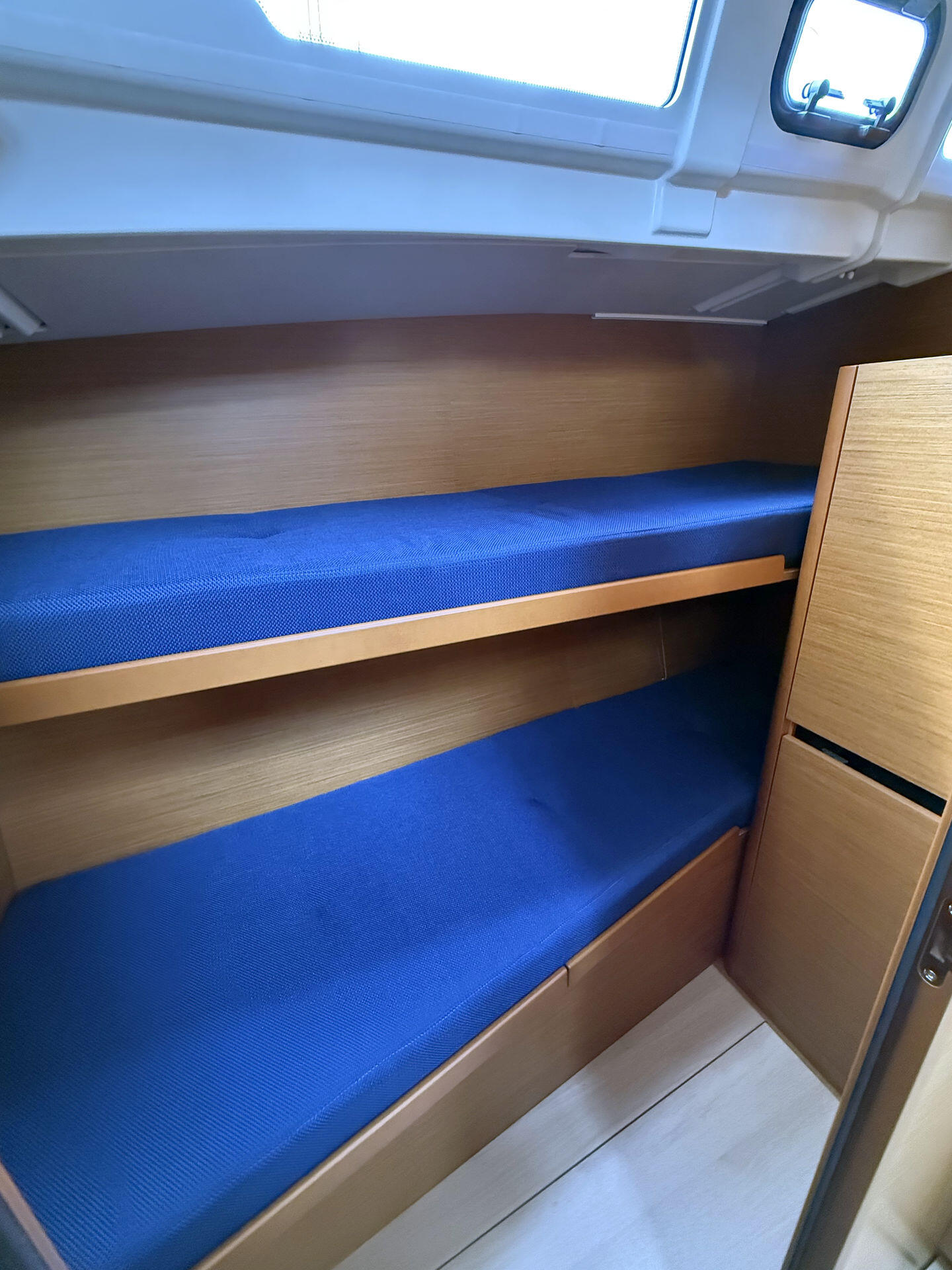
The length of a yacht is only one of several factors when making your choice. Two people who have been sailing double handed for years have different requirements from a family with children or a group in which six or eight people need to organise storage, berths and everyday life on board.
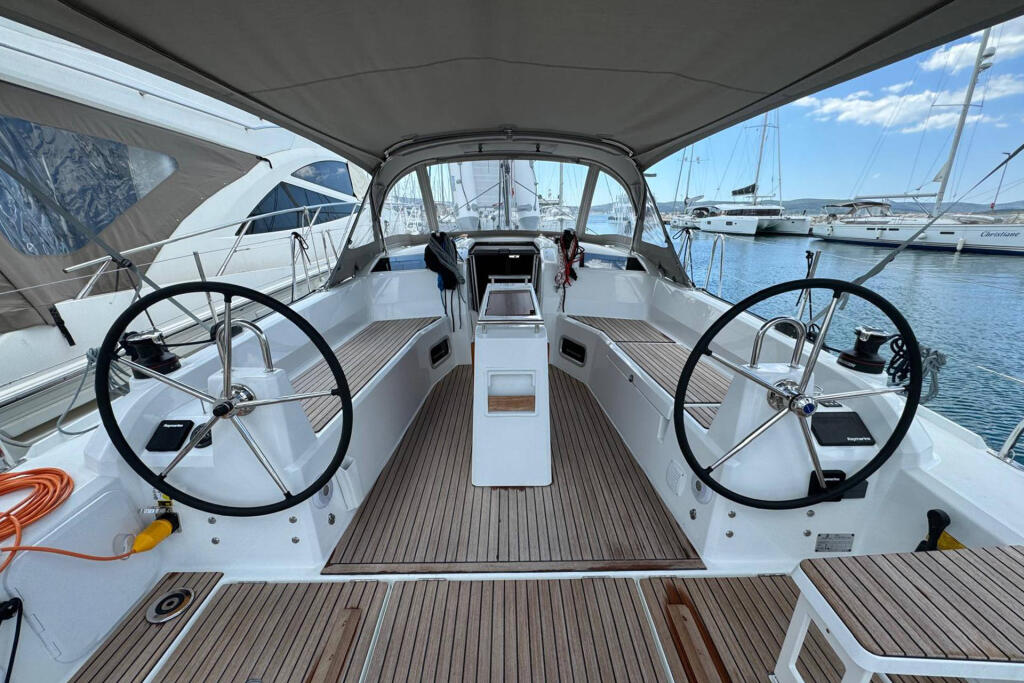
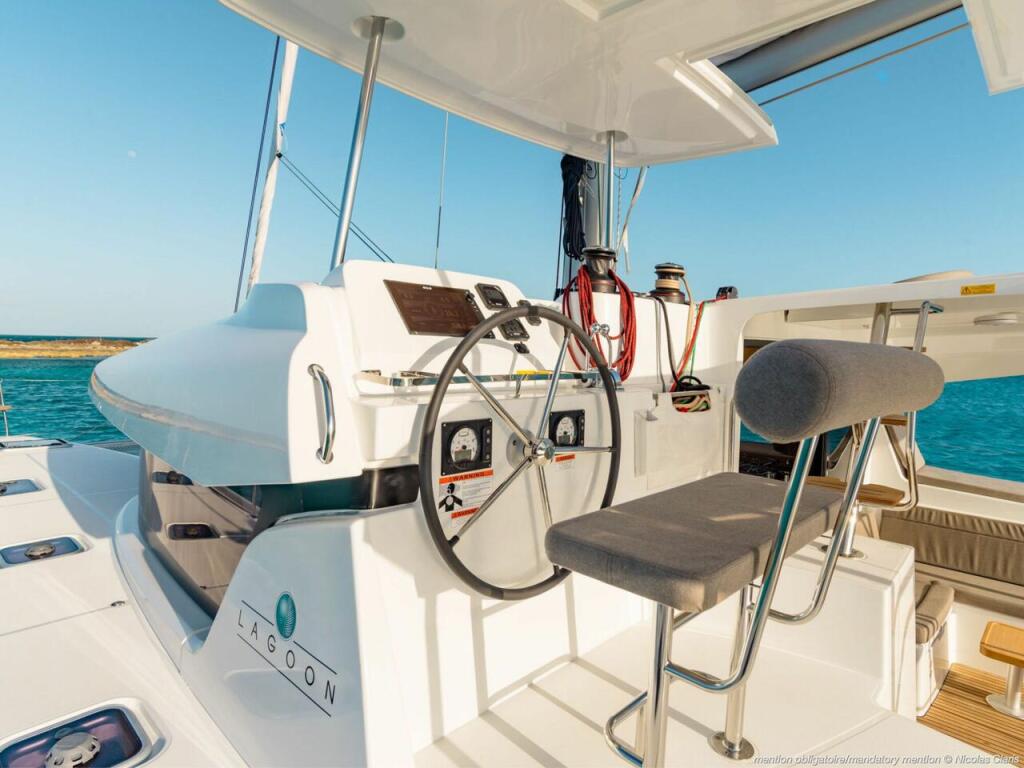
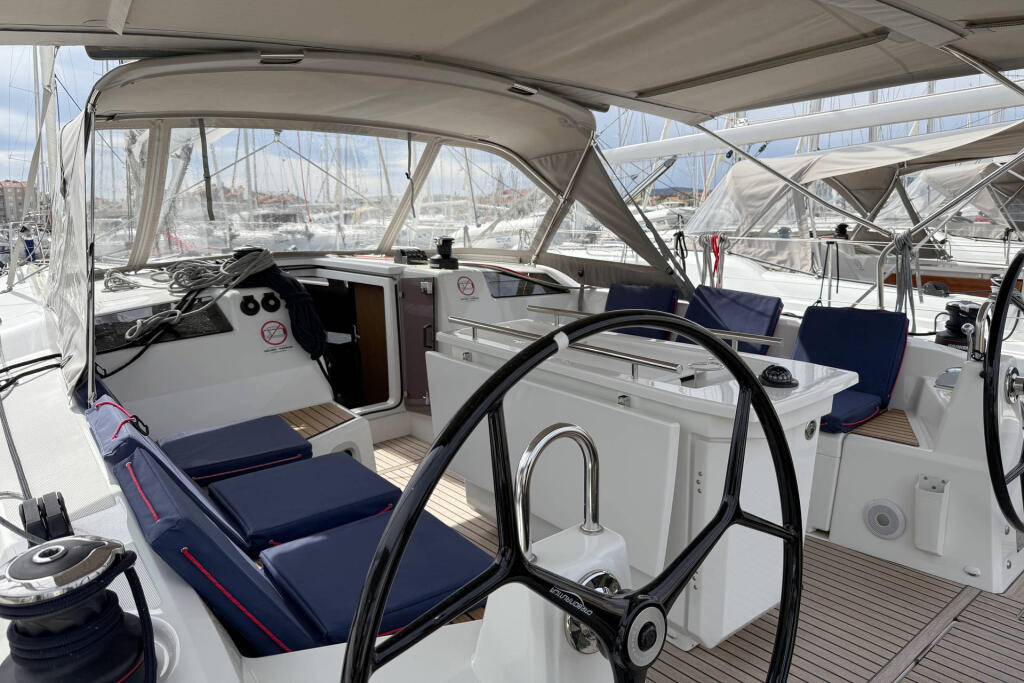
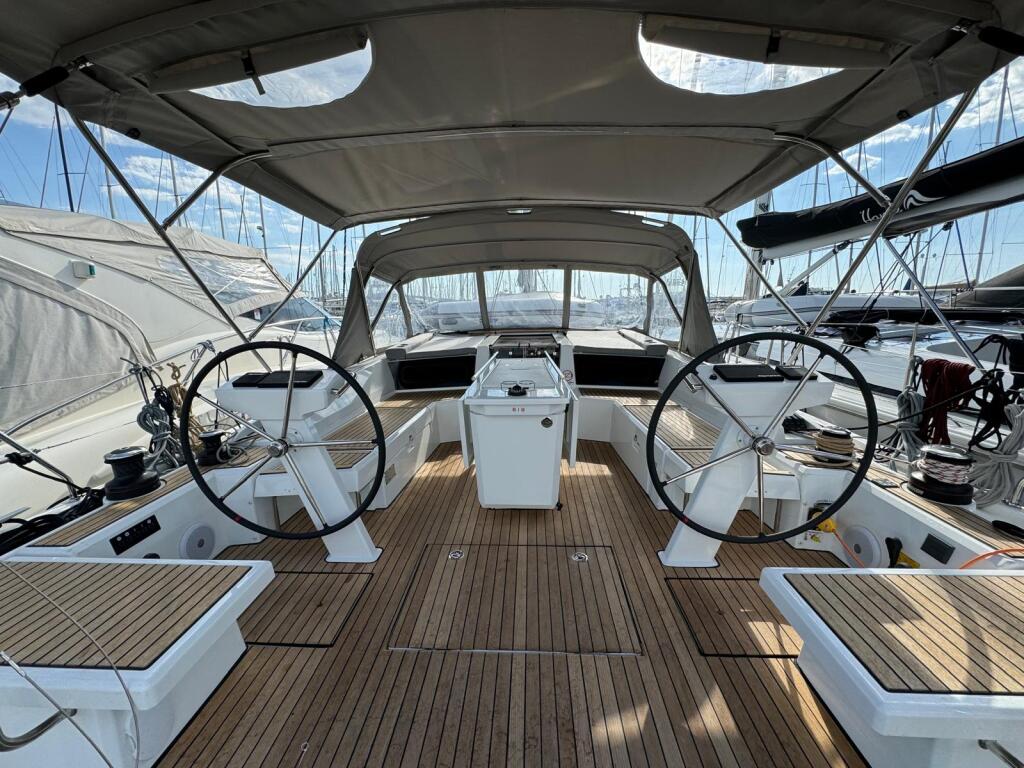
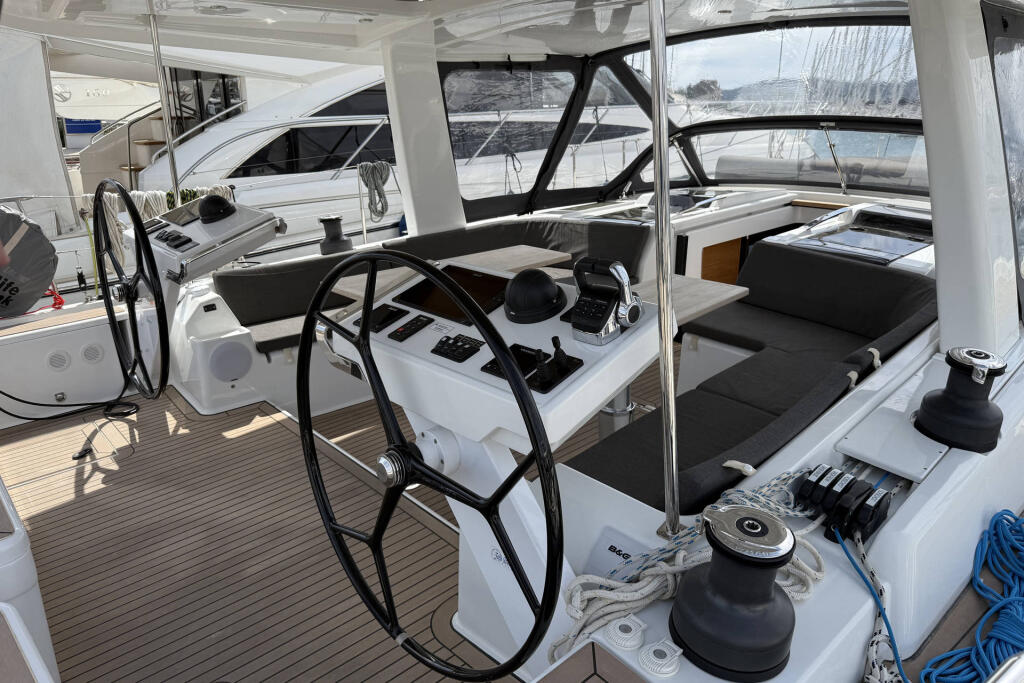
For couples and small crews, clear visibility and easy handling are often more important than having as many cabins as possible. A smaller yacht can make berthing, departing and anchoring less demanding. If the yacht will mainly be sailed by two people, the ease of sail handling, the position of the winches, the presence of an autopilot and the working layout of the cockpit should also form part of the decision.
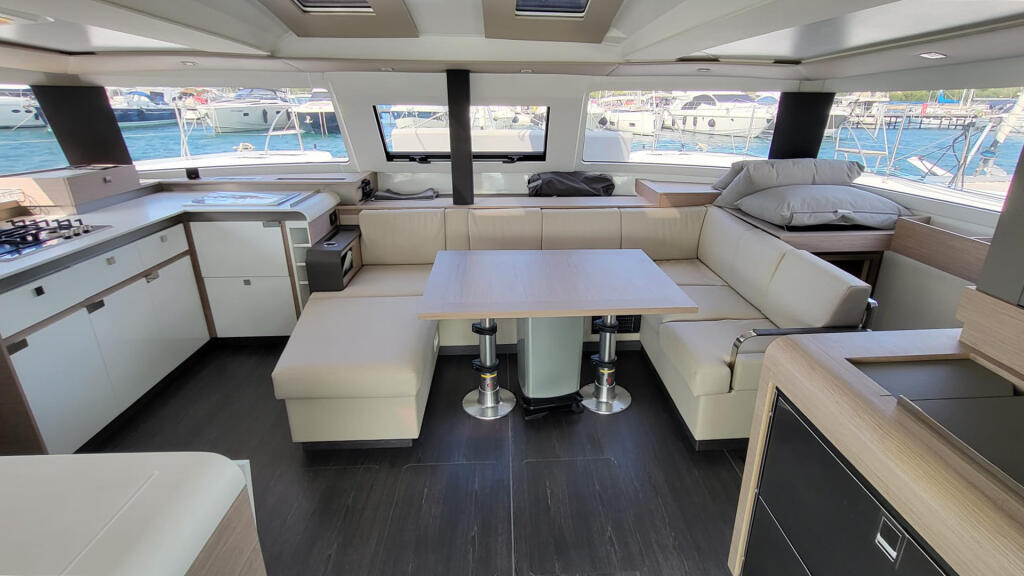
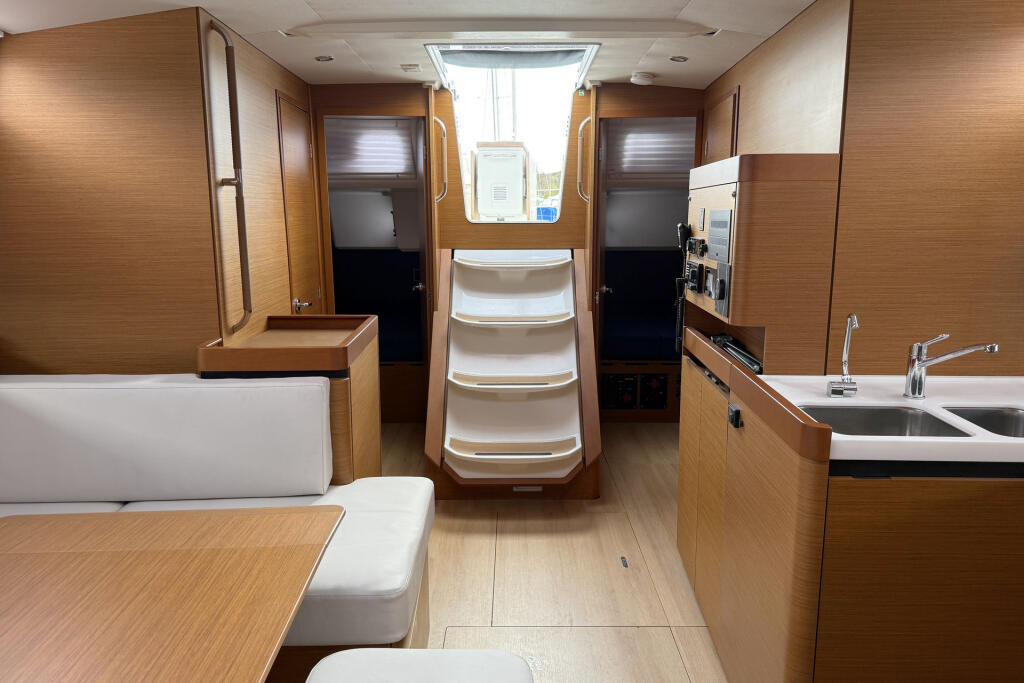
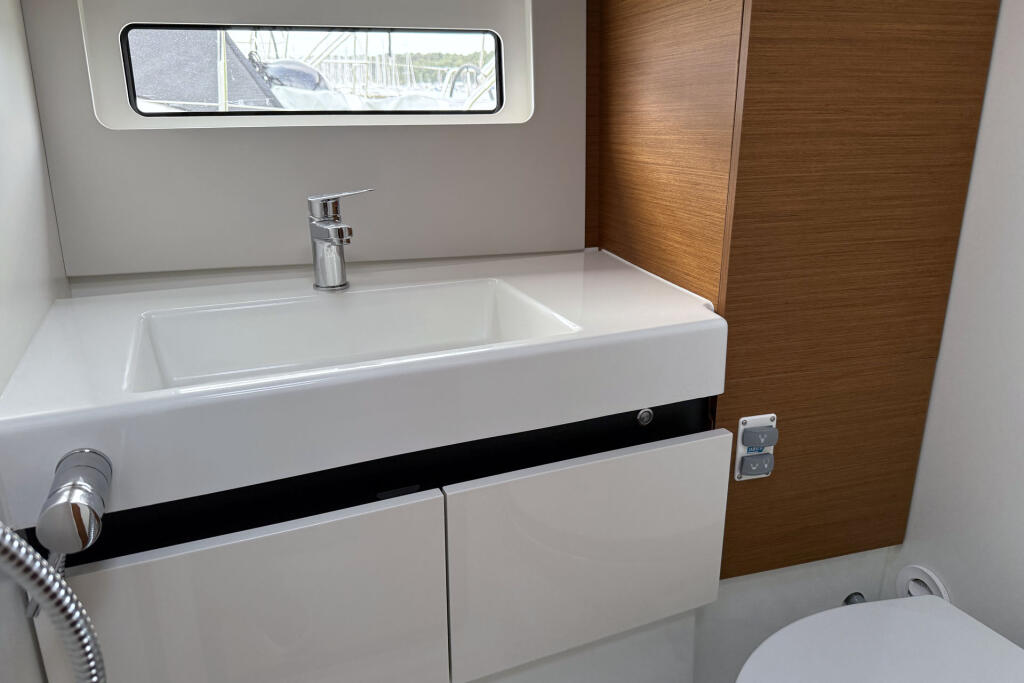
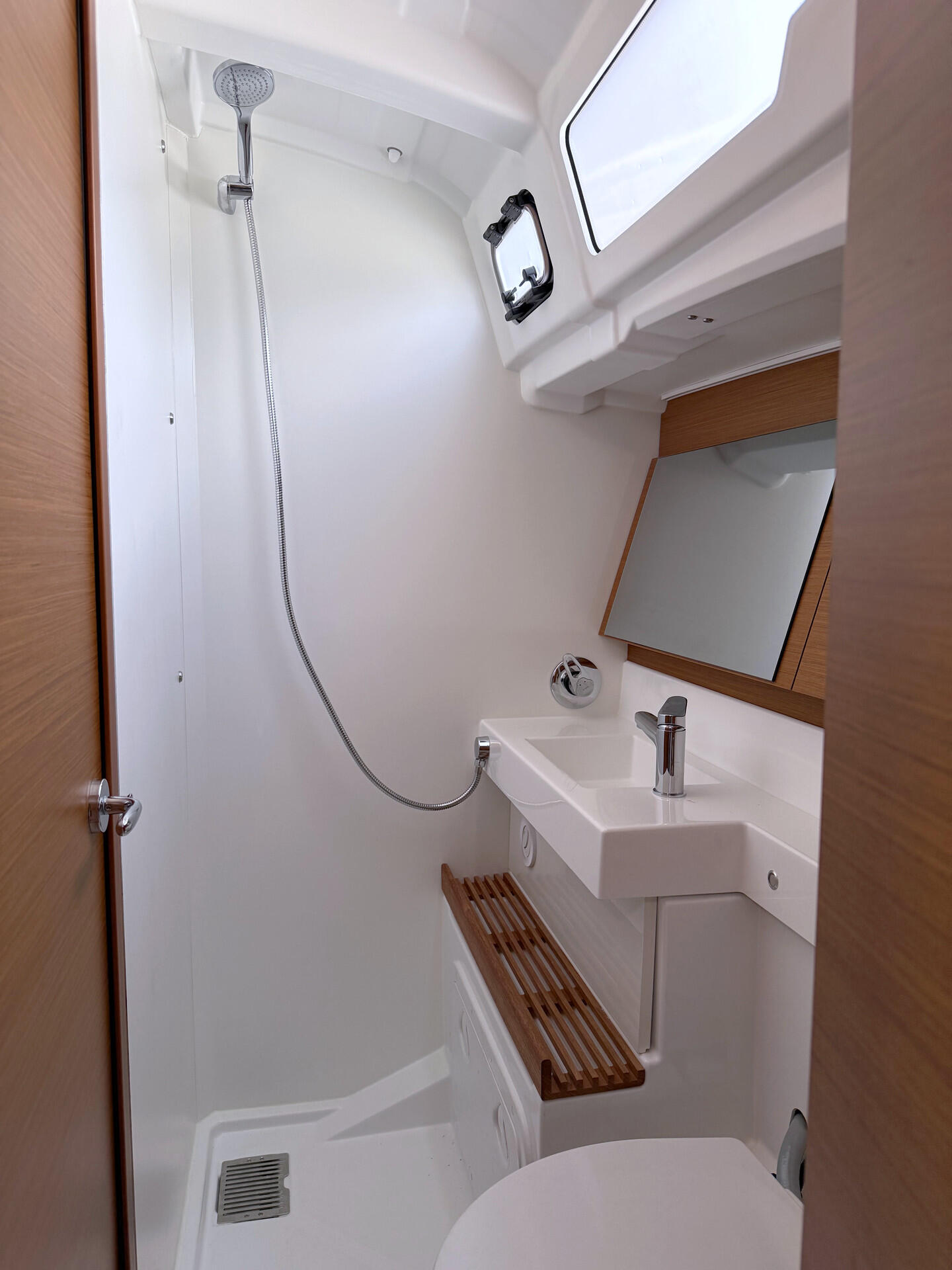
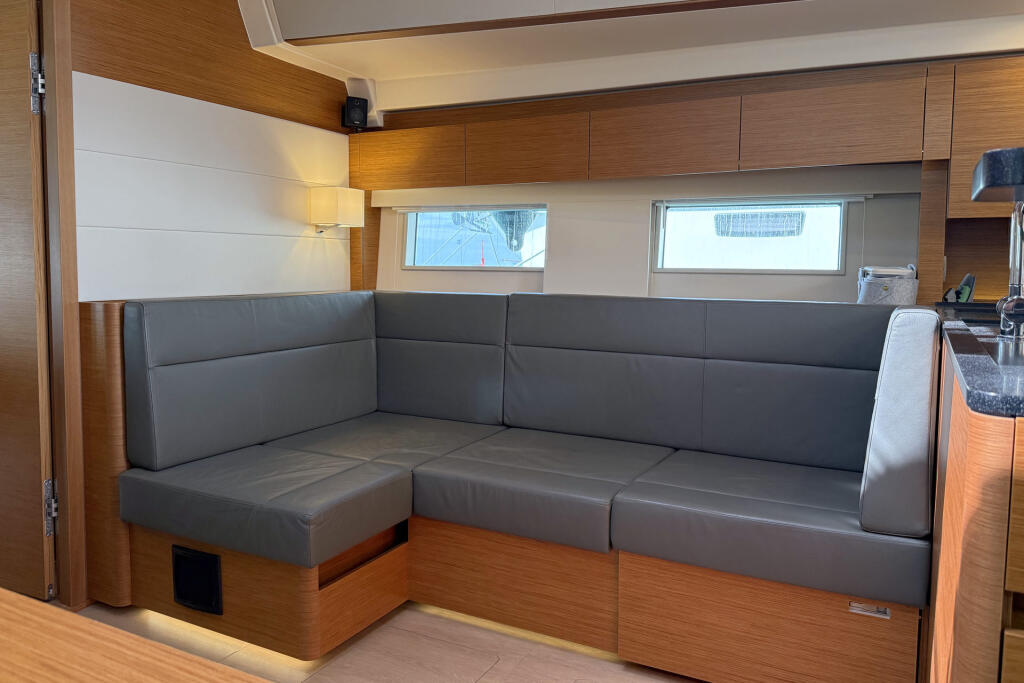
Families and larger crews usually need more practical living space. This is not simply a matter of the stated number of berths. Separate cabins, the number and arrangement of heads, cockpit size, storage capacity and the ability to avoid constantly getting in one another’s way, even during a longer harbour day, can be more decisive for the trip than an extra metre of hull length.
Experienced sailors often pay closer attention to the rig, sail plan, displacement, draught and the yacht’s actual sailing characteristics. Anyone planning longer day passages to Dugi Otok or further towards Šibenik may assess comfort under way differently from a crew that wants to reach a bay early every afternoon. For that reason, the yacht lists and the detail pages should be read together. The overview helps with the initial shortlist, while the individual yacht page provides the specifications that truly matter.
What should you compare before booking a yacht?
For a yacht rental in Biograd or a classic sailing yacht charter, it is worth carrying out a technical comparison that matches your crew and planned itinerary. In the North Dalmatian island area, the following points are among the most relevant:
- Crew size and permitted occupancy: Plan for enough proper berths and do not look only at the maximum number of persons allowed.
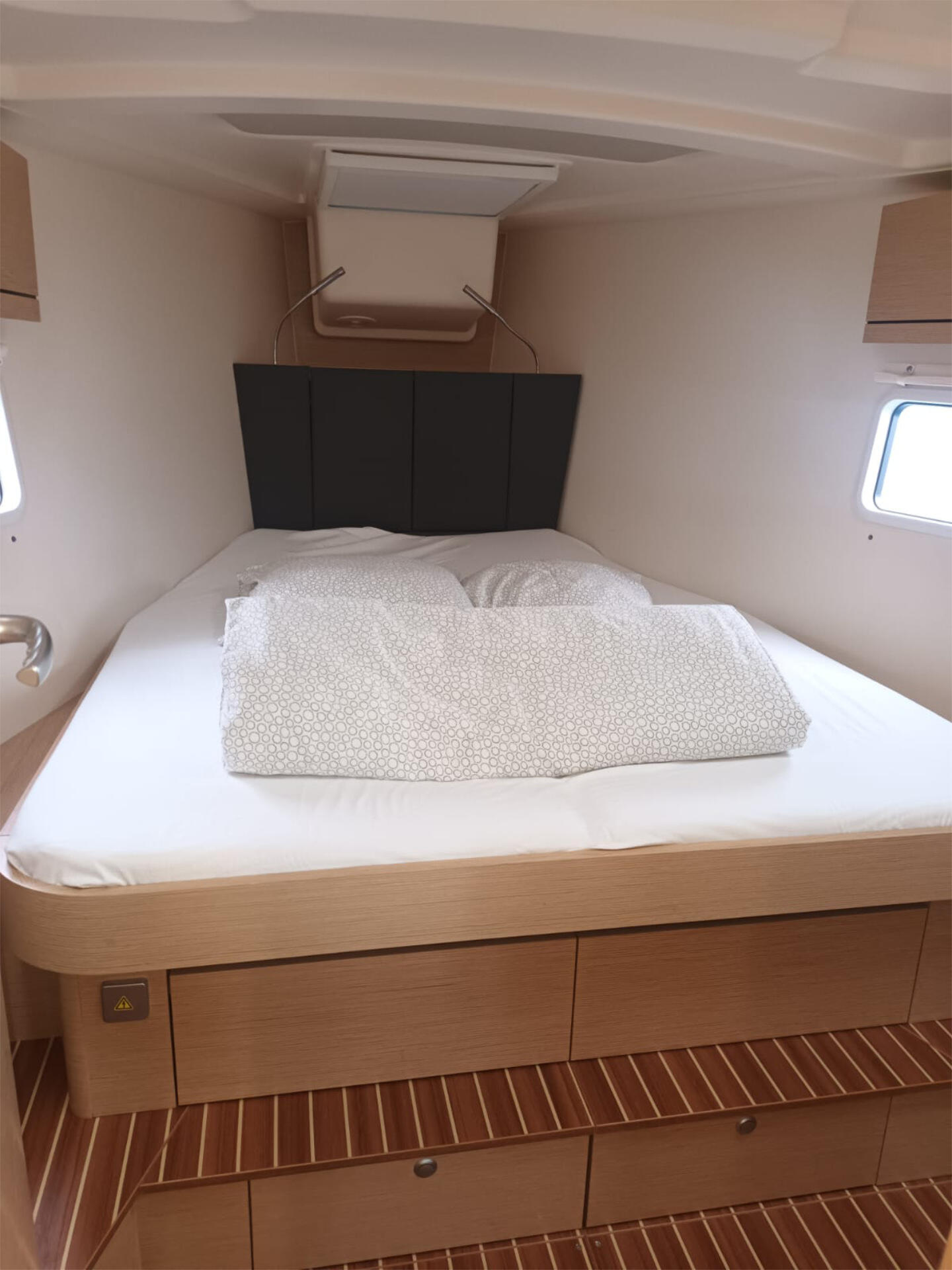
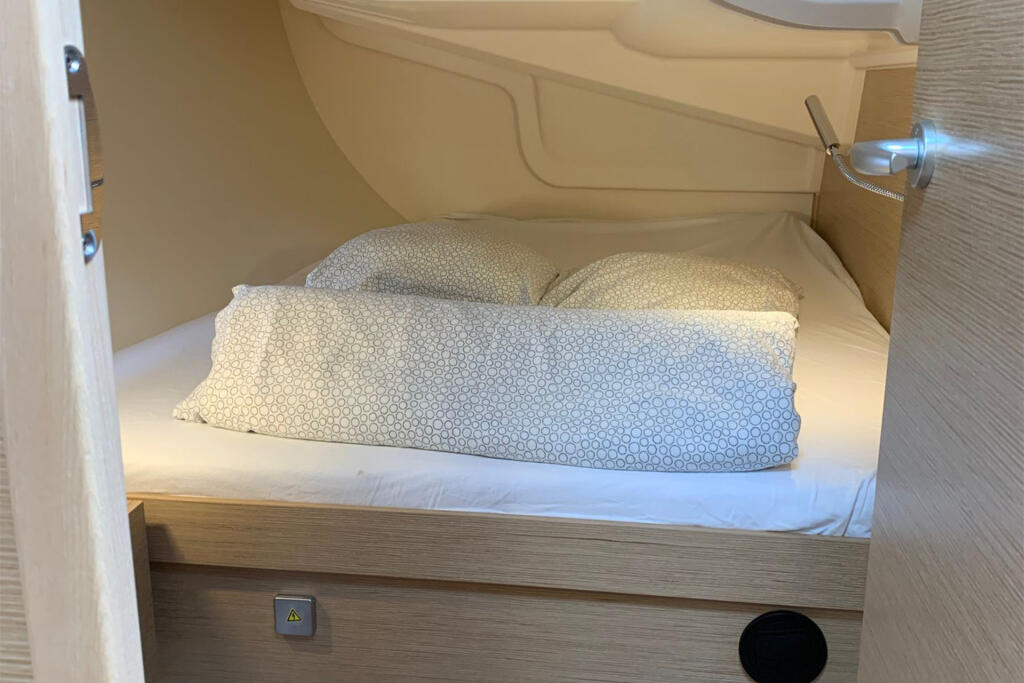
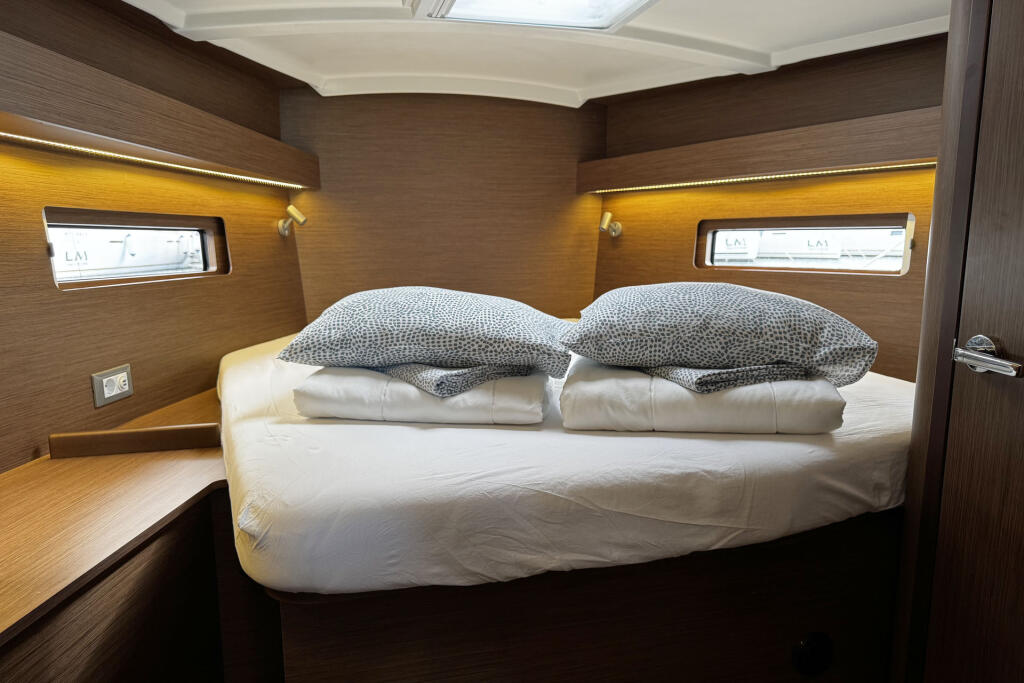
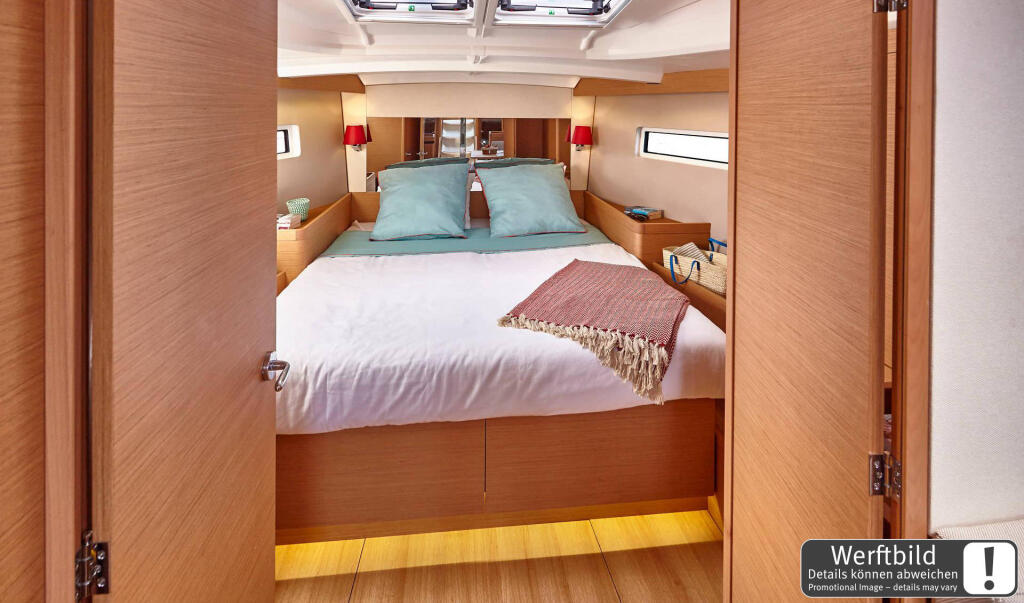
- Cabins: For families and several couples, a practical cabin layout may matter more than the overall length.
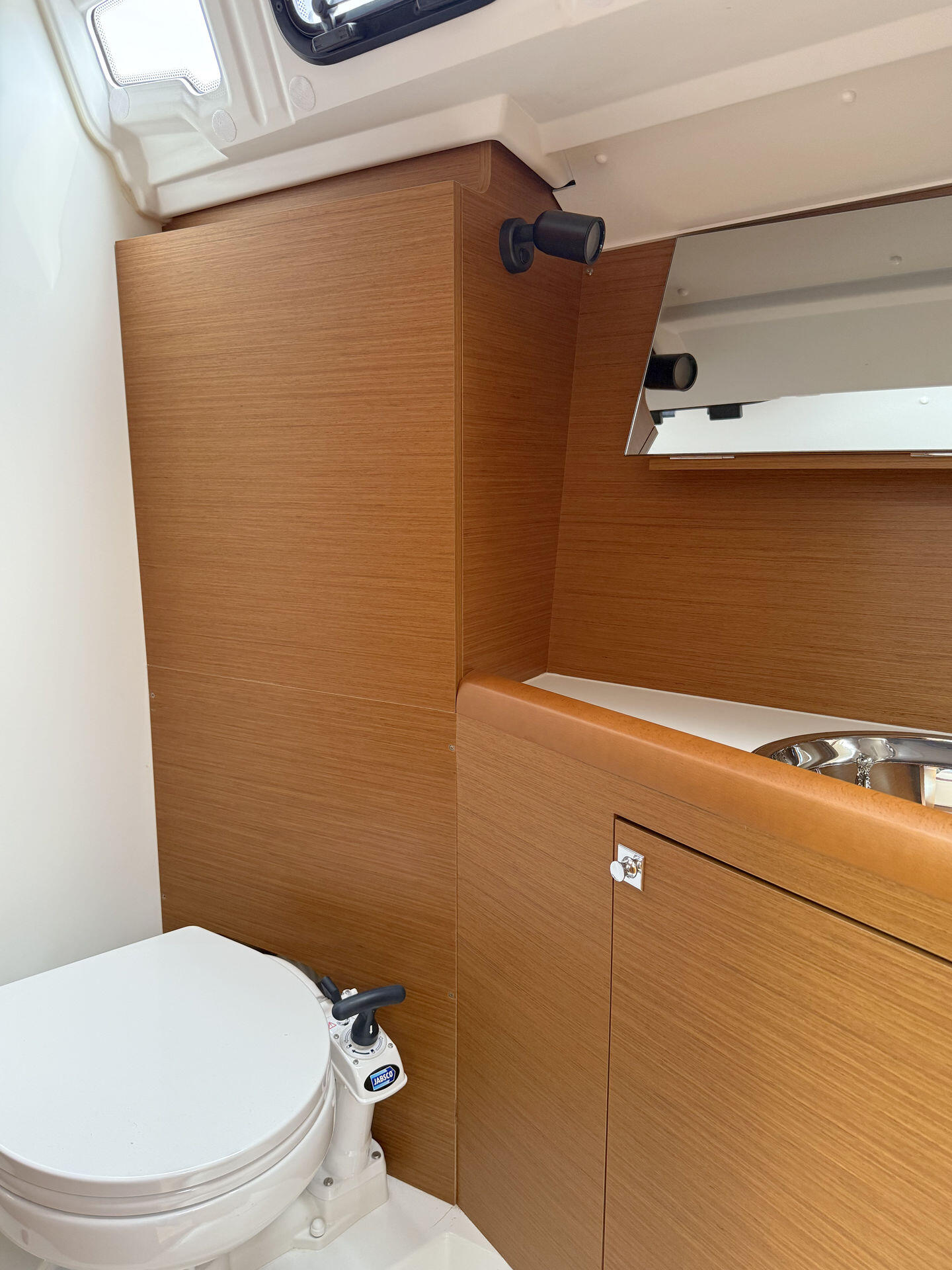
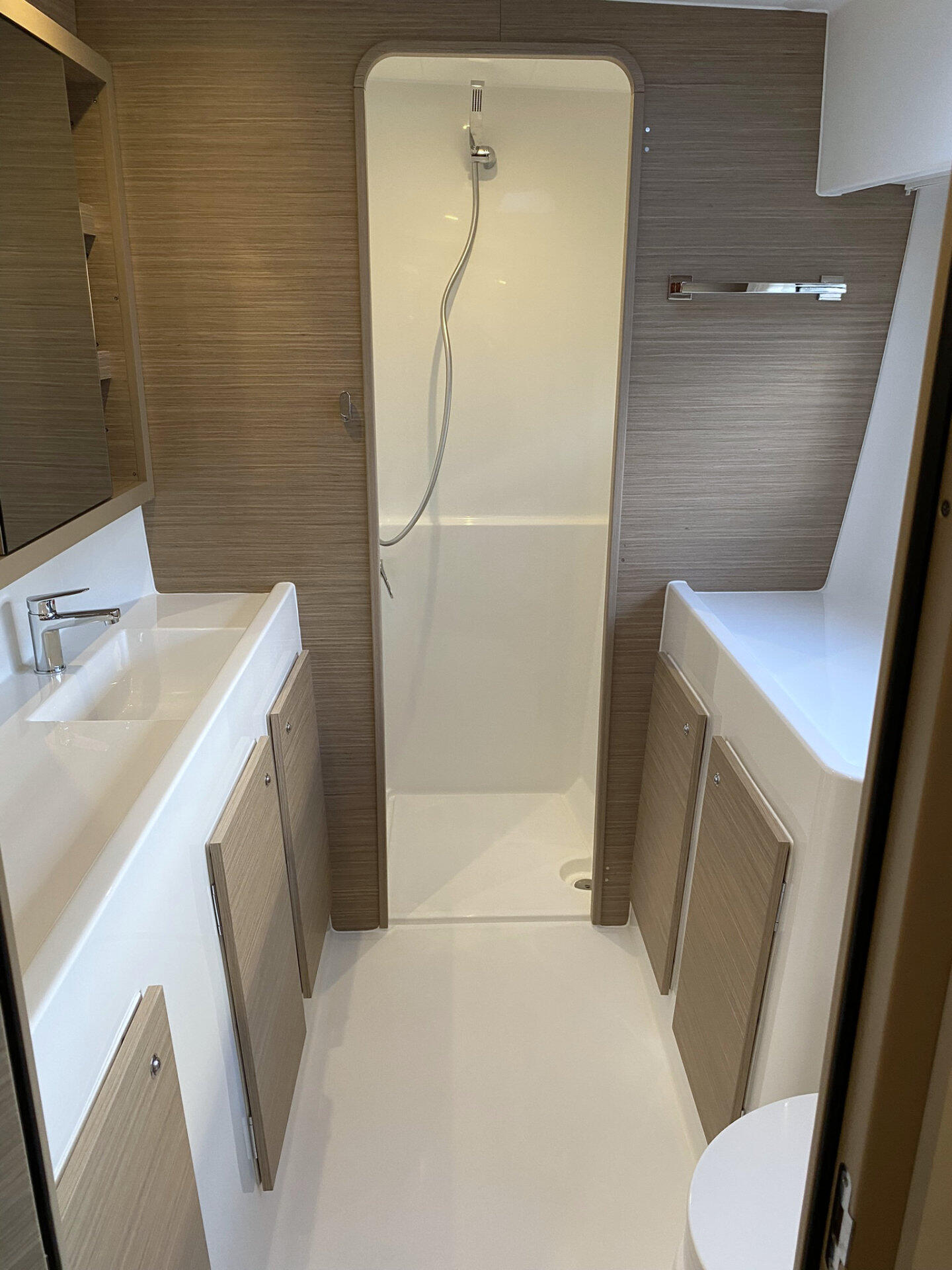
- Heads: For larger crews, their number has a major impact on daily life on board.
- Yacht length and beam: These affect available space, harbour manoeuvres and berth selection.
- Manoeuvrability: Especially relevant in busy marinas, town harbours and narrow bays.
- Draught: When planning bays and anchorages, always check it against current charts and local cruising information.
- Keel configuration: This influences draught and sailing characteristics.
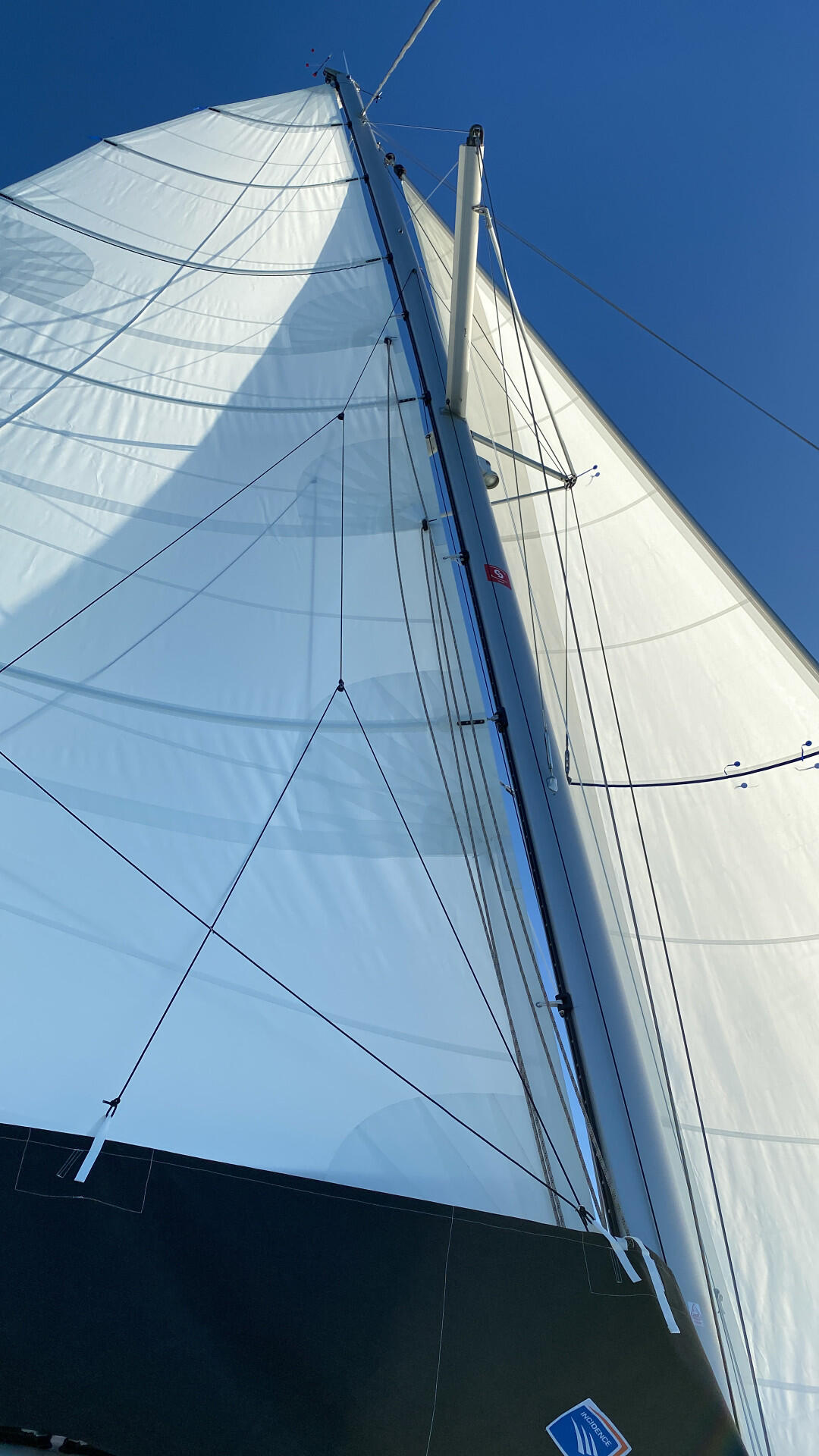
- Mainsail and headsail: Furling systems or traditional sail configurations change both handling and sailing feel.
- Sail handling: Small crews should check how halyards, sheets and reefing systems are operated.
- Bow thruster: On larger yachts it can make harbour manoeuvres easier, but it does not replace careful planning.
- Autopilot: A valuable aid, especially on longer passages or with a small crew.
- AIS: It can improve situational awareness. Check which functions the specific onboard system provides.
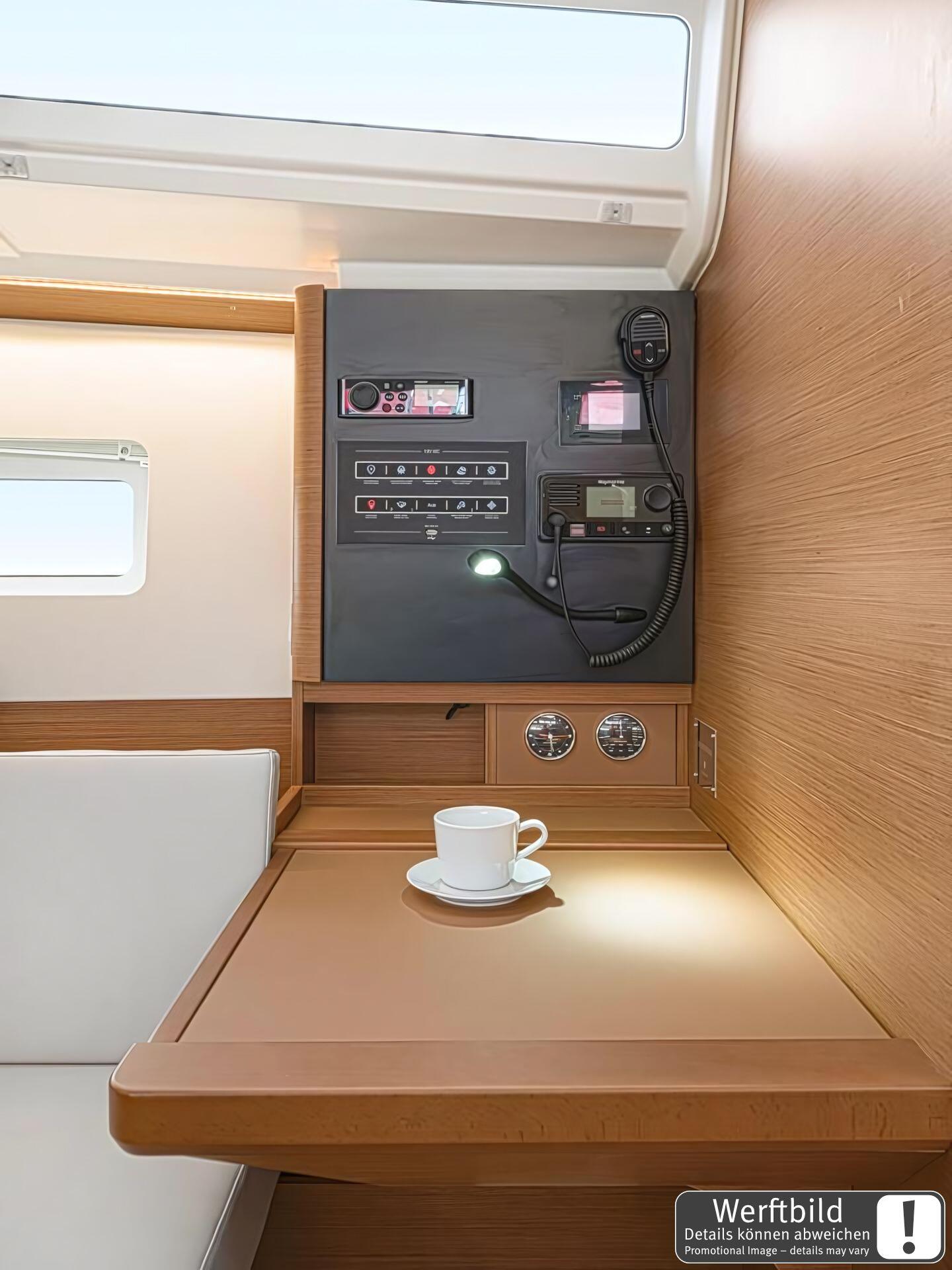
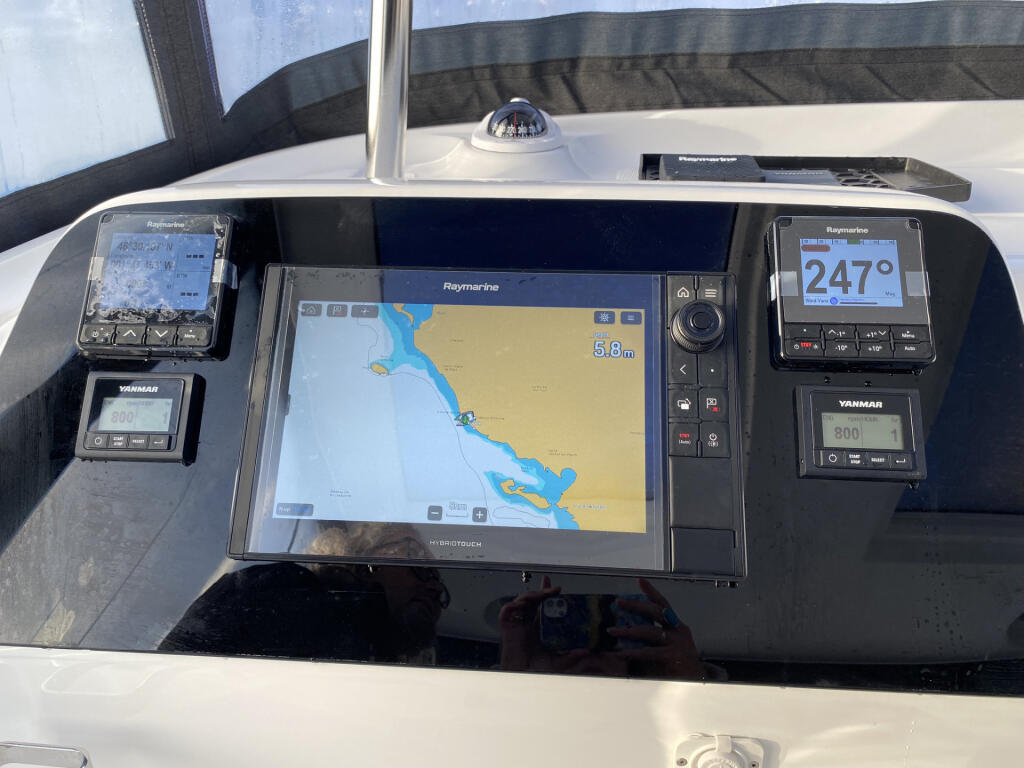
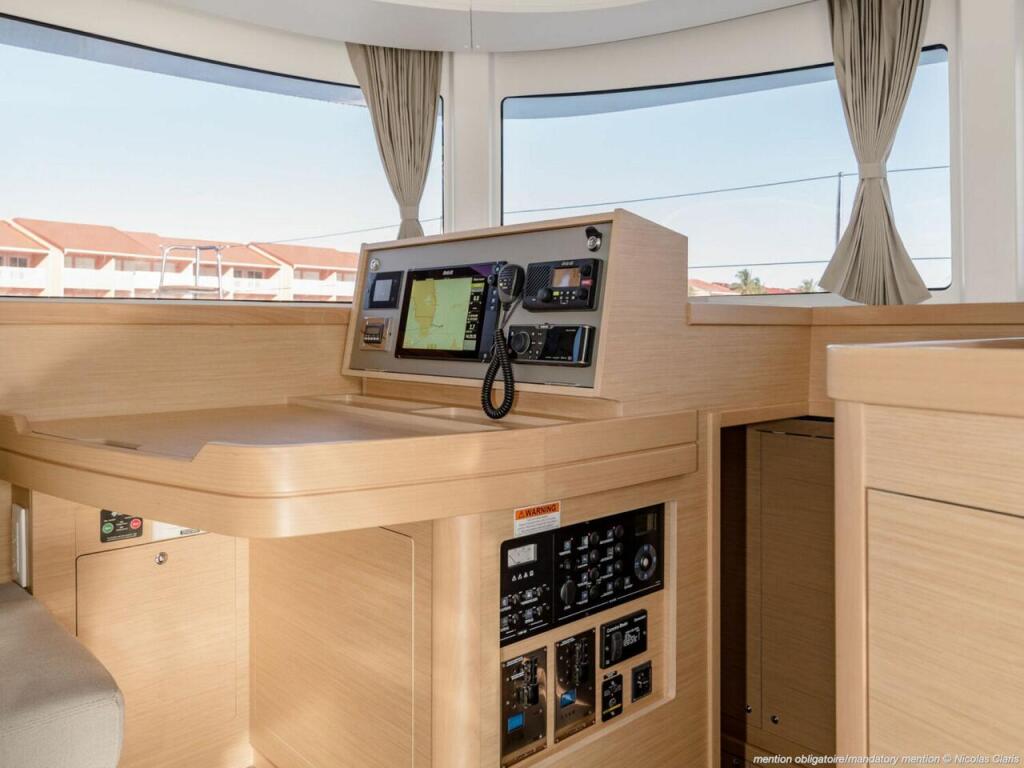
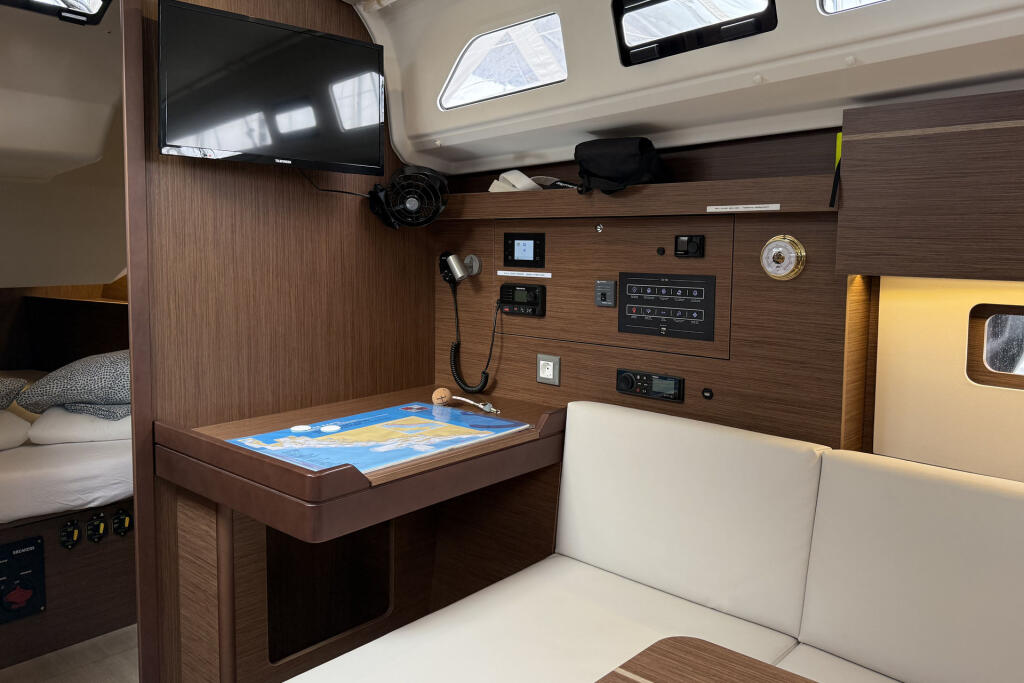
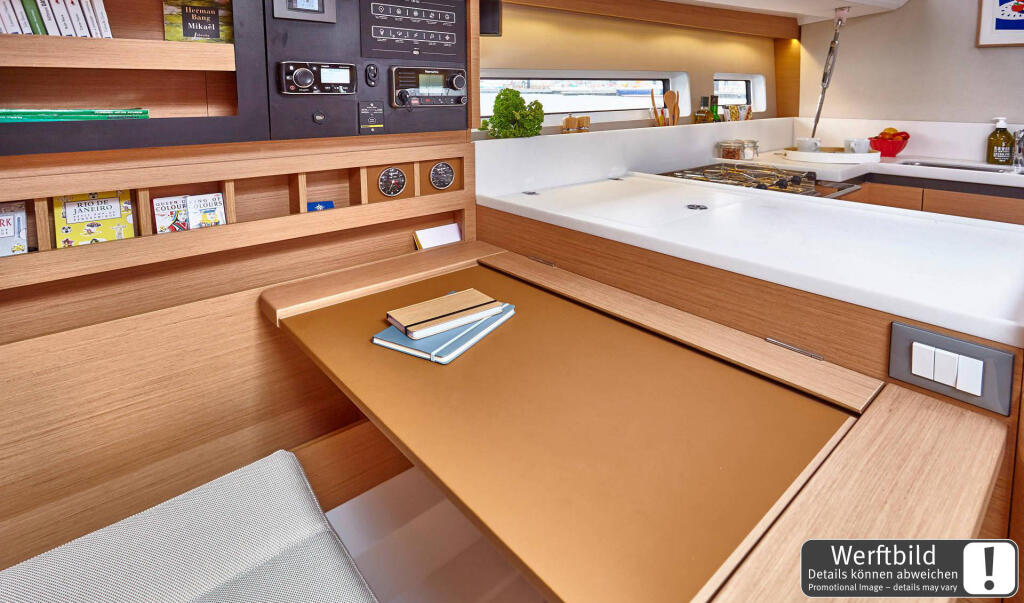
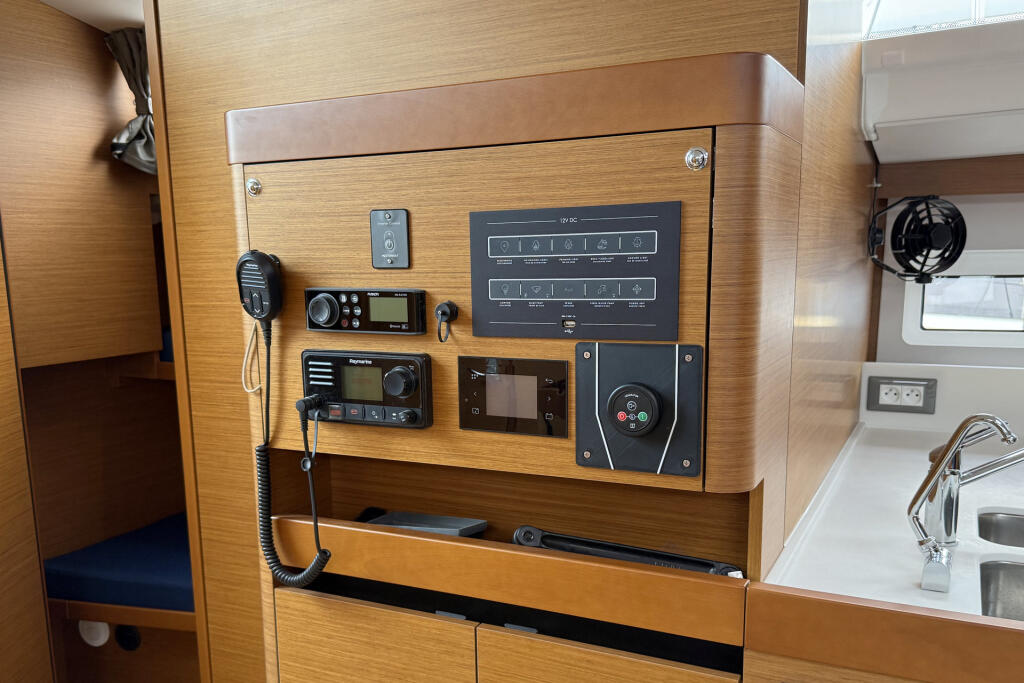
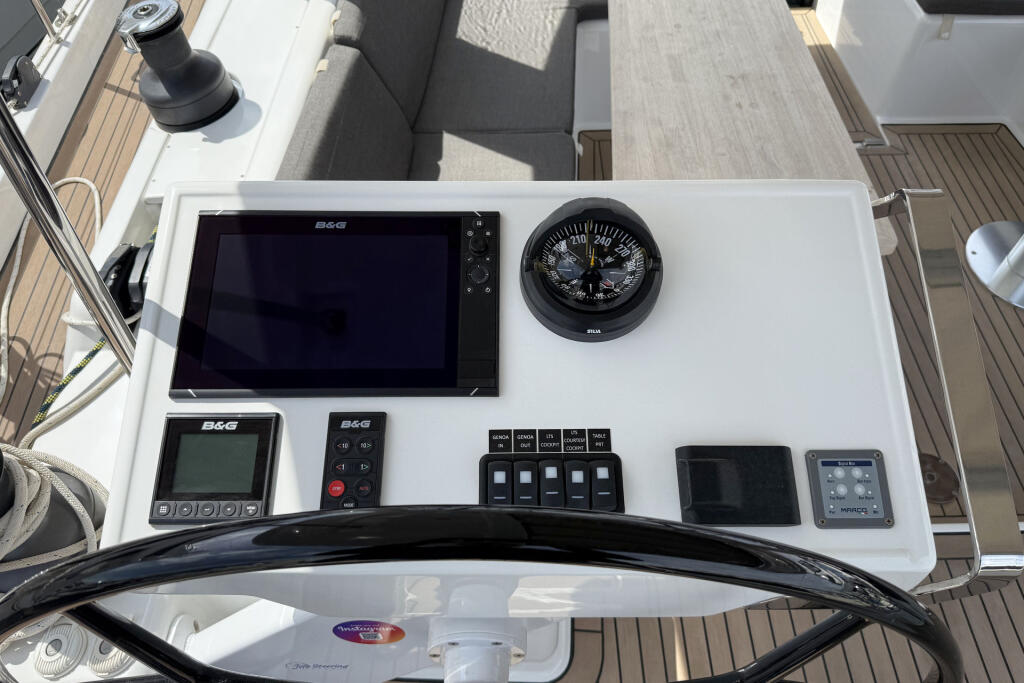
- Chartplotter and navigation: Their position and ease of use are particularly important in an island rich cruising ground.
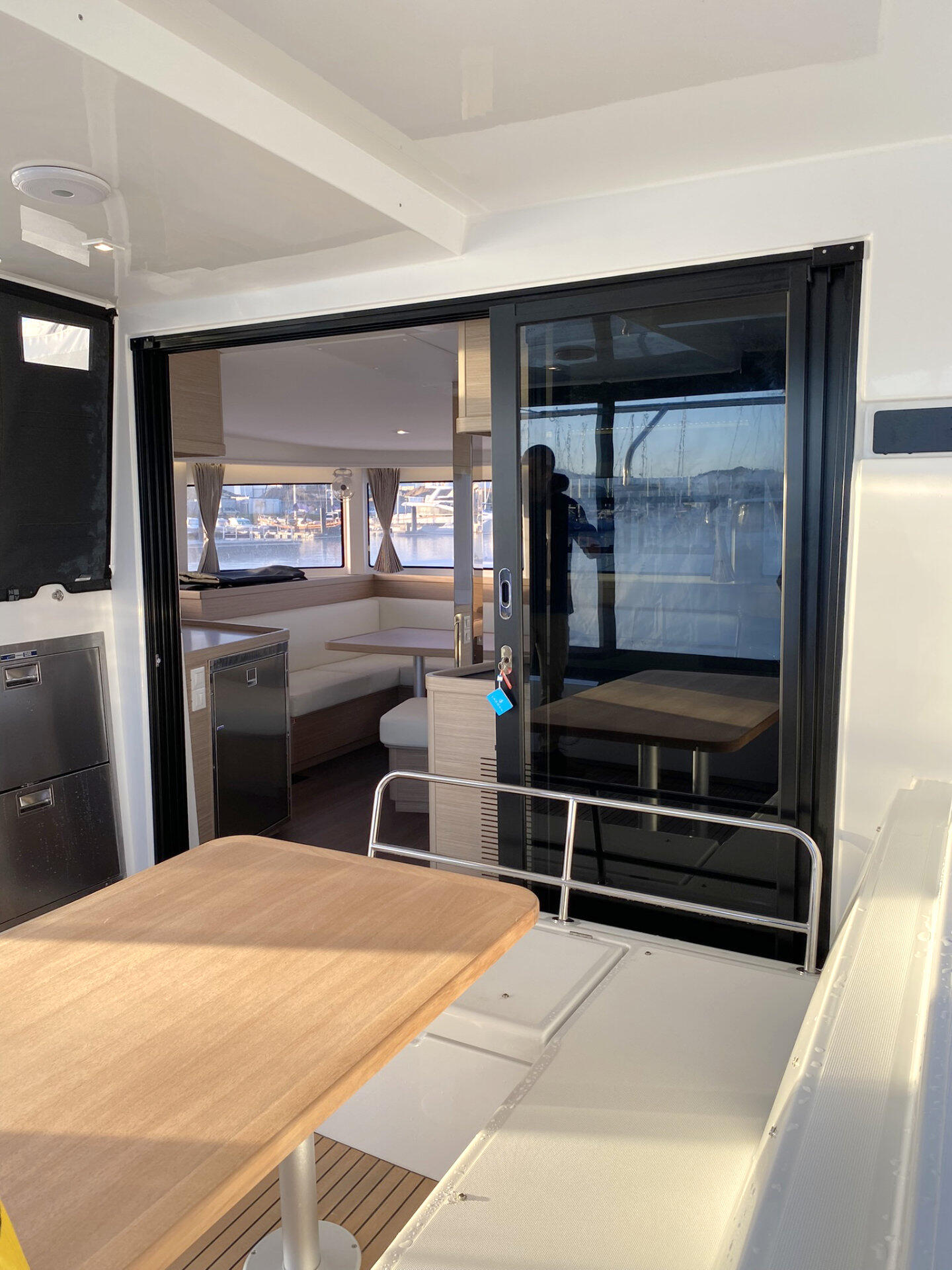
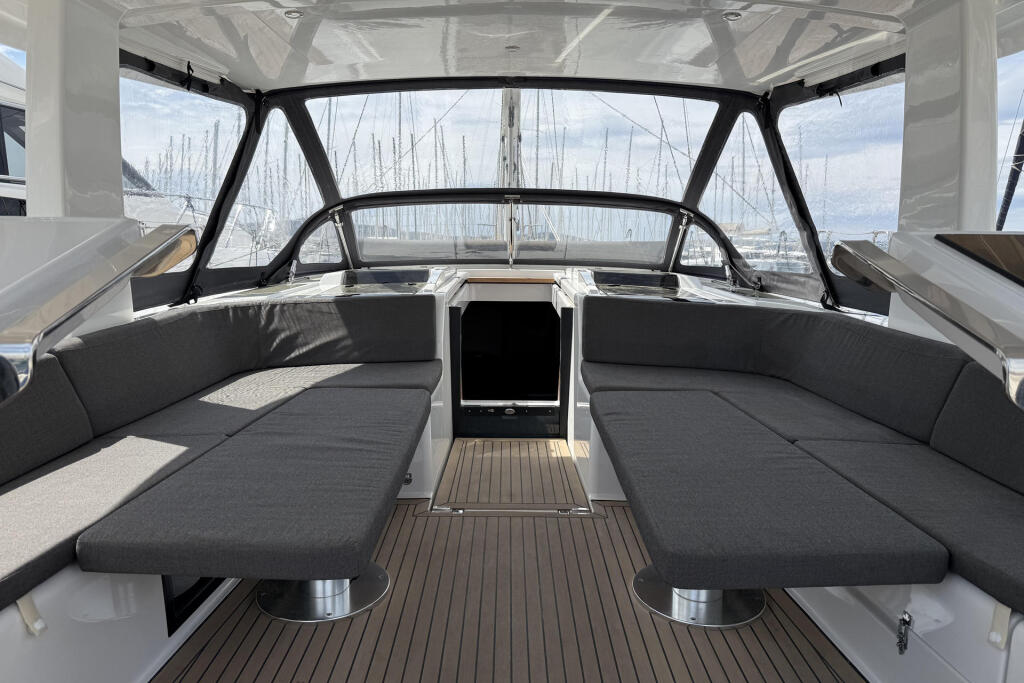
- Cockpit: Shade, seating comfort and freedom of movement play a major role on summer cruises.
- Bimini or other shade solutions: An essential comfort feature during the Croatian summer season.
- Ventilation: Good airflow matters more on warm nights than it does in northern cruising grounds.
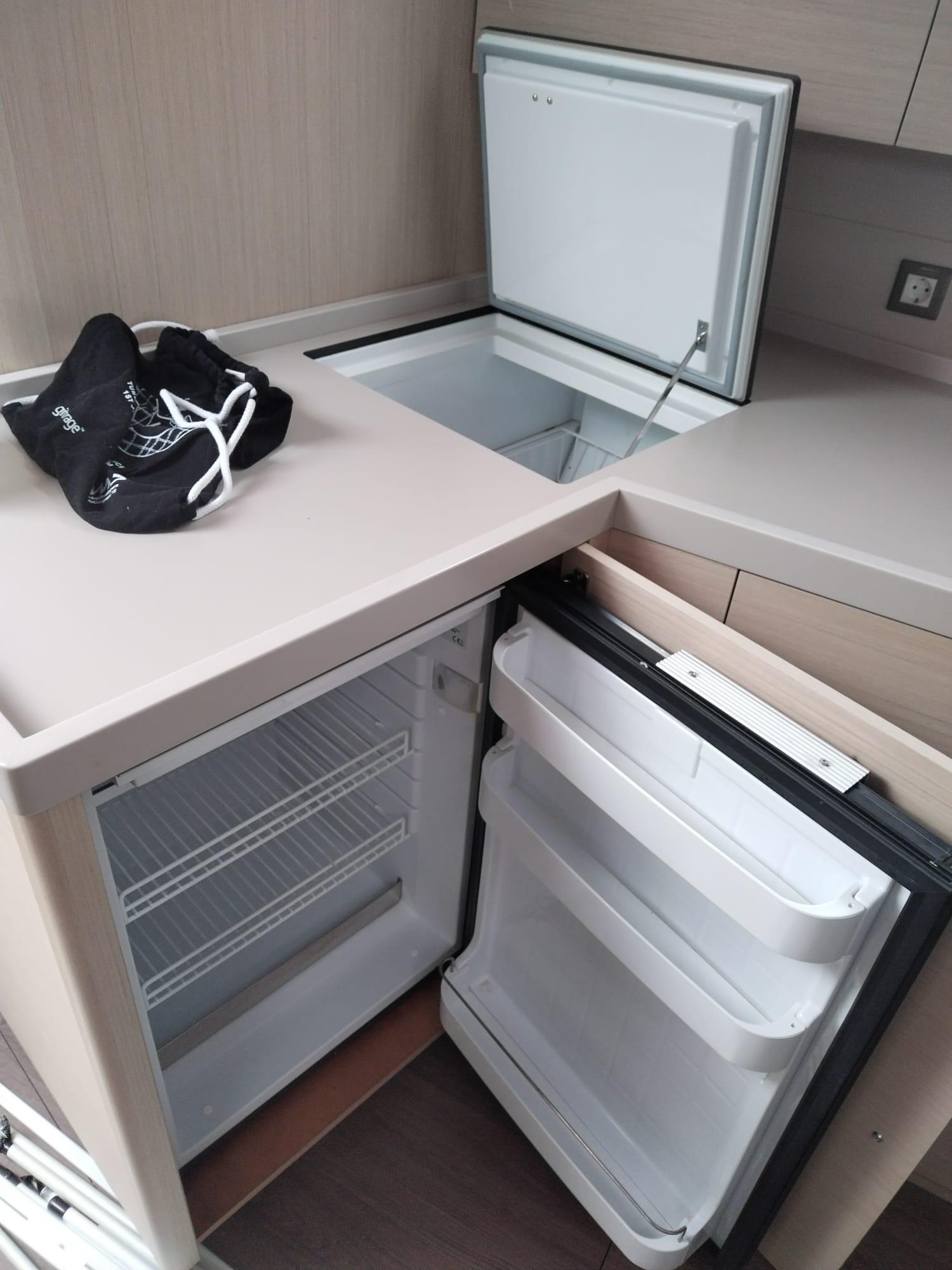
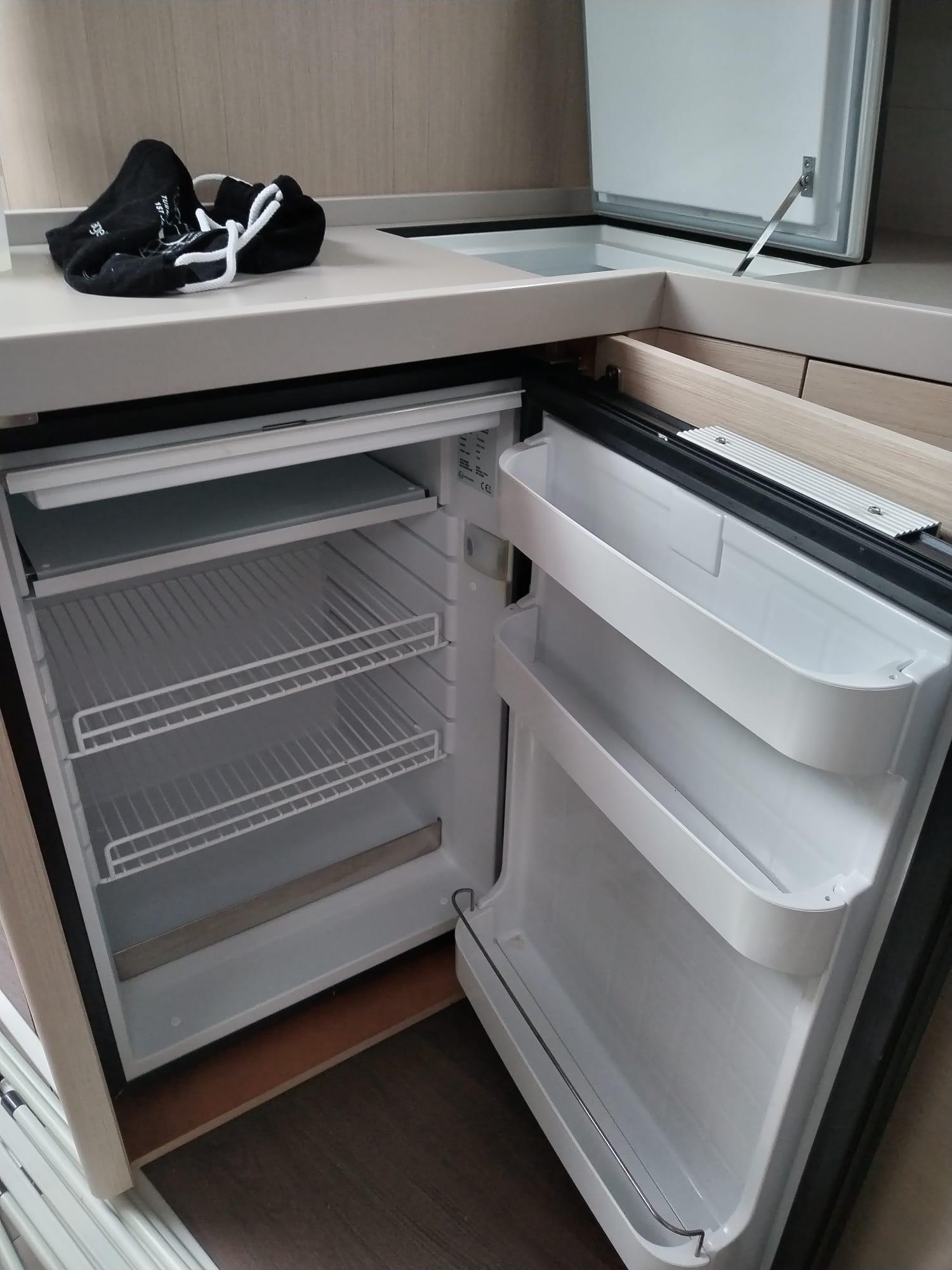
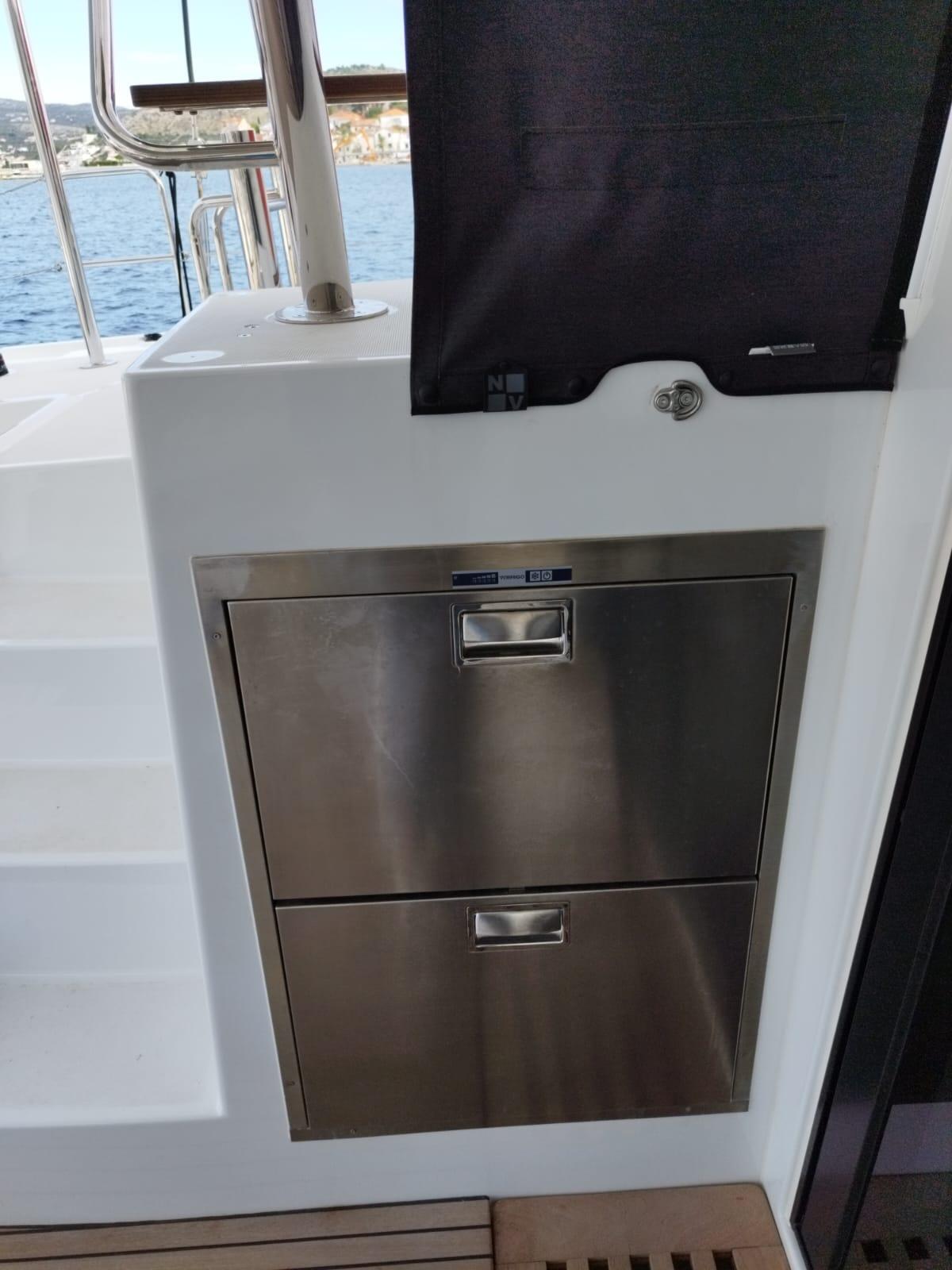
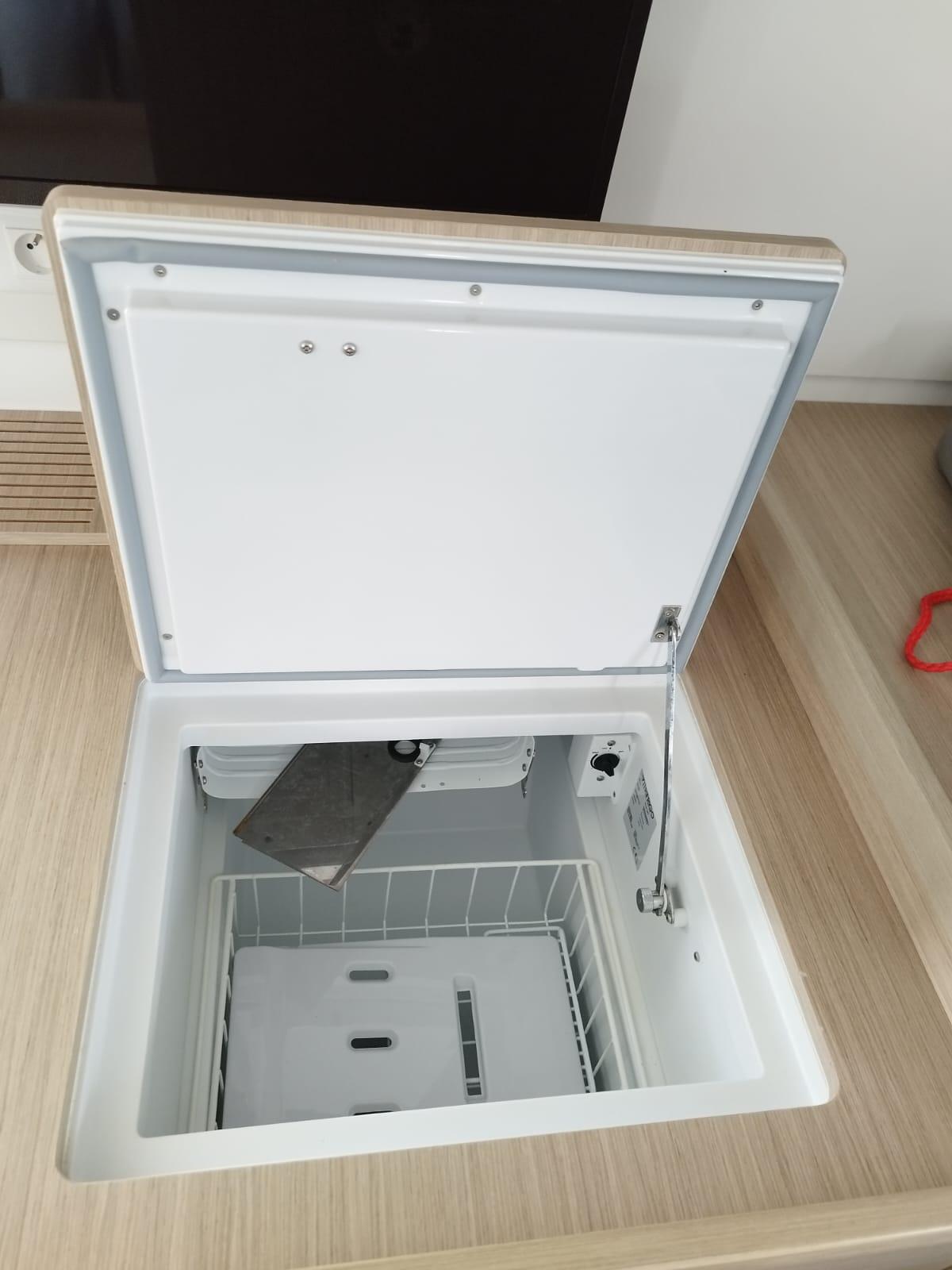
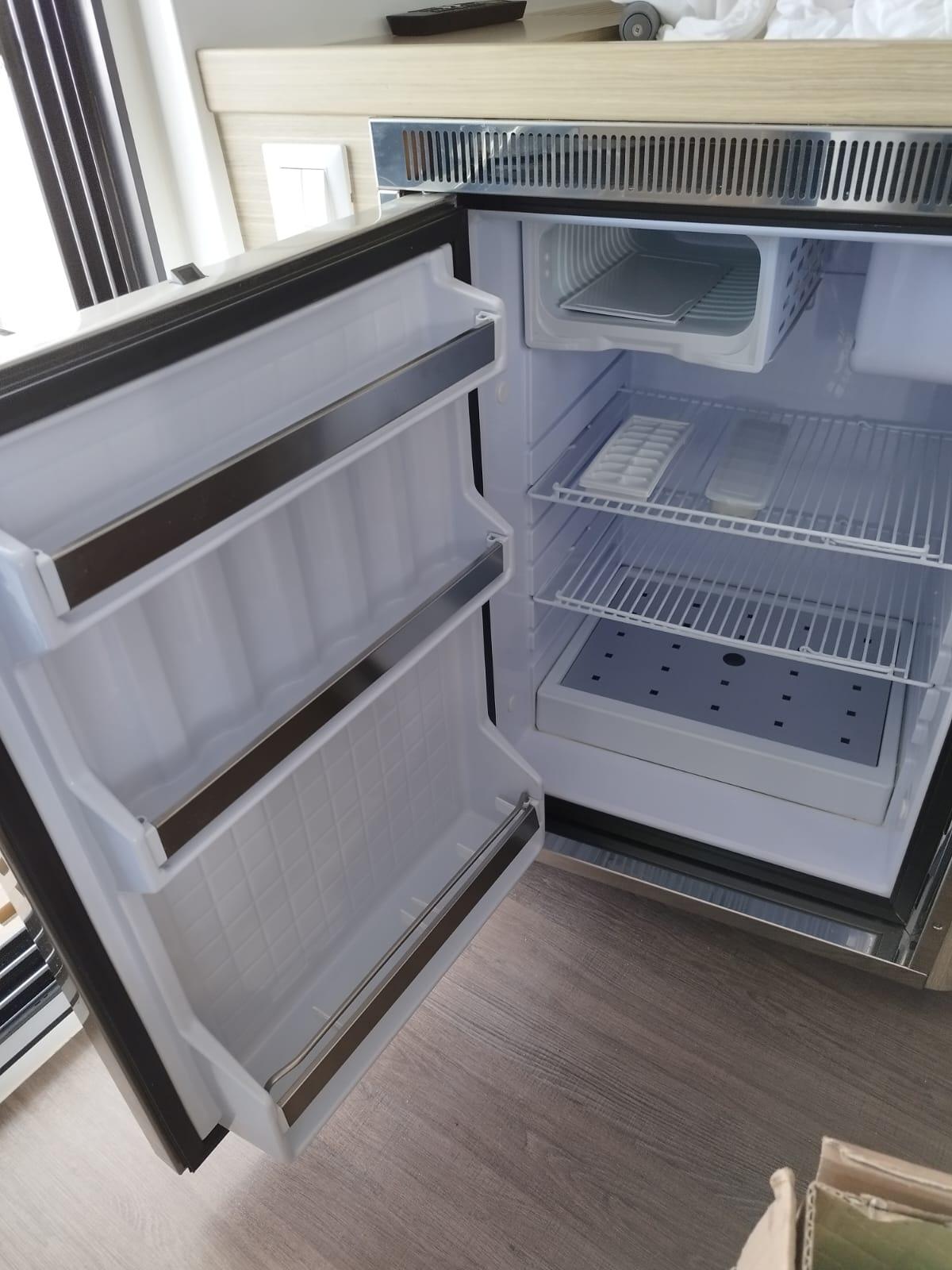
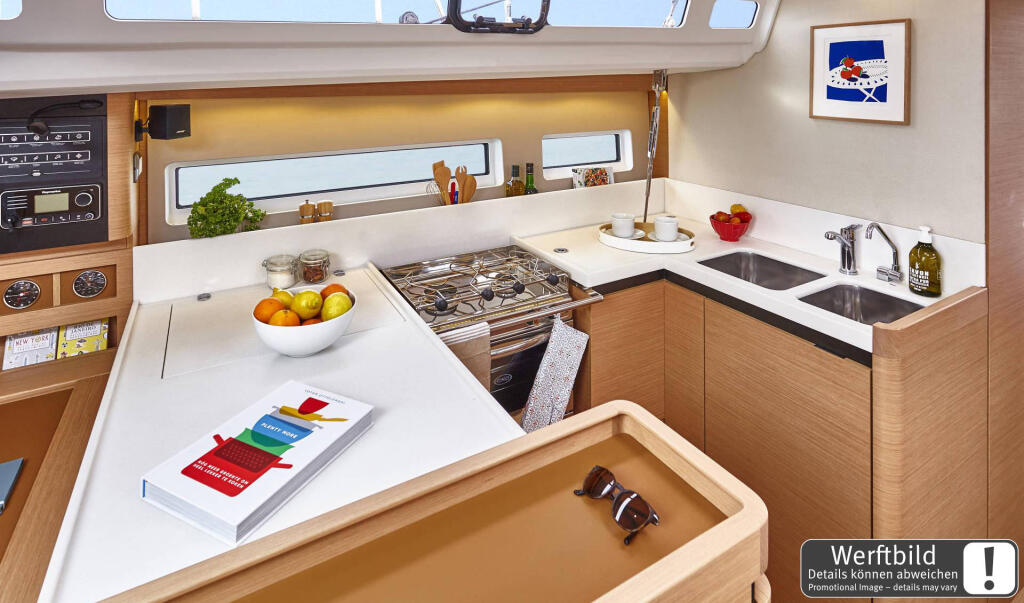
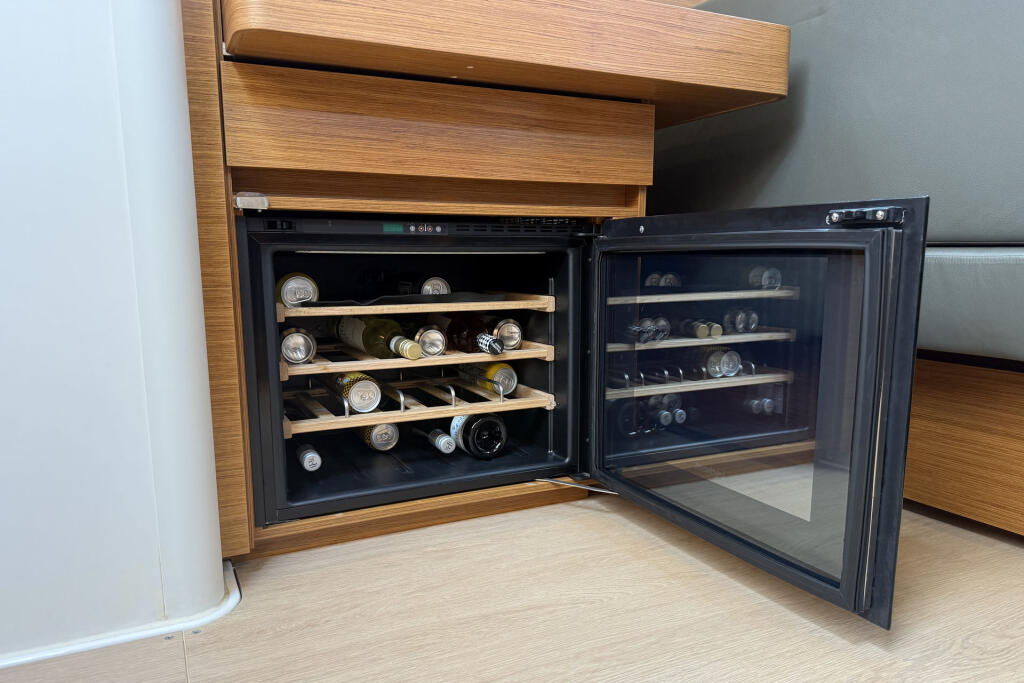
- Refrigeration: Important for longer stretches with fewer opportunities to shop.
- Storage space: Larger crews need room for provisions, luggage and personal equipment.
- Fresh water capacity: Anyone planning to anchor frequently and avoid visiting a marina every day should take a closer look here.
- Anchor equipment: Particularly important in an area with many possible bays.
- Dinghy: Useful when the yacht is at anchor or on a mooring buoy and the crew wants to go ashore.
For that reason, do not choose solely by weekly price or yacht length. Two sailing yachts of similar size may offer very different practical value for the same crew. What matters are the actual specifications of the sailing yachts listed above in Biograd.
A central charter base for North Dalmatia
Marina Kornati in Biograd
Our charter base in Biograd is located in Marina Kornati. The marina is situated very close to the town and is a well established base for charter operations. First Class Sailing is officially listed by the marina as an active provider there. Its position near the Pašman Channel and the Kornati islands explains why Biograd is one of the region’s leading centres for watersports and yacht charter. Marina Kornati
For charter guests, the infrastructure on changeover day is particularly important. The marina offers sanitary facilities, dining options, parking and technical service areas. Further services are available in or near the harbour complex. This makes it easier to organise the time between arrival, provisioning, formalities and yacht handover efficiently. Marina Kornati
Biograd itself begins directly behind the marina. Groceries and further provisions for the voyage can therefore be arranged in town before departure. This is especially sensible if the first days are heading towards the Kornati islands, as supply options within the national park are far more limited than in larger coastal towns. The park administration advises that more extensive provisions should be purchased outside the park area. Kornati National Park
On handover day, enough time should be reserved for the yacht itself. Stowing luggage, bringing provisions on board and becoming familiar with the navigation systems, electrical systems, engine, anchor gear and sail handling are all part of practical trip preparation. If you intend to leave the marina on the first evening, the opening leg should be kept deliberately short, and the weather and remaining daylight should form part of the decision.
Where can you sail from Biograd?
Sailing from Biograd opens up several distinct route options. Pašman and Ugljan lie directly offshore. Further west are Dugi Otok and Telašćica. To the south west stretch Žut and the Kornati islands. To the south, the cruising ground continues into the islands off Murter and Šibenik. The local tourism organisation describes both the Kornati islands and Telašćica as classic destinations for sailors departing from Biograd. Discover Biograd
A one week charter does not need to combine all of these areas. Very often, the better itinerary comes from combining two neighbouring cruising highlights and leaving a reserve day for wind or changing plans. The following areas illustrate four different possibilities.
Pašman, Ugljan and the Zadar Archipelago
Pašman lies directly opposite Biograd, which makes this direction especially attractive for crews who want to reach the islands quickly after handover. Between the mainland and the islands, channels create a cruising area in which a route of short or moderate daily passages can easily take shape.
Pašman and Ugljan work well as building blocks for an itinerary that does not involve spending several hours on open water every day. Small island villages, bays and varied overnight options can be linked into a flexible route depending on the weather. The proximity to the departure marina remains particularly convenient at the beginning or end of the charter.
Those who continue further north can make greater use of the Zadar archipelago. This gives the voyage a different character from a pure Kornati circuit. There are more inhabited island settlements and stronger links to the coast around Zadar. At the same time, anchoring stops and quieter island areas remain very much possible.
For families or crews planning their first bareboat charter in the Croatian islands, this direction can be especially appealing because daily destinations can be chosen relatively flexibly. That does not make the route automatically easy. Wind, traffic, local bottlenecks and harbour manoeuvres still require sound navigation and careful planning.
Experienced crews can also use Pašman and Ugljan as the starting point for a wider northern loop. From there, and with suitable conditions, planning can continue towards Molat or Dugi Otok. This significantly increases the overall distance, and the route should not be scheduled so tightly that every planned leg must be sailed regardless of the weather.
Dugi Otok and Telašćica
Dugi Otok forms the long outer edge of the Zadar archipelago. For a charter from Biograd, the south eastern section with the bay of Telašćica is of particular interest. The area can be combined with a route through the inner islands or included as part of a larger circuit via the Zadar archipelago and the Kornati islands.
Telašćica is not a standard harbour stop. The large bay belongs to a protected nature park. Specific rules apply for entry, speed and the use of certain areas. These requirements should be checked in their current form when planning the route, rather than researched only after arrival. PP Telascica
Sailors often choose this direction when they want to spend several nights away from larger towns while combining a nature park, island coastline and anchoring opportunities. For a week from Biograd, Telašćica fits well into a north western circuit or a Kornati round trip. Anyone also including the far northern part of Dugi Otok, however, increases the total distance considerably.
The more sheltered inner side and the more exposed outer side of Dugi Otok should be clearly distinguished from a navigational perspective. A seemingly small change in route can place the crew in much more open conditions. For that reason, the forecast and the sea state are more important than any pre set daily destination.
Telašćica also works well as a transition between two different cruising styles. To the north lie the islands of the Zadar archipelago. To the south is the Kornati area. This allows a crew to shape a charter week that combines more inhabited island villages, longer sailing passages and protected natural landscapes.
Kornati and Žut
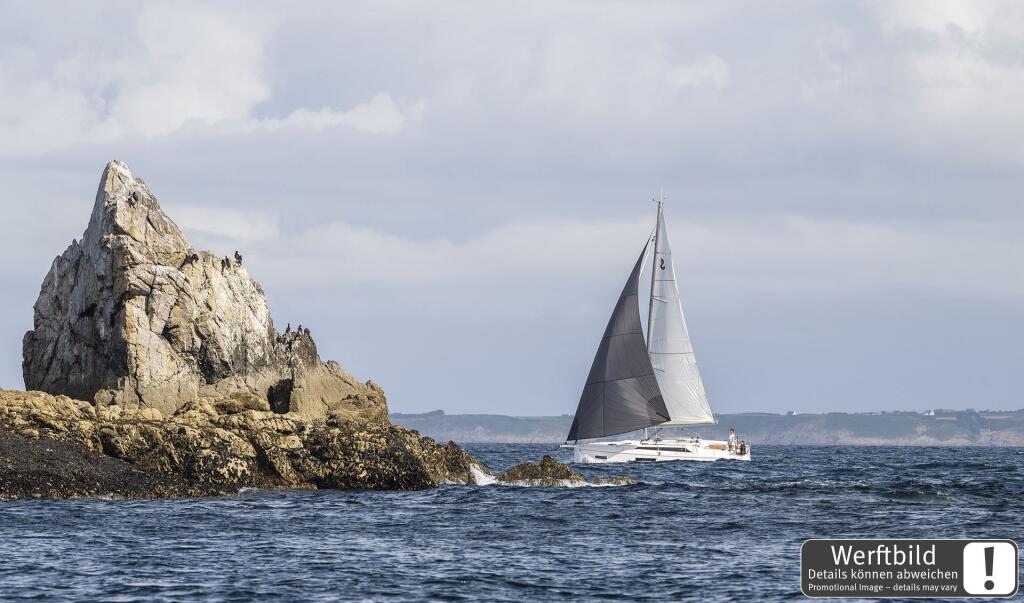
For many crews, the proximity of the Kornati islands is the main reason for choosing a yacht charter in Biograd. The archipelago lies to the south west of the base and consists of closely packed islands, rocks, passages and bays. It is precisely this dense geography that gives the area its nautical appeal. At the same time, it requires focused navigation and an up to date view of charts, water depths and protected zones.
Special rules apply in Kornati National Park. The park administration determines where navigation is restricted and in which bays anchoring or overnight stays are permitted. A valid entrance ticket is also required for a visit. These rules may change and should therefore be checked against current park information before the trip. Kornati National Park
A Kornati itinerary is less oriented towards urban infrastructure than some routes along the mainland coast. The crew should plan provisions, water consumption and energy needs accordingly. Restaurants and individual mooring options are available, but the trip should not be calculated on the basis of the same level of supply as a sequence of larger marinas and coastal towns.
Žut lies to the north or north east of the actual national park zone and can be integrated very well into a Kornati route. This creates a wide range of possible daily passages without requiring major distances every day. In suitable conditions, a week can be focused strongly on sailing, swimming, bays and nights away from larger settlements.
The Kornati islands also provide a good example of why a larger yacht is not automatically the better yacht. A crew that anchors frequently and wants to enter small bays may rate manoeuvrability, draught and the anchoring system more highly than maximum interior volume. Larger crews, in turn, need sufficient water, refrigeration and storage if several nights are spent between major provisioning stops.
Murter, the Šibenik Islands and Skradin
South of Biograd, the character of the cruising ground gradually changes. Around Murter, the transition begins towards the islands off Šibenik. Depending on the planned route, Zlarin, Prvić, Kaprije, Kakan and Žirje can serve as intermediate stops or overnight destinations. This direction combines island hopping with more pronounced opportunities for time ashore.
Those who continue towards Šibenik can add a visit to the town to their itinerary. From there, the waterway leads inland towards Skradin. This gives a charter week a completely different rhythm from a pure Kornati circuit. After several days among the islands, more urban infrastructure and time ashore once again take centre stage in Šibenik or Skradin.
For a one week charter from Biograd, this direction is realistic if the number of destinations remains limited. A route via Murter and a selection of the Šibenik islands usually leaves more reserve than trying to add every Kornati highlight and far northern islands as well. Example routes from Biograd combine this area within one week with islands such as Žut, Žirje, Zlarin, Prvić and Murter. Boataround
In stronger winds, the choice between a more open island route and more sheltered alternatives can become particularly important. The itinerary should therefore not be planned only around places of interest. Wind direction, the protection of the overnight stop and a safe return to Biograd must be considered just as carefully.
This southern option is especially suitable for crews who want to combine sailing days with visits ashore. The mix of island harbours, bays, Šibenik and a possible detour towards Skradin differs markedly from the more nature focused Kornati route.
Adriatic yacht charter from Biograd
North Dalmatia is a classic island cruising ground on the eastern Adriatic. Between the mainland and the offshore island chains, there are many possible courses, narrows and more sheltered areas. At the same time, there are stretches where the swell of the open Adriatic can be clearly felt. Whether an itinerary consists mainly of short island passages or longer legs therefore depends on the route you choose.
In summer, the Maestral often plays an important role. This thermally influenced north westerly typically develops during the course of the day and can bring very good sailing conditions in the afternoon. Even so, it is not a guaranteed daily pattern. Pressure systems, cloud cover and local geography all affect its strength and timing.
Bora and Jugo must be taken seriously in route planning. Bora comes from north easterly directions and can arrive in strong gusts. Jugo, from the south east, develops differently and can build sea state over a longer period. The Croatian Meteorological and Hydrological Service publishes dedicated marine forecasts for the Adriatic and distinguishes between the northern, central and southern Adriatic. Meteo
For charter crews, this means that checking the weather daily is part of normal navigation. A good weekly plan includes alternatives. In unfavourable conditions, a nearer island harbour may be the wiser choice than the original destination on the far side of the cruising ground.
The choice of yacht should also suit the area. An autopilot and well positioned navigation systems are helpful on longer passages. A reliable anchoring system matters in bays. Shade, cockpit comfort and refrigeration become increasingly important in the warmer months. Crews who anchor frequently should pay more attention to fresh water and onboard power than those who spend almost every night in a marina.
When is the best time for yacht charter in Biograd?
The sailing season on the Croatian Adriatic typically runs from spring into autumn. July and August form the peak season. Before and after that period, conditions are more variable, while harbours and bays are often less busy. Croatia Sailing
In spring, especially in April and May, Biograd suits crews who are comfortable dealing with more changeable weather. The air is less summery, the sea is cooler, and weather systems may have a stronger influence on the trip. In return, many harbours and bays are less crowded. For active sailors, this period can be more appealing than it is for crews whose daily plans centre mainly on swimming and long evenings in the cockpit.
By June, conditions are usually more summery. The days are long, and the heavy demand of the main holiday months has not yet reached its peak everywhere. For many crews, this creates an attractive balance between sailing, swimming and usable daylight.
July and August are the high season. Warm weather and warm water make these months especially appealing for families and crews who want to anchor frequently and swim. At the same time, pressure on popular marinas, town harbours, mooring fields and bays increases. Those sailing at this time should be less inclined to assume spontaneously that their preferred first overnight choice will still be available.
The typical summer Maestral can make for very pleasant sailing afternoons. Even in peak season, however, strong or unexpected weather conditions remain possible. Bora, thunderstorms and other local developments must still be part of daily planning. A sunny weekly forecast is no substitute for current marine weather information.
September is especially attractive for many experienced crews because the sea may still be relatively warm, while the busiest part of the high season begins to ease. At the same time, the weather pattern gradually starts to change. Longer stretches of the trip should therefore be planned with sufficient reserve.
In October, the cruising ground becomes quieter and much more dependent on the prevailing weather. Anyone who deliberately sails outside the classic summer season and is comfortable with shorter days and greater weather variability will find very different conditions from those in July. For that reason, there is no single best time to travel. The right season depends on the crew, the desired proportion of sailing, expectations for swimming and willingness to adapt to the weather.
Yacht charter for couples, families and experienced crews
A couple with solid sailing experience can enjoy great flexibility in Biograd with a manageable yacht. For double handed sailing, halyards, sheets, reefing systems, the autopilot and harbour manoeuvres should all be manageable without constant changes of crew position. In such cases, additional cabin space is often less important than straightforward handling.
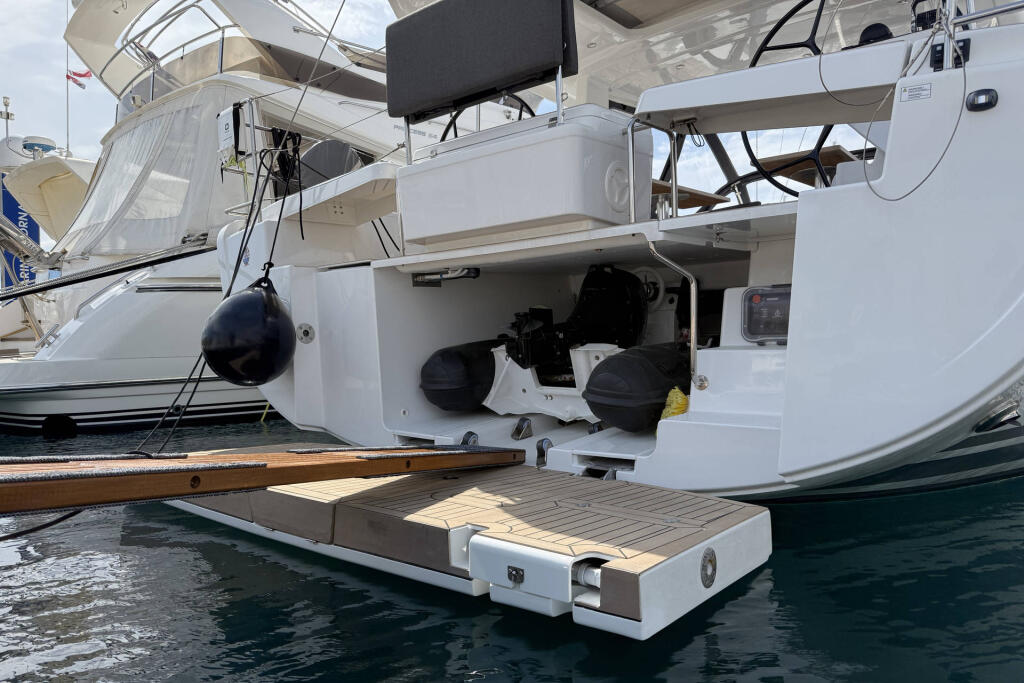
Families evaluate different priorities. A protected cockpit, safe movement on board, shade, sufficient storage and an easy to use bathing platform can be more important in daily life than sporty sailing performance. The route should also reflect this. Shorter daily passages via Pašman, Ugljan or neighbouring islands leave more time for swimming stops and time ashore.
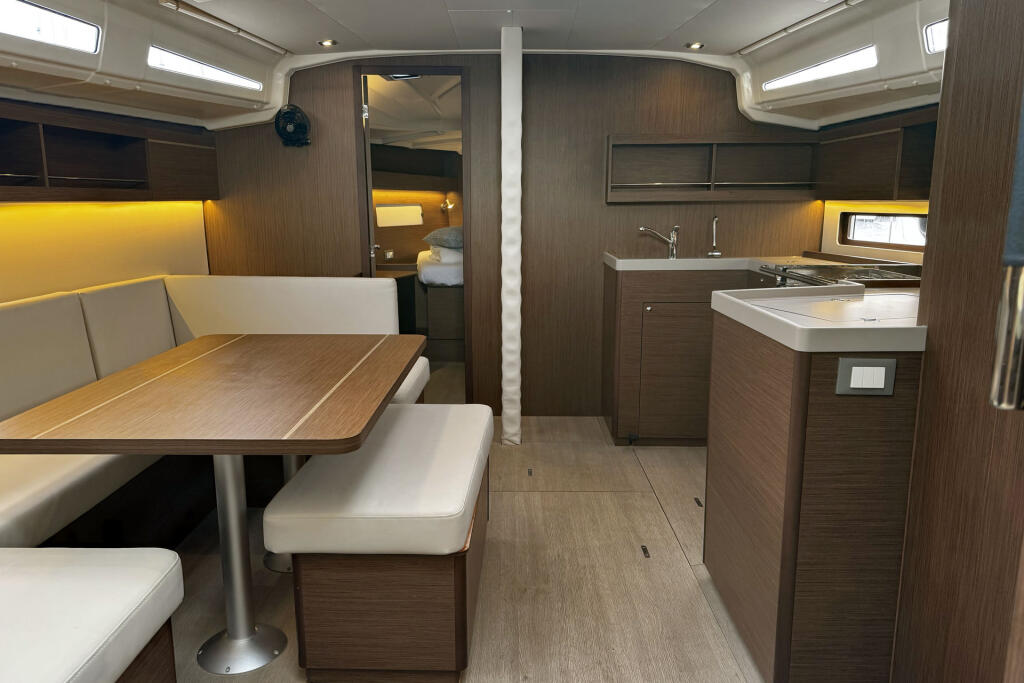
Larger groups need to look particularly carefully at cabins, heads and shared living areas. Eight nominal berths do not automatically mean eight equally practical cabin spaces. Anyone living together on board for a week benefits from a layout in which bags, provisions and personal belongings do not permanently block the saloon.
Experienced or performance oriented crews may place greater emphasis on sail plan, rig, draught and sailing characteristics. For them, a route with longer passages towards Dugi Otok or Šibenik can also be appealing. Even so, planning should not be driven by the urge to squeeze every possible mile into a single week. North Dalmatia offers enough variety to enjoy active sailing even with shorter daily distances.
Which equipment is important for a yacht charter on the Adriatic?
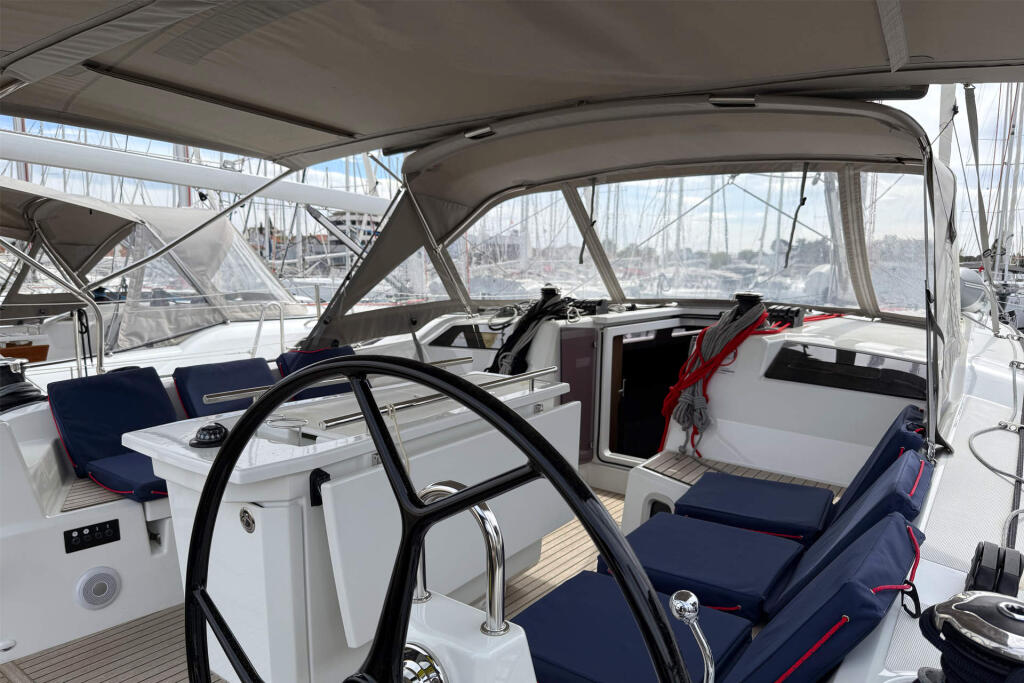
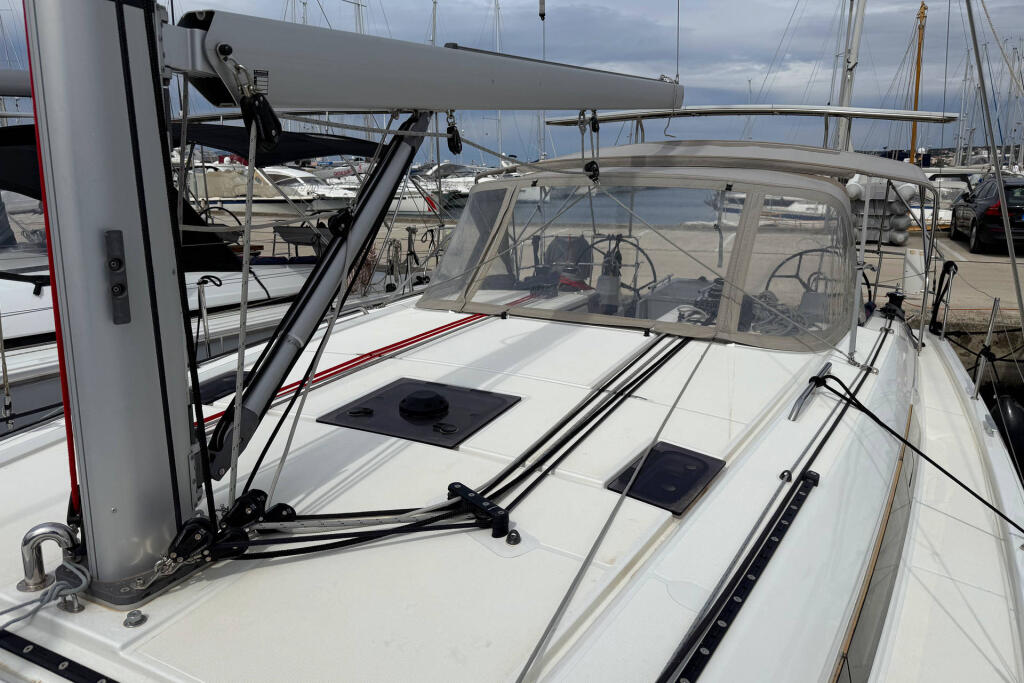
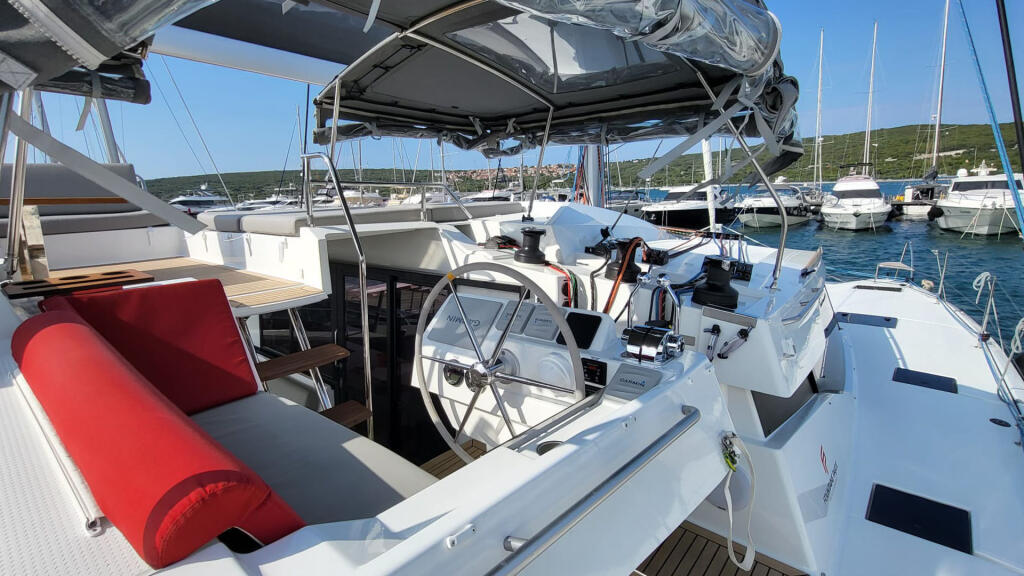
In Croatia, a bimini or another effective form of shade is one of the features that has a significant impact on daily life on board. In summer, the crew spends a great deal of time in the cockpit. Shade is therefore not merely a comfort feature for time in harbour, but also important during breakfast, navigation, anchor watch and longer periods spent on board.
The anchoring system also deserves particular attention. Many cruises from Biograd combine marinas and town quays with bays. This is not only about the anchor and chain. The crew also needs to know how the system is operated, which safety measures are in place, and how the yacht behaves when the anchor is being retrieved. The handover is the right moment to clarify any open questions.
A dinghy extends your options when anchoring. It allows trips ashore when the yacht is not lying directly alongside a quay. Whether an outboard is included or must be booked separately should be checked for the specific yacht. The same applies to the bathing platform and bathing ladder, both of which are used regularly on a summer Adriatic cruise.
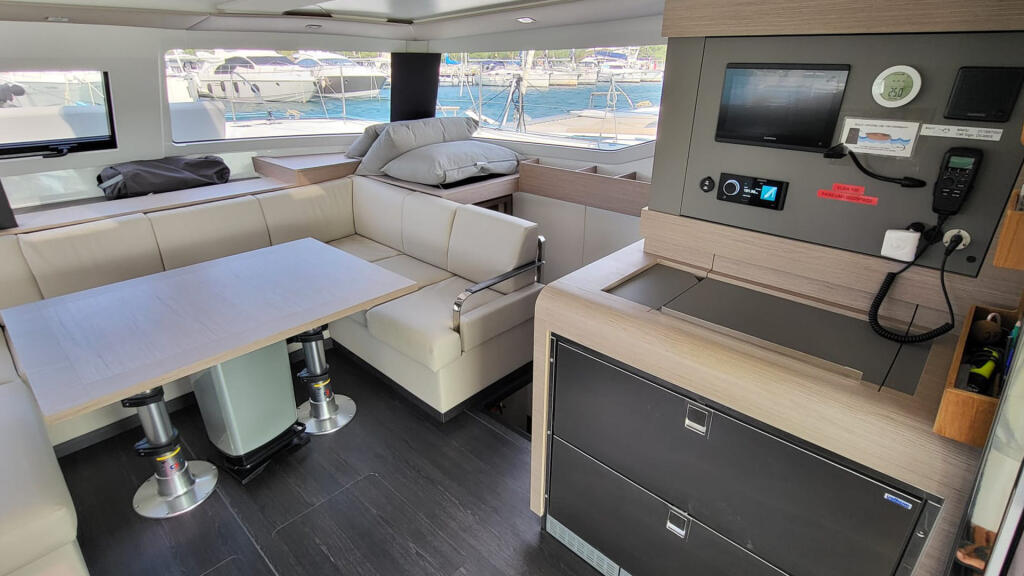
Autopilot and navigation systems are particularly useful for small crews and longer passages. Even so, the island cruising ground still requires active navigation. Chartplotters, electronic charts and, where fitted, AIS all support orientation, but they do not replace keeping a proper lookout, current nautical charts, local cruising information and sensible passage planning.
On larger charter yachts, a bow thruster can make manoeuvring in marinas easier. Its value increases with windage, yacht size and limited crew numbers. It should be understood as an aid, not as a substitute for preparation, line handling and a correct assessment of the wind in harbour.
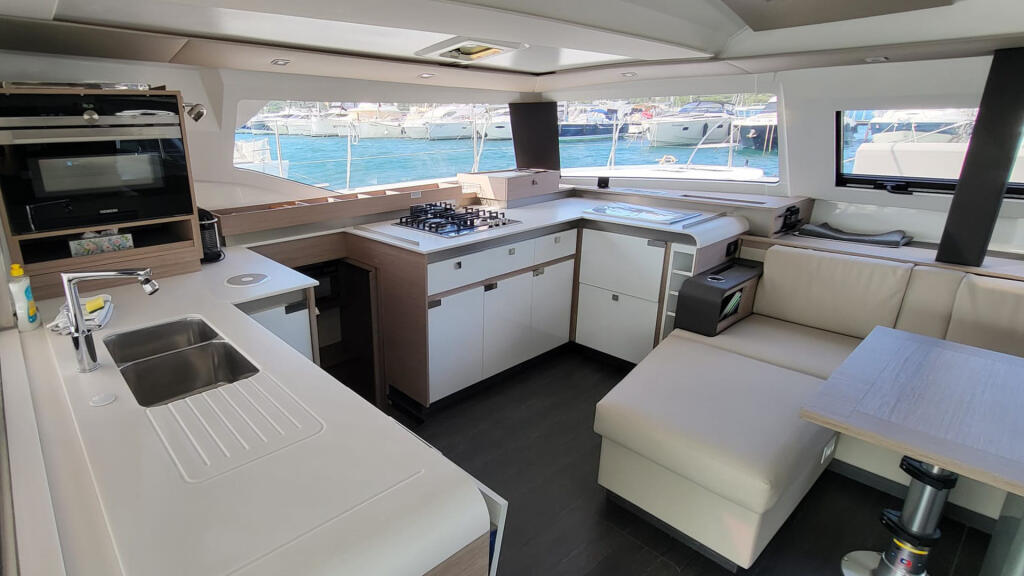
Refrigeration, ventilation and fresh water capacity are more relevant to everyday life in the Mediterranean than in many northern cruising areas. A crew spending several nights at anchor in the Kornati islands or other island areas uses water differently from a crew making daily marina stops. The size of the fridge and the power supply should therefore match the number of people on board and the planned cruising style.
Always check all these points in the specifications of the specific charter yacht in Biograd. Equipment can vary even within the same model range.
How does yacht charter in Biograd work?
The process begins with choosing the charter period. The season, school holidays, expected harbour traffic and the desired character of the trip all matter, as does the available holiday time. Anyone sailing outside the high season should give greater weight to weather variability and daylight hours.
The next step is to compare the yachts available in Biograd. Crew size, cabins, sanitary facilities, yacht length and equipment form the initial shortlist. After that, the full yacht information should be reviewed. Technical details such as sail configuration, navigation, autopilot or bow thruster relate to the individual yacht and should not be inferred from general fleet descriptions.
After the reservation, the focus shifts to organisational documents and charter preparation. This includes the necessary personal paperwork as well as checking whether the qualifications of the intended skipper are accepted for the selected yacht and cruising area. Legal and contractual requirements should always be confirmed for the specific charter.
At the base in Marina Kornati, check in and yacht handover follow. The crew should not only be shown where equipment is stored. Engine operation, the electrical system, navigation instruments, gas, water, toilet systems, sail handling and the anchoring system should all be understood well enough for any open questions to be clarified while still at the dock.
Only then does the actual voyage begin. A short opening leg can be a sensible choice if the handover time, weather and daylight allow it. It can be just as reasonable to spend the first night in Biograd and depart the next morning with a complete weather picture. Which option is better depends on the specific charter date and the crew.
FREQUENTLY ASKED QUESTIONS, YACHT CHARTER BIOGRAD
Yes. First Class Sailing operates its own charter base in Marina Kornati in Biograd and is listed there as a charter company for sailing yachts and catamarans. The yacht overview on this page shows the charter yachts available at this location. Ilirija Biograd
Biograd is particularly well positioned for itineraries towards Žut and the Kornati islands. This allows the national park to become the main focus of a one week charter without the need for a long initial delivery style passage along the coast. Weather, park regulations and your preferred daily rhythm will determine the exact route.
Yes. Within a week, it is entirely realistic to plan routes such as the Kornati islands and Telašćica, parts of the Zadar archipelago, or a southern itinerary via Murter and the Šibenik islands. However, trying to include too many destinations that are far apart reduces your weather reserve and quickly leads to an unnecessarily tight schedule.
A charter for two people is generally possible, provided the crew meets the requirements for the specific yacht. For double handed sailing, a manageable yacht size, well positioned controls, straightforward sail handling and a suitable autopilot are especially important.
A charter agency often brokers yachts from several different operators and can therefore compare a variety of fleets. A fleet operator is directly responsible for its own yachts and for the procedures at the charter base. This means that knowledge about the yacht, its preparation and its handover remains within the same operation.
That depends on the crew and the planned route. Small crews often benefit from good manoeuvrability and simple sail handling. Families tend to focus more on the cockpit, shade and storage. Larger groups need a suitable cabin layout and enough sanitary facilities. For longer passages, sailing characteristics and an autopilot may carry more weight.
Yes. Dugi Otok, and especially Telašćica Nature Park, are among the most natural route options for cruises from Biograd. A longer circuit around the northern part of Dugi Otok requires more time and a greater weather reserve than a trip to the southern part of the island and Telašćica.
Shade from a bimini, a reliable anchoring system, autopilot, navigation equipment, sufficient refrigeration, good ventilation and fresh water capacity suited to the crew’s needs are especially important. A bow thruster can make harbour manoeuvres easier on larger yachts. The decisive factor remains the equipment of the specific yacht.
Biograd offers several routes with short to medium daily passages, allowing a family crew to adapt the trip to children, swimming breaks and time ashore. Particularly important are a suitably sized yacht, safe movement on board, effective shade and a realistic daily plan with enough reserve.